 Cykeo RFID IoT Solution Products R&D Manufacturer
RFID Copy Machine: What Is It Really Used For, and Where Does It Stop?
225RFID copy machine explained honestly: what can be copied, what can’t, and where risks appear. Real use cases, no hype.
MoreAll RFID Product
To write an RFID tag, use a handheld rfid writer to input EPC data via an app, position the tag within range, execute the write command, and verify instantly for accuracy.
That’s the clean version. In reality, the environment—metal racks, interference, operator habits—shapes whether it works smoothly or turns into rework.
I’ve handled RFID deployments in warehouses and tool tracking systems where writing tags wasn’t a one-time task—it was continuous, messy, and time-sensitive.
Writing RFID tags in a controlled lab is easy. Writing them on a moving pallet line is not.
With a compact device like Cykeo CYKEO-B4L, the process becomes practical because it removes friction—literally.
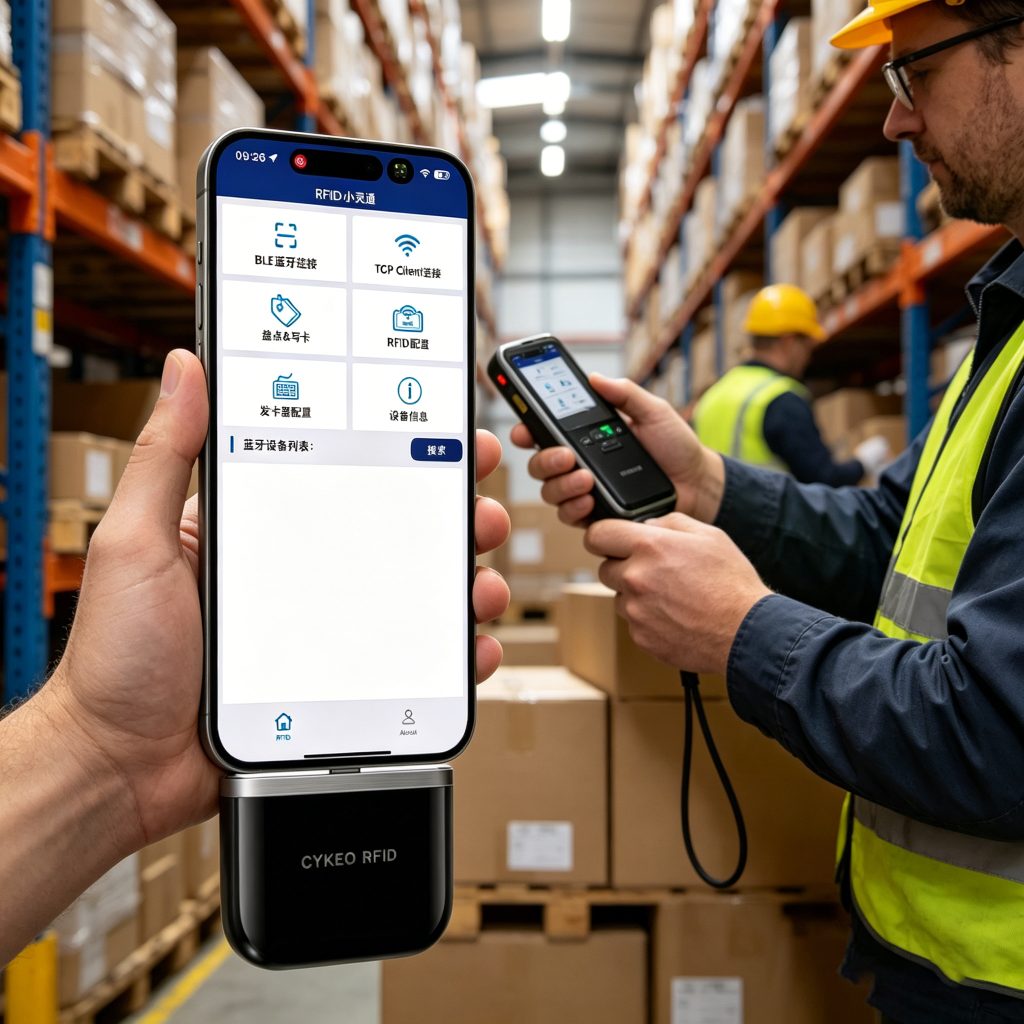
One thing often overlooked: write distance matters more than read distance.
The CYKEO-B4L uses a near-field antenna:
That difference is intentional.
In one warehouse test (mixed SKU pallets), reducing write range cut encoding conflicts by over 40%.
According to RAIN RFID Alliance:
From Auburn University RFID Lab:
These numbers only hold if tags are written correctly at the start.
Bad encoding propagates errors downstream—quietly.
It’s rarely the device.
From what I’ve seen, delays usually come from:
One team improved throughput by ~28% just by reorganizing how operators moved—not by upgrading hardware.
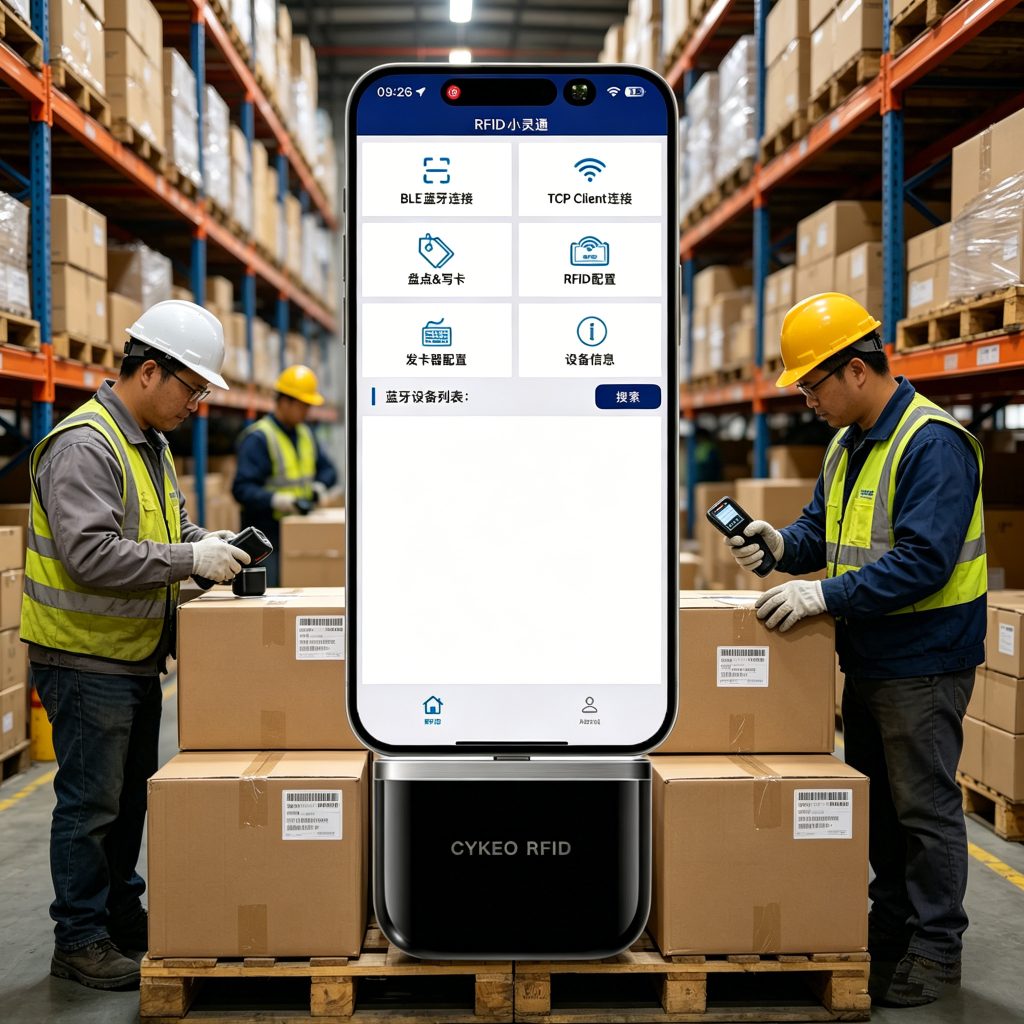
Compared to fixed encoding stations:
| Factor | Handheld RFID Writer | Fixed Encoder |
|---|---|---|
| Flexibility | High | Low |
| Setup cost | Minimal | Higher |
| Encoding location | Anywhere | Fixed point |
| Error control | Higher (proximity-based) | Moderate |
The shift is subtle—but operationally significant.
Typically EPC (Electronic Product Code), user memory, or custom identifiers depending on the application.
Yes, but controlled single-tag writing is often more accurate in dense environments.
Keep tags within proper range, verify after writing, and avoid overlapping signals.
Writing RFID tags isn’t complicated—but doing it reliably at scale is.
A handheld approach, especially with a controlled-range device like CYKEO-B4L, doesn’t just simplify the process—it quietly removes the small errors that usually go unnoticed until they stack up.
That’s where most of the real efficiency gains come from.
And that’s the part people don’t see in spec sheets.

RFID copy machine explained honestly: what can be copied, what can’t, and where risks appear. Real use cases, no hype.
More
Learn how RFID tags work, how to test them with phones or readers, and troubleshoot common issues. Practical tips for engineers and warehouse professionals.
More
Tags RFID technology enables fast asset tracking, inventory management, and automated identification. Learn how RFID tags improve accuracy and efficiency.
More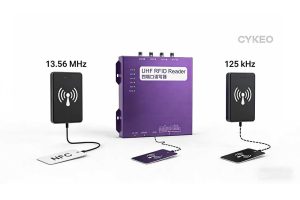
Can RFID read NFC? We explain the technical relationship, which RFID readers are compatible, and why most industrial systems cannot read NFC tags.
More