 Cykeo RFID IoT Solution Products R&D Manufacturer
how to check rfid number
178how to check rfid number quickly and accurately using professional readers. Learn proven methods, tools, and real-world tips to read RFID IDs with high reliability.
MoreAll RFID Product
When people talk about RFID passive and active tags, they are usually trying to figure out which technology fits their project best. RFID has been around for decades, but only in the last few years has it moved from niche logistics systems into everyday applications—think retail security, asset tracking, or even smart parking systems. To understand the difference between passive and active tags, it helps to break things down into how they work, what they cost, and where they are commonly used.
A passive RFID tag has no battery inside. It’s like a mirror that wakes up only when light hits it. Instead of light, it uses energy from the RFID reader’s radio waves. Once the tag receives that energy, it reflects back a signal with its unique ID or stored data.
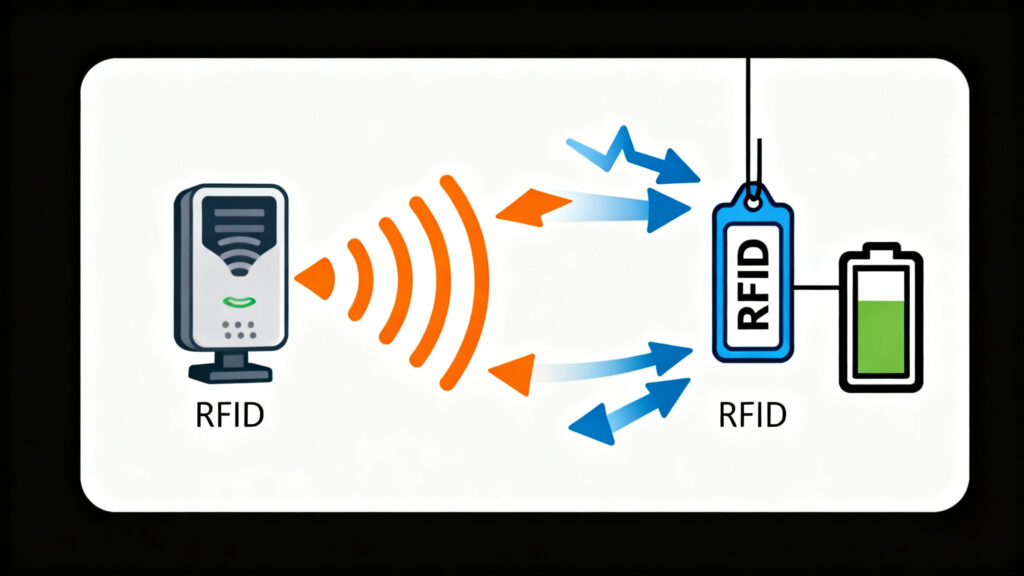
Because of this design:
Think of passive tags as stickers or labels that quietly sit there until someone scans them.
In contrast, an active RFID tag has its own battery and sometimes even sensors built inside. Instead of waiting for the reader’s energy, it actively sends signals. This is more like a small walkie-talkie that constantly shouts its ID to anyone listening.
Key characteristics:
Active tags are often used in high-value tracking scenarios: tracking medical equipment in hospitals, containers in shipping yards, or even employees inside secure facilities.
| Feature | Passive RFID Tags | Active RFID Tags |
|---|---|---|
| Power Source | No battery (powered by reader) | Built-in battery |
| Read Range | Short to medium (cm to ~10 m) | Long (10 m to 100+ m) |
| Size | Small, lightweight | Larger, bulkier |
| Cost per Tag | Very low (cents) | High (dollars+) |
| Lifespan | Practically unlimited | Limited by battery life |
| Applications | Retail, libraries, access control | Asset tracking, logistics, real-time monitoring |
This table gives the quick snapshot, but the decision usually comes down to balancing cost vs. performance.
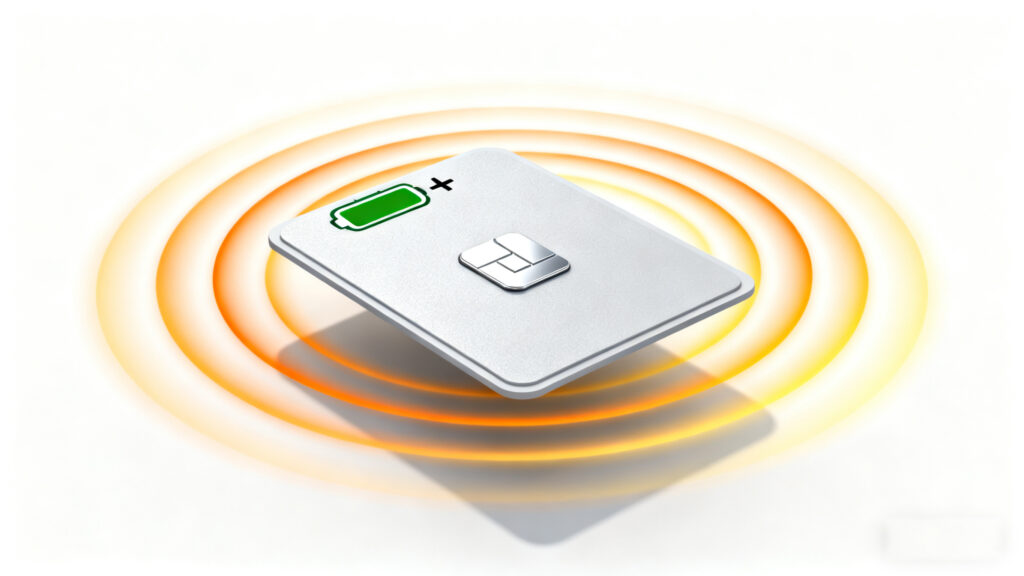
The key point: if you just need to identify lots of items cheaply, passive tags are the answer. If you need real-time location data across a wide area, active tags are worth the investment.
A lot of people assume that passive RFID is “worse” than active RFID because the range is shorter. That’s not true—it just solves a different problem. In fact, many retailers wouldn’t even consider active RFID because the cost would be too high. On the flip side, using passive tags in a massive shipping yard would be frustrating because readers can’t pick up signals from hundreds of meters away.
Understanding rfid passive and active tags is really about knowing what you need from your RFID system. Passive tags are cheap, durable, and perfect for high-volume, low-cost tracking. Active tags, though more expensive, open the door to long-range, real-time monitoring that passive tags simply can’t provide.
Before making a choice, always match the tag type with the application. It’s like choosing between a bicycle and a car—both get you from A to B, but the context matters.
Q: Can passive and active RFID tags work together?
Yes. Some systems combine both, using passive tags for item-level tracking and active tags for high-value assets.
Q: Do active RFID tags always need replacement?
Eventually yes, because the battery runs out. Lifespan varies from 3 to 10 years depending on usage.
Q: Which is more secure, passive or active?
Security depends more on the system design and encryption, not the tag type. Both can be secured if the right protocols are used.
Many customers also ask another practical question after comparing passive and active RFID tags: how long do passive RFID tags last in real applications? Lifespan is not only related to the absence of a battery, but also depends on materials, environment, frequency, and usage conditions. This guide explains what affects passive RFID tag durability and how to select the right option for long-term projects.
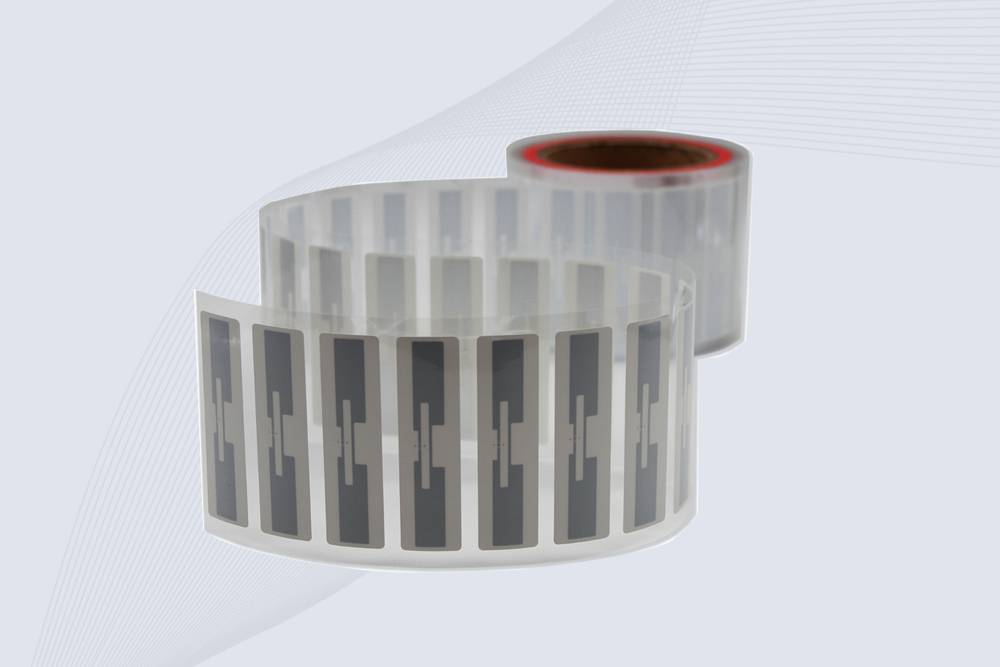
CYKEO Passive RFID Tags are made for wet and high-humidity environments where standard labels do not last. This rfid passive tag is often used around liquids, chemicals and temperature changes, providing stable reading distance and long data life for industrial tracking.
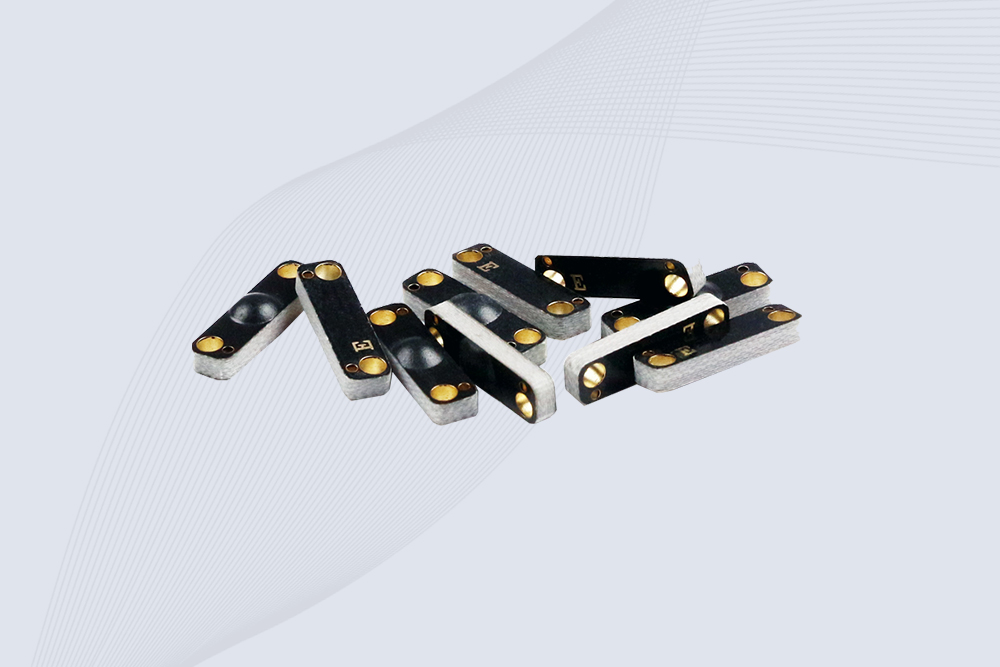
CYKEO CYKEO-PCB1504 Metal RFID Tags is a compact anti-metal UHF RFID solution built for direct mounting on metal surfaces. With stable 8-meter read range, Ucode-8 chip, and long data retention, this rfid metal tag fits tools, containers, automotive parts, and industrial asset tracking.
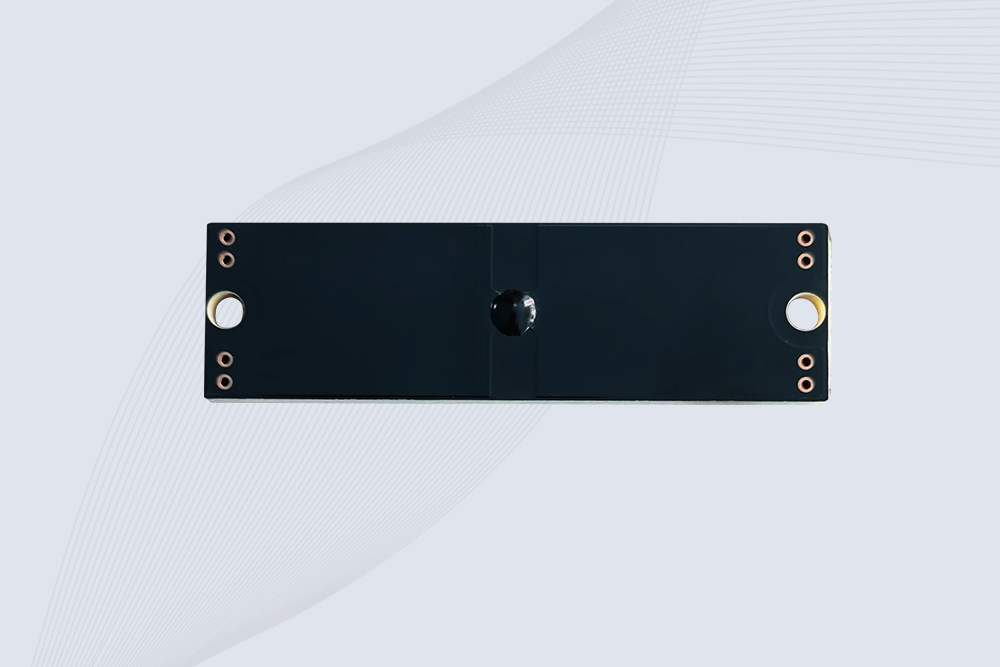
CYKEO CYKEO-PCB7020 On-Metal RFID Tags are designed for reliable tracking on steel and metal surfaces. Built with an FR4 epoxy body and industrial-grade chips, these On-Metal RFID Tags deliver stable performance, long data life, and chemical resistance, making them a dependable RFID anti-metal tag for harsh environments.
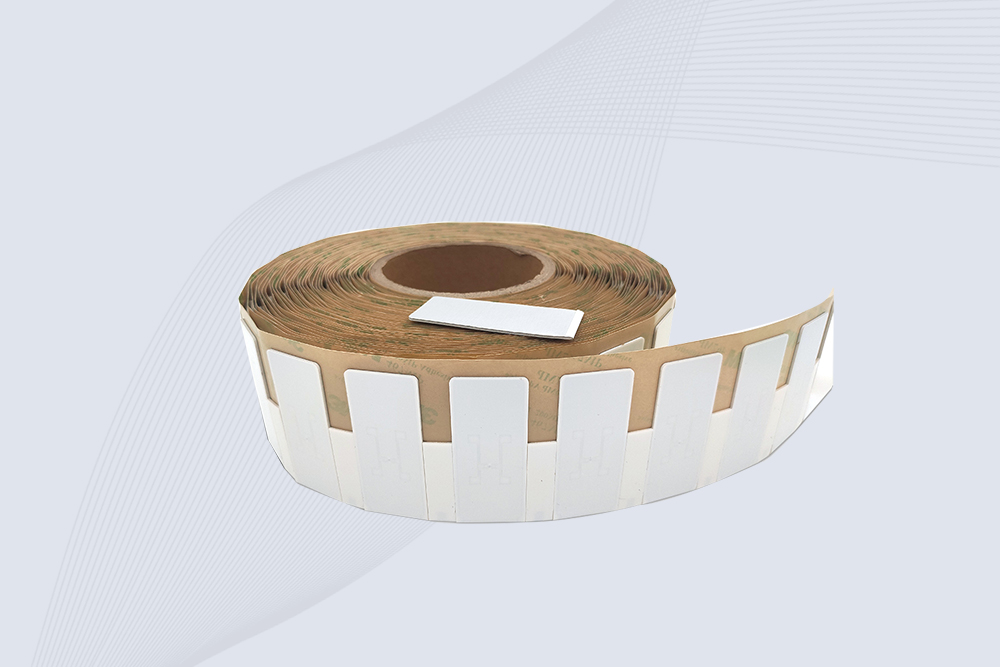
The CYKEO CYKEO-60-25 Anti-Metal RFID Tag is built for metal surfaces where standard tags fail. Designed for long-range performance, harsh environments, and stable data retention, this Anti-Metal RFID Tag is ideal for industrial assets, containers, and equipment tracking using on metal RFID tags.
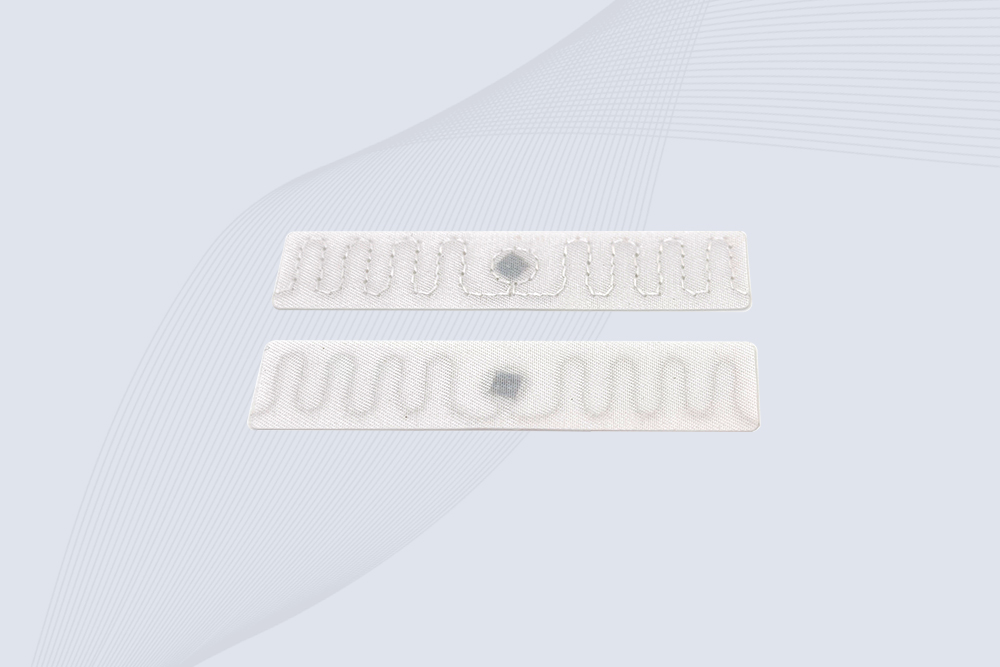
The CYKEO RFID Laundry Tag is designed for long-term textile identification in harsh laundry environments. Built to withstand high heat, chemicals, and repeated washing, this RFID Laundry Tag delivers stable performance for hotels, hospitals, and industrial laundry operations using laundry rfid tags at scale.
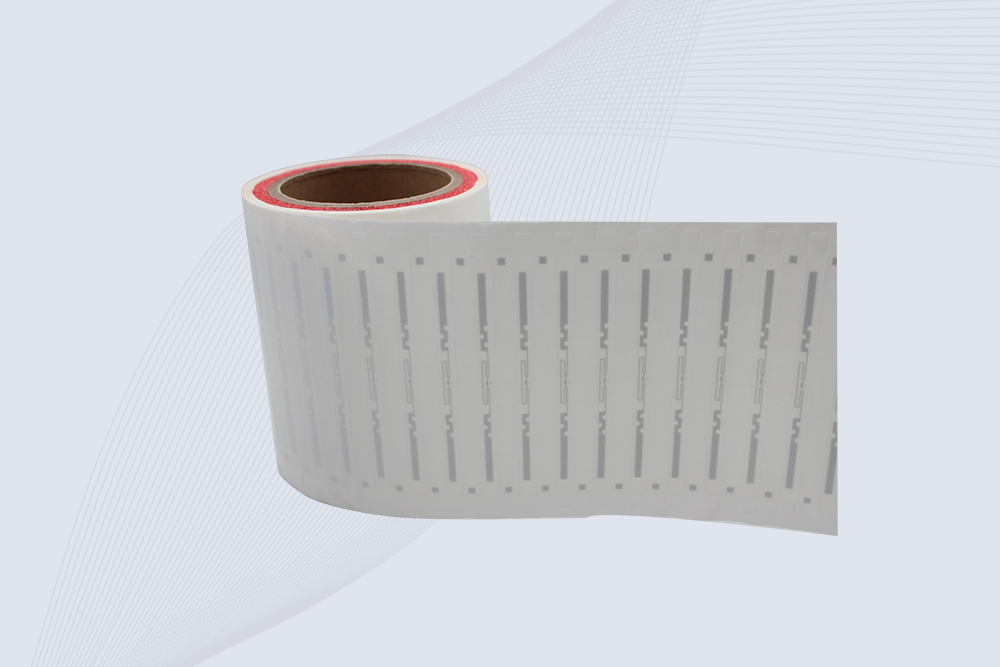
The CYKEO CYKEO-125-7 RFID Book Tag is designed for reliable book and document tracking in libraries and archives. This RFID Book Tag delivers long read range, dense placement support, and stable performance on shelves, making it a practical rfid tag on books for library automation, file management, and archival systems.
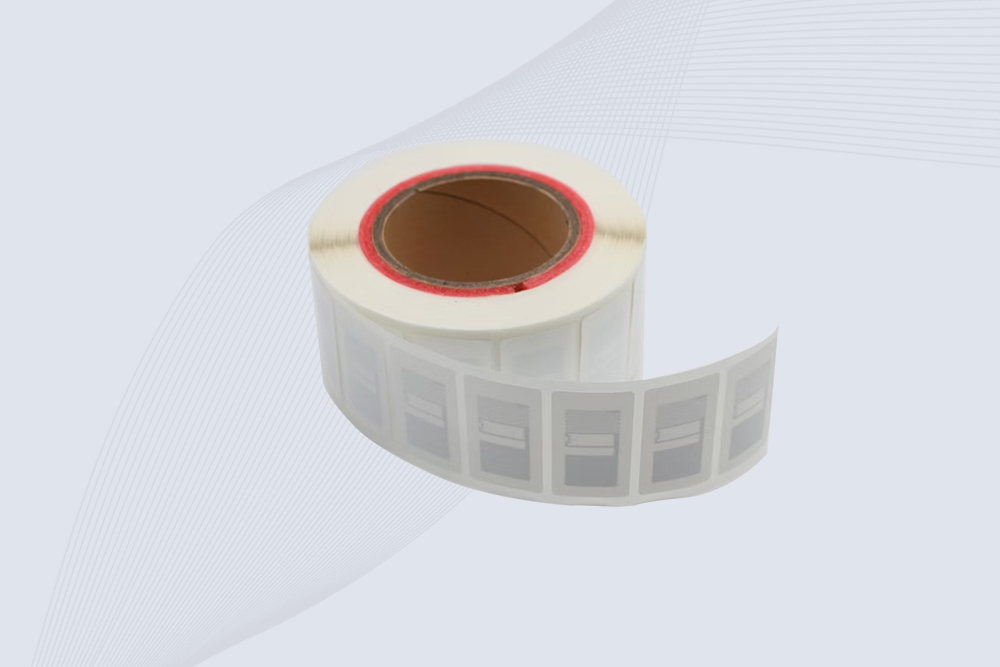
CYKEO RFID tags in hospitals are designed for sterile environments where accuracy matters. These autoclavable RFID tags support long-term tracking of surgical tools, implants, and medications, helping hospitals improve visibility, compliance, and patient safety.

CYKEO RFID Cable Tie Tag is built for reliable identification on metal surfaces. This UHF RFID Cable Tie Tag is widely used in rfid tags for inventory systems, industrial asset management and Hospital RFID Tags, offering stable read performance, long service life and global EPC Gen2 compatibility.
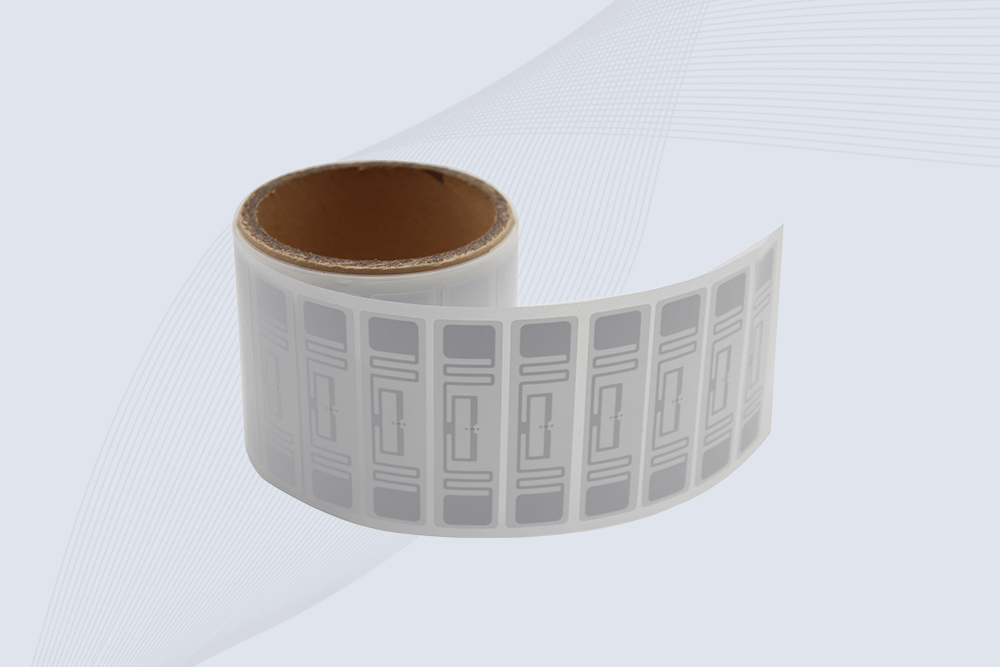
CYKEO RFID Asset Tag is designed for stable identification of metal assets in industrial environments. This UHF RFID Asset Tag is commonly used for rfid tag asset tracking on equipment, tools and containers, providing reliable reads, long service life and ISO/IEC 18000-6C support.

CYKEO UHF RFID Card is designed for fast identification and long-term use in industrial and commercial systems. Supporting ISO 18000-6C, this UHF RFID Card works at 860–960 MHz and is suitable for custom RFID cards used in asset tracking, access control and inventory management.
CYKEO HF RFID Cards are designed for secure and stable access control systems. These 13.56 MHz RFID key cards support ISO 14443-A, reliable rewriting and long service life, making HF RFID Cards suitable for offices, campuses, events and membership management.
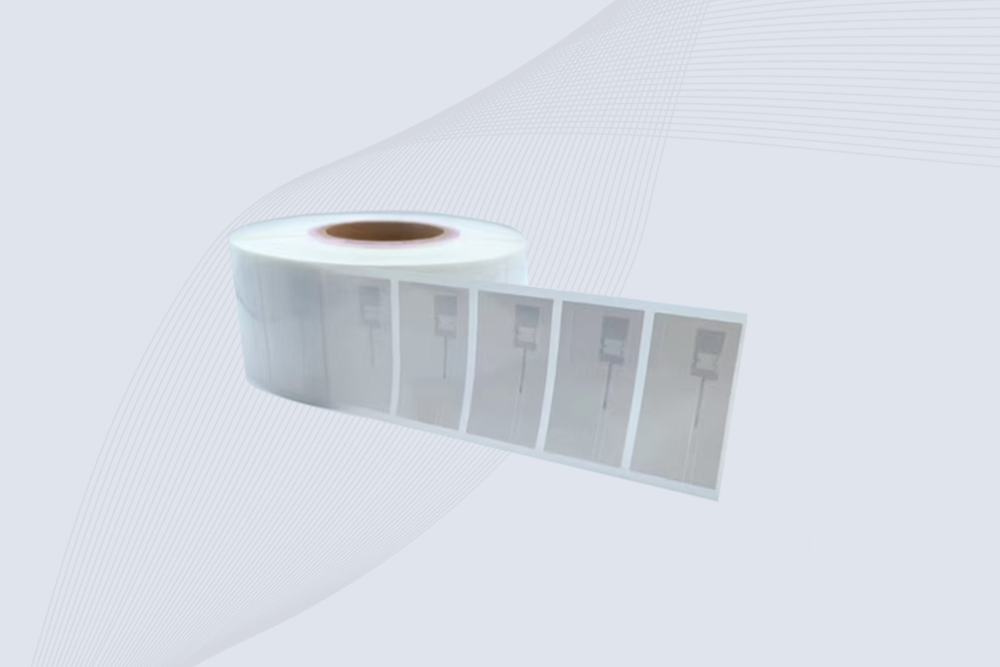
CYKEO UHF RFID Tag is designed for reliable tracking of metal jewelry and high-value items. This Jewelry RFID Tag supports long-range reading up to 8 meters, anti-counterfeit protection and stable performance on metal, making it suitable for retail, inventory control and asset management.

how to check rfid number quickly and accurately using professional readers. Learn proven methods, tools, and real-world tips to read RFID IDs with high reliability.
More
How much does an RFID tool cabinet cost? Discover key pricing factors, cost ranges, and how to choose the right RFID tool tracking system for your budget.
More
Understand RFID antenna gain, how it affects reading distance and coverage, and why choosing the right gain level matters for warehouse, industrial, and custom RFID projects.
More
Learn step-by-step how to integrate RFID handheld scanners with ERP systems for real-time inventory updates, asset tracking, and streamlined operations.
More