 Cykeo RFID IoT Solution Products R&D Manufacturer

Laundry RFID Tags for Automated Linen Tracking and Laundry Management
68Discover how laundry RFID tags improve linen visibility, automate inventory counts, reduce losses, and streamline laundry operations with Cykeo RFID solutions.
MoreAll RFID Product
When companies start planning RFID project, one question usually comes up after reading about reading distance, frequency, and compatibility:
It sounds like a simple question, but the answer is not always a fixed number.
Unlike active RFID tags, passive RFID tags do not contain an internal battery. They receive energy from an RFID reader and use that energy to transmit information. Because there is no battery inside that can run out, passive RFID tags can often work for many years under suitable conditions.
In many real-world applications, a high-quality passive RFID tag can last 5 to 10 years or even longer. However, the actual lifespan depends heavily on where and how the tag is used.
For example, an RFID label attached to a warehouse carton stored indoors may continue working for many years, while a tag exposed to sunlight, chemicals, moisture, or repeated mechanical stress may have a much shorter service life.
This is something many buyers discover only after starting large-scale deployment.
The biggest reason passive RFID tags have a long lifespan is their simple structure.
A typical passive RFID tag contains:
There is no battery that needs replacement.
This makes passive RFID tags attractive for applications where thousands or millions of items need identification.
Imagine a clothing manufacturer applying RFID tags to every product before shipment. Replacing batteries on millions of tags would not be practical. Passive RFID technology avoids this problem and allows companies to track products from production to warehouse and retail locations.
For this reason, passive RFID tags are widely used in:
If you are still comparing passive and active RFID technology, you can also read our previous guide: RFID passive and active tags: what you need to know, where we explain the differences between battery-powered and battery-free RFID solutions.
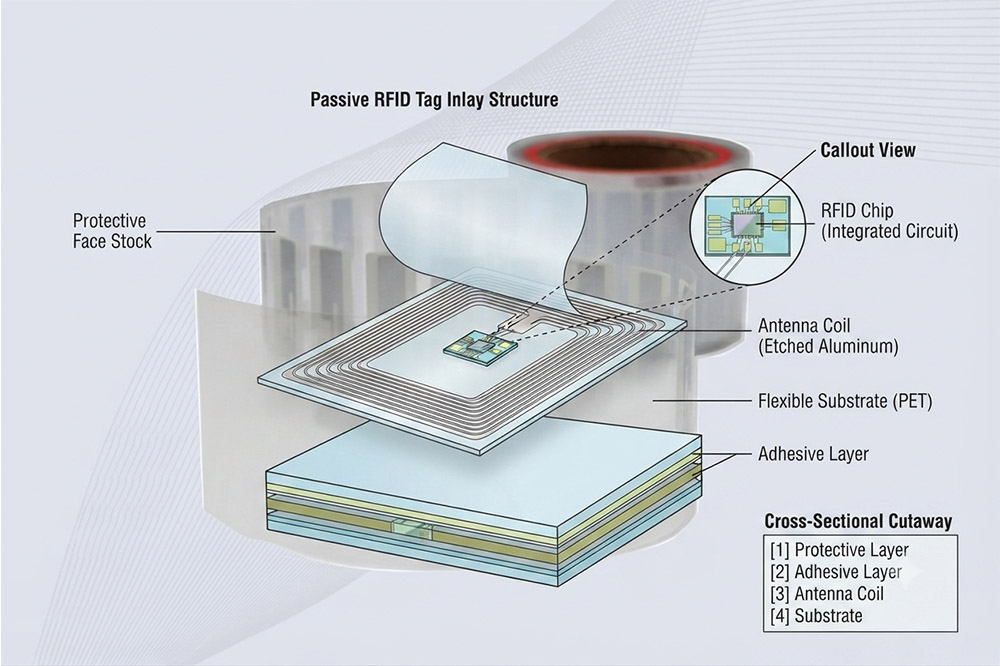
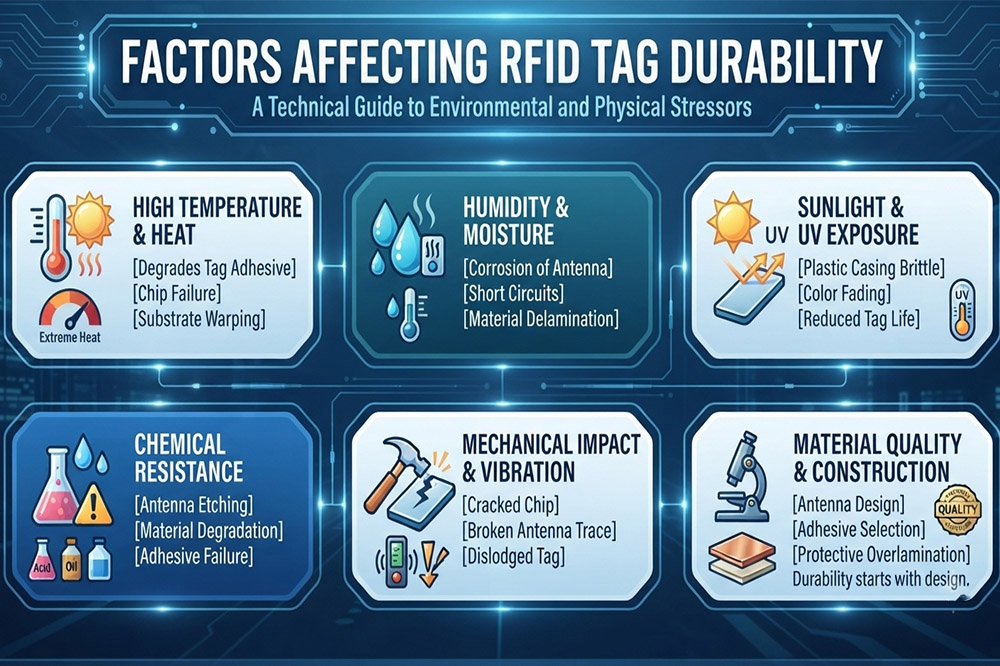
Although passive RFID tags do not have batteries, several factors influence how long they can continue working.
The material of an RFID tag plays a major role.
A simple paper RFID label may work perfectly inside a clean warehouse, but it is not designed for harsh environments.
For industrial applications, companies often choose:
For example, an automotive factory tracking metal parts may need a rugged RFID tag designed to survive vibration, temperature changes, and industrial conditions.
Choosing the cheapest RFID tag at the beginning may create higher replacement costs later.
The environment is probably the biggest factor affecting RFID tag lifespan.
Indoor applications usually provide the longest service life.
A passive RFID tag used inside an office or warehouse may remain functional for many years.
However, outdoor applications create more challenges:
A construction company tracking outdoor equipment, for example, cannot use the same RFID label used for retail clothing.
The tag needs protection against environmental damage.
Different RFID frequencies also influence application choices.
Common RFID frequency ranges include:
UHF RFID tags are popular for logistics and inventory because they provide longer reading distances and faster scanning.
HF RFID tags are often selected for applications like access cards, libraries, and NFC-related products.
The frequency itself does not simply determine lifespan, but selecting the wrong RFID technology for the environment can reduce practical performance.
Sometimes the RFID chip is still working, but the tag itself becomes damaged.
Common problems include:
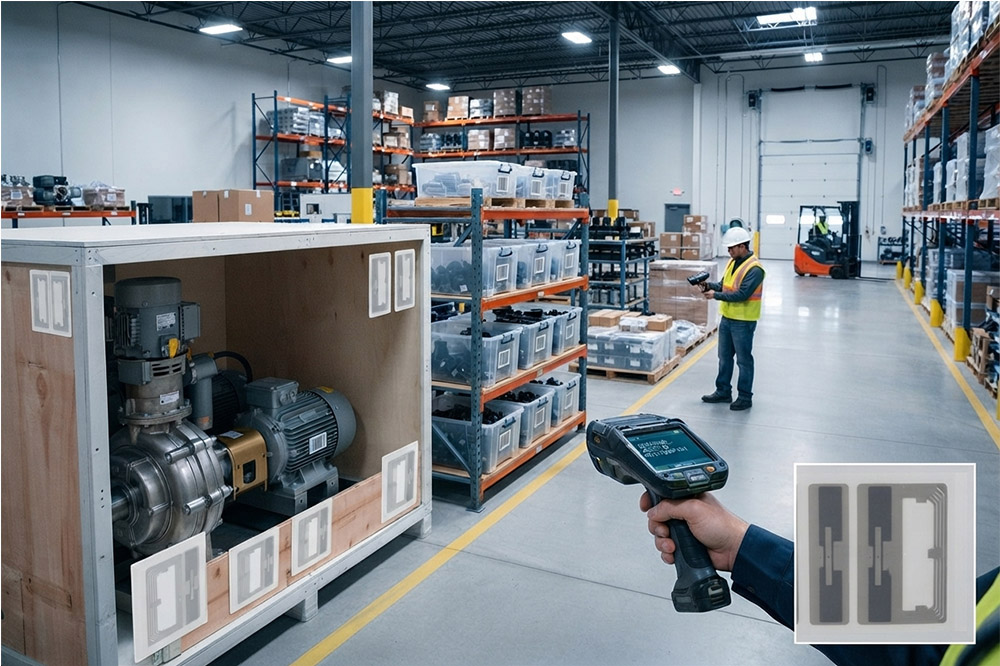
A warehouse pallet tag may survive years if it stays attached securely.
A reusable industrial container tag, however, may need a stronger housing because it experiences repeated handling.
Different industries have different expectations.
Retail RFID labels are usually designed for short-term tracking.
A clothing tag may only need to work during:
In this case, even several months of reliable performance may be enough.
Industrial customers usually need much longer service life.
Equipment tracking systems often expect RFID tags to work for:
Durable RFID tags with protective housing are usually selected for these projects.
For pallets, containers, and reusable assets, companies normally focus on durability.
The question is not only “how long can the RFID tag survive?”
It is also:
“How many times can this tag be scanned and handled without failure?”
For companies purchasing RFID tags in bulk, lifespan should not be the only consideration.
A good RFID supplier should help evaluate:
For example, a warehouse project using thousands of RFID tags may need a different solution compared with a hospital equipment tracking system.
There is no single RFID tag that fits every application.
The right choice usually comes from matching the tag design with the actual working environment.
When buying RFID tags wholesale, companies often focus on unit price first.
But a small price difference can become expensive when thousands of tags fail earlier than expected.
A reliable RFID manufacturer should provide:
At Cykeo RFID, we provide RFID solutions for different industries, including inventory management, industrial tracking, and customized RFID applications.
For businesses planning long-term RFID deployment, selecting the correct tag type at the beginning can reduce replacement costs and improve system reliability.
So, how long do passive RFID tags last?
In many applications, passive RFID tags can work for 5 to 10 years or more, because they do not rely on batteries. But lifespan depends on many practical factors, including materials, environment, installation method, and application requirements.
A warehouse RFID label, an outdoor equipment tag, and a reusable industrial tag may all have completely different lifespans.
The best RFID solution is not always the cheapest tag. It is the one designed for the environment where it will actually be used.
Before choosing an RFID solution, it is important to understand the difference between passive and active RFID technology. Our previous guide RFID passive and active tags: what you need to know explains how these two tag types work and when each one is suitable.
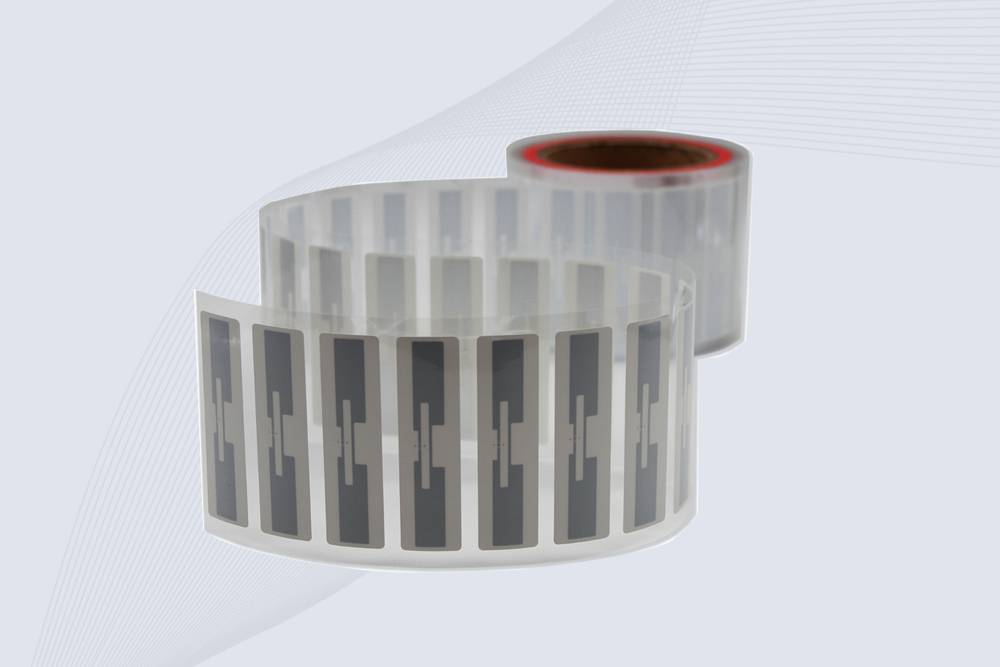
CYKEO Passive RFID Tags are made for wet and high-humidity environments where standard labels do not last. This rfid passive tag is often used around liquids, chemicals and temperature changes, providing stable reading distance and long data life for industrial tracking.
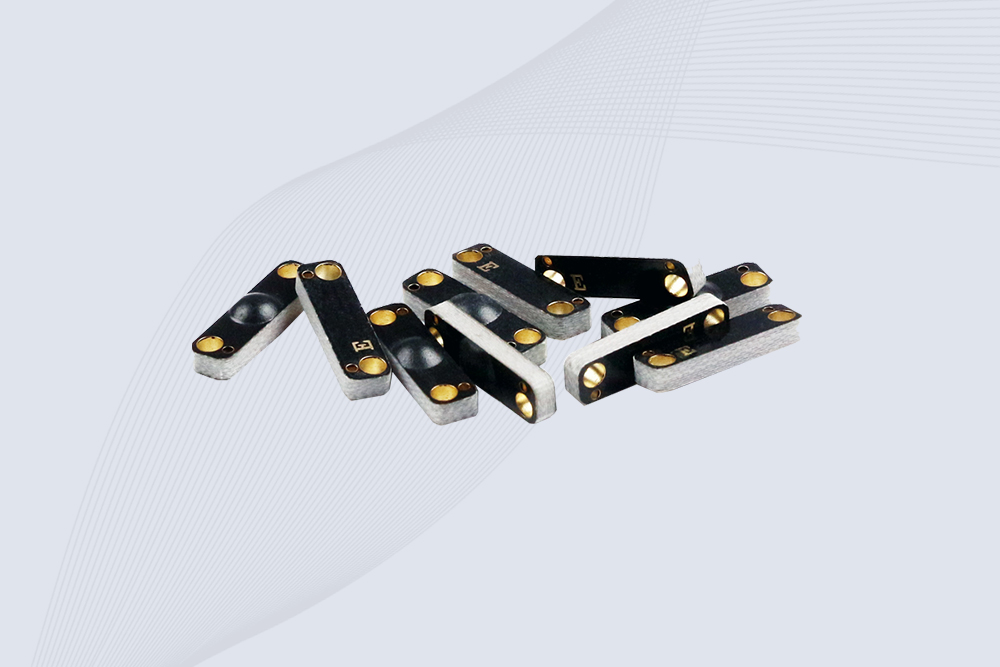
CYKEO CYKEO-PCB1504 Metal RFID Tags is a compact anti-metal UHF RFID solution built for direct mounting on metal surfaces. With stable 8-meter read range, Ucode-8 chip, and long data retention, this rfid metal tag fits tools, containers, automotive parts, and industrial asset tracking.
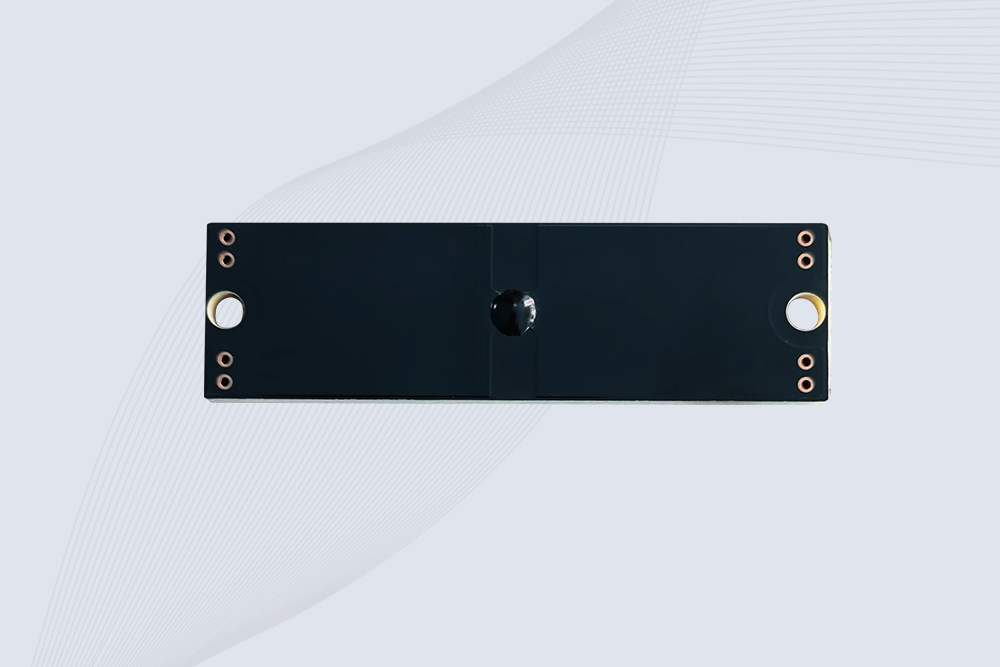
CYKEO CYKEO-PCB7020 On-Metal RFID Tags are designed for reliable tracking on steel and metal surfaces. Built with an FR4 epoxy body and industrial-grade chips, these On-Metal RFID Tags deliver stable performance, long data life, and chemical resistance, making them a dependable RFID anti-metal tag for harsh environments.
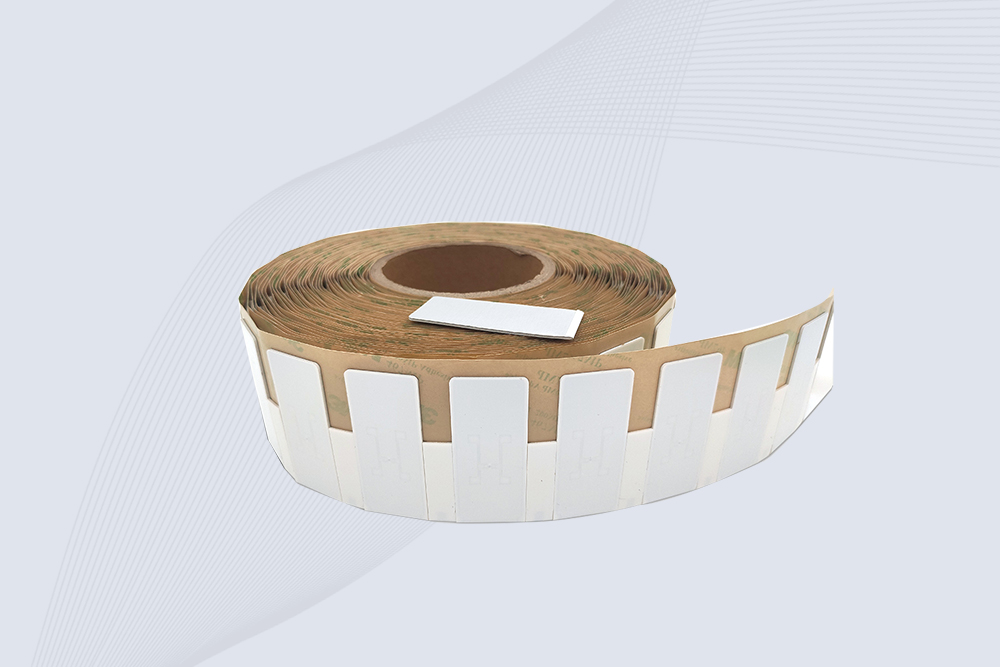
The CYKEO CYKEO-60-25 Anti-Metal RFID Tag is built for metal surfaces where standard tags fail. Designed for long-range performance, harsh environments, and stable data retention, this Anti-Metal RFID Tag is ideal for industrial assets, containers, and equipment tracking using on metal RFID tags.
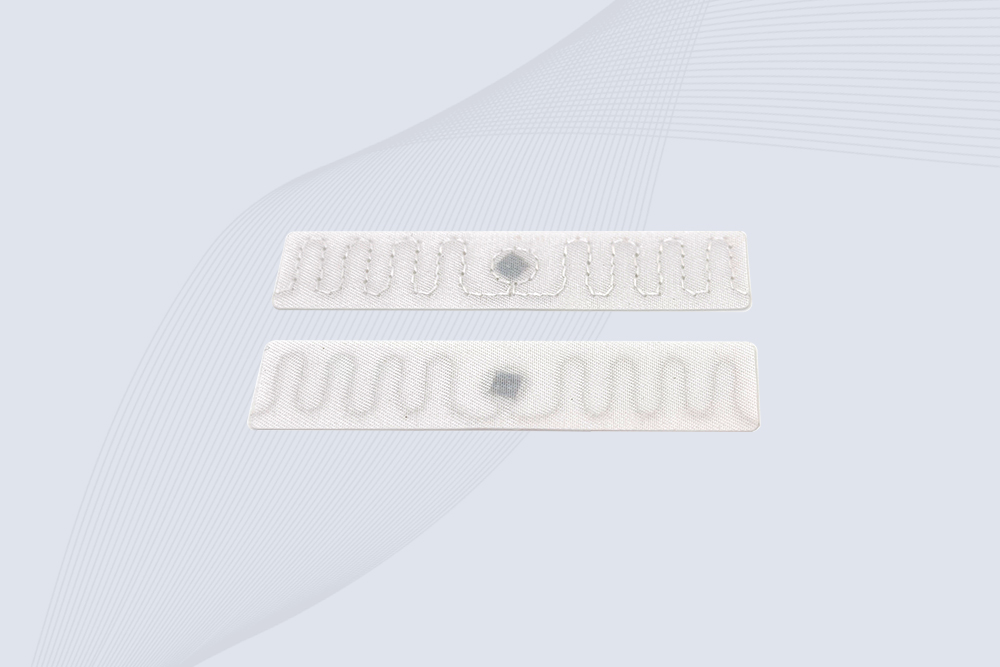
The CYKEO RFID Laundry Tag is designed for long-term textile identification in harsh laundry environments. Built to withstand high heat, chemicals, and repeated washing, this RFID Laundry Tag delivers stable performance for hotels, hospitals, and industrial laundry operations using laundry rfid tags at scale.
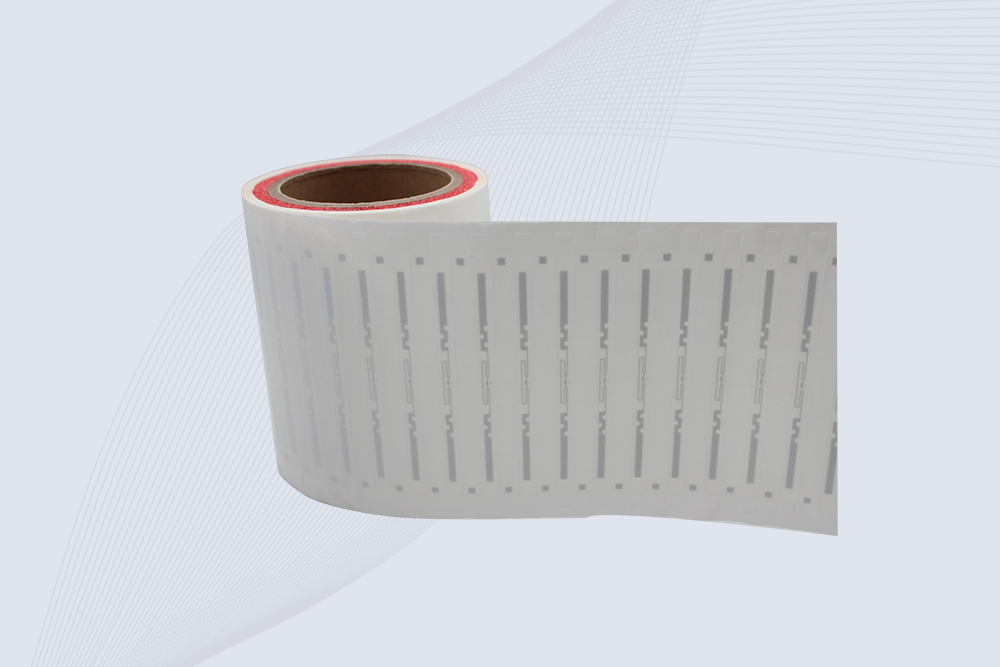
The CYKEO CYKEO-125-7 RFID Book Tag is designed for reliable book and document tracking in libraries and archives. This RFID Book Tag delivers long read range, dense placement support, and stable performance on shelves, making it a practical rfid tag on books for library automation, file management, and archival systems.
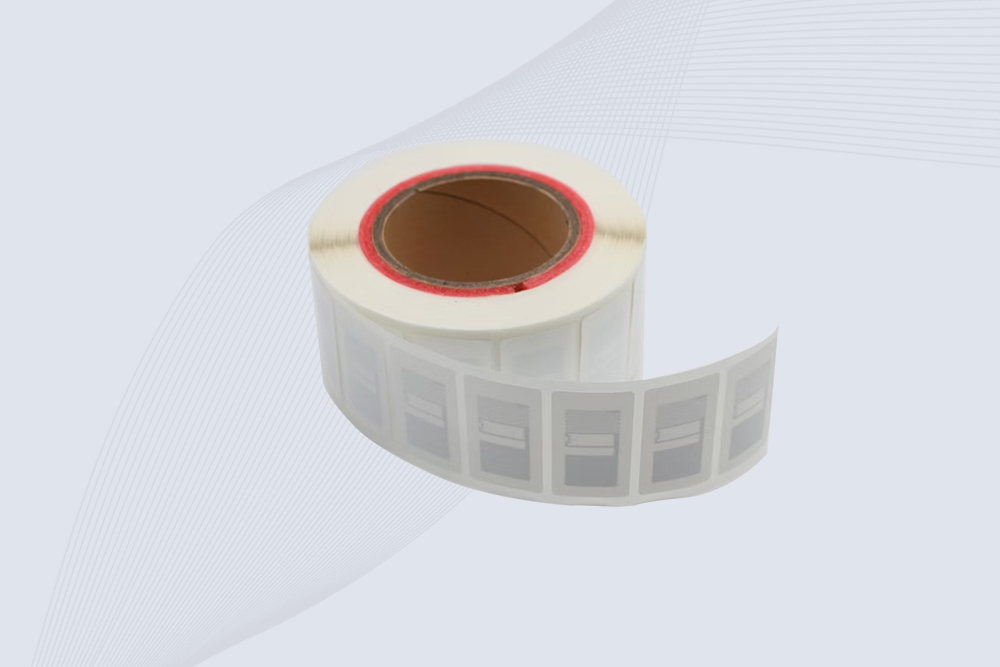
CYKEO RFID tags in hospitals are designed for sterile environments where accuracy matters. These autoclavable RFID tags support long-term tracking of surgical tools, implants, and medications, helping hospitals improve visibility, compliance, and patient safety.

CYKEO RFID Cable Tie Tag is built for reliable identification on metal surfaces. This UHF RFID Cable Tie Tag is widely used in rfid tags for inventory systems, industrial asset management and Hospital RFID Tags, offering stable read performance, long service life and global EPC Gen2 compatibility.
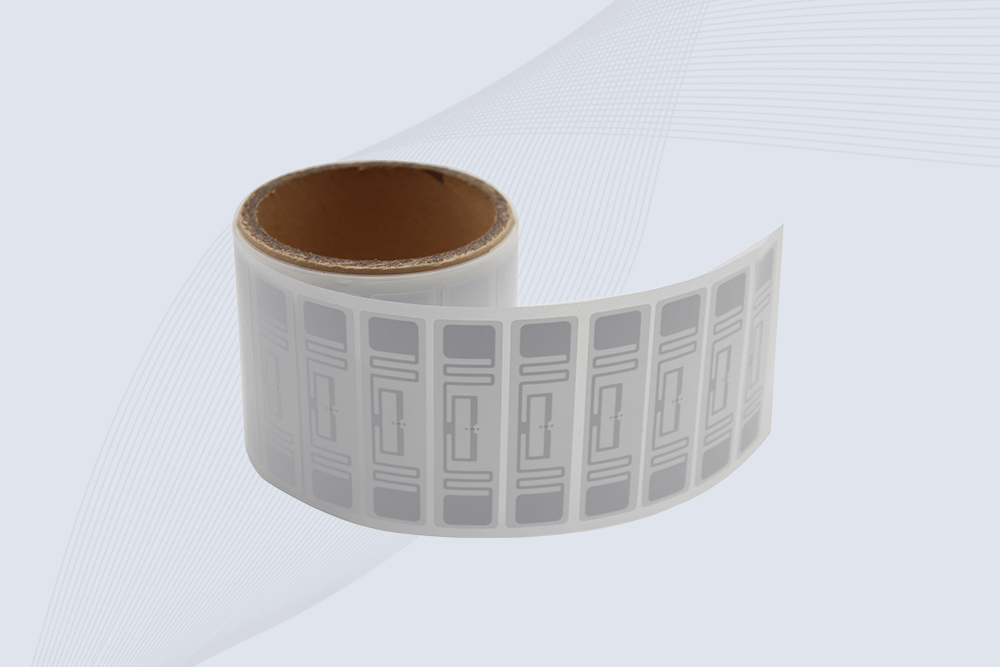
CYKEO RFID Asset Tag is designed for stable identification of metal assets in industrial environments. This UHF RFID Asset Tag is commonly used for rfid tag asset tracking on equipment, tools and containers, providing reliable reads, long service life and ISO/IEC 18000-6C support.

CYKEO UHF RFID Card is designed for fast identification and long-term use in industrial and commercial systems. Supporting ISO 18000-6C, this UHF RFID Card works at 860–960 MHz and is suitable for custom RFID cards used in asset tracking, access control and inventory management.
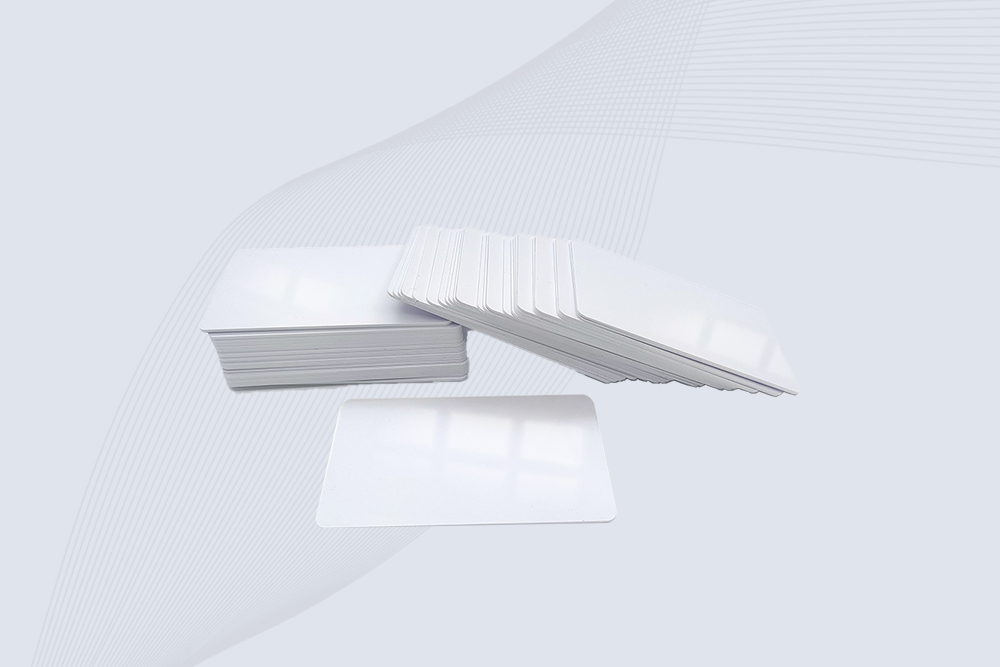
CYKEO HF RFID Cards are designed for secure and stable access control systems. These 13.56 MHz RFID key cards support ISO 14443-A, reliable rewriting and long service life, making HF RFID Cards suitable for offices, campuses, events and membership management.
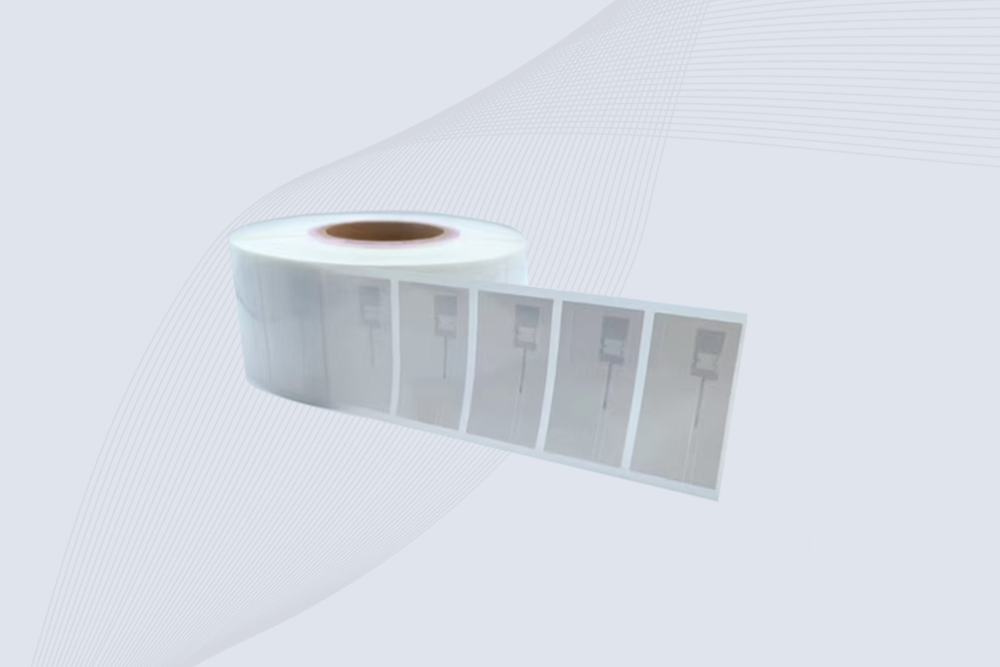
CYKEO UHF RFID Tag is designed for reliable tracking of metal jewelry and high-value items. This Jewelry RFID Tag supports long-range reading up to 8 meters, anti-counterfeit protection and stable performance on metal, making it suitable for retail, inventory control and asset management.
RFID Industry Writer | IoT & Asset Tracking Analyst
James writes about RFID technology, asset tracking, and the practical challenges of digital transformation across warehousing, retail, manufacturing, and logistics.
His work focuses on how RFID is applied in real-world operations—improving inventory visibility, automating workflows, and helping businesses manage assets with greater accuracy and efficiency.
He regularly covers topics including UHF RFID, smart cabinets, RFID portals, tool tracking, warehouse automation, and industrial IoT trends..

Discover how laundry RFID tags improve linen visibility, automate inventory counts, reduce losses, and streamline laundry operations with Cykeo RFID solutions.
More
Learn how to program rfid tags with professional RFID writing methods, EPC encoding, software tools, and Cykeo solutions for fast, accurate tag management.
More
Discover how RFID access solutions improve security, automate entry management, and reduce operational costs. Learn about RFID cards, readers, tags, system architecture, industry applications, and how to choose the right solution for your business.
More
A reliable RFID system combines UHF tags, readers, antennas, software, and business applications around defined read events and real operating conditions.
More