 Cykeo RFID IoT Solution Products R&D Manufacturer
Can RFID Reader Read Multiple Tags at Once?
115can rfid reader read multiple tags at once? Learn how UHF RFID readers identify multiple tags simultaneously and improve inventory, checkout, and tag-writing efficiency.
MoreAll RFID Product
How to set up rfid tags? Choose a compatible UHF RFID tag, define its identifier structure, encode the EPC or required user data with a UHF RFID reader-writer, verify the written data, then attach the tag to the correct product surface and test it in the real operating environment.
For passive UHF RFID, setting up a tag usually means more than sticking a label onto a carton. The tag needs an identifier, an appropriate memory structure, a suitable physical position, and a reader configuration that can recognize it reliably.
GS1 describes RAIN RFID tags as having four logical memory banks: Reserved, EPC, TID, and User memory. The EPC memory stores the Electronic Product Code used to identify the tagged object, while User memory, when available, can hold additional application information.
That distinction becomes important when designing a real deployment. I have seen RFID projects become unnecessarily complicated because teams tried to put the entire product record directly onto the tag. In many inventory applications, the EPC works better as the unique identifier, while the detailed product information stays in the database
| Memory Bank | Typical purpose |
|---|---|
| Reserved | Stores access and kill passwords used for tag control. |
| EPC | Stores the Electronic Product Code used to identify the tagged object. |
| TID | Contains tag and chip identification information. |
| User | Optional application-specific information beyond the EPC. |
GS1 states that a RAIN RFID tag typically carries no more than 8 KB of data, while simple license-plate applications may use a 96-bit or 128-bit identifier. This is one reason I normally recommend deciding what information genuinely belongs on the tag before purchasing large-memory UHF labels.
The first physical decision is not the reader. It is the tag.A UHF RFID label that performs well on corrugated cardboard may not behave the same way on steel equipment. Metal surfaces can detune an ordinary label, while products containing substantial liquid can also affect RF performance. If the tag will be placed on machinery, tools, racks, containers, or other metal assets, an on-metal UHF RFID tag may be the more appropriate starting point.
Material: cardboard, plastic, glass, fabric, metal, or mixed materials.
Tag position: flat surface, curved surface, recessed area, or hanging label.
Read direction: fixed reader, handheld reader, conveyor, shelf, or portal.
Required memory: EPC-only identification or additional User memory.
Environmental exposure: dust, moisture, abrasion, heat, chemicals, or outdoor conditions.
Tag size: determined by the product surface and required RF performance.
GS1 identifies passive UHF RFID as operating in the 860–930 MHz range under the EPC Gen2 family of standards and notes that RAIN RFID is used for fast asset identification, inventory, and tracking. Regional frequency rules still need to be checked for the actual deployment location; GS1 publishes country-specific UHF allocation information because permitted frequencies and power conditions vary.
Do not open the encoder software and start typing numbers randomly. Establish the numbering structure first.
For an item-level inventory application, each physical item normally needs a unique identity. GS1 explains that EPC provides a way to encode GS1 identifiers on RAIN RFID tags and can serialize identifiers such as GTINs for improved visibility and traceability.
| Field | Example role | Recommended approach |
|---|---|---|
| EPC | Unique item identity | Use a controlled serialization scheme. |
| Product ID | SKU or item reference | Store on the tag only when operationally useful. |
| Batch / lot | Production grouping | Use User memory where the application requires it. |
| Database record | Full product information | Keep detailed records in the business system. |
GS1 specifically warns that non-standard tag-data schemes can create interference between applications. Its guidance recommends using recognized EPC or ISO-based item-number schemes rather than inventing an uncontrolled numbering structure.
Once the tag type and data structure are fixed, use a compatible UHF RFID reader-writer or encoder to write the required information. The basic workflow is straightforward, but the verification step is where many production setups become more reliable.
Connect the UHF RFID reader-writer to the computer.
Open the encoding or management software.
Select the correct UHF RFID reader and antenna.
Place the tag inside the intended writing zone.
Read the tag first and confirm its existing EPC/TID information.
Enter or generate the approved EPC data.
Write the EPC to the tag.
Read the tag again and compare the returned value.
Apply access control or locking where required.
Attach the verified tag to the intended item.
GS1 documents password-protected lock functions for RAIN RFID memory. EPC memory can be locked against overwriting while remaining readable, and permanent lock functions can make the status irreversible. Do not use permanent locking during an early test run unless the data and process have already been verified.

Programming the tag is only half of the job. The physical installation determines whether the encoded tag can actually be recognized consistently by UHF RFID reader.
In field deployments, I treat tag placement as part of the RF design rather than a labeling task. Two identical tags can produce noticeably different results simply because one is positioned flat on cardboard and the other is folded around an edge, placed against metal, or hidden behind another package.
Apply the tag to a clean, stable surface.
Keep the tag orientation consistent when the workflow permits it.
Avoid placing ordinary UHF labels directly against metal.
Use on-metal UHF tags for metal assets when the application requires them.
Do not cover the RFID inlay with materials that interfere with RF performance.
Keep the tag position consistent across identical products.
For cartons moving through a fixed reader, for example, placing the tag at approximately the same height and orientation makes the RF environment much more predictable. With handheld inventory, the operator has more freedom, but tag placement still matters because the reader antenna and tag polarization change relative to one another during scanning.
A tag should not be considered ready simply because the encoder reported a successful write. Read it again after installation.
This second check catches problems that are invisible during programming. A tag may have the correct EPC while its new position on a metal container or dense product produces poor UHF performance. For production environments, the verification process should therefore include both data verification and RF verification.
| Verification | What to check |
|---|---|
| Data | Confirm the EPC or required memory contains the intended value. |
| Identity | Confirm the tag corresponds to the correct physical item. |
| Readability | Confirm the installed tag can be detected by the intended UHF reader. |
| Position | Confirm the tag remains attached and correctly oriented. |
| Duplicate control | Confirm the same EPC has not been assigned incorrectly to another item. |
For inventory applications, the most useful workflow is usually not complicated. Each physical item receives a controlled UHF RFID identity, and the business system links that identity to its product record.
For example:
Product → UHF RFID Tag → EPC → RFID Reader → Inventory Software → Item Record
When an employee performs an inventory count, the reader can collect multiple tag identities without requiring each item to be individually scanned with a barcode gun. The application can then compare the observed EPCs with expected inventory records.
This is where serialization becomes important. If two physical products accidentally receive the same EPC, the RFID system cannot reliably distinguish them by that identifier alone. A disciplined encoding process should therefore generate, validate, and record unique identities before tags enter normal operation.
Batch encoding is often more practical than manually entering every identifier. A controlled list of EPCs can be loaded into encoding software, written sequentially, and verified against the production record.
Cykeo’s desktop RFID writer solutions are designed for read/write operations and can support functions such as tag registration, batch writing, filtering, inventory management, and verification workflows. The appropriate configuration depends on the tag type and application requirements.
Check the physical installation first. Metal, liquids, tag orientation, distance, and nearby RF-reflective structures can change UHF performance. Move the tag temporarily to a known-good position. If the read result improves, the problem is probably the installation rather than the encoded EPC.
This usually points to an encoding or data-generation problem. Review the EPC generation process and confirm that the software is advancing the serial component rather than repeatedly writing one template value.
Repeated observations are normal when a tag remains inside the reader’s field. The application should use filtering and event logic to determine whether repeated reads represent one inventory observation or a new business event.
Use a UHF RFID tag designed for metal applications and test it on the actual asset. Do not assume that changing reader power will solve a tag-antenna interaction problem.
Cykeo’s UHF RFID equipment is designed around the practical stages of identification: reading, writing, filtering, and integration. The CYKEO-M4L module supports ISO18000-6C/EPC C1G2, adjustable output power up to 33 dBm, dense multi-tag recognition above 400 tags per second, frequency hopping or fixed-frequency operation, and filtering and anti-collision functions.
For tag encoding and short-range read/write tasks, Cykeo desktop RFID equipment uses a near-field working configuration. This can be useful when tags need to be programmed individually or in a controlled workstation before entering warehouse, retail, production, or asset-tracking workflows.
The practical advantage is not simply writing an EPC quickly. A good setup makes it difficult for an operator to associate the wrong tag with the wrong physical item. That is the part worth designing carefully.
Select the correct passive UHF RFID tag for the application.
Determine the EPC and memory structure before writing.
Generate unique identifiers through a controlled numbering process.
Read the tag before programming when existing data needs to be checked.
Write the required EPC or User-memory information.
Read the tag again to verify the written value.
Apply security or locking only after the data is confirmed.
Attach the tag according to the item’s material and surface.
Test the installed tag with the intended UHF RFID reader.
Record the tag-to-item relationship in the business system.

Use a suitable passive UHF RFID tag, assign a unique EPC, encode it with a compatible UHF RFID reader-writer, verify the written value, and attach the tag consistently to the inventory item. Then test the installed tag with the reader used for actual inventory operations.
Connect a compatible UHF RFID reader-writer to encoding software, select the correct tag and memory area, write the required EPC or User-memory data, and read the tag again to verify the result. Batch encoding can be used when many tags require sequential identifiers.
Many UHF RFID tags support rewritable EPC or User-memory areas, provided those memory areas have not been permanently locked. Before changing production tags, check the tag’s supported memory functions and security status.
Place the tag on a stable surface where the UHF antenna can interact with it effectively. Avoid directly attaching standard labels to metal surfaces. For metal assets, select an appropriate on-metal UHF RFID tag and validate the actual installed position.
First verify that the reader can identify the tag and return the expected EPC. Then test the tag after it has been physically attached to the target product. Successful encoding alone does not prove reliable UHF RFID performance in the final installation.
The EPC is commonly used to identify the tagged object. Additional User-memory data can be stored when the application requires it. For many inventory systems, detailed product information is better maintained in the connected business database rather than duplicated entirely on the tag.
how to set up rfid tags is best treated as a controlled identification process: select the right UHF tag, establish a unique data structure, encode it correctly, verify the data, install it according to the physical environment, and test the finished tag with the reader that will be used in production.
The strongest RFID deployments I have worked around are rarely the ones with the most complicated tag data. They are the ones where the tag identity, physical placement, reader behavior, and software record agree every time an item moves through the operation.
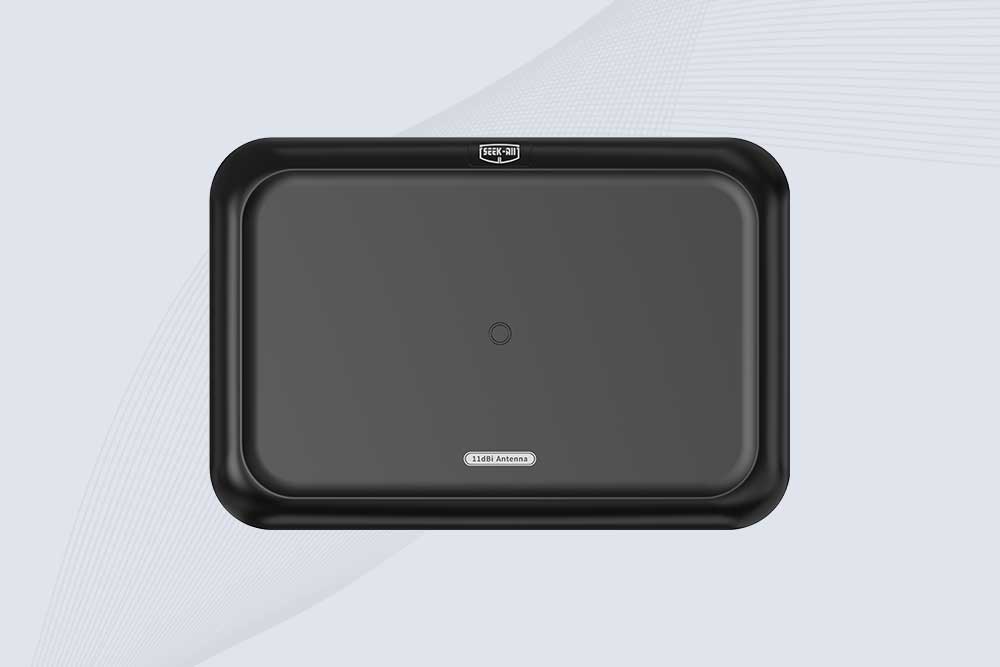
SSD-A11 UHF RFID antenna features 840–960 MHz adjustable frequency, ≥10.5 dBi gain, circular polarization and 50Ω impedance for fixed RFID systems.
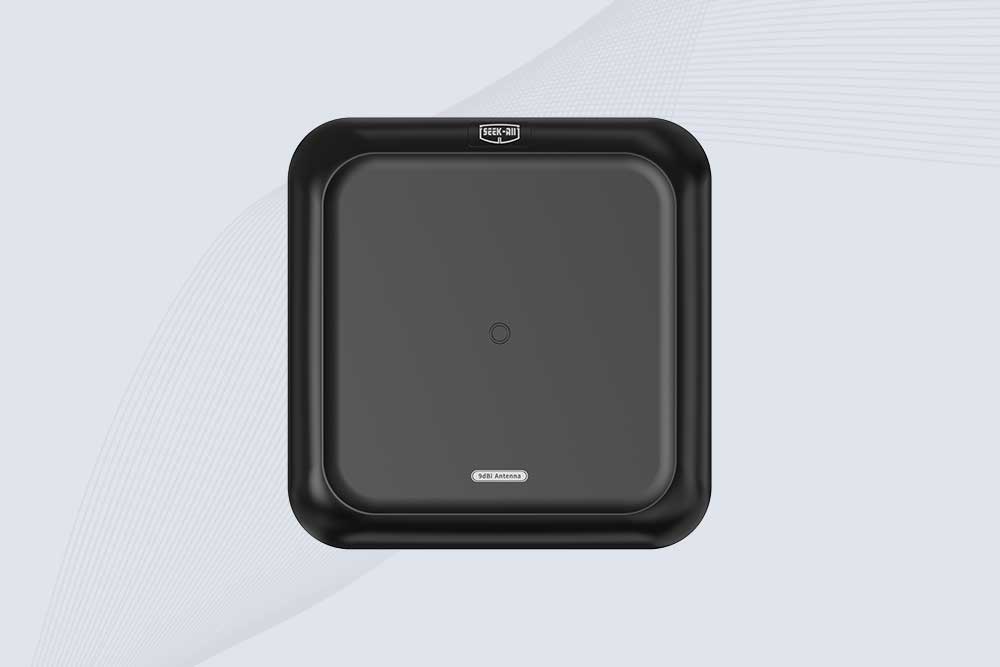
SSD-A09 is a 9 dBi UHF RFID antenna with 840–960 MHz adjustable frequency, circular polarization, 50Ω impedance and directional 60° × 60° coverage.
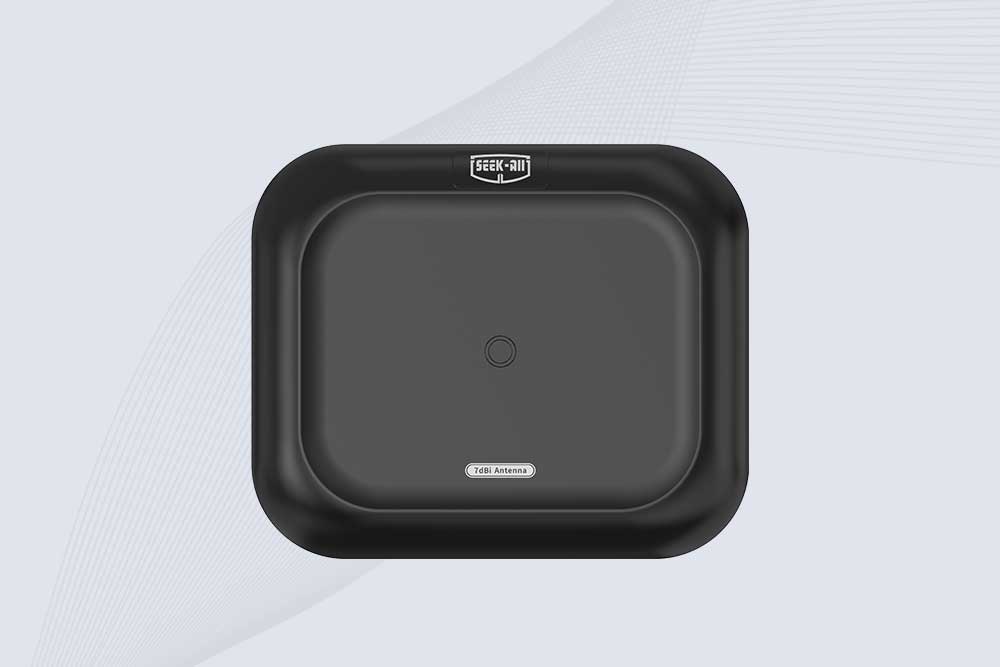
Explore the SSD-A07 UHF RFID antenna with 7 dBi gain, circular polarization, adjustable 840–960 MHz frequency, and 60°/75° beamwidth for stable RFID read/write performance.

SSD-A06 UHF RFID antenna with circular polarization, adjustable 840–960 MHz frequency, ≥4.5 dBi gain, and a compact directional design for RFID systems.
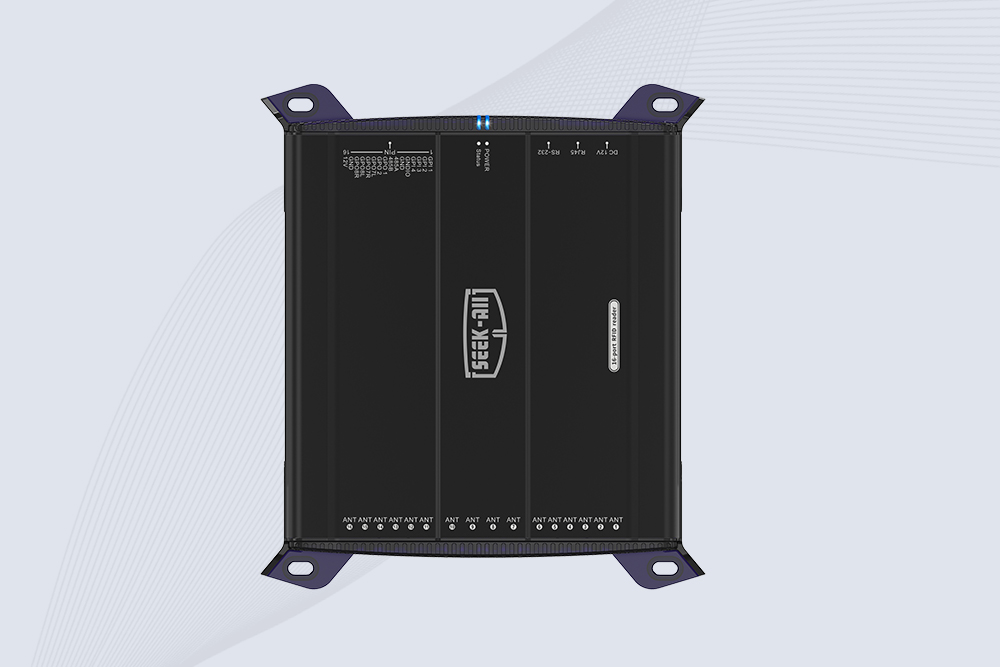
SSD-R16L Multi-Channel RFID Infrastructure for Automated Inventory Management ✔️ 16-Port High-Density RFID Reading Equipped with 16 SMA antenna ports, SSD-R16L supports multi-antenna deployment for warehouses, retail stores, logistics, production lines, and large-area RFID identification. ✔️ High-Speed & Long-Range Performance With up to 33…
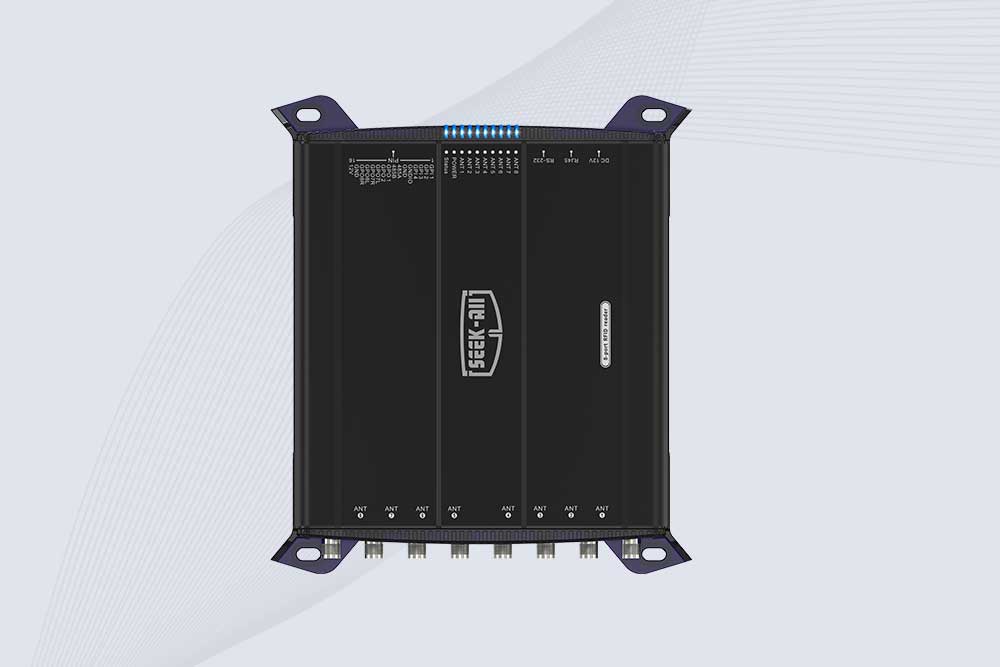
SSD-R8L 8-port UHF RFID reader with 33dBm output, up to 20m reading range and 600+ tags/s recognition. Ideal for warehouse, logistics, retail and asset tracking.
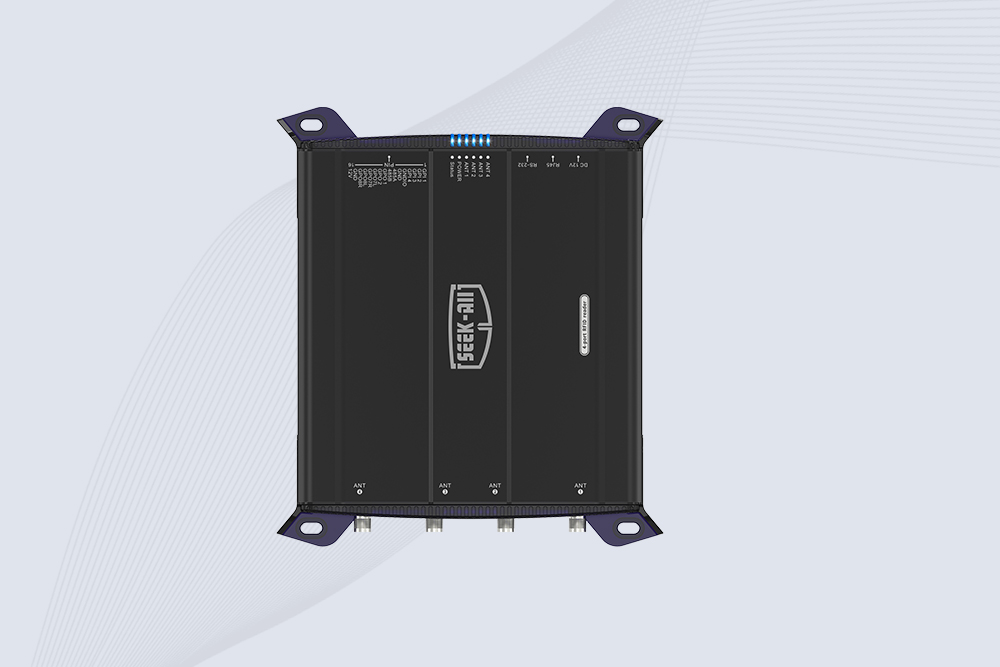
SSD-R4L is a 4-port UHF RFID fixed reader with 33dBm output power, up to 20m reading range, EPC C1G2 support and 600+ tags/s reading speed.
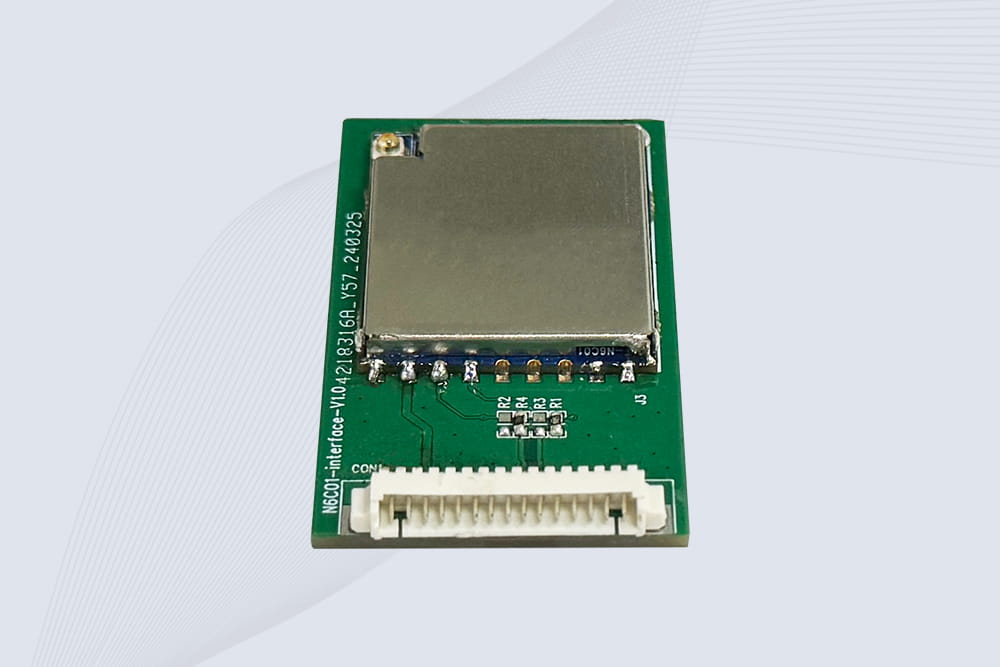
CYKEO Embedded RFID Modules are designed for compact industrial and IoT devices that require stable UHF performance. These UHF RFID Modules support global protocols, flexible power control, and reliable multi-tag reading for smart cabinets, production lines, and asset tracking systems.
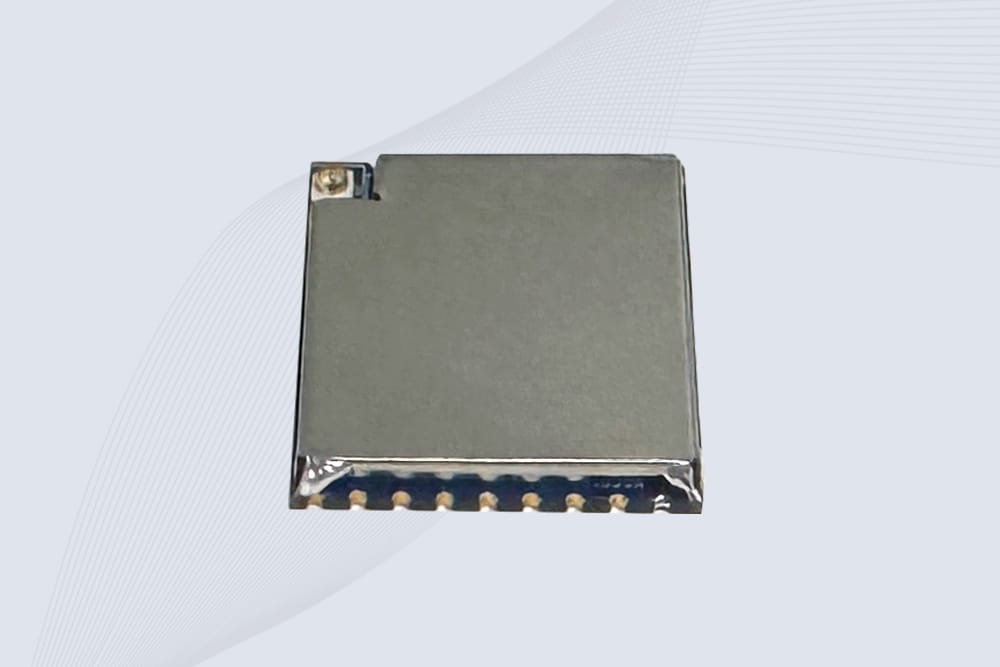
CYKEO Embedded RFID Module is built for compact IoT and industrial devices that need stable UHF performance. This UHF module supports global protocols, low power operation, and reliable multi-tag reading for smart lockers, production lines, and always-on RFID systems.
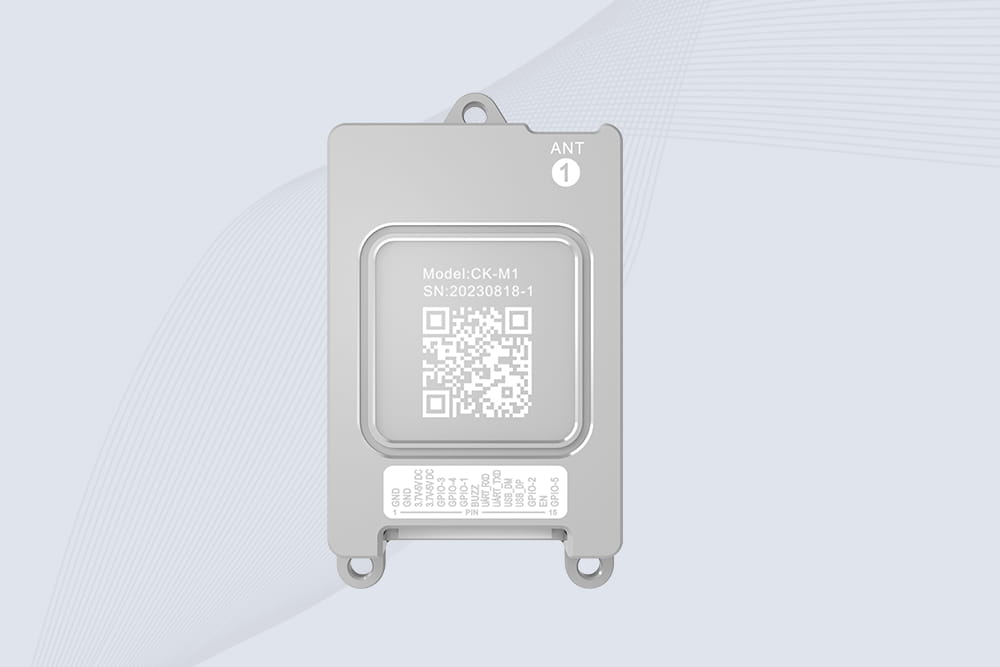
CYKEO CYKEO-M1 drone rfid module is a compact UHF RFID reader module designed for drones and UAV platforms. It supports long-range aerial scanning, fast multi-tag reading, and stable performance in wind, vibration, and outdoor environments.
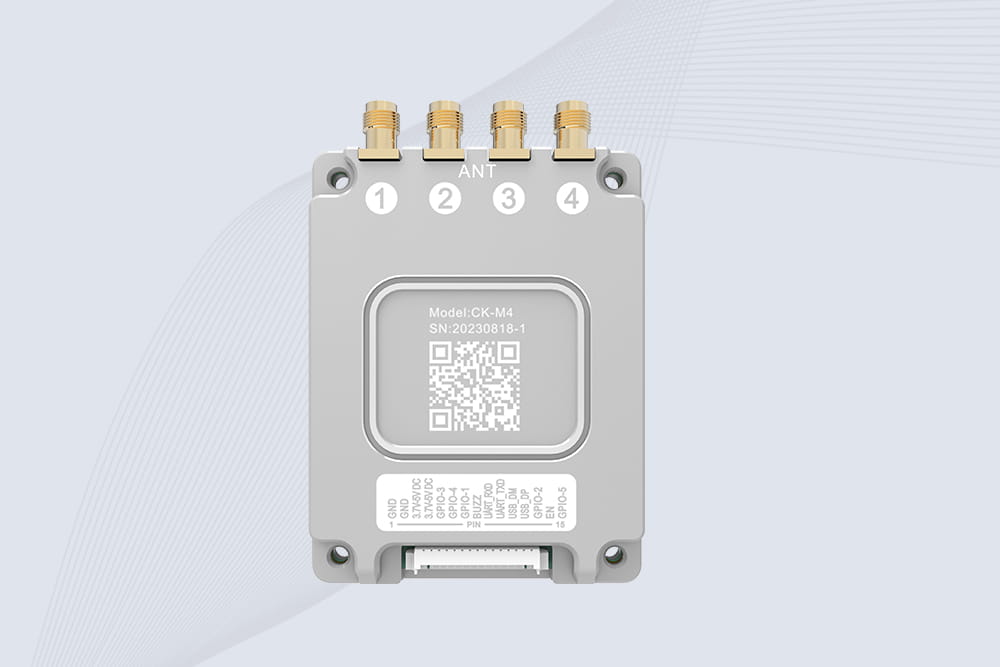
CYKEO CYKEO-M4 RC522 RFID Module is an industrial-grade UHF RFID reader with 4 ports, supporting ISO, EPC, and GB protocols. High-speed, accurate reading for IoT, automation, and warehouse applications.
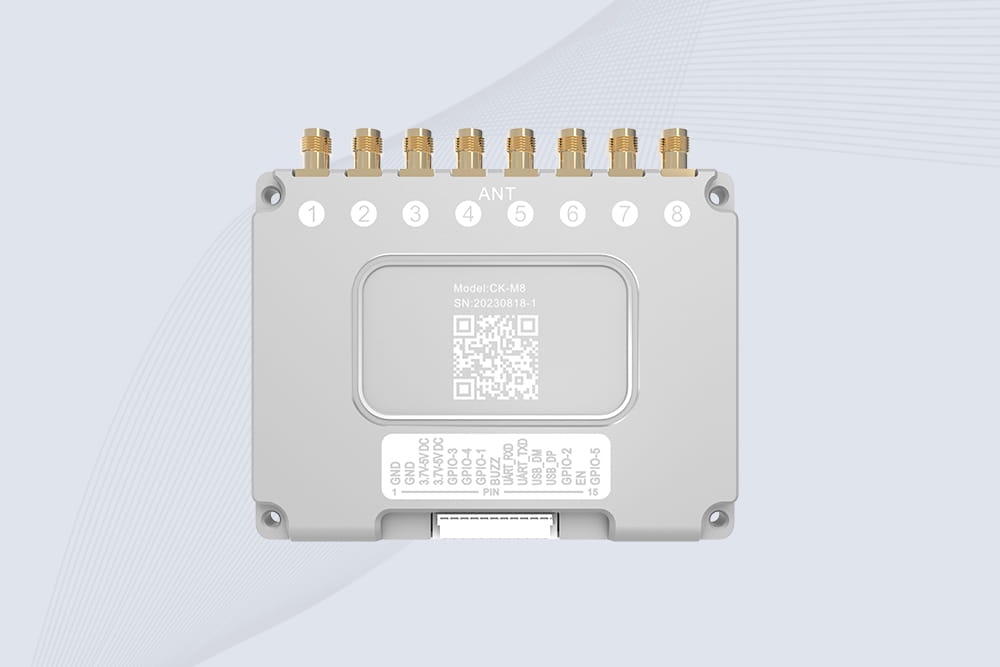
CYKEO CYKEO-M8 Module RFID is an 8-port UHF R2000 RFID Module designed for high-density, multi-tag environments. Stable 33dBm output, ISO & GB protocol support, ideal for warehouses, factories, and automated systems.
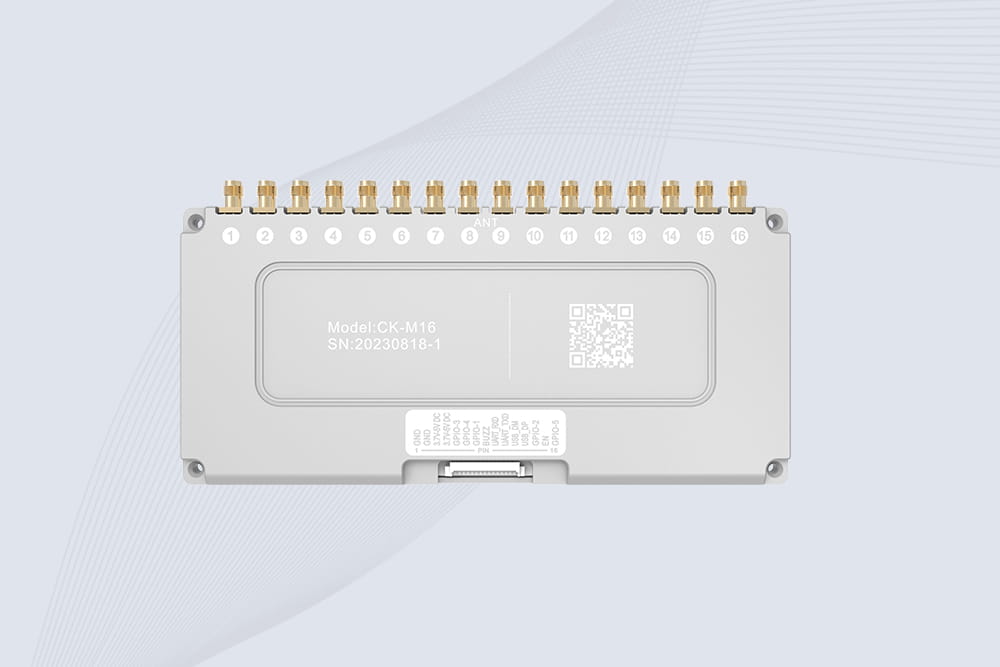
CYKEO CYKEO-M16 RFID Module is a 16-port UHF RFID reader module based on the R2000 chipset. Designed for dense tag environments, it supports ISO and GB standards and delivers stable multi-antenna control for industrial automation.
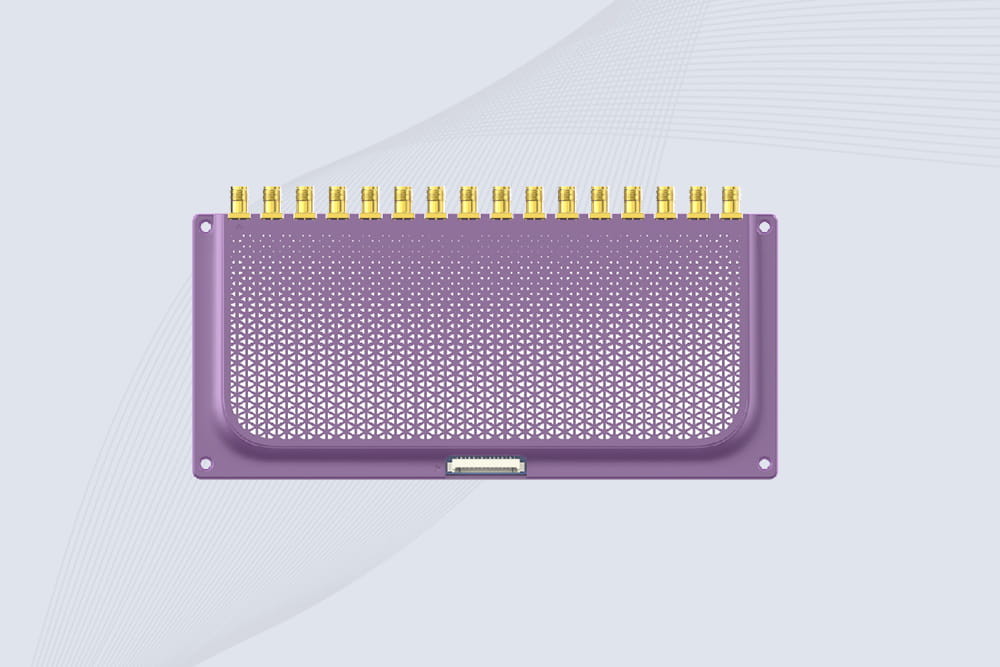
The CYKEO CYKEO-M16L RFID Reader Module is a 16-channel UHF RFID core designed for dense tag environments. With adjustable 33dBm output, multi-protocol support, and stable multi-antenna control, this RFID Tag Reader Module fits industrial automation, warehouse systems, and large-scale IoT deployments.
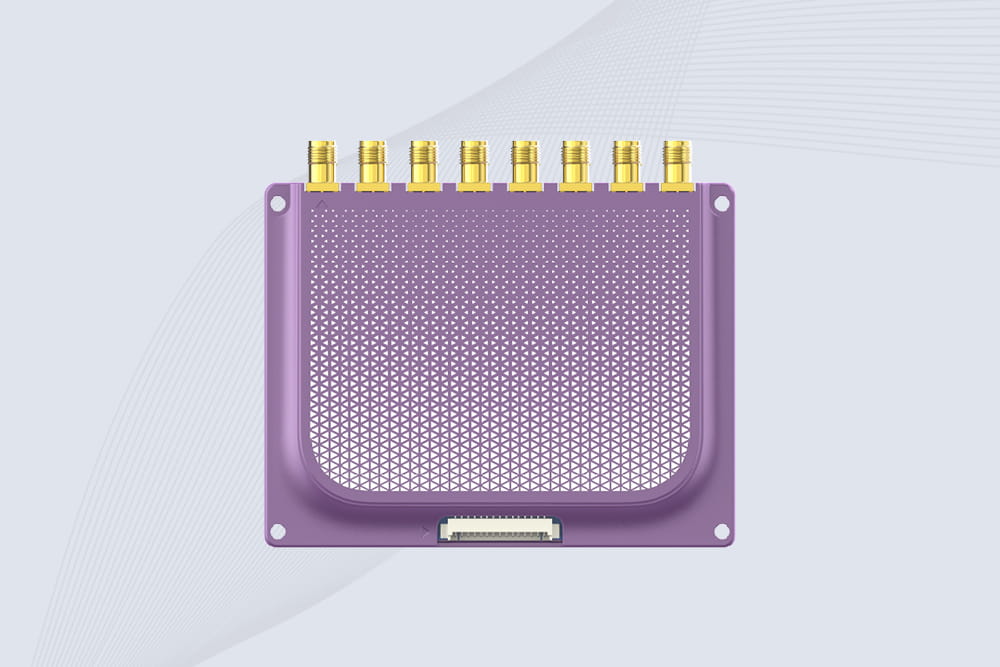
CYKEO CYKEO-M8L module RFID is a compact industrial UHF module built for dense tag and multi-antenna environments. With 8 RF ports, adjustable 33 dBm output, and ISO & GB protocol support, it is widely used in factories, warehouses, and automated tracking systems.
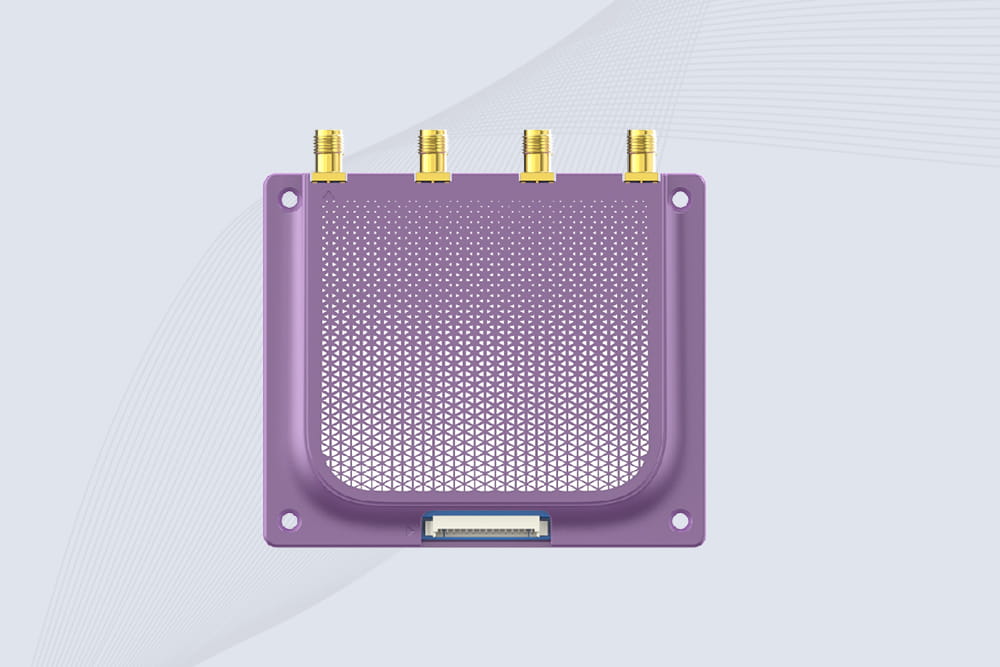
CYKEOCYKEO-M4L UHF RFID Module is a compact 4-channel RFID tag reader module designed for dense tag environments. Supporting ISO and GB protocols, it delivers stable reads up to 10 meters for industrial and IoT systems.
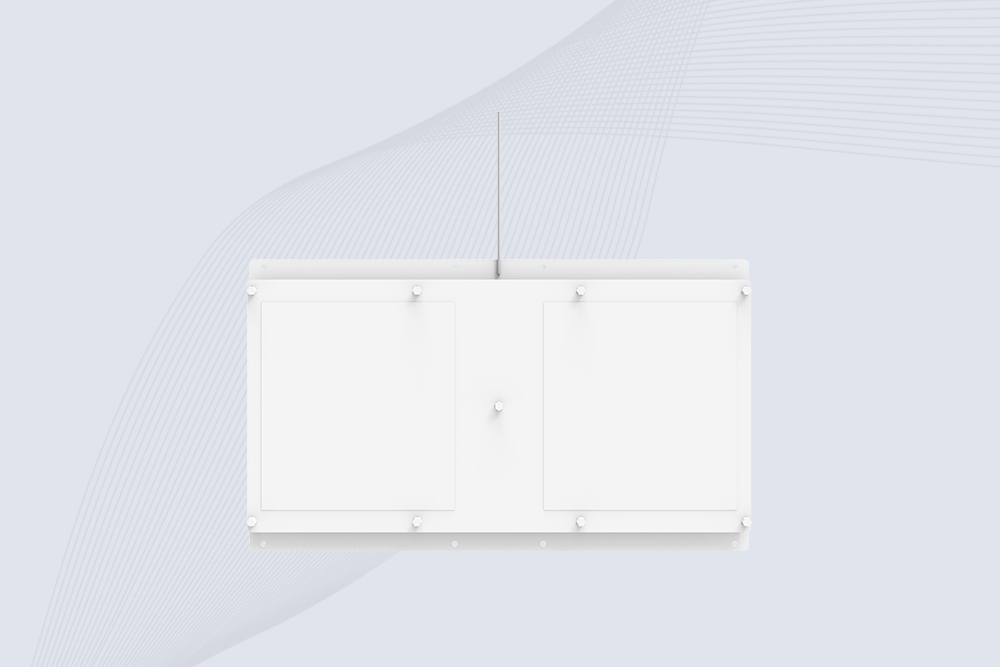
Cykeo CYKEO-A11 UHF RFID reader antenna delivers 11dBi gain, 840-960MHz frequency range, and IP65 ruggedness for retail, logistics, and industrial RFID systems. Features low VSWR and easy installation.

CYKEO Antenna RFID Reader delivers stable long-range UHF performance with a 10.5dBi directional design, built for warehouses, conveyor portals, and industrial RFID systems. This rfid reader antenna provides 20m+ read distance and rugged IP67 protection.

Cykeo CYKEO-PHF3 industrial HF RFID Antenna offers 24-point dynamic tracking, ISO 14443A/15693 protocols, metal-environment stability for archives/libraries/manufacturing.

Cykeo CYKEO-A5B industrial Linear RFID Antenna delivers 5dBi gain, ≤1.5:1 VSWR, and IP65 rugged design for warehouse, production line, and logistics UHF systems.

Cykeo’s CYKEO-B12 Long Range RFID Antenna delivers 15m+ read range with 12dBi gain, IP65 rugged design, and global 840-960MHz UHF support. Ideal for warehouse/logistics asset tracking.
Cykeo CYKEO-B10 Long Distance RFID Antenna offers 10dBi gain, 840-960MHz frequency range, IP65 rating, and 20m+ coverage for logistics/warehousing/ETC systems. Low VSWR ensures stable signal transmission.
Cykeo CYKEO-A6 UHF RFID panel antenna features 6dBi gain, 840-960MHz broadband, IP65 metal-ready housing for logistics/smart retail. 18mm ultra-thin design with tool-free mounting.

Cykeo CK-A3 industrial antenna RFID UHF offers 5m+ tag detection, ≤1.3:1 VSWR, IP65 rugged design, and global UHF spectrum compatibility (840-960MHz) for warehouses, factories, and retail.
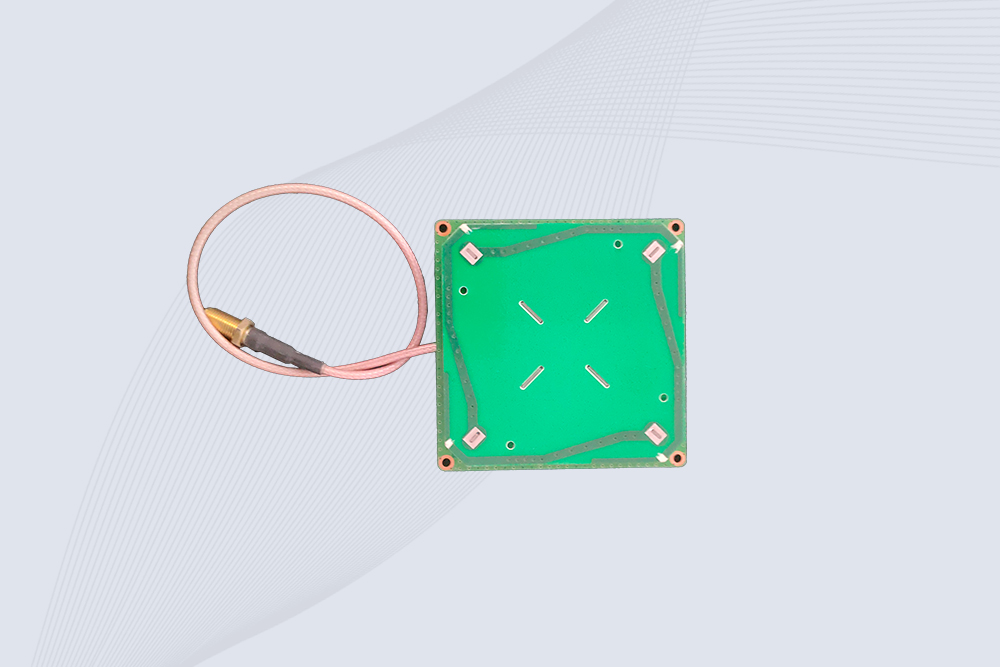
Cykeo CYKEO-B5 directional RFID antenna provides 5dBi gain with 60° narrow beamwidth for precise inventory tracking. IP65-rated, global UHF frequency support, and low VSWR.
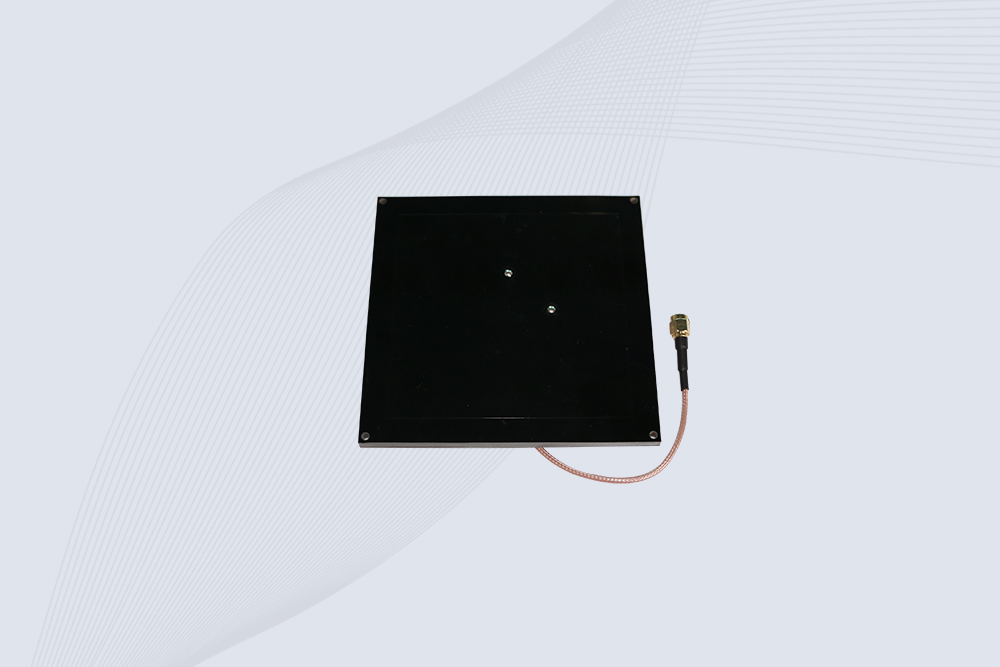
Create your own high-performance DIY RFID antenna! 5dBi gain, 840-960MHz tunable, step-by-step guides. Compatible with Arduino, Raspberry Pi, and commercial UHF readers.
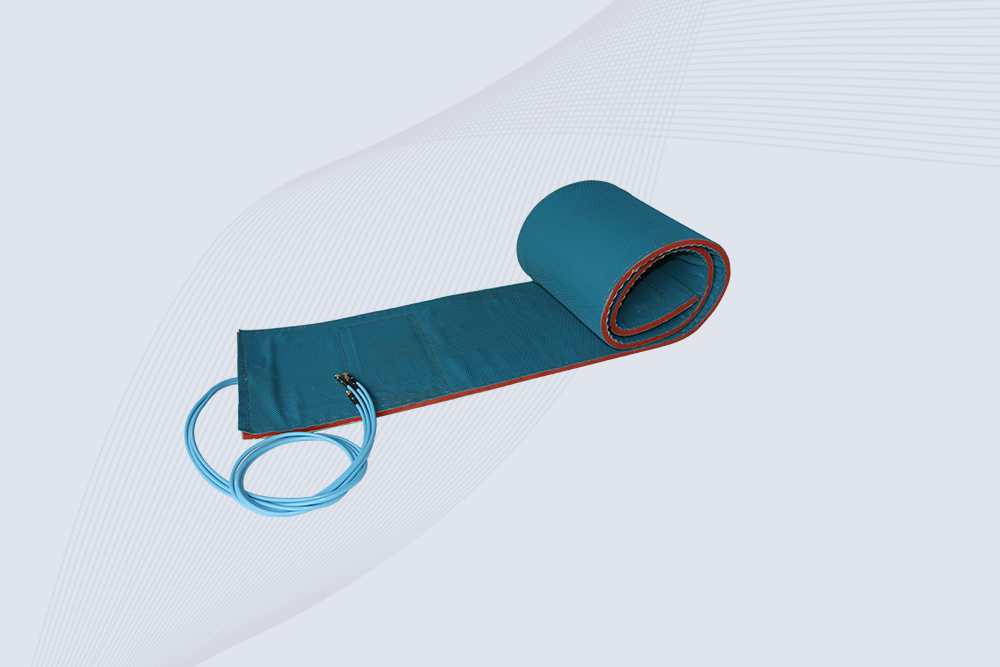
Cykeo CYKEO-A7 Flexible RFID Antenna features 840-960MHz wideband tuning, 7dBi gain, and IP68 rating for medical/retail/industrial curved surface deployments. 98% read accuracy with peel-and-stick installation.

Cykeo CYKEO-B5A industrial Passive RFID Antenna delivers 5dBi gain, 70° beamwidth, and -40°C~55°C operation for warehouses/smart cabinets. Compatible with Zebra/Impinj readers.
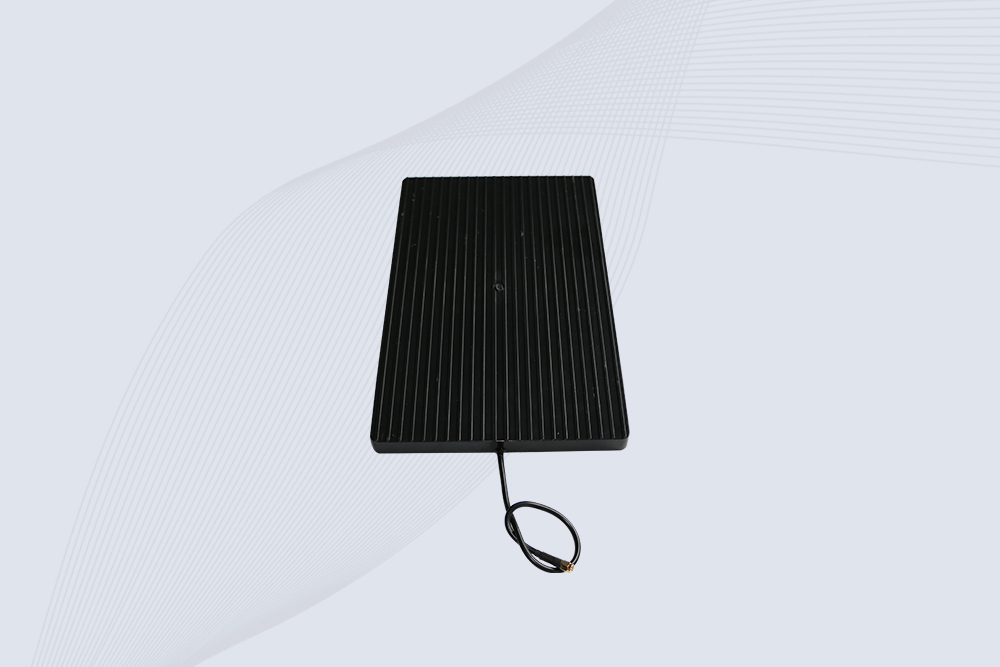
Cykeo’s CYKEO-A9B High Gain RFID Antenna delivers 15m+ read range with 9dBi amplification. Features IP54 rugged design, 840-960MHz bandwidth, and 80° beamwidth for warehouse/manufacturing RFID systems.

Cykeo’s enterprise-grade 8dbi Impinj RFID Antenna 10m+ read range with 840-960MHz tuning. Features IP65 housing, 1.4 VSWR, 35° beamwidth for retail/warehouse RFID systems.
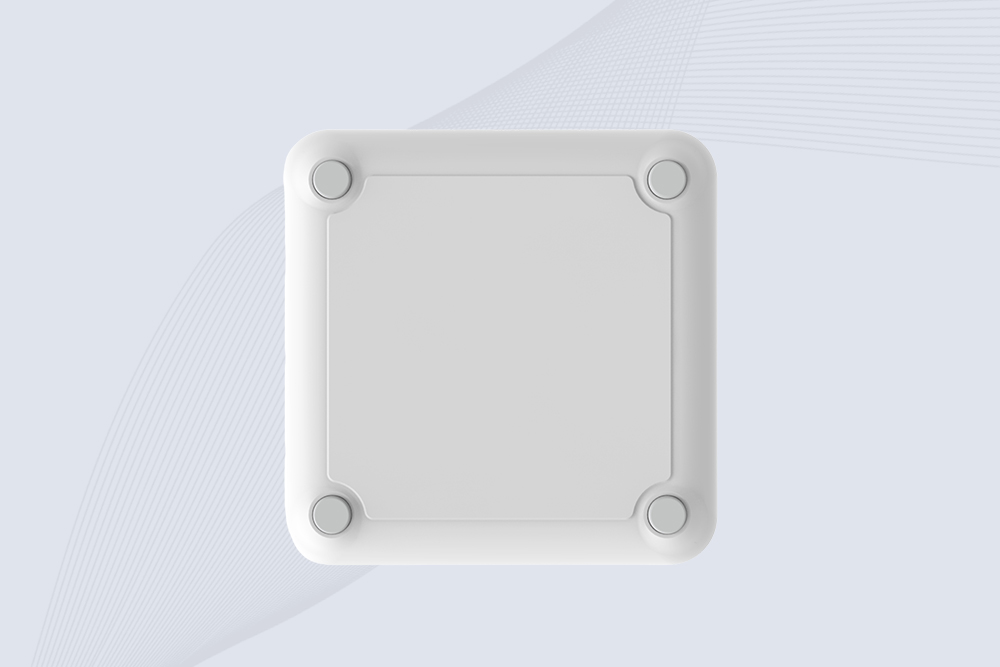
Cykeo CYKEO-A9 industrial UHF RFID antenna delivers 9dBi gain, 840-960MHz frequency range, and IP65 protection for warehouse/logistics/retail RFID systems. Features N-type connector and ≤1.3:1 VSWR.
CYKEO UHF RFID Antenna built for long-distance and industrial applications. This antenna rfid uhf delivers strong gain, outdoor durability, and reliable tag performance in warehouses, yards, and vehicle ID systems.
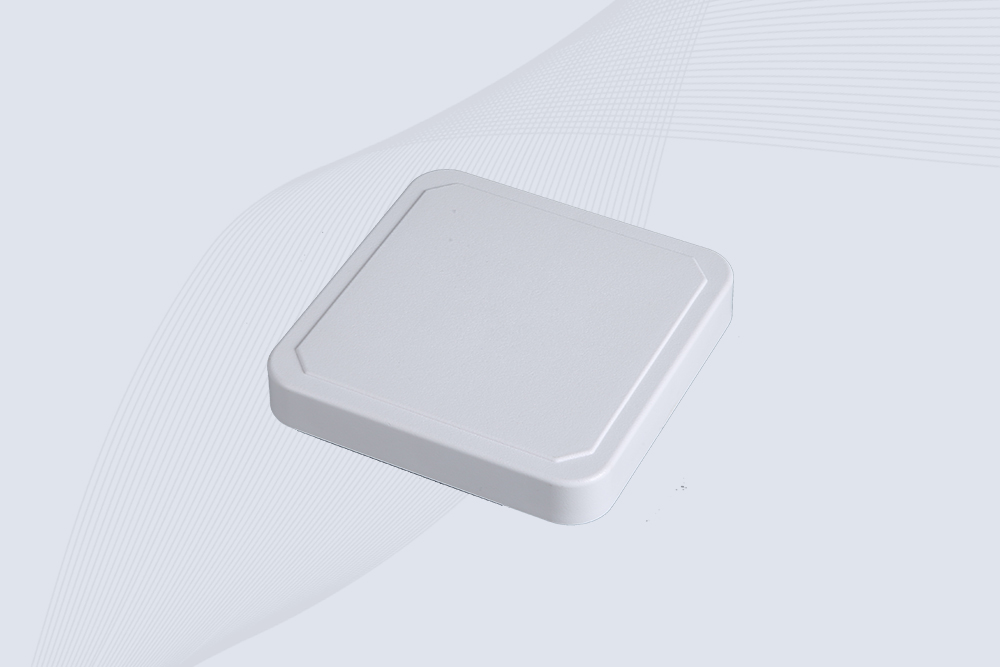
CYKEO Antenna RFID delivers reliable long-range UHF performance in warehouses, retail shelves, and cold-chain environments. This compact uhf rfid antenna provides stable reads with circular polarization and ultra-wide 840–960 MHz support, ideal for industrial tracking, smart shelves, and asset monitoring.
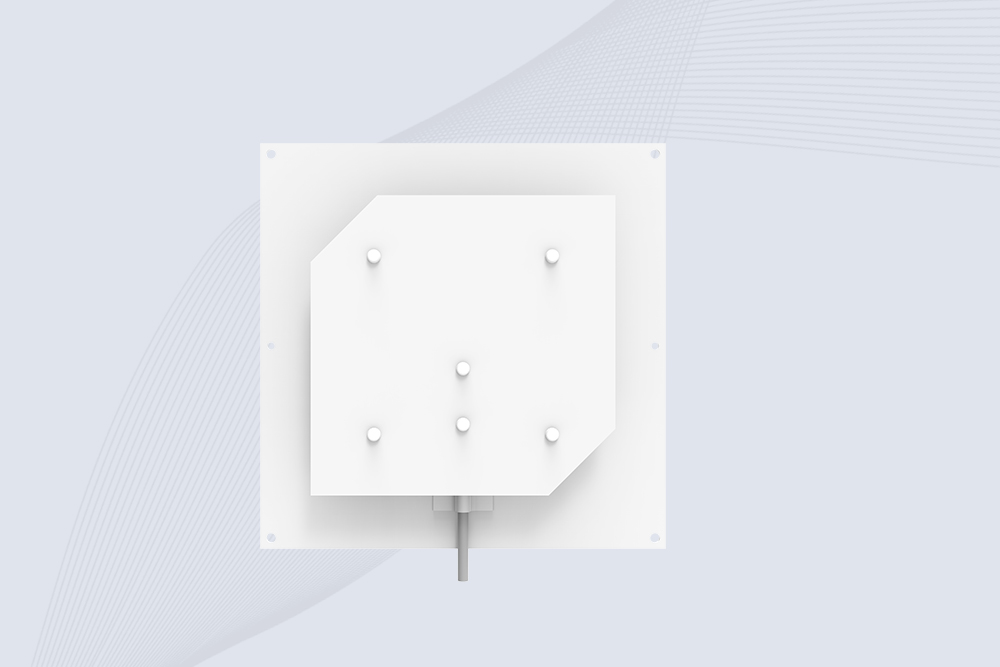
Cykeo’s CYKEO-C8 UHF RFID antennas delivers 8dBi gain, 840-960MHz full-band coverage, and IP65 ruggedness for manufacturing/warehouse RFID systems. Industrial RFID Antennas Features
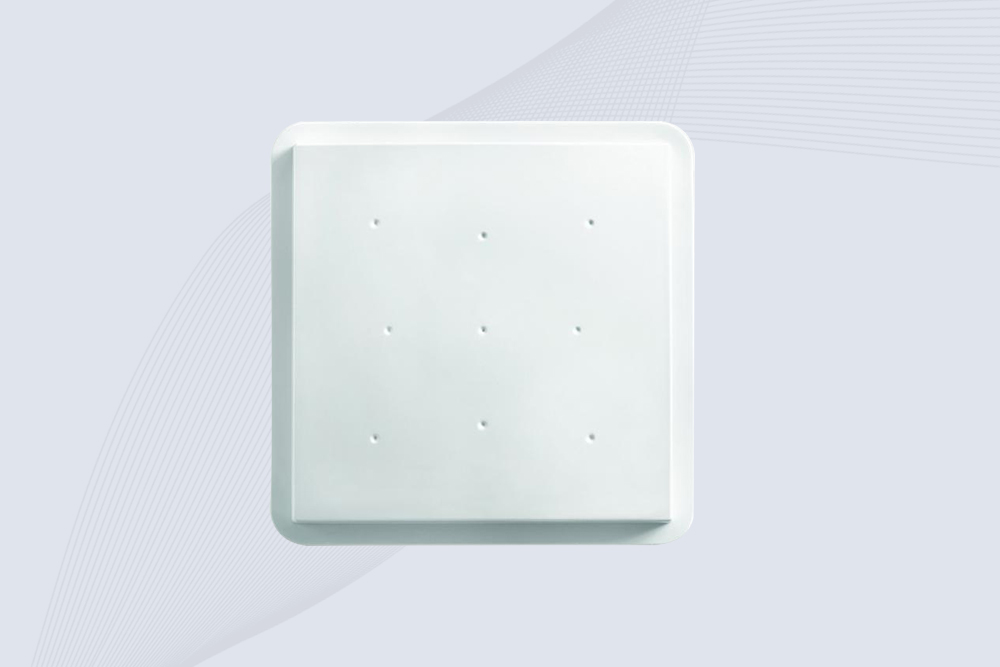
Cykeo’s 8dBi UHF RFID antenna and reader kit delivers 10m+ range, 840-960MHz broadband, and IP65 ruggedness for factories, warehouses, and logistics. ISO 18000-6C & EPC Gen2 certified.
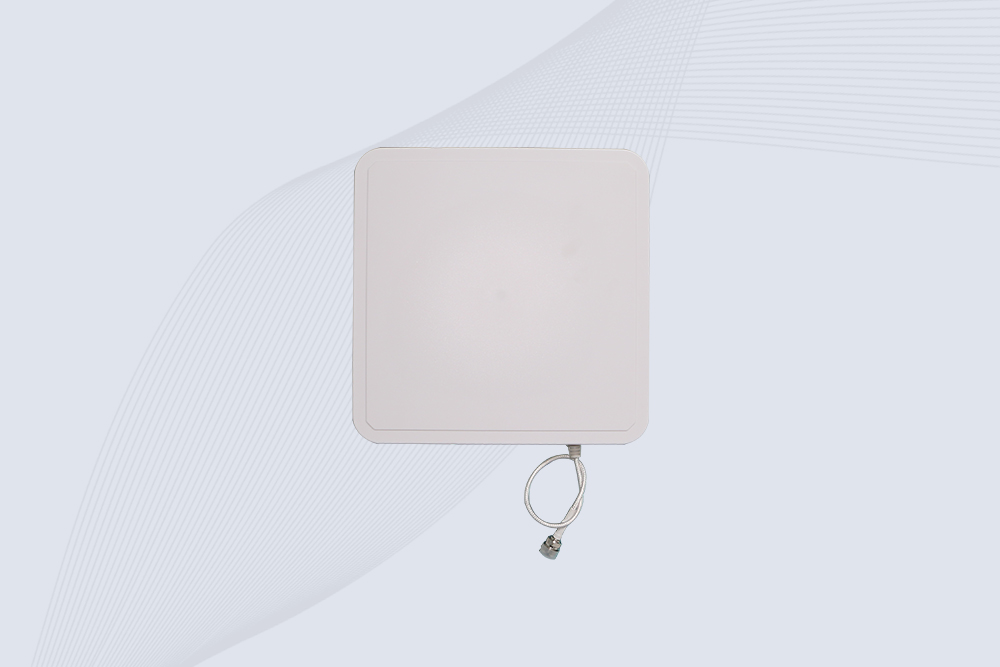
Cykeo CYKEO-A9A industrial UHF RFID reader and antenna kit delivers 10m range, 500 tags/sec, IP65 ruggedness for manufacturing/logistics. Supports EPC Gen2, ISO18000-6C.
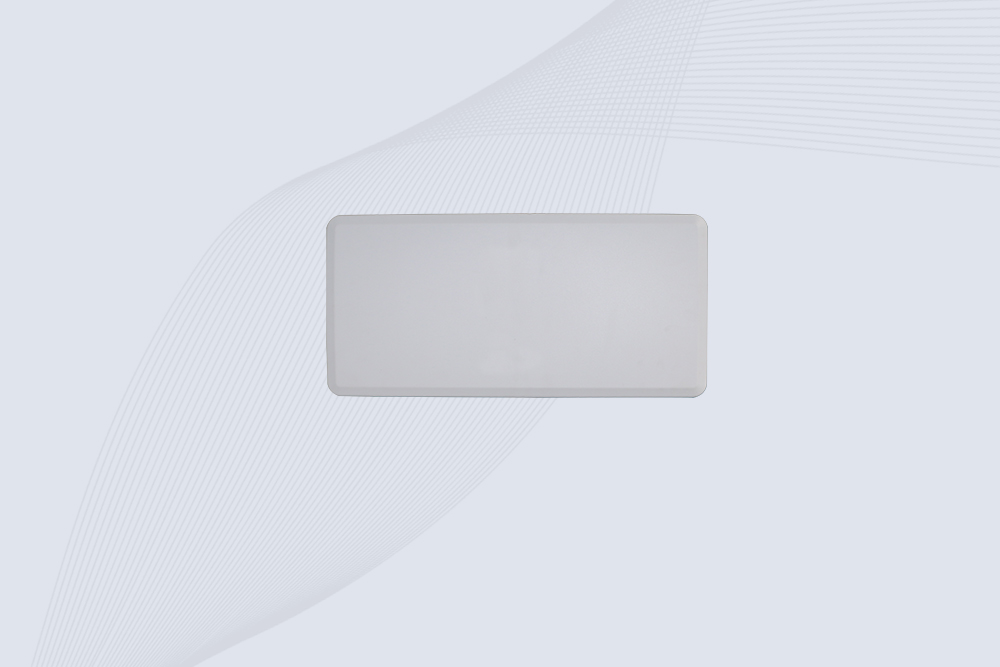
Cykeo’s CYKEO-A12C UHF Large RFID Antenna delivers 12dBi gain, 840-960MHz global frequency, IP65 ruggedness for logistics/warehousing/automotive. 40° beamwidth ensures stable 15m+ tag reads.

CYKEO Near Field RFID Antenna provides precise 5–30 cm reading for shelves, cabinets, and workstations. This compact rfid shelf antenna delivers stable short-range performance around metal and clutter, ideal for pharmacies, libraries, and electronics sorting.
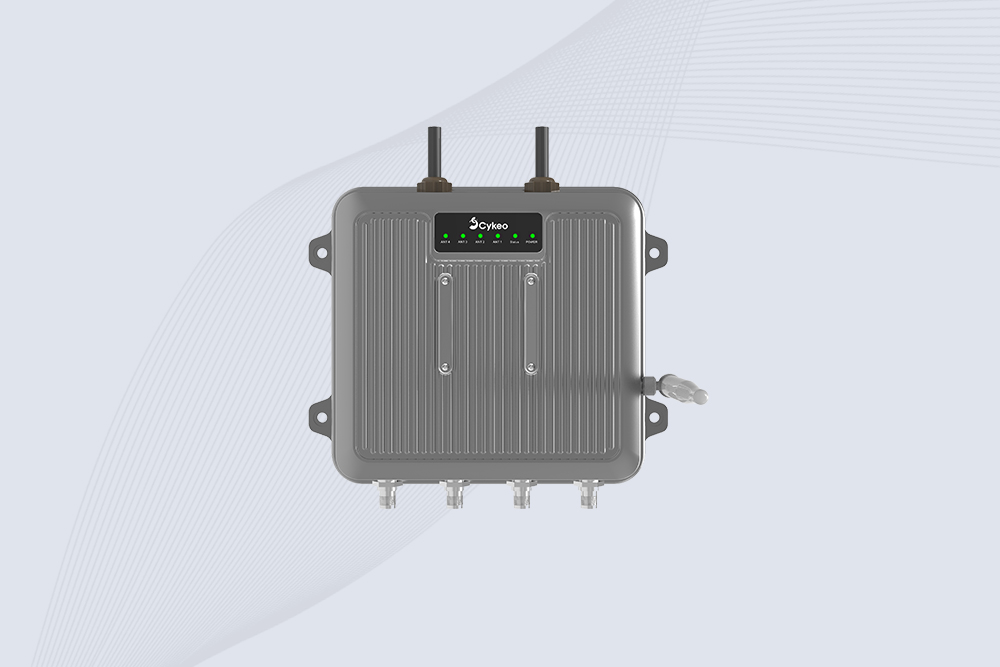
Cykeo CYKEO-C1 industrial Forklift RFID Reader features 20m read range, 600 tags/sec scanning, Impinj R2000 chipset, and IP67 rugged design. Ideal for warehouse logistics and manufacturing. Supports ISO 18000-6C/6B protocols.
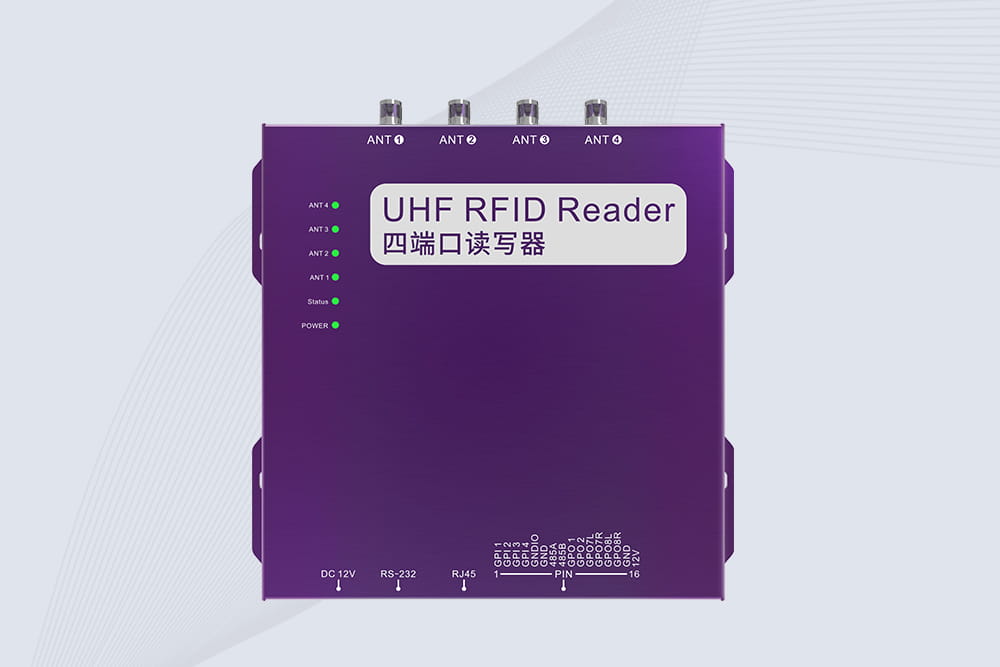
Cykeo CYKEO-R4 industrial UHF RFID Fixed Reader features 4 TNC ports, 400+ tags/sec speed, IP67 housing, and global frequency compliance for vehicle inspection, smart warehouse, and asset management systems.
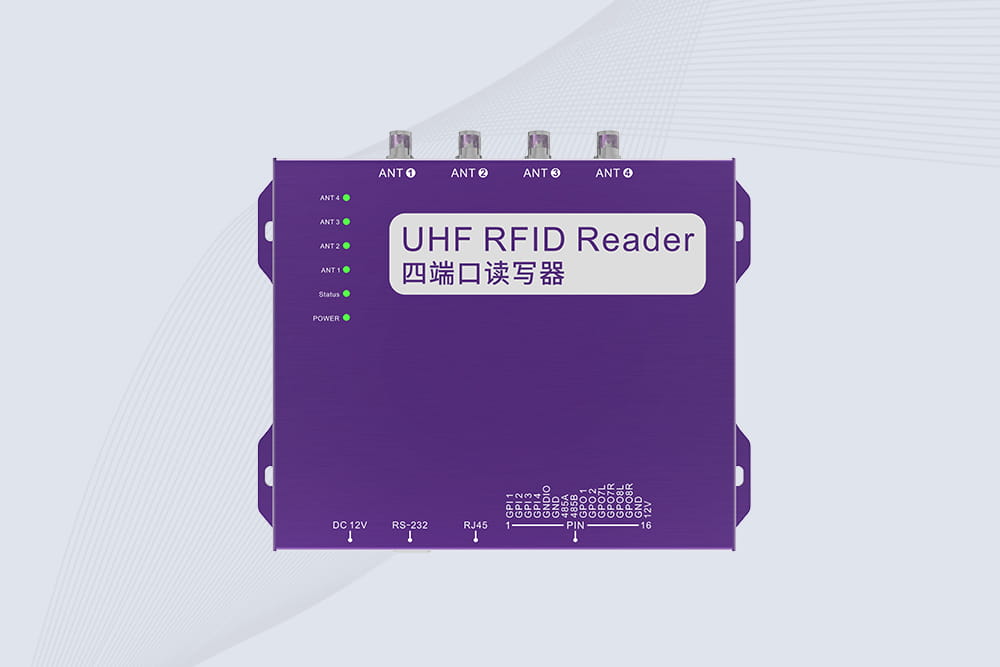
Cykeo’s CYKEO-R4L 4-port Fixed UHF RFID Reader delivers 400 tags/sec scanning, ISO 18000-6C compliance, and IP65 protection. Ideal for warehouse automation, manufacturing WIP tracking, and logistics management.
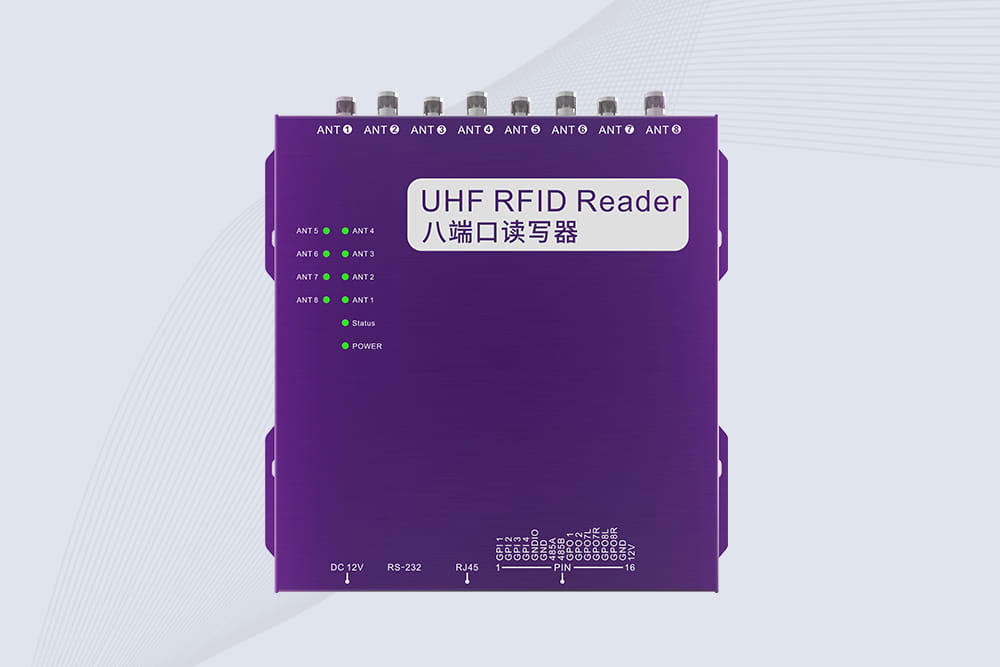
CYKEO CYKEO-R8L Fixed RFID Reader with 8-port UHF design, Impinj-based RF core and up to 20m read range. An industrial Fixed RFID Reader for vehicle inspection, warehouse portals, smart manufacturing lines and secure access checkpoints.
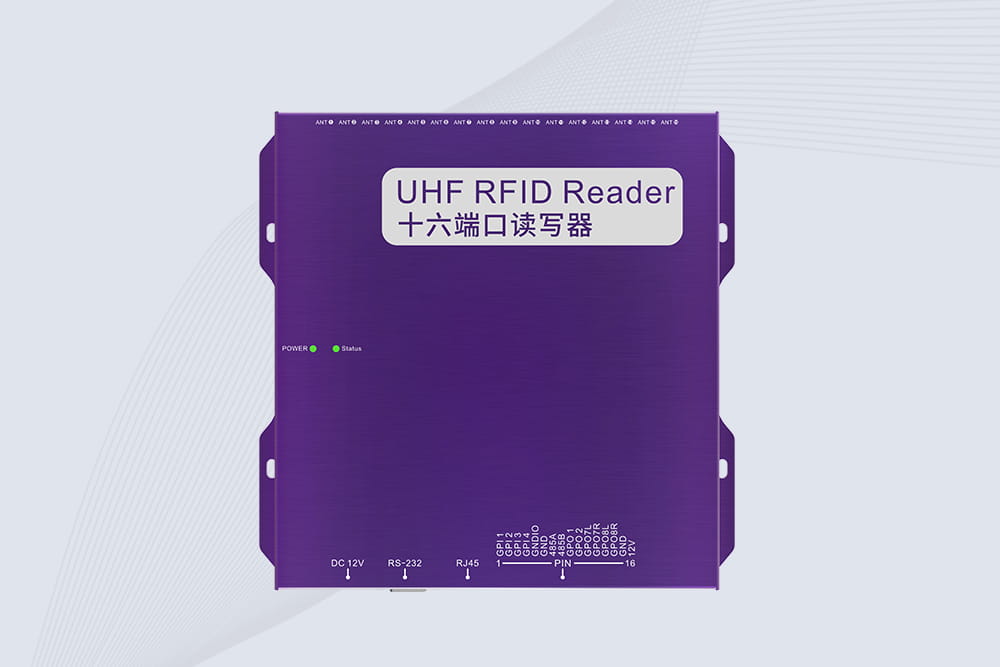
RFID Fixed Reader from CYKEO – the CYKEO-R16L 16-port UHF fixed reader for warehouses, smart cabinets, and production lines. Long-range, multi-tag reading, stable performance for 24/7 industrial use.

can rfid reader read multiple tags at once? Learn how UHF RFID readers identify multiple tags simultaneously and improve inventory, checkout, and tag-writing efficiency.
More
Learn what RFID cable tie tags are, how they work, and why industries use them for asset tracking, cable management, and inventory control. A practical guide for buyers and engineers.
More
A field perspective on RFID key cabinets, how integrators implement them, and the practical lessons from real installations in offices, hospitals, and industrial sites.
More
Learn how long passive RFID tags last, what affects RFID tag lifespan, and how businesses choose durable RFID tags for inventory, logistics, retail, and industrial tracking.
More