How to set up rfid system? Start with UHF RFID tags, readers, antennas, reader software, and a defined data workflow. Select the operating frequency and tag type, install readers at controlled read points, connect them to the application system, then test tag reads under real operating conditions before expanding the deployment.
What an UHF RFID System Actually Needs
In a working UHF RFID installation, the reader is only one part of the system. The practical setup usually includes tags, antennas, readers, communication interfaces, middleware or reader software, and the business application that receives the tag events.
For most item-level inventory and asset-tracking projects, passive UHF RFID is the relevant technology. GS1 identifies RAIN RFID as passive UHF RFID and states that these systems commonly operate in the 860–930 MHz range, with applications including fast asset identification, inventory, and tracking.
GS1’s current EPC Gen2 standard, released as version 3.0.1 in February 2026, specifies the air interface for UHF RFID communication at 860–930 MHz. That matters during system selection: the reader, tags, regional frequency configuration, and installation environment need to be compatible rather than treated as independent purchases
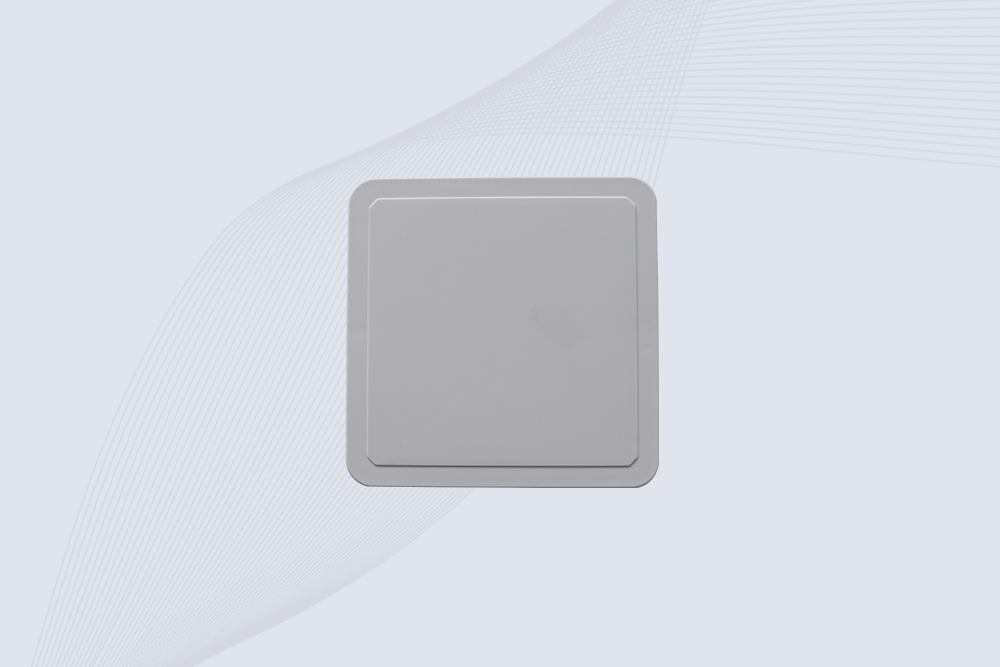
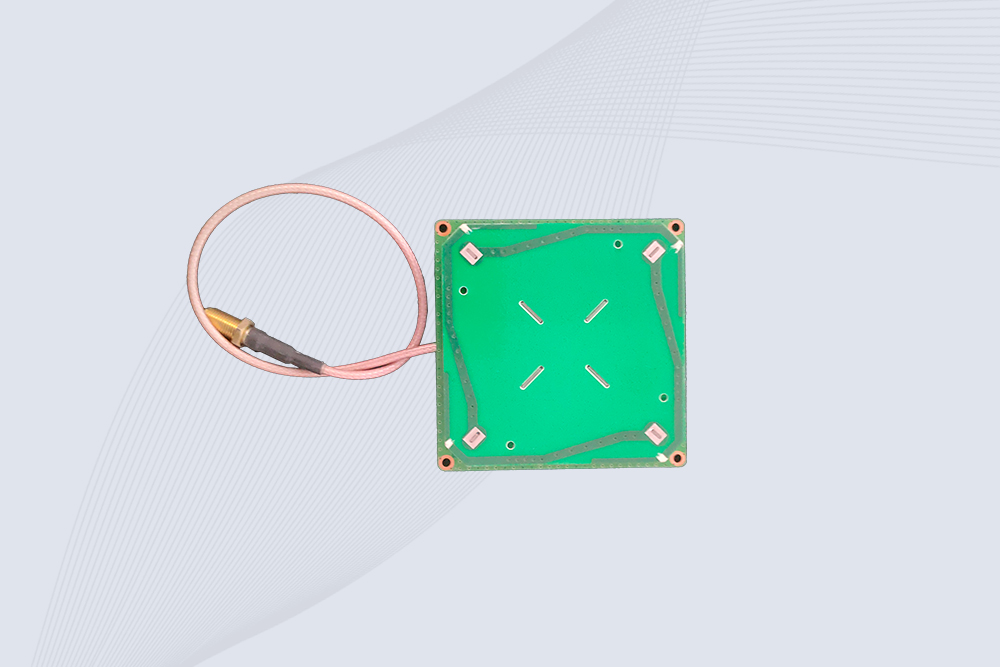
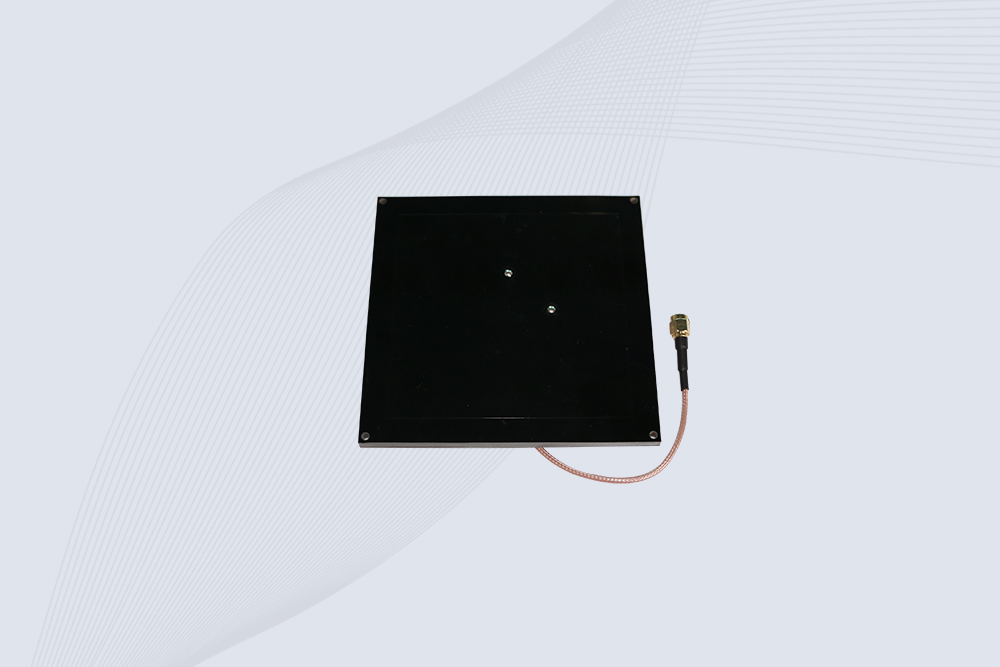
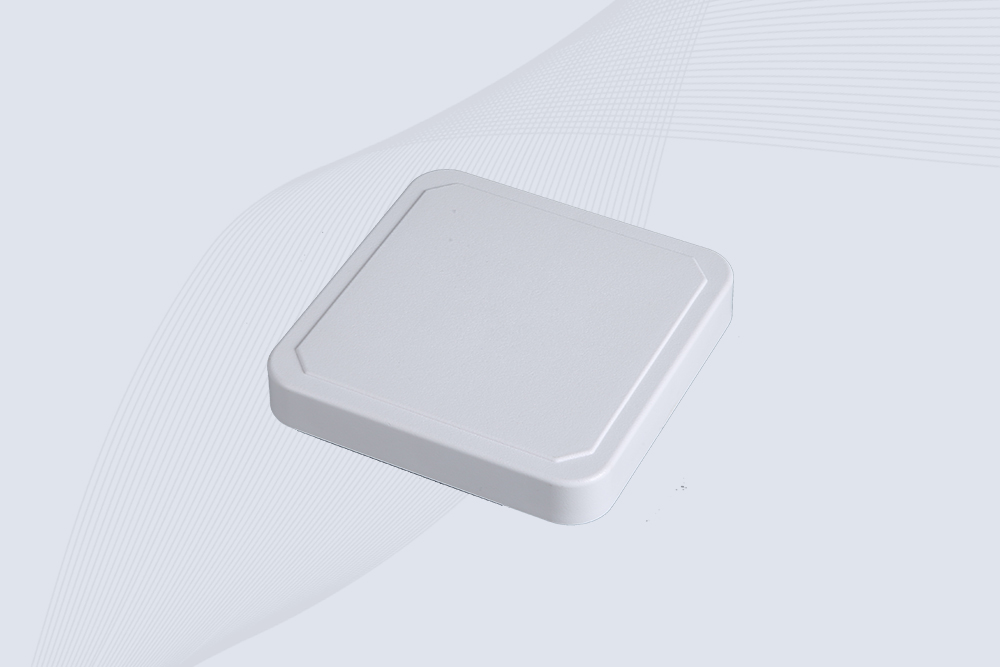
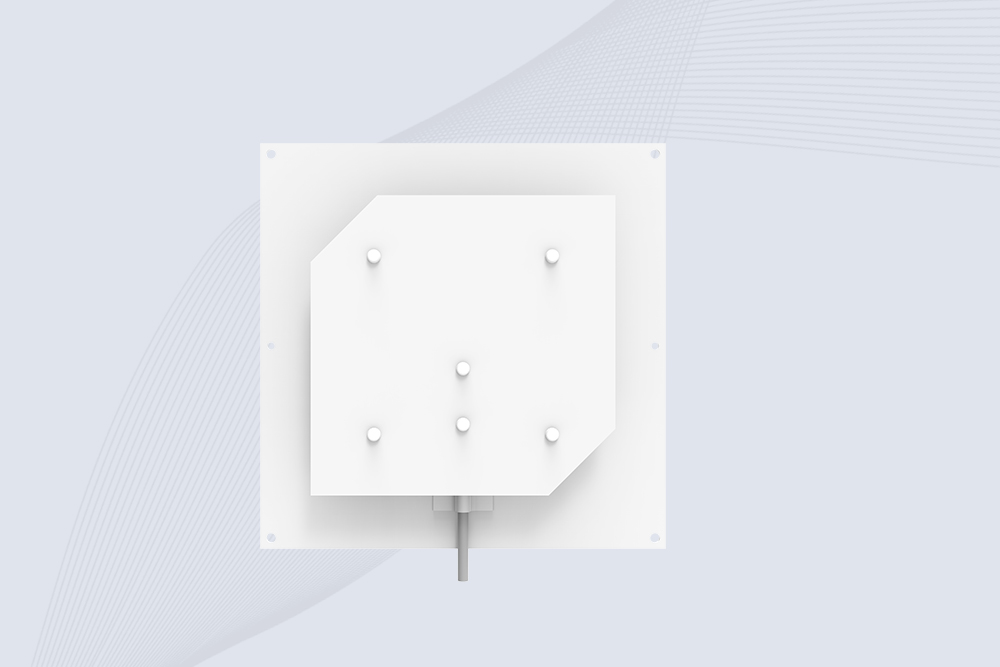
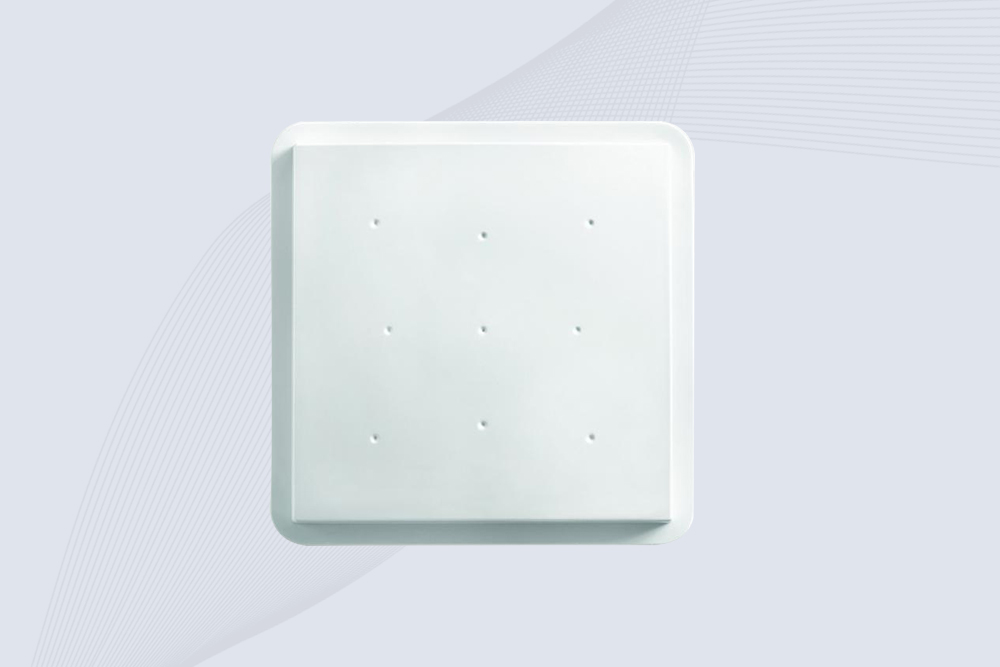
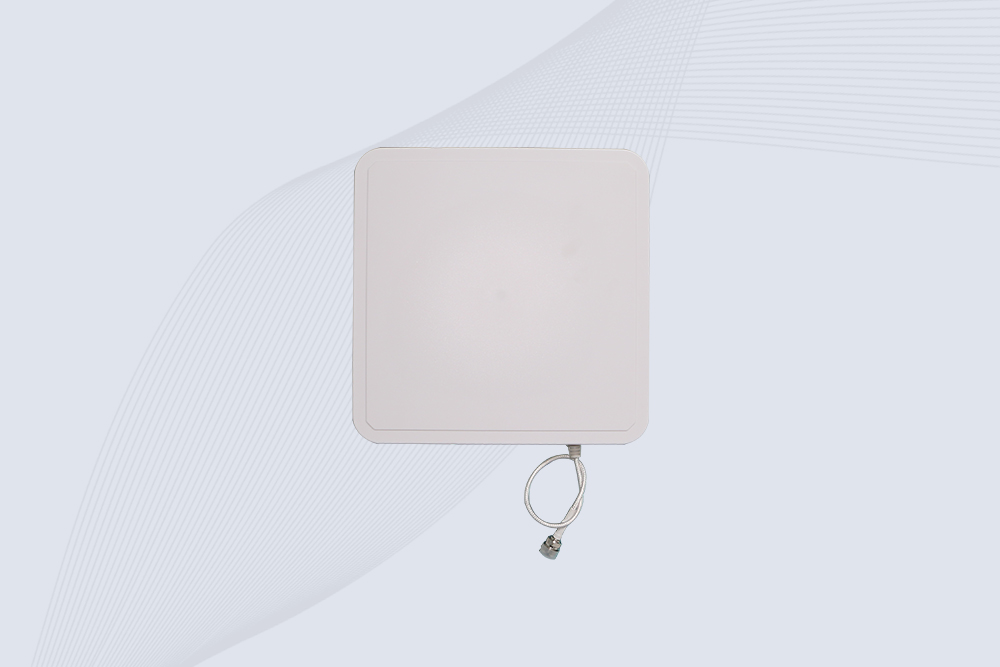
Shape the RF coverage around the intended reading area.
Reader software / middleware
Filters, manages, and transfers tag events to business software.
Database / application
Connects RFID events with inventory, asset, warehouse, or production records.
Start With the Reading Point, Not the Reader
This is one of the deployment decisions that is easy to get wrong. Before choosing reader power or antenna quantity, define where a tag is supposed to be recognized
A warehouse receiving door, conveyor, shelf, workstation, forklift lane, and handheld inventory task create very different RF conditions. A reader installed beside a metal rack may behave differently from the same reader mounted over an open packing station. Nearby metal, liquid-filled products, tag orientation, reader height, antenna angle, and the speed of tagged objects can all change the result.
During practical RFID commissioning, I would first mark the intended read zone on the floor and observe the movement of actual tagged items. This exposes problems that a bench test can hide. A tag that reads perfectly on a workbench may produce inconsistent results when several cartons pass together or when the label turns toward the rack.
Define the Event You Want to Capture
Item enters a warehouse receiving area. Carton passes a shipping checkpoint. Asset moves through a controlled doorway. Worker performs an inventory count. Tagged product reaches a workstation.
The important design question is not simply “How far can this reader read?” It is “Which tag event should become a business record?” That distinction prevents excessive RF coverage from creating unwanted reads.
Choosing UHF RFID Tags for the Application
Tag selection should happen before final antenna positioning. A standard label-style UHF tag can behave very differently from an on-metal tag when attached to steel equipment. Products containing liquids or dense materials may also require a tag designed for that application.
GS1 notes that a RAIN RFID tag typically carries no more than 8 KB of data, while simple license-plate applications may use a 96-bit or 128-bit identifier. In many inventory deployments, the EPC is therefore used primarily as the item’s identifier while detailed business information remains in the application database.
Tag Selection Checklist
Material and surface of the tagged object Required read distance Expected tag orientation Presence of metal or liquid Label size and attachment method Required EPC or user-memory structure Expected quantity of tags inside the RF field
RFID is not valuable merely because a reader can detect a tag. The business result comes from turning repeated tag observations into dependable inventory or asset information.
Auburn University research provides useful field evidence. One study followed RFID-enabled inventory processes across 13 retail stores for 23 weeks and reported an approximately 26% reduction in inventory record inaccuracy. A second field experiment expanded the work to 62 stores and five product categories, showing that RFID effectiveness varied by category.
That finding is particularly relevant when planning an UHF RFID system: the deployment should be measured against the actual operational problem rather than a generic promise of “better tracking.”
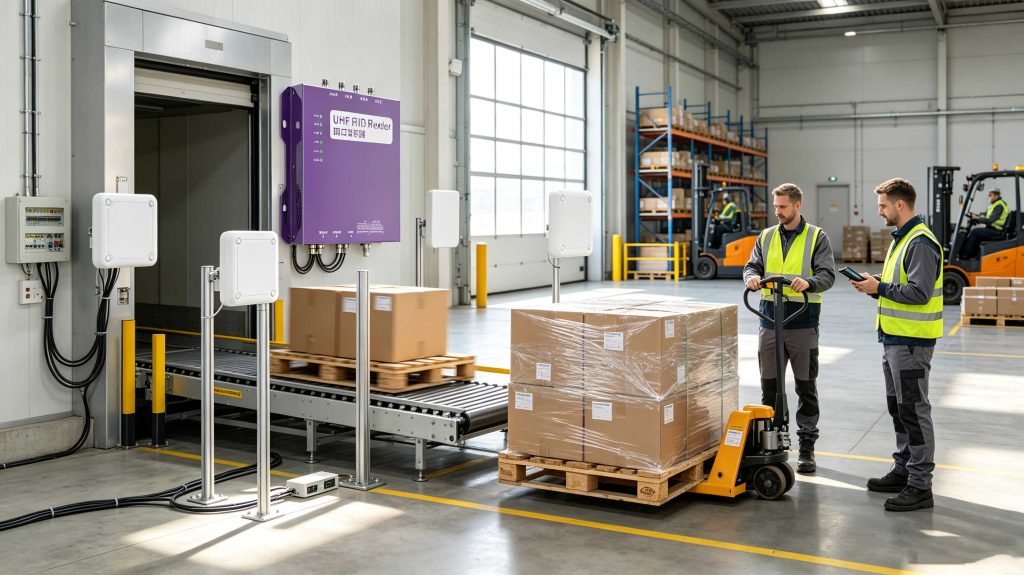
A controlled receiving point allows UHF RFID reads to become useful inventory events.
How to Install and Configure the UHF RFID Reader
Once the reading zones and tags are defined, install the UHF RFID reader where its RF coverage can be controlled. Fixed readers are suitable for permanent checkpoints such as warehouse doors, conveyor lines, production stations, and asset gates. The antenna position matters just as much as the reader itself.
Reader Installation Points to Check
Mount antennas toward the intended tag movement path. Keep unnecessary metal structures outside the main RF field where possible. Use appropriate antenna polarization for the expected tag orientation. Connect Ethernet, RS-232, USB, or another supported interface according to the application. Configure regional UHF frequency requirements before operational testing. Begin with moderate reader power and increase it only when the application requires additional coverage.
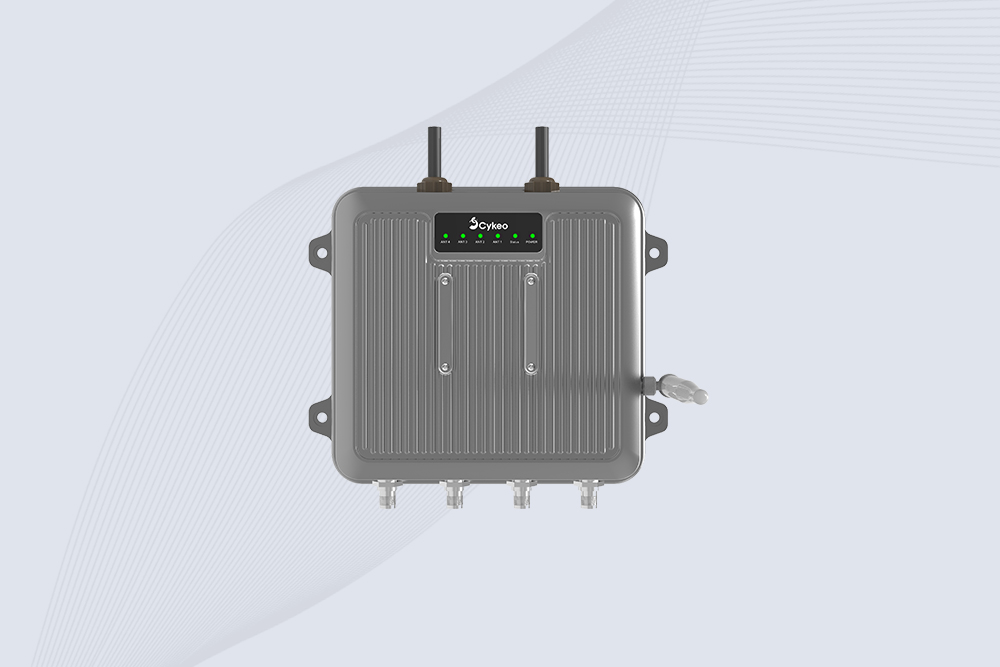
For example, Cykeo’s RA9L series integrates a 9 dBi UHF antenna with the reader, while its communication options include RS-232 and Ethernet. The platform supports ISO18000-6C/6B and GB/T29768-2013, with SDK and API resources for integration. This type of integrated design can simplify deployment where the reader and antenna need to occupy a compact installation point.
Configure the RFID Reader for Reliable Tag Recognition
Reader configuration is where a promising RFID installation can become either stable or frustrating. Do not simply turn the power to maximum and assume that a stronger signal means a better system.
Configure the reader around the physical reading event. Set the appropriate frequency mode, output power, inventory parameters, antenna selection, filtering rules, and communication settings. Then test the reader with the same tag placement and movement pattern expected during daily operation.
Control Unwanted Reads
A warehouse door is a useful example. If the intended event is “carton entered receiving,” tags sitting several meters away should not automatically become receiving records. Read-zone control and software filtering therefore belong in the system design from the beginning.
Configuration
What to verify
RF power
Enough coverage for the target zone without unnecessarily expanding the read area.
Frequency
Regional requirements and supported UHF RFID operating range.
Antenna port
Correct antenna connected and assigned to the intended reading zone.
Tag filtering
Duplicate or irrelevant reads are controlled before reaching the application.
Communication
Reader reliably exchanges data with the host system.
Read testing
Actual tagged products are tested at different positions and orientations.
Connect UHF RFID Data to the Business System
A reader can identify a tag, but that alone does not create useful inventory information. The RFID software layer needs to associate the tag identifier with a product, asset, location, transaction, or movement event.
A practical architecture may look like this:
UHF RFID Tag → Antenna → RFID Reader → Middleware / SDK / API → Database or Application → Business Event
Cykeo readers and modules can provide SDK/API resources for integration. The exact software architecture depends on whether the deployment is connecting to warehouse management software, inventory software, production software, an asset database, or a custom application.
Do Not Store Every Read as a New Transaction
This is a small software detail with a surprisingly large operational effect. A tag can be detected repeatedly while remaining in the antenna field. The application therefore needs event rules and filtering rather than treating every RF observation as a new movement.
For inventory work, the useful record might be a unique EPC observed during a defined counting period. At a shipping gate, the useful event could instead be an EPC crossing a particular checkpoint. The reader provides observations; the application decides what those observations mean.
Test the System With Real Inventory
Laboratory testing is useful, but it should not be the final acceptance test. Put the RFID system through the actual workflow. Use the cartons, tools, garments, containers, or assets that employees will handle every day.
A Practical UHF RFID Test
Place tags on the actual products. Test single-tag recognition. Introduce multiple tagged items. Change tag orientation. Move products at normal operating speed. Test near metal racks, doors, conveyors, and other relevant structures. Record missed reads and unwanted reads separately. Repeat the test during the busiest expected operating conditions.
Do not judge the installation from one successful read. A system that performs well with one carton on an empty floor has not yet demonstrated reliable operation in a warehouse.
Common Problems When Setting Up an UHF RFID System
Reader Reads Too Many Tags
The reading field may be wider than the required business zone. Reduce unnecessary RF coverage, adjust antenna positioning or power, and apply application-level filtering.
Tags Read Inconsistently
Check tag placement, orientation, material interaction, antenna angle, reader settings, and the physical environment. If the problem occurs only with particular products, test a tag designed for that surface rather than immediately replacing the reader.
Reader Works but Software Shows Nothing
Check the communication interface, IP configuration, serial parameters, SDK/API integration, data format, and application event logic. Separate the problem into RF recognition and data transmission instead of troubleshooting both at once.
Several Tags Are Difficult to Read Together
Test the reader’s multi-tag inventory performance under realistic tag density. Anti-collision capability, antenna arrangement, RF interference, tag orientation, and reader configuration can all affect dense-tag recognition.
UHF RFID System Setup Checklist
Define the exact business event to capture. Select UHF RFID tags according to the physical item. Choose fixed, desktop, handheld, or embedded reader hardware for the workflow. Design the antenna position around the intended read zone. Configure regional frequency and reader parameters. Control output power rather than automatically using maximum power. Apply filtering and event logic. Connect RFID data to the required software system. Test real products under normal operating conditions. Measure missed reads and unwanted reads before production rollout.
How Cykeo Approaches UHF RFID System Deployment
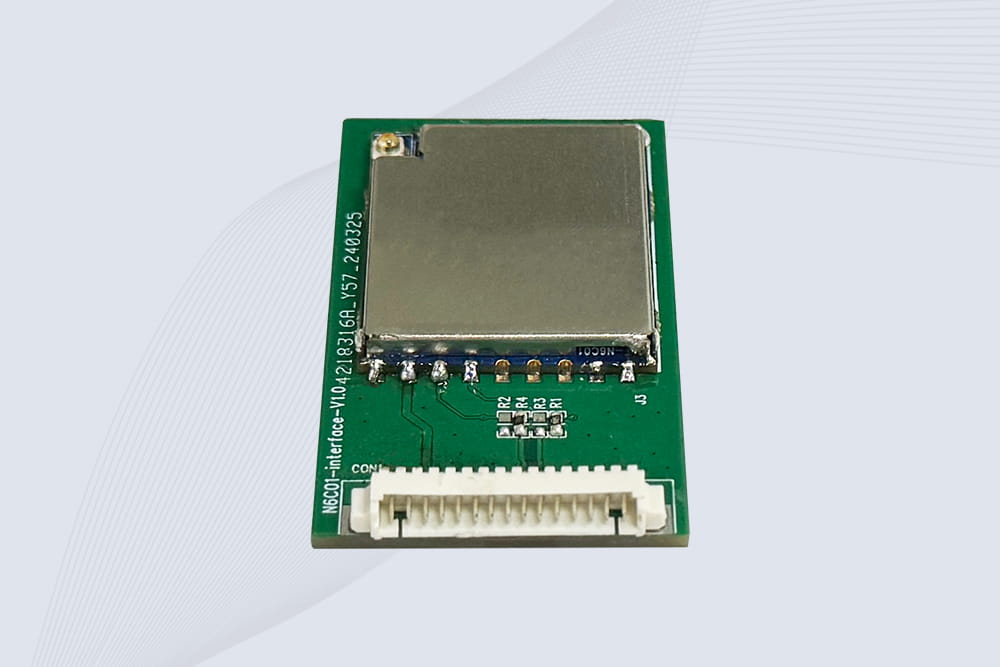
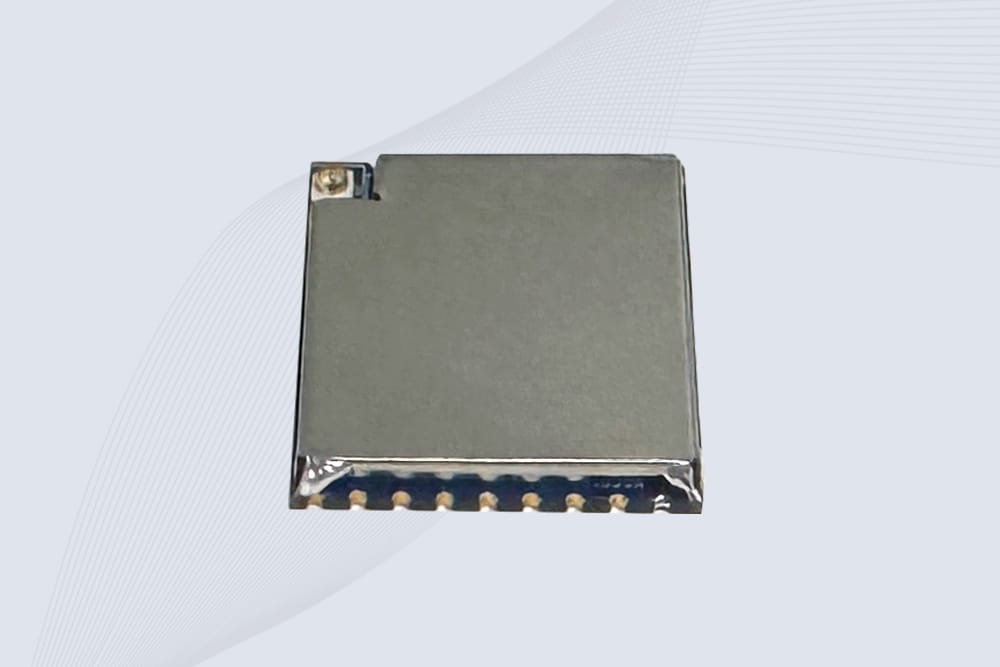
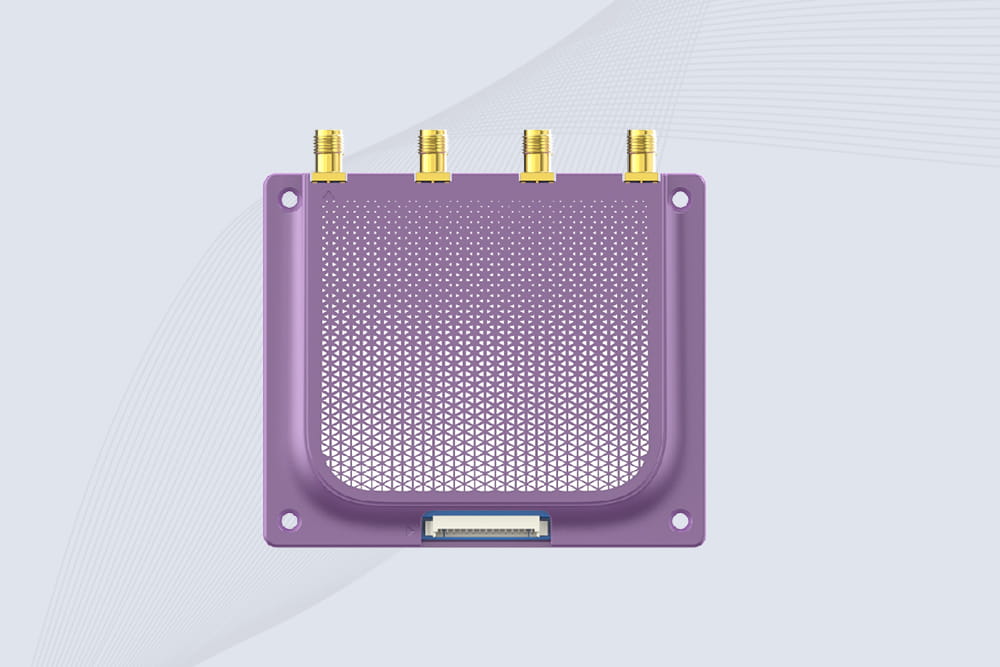
Cykeo’s UHF RFID hardware portfolio covers reader modules, integrated fixed readers, and desktop read/write equipment. The CYKEO-M4L module supports ISO18000-6C/EPC C1G2, adjustable output up to 33 dBm, dense multi-tag recognition above 400 tags per second, frequency hopping or fixed-frequency operation, filtering, and anti-collision functions.
For fixed installations, the RA9L/CK-D9L platform combines an integrated UHF antenna and reader in a compact enclosure, with Ethernet and RS-232 connectivity. These capabilities are particularly relevant when the RFID system needs to move beyond a standalone reader demonstration and become part of a working identification process.
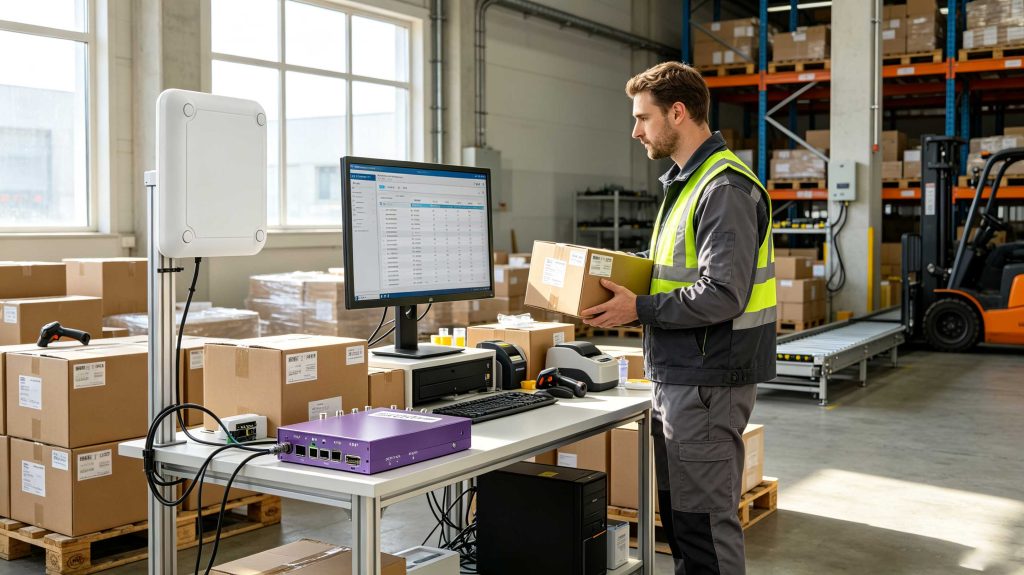
UHF RFID hardware connects physical tag recognition with inventory software at an operational workstation.
FAQ: How to Set Up RFID System
1. How to set up rfid system for warehouse inventory?
Use UHF RFID tags on inventory, fixed or handheld UHF readers at defined inventory points, and software that associates EPCs with inventory records. Test the complete workflow with actual cartons and products before expanding reader coverage.
2. What equipment is needed to set up an RFID system?
A typical UHF RFID system requires UHF RFID tags, readers, antennas where applicable, reader software or middleware, communication infrastructure, and an application or database. The exact hardware depends on whether the system is designed for inventory, asset tracking, production, or controlled entry and exit points.
3. Where should UHF RFID readers be installed?
Install readers at controlled points where the intended RFID event occurs, such as warehouse receiving areas, shipping gates, conveyor stations, workstations, or inventory zones. Antenna placement should be designed around tag movement and the physical environment rather than simply maximizing read distance.
4. Can UHF RFID connect to existing software?
Yes. UHF RFID readers can communicate with existing applications through supported interfaces, SDKs, APIs, or middleware. The integration should translate tag observations into useful business events such as receiving, counting, movement, or shipping.
5. How can unwanted UHF RFID reads be reduced?
Control the physical reading zone first, then configure reader power, antenna direction, filtering, and application event rules. The goal is not maximum RF coverage; it is reliable recognition of the tags associated with the intended business event.
6. What is the most important test before RFID deployment?
Test the system with real tagged products, real tag placement, normal movement, realistic tag quantities, and the actual surrounding equipment. This exposes RF behavior that a simple bench test cannot reproduce.
how to set up rfid system is ultimately an integration task rather than a reader-installation task. The UHF RFID tags, RF hardware, read zones, filtering rules, and business software must work together under the actual operating conditions. Cykeo’s approach focuses on controllable UHF identification, practical hardware integration, and application-ready reader capabilities rather than simply maximizing theoretical read distance.
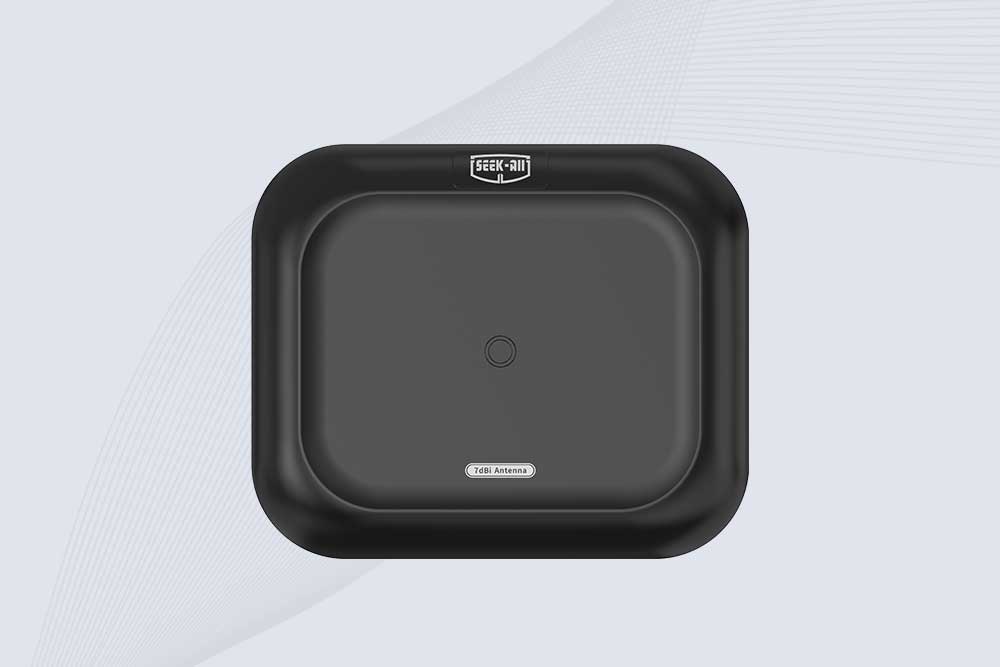
Explore the SSD-A07 UHF RFID antenna with 7 dBi gain, circular polarization, adjustable 840–960 MHz frequency, and 60°/75° beamwidth for stable RFID read/write performance.
SSD-A06 UHF RFID antenna with circular polarization, adjustable 840–960 MHz frequency, ≥4.5 dBi gain, and a compact directional design for RFID systems.
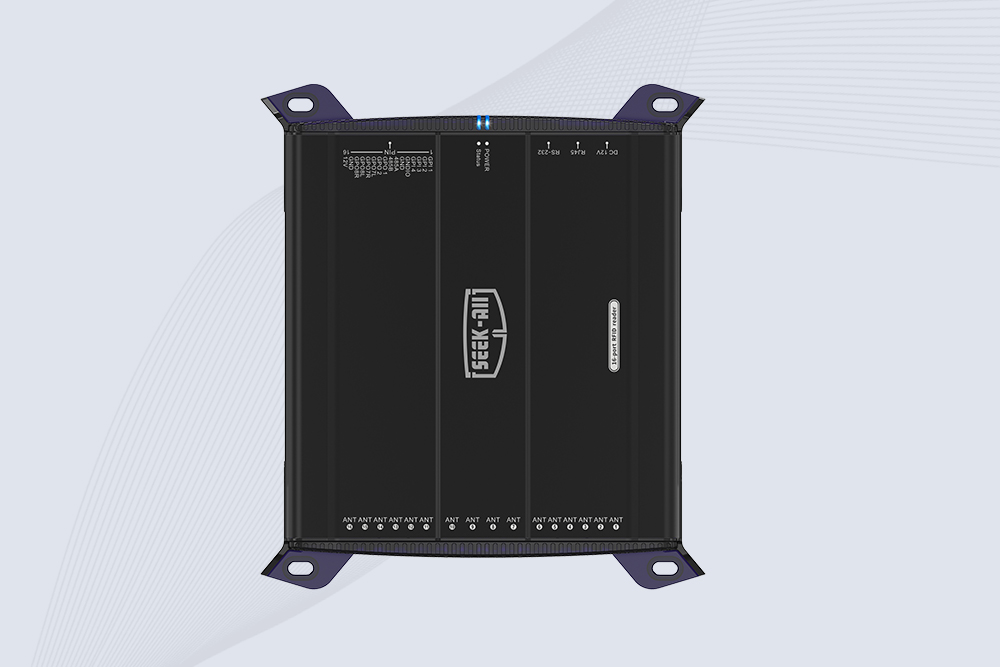
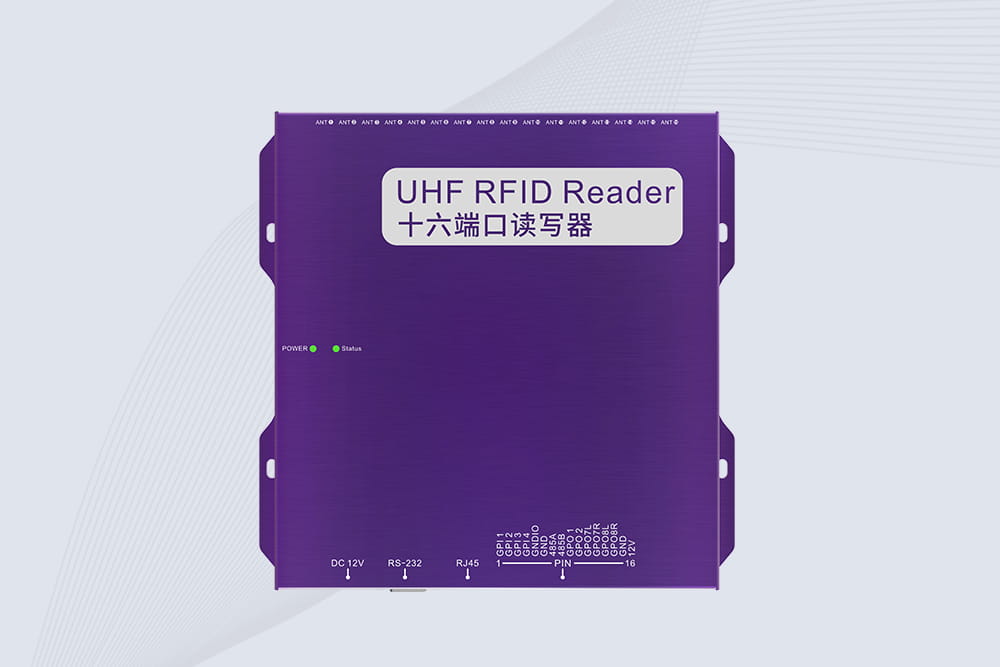
SSD-R16L Multi-Channel RFID Infrastructure for Automated Inventory Management ✔️ 16-Port High-Density RFID Reading Equipped with 16 SMA antenna ports, SSD-R16L supports multi-antenna deployment for warehouses, retail stores, logistics, production lines, and large-area RFID identification. ✔️ High-Speed & Long-Range Performance With up to 33…
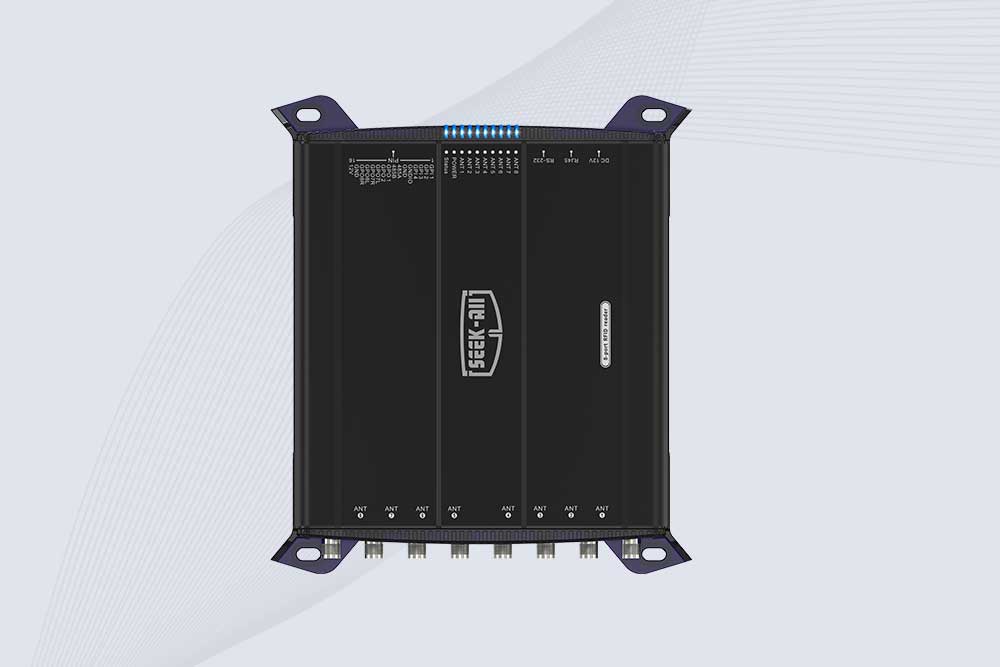
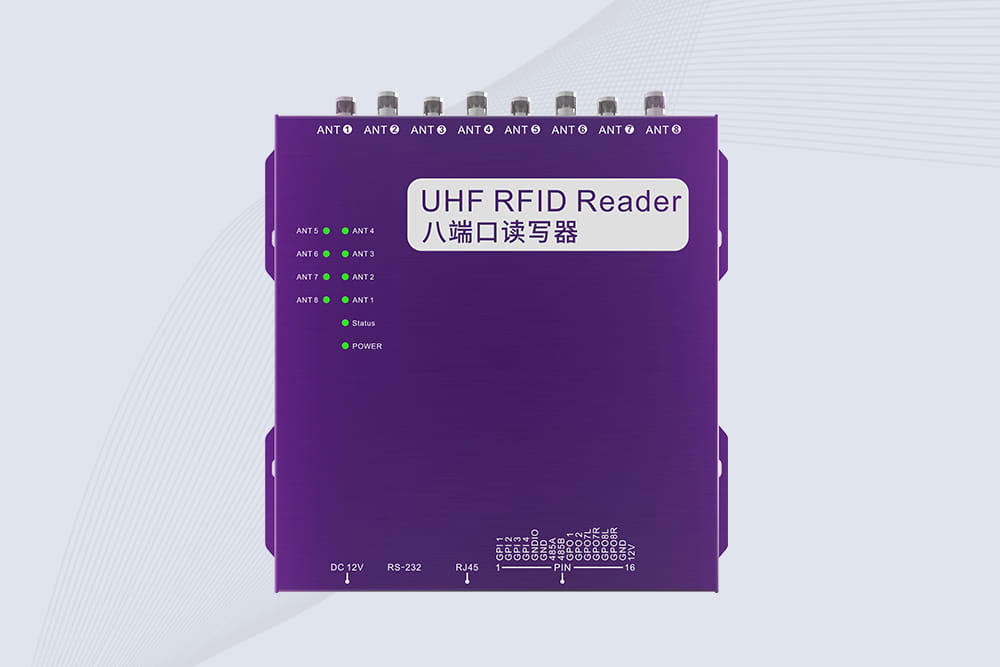
SSD-R8L 8-port UHF RFID reader with 33dBm output, up to 20m reading range and 600+ tags/s recognition. Ideal for warehouse, logistics, retail and asset tracking.
CYKEO Embedded RFID Modules are designed for compact industrial and IoT devices that require stable UHF performance. These UHF RFID Modules support global protocols, flexible power control, and reliable multi-tag reading for smart cabinets, production lines, and asset tracking systems.
CYKEO Embedded RFID Module is built for compact IoT and industrial devices that need stable UHF performance. This UHF module supports global protocols, low power operation, and reliable multi-tag reading for smart lockers, production lines, and always-on RFID systems.
CYKEO CYKEO-M1 drone rfid module is a compact UHF RFID reader module designed for drones and UAV platforms. It supports long-range aerial scanning, fast multi-tag reading, and stable performance in wind, vibration, and outdoor environments.
CYKEO CYKEO-M4 RC522 RFID Module is an industrial-grade UHF RFID reader with 4 ports, supporting ISO, EPC, and GB protocols. High-speed, accurate reading for IoT, automation, and warehouse applications.
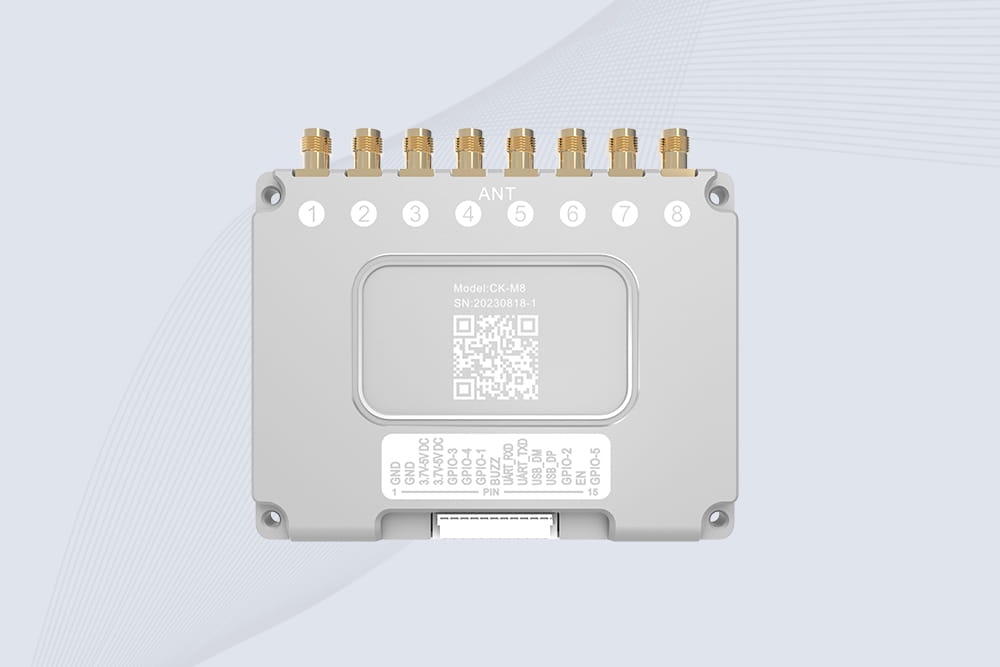
CYKEO CYKEO-M8 Module RFID is an 8-port UHF R2000 RFID Module designed for high-density, multi-tag environments. Stable 33dBm output, ISO & GB protocol support, ideal for warehouses, factories, and automated systems.
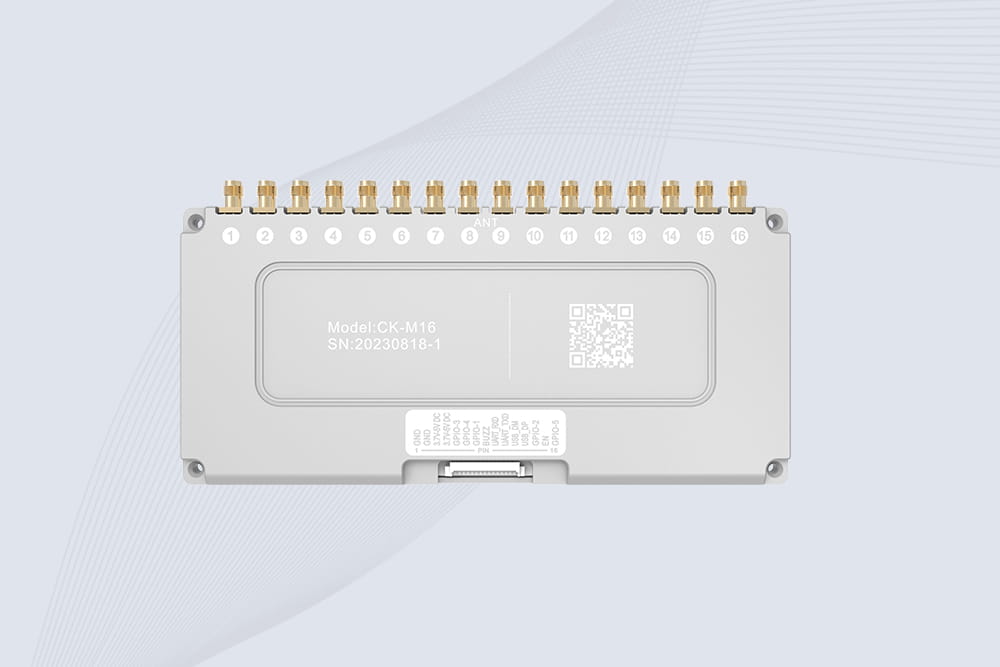
CYKEO CYKEO-M16 RFID Module is a 16-port UHF RFID reader module based on the R2000 chipset. Designed for dense tag environments, it supports ISO and GB standards and delivers stable multi-antenna control for industrial automation.
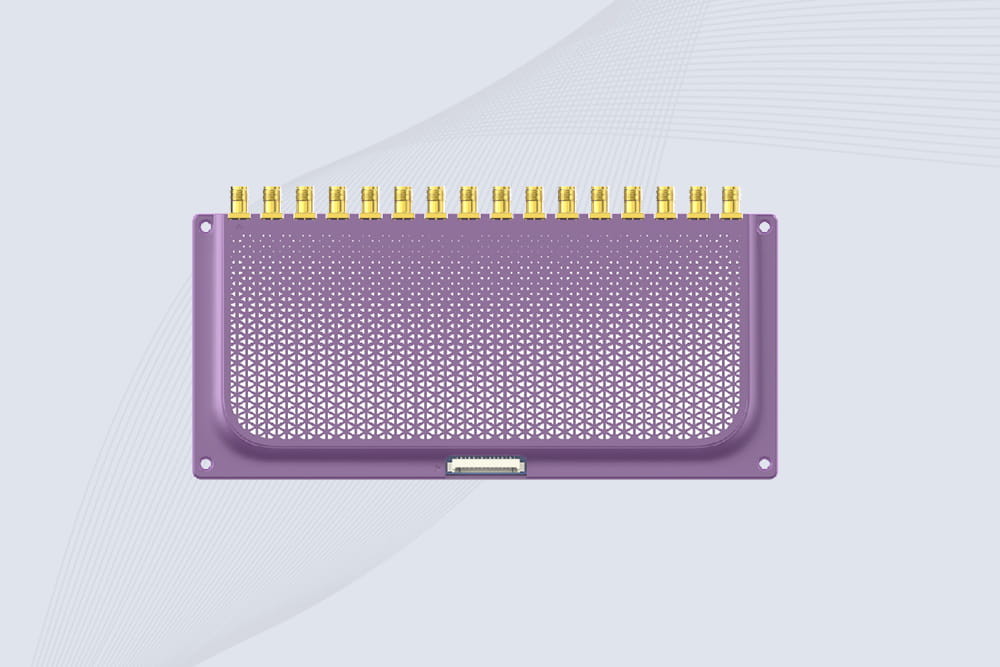
The CYKEO CYKEO-M16L RFID Reader Module is a 16-channel UHF RFID core designed for dense tag environments. With adjustable 33dBm output, multi-protocol support, and stable multi-antenna control, this RFID Tag Reader Module fits industrial automation, warehouse systems, and large-scale IoT deployments.
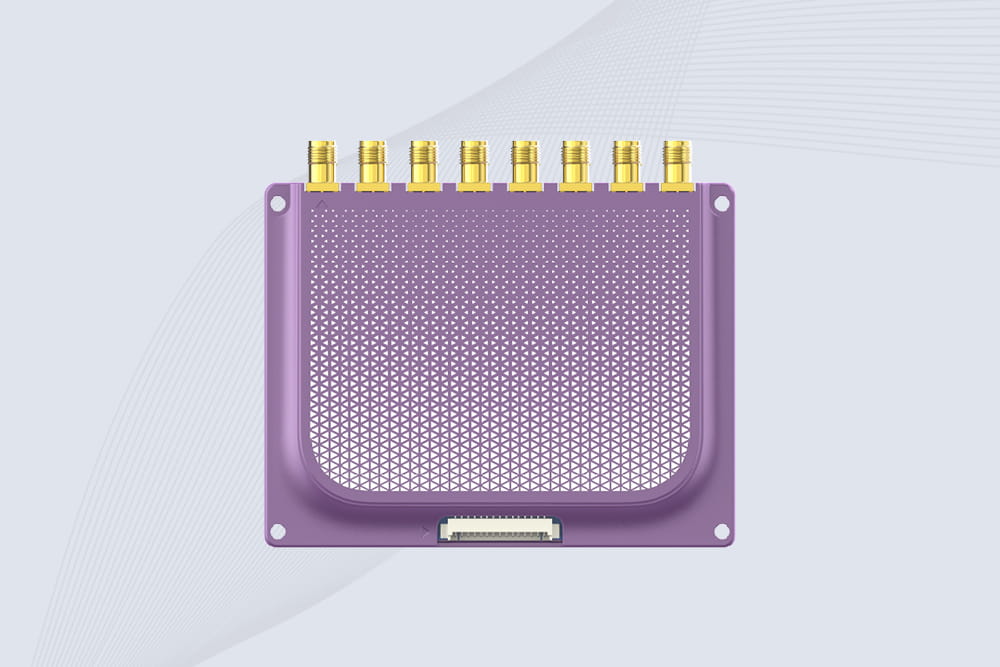
CYKEO CYKEO-M8L module RFID is a compact industrial UHF module built for dense tag and multi-antenna environments. With 8 RF ports, adjustable 33 dBm output, and ISO & GB protocol support, it is widely used in factories, warehouses, and automated tracking systems.
CYKEOCYKEO-M4L UHF RFID Module is a compact 4-channel RFID tag reader module designed for dense tag environments. Supporting ISO and GB protocols, it delivers stable reads up to 10 meters for industrial and IoT systems.
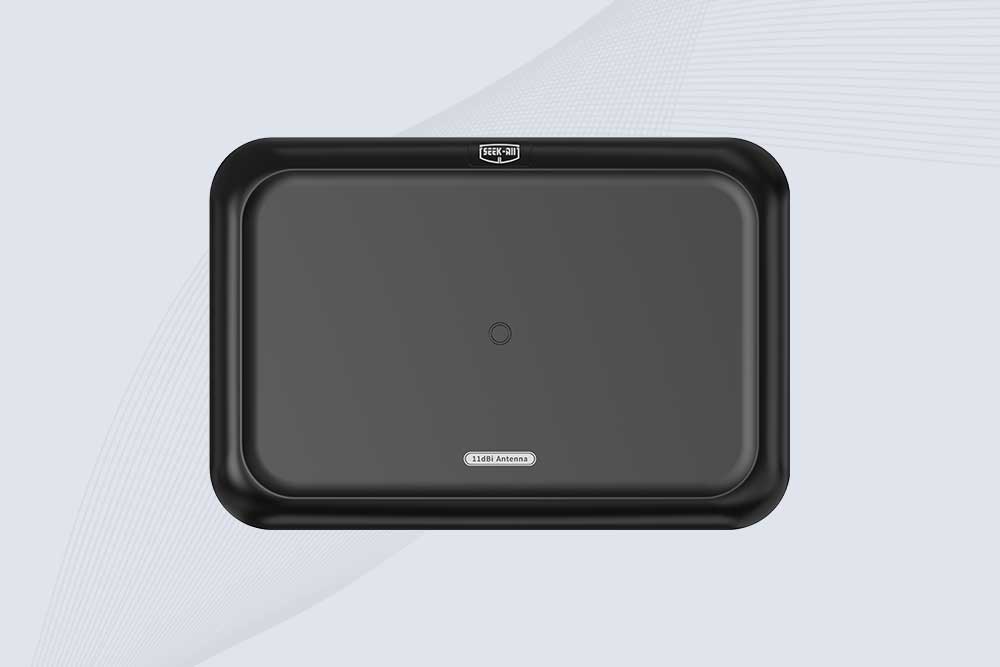
Cykeo CYKEO-A11 UHF RFID reader antenna delivers 11dBi gain, 840-960MHz frequency range, and IP65 ruggedness for retail, logistics, and industrial RFID systems. Features low VSWR and easy installation.
CYKEO Antenna RFID Reader delivers stable long-range UHF performance with a 10.5dBi directional design, built for warehouses, conveyor portals, and industrial RFID systems. This rfid reader antenna provides 20m+ read distance and rugged IP67 protection.
Cykeo CYKEO-A5B industrial Linear RFID Antenna delivers 5dBi gain, ≤1.5:1 VSWR, and IP65 rugged design for warehouse, production line, and logistics UHF systems.
Cykeo’s CYKEO-B12 Long Range RFID Antenna delivers 15m+ read range with 12dBi gain, IP65 rugged design, and global 840-960MHz UHF support. Ideal for warehouse/logistics asset tracking.
Cykeo CYKEO-B10 Long Distance RFID Antenna offers 10dBi gain, 840-960MHz frequency range, IP65 rating, and 20m+ coverage for logistics/warehousing/ETC systems. Low VSWR ensures stable signal transmission.
Cykeo CYKEO-A6 UHF RFID panel antenna features 6dBi gain, 840-960MHz broadband, IP65 metal-ready housing for logistics/smart retail. 18mm ultra-thin design with tool-free mounting.
Cykeo CK-A3 industrial antenna RFID UHF offers 5m+ tag detection, ≤1.3:1 VSWR, IP65 rugged design, and global UHF spectrum compatibility (840-960MHz) for warehouses, factories, and retail.
Cykeo CYKEO-B5 directional RFID antenna provides 5dBi gain with 60° narrow beamwidth for precise inventory tracking. IP65-rated, global UHF frequency support, and low VSWR.
Create your own high-performance DIY RFID antenna! 5dBi gain, 840-960MHz tunable, step-by-step guides. Compatible with Arduino, Raspberry Pi, and commercial UHF readers.
Cykeo CYKEO-A7 Flexible RFID Antenna features 840-960MHz wideband tuning, 7dBi gain, and IP68 rating for medical/retail/industrial curved surface deployments. 98% read accuracy with peel-and-stick installation.
Cykeo CYKEO-B5A industrial Passive RFID Antenna delivers 5dBi gain, 70° beamwidth, and -40°C~55°C operation for warehouses/smart cabinets. Compatible with Zebra/Impinj readers.
Cykeo’s CYKEO-A9B High Gain RFID Antenna delivers 15m+ read range with 9dBi amplification. Features IP54 rugged design, 840-960MHz bandwidth, and 80° beamwidth for warehouse/manufacturing RFID systems.
Cykeo’s enterprise-grade 8dbi Impinj RFID Antenna 10m+ read range with 840-960MHz tuning. Features IP65 housing, 1.4 VSWR, 35° beamwidth for retail/warehouse RFID systems.
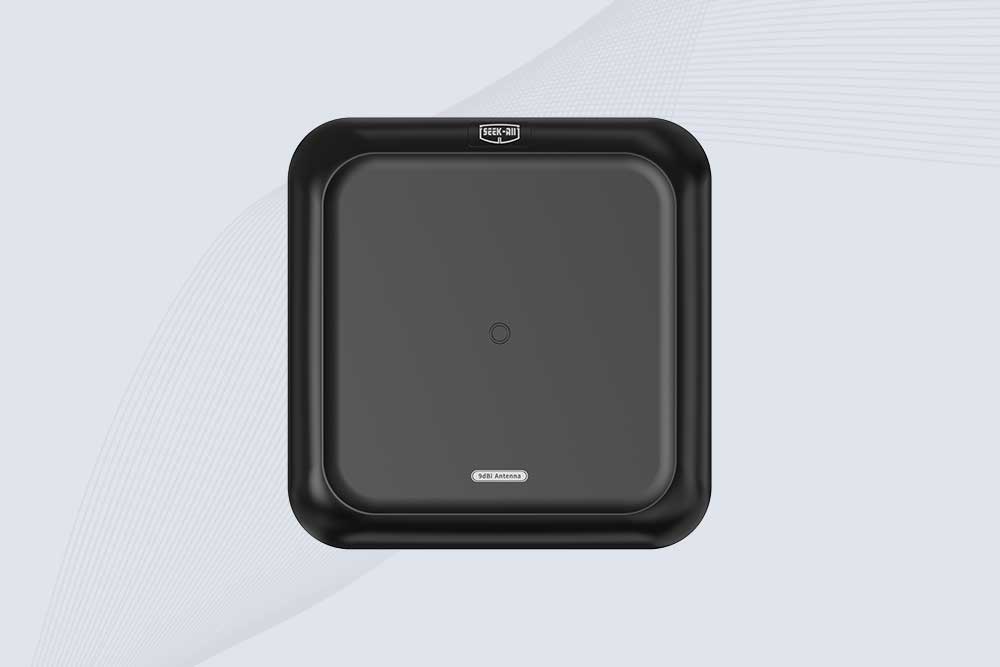
Cykeo CYKEO-A9 industrial UHF RFID antenna delivers 9dBi gain, 840-960MHz frequency range, and IP65 protection for warehouse/logistics/retail RFID systems. Features N-type connector and ≤1.3:1 VSWR.
CYKEO UHF RFID Antenna built for long-distance and industrial applications. This antenna rfid uhf delivers strong gain, outdoor durability, and reliable tag performance in warehouses, yards, and vehicle ID systems.
CYKEO Antenna RFID delivers reliable long-range UHF performance in warehouses, retail shelves, and cold-chain environments. This compact uhf rfid antenna provides stable reads with circular polarization and ultra-wide 840–960 MHz support, ideal for industrial tracking, smart shelves, and asset monitoring.
Cykeo’s CYKEO-C8 UHF RFID antennas delivers 8dBi gain, 840-960MHz full-band coverage, and IP65 ruggedness for manufacturing/warehouse RFID systems. Industrial RFID Antennas Features
Cykeo’s 8dBi UHF RFID antenna and reader kit delivers 10m+ range, 840-960MHz broadband, and IP65 ruggedness for factories, warehouses, and logistics. ISO 18000-6C & EPC Gen2 certified.
Cykeo’s CYKEO-A12C UHF Large RFID Antenna delivers 12dBi gain, 840-960MHz global frequency, IP65 ruggedness for logistics/warehousing/automotive. 40° beamwidth ensures stable 15m+ tag reads.
CYKEO Near Field RFID Antenna provides precise 5–30 cm reading for shelves, cabinets, and workstations. This compact rfid shelf antenna delivers stable short-range performance around metal and clutter, ideal for pharmacies, libraries, and electronics sorting.
Cykeo CYKEO-C1 industrial Forklift RFID Reader features 20m read range, 600 tags/sec scanning, Impinj R2000 chipset, and IP67 rugged design. Ideal for warehouse logistics and manufacturing. Supports ISO 18000-6C/6B protocols.
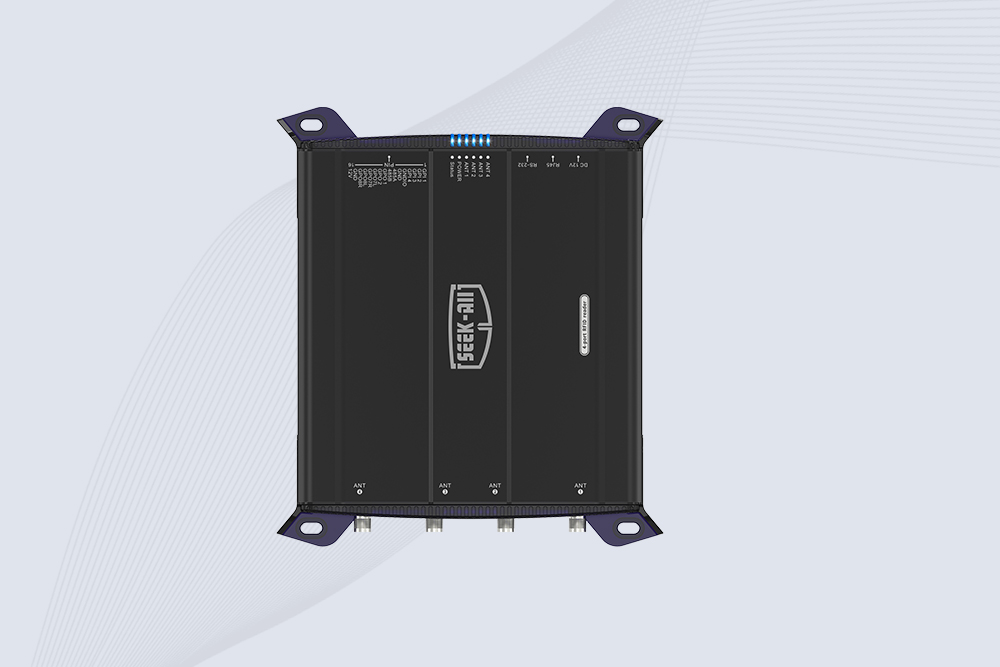
Cykeo CYKEO-R4 industrial UHF RFID Fixed Reader features 4 TNC ports, 400+ tags/sec speed, IP67 housing, and global frequency compliance for vehicle inspection, smart warehouse, and asset management systems.
CYKEO CYKEO-R8L Fixed RFID Reader with 8-port UHF design, Impinj-based RF core and up to 20m read range. An industrial Fixed RFID Reader for vehicle inspection, warehouse portals, smart manufacturing lines and secure access checkpoints.
RFID Fixed Reader from CYKEO – the CYKEO-R16L 16-port UHF fixed reader for warehouses, smart cabinets, and production lines. Long-range, multi-tag reading, stable performance for 24/7 industrial use.
High Frequency (HF) RFID automatic identification technology is driving the intelligent transformation of various industries. It is widely used in logistics, retail, healthcare, and many other fields.
Discover how rfid tag solutions improve asset visibility, inventory accuracy, and operational efficiency across logistics, manufacturing, healthcare, and industrial automation. Learn practical deployment insights from Cykeo RFID experts.
RFID systems are rapidly replacing traditional barcode-based inventory control. This article explores five key applications of RFID in warehouse and logistics management, helping wholesalers and enterprises achieve efficient, low-error operations.
Discover how RFID key management systems work, their benefits, and why businesses choose RFID technology for secure, efficient, and automated key control.
 Cykeo RFID IoT Solution Products R&D Manufacturer