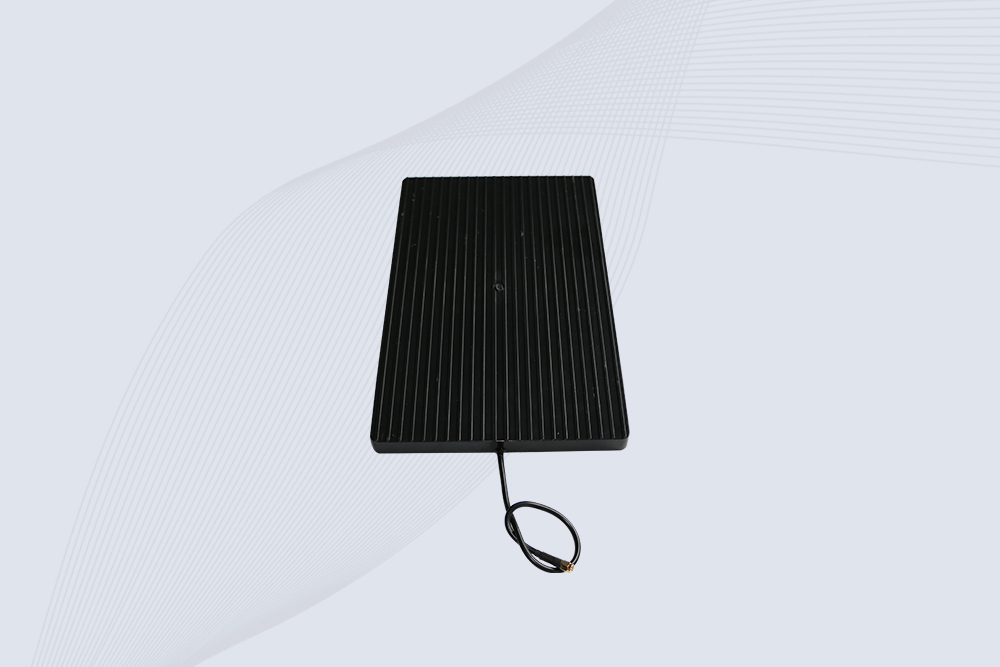
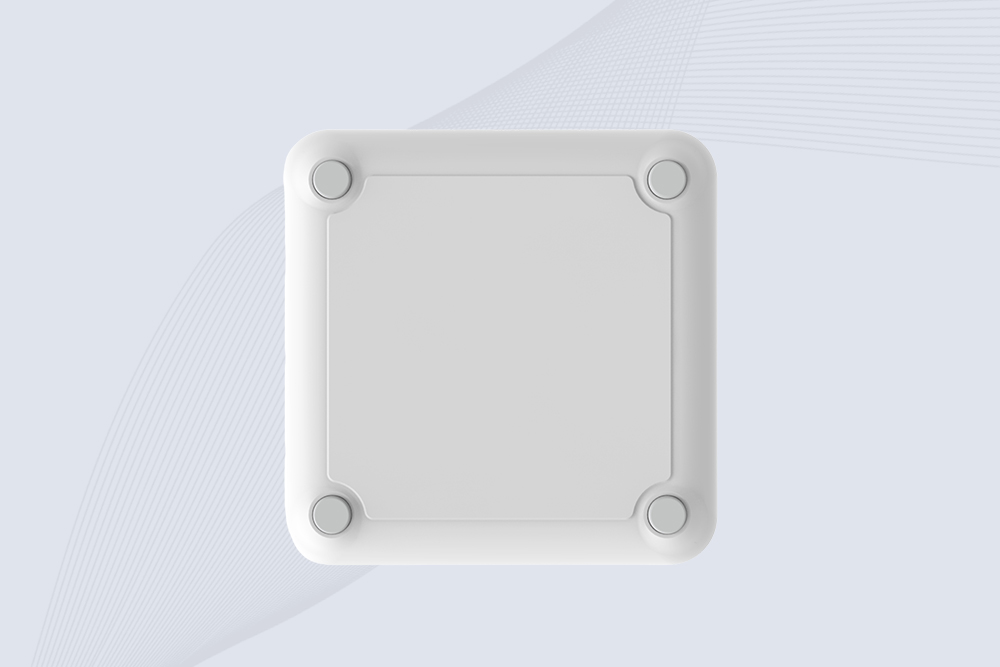
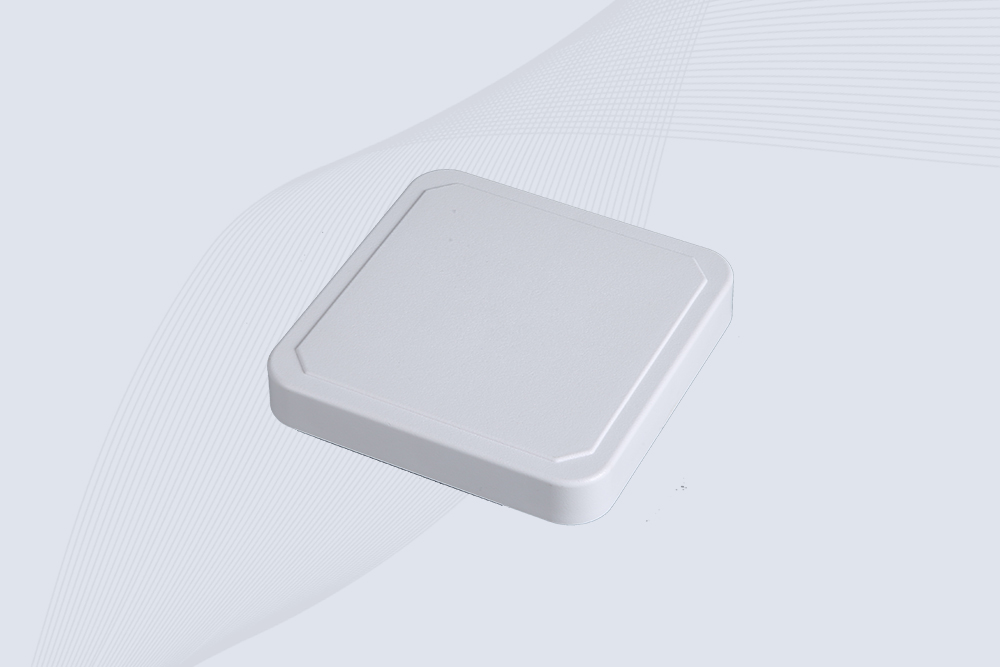
how far does rfid work depends on the RFID frequency, tag design, reader power, rfid antenna configuration, tag orientation, and surrounding environment. Passive UHF RFID commonly operates across several meters, while LF and HF systems are normally much shorter range. GS1 identifies UHF/RAIN RFID as capable of read ranges up to about 10 meters, depending on the installation environment.
What Determines How Far RFID Works?
RFID does not have one fixed operating distance.
That becomes obvious when comparing a library checkout station with a warehouse dock door. Both use RFID, but the RF architecture is completely different.
RFID Technology
Frequency
Typical Practical Range
Typical Use
LF RFID
125–134 kHz
Centimeters to tens of centimeters
Animal ID, access control
HF RFID
13.56 MHz
A few centimeters to around 1 m
Libraries, cards, NFC-related systems
Passive UHF RFID
860–930 MHz
Several meters, commonly up to ~10 m
Logistics, retail, inventory
Active RFID
Varies
Tens to hundreds of meters
Asset tracking, industrial monitoring
GS1 describes LF systems as typically operating around 10–50 cm, HF systems around 10 cm–1 m, and UHF/RAIN systems up to approximately 10 m, depending on environmental conditions.
Active RFID is different because the tag contains a battery and can actively transmit a radio signal, allowing substantially greater distances.
How UHF RFID Works Across Several Meters
For warehouse and logistics applications, passive UHF RFID is usually the technology behind longer-range reading.
A passive tag has no battery. The reader sends RF energy toward the tag. The tag’s antenna captures part of that energy, powers the chip, and the chip communicates by modulating the reflected signal. The reader receives this backscatter and extracts the tag information.
The EPC Gen2 UHF RFID ecosystem operates across the 860–930 MHz frequency range, depending on regional requirements.
This is fundamentally different from barcode scanning.
A barcode requires the optical symbol to be presented to the scanner. UHF RFID can identify multiple tagged objects without requiring the antenna to be visually exposed to the reader.
But “without line of sight” should not be confused with “through everything.”
Metal, liquids, dense packaging, tag orientation, and antenna geometry still matter.
Why Reader Power Is Only One Part of the Equation
Increasing reader output can improve the available RF energy at the tag, but simply turning the power up is not a complete range strategy.
A field installation I would trust is one where the read zone has been measured from several directions—not one where an engineer walks backward with a single tag until the last successful read.
The difference is important.
A warehouse may need to read pallets five meters away while not reading pallets on the neighboring rack. A retail self-checkout station may need to identify 20 garments together while preventing nearby merchandise from being included.
In both cases, excessive range can create a problem rather than solve one.
RFID Read Range Depends on the Antenna
The antenna establishes much of the practical RF coverage.
GS1 identifies antenna directivity, gain, polarization, and tag orientation as factors that influence the volume in which RFID tags can be successfully read.
This is why a directional antenna can be more useful than simply increasing reader power.
Consider a dock doorway. The desired RFID zone is usually a passage between two physical boundaries. RF energy should be concentrated across that passage rather than sprayed indiscriminately into the staging area.
The same principle applies to conveyor systems.
The antenna needs to see the tag at the right angle, at the right height, and for enough time to complete the inventory cycle.
Tag Orientation Is an Easily Missed Variable
Two identical tags can behave differently simply because one is rotated.
UHF RFID tags use antennas with polarization characteristics. If the tag antenna and reader antenna are poorly aligned, the coupling can deteriorate and the practical reading distance can fall.
That becomes especially noticeable with:
hanging garments;
cartons rotating on conveyors;
pallets entering at different angles;
handheld readers moving around equipment;
irregularly placed asset tags.
For this reason, a proper test should not use one carefully positioned tag as the only reference.
How Materials Affect RFID Performance
The product itself becomes part of the RF environment.
GS1 specifically notes that metal can reflect and diffract electromagnetic waves, while liquids can absorb RF energy and detune an RFID tag antenna.
That explains why a tag that performs well on a cardboard carton may perform very differently when attached to a steel tool cabinet.
Common problem environments include:
steel racks and containers;
machinery;
liquid-filled products;
dense stacks of goods;
foil packaging;
high-moisture products;
closely spaced RFID tags.
For metal assets, an on-metal RFID tag is normally a better engineering choice than trying to force a conventional paper-label tag to work against steel.
Real-World RFID Range Is a Read-Zone Question
One of the most useful distinctions in RFID engineering is the difference between maximum detection distance and usable operating distance.
A reader may detect a tag at 12 meters under ideal conditions. That does not mean a warehouse should be designed around a 12-meter read zone.
The practical questions are harder:
Does every required tag read?
Does it read while moving?
Does tag orientation change the result?
Are neighboring tags accidentally captured?
Does performance remain stable at peak tag density?
Does the system behave consistently around metal?
Can the application distinguish one passage from another?
GS1 guidance emphasizes testing the complete RFID solution because tag performance is influenced by the chip, antenna, tag construction, and operating environment.
That is the standard I recommend for Cykeo RFID deployments.
Practical RFID Range by Application
Warehouse Receiving
Passive UHF RFID can identify tagged cartons and pallets from several meters away. Fixed readers and directional antennas can create a defined doorway or conveyor read zone.
The engineering challenge is often range containment, not range extension.
Retail Inventory
UHF RFID is particularly useful where many individual products need to be identified quickly. Garments can be inventoried without scanning each barcode separately.
The antenna arrangement should prevent merchandise on nearby fixtures from becoming part of the transaction.
Industrial Asset Tracking
Industrial equipment frequently introduces metal into the equation. Here, tag construction and mounting position become critical.
Cykeo’s UHF RFID solutions can be configured for different tag types and installation environments, including applications requiring fixed readers, integrated antennas, and network communication.
Library and Near-Field Identification
Not every RFID application needs several meters.
HF RFID is often preferable when the desired interaction is deliberately short-range. A controlled short range can be an advantage when only one item should be identified at a time.
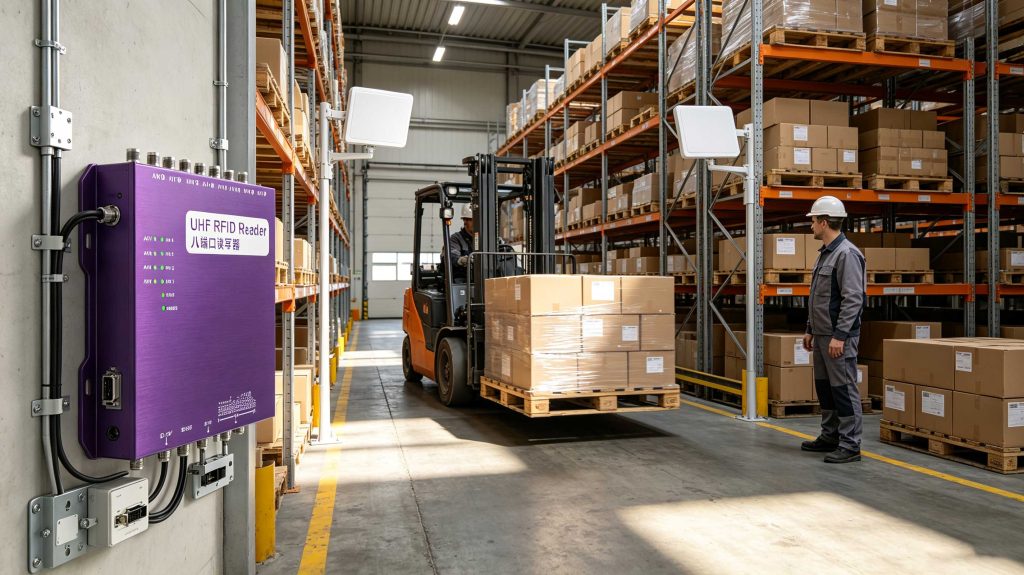
A directional UHF RFID installation creates a defined reading zone for pallets moving through a warehouse entrance.
RFID Range Testing in the Field
A useful commissioning test should use the actual product, actual tag, actual antenna, and actual installation.
I normally recommend recording at least these measurements:
Test
Measurement
Maximum range
Furthest repeatable detection
Working range
Stable range required by the application
Tag orientation
Performance at different angles
Tag density
Reading with multiple tags
Movement
Reading during actual product motion
False reads
Tags detected outside the target zone
Environment
Metal, liquids, packaging and nearby equipment
The result should be a range envelope rather than a single impressive number.
For a fixed Cykeo reader, the final configuration may involve adjusting output power, antenna orientation, reader position, filtering rules, and tag placement together.
That approach usually produces a more predictable system than chasing maximum distance.
Cykeo Perspective: Designing for the Right RFID Distance
Cykeo’s UHF RFID product architecture supports applications where multi-tag identification and controlled coverage are more important than simply achieving the longest possible reading distance.
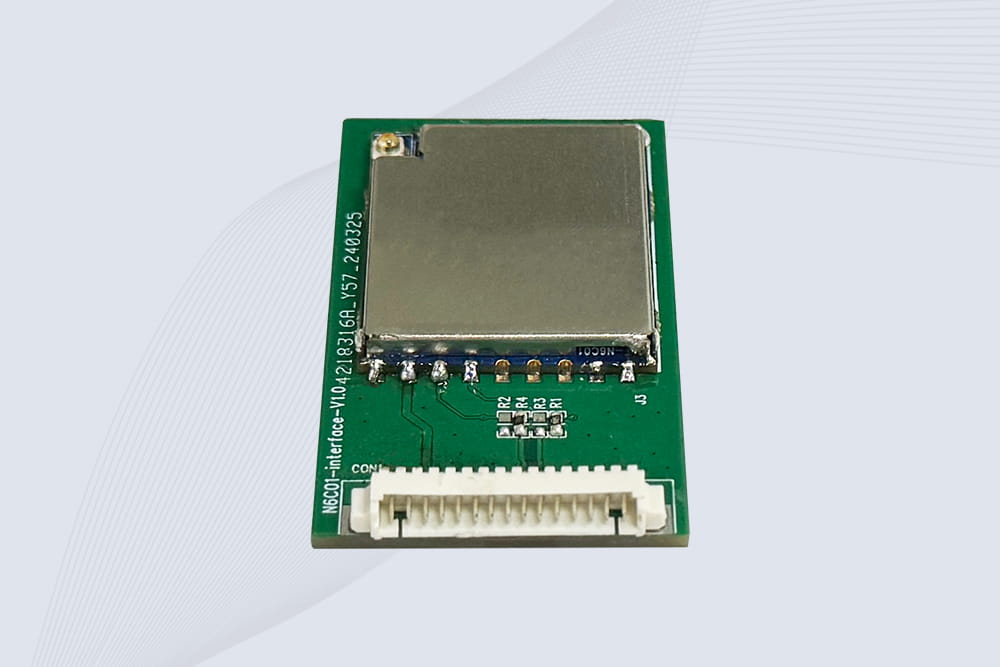
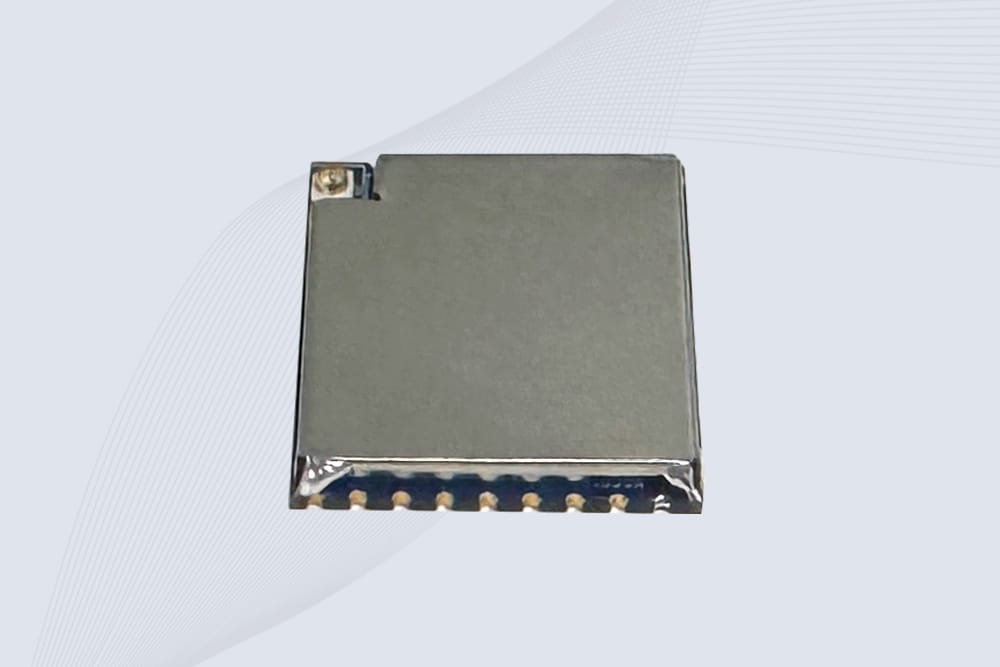
The CYKEO-M4L UHF RFID module integrates the RF front end and baseband processing and supports EPC C1G2 / ISO 18000-6C. Its adjustable output power and multi-tag recognition capabilities make it suitable for OEM equipment and embedded RFID systems.
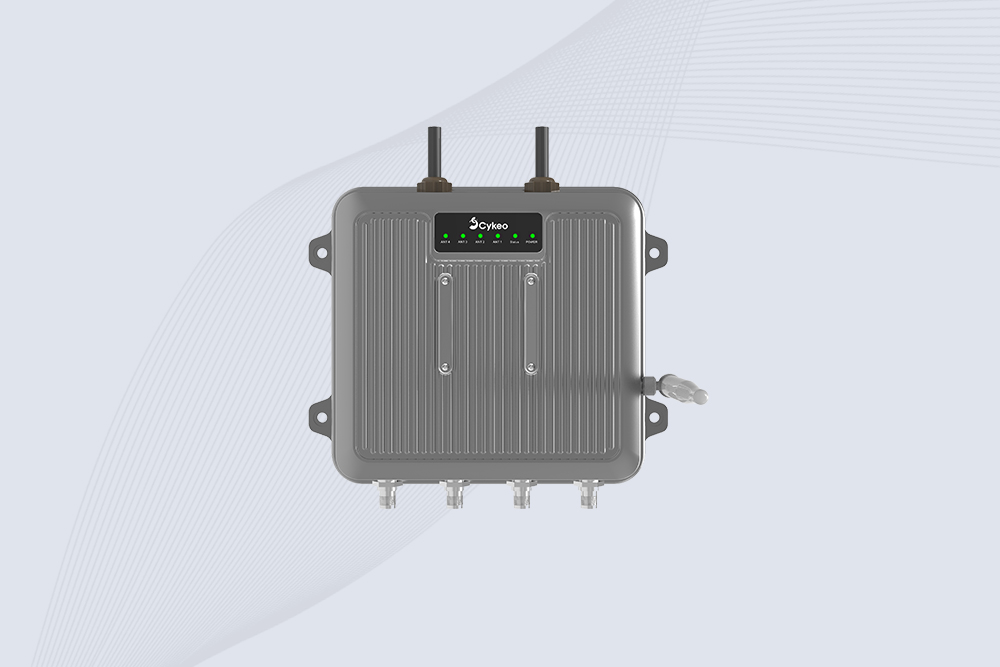
For industrial fixed installations, the CYKEO-RA9L combines a UHF reader with an integrated antenna structure and is designed for demanding environments where installation reliability matters.
The engineering objective remains straightforward:
Put the useful RF energy where the tagged objects are—and keep it away from places where they should not be read.
Author Perspective
RFID engineering perspective from Cykeo: The most useful range specification is rarely the largest number on a datasheet. During deployment, a stable read zone with predictable boundaries is usually more valuable than an impressive maximum distance. Tag orientation, antenna placement and the physical environment often decide whether a system works consistently after installation.
How Far Does RFID Work in a Real Deployment?
The practical answer depends heavily on the RFID frequency and tag type. For passive UHF/RAIN RFID, GS1 states that read ranges are typically several meters, with up to 15 meters in special cases; highly sensitive phased-array systems can reach around 20 meters under suitable conditions.
That does not mean every UHF RFID installation should be designed around a 15- or 20-meter specification.
In a warehouse, the useful question is usually narrower:
At what distance can the system read the intended tag reliably while rejecting tags outside the reading zone?
That distinction matters at loading docks, conveyor stations, retail exits and automated inventory points.
GS1’s system architecture documentation gives a typical UHF RFID read range of up to 10 meters, while also noting that absorbing or shielding materials can substantially reduce or extend this distance.
Why RFID Read Distance Changes in the Field
RFID range is not determined by the tag alone. During system commissioning, antenna position and tag orientation often become more important than the nominal reader specification.
Four variables deserve particular attention:
Factor
Effect on RFID Range
Frequency
UHF generally provides longer range than LF/HF
Reader output power
More available RF energy can extend the usable field
Antenna gain & polarization
Determines field shape and tag coupling
Tag orientation
Poor orientation can sharply reduce reliable reads
Material around the tag
Metal and RF-absorbing materials can weaken performance
Reader sensitivity
Determines whether weak backscatter can still be decoded
GS1 specifically identifies reader power, operating frequency, interference, antenna directivity and gain, polarization, and tag orientation as important variables affecting passive RFID read range.
NIST likewise notes that passive RFID tags obtain operating energy from the reader’s electromagnetic field, while active tags contain their own power source and can therefore support greater read ranges.
Passive RFID vs. Active RFID
This is where many specifications become misleading.
A passive UHF tag has no battery. The reader sends RF energy toward the tag; the tag harvests enough energy to activate its chip and responds through backscatter.
An active RFID tag carries a power source. It can communicate over substantially greater distances, making it more appropriate for applications requiring long-range asset visibility rather than inexpensive item-level identification.
GS1 gives a useful benchmark: passive UHF/RAIN RFID commonly works over several meters, while active RFID can exceed 100 meters in appropriate deployments.
For retail inventory, apparel, cartons and warehouse handling, passive UHF is often the more practical architecture.
How Cykeo Approaches RFID Read-Range Design
At Cykeo, read distance should not be treated as an isolated product number. The reader, antenna, tag, mounting geometry and software filtering have to behave as one system.
For a UHF RFID deployment, Cykeo solutions can be configured around applications requiring:
ISO 18000-6C / EPC C1G2 compatibility
Adjustable reader output power
Multi-tag identification
Anti-collision processing
Tag-data filtering
Fixed-frequency or frequency-hopping operation
Ethernet or serial communication depending on the reader architecture
Integration with application software through APIs or SDKs
For example, Cykeo’s UHF reader architecture supports output power configurations up to 33 dBm on applicable models. The engineering value is not simply the number itself. Power must be matched to antenna gain, regional regulations, tag sensitivity and the intended interrogation zone.
A reader operating at maximum power is not automatically a better reader.
In a retail doorway, excessive coverage can become a problem because products sitting on the other side of the entrance may enter the interrogation field. In a warehouse dock, the opposite may be true: insufficient field penetration can create missed reads as pallets move through the portal.
That is why practical RFID engineering starts with the reading zone, not the advertised maximum distance.
Typical RFID Read-Range Applications
Application
Typical RFID Approach
Primary Design Concern
Apparel inventory
Passive UHF
Fast multi-tag reading
Warehouse dock door
Fixed UHF reader
Controlled portal coverage
Conveyor identification
UHF reader + directional antennas
Tag orientation and speed
Pallet tracking
Long-range UHF
Antenna placement and RF environment
Retail self-checkout
Near-field or controlled UHF
Preventing adjacent-item reads
Library circulation
Controlled HF/UHF
Read-zone confinement
Outdoor asset tracking
UHF or active RFID
Distance and environmental exposure
GS1 identifies RAIN RFID as a major technology for supply-chain identification, with applications spanning manufacturing, distribution, point of sale and other supply-chain locations.
Real-World Insight: Maximum Range Is Not the Same as Useful Range
One of the more revealing tests is deliberately reducing reader power after the installation has achieved acceptable reads.
Suppose a dock-door system can read a tagged pallet from 10 meters. That sounds impressive. But if it also reads a pallet waiting in the adjacent lane, the 10-meter figure has created an operational problem.
The better configuration might deliberately operate with a smaller effective zone.
GS1 makes the same broader point: the shape and volume of the interrogation zone can matter more than the absolute maximum read distance.
This is especially important where several tagged objects are physically close together.
NIST’s RFID research also highlights the influence of materials and electromagnetic interference on RFID performance. Metals, for example, can significantly affect UHF propagation.
A warehouse technician validates RFID read performance as tagged cartons pass through a controlled UHF interrogation zone.
FAQ: How Far Does RFID Work?
1. How far can passive UHF RFID be read?
Passive UHF RFID commonly operates over several meters. GS1 cites typical ranges up to around 15 meters in special cases, with highly capable systems reaching approximately 20 meters under suitable conditions.
2. Can RFID work through boxes?
Yes. UHF RFID can read tags without line-of-sight, including tags attached to or contained within cartons, provided the packaging and contents do not excessively absorb or shield the RF signal.
3. Does metal reduce RFID range?
Yes. Metal can reflect or shield UHF radio energy and substantially change the tag’s antenna behavior. Metal-mounted applications generally require tags specifically designed for metal surfaces.
4. Does increasing reader power always increase range?
No. Higher power can increase available RF energy, but antenna characteristics, tag sensitivity, orientation, interference and regulatory limits also determine usable performance.
5. What RFID frequency provides the longest practical range?
For common passive item-level RFID, UHF/RAIN RFID generally provides the longest practical read range. GS1 describes passive UHF systems as operating in the 860–930 MHz range, depending on regional implementation.
6. Can RFID be read from 10 meters away?
Yes. Ten meters is within the stated typical capability of many UHF RFID systems, but actual performance depends on the complete installation rather than reader power alone.
7. How should an RFID system’s read range be specified?
Specify the required reliable reading zone, tag type, object material, movement speed, antenna arrangement and acceptable missed/false-read rate—not simply a maximum distance.
Explore the SSD-A07 UHF RFID antenna with 7 dBi gain, circular polarization, adjustable 840–960 MHz frequency, and 60°/75° beamwidth for stable RFID read/write performance.
SSD-A06 UHF RFID antenna with circular polarization, adjustable 840–960 MHz frequency, ≥4.5 dBi gain, and a compact directional design for RFID systems.
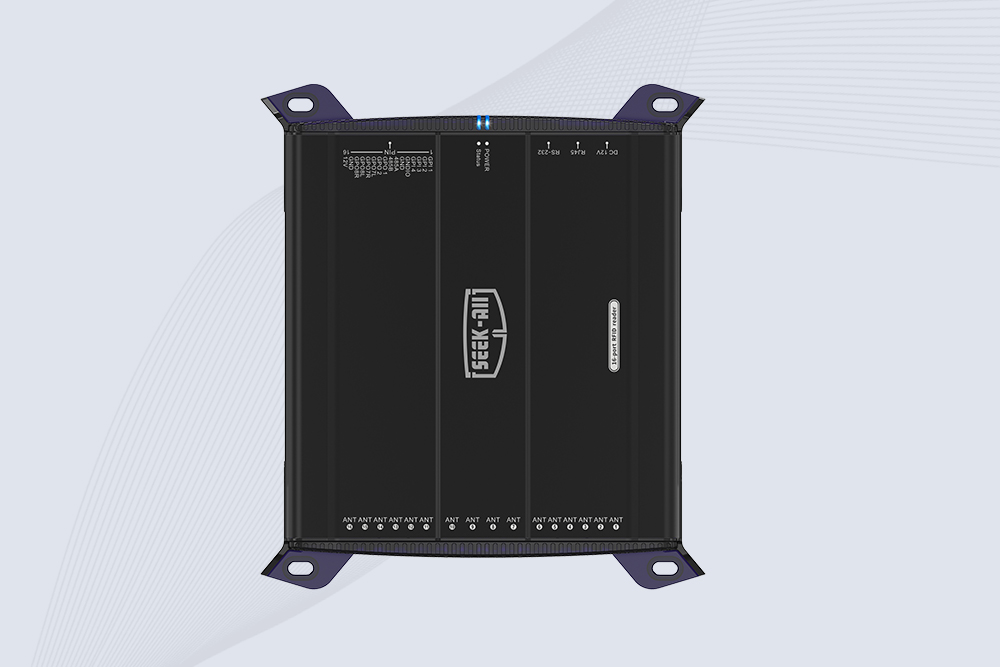
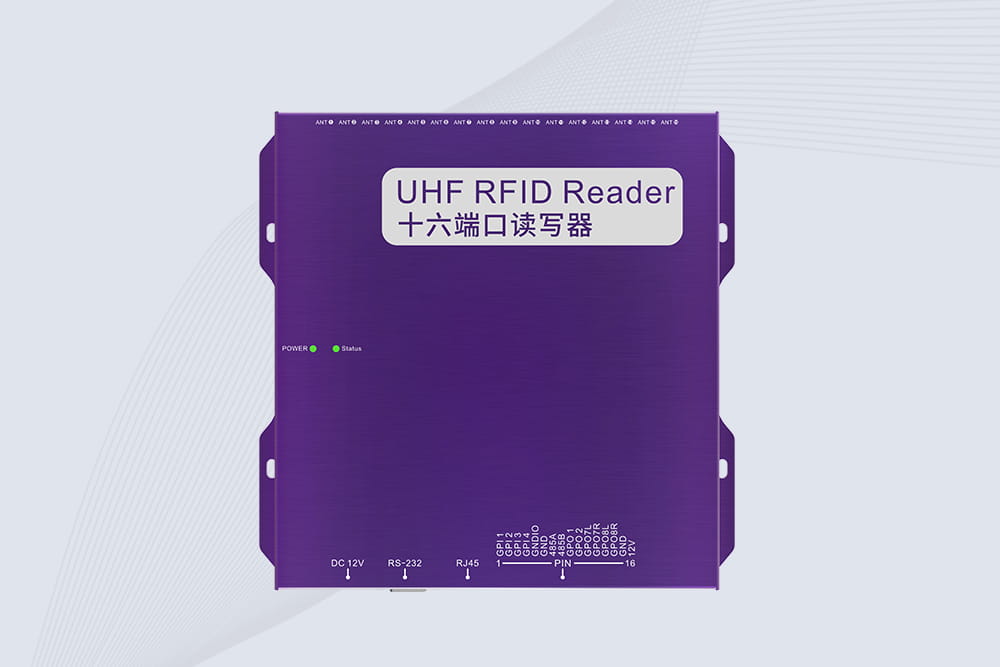
SSD-R16L Multi-Channel RFID Infrastructure for Automated Inventory Management ✔️ 16-Port High-Density RFID Reading Equipped with 16 SMA antenna ports, SSD-R16L supports multi-antenna deployment for warehouses, retail stores, logistics, production lines, and large-area RFID identification. ✔️ High-Speed & Long-Range Performance With up to 33…
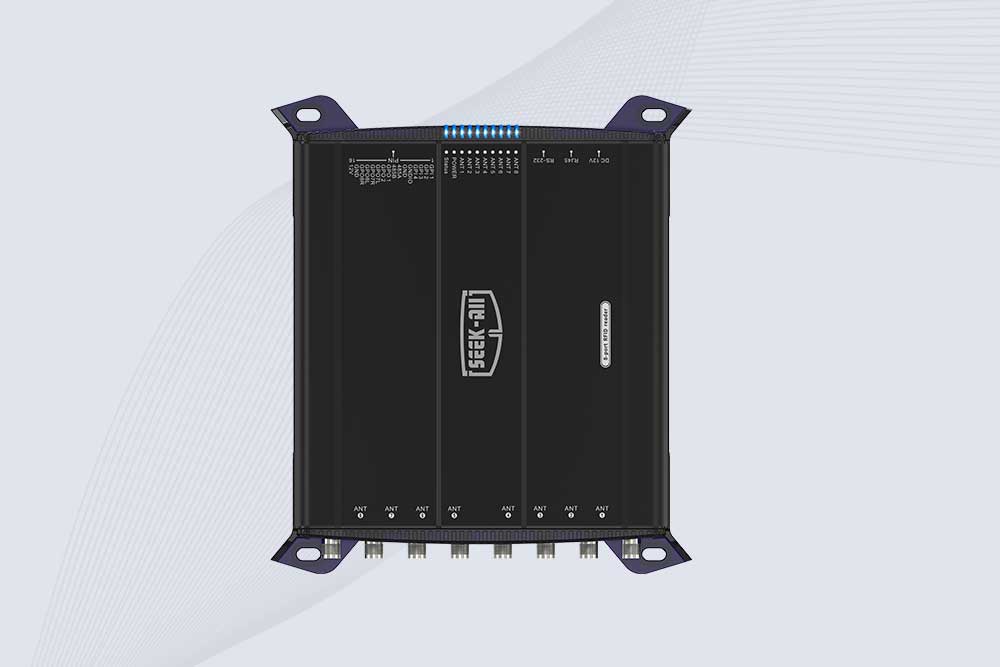
SSD-R8L 8-port UHF RFID reader with 33dBm output, up to 20m reading range and 600+ tags/s recognition. Ideal for warehouse, logistics, retail and asset tracking.
CYKEO Embedded RFID Modules are designed for compact industrial and IoT devices that require stable UHF performance. These UHF RFID Modules support global protocols, flexible power control, and reliable multi-tag reading for smart cabinets, production lines, and asset tracking systems.
CYKEO Embedded RFID Module is built for compact IoT and industrial devices that need stable UHF performance. This UHF module supports global protocols, low power operation, and reliable multi-tag reading for smart lockers, production lines, and always-on RFID systems.
CYKEO CYKEO-M1 drone rfid module is a compact UHF RFID reader module designed for drones and UAV platforms. It supports long-range aerial scanning, fast multi-tag reading, and stable performance in wind, vibration, and outdoor environments.
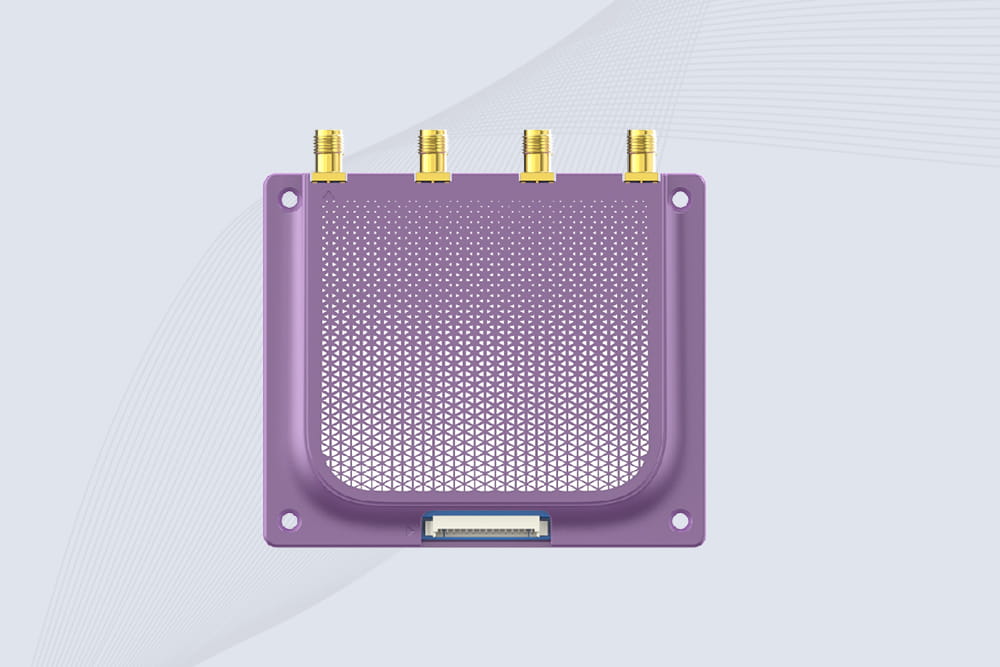
CYKEO CYKEO-M4 RC522 RFID Module is an industrial-grade UHF RFID reader with 4 ports, supporting ISO, EPC, and GB protocols. High-speed, accurate reading for IoT, automation, and warehouse applications.
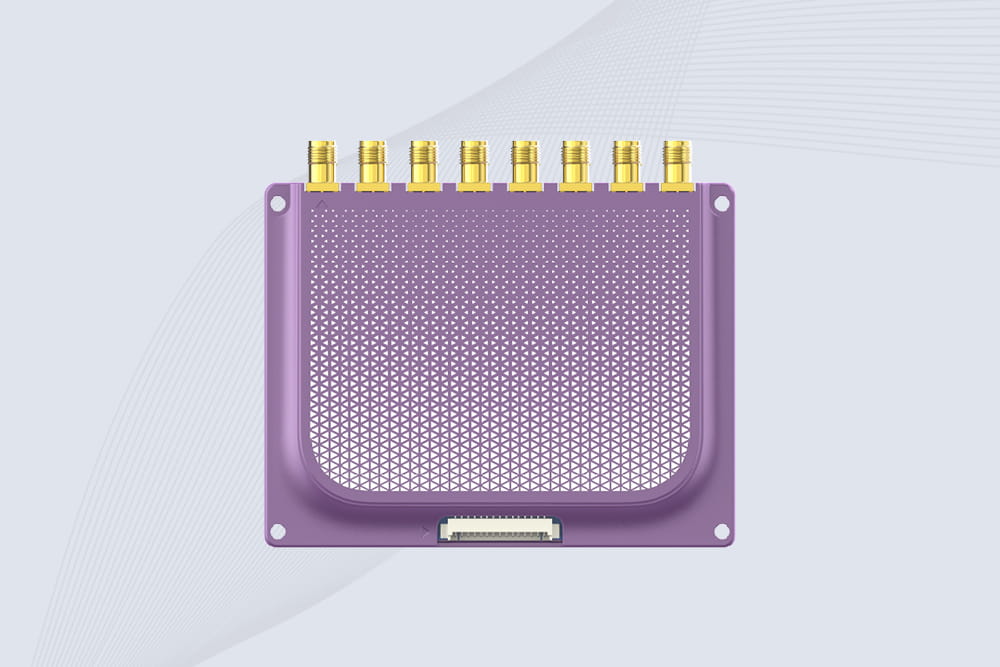
CYKEO CYKEO-M8 Module RFID is an 8-port UHF R2000 RFID Module designed for high-density, multi-tag environments. Stable 33dBm output, ISO & GB protocol support, ideal for warehouses, factories, and automated systems.
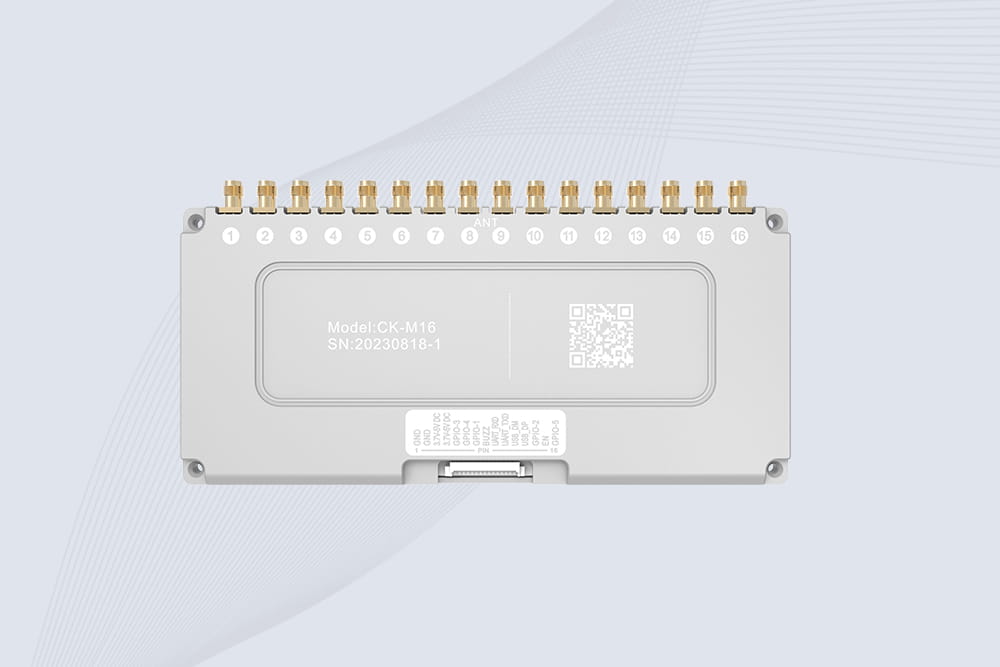
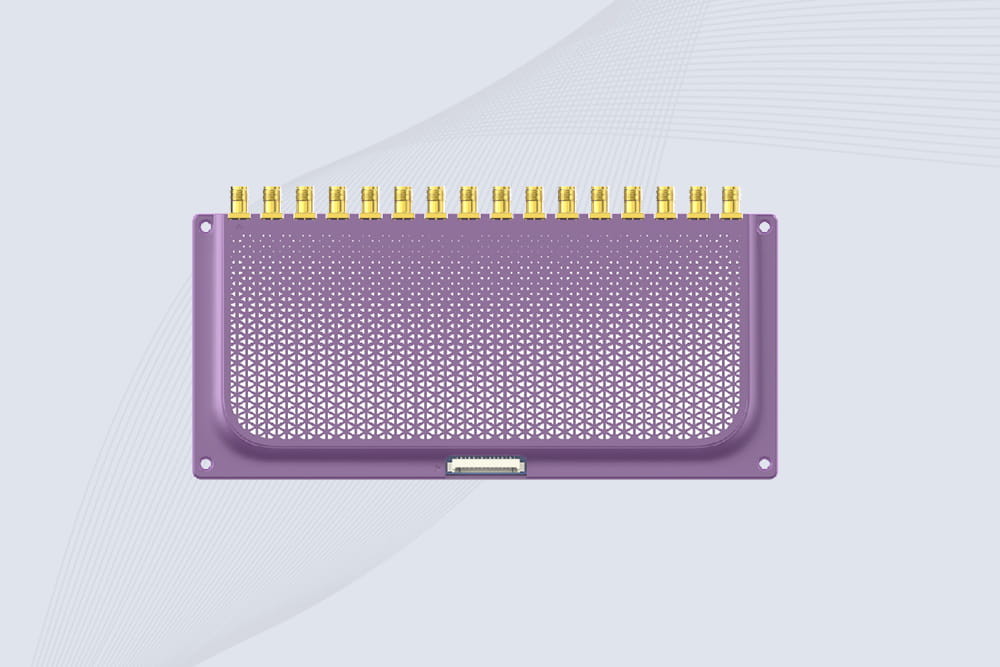
CYKEO CYKEO-M16 RFID Module is a 16-port UHF RFID reader module based on the R2000 chipset. Designed for dense tag environments, it supports ISO and GB standards and delivers stable multi-antenna control for industrial automation.
The CYKEO CYKEO-M16L RFID Reader Module is a 16-channel UHF RFID core designed for dense tag environments. With adjustable 33dBm output, multi-protocol support, and stable multi-antenna control, this RFID Tag Reader Module fits industrial automation, warehouse systems, and large-scale IoT deployments.
CYKEO CYKEO-M8L module RFID is a compact industrial UHF module built for dense tag and multi-antenna environments. With 8 RF ports, adjustable 33 dBm output, and ISO & GB protocol support, it is widely used in factories, warehouses, and automated tracking systems.
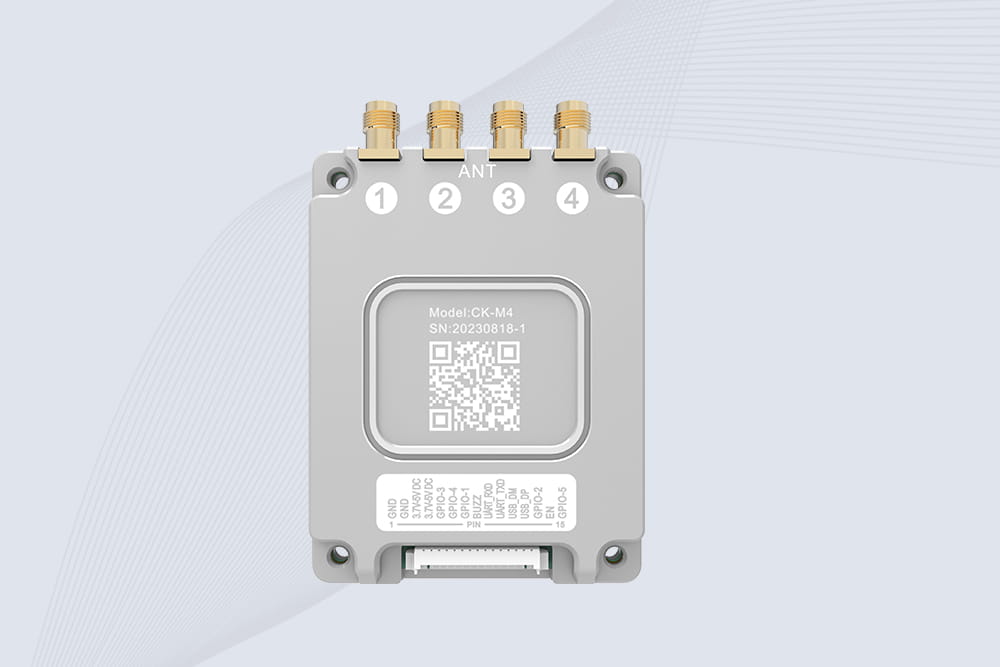
CYKEOCYKEO-M4L UHF RFID Module is a compact 4-channel RFID tag reader module designed for dense tag environments. Supporting ISO and GB protocols, it delivers stable reads up to 10 meters for industrial and IoT systems.
Cykeo CYKEO-A11 UHF RFID reader antenna delivers 11dBi gain, 840-960MHz frequency range, and IP65 ruggedness for retail, logistics, and industrial RFID systems. Features low VSWR and easy installation.
CYKEO Antenna RFID Reader delivers stable long-range UHF performance with a 10.5dBi directional design, built for warehouses, conveyor portals, and industrial RFID systems. This rfid reader antenna provides 20m+ read distance and rugged IP67 protection.
Cykeo CYKEO-A5B industrial Linear RFID Antenna delivers 5dBi gain, ≤1.5:1 VSWR, and IP65 rugged design for warehouse, production line, and logistics UHF systems.
Cykeo’s CYKEO-B12 Long Range RFID Antenna delivers 15m+ read range with 12dBi gain, IP65 rugged design, and global 840-960MHz UHF support. Ideal for warehouse/logistics asset tracking.
Cykeo CYKEO-B10 Long Distance RFID Antenna offers 10dBi gain, 840-960MHz frequency range, IP65 rating, and 20m+ coverage for logistics/warehousing/ETC systems. Low VSWR ensures stable signal transmission.
Cykeo CYKEO-A6 UHF RFID panel antenna features 6dBi gain, 840-960MHz broadband, IP65 metal-ready housing for logistics/smart retail. 18mm ultra-thin design with tool-free mounting.
Cykeo CK-A3 industrial antenna RFID UHF offers 5m+ tag detection, ≤1.3:1 VSWR, IP65 rugged design, and global UHF spectrum compatibility (840-960MHz) for warehouses, factories, and retail.
Cykeo CYKEO-B5 directional RFID antenna provides 5dBi gain with 60° narrow beamwidth for precise inventory tracking. IP65-rated, global UHF frequency support, and low VSWR.
Create your own high-performance DIY RFID antenna! 5dBi gain, 840-960MHz tunable, step-by-step guides. Compatible with Arduino, Raspberry Pi, and commercial UHF readers.
Cykeo CYKEO-A7 Flexible RFID Antenna features 840-960MHz wideband tuning, 7dBi gain, and IP68 rating for medical/retail/industrial curved surface deployments. 98% read accuracy with peel-and-stick installation.
Cykeo CYKEO-B5A industrial Passive RFID Antenna delivers 5dBi gain, 70° beamwidth, and -40°C~55°C operation for warehouses/smart cabinets. Compatible with Zebra/Impinj readers.
Cykeo’s CYKEO-A9B High Gain RFID Antenna delivers 15m+ read range with 9dBi amplification. Features IP54 rugged design, 840-960MHz bandwidth, and 80° beamwidth for warehouse/manufacturing RFID systems.
Cykeo’s enterprise-grade 8dbi Impinj RFID Antenna 10m+ read range with 840-960MHz tuning. Features IP65 housing, 1.4 VSWR, 35° beamwidth for retail/warehouse RFID systems.
Cykeo CYKEO-A9 industrial UHF RFID antenna delivers 9dBi gain, 840-960MHz frequency range, and IP65 protection for warehouse/logistics/retail RFID systems. Features N-type connector and ≤1.3:1 VSWR.
CYKEO UHF RFID Antenna built for long-distance and industrial applications. This antenna rfid uhf delivers strong gain, outdoor durability, and reliable tag performance in warehouses, yards, and vehicle ID systems.
CYKEO Antenna RFID delivers reliable long-range UHF performance in warehouses, retail shelves, and cold-chain environments. This compact uhf rfid antenna provides stable reads with circular polarization and ultra-wide 840–960 MHz support, ideal for industrial tracking, smart shelves, and asset monitoring.
Cykeo’s CYKEO-C8 UHF RFID antennas delivers 8dBi gain, 840-960MHz full-band coverage, and IP65 ruggedness for manufacturing/warehouse RFID systems. Industrial RFID Antennas Features
Cykeo’s 8dBi UHF RFID antenna and reader kit delivers 10m+ range, 840-960MHz broadband, and IP65 ruggedness for factories, warehouses, and logistics. ISO 18000-6C & EPC Gen2 certified.
Cykeo’s CYKEO-A12C UHF Large RFID Antenna delivers 12dBi gain, 840-960MHz global frequency, IP65 ruggedness for logistics/warehousing/automotive. 40° beamwidth ensures stable 15m+ tag reads.
CYKEO Near Field RFID Antenna provides precise 5–30 cm reading for shelves, cabinets, and workstations. This compact rfid shelf antenna delivers stable short-range performance around metal and clutter, ideal for pharmacies, libraries, and electronics sorting.
Cykeo CYKEO-C1 industrial Forklift RFID Reader features 20m read range, 600 tags/sec scanning, Impinj R2000 chipset, and IP67 rugged design. Ideal for warehouse logistics and manufacturing. Supports ISO 18000-6C/6B protocols.
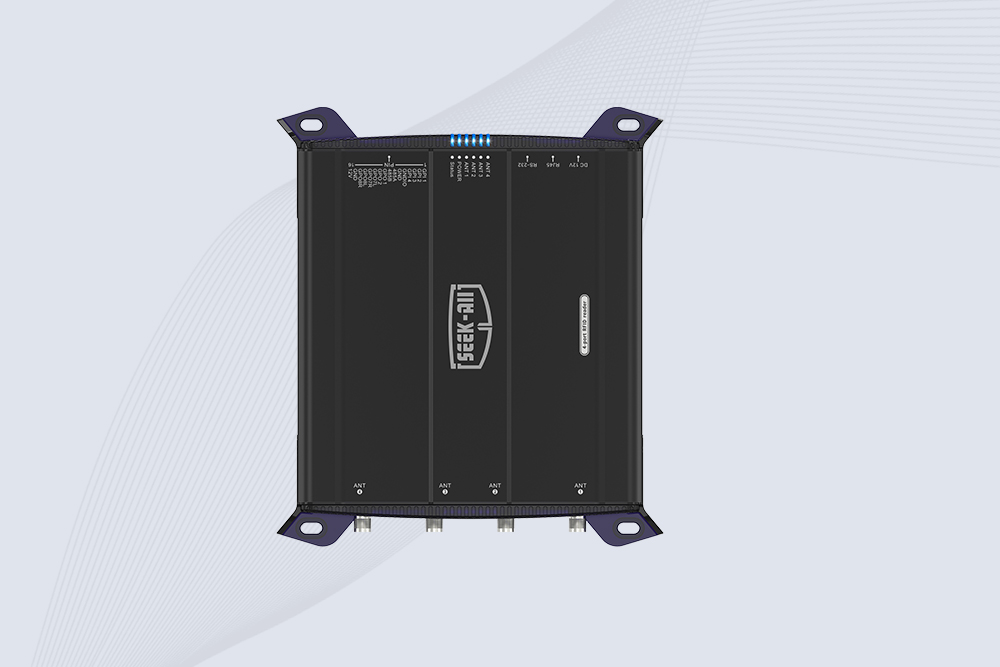
Cykeo CYKEO-R4 industrial UHF RFID Fixed Reader features 4 TNC ports, 400+ tags/sec speed, IP67 housing, and global frequency compliance for vehicle inspection, smart warehouse, and asset management systems.
CYKEO CYKEO-R8L Fixed RFID Reader with 8-port UHF design, Impinj-based RF core and up to 20m read range. An industrial Fixed RFID Reader for vehicle inspection, warehouse portals, smart manufacturing lines and secure access checkpoints.
RFID Fixed Reader from CYKEO – the CYKEO-R16L 16-port UHF fixed reader for warehouses, smart cabinets, and production lines. Long-range, multi-tag reading, stable performance for 24/7 industrial use.
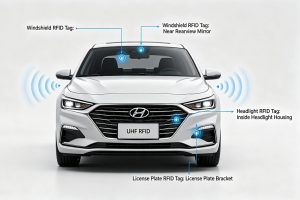
Compare RFID windshield tags, headlight tags, license plate tags, hang tags, and active RFID tags for parking systems. Learn the differences in installation, reading distance, lifespan, cost, and tamper resistance before selecting the right RFID p...
Tool tracking tool for manufacturing helps factories automate tool control, reduce losses, improve accountability, and complete inventory checks in seconds using RFID technology.
Learn how do rfid cards work through RFID technology, chip communication, and real applications. Cykeo explains RFID card systems with engineering experience.
Choosing an RFID tool cabinet requires evaluating the tools, RFID tags, cabinet structure, reading performance, access control, software, environment, and in...
 Cykeo RFID IoT Solution Products R&D Manufacturer