 Cykeo RFID IoT Solution Products R&D Manufacturer
Cost of RFID Tags vs Barcodes: 2025 Price Breakdown & Hidden Fees
940True cost of RFID tags vs barcodes exposed: See why "cheap" labels cost 350% more long-term. Calculate your break-even point + real-world pricing.
MoreAll RFID Product
To set up RFID, you need to select compatible tags, readers, antennas, software, and deployment methods based on your application. A complete RFID setup includes hardware installation, tag configuration, data integration, and performance testing to ensure accurate identification and reliable operation.
Setting up an RFID system is not simply connecting a reader and scanning tags. In real warehouse, manufacturing, and retail projects, the setup process involves matching radio frequency requirements, environmental conditions, read distance expectations, and business workflows. Based on years of RFID deployment experience at Cykeo, successful projects usually start with understanding the physical movement of items before selecting equipment.
For example, a warehouse tracking project requires different planning from a retail self-checkout application. A fixed UHF RFID reader installed at a loading dock must handle fast-moving pallets and multiple tags, while a desktop RFID writer focuses more on controlled tag encoding and data management.
Before installing RFID equipment, identify what needs to be tracked, where tags will be attached, and how data will be used.
Common RFID applications include:
During RFID deployments, engineers usually evaluate several factors:
| Evaluation factor | Why it matters |
|---|---|
| Item material | Metal and liquid can affect RFID performance |
| Reading distance | Determines reader power and antenna selection |
| Tag quantity | Influences anti-collision capability |
| Environment | Impacts reader protection requirements |
| Data workflow | Determines software integration method |
The RFID frequency directly affects system performance. Common RFID frequency ranges include:
For supply chain and warehouse projects, UHF RFID based on ISO/IEC 18000-63 (EPC Class 1 Gen 2) is widely adopted because it supports fast multi-tag identification.
According to GS1, EPC standards help companies exchange RFID-based product information across supply chains through structured identification and data sharing. RFID deployments using standardized data structures can improve interoperability between different systems.
Reader installation location often determines the final performance of an RFID system.
In practical warehouse environments, engineers normally test:
A common mistake is installing readers only based on physical convenience. During field testing, a reader may successfully detect tags at one angle but lose accuracy when pallets rotate or workers move through the area.
Cykeo UHF fixed RFID readers support adjustable output power, multi-tag recognition, filtering functions, and API integration options, allowing engineers to fine-tune performance according to different deployment environments.

After hardware installation, RFID tags need to be encoded according to the application requirements.
Typical tag setup includes:
For large-scale projects, manual registration is usually replaced by automated encoding stations. RFID desktop readers or writer devices can help operators register tags, verify stored information, and maintain accurate records.
A complete RFID setup requires software integration. Reader data normally connects with:
Cykeo RFID solutions provide SDK and API support to help developers integrate RFID readers into existing business applications. This allows companies to build customized workflows instead of replacing their current systems.
Before launching an RFID system, professional teams normally perform several tests:
The Auburn University RFID Lab has published research showing RFID adoption can significantly improve inventory record accuracy. In a retail study involving multiple stores, RFID implementation reduced inventory record inaccuracies and improved inventory visibility.
From practical deployment experience, the final adjustment stage is often where project success is decided. Small changes, such as reducing unnecessary reader power or adjusting antenna positions, can prevent false reads and improve operational stability.
The setup time depends on project size, hardware quantity, software integration requirements, and testing complexity. A small RFID workstation may be deployed quickly, while warehouse-wide systems require planning, installation, and performance verification.
A complete RFID system usually requires RFID tags, readers, antennas, software platforms, communication interfaces, and supporting management systems. The exact equipment depends on application requirements.
Yes. Many RFID readers support SDK and API integration, allowing connection with existing WMS, ERP, MES, or asset management platforms.
UHF RFID (860–960 MHz) is commonly selected for warehouse tracking because it supports longer reading distances and fast identification of multiple tags.
Common causes include unsuitable tags, incorrect reader placement, environmental interference, poor software integration, or insufficient testing before deployment.
Cykeo provides RFID hardware solutions including UHF fixed readers, RFID modules, desktop RFID writers, and integration support for industrial applications.
Setting up RFID successfully requires more than selecting individual devices. The reader, antenna, tag, software platform, and operational workflow must work as one system. In industrial environments, RFID performance is affected by factors such as metal structures, tag density, moving objects, and communication requirements.
Cykeo focuses on practical RFID deployment by providing UHF RFID readers, RFID modules, desktop RFID writers, and application-level solutions designed for warehouse, manufacturing, retail, healthcare, and asset management scenarios.
For fixed installation environments, Cykeo UHF RFID readers are designed for applications requiring continuous identification and high-volume data collection.
Key technical capabilities include:
| Cykeo RFID capability | Deployment value |
|---|---|
| ISO 18000-6C / EPC C1G2 compatibility | Supports mainstream UHF RFID tag standards |
| Adjustable output power | Helps optimize reading distance and reduce unnecessary interference |
| Multi-tag anti-collision technology | Enables simultaneous identification of multiple RFID tags |
| SDK and API support | Simplifies integration with enterprise software |
| Ethernet / RS-232 communication | Supports industrial system connectivity |
In warehouse projects, engineers often install fixed readers at receiving points, storage aisles, production lines, or shipping exits. The objective is not simply maximum reading distance. A well-designed RFID system creates controlled reading areas where only the intended tags are captured.
Cykeo’s CYKEO-RA9L and CYKEO-M4L UHF RFID solutions are designed for these types of industrial applications. The devices support high-speed tag identification, adjustable RF parameters, and flexible integration options for customized RFID systems.
A typical RFID system setup contains four major layers:
This layer includes RFID tags attached to products, tools, containers, or assets.
Common tag applications:
Tag selection should consider the application environment. For example, warehouse cartons may use standard UHF labels, while metal tools may require anti-metal RFID tags.
RFID readers collect tag information through radio communication.
Depending on the project requirements, companies may choose:
| RFID reader type | Typical application |
|---|---|
| Fixed RFID reader | Warehouse gates, production lines, inventory points |
| Desktop RFID reader writer | Tag encoding and registration |
| Embedded RFID module | OEM equipment integration |
| Handheld RFID reader | Mobile inventory checking |
The choice depends on workflow rather than device specifications alone. A warehouse performing automatic receiving requires different hardware compared with a company encoding thousands of tags before shipment.
RFID readers generate identification data that must be processed before business use.
Typical functions include:
Without proper filtering and data handling, RFID systems may collect excessive information that reduces operational efficiency.
The final RFID setup connects collected information with business systems.
Examples:
Cykeo provides software development support through SDK and API interfaces, helping customers integrate RFID hardware into existing digital systems.

Even experienced teams can encounter RFID deployment problems when planning is incomplete. Some common issues include:
RFID tags behave differently depending on the material they are attached to. Metal surfaces, liquids, and dense product stacking can influence signal performance.
A tag that works well on cardboard packaging may perform poorly when attached to machinery components.
Increasing reader power is not always the best solution. Excessive power may create unwanted reads from nearby areas.
Professional RFID setup usually focuses on:
RFID hardware alone does not create business value. The collected data must support operational decisions.
Before deployment, companies should confirm:
After an RFID system goes live, optimization continues through operational feedback.
Recommended improvement steps include:
Monitor missed reads and false reads
Adjust reader power according to actual conditions
Optimize antenna installation angles
Review tag placement methods
Update software filtering rules
Analyze RFID event data regularly
From Cykeo field deployment experience, the strongest RFID systems are usually not the ones with the most powerful hardware. They are the systems where hardware settings, physical processes, and software workflows are carefully matched.
A warehouse receiving area with correctly positioned readers can outperform a poorly planned installation using higher-power equipment. RFID success depends on engineering details that are often invisible after deployment.
Cykeo provides RFID technology solutions for companies requiring reliable identification, tracking, and automation.
Advantages include:
Cykeo provides:
Instead of providing only hardware products, Cykeo focuses on practical application requirements, including:
Different industries have different RFID requirements. Cykeo solutions can be adapted for:
Yes. RFID systems can often be integrated into existing workflows by connecting readers with current software platforms through APIs or SDKs.
The required number depends on the reading area, tag volume, workflow design, and coverage requirements. Professional site testing is recommended before installation.
Yes. UHF RFID is widely used in industrial tracking because it supports longer reading distances and fast identification of multiple tags.
Companies should test tag readability, reader communication, software integration, data accuracy, and real operating scenarios before full deployment.
Learning how to set up rfid requires understanding both technology and business operations. A reliable RFID system combines suitable tags, correctly installed readers, optimized software integration, and continuous performance testing.
Cykeo helps businesses build RFID solutions that match real operational environments, from warehouse automation to industrial asset tracking. With practical deployment experience and flexible RFID hardware platforms, companies can create scalable identification systems that support long-term digital transformation.
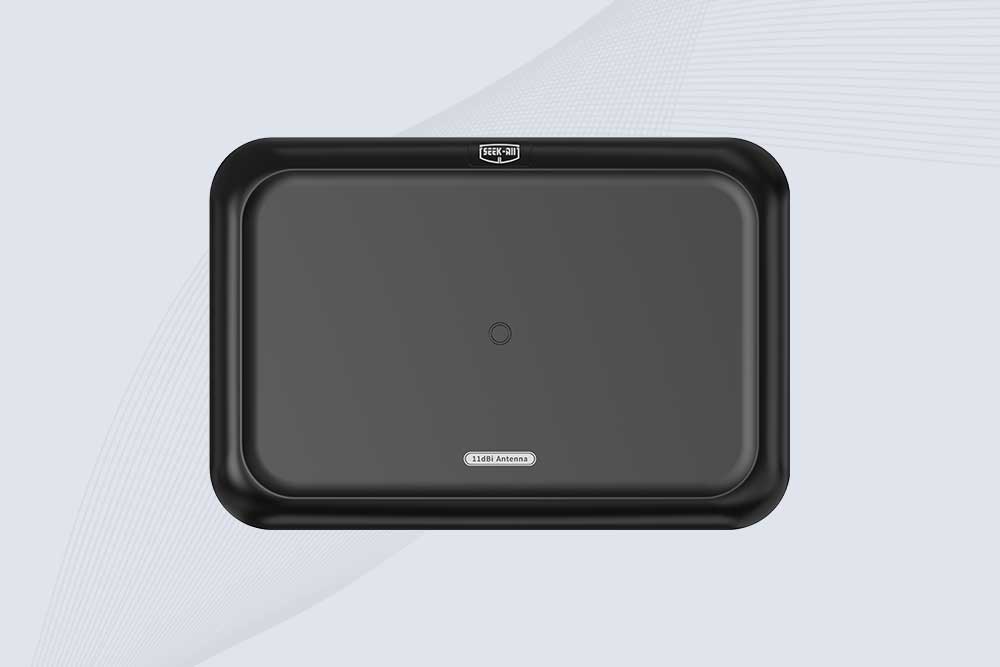
SSD-A11 UHF RFID antenna features 840–960 MHz adjustable frequency, ≥10.5 dBi gain, circular polarization and 50Ω impedance for fixed RFID systems.
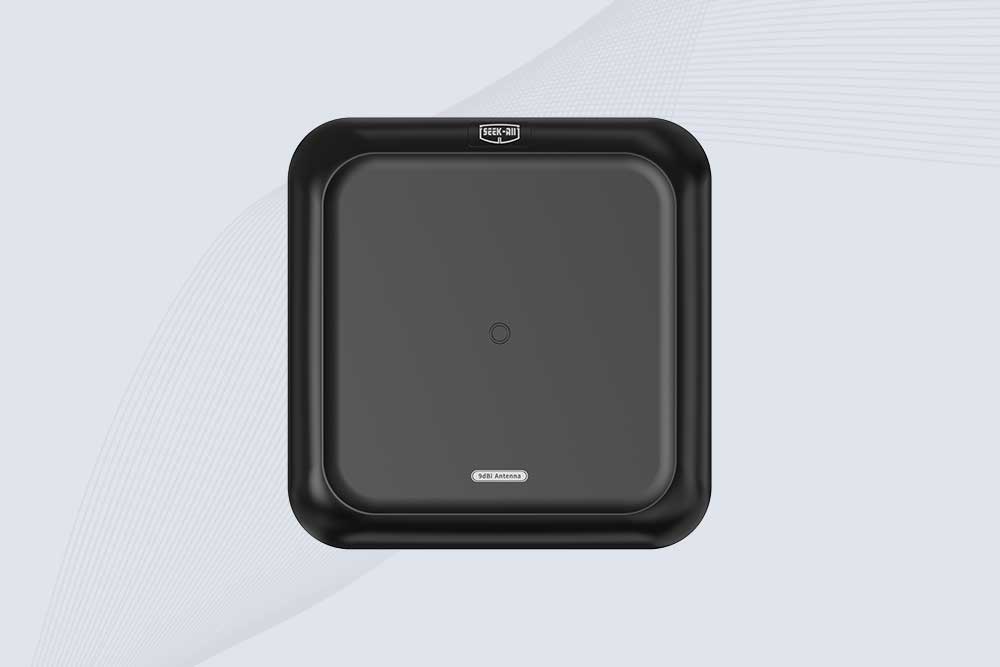
SSD-A09 is a 9 dBi UHF RFID antenna with 840–960 MHz adjustable frequency, circular polarization, 50Ω impedance and directional 60° × 60° coverage.
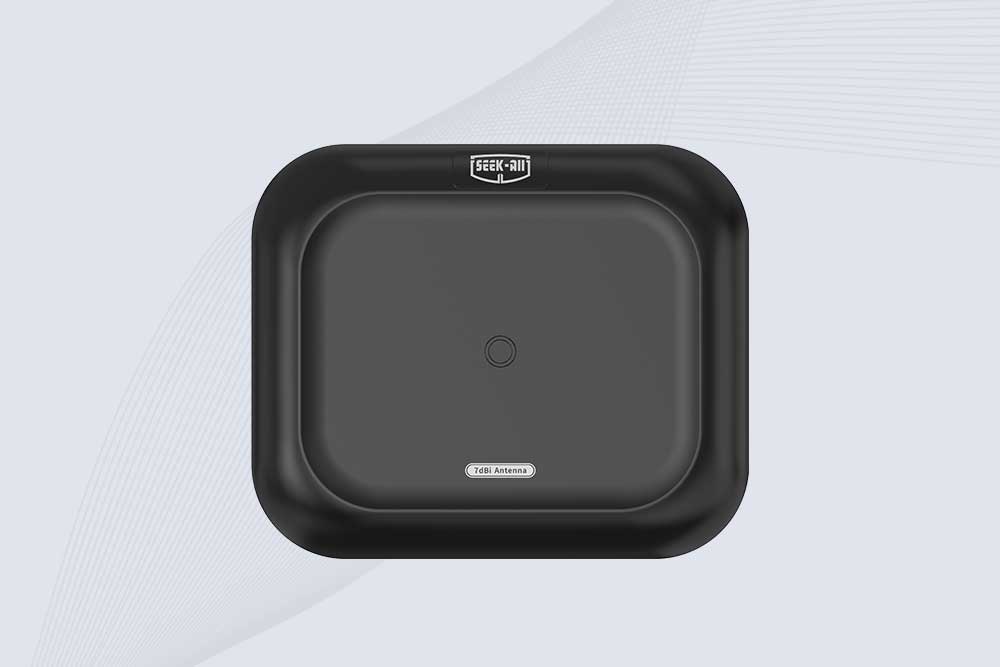
Explore the SSD-A07 UHF RFID antenna with 7 dBi gain, circular polarization, adjustable 840–960 MHz frequency, and 60°/75° beamwidth for stable RFID read/write performance.

SSD-A06 UHF RFID antenna with circular polarization, adjustable 840–960 MHz frequency, ≥4.5 dBi gain, and a compact directional design for RFID systems.
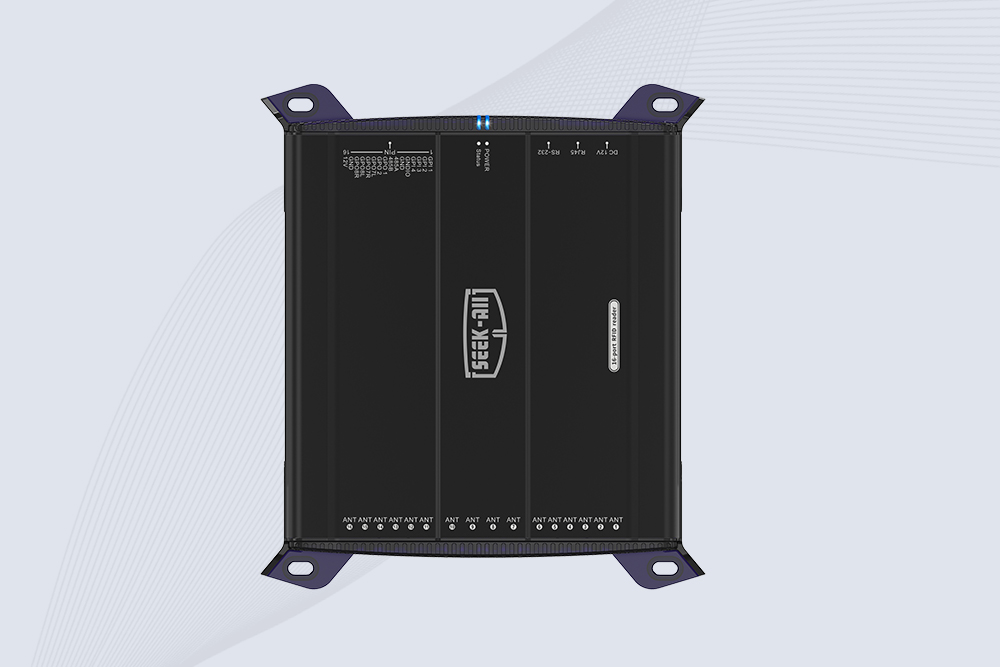
SSD-R16L Multi-Channel RFID Infrastructure for Automated Inventory Management ✔️ 16-Port High-Density RFID Reading Equipped with 16 SMA antenna ports, SSD-R16L supports multi-antenna deployment for warehouses, retail stores, logistics, production lines, and large-area RFID identification. ✔️ High-Speed & Long-Range Performance With up to 33…
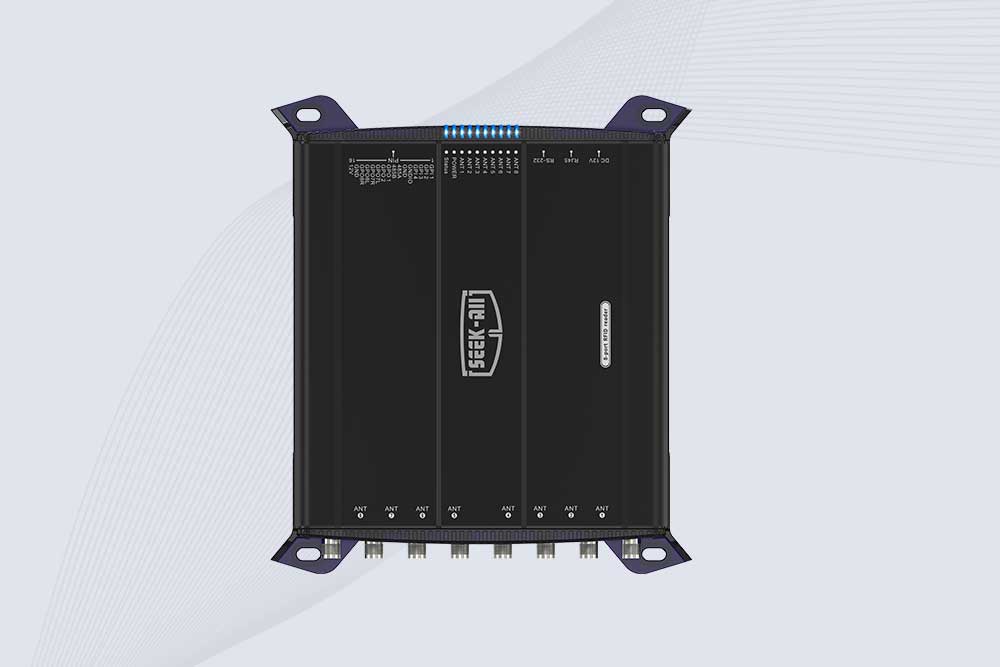
SSD-R8L 8-port UHF RFID reader with 33dBm output, up to 20m reading range and 600+ tags/s recognition. Ideal for warehouse, logistics, retail and asset tracking.
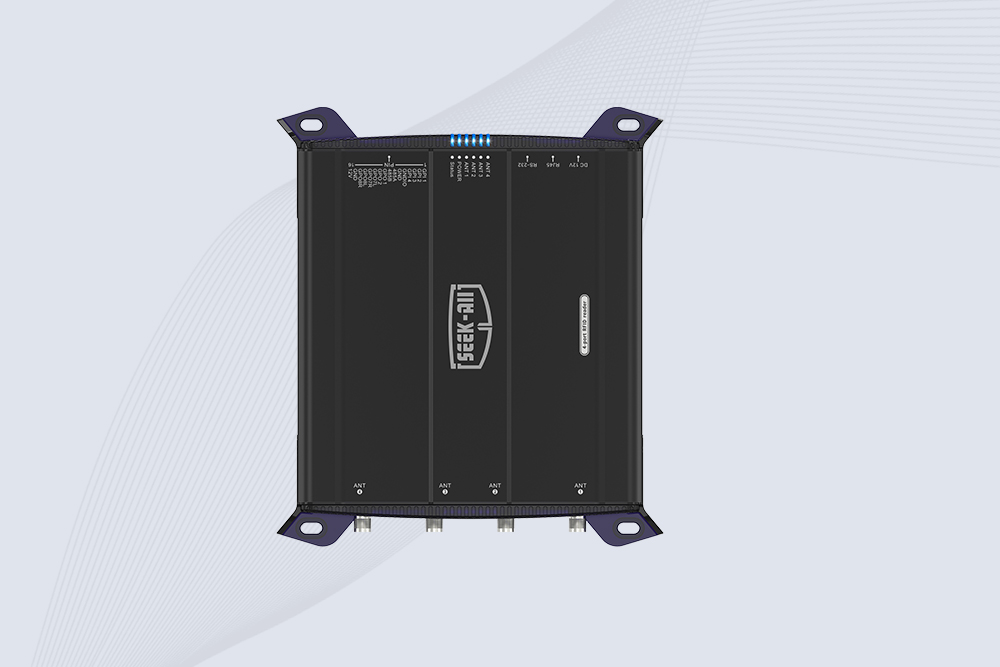
SSD-R4L is a 4-port UHF RFID fixed reader with 33dBm output power, up to 20m reading range, EPC C1G2 support and 600+ tags/s reading speed.
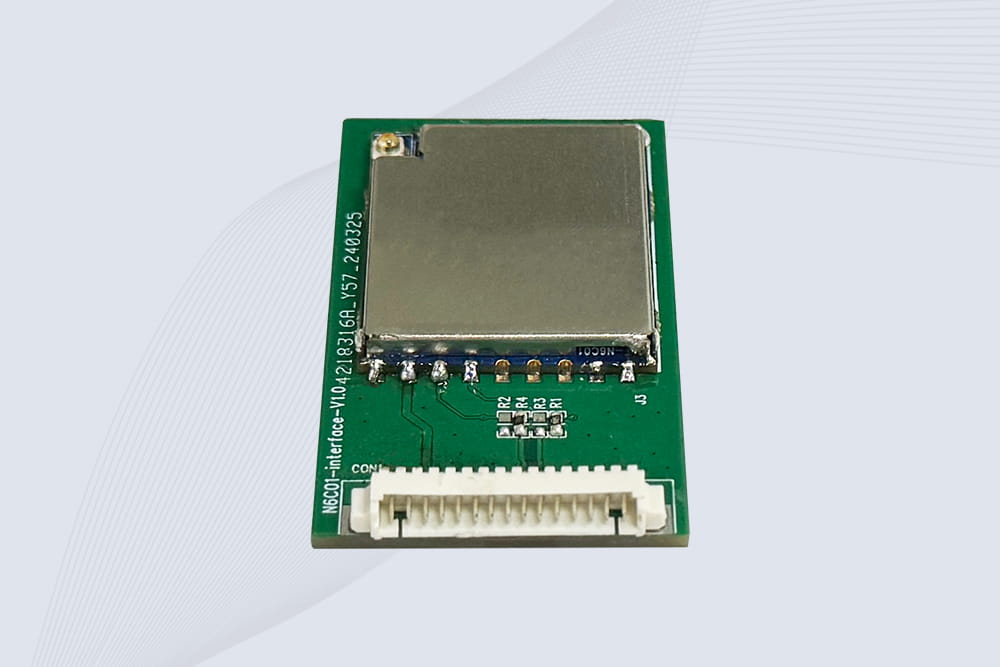
CYKEO Embedded RFID Modules are designed for compact industrial and IoT devices that require stable UHF performance. These UHF RFID Modules support global protocols, flexible power control, and reliable multi-tag reading for smart cabinets, production lines, and asset tracking systems.
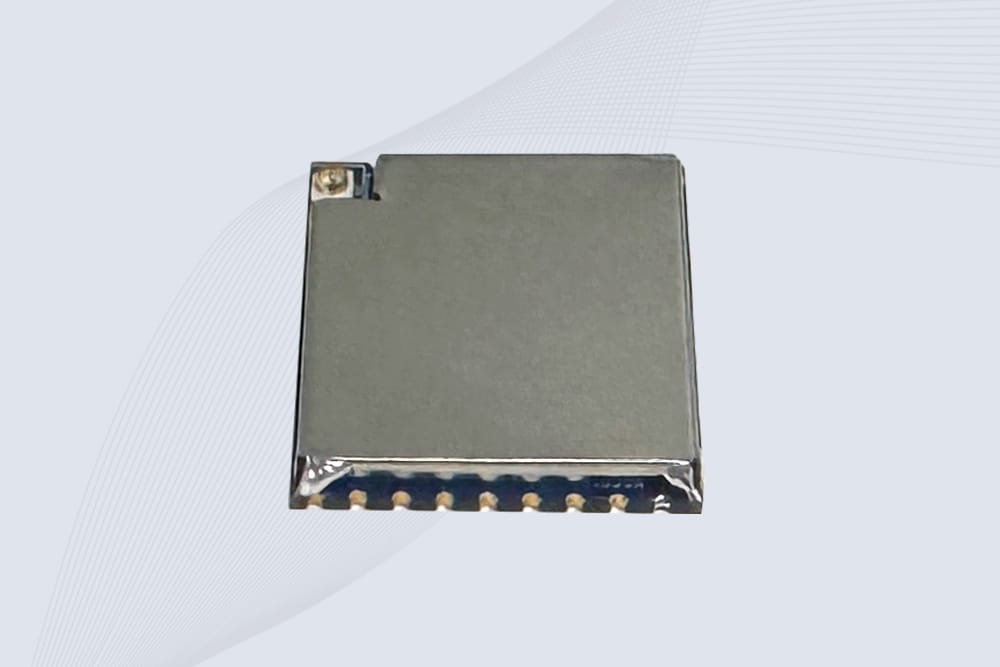
CYKEO Embedded RFID Module is built for compact IoT and industrial devices that need stable UHF performance. This UHF module supports global protocols, low power operation, and reliable multi-tag reading for smart lockers, production lines, and always-on RFID systems.
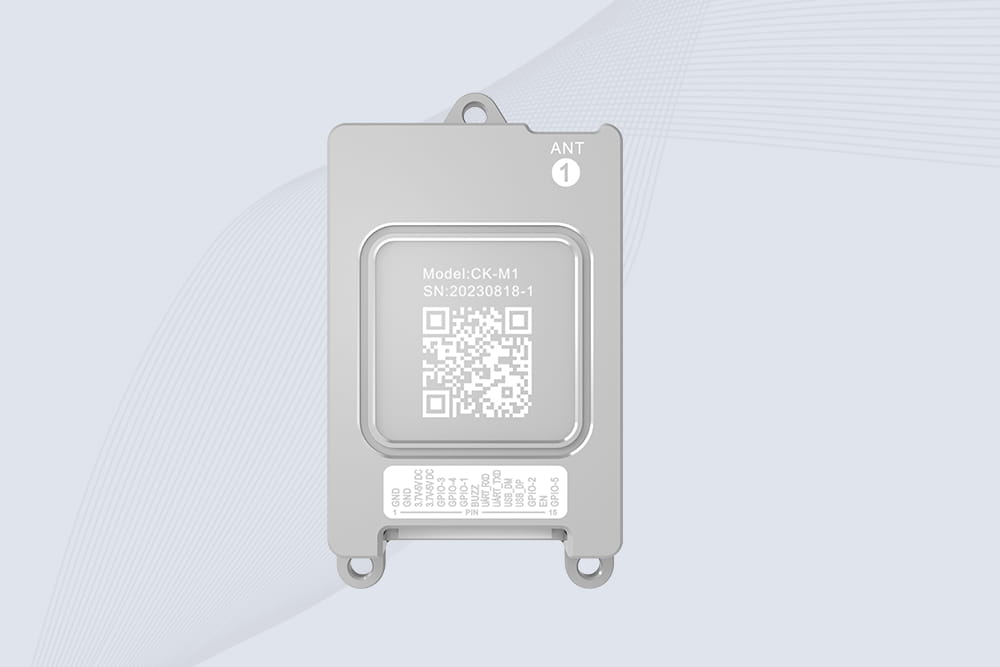
CYKEO CYKEO-M1 drone rfid module is a compact UHF RFID reader module designed for drones and UAV platforms. It supports long-range aerial scanning, fast multi-tag reading, and stable performance in wind, vibration, and outdoor environments.
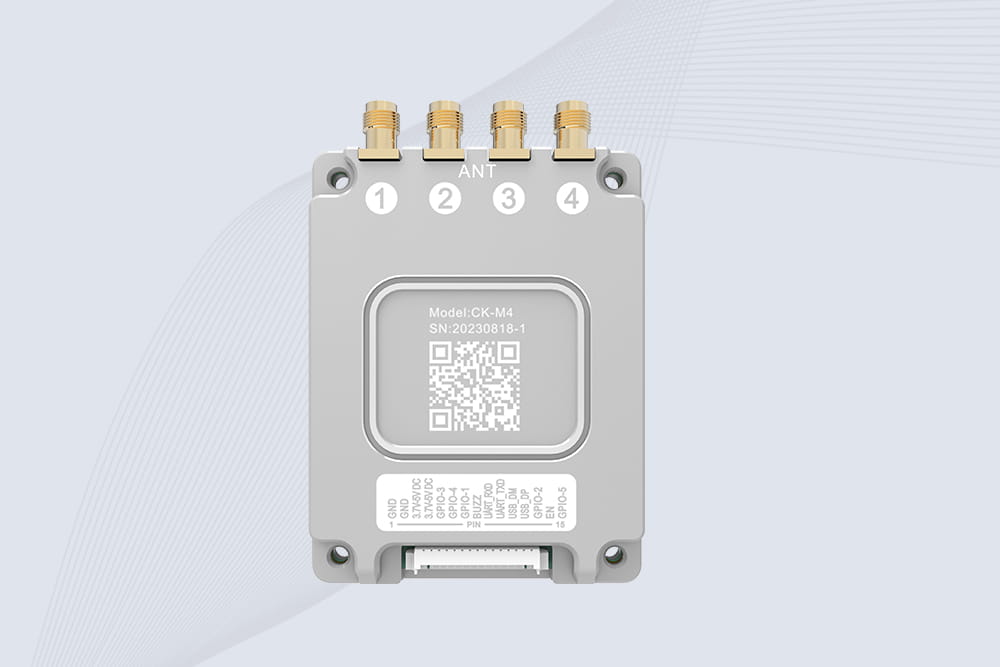
CYKEO CYKEO-M4 RC522 RFID Module is an industrial-grade UHF RFID reader with 4 ports, supporting ISO, EPC, and GB protocols. High-speed, accurate reading for IoT, automation, and warehouse applications.
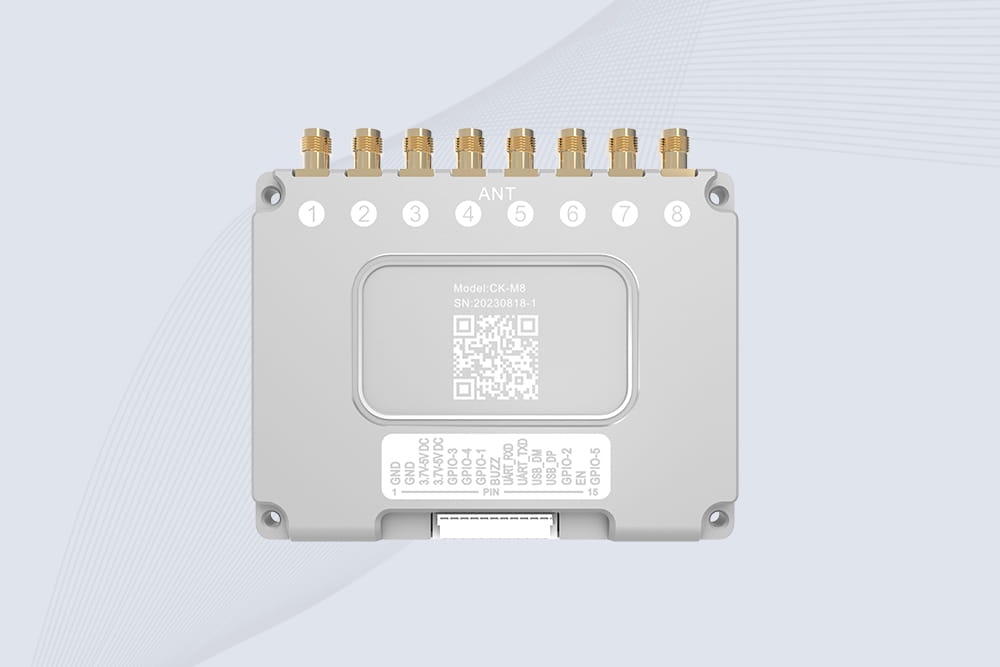
CYKEO CYKEO-M8 Module RFID is an 8-port UHF R2000 RFID Module designed for high-density, multi-tag environments. Stable 33dBm output, ISO & GB protocol support, ideal for warehouses, factories, and automated systems.
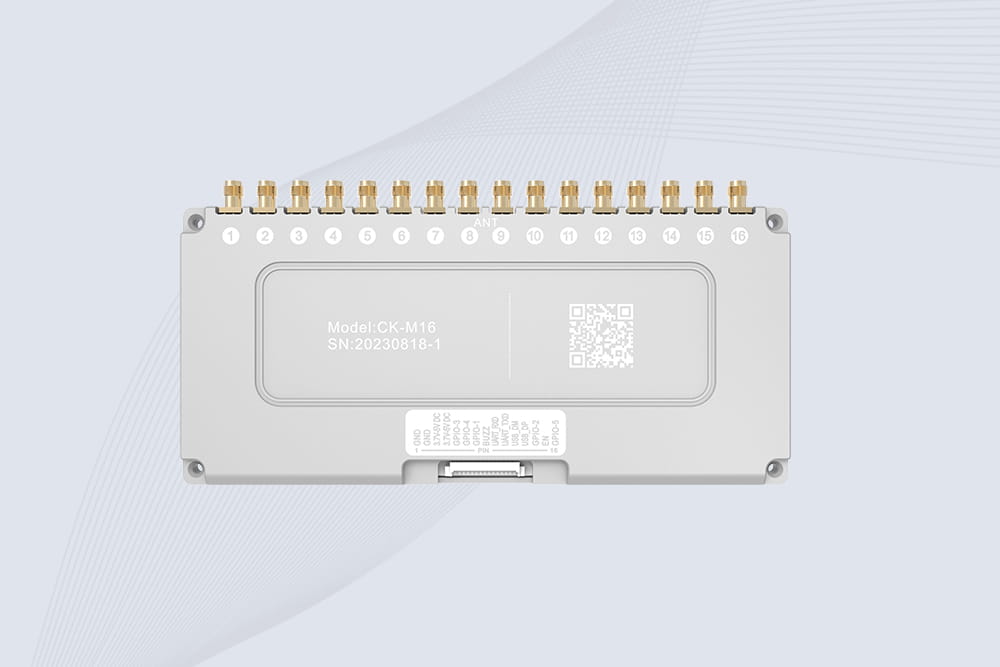
CYKEO CYKEO-M16 RFID Module is a 16-port UHF RFID reader module based on the R2000 chipset. Designed for dense tag environments, it supports ISO and GB standards and delivers stable multi-antenna control for industrial automation.
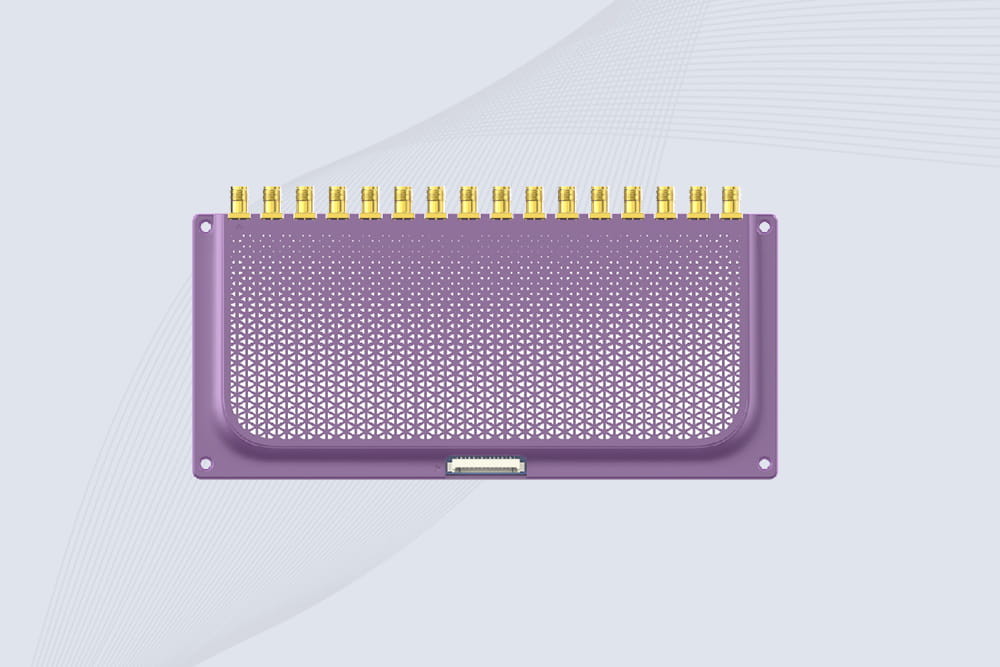
The CYKEO CYKEO-M16L RFID Reader Module is a 16-channel UHF RFID core designed for dense tag environments. With adjustable 33dBm output, multi-protocol support, and stable multi-antenna control, this RFID Tag Reader Module fits industrial automation, warehouse systems, and large-scale IoT deployments.
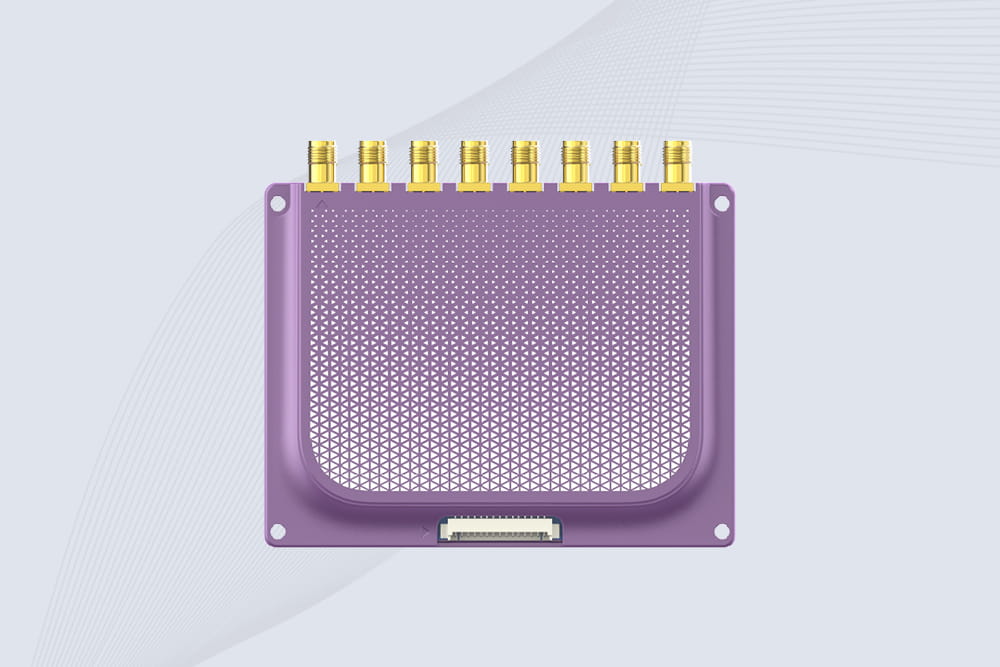
CYKEO CYKEO-M8L module RFID is a compact industrial UHF module built for dense tag and multi-antenna environments. With 8 RF ports, adjustable 33 dBm output, and ISO & GB protocol support, it is widely used in factories, warehouses, and automated tracking systems.
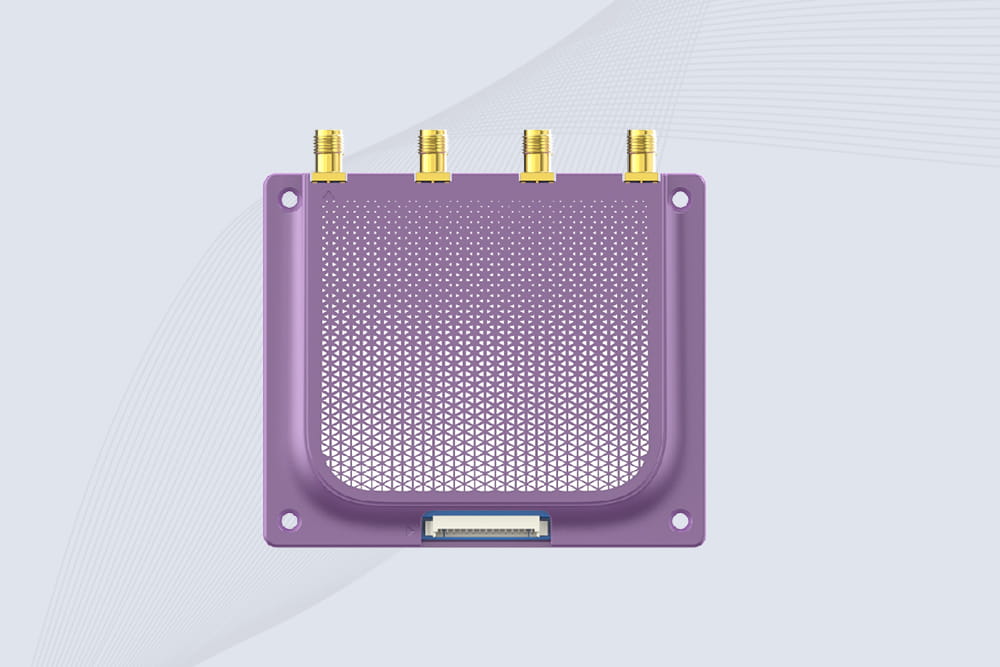
CYKEOCYKEO-M4L UHF RFID Module is a compact 4-channel RFID tag reader module designed for dense tag environments. Supporting ISO and GB protocols, it delivers stable reads up to 10 meters for industrial and IoT systems.
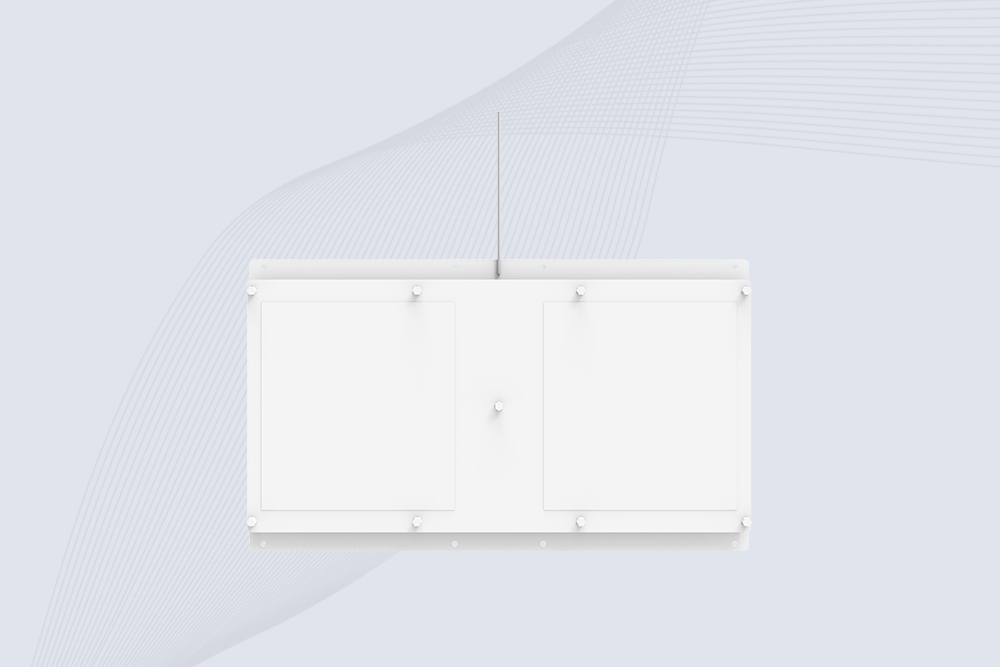
Cykeo CYKEO-A11 UHF RFID reader antenna delivers 11dBi gain, 840-960MHz frequency range, and IP65 ruggedness for retail, logistics, and industrial RFID systems. Features low VSWR and easy installation.
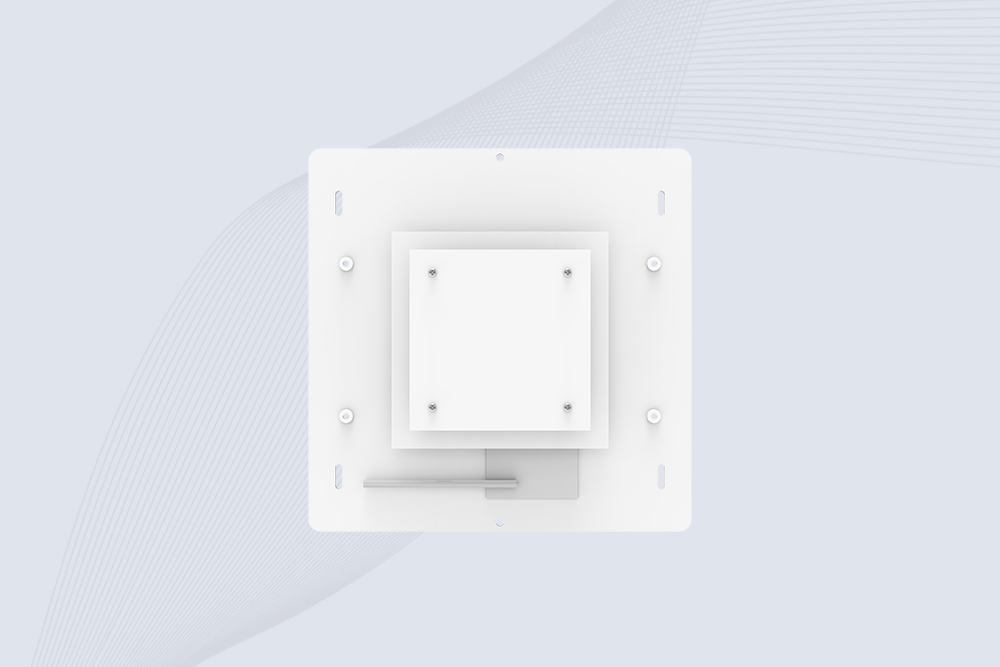
CYKEO Antenna RFID Reader delivers stable long-range UHF performance with a 10.5dBi directional design, built for warehouses, conveyor portals, and industrial RFID systems. This rfid reader antenna provides 20m+ read distance and rugged IP67 protection.

Cykeo CYKEO-PHF3 industrial HF RFID Antenna offers 24-point dynamic tracking, ISO 14443A/15693 protocols, metal-environment stability for archives/libraries/manufacturing.

Cykeo CYKEO-A5B industrial Linear RFID Antenna delivers 5dBi gain, ≤1.5:1 VSWR, and IP65 rugged design for warehouse, production line, and logistics UHF systems.

Cykeo’s CYKEO-B12 Long Range RFID Antenna delivers 15m+ read range with 12dBi gain, IP65 rugged design, and global 840-960MHz UHF support. Ideal for warehouse/logistics asset tracking.
Cykeo CYKEO-B10 Long Distance RFID Antenna offers 10dBi gain, 840-960MHz frequency range, IP65 rating, and 20m+ coverage for logistics/warehousing/ETC systems. Low VSWR ensures stable signal transmission.
Cykeo CYKEO-A6 UHF RFID panel antenna features 6dBi gain, 840-960MHz broadband, IP65 metal-ready housing for logistics/smart retail. 18mm ultra-thin design with tool-free mounting.

Cykeo CK-A3 industrial antenna RFID UHF offers 5m+ tag detection, ≤1.3:1 VSWR, IP65 rugged design, and global UHF spectrum compatibility (840-960MHz) for warehouses, factories, and retail.
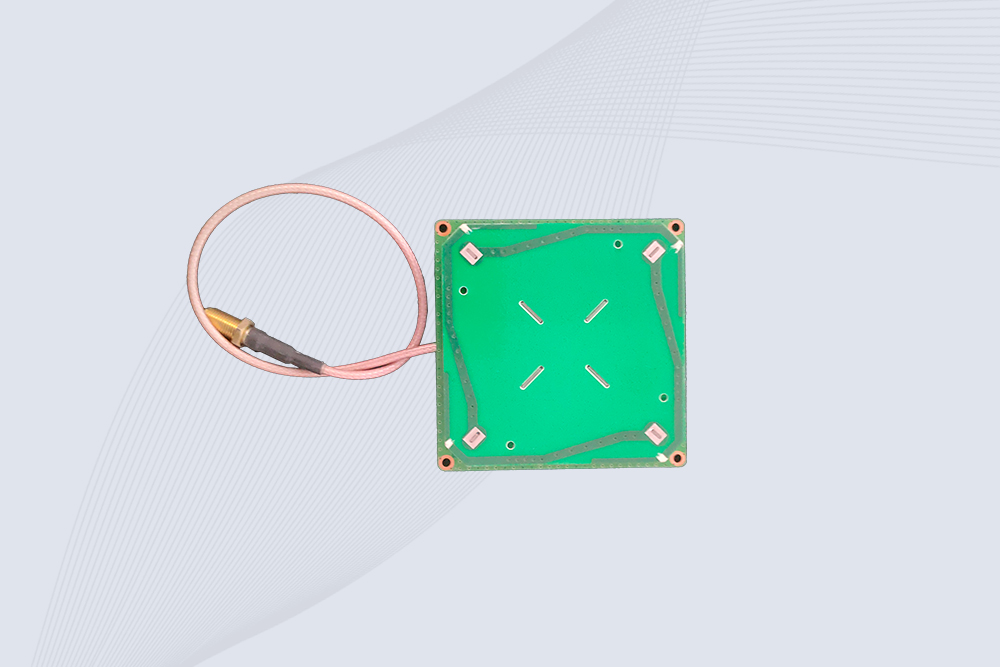
Cykeo CYKEO-B5 directional RFID antenna provides 5dBi gain with 60° narrow beamwidth for precise inventory tracking. IP65-rated, global UHF frequency support, and low VSWR.
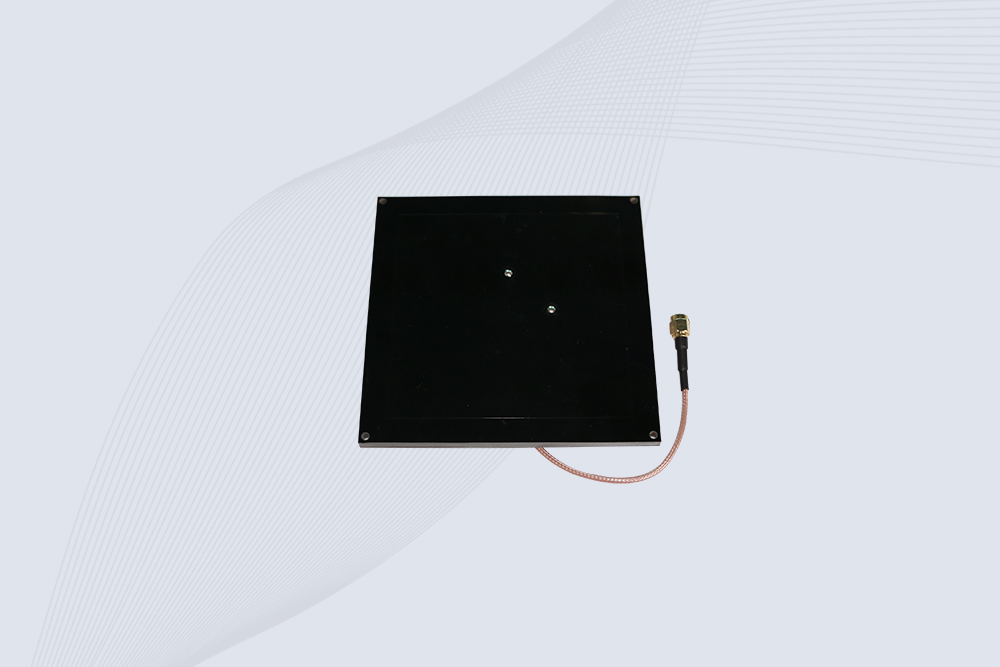
Create your own high-performance DIY RFID antenna! 5dBi gain, 840-960MHz tunable, step-by-step guides. Compatible with Arduino, Raspberry Pi, and commercial UHF readers.
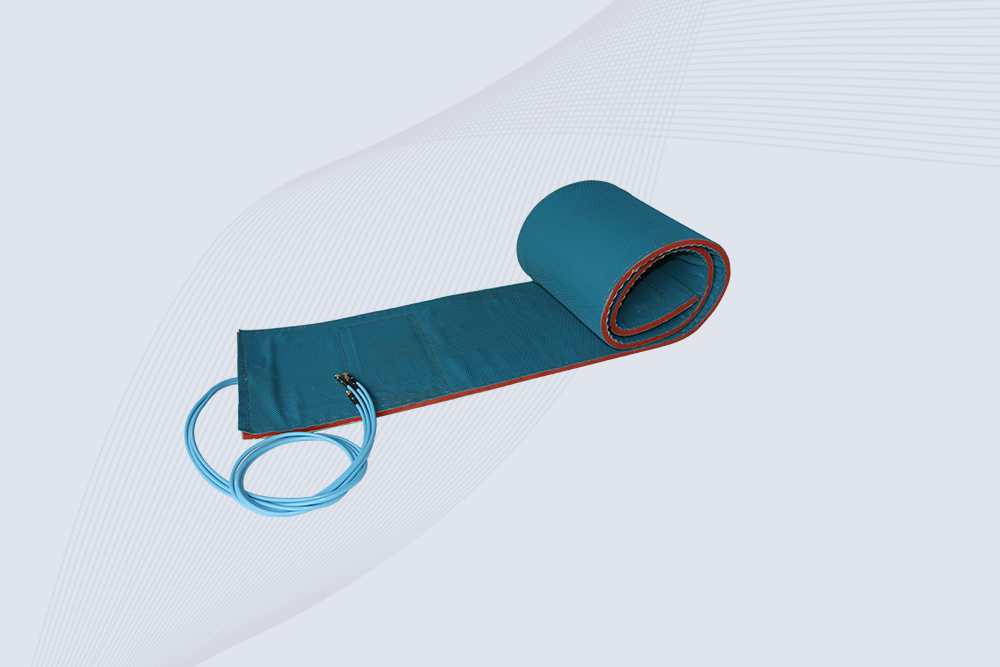
Cykeo CYKEO-A7 Flexible RFID Antenna features 840-960MHz wideband tuning, 7dBi gain, and IP68 rating for medical/retail/industrial curved surface deployments. 98% read accuracy with peel-and-stick installation.
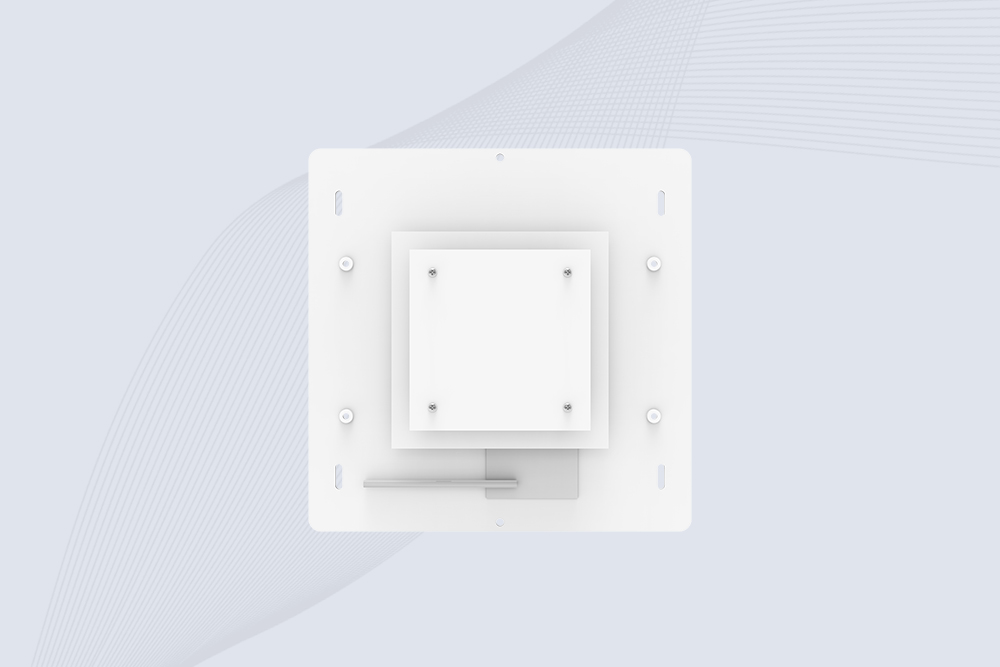
Cykeo CYKEO-B5A industrial Passive RFID Antenna delivers 5dBi gain, 70° beamwidth, and -40°C~55°C operation for warehouses/smart cabinets. Compatible with Zebra/Impinj readers.
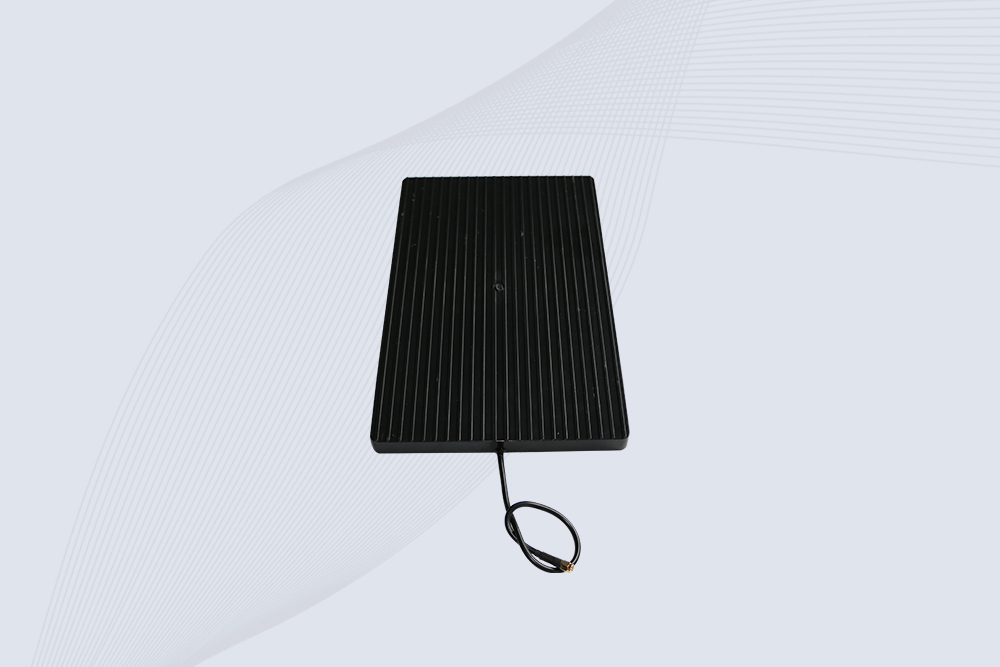
Cykeo’s CYKEO-A9B High Gain RFID Antenna delivers 15m+ read range with 9dBi amplification. Features IP54 rugged design, 840-960MHz bandwidth, and 80° beamwidth for warehouse/manufacturing RFID systems.

Cykeo’s enterprise-grade 8dbi Impinj RFID Antenna 10m+ read range with 840-960MHz tuning. Features IP65 housing, 1.4 VSWR, 35° beamwidth for retail/warehouse RFID systems.
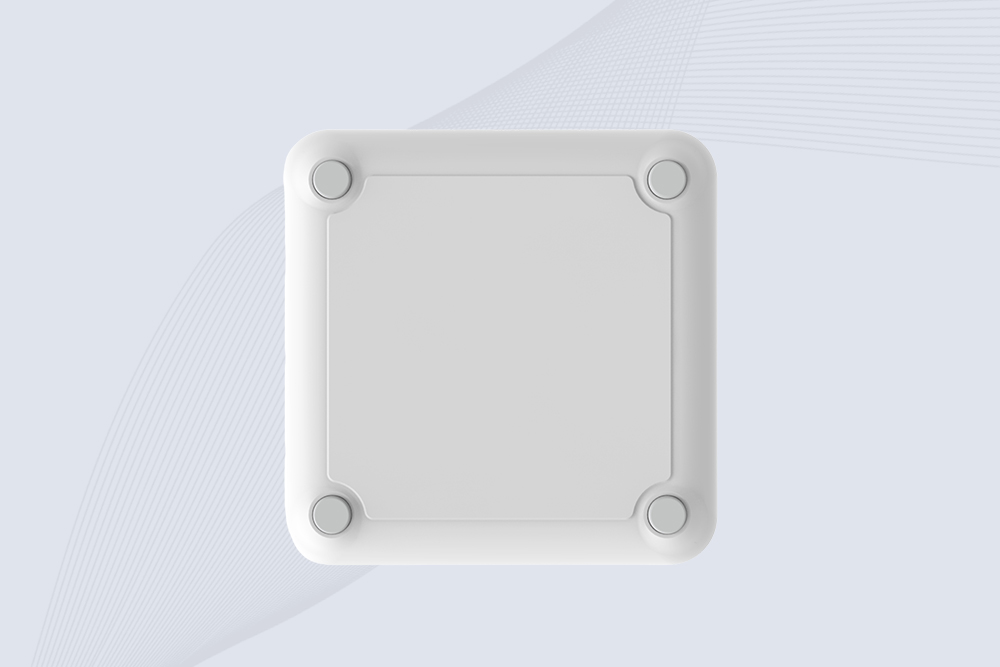
Cykeo CYKEO-A9 industrial UHF RFID antenna delivers 9dBi gain, 840-960MHz frequency range, and IP65 protection for warehouse/logistics/retail RFID systems. Features N-type connector and ≤1.3:1 VSWR.
CYKEO UHF RFID Antenna built for long-distance and industrial applications. This antenna rfid uhf delivers strong gain, outdoor durability, and reliable tag performance in warehouses, yards, and vehicle ID systems.
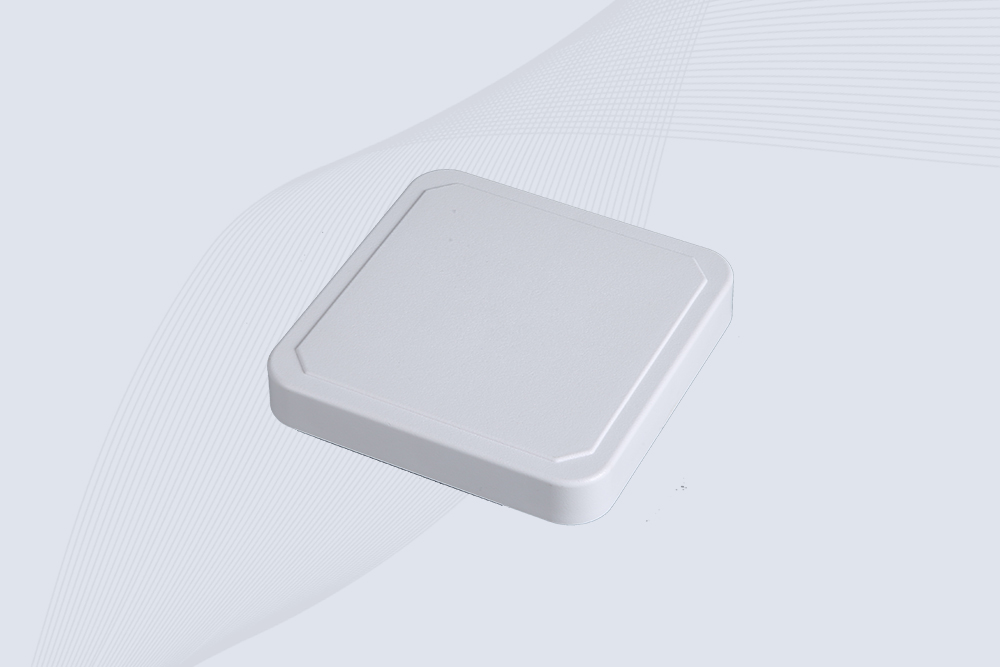
CYKEO Antenna RFID delivers reliable long-range UHF performance in warehouses, retail shelves, and cold-chain environments. This compact uhf rfid antenna provides stable reads with circular polarization and ultra-wide 840–960 MHz support, ideal for industrial tracking, smart shelves, and asset monitoring.
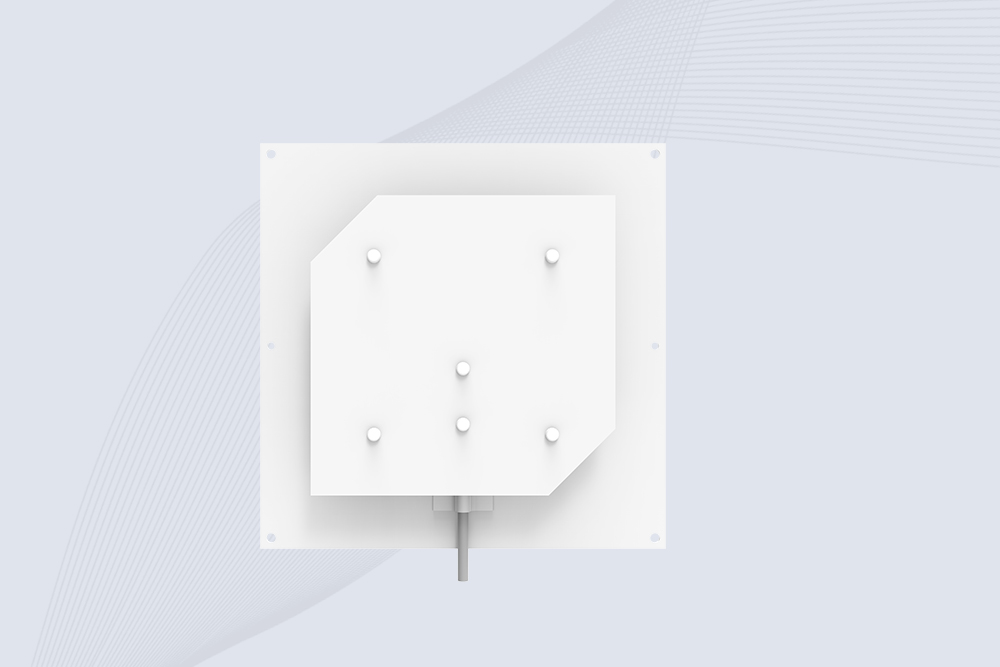
Cykeo’s CYKEO-C8 UHF RFID antennas delivers 8dBi gain, 840-960MHz full-band coverage, and IP65 ruggedness for manufacturing/warehouse RFID systems. Industrial RFID Antennas Features
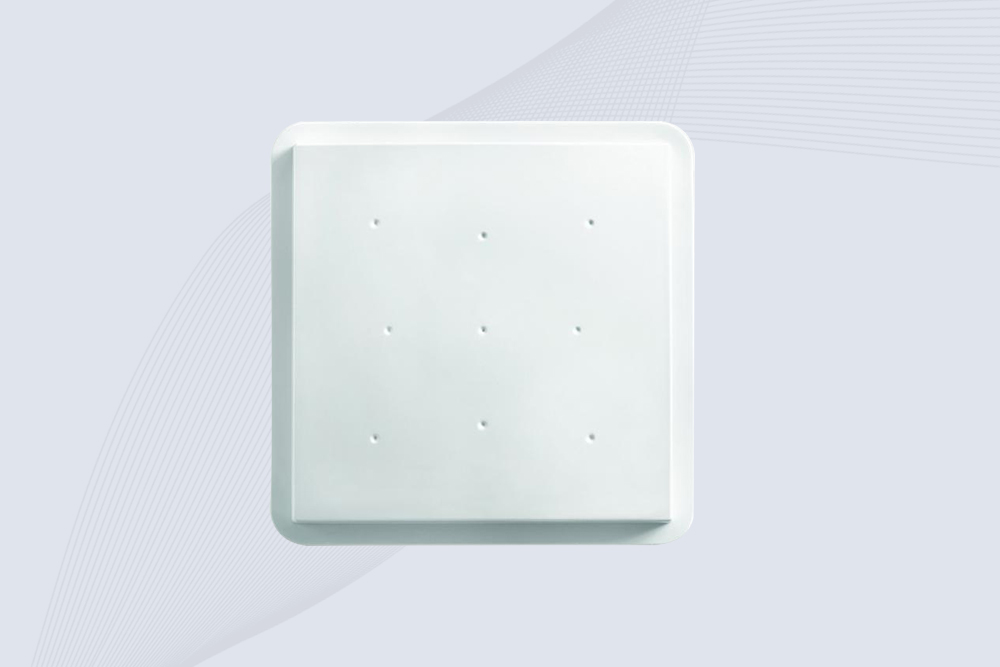
Cykeo’s 8dBi UHF RFID antenna and reader kit delivers 10m+ range, 840-960MHz broadband, and IP65 ruggedness for factories, warehouses, and logistics. ISO 18000-6C & EPC Gen2 certified.
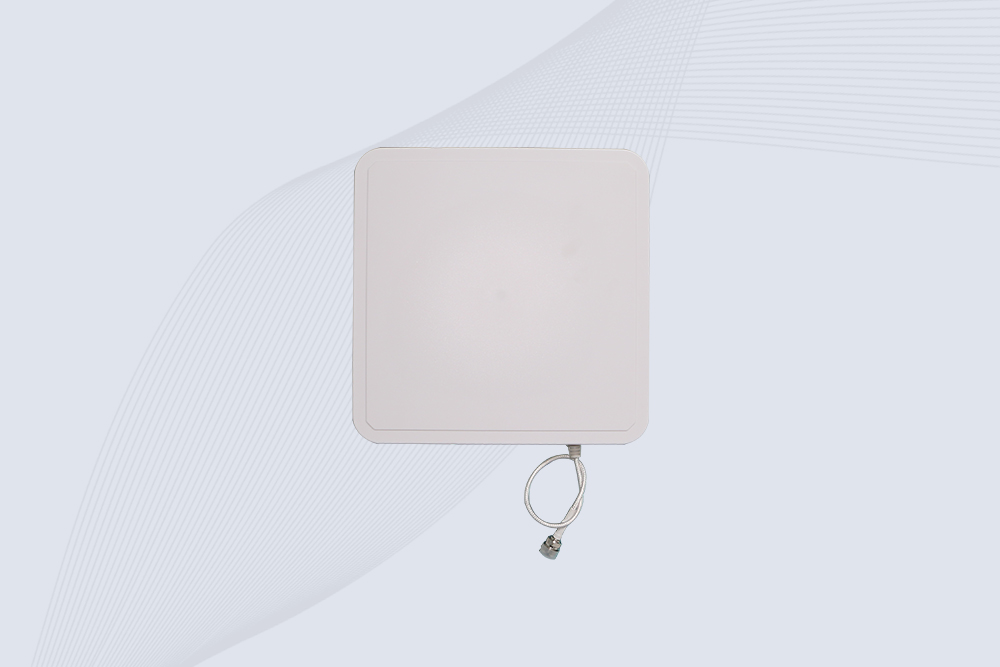
Cykeo CYKEO-A9A industrial UHF RFID reader and antenna kit delivers 10m range, 500 tags/sec, IP65 ruggedness for manufacturing/logistics. Supports EPC Gen2, ISO18000-6C.
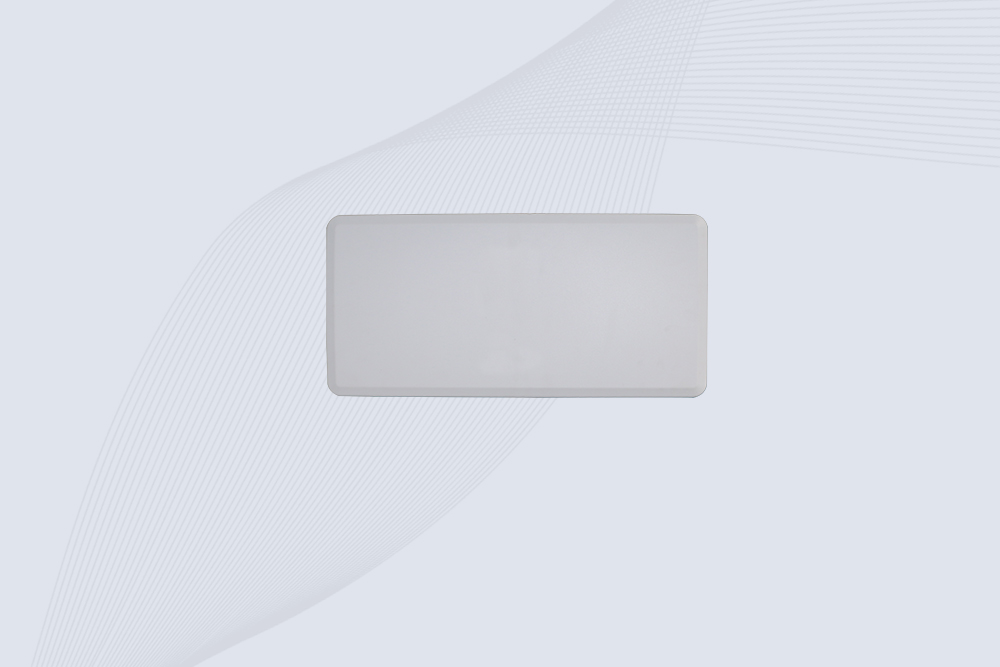
Cykeo’s CYKEO-A12C UHF Large RFID Antenna delivers 12dBi gain, 840-960MHz global frequency, IP65 ruggedness for logistics/warehousing/automotive. 40° beamwidth ensures stable 15m+ tag reads.

CYKEO Near Field RFID Antenna provides precise 5–30 cm reading for shelves, cabinets, and workstations. This compact rfid shelf antenna delivers stable short-range performance around metal and clutter, ideal for pharmacies, libraries, and electronics sorting.
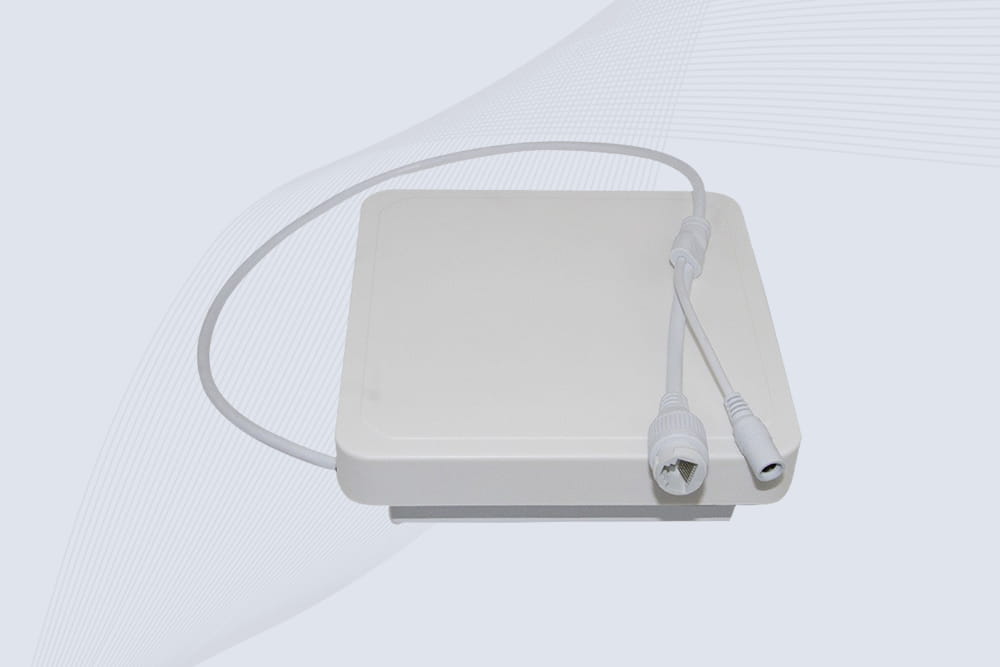
Cykeo’s industrial long range RFID reader delivers 20-meter scanning, 500+ tags/sec speed, and IP67 waterproof design for automated warehouses, logistics, and harsh environment applications.
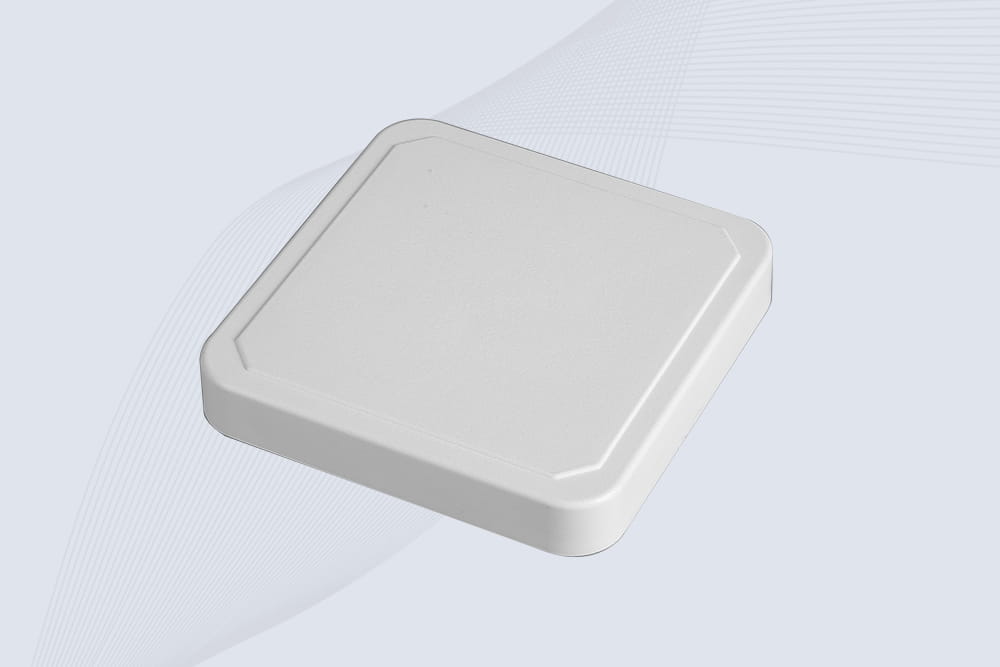
Cykeo’s CYKEO-RA6L industrial RFID long range reader features 20m read distance, 500 tags/sec speed, and IP67 protection. Ideal for warehouse automation, manufacturing WIP tracking, and smart logistics. Supports ISO 18000-6C/6B protocols.
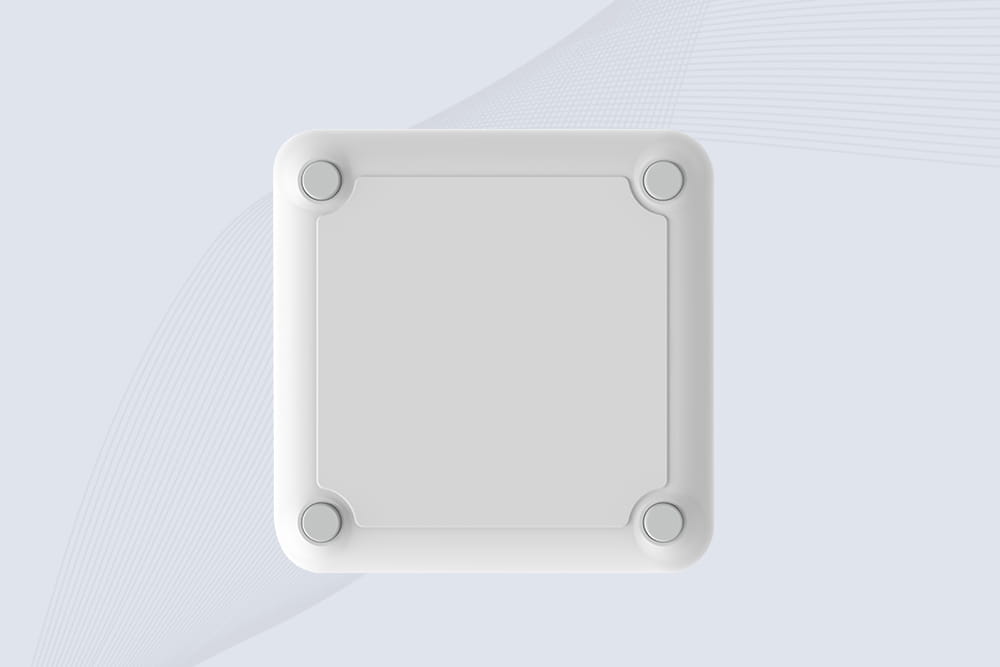
CYKEO Long Range RFID Tag Reader built for outdoor and industrial operations. This Outdoor RFID Reader delivers 20m read distance, fast tag processing, and IP67 durability for wide-area tracking.
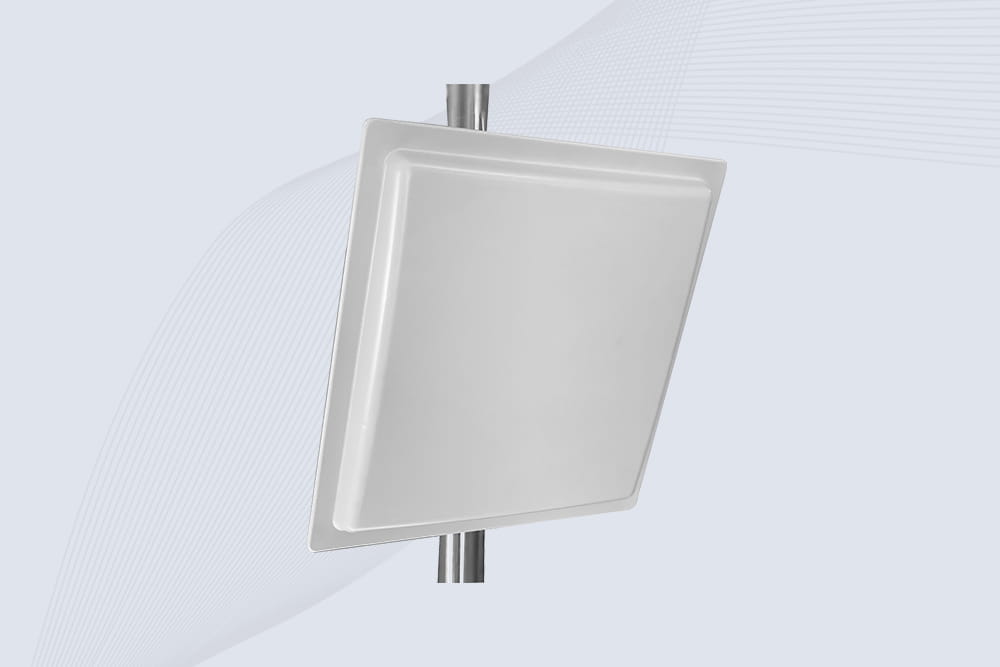
Cykeo CYKEO-RA12L industrial Long Range RFID Reader delivers 20m read range, 200+ tags/sec scanning, and IP67 protection for manufacturing/logistics applications. Supports ISO 18000-6C/GB protocols.
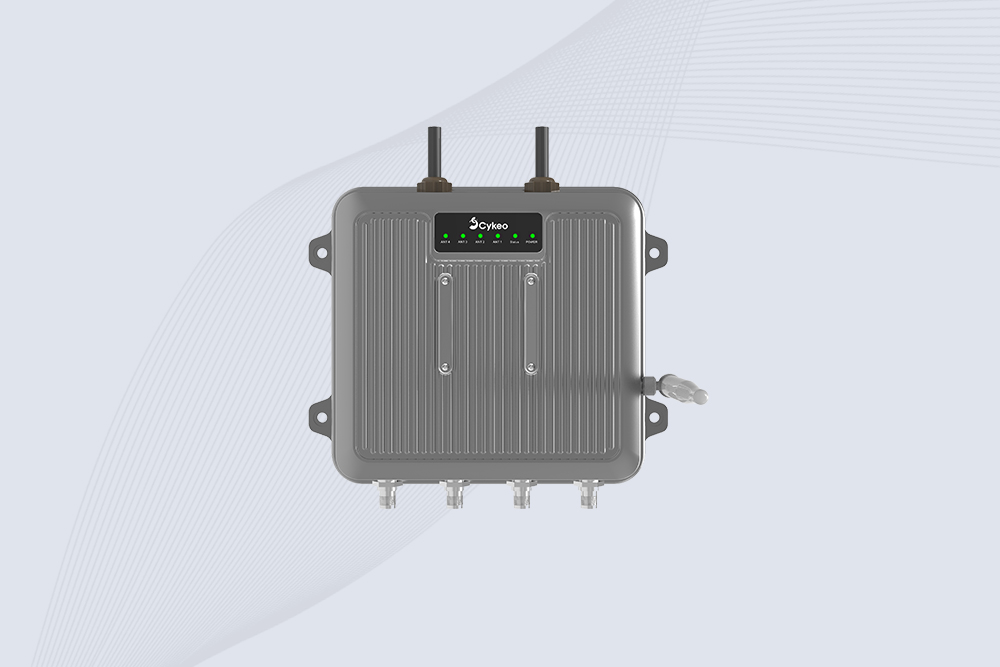
Cykeo CYKEO-C1 industrial Forklift RFID Reader features 20m read range, 600 tags/sec scanning, Impinj R2000 chipset, and IP67 rugged design. Ideal for warehouse logistics and manufacturing. Supports ISO 18000-6C/6B protocols.
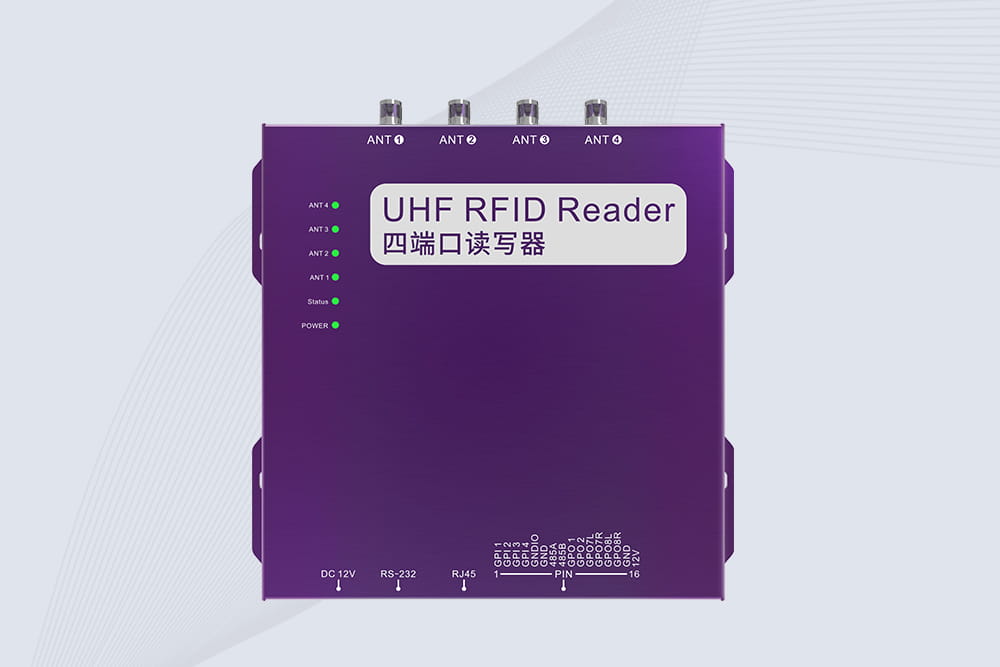
Cykeo CYKEO-R4 industrial UHF RFID Fixed Reader features 4 TNC ports, 400+ tags/sec speed, IP67 housing, and global frequency compliance for vehicle inspection, smart warehouse, and asset management systems.
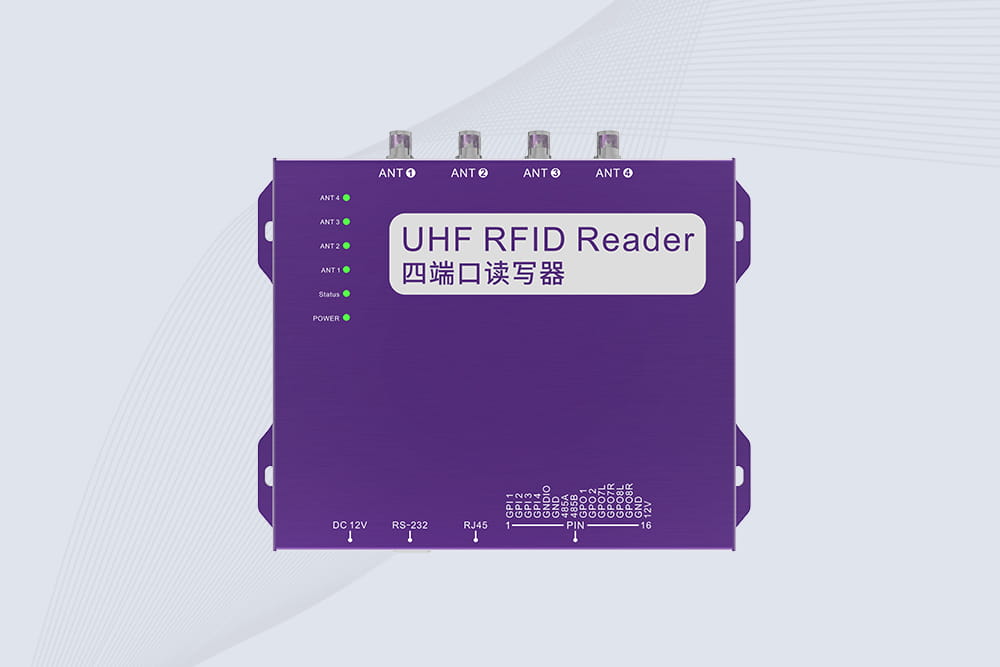
Cykeo’s CYKEO-R4L 4-port Fixed UHF RFID Reader delivers 400 tags/sec scanning, ISO 18000-6C compliance, and IP65 protection. Ideal for warehouse automation, manufacturing WIP tracking, and logistics management.
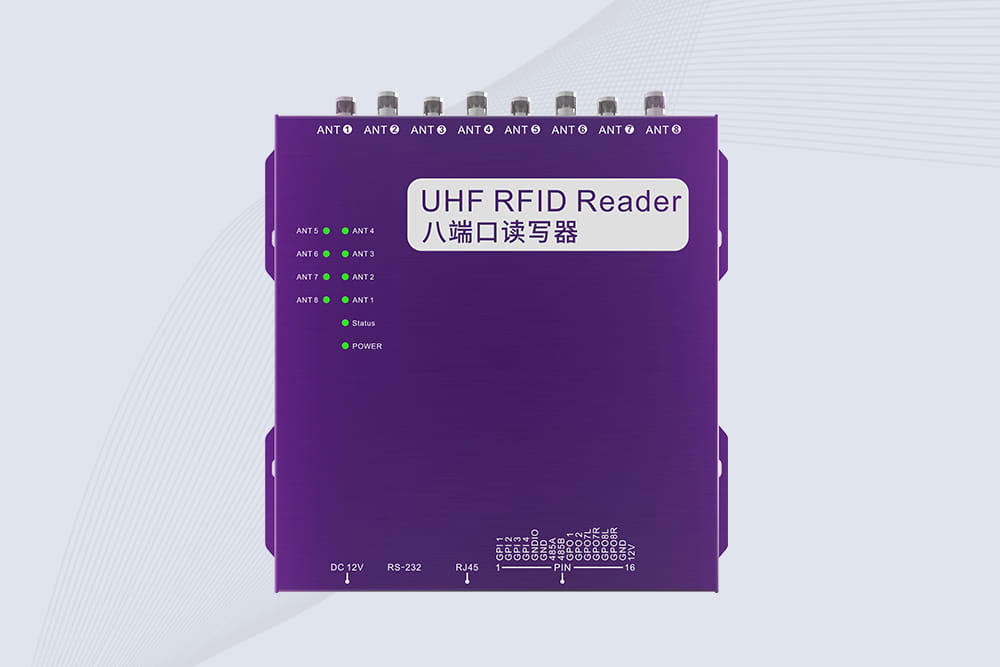
CYKEO CYKEO-R8L Fixed RFID Reader with 8-port UHF design, Impinj-based RF core and up to 20m read range. An industrial Fixed RFID Reader for vehicle inspection, warehouse portals, smart manufacturing lines and secure access checkpoints.
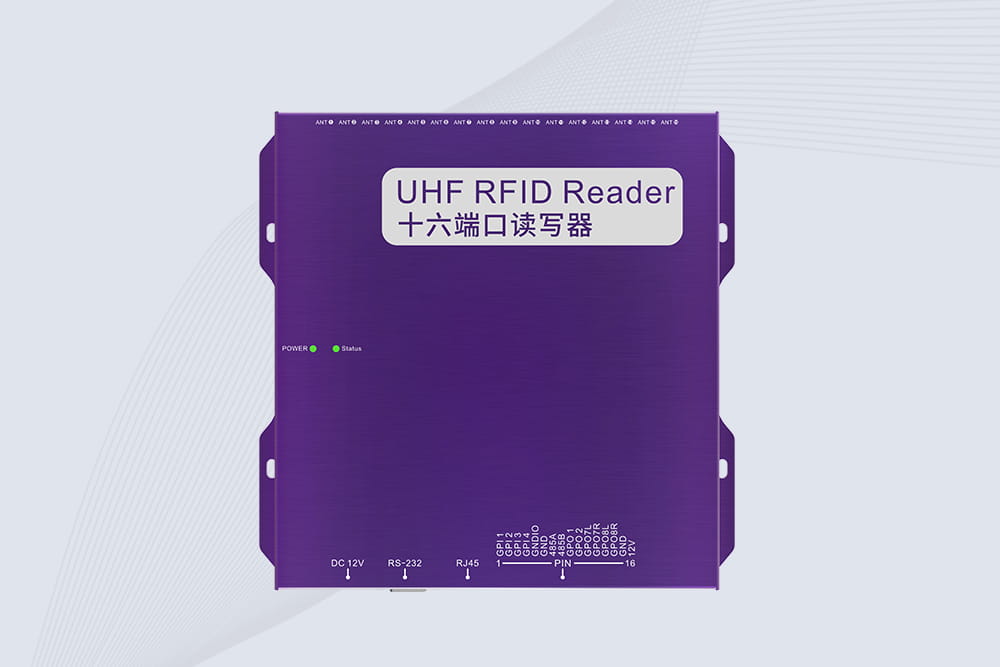
RFID Fixed Reader from CYKEO – the CYKEO-R16L 16-port UHF fixed reader for warehouses, smart cabinets, and production lines. Long-range, multi-tag reading, stable performance for 24/7 industrial use.
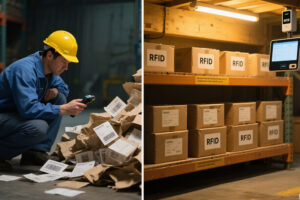
True cost of RFID tags vs barcodes exposed: See why "cheap" labels cost 350% more long-term. Calculate your break-even point + real-world pricing.
More
long range RFID scanner reader for industrial environments,applications, integration flexibility,developers embed long-range RFID readers into any system.
More
Secure and HIPAA-compliant fentanyl storage with the FTNG‑L‑CK‑02 RFID Anesthesia Medication Cabinet. Features real-time drug tracking, blockchain audit logs, rugged MIL-STD-810G design, and developer support with RESTful/native APIs and SDK. Perf...
More
Struggling with missing or misplaced medical equipment? Learn how RFID for hospitals improves visibility, reduces loss, and supports daily operations.
More