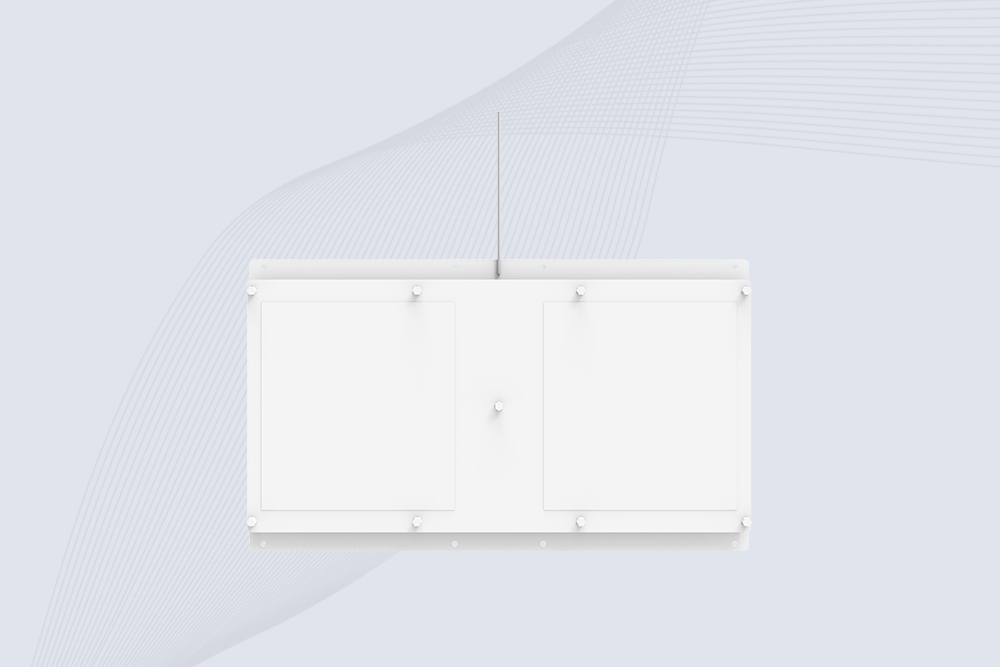
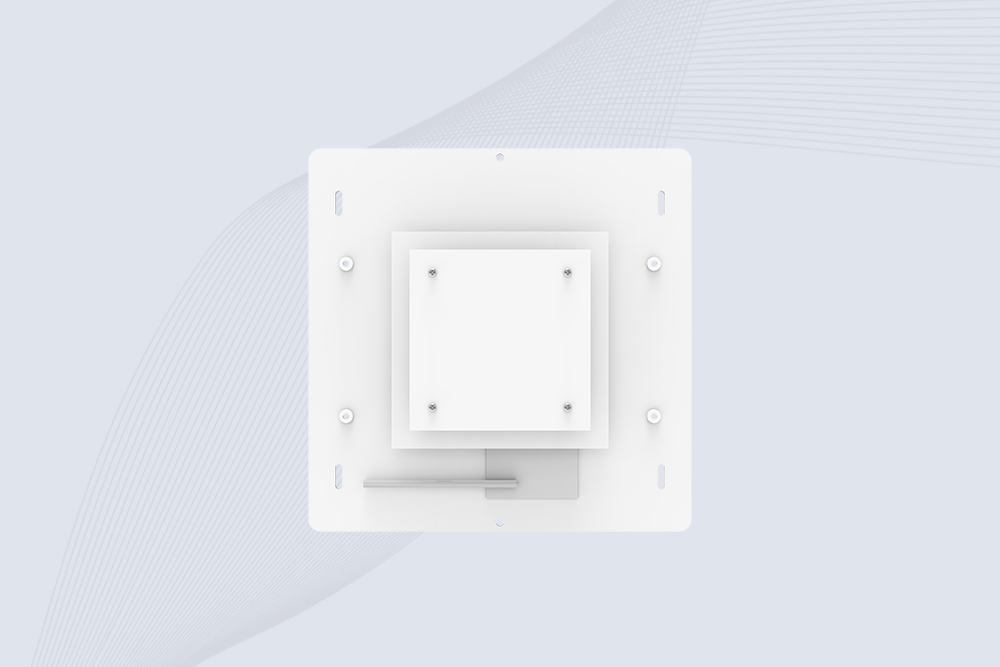
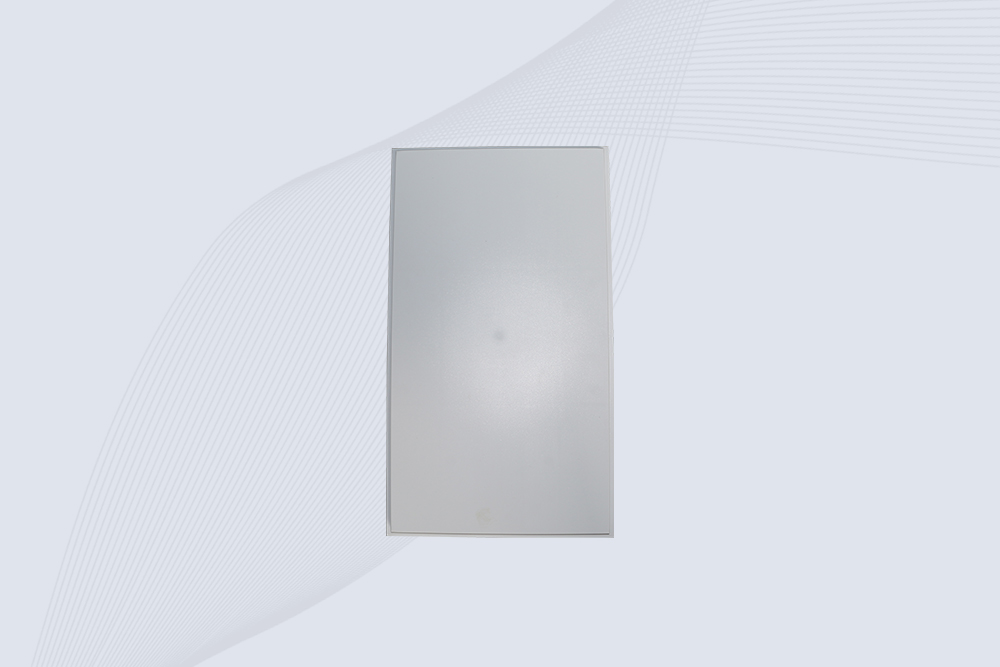
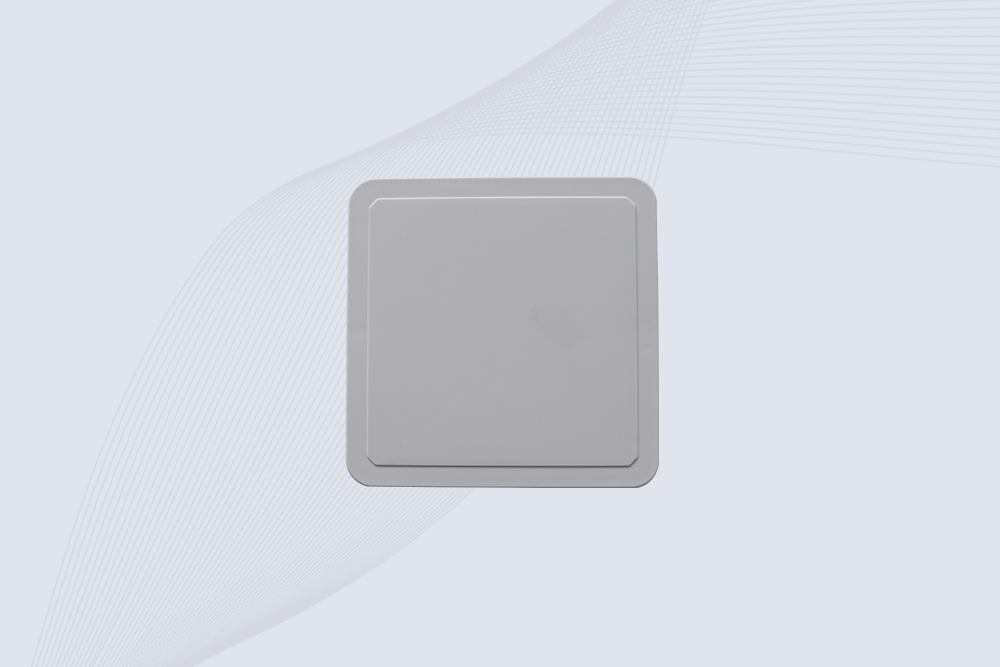
To set up an RFID reader, connect a compatible UHF RFID reader to its antenna and host system, configure the regional frequency and output power, then test tag detection in the intended read zone. For reliable operation, verify the reader, antenna, tags, protocol, communication interface, and RF environment before adjusting read range.
What Do You Need to Set Up a UHF RFID Reader?
A UHF RFID reader installation is not simply a matter of plugging in a reader and turning the power on. The RF path has to work as a system.
A basic installation normally includes:
UHF RFID reader: Select a reader supporting the required UHF RFID protocol and regional operating requirements. UHF RFID antenna: Match the antenna type, gain, connector, polarization, and coverage area to the application. UHF RFID tags: Use tags designed for the materials and environment in which they will actually be installed. Communication connection: Ethernet, RS-232, USB, or another supported interface connects the reader with the host system. Power supply: Provide the voltage and current specified by the reader manufacturer. Software: Use reader configuration software, an SDK, API, or middleware to control inventory and data processing.
For passive UHF RFID, GS1 identifies the technology as RAIN RFID and states that it uses the 860–930 MHz band in its current UHF overview. GS1 also notes that passive UHF RFID follows GS1/EPC Gen2 and ISO/IEC 18000-63 standards and can achieve read ranges of up to 10 meters depending on the environment.
How to Configure a UHF RFID Reader
The first configuration should be conservative. In field commissioning, there is little value in immediately turning the reader to maximum output and trying to achieve the longest possible read distance. A wider RF field can also mean more unwanted tags entering the read zone.
Start with these parameters:
Configuration
What to Check
RF frequency
Use the permitted UHF range for the deployment region
RF power
Begin with a controlled level and increase only when necessary
Protocol
Confirm EPC Gen2 / ISO/IEC 18000-63 compatibility
Antenna port
Verify that the selected antenna is connected to the intended port
Read mode
Configure inventory, single-tag, or application-specific operation
Communication
Confirm Ethernet, serial, USB, or supported host interface
The current GS1 EPC Gen2 standard, Release 3.0.1 ratified in February 2026, defines the UHF RFID air-interface protocol for 860–930 MHz operation. GS1 also describes the reader as the interrogator that supplies RF energy to passive tags and receives their backscattered responses.
Frequency Configuration Comes Before Read-Range Tuning
This is one of the details that can be missed when setting up a reader for the first time.
UHF RFID is not operated with identical settings everywhere. Regional regulations determine permitted channels and transmission limits. A reader intended for one market may therefore require different regional configuration from the same hardware deployed elsewhere.
GS1’s published regulatory overview covers UHF RFID allocations across 125 countries, including permitted frequency ranges, power limits, and reader-tag communication techniques. The actual configuration should therefore follow the applicable local regulatory requirements rather than copying settings from another installation.
Connect the Antenna Before Testing the Reader
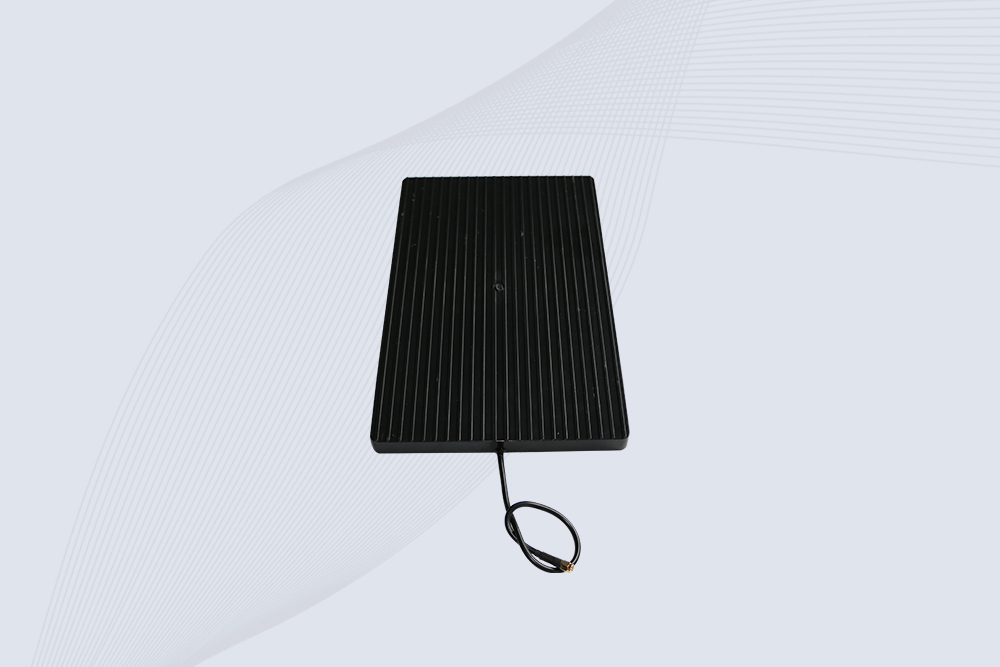
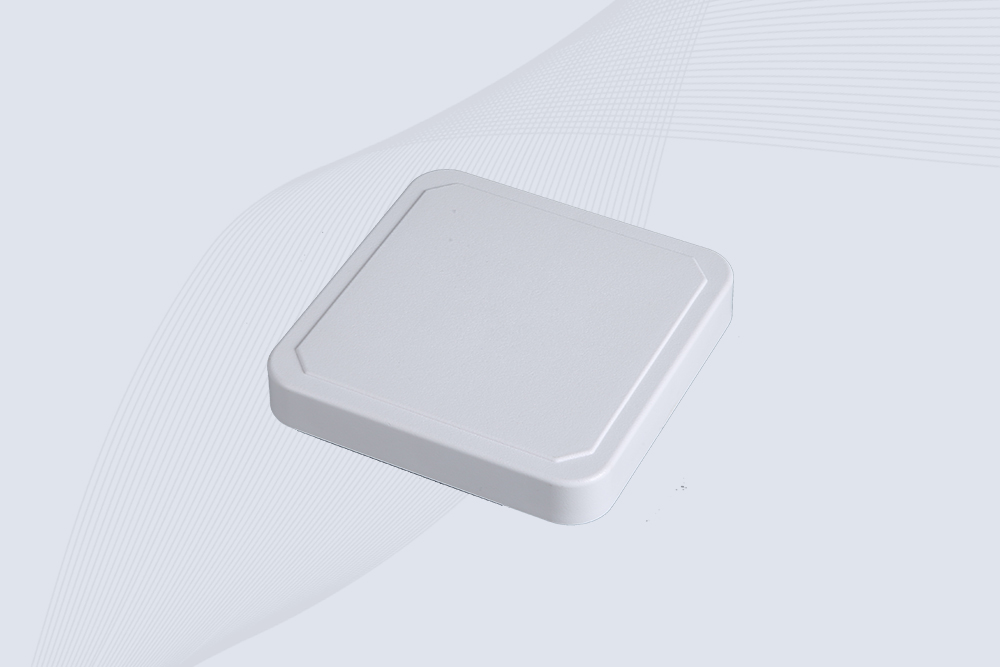
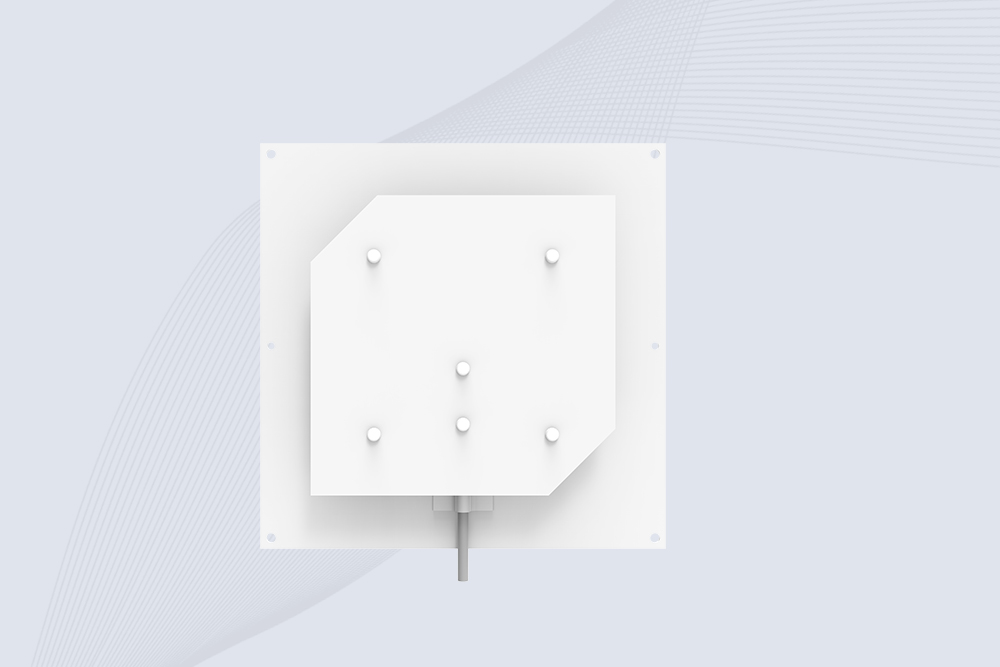
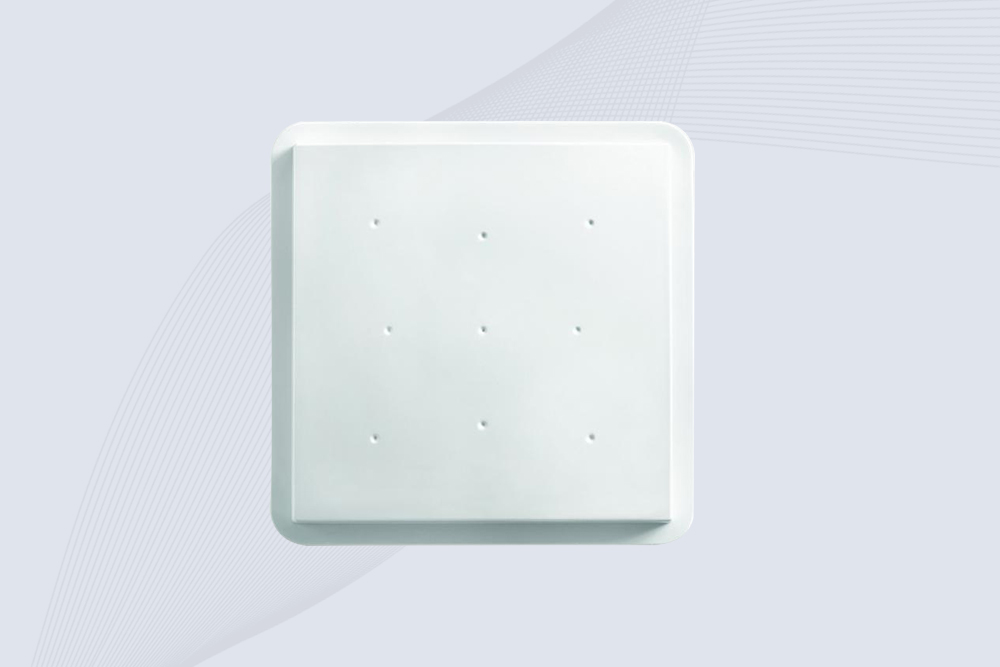
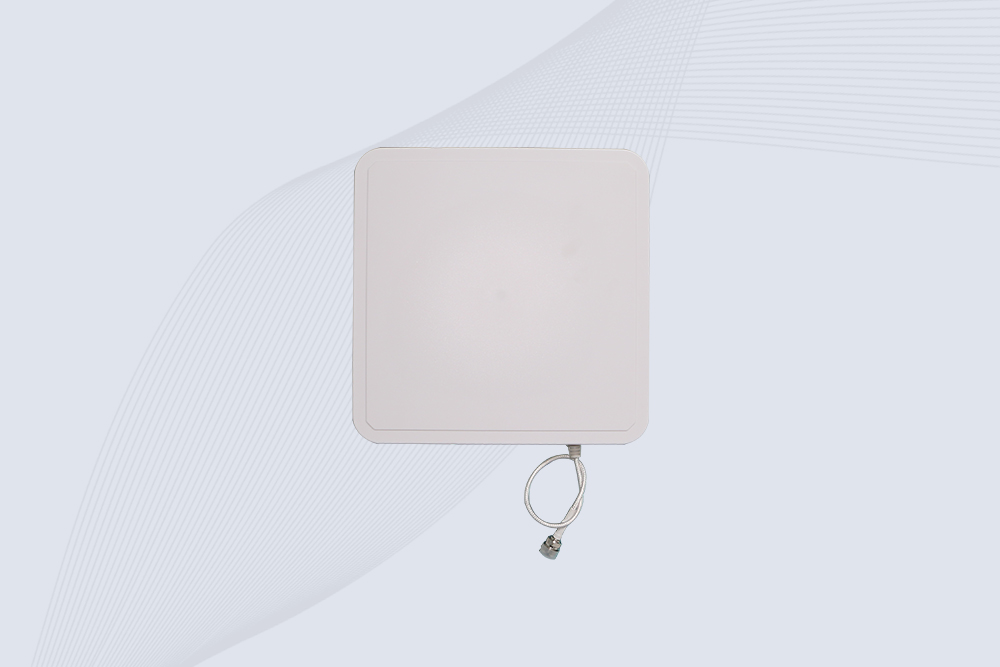
After the reader is configured, connect the UHF rfid antenna using the correct RF cable and connector. Keep the RF cable routing controlled and avoid treating the antenna as an afterthought.
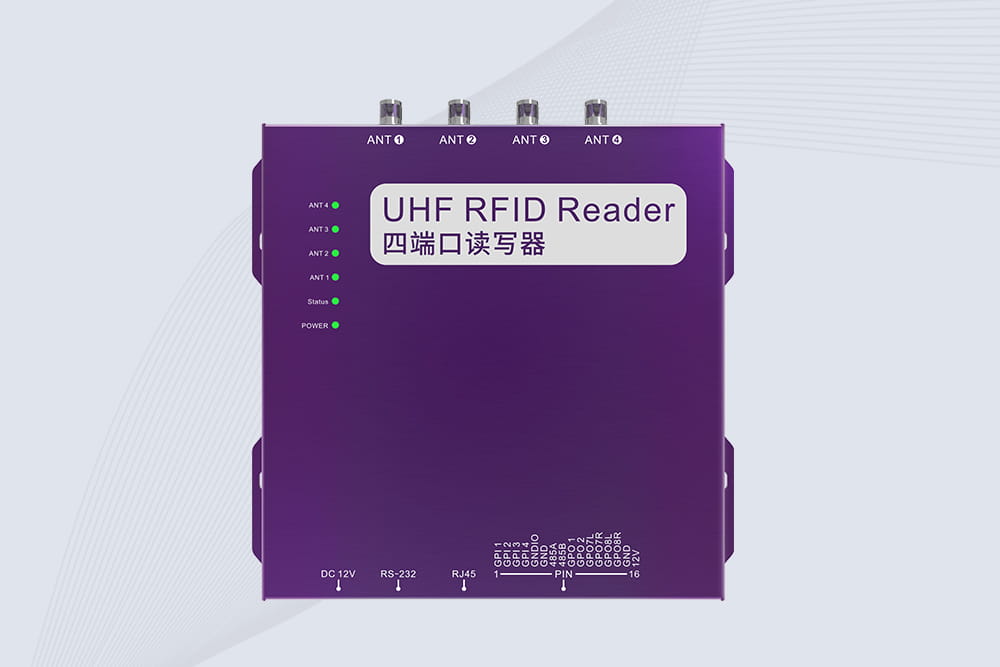
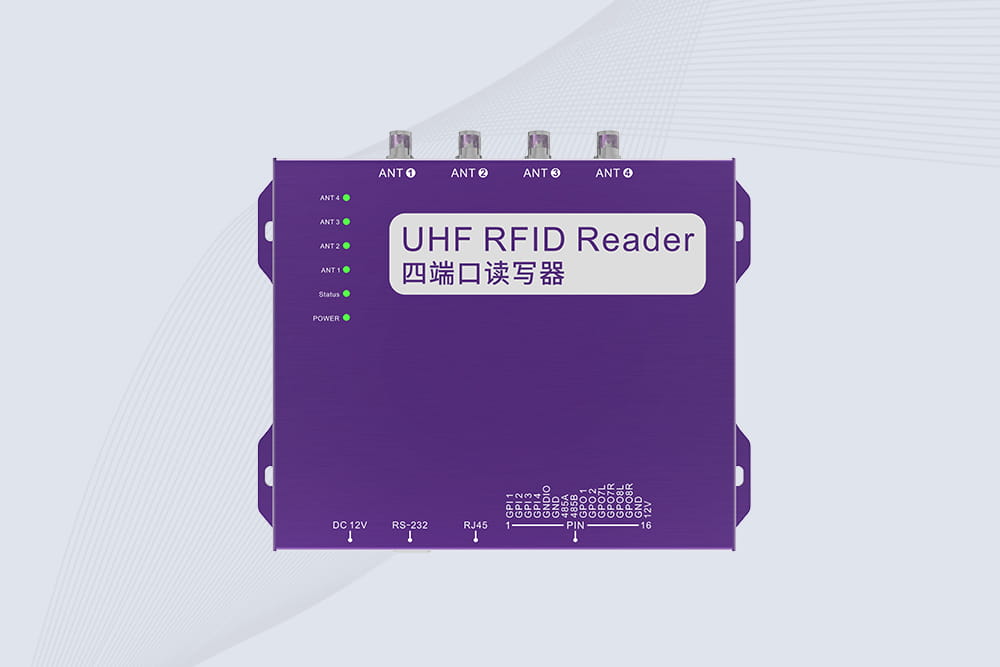
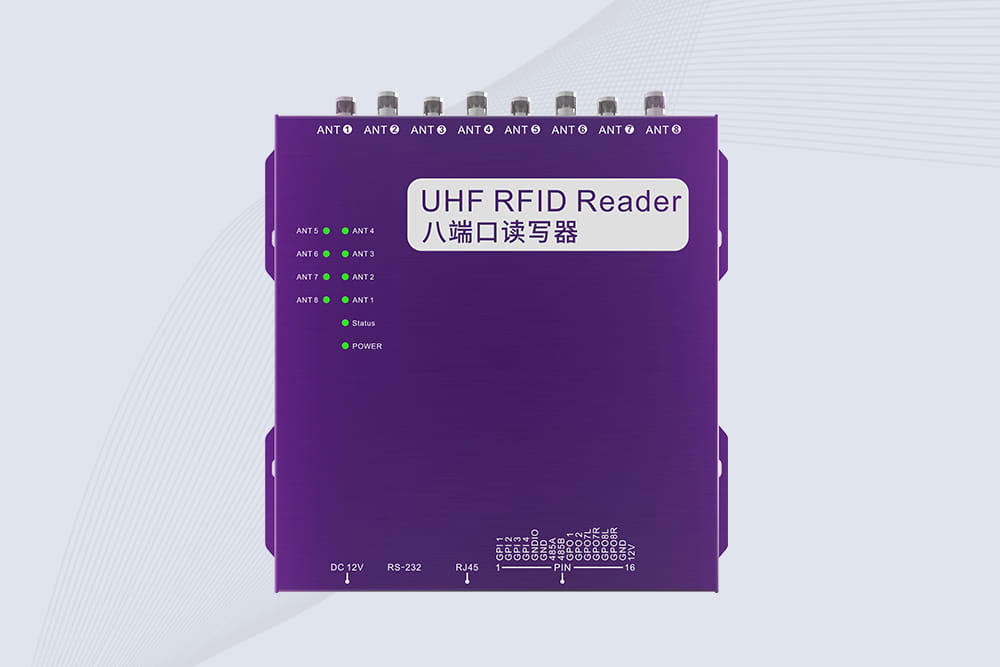
A fixed reader with two or four antenna ports may provide several possible coverage patterns. That does not mean every antenna should automatically be connected and operated at maximum power.
For an initial test:
Connect one known-good UHF antenna. Place one compatible UHF tag in the intended read area. Start the reader at a controlled RF output level. Confirm that the reader detects the tag consistently. Move the tag through different positions within the intended zone. Record where reads become unreliable or unwanted tags appear. Only then expand the antenna configuration or increase RF output.
This simple test often reveals more than a specification-sheet read-distance figure. The actual RF zone is shaped by antenna orientation, surrounding metal, liquids, tag orientation, shelving, cables, neighboring readers, and the physical layout of the application.
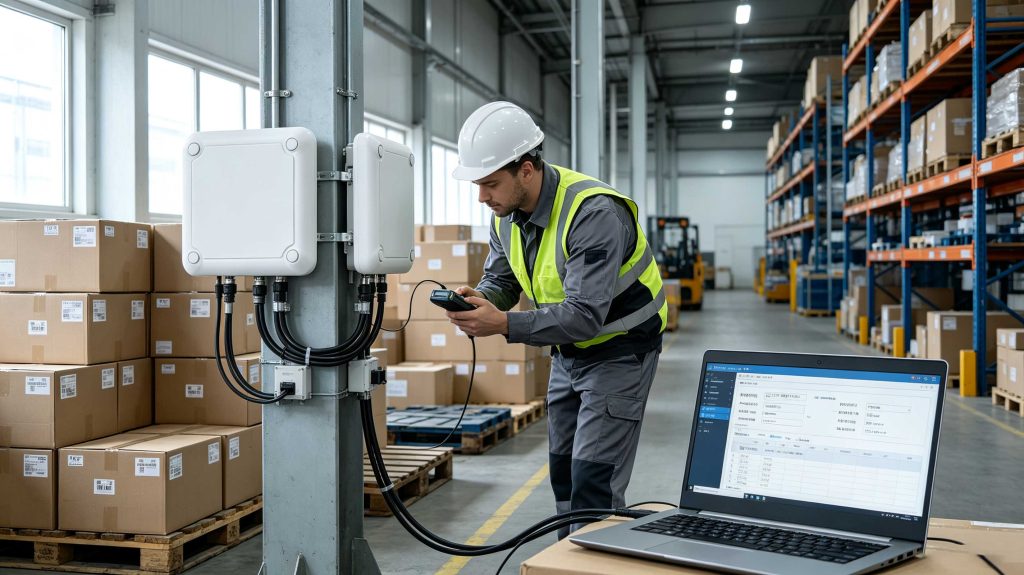
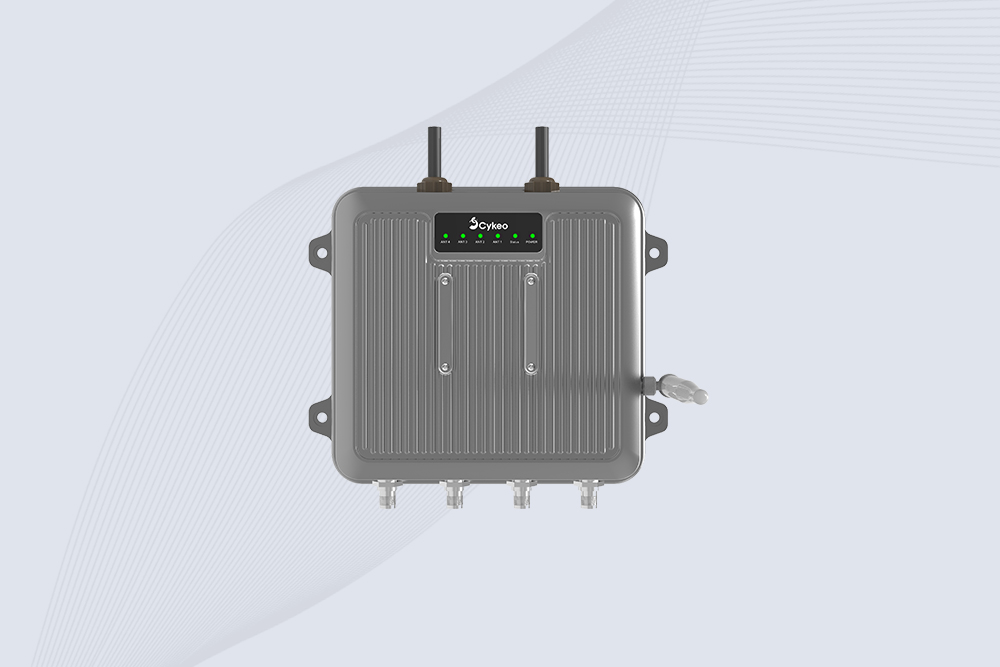
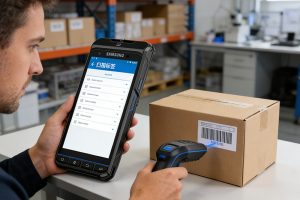
A technician configures a fixed UHF RFID reader and antenna before testing the RFID read zone.
Authoritative source basis: GS1 states that passive UHF/RAIN RFID operates in the 860–930 MHz band, follows EPC Gen2 and ISO/IEC 18000-63, and can reach up to 10 m depending on environment. Its current EPC Gen2 Release 3.0.1 was ratified in February 2026.
GS1 also documents that RFID infrastructure consists of readers and tags, with readers providing RF energy and receiving tag backscatter; its regulatory overview covers UHF RFID allocations across 125 countries.
How Cykeo UHF RFID Readers Are Configured
For a commercial UHF RFID installation, the reader should be treated as part of an RF system rather than an isolated device. Cykeo’s UHF RFID readers are designed for applications where tag detection, communication stability, antenna coverage, and software integration all have to work together.
Cykeo supports ISO18000-6C / EPC C1G2 on its UHF RFID reader products, with functions such as adjustable RF output, anti-collision processing, tag filtering, multi-tag recognition, and SDK/API integration.
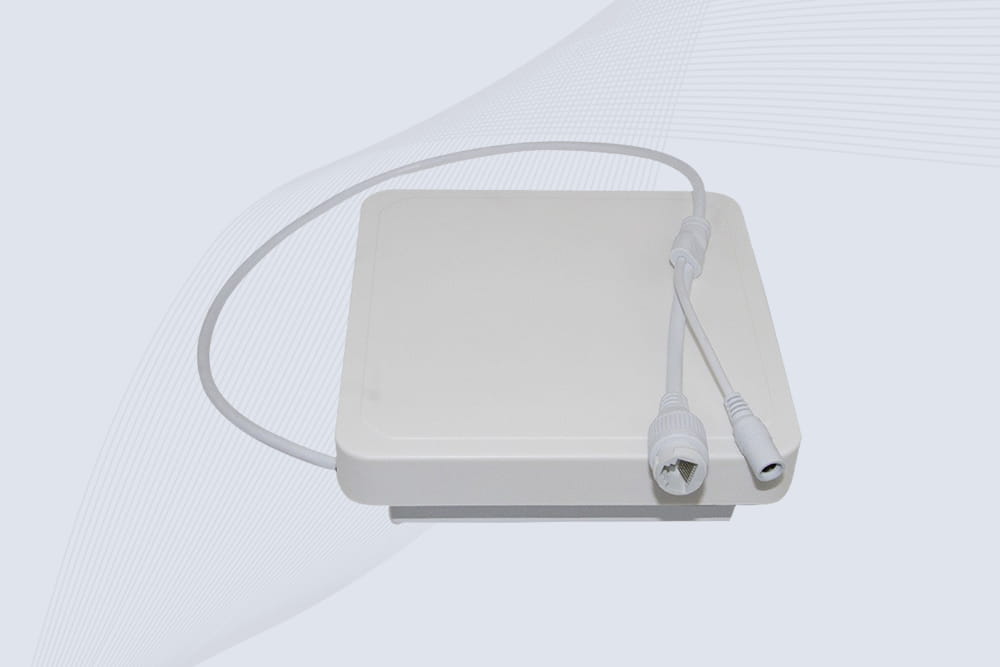
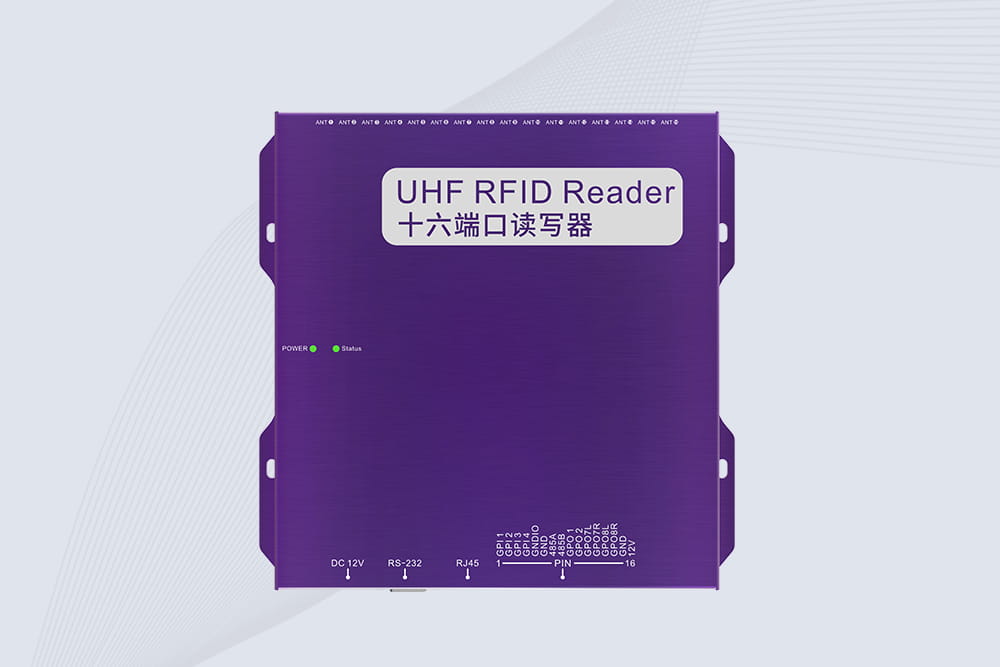
For example, the CYKEO-RA9L combines a UHF fixed rfid reader with an integrated 9 dBi antenna. It supports RS-232 and Ethernet communication and incorporates carrier-cancellation and anti-collision technologies. This type of integrated design is useful when the installation needs a defined identification point rather than a separate reader-and-antenna assembly.
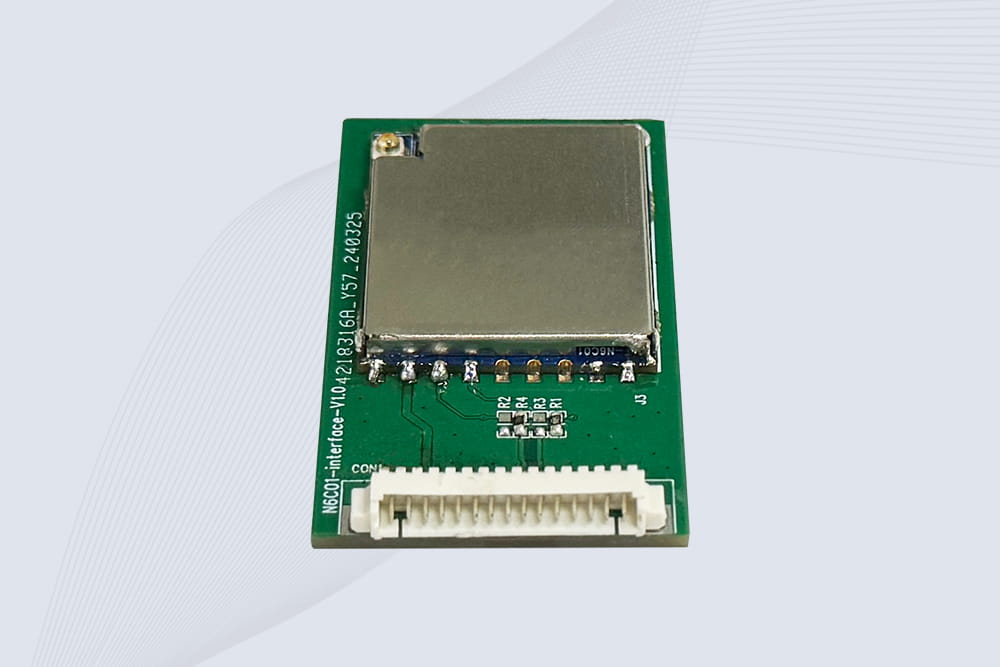
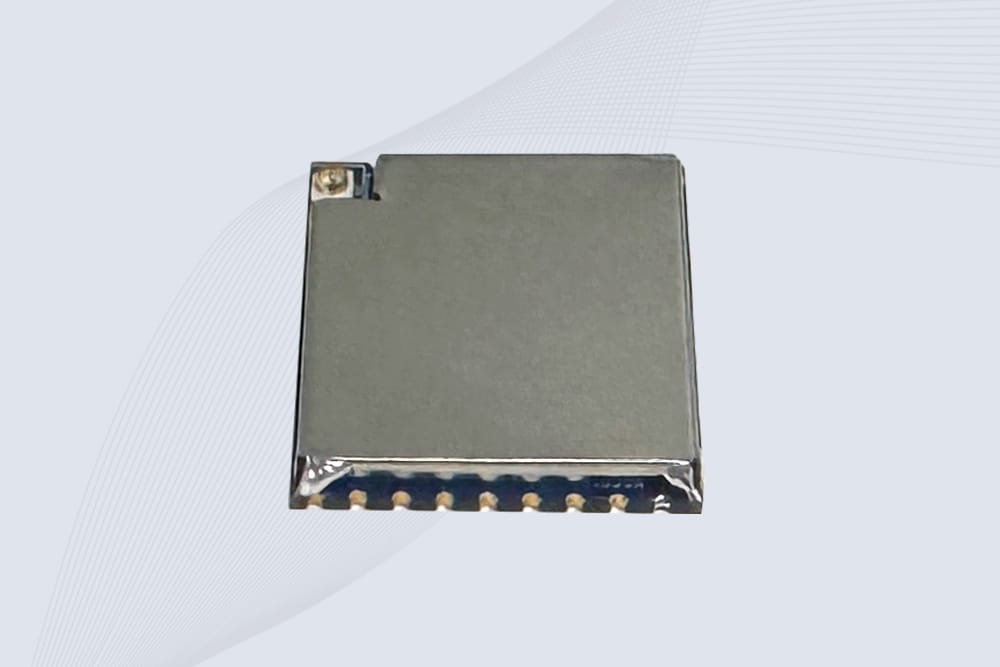
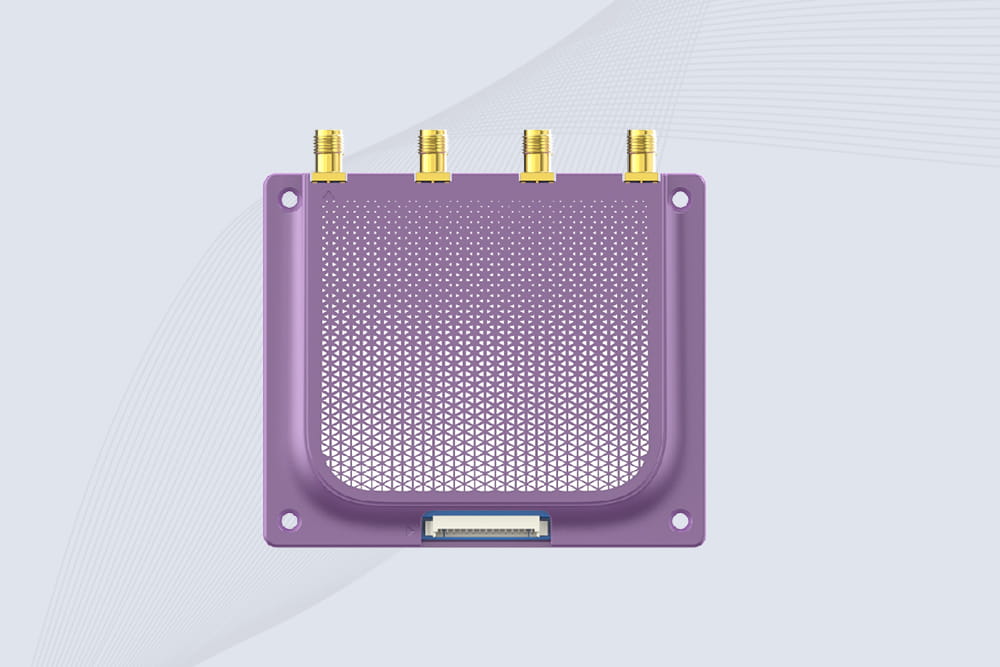
The CYKEO-M4L takes a different approach. It is a compact OEM UHF RFID module integrating the analog RF front end and baseband DSP. Its output can be adjusted up to 33 dBm in 1 dBm steps, and its specified dense-tag recognition capability exceeds 400 tags per second. That makes the module more appropriate when an RFID reader function needs to be incorporated into another machine or product.
How to Set Up a Fixed UHF RFID Reader for a Real Application
The physical installation should follow the intended movement of tagged objects.
A warehouse entrance, conveyor, cabinet, and workstation all produce different RF conditions. The reader configuration that works well at a desk may be unsuitable beside a metal pallet rack.
A practical commissioning sequence is:
Define the read zone: Decide exactly where a tag should be recognized and where it should not. Install the antenna: Position the antenna according to tag orientation and the required coverage area. Connect the reader: Use the appropriate RF, power, Ethernet, RS-232, or other supported connections. Configure UHF parameters: Set the permitted regional frequency and suitable RF output. Test one known tag: Confirm stable detection before introducing multiple tags. Test unwanted reads: Place tags outside the intended zone and check whether the reader detects them. Introduce real materials: Repeat the test with cartons, shelves, tools, pallets, or other objects used in production. Connect the application: Use SDK/API or the supported communication interface to pass RFID events into the business system.
The fourth and sixth steps deserve particular attention. A reader that detects a tag ten meters away may sound impressive during a demonstration, but excessive coverage can become a problem if the application requires a precise doorway or workstation reading zone.
Adjust RF Power for the Application, Not the Specification Sheet
Higher output does not automatically mean a better RFID installation.
Suppose a reader is installed at a warehouse doorway. The objective may be to identify tagged cartons crossing that doorway while ignoring inventory stored several meters behind it. Increasing output until every distant tag responds can actually make the system harder to control.
Cykeo’s adjustable-output UHF architecture allows the installer to tune the reader around the physical application. Antenna orientation, tag placement, mounting height, surrounding metal, and the required read boundary should be considered together.
UHF RFID Reader Troubleshooting
When a newly installed reader does not behave as expected, check the physical RF path before rewriting software.
Observed Issue
First Checks
No tag detected
Check reader power, antenna connection, frequency, protocol, and tag compatibility
Short read range
Check antenna orientation, RF power, cable condition, tag orientation, and surrounding materials
Reads outside the intended zone
Reduce RF output or redesign antenna positioning and field boundaries
Unstable multi-tag reading
Check anti-collision configuration, tag density, antenna position, and RF interference
Duplicate application records
Check tag filtering, EPC handling, and application-side event processing
Reader works but software receives nothing
Check Ethernet/serial configuration, protocol settings, SDK/API integration, and network connectivity
One field habit is especially useful: change one variable at a time. If power, antenna position, tag position, and software parameters are all changed simultaneously, it becomes difficult to know which adjustment actually solved the problem.
UHF RFID Reader Setup for Different Applications
Warehouse and Logistics
Fixed readers can be positioned at receiving, shipping, conveyor, or storage points. The antenna arrangement should be designed around the direction in which pallets, cartons, or assets actually move.
Industrial Production
The reader may be integrated into a production station or machine. Here, the CYKEO-M4L’s OEM form factor can be useful when the RFID function needs to become part of existing equipment.
Asset and Tool Management
A controlled workstation can use a desktop or embedded UHF reader for registration and identification, while fixed readers can automate detection at designated locations.
Automated Identification Points
For a compact installation, an integrated fixed reader such as the CYKEO-RA9L can reduce the number of separate RF components that have to be mounted and configured.
An RFID engineer tests the read zone of a fixed UHF RFID reader before connecting it to the warehouse management system.
FAQ: How to Set Up RFID Reader
1. How do I set up an RFID reader?
Connect the compatible UHF antenna and power supply, connect the reader to the host system, configure the permitted regional UHF frequency and RF parameters, then test it with a known compatible tag. After stable tag detection is confirmed, adjust the read zone for the actual application.
2. What frequency should a UHF RFID reader use?
UHF RFID operates within the regional UHF allocation. GS1 identifies the RAIN RFID range as 860–930 MHz, while the exact channels and permitted transmission conditions depend on the deployment country or region.
3. How should I choose the antenna for a UHF RFID reader?
Choose the antenna according to the required read zone, tag orientation, mounting position, polarization, surrounding materials, and reader ports. Antenna selection should be based on the physical application rather than read-distance specifications alone.
4. What is the best RF power setting?
There is no universal best power level. Start at a controlled setting and increase it only when the application requires additional coverage. Excessive power can cause unwanted reads beyond the intended identification area.
5. Why can my RFID reader detect some tags but not others?
Tag performance can change with orientation, mounting material, distance, antenna polarization, and the surrounding environment. A UHF tag that works well in free space may behave differently when attached to metal, liquids, or densely packed products.
6. Can Cykeo RFID readers connect to software?
Yes. Cykeo UHF RFID products provide communication interfaces and software integration resources, including SDK/API support on applicable products. This allows RFID events and identifiers to be incorporated into a host application or business management system.
7. Can one UHF RFID reader identify multiple tags?
Yes. UHF RFID is designed for multi-tag identification. Cykeo UHF readers incorporate anti-collision and filtering functions to support dense-tag environments and help the application distinguish relevant RFID events.
Conclusion
A reliable UHF RFID installation starts with the reader, antenna, tag, regional frequency configuration, and physical read zone being considered together. Cykeo supports this range of deployment requirements through fixed readers, integrated reader-antennas, OEM modules, adjustable RF output, anti-collision technology, filtering, and software integration resources. For any how to set up rfid reader project, the most useful test is the one performed in the environment where the reader will actually operate.
Explore the SSD-A07 UHF RFID antenna with 7 dBi gain, circular polarization, adjustable 840–960 MHz frequency, and 60°/75° beamwidth for stable RFID read/write performance.
SSD-A06 UHF RFID antenna with circular polarization, adjustable 840–960 MHz frequency, ≥4.5 dBi gain, and a compact directional design for RFID systems.
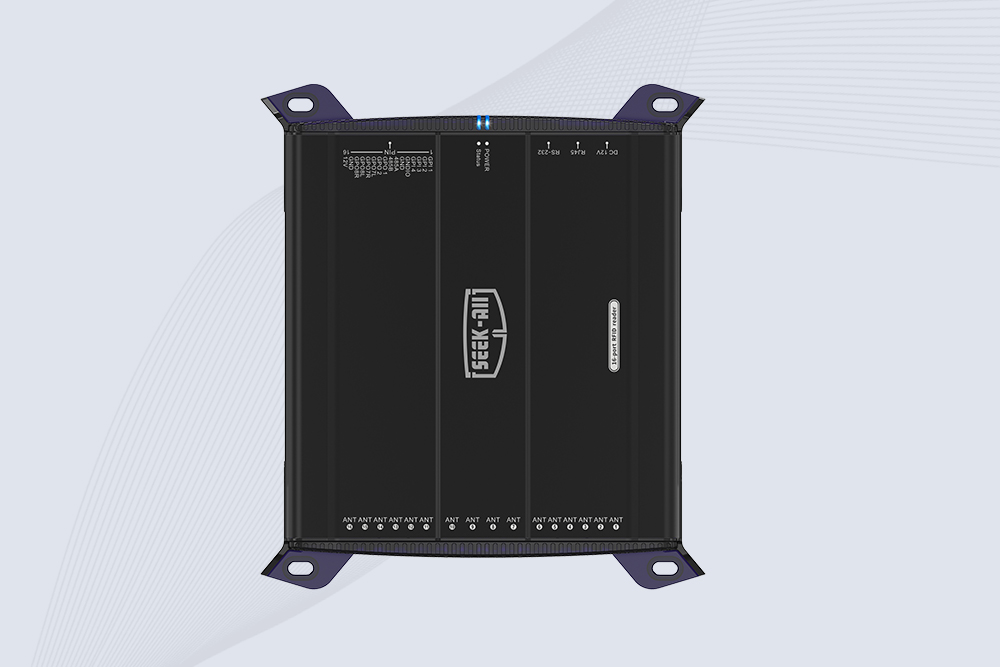
SSD-R16L Multi-Channel RFID Infrastructure for Automated Inventory Management ✔️ 16-Port High-Density RFID Reading Equipped with 16 SMA antenna ports, SSD-R16L supports multi-antenna deployment for warehouses, retail stores, logistics, production lines, and large-area RFID identification. ✔️ High-Speed & Long-Range Performance With up to 33…
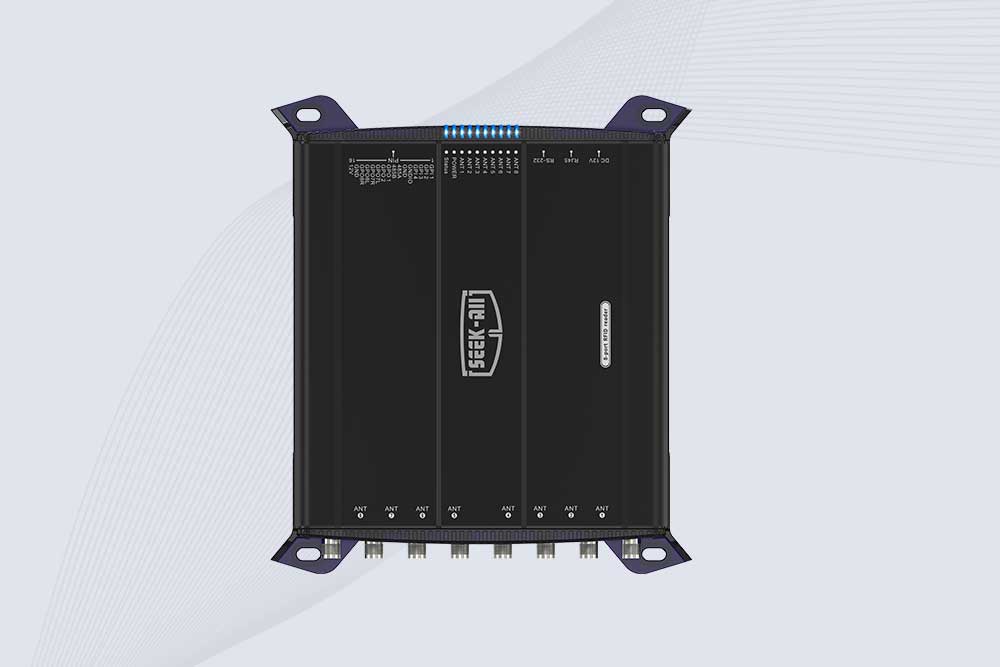
SSD-R8L 8-port UHF RFID reader with 33dBm output, up to 20m reading range and 600+ tags/s recognition. Ideal for warehouse, logistics, retail and asset tracking.
CYKEO Embedded RFID Modules are designed for compact industrial and IoT devices that require stable UHF performance. These UHF RFID Modules support global protocols, flexible power control, and reliable multi-tag reading for smart cabinets, production lines, and asset tracking systems.
CYKEO Embedded RFID Module is built for compact IoT and industrial devices that need stable UHF performance. This UHF module supports global protocols, low power operation, and reliable multi-tag reading for smart lockers, production lines, and always-on RFID systems.
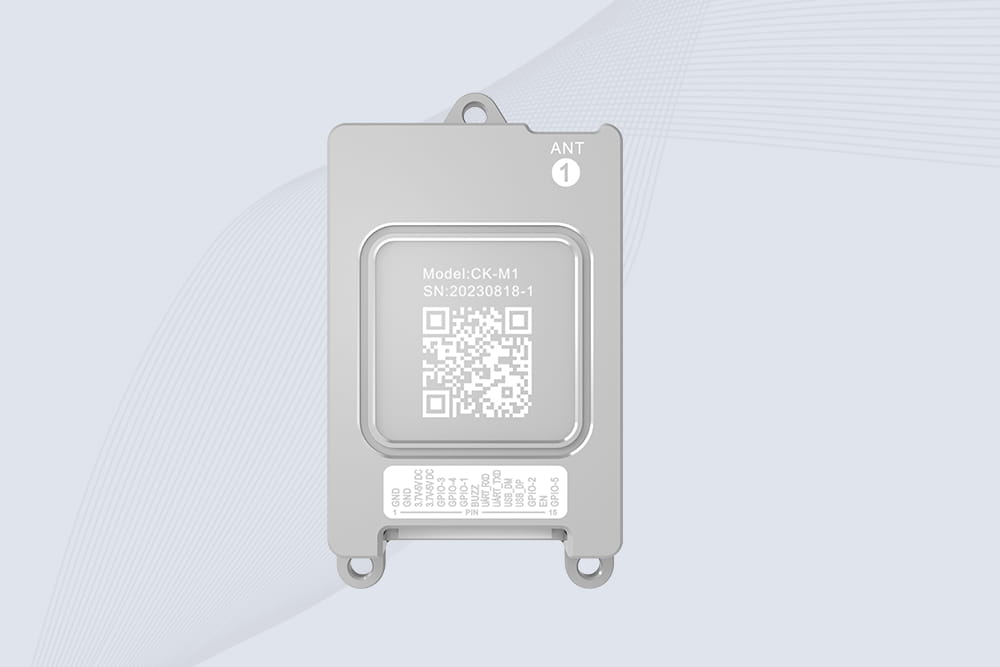
CYKEO CYKEO-M1 drone rfid module is a compact UHF RFID reader module designed for drones and UAV platforms. It supports long-range aerial scanning, fast multi-tag reading, and stable performance in wind, vibration, and outdoor environments.
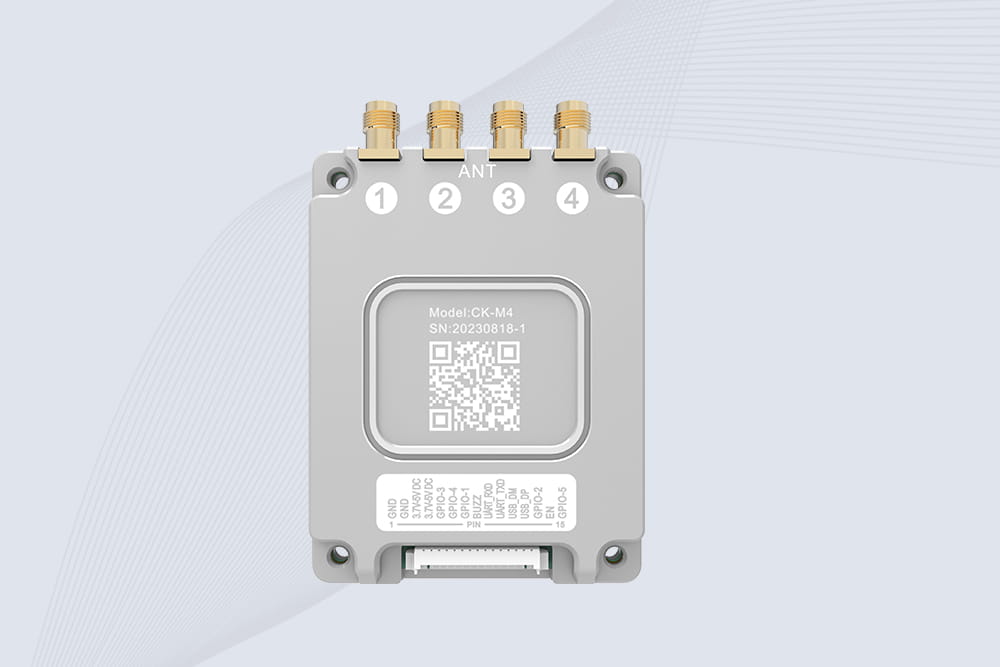
CYKEO CYKEO-M4 RC522 RFID Module is an industrial-grade UHF RFID reader with 4 ports, supporting ISO, EPC, and GB protocols. High-speed, accurate reading for IoT, automation, and warehouse applications.
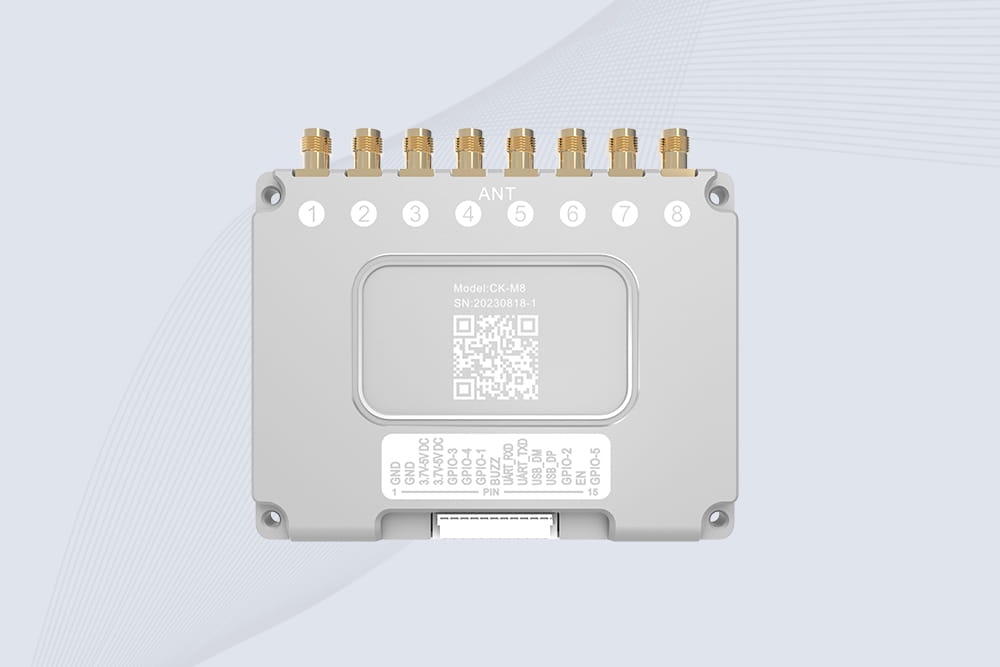
CYKEO CYKEO-M8 Module RFID is an 8-port UHF R2000 RFID Module designed for high-density, multi-tag environments. Stable 33dBm output, ISO & GB protocol support, ideal for warehouses, factories, and automated systems.
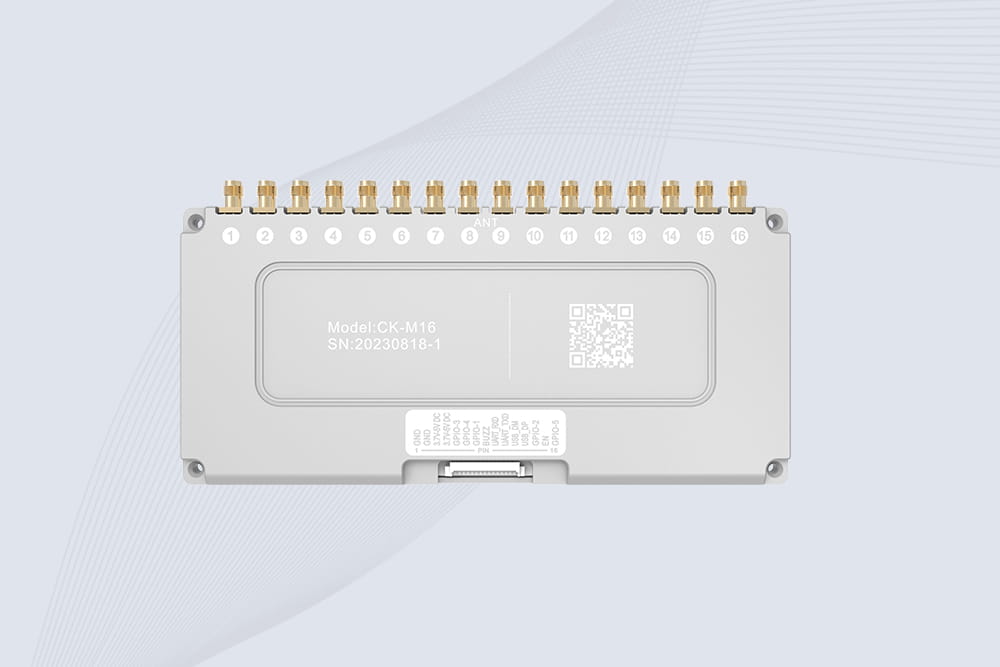
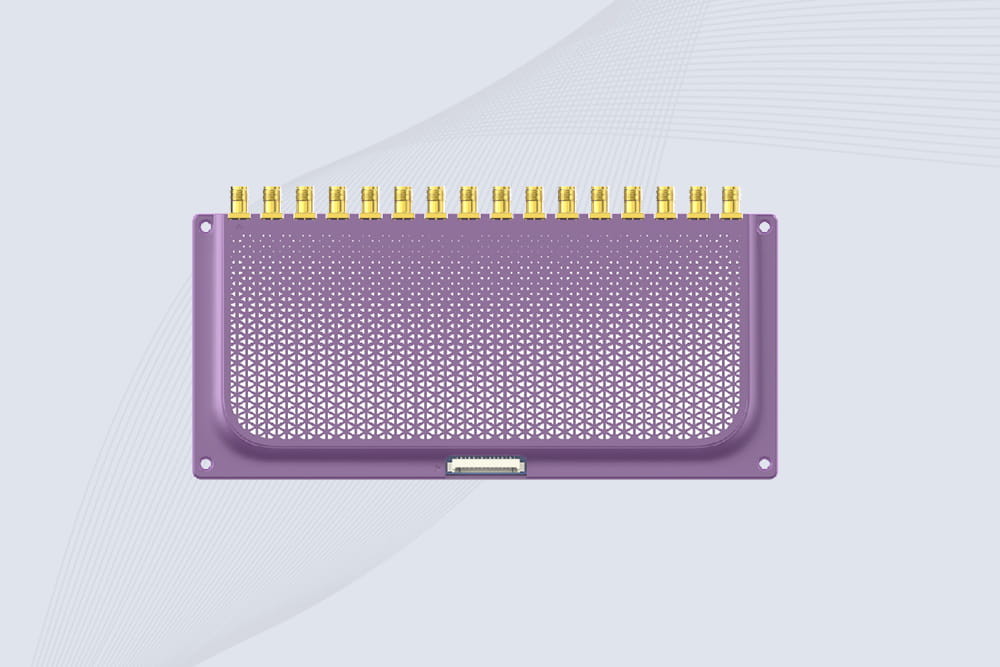
CYKEO CYKEO-M16 RFID Module is a 16-port UHF RFID reader module based on the R2000 chipset. Designed for dense tag environments, it supports ISO and GB standards and delivers stable multi-antenna control for industrial automation.
The CYKEO CYKEO-M16L RFID Reader Module is a 16-channel UHF RFID core designed for dense tag environments. With adjustable 33dBm output, multi-protocol support, and stable multi-antenna control, this RFID Tag Reader Module fits industrial automation, warehouse systems, and large-scale IoT deployments.
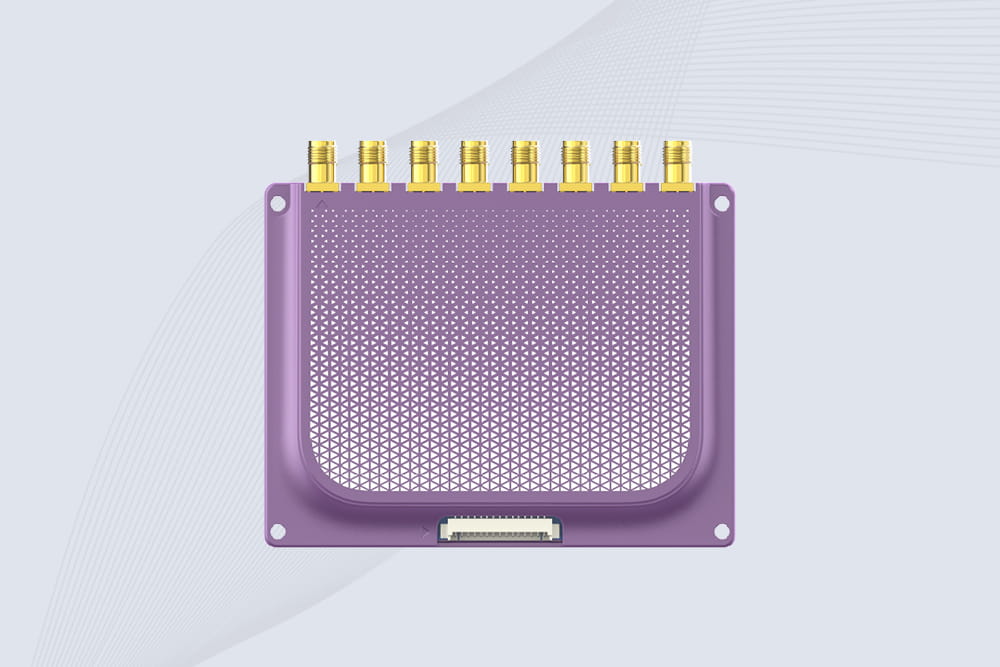
CYKEO CYKEO-M8L module RFID is a compact industrial UHF module built for dense tag and multi-antenna environments. With 8 RF ports, adjustable 33 dBm output, and ISO & GB protocol support, it is widely used in factories, warehouses, and automated tracking systems.
CYKEOCYKEO-M4L UHF RFID Module is a compact 4-channel RFID tag reader module designed for dense tag environments. Supporting ISO and GB protocols, it delivers stable reads up to 10 meters for industrial and IoT systems.
Cykeo CYKEO-A11 UHF RFID reader antenna delivers 11dBi gain, 840-960MHz frequency range, and IP65 ruggedness for retail, logistics, and industrial RFID systems. Features low VSWR and easy installation.
CYKEO Antenna RFID Reader delivers stable long-range UHF performance with a 10.5dBi directional design, built for warehouses, conveyor portals, and industrial RFID systems. This rfid reader antenna provides 20m+ read distance and rugged IP67 protection.
Cykeo CYKEO-A5B industrial Linear RFID Antenna delivers 5dBi gain, ≤1.5:1 VSWR, and IP65 rugged design for warehouse, production line, and logistics UHF systems.
Cykeo’s CYKEO-B12 Long Range RFID Antenna delivers 15m+ read range with 12dBi gain, IP65 rugged design, and global 840-960MHz UHF support. Ideal for warehouse/logistics asset tracking.
Cykeo CYKEO-B10 Long Distance RFID Antenna offers 10dBi gain, 840-960MHz frequency range, IP65 rating, and 20m+ coverage for logistics/warehousing/ETC systems. Low VSWR ensures stable signal transmission.
Cykeo CYKEO-A6 UHF RFID panel antenna features 6dBi gain, 840-960MHz broadband, IP65 metal-ready housing for logistics/smart retail. 18mm ultra-thin design with tool-free mounting.
Cykeo CK-A3 industrial antenna RFID UHF offers 5m+ tag detection, ≤1.3:1 VSWR, IP65 rugged design, and global UHF spectrum compatibility (840-960MHz) for warehouses, factories, and retail.
Cykeo CYKEO-B5 directional RFID antenna provides 5dBi gain with 60° narrow beamwidth for precise inventory tracking. IP65-rated, global UHF frequency support, and low VSWR.
Create your own high-performance DIY RFID antenna! 5dBi gain, 840-960MHz tunable, step-by-step guides. Compatible with Arduino, Raspberry Pi, and commercial UHF readers.
Cykeo CYKEO-A7 Flexible RFID Antenna features 840-960MHz wideband tuning, 7dBi gain, and IP68 rating for medical/retail/industrial curved surface deployments. 98% read accuracy with peel-and-stick installation.
Cykeo CYKEO-B5A industrial Passive RFID Antenna delivers 5dBi gain, 70° beamwidth, and -40°C~55°C operation for warehouses/smart cabinets. Compatible with Zebra/Impinj readers.
Cykeo’s CYKEO-A9B High Gain RFID Antenna delivers 15m+ read range with 9dBi amplification. Features IP54 rugged design, 840-960MHz bandwidth, and 80° beamwidth for warehouse/manufacturing RFID systems.
Cykeo’s enterprise-grade 8dbi Impinj RFID Antenna 10m+ read range with 840-960MHz tuning. Features IP65 housing, 1.4 VSWR, 35° beamwidth for retail/warehouse RFID systems.
Cykeo CYKEO-A9 industrial UHF RFID antenna delivers 9dBi gain, 840-960MHz frequency range, and IP65 protection for warehouse/logistics/retail RFID systems. Features N-type connector and ≤1.3:1 VSWR.
CYKEO UHF RFID Antenna built for long-distance and industrial applications. This antenna rfid uhf delivers strong gain, outdoor durability, and reliable tag performance in warehouses, yards, and vehicle ID systems.
CYKEO Antenna RFID delivers reliable long-range UHF performance in warehouses, retail shelves, and cold-chain environments. This compact uhf rfid antenna provides stable reads with circular polarization and ultra-wide 840–960 MHz support, ideal for industrial tracking, smart shelves, and asset monitoring.
Cykeo’s CYKEO-C8 UHF RFID antennas delivers 8dBi gain, 840-960MHz full-band coverage, and IP65 ruggedness for manufacturing/warehouse RFID systems. Industrial RFID Antennas Features
Cykeo’s 8dBi UHF RFID antenna and reader kit delivers 10m+ range, 840-960MHz broadband, and IP65 ruggedness for factories, warehouses, and logistics. ISO 18000-6C & EPC Gen2 certified.
Cykeo’s CYKEO-A12C UHF Large RFID Antenna delivers 12dBi gain, 840-960MHz global frequency, IP65 ruggedness for logistics/warehousing/automotive. 40° beamwidth ensures stable 15m+ tag reads.
CYKEO Near Field RFID Antenna provides precise 5–30 cm reading for shelves, cabinets, and workstations. This compact rfid shelf antenna delivers stable short-range performance around metal and clutter, ideal for pharmacies, libraries, and electronics sorting.
Cykeo’s industrial long range RFID reader delivers 20-meter scanning, 500+ tags/sec speed, and IP67 waterproof design for automated warehouses, logistics, and harsh environment applications.
Cykeo’s CYKEO-RA6L industrial RFID long range reader features 20m read distance, 500 tags/sec speed, and IP67 protection. Ideal for warehouse automation, manufacturing WIP tracking, and smart logistics. Supports ISO 18000-6C/6B protocols.
CYKEO Long Range RFID Tag Reader built for outdoor and industrial operations. This Outdoor RFID Reader delivers 20m read distance, fast tag processing, and IP67 durability for wide-area tracking.
Cykeo CYKEO-RA12L industrial Long Range RFID Reader delivers 20m read range, 200+ tags/sec scanning, and IP67 protection for manufacturing/logistics applications. Supports ISO 18000-6C/GB protocols.
Cykeo CYKEO-C1 industrial Forklift RFID Reader features 20m read range, 600 tags/sec scanning, Impinj R2000 chipset, and IP67 rugged design. Ideal for warehouse logistics and manufacturing. Supports ISO 18000-6C/6B protocols.
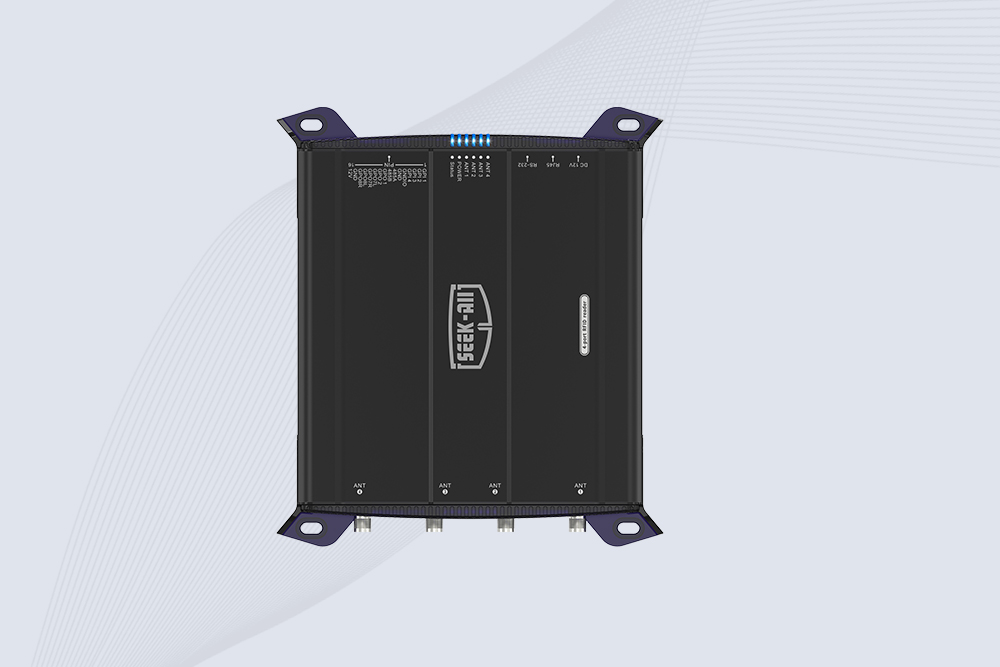
Cykeo CYKEO-R4 industrial UHF RFID Fixed Reader features 4 TNC ports, 400+ tags/sec speed, IP67 housing, and global frequency compliance for vehicle inspection, smart warehouse, and asset management systems.
CYKEO CYKEO-R8L Fixed RFID Reader with 8-port UHF design, Impinj-based RF core and up to 20m read range. An industrial Fixed RFID Reader for vehicle inspection, warehouse portals, smart manufacturing lines and secure access checkpoints.
RFID Fixed Reader from CYKEO – the CYKEO-R16L 16-port UHF fixed reader for warehouses, smart cabinets, and production lines. Long-range, multi-tag reading, stable performance for 24/7 industrial use.
RFID printers can print and encode tags at the same time, but they’re not always easy to use. This guide answers the top 10 RFID printer FAQs, including tag compatibility, encoding errors, costs, and real-world use cases.
Need to know how to read RFID card in Android? We explain the two paths: using phone NFC for basic reads & connecting to professional UHF readers via CYKEO’s SDK.
Discover affordable RFID solutions for retail stores to reduce checkout errors, prevent theft, and streamline inventory. Practical tips and top picks inside.
 Cykeo RFID IoT Solution Products R&D Manufacturer