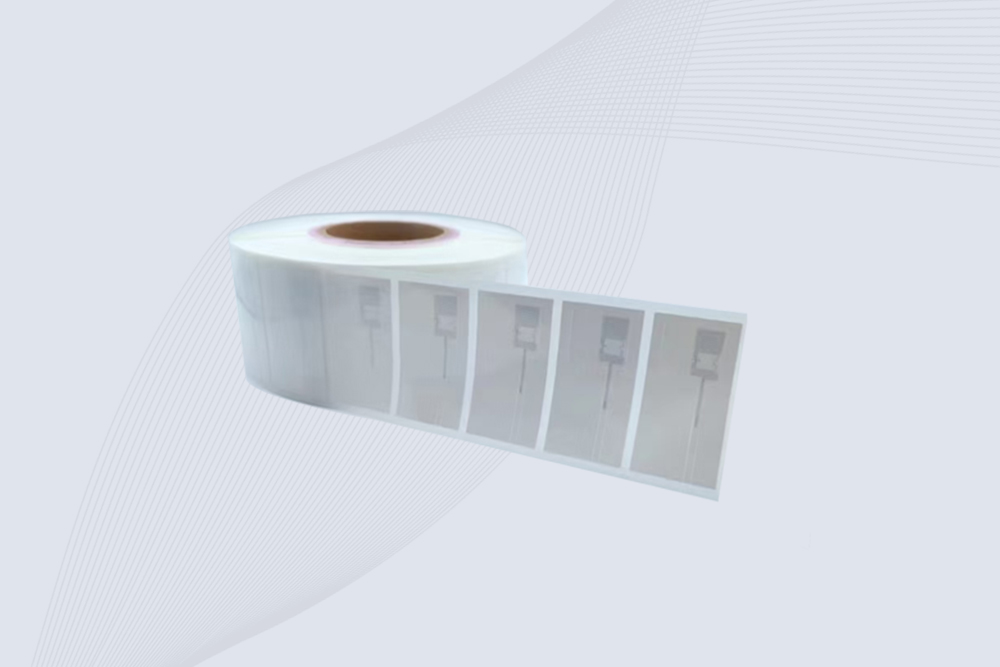
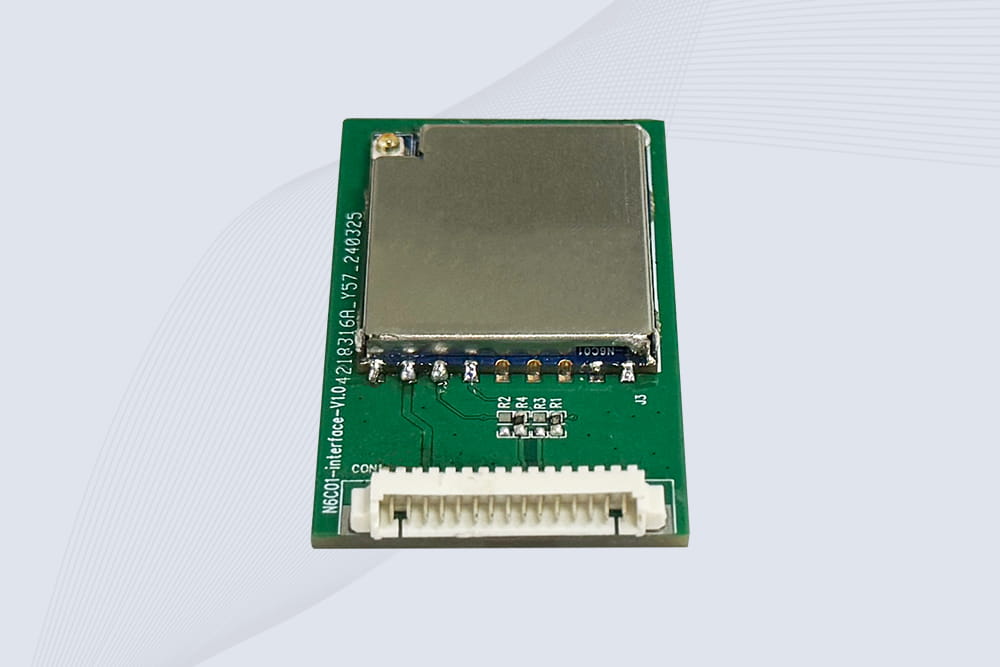
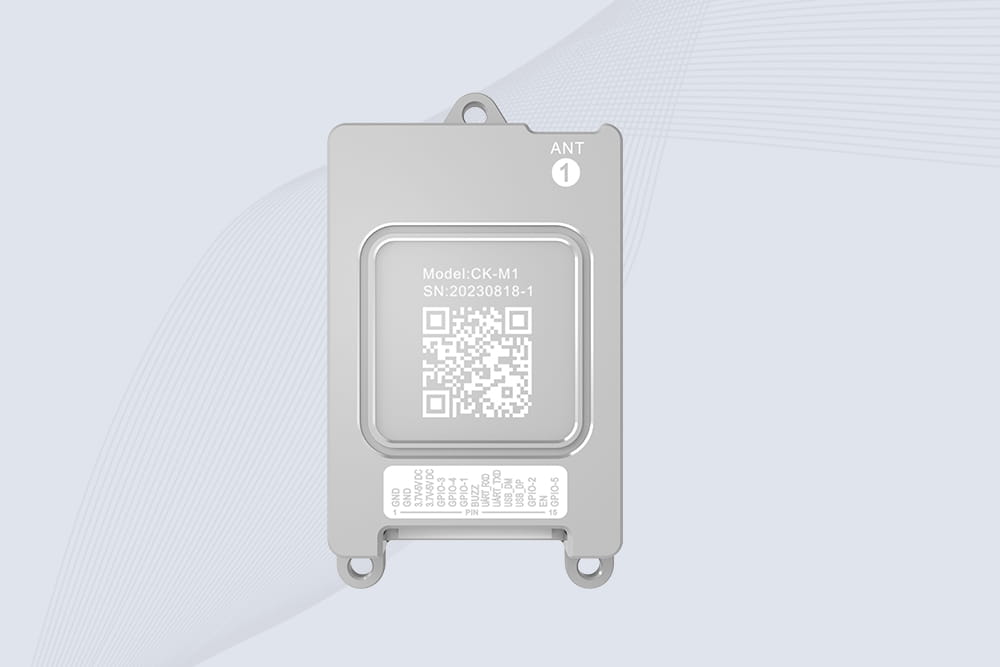
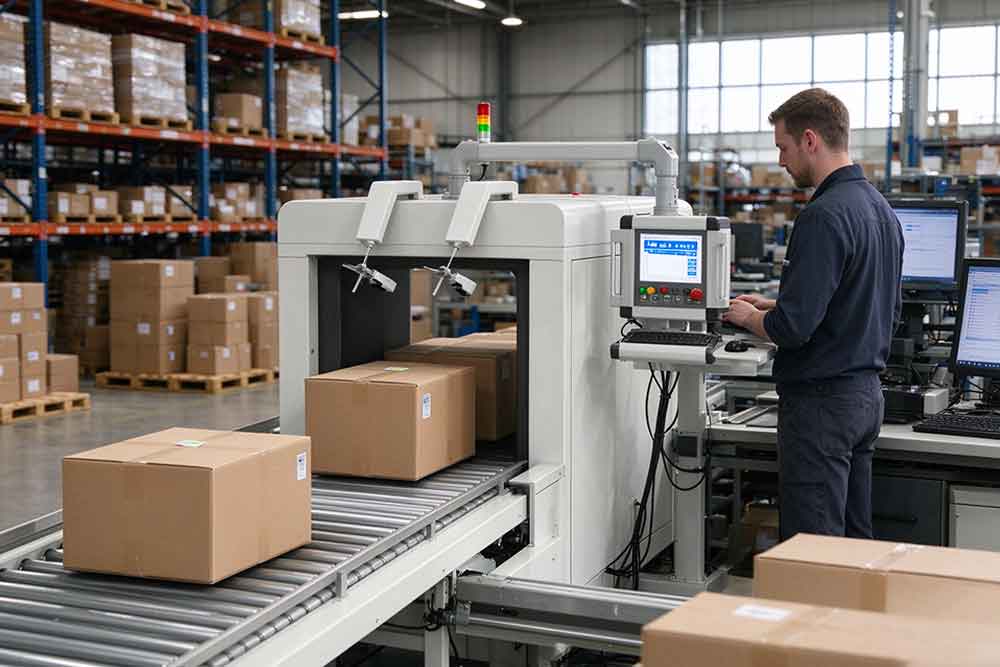
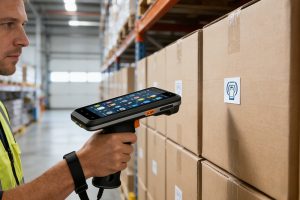
RFID enhances hospital medication inventory tracking by helping pharmacy teams identify tagged medications, check tray contents, and detect selected stock discrepancies with less reliance on manual inspection. When integrated with inventory software and validated procedures, it can improve visibility into medication quantities, expiry dates, and replenishment needs—but it does not replace clinical checks or medication-safety controls.
Why Hospital Medication Inventory Tracking Needs More Than Manual Checks
Hospital pharmacies manage medicines across central pharmacies, satellite pharmacies, operating rooms, emergency carts, anesthesia workstations, and patient-care units. Each location has different stock requirements. Some medicines are used frequently; others must be available immediately but may remain untouched for weeks.
A tray can look complete at a glance and still contain a missing vial, an incorrect quantity, or an expired product. These problems become harder to manage when staff must repeatedly open trays, inspect individual packages, compare expiry dates, and document every change by hand.
This is one area where how rfid enhances hospital medication inventory tracking becomes a practical operational question rather than simply a technology question.
RFID—radio-frequency identification—uses radio communication between electronic tags and compatible readers. In a medication inventory system, tags attached to selected medication packages or trays can be read by a configured station. Software compares the detected identifiers with the expected inventory and flags discrepancies for staff review.
The technology is not a substitute for pharmacy oversight. Its value lies in making selected inventory checks more repeatable and in giving staff better information about what needs attention.
What Published Hospital Research Shows
A study published in the American Journal of Health-System Pharmacy evaluated RFID for tracking noncontrolled medications in anesthesia workstations. After implementation, the study reported a 64.7% reduction in restocking errors, and missing and outdated medications were eliminated in the evaluated workflow. However, the automated process took longer: mean restocking time increased from 37.9 seconds to 145.9 seconds per workstation.
That trade-off matters. RFID may improve the completeness of checks while adding steps to the replenishment process. Hospitals should evaluate both dimensions—accuracy and workflow time—rather than assuming automation always makes every task faster.
A separate 2025 study examined 451 adult and pediatric emergency drug boxes. Researchers found that 106 boxes (24%) contained at least one stocking error. Of 132 errors identified, the authors estimated that RFID implementation could detect 96, or 73%. This was an assessment of errors that RFID could potentially detect, not evidence that a deployed system prevented every error or improved patient outcomes by the same percentage.
These studies provide a grounded reason to evaluate RFID for selected hospital medication workflows, especially where repeated manual checks create a substantial workload or leave important inventory details difficult to verify.
How RFID Medication Inventory Tracking Works
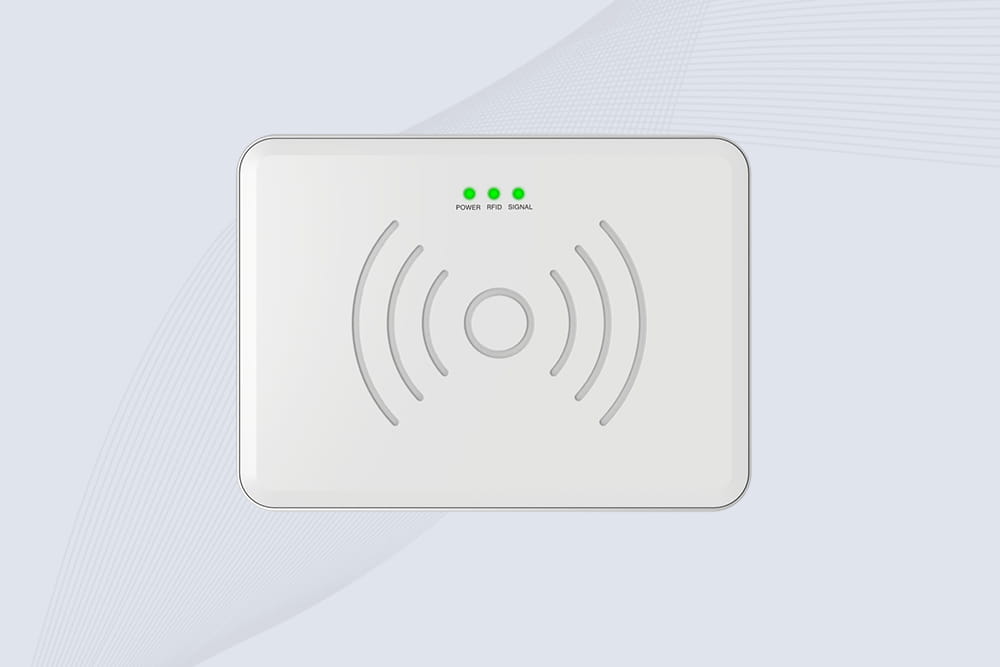
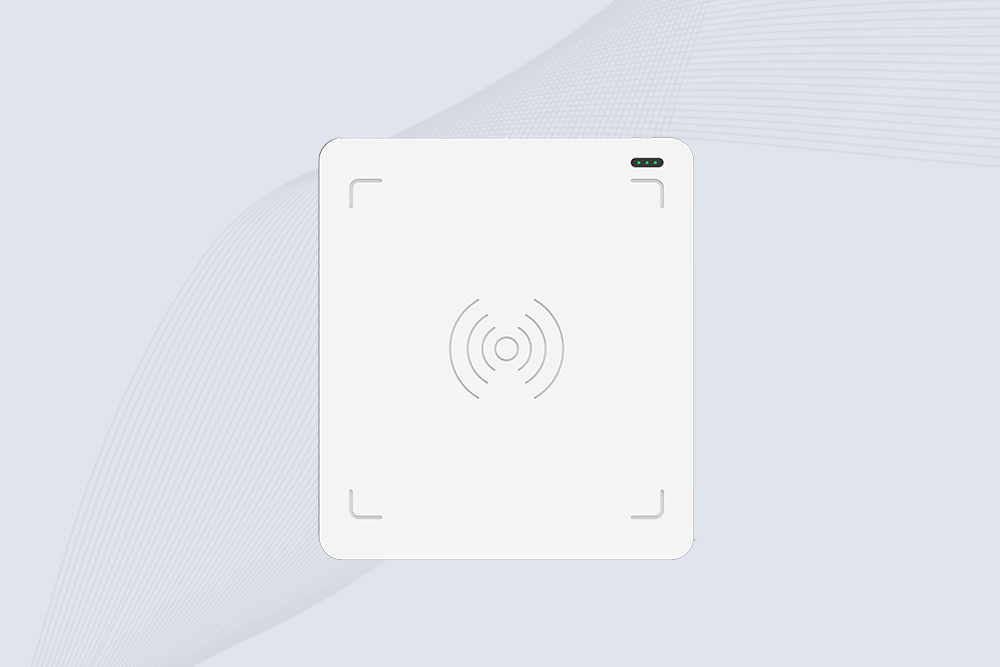
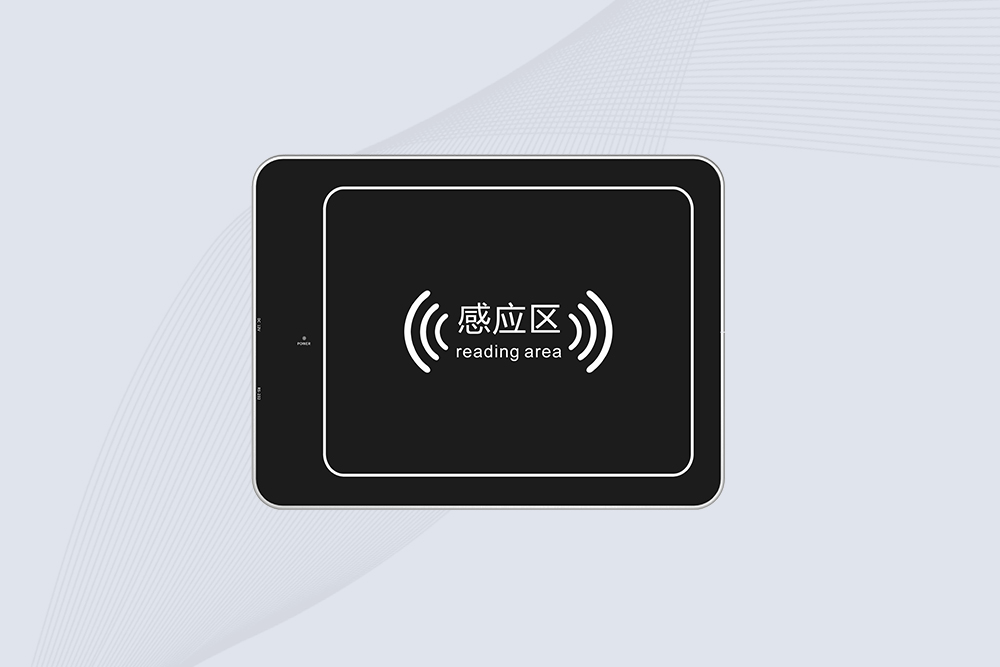
RFID-supported tray verification can help identify discrepancies, while pharmacy staff remain responsible for resolving alerts and confirming readiness.
1. Medication Packages or Trays Receive RFID Tags
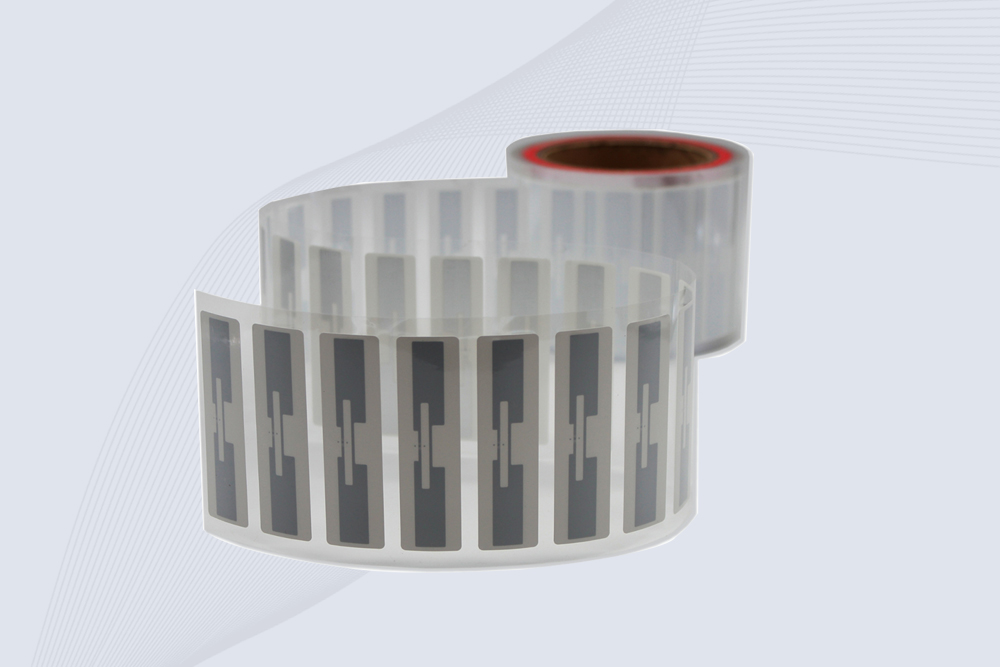
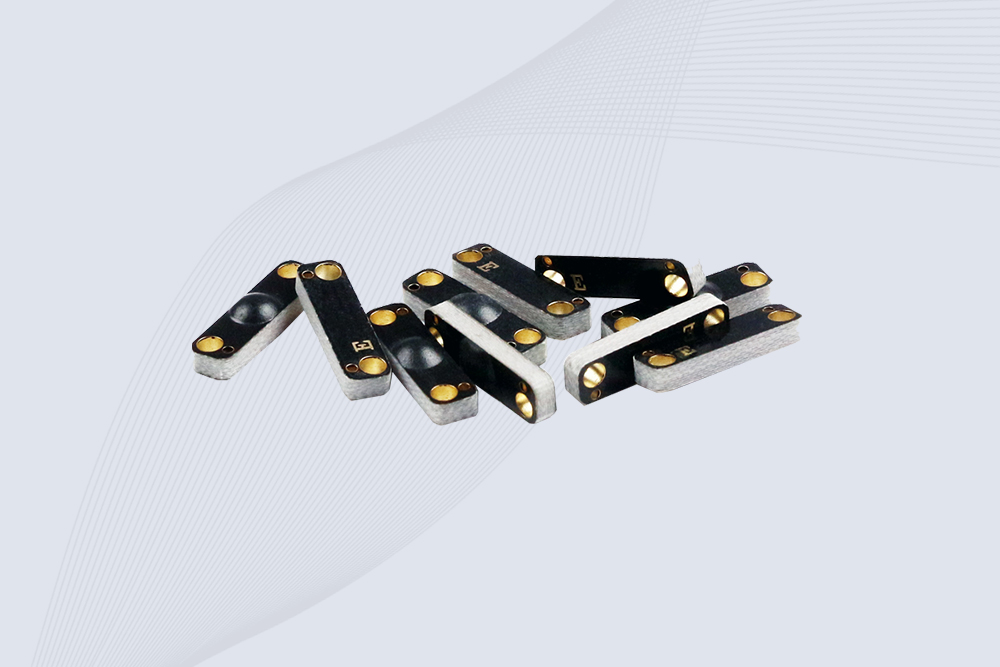
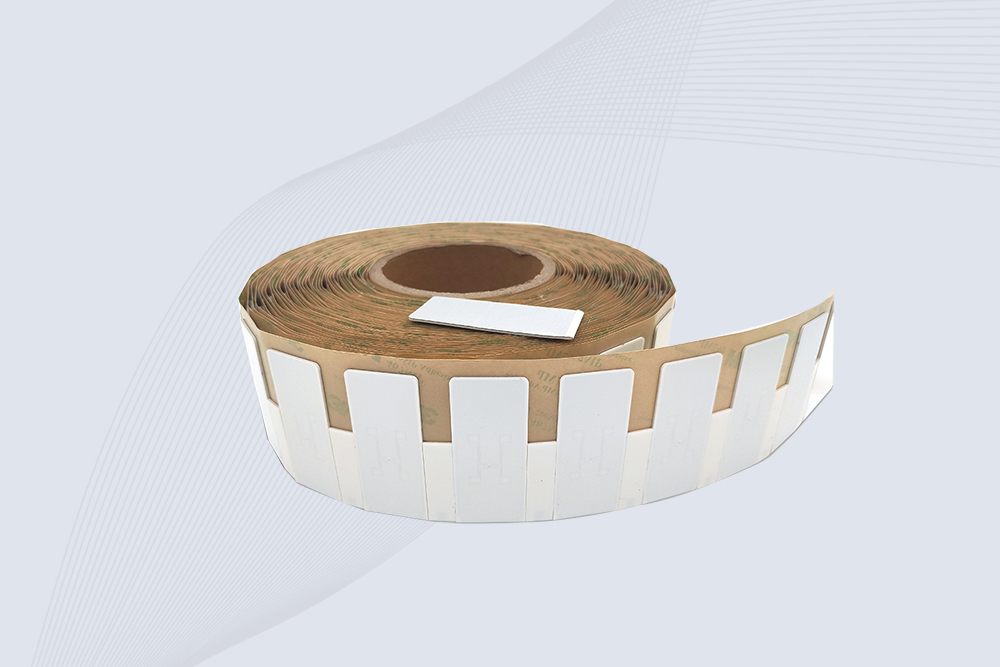
An RFID-enabled workflow begins by deciding which items need to be tagged. A hospital may tag individual medication packages, selected vials, trays, or emergency kits, depending on the system design and the level of inventory visibility required.
The tag identifier must be linked correctly to the medication record. If a tag is associated with the wrong product, even a reader that captures it perfectly can produce misleading inventory information. Tagging and encoding therefore need controlled procedures and verification.
2. A Reader Captures the Tagged Items
At a configured station, an RFID reader communicates with compatible tags and collects their identifiers. Depending on the tag technology and reader configuration, several tagged items can be detected in one reading session.
This can be useful when a pharmacy technician needs to inspect a medication tray containing many packages. Instead of locating every item and manually checking each identifier, the technician can place the tray at the designated station and let the system compare detected tags with the expected list.
RFID performance still depends on the actual packaging, tag placement, reading area, and equipment configuration. A tray with tightly packed items or products mounted in difficult orientations should be tested before the workflow is adopted at scale.
3. Software Compares Actual and Expected Inventory
The inventory application matches detected tag identifiers with records for the expected medication, quantity, lot information, or expiry date—where that information has been captured and associated correctly.
The system may flag:
A medication expected in the tray but not detected.
An unexpected or incorrect tagged item.
A quantity that differs from the defined tray configuration.
A recorded expiry date that has passed.
An item that requires review before the tray can be approved.
These checks are only as dependable as the data and system rules behind them. If expiry information was never captured, for example, the reader cannot independently discover it simply by reading a basic identifier.
Where Hospitals Can Apply RFID Medication Tracking
RFID is most useful when a medication workflow involves repeated checks, defined storage locations, and a clear expected inventory. It is not necessary to tag every medicine in every hospital department. A targeted rollout can be easier to validate and maintain.
Emergency Medication Boxes and Crash Carts
Emergency medication boxes must contain the correct items and quantities when staff need them. Manual replenishment can involve opening a box, counting its contents, checking product details, and documenting the results.
RFID can support a verification station that compares tagged contents against a predefined list. If an item is missing or an unexpected tag is detected, the software can alert the pharmacy team to investigate before the box is returned to service.
A published report from the Cleveland Clinic described a web-based emergency medication management system that combined medication and pocket barcodes with active RFID tags for tracking medication kits’ locations. This illustrates an important design principle: RFID and barcodes can serve complementary roles in the same workflow.
Operating Rooms and Anesthesia Workstations
Operating rooms may keep a range of medications ready for procedures, and anesthesia workstations require reliable replenishment. RFID-enabled inventory checks can help pharmacy teams verify selected tray contents and identify missing or outdated stock.
The published anesthesia-workstation study discussed earlier demonstrates why hospitals should measure more than speed. Although restocking errors fell by 64.7% after implementation, the automated workflow took longer per workstation. For a hospital, the decision should consider the safety value of more reliable checks, staff time, tagging expenses, and the number of workstations involved.
High-Cost Medication Storage
High-cost medicines can tie up substantial inventory value, making accurate stock records and timely replenishment especially important. RFID-enabled bins or designated reading points may help staff monitor selected inventory and identify when a stock check is needed.
However, a tag read should not be interpreted as proof that a medicine remains usable. Expiry dates, storage conditions, package integrity, recall status, and other applicable requirements must still be handled through validated processes and appropriate records.
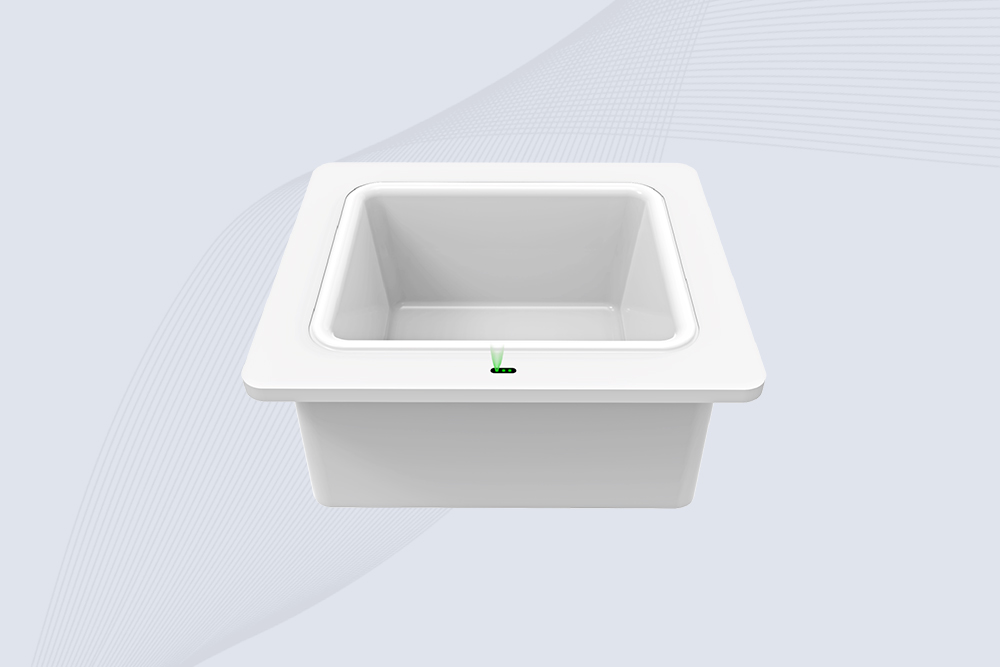
An RFID-enabled workflow can compare detected medication identifiers with expected stock records and flag discrepancies for pharmacy review.
RFID and Barcode Scanning in Hospital Medication Inventory
RFID does not have to replace barcode scanning. In many hospital environments, each technology addresses a different need.
Requirement
RFID
Barcode scanning
Verify multiple tagged items in a tray
Can capture multiple compatible tags in one reading session
Usually requires individual code scans
Identify a single medicine package
Possible when the package is tagged and within the reading zone
Effective when the barcode is accessible and readable
Capture expiry or lot details
Requires these details to be encoded or correctly linked in the system
Depends on what the barcode encodes and how the application processes it
Verify product identity
Depends on correct tag-to-product mapping and system rules
Depends on correct barcode-to-product mapping and system rules
Initial deployment
Requires tags, compatible readers, integration, and validation
May use existing barcode labels and scanners
Practical role
Selected bulk inventory checks and tray workflows
Product verification, receiving, dispensing, and other established scanning workflows
The American Society of Health-System Pharmacists (ASHP) describes barcode scanning throughout medication inventory management and also recognizes RFID tracking as a component of inventory and replenishment systems. Its standards emphasize policies, staff training, device validation, and ongoing quality improvement.
Implementation Challenges: What Hospitals Should Plan For
RFID can improve medication inventory visibility, but implementation involves more than installing a reader. Hospitals need to decide which medicines to tag, who verifies the tag information, how the system handles exceptions, and how inventory data moves between pharmacy applications.
A 2024 report from the American Society of Health-System Pharmacists (ASHP) Research and Education Foundation documents medication-use workflows and implementation concerns, including product availability, tag application, verification, and tray management. Its process diagrams include both electronic scanning and visual inspection, reinforcing that RFID should be incorporated into a controlled pharmacy workflow rather than treated as a stand-alone safety check.
Tagging and Data Verification
Medication packages may arrive with RFID tags already attached, or a hospital may need to apply tags internally. In either case, the medication identity and tag data must be verified.
A robust workflow should define who is responsible for:
Matching the tag to the correct medication and package.
Recording lot number and expiry date when required.
Confirming that tag placement does not obscure product labeling.
Checking that the reader detects the tag under normal operating conditions.
Correcting any mismatch before the medication or tray is approved.
Tagging mistakes can undermine the whole process. If a tag is associated with the wrong medicine or expiry date, automated reading can make incorrect information appear consistent. Verification is therefore a control point, not an optional administrative step.
Integration with Pharmacy and Inventory Software
The RFID application may need to exchange information with pharmacy inventory systems, electronic records, replenishment software, or asset tracking platforms. Before deployment, the project team should map which system is authoritative for each data field.
For example, one application may hold the medication’s product identifier, while another maintains lot-level stock and a third records where a medication tray is deployed. Clear data ownership prevents conflicting records and helps staff investigate discrepancies.
Expiry Dates, Recalls, and Lot-Level Visibility
RFID can help identify tagged items associated with expiry dates or recalled lots when that information has been accurately recorded and linked to each tag or inventory record. It can then support searches and alerts for stock that needs review.
However, a tag does not inherently know whether a medicine has expired or been recalled. The system must contain current data and apply the appropriate rules. Staff must still verify package condition, storage requirements, and any other applicable pharmacy procedures.
How Hospitals Can Measure RFID’s Return on Investment
A hospital should evaluate RFID against a documented baseline, not a general promise that automation will save money. The financial case depends on medication volume, how often trays are checked, the time required to tag products, and the cost of integrating and maintaining the system.
A useful assessment includes the following measures:
Measure
What to record
Why it matters
Inventory accuracy
Missing, unexpected, incorrect, or expired items found during checks
Shows whether the system improves detection
Restocking time
Time per tray or workstation before and after implementation
Identifies workflow gains or additional workload
Staff effort
Labor hours spent checking, tagging, correcting, and documenting inventory
Captures the full operational impact
Expiry and waste
Expired stock, avoidable write-offs, and medicines requiring rotation
Helps assess stock-management performance
Recall response
Time needed to identify affected lots and locate tagged inventory
Measures the usefulness of lot-level records
System cost
Tags, readers, software, integration, maintenance, and training
Establishes total cost of ownership
A 2024 report from Becker’s Hospital Review described Our Lady of the Lake Regional Medical Center’s implementation of RFID for operating-room medication inventory. The hospital reported saving 17 staff hours per week and reducing stockouts after deploying the system across 42 procedural rooms. These are results reported by that specific organization, not a forecast for every hospital.
For a pilot, select a limited number of medication trays or workstations, measure the existing process, and compare it with the RFID-enabled process over a defined period. Include the time required to investigate alerts and correct inventory records; excluding those tasks can make the new workflow appear more efficient than it really is.
RFID Medication Inventory Tracking: Questions Hospitals Should Ask
Before selecting a system, pharmacy leadership, IT, medication safety staff, and procurement should agree on the purpose of the deployment.
Does the project focus on emergency trays, anesthesia workstations, central pharmacy stock, or several locations?
Must the system identify individual packages, or is tray-level identification sufficient?
Are lot numbers and expiry dates recorded and linked to each tagged item?
How will staff handle unreadable tags, mismatched items, and missing inventory?
Which system owns the authoritative medication and inventory records?
What verification must occur before a tray is released for clinical use?
What baseline metrics will determine whether the pilot succeeds?
These questions help distinguish an inventory visibility project from a broader medication safety initiative. RFID can support both, but each requires its own acceptance criteria and controls.
Frequently Asked Questions
1. How rfid enhances hospital medication inventory tracking?
RFID helps hospitals identify tagged medication packages and trays, compare detected contents with expected inventory, and flag selected discrepancies. When lot and expiry information is correctly linked to the records, the system can also support expiry reviews, recall searches, and replenishment planning.
2. Can RFID detect expired medications in a hospital pharmacy?
Yes, if the system has accurate expiry information associated with the tagged item or its inventory record. RFID can identify the item and help software flag an expired or soon-to-expire product. The reader itself does not determine the medicine’s expiry status unless the necessary information is available to the application.
3. Does RFID replace barcode scanning in hospitals?
No. RFID and barcodes can complement one another. RFID can support bulk inventory checks, while barcodes remain useful for identifying individual products and supporting established medication workflows. The choice depends on the task, packaging, system compatibility, and required verification steps.
4. Can RFID track medication lot numbers and recalls?
It can support lot-level tracking when the lot number is encoded on the tag or correctly linked to the tag identifier in the inventory system. The hospital can then search for affected records and locations. Effective recall management still depends on accurate data, timely updates, and staff follow-through.
5. Does RFID improve medication safety automatically?
No. RFID can help detect certain inventory discrepancies, but it cannot independently guarantee medication safety. Incorrect tag associations, missing records, unreadable tags, or poorly configured workflows can create errors. Clinical checks, pharmacy oversight, validated procedures, and appropriate system controls remain necessary.
6. Is RFID suitable for every hospital medication?
Not necessarily. The value depends on the inventory workflow, medication packaging, tagging requirements, costs, and operational risk. A hospital may begin with emergency medication trays or anesthesia workstations where frequent checks create a clear use case, then expand only after evaluating results.
7. What should a hospital measure during an RFID pilot?
Measure inventory discrepancies, missed and unwanted reads, expiry-related findings, restocking time, staff effort, tagging costs, and the time needed to resolve alerts. Compare these results with the existing process and confirm that the system meets pharmacy requirements before expanding the deployment.
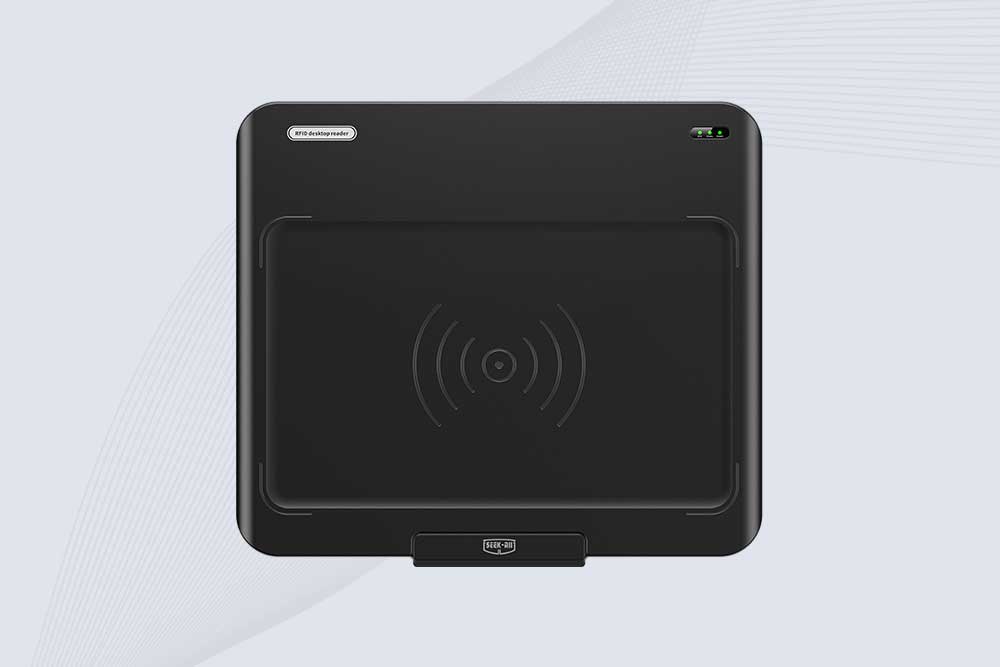
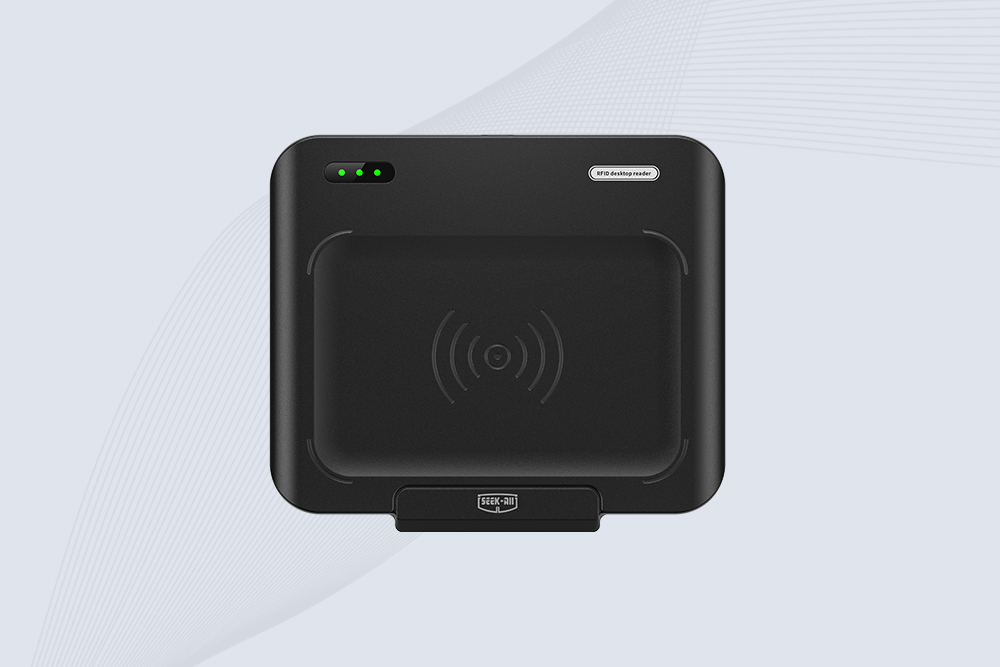
SSD-D3AL is a USB-HID UHF RFID reader with 0–30 cm reading, 0–15 cm writing, over 600 tags/s recognition, USB plug-and-play operation and OEM Logo customization.
SSD-D1AL is a compact USB UHF RFID reader with Impinj E710/X3M1 chipset, USB-HID, 600+ tags/s recognition, 4/8/16 antenna support and plug-and-play USB power.
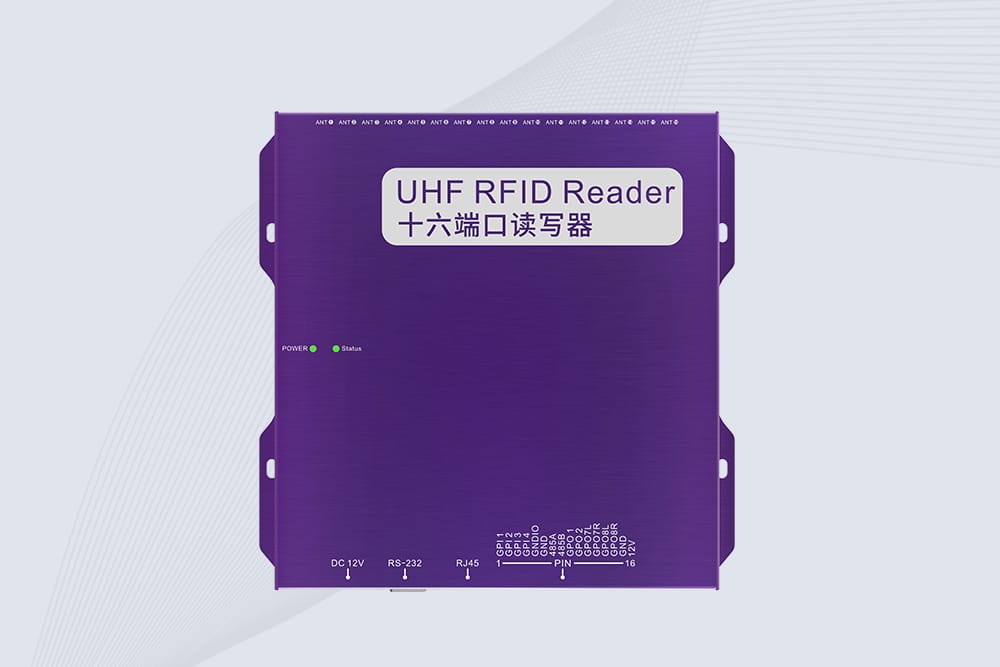
SSD-R16L Multi-Channel RFID Infrastructure for Automated Inventory Management ✔️ 16-Port High-Density RFID Reading Equipped with 16 SMA antenna ports, SSD-R16L supports multi-antenna deployment for warehouses, retail stores, logistics, production lines, and large-area RFID identification. ✔️ High-Speed & Long-Range Performance With up to 33…
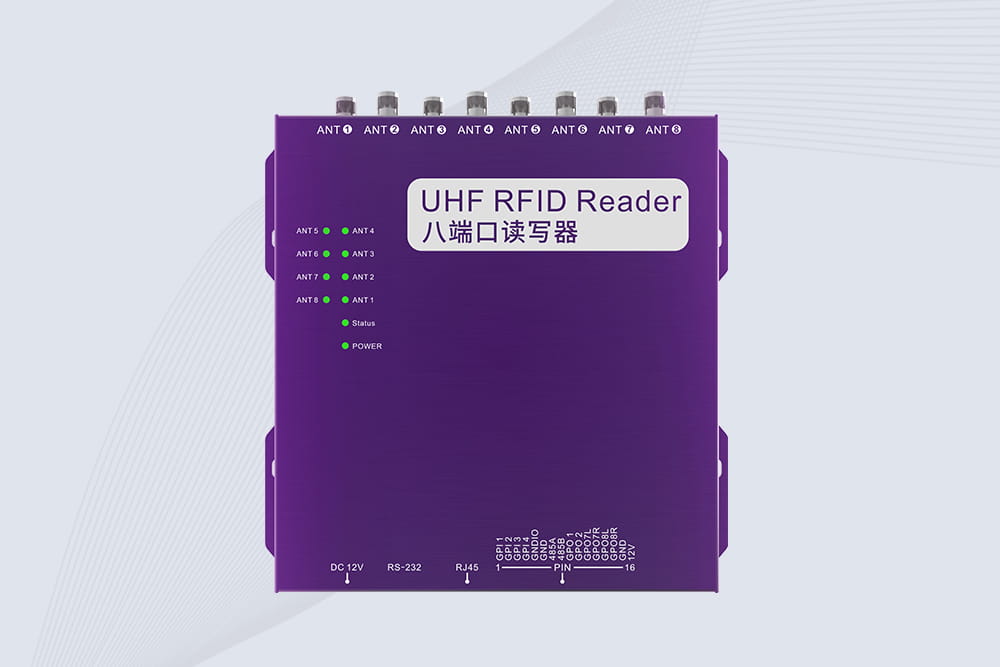
SSD-R8L 8-port UHF RFID reader with 33dBm output, up to 20m reading range and 600+ tags/s recognition. Ideal for warehouse, logistics, retail and asset tracking.
CYKEO CYKEO-D1LA USB RFID Reader is a compact desktop solution with near-field control for precise tag reading and encoding. Powered by USB, supporting ISO 18000-6C, and built for stable batch writing, this usb rfid tag reader fits retail, libraries, offices, and controlled RFID encoding tasks.
CYKEO CYKEO-D1L RFID scanner USB is a compact desktop UHF RFID scanner designed for short-range tag writing and verification. This usb rfid scanner supports batch encoding, stable 0–26 dBm output, and works across Windows, Linux, and Android systems.
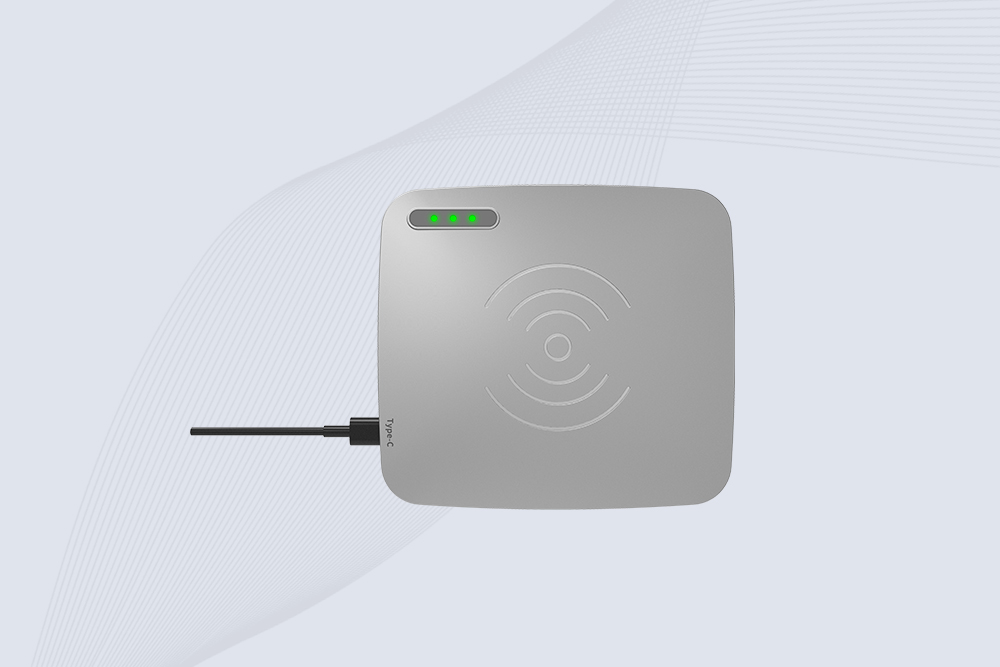
CYKEO CYKEO-D1C USB RFID Card Reader is a near-field UHF desktop writer designed for secure, short-range tag encoding. With USB-C connectivity and stable 26 dBm output, this rfid reader usb c is ideal for badge issuance, label encoding, and controlled desktop RFID workflows.
CYKEO CYKEO-D2L RFID Reader USB is a compact desktop encoder built on the Impinj R500 chip. With near-field control and stable USB power, this usb rfid card reader delivers precise tag writing for offices, retail counters, and small-scale logistics encoding tasks.
CYKEO CYKEO-D3L USB RFID Tag Reader delivers stable UHF tag reading and writing for daily desktop and light industrial tasks. Designed for controlled short-range operation, this USB RFID Tag Reader works reliably with rfid tag and reader systems in libraries, tool tracking, and inventory registration.
The CYKEO CYKEO-D4L UHF RFID Tag Reader is a stable Desktop RFID Reader designed for accurate tag registration, borrowing, and return workflows. Built with the Impinj R2000 chip, this UHF RFID Tag Reader delivers controlled short-range reads for libraries, asset tracking, and inventory management environments.
The CYKEO CYKEO-D5L Desktop RFID Card Reader is a stable UHF RFID Card Reader designed for controlled short-range reading and writing. Built for libraries, tool rooms, and asset desks, this UHF RFID Card Reader supports dense tag handling, secure data processing, and easy USB integration.
The CYKEO CYKEO-D6L RFID Reader Writer is a heavy-duty Desktop RFID Reader designed for short-range, high-accuracy tag programming. Built for libraries, labs, and asset desks, this RFID Reader Writer supports batch processing, stable 33dBm output, and seamless integration with existing management systems.
Cykeo CYKEO-D8A embedded RFID badge reader offers 30+ tags/sec scanning, 20cm anti-crosstalk precision, and DC 12V power for unmanned stores, warehouses, and smart inventory systems.
Cykeo’s CYKEO-D8C UHF RFID gate reader achieves 200-tag/batch scanning with adjustable power control, ideal for retail inventory and smart warehouse management.
CYKEO Passive RFID Tags are made for wet and high-humidity environments where standard labels do not last. This rfid passive tag is often used around liquids, chemicals and temperature changes, providing stable reading distance and long data life for industrial tracking.
CYKEO CYKEO-PCB1504 Metal RFID Tags is a compact anti-metal UHF RFID solution built for direct mounting on metal surfaces. With stable 8-meter read range, Ucode-8 chip, and long data retention, this rfid metal tag fits tools, containers, automotive parts, and industrial asset tracking.
CYKEO CYKEO-PCB7020 On-Metal RFID Tags are designed for reliable tracking on steel and metal surfaces. Built with an FR4 epoxy body and industrial-grade chips, these On-Metal RFID Tags deliver stable performance, long data life, and chemical resistance, making them a dependable RFID anti-metal tag for harsh environments.
The CYKEO CYKEO-60-25 Anti-Metal RFID Tag is built for metal surfaces where standard tags fail. Designed for long-range performance, harsh environments, and stable data retention, this Anti-Metal RFID Tag is ideal for industrial assets, containers, and equipment tracking using on metal RFID tags.
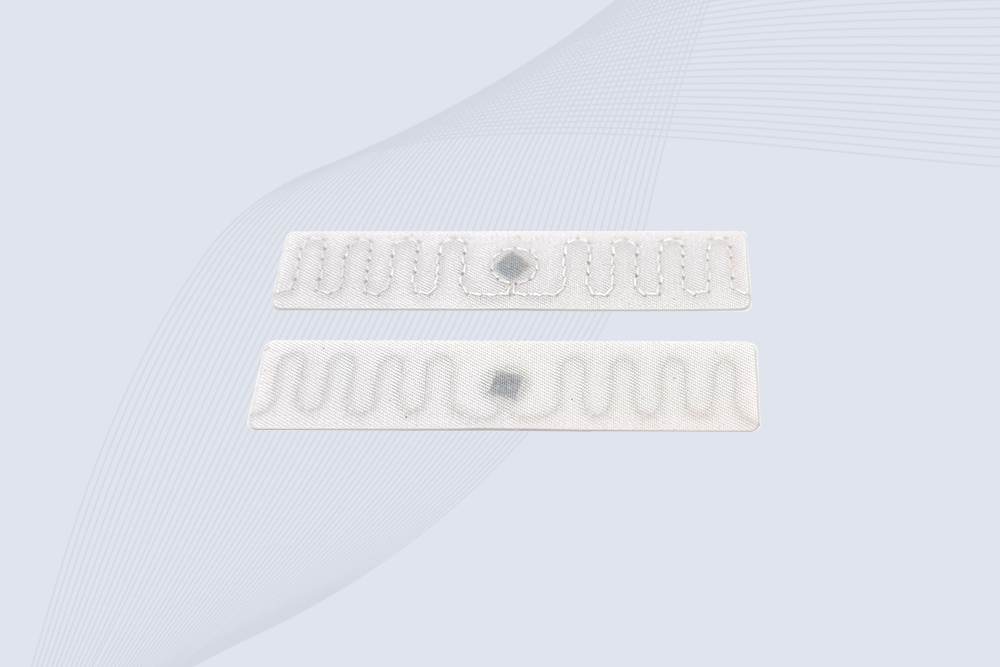
The CYKEO RFID Laundry Tag is designed for long-term textile identification in harsh laundry environments. Built to withstand high heat, chemicals, and repeated washing, this RFID Laundry Tag delivers stable performance for hotels, hospitals, and industrial laundry operations using laundry rfid tags at scale.
The CYKEO CYKEO-125-7 RFID Book Tag is designed for reliable book and document tracking in libraries and archives. This RFID Book Tag delivers long read range, dense placement support, and stable performance on shelves, making it a practical rfid tag on books for library automation, file management, and archival systems.
CYKEO RFID tags in hospitals are designed for sterile environments where accuracy matters. These autoclavable RFID tags support long-term tracking of surgical tools, implants, and medications, helping hospitals improve visibility, compliance, and patient safety.
CYKEO RFID Cable Tie Tag is built for reliable identification on metal surfaces. This UHF RFID Cable Tie Tag is widely used in rfid tags for inventory systems, industrial asset management and Hospital RFID Tags, offering stable read performance, long service life and global EPC Gen2 compatibility.
CYKEO RFID Asset Tag is designed for stable identification of metal assets in industrial environments. This UHF RFID Asset Tag is commonly used for rfid tag asset tracking on equipment, tools and containers, providing reliable reads, long service life and ISO/IEC 18000-6C support.
CYKEO UHF RFID Card is designed for fast identification and long-term use in industrial and commercial systems. Supporting ISO 18000-6C, this UHF RFID Card works at 860–960 MHz and is suitable for custom RFID cards used in asset tracking, access control and inventory management.
CYKEO HF RFID Cards are designed for secure and stable access control systems. These 13.56 MHz RFID key cards support ISO 14443-A, reliable rewriting and long service life, making HF RFID Cards suitable for offices, campuses, events and membership management.
CYKEO UHF RFID Tag is designed for reliable tracking of metal jewelry and high-value items. This Jewelry RFID Tag supports long-range reading up to 8 meters, anti-counterfeit protection and stable performance on metal, making it suitable for retail, inventory control and asset management.
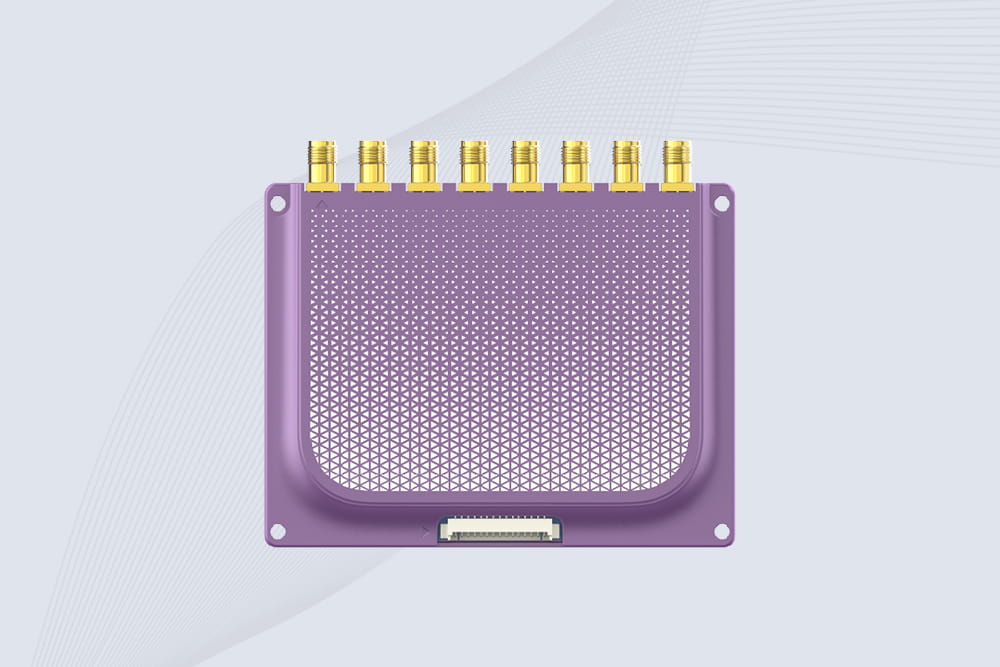
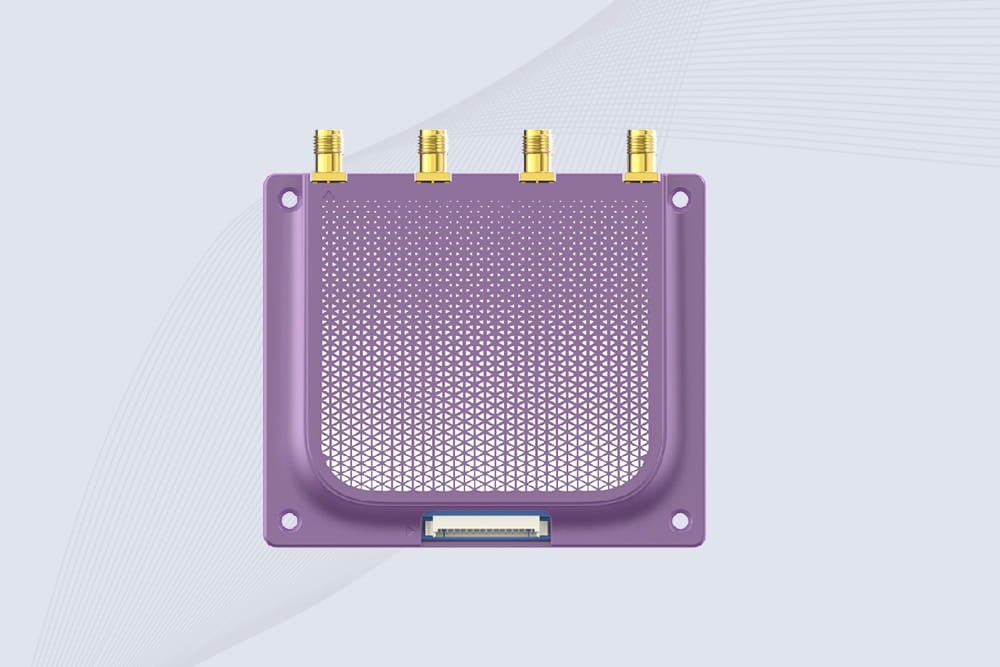
CYKEO Embedded RFID Modules are designed for compact industrial and IoT devices that require stable UHF performance. These UHF RFID Modules support global protocols, flexible power control, and reliable multi-tag reading for smart cabinets, production lines, and asset tracking systems.
CYKEO Embedded RFID Module is built for compact IoT and industrial devices that need stable UHF performance. This UHF module supports global protocols, low power operation, and reliable multi-tag reading for smart lockers, production lines, and always-on RFID systems.
CYKEO CYKEO-M1 drone rfid module is a compact UHF RFID reader module designed for drones and UAV platforms. It supports long-range aerial scanning, fast multi-tag reading, and stable performance in wind, vibration, and outdoor environments.
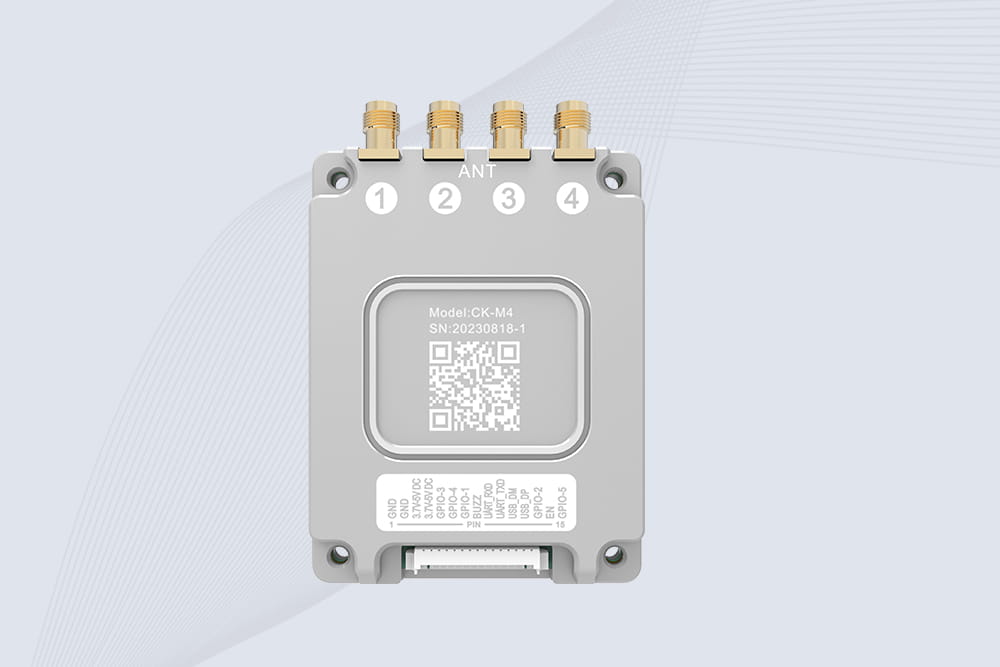
CYKEO CYKEO-M4 RC522 RFID Module is an industrial-grade UHF RFID reader with 4 ports, supporting ISO, EPC, and GB protocols. High-speed, accurate reading for IoT, automation, and warehouse applications.
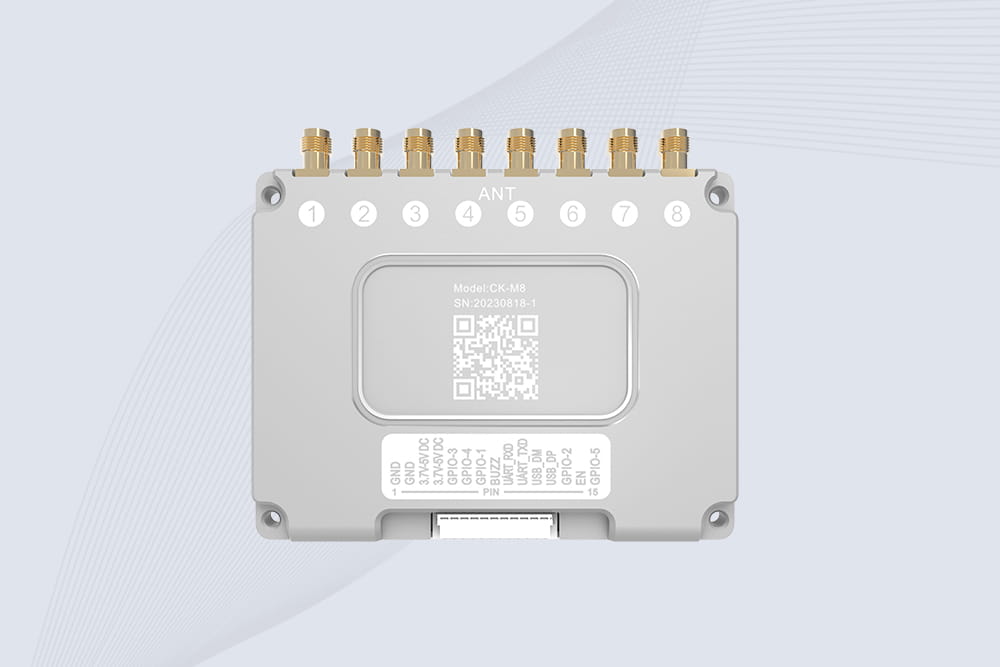
CYKEO CYKEO-M8 Module RFID is an 8-port UHF R2000 RFID Module designed for high-density, multi-tag environments. Stable 33dBm output, ISO & GB protocol support, ideal for warehouses, factories, and automated systems.
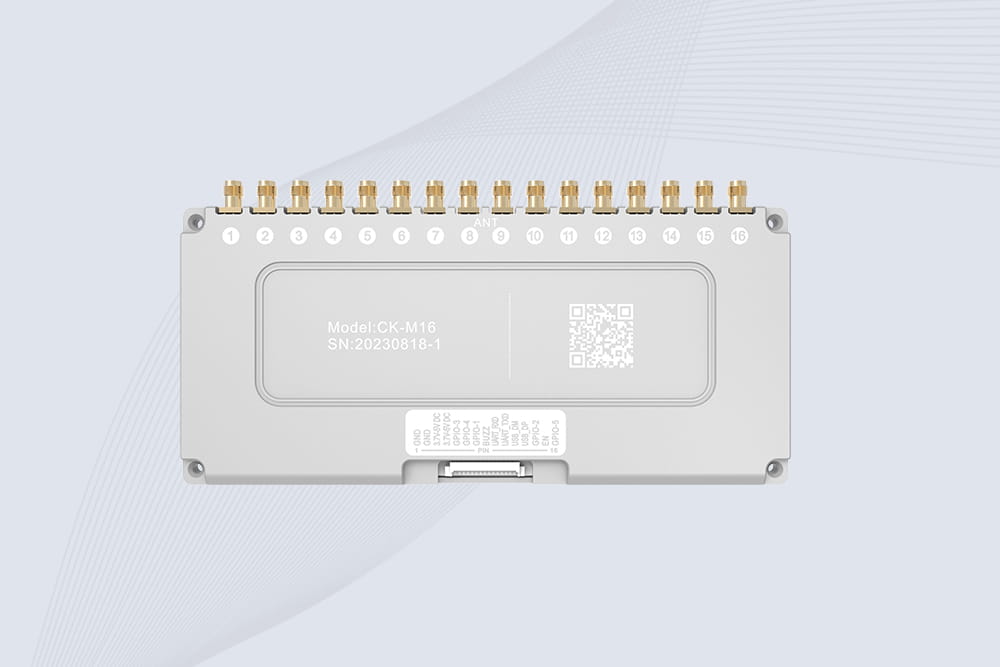
CYKEO CYKEO-M16 RFID Module is a 16-port UHF RFID reader module based on the R2000 chipset. Designed for dense tag environments, it supports ISO and GB standards and delivers stable multi-antenna control for industrial automation.
The CYKEO CYKEO-M16L RFID Reader Module is a 16-channel UHF RFID core designed for dense tag environments. With adjustable 33dBm output, multi-protocol support, and stable multi-antenna control, this RFID Tag Reader Module fits industrial automation, warehouse systems, and large-scale IoT deployments.
CYKEO CYKEO-M8L module RFID is a compact industrial UHF module built for dense tag and multi-antenna environments. With 8 RF ports, adjustable 33 dBm output, and ISO & GB protocol support, it is widely used in factories, warehouses, and automated tracking systems.
CYKEOCYKEO-M4L UHF RFID Module is a compact 4-channel RFID tag reader module designed for dense tag environments. Supporting ISO and GB protocols, it delivers stable reads up to 10 meters for industrial and IoT systems.
Cykeo CYKEO-C1 industrial Forklift RFID Reader features 20m read range, 600 tags/sec scanning, Impinj R2000 chipset, and IP67 rugged design. Ideal for warehouse logistics and manufacturing. Supports ISO 18000-6C/6B protocols.
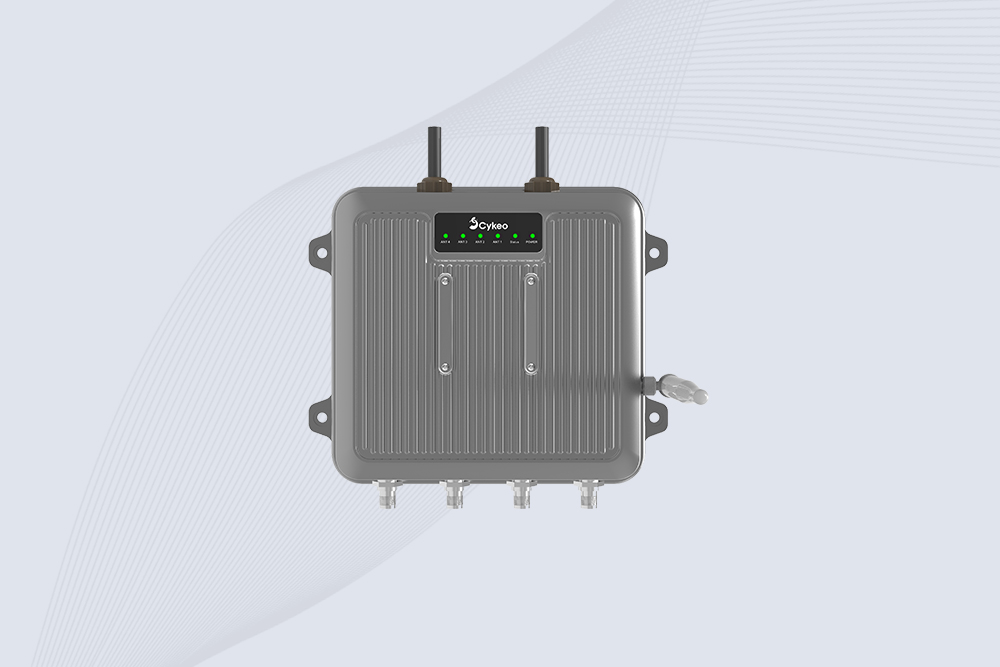
Cykeo CYKEO-R4 industrial UHF RFID Fixed Reader features 4 TNC ports, 400+ tags/sec speed, IP67 housing, and global frequency compliance for vehicle inspection, smart warehouse, and asset management systems.
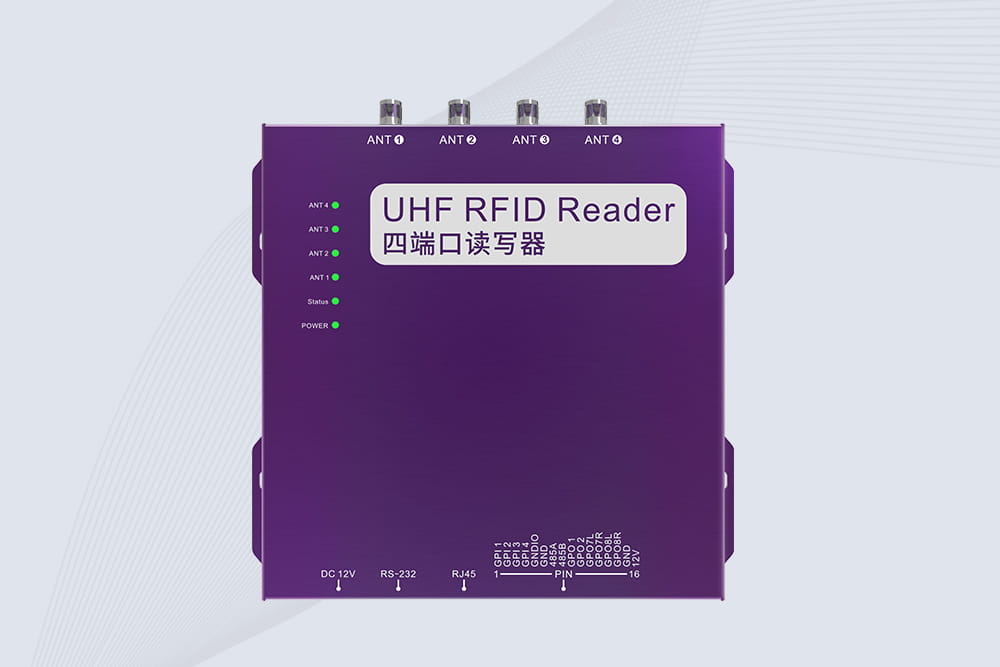
CYKEO CYKEO-R8L Fixed RFID Reader with 8-port UHF design, Impinj-based RF core and up to 20m read range. An industrial Fixed RFID Reader for vehicle inspection, warehouse portals, smart manufacturing lines and secure access checkpoints.
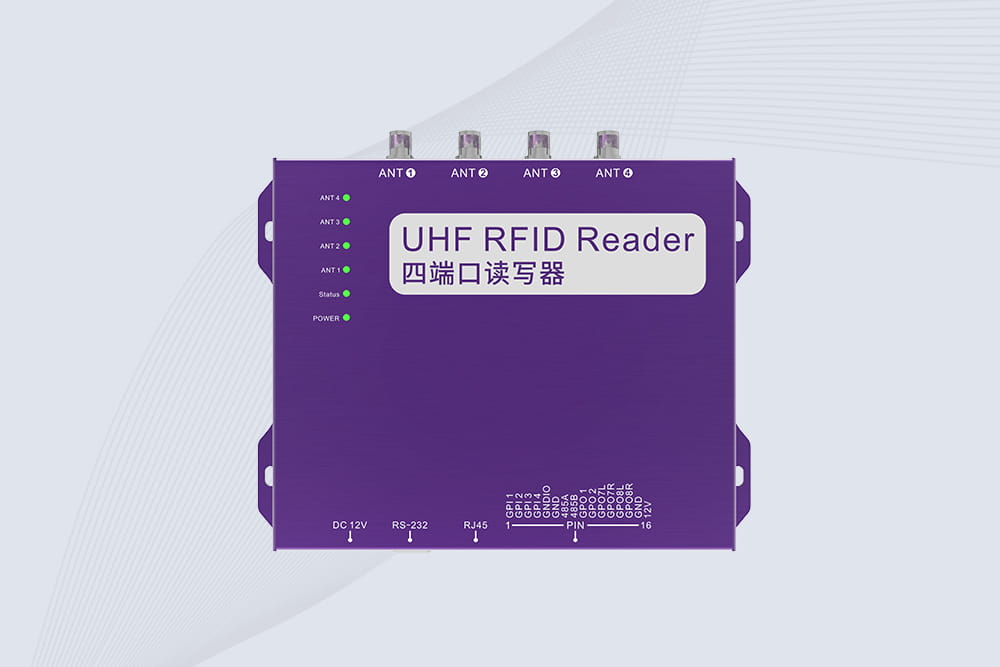
RFID Fixed Reader from CYKEO – the CYKEO-R16L 16-port UHF fixed reader for warehouses, smart cabinets, and production lines. Long-range, multi-tag reading, stable performance for 24/7 industrial use.
Discover the essential features to prioritize when choosing a handheld RFID scanner for seamless asset tracking. Learn how Cykeo’s solutions deliver reliability and efficiency.
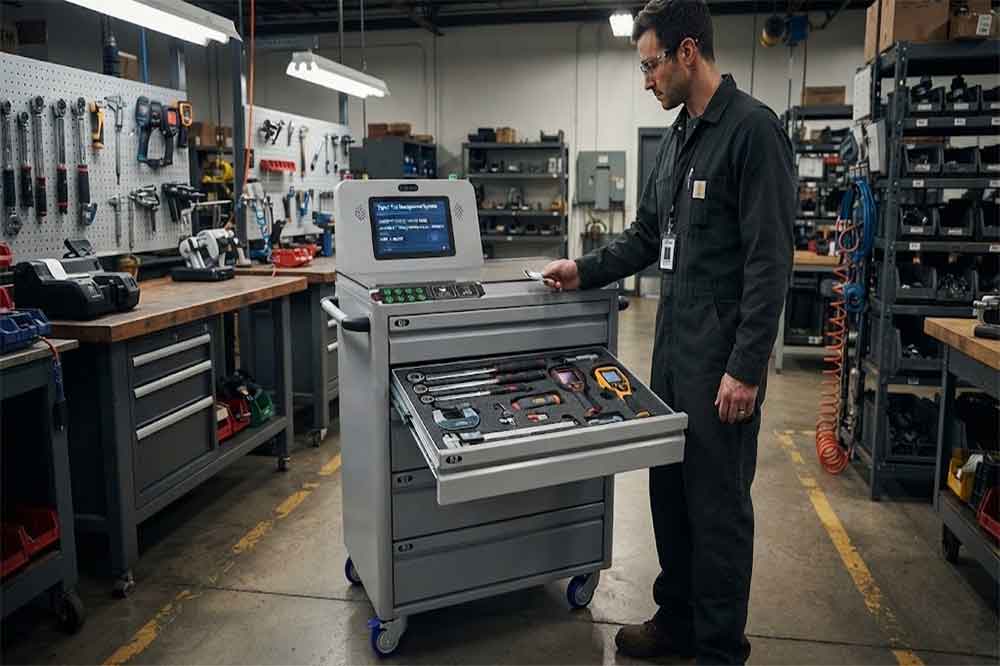
RFID tool cabinet can provide individual identification, controlled access, checkout records, and audit history for expensive or operationally critical tools...
RFID in logistics uses radio frequency identification to identify goods, automate inventory checks, verify shipments, and improve warehouse visibility. By co...
Curious about what is RFID tag and reader? Discover how this wireless tech powers inventory & access control. Explore real-world applications & solutions.
 Cykeo RFID IoT Solution Products R&D Manufacturer