 Cykeo RFID IoT Solution Products R&D Manufacturer

Ultimate Guide to RFID Asset Tracking: Reduce Losses and Boost Efficiency
1422Discover how RFID asset tracking cuts losses, improves efficiency, and delivers ROI. Learn key strategies, tools, and best practices for seamless implementation.
MoreAll RFID Product
An RFID system works by using radio waves to identify tagged objects without requiring direct line of sight. An RFID reader communicates with a compatible tag, captures its stored data, and sends the reading to software for processing. The application then uses that information for tasks such as inventory updates, asset tracking, access control, or item identification.
RFID is often described as a simple combination of a tag and a reader. That description is technically correct, but incomplete for anyone planning a real installation. A working system also depends on radio frequency, antenna placement, tag compatibility, the surrounding materials, and how software interprets each reading.
Consider a warehouse receiving a pallet of mixed cartons. A barcode workflow usually requires a worker or scanner to present each label to the scanning field. With a properly configured UHF RFID system, an antenna can read multiple compatible tags as the pallet passes through a defined zone. The important question is not merely whether the reader can detect those tags. It is whether the system can identify the expected items reliably, distinguish relevant movements, and deliver usable records to the warehouse application.
RFID stands for Radio Frequency Identification. It is a technology for identifying objects or people through radio-frequency communication between a reader and a compatible tag or transponder.
A typical RFID system contains four main elements:
Depending on the installation, the system may also include network equipment, industrial computers, handheld terminals, middleware, and connections to enterprise resource planning (ERP), warehouse management systems (WMS), or other business applications.
The distinction between a tag read and a business event matters. A reader may detect a tag several times while an item remains near an antenna. Software must determine whether those observations represent one item, a repeated read, an arrival, or a completed transaction.
An RFID tag is the identifier attached to the object being tracked. Common designs contain an integrated circuit and an antenna that enables communication with a reader.
RFID tags generally fall into three categories:
| Tag type | Power source | Typical characteristics | Common uses |
|---|---|---|---|
| Passive RFID | No internal battery for radio communication; obtains operating energy from the reader’s field | Usually lower cost and suitable for tagging many items | Retail products, warehouse stock, library materials |
| Active RFID | Internal battery | Can support longer-range communication, depending on system design | Selected asset-tracking and location-monitoring applications |
| Battery-assisted passive RFID | Internal battery assists the tag’s operation | Behavior and capabilities depend on the specific design | Specialized industrial and monitoring applications |
A passive tag does not continuously broadcast like a typical active transmitter. In many passive systems, the reader provides the energy needed for the tag to respond. The reader’s signal reaches the tag antenna, and the tag returns information using the communication method supported by its chip and protocol.
The information stored on a tag varies. It may include an identifier, memory fields, or other supported data. In many inventory systems, the tag carries a unique or assigned identifier while detailed product information remains in a database. This reduces the need to store a complete product record on every tag.
The reader manages the exchange of radio signals and tag data. Depending on the equipment, it may operate at low frequency (LF), high frequency (HF), or ultra-high frequency (UHF).
A reader is not automatically compatible with every RFID tag. Frequency, air-interface protocol, regional radio regulations, antenna design, and application requirements all affect compatibility. A 13.56 MHz HF reader, for example, cannot simply be assumed to read a passive UHF inventory label.
Reader types also differ according to their intended role:
In a fixed-reader installation, antenna configuration is especially important. Increasing transmit power may improve detection in one area but also extend the reading zone into an adjacent process. For a receiving portal, the goal is not to read as far as possible in every direction. It is to capture the intended tagged items as they cross the correct point.
The antenna converts electrical RF energy into electromagnetic waves and receives signals returned by tags. Its polarization, gain, orientation, placement, and relationship to the reader all influence the results.
Antenna choice should follow the movement and physical layout of the items being identified.
For example, a warehouse may use multiple antennas around a doorway to read tags on different sides of a pallet. A desktop tag encoder may instead use a near-field antenna designed for a small, controlled reading area. These arrangements serve different purposes and should not be judged by the same range target.
Several physical factors can complicate a deployment:
These effects explain why a tag that reads reliably on a workbench may behave differently when attached to a metal tool, a liquid-filled container, or a tightly packed carton. Testing should use the actual tag, mounting position, packaging, and movement pattern—not only an unmounted sample tag.
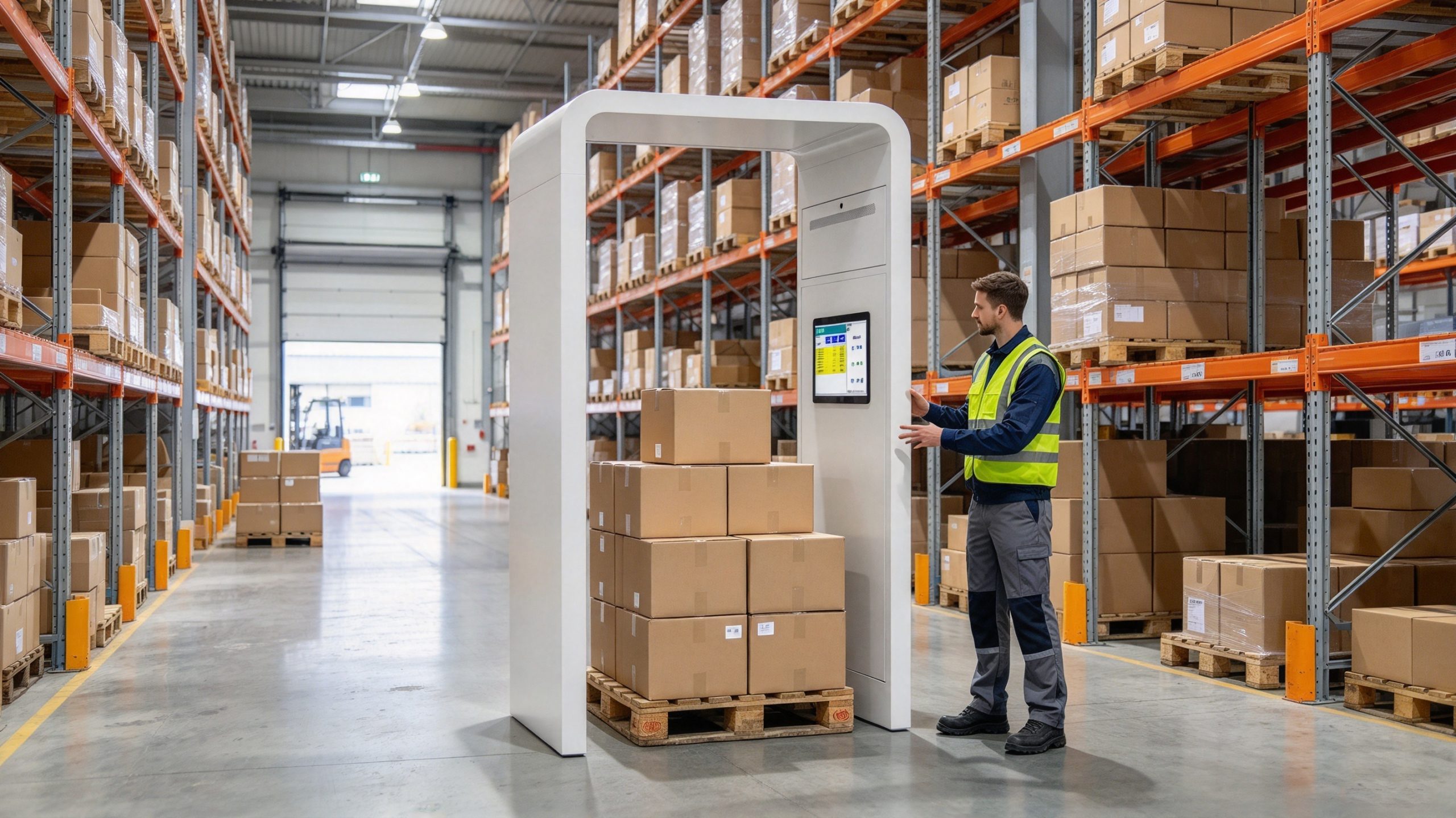
Understanding the physical communication helps explain why RFID can identify items without requiring a worker to point a scanner at every label.
In a typical passive UHF RFID system, the reader sends an RF signal and communicates with tags using a defined air-interface protocol. The signal provides energy to compatible passive tags. When instructed by the reader, a tag modulates the signal reflected from its antenna—a process commonly called backscatter. The reader detects this response, decodes it, and makes the data available to the host application.
GS1’s EPC Gen2 specification describes passive-backscatter RFID operating in the 860–960 MHz range. It defines the communication requirements between readers, also called interrogators, and tags.
This is a simplified sequence for a common passive UHF system. Active RFID and some specialized RFID technologies communicate differently. For that reason, the exact behavior should always be checked against the tag and reader specifications.
RFID communicates through radio waves or electromagnetic fields rather than optical scanning. That means a reader may capture a tag even when a worker cannot see its label directly. This can be useful when cartons are stacked, products are packed together, or assets move through an automated checkpoint.
However, “no line of sight required” does not mean “unaffected by the environment.” Metal, liquid, tag placement, packaging, antenna direction, and radio interference can all affect read performance. A carton behind another carton may be readable in one arrangement but missed in another.
For warehouse projects, a practical test is to label representative items, load them into actual cartons, and move them through the intended reading zone at realistic speed. Record which tags are detected, which are missed, and whether tags outside the target zone are also captured. Those results are more useful than a single maximum-distance figure in a product brochure.
Frequency influences how a system communicates, the typical reading distance, tag design, and suitability for a given task. The three commonly discussed frequency categories are LF, HF, and UHF.
| RFID frequency category | Common frequency range | Typical applications | Key consideration |
|---|---|---|---|
| Low frequency (LF) | Around 125–134 kHz | Some identification and access-control systems | Usually short-range communication |
| High frequency (HF) | 13.56 MHz | Contactless cards, ticketing, selected item-tracking systems | Protocol and card/tag compatibility are essential |
| Ultra-high frequency (UHF) | Commonly 860–960 MHz at the global standards level; permitted bands vary by region | Warehouse inventory, retail item tracking, logistics portals | Antenna design, tag orientation, and local radio regulations matter |
GS1 identifies 125–134 kHz as a common LF range and 13.56 MHz as a common HF frequency. Passive UHF RFID, also known as RAIN RFID, is used for applications including fast asset identification and supply-chain tracking. The permitted operating band depends on the country or region
No. Frequency alone does not determine the reading distance. Tag type, reader output, antenna gain and polarization, the physical environment, and regulatory limits all influence the result.
GS1 notes that passive UHF tags are commonly read over several meters, with longer distances possible in specific conditions. LF and HF systems often operate at shorter distances, although actual ranges vary by application and configuration.
The shape of the reading zone can be just as important as its maximum range. A reader that detects tags across a broad area may be unsuitable if the application needs to distinguish items entering one doorway from those sitting on a nearby shelf.
In a receiving area, the desired outcome is usually a reliable reading of the intended shipment—not simply the greatest possible distance. Antenna placement and software rules should be designed around that operational requirement.
The reader’s job is to capture tag data. It does not automatically know what that data means for the business.
A tag identifier might correspond to a particular product, tool, reusable container, or library item. The software uses that identifier to look up the associated record and apply the rules for the current process.
For example, a warehouse RFID inventory tracking system might use this sequence:
The exact process varies by business. A tag read should not automatically be treated as proof that a shipment has been accepted, a product has been sold, or an asset has changed hands. Those events may require a checkpoint, a time window, a comparison against expected items, or confirmation from another system.
GS1’s RFID architecture documentation describes standards for the tag data itself and for communication between readers and software. For example, the EPC Tag Data Standard defines how Electronic Product Code (EPC) information is represented, while the Low Level Reader Protocol (LLRP) supports communication between software and RFID readers.
These layers solve different problems: a tag needs an appropriate identifier, the reader must communicate with it correctly, and the application must interpret the resulting data consistently.
RFID is not limited to warehouse inventory. The same general principle—capturing identification data through radio communication—supports different workflows across industries.
UHF RFID can help businesses identify tagged products during receiving, stocktaking, replenishment, and dispatch. Multiple compatible tags may be read in a single reading cycle, reducing the need to scan each visible label individually.
The main design challenge is ensuring that the reading zone matches the business process. For instance, an RFID portal between a receiving dock and storage area should identify the intended movement without repeatedly recording items that remain nearby.
Tags attached to products, fixtures, containers, or work orders can be read at selected production checkpoints. Software can associate those observations with a production step, helping teams establish which items passed a station and when.
A successful implementation still needs clear process rules. If a tagged fixture passes an antenna several times during normal production, the application should not automatically count every read as a new completed operation.
RFID-enabled library materials can be identified through compatible tags and readers. Depending on the installation, this can support circulation desks, self-service borrowing and returns, inventory checks, and item identification.
The system needs more than a readable tag: the item identifier must correspond to the correct library record, and circulation software must apply the right borrowing or return rules.
Contactless RFID cards can provide an identifier to an access-control system, while RFID tags on tools or equipment can support check-in, check-out, and inventory verification. In both cases, the reader’s observation is only one part of the workflow. Authorization rules, user permissions, or asset records determine what happens next.
Choosing an RFID system starts with the business process, not the reader’s advertised maximum range. A device that performs well in an open test area may not produce the same results around metal racks, liquid products, dense cartons, or moving equipment.
Before comparing equipment, define what the system must identify, where the reading will happen, and what action should follow a successful read.
Use these questions to narrow the options:
For example, a business that needs to register individual tags at a workstation may prefer a desktop RFID reader/writer with a controlled near-field reading zone. A warehouse that needs to identify cartons passing through a loading area may require fixed UHF readers and several strategically positioned antennas.
Neither system is inherently better. Each is designed around a different job.
Do not assume that two devices are compatible simply because both are labelled “RFID.”
Check the following before purchasing:
| Selection factor | What to verify |
|---|---|
| Frequency | The reader’s supported band matches the tags and local regulations |
| Air-interface protocol | The reader and tag support compatible communication standards |
| Tag memory | The application can access the required identifiers and memory fields |
| Antenna connections | The reader supports the number and type of antennas required |
| Interfaces | USB, Ethernet, RS-232, or other supported interfaces match the host system |
| Software integration | SDKs, APIs, drivers, or middleware support the intended application |
| Environmental protection | The equipment is suitable for dust, moisture, temperature, vibration, and installation conditions |
| Regional radio settings | Transmit power and frequency configuration comply with local rules |
For passive UHF deployments, EPC Gen2 / ISO/IEC 18000-63 compatibility is a common starting point, but the exact reader, tag, and software specifications still need to be checked. The product’s regional frequency configuration must also be appropriate for the installation location.
A demonstration that shows a reader detecting a tag proves only that communication worked under those conditions. It does not prove that the proposed installation will capture every required item during daily operations.
A useful pilot should include:
Record the results. If a test contains 200 expected tagged items and the application correctly records 194, the system has identified a six-item discrepancy that needs investigation. It has not achieved complete capture for that test. Repeat the test under different realistic conditions before making a deployment decision.
This is a practical engineering method, not a universal performance benchmark. The required capture rate depends on the consequences of missed reads and the controls available in the surrounding process.
When an RFID system behaves inconsistently, the cause is not always a faulty reader. The tag, mounting position, antenna layout, reader configuration, network, and application can all contribute. Troubleshooting is faster when each layer is checked separately.
Start by identifying whether the problem affects all tags, certain products, or only specific movements.
| Symptom | Possible cause | Practical check |
|---|---|---|
| Some tags are not detected | Poor tag orientation, shielding, insufficient RF energy at the tag, or unsuitable tag design | Test the actual tagged item from different orientations |
| Tags read at short distance only | Antenna alignment, tag sensitivity, reader settings, or environmental interference | Verify reader configuration and test the installation layout |
| Unexpected tags appear in the results | Reading zone extends beyond the intended area, or adjacent items are being detected | Adjust antenna placement and power, then repeat boundary tests |
| The same tag appears repeatedly | The tag remains in the field or the reader reports repeated observations | Use suitable filtering and event logic in the software |
| Reader detects tags, but inventory does not update | Data mapping, interface, application, or database problem | Check the reader output and follow the record through each software layer |
| Results change between tests | Different tag positions, packaging, movement speeds, or RF conditions | Repeat tests using a consistent test procedure |
A useful diagnostic method is to work from the physical layer toward the application. First confirm that the tag is compatible and readable. Next inspect antenna placement and reader settings. Then verify that the reader sends the expected identifier to the host. Finally, check how the software maps that identifier to the item record and business event.
This prevents a common troubleshooting mistake: changing radio settings when the actual issue is an incorrect product mapping or a failed interface connection.
RFID readers can observe a tag multiple times while it remains within a reading zone. This does not necessarily indicate a malfunction. Repeated observations are part of how many RFID systems operate.
The application must decide how those observations should be handled. For an inventory count, repeated reads of the same tag during one counting session may be collapsed into one item. For movement tracking, the system may need to determine whether a tag has crossed a boundary, remained nearby, or returned to a location.
Software rules should reflect the physical process. A receiving station may use a defined time window and compare observed identifiers with an expected shipment. An asset checkout station may require a user action or confirmation before the asset is marked as issued.
The critical design question is: what evidence is sufficient to record the business event? A raw tag read alone may not answer it.
A reader can communicate correctly while the overall system still fails to produce reliable business information. For example, a reader might capture an item identifier that the inventory database does not recognize. Alternatively, the software might accept a reading but associate it with an incorrect SKU or location.
For supply-chain visibility, GS1’s Electronic Product Code Information Services (EPCIS) standard provides a framework for recording and sharing event data. Its event model can describe what object was involved, where and when an event occurred, and the business context in which it happened. EPCIS is not restricted to RFID; it can support visibility data captured using different data carriers.
That distinction is useful when connecting RFID with an existing warehouse management system. The goal is not merely to move identifiers from a reader into a database. It is to create consistent records that other systems can interpret.
RFID and barcodes both identify items, but they capture data differently. RFID uses radio communication with a compatible tag, while a conventional barcode scanner reads an optical symbol.
Neither technology is automatically the right choice for every operation.
| Factor | RFID | Barcode scanning |
|---|---|---|
| Line of sight | Often not required, depending on the tag and reading conditions | Usually required for optical scanning |
| Multiple-item capture | Can identify multiple compatible tags within the reading zone | Usually scans one visible barcode at a time unless a specialized imaging workflow is used |
| Item-level identification | Supported when suitable unique identifiers are assigned | Supported when each item has an appropriate unique barcode |
| Tag or label cost | RFID tags and infrastructure may cost more than basic printed labels and scanners | Printed labels can be inexpensive |
| Environmental sensitivity | Radio performance can be affected by metal, liquid, orientation, and RF conditions | Optical performance can be affected by damaged, obscured, or poorly printed symbols |
| Data updates | Some RFID tags support writable memory, subject to tag and protocol capabilities | A printed barcode itself does not change; its linked database record can be updated |
| Infrastructure | May require readers, antennas, configuration, and software integration | Often requires barcode scanners or cameras and compatible software |
| Best-fit examples | Bulk inventory checks, portal-based tracking, and selected automated identification tasks | Point-of-sale scanning, label-based picking, and workflows where individual optical scanning is practical |
RFID may be valuable where the cost of manual scanning, the volume of items, or the need for automated movement capture justifies the additional system components. Barcodes may remain more economical when operators can easily see and scan each label.
Some businesses use both. A barcode can provide a visible human-readable reference, while RFID supports bulk identification or automated checkpoints. The two approaches can share business records when identifiers and integration rules are designed appropriately.
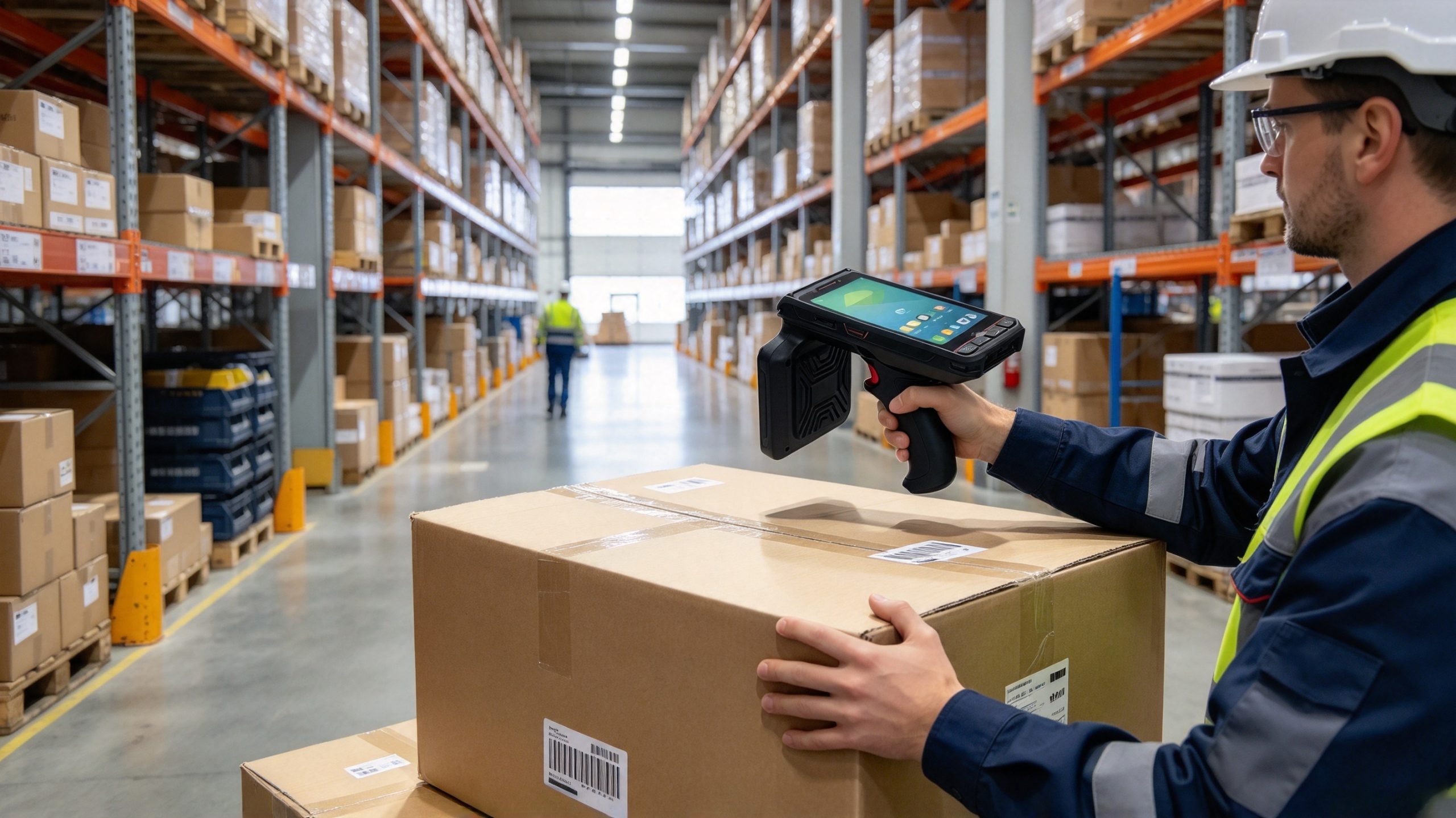
A system should be assessed against the operating problem it was designed to solve. Maximum read distance and advertised read speed are useful specifications, but neither alone demonstrates business value.
For an inventory deployment, measure the following during a pilot and after rollout:
For supply-chain applications, GS1’s EPCIS framework is relevant because it treats visibility as structured information about physical events—not simply a stream of device readings. It supports event data about object identity, location, time, and business context.
Imagine a distribution center that wants to verify tagged cartons as they enter a storage area. A pilot could use a shipment with a known item list and compare the system’s output with a verified physical count.
The team should test several conditions:
The resulting data can reveal whether a problem comes from RF coverage, process design, or software logic. It can also show whether the reading zone is too broad, whether a second antenna is needed, or whether the receiving application needs a better rule for confirming a shipment.
This type of pilot is more informative than testing a single tag at a fixed distance. A system that reads one tag across a room may still perform poorly when dozens of tagged items move together through a real doorway.
An RFID reader communicates with compatible tags using radio-frequency signals. The reader captures the tag data and sends it to software, which identifies the associated item and applies business rules. Depending on the application, the system may update inventory, record an asset movement, or support an access-control decision.
Not always. A reader can communicate with compatible tags without an internet connection. However, remote monitoring, centralized inventory updates, and integration with cloud-based applications may require a network connection. Some systems can temporarily buffer readings locally, but that capability depends on the reader and software design.
Many RFID systems, especially passive UHF systems designed for inventory applications, support multiple-tag identification. Actual performance depends on the reader, tag population, protocol, antenna configuration, tag placement, and surrounding materials. A high tag-read rate should not be treated as proof that every item will be captured in a particular installation.
An RFID tag is attached to the item and contains an integrated circuit and antenna or another supported transponder design. The reader manages communication with the tag and captures its response. The software then uses the captured data to identify the item or process the relevant event.
There is no single reading distance for all RFID systems. Range depends on frequency, tag design, reader output, antenna characteristics, mounting position, the environment, and regional radio limits. Some LF and HF applications operate at very short distances, while passive UHF systems can read tags over several meters under suitable conditions.
RFID can replace barcode scanning in some workflows, but not all. It is useful where non-line-of-sight identification, multiple-tag capture, or automated checkpoints provide enough operational value to justify the cost. Barcodes remain effective for many low-cost, visible-label processes. Some businesses combine both technologies.
Missed reads can result from incompatible tags, unsuitable tag placement, poor antenna coverage, interference, reader configuration, or software issues. Test the actual tagged products under normal operating conditions, inspect the reader output, and trace the data through the application before changing equipment or increasing transmit power.

Discover SSD-D4AL, a USB-HID UHF RFID reader with 4/8/16 antenna options, Impinj E710/X3M1 chipset, plug-and-play USB power, and OEM customization.
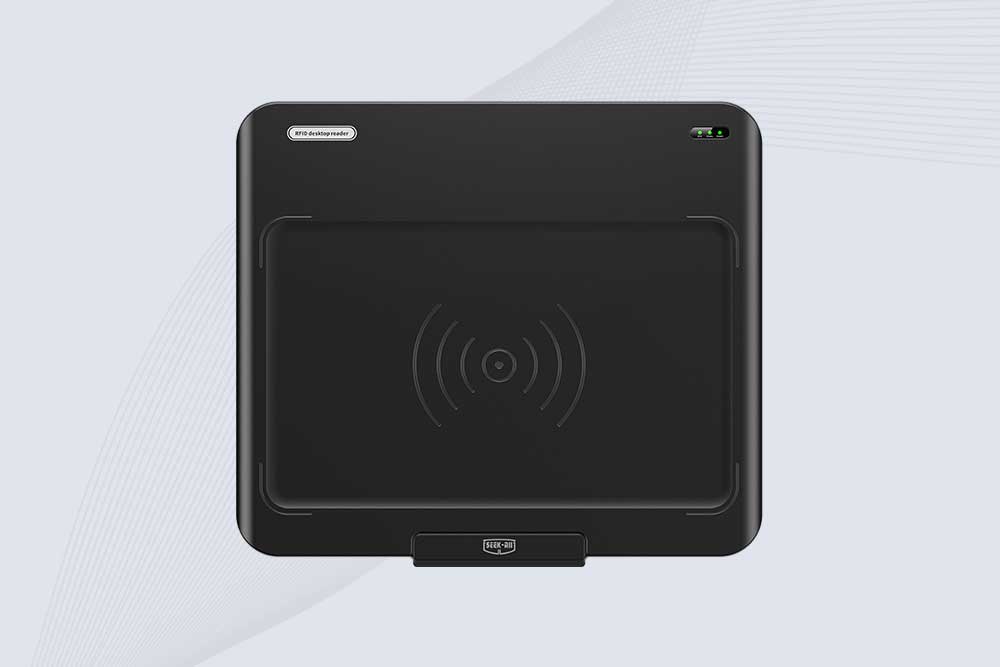
SSD-D3AL is a USB-HID UHF RFID reader with 0–30 cm reading, 0–15 cm writing, over 600 tags/s recognition, USB plug-and-play operation and OEM Logo customization.
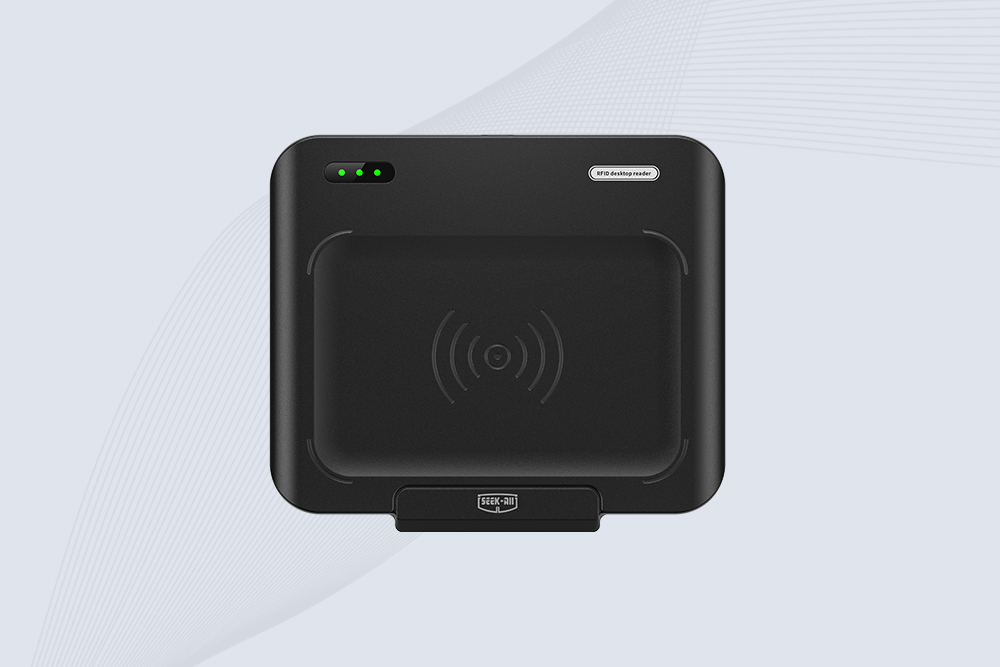
SSD-D1AL is a compact USB UHF RFID reader with Impinj E710/X3M1 chipset, USB-HID, 600+ tags/s recognition, 4/8/16 antenna support and plug-and-play USB power.
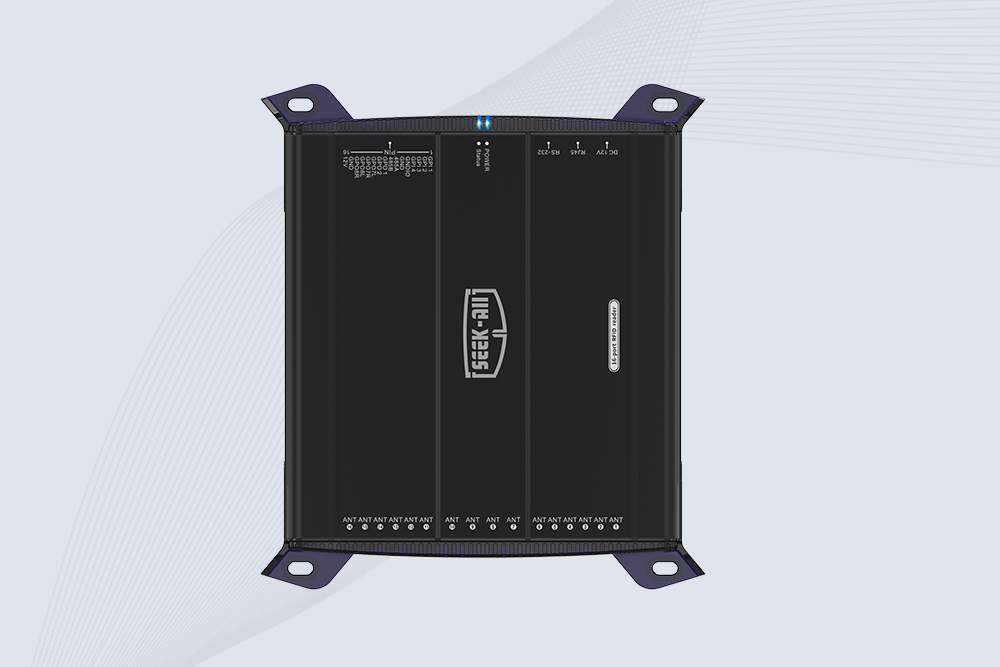
SSD-R16L Multi-Channel RFID Infrastructure for Automated Inventory Management ✔️ 16-Port High-Density RFID Reading Equipped with 16 SMA antenna ports, SSD-R16L supports multi-antenna deployment for warehouses, retail stores, logistics, production lines, and large-area RFID identification. ✔️ High-Speed & Long-Range Performance With up to 33…
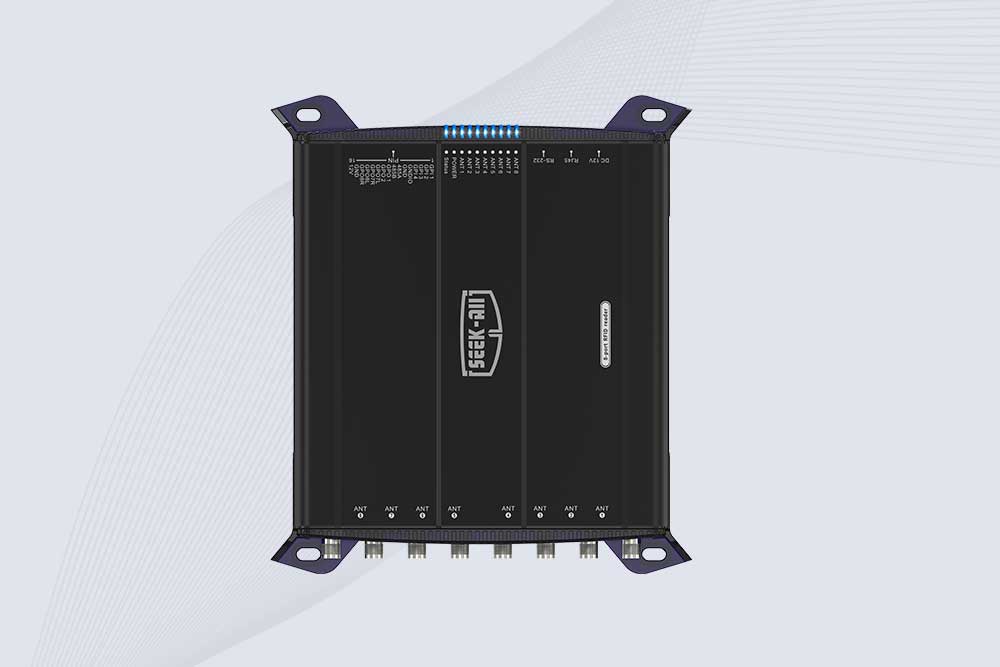
SSD-R8L 8-port UHF RFID reader with 33dBm output, up to 20m reading range and 600+ tags/s recognition. Ideal for warehouse, logistics, retail and asset tracking.
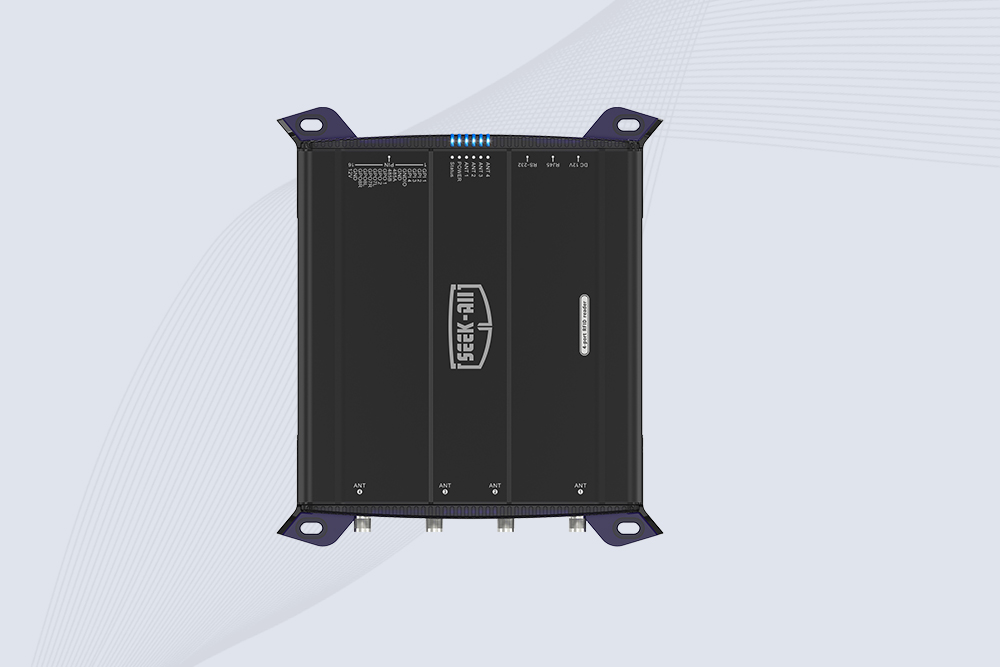
SSD-R4L is a 4-port UHF RFID fixed reader with 33dBm output power, up to 20m reading range, EPC C1G2 support and 600+ tags/s reading speed.

CYKEO CYKEO-D1LA USB RFID Reader is a compact desktop solution with near-field control for precise tag reading and encoding. Powered by USB, supporting ISO 18000-6C, and built for stable batch writing, this usb rfid tag reader fits retail, libraries, offices, and controlled RFID encoding tasks.
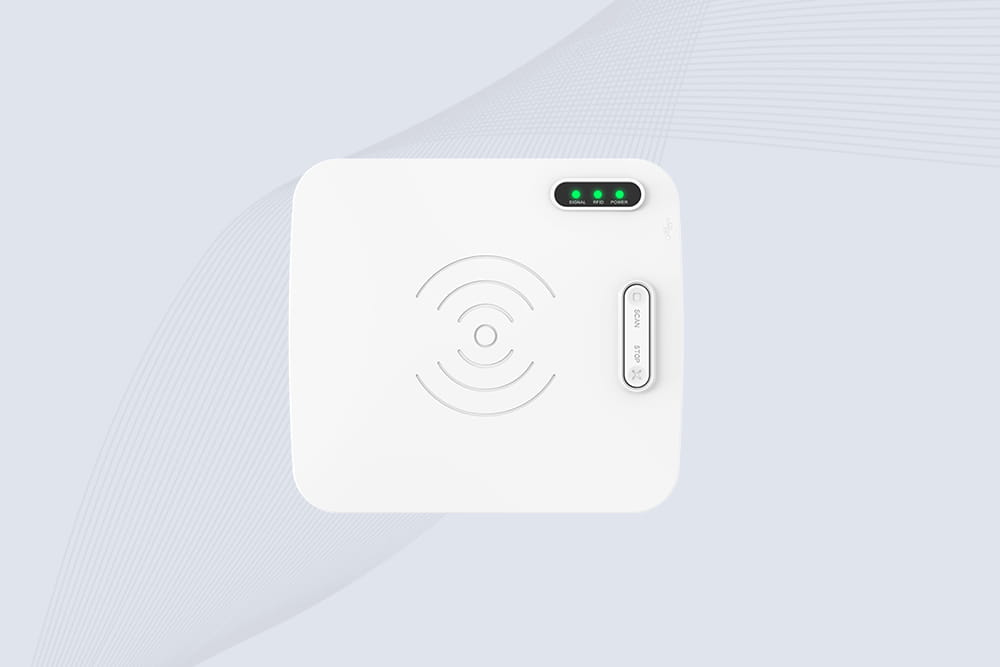
CYKEO CYKEO-D1L RFID scanner USB is a compact desktop UHF RFID scanner designed for short-range tag writing and verification. This usb rfid scanner supports batch encoding, stable 0–26 dBm output, and works across Windows, Linux, and Android systems.
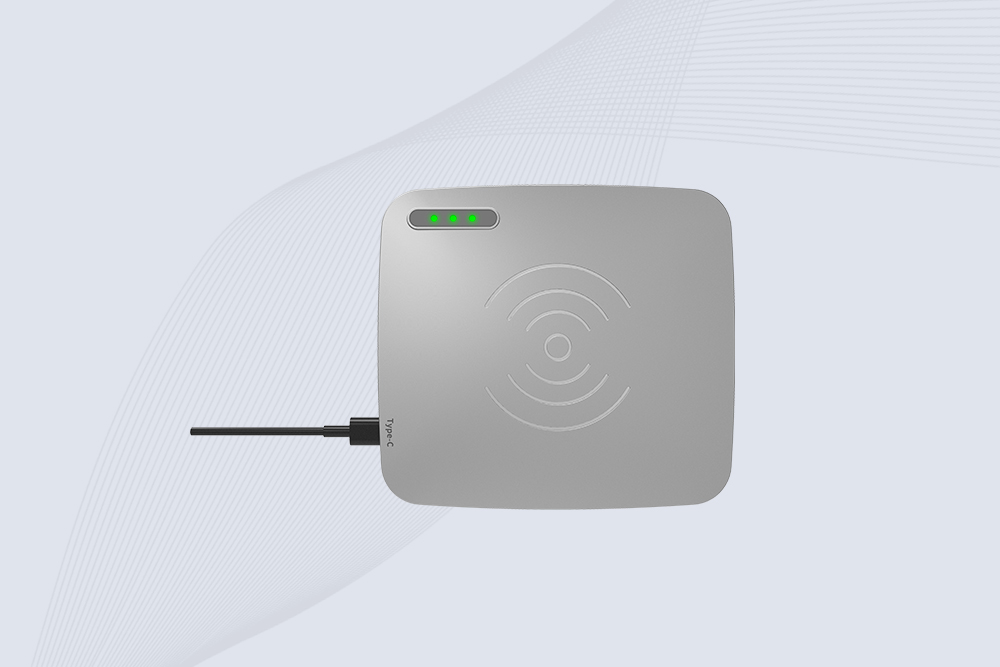
CYKEO CYKEO-D1C USB RFID Card Reader is a near-field UHF desktop writer designed for secure, short-range tag encoding. With USB-C connectivity and stable 26 dBm output, this rfid reader usb c is ideal for badge issuance, label encoding, and controlled desktop RFID workflows.
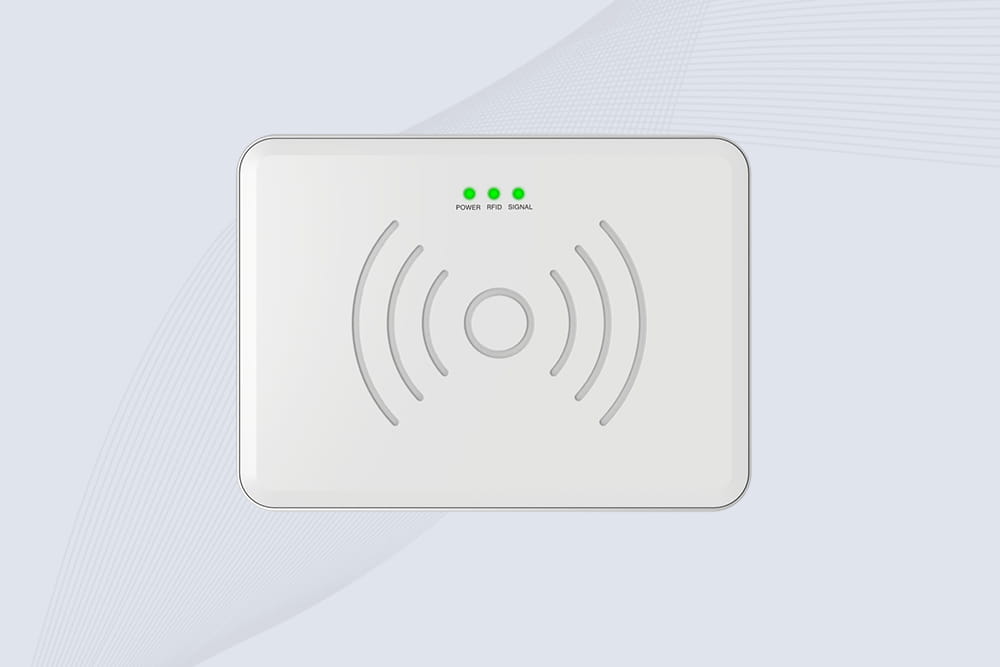
CYKEO CYKEO-D2L RFID Reader USB is a compact desktop encoder built on the Impinj R500 chip. With near-field control and stable USB power, this usb rfid card reader delivers precise tag writing for offices, retail counters, and small-scale logistics encoding tasks.
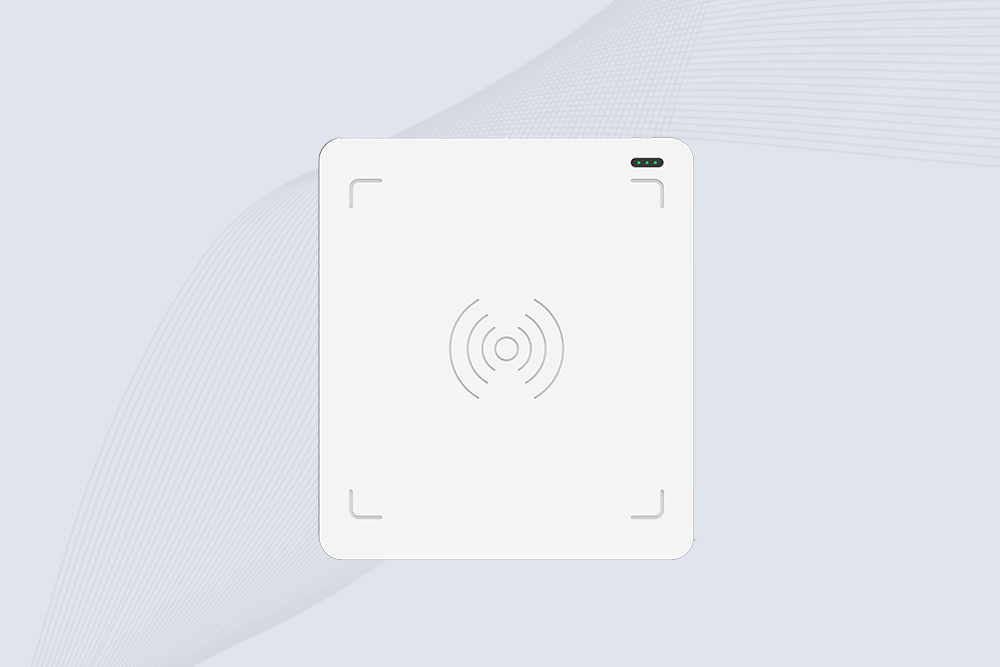
CYKEO CYKEO-D3L USB RFID Tag Reader delivers stable UHF tag reading and writing for daily desktop and light industrial tasks. Designed for controlled short-range operation, this USB RFID Tag Reader works reliably with rfid tag and reader systems in libraries, tool tracking, and inventory registration.
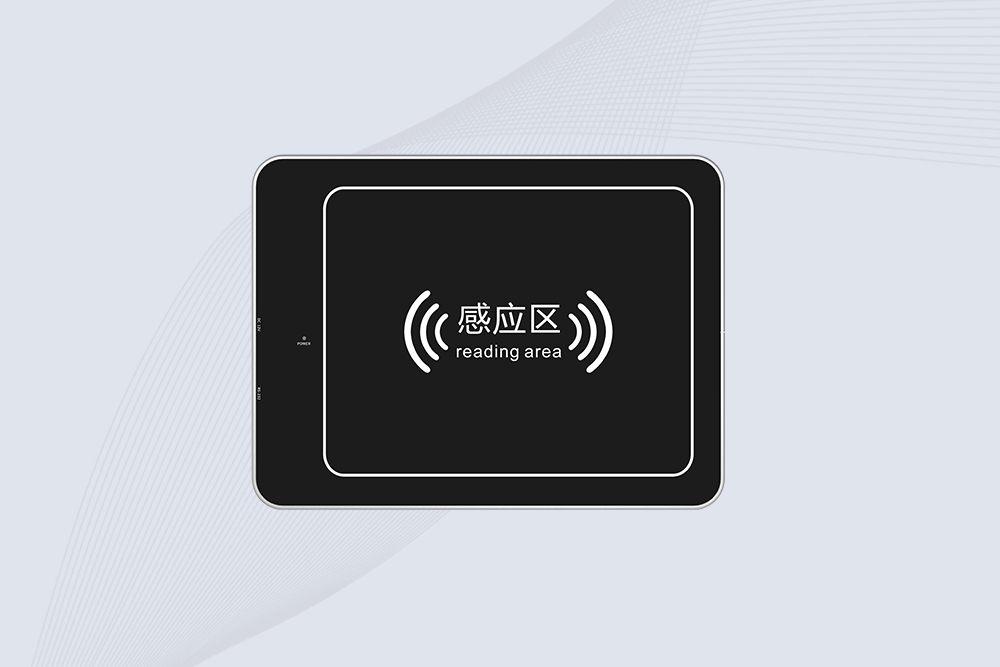
The CYKEO CYKEO-D4L UHF RFID Tag Reader is a stable Desktop RFID Reader designed for accurate tag registration, borrowing, and return workflows. Built with the Impinj R2000 chip, this UHF RFID Tag Reader delivers controlled short-range reads for libraries, asset tracking, and inventory management environments.
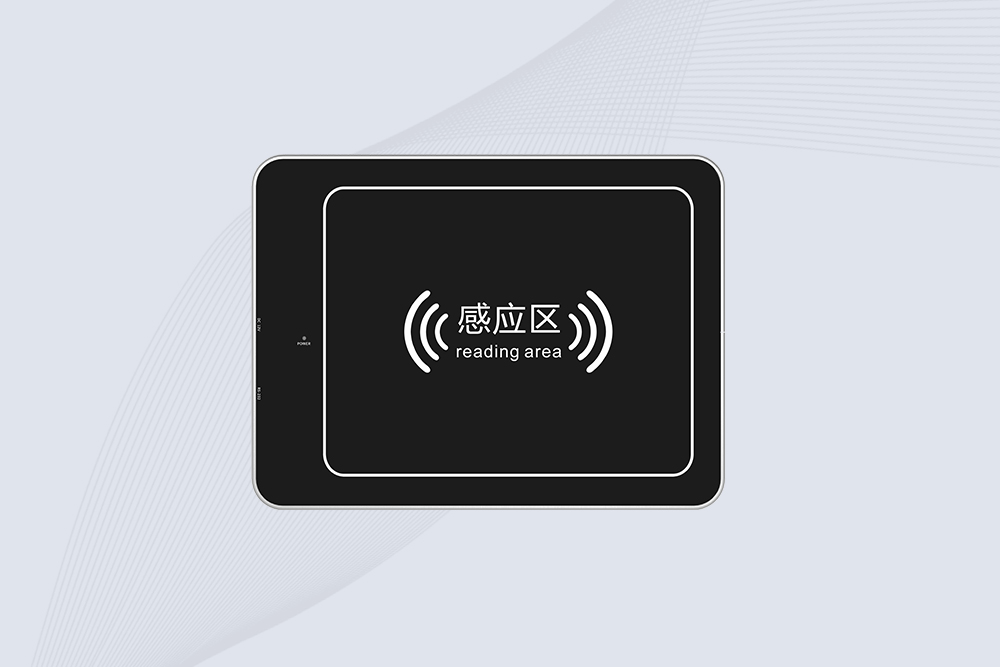
The CYKEO CYKEO-D5L Desktop RFID Card Reader is a stable UHF RFID Card Reader designed for controlled short-range reading and writing. Built for libraries, tool rooms, and asset desks, this UHF RFID Card Reader supports dense tag handling, secure data processing, and easy USB integration.
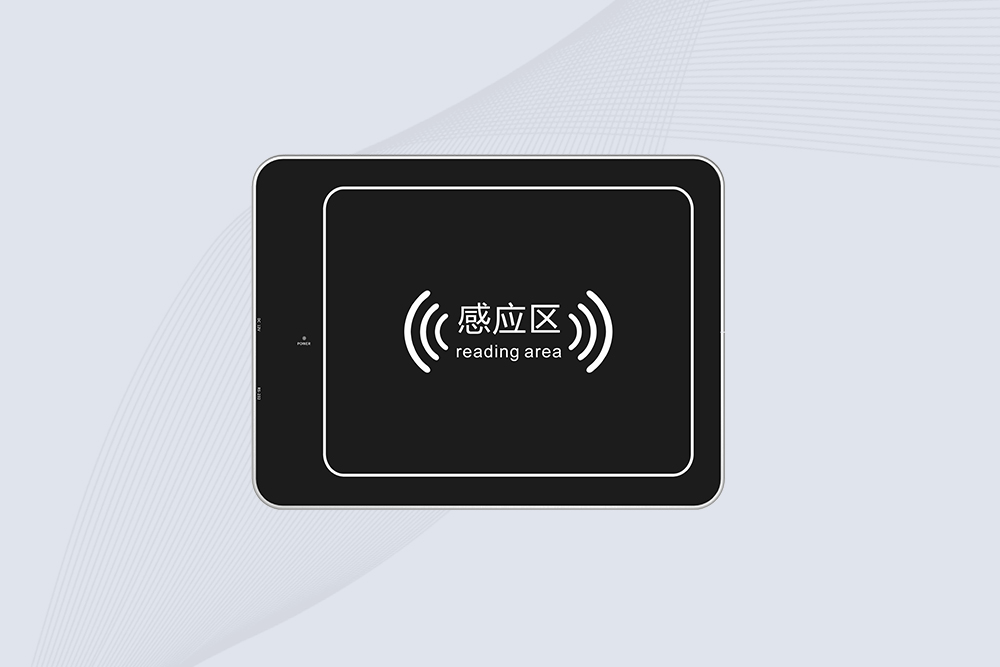
The CYKEO CYKEO-D6L RFID Reader Writer is a heavy-duty Desktop RFID Reader designed for short-range, high-accuracy tag programming. Built for libraries, labs, and asset desks, this RFID Reader Writer supports batch processing, stable 33dBm output, and seamless integration with existing management systems.
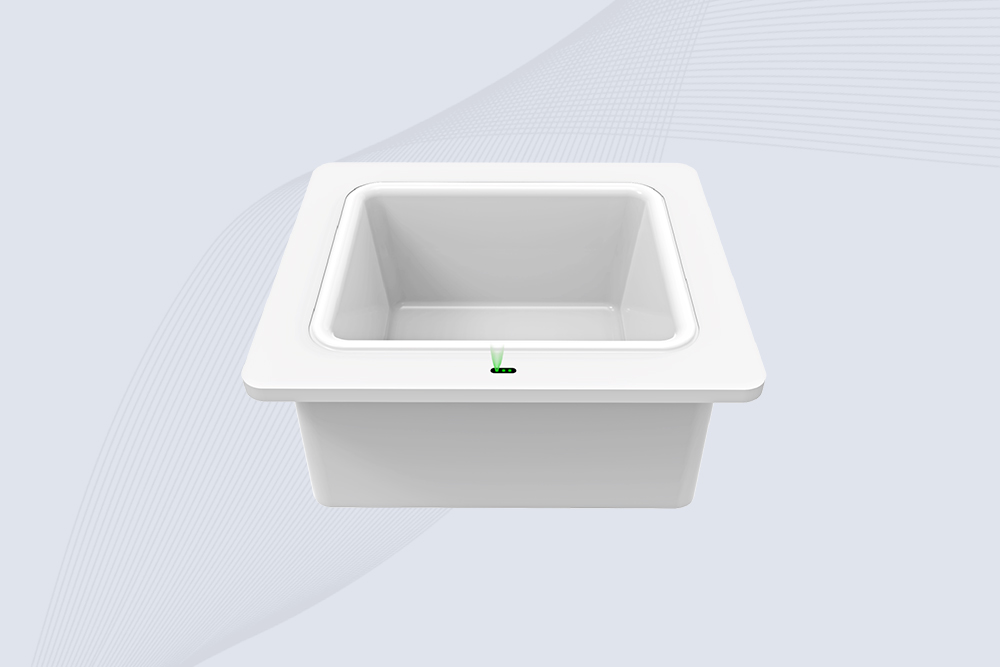
Cykeo CYKEO-D8B UHF RFID tunnel and RFID Desktop Reader features 30+ items batch reading,
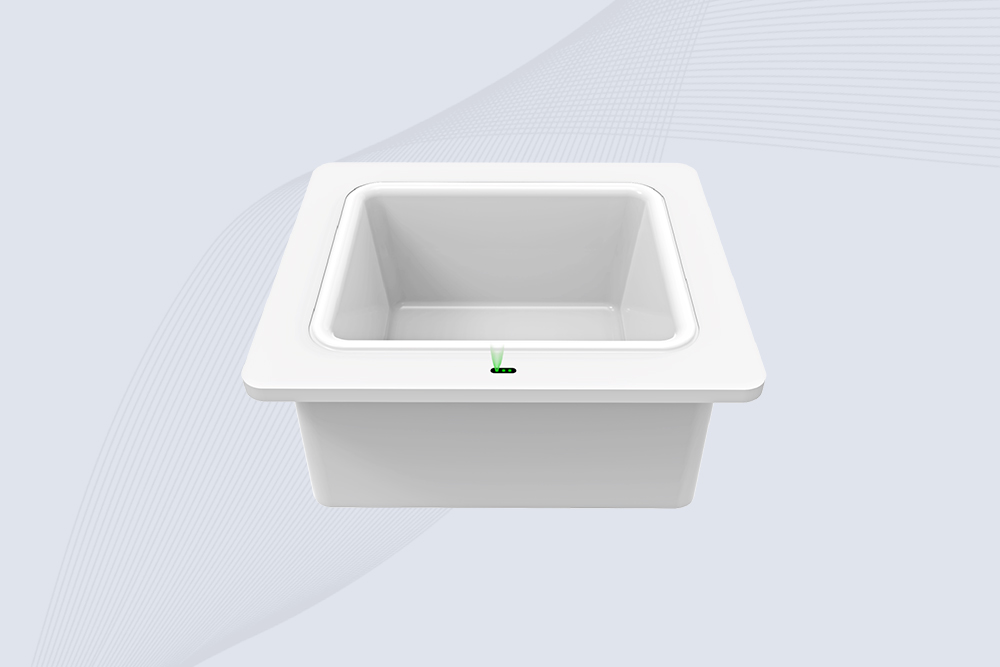
Cykeo CYKEO-D8A embedded RFID badge reader offers 30+ tags/sec scanning, 20cm anti-crosstalk precision, and DC 12V power for unmanned stores, warehouses, and smart inventory systems.
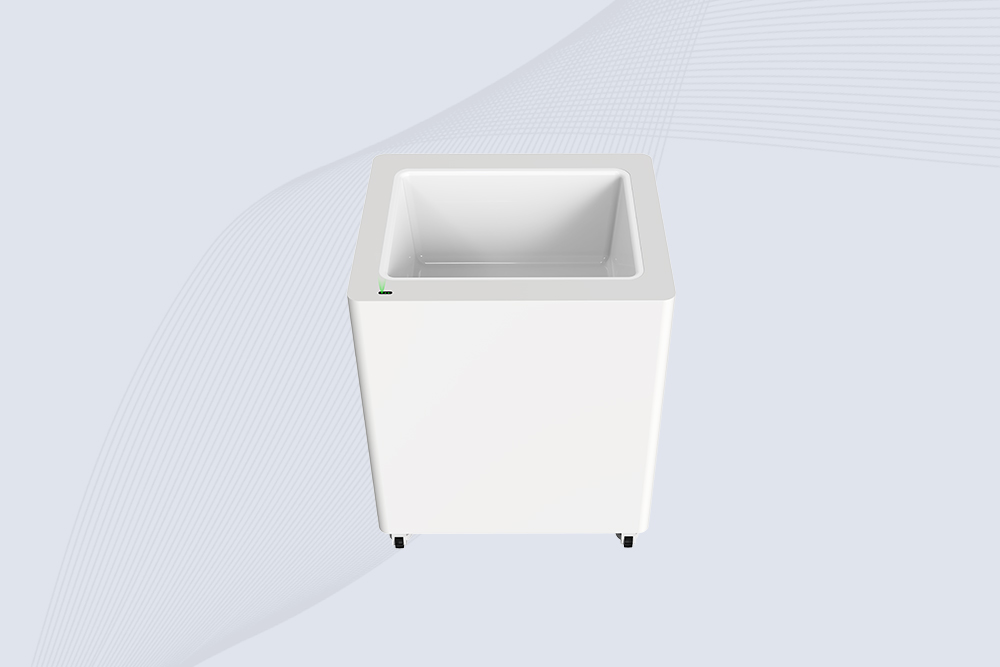
Cykeo’s CYKEO-D8C UHF RFID gate reader achieves 200-tag/batch scanning with adjustable power control, ideal for retail inventory and smart warehouse management.
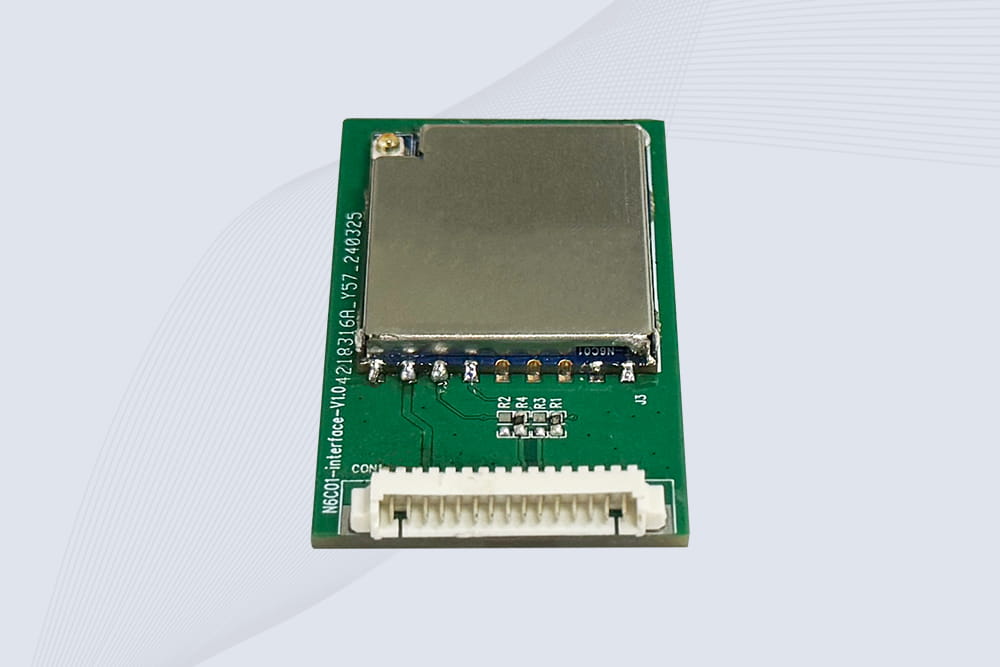
CYKEO Embedded RFID Modules are designed for compact industrial and IoT devices that require stable UHF performance. These UHF RFID Modules support global protocols, flexible power control, and reliable multi-tag reading for smart cabinets, production lines, and asset tracking systems.
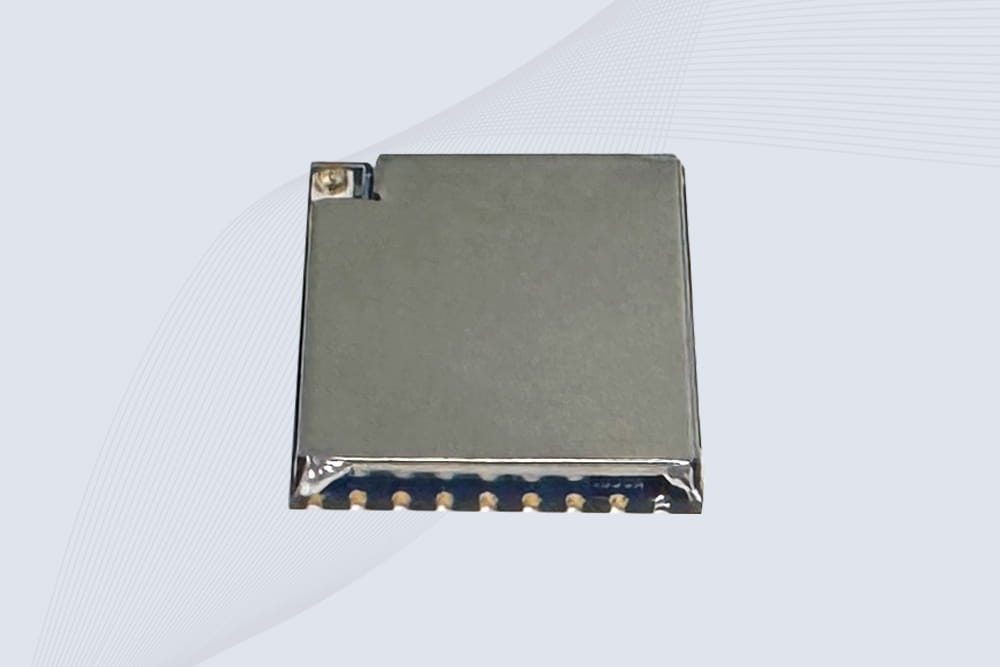
CYKEO Embedded RFID Module is built for compact IoT and industrial devices that need stable UHF performance. This UHF module supports global protocols, low power operation, and reliable multi-tag reading for smart lockers, production lines, and always-on RFID systems.
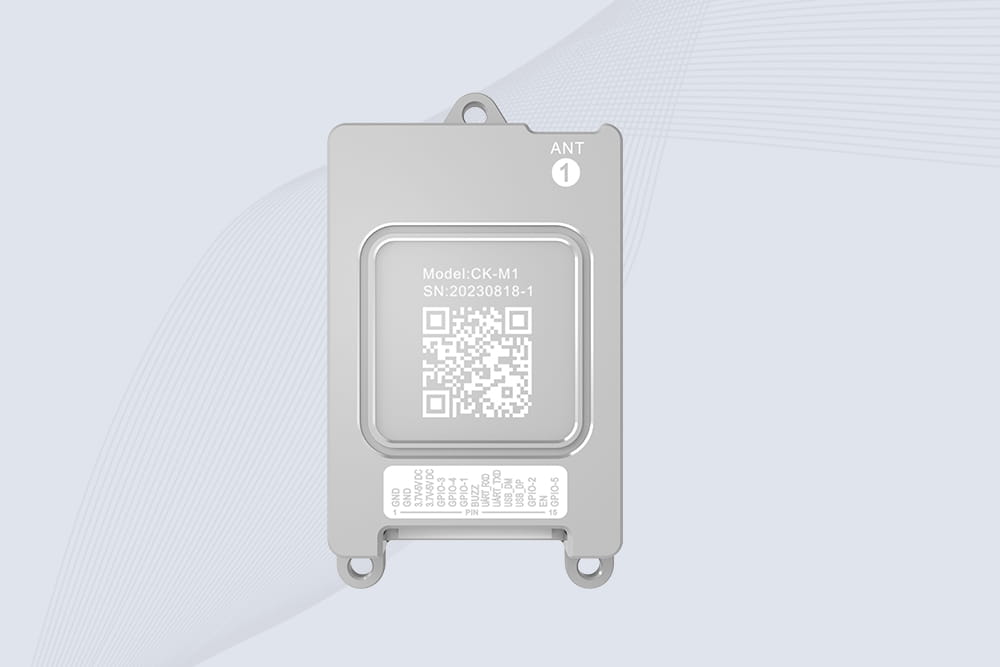
CYKEO CYKEO-M1 drone rfid module is a compact UHF RFID reader module designed for drones and UAV platforms. It supports long-range aerial scanning, fast multi-tag reading, and stable performance in wind, vibration, and outdoor environments.
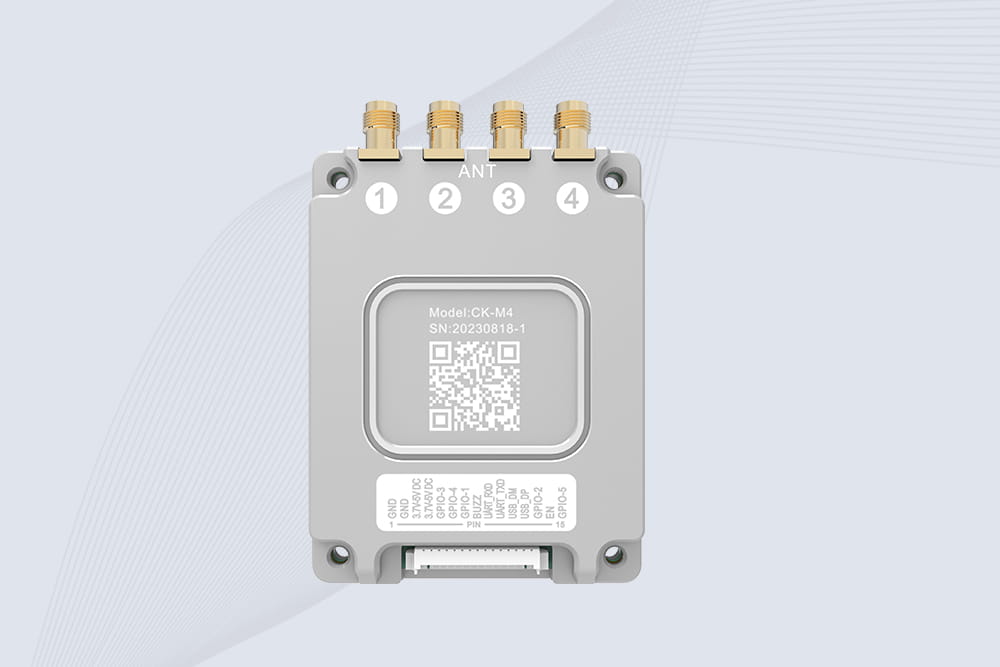
CYKEO CYKEO-M4 RC522 RFID Module is an industrial-grade UHF RFID reader with 4 ports, supporting ISO, EPC, and GB protocols. High-speed, accurate reading for IoT, automation, and warehouse applications.
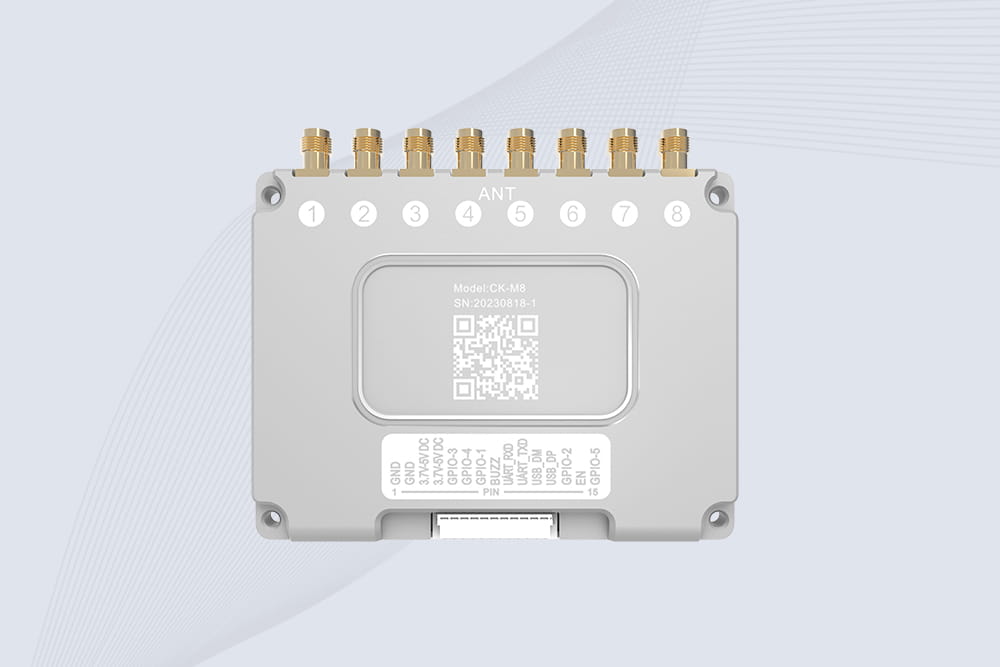
CYKEO CYKEO-M8 Module RFID is an 8-port UHF R2000 RFID Module designed for high-density, multi-tag environments. Stable 33dBm output, ISO & GB protocol support, ideal for warehouses, factories, and automated systems.
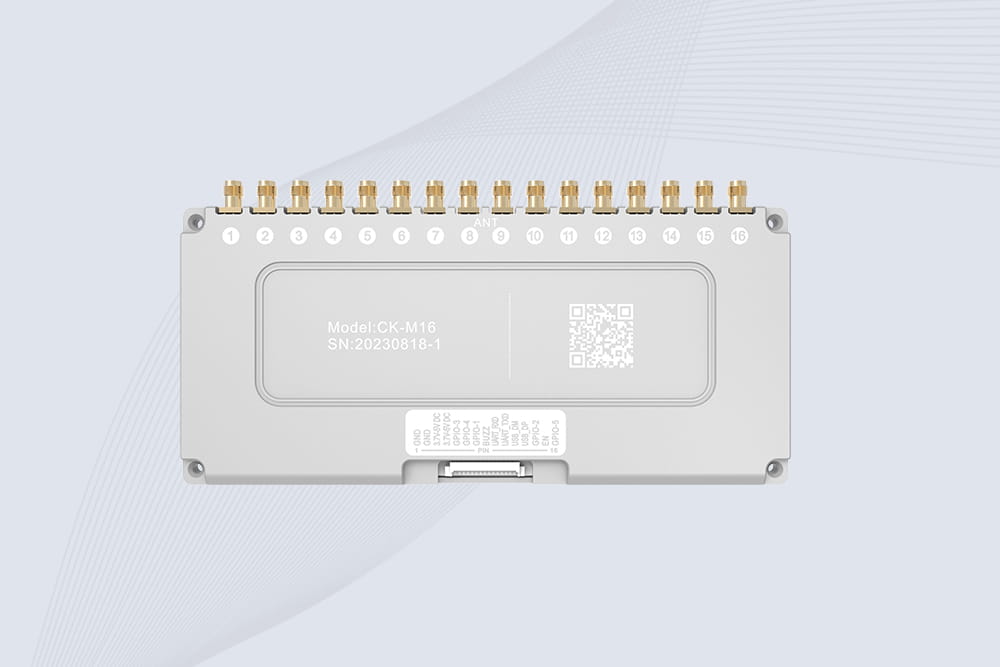
CYKEO CYKEO-M16 RFID Module is a 16-port UHF RFID reader module based on the R2000 chipset. Designed for dense tag environments, it supports ISO and GB standards and delivers stable multi-antenna control for industrial automation.
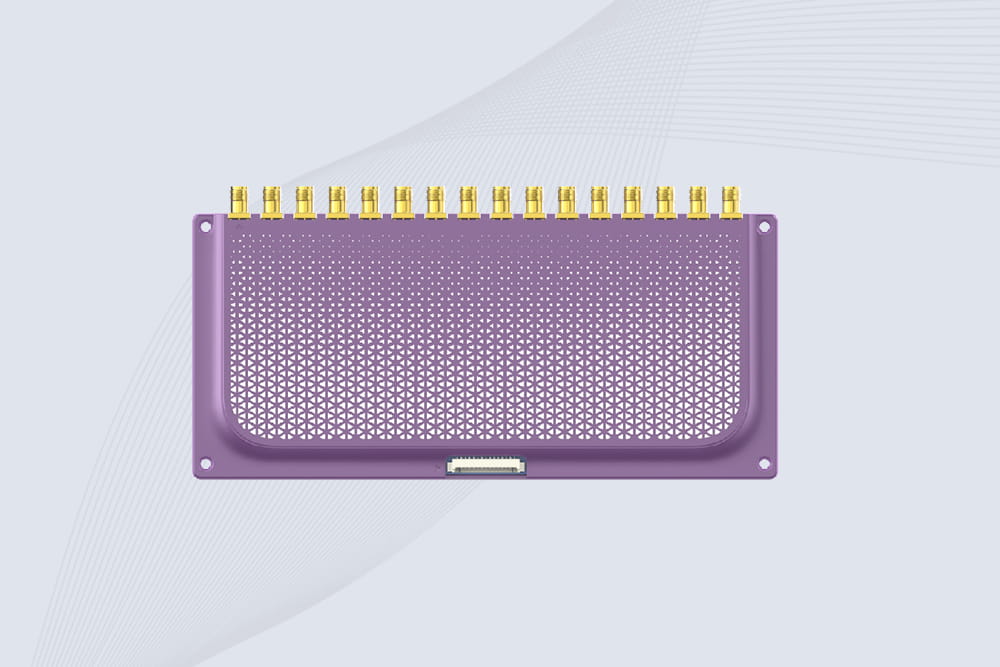
The CYKEO CYKEO-M16L RFID Reader Module is a 16-channel UHF RFID core designed for dense tag environments. With adjustable 33dBm output, multi-protocol support, and stable multi-antenna control, this RFID Tag Reader Module fits industrial automation, warehouse systems, and large-scale IoT deployments.
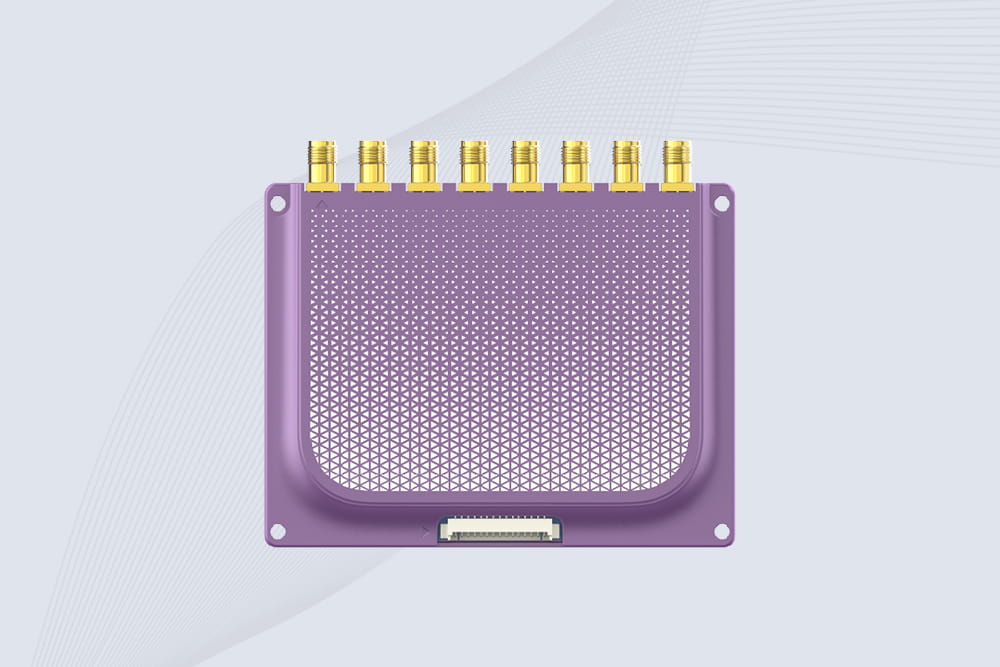
CYKEO CYKEO-M8L module RFID is a compact industrial UHF module built for dense tag and multi-antenna environments. With 8 RF ports, adjustable 33 dBm output, and ISO & GB protocol support, it is widely used in factories, warehouses, and automated tracking systems.
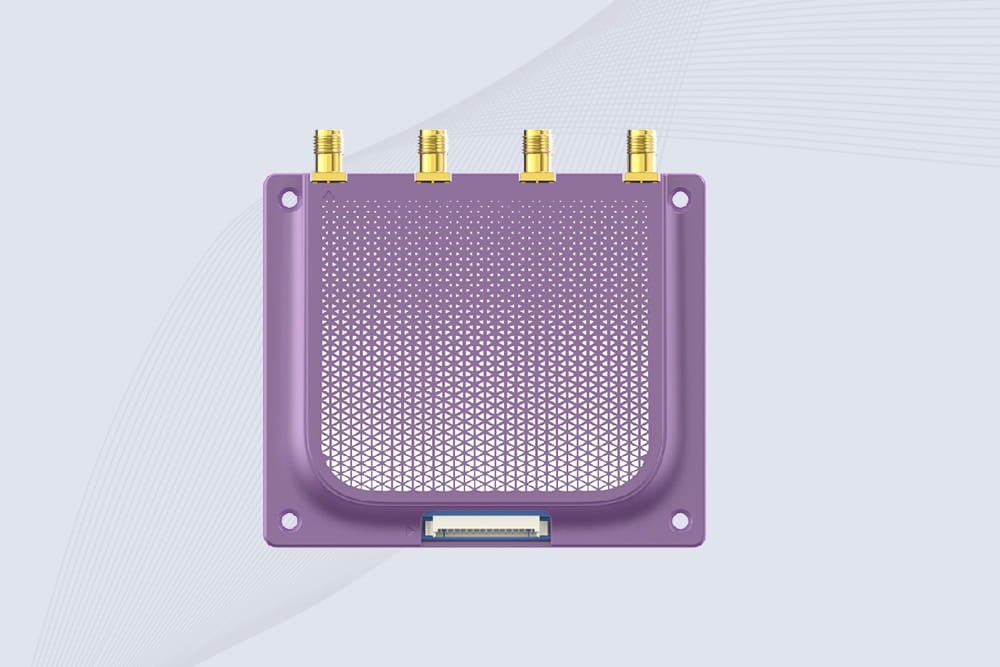
CYKEOCYKEO-M4L UHF RFID Module is a compact 4-channel RFID tag reader module designed for dense tag environments. Supporting ISO and GB protocols, it delivers stable reads up to 10 meters for industrial and IoT systems.
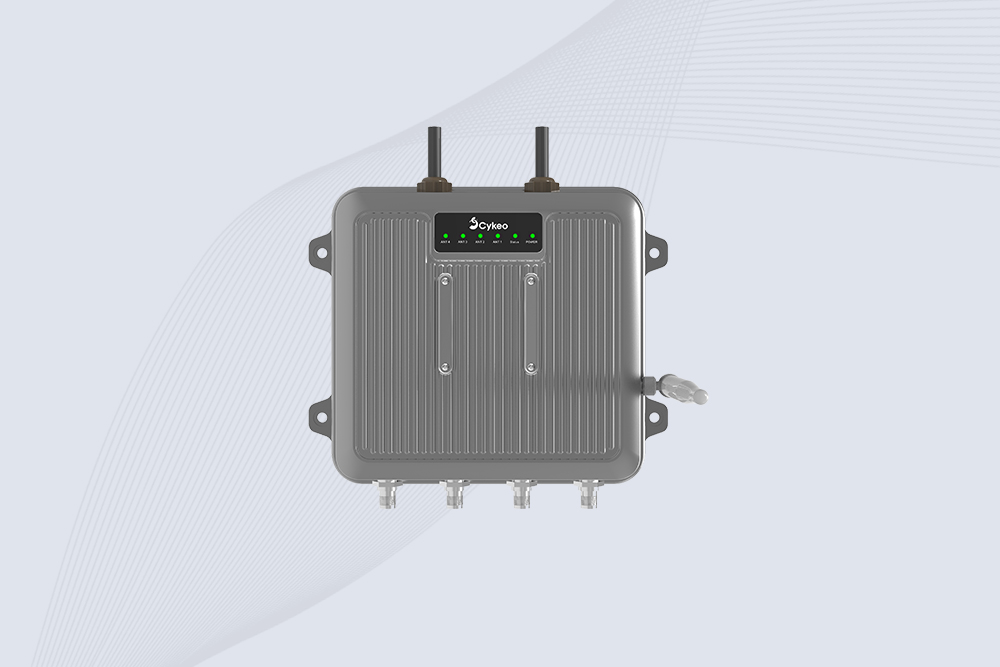
Cykeo CYKEO-C1 industrial Forklift RFID Reader features 20m read range, 600 tags/sec scanning, Impinj R2000 chipset, and IP67 rugged design. Ideal for warehouse logistics and manufacturing. Supports ISO 18000-6C/6B protocols.
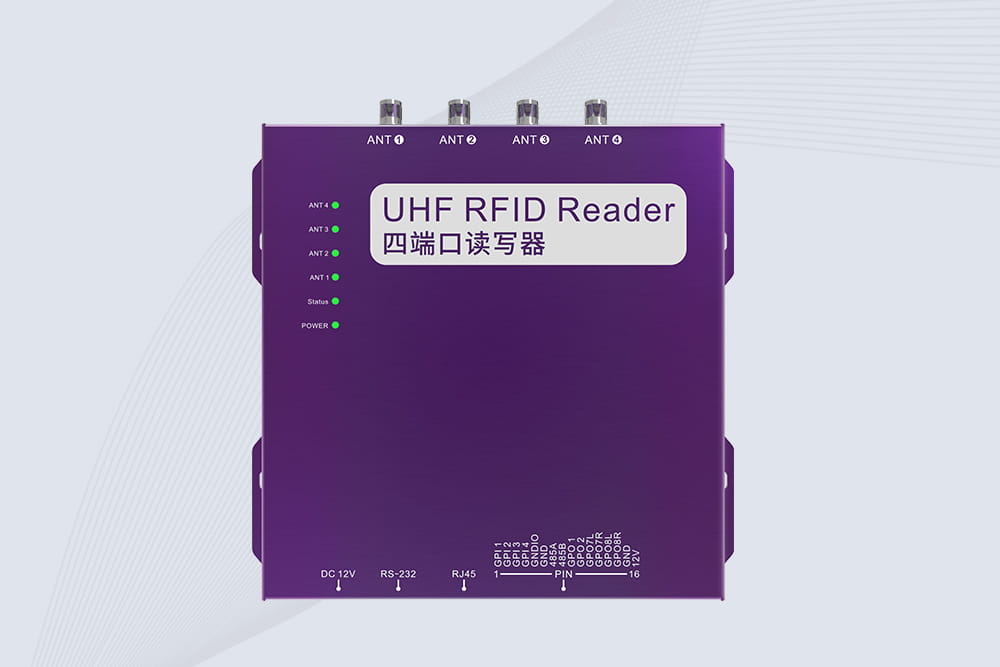
Cykeo CYKEO-R4 industrial UHF RFID Fixed Reader features 4 TNC ports, 400+ tags/sec speed, IP67 housing, and global frequency compliance for vehicle inspection, smart warehouse, and asset management systems.
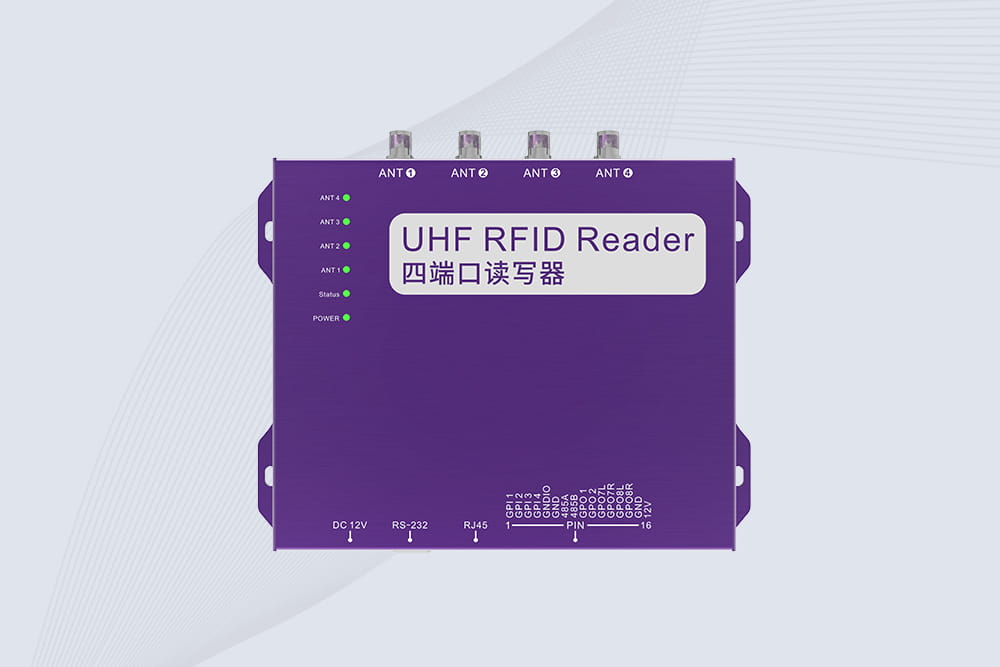
Cykeo’s CYKEO-R4L 4-port Fixed UHF RFID Reader delivers 400 tags/sec scanning, ISO 18000-6C compliance, and IP65 protection. Ideal for warehouse automation, manufacturing WIP tracking, and logistics management.
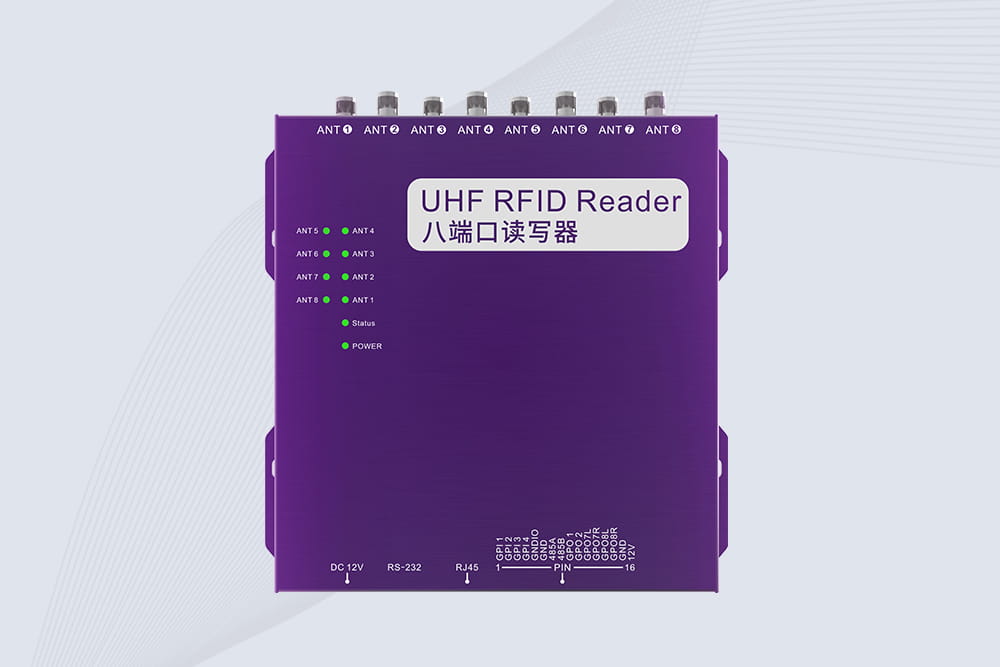
CYKEO CYKEO-R8L Fixed RFID Reader with 8-port UHF design, Impinj-based RF core and up to 20m read range. An industrial Fixed RFID Reader for vehicle inspection, warehouse portals, smart manufacturing lines and secure access checkpoints.
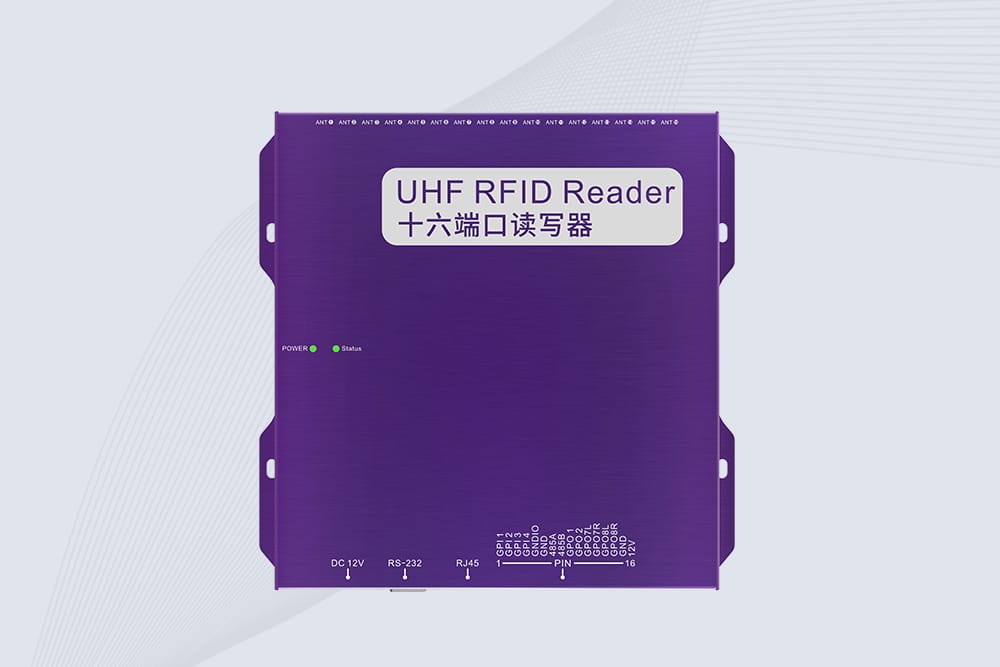
RFID Fixed Reader from CYKEO – the CYKEO-R16L 16-port UHF fixed reader for warehouses, smart cabinets, and production lines. Long-range, multi-tag reading, stable performance for 24/7 industrial use.

Discover how RFID asset tracking cuts losses, improves efficiency, and delivers ROI. Learn key strategies, tools, and best practices for seamless implementation.
More
Learning how to use handheld RFID reader writer? Step-by-step for inventory counting and tag programming. Power on, connect to Android, read EPCs, write user memory. Real field advice from CYKEO engineers.
More
Industrial RFID Readers feature high protection ratings, long-range identification, and high-speed data reading, making them essential for manufacturing, logistics, and warehouse automation. These devices serve as key components in industrial auto...
More
Looking for an alternative to Impinj RFID readers? Compare UHF RFID reader performance, cost, and compatibility to find the best solution for your RFID projects.
More