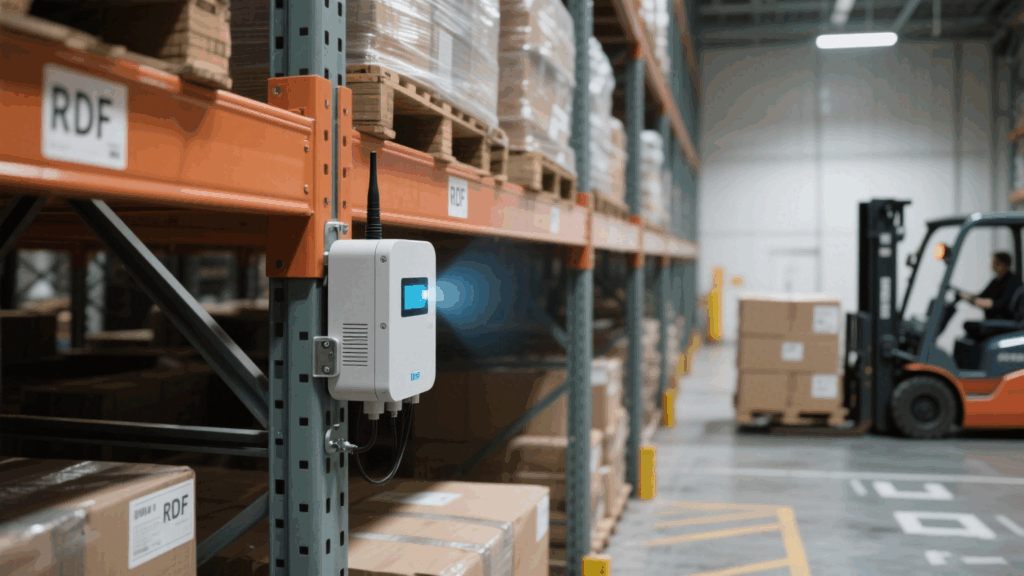
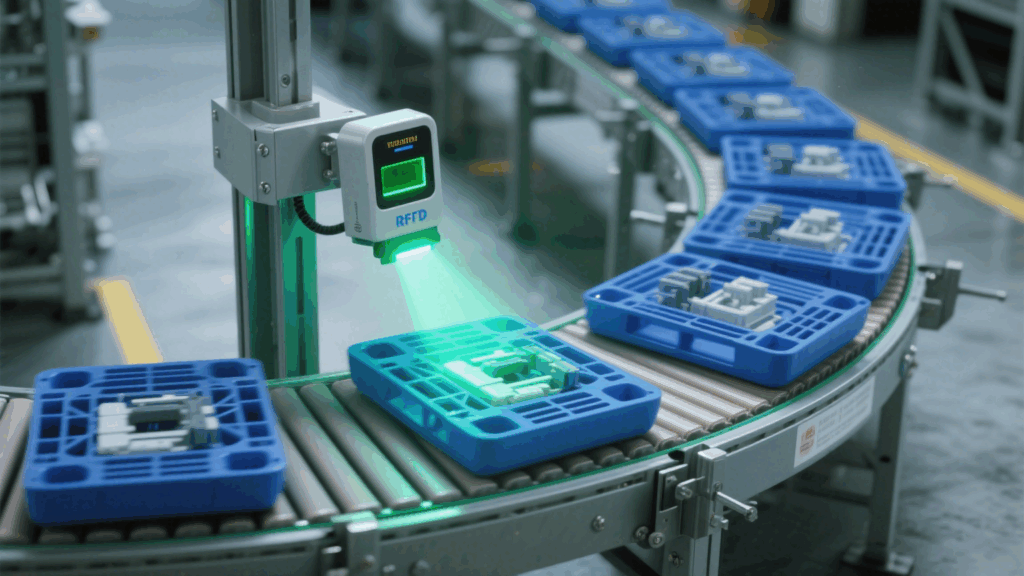
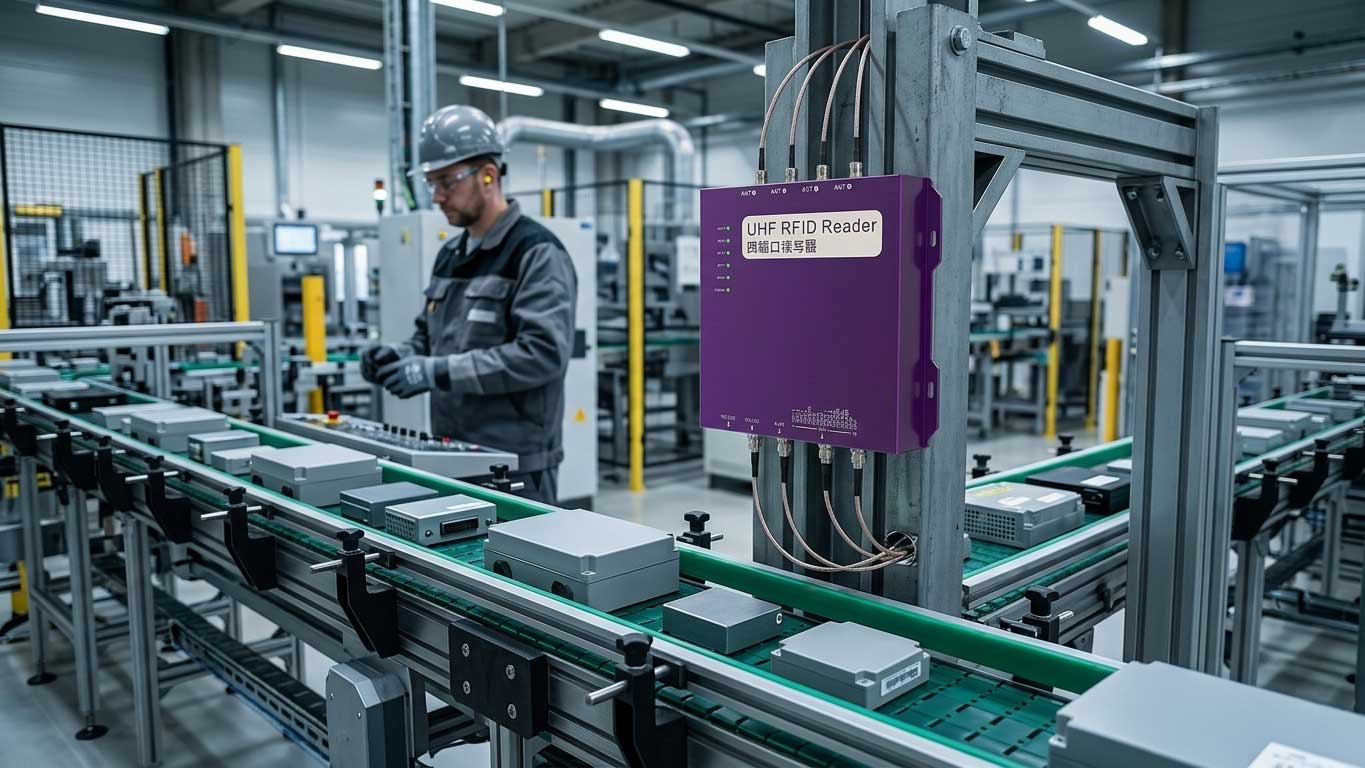
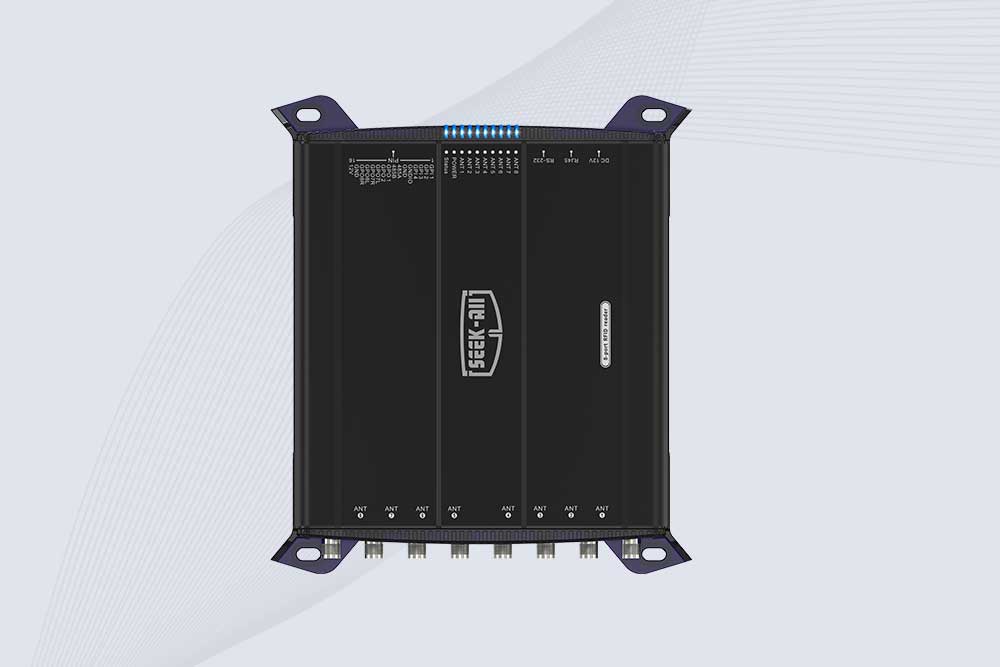
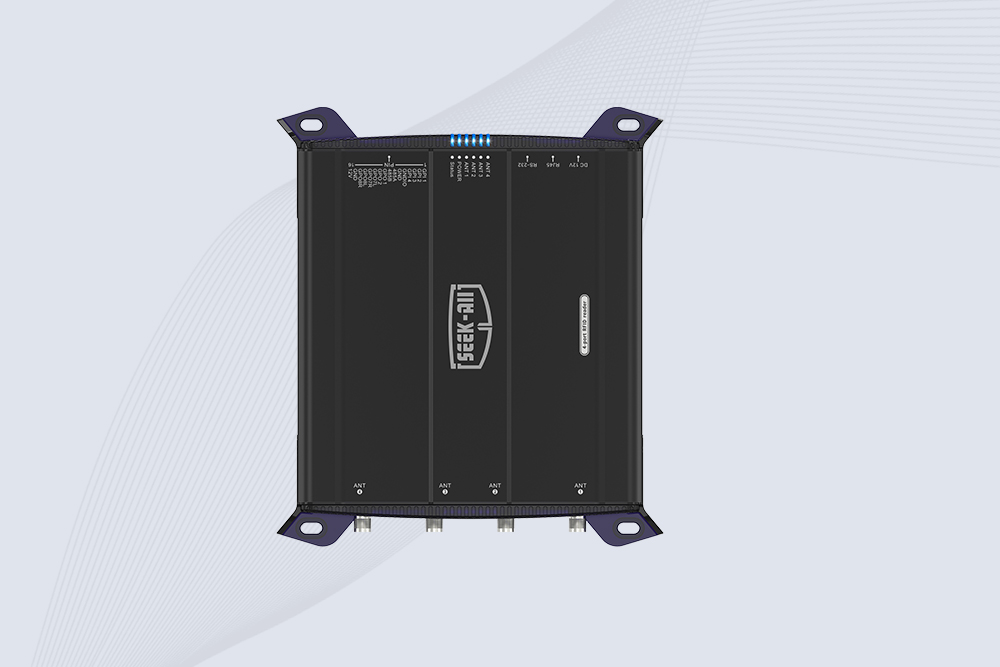
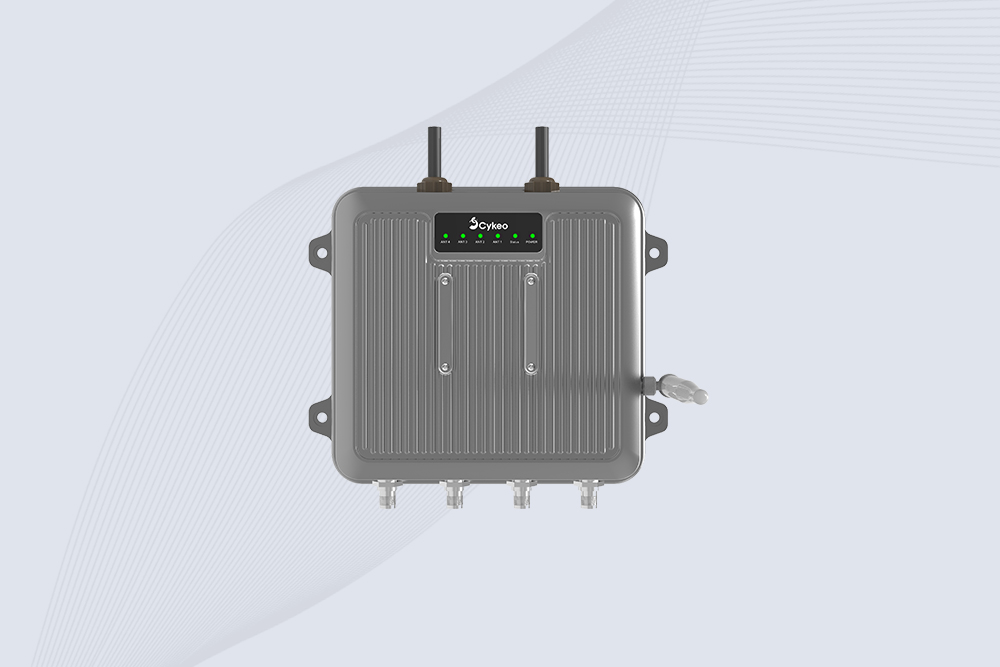
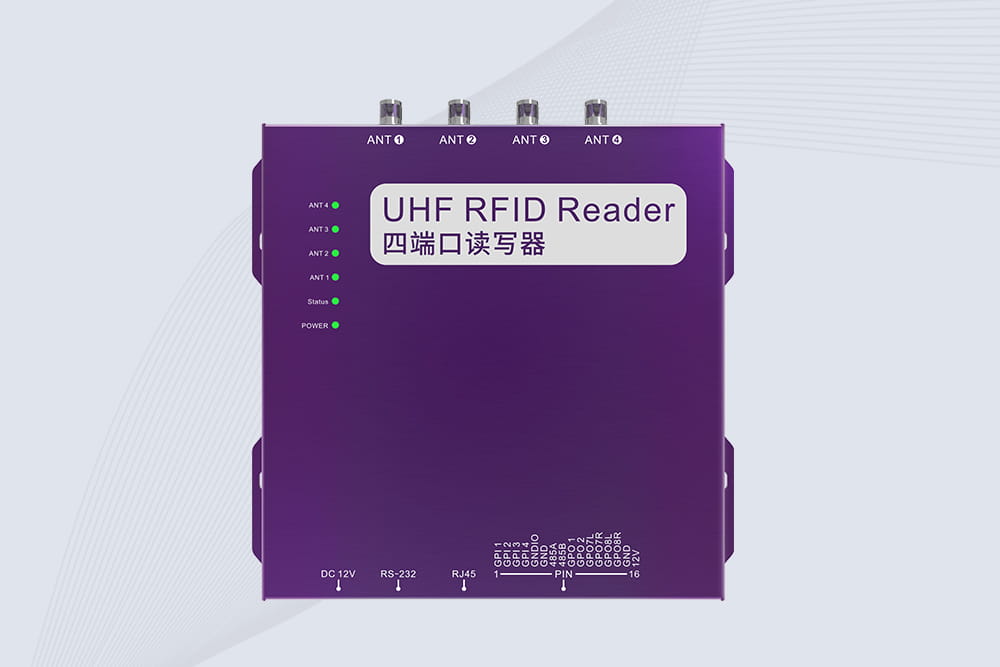
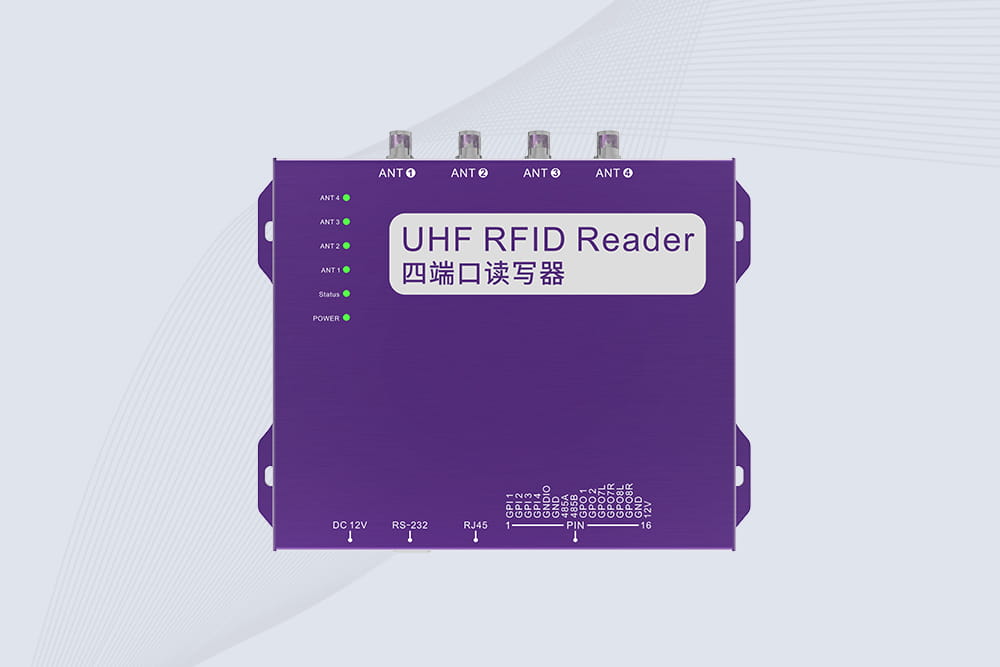
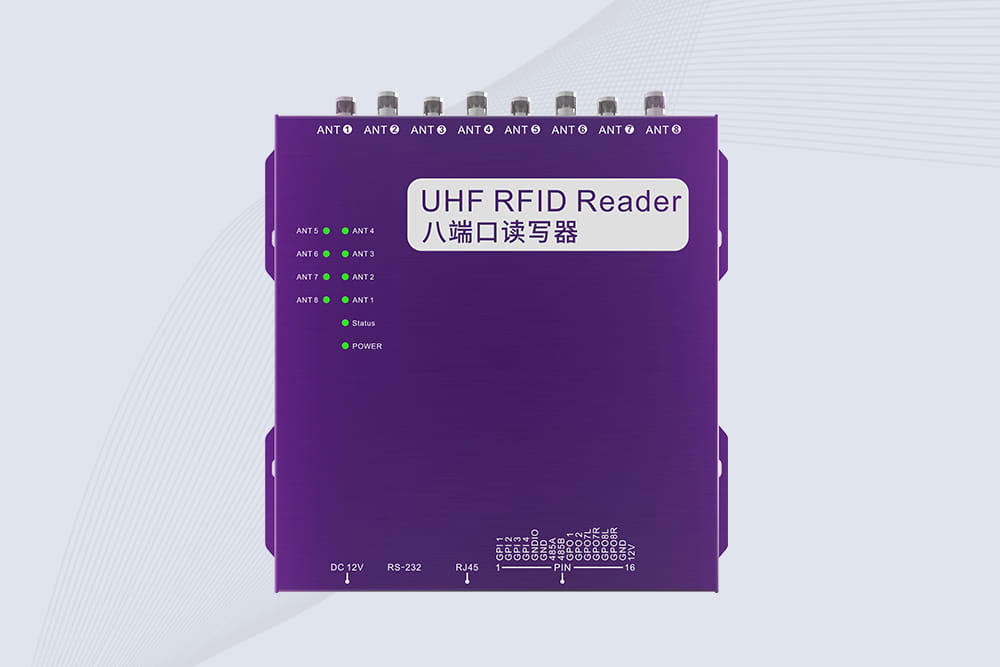
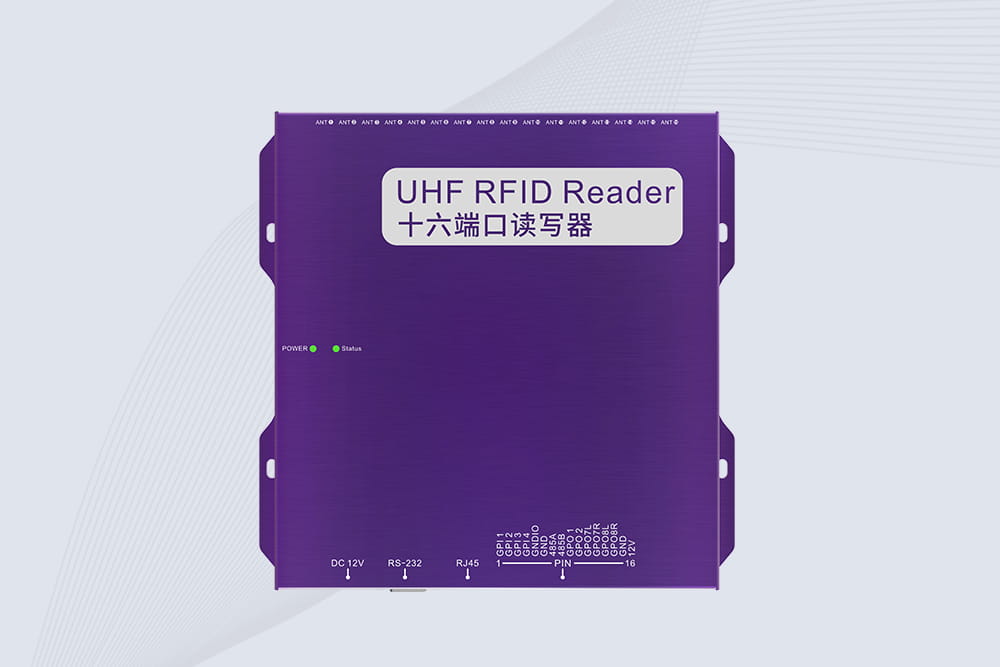
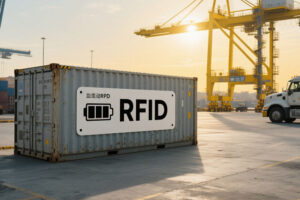
Industrial RFID Reader is radio frequency identification device designed specifically for harsh industrial conditions. It operates reliably in high temperatures, humid or dusty areas, and environments with strong electromagnetic interference. Unlike commercial-grade RFID readers, industrial RFID readers support stable and efficient data reading and writing over long periods. These devices are widely used in automated production lines, smart warehouses, and asset management systems.
Key Performance Features of Industrial RFID Readers
High-performance Industrial RFID Reader offers the following capabilities:
Long-range reading: It reads tags at distances of over 10 meters, ideal for dynamic logistics environments.
High protection level: With ratings like IP67 or IP68, it resists high temperature, humidity, dust, and oil.
Fast multi-tag reading: It reads dozens of tags simultaneously, greatly improving efficiency.
Multi-interface support: It connects with systems via RS232, RS485, TCP/IP, WiFi, etc.
Electromagnetic resistance: It works reliably in areas with strong interference such as mechanical workshops or welding stations.
Common Industrial Applications
Industrial RFID Readers are widely used in the following scenarios:
Smart manufacturing lines: Track materials and processes in real time.
Industrial asset management: Identify tools and equipment throughout their lifecycle.
Warehouse and logistics automation: Accelerate sorting, check-in, and dispatch processes.
Rail and automotive assembly: Track component status and location to ensure precision.
Anti-counterfeit and traceability systems: Ensure traceability of raw materials and finished goods.
To choose the right Industrial RFID Reader, consider these factors:
Reading distance and frequency: Choose between HF (High Frequency) or UHF (Ultra-High Frequency) based on your use case.
Environmental adaptability: Ensure support for explosion-proof, waterproof, and high-temperature features.
Communication interfaces: Check compatibility with PLC, MES, WMS, and other industrial systems.
Tag compatibility: Confirm support for current RFID tag standards like ISO18000-6C and EPC Gen2.
Installation flexibility: Ensure easy mounting and support for multi-angle reading on production lines.
Future Trends in Industrial RFID Reader Development
With the rise of Industry 4.0 and IoT, Industrial RFID Readers continue to evolve in the following directions:
Edge computing integration: Readers process data locally to reduce latency.
AI-assisted recognition: Combine RFID with computer vision for multi-dimensional identification.
Miniaturization and modular design: Integrate easily into diverse industrial equipment.
5G + RFID convergence: Enable faster transmission and real-time remote control.
Global standardization: Promote cross-system interoperability and unified data exchange.
The above conclusions
Industrial RFID Readers play vital role in industrial IoT by transforming traditional factory operations. Deploying high-performance RFID readers helps manufacturers achieve real-time visibility and intelligent management across production, warehousing, and logistics. This boosts both operational efficiency and accuracy, making RFID foundational technology for the future of smart manufacturing.
Industrial RFID Systems in Real Factory Conditions (Not Lab Data)
There’s a gap most datasheets won’t mention.
An RFID reader industrial unit rated for IP67 and 70°C may still degrade in performance after weeks inside a welding workshop. Not fail—just drift. Slightly weaker reads, occasional missed tags, inconsistent cycles.
In a stamping plant project I supported in 2024, we logged performance over 21 days. Same industrial RFID scanner, same setup:
Day 1 read accuracy: 99.1%
Day 21 read accuracy: 94.8%
Root causes weren’t obvious at first:
Micro metal dust buildup on connectors
Heat cycling near furnaces (up to 62°C peaks)
EMI bursts from welding equipment
According to research from the RAIN Alliance, environmental factors can reduce RFID system efficiency by up to 20–30% if not properly tuned.
That’s why industrial-grade RFID readers must be evaluated as part of a full system—not standalone hardware.
Industrial-Grade RFID Readers vs Standard RFID Hardware Industrial
Parameter
Commercial RFID
Industrial RFID Reader
Operating Temp
0–50°C
-30–75°C
Protection
IP20–IP40
IP65–IP68
EMI Resistance
Low
High
Continuous Operation
Limited
24/7 stable
Integration
Basic
PLC / MES / SCADA ready
In practice, the difference isn’t visible on day one. It shows after millions of read cycles.
Field Insight: What Actually Impacts RFID Industrial Reader Performance
1. RF Environment Is Never Static
In real factories, conditions shift hourly. Machines start, stop, heat up. Metal moves. People walk through read zones.
In one Cykeo deployment, simply relocating a reader by 30 cm eliminated a persistent blind spot that couldn’t be fixed with power adjustment.
2. Industrial RFID Scanner ≠ Better Without System Design
More powerful hardware doesn’t guarantee better results.
Zebra’s field documentation shows that poorly tuned systems can lose up to 50% efficiency, even with high-end readers.
What matters:
Antenna placement
Tag orientation
Reflection control
3. Data Filtering Is Where Systems Win or Fail
Raw RFID streams are noisy.
Industrial RFID systems with edge filtering reduce duplicate reads and stabilize data flow before it reaches MES or ERP layers.
In one deployment, filtering reduced data volume by ~65%, improving system response time noticeably.
Real Deployment Case – Cykeo Industrial RFID Systems
Project: Tool tracking in heavy equipment manufacturing System: Cykeo industrial-grade RFID readers + industrial RFID scanner network
Environment:
Oil contamination
Metal surfaces everywhere
Multi-shift operation (24/7)
Initial problems:
Tool misidentification
Missed reads during shift changes
Data overload in MES
Optimization:
Introduced on-metal tags with fixed orientation
Reconfigured antenna zones (segmented coverage)
Enabled edge filtering at reader level
Results:
Identification accuracy increased to 98.7%
Tool search time reduced by ~40%
System load decreased significantly
This is where a properly deployed rfid industrial reader system becomes infrastructure—not just hardware.
How to Optimize Industrial RFID Systems for Long-Term Stability
Environmental Control
– Avoid direct exposure to heat sources
– Use sealed connectors
– Schedule periodic cleaning
RF Optimization
– Adjust antenna angle instead of increasing power
The biggest shift I’ve seen over the past few years isn’t hardware—it’s mindset.
Factories that succeed with industrial RFID systems don’t just install devices. They design environments:
Controlled RF zones
Consistent tag placement
Clean data pipelines
That’s where Cykeo deployments tend to outperform expectations—not because the hardware is stronger, but because the system is built correctly from the start.
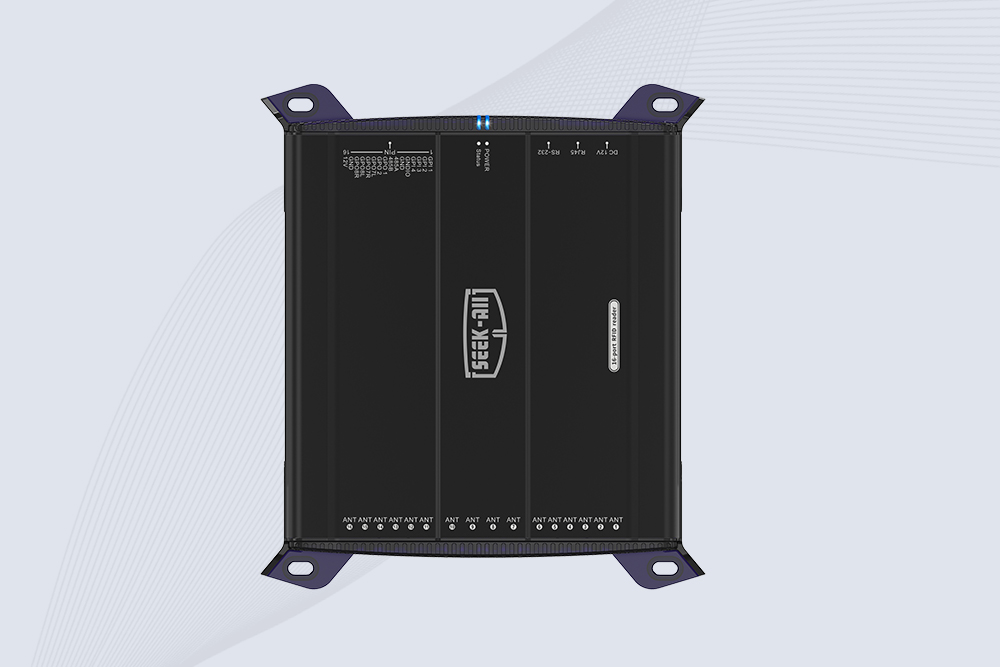
SSD-R16L Multi-Channel RFID Infrastructure for Automated Inventory Management ✔️ 16-Port High-Density RFID Reading Equipped with 16 SMA antenna ports, SSD-R16L supports multi-antenna deployment for warehouses, retail stores, logistics, production lines, and large-area RFID identification. ✔️ High-Speed & Long-Range Performance With up to 33…
SSD-R8L 8-port UHF RFID reader with 33dBm output, up to 20m reading range and 600+ tags/s recognition. Ideal for warehouse, logistics, retail and asset tracking.
Cykeo CYKEO-C1 industrial Forklift RFID Reader features 20m read range, 600 tags/sec scanning, Impinj R2000 chipset, and IP67 rugged design. Ideal for warehouse logistics and manufacturing. Supports ISO 18000-6C/6B protocols.
Cykeo CYKEO-R4 industrial UHF RFID Fixed Reader features 4 TNC ports, 400+ tags/sec speed, IP67 housing, and global frequency compliance for vehicle inspection, smart warehouse, and asset management systems.
CYKEO CYKEO-R8L Fixed RFID Reader with 8-port UHF design, Impinj-based RF core and up to 20m read range. An industrial Fixed RFID Reader for vehicle inspection, warehouse portals, smart manufacturing lines and secure access checkpoints.
RFID Fixed Reader from CYKEO – the CYKEO-R16L 16-port UHF fixed reader for warehouses, smart cabinets, and production lines. Long-range, multi-tag reading, stable performance for 24/7 industrial use.
Improve hospital inventory accuracy with RFID smart medical cabinets. Real-time tracking of medical consumables, reduced losses, and seamless integration with HIS/ERP systems. OEM and bulk supply available.
As someone who spent two years wrangling inventory in a New York warehouse, I can tell you bluntly: RFID readers are not a miracle drug. They can save a ton of time in stocktaking, but unexpected issues always pop up—tags falling off, metal interf...
 Cykeo RFID IoT Solution Products R&D Manufacturer