 Cykeo RFID IoT Solution Products R&D Manufacturer
Do RFID Readers Work in Extreme Temperatures? Durability Explained
892Can RFID readers withstand extreme cold or heat? Discover how industrial-grade designs ensure reliability in freezing or scorching environments.
MoreAll RFID Product
Manufacturing plants require RFID readers that withstand harsh conditions (dust, vibration, temperature extremes) while delivering reliable performance. Here are the top choices:
Pro Tip: Pair readers with rugged on-metal tags for metal-heavy environments.
Specs tell one story. Factory floors tell another.
In a gearbox plant I worked with in southern Germany, two fixed RFID reader units—both labeled “industrial”—performed very differently after 30 days. One started missing tags during peak shift hours. Not failure. Drift.
The root cause wasn’t obvious at first:
According to AIM Global (RFID industry association), harsh industrial environments can reduce RFID read reliability by 15–25% without proper system tuning.
That gap is exactly where a true industrial-grade RFID reader separates itself from a standard fixed RFID reader.
| Parameter | Standard Fixed RFID Reader | Industrial RFID Reader |
|---|---|---|
| Operating Temperature | 0°C to 50°C | -25°C to 70°C+ |
| Ingress Protection | IP20–IP40 | IP64 / IP67 |
| Shock/Vibration | Minimal | MIL-STD-810G |
| RF Stability | Moderate | Optimized for metal/EMI |
| Integration | Basic API | PLC / Edge / IIoT Ready |
From experience, calling something an “rfid industrial reader” doesn’t make it one. The difference shows up after millions of reads—not on day one.
Throwing more power at the problem rarely works. In one Cykeo deployment, adjusting antenna angle by 17° improved read rate more than increasing output power.
Impinj reports that improper tag choice can reduce system efficiency by up to 50% in metal-heavy environments. This aligns closely with real factory outcomes.
Modern fixed RFID reader platforms that filter duplicate reads at the edge can reduce backend load significantly. Zebra benchmarks show data traffic reductions up to 70%.
Project: Automotive subassembly tracking
Location: Central Europe
System: Cykeo industrial-grade RFID readers + on-metal tags
Environment conditions:
Initial issues:
Optimization steps:
Results:
This is where a properly deployed industrial RFID reader proves its value—stability over time, not just initial performance.
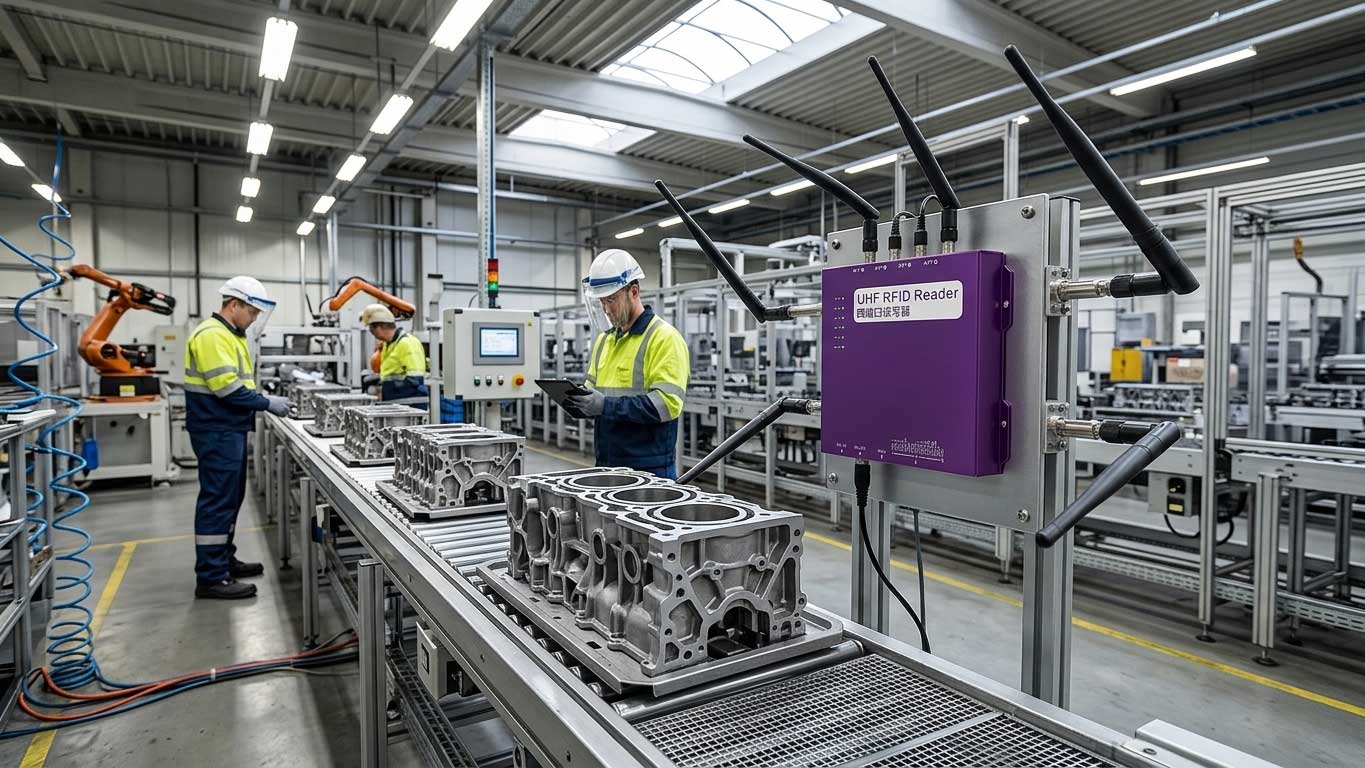
– Multi-antenna industrial RFID reader
– Strong EMI resistance
– High-speed reading capability
– Fixed RFID reader with dense tag handling
– Anti-collision optimization
– Compact deployment
– IP67 industrial-grade RFID readers
– Washdown-resistant housing
– Hygienic installation
– PLC-integrated rfid industrial reader
– Compliance-ready traceability
– High precision reading
One overlooked issue: connector quality. In one audit, over 30% of intermittent failures came from loose RF connectors—not the reader hardware.
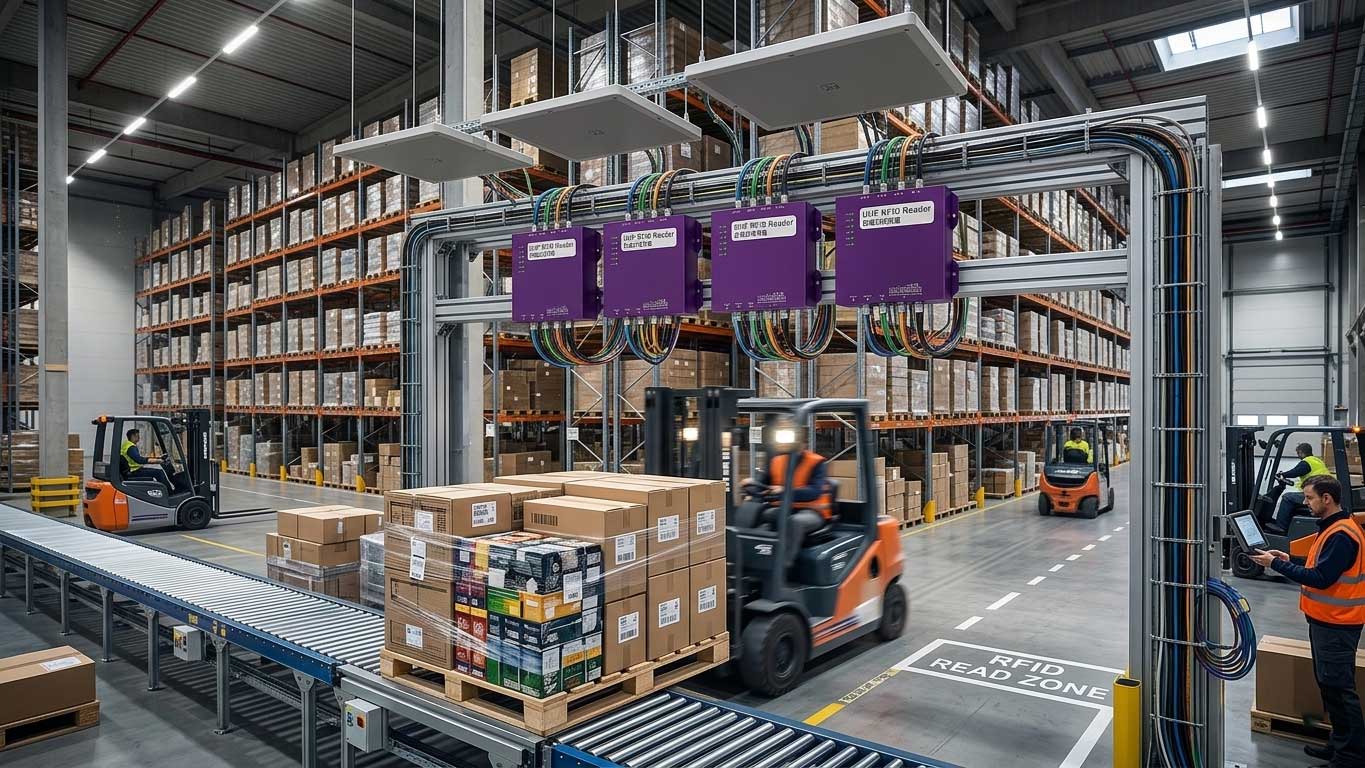
In controlled environments: 99%+. In real manufacturing: 95–98% is considered strong performance.
4 is a baseline. Complex production lines often require 6–8.
RFID deployments can reduce inventory errors by up to 50%, with ROI typically within 6–12 months.
Yes. Look for PROFINET, Ethernet/IP, or OPC UA support.
The biggest mistake isn’t choosing the wrong fixed RFID reader.
It’s treating RFID as hardware instead of a system.
The best-performing plants design around:
That’s where industrial-grade RFID readers—especially in Cykeo deployments—move from devices to infrastructure.
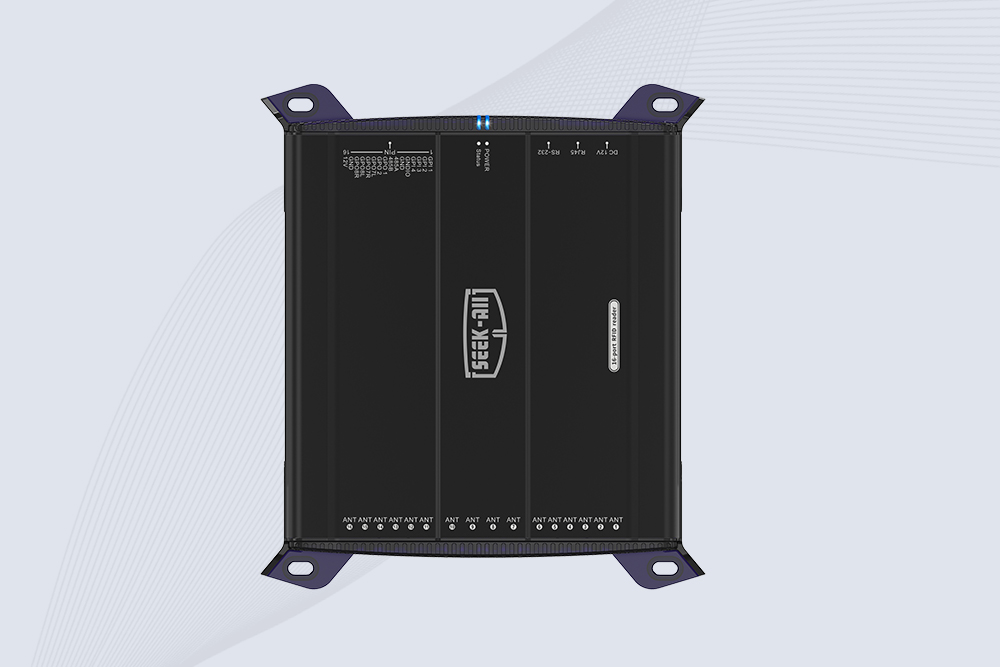
SSD-R16L Multi-Channel RFID Infrastructure for Automated Inventory Management ✔️ 16-Port High-Density RFID Reading Equipped with 16 SMA antenna ports, SSD-R16L supports multi-antenna deployment for warehouses, retail stores, logistics, production lines, and large-area RFID identification. ✔️ High-Speed & Long-Range Performance With up to 33…
More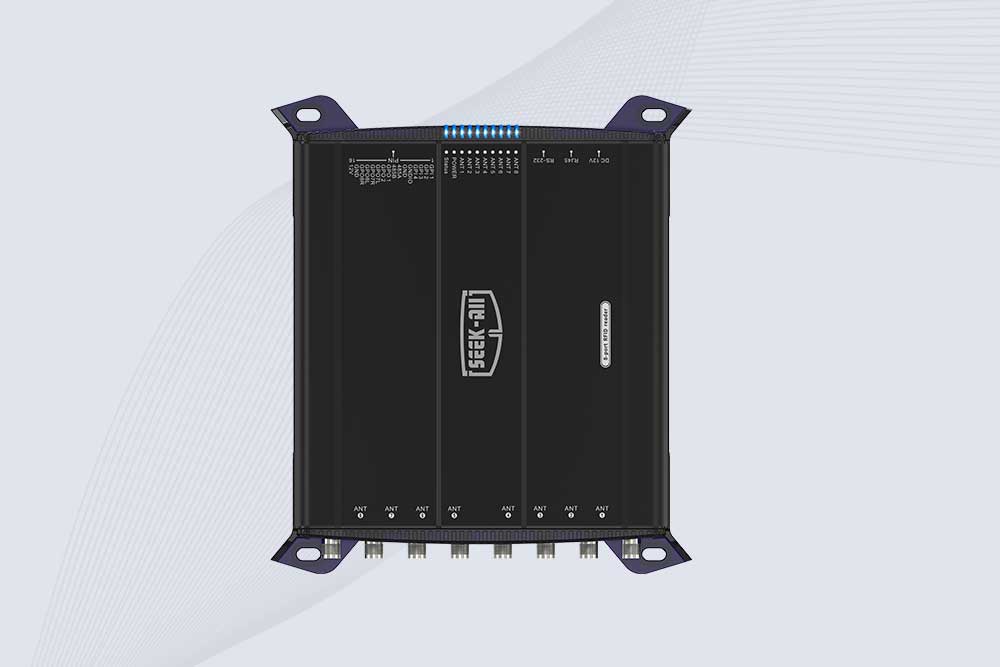
SSD-R8L 8-port UHF RFID reader with 33dBm output, up to 20m reading range and 600+ tags/s recognition. Ideal for warehouse, logistics, retail and asset tracking.
More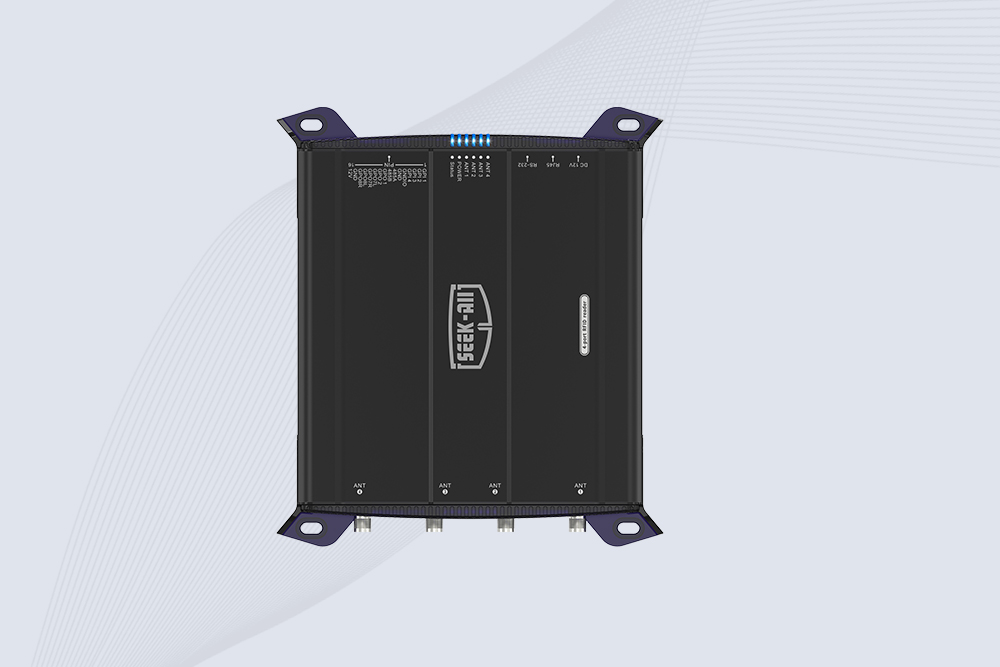
SSD-R4L is a 4-port UHF RFID fixed reader with 33dBm output power, up to 20m reading range, EPC C1G2 support and 600+ tags/s reading speed.
More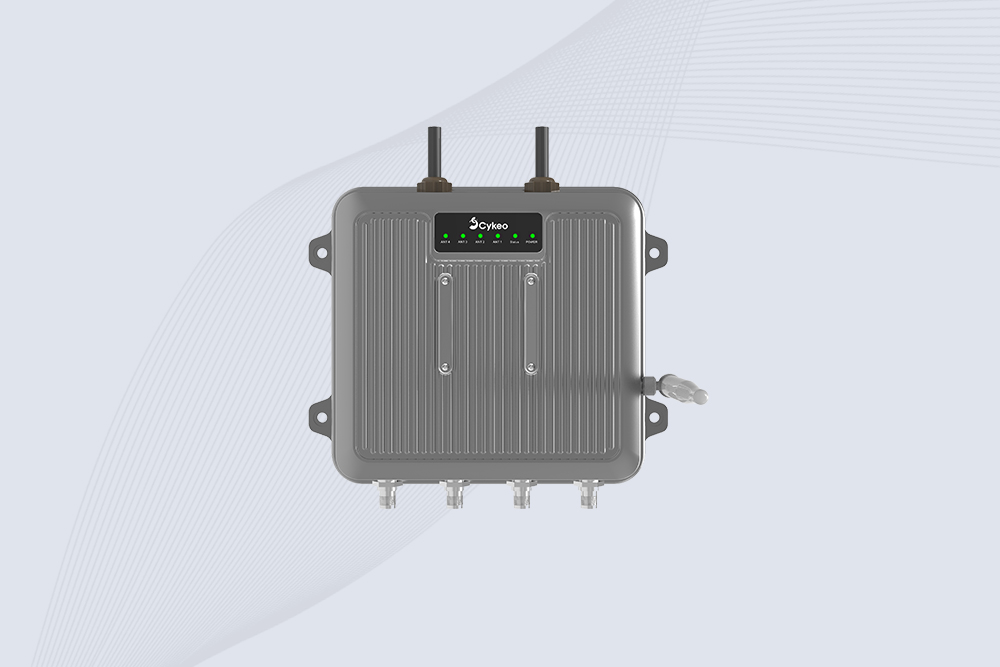
Cykeo CYKEO-C1 industrial Forklift RFID Reader features 20m read range, 600 tags/sec scanning, Impinj R2000 chipset, and IP67 rugged design. Ideal for warehouse logistics and manufacturing. Supports ISO 18000-6C/6B protocols.
More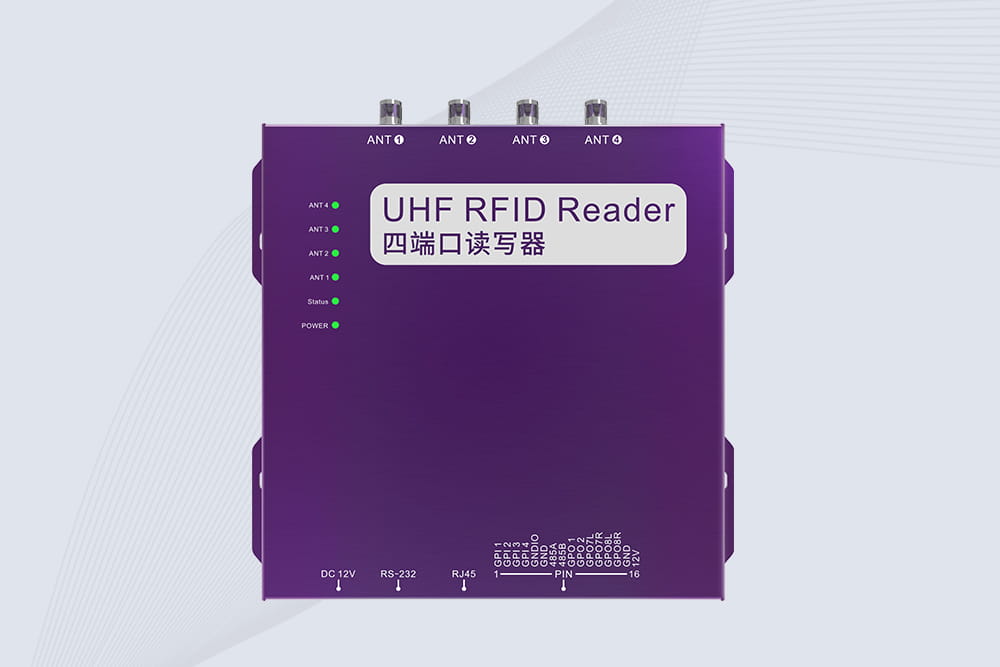
Cykeo CYKEO-R4 industrial UHF RFID Fixed Reader features 4 TNC ports, 400+ tags/sec speed, IP67 housing, and global frequency compliance for vehicle inspection, smart warehouse, and asset management systems.
More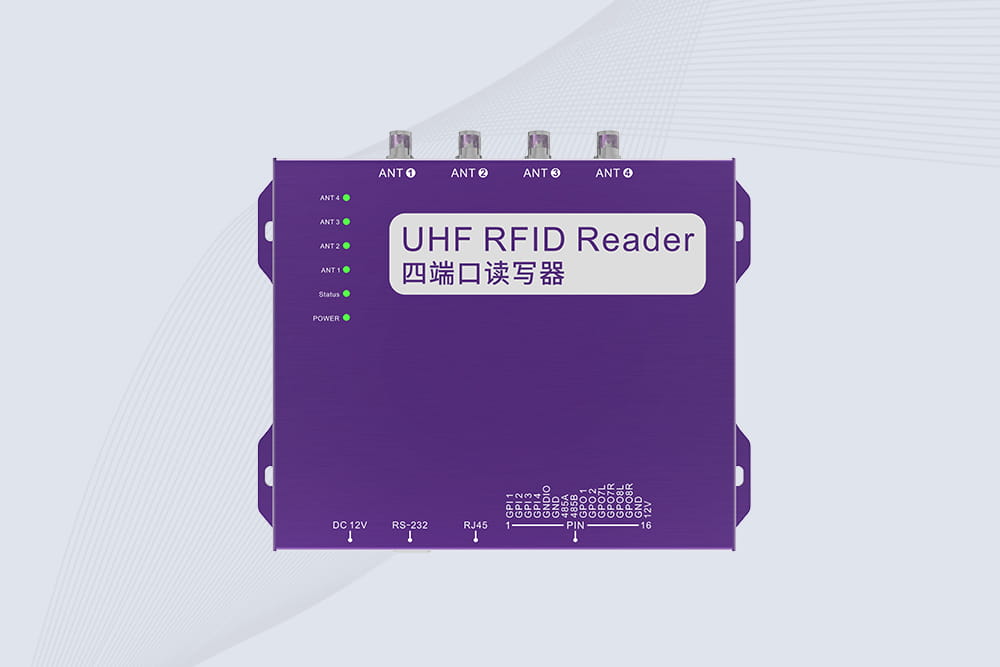
Cykeo’s CYKEO-R4L 4-port Fixed UHF RFID Reader delivers 400 tags/sec scanning, ISO 18000-6C compliance, and IP65 protection. Ideal for warehouse automation, manufacturing WIP tracking, and logistics management.
More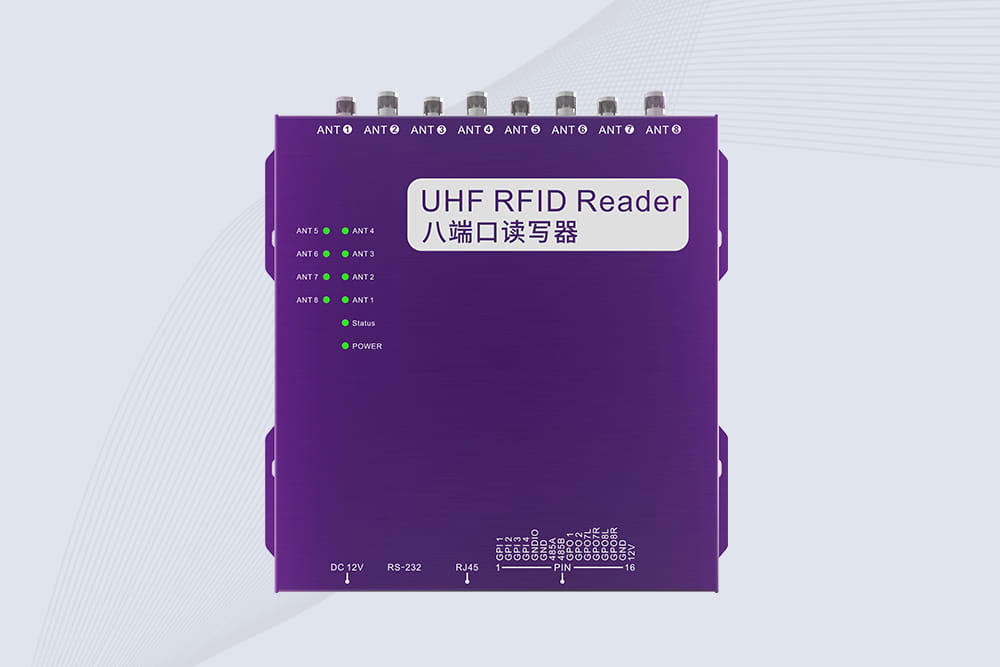
CYKEO CYKEO-R8L Fixed RFID Reader with 8-port UHF design, Impinj-based RF core and up to 20m read range. An industrial Fixed RFID Reader for vehicle inspection, warehouse portals, smart manufacturing lines and secure access checkpoints.
More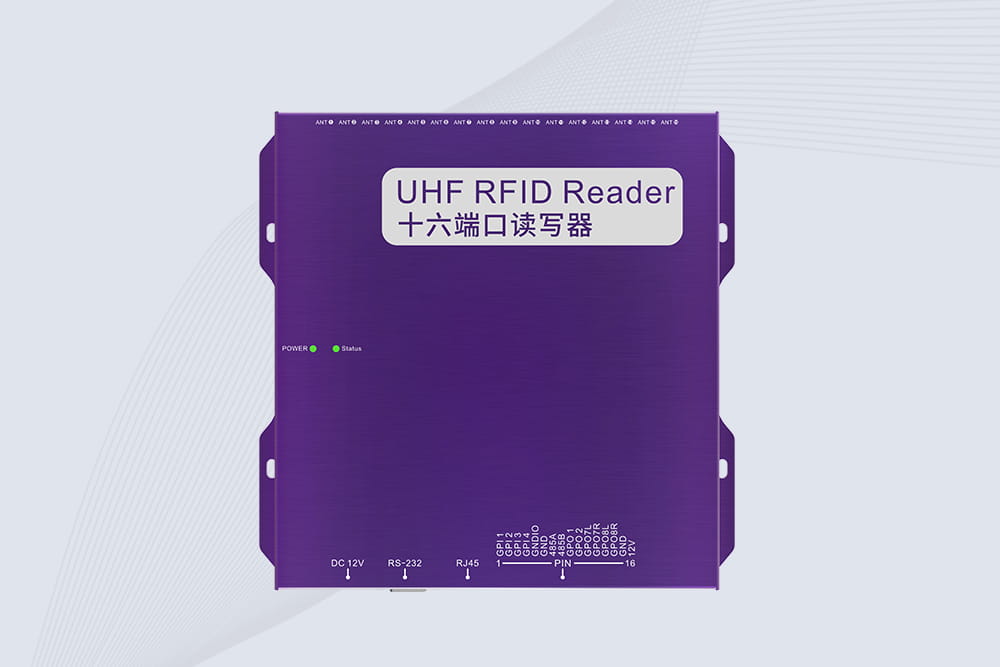
RFID Fixed Reader from CYKEO – the CYKEO-R16L 16-port UHF fixed reader for warehouses, smart cabinets, and production lines. Long-range, multi-tag reading, stable performance for 24/7 industrial use.
More
Can RFID readers withstand extreme cold or heat? Discover how industrial-grade designs ensure reliability in freezing or scorching environments.
More
Discover how the RFID Pharmacy Security Cabinet enhances security, automates inventory management, and ensures regulatory compliance. Learn about RFID reader module and antenna integration benefits.
More
RFID asset tracking cost depends on tags, readers, and deployment scale. Learn what drives pricing and how to budget without surprises.
More
Discover cost-effective RFID modules tailored for small businesses. Learn how to streamline inventory management without breaking the budget.
More