 Cykeo RFID IoT Solution Products R&D Manufacturer
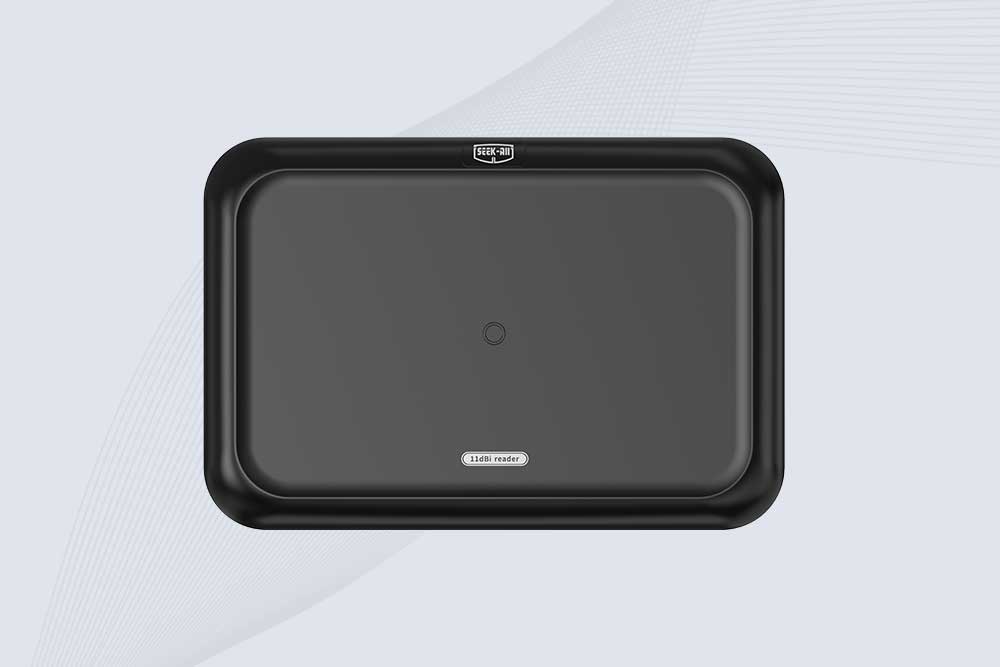
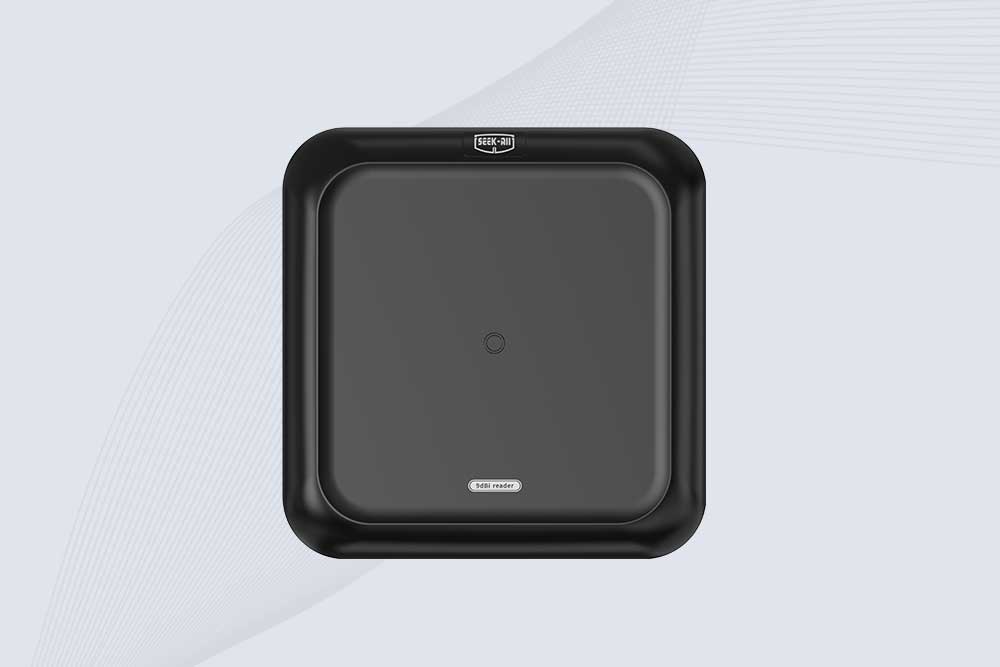
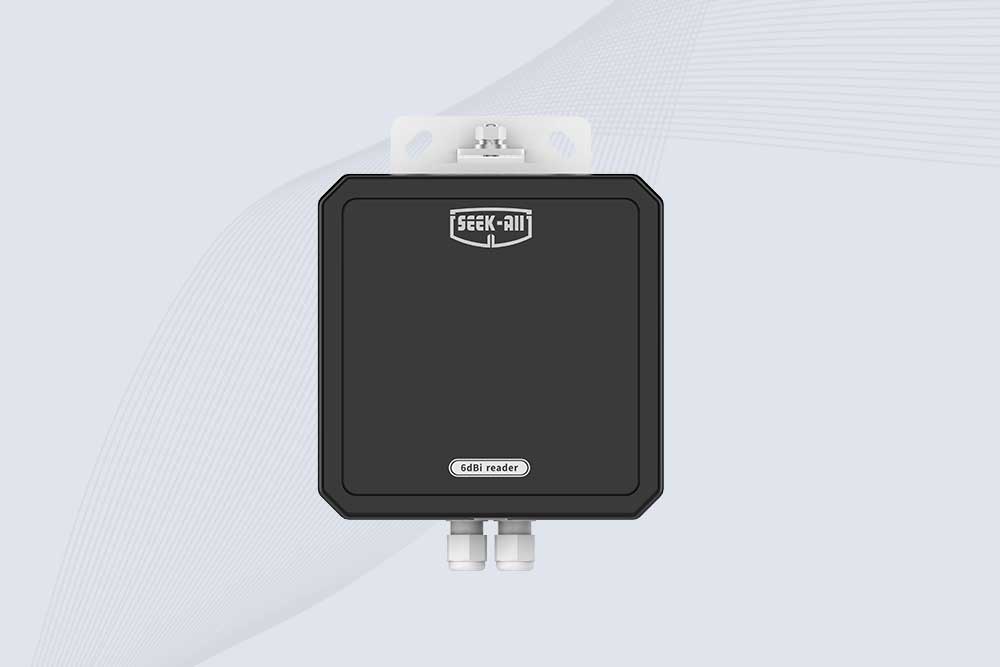
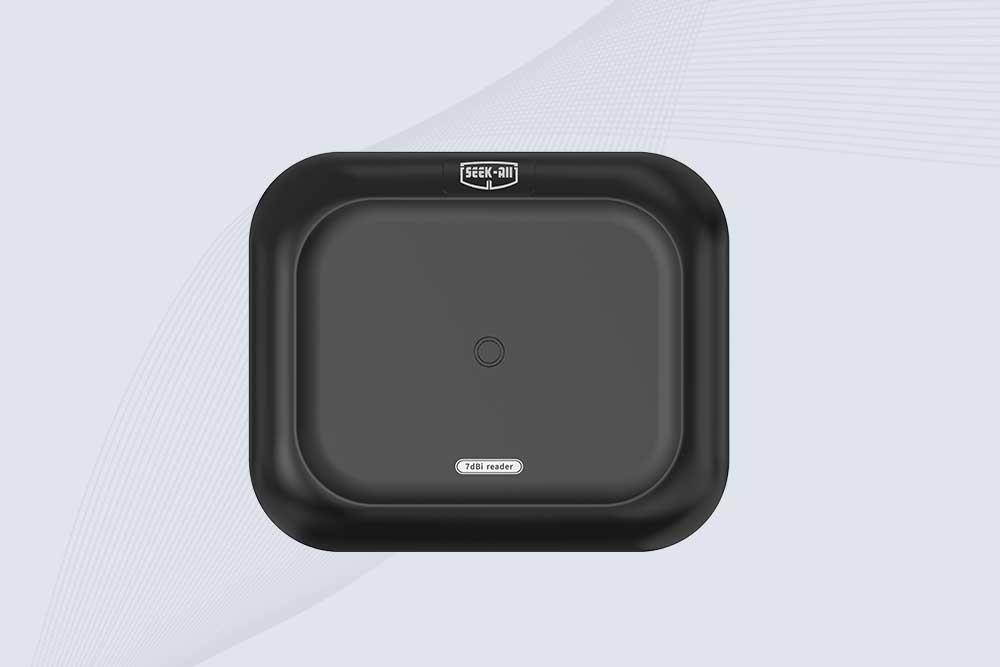
how to set up rfid reader
149A UHF RFID reader is set up by connecting a compatible antenna and host system, configuring regional frequency and RF power, then testing tag detection withi...
MoreAll RFID Product
Walk into any modern warehouse, and you’ll see the same challenge: thousands of items moving hourly, tight deadlines, and zero room for errors. Traditional single-antenna RFID readers struggle here—limited coverage, missed tags, and frustrating delays. But what if one upgrade could fix 90% of these issues? Enter dual-antenna RFID readers, a game-changer for warehouses aiming to balance speed, accuracy, and cost. Let’s break down why this technology is no longer optional for competitive operations.
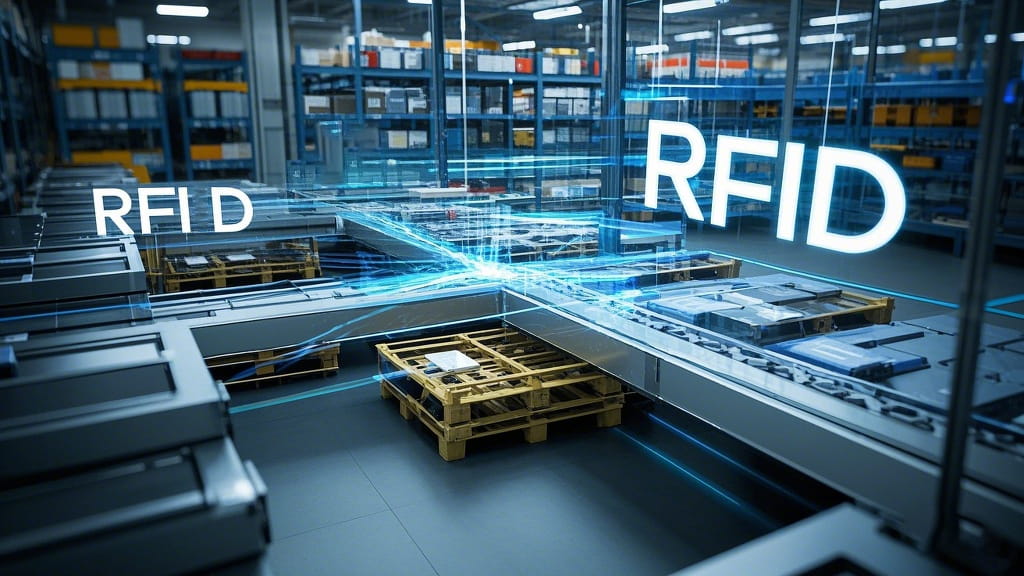
Single-antenna readers work fine for small-scale setups. But in large warehouses, they hit three walls:
A major e-commerce brand reported 15% “ghost inventory” errors due to single-antenna limitations—until they upgraded to Cykeo’s dual-antenna system.
Dual-antenna RFID readers use two strategically placed antennas to:
Real-World Example:
Cykeo’s DR-200 series dual-antenna readers cover 25-meter warehouse aisles, scanning 1,200+ tags per minute with 99.9% accuracy.
Single antennas miss up to 30% of tags in dense environments. Dual antennas overlap coverage, ensuring even high-stacked or closely packed items are scanned.
Cykeo Case Study: A pharmaceutical distributor reduced missed reads by 98% after installing dual-antenna readers at loading docks.
Dual antennas don’t just widen coverage—they read tags twice as fast. For time-sensitive sectors like perishables or fast fashion, this is critical.
Data Point: Cykeo users report a 50% drop in shipment processing time after upgrading.
Adding more inventory? Dual-antenna systems scale seamlessly. Pair multiple readers for complex layouts (e.g., multi-floor warehouses).
Fewer missed tags mean fewer manual recounts. A 3PL (third-party logistics) company saved 200+ labor hours/month with Cykeo’s automation.
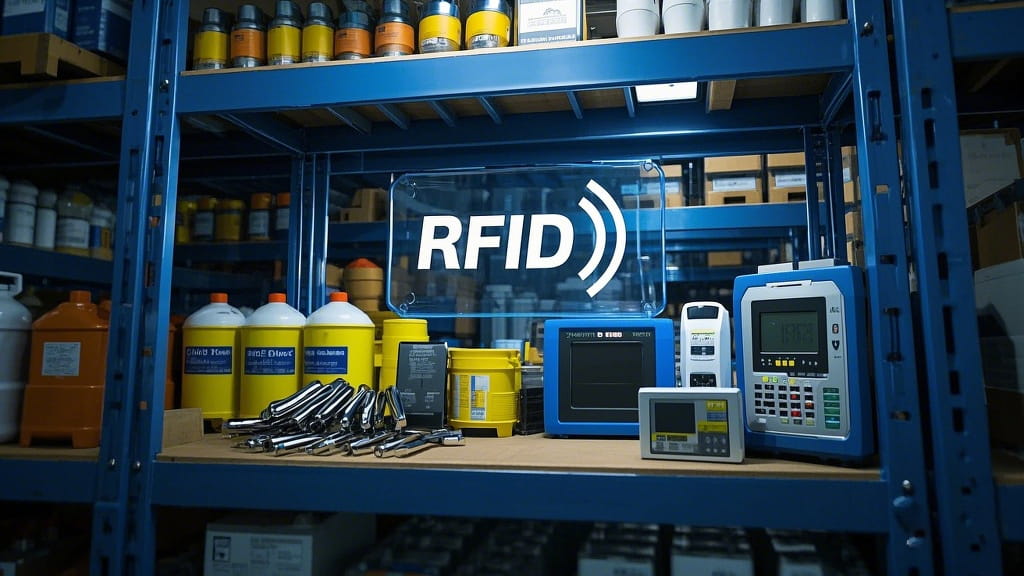
Warehouses store metal tools, liquid products, and electronics—all notorious for disrupting RFID signals. Cykeo’s dual-antenna readers use frequency hopping and adaptive power to penetrate interference.
Myth 1: “They’re Twice as Expensive.”
While dual-antenna readers cost 20–30% more upfront, they reduce long-term costs via fewer errors and labor savings. Cykeo’s ROI calculator shows payback in 8–12 months for most warehouses.
Myth 2: “Setup Is Complicated.”
Modern dual-antenna readers like Cykeo’s Fixed RFID Reader series feature plug-and-play installation and cloud-based configuration tools.
Myth 3: “They Consume More Power.”
Cykeo’s energy-efficient models use 15% less power than older single-antenna systems, thanks to smart duty cycling.
Not all dual-antenna systems are equal. Prioritize:
Cykeo’s readers are pre-certified for:
Emerging tech like AI-powered signal optimization will make dual-antenna readers even smarter:
Cykeo is already testing AI-enhanced models in partnership with automotive giants.
Ready to Transform Your Warehouse Efficiency?
If you’re tired of missed scans, labor bottlenecks, and inventory errors, Cykeo’s dual-antenna RFID readers can turn things around. Email us at contact@cykeo.com to:
A UHF RFID reader is set up by connecting a compatible antenna and host system, configuring regional frequency and RF power, then testing tag detection withi...
More
Learn como programar RFID access control step by step: from reading card UIDs with Arduino to enrolling credentials in commercial controllers. Practical tips, common mistakes, and best practices for a secure system.
More
Explore what is rfid used for and discover how RFID technology improves asset tracking, inventory control, healthcare, libraries, and industrial automation with Cykeo solutions.
More
Can an Android phone read an RFID tag? Yes—but only 13.56 MHz HF/NFC tags within 1-4 cm. For UHF warehouse tags? Absolutely not. Here’s exactly what works.
More