 Cykeo RFID IoT Solution Products R&D Manufacturer
Can RFID Reader Read Multiple Tags? Yes, That’s the Whole Point.
346Need to scan many items fast? Learn how and why an RFID reader can read multiple tags simultaneously, and the factors that affect bulk reading performance.
MoreAll RFID Product
Talking about como programar RFID access control sounds simple, but once you face the reader, the cards, and the controller, all kinds of questions pop up. It’s not the same to build a DIY prototype with Arduino as it is to deploy a commercial system with hundreds of credentials. Here I’ll walk you through the process in a clear way, with real-world examples, so you don’t waste time or cards.
Before jumping into programming, you need to know the building blocks. RFID access systems can run on different frequencies:
Also, a card is not just a number. It has a unique UID and, in some cases, memory banks (EPC, User, etc.). Deciding where to write data is part of the process.
If your goal is to learn or build something small, the quickest route is using an RC522 RFID module with Arduino. With just a few lines of code you can read a card’s UID, compare it to an approved list, and trigger a relay that opens a lock. The workflow looks like this:
It’s not the most elegant setup, but it works and gives you a solid foundation.
Most standalone controllers have a similar approach: you enter programming mode with a master code, present a card to enroll it, and you’re done. Removing users works with a similar sequence.
In more advanced systems, enrollment is managed through software. You plug in a USB programmer, select the card in the application, write its ID, and sync with the access control database.
A typical mistake is trying to write on a card that doesn’t support it. Another is mixing frequencies (for example, using a 125 kHz reader with a 13.56 MHz card). People also tend to rely only on the UID, when for critical systems you should use encrypted credentials.
Programming an RFID access system isn’t magic, but it’s not just “tap a card” either. Knowing como programar RFID access control means understanding your hardware, the credential enrollment process, and the security measures you need. Whether you’re building a small Arduino prototype or configuring a building-wide system with management software, the key is to handle the writing process carefully, validate each step, and follow good practices.
That way, you’ll end up with a system that doesn’t just open doors, but does it reliably and securely.
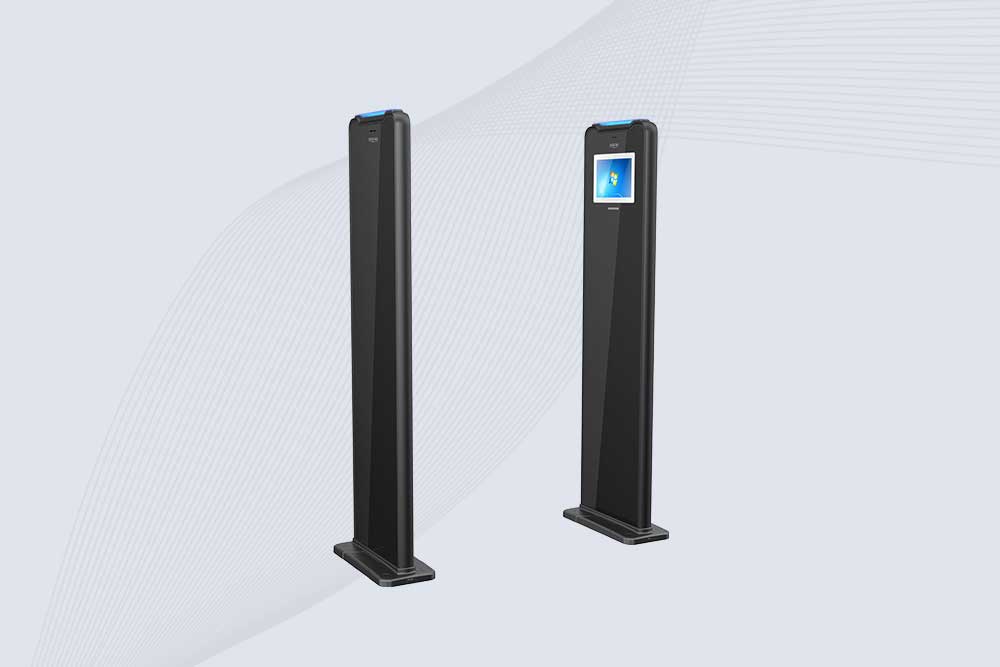
SSD-T4A-P Smart access control with real-time crowd tracking ✔️ AI Tag Filtering for Reduced Misreads SSD-T4A-P supports AI-based tag filtering and up to 6 EPC filtering sets, helping reduce unwanted reads and improve identification accuracy in busy entrances, exits, and retail environments. ✔️ Fast In & Out Detection with Visual & Audio…
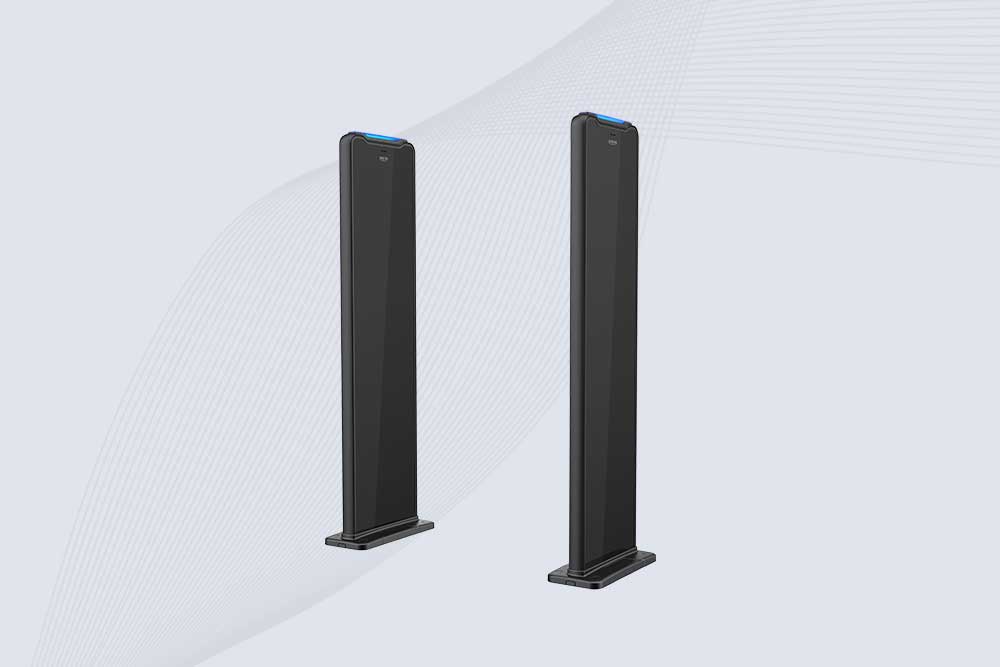
SSD-T4A UHF RFID Gate Reader with 11 dBi antenna, up to 10 m reading distance, AI tag filtering, in/out detection, 300,000 data storage, and TCP/HTTP/MQTT support.
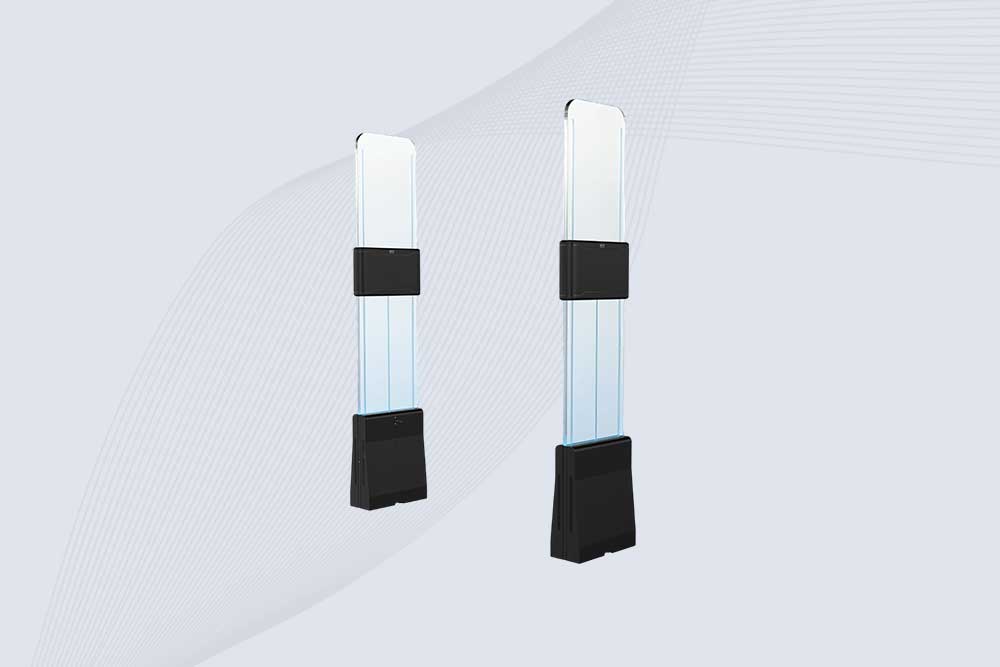
SSD-T2D UHF RFID Gate Reader with 11dBi circular antenna, Impinj E710/X3M1 chipset, up to 10m reading distance, AI tag filtering, in/out detection, and audio-visual alarms.
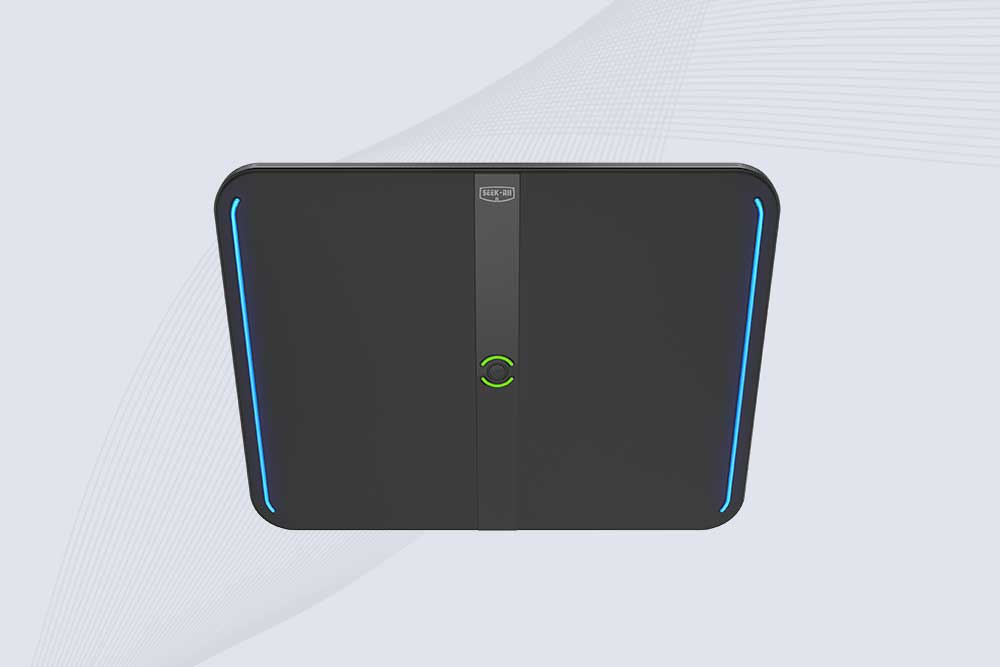
SSD-T1 ✔️ AI-Powered Tag Filtering SSD-T1 supports AI-based tag filtering with up to 6 EPC filtering sets, helping reduce unwanted tag reads and improve identification accuracy in busy retail and access-control environments. ✔️ Reliable In & Out Detection With a 7dBi antenna and a reading range of up to 2.5 meters, SSD-T1 can detect tagged i…

Need to scan many items fast? Learn how and why an RFID reader can read multiple tags simultaneously, and the factors that affect bulk reading performance.
More
Wondering if handheld RFID scanners are worth it for your small business? Explore cost benefits, time savings, and how Cykeo’s solutions maximize ROI.
More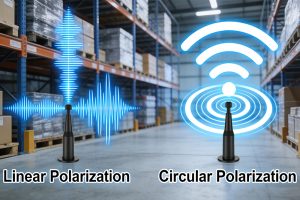
Choosing between circular and linear polarization RFID antennas can significantly impact system performance. This guide explains the differences, advantages, and real-world use cases to help RFID solution providers select the right antenna.
More
Discover how rfid chips work and how RFID technology enables fast, accurate tracking in industries. Learn from Cykeo RFID engineering experience and solutions.
More