 Cykeo RFID IoT Solution Products R&D Manufacturer
RFID Autoclave in Hospitals: From Sterilization to Efficient Tracking
757Discover how RFID autoclave solutions improve sterilization tracking, equipment management, and inventory control in hospitals.
MoreAll RFID Product
What can rfid be used for? RFID can be used for automatic identification, inventory tracking, asset management, logistics control, retail operations, healthcare monitoring, and industrial automation. By using radio frequency communication between RFID tags and readers, organizations can capture real-time data without direct scanning or manual input.
After more than a decade working with RFID deployment projects, I have found that the biggest misunderstanding about RFID is treating it as only a replacement for barcodes. In actual production environments, RFID becomes valuable because it changes how companies collect operational data.
During one warehouse implementation, the issue was not that employees could not count inventory. The problem was that manual counting interrupted normal workflows. Operators stopped production, opened containers, checked labels, and recorded information repeatedly. After RFID deployment, tagged assets could be identified automatically while moving through checkpoints.
This difference is where RFID creates measurable business value.
According to GS1, RFID and EPC technologies are widely used to create digital identities for physical objects throughout supply chains, improving visibility from manufacturing to retail.
One of the most common answers to what can rfid be used for is inventory management.
Traditional inventory processes often depend on:
RFID introduces continuous identification.
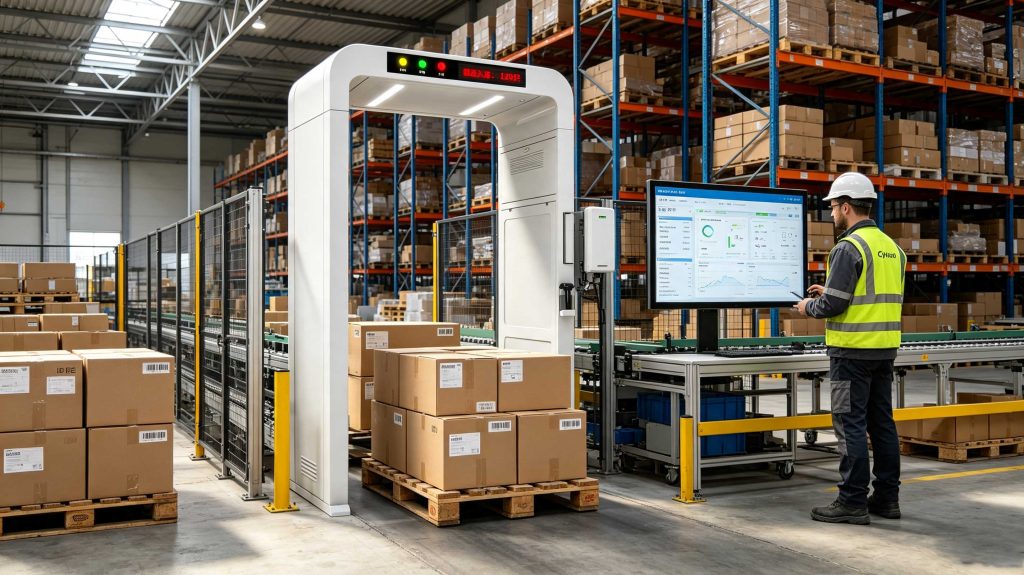
A warehouse equipped with RFID readers can automatically capture:
For example, UHF RFID systems can identify hundreds of tagged items within seconds when configured correctly. This makes RFID especially suitable for distribution centers, manufacturing warehouses, and large retail operations.
| Application | RFID Function |
|---|---|
| Receiving | Automatically identify incoming products |
| Storage | Track item location changes |
| Picking | Confirm order accuracy |
| Shipping | Verify outgoing goods |
| Stock Audit | Perform faster inventory checks |
The retail industry is one of the strongest examples of RFID value.
Fashion products create unique tracking challenges:
RFID tags attached to garments allow retailers to know:
In clothing stores, RFID handheld readers can scan shelves and racks much faster than traditional barcode methods.
A store employee does not need to scan every garment label individually. Instead, the reader collects multiple tag signals while moving through the sales area.
This changes inventory checking from a disruptive activity into a routine operation.
Industrial companies often manage thousands of valuable assets:
The challenge is not ownership. It is visibility.
A tool may leave a maintenance room, move to a production line, and return several hours later. Without digital tracking, locating it depends on human memory.
RFID creates a digital record of movement.
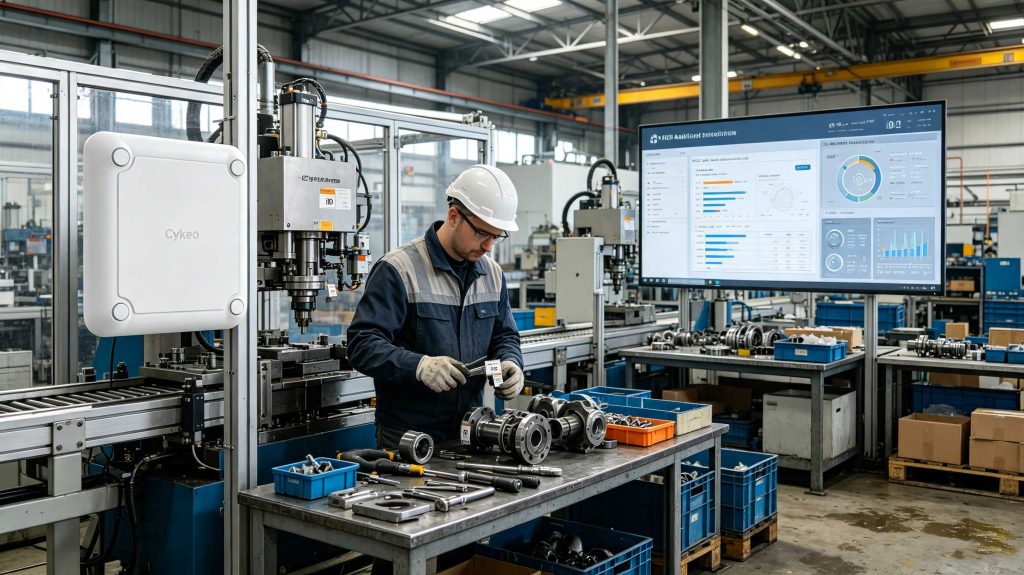
Cykeo RFID solutions are designed for industrial scenarios where reliable identification and long-term operation are required.
Common industrial RFID applications include: Tool management systems, Manufacturing process tracking, Equipment identification,Maintenance history management,Production line monitoring
Hospitals handle thousands of critical items every day. RFID can support:
A missing medical device is not only an operational problem; it can affect workflow efficiency and patient service.
RFID provides automatic identification records, helping healthcare organizations understand where assets are located and how they are used.
Modern supply chains require accurate information movement together with physical goods.
RFID supports:
Compared with manual processes, RFID reduces dependence on human scanning actions.
A logistics operator can receive thousands of items daily. The challenge is maintaining accuracy at speed.
RFID helps bridge this gap between physical movement and digital records.
| Industry | RFID Application | Main Benefit |
|---|---|---|
| Retail | Clothing and product tracking | Better inventory accuracy |
| Warehouse | Stock management | Faster counting |
| Manufacturing | Asset tracking | Improved production visibility |
| Healthcare | Equipment management | Reduced searching time |
| Logistics | Shipment tracking | Automated verification |
| Libraries | Book management | Efficient circulation |
In RFID projects, I have learned that successful implementation is rarely determined only by reader power or tag distance.
The details matter:
A technically powerful RFID reader can still fail if the deployment environment is ignored.
That is why Cykeo focuses not only on RFID hardware performance but also on practical application requirements, including antenna design, communication stability, and integration flexibility.
After years of RFID deployment projects across manufacturing plants, warehouses, retail environments, and asset management systems, our engineering team found that RFID performance is rarely limited by the tag itself. The real challenge appears at the system level: antenna positioning, reader stability, interference control, data processing speed, and integration flexibility.
Cykeo RFID solutions are designed around these practical conditions. Instead of focusing only on theoretical reading distance, Cykeo optimizes the complete identification process — from tag communication to backend data management.
Key technical advantages include:
During a warehouse deployment test, our engineers observed that the difference between a basic RFID reader and an industrial RFID system was not simply the maximum reading distance. A stable system needed consistent tag detection when workers moved pallets, forklifts passed through aisles, and hundreds of tagged items were concentrated in one area.
That practical experience shaped Cykeo’s RFID architecture.
A complete RFID system is not a single reader. It is a coordinated structure containing multiple layers.
RFID tags store identification information and communicate with readers through radio frequency signals.
Common tag categories include:
| Tag Type | Application |
|---|---|
| UHF RFID Tag | Warehouse, logistics, retail inventory |
| On-Metal RFID Tag | Industrial assets and equipment |
| RFID Label | Clothing and product tracking |
| RFID Card | Access control and identification |
The tag contains:
The chip memory generally includes:
The reader provides RF energy and receives tag responses.
A typical industrial RFID reader contains:
Responsible for:
Handles:
Cykeo fixed RFID readers integrate these technologies to improve reliability in complex environments.
For example, Cykeo UHF readers can provide:
The RFID reader collects raw tag information, but businesses need meaningful data.
The software layer converts RFID signals into operational information:
RFID Tag
    ↓
RFID Reader
    ↓
Middleware
    ↓
Database
    ↓
ERP / WMS / MES System
Typical functions include:
RFID and barcode technologies are often compared because both identify products, but their working principles are different.
| Feature | RFID | Barcode |
|---|---|---|
| Reading Method | Radio frequency communication | Optical scanning |
| Line of Sight Required | No | Yes |
| Multiple Item Reading | Yes | Usually one by one |
| Reading Speed | High-speed batch reading | Manual scanning |
| Environmental Resistance | Stronger | Depends on label condition |
| Data Storage | More flexible | Limited |
In real warehouse environments, barcode systems often create bottlenecks during peak operations.
For example, during inventory counting, employees may need to open cartons, locate labels, and scan products individually. RFID allows tagged items to be identified without opening every package.
The choice is not always “RFID replaces barcode.” Many successful projects combine both technologies.
RFID and NFC share similar principles but serve different purposes.
| Feature | RFID | NFC |
|---|---|---|
| Typical Frequency | LF/HF/UHF | HF 13.56 MHz |
| Reading Distance | Few centimeters to several meters | Usually within centimeters |
| Application | Logistics, inventory, tracking | Mobile payment, authentication |
| Multiple Tag Reading | Supported | Limited |
UHF RFID is preferred when companies need:
NFC is more suitable for:
A European logistics company managing thousands of SKUs faced difficulties with manual counting.
After introducing UHF RFID:
The RFID system automatically captured tagged products when they moved through designated areas.
Fashion retailers use RFID tags to manage:
Major retailers such as Zara have publicly discussed RFID adoption as part of their inventory visibility strategy.
Manufacturing companies apply RFID to:
Industrial RFID tags help companies reduce asset searching time and improve operational control.
A successful RFID project requires more than installing readers.
Evaluate:
Consider:
For example:
RFID performance changes depending on:
A laboratory test cannot fully represent a working warehouse.
RFID is widely used in logistics, retail, manufacturing, healthcare, transportation, and asset management.
Most passive RFID tags do not require batteries. They receive energy from the reader signal.
Reading distance depends on frequency, antenna design, reader power, and tag type. UHF RFID systems can achieve several meters in suitable environments.
Yes. Modern UHF RFID readers use anti-collision algorithms to identify many tags simultaneously.
RFID provides advantages in speed, automation, and non-line-of-sight identification, while barcode remains useful for simple applications.
Yes. Specialized on-metal RFID tags are designed for metallic surfaces.
RFID technology has moved beyond simple identification. Modern RFID systems combine advanced readers, intelligent software, and industrial communication technologies to create real-time visibility across warehouses, factories, and supply chains.
From inventory management to asset tracking, Cykeo RFID solutions help enterprises build reliable identification systems with practical deployment experience and engineering-focused design.
Understanding what can rfid be used for is the first step toward designing a smarter operation. The next step is choosing RFID hardware that matches the real working environment.
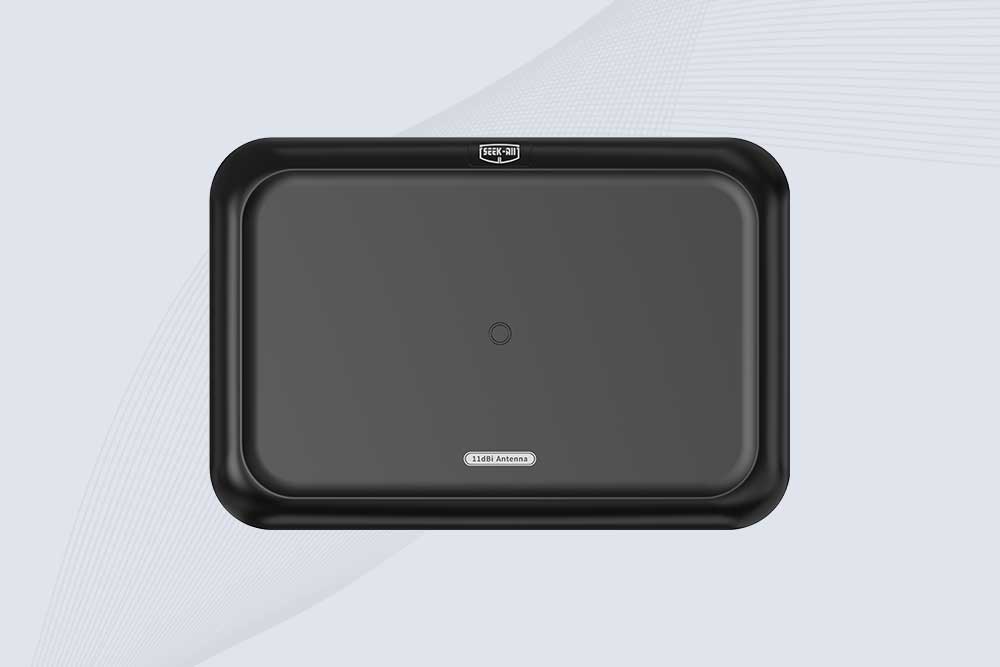
SSD-A11 UHF RFID antenna features 840–960 MHz adjustable frequency, ≥10.5 dBi gain, circular polarization and 50Ω impedance for fixed RFID systems.
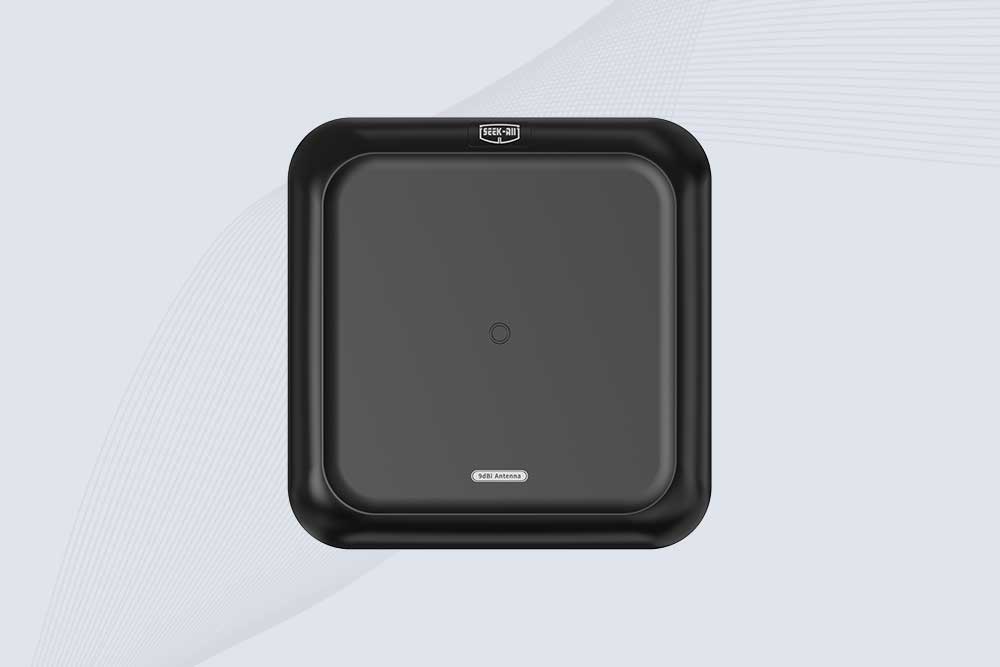
SSD-A09 is a 9 dBi UHF RFID antenna with 840–960 MHz adjustable frequency, circular polarization, 50Ω impedance and directional 60° × 60° coverage.
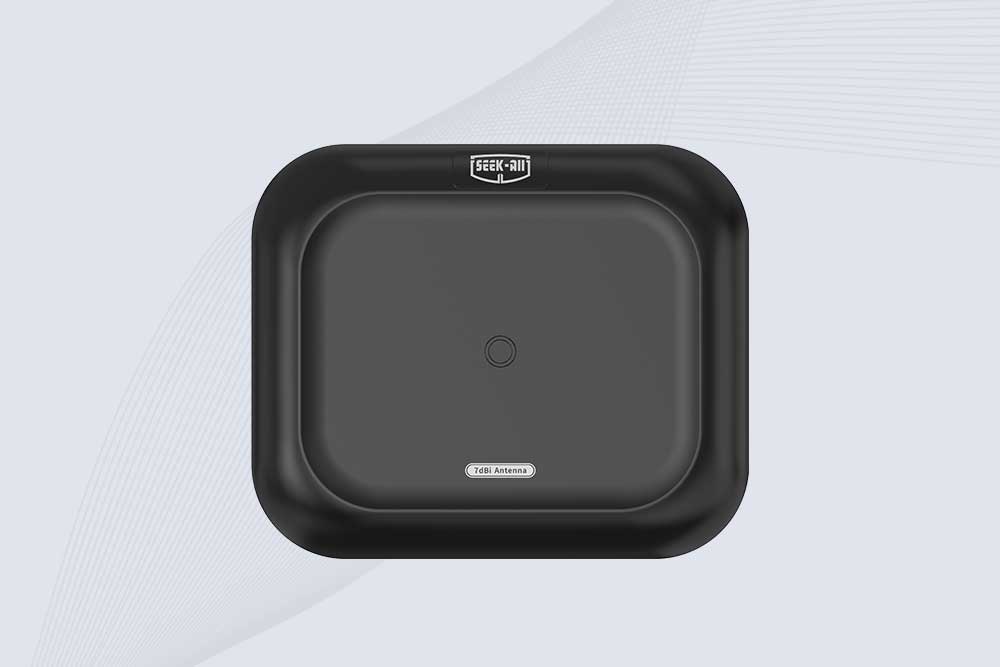
Explore the SSD-A07 UHF RFID antenna with 7 dBi gain, circular polarization, adjustable 840–960 MHz frequency, and 60°/75° beamwidth for stable RFID read/write performance.

SSD-A06 UHF RFID antenna with circular polarization, adjustable 840–960 MHz frequency, ≥4.5 dBi gain, and a compact directional design for RFID systems.
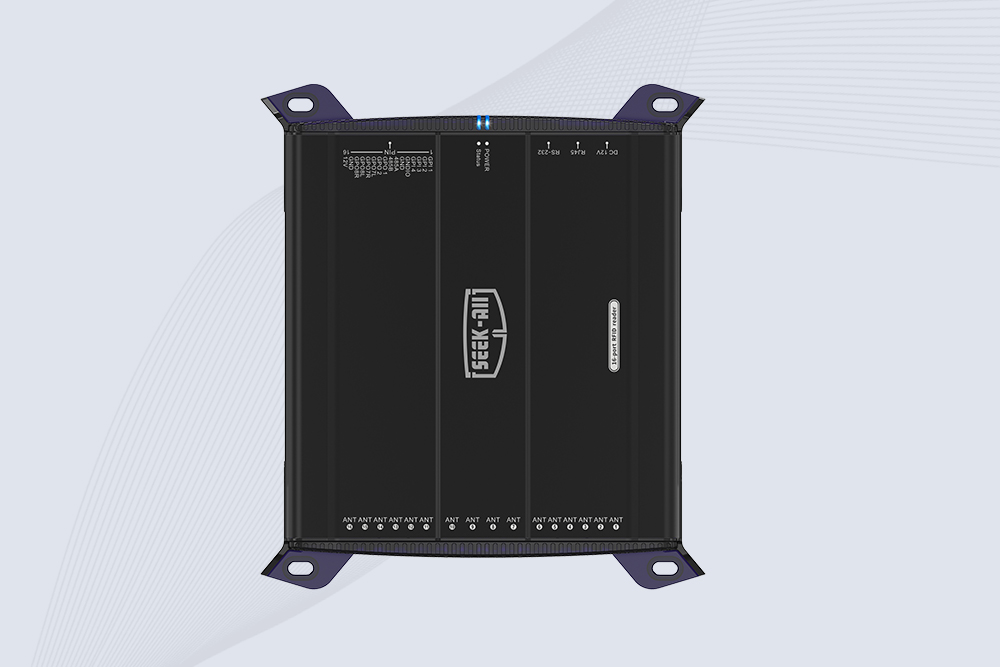
SSD-R16L Multi-Channel RFID Infrastructure for Automated Inventory Management ✔️ 16-Port High-Density RFID Reading Equipped with 16 SMA antenna ports, SSD-R16L supports multi-antenna deployment for warehouses, retail stores, logistics, production lines, and large-area RFID identification. ✔️ High-Speed & Long-Range Performance With up to 33…
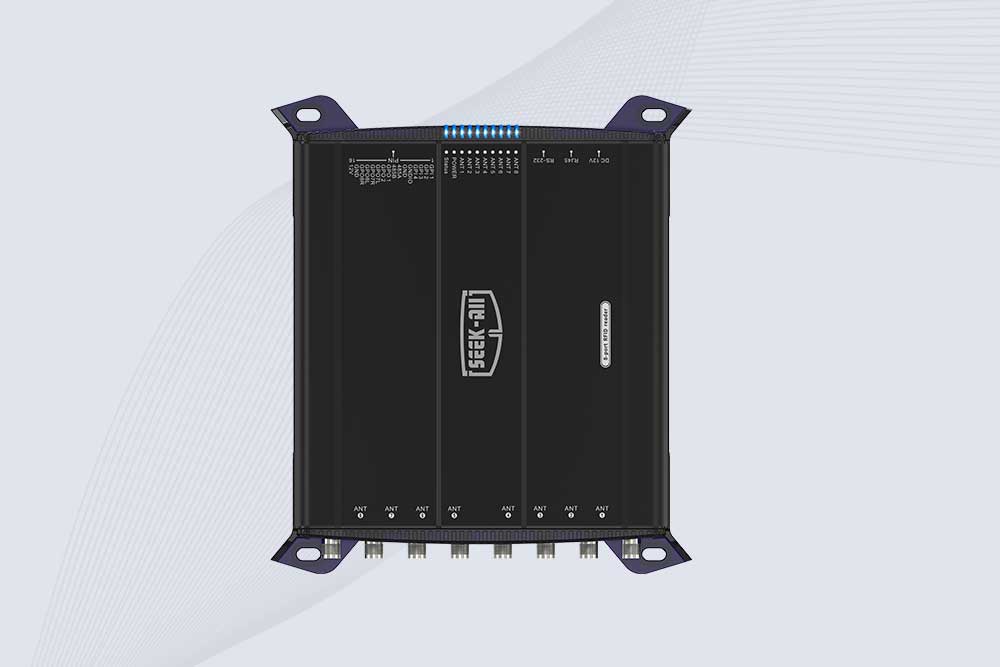
SSD-R8L 8-port UHF RFID reader with 33dBm output, up to 20m reading range and 600+ tags/s recognition. Ideal for warehouse, logistics, retail and asset tracking.
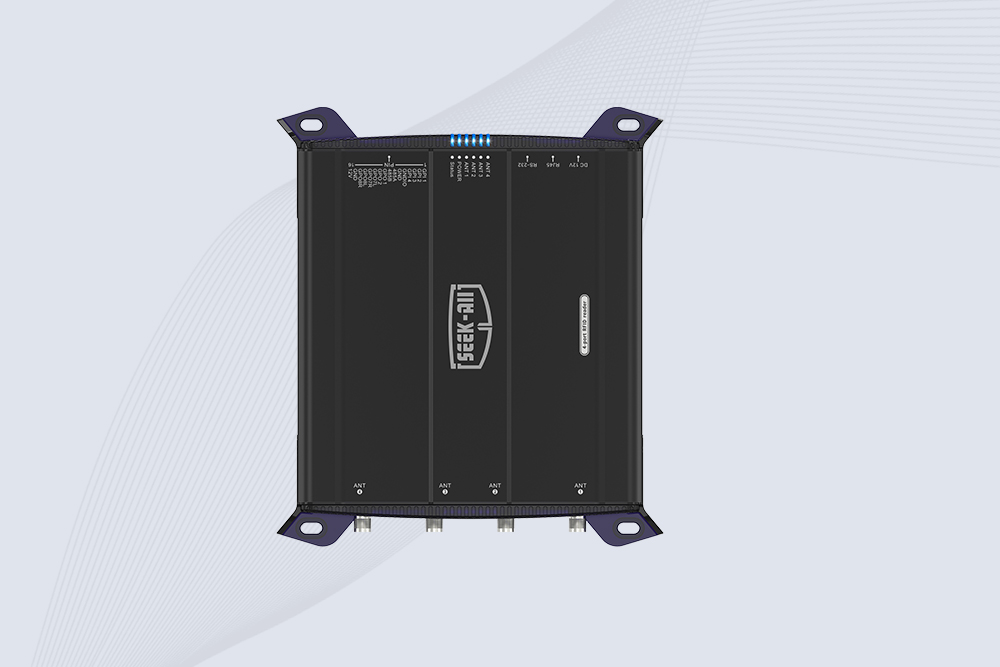
SSD-R4L is a 4-port UHF RFID fixed reader with 33dBm output power, up to 20m reading range, EPC C1G2 support and 600+ tags/s reading speed.
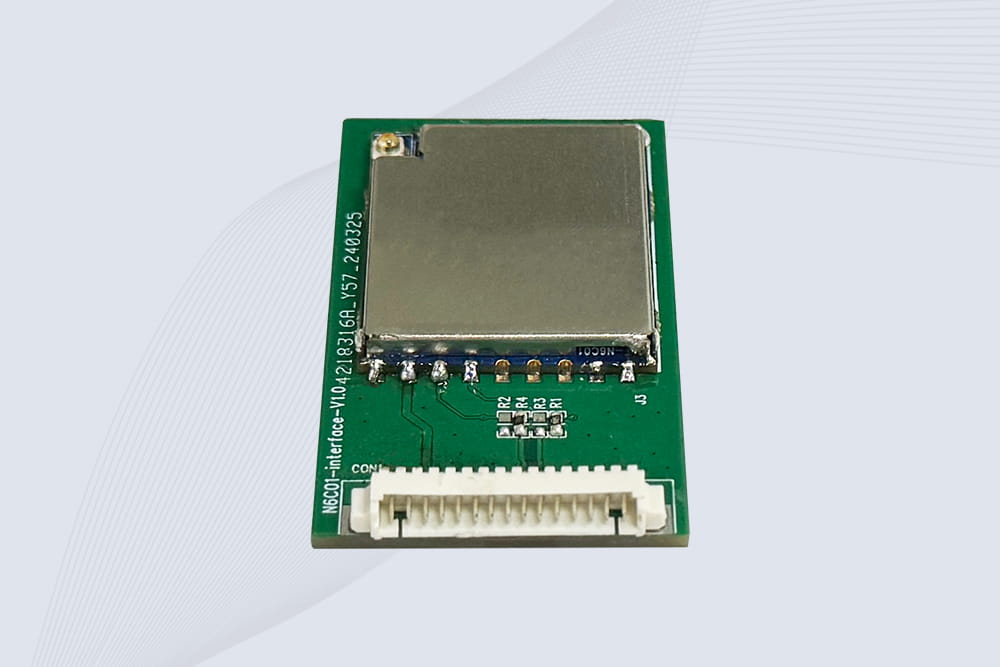
CYKEO Embedded RFID Modules are designed for compact industrial and IoT devices that require stable UHF performance. These UHF RFID Modules support global protocols, flexible power control, and reliable multi-tag reading for smart cabinets, production lines, and asset tracking systems.
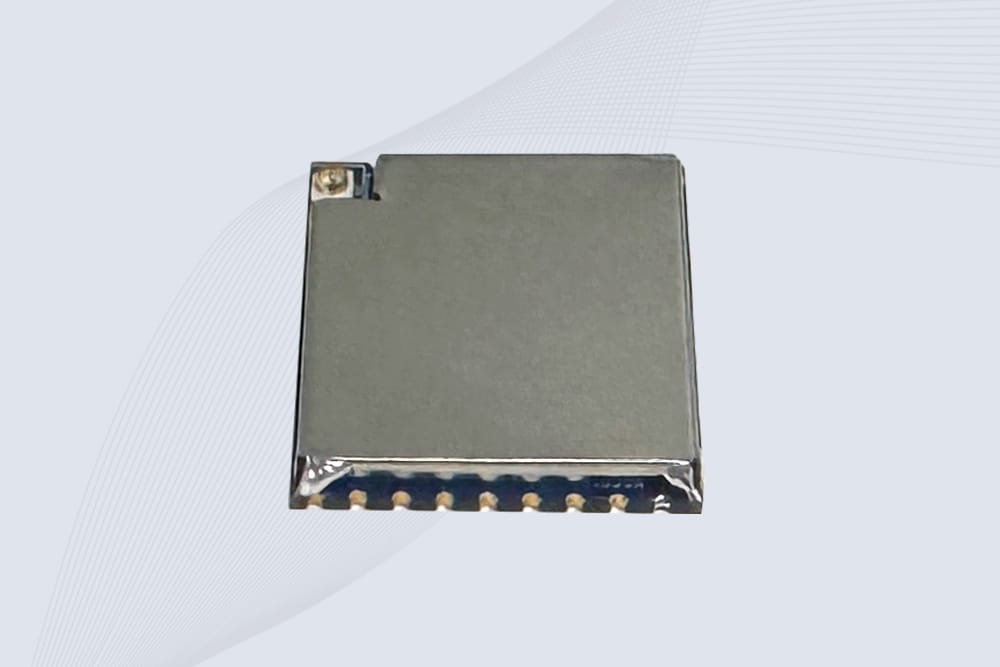
CYKEO Embedded RFID Module is built for compact IoT and industrial devices that need stable UHF performance. This UHF module supports global protocols, low power operation, and reliable multi-tag reading for smart lockers, production lines, and always-on RFID systems.
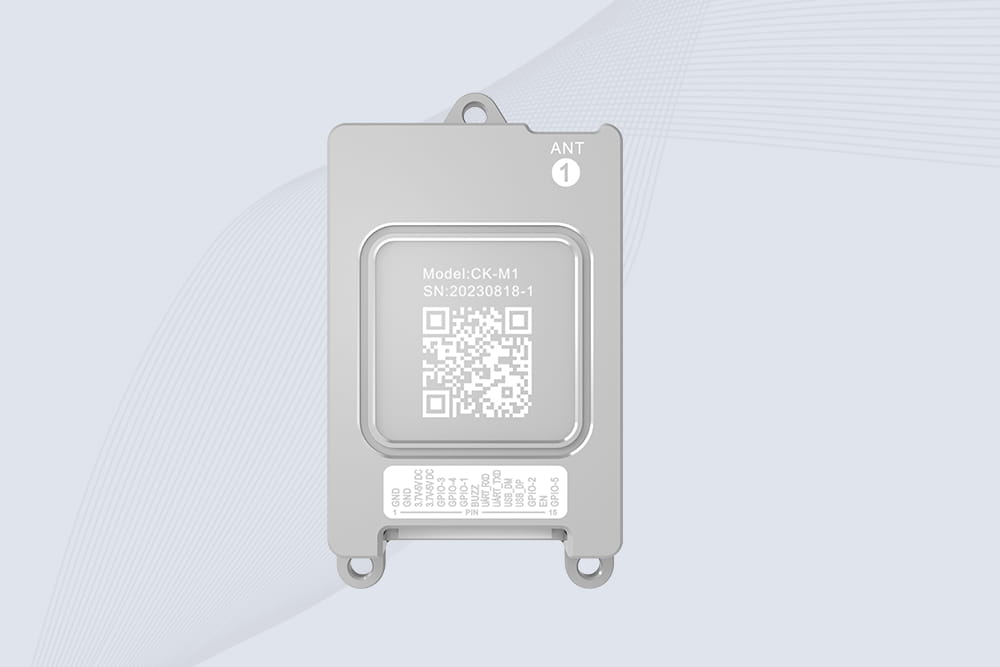
CYKEO CYKEO-M1 drone rfid module is a compact UHF RFID reader module designed for drones and UAV platforms. It supports long-range aerial scanning, fast multi-tag reading, and stable performance in wind, vibration, and outdoor environments.
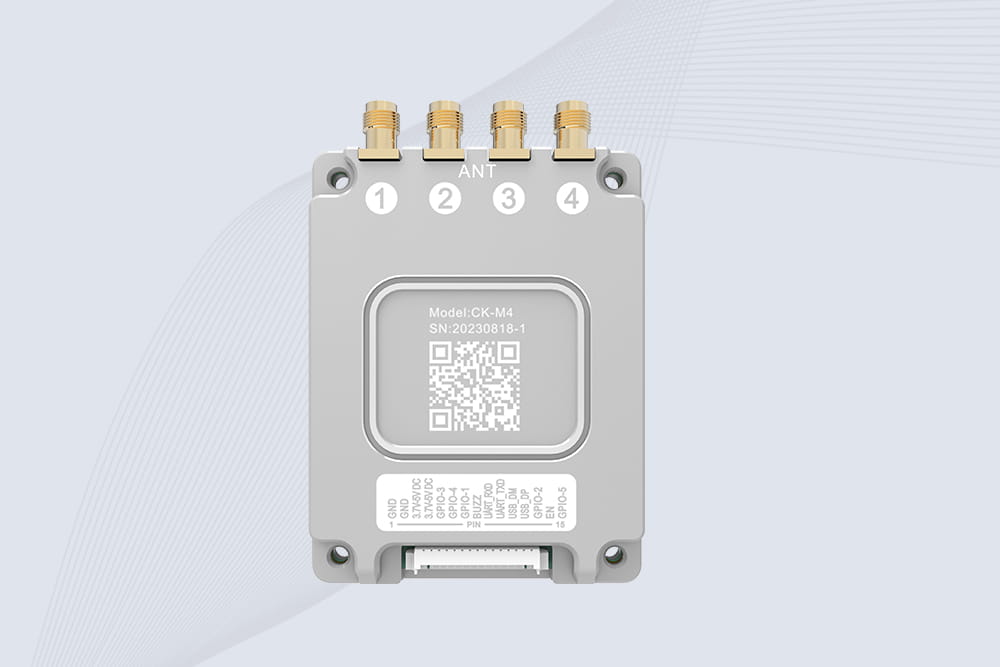
CYKEO CYKEO-M4 RC522 RFID Module is an industrial-grade UHF RFID reader with 4 ports, supporting ISO, EPC, and GB protocols. High-speed, accurate reading for IoT, automation, and warehouse applications.
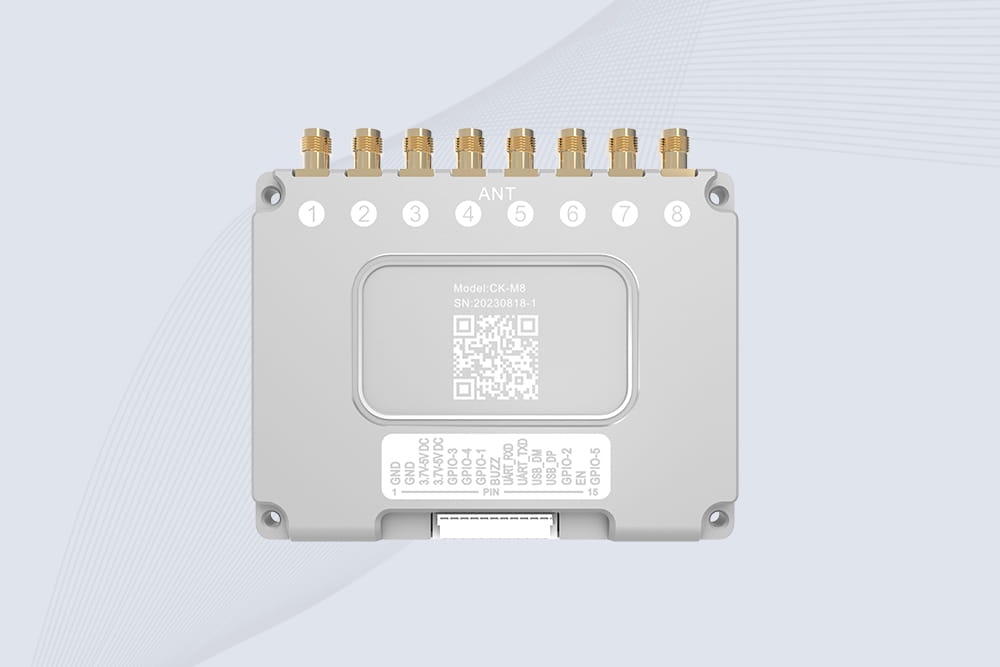
CYKEO CYKEO-M8 Module RFID is an 8-port UHF R2000 RFID Module designed for high-density, multi-tag environments. Stable 33dBm output, ISO & GB protocol support, ideal for warehouses, factories, and automated systems.
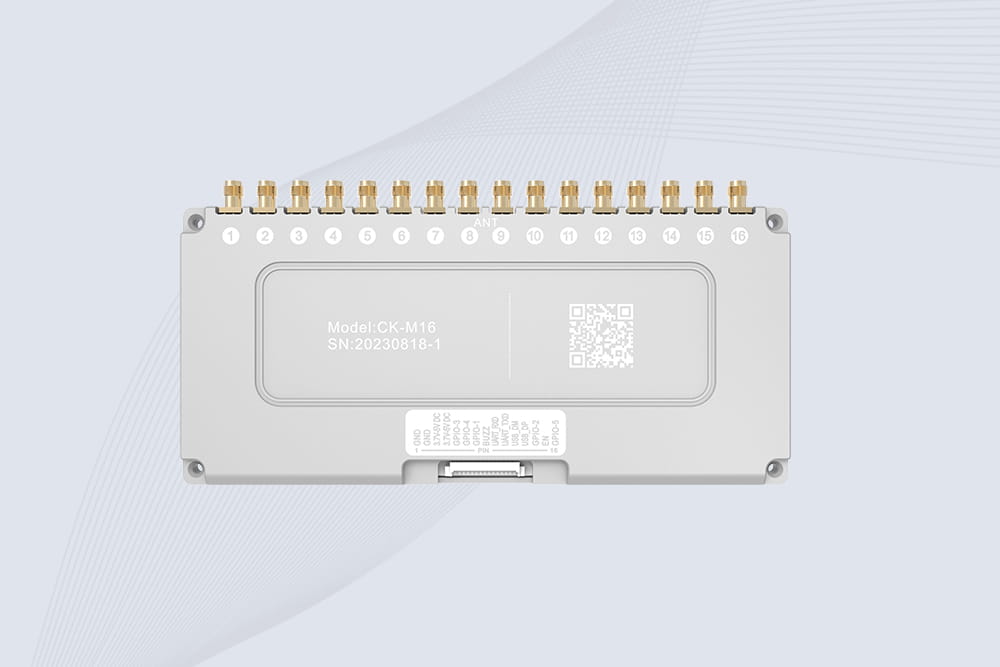
CYKEO CYKEO-M16 RFID Module is a 16-port UHF RFID reader module based on the R2000 chipset. Designed for dense tag environments, it supports ISO and GB standards and delivers stable multi-antenna control for industrial automation.
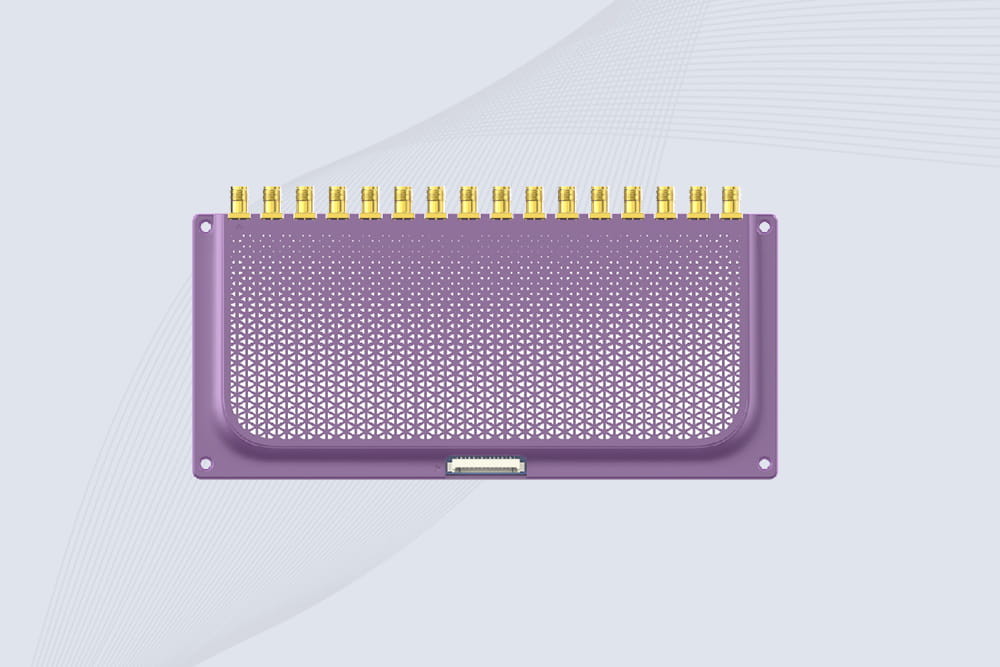
The CYKEO CYKEO-M16L RFID Reader Module is a 16-channel UHF RFID core designed for dense tag environments. With adjustable 33dBm output, multi-protocol support, and stable multi-antenna control, this RFID Tag Reader Module fits industrial automation, warehouse systems, and large-scale IoT deployments.
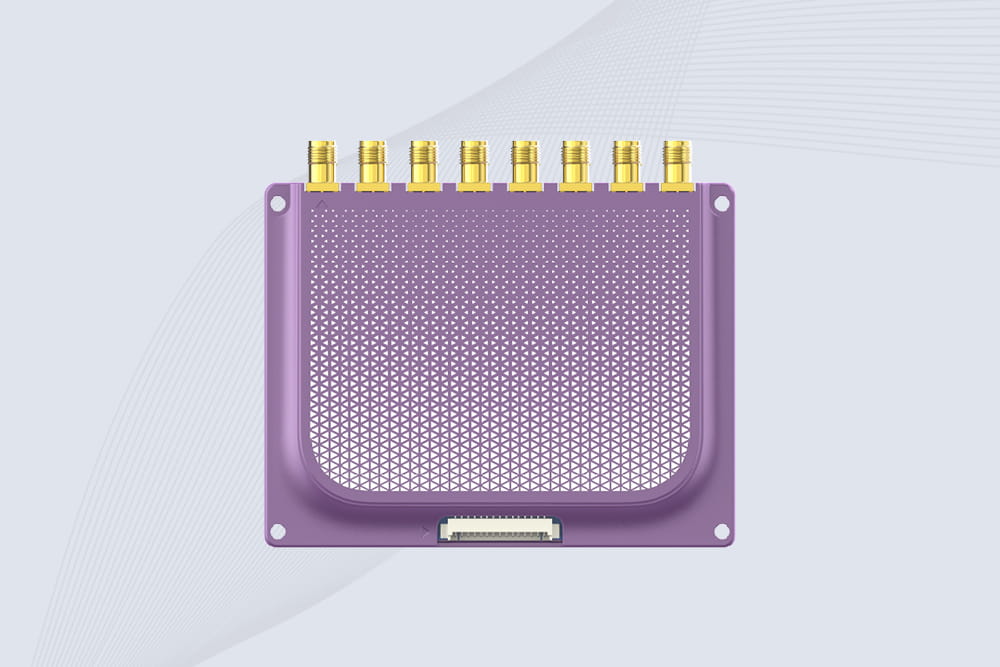
CYKEO CYKEO-M8L module RFID is a compact industrial UHF module built for dense tag and multi-antenna environments. With 8 RF ports, adjustable 33 dBm output, and ISO & GB protocol support, it is widely used in factories, warehouses, and automated tracking systems.
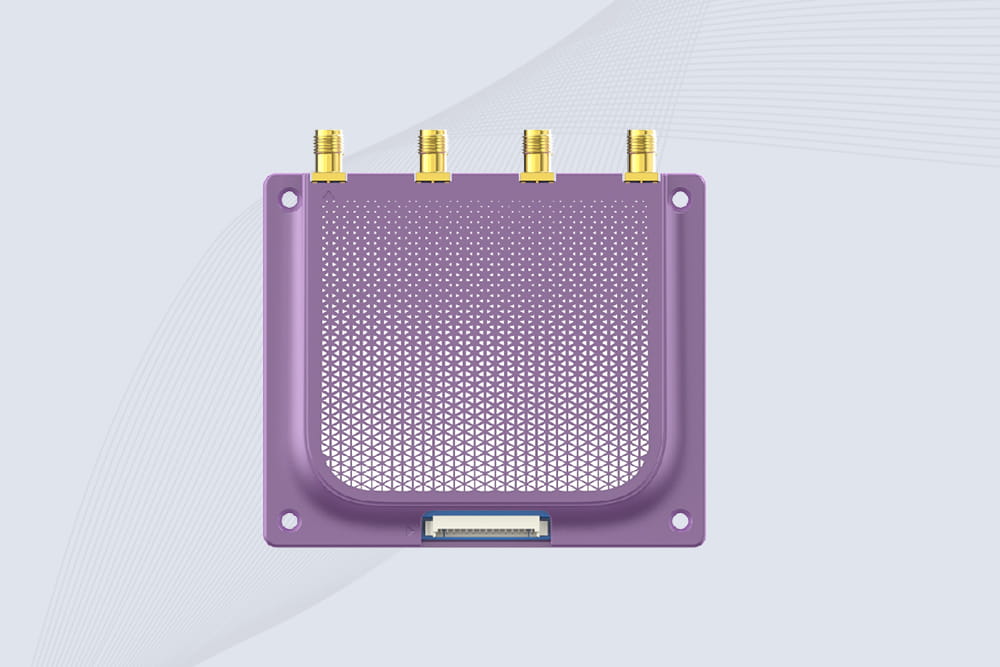
CYKEOCYKEO-M4L UHF RFID Module is a compact 4-channel RFID tag reader module designed for dense tag environments. Supporting ISO and GB protocols, it delivers stable reads up to 10 meters for industrial and IoT systems.
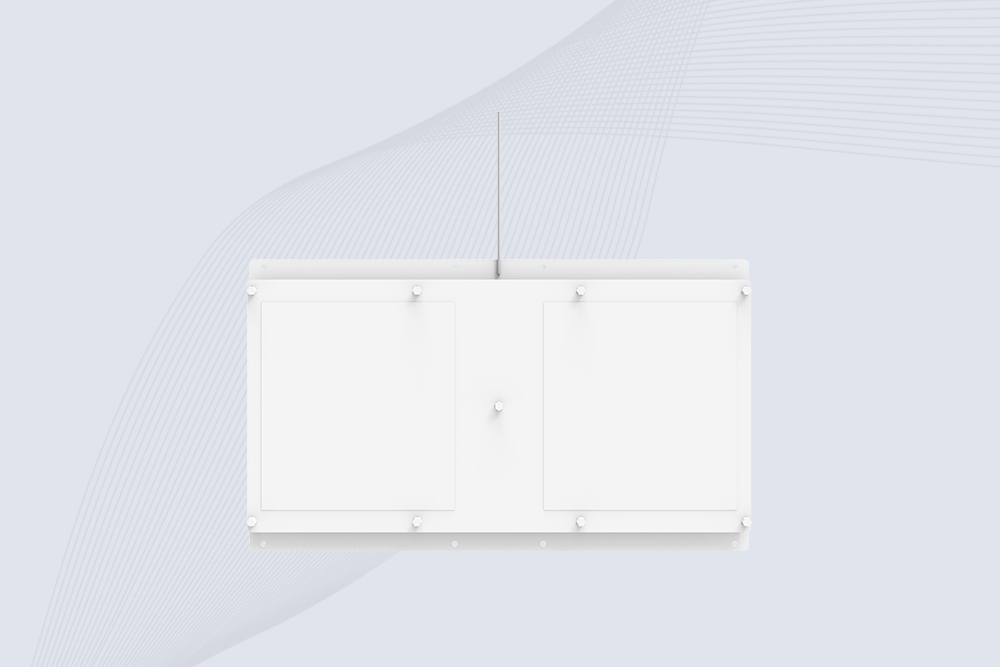
Cykeo CYKEO-A11 UHF RFID reader antenna delivers 11dBi gain, 840-960MHz frequency range, and IP65 ruggedness for retail, logistics, and industrial RFID systems. Features low VSWR and easy installation.
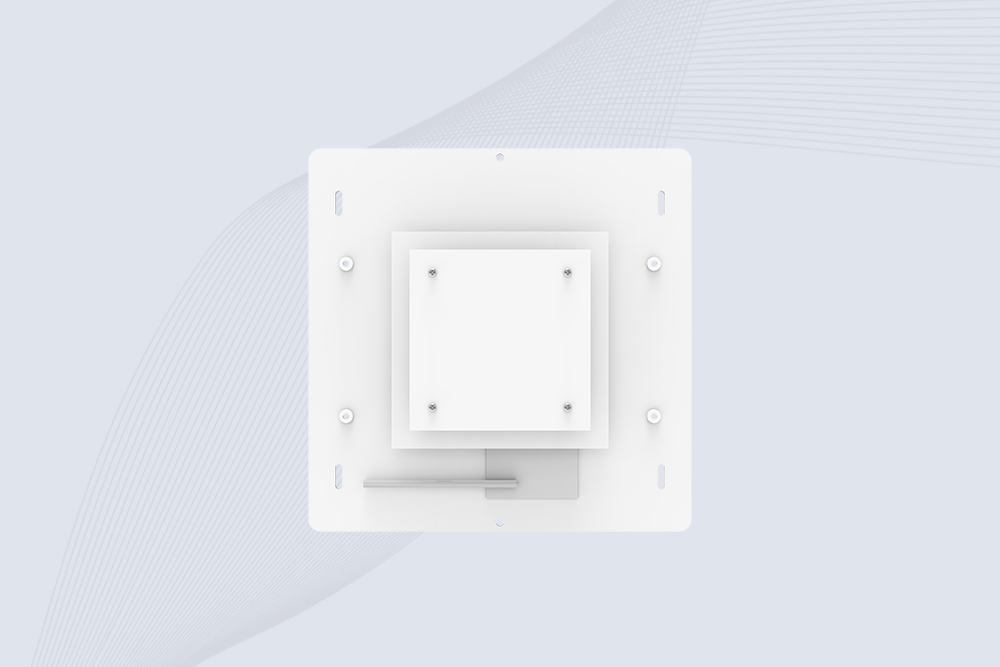
CYKEO Antenna RFID Reader delivers stable long-range UHF performance with a 10.5dBi directional design, built for warehouses, conveyor portals, and industrial RFID systems. This rfid reader antenna provides 20m+ read distance and rugged IP67 protection.

Cykeo CYKEO-PHF3 industrial HF RFID Antenna offers 24-point dynamic tracking, ISO 14443A/15693 protocols, metal-environment stability for archives/libraries/manufacturing.

Cykeo CYKEO-A5B industrial Linear RFID Antenna delivers 5dBi gain, ≤1.5:1 VSWR, and IP65 rugged design for warehouse, production line, and logistics UHF systems.

Cykeo’s CYKEO-B12 Long Range RFID Antenna delivers 15m+ read range with 12dBi gain, IP65 rugged design, and global 840-960MHz UHF support. Ideal for warehouse/logistics asset tracking.
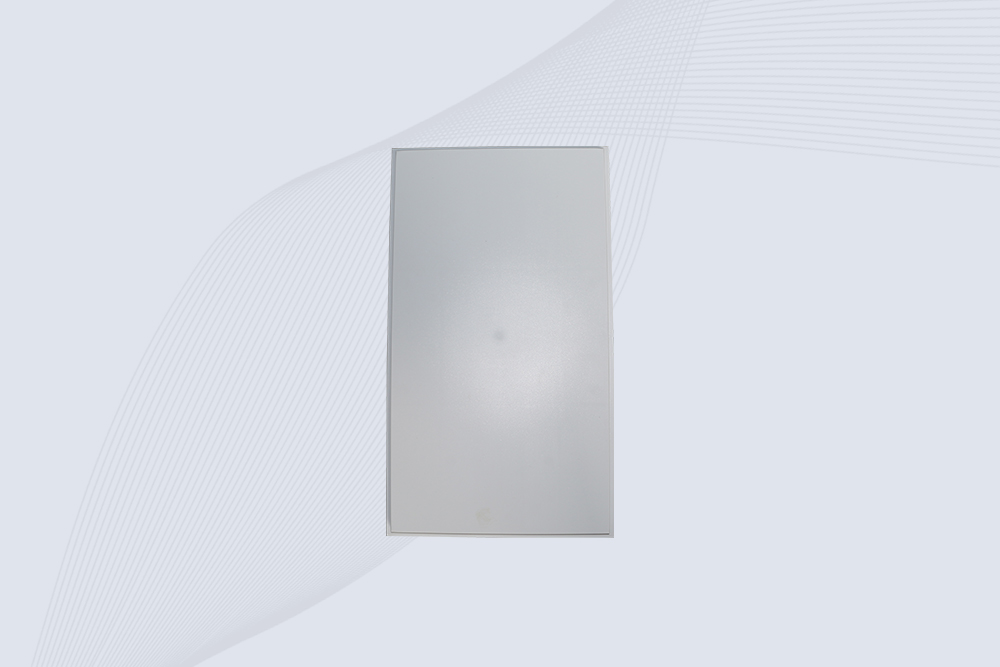
Cykeo CYKEO-B10 Long Distance RFID Antenna offers 10dBi gain, 840-960MHz frequency range, IP65 rating, and 20m+ coverage for logistics/warehousing/ETC systems. Low VSWR ensures stable signal transmission.
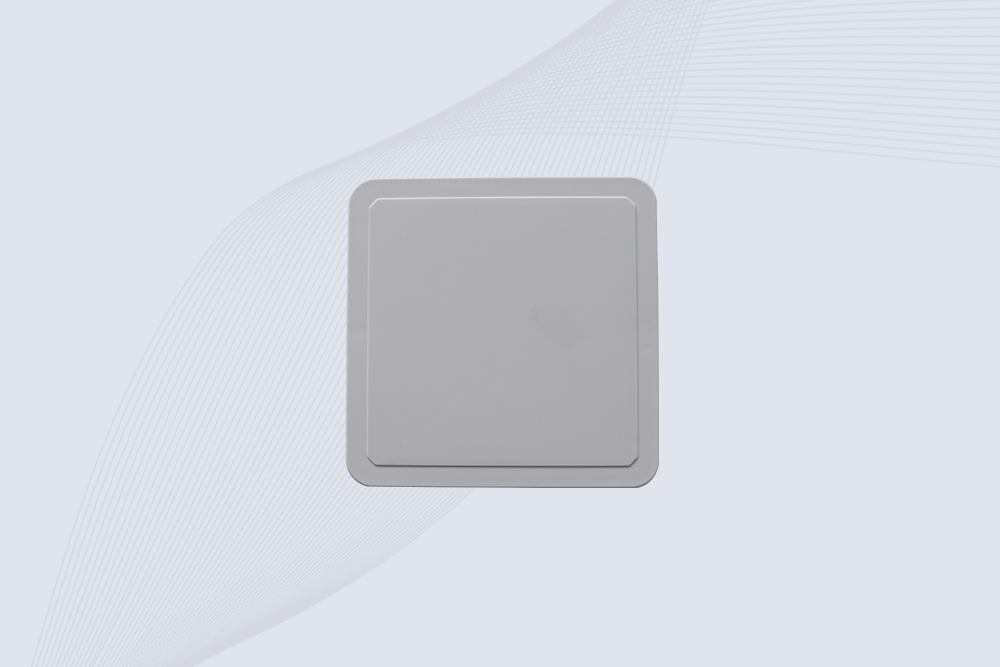
Cykeo CYKEO-A6 UHF RFID panel antenna features 6dBi gain, 840-960MHz broadband, IP65 metal-ready housing for logistics/smart retail. 18mm ultra-thin design with tool-free mounting.

Cykeo CK-A3 industrial antenna RFID UHF offers 5m+ tag detection, ≤1.3:1 VSWR, IP65 rugged design, and global UHF spectrum compatibility (840-960MHz) for warehouses, factories, and retail.
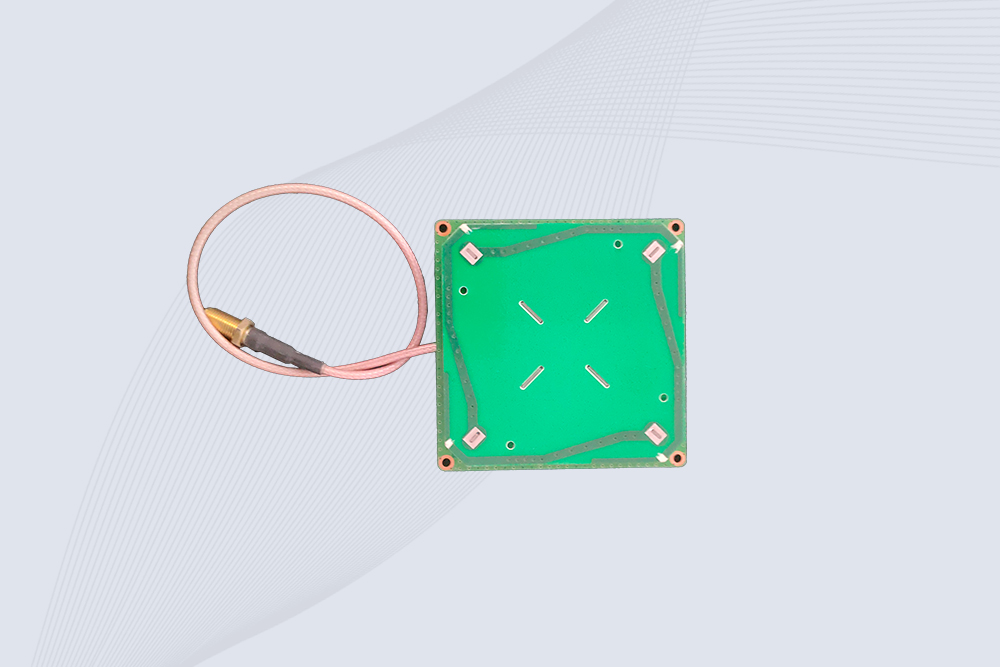
Cykeo CYKEO-B5 directional RFID antenna provides 5dBi gain with 60° narrow beamwidth for precise inventory tracking. IP65-rated, global UHF frequency support, and low VSWR.
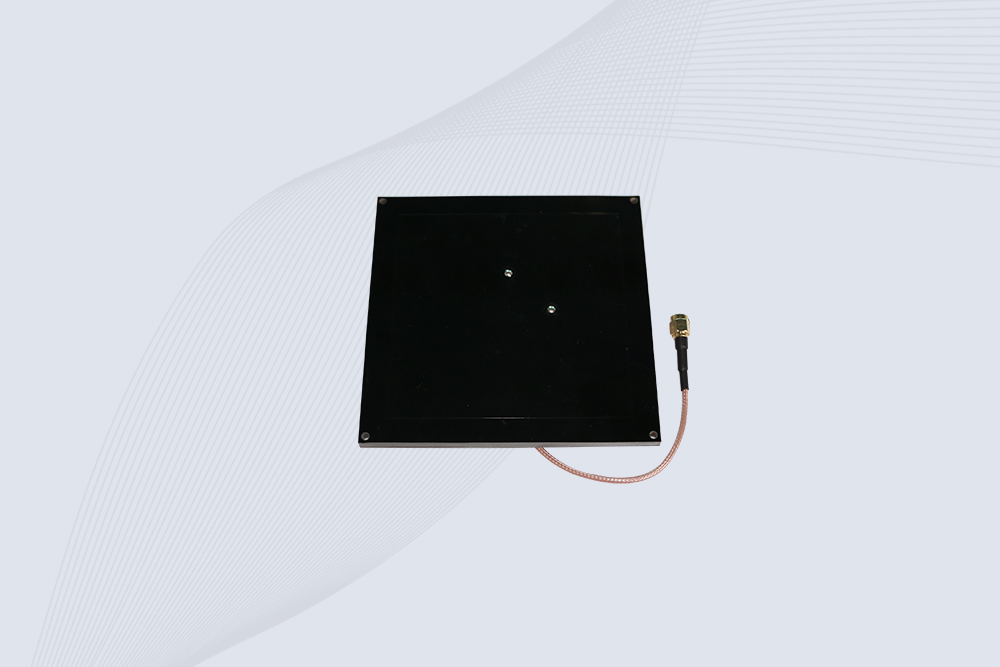
Create your own high-performance DIY RFID antenna! 5dBi gain, 840-960MHz tunable, step-by-step guides. Compatible with Arduino, Raspberry Pi, and commercial UHF readers.
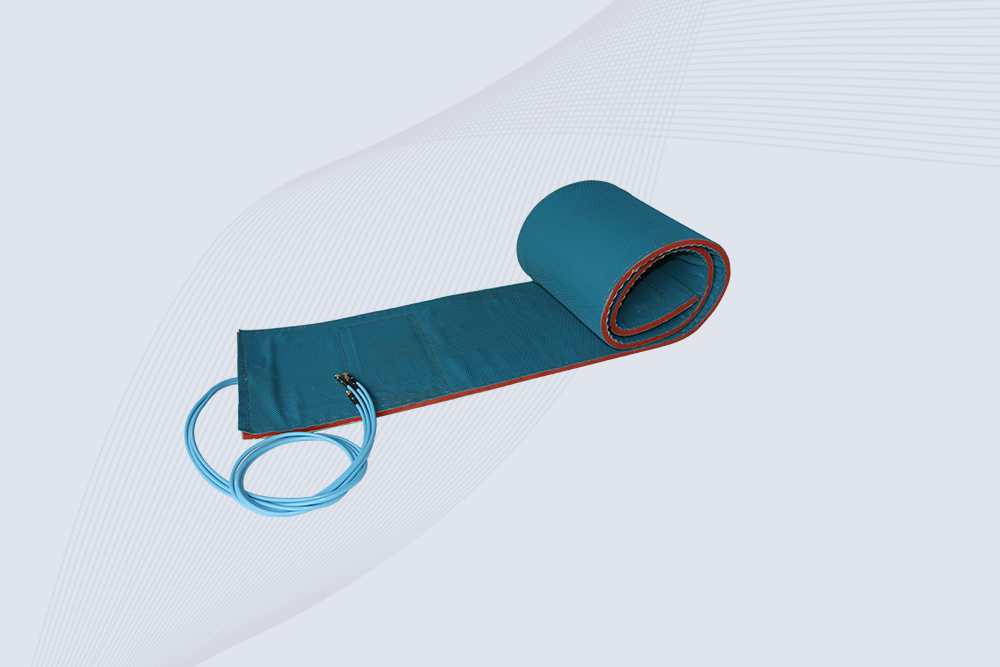
Cykeo CYKEO-A7 Flexible RFID Antenna features 840-960MHz wideband tuning, 7dBi gain, and IP68 rating for medical/retail/industrial curved surface deployments. 98% read accuracy with peel-and-stick installation.
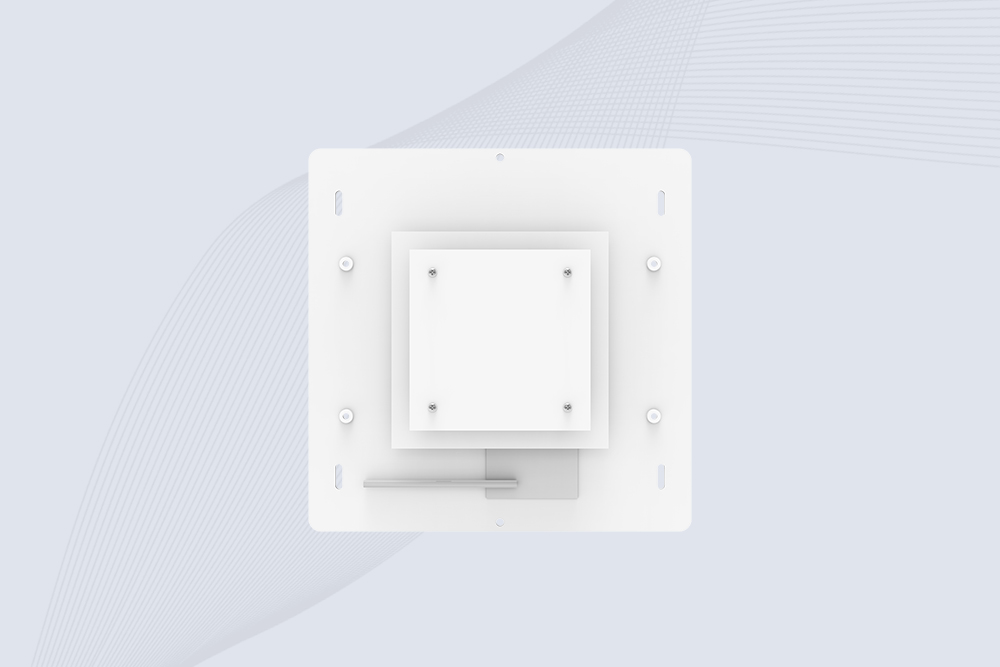
Cykeo CYKEO-B5A industrial Passive RFID Antenna delivers 5dBi gain, 70° beamwidth, and -40°C~55°C operation for warehouses/smart cabinets. Compatible with Zebra/Impinj readers.
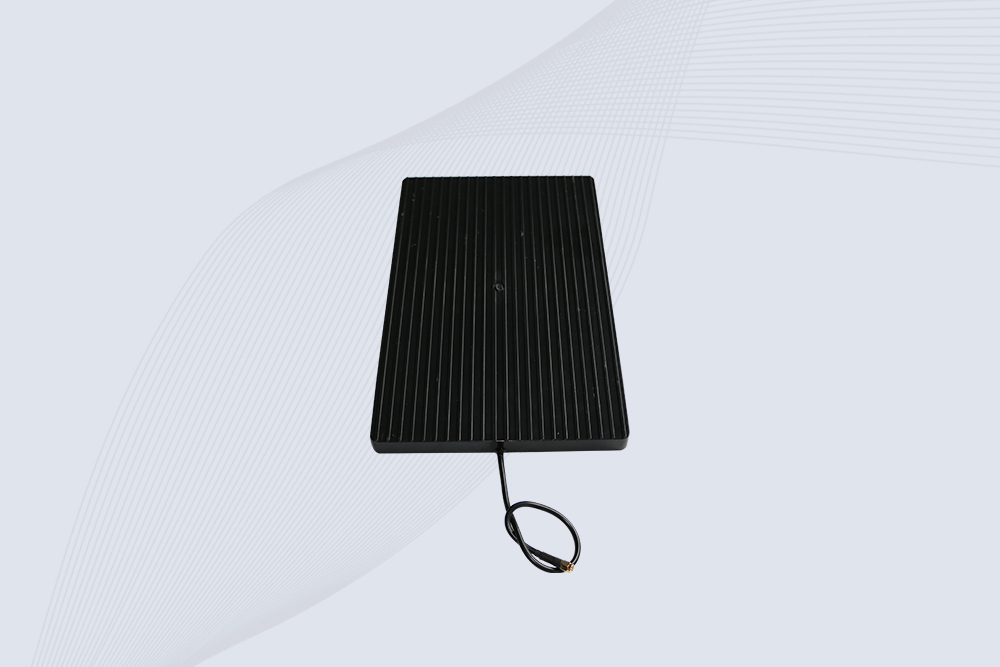
Cykeo’s CYKEO-A9B High Gain RFID Antenna delivers 15m+ read range with 9dBi amplification. Features IP54 rugged design, 840-960MHz bandwidth, and 80° beamwidth for warehouse/manufacturing RFID systems.

Cykeo’s enterprise-grade 8dbi Impinj RFID Antenna 10m+ read range with 840-960MHz tuning. Features IP65 housing, 1.4 VSWR, 35° beamwidth for retail/warehouse RFID systems.
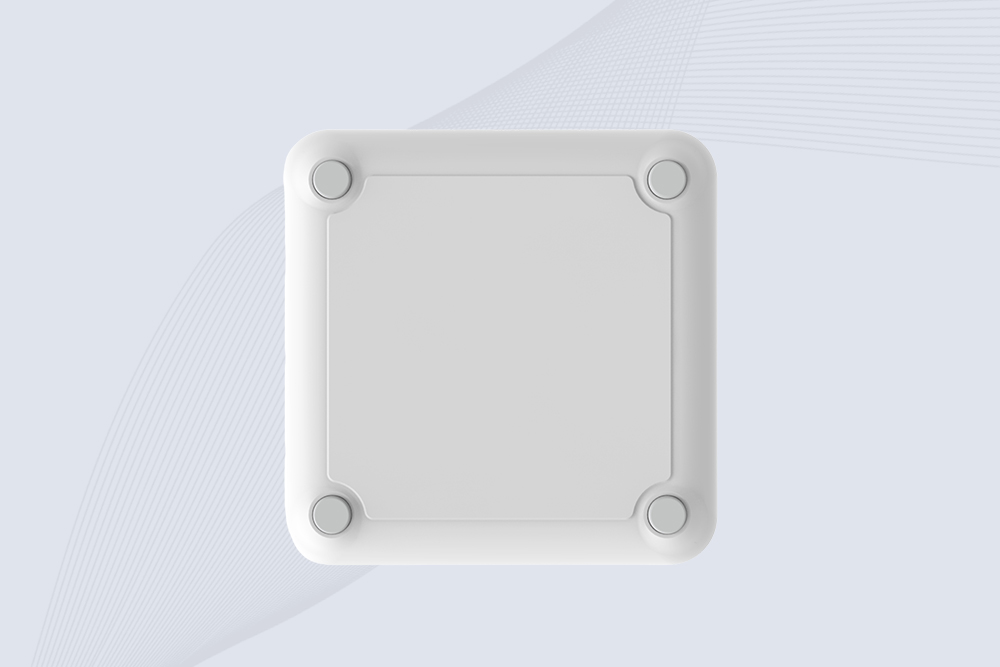
Cykeo CYKEO-A9 industrial UHF RFID antenna delivers 9dBi gain, 840-960MHz frequency range, and IP65 protection for warehouse/logistics/retail RFID systems. Features N-type connector and ≤1.3:1 VSWR.
CYKEO UHF RFID Antenna built for long-distance and industrial applications. This antenna rfid uhf delivers strong gain, outdoor durability, and reliable tag performance in warehouses, yards, and vehicle ID systems.
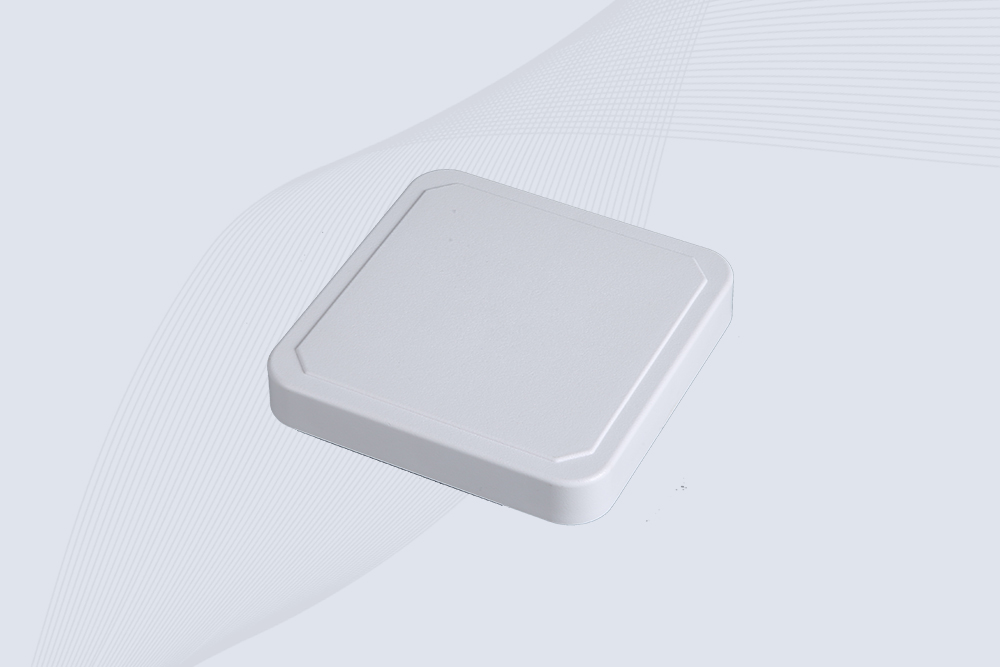
CYKEO Antenna RFID delivers reliable long-range UHF performance in warehouses, retail shelves, and cold-chain environments. This compact uhf rfid antenna provides stable reads with circular polarization and ultra-wide 840–960 MHz support, ideal for industrial tracking, smart shelves, and asset monitoring.
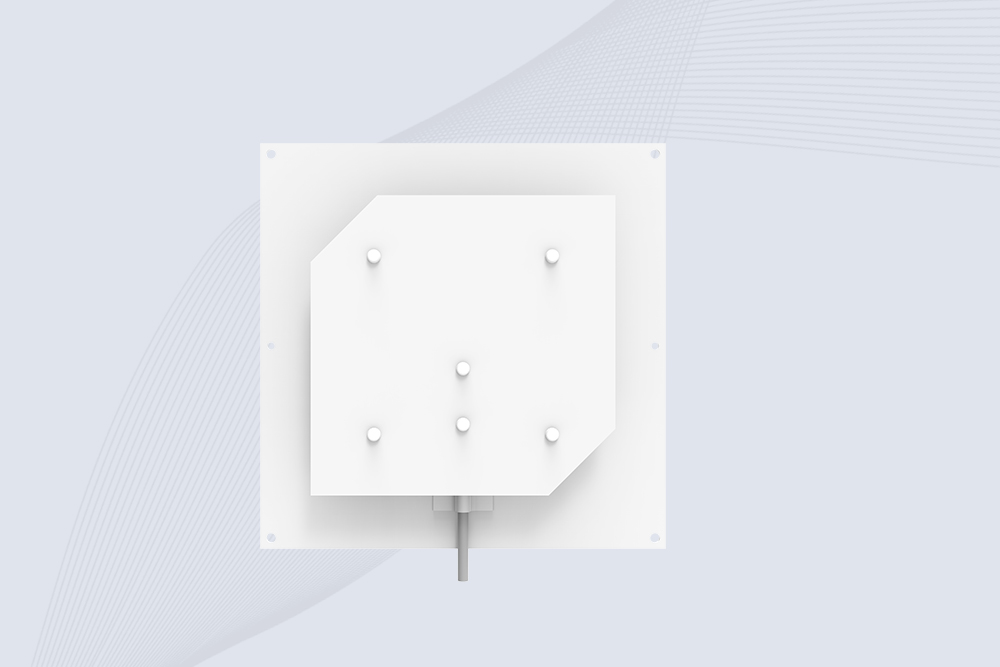
Cykeo’s CYKEO-C8 UHF RFID antennas delivers 8dBi gain, 840-960MHz full-band coverage, and IP65 ruggedness for manufacturing/warehouse RFID systems. Industrial RFID Antennas Features
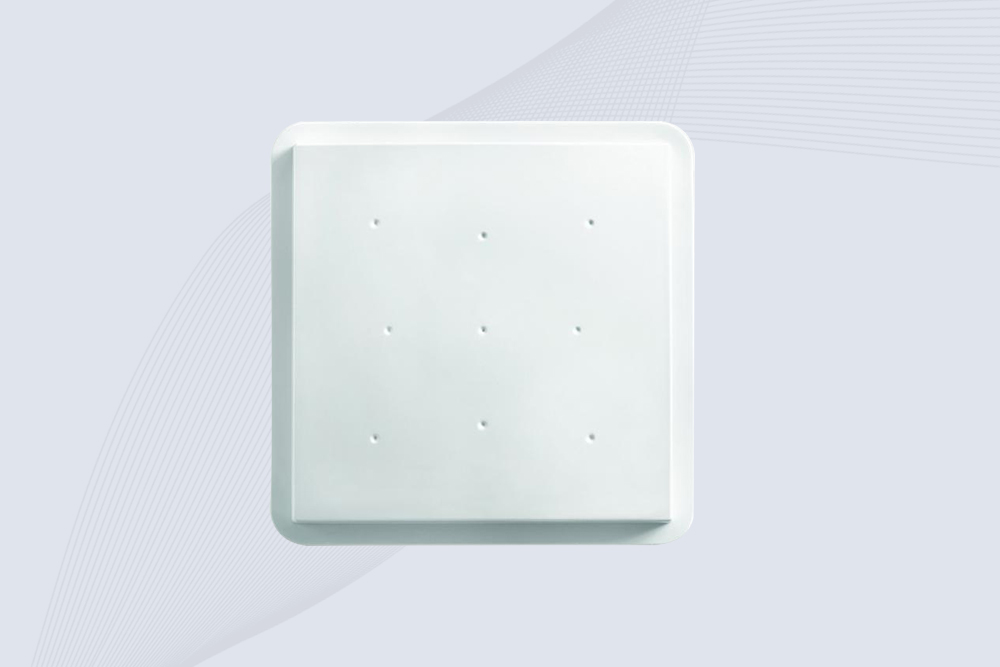
Cykeo’s 8dBi UHF RFID antenna and reader kit delivers 10m+ range, 840-960MHz broadband, and IP65 ruggedness for factories, warehouses, and logistics. ISO 18000-6C & EPC Gen2 certified.
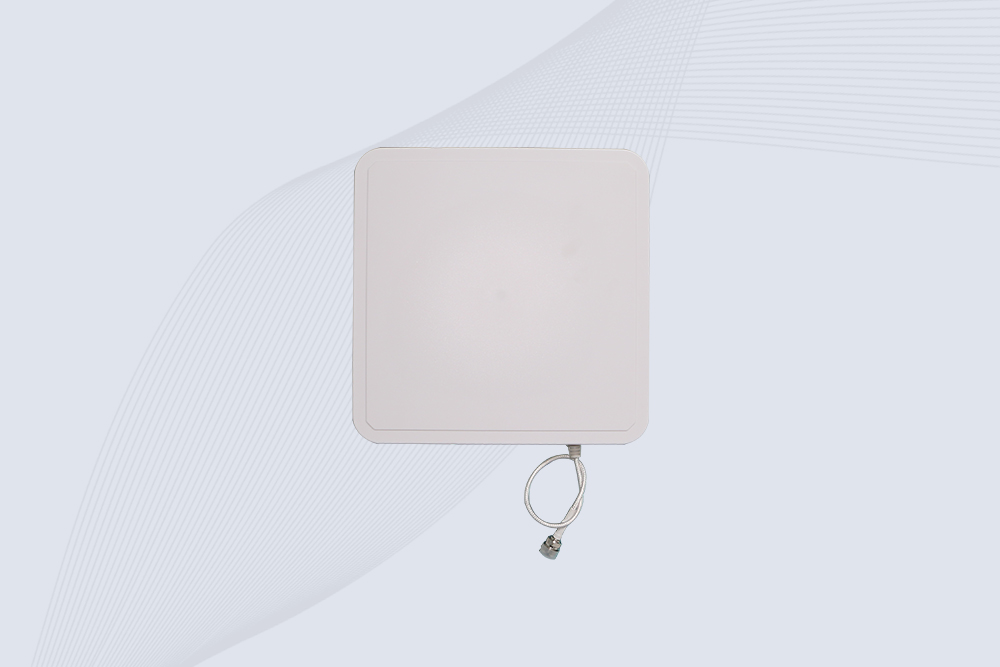
Cykeo CYKEO-A9A industrial UHF RFID reader and antenna kit delivers 10m range, 500 tags/sec, IP65 ruggedness for manufacturing/logistics. Supports EPC Gen2, ISO18000-6C.
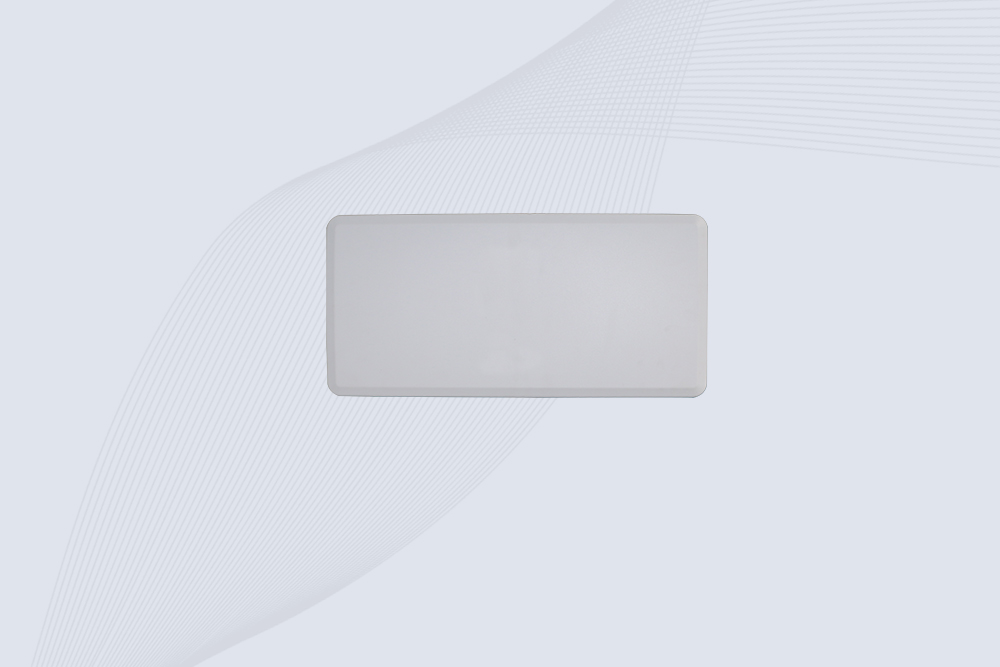
Cykeo’s CYKEO-A12C UHF Large RFID Antenna delivers 12dBi gain, 840-960MHz global frequency, IP65 ruggedness for logistics/warehousing/automotive. 40° beamwidth ensures stable 15m+ tag reads.

CYKEO Near Field RFID Antenna provides precise 5–30 cm reading for shelves, cabinets, and workstations. This compact rfid shelf antenna delivers stable short-range performance around metal and clutter, ideal for pharmacies, libraries, and electronics sorting.
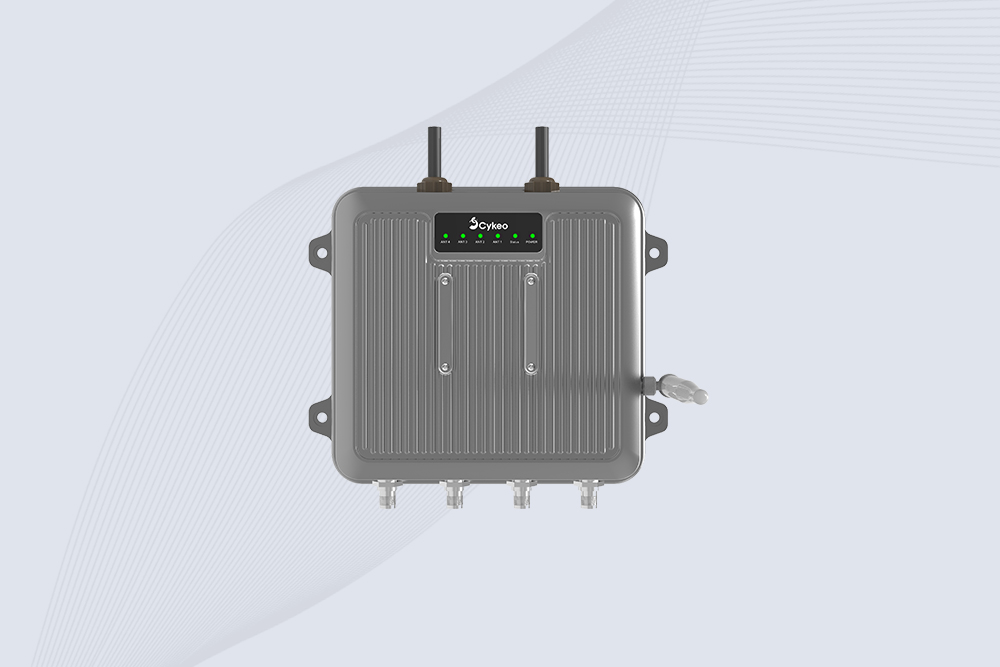
Cykeo CYKEO-C1 industrial Forklift RFID Reader features 20m read range, 600 tags/sec scanning, Impinj R2000 chipset, and IP67 rugged design. Ideal for warehouse logistics and manufacturing. Supports ISO 18000-6C/6B protocols.
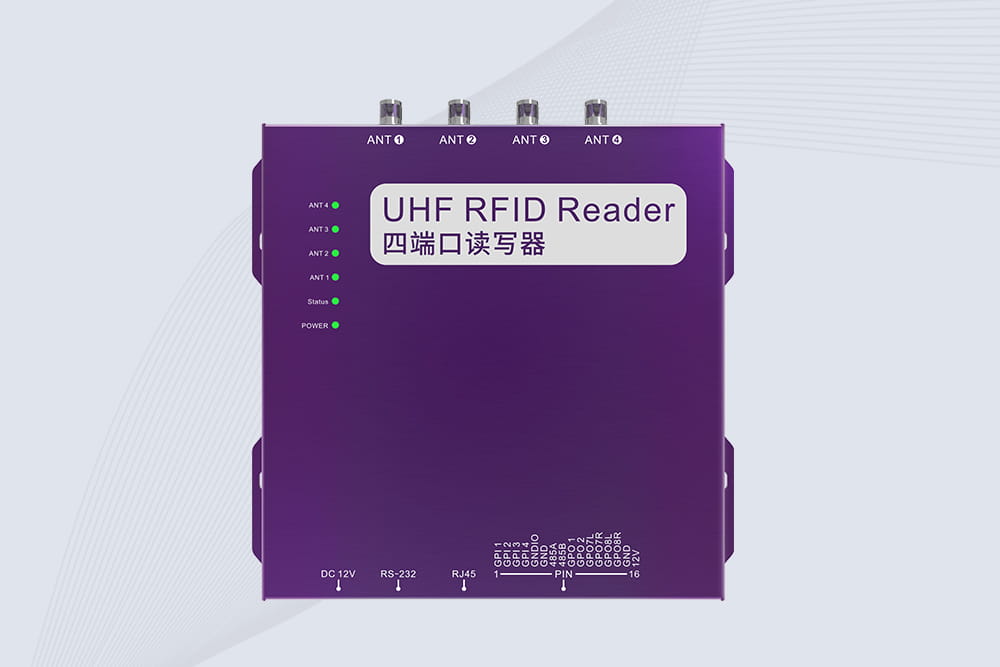
Cykeo CYKEO-R4 industrial UHF RFID Fixed Reader features 4 TNC ports, 400+ tags/sec speed, IP67 housing, and global frequency compliance for vehicle inspection, smart warehouse, and asset management systems.
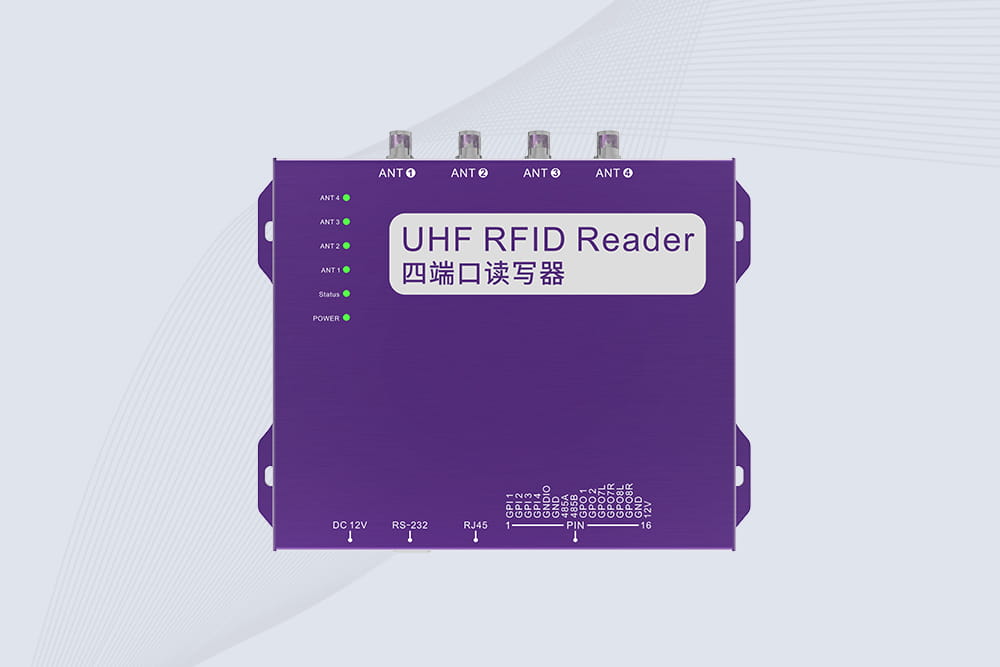
Cykeo’s CYKEO-R4L 4-port Fixed UHF RFID Reader delivers 400 tags/sec scanning, ISO 18000-6C compliance, and IP65 protection. Ideal for warehouse automation, manufacturing WIP tracking, and logistics management.
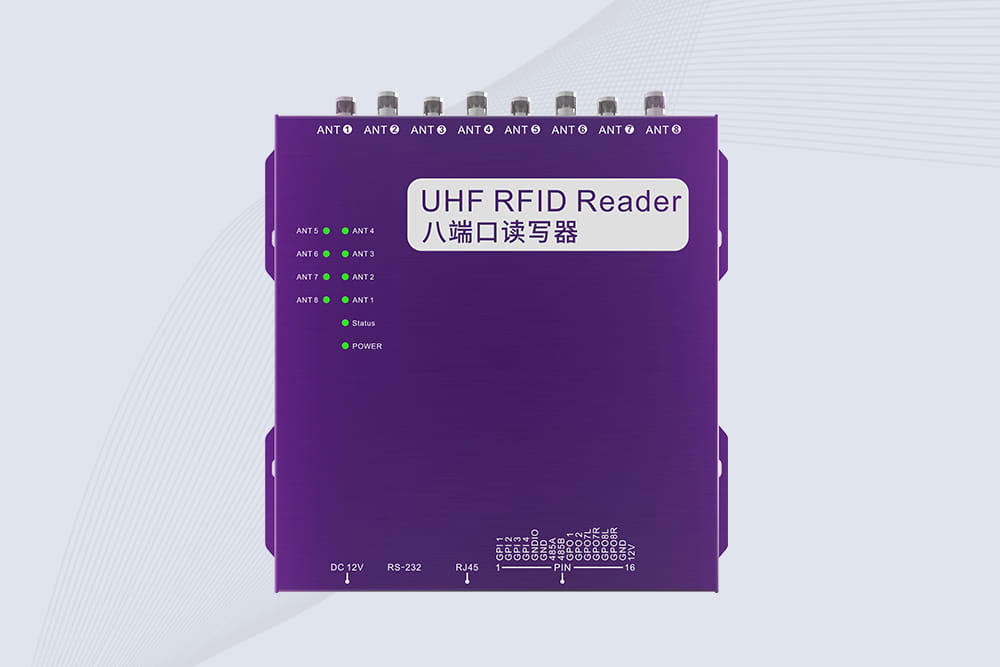
CYKEO CYKEO-R8L Fixed RFID Reader with 8-port UHF design, Impinj-based RF core and up to 20m read range. An industrial Fixed RFID Reader for vehicle inspection, warehouse portals, smart manufacturing lines and secure access checkpoints.
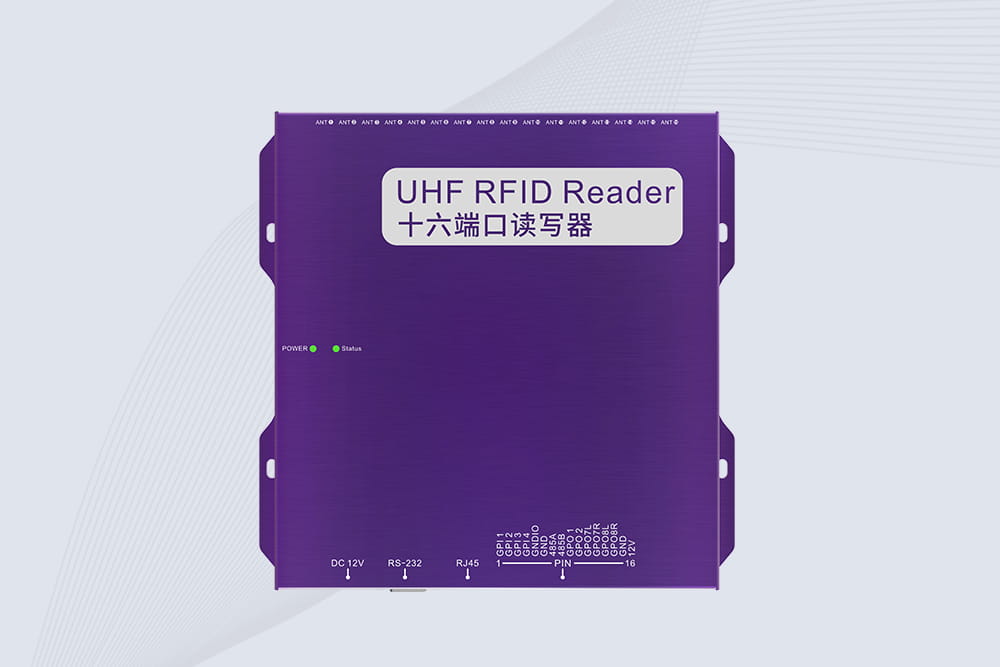
RFID Fixed Reader from CYKEO – the CYKEO-R16L 16-port UHF fixed reader for warehouses, smart cabinets, and production lines. Long-range, multi-tag reading, stable performance for 24/7 industrial use.

Discover how RFID autoclave solutions improve sterilization tracking, equipment management, and inventory control in hospitals.
More
Learn essential RFID terminology including tags, reader modules, antennas, EPC, anti-collision and frequency bands. A practical guide to understanding RFID systems and components.
More
RFID improves inventory management by identifying multiple tagged items without line-of-sight scanning, enabling faster receiving, counting, shipment verific...
More
Discover what a UHF RFID reader is and how it enables long-range, bulk scanning for logistics, retail, and industrial tracking. Learn the technology from CYKEO.
More