Most factories already have some form of tool management.
Usually, it’s a tool room.
A person in charge, shelves or cabinets, maybe a logbook or Excel file.
On paper, it works.
But once tool usage increases, cracks start to show.
That’s when people begin looking at RFID for tools—not because they want new technology, but because the current setup isn’t holding up anymore.
1. How Traditional Tool Rooms Actually Work
In most cases, the process looks like this:
Worker asks for a tool
Tool is handed out
Someone records it (sometimes)
Tool is returned later
It depends heavily on people doing things properly.
And in a busy environment, that’s not always realistic.
2. Where Traditional Tool Rooms Start to Struggle
The issues don’t usually show up on day one.
They build up over time.
Common situations:
Tools are taken but not recorded
Items are returned late—or not at all
Inventory checks take hours
No one is fully sure what’s missing
At some point, the question becomes:
“Do we actually know where our tools are?”
3. What Changes with RFID Tool Cabinets
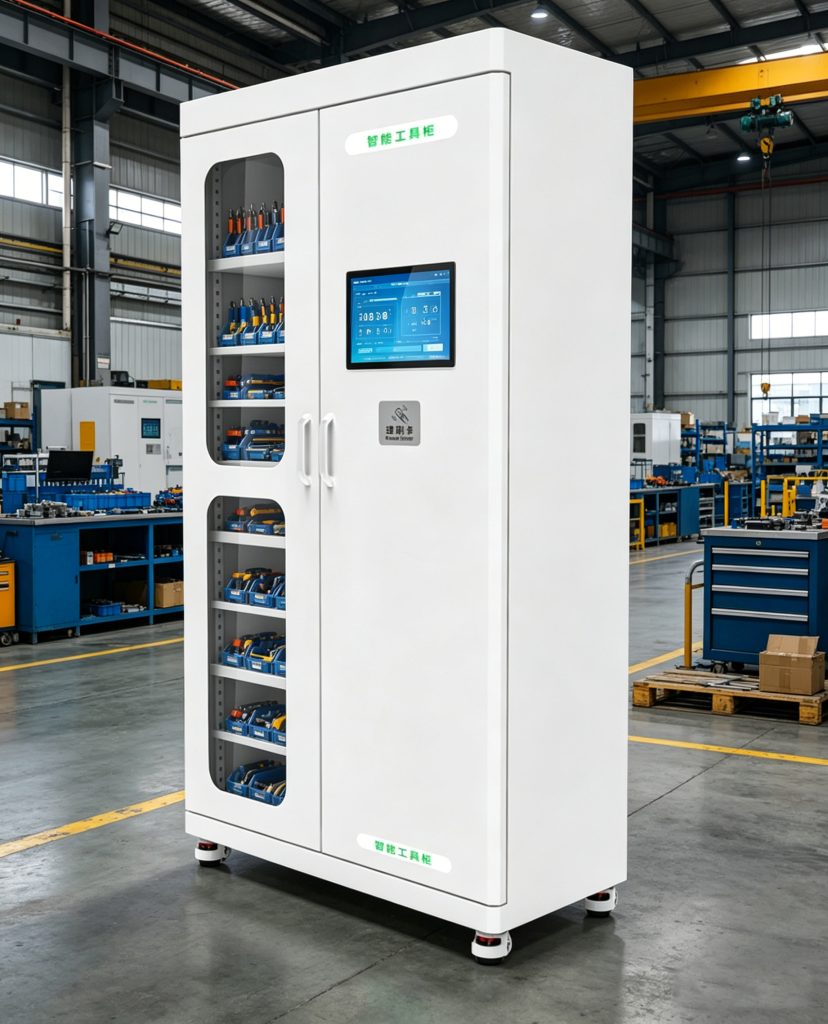
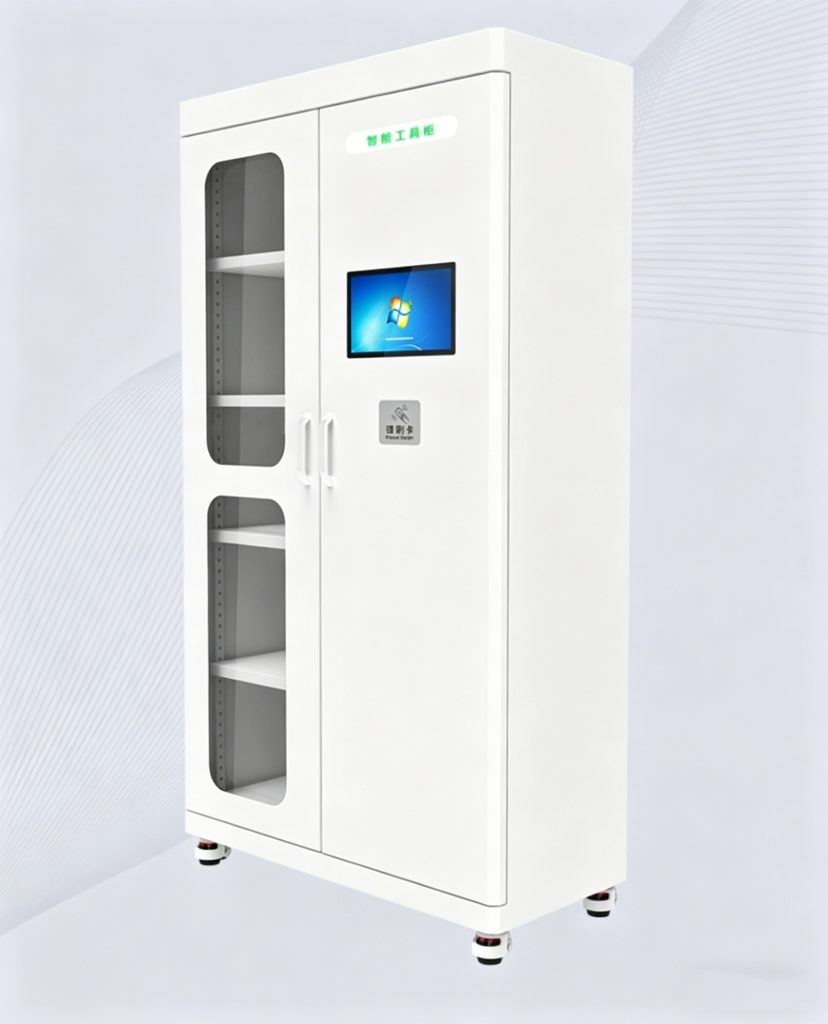
RFID tool cabinets don’t just store tools—they control access and track movement automatically.
Instead of relying on manual records:
Tools are detected automatically
Every action is linked to a user
Inventory updates in real time
No need to scan or write anything down.
4. The Biggest Difference: Dependency on People
This is really what it comes down to.
Traditional tool room:
Relies on people to follow the process
RFID tool cabinet:
System enforces the process automatically
In practice, that means:
Fewer missed records
Clear accountability
Less back-and-forth between teams
5. A Practical Example
In a traditional setup:
A tool goes missing.
With an RFID cabinet:
The system already knows who took it
When it was taken
Whether it has been returned
No guessing involved.
6. Efficiency Comparison
Tool Checkout
Traditional: manual, depends on staff
RFID: user logs in, takes tool, done
Inventory Check
Traditional: manual counting
RFID: automatic, seconds
Error Rate
Traditional: depends on discipline
RFID: consistent
7. When a Traditional Tool Room Still Makes Sense
To be fair, not every situation needs RFID.
A traditional tool room can still work if:
Tool quantity is small
Usage is infrequent
One person manages everything
Accountability is not critical
In these cases, upgrading may not be necessary.
8. When RFID Tool Cabinets Make More Sense
RFID starts to show clear advantages when:
Tools are shared across multiple teams
Tool loss happens regularly
Inventory takes too long
You need traceability (audits, compliance)
At that point, manual systems become difficult to maintain.
9. Cost vs Long-Term Value
At first glance, a traditional tool room is cheaper.
No system, no hardware.
But over time, hidden costs show up:
Lost tools
Time spent searching
Repeated purchases
Administrative workload
RFID systems have a higher upfront cost,
10. What Most Companies End Up Doing
In real projects, it’s rarely “one or the other”.
A common approach is:
Keep traditional storage for low-value tools
Use RFID tool cabinets for high-value or critical tools
This keeps costs reasonable while improving control where it matters most.
11. Final Thoughts
Traditional tool rooms work—as long as scale is small and discipline is high.
RFID tool cabinets don’t rely on either.
They bring structure and consistency, especially in environments where manual control starts to break down.
It’s not about replacing people.
It’s about reducing the number of things people have to remember.
If you’re currently managing tools manually and starting to feel the limitations,
Is it missing tools?
Time spent on inventory?
Lack of visibility?
Once that’s clear, it’s easier to decide whether RFID makes sense—and where to start.
RFID Tool Tracking System Guide
 Cykeo RFID IoT Solution Products R&D Manufacturer