 Cykeo RFID IoT Solution Products R&D Manufacturer


How to Make an RFID Reader with Arduino: What Most Tutorials Don’t Tell You
437Learn how to make an RFID reader with Arduino that actually works. Our hands-on tutorial covers RC522 wiring, library setup, and fixing "tag not found" errors.
MoreAll RFID Product
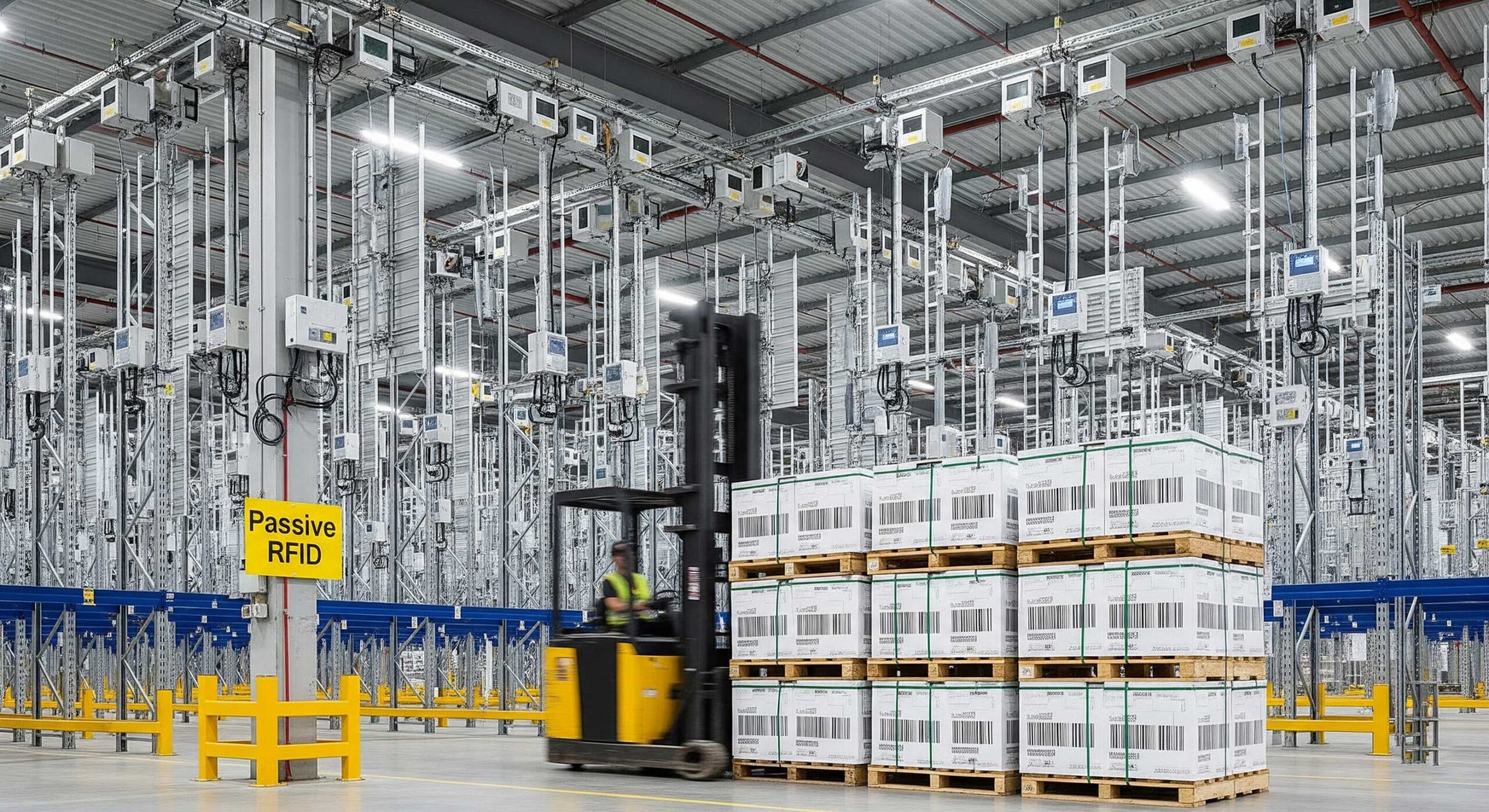
Let’s be blunt: if you’re just comparing range or battery life on paper, you’re missing the point. Passive vs Active RFID isn’t just a matter of specs—it’s about application fit, environmental constraints, cost-per-read event, and what your warehouse crew can actually maintain without calling IT every week.
I’ve seen projects sink because someone pushed for active tags in environments where passive would’ve done the job at one-tenth the cost. I’ve also seen passive systems fall flat because they couldn’t punch through dense metal infrastructure in older logistics centers—looking at you, Osaka Bay freight terminals.

Cykeo’s approach acknowledges that these aren’t just technical differences—they’re strategic ones. Their passive UHF tags (especially the long-range ceramic-backed models) are tuned for logistics environments where reader density is high and tag volume is massive. Meanwhile, their active tags are used selectively—especially in high-value asset tracking where “location silence” is unacceptable.
People oversell active RFID like it’s magical. No one tells you how much maintenance is needed to swap thousands of batteries every 2-3 years. And that’s assuming uniform deployment time—which rarely happens. Cykeo’s asset platform lets you bulk track battery health, but it’s still work.
For passive, the main concern isn’t batteries—it’s reader calibration drift. You need a technician who actually knows how to use spectrum analyzers. If you’re reading this and thinking, “We’ll just install readers and forget it,” you’re already set up to fail.
Let’s talk numbers—not lab conditions, but project-level quotes:
| Metric | Passive RFID | Active RFID |
|---|---|---|
| Tag Cost | $0.08 – $0.50 | $12 – $45 |
| Read Range | 1m–10m (real-world: ~5m) | 30m–100m |
| Maintenance | Low (reader upkeep) | Medium-High (battery, interference tuning) |
| Cykeo Use | High volume tagging | Critical asset beaconing |
If your ROI model can’t tolerate $30 tags, don’t even consider active. If losing track of a $500,000 piece of equipment would cost you a client, passive might be too risky.
Learn how to make an RFID reader with Arduino that actually works. Our hands-on tutorial covers RC522 wiring, library setup, and fixing "tag not found" errors.
More
RFID inventory tracking systems provide real-time inventory visibility, faster stock counts, and higher accuracy. Discover how Cykeo RFID solutions streamline warehouse operations.
More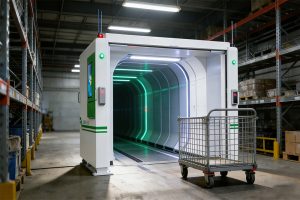
Discover how RFID technology, featuring the CK‑TP4A retractable UHF RFID gate, streamlines warehouse and inventory management. Improve efficiency, accuracy, and real-time tracking for large-scale warehouses and high-volume inventory operations.
More
Discover how RFID technology slashes retail stockouts by 63%—proven by data from 500 stores. Learn Cykeo’s strategies for real-time inventory accuracy and higher sales.
More