Do RFID Reader Antennas Take a Lot of Electricity? A Power Reality Check
When you’re planning an RFID installation—maybe on a Flexible Solar Panel-powered gate or a mobile cart—the question of power comes up. Do RFID reader antennas take a lot of electricity? It’s a smart thing to ask, but it often mixes up two parts of the system. Let’s get this straight: the antenna itself, that plastic or metal panel on the wall, uses virtually zero electricity. It’s a passive component. The real power draw comes from the device it’s connected to: the RFID reader. And how much juice that reader needs depends entirely on what it’s doing.
The Antenna Itself: Just a Conduit, Not a Consumer
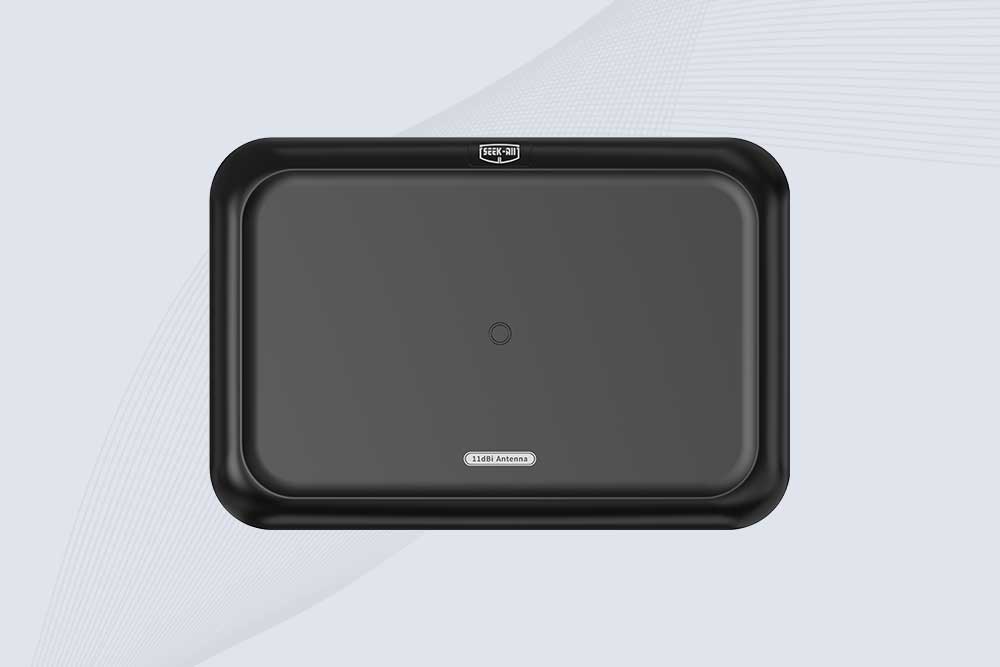
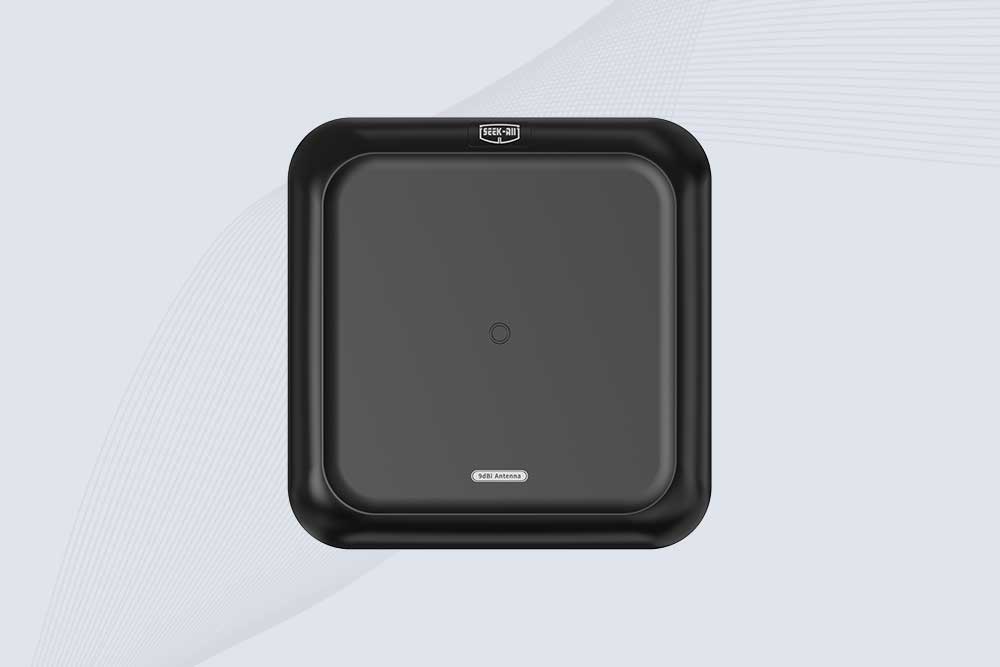
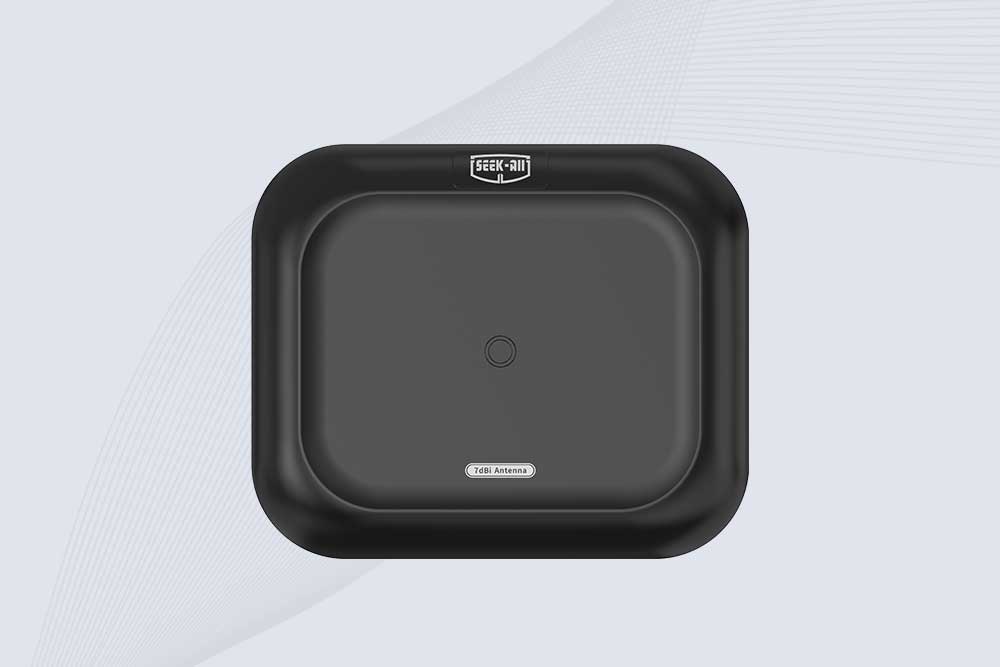
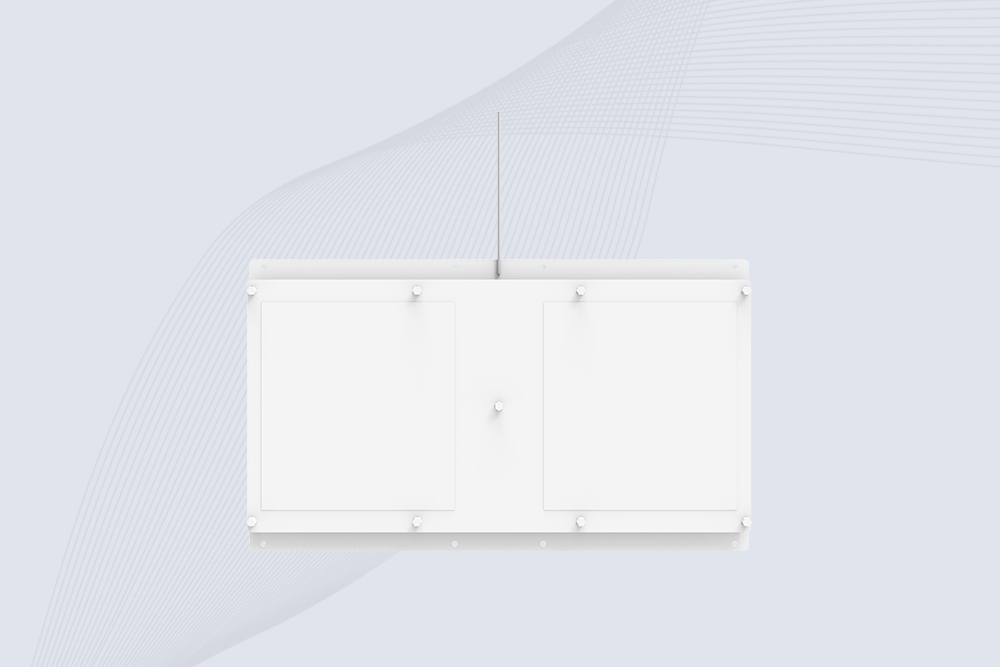
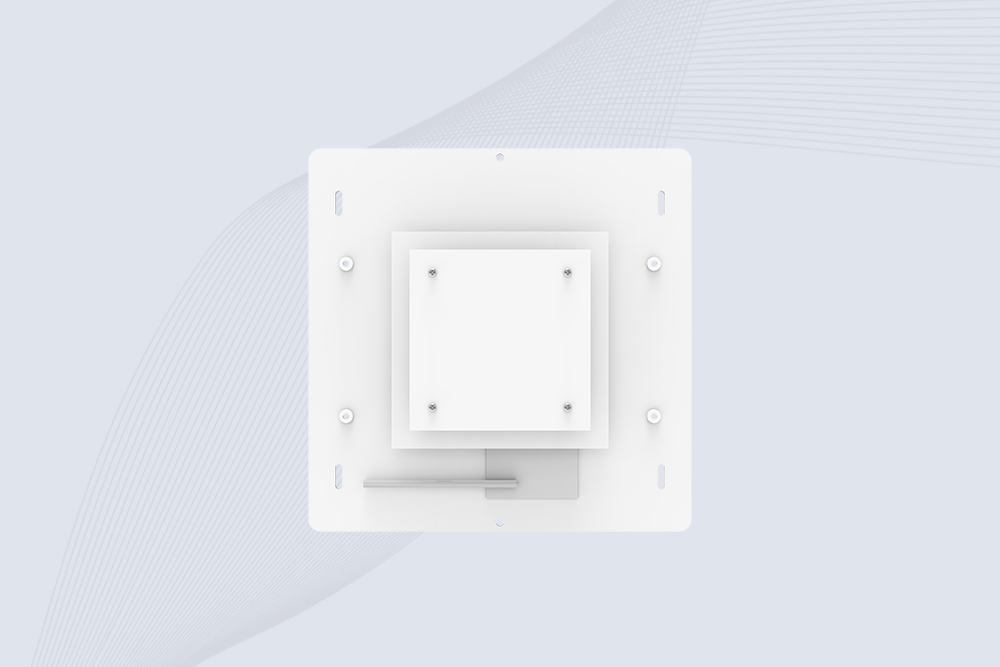
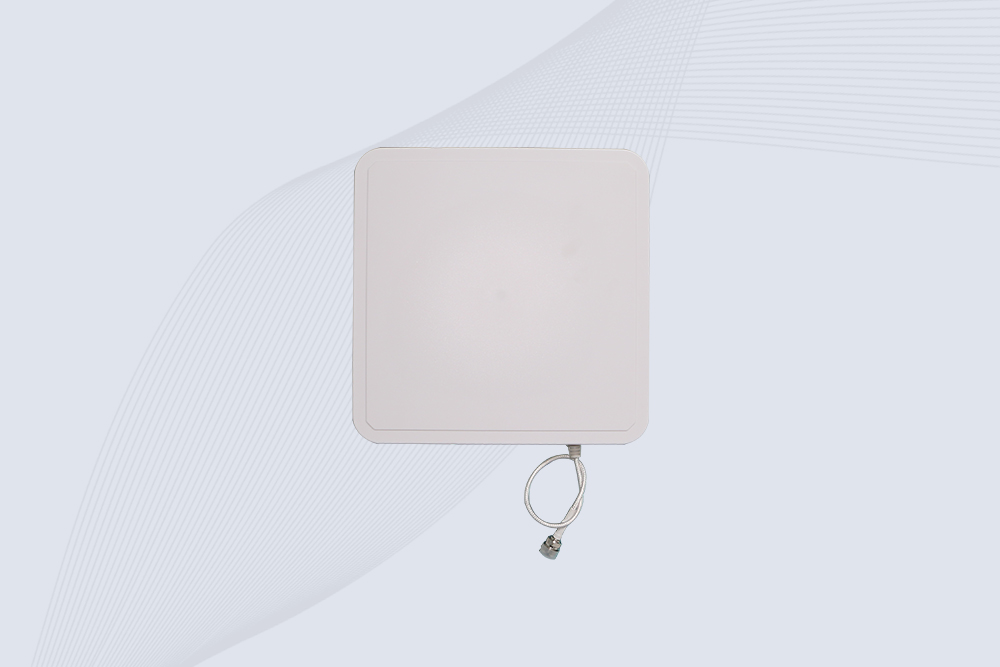
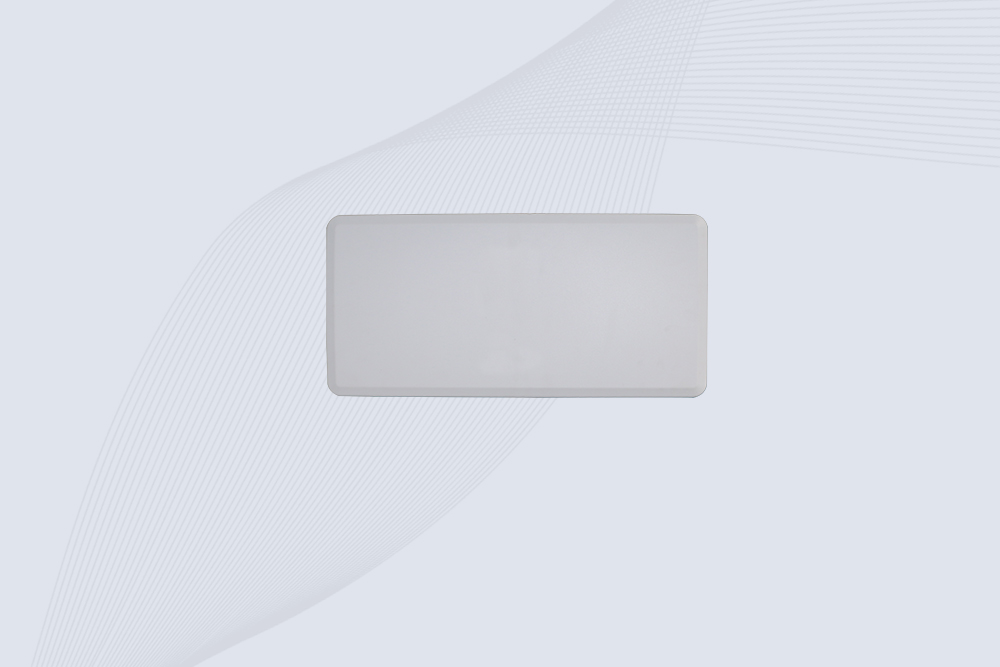
Think of the antenna like a loudspeaker for radio waves. A loudspeaker doesn’t create sound on its own; it just converts the electrical signal from the amplifier into sound waves. An RFID antenna works the same way. It takes the RF signal generated by the reader and radiates it into the air. It doesn’t have chips, processors, or active components that consume power. Its “job” requires no external electricity. So, for the component itself, the answer to do RFID reader antennas take a lot of electricity is a definitive no.
The Real Power User: The RFID Reader
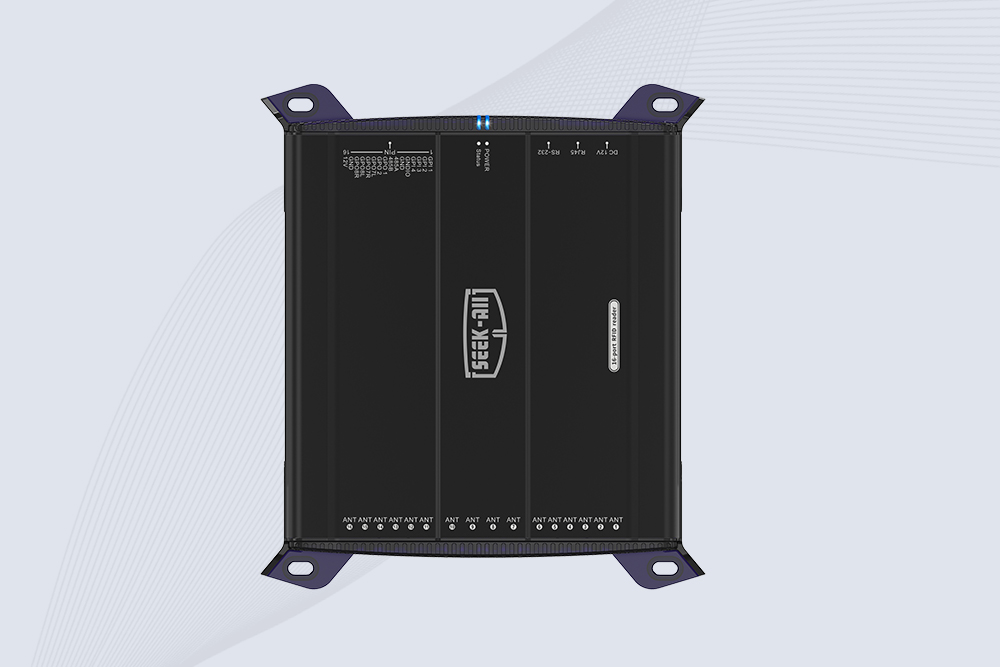
This is where your power budget matters. The reader is the computer and the radio transmitter. It generates the signal, listens for responses, processes data, and communicates with your network. Its power draw varies hugely:
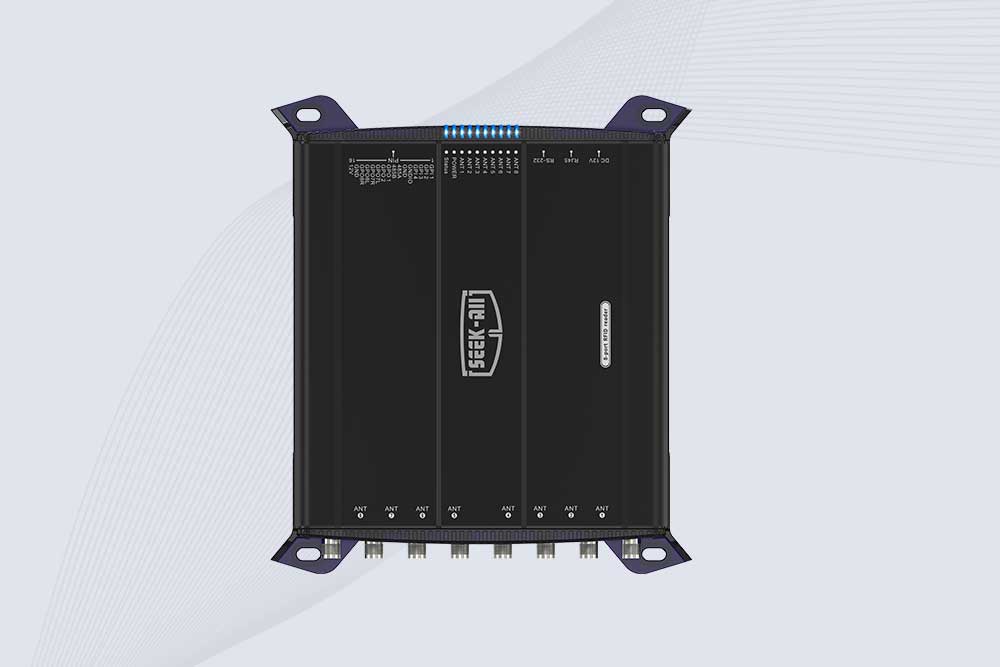
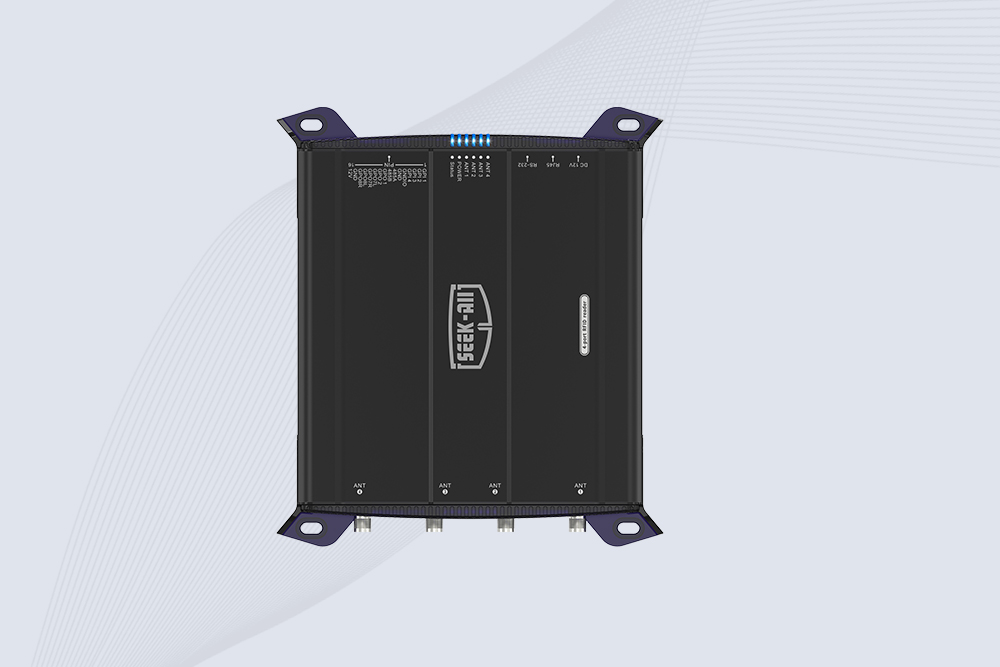
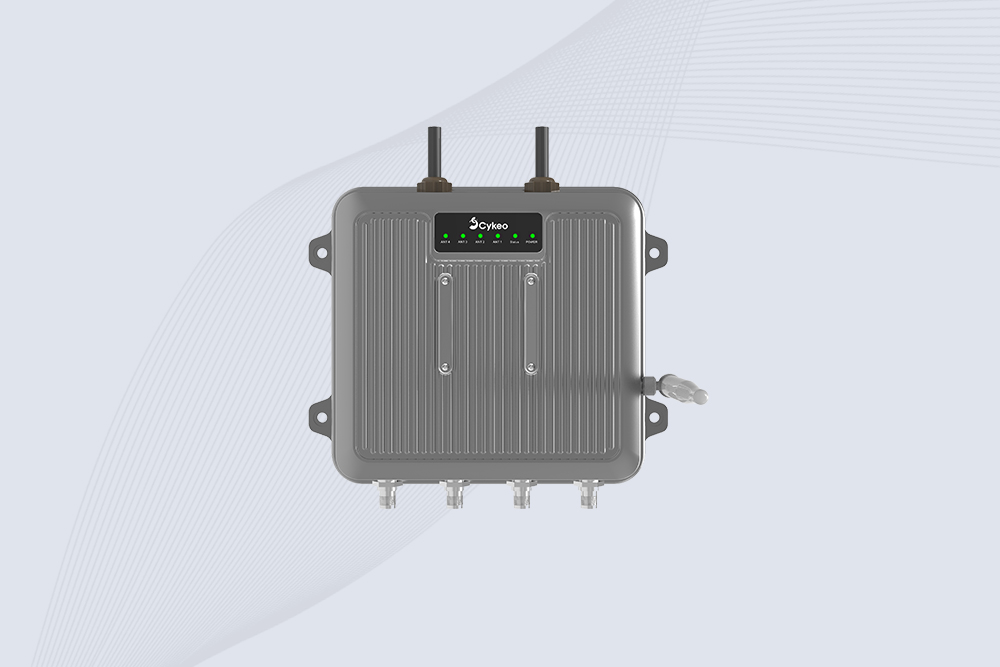
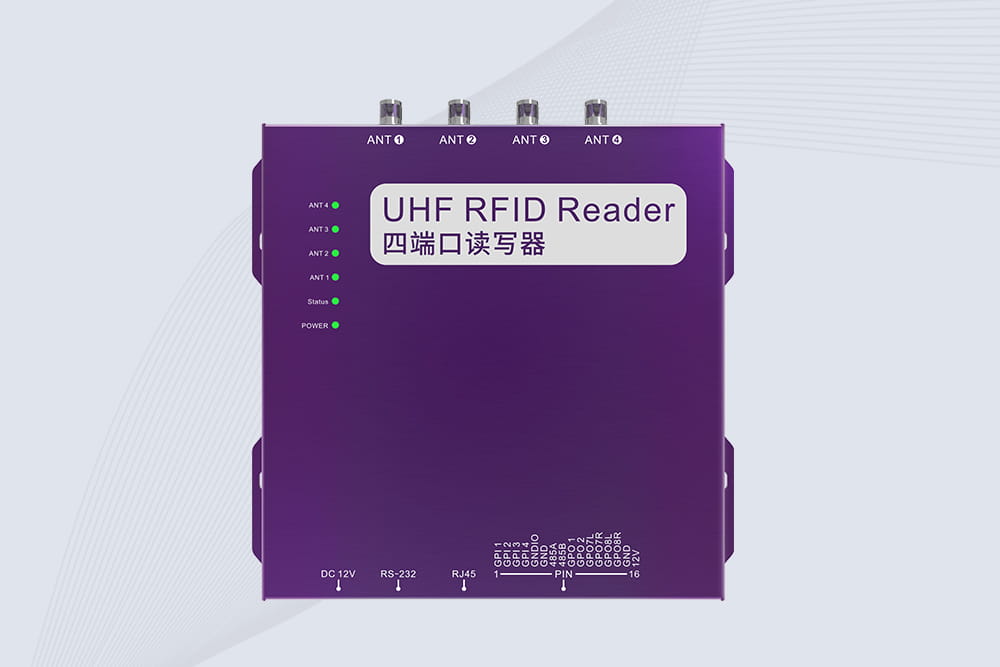
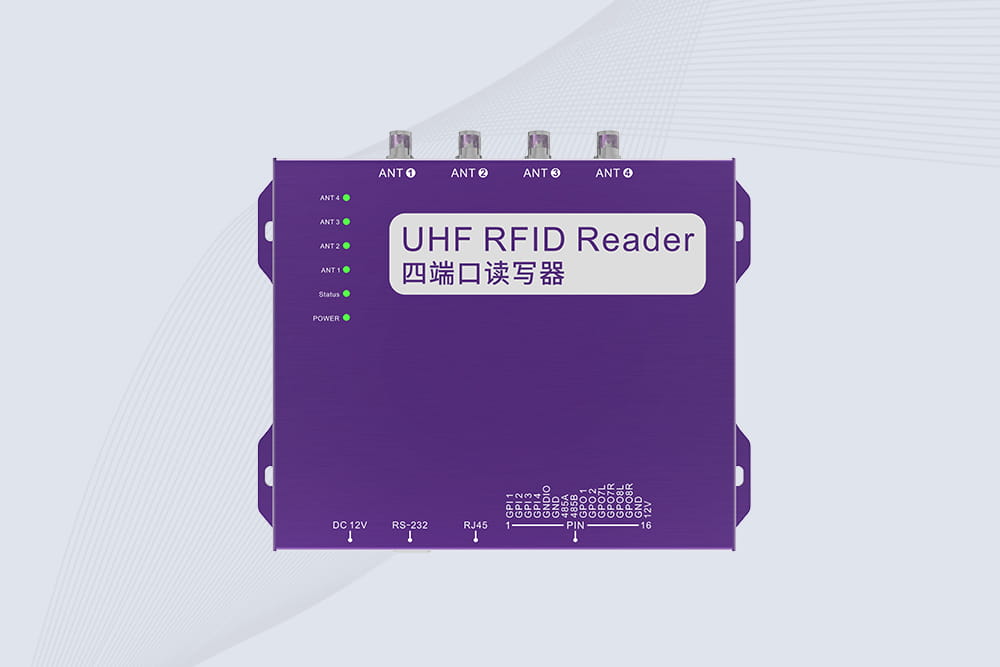
- Fixed, High-Performance Readers: A 4-port industrial reader running at full power (1 Watt per port, the common limit) might consume 20-40 watts during operation, similar to a low-wattage LED light bulb. It needs a solid 12V or 24V DC power supply.
- Handheld Readers: These are designed for battery life. A modern handheld might use 5-10 watts during active scanning but can last a full shift on a charge by going into sleep mode between triggers.
- Integrated Reader Modules: Tiny modules for embedded systems can sip power, often under 1 watt for low-duty-cycle reading.
So, the total RFID system power consumption is reader-centric. A single fixed reader with four antennas doesn’t use four times the power; it’s still just one radio spreading its energy across those ports.
Key Factors That Actually Affect Your Power Bill
If you’re worried about electricity or battery life, focus on the reader’s configuration and environment, not the antenna. Here’s what moves the needle:
- Transmit Power: This is the big one. Readers let you adjust output power (from 0 to 30+ dBm). Running at maximum power (1 Watt/30 dBm) for long-range gate reading uses more energy than running at low power (100mW/20 dBm) for a near-field shelf.
- Read Cycle Duty: Is it reading constantly (100% duty cycle on a conveyor) or just once per minute? Constant activity uses more power.
- Communications: Streaming real-time reads over Wi-Fi or cellular uses more energy than storing data locally and syncing periodically.
For powering outdoor RFID antennas (really, the outdoor reader), you need to plan for the reader’s consumption plus a safety margin. Using energy efficient RFID readers CYKEO offers, which have smart power management features, can make a big difference in remote or solar applications.
Practical Tips for Your Deployment
When planning your system’s power needs for fixed vs handheld readers, keep it simple:
- Fixed Installations: Just ensure your AC-to-DC power supply or PoE+ switch can deliver the required watts (check the reader’s datasheet). A typical 4-port reader setup uses less power than a desktop computer.
- Mobile/Battery-Powered: Choose readers with good power management. Use triggered reading (e.g., only scan when a motion sensor activates) instead of continuous polling. This can extend battery life from hours to days or weeks.
So, to circle back: Do RFID reader antennas take a lot of electricity? No. But the system’s brain—the reader—needs a reliable and appropriately sized power source. Understanding this distinction helps you plan better, avoid undersizing your power infrastructure, and choose the right hardware for efficient, reliable operation.
RFID Reader Antennas Recommendation
 Cykeo RFID IoT Solution Products R&D Manufacturer