Why Choosing the Right UHF RFID Tag Reader Matters
If you’ve ever deployed an RFID system, you already know this: most failures don’t come from tags — they come from choosing the wrong reader.
A UHF RFID tag reader is not just a device that “reads tags.” It’s the core of your entire system, directly affecting:
Read accuracy
System stability
Integration complexity
Long-term maintenance cost
For system integrators and hardware buyers, selecting the right reader upfront can save months of rework.
1. Understand Your Application First
Before comparing specs, start with your actual use case.
Ask yourself:
Is this for warehouse, production line, or smart cabinet?
Do you need bulk reading or single-item precision?
Is the environment metal-heavy or open space?
For example:
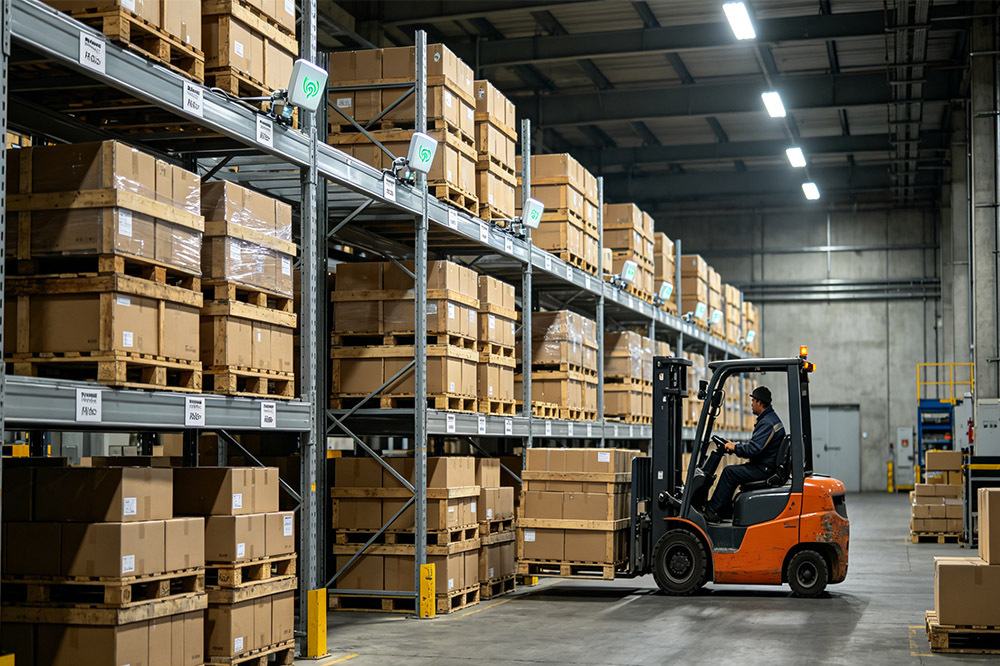
Warehouse → long range + multi-tag reading
Tool tracking → anti-metal + accuracy
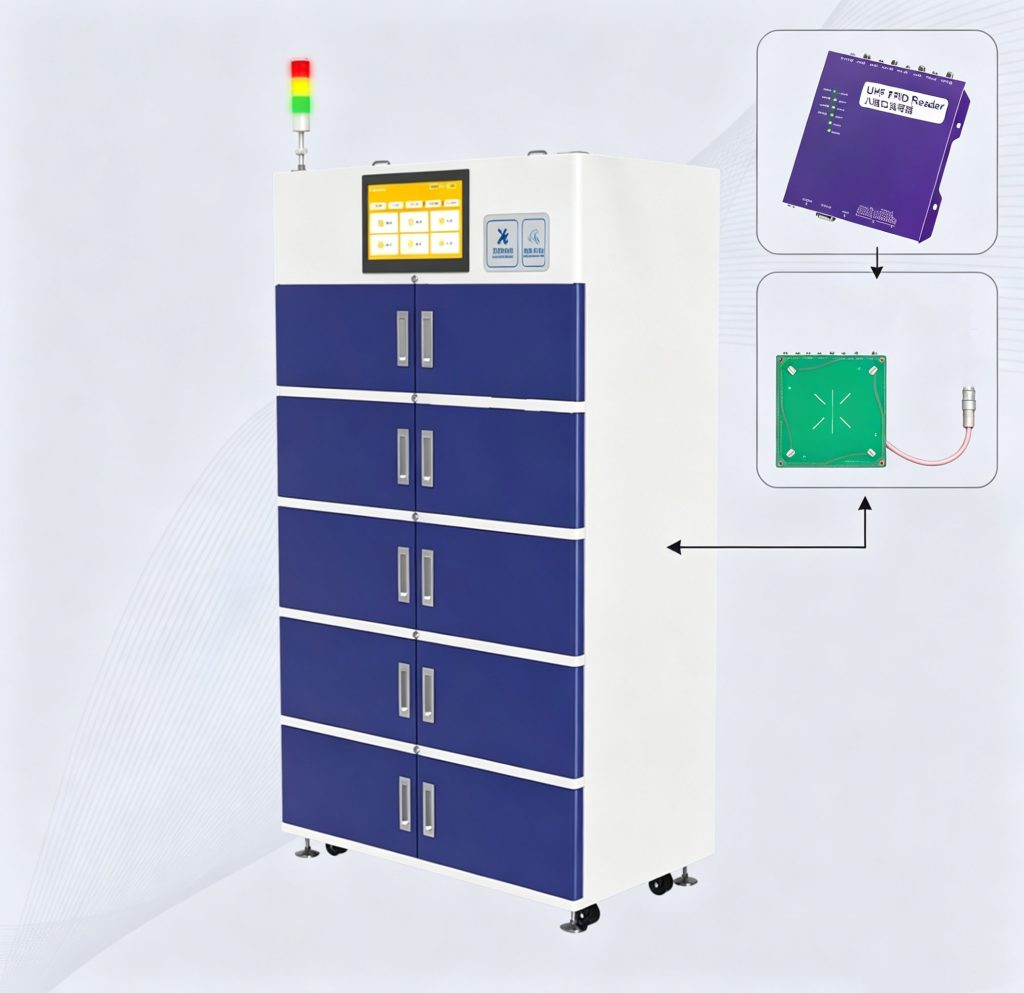
Smart cabinet → short range + controlled reading
This step alone eliminates 50% of unsuitable options.
2. Read Range: Real-World vs Datasheet
Most suppliers will claim 10–15 meters read range.
But in real deployment, read distance depends on:
Tag type (especially on-metal tags)
Antenna gain
Installation angle
Environmental interference
In practice:
Open environment → 8–12 meters
Indoor warehouse → 5–8 meters
Metal-heavy environment → 2–5 meters
Tip: Always request real test data, not just lab specs.
3. How Many Antenna Ports Do You Actually Need?
This is one of the most misunderstood decisions.
4-Port Reader
Small systems
Smart cabinets
Single-zone reading
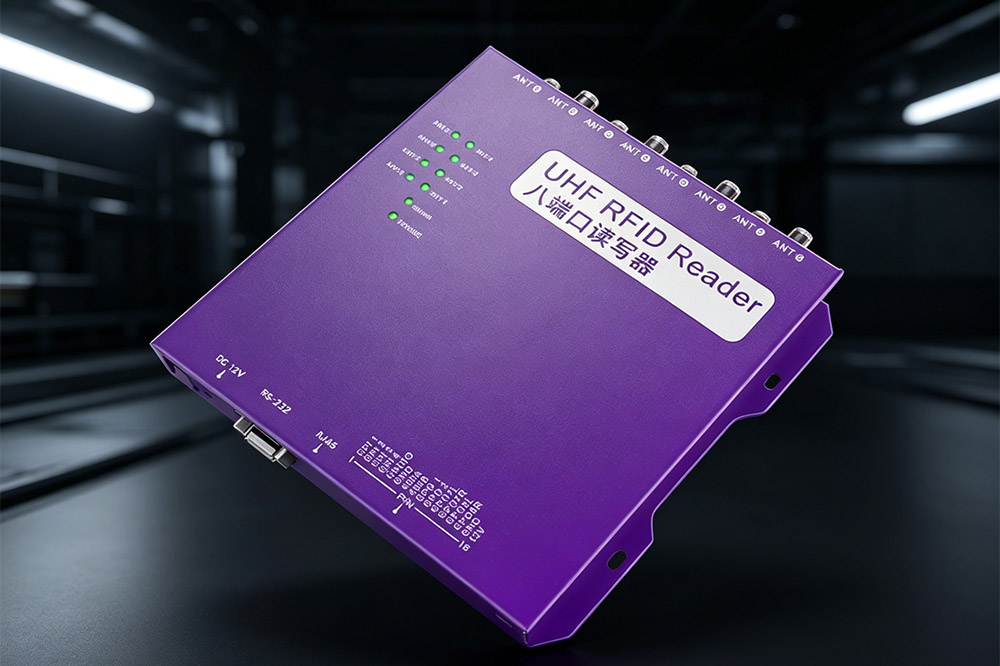
8-Port Reader
Warehouse zones
Multi-shelf coverage
RFID tunnels
16-Port Reader
Large-scale deployments
High-density tracking
Complex layouts
If you’re building scalable systems, it’s better to choose a reader that supports expansion.
A good example is thisfixed UHF RFID reader,It supports flexible 4 / 8 / 16 port configurations, making it easier to adapt the same hardware across different projects without redesigning the system.
4. Multi-Tag Reading Performance
In industrial environments, you’re rarely reading just one tag.
What matters is:
Tags per second (anti-collision capability)
Stability under dense tag conditions
Missed read rate
A reliable industrial reader should handle:
200–400+ tags per second
Stable performance in bulk reading scenarios
If your system misses tags, your data becomes unreliable — and the entire project loses value.
5. Interfaces & Integration
Many buyers overlook this part — until integration begins.
The reader linked above provides API/SDK support, allowing fast integration into WMS, MES, or ERP systems.
6. Can It Be Integrated Into Your System?
This is the question that really matters.
A good UHF RFID tag reader should not be a standalone device — it should be a flexible module inside your solution.
For example, it should be able to integrate into:
RFID gate systems
Smart cabinets and lockers
Production line tracking systems
Automated conveyor systems
Custom IoT equipment
The key advantage of the Cykeo fixed reader is that it can be embedded into almost any RFID-based hardware or system, which is exactly what system integrators need.
7. Stability Over Specs
Specs look good on paper. Stability is what matters on-site.
Check for:
Continuous operation capability (24/7)
Heat dissipation design
Industrial-grade housing
Firmware stability
In real projects, a slightly lower spec but stable reader is always better than a high-spec unstable one.
8. Common Mistakes Buyers Make
Avoid these typical issues:
❌ Choosing based on price only ❌ Ignoring antenna configuration ❌ Not testing in real environment ❌ Overlooking integration complexity ❌ Buying “general-purpose” readers for industrial use
Final Thoughts: What You Should Do Next
If you’re planning an RFID project, don’t start with “which reader is cheapest.”
Start with:
Your application scenario
Required coverage area
Tag type and environment
Integration requirements
Then choose a reader that fits those conditions — not the other way around.
Need Help Choosing the Right Reader?
If you’re not sure which configuration fits your project:
Share your application (warehouse / cabinet / production line)
Provide layout or rough dimensions
Mention tag type (if already selected)
You can get:
✔ Recommended reader model ✔ Antenna configuration plan ✔ Integration suggestions
This will save you weeks of testing and avoid costly mistakes later.
A long range RFID scanner helps pharmaceutical manufacturers track raw materials, reusable containers, production equipment, laboratory tools, and finished p...
Discover the cost benefits of fixed RFID readers vs. barcode systems. Learn how Cykeo’s RFID solutions reduce labor, errors, and long-term expenses in warehouses and retail.
 Cykeo RFID IoT Solution Products R&D Manufacturer