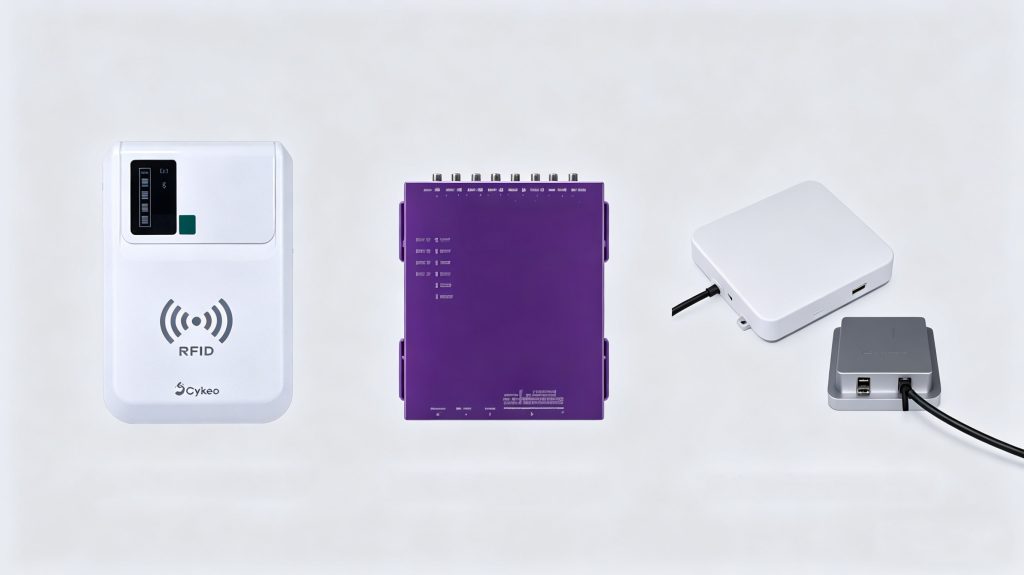
At first glance, they look similar. Same frequency. Same “long range.” But in real projects, the difference shows up very quickly.
The truth is: You’re not just paying for a reader — you’re paying for stability, performance, and integration capability.
1. The 5 Real Factors That Affect RFID Reader Pricing
① RFID Chip & RF Performance
The core of any reader is the RF chip.
Higher-end readers typically offer:
Better sensitivity
Faster anti-collision processing
More stable long-distance reading
Lower-cost readers often struggle with:
Missed reads
Unstable performance in dense environments
This is the biggest hidden cost difference.
② Number of Antenna Ports
This directly impacts system design.
Type
Typical Use
Cost Level
1–2 Port
Simple setups
Low
4 Port
Standard industrial
Medium
8 Port
Warehouse / zones
Higher
16 Port
Large-scale systems
High
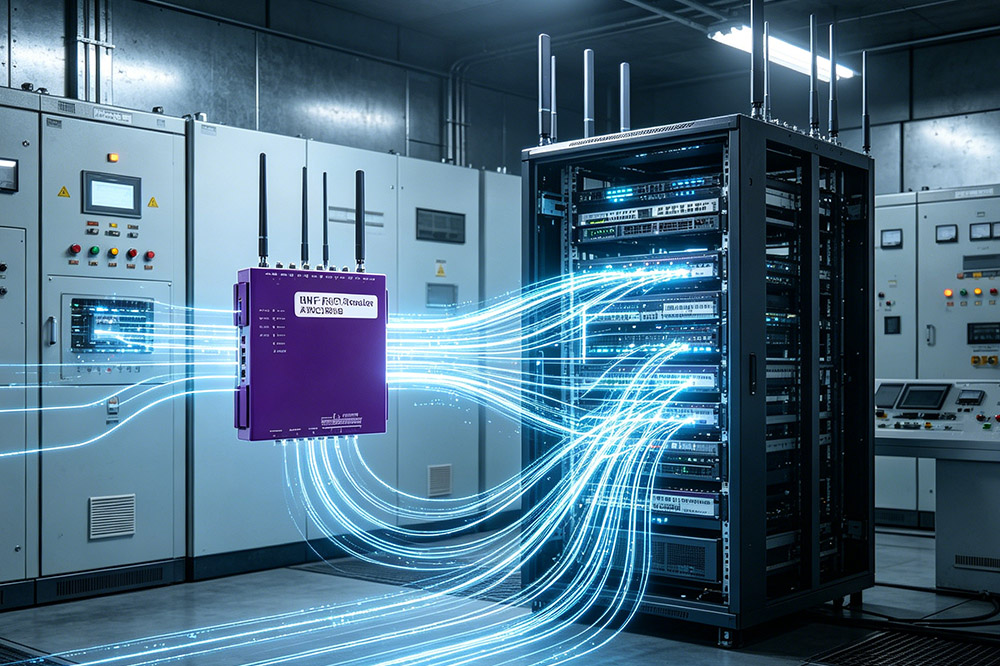
A multi-port reader can replace multiple smaller readers, often reducing total system cost. For example: fixed rfid reader supports 4 / 8 / 16 antenna port expansion, making it suitable for everything from small projects to large-scale deployments, while reducing the cost of future equipment replacement.
③ Reading Speed & Anti-Collision Capability
Cheap readers may claim “long range,” but fail when reading multiple tags.
Industrial-grade readers should support:
200–400+ tags per second
Stable multi-tag reading
Low error rate
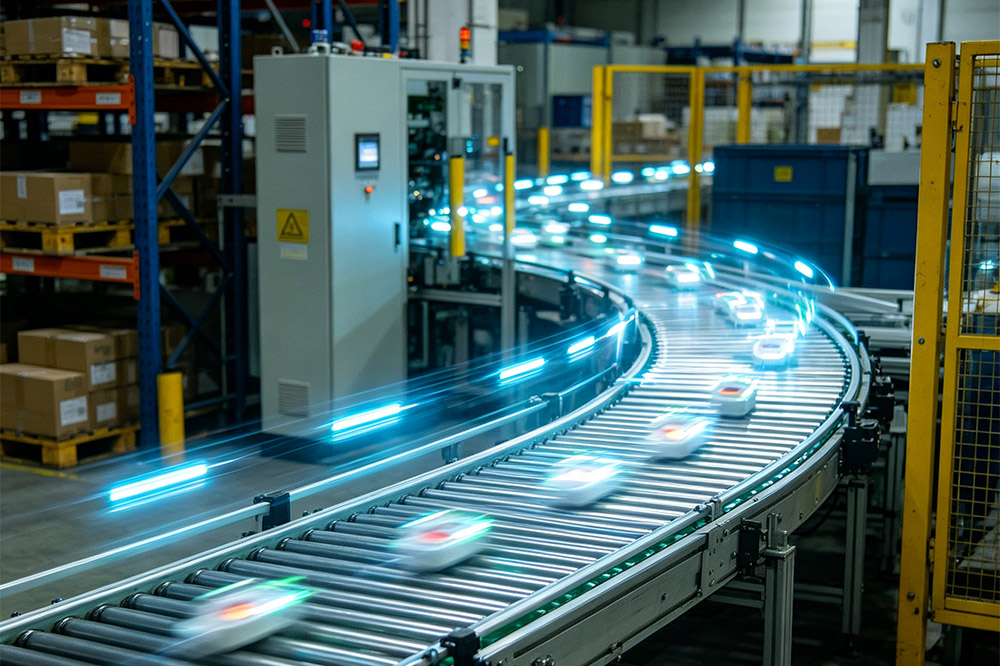
If your system depends on bulk reading (warehouse, pallets), this is non-negotiable.
An RFID printer can print and encode RFID labels in one process. This guide explains how RFID printers work, common types, key features, and how to choose the right RFID label printer for your application.
UHF RFID tags offer long-range reading, high-speed identification, and batch scanning capabilities. This article introduces the fundamentals of UHF RFID, its tag types, and key applications in hospital equipment tracking, consumables management, a...
RFID readers can make retail inventory checks much faster by identifying multiple tagged products without requiring employees to scan every item individually...
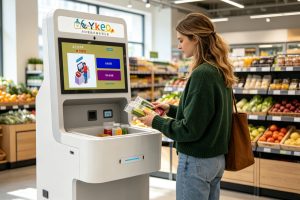
Explore Cykeo retail security tag system for fast RFID-based self-checkout, anti-theft protection, and multi-item scanning. Ideal for unmanned stores and modern retail efficiency.
 Cykeo RFID IoT Solution Products R&D Manufacturer