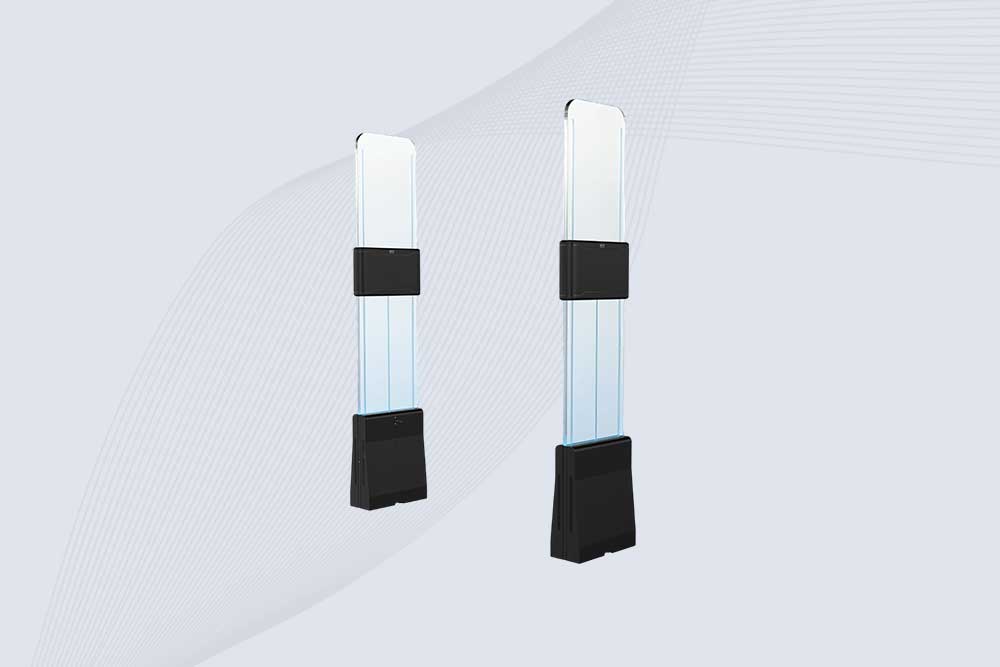
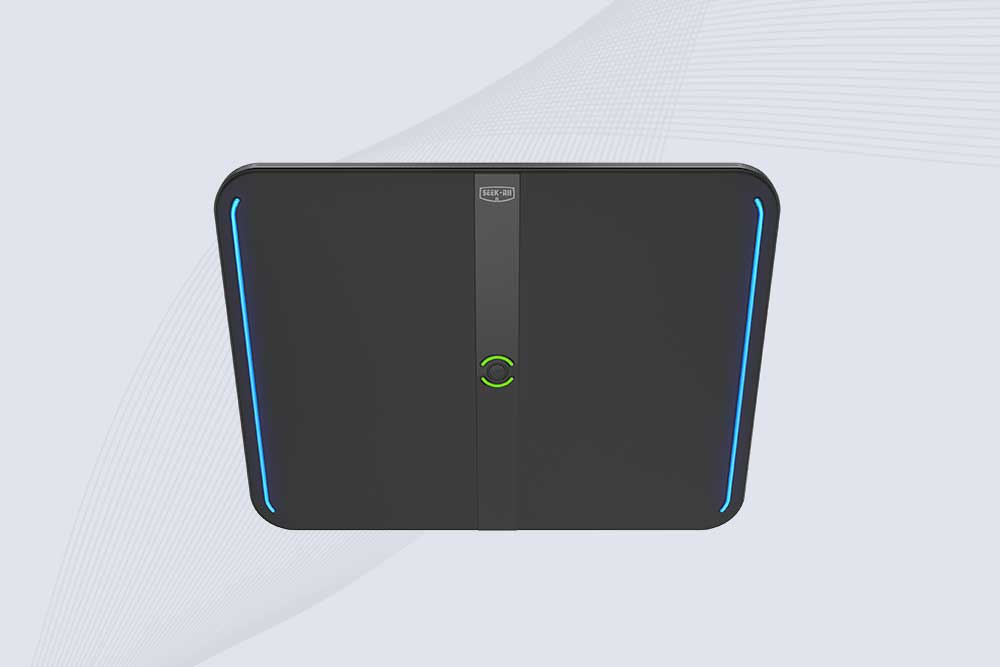
Efficient transportation and logistics management play crucial role in reducing traffic pressure and management costs. The RFID toll gate system, leveraging advanced radio frequency identification technology, is becoming key solution for alleviating traffic congestion, enhancing passage efficiency, and lowering operational expenses.
What Is an RFID Toll Gate System?
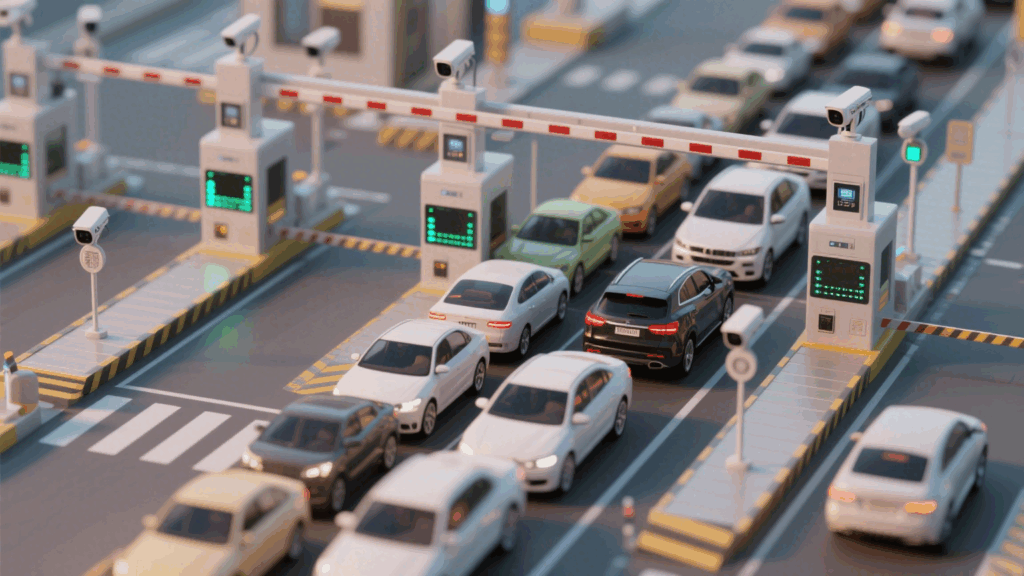
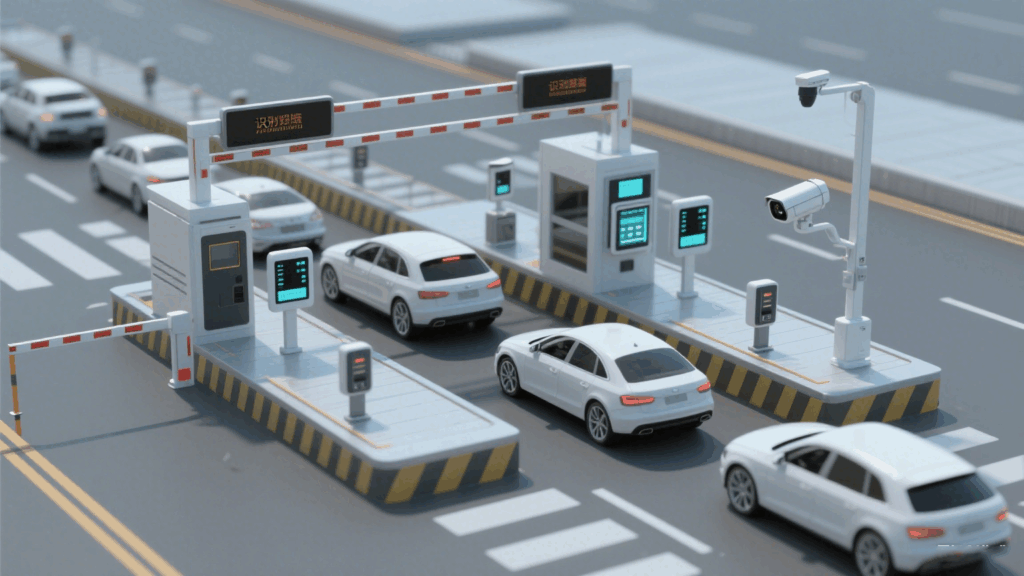
An RFID toll gate system is an intelligent management system that integrates RFID technology with gate control mechanisms. It primarily consists of RFID tags, RFID readers, a data processing center, and gate control equipment. When a vehicle equipped with an RFID tag enters the sensing range, the reader quickly captures the tag’s information—such as vehicle identity and payment data—and transmits it to the data processing center. Upon verification, the center commands the gate to open or close automatically, enabling seamless and fast vehicle passage without stopping.
With its non-contact operation, high recognition rate, and strong anti-interference capability, the system is widely used in highway tolling, port logistics, parking lot management, and other traffic-intensive environments.
Why Is RFID Toll Gate System Needed?
Traditional toll systems, whether manual or card-based, have numerous drawbacks. At busy highway toll stations or port entrances, vehicles often face long queues for payment, which increases logistics time costs and leads to traffic congestion. Moreover, manual tolling involves the risk of human error and cash handling issues.
In contrast, RFID toll gate systems enable fast, contactless vehicle access, effectively easing traffic flow, reducing transportation costs, and addressing the growing need for efficient and accurate transportation management.
Key Advantages of RFID Toll Gate Systems
Significantly Improved Passage Efficiency: RFID systems allow vehicles to pass through without stopping. Compared to traditional manual tolling, which may take over 10 seconds per vehicle, RFID reduces this time to just 1–2 seconds, dramatically shortening queues. At critical logistics hubs like border checkpoints, this can greatly enhance clearance speed and ensure timely delivery of goods.
Reduced Operational Costs: Automated toll collection and management reduce the need for human labor and eliminate losses caused by human error. Additionally, data-driven traffic flow management helps optimize scheduling and minimize energy consumption, resulting in further cost savings.
Accurate Billing and Data Management: RFID tags can record detailed data such as mileage and road segments traveled, enabling precise toll calculation. The system automatically generates billing data and travel records, supporting effective financial management and operational analysis for informed decision-making.
Enhanced Security and Management: By accurately identifying each vehicle, the system helps prevent unauthorized access by vehicles with fake or duplicate plates or unpaid tolls. Real-time monitoring and data tracking allow administrators to stay updated on traffic conditions and respond quickly to unexpected situations, thereby improving overall management capability.
How to Choose the Right RFID Toll Gate System
When selecting an RFID toll gate system, several factors should be considered. First, choose equipment with suitable reading distance and identification speed based on the actual application and traffic volume. Second, ensure the system is compatible and scalable to integrate seamlessly with your existing management systems and accommodate future business growth. Third, equipment stability and durability are essential, especially for operations in varying climate and environmental conditions. Lastly, it’s crucial to work with suppliers who offer extensive experience and excellent after-sales service to ensure smooth installation, maintenance, and technical support.
In the era of smart and digital transformation, RFID toll gate systems have become vital tools for digitalized traffic management. From improving operational efficiency to reducing costs, from precise data control to enhanced safety, these systems provide comprehensive support for streamlined and intelligent access management.
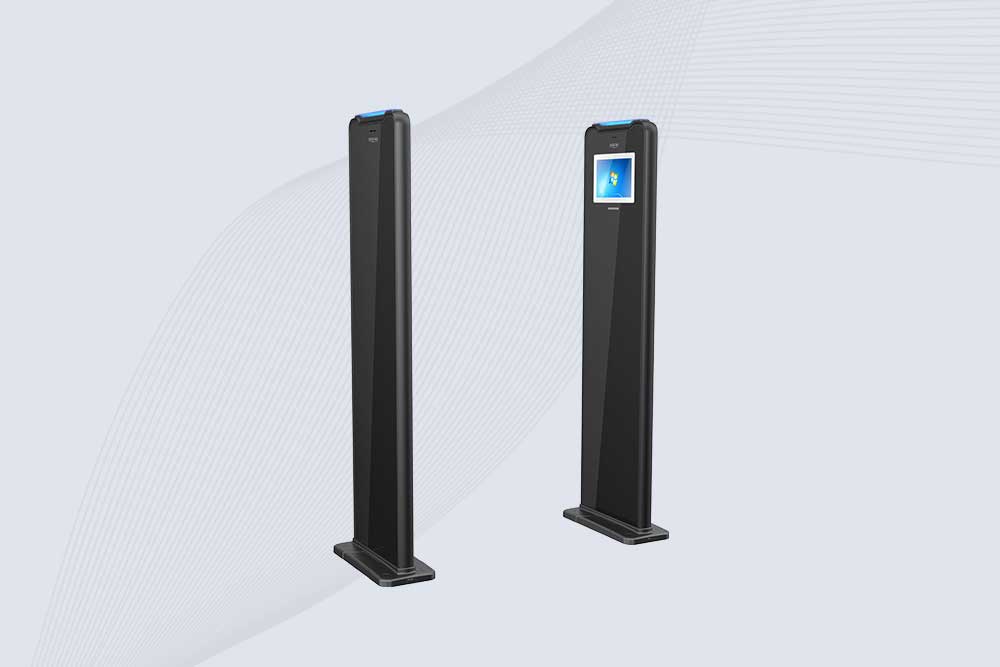
SSD-T4A-P Smart access control with real-time crowd tracking ✔️ AI Tag Filtering for Reduced Misreads SSD-T4A-P supports AI-based tag filtering and up to 6 EPC filtering sets, helping reduce unwanted reads and improve identification accuracy in busy entrances, exits, and retail environments. ✔️ Fast In & Out Detection with Visual & Audio…
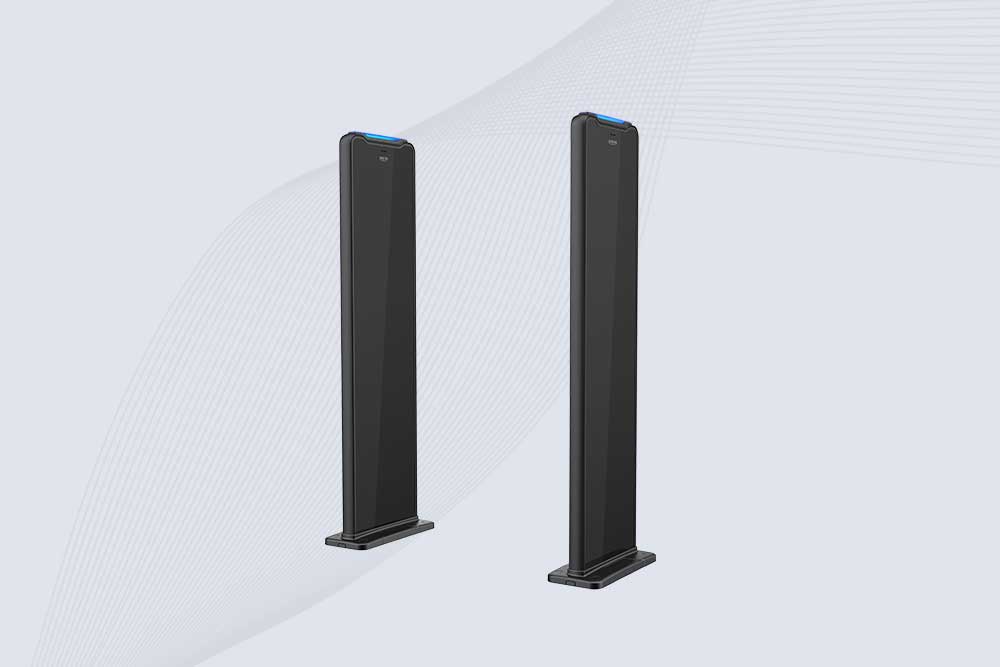
SSD-T4A UHF RFID Gate Reader with 11 dBi antenna, up to 10 m reading distance, AI tag filtering, in/out detection, 300,000 data storage, and TCP/HTTP/MQTT support.
SSD-T2D UHF RFID Gate Reader with 11dBi circular antenna, Impinj E710/X3M1 chipset, up to 10m reading distance, AI tag filtering, in/out detection, and audio-visual alarms.
SSD-T1 ✔️ AI-Powered Tag Filtering SSD-T1 supports AI-based tag filtering with up to 6 EPC filtering sets, helping reduce unwanted tag reads and improve identification accuracy in busy retail and access-control environments. ✔️ Reliable In & Out Detection With a 7dBi antenna and a reading range of up to 2.5 meters, SSD-T1 can detect tagged i…
Discover how rfid for inventory tracking improves inventory accuracy with Cykeo HF RFID smart storage cabinets featuring automatic inventory, compartment-level management, touchscreen control, and SDK integration.
Learn how RFID medical inventory management systems work in real hospitals. See how they reduce errors, improve visibility, and automate supply tracking.
Discover how uhf card RFID technology improves access control, tracking, and security with Cykeo systems for enterprise, logistics, and smart asset management.
How many RFID tags can a reader detect at once? Learn how anti-collision technology works and what affects multi-tag reading performance in warehouses and logistics.
 Cykeo RFID IoT Solution Products R&D Manufacturer