 Cykeo RFID IoT Solution Products R&D Manufacturer
What Makes a Handheld RFID Scanner Durable for Outdoor Use?
898Discover the key features that make handheld RFID scanners durable for outdoor use—weatherproofing, drop resistance, battery life, and more.
MoreAll RFID Product
If equipment tracking feels messy, inventory is usually worse.
At least with equipment, you’re dealing with visible items. With inventory—especially consumables—things move faster, in larger quantities, and often without clear records.
I’ve seen situations where:
None of this happens because people are careless. It happens because manual tracking just doesn’t keep up.
That’s exactly where an RFID medical inventory management system starts to make sense.

At a glance, it sounds similar to asset tracking—but the focus is different.
Instead of asking “Where is this device?”, inventory systems ask:
RFID handles this by automatically recording item movement—especially at the point where items are stored or accessed.
That last part is important.
Because in inventory management, where tracking happens matters more than how tracking works.
Most hospitals still rely on some combination of:
The problem isn’t that these methods are wrong. It’s that they’re always slightly out of sync with reality.
Items get used but not recorded.
Stock gets moved without updates.
Counts are accurate—until the next shift.
Over time, small mismatches turn into larger gaps.
RFID doesn’t eliminate all errors, but it reduces the number of “missed events” significantly.
One thing that’s easy to overlook is this:
Traditional systems record inventory after something happens.
RFID captures it as it happens.
That sounds subtle, but it changes the entire workflow.
Instead of relying on someone to log usage later, the system records it immediately when the item leaves storage.
This is why many hospitals don’t just use open RFID tracking—they combine it with controlled storage.
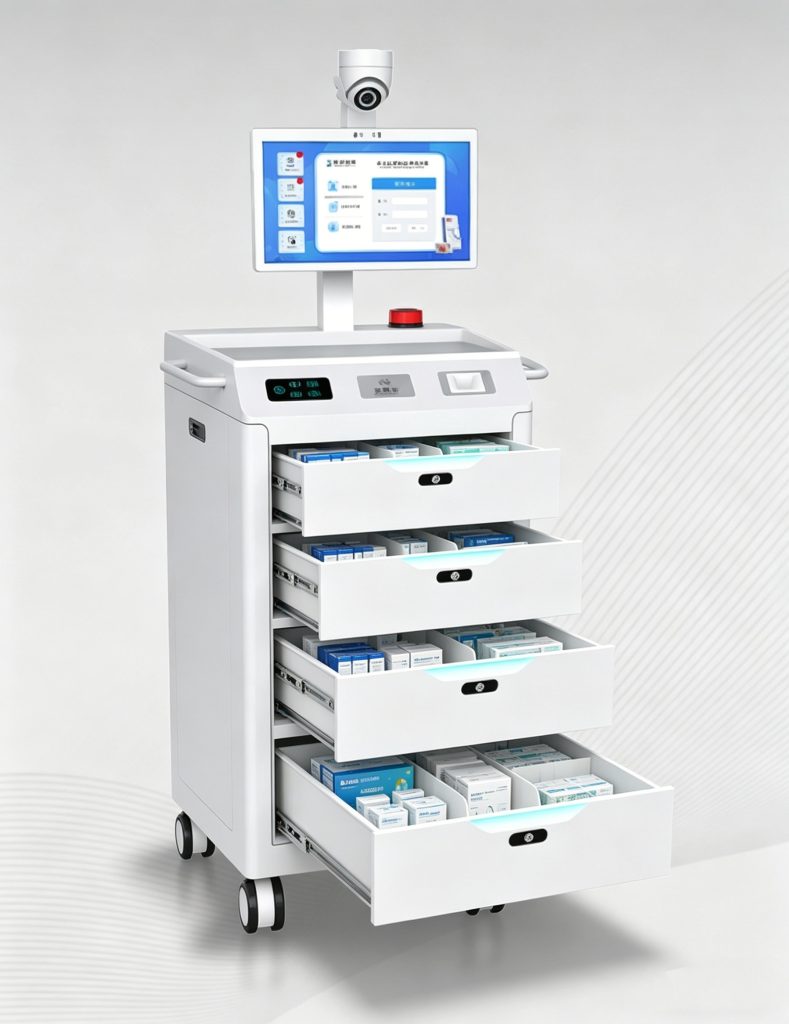
In practice, inventory accuracy often depends on storage, not tracking.
That’s why many hospitals implement an RFID medical cabinet system as part of their inventory setup.
These cabinets automatically:
No scanning. No manual input.
From what I’ve seen, this setup solves a very specific problem:
not knowing what’s actually been taken.
And once that’s solved, inventory data becomes much more reliable.
RFID inventory systems don’t make everything perfect overnight. But a few changes tend to show up pretty quickly.
Stock levels become more trustworthy
Staff stop second-guessing the system.
Fewer emergency shortages
Because usage trends become visible earlier.
Less overstocking “just in case”
Departments rely less on buffer stock.
Inventory checks take less time
Because much of the data is already recorded automatically.
These aren’t dramatic changes individually—but together, they reduce a lot of daily friction.
Just like equipment tracking, inventory tracking doesn’t need to cover everything.
RFID is usually most useful for:
For low-cost, high-volume items, simpler methods often still make sense.
Trying to apply RFID to everything can add complexity without much benefit.
One thing that comes up often is this trade-off:
The more control you add, the more steps staff have to follow.
If accessing supplies becomes too complicated, people find workarounds. And that defeats the purpose.
This is where smart cabinets tend to work better than manual systems.
They add control—but without adding extra actions.
Staff still open the cabinet and take what they need.
The system just records it automatically in the background.
A lot of RFID projects focus heavily on hardware—tags, readers, software.
But in inventory systems, process design matters just as much.
Some questions that usually come up:
Without clear answers, even a good system can feel confusing.
With a simple structure, the same system becomes much easier to use.
If you strip it down, the idea is pretty straightforward:
Instead of asking people to keep inventory accurate,
you design a system where inventory updates itself.
That’s really what RFID is doing here.
Not replacing people—but removing the need for them to do repetitive tracking work.
RFID medical inventory management systems don’t fix inventory problems by adding more control.
They fix them by reducing the gap between what’s happening and what’s being recorded.
Once that gap gets smaller, everything else—planning, purchasing, daily operations—starts to improve naturally.
And in most hospitals, that’s where the real value shows up:
not in the technology itself, but in the fact that the data finally reflects reality.
Related products
CYKEO-GY1B Medical RFID Cabinet
CYKEO-GY1A Smart Medical Cabinet RFID
CYKEO-GY2A UHF RFID Hospital Asset Cabinet
CYKEO-GY2B Medical RFID Storage Cabinet
CYKEO-GY1 Smart RFID Medical Cabinet
FTNG-L-CK-03 FENTANYL SMARTDRUG CABINET
FTNG-L-CK-02 RFID Fentanyl Secure Pharmacy Cabinet
FTNG-L-CK-01 Medical RFID Medicine Cabinet
CYKEO-MFX RFID Operating Room Cabinet
CYKEO-MFY Operating Room RFID Cabinet
CYKEO-MH RFID Scrub Return Cabinet
CYKEO-GY3 Low-Value Consumables Cabinet
Guide Recommendations
RFID Technology Reshapes Hospital Management: Driving Intelligent Transformation in Healthcare
RFID in Medical Equipment and Asset Management: A Smart Solution for Efficiency and Cost Reduction
RFID in Healthcare: Tracking Equipment, Improving Care
RFID in Healthcare: Is It Really Solving Hospital Problems or Just Adding Tech?
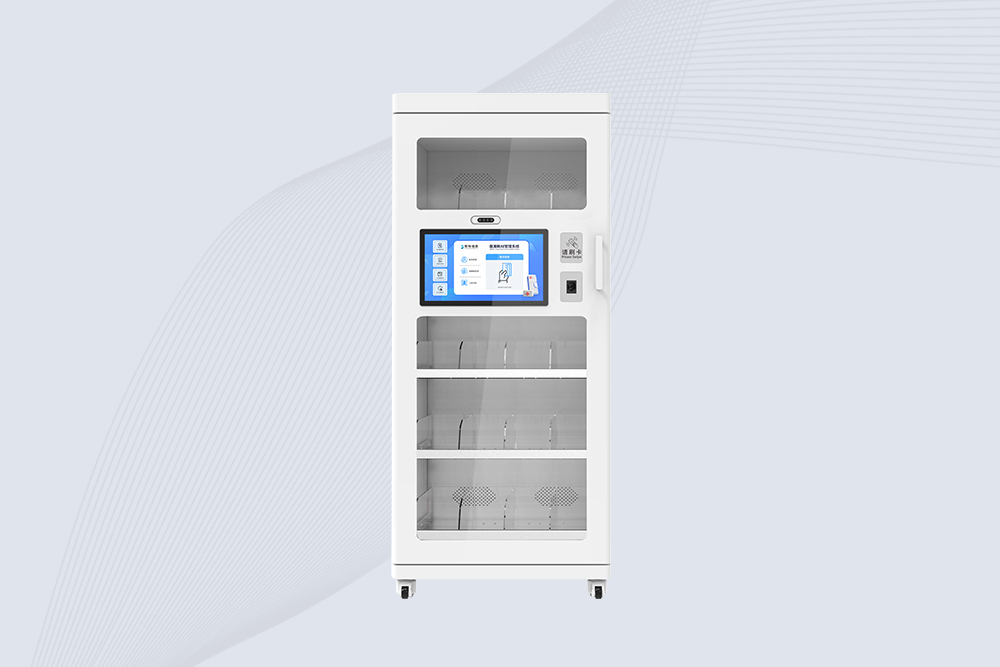
Cykeo’s medical RFID cabinet features 21.5″ touchscreen, dual-door security & HIPAA compliance for OR/pharmacy. Tracks implants, gauze & consumables. Request demo.
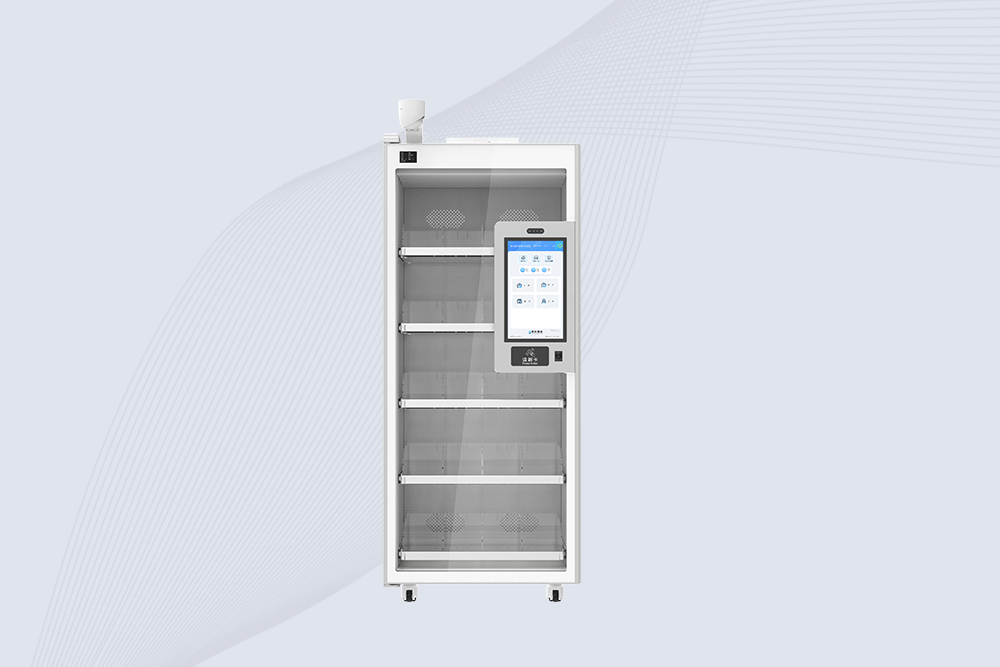
Cykeo’s smart medical cabinet RFID features 21.5″ touchscreen & 99.9% accuracy for OR instrument tracking. Modular shelves for 500+ items. HIPAA compliant. Request demo.
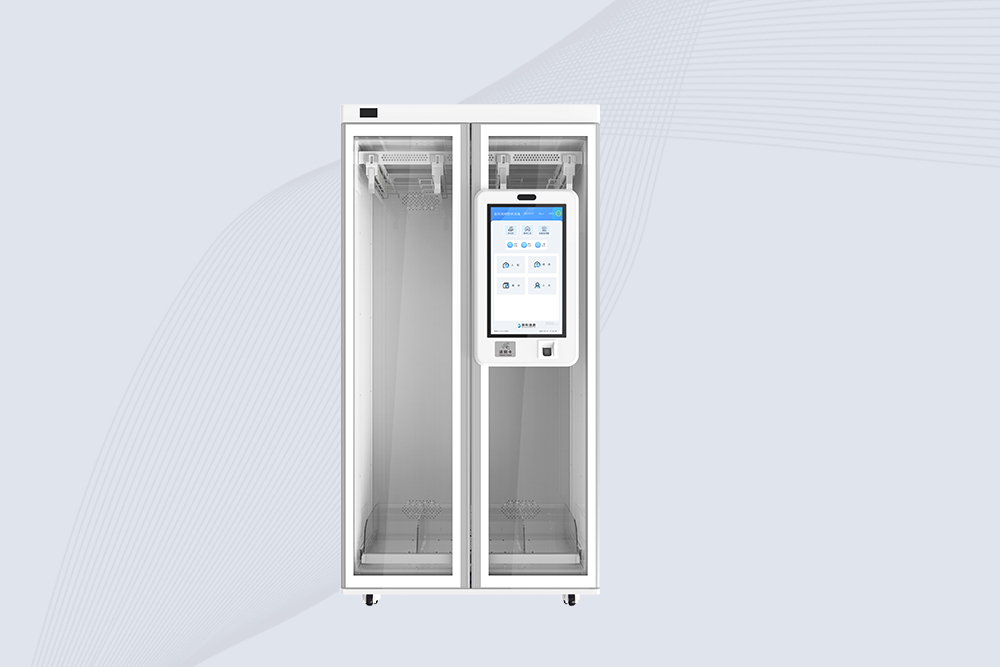
Cykeo’s UHF RFID hospital asset cabinet features dual-door security, antibacterial coating & 99.9% accuracy for OR implants. ISO 13485 compliant. Tracks 2000+ items.
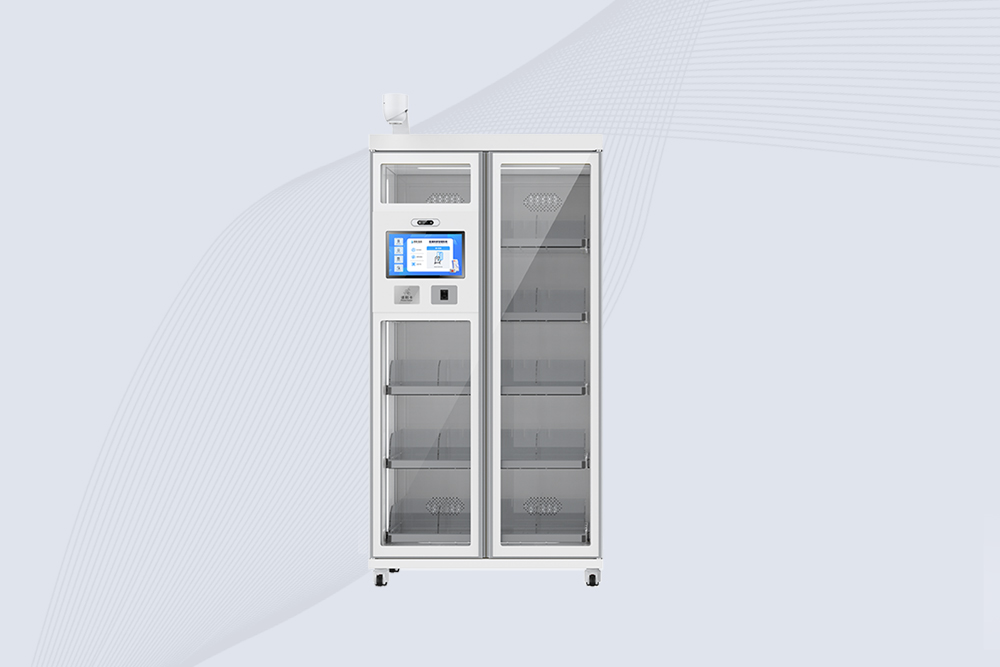
Cykeo’s medical RFID storage cabinet features 14″ touchscreen, 600 tags/sec scanning & 1.2mm steel security. Tracks 500+ surgical consumables. Reduces staff workload by 70%.
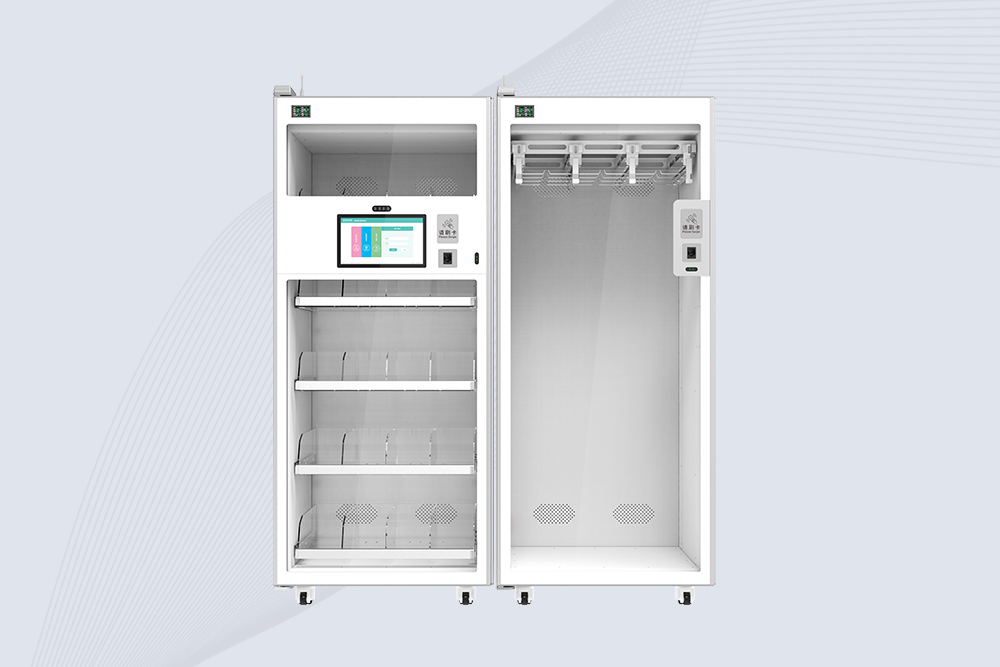
Cykeo’s smart RFID medical cabinet features dual-camera verification, 14″ touchscreen & 99% inventory accuracy. Reduces surgical errors & staff workload. FDA 21 CFR Part 11 compliant.
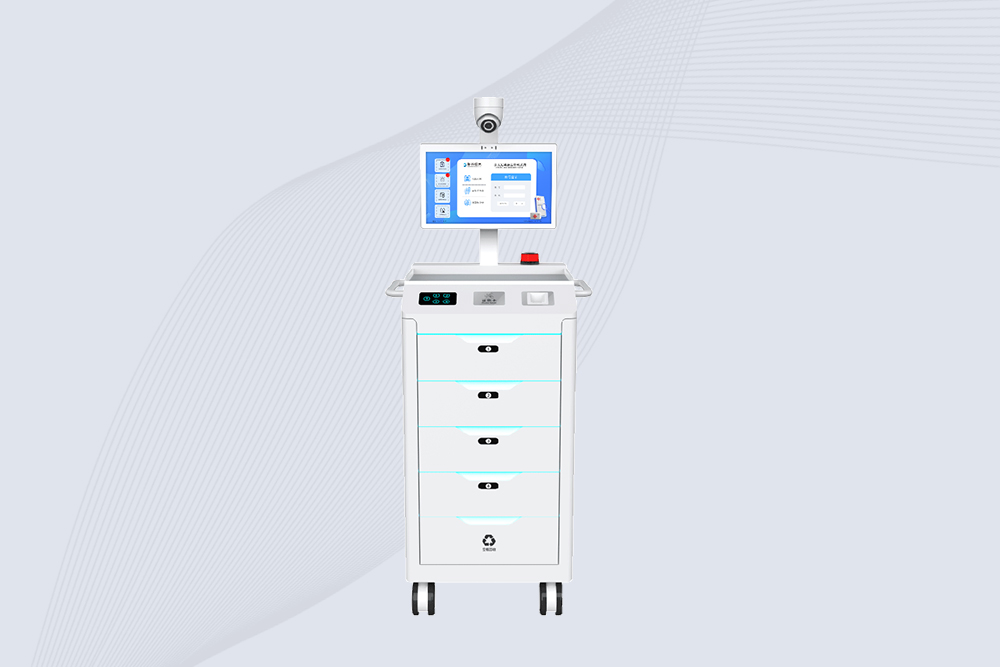
Cykeo’s RFID pharmacy security cabinet features 22″ touchscreen, residual liquid recovery & dual authentication for fentanyl storage. FDA compliant. Manages 1000+ narcotics.
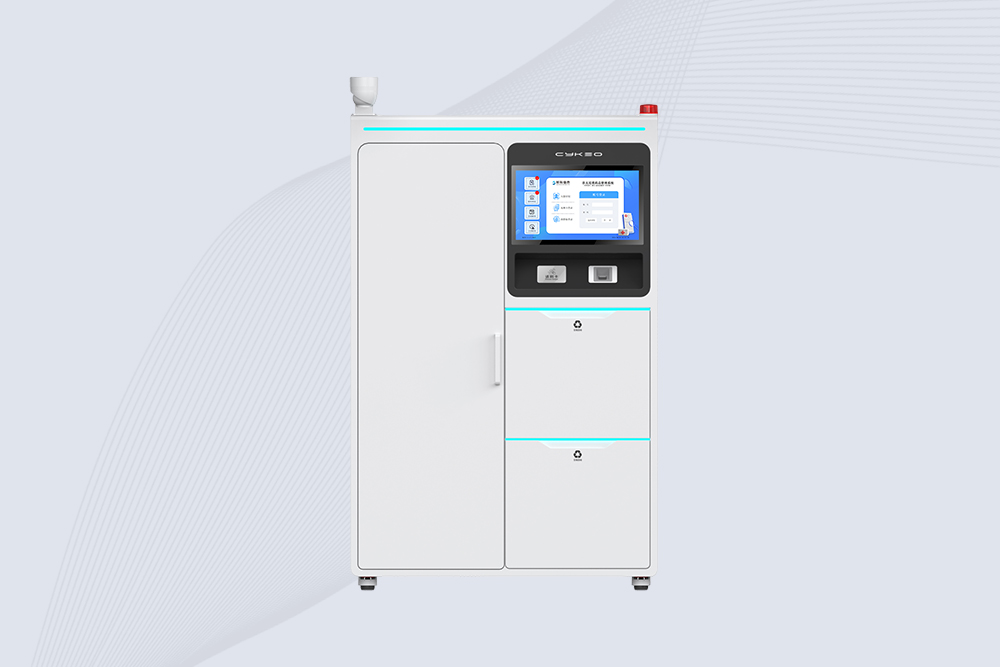
Cykeo’s RFID Anesthesia Medication Cabinet features blockchain auditing, MIL-STD-810G security & real-time reconciliation for Schedule II drugs. DEA/GMP compliant. Configurable 3-10 storage units.
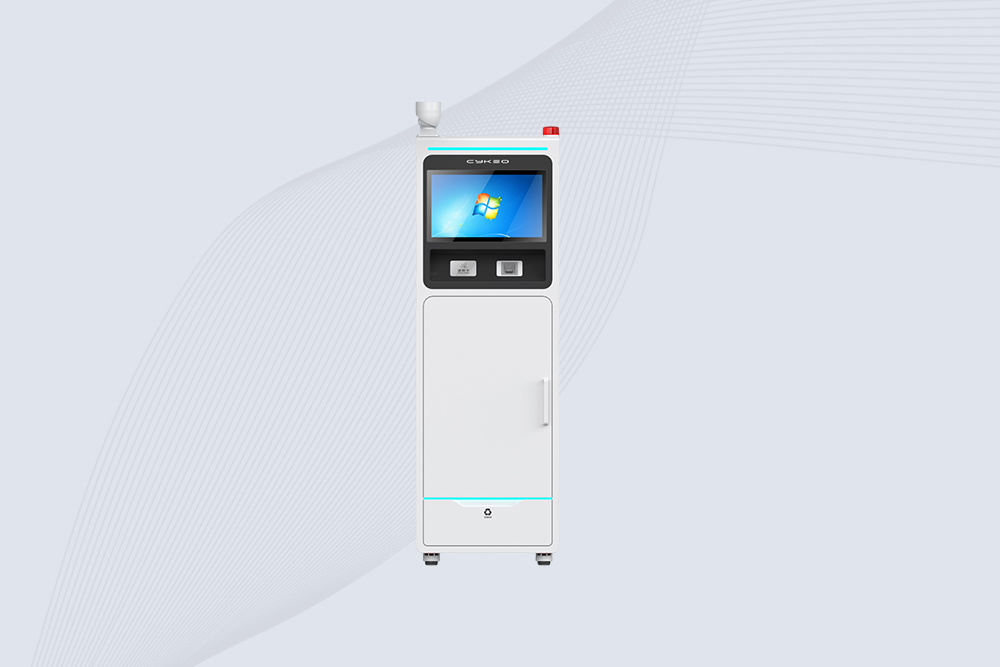
Cykeo medical RFID medicine cabinet features ≤5cm drug tracking, real-time HIS sync, military security, and USP-compliant climate control for Schedule II drugs.
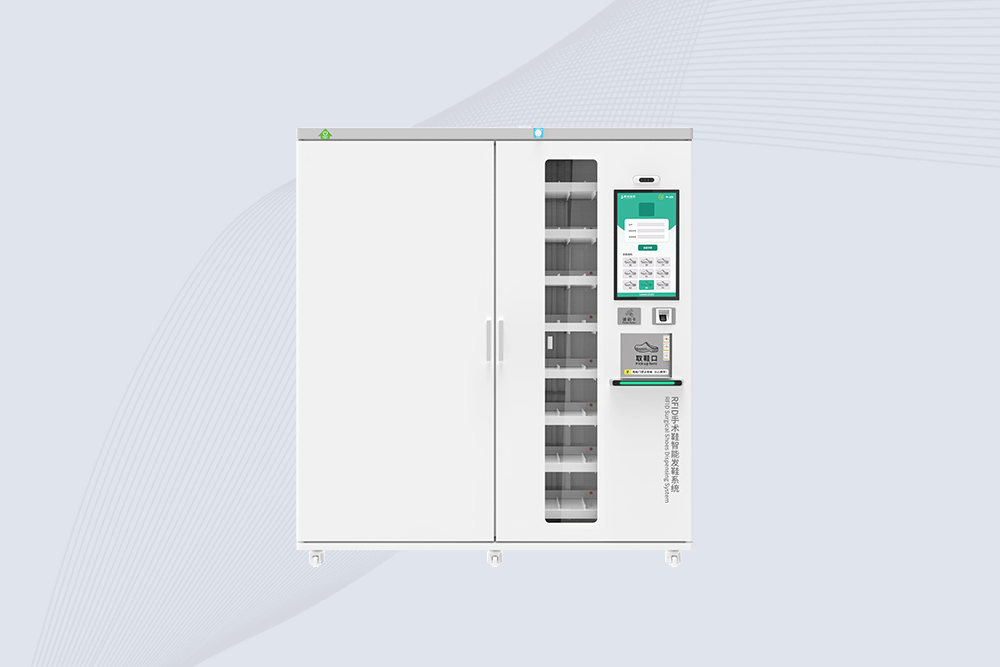
Cykeo RFID operating room cabinet features ≤55s shoe delivery, UHF RFID inventory control, ISO 13485 certification, and biometric access for OR workflow optimization.
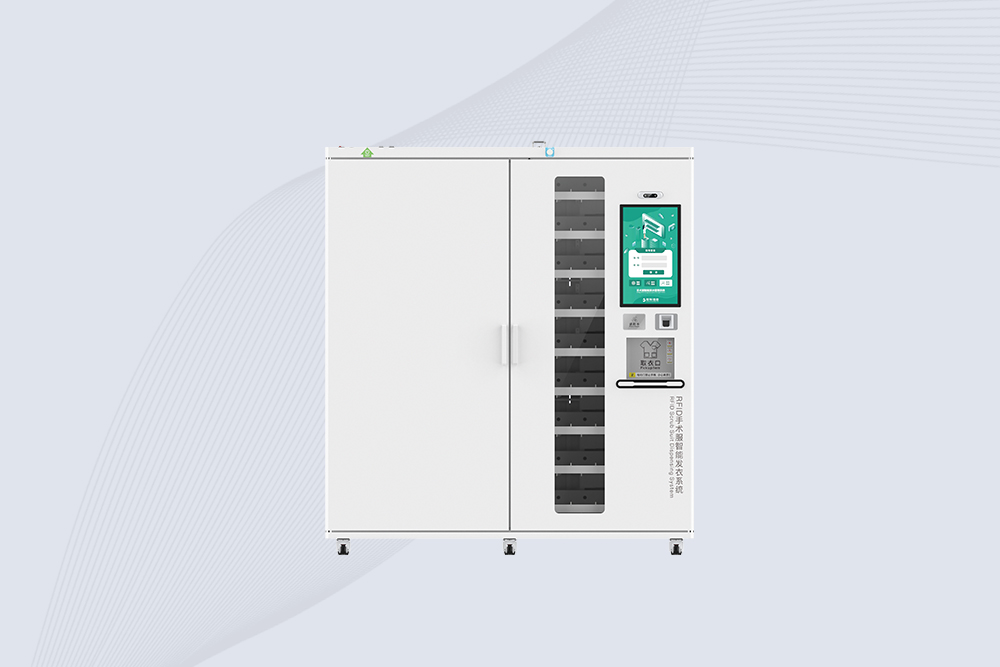
Cykeo operating room RFID cabinet features 108-gown capacity, UHF RFID tracking, real-time SPD integration, and biometric access for sterile OR management.
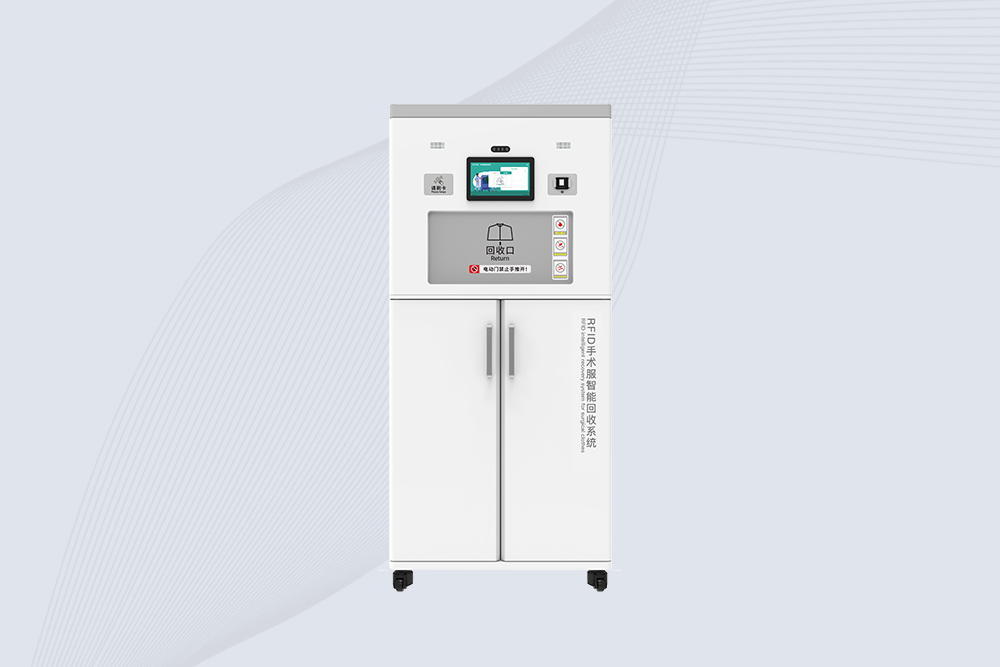
Cykeo’s RFID scrub return cabinet offers 50-gown batch scanning, HL7 integration, UV decontamination, and JCAHO compliance for hospitals/surgical centers.
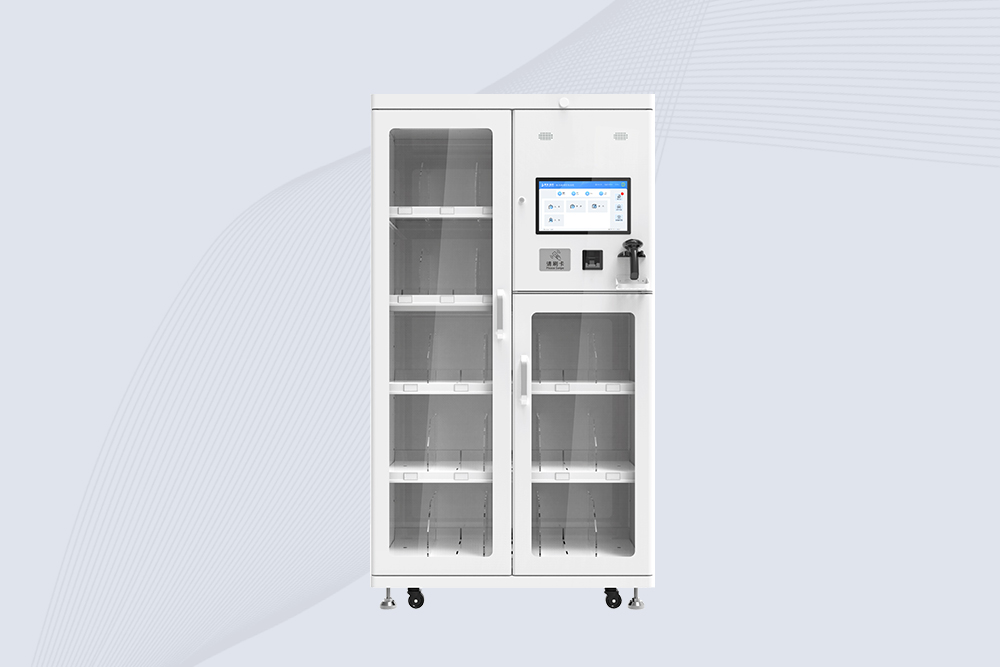
Cykeo’s low-value consumables cabinet offers 5-tier storage, HIPAA encryption, FDA compliance, and SAP integration for hospitals/clinics. Reduces stockouts by 70%.
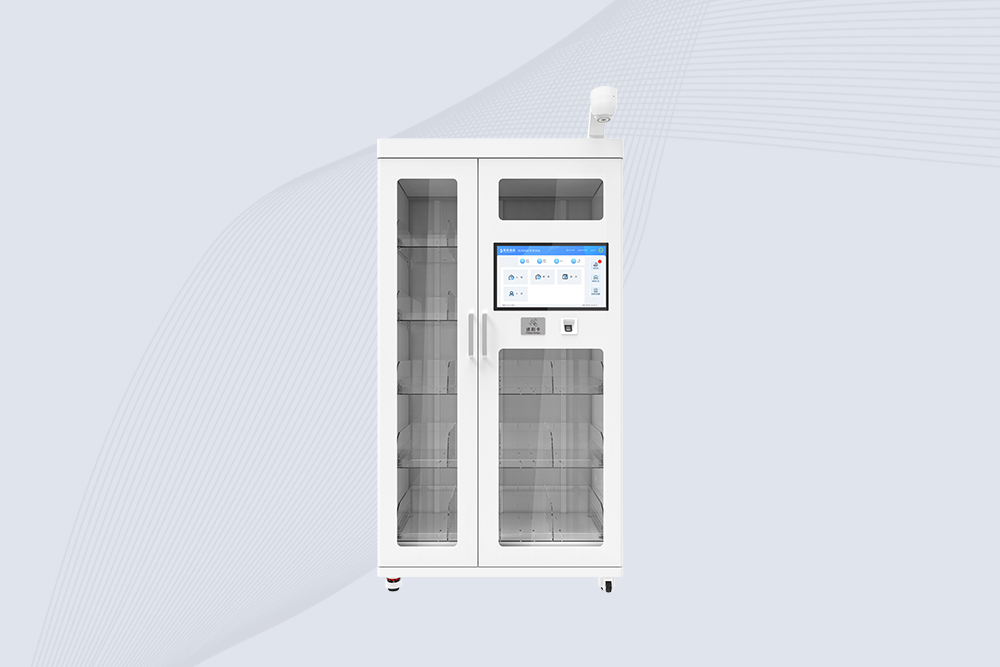
Cykeo’s RFID high-value consumables cabinet offers 500-implant capacity, FDA compliance, real-time Epic sync, and theft prevention for ORs/surgery centers.
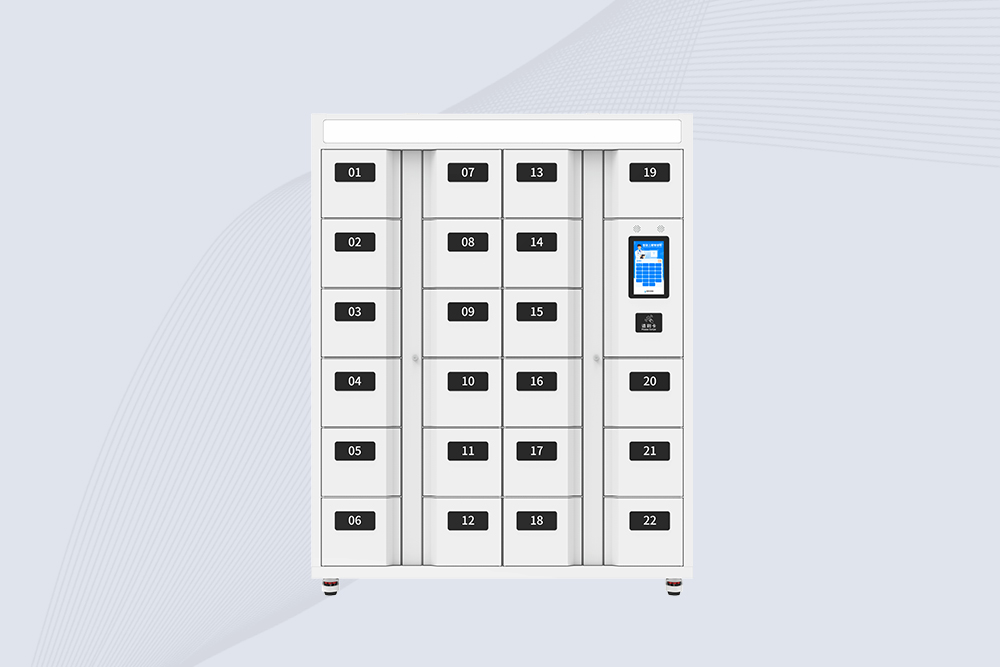
Cykeo CYKEO-G2224 rfid linen management cabinet features modular lockers, 10.1″ Android screen, and 200+/sec scanning for hospitals/hotels. SAP/Oracle integration.

Discover the key features that make handheld RFID scanners durable for outdoor use—weatherproofing, drop resistance, battery life, and more.
More
RFID Smart Recycling Cabinet designed for hotels, hospitals, and factories. Automate item tracking, reduce losses, and integrate with your existing systems. Perfect for wholesalers and software developers seeking bulk solutions.
More
Wondering "how far can a long-range RFID reader reach"? Real numbers from 12m to 200m+ for parking, yards, and warehouses. No fluff, just actual ranges with CYKEO.
More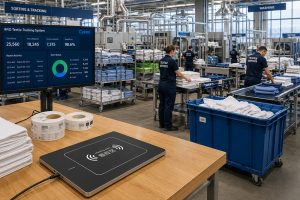
UHF textile services use RFID technology to automate linen tracking, laundry management, and textile inventory control. Discover how Cykeo improves visibility and efficiency.
More