 Cykeo RFID IoT Solution Products R&D Manufacturer
How to Understand and Choose the Right RFID Frequency Detector
647Learn the key differences between handheld and fixed RFID frequency detectors, their real-world uses, and how to pick the right one for your RFID system.
MoreAll RFID Product
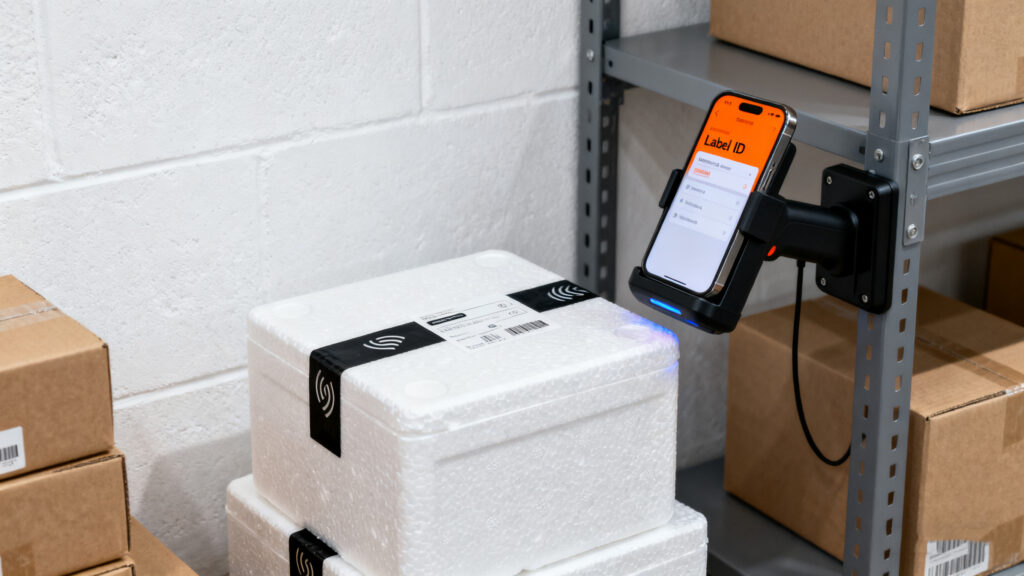
If you’ve ever done warehouse counts, retail stock takes, or field inspections, you know the pain of scanning one barcode at a time. Fixed RFID readers are powerful but not flexible enough when you’re on the move. That’s where a rfid scanner handy (handheld RFID scanner) comes in. You walk around, point the device, and dozens of tags get picked up instantly. It feels like switching from a screwdriver to a power drill—same job, but a lot faster.
There are basically three shapes in the wild:
Each has pros and cons. One-piece units are tough and feature-packed, sleds are portable and cost-effective, gun-style devices tend to be more stable for long-range reads.
Here’s where most projects go right—or wrong:
Many teams don’t fail because they chose the wrong scanner, but because they rushed the rollout. A practical step plan:
A rfid scanner handy isn’t a silver bullet. It won’t magically fix your data overnight. But it does take repetitive, slow barcode work and turn it into quick, batch RFID sweeps. The trick is aligning hardware, tags, people, and software. Start small, document the quirks, and scale smartly—that’s how you get ROI without headaches.
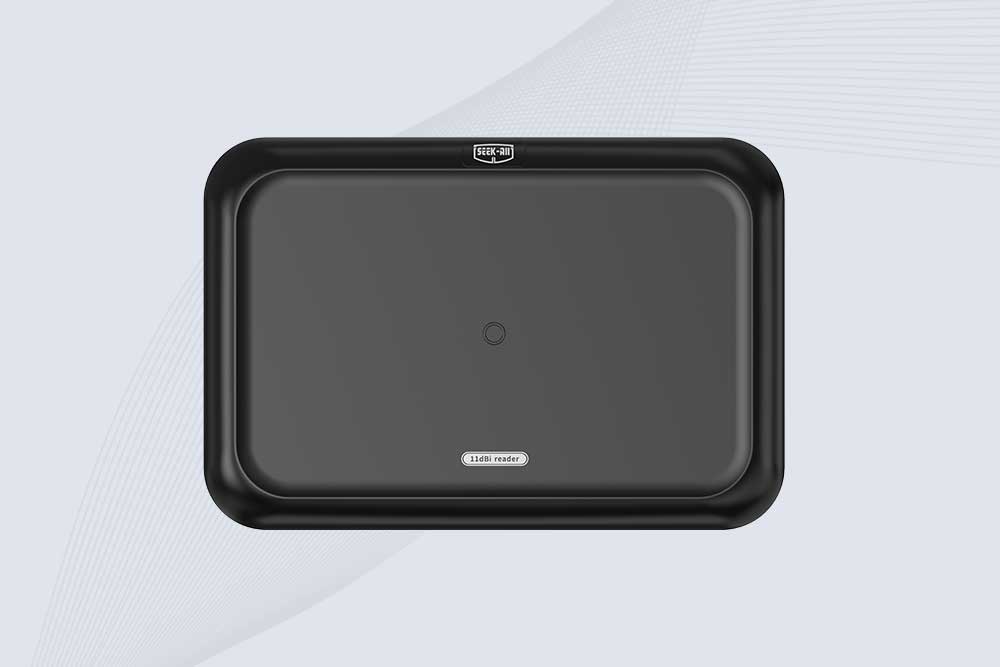
SSD-RA11L is an 11 dBi UHF RFID reader with up to 15m reading distance, 600+ tags/s speed, integrated antenna and flexible connectivity.
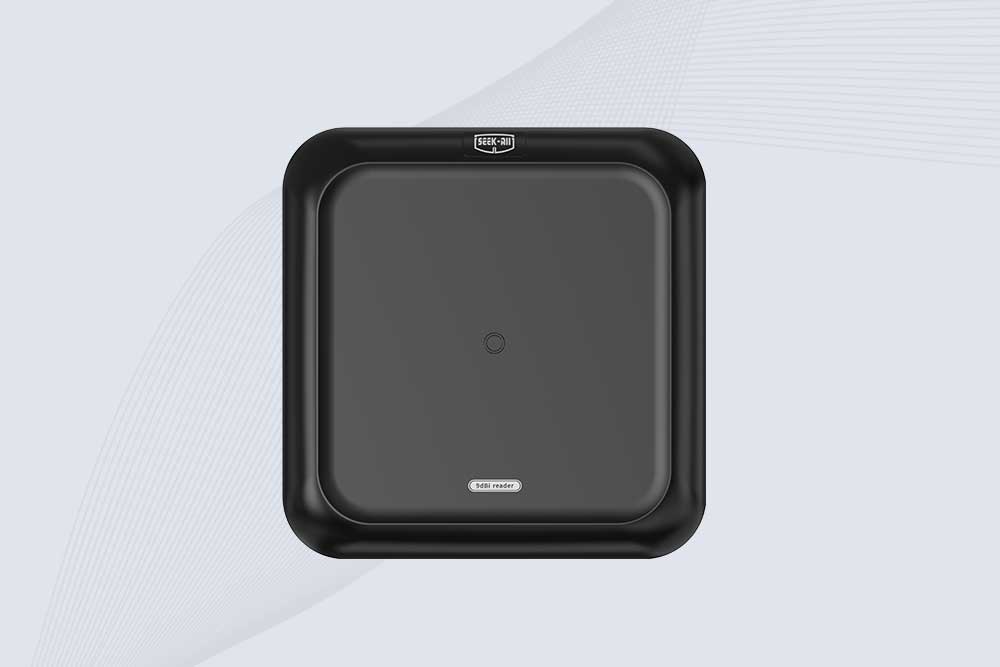
SSD-RA09L is a long range UHF RFID reader with a built-in 9 dBi antenna, 10m reading range, 600+ tags/s speed and flexible interfaces.
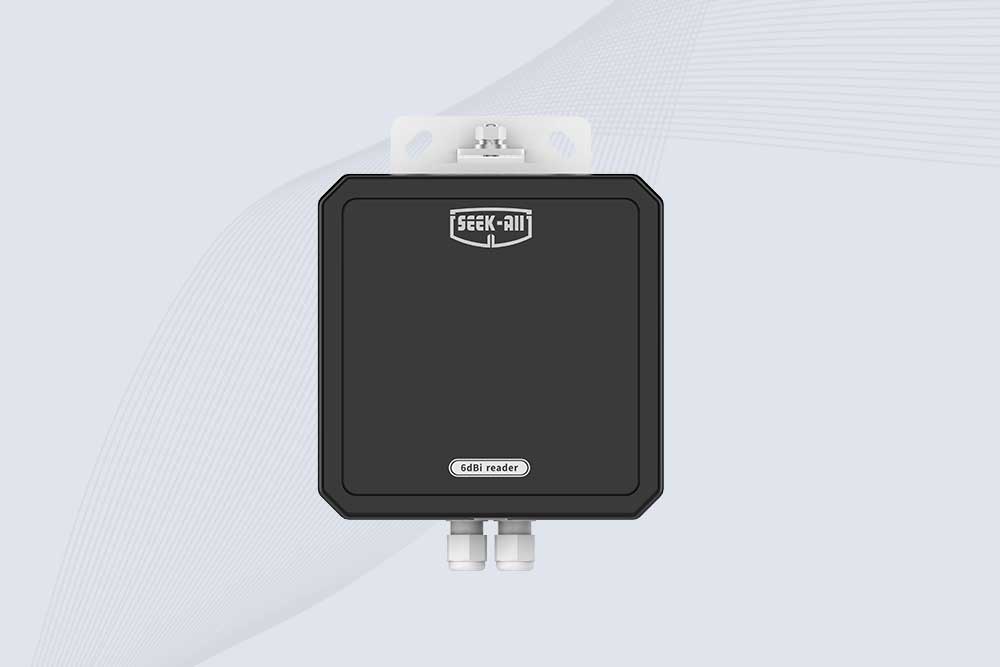
SSD-RA06L is an industrial UHF RFID reader with a built-in 6 dBi antenna, 3 m read range, 600+ tags/s, Ethernet, RS232, and optional Wi-Fi, 4G, and PoE.
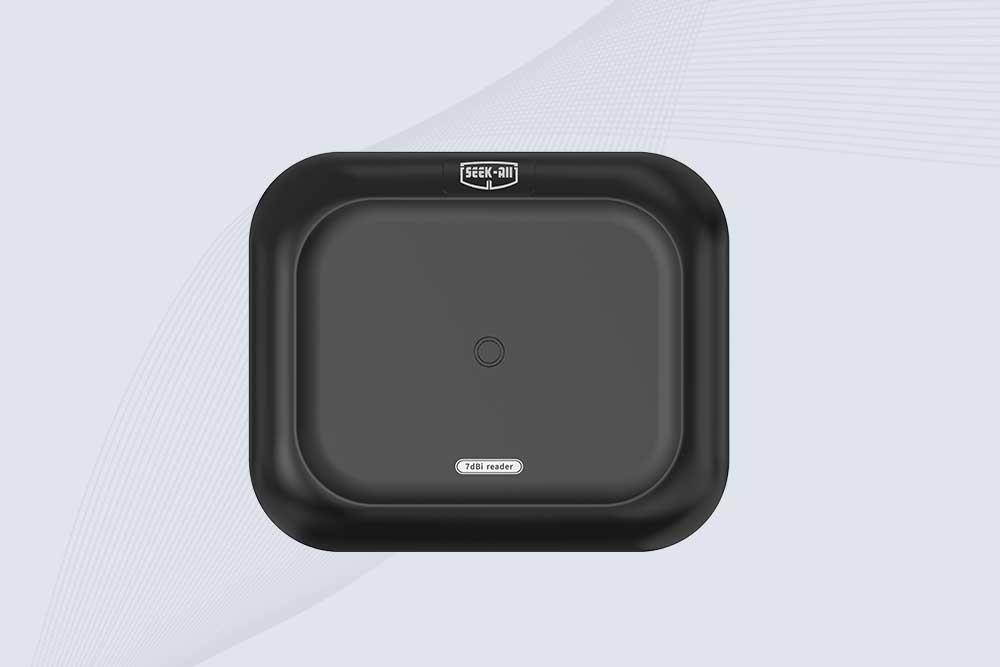
SSD-RA07L industrial UHF RFID reader with integrated 7 dBi antenna, up to 6 m reading distance, over 600 tags/s, Ethernet, RS232, and optional Wi-Fi, 4G, and PoE.
Learn the key differences between handheld and fixed RFID frequency detectors, their real-world uses, and how to pick the right one for your RFID system.
More
Stop getting lost in theory. Learn what is antenna in RFID systems practically, why its placement matters more than specs, and how it impacts your project's success.
More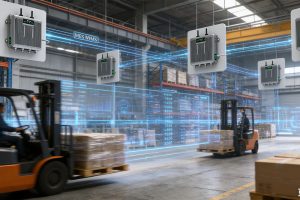
Discover how to integrate long-range RFID readers into industrial systems. Learn about automated asset tracking, WMS/MES integration, and deployment strategies for warehouses, production lines, and gate management.
More
How can rfid technology manage inventory? Discover how RFID improves stock accuracy, automated tracking, and warehouse visibility with Cykeo RFID solutions.
More