How can RFID technology manage inventory? RFID technology manages inventory by automatically identifying tagged items, recording movement data, and updating stock information in real time. RFID readers capture multiple products simultaneously, improving inventory accuracy, reducing manual counting, and creating digital visibility across warehouses and stores.
How Can RFID Technology Manage Inventory Through Real-World RFID Experience
After working with RFID identification projects across manufacturing, retail, logistics, and healthcare environments, I have learned that inventory problems are rarely caused by a lack of data.
They are caused by delayed data.
A warehouse may show 500 units in an enterprise system, while the physical shelves contain a different number. The gap appears because traditional inventory methods depend heavily on manual scanning, paperwork, and periodic counting.
During an RFID warehouse implementation project, I visited a distribution facility where employees spent several days completing monthly inventory checks. Products were stored across multiple areas, and the team had to manually confirm item codes one by one.
The problem was not employee efficiency.
The problem was that inventory information became outdated before decisions were made.
After RFID tags were attached to products and UHF RFID readers were installed at key points, inventory movement became automatically visible.
The company could identify:
Which items entered storage
Which products moved between zones
Which goods were shipped
Which inventory remained available
This is the practical answer to how can rfid technology manage inventory.
RFID does not simply count products.
It creates a continuous connection between physical inventory and digital inventory records.
According to GS1, RFID enables automatic identification and data capture by allowing objects to communicate identification information through radio frequency technology. RFID is widely used for improving supply chain visibility and inventory accuracy.
How RFID Inventory Management Works
An RFID inventory management system usually includes four major components:
Processes inventory data and connects business systems
The inventory management process works through several stages:
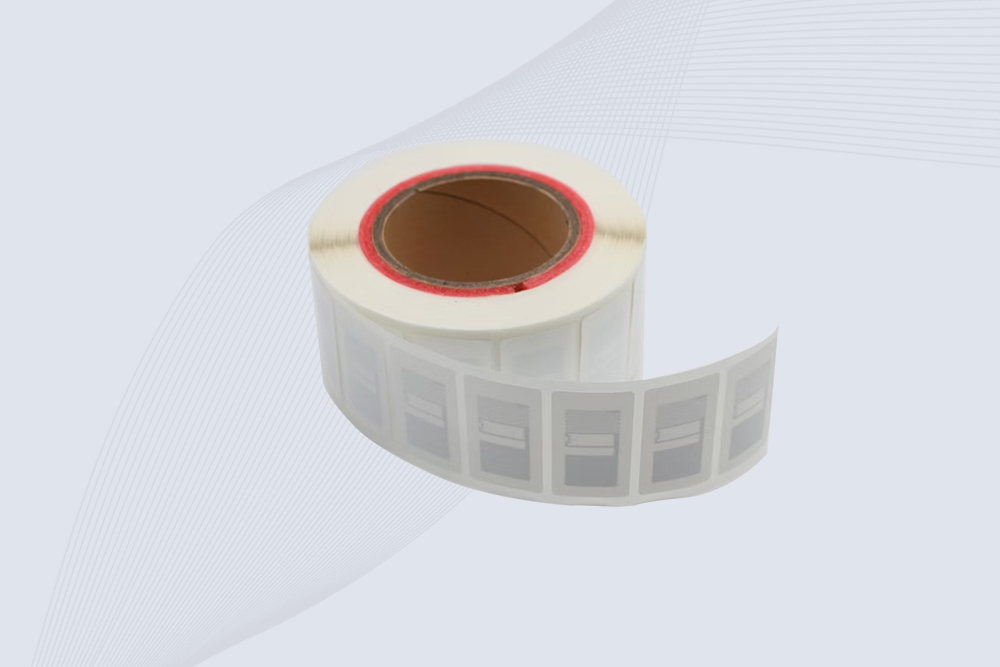
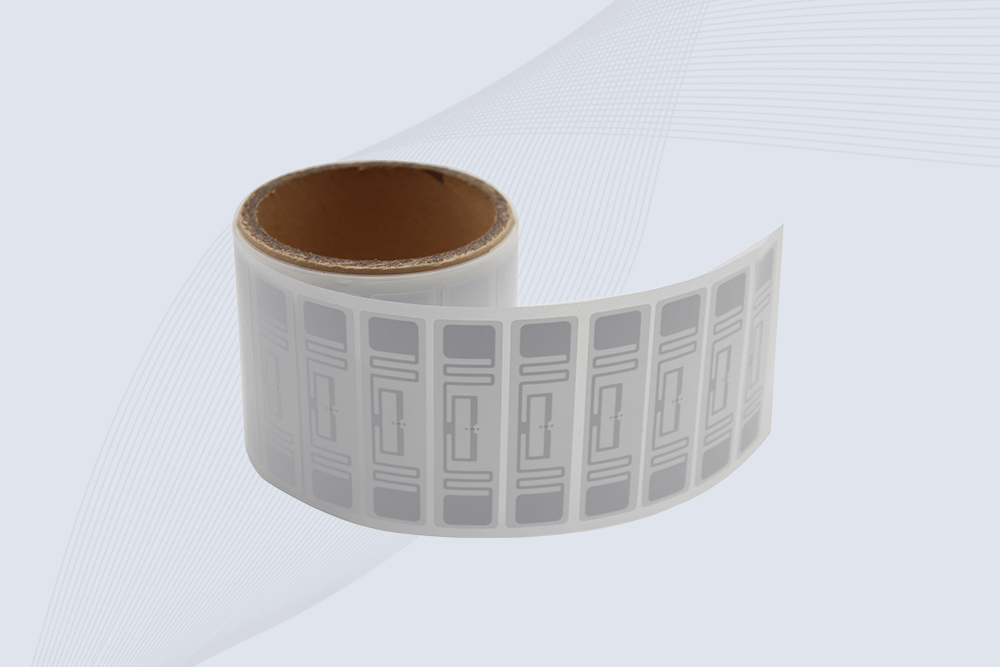
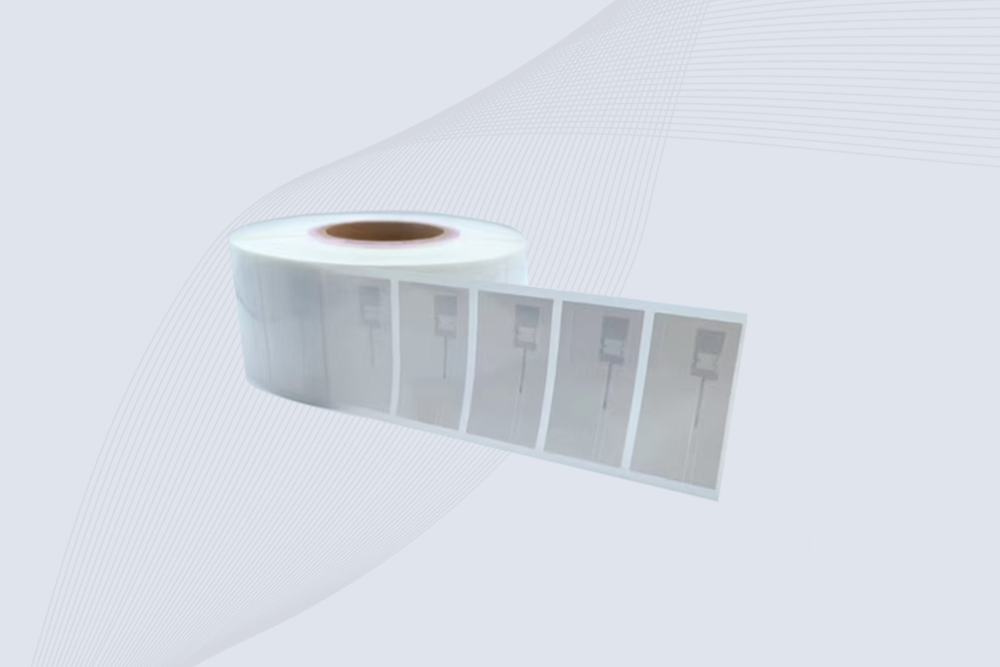
RFID tags are attached to products or assets.
RFID readers detect tagged items automatically.
Product information is transmitted to software systems.
Inventory records are updated.
Managers access real-time stock information.
Unlike manual counting, RFID reduces the dependency on employees physically checking every product.
A warehouse worker does not need to scan each barcode individually.
The system collects information as products pass through RFID reading areas.
RFID Technology Improves Inventory Accuracy
Inventory accuracy is one of the biggest reasons companies adopt RFID.
Traditional inventory management often depends on:
Manual counting
Barcode scanning
Spreadsheet updates
Periodic audits
These processes create several challenges:
Human errors
Delayed information
Missing inventory records
Difficult asset tracking
RFID changes the workflow by creating automatic identification.
For example:
A retail store receives new products.
Each product already contains an RFID tag.
When goods enter the storage area, RFID readers capture the information automatically.
The inventory system immediately knows:
Product category
Quantity
Arrival time
Storage location
This improves operational decisions.
According to research from Auburn University RFID Lab, RFID adoption in retail supply chains has helped organizations achieve inventory accuracy improvements above 95% in real-world implementations.
RFID Inventory Management Applications
Retail Inventory Control
Retailers use RFID inventory systems to manage thousands of products.
Common applications include:
Clothing inventory tracking
Supermarket stock management
Smart shelves
Automated checkout
Product availability monitoring
For fashion retailers, RFID is especially valuable because every item may have different:
Size
Color
Style
SKU information
Manual counting becomes difficult when product variety increases.
RFID provides item-level visibility.
Warehouse and Distribution Management
Warehouses require accurate information about product movement.
RFID helps manage:
Receiving operations
Storage locations
Picking processes
Shipment verification
A pallet equipped with RFID tags can be identified when entering or leaving warehouse zones.
This reduces unnecessary searching and improves operational efficiency.
Manufacturing Inventory Management
Factories manage raw materials, components, tools, and finished products.
RFID helps track:
Production materials
Work-in-progress items
Equipment
Finished goods
This provides production teams with better visibility into available resources.
Healthcare Inventory Management
Hospitals manage valuable supplies where accuracy is important.
RFID inventory management supports:
Medical consumables
Pharmacy stock
Surgical instruments
Equipment tracking
By automatically recording movement, hospitals can reduce supply shortages and improve asset utilization.
RFID inventory management provides automated product identification and real-time stock visibility.
RFID Inventory Tracking Compared with Traditional Methods
Feature
Manual Inventory
Barcode System
RFID Inventory System
Identification Method
Human counting
Optical scanning
Radio frequency identification
Reading Speed
Slow
Medium
Fast
Multiple Item Reading
No
Limited
Yes
Human Error Risk
High
Medium
Lower
Real-Time Visibility
Limited
Partial
Strong
The difference is not only speed.
The larger change is data availability.
Traditional methods tell companies what inventory was counted.
RFID helps companies understand what inventory is moving.
Key Factors Affecting RFID Inventory Performance
RFID inventory management success depends on system design.
Important factors include:
Factor
Influence
RFID Tag Selection
Determines compatibility with products
Reader Placement
Controls identification coverage
Antenna Configuration
Affects reading performance
Software Integration
Determines data usability
Environment
Influences signal stability
A common mistake is focusing only on RFID reading distance.
In real projects, inventory accuracy depends more on correct system planning.
The best RFID system is the one that fits the movement pattern of products.
RFID Inventory Management Creates Digital Supply Chain Visibility
Modern companies need more than inventory numbers.
They need to understand:
Where products are located
How inventory moves
When stock changes
Which items require attention
RFID technology provides this connection.
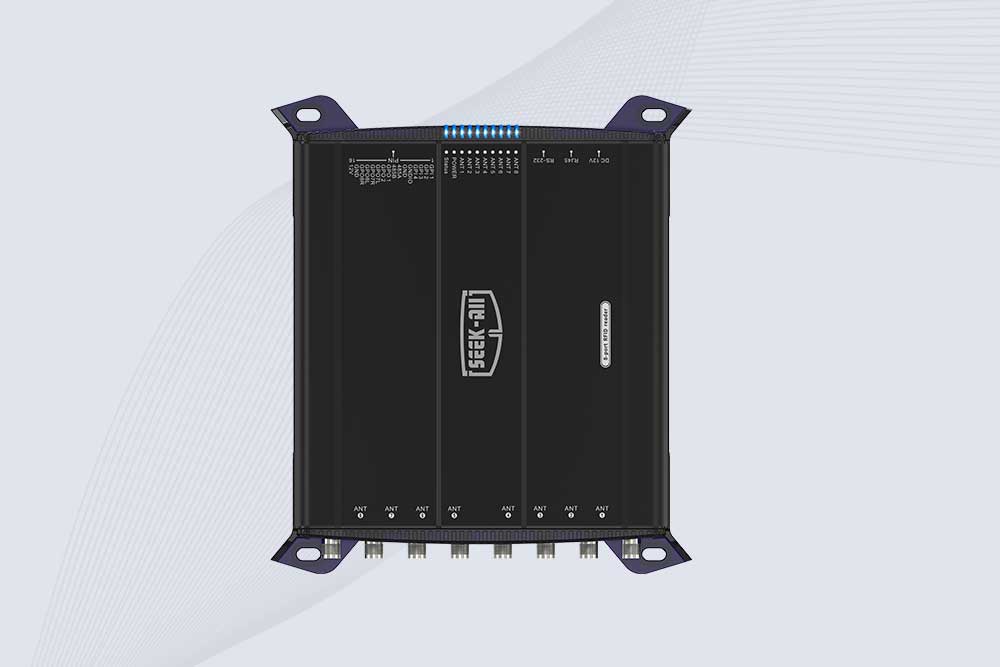
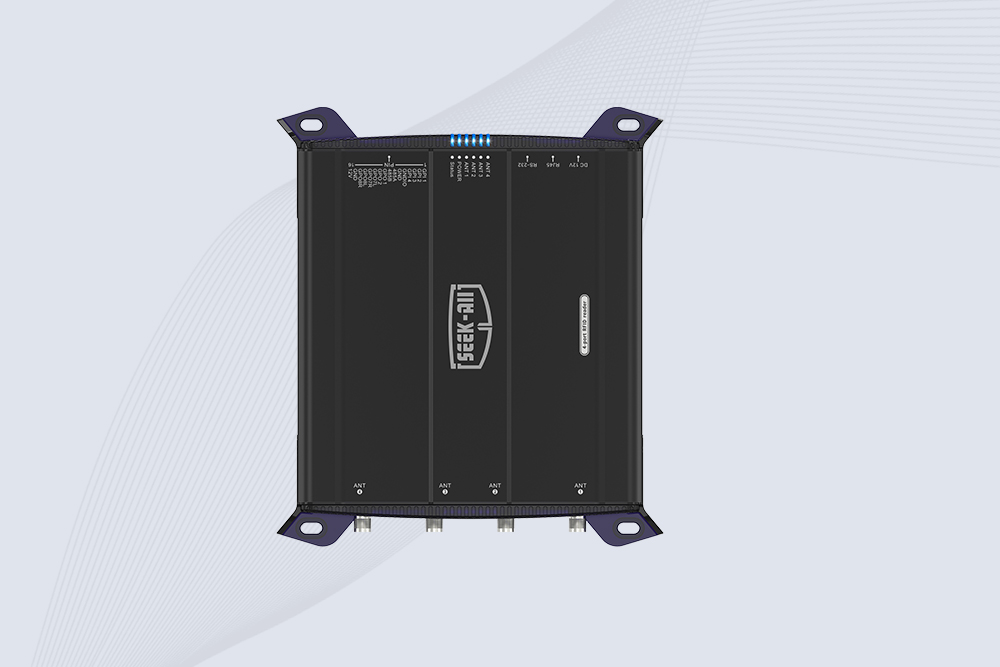
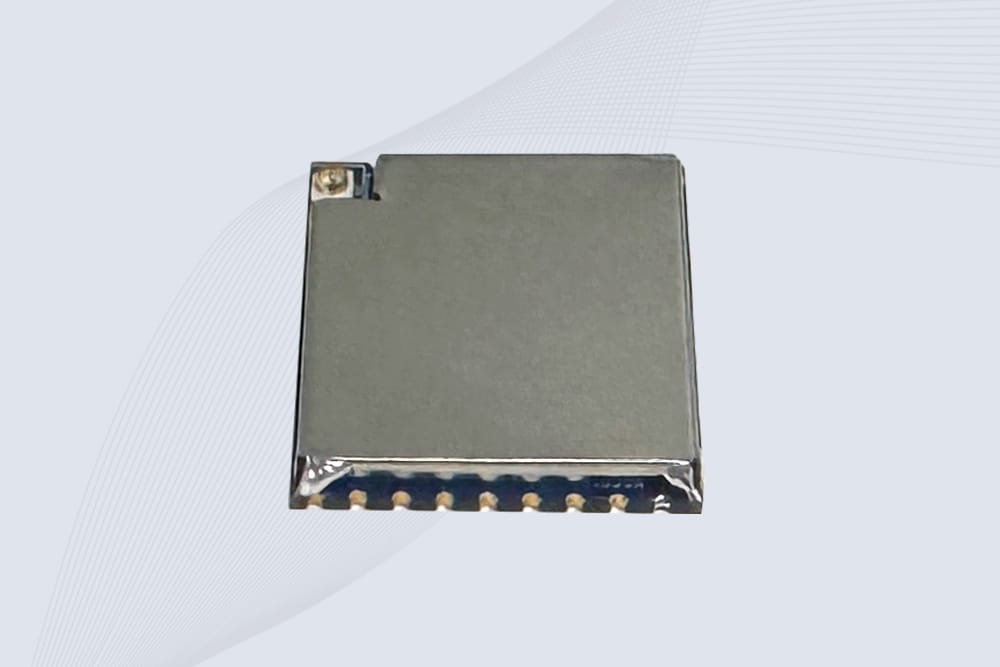
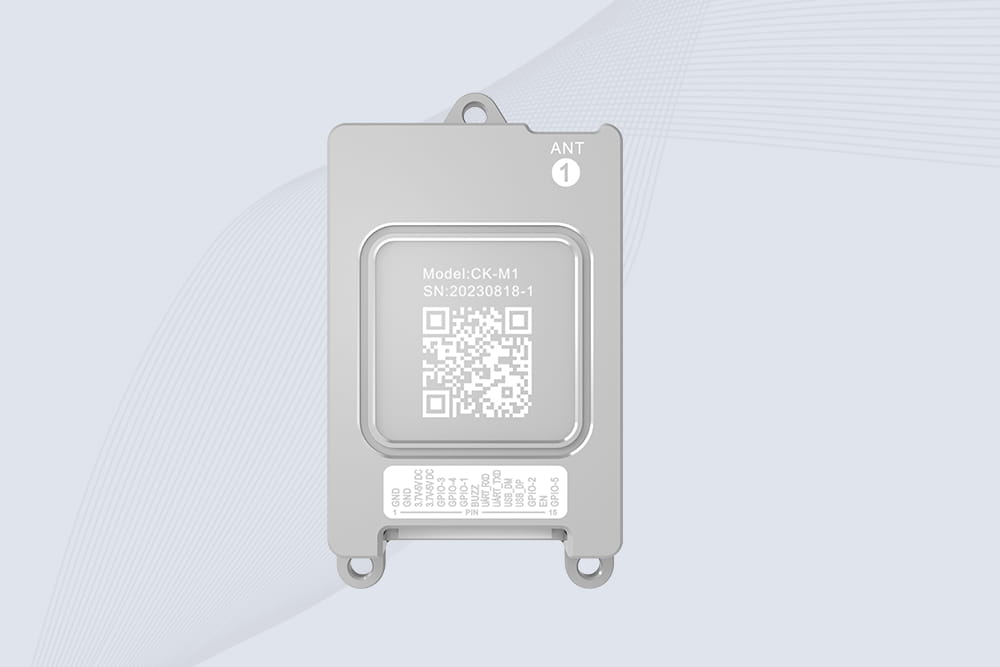
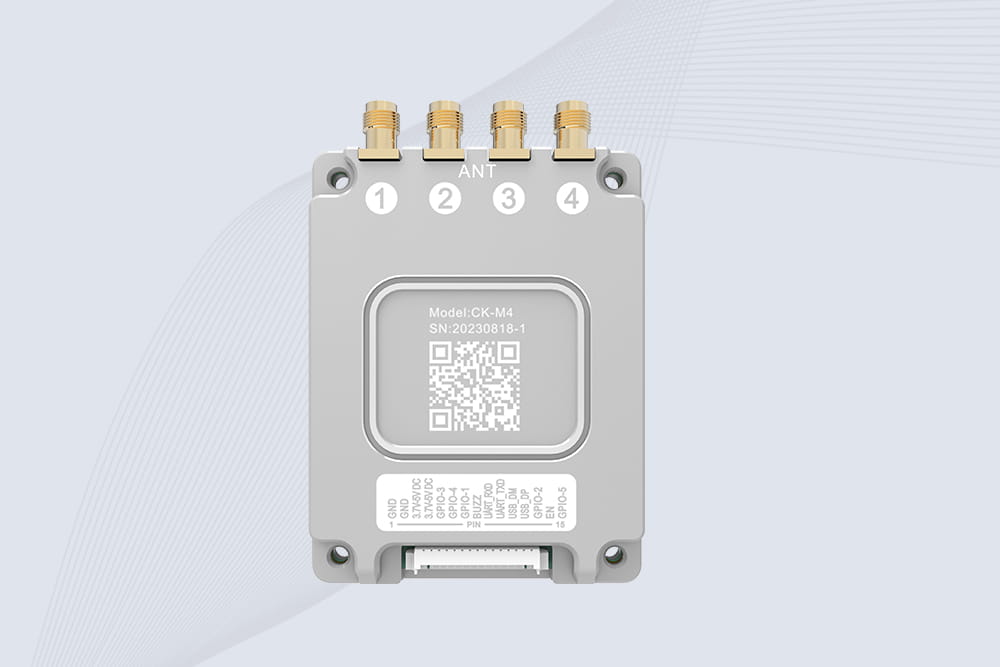
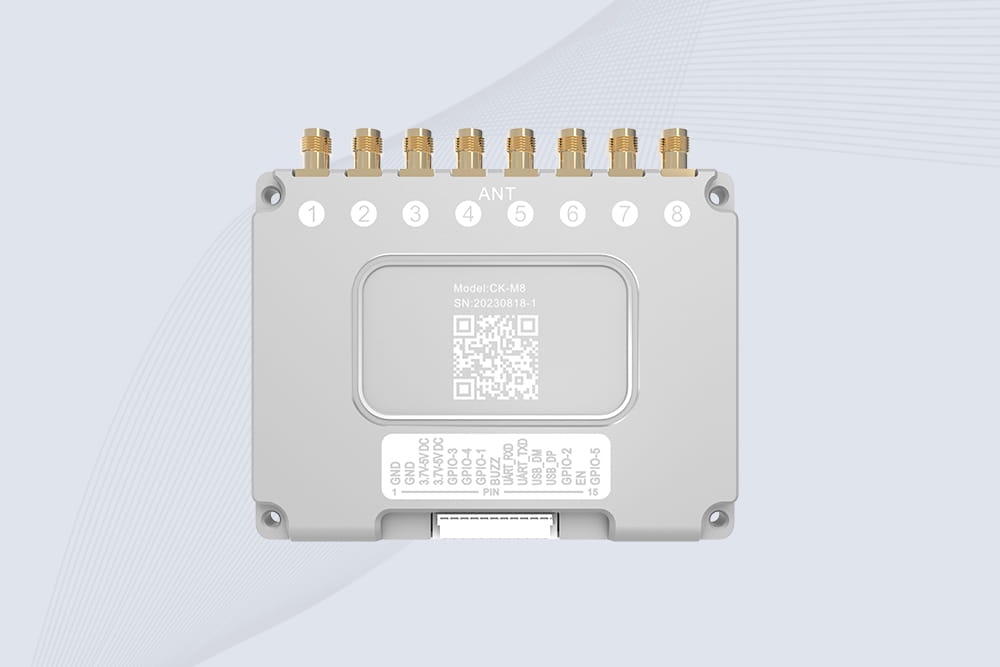
Cykeo RFID solutions combine UHF RFID readers, modules, and system integration capabilities to help enterprises build smarter inventory management processes.
The answer to how can rfid technology manage inventory is clear: RFID manages inventory by automatically identifying products, recording movement events, and transforming physical stock into accurate digital information.
Cykeo RFID Technology for Intelligent Inventory Management
RFID inventory management success depends on more than attaching RFID tags to products.
The real value comes from connecting identification hardware, communication technology, and business software into one continuous information system.
Cykeo develops UHF RFID solutions designed for enterprises that need reliable inventory visibility across complex environments.
The Cykeo RFID inventory management architecture focuses on:
Fast multi-tag identification
Stable long-distance reading
Industrial-grade reliability
Flexible system integration
Real-time inventory data processing
In practical deployments, inventory accuracy is not improved because employees count faster.
It improves because the system captures product movement automatically.
Cykeo RFID Inventory Management Technical Advantages
1. High-Speed Multi-Tag Reading Capability
Inventory environments rarely contain one item at a time.
A warehouse may process hundreds of cartons.
A retail store may receive thousands of products.
A hospital supply room may manage large quantities of consumables.
Cykeo UHF RFID solutions support multi-tag recognition through advanced anti-collision algorithms.
This allows multiple RFID tags to be identified during one reading process.
Advantages include:
Faster inventory counting
Reduced manual scanning
Improved warehouse efficiency
Lower operational workload
For businesses handling high-volume inventory, this difference becomes significant.
2. Industrial UHF RFID Reader Performance
Cykeo RFID readers are designed for demanding operational environments.
Technical features include:
Feature
Benefit
UHF RFID frequency support
Suitable for warehouse and retail applications
Adjustable RF output power
Optimizes different installation environments
ISO 18000-6C / EPC C1G2 compatibility
Supports global RFID standards
Stable communication interfaces
Enables enterprise integration
Anti-interference design
Improves reading reliability
A warehouse is not a laboratory.
There are metal shelves, moving equipment, changing product density, and human activity.
Industrial RFID equipment must perform under these conditions.
3. Flexible Software Integration
RFID generates large amounts of identification data.
Without integration, this information has limited value.
Cykeo RFID systems can connect with enterprise platforms through communication interfaces and development support.
Possible integrations include:
ERP systems
Warehouse management systems
Retail management platforms
Asset management software
The goal is transforming RFID reading events into business decisions.
RFID Inventory System Architecture
A complete RFID inventory management system usually contains several layers.
Layer 1: RFID Identification Layer
This layer includes:
RFID tags
RFID labels
Anti-metal RFID tags
Industrial RFID tags
Each tag provides a unique identity for products or assets.
Layer 2: RFID Reading Layer
The reading layer collects product information.
Main equipment:
Fixed RFID readers
Handheld RFID readers
Desktop RFID readers
RFID antennas
Readers create detection zones throughout operational areas.
Examples:
Warehouse entrances
Production lines
Retail checkout areas
Medical storage rooms
Layer 3: Data Management Layer
The software layer converts RFID data into useful information.
Functions include:
Inventory reports
Movement tracking
Stock alerts
Product history
Asset records
Layer 4: Business Decision Layer
The final goal is operational improvement.
Managers can analyze:
Inventory availability
Product movement speed
Storage efficiency
Asset utilization
RFID turns physical inventory into measurable digital information.
RFID vs Barcode Inventory Management Comparison
Both RFID and barcode technologies identify products, but their operating methods are different.
Feature
Barcode Inventory
RFID Inventory
Reading Method
Optical scanning
Radio frequency identification
Line of Sight
Required
Not required
Multiple Items
Usually one by one
Multiple tags simultaneously
Manual Operation
Higher
Lower
Data Collection Speed
Moderate
High
Automation Level
Limited
Advanced
Why RFID Provides Better Inventory Visibility
Barcode systems require workers to physically locate and scan products.
This creates several limitations:
Missed scans
Incorrect quantities
Delayed updates
Labor dependency
RFID systems collect information automatically as products move.
For example:
A pallet entering a warehouse can be identified immediately.
A shipment leaving a facility can be recorded automatically.
A retail checkout platform can recognize multiple products together.
The difference is not only speed.
It is operational transparency.
RFID Inventory Management Industry Case Studies
Case 1: Smart Retail Inventory
A fashion retailer managing thousands of SKUs faces constant inventory challenges.
Products move between:
Distribution centers
Storage rooms
Store shelves
Checkout areas
RFID helps create item-level visibility.
Benefits:
Faster stock counting
Improved product availability
Reduced inventory differences
Case 2: Medical Supply Management
Hospitals need reliable information about medical materials.
RFID inventory management supports:
Consumable tracking
Equipment monitoring
Pharmacy inventory control
When supplies move, the system records the event automatically.
This helps reduce situations where staff spend time searching for available items.
Case 3: Manufacturing Tool Management
Manufacturing companies often manage expensive tools and maintenance equipment.
RFID allows companies to track:
Tool location events
Usage records
Maintenance history
This creates better control over production resources.
Case 4: Logistics Warehouse Automation
Distribution centers require rapid inventory movement.
RFID supports:
Receiving automation
Shipment verification
Warehouse zone monitoring
Inventory reconciliation
The result is a more connected supply chain.
RFID technology connects retail products with digital inventory systems for accurate stock control.
RFID Inventory Management Deployment Strategy
Step 1: Analyze Inventory Movement
Before installing RFID equipment, companies should understand:
Where products enter
Where products leave
Which areas require monitoring
RFID works best when designed around actual movement patterns.
Step 2: Select Suitable RFID Tags
Different inventory requires different RFID tags.
Inventory Type
Recommended RFID Tag
Retail products
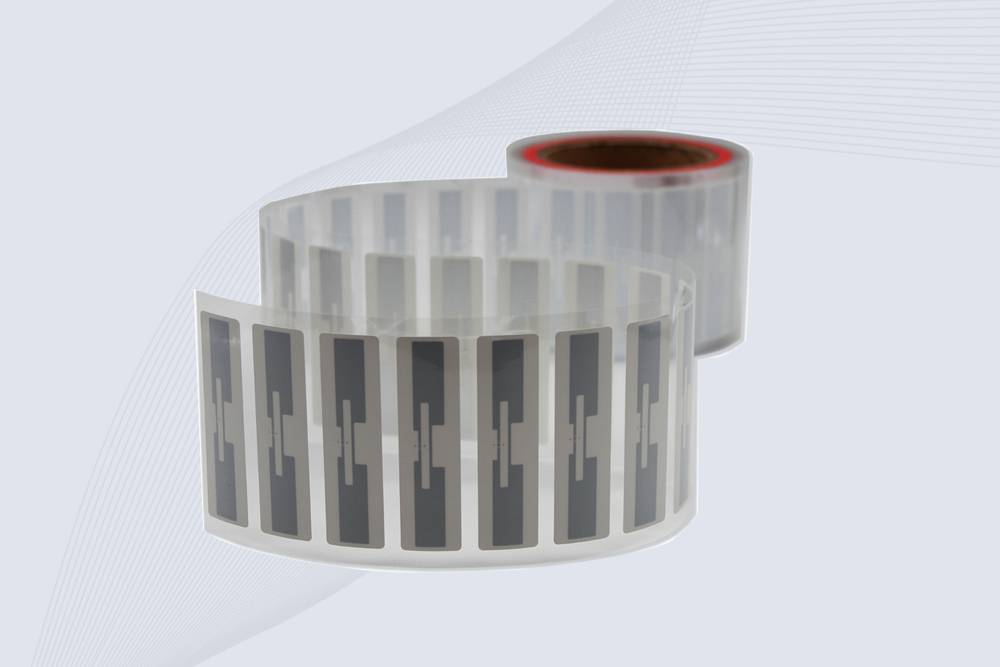
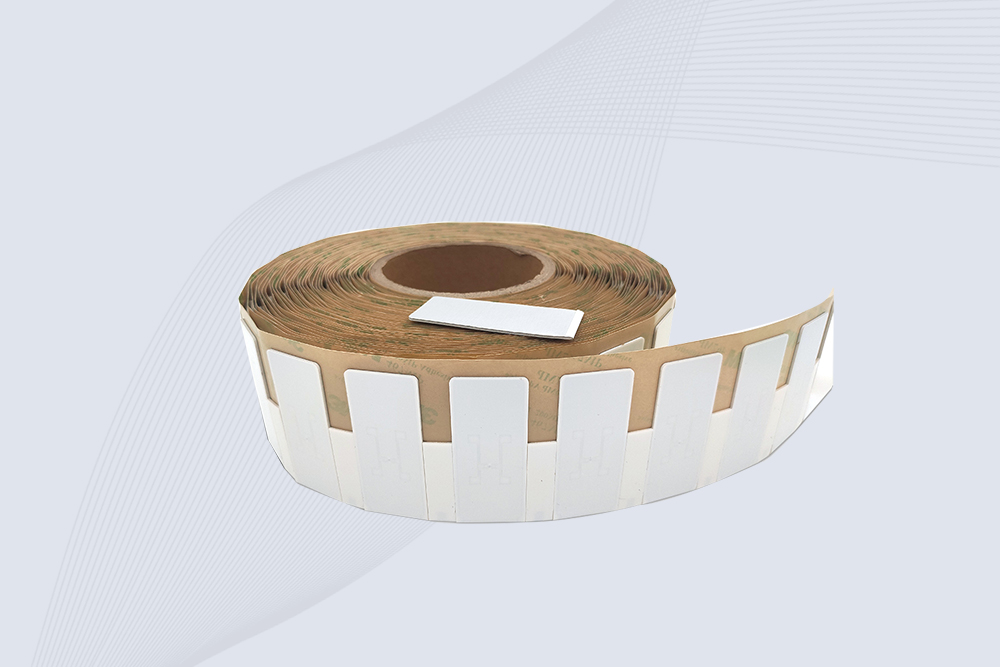
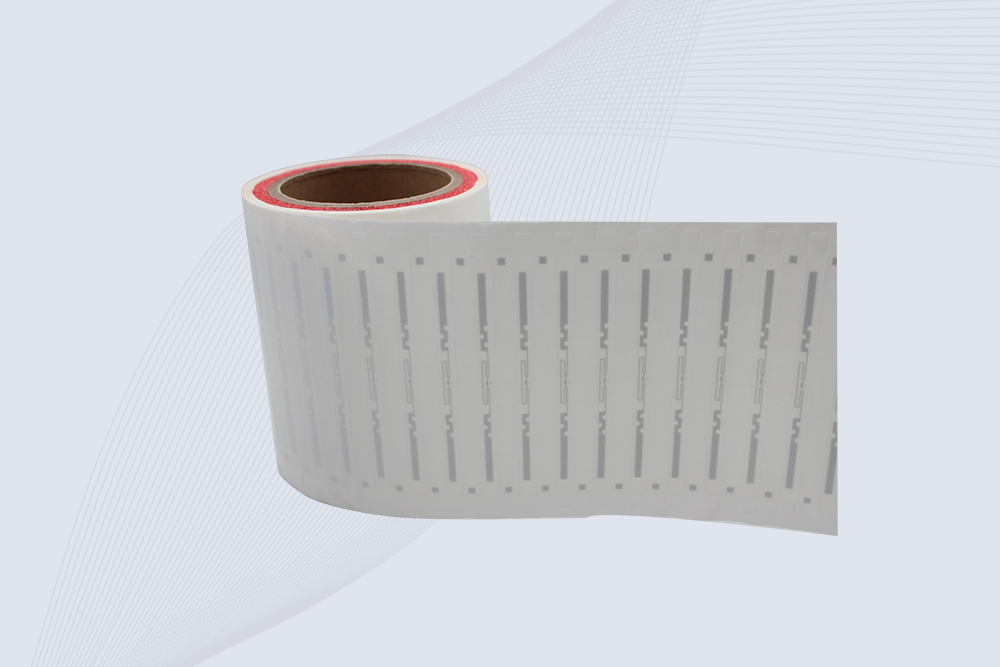
UHF RFID label tags
Metal tools
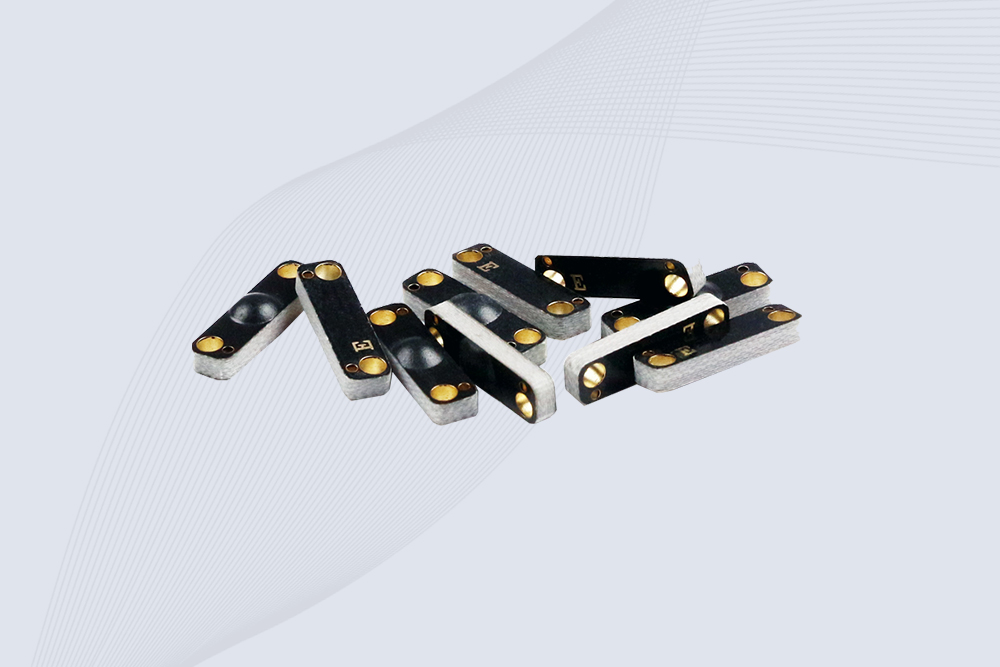
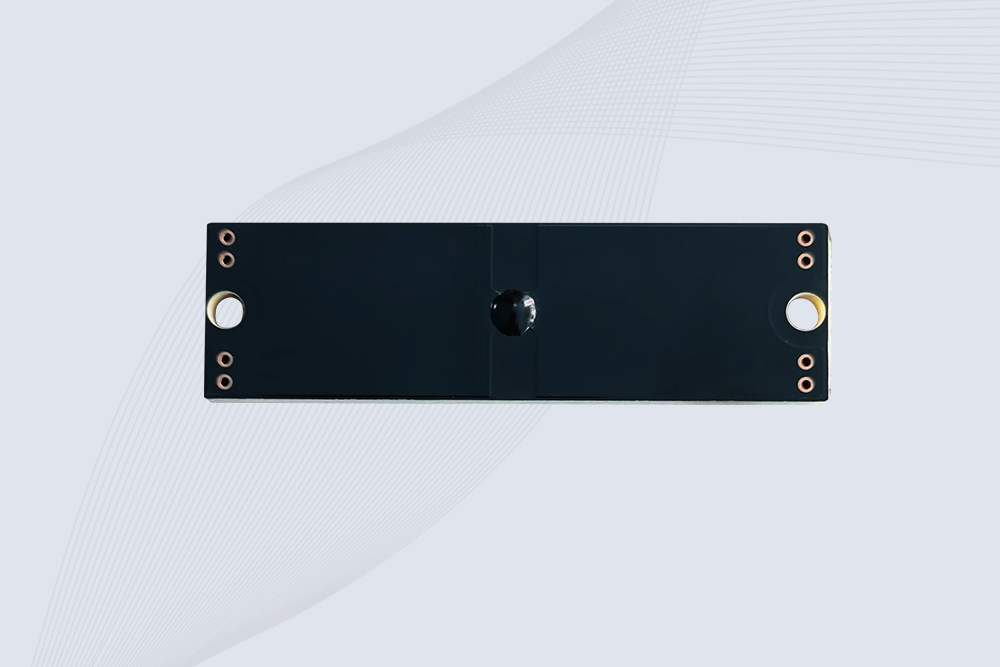
Anti-metal RFID tags
Medical devices
Durable RFID tags
Pallets
Industrial RFID tags
Step 3: Install RFID Readers Strategically
Reader placement affects performance.
Important considerations:
Detection area
Antenna direction
Product density
Environmental conditions
Poor placement can reduce system effectiveness.
Step 4: Connect RFID with Enterprise Software
RFID data should support business operations.
Integration allows companies to:
Monitor inventory levels
Analyze movement patterns
Improve purchasing decisions
Reduce unnecessary stock
Frequently Asked Questions About How Can RFID Technology Manage Inventory
1. How can RFID technology manage inventory?
RFID manages inventory by automatically identifying tagged products, recording movement data, and updating inventory systems. It improves accuracy by reducing manual counting and providing real-time stock visibility.
2. Does RFID improve inventory accuracy?
Yes. RFID improves inventory accuracy by reducing manual errors and automatically collecting product information during movement, receiving, storage, and shipment processes.
3. Can RFID replace barcode inventory systems?
RFID can replace or complement barcode systems depending on business requirements. It is especially useful where companies need faster identification and automated inventory tracking.
4. Can RFID track inventory in warehouses?
Yes. RFID is widely used in warehouses for pallet tracking, shipment verification, receiving automation, and inventory monitoring.
5. Does RFID require internet connection?
RFID readers communicate with management systems through network connections, but the RFID tag itself does not require internet or battery power in most passive applications.
6. What industries use RFID inventory management?
RFID inventory management is used in retail, healthcare, manufacturing, logistics, aviation, automotive, and asset management industries.
7. Why choose Cykeo RFID inventory solutions?
Cykeo provides UHF RFID readers, modules, antennas, and integrated RFID solutions designed for accurate inventory management across industrial and commercial environments.
The Future of RFID Inventory Management
Inventory management is moving from periodic counting toward continuous visibility.
Companies no longer want to know only:
“How many products are available?”
They need to know:
Where products are located
How quickly inventory moves
Which items require replenishment
Where operational delays happen
RFID technology creates this connection between physical goods and digital intelligence.
The answer to how can rfid technology manage inventory is straightforward: RFID manages inventory by automatically identifying products, capturing movement information, and creating accurate real-time inventory visibility.
Cykeo RFID solutions help enterprises build smarter inventory systems that improve efficiency across retail, logistics, healthcare, and manufacturing environments.
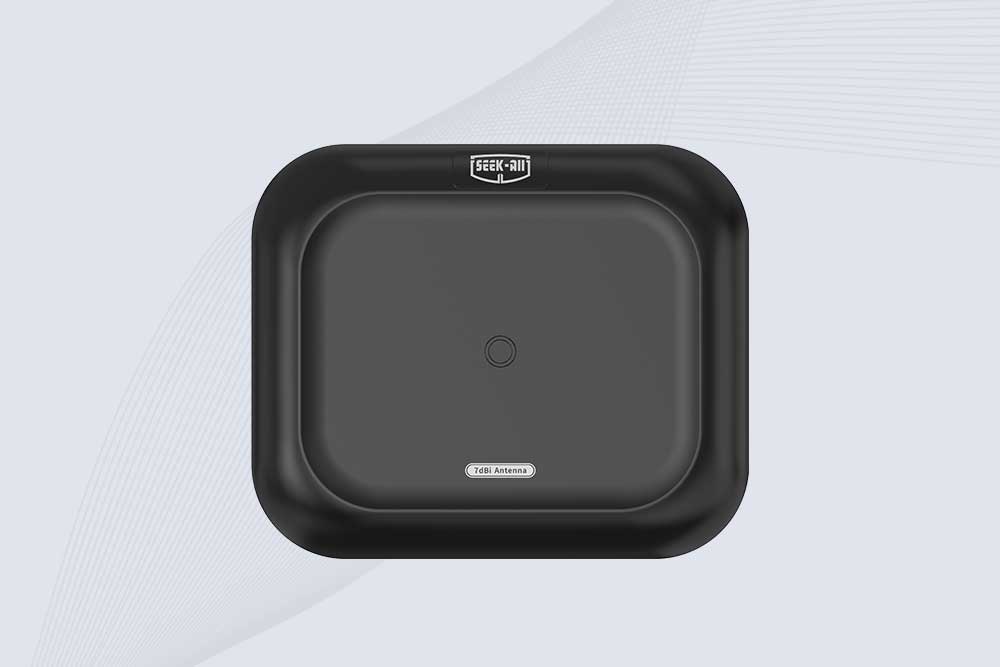
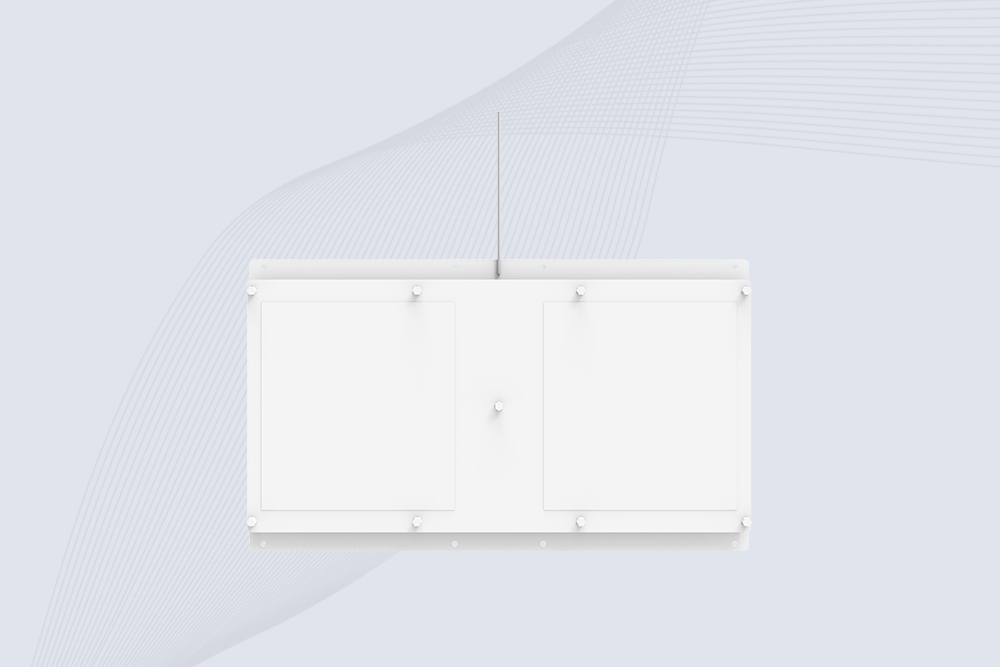
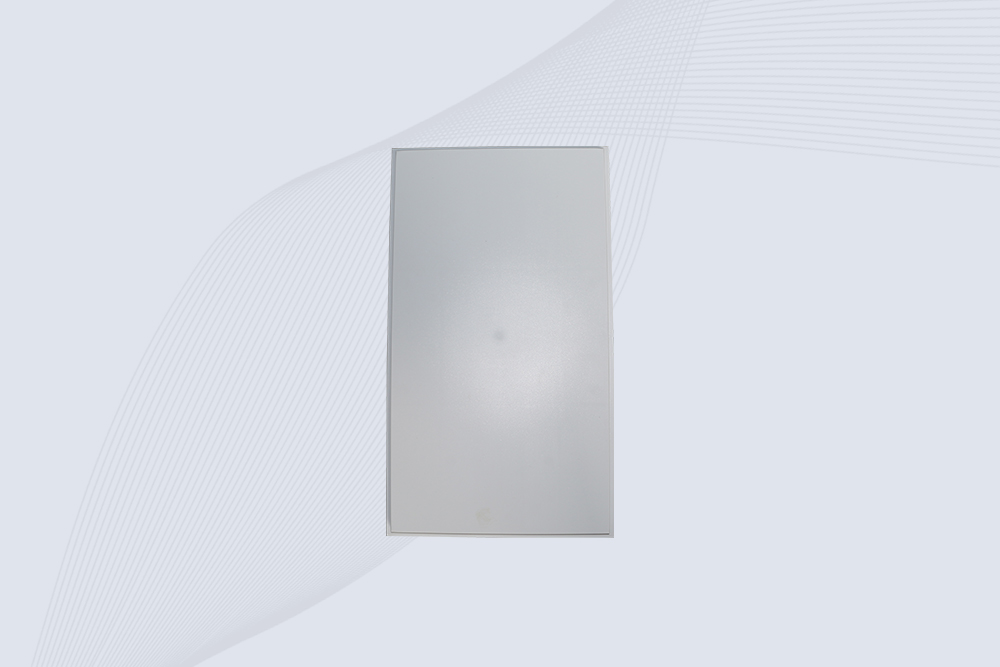
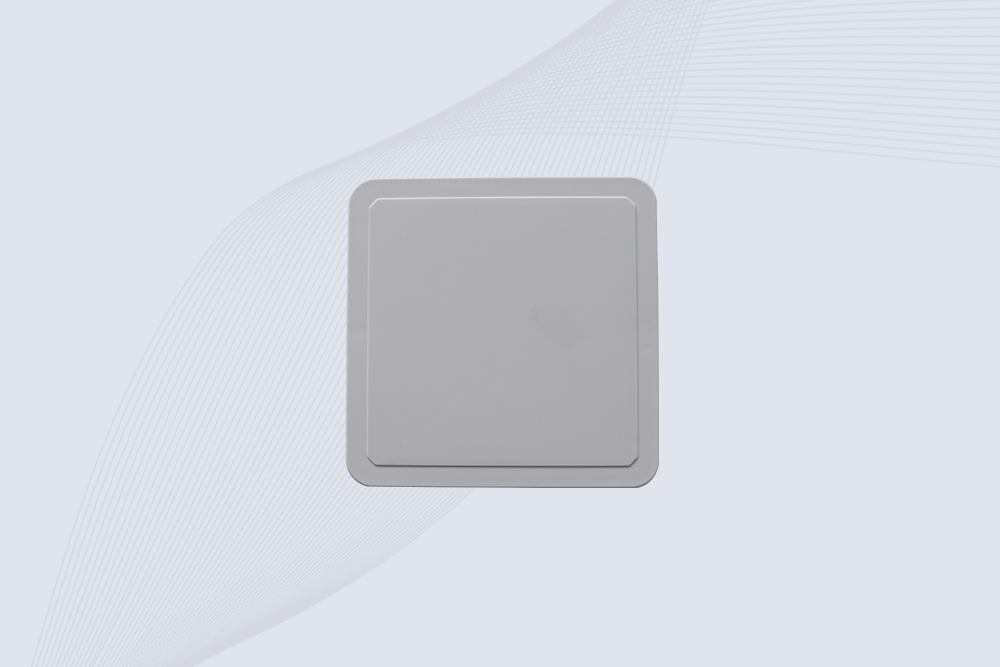
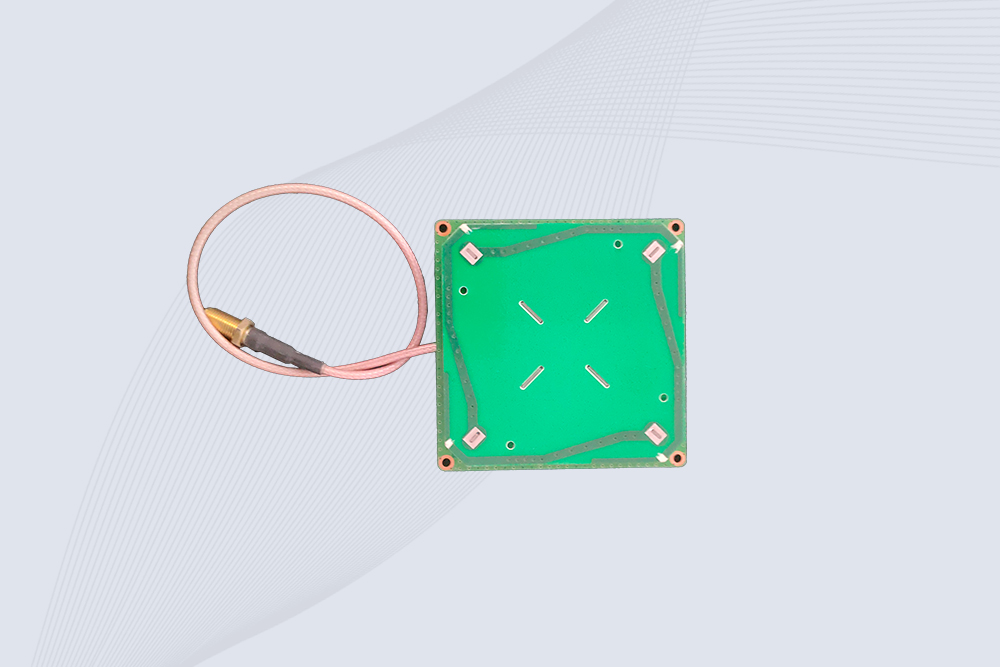
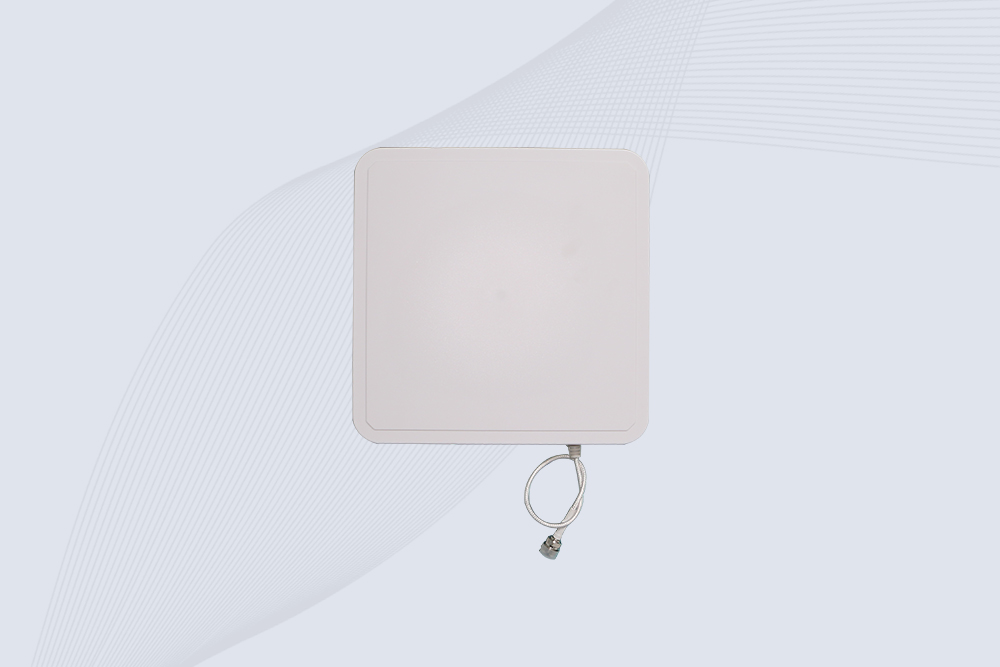
Explore the SSD-A07 UHF RFID antenna with 7 dBi gain, circular polarization, adjustable 840–960 MHz frequency, and 60°/75° beamwidth for stable RFID read/write performance.
SSD-A06 UHF RFID antenna with circular polarization, adjustable 840–960 MHz frequency, ≥4.5 dBi gain, and a compact directional design for RFID systems.
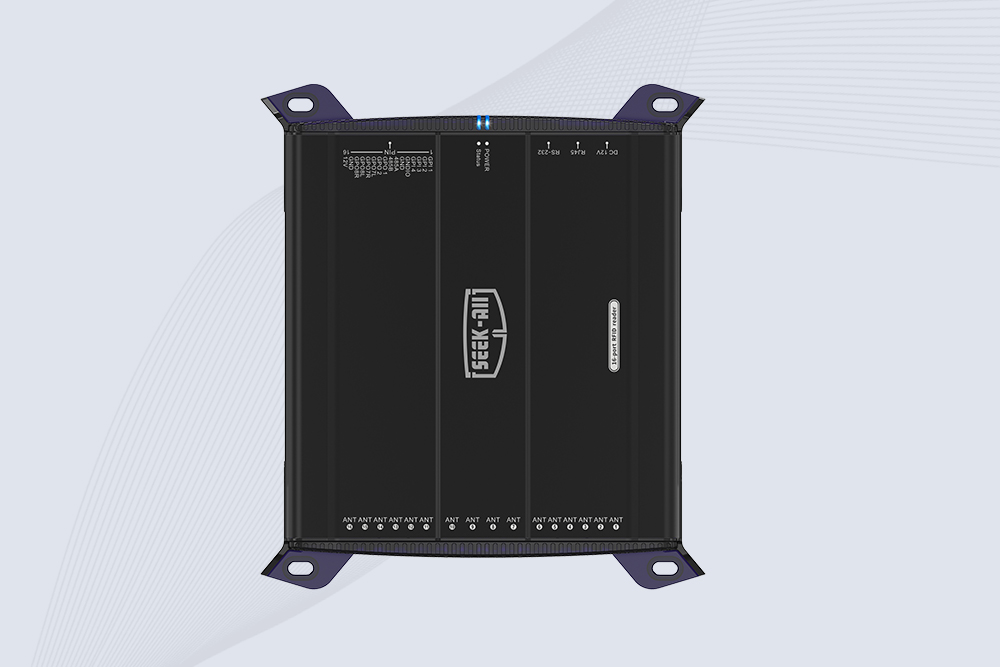
SSD-R16L Multi-Channel RFID Infrastructure for Automated Inventory Management ✔️ 16-Port High-Density RFID Reading Equipped with 16 SMA antenna ports, SSD-R16L supports multi-antenna deployment for warehouses, retail stores, logistics, production lines, and large-area RFID identification. ✔️ High-Speed & Long-Range Performance With up to 33…
SSD-R8L 8-port UHF RFID reader with 33dBm output, up to 20m reading range and 600+ tags/s recognition. Ideal for warehouse, logistics, retail and asset tracking.
CYKEO Passive RFID Tags are made for wet and high-humidity environments where standard labels do not last. This rfid passive tag is often used around liquids, chemicals and temperature changes, providing stable reading distance and long data life for industrial tracking.
CYKEO CYKEO-PCB1504 Metal RFID Tags is a compact anti-metal UHF RFID solution built for direct mounting on metal surfaces. With stable 8-meter read range, Ucode-8 chip, and long data retention, this rfid metal tag fits tools, containers, automotive parts, and industrial asset tracking.
CYKEO CYKEO-PCB7020 On-Metal RFID Tags are designed for reliable tracking on steel and metal surfaces. Built with an FR4 epoxy body and industrial-grade chips, these On-Metal RFID Tags deliver stable performance, long data life, and chemical resistance, making them a dependable RFID anti-metal tag for harsh environments.
The CYKEO CYKEO-60-25 Anti-Metal RFID Tag is built for metal surfaces where standard tags fail. Designed for long-range performance, harsh environments, and stable data retention, this Anti-Metal RFID Tag is ideal for industrial assets, containers, and equipment tracking using on metal RFID tags.
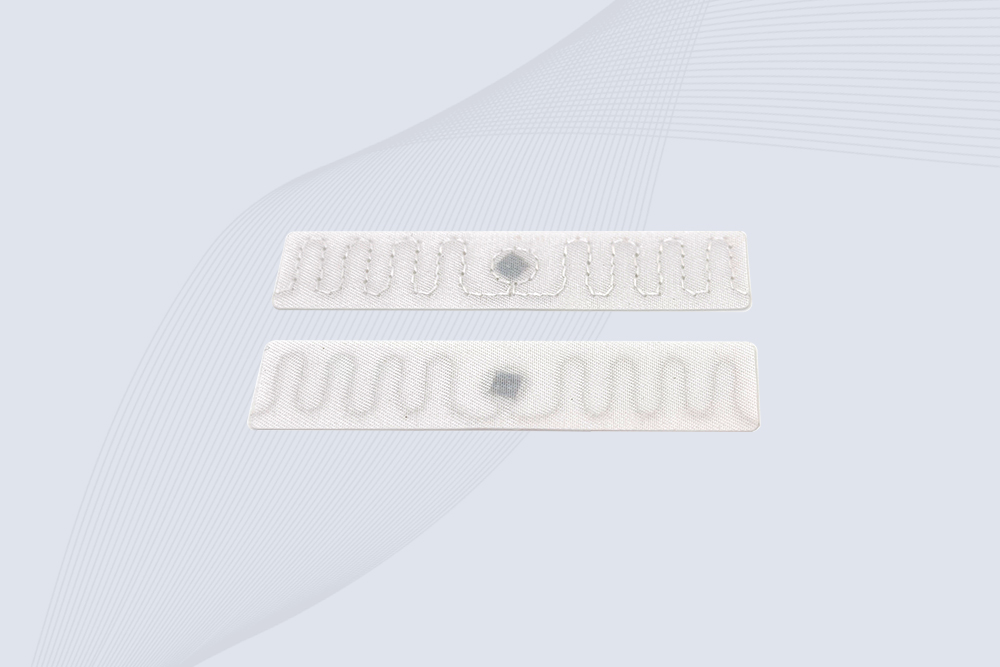
The CYKEO RFID Laundry Tag is designed for long-term textile identification in harsh laundry environments. Built to withstand high heat, chemicals, and repeated washing, this RFID Laundry Tag delivers stable performance for hotels, hospitals, and industrial laundry operations using laundry rfid tags at scale.
The CYKEO CYKEO-125-7 RFID Book Tag is designed for reliable book and document tracking in libraries and archives. This RFID Book Tag delivers long read range, dense placement support, and stable performance on shelves, making it a practical rfid tag on books for library automation, file management, and archival systems.
CYKEO RFID tags in hospitals are designed for sterile environments where accuracy matters. These autoclavable RFID tags support long-term tracking of surgical tools, implants, and medications, helping hospitals improve visibility, compliance, and patient safety.
CYKEO RFID Cable Tie Tag is built for reliable identification on metal surfaces. This UHF RFID Cable Tie Tag is widely used in rfid tags for inventory systems, industrial asset management and Hospital RFID Tags, offering stable read performance, long service life and global EPC Gen2 compatibility.
CYKEO RFID Asset Tag is designed for stable identification of metal assets in industrial environments. This UHF RFID Asset Tag is commonly used for rfid tag asset tracking on equipment, tools and containers, providing reliable reads, long service life and ISO/IEC 18000-6C support.
CYKEO UHF RFID Card is designed for fast identification and long-term use in industrial and commercial systems. Supporting ISO 18000-6C, this UHF RFID Card works at 860–960 MHz and is suitable for custom RFID cards used in asset tracking, access control and inventory management.
CYKEO HF RFID Cards are designed for secure and stable access control systems. These 13.56 MHz RFID key cards support ISO 14443-A, reliable rewriting and long service life, making HF RFID Cards suitable for offices, campuses, events and membership management.
CYKEO UHF RFID Tag is designed for reliable tracking of metal jewelry and high-value items. This Jewelry RFID Tag supports long-range reading up to 8 meters, anti-counterfeit protection and stable performance on metal, making it suitable for retail, inventory control and asset management.
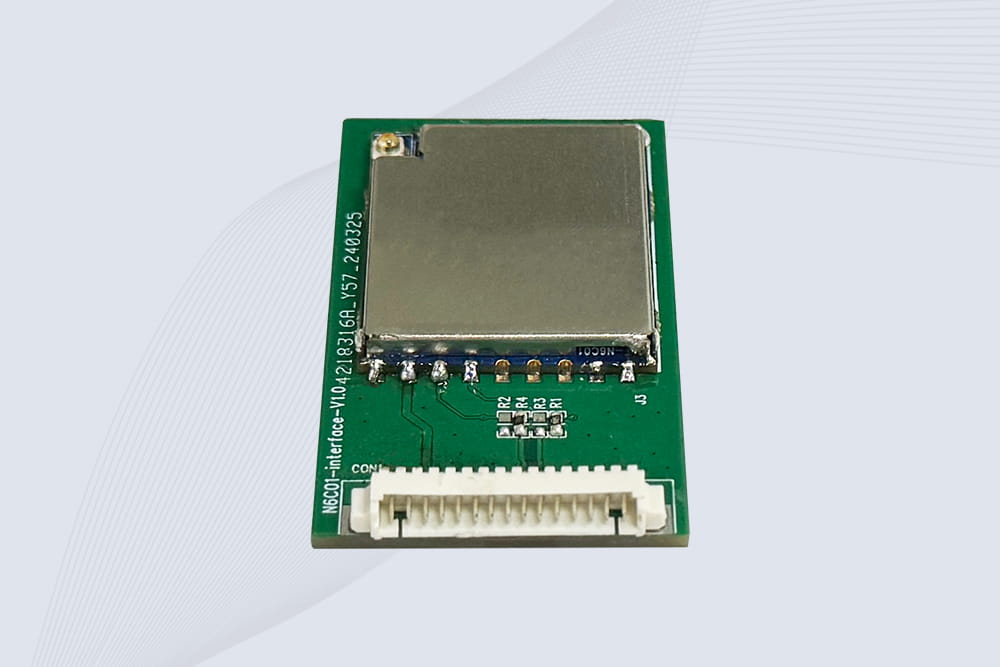
CYKEO Embedded RFID Modules are designed for compact industrial and IoT devices that require stable UHF performance. These UHF RFID Modules support global protocols, flexible power control, and reliable multi-tag reading for smart cabinets, production lines, and asset tracking systems.
CYKEO Embedded RFID Module is built for compact IoT and industrial devices that need stable UHF performance. This UHF module supports global protocols, low power operation, and reliable multi-tag reading for smart lockers, production lines, and always-on RFID systems.
CYKEO CYKEO-M1 drone rfid module is a compact UHF RFID reader module designed for drones and UAV platforms. It supports long-range aerial scanning, fast multi-tag reading, and stable performance in wind, vibration, and outdoor environments.
CYKEO CYKEO-M4 RC522 RFID Module is an industrial-grade UHF RFID reader with 4 ports, supporting ISO, EPC, and GB protocols. High-speed, accurate reading for IoT, automation, and warehouse applications.
CYKEO CYKEO-M8 Module RFID is an 8-port UHF R2000 RFID Module designed for high-density, multi-tag environments. Stable 33dBm output, ISO & GB protocol support, ideal for warehouses, factories, and automated systems.
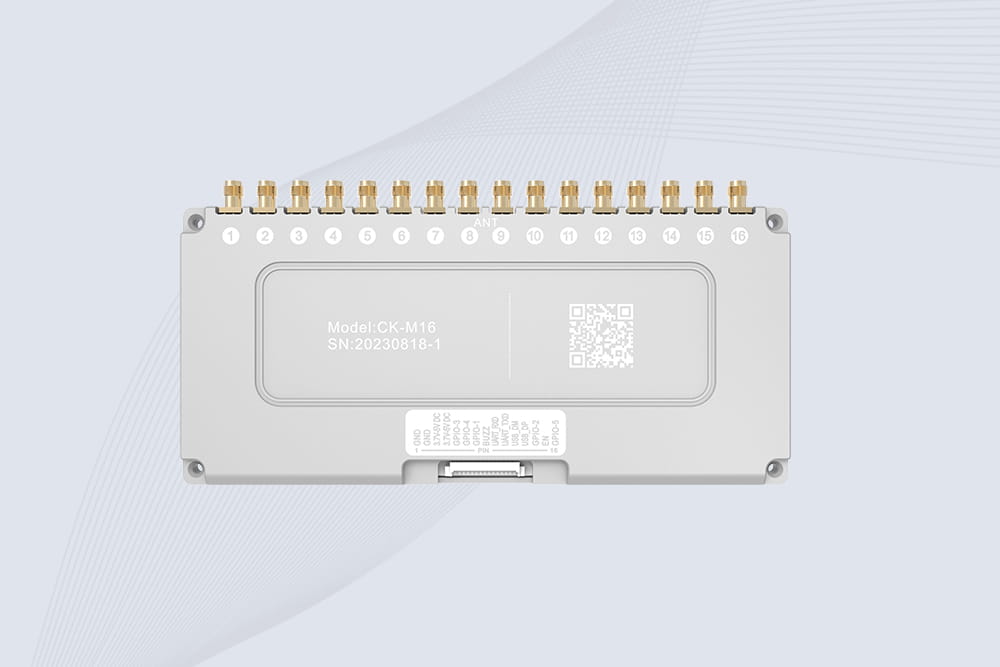
CYKEO CYKEO-M16 RFID Module is a 16-port UHF RFID reader module based on the R2000 chipset. Designed for dense tag environments, it supports ISO and GB standards and delivers stable multi-antenna control for industrial automation.
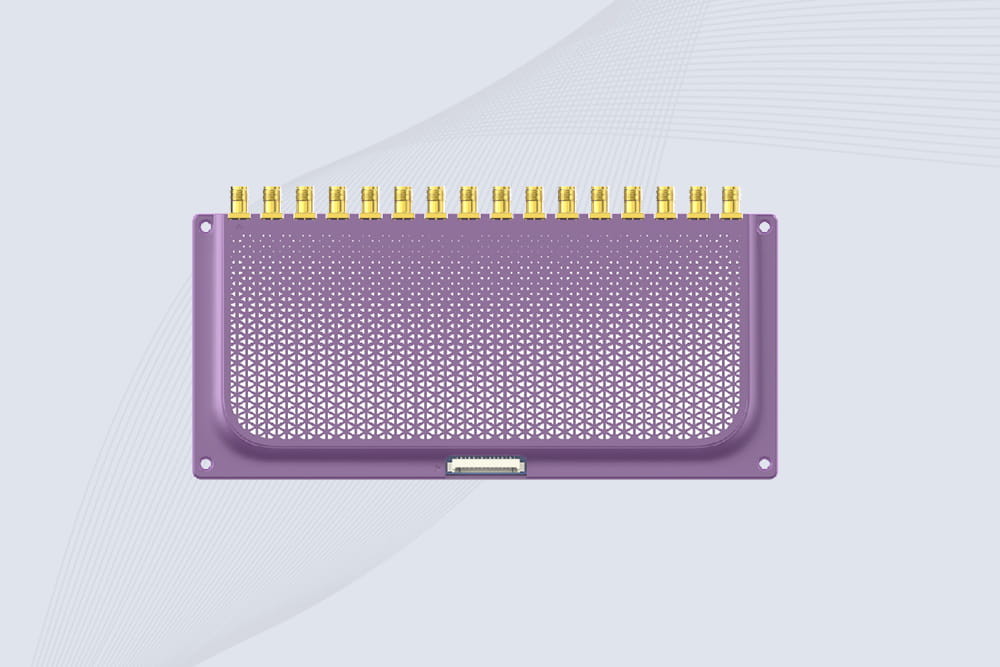
The CYKEO CYKEO-M16L RFID Reader Module is a 16-channel UHF RFID core designed for dense tag environments. With adjustable 33dBm output, multi-protocol support, and stable multi-antenna control, this RFID Tag Reader Module fits industrial automation, warehouse systems, and large-scale IoT deployments.
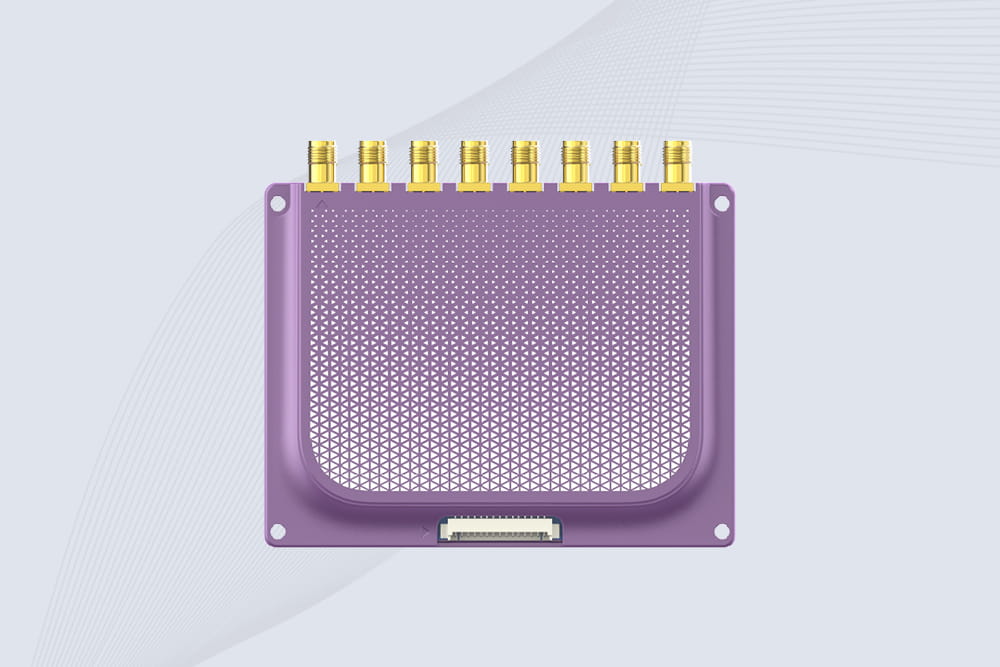
CYKEO CYKEO-M8L module RFID is a compact industrial UHF module built for dense tag and multi-antenna environments. With 8 RF ports, adjustable 33 dBm output, and ISO & GB protocol support, it is widely used in factories, warehouses, and automated tracking systems.
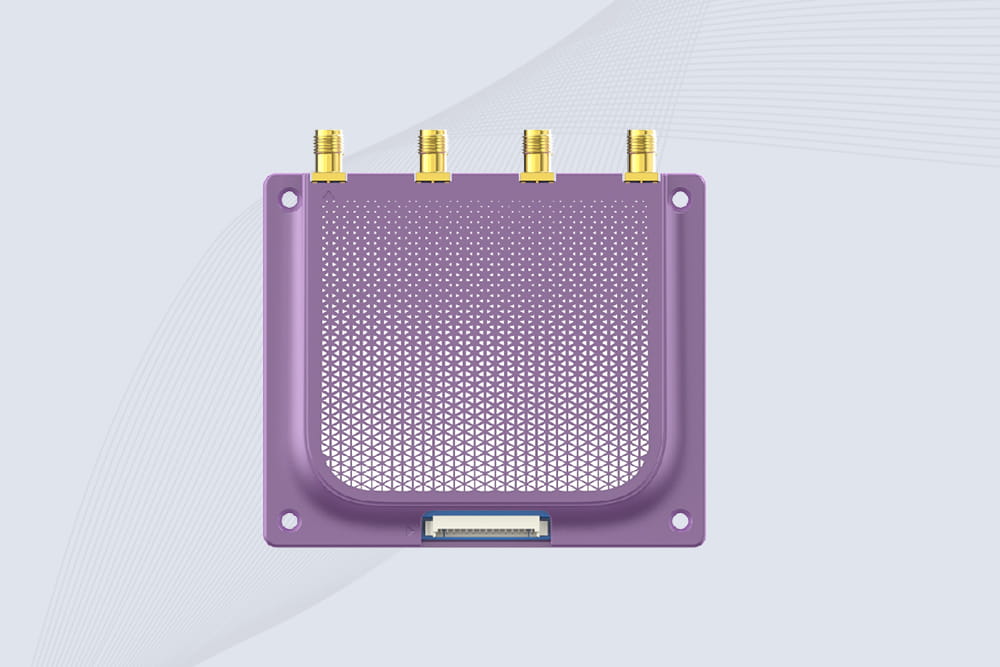
CYKEOCYKEO-M4L UHF RFID Module is a compact 4-channel RFID tag reader module designed for dense tag environments. Supporting ISO and GB protocols, it delivers stable reads up to 10 meters for industrial and IoT systems.
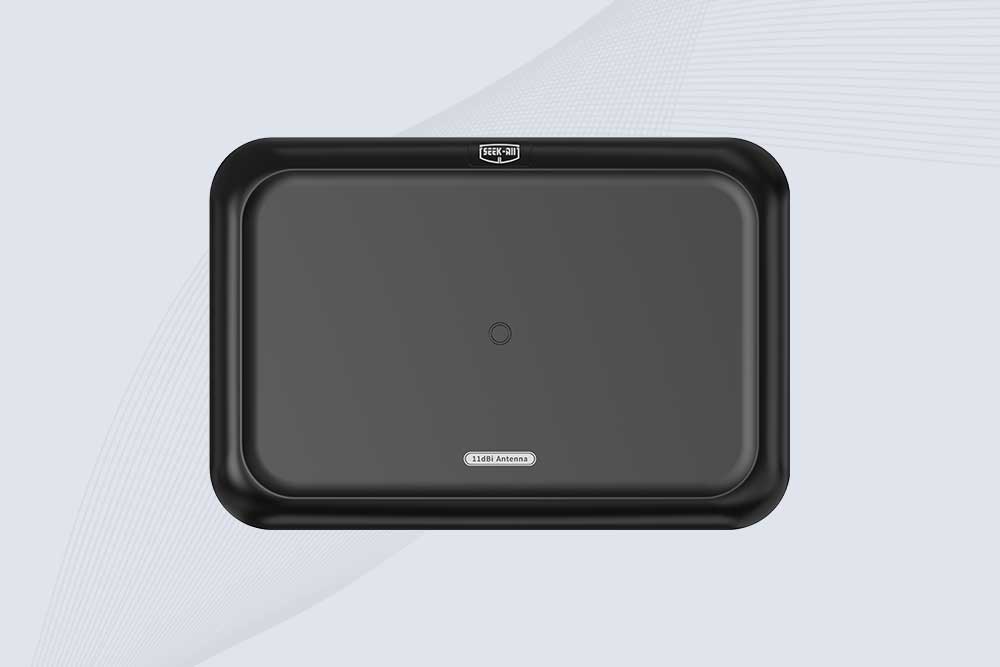
Cykeo CYKEO-A11 UHF RFID reader antenna delivers 11dBi gain, 840-960MHz frequency range, and IP65 ruggedness for retail, logistics, and industrial RFID systems. Features low VSWR and easy installation.
CYKEO Antenna RFID Reader delivers stable long-range UHF performance with a 10.5dBi directional design, built for warehouses, conveyor portals, and industrial RFID systems. This rfid reader antenna provides 20m+ read distance and rugged IP67 protection.
Cykeo CYKEO-A5B industrial Linear RFID Antenna delivers 5dBi gain, ≤1.5:1 VSWR, and IP65 rugged design for warehouse, production line, and logistics UHF systems.
Cykeo’s CYKEO-B12 Long Range RFID Antenna delivers 15m+ read range with 12dBi gain, IP65 rugged design, and global 840-960MHz UHF support. Ideal for warehouse/logistics asset tracking.
Cykeo CYKEO-B10 Long Distance RFID Antenna offers 10dBi gain, 840-960MHz frequency range, IP65 rating, and 20m+ coverage for logistics/warehousing/ETC systems. Low VSWR ensures stable signal transmission.
Cykeo CYKEO-A6 UHF RFID panel antenna features 6dBi gain, 840-960MHz broadband, IP65 metal-ready housing for logistics/smart retail. 18mm ultra-thin design with tool-free mounting.
Cykeo CK-A3 industrial antenna RFID UHF offers 5m+ tag detection, ≤1.3:1 VSWR, IP65 rugged design, and global UHF spectrum compatibility (840-960MHz) for warehouses, factories, and retail.
Cykeo CYKEO-B5 directional RFID antenna provides 5dBi gain with 60° narrow beamwidth for precise inventory tracking. IP65-rated, global UHF frequency support, and low VSWR.
Create your own high-performance DIY RFID antenna! 5dBi gain, 840-960MHz tunable, step-by-step guides. Compatible with Arduino, Raspberry Pi, and commercial UHF readers.
Cykeo CYKEO-A7 Flexible RFID Antenna features 840-960MHz wideband tuning, 7dBi gain, and IP68 rating for medical/retail/industrial curved surface deployments. 98% read accuracy with peel-and-stick installation.
Cykeo CYKEO-B5A industrial Passive RFID Antenna delivers 5dBi gain, 70° beamwidth, and -40°C~55°C operation for warehouses/smart cabinets. Compatible with Zebra/Impinj readers.
Cykeo’s CYKEO-A9B High Gain RFID Antenna delivers 15m+ read range with 9dBi amplification. Features IP54 rugged design, 840-960MHz bandwidth, and 80° beamwidth for warehouse/manufacturing RFID systems.
Cykeo’s enterprise-grade 8dbi Impinj RFID Antenna 10m+ read range with 840-960MHz tuning. Features IP65 housing, 1.4 VSWR, 35° beamwidth for retail/warehouse RFID systems.
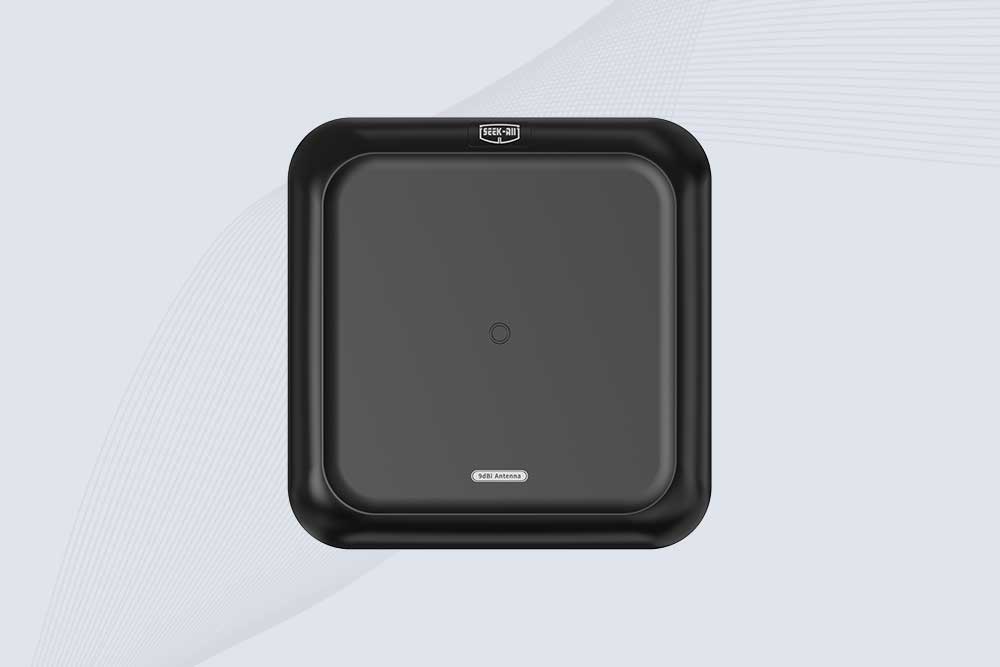
Cykeo CYKEO-A9 industrial UHF RFID antenna delivers 9dBi gain, 840-960MHz frequency range, and IP65 protection for warehouse/logistics/retail RFID systems. Features N-type connector and ≤1.3:1 VSWR.
CYKEO UHF RFID Antenna built for long-distance and industrial applications. This antenna rfid uhf delivers strong gain, outdoor durability, and reliable tag performance in warehouses, yards, and vehicle ID systems.
CYKEO Antenna RFID delivers reliable long-range UHF performance in warehouses, retail shelves, and cold-chain environments. This compact uhf rfid antenna provides stable reads with circular polarization and ultra-wide 840–960 MHz support, ideal for industrial tracking, smart shelves, and asset monitoring.
Cykeo’s CYKEO-C8 UHF RFID antennas delivers 8dBi gain, 840-960MHz full-band coverage, and IP65 ruggedness for manufacturing/warehouse RFID systems. Industrial RFID Antennas Features
Cykeo’s 8dBi UHF RFID antenna and reader kit delivers 10m+ range, 840-960MHz broadband, and IP65 ruggedness for factories, warehouses, and logistics. ISO 18000-6C & EPC Gen2 certified.
Cykeo’s CYKEO-A12C UHF Large RFID Antenna delivers 12dBi gain, 840-960MHz global frequency, IP65 ruggedness for logistics/warehousing/automotive. 40° beamwidth ensures stable 15m+ tag reads.
CYKEO Near Field RFID Antenna provides precise 5–30 cm reading for shelves, cabinets, and workstations. This compact rfid shelf antenna delivers stable short-range performance around metal and clutter, ideal for pharmacies, libraries, and electronics sorting.
Discover how RFID modules optimize EV battery recycling—tracking health, ensuring compliance, and reducing costs. Learn Cykeo’s solutions for sustainable battery management.
Discover how UHF 860–960 MHz RFID combined with Android handheld readers streamlines warehouse, factory, and field operations. Fast multi-tag scanning, flexible tracking, and real-time inventory management.
Industry Overview With the rapid advancement of the information age, file management methods have undergone profound transformations. While traditional file cabinets meet basic storage and management needs, their efficiency and accuracy are increa...
Discover how RFID readers prevent costly errors in manufacturing workflows, from parts tracking to quality control. Learn about precision-driven solutions for industrial automation.
 Cykeo RFID IoT Solution Products R&D Manufacturer