 Cykeo RFID IoT Solution Products R&D Manufacturer
handheld rfid writer uhf rfid tag: What Makes It Essential for Modern Tracking?
70Learn how handheld rfid writer works with UHF RFID tag systems for long-range tracking, fast inventory, and reliable asset visibility in real operations.
MoreAll RFID Product
How rfid improves inventory accuracy is through automatic item identification, real-time data collection, and reduced manual counting errors. RFID systems allow companies to track products individually, update inventory records instantly, and maintain more reliable stock information across warehouses and retail locations.
Inventory accuracy is not only a number on a report.
It directly affects purchasing decisions, customer satisfaction, warehouse efficiency, and operating costs.
During RFID implementation projects involving warehouses, retail stores, and industrial asset management environments, I repeatedly observed the same problem:
The physical inventory and the digital inventory system often told different stories.
A product could be sitting on a shelf but unavailable online.
A tool could be returned but still marked as missing.
A shipment could leave the warehouse while the system still showed available stock.
The issue was not always employee mistakes.
The problem was the limitation of manual identification methods.
Barcode systems require workers to scan products one by one. Inventory changes between scanning cycles may not be recorded immediately.
RFID changes this approach.
By attaching RFID tags to products, businesses create a direct communication channel between physical inventory and digital systems.
This is the core reason how rfid improves inventory accuracy has become an important topic in modern supply chain management.
According to GS1, RFID technology enables automatic identification and data capture by using radio communication between tags and readers, improving supply chain visibility and operational efficiency.
Before understanding RFID improvements, it is important to understand why inventory errors happen.
Common causes include:
| Inventory Challenge | Traditional Impact |
|---|---|
| Manual counting | Human errors and slow processes |
| Product movement | Data becomes outdated quickly |
| Barcode scanning | Requires individual scanning |
| Stock relocation | Products become difficult to locate |
| Delayed updates | System information loses accuracy |
A warehouse does not remain static.
Products enter.
Products leave.
Products move between shelves.
Every movement creates another opportunity for inventory records to become inaccurate.
Every RFID tag contains a unique identification number.
Unlike a barcode that identifies a product category, RFID can identify individual items.
For example:
A clothing retailer may have 500 identical black shirts.
With RFID:
This improves item-level visibility.
RFID readers communicate with tags automatically.
Employees do not need to manually scan every item.
The system can collect information during:
This reduces dependency on manual operations.
Inventory accuracy depends heavily on timing.
A system showing yesterday’s stock information cannot support today’s decisions.
RFID helps businesses update inventory information immediately after product movement.
Examples:
Traditional inventory counting often requires shutting down operations or assigning large teams.
RFID enables faster cycle counting without stopping normal workflows.
Employees can use RFID readers to quickly identify products in:
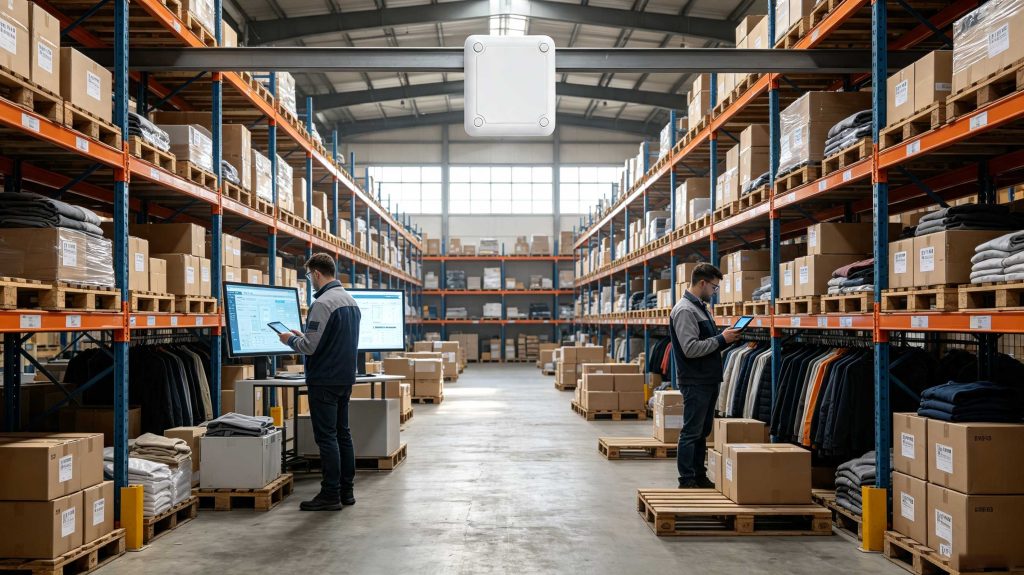
RFID adoption has grown because companies need more reliable inventory information.
Research from Auburn University RFID Lab has shown that RFID implementations in retail environments can significantly improve inventory accuracy, with many projects achieving accuracy levels above 95%
The important point is not simply that RFID reads tags.
The value comes from creating a continuous connection between:
Retailers use RFID to improve:
Customers are less likely to see inaccurate stock information.
Warehouses use RFID for:
The system records product movement without relying entirely on manual input.
Factories apply RFID to manage:
Improved visibility reduces search time and production interruptions.
| Feature | RFID | Barcode |
|---|---|---|
| Identification Method | Radio frequency | Optical scanning |
| Individual Item Tracking | Yes | Limited |
| Multiple Item Reading | Yes | Usually No |
| Manual Operation | Lower | Higher |
| Real-Time Updates | Strong | Limited |
| Suitable for Automation | Excellent | Moderate |
RFID does not simply replace barcode technology.
It provides additional automation where inventory accuracy is critical.
RFID performance depends on proper system design.
Important factors include:
Different products require different RFID tags.
Examples:
Reader location affects:
RFID data becomes valuable when connected with:
RFID is powerful, but successful implementation requires planning.
Common considerations:
The best RFID solution is designed around actual workflow.
Not every inventory environment needs the same configuration.
Inventory accuracy is becoming a competitive advantage.
Companies need to know:
RFID provides the technical foundation for this visibility.
The answer to how rfid improves inventory accuracy is clear: RFID improves inventory accuracy by replacing manual identification with automated, real-time product tracking.
Inventory accuracy depends on how quickly and reliably a company can capture product information.
Cykeo RFID inventory solutions use advanced UHF RFID technology to provide automated identification for warehouses, retail stores, medical supply rooms, manufacturing facilities, and tool management environments.
Unlike manual counting methods, Cykeo RFID systems collect product information automatically.
Key technical advantages include:
| Cykeo RFID Technology | Inventory Management Value |
|---|---|
| UHF EPC C1G2 / ISO 18000-6C support | Compatible with global RFID inventory standards |
| Multi-tag recognition algorithm | Reads multiple tagged items simultaneously |
| Adjustable output power up to 33 dBm | Flexible deployment in different environments |
| High-speed data processing | Improves inventory counting efficiency |
| Multiple communication interfaces | Supports enterprise system integration |
In real deployment environments, inventory accuracy is often affected by small operational gaps.
A product moved from one shelf to another without system updating can create an invisible inventory error.
RFID closes this gap by recording product movement automatically.
Different industries have different inventory challenges.
A supermarket needs fast product identification.
A hospital requires accurate medical supply tracking.
A factory needs tool and component visibility.
A warehouse requires high-volume stock management.
Cykeo RFID systems are designed for these different scenarios.
Typical applications include:
The objective is not simply reading RFID tags.
The objective is creating accurate, continuous inventory information.
Traditional inventory counting creates operational pressure.
Employees must stop normal work, locate products, and manually record quantities.
RFID allows businesses to perform faster inventory checks.
For example:
A warehouse worker carrying an RFID handheld reader can identify tagged products while walking through storage areas.
A retail employee can scan an entire shelf section instead of checking each item individually.
This reduces:
Cykeo provides different RFID hardware solutions based on application requirements.
The product portfolio includes:
Different environments require different designs.
A warehouse gate may require long-distance identification.
A smart cabinet may require controlled reading zones.
A retail checkout platform requires fast and accurate multi-item recognition.
A complete RFID inventory management system consists of multiple layers.
RFID tags provide every product with a unique digital identity.
Information stored or associated with tags may include:
| Data Category | Example |
|---|---|
| Product ID | SKU number |
| Asset Number | Equipment identification |
| Batch Information | Production tracking |
| Location Data | Storage position |
| Status Information | Available / checked out |
The RFID tag becomes the bridge between physical inventory and digital systems.
RFID readers communicate with tagged products.
Main functions:
Cykeo fixed RFID readers are suitable for applications requiring continuous monitoring.
Examples:
Collected RFID data must be processed before becoming useful information.
The system analyzes:
This creates a real-time inventory database.
The final purpose of RFID is improving business decisions.
Applications include:
Barcode technology remains widely used, but RFID provides stronger automation capability.
| Feature | RFID | Barcode |
|---|---|---|
| Reading Method | Radio frequency | Optical scanning |
| Line of Sight Required | No | Yes |
| Multiple Item Reading | Yes | Usually No |
| Manual Operation | Low | High |
| Real-Time Tracking | Strong | Limited |
| Automation Capability | High | Moderate |
Barcode systems depend heavily on human operation.
A worker must:
RFID changes the process.
Products can be identified while:
The difference is continuous visibility.
Retail companies often face a common problem:
The system shows inventory, but employees cannot find the products.
RFID improves:
Customers receive more reliable product availability information.
Hospitals manage thousands of consumables.
Missing or expired supplies create operational risks.
RFID helps track:
Smart RFID shelves and cabinets provide better inventory control.
Factories often lose efficiency because tools are difficult to locate.
RFID smart tool management systems help monitor:
Workers spend less time searching for equipment.
Large warehouses process high volumes of products every day.
RFID supports:
This improves operational transparency.
Before deployment, companies should identify:
RFID should fit existing workflows.
Different products require different tag solutions.
Consider:
Examples:
Reader placement directly affects accuracy.
Common installation areas:
RFID becomes valuable when connected with existing platforms.
Integration targets:
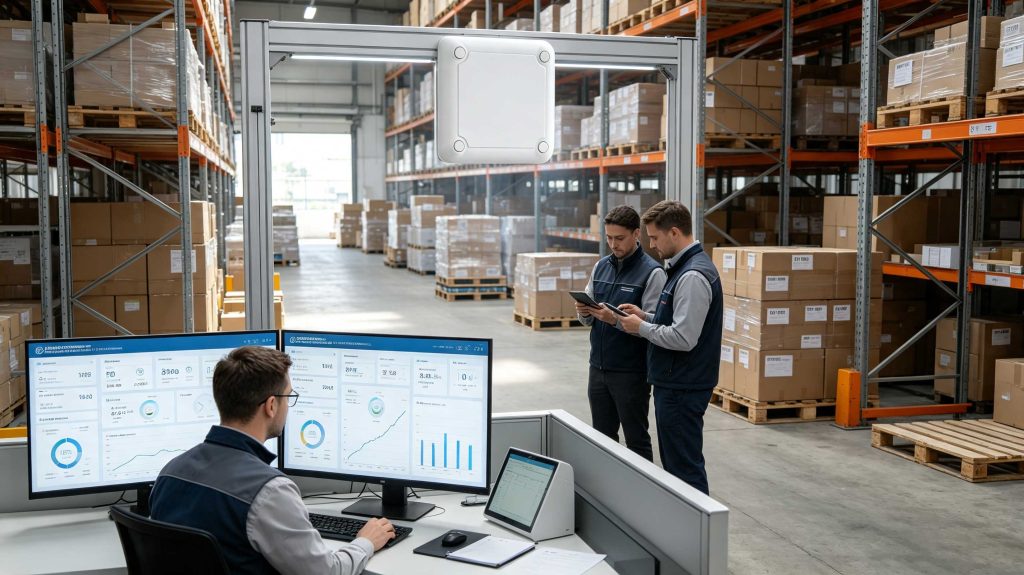
RFID improves inventory accuracy by automatically identifying products, reducing manual counting errors, and providing real-time inventory updates through RFID readers and software systems.
Yes. RFID can identify multiple items automatically without direct scanning, reducing human errors and improving inventory visibility.
Yes. RFID tags provide unique identification numbers, allowing companies to monitor individual products throughout storage, transportation, and sales processes.
RFID speed depends on system design, tags, readers, and environment. Compared with manual barcode counting, RFID can significantly reduce inventory counting time.
RFID inventory systems are widely used in retail, healthcare, logistics, manufacturing, libraries, automotive, and asset management.
Most inventory RFID tags are passive and receive energy from RFID readers, meaning they do not require built-in batteries.
Cykeo provides UHF RFID readers, modules, antennas, and integrated systems designed for accurate inventory management across retail, industrial, medical, and logistics environments.
Inventory accuracy is becoming a core capability for modern businesses.
Companies need more than periodic counting.
They need continuous visibility.
RFID provides the connection between physical products and digital inventory systems.
The answer to how rfid improves inventory accuracy is clear: RFID improves accuracy by automating identification, reducing manual errors, and providing real-time information about product location and status.
Cykeo RFID technology helps organizations create smarter inventory management systems with reliable identification, efficient operations, and scalable deployment possibilities.
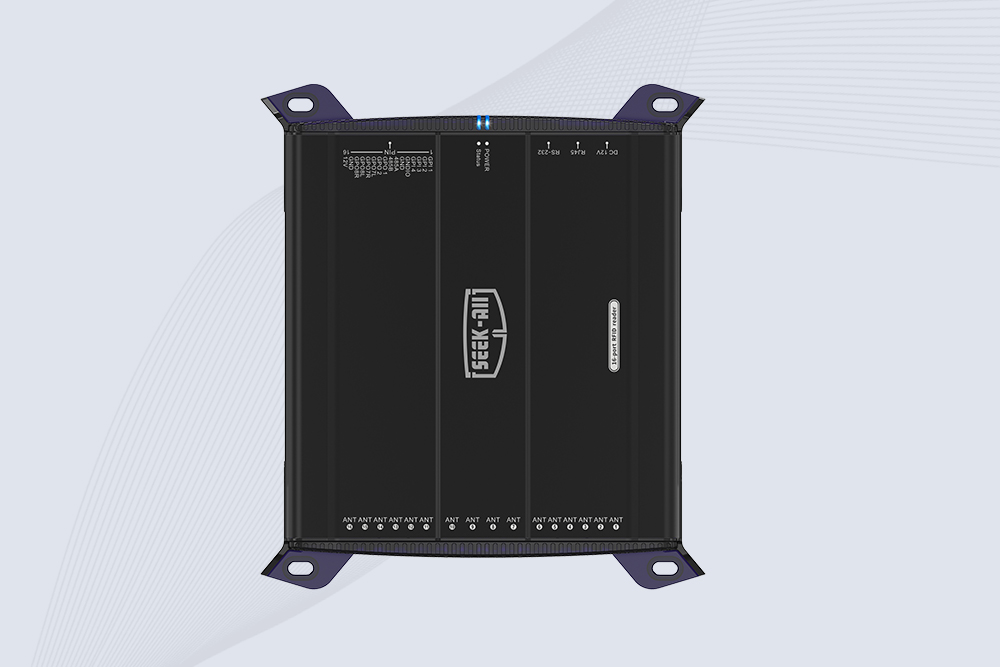
SSD-R16L Multi-Channel RFID Infrastructure for Automated Inventory Management ✔️ 16-Port High-Density RFID Reading Equipped with 16 SMA antenna ports, SSD-R16L supports multi-antenna deployment for warehouses, retail stores, logistics, production lines, and large-area RFID identification. ✔️ High-Speed & Long-Range Performance With up to 33…
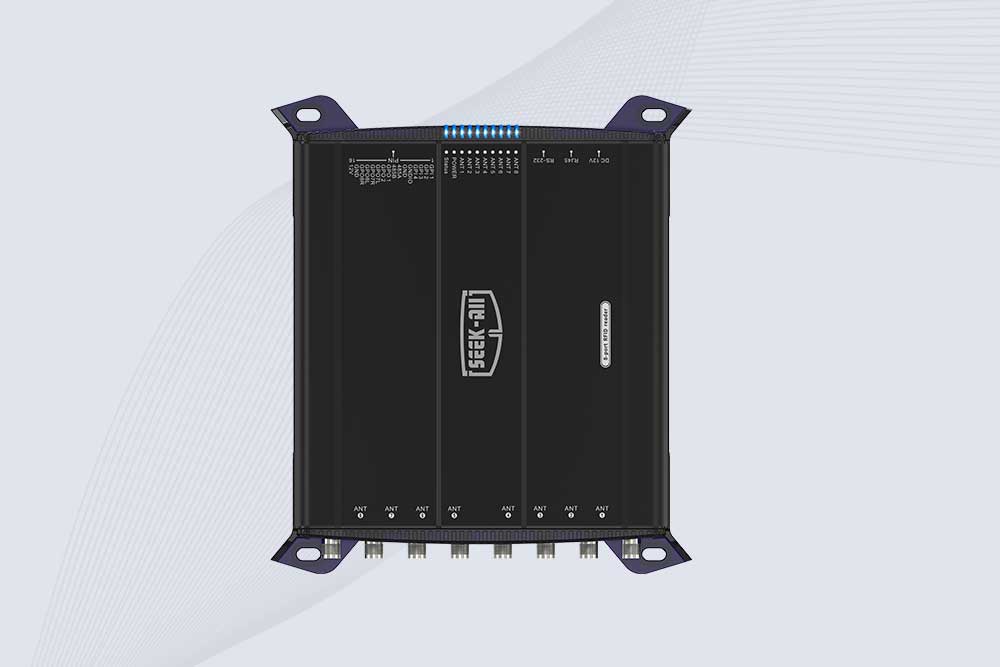
SSD-R8L 8-port UHF RFID reader with 33dBm output, up to 20m reading range and 600+ tags/s recognition. Ideal for warehouse, logistics, retail and asset tracking.
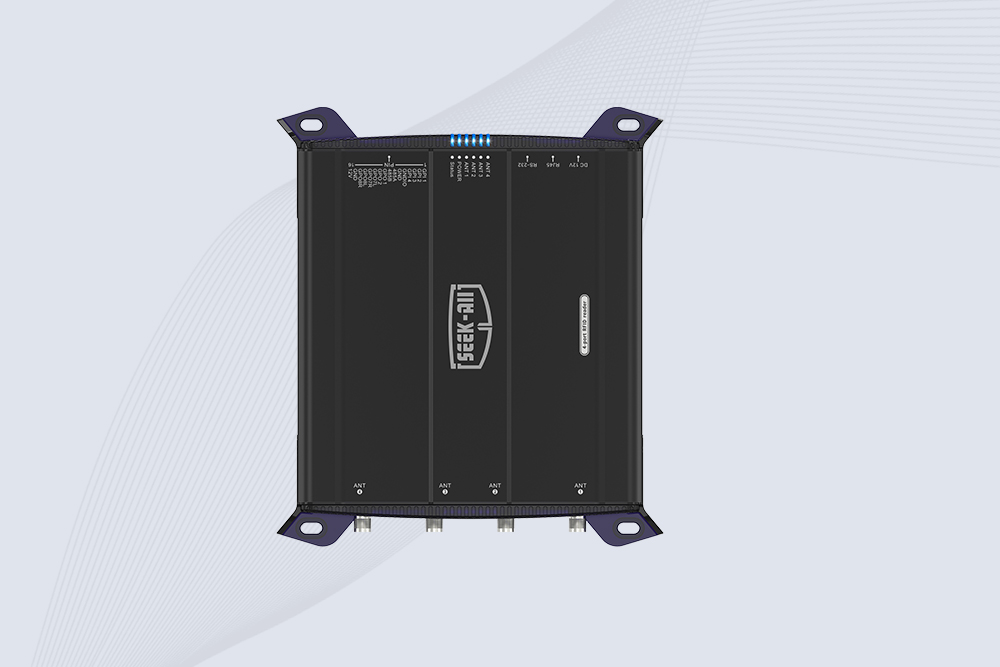
SSD-R4L is a 4-port UHF RFID fixed reader with 33dBm output power, up to 20m reading range, EPC C1G2 support and 600+ tags/s reading speed.
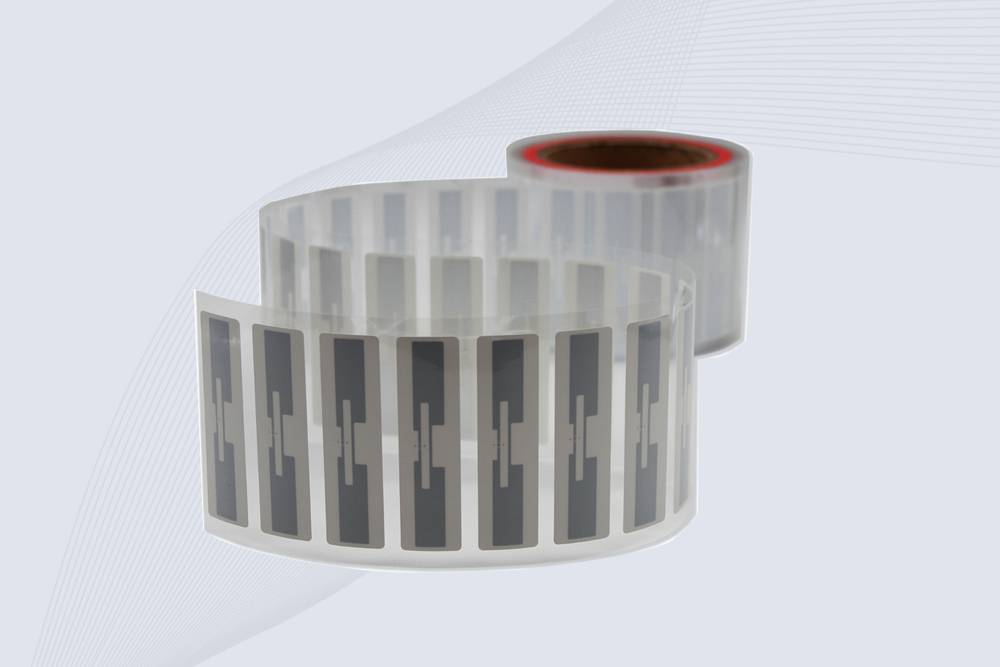
CYKEO Passive RFID Tags are made for wet and high-humidity environments where standard labels do not last. This rfid passive tag is often used around liquids, chemicals and temperature changes, providing stable reading distance and long data life for industrial tracking.
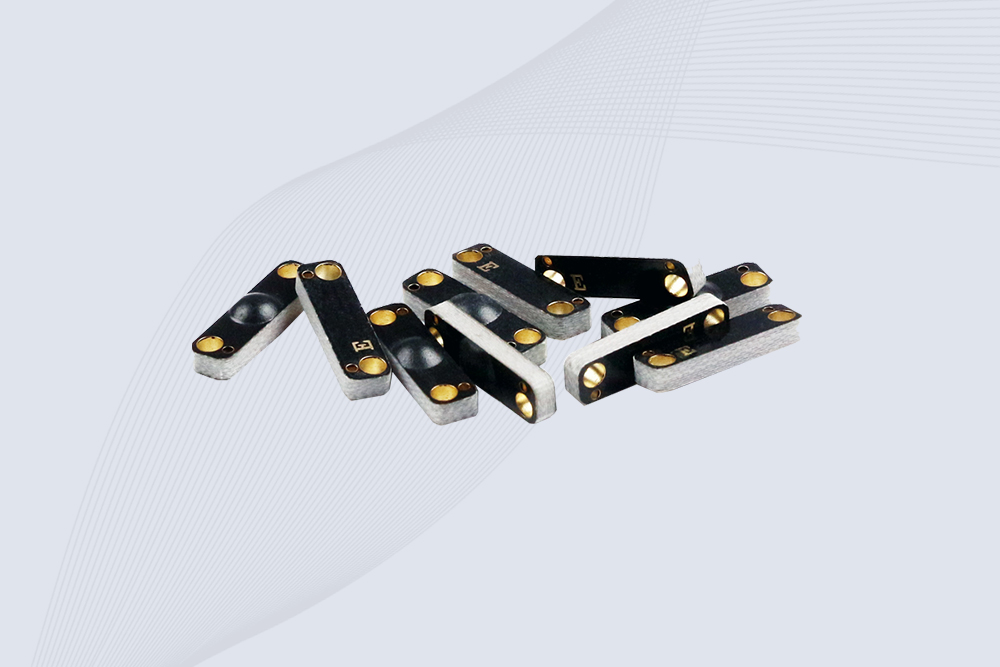
CYKEO CYKEO-PCB1504 Metal RFID Tags is a compact anti-metal UHF RFID solution built for direct mounting on metal surfaces. With stable 8-meter read range, Ucode-8 chip, and long data retention, this rfid metal tag fits tools, containers, automotive parts, and industrial asset tracking.
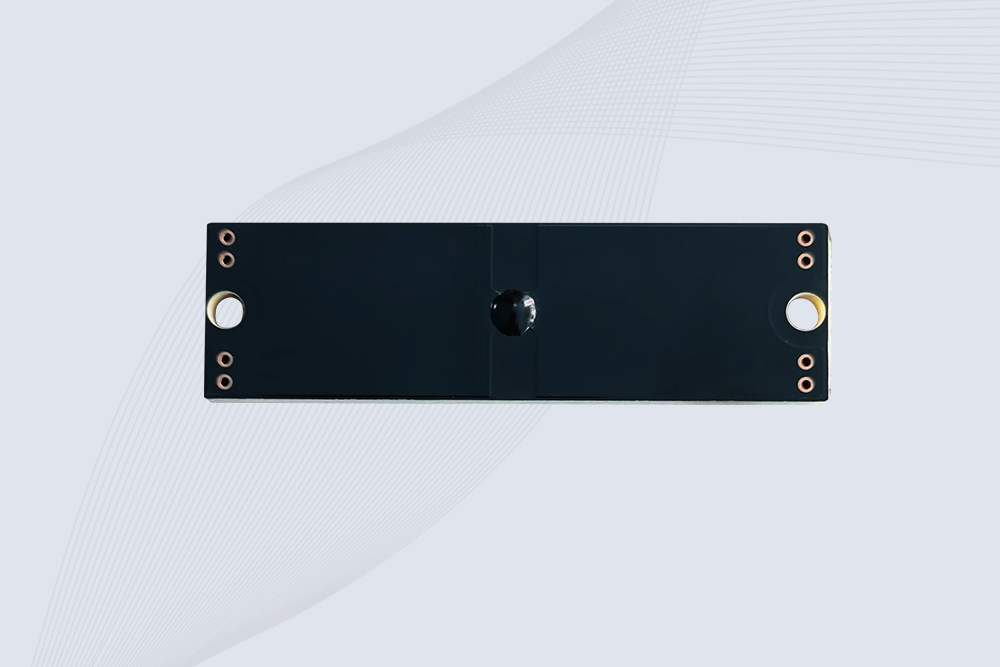
CYKEO CYKEO-PCB7020 On-Metal RFID Tags are designed for reliable tracking on steel and metal surfaces. Built with an FR4 epoxy body and industrial-grade chips, these On-Metal RFID Tags deliver stable performance, long data life, and chemical resistance, making them a dependable RFID anti-metal tag for harsh environments.
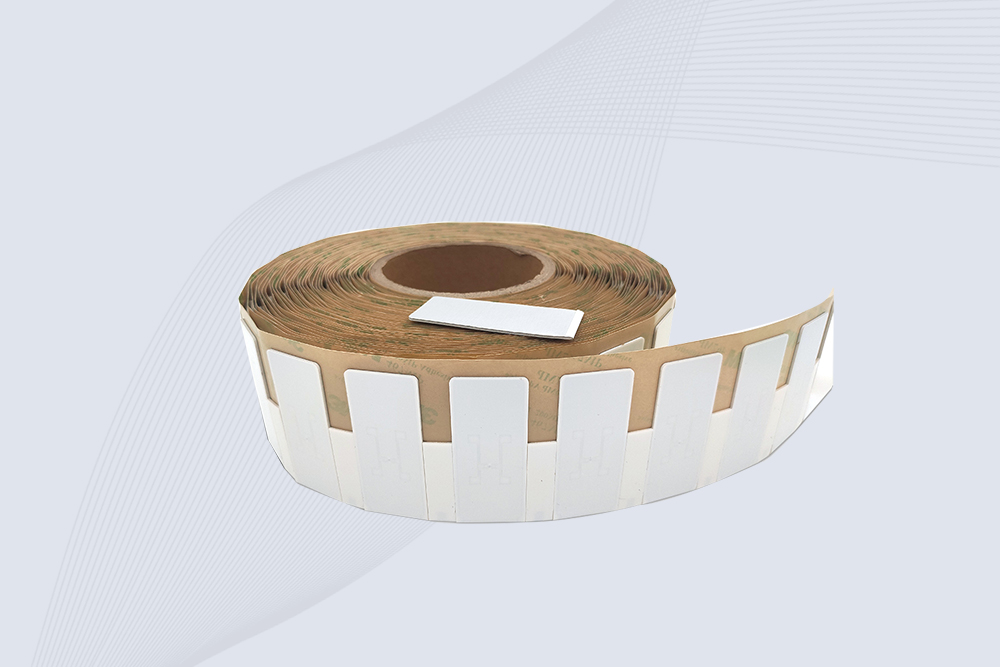
The CYKEO CYKEO-60-25 Anti-Metal RFID Tag is built for metal surfaces where standard tags fail. Designed for long-range performance, harsh environments, and stable data retention, this Anti-Metal RFID Tag is ideal for industrial assets, containers, and equipment tracking using on metal RFID tags.
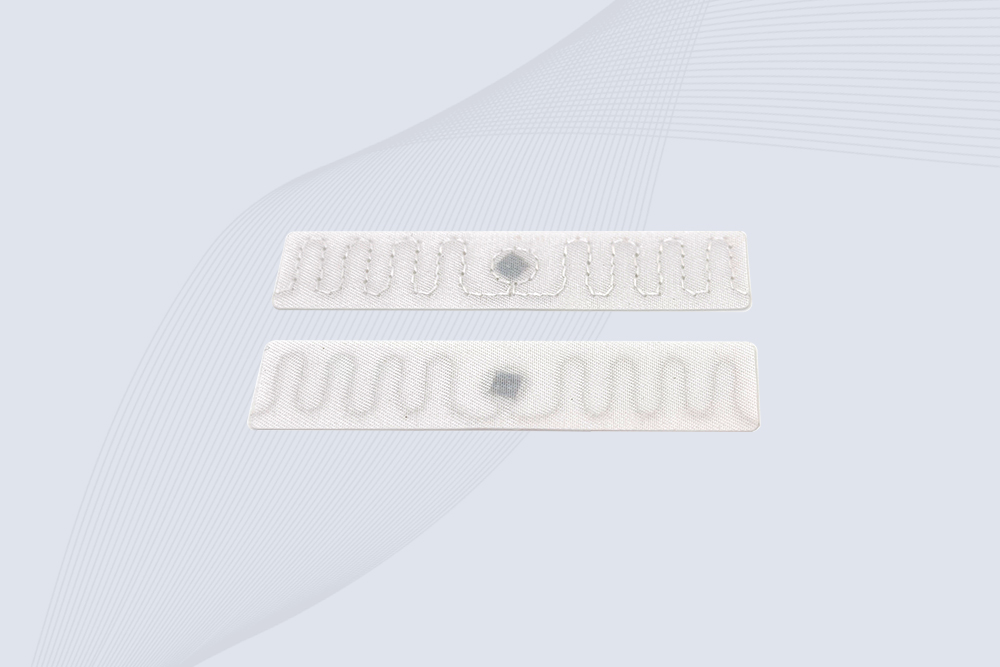
The CYKEO RFID Laundry Tag is designed for long-term textile identification in harsh laundry environments. Built to withstand high heat, chemicals, and repeated washing, this RFID Laundry Tag delivers stable performance for hotels, hospitals, and industrial laundry operations using laundry rfid tags at scale.
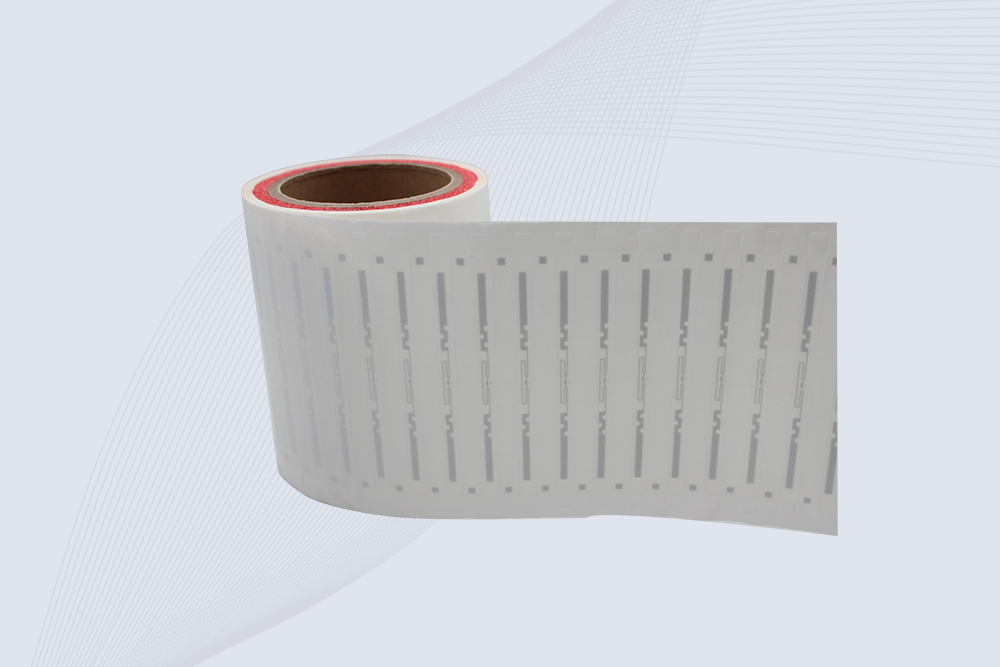
The CYKEO CYKEO-125-7 RFID Book Tag is designed for reliable book and document tracking in libraries and archives. This RFID Book Tag delivers long read range, dense placement support, and stable performance on shelves, making it a practical rfid tag on books for library automation, file management, and archival systems.
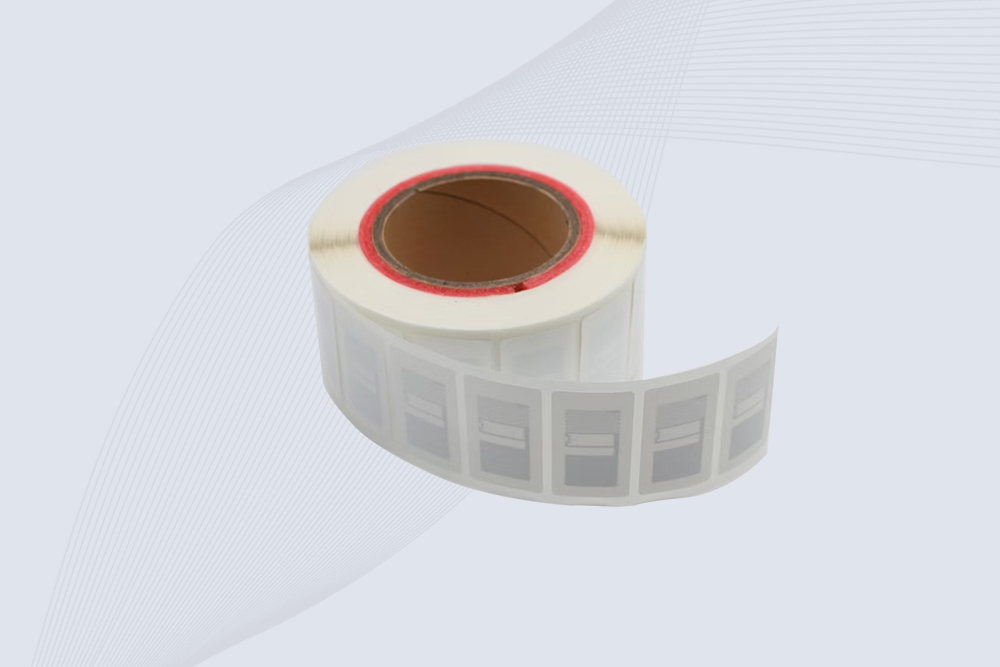
CYKEO RFID tags in hospitals are designed for sterile environments where accuracy matters. These autoclavable RFID tags support long-term tracking of surgical tools, implants, and medications, helping hospitals improve visibility, compliance, and patient safety.

CYKEO RFID Cable Tie Tag is built for reliable identification on metal surfaces. This UHF RFID Cable Tie Tag is widely used in rfid tags for inventory systems, industrial asset management and Hospital RFID Tags, offering stable read performance, long service life and global EPC Gen2 compatibility.
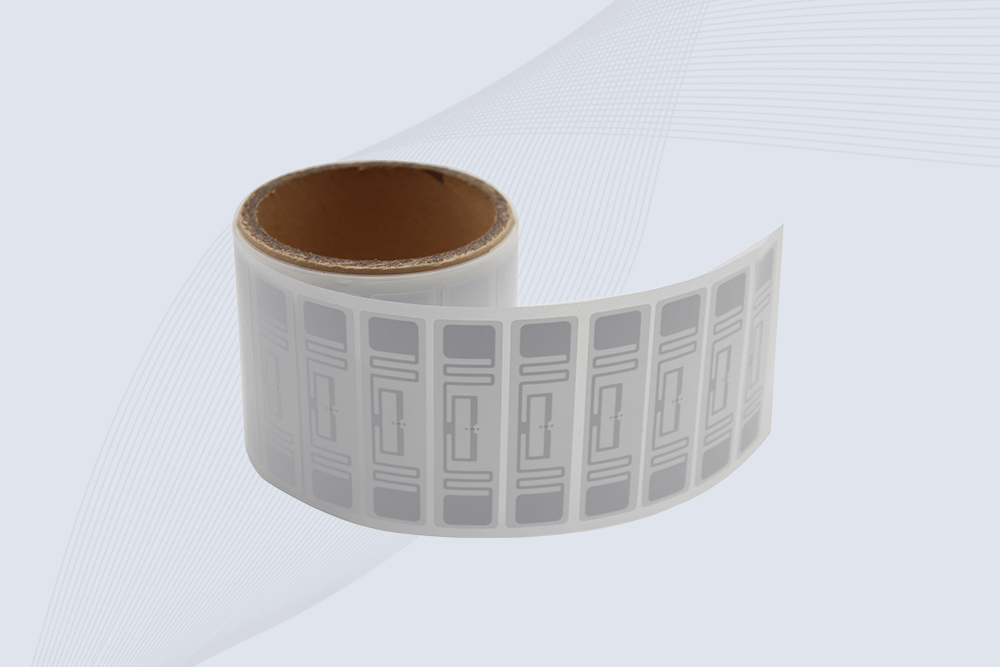
CYKEO RFID Asset Tag is designed for stable identification of metal assets in industrial environments. This UHF RFID Asset Tag is commonly used for rfid tag asset tracking on equipment, tools and containers, providing reliable reads, long service life and ISO/IEC 18000-6C support.

CYKEO UHF RFID Card is designed for fast identification and long-term use in industrial and commercial systems. Supporting ISO 18000-6C, this UHF RFID Card works at 860–960 MHz and is suitable for custom RFID cards used in asset tracking, access control and inventory management.
CYKEO HF RFID Cards are designed for secure and stable access control systems. These 13.56 MHz RFID key cards support ISO 14443-A, reliable rewriting and long service life, making HF RFID Cards suitable for offices, campuses, events and membership management.
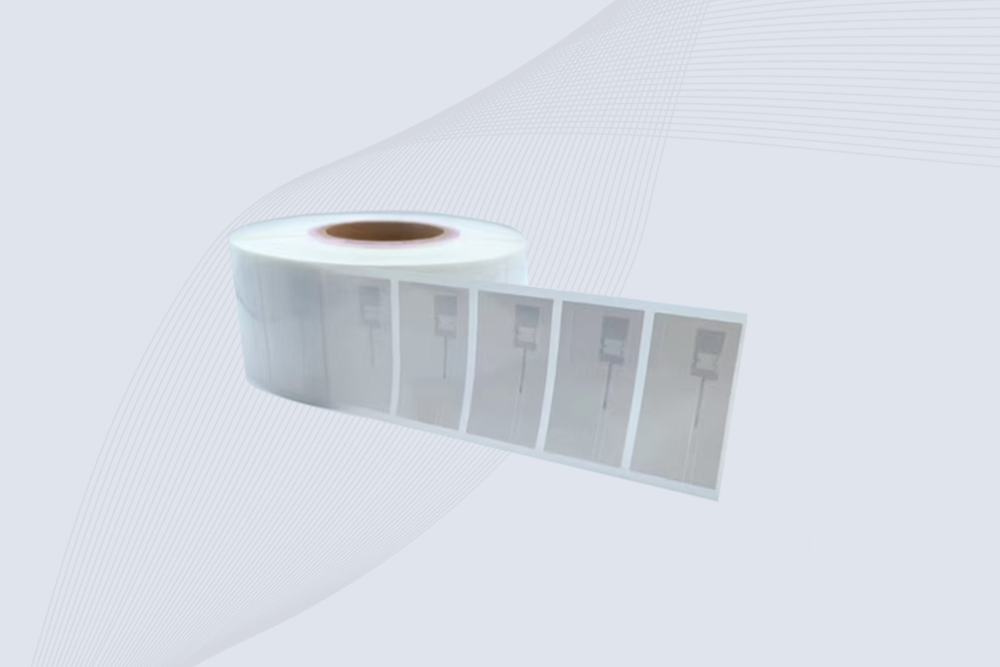
CYKEO UHF RFID Tag is designed for reliable tracking of metal jewelry and high-value items. This Jewelry RFID Tag supports long-range reading up to 8 meters, anti-counterfeit protection and stable performance on metal, making it suitable for retail, inventory control and asset management.
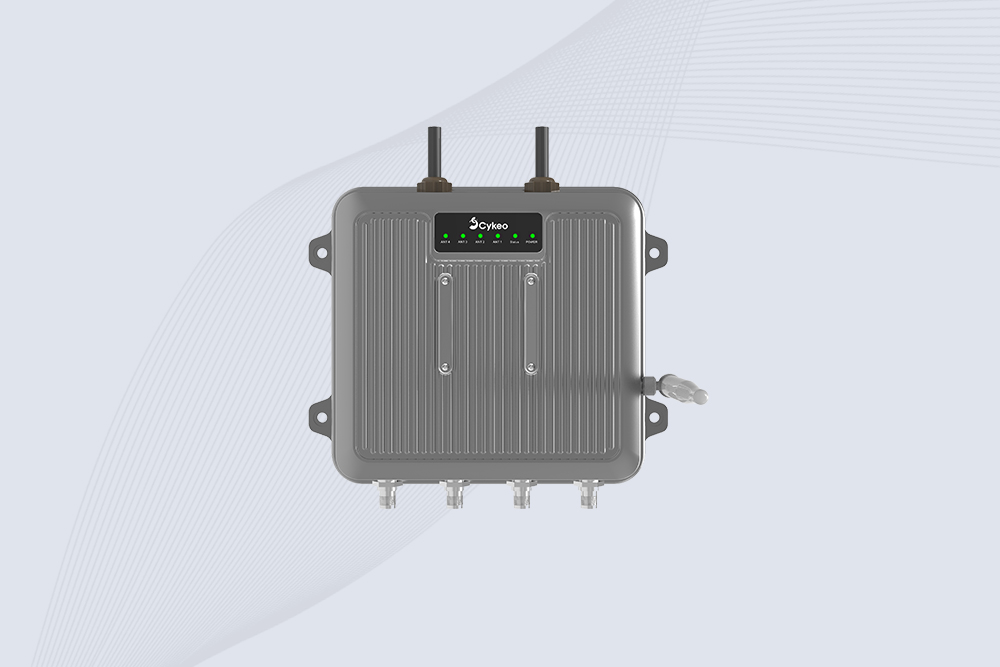
Cykeo CYKEO-C1 industrial Forklift RFID Reader features 20m read range, 600 tags/sec scanning, Impinj R2000 chipset, and IP67 rugged design. Ideal for warehouse logistics and manufacturing. Supports ISO 18000-6C/6B protocols.
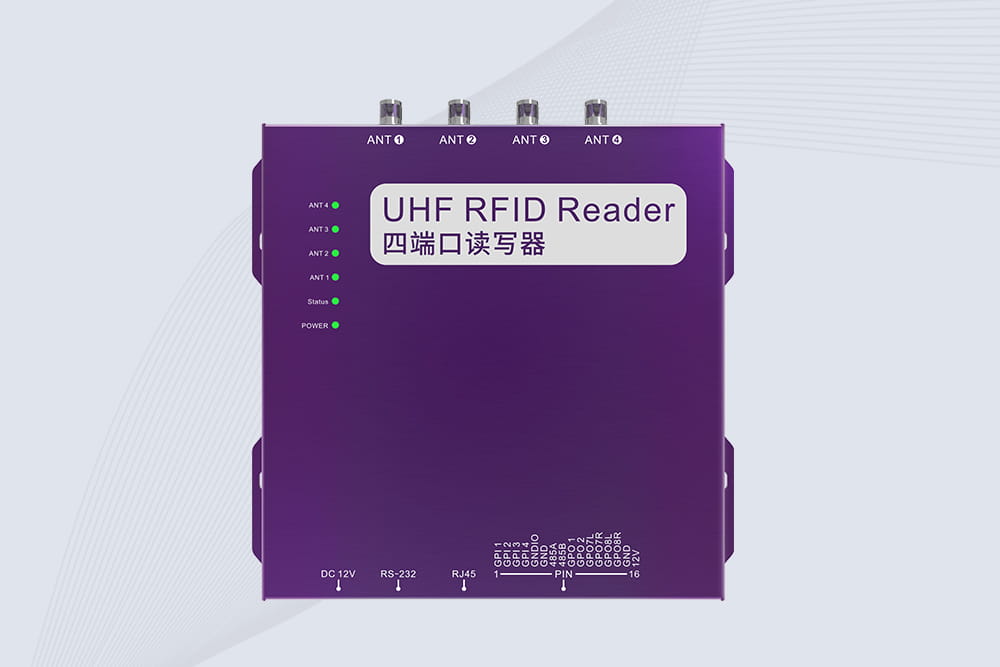
Cykeo CYKEO-R4 industrial UHF RFID Fixed Reader features 4 TNC ports, 400+ tags/sec speed, IP67 housing, and global frequency compliance for vehicle inspection, smart warehouse, and asset management systems.
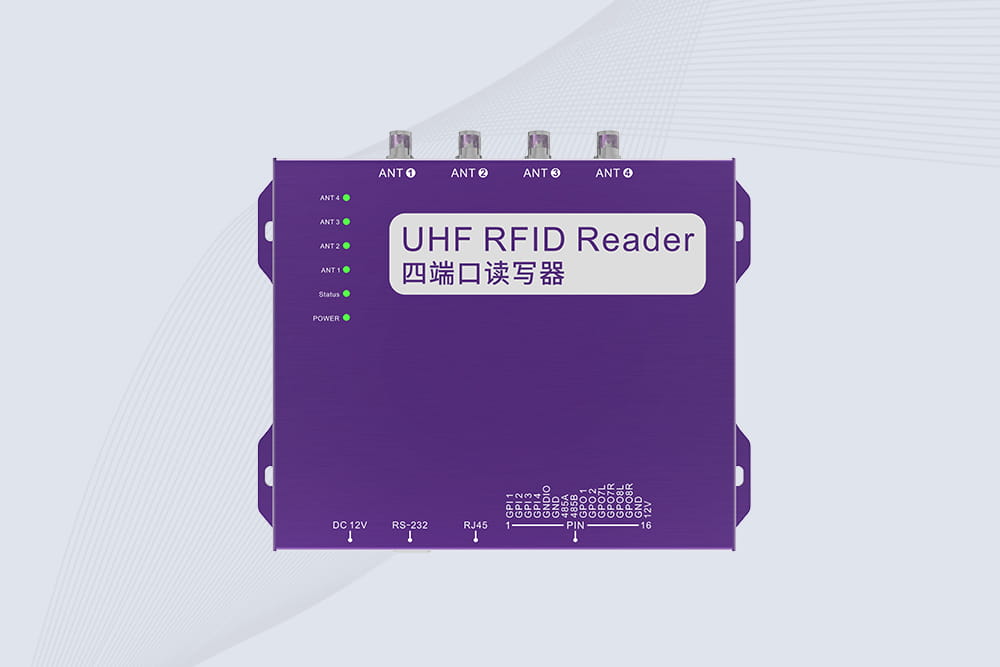
Cykeo’s CYKEO-R4L 4-port Fixed UHF RFID Reader delivers 400 tags/sec scanning, ISO 18000-6C compliance, and IP65 protection. Ideal for warehouse automation, manufacturing WIP tracking, and logistics management.
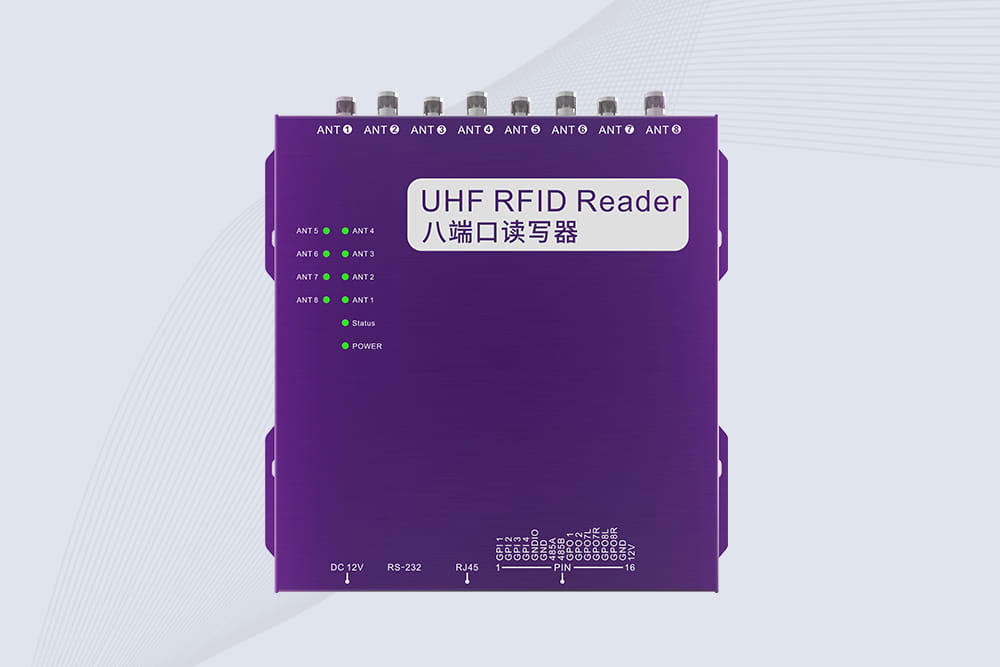
CYKEO CYKEO-R8L Fixed RFID Reader with 8-port UHF design, Impinj-based RF core and up to 20m read range. An industrial Fixed RFID Reader for vehicle inspection, warehouse portals, smart manufacturing lines and secure access checkpoints.
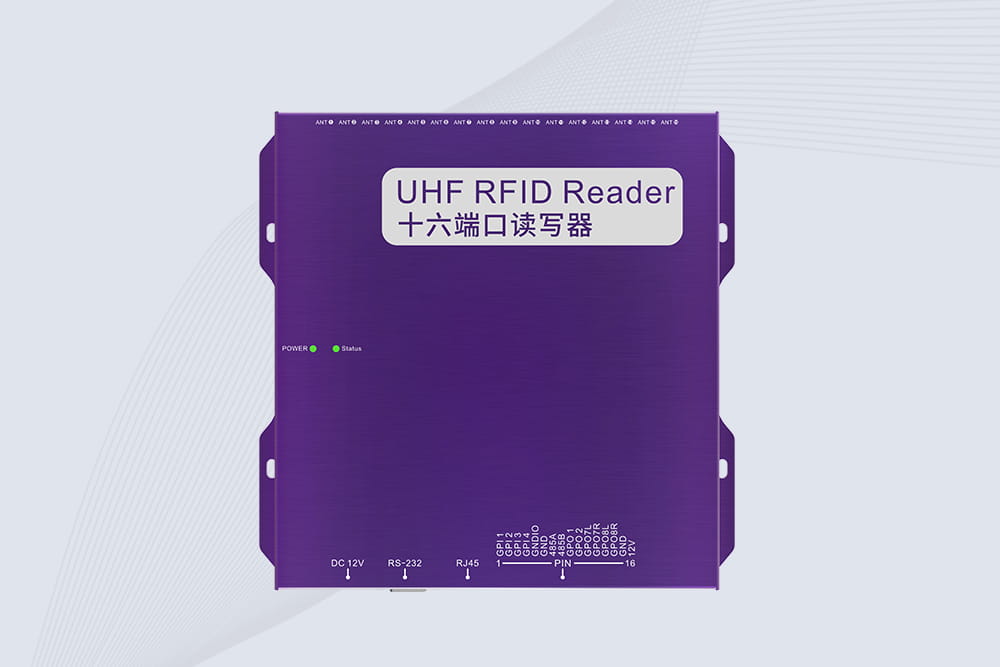
RFID Fixed Reader from CYKEO – the CYKEO-R16L 16-port UHF fixed reader for warehouses, smart cabinets, and production lines. Long-range, multi-tag reading, stable performance for 24/7 industrial use.
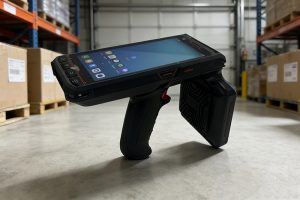
Learn how handheld rfid writer works with UHF RFID tag systems for long-range tracking, fast inventory, and reliable asset visibility in real operations.
More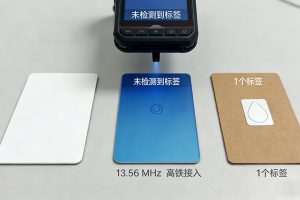
Can all RFID readers read all RFID cards? Absolutely not. Here’s why your 125 kHz access card won’t work with a UHF inventory reader—and what actually happens when frequencies clash.
More
Discover why iPhones can't emulate RFID cards natively. Learn how Cykeo's Bluetooth device turns your iPhone into an RFID emulator for keycards & badges.
More
Learn what RFID asset tracking software is, how it works with RFID readers and tags, key features to look for, and how to implement it for your organization. Expert guidance from CYKEO engineers.
More