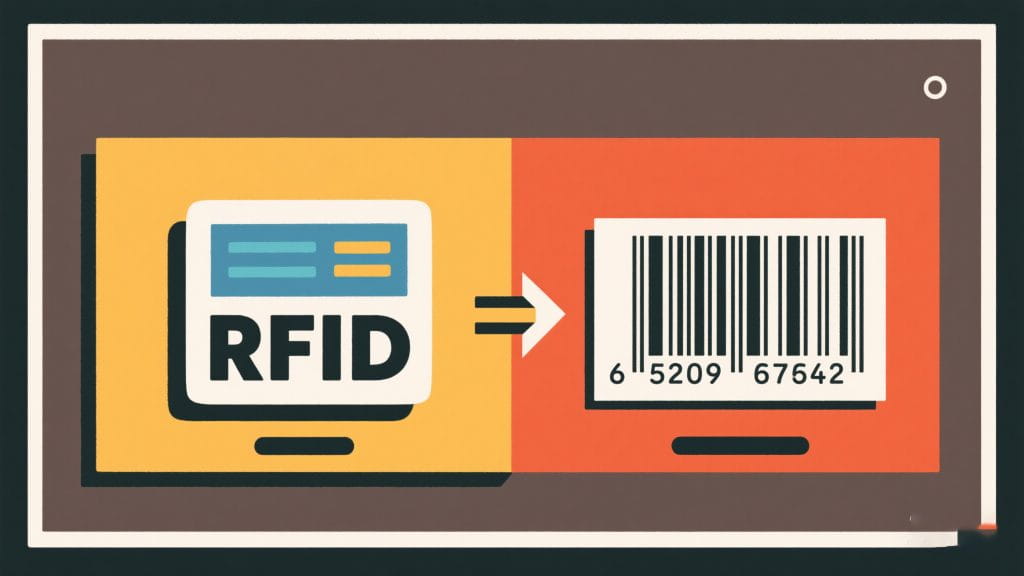
Managing inventory efficiently is critical for businesses to stay competitive. While barcodes have been the go-to solution for decades, RFID (Radio-Frequency Identification) technology is now gaining traction as a smarter alternative. But which system offers a better return on investment (ROI)? Let’s break down the key differences, costs, and long-term benefits to help you decide.
How RFID and Barcode Systems Work
Barcode Systems
Barcodes use optical scanners to read printed labels. Each label contains a unique identifier tied to a database. They’re affordable to implement but require line-of-sight scanning and manual handling, which slows down processes.
RFID Technology
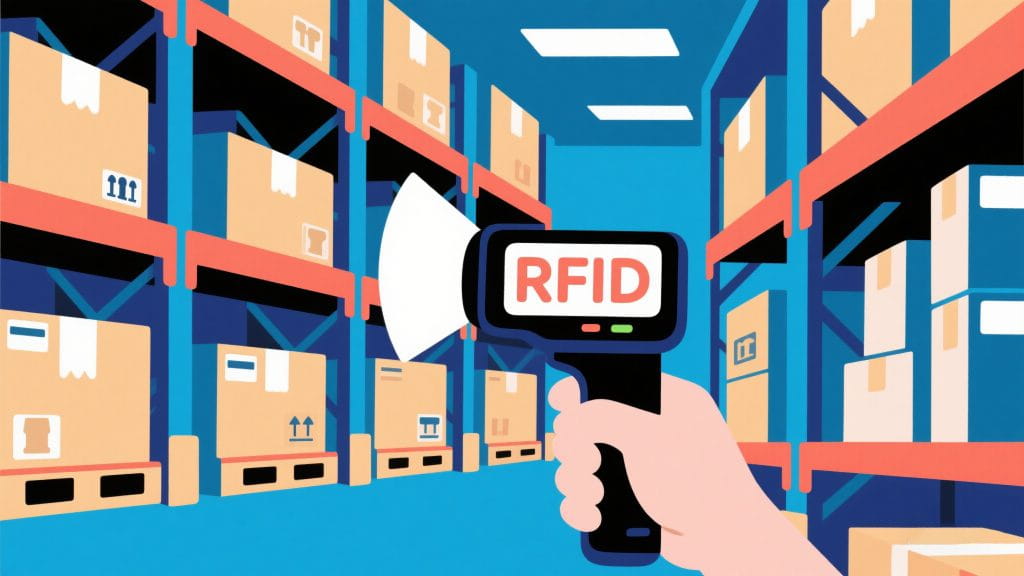
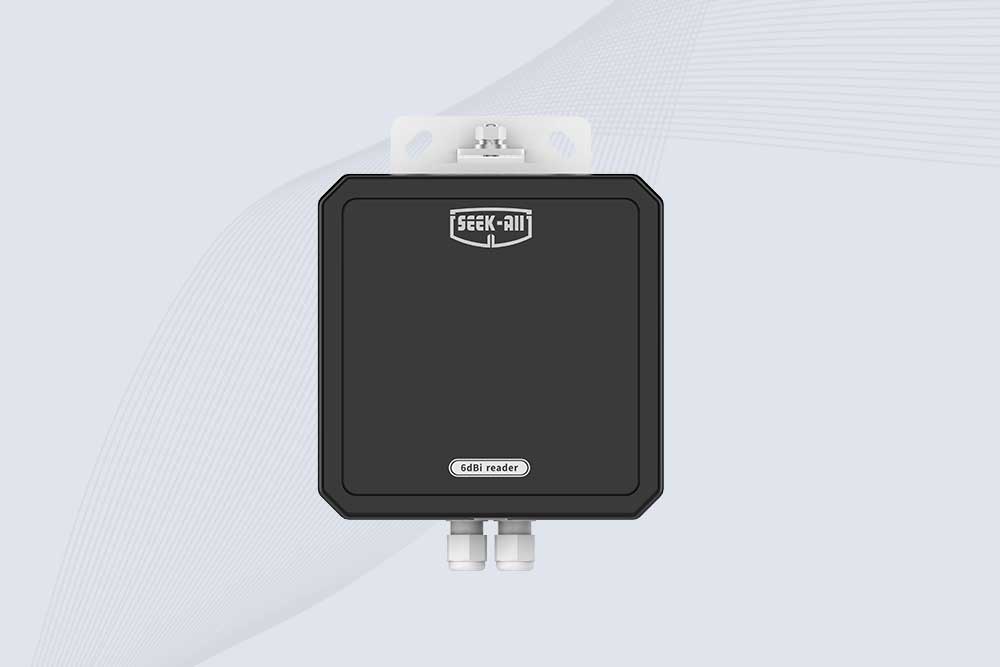
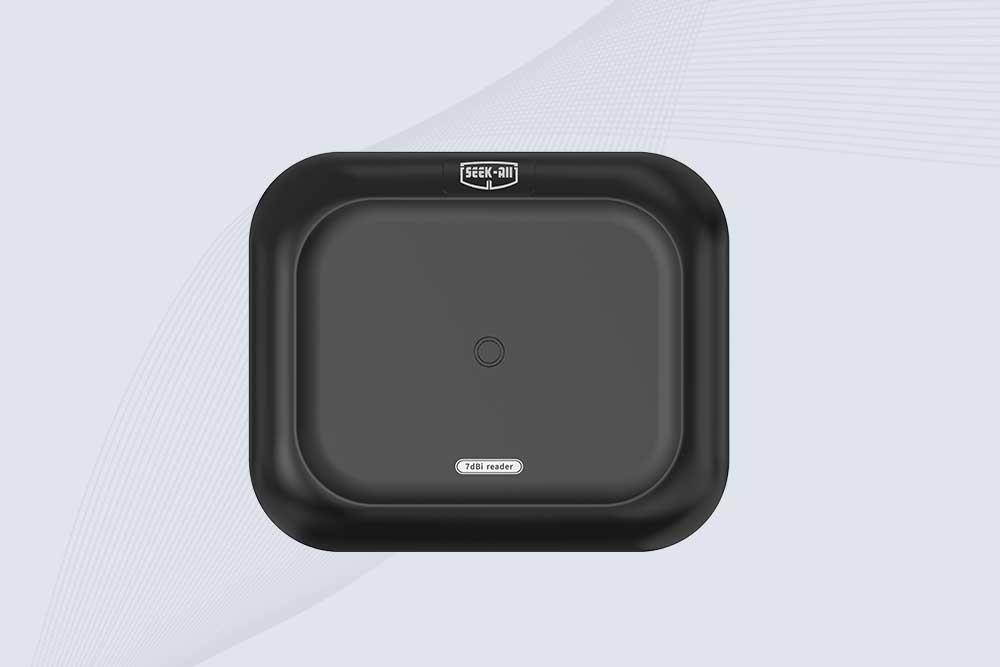
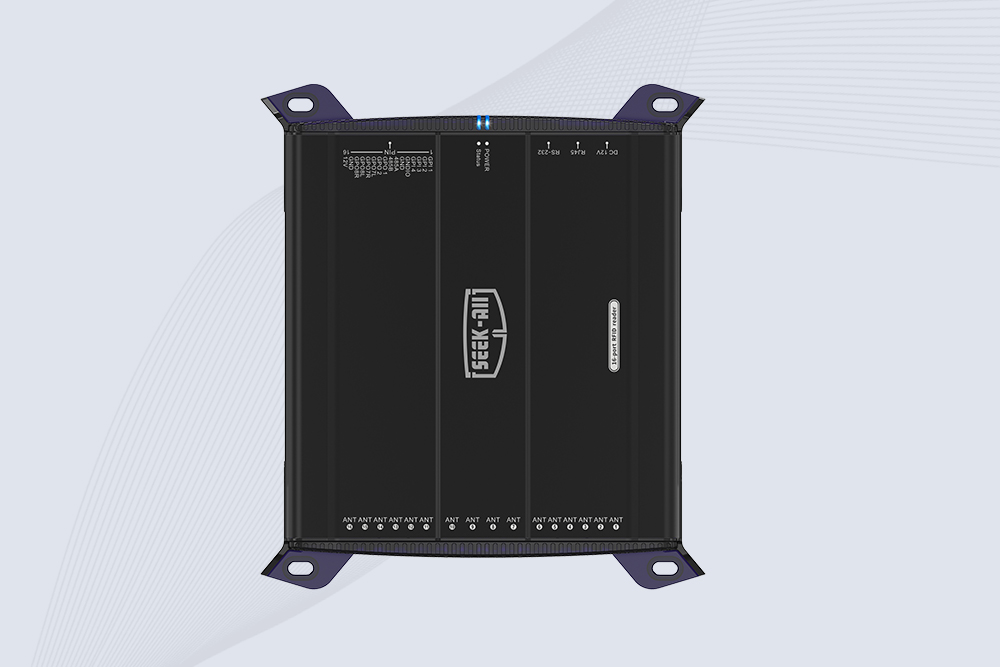
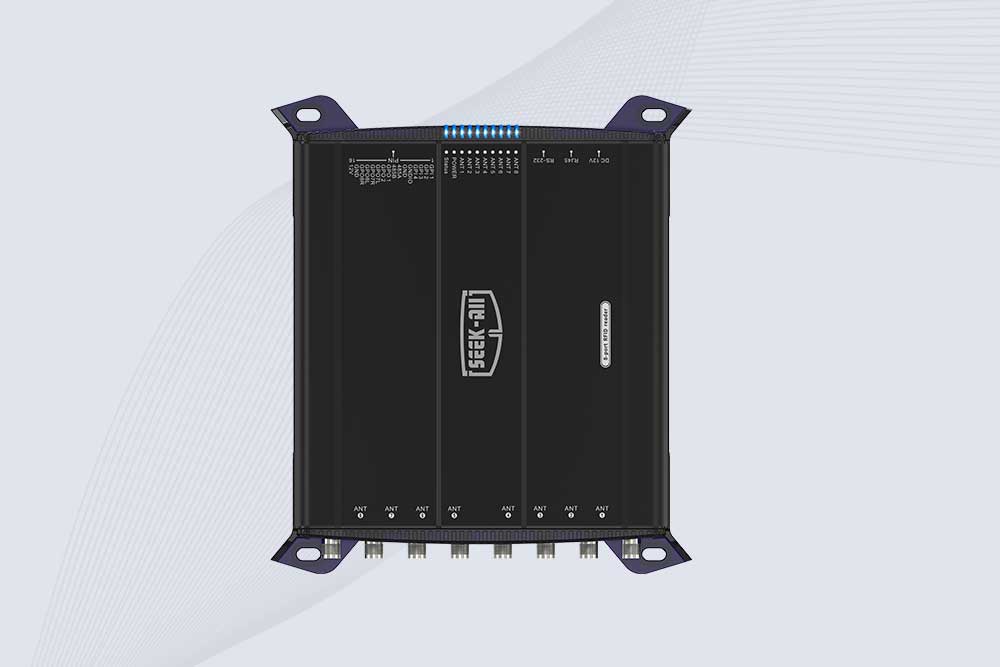
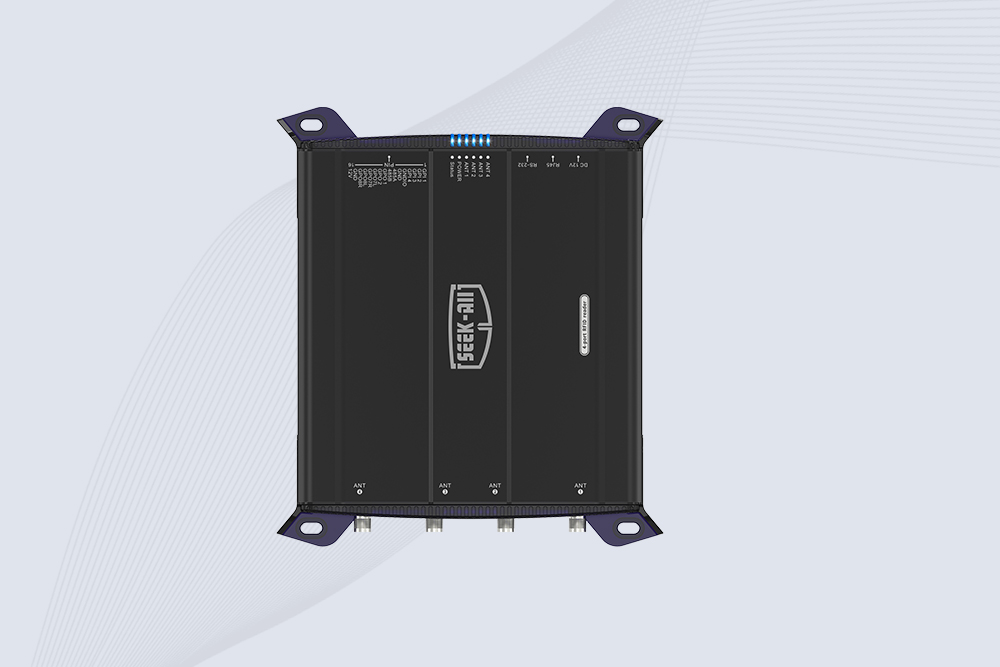
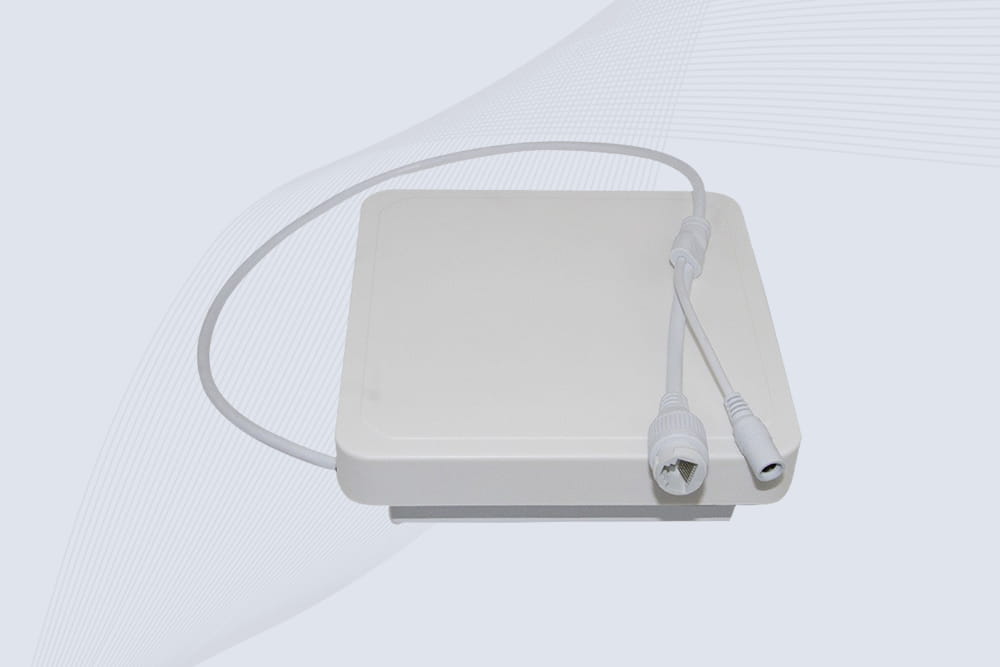
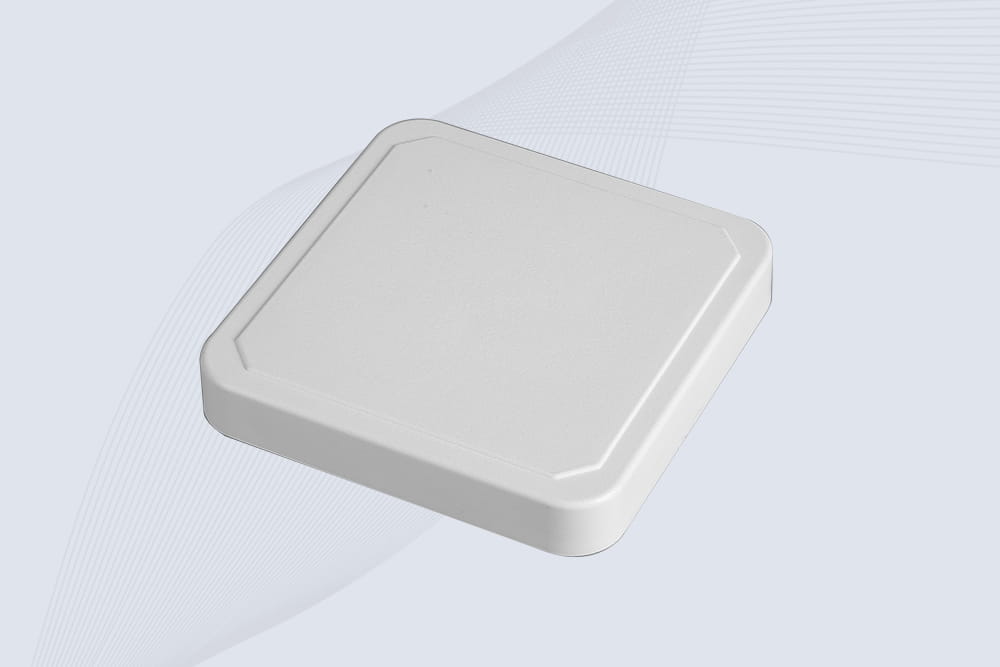
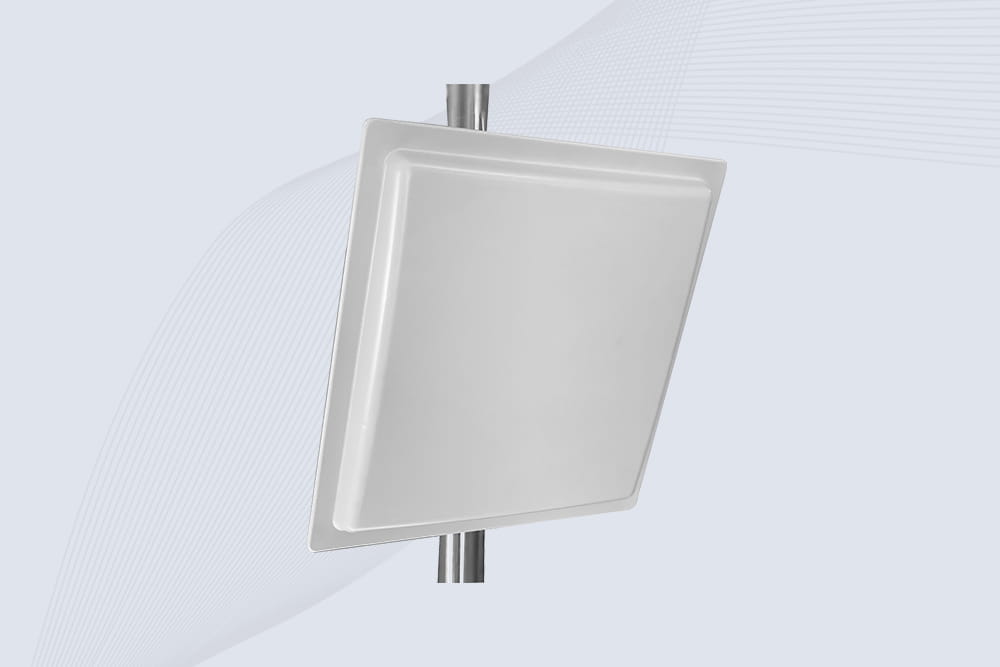
RFID uses radio waves to automatically identify tags attached to items. Unlike barcodes, RFID tags don’t need direct visibility, enabling batch scanning of hundreds of items simultaneously. This reduces human error and speeds up workflows.
Key Factors Impacting ROI
1. Initial Setup Costs
Barcodes: Low upfront costs (scanners, labels, software). Ideal for small businesses with limited budgets.
RFID: Higher initial investment (tags, readers, infrastructure). However, prices are dropping as adoption grows.
Verdict: Barcodes win for short-term savings, but RFID scales better for large operations.
2. Labor and Time Efficiency
Barcodes demand manual scanning, which is time-consuming and prone to errors. RFID automates data capture, cutting labor costs by up to 30% and reducing stock discrepancies.
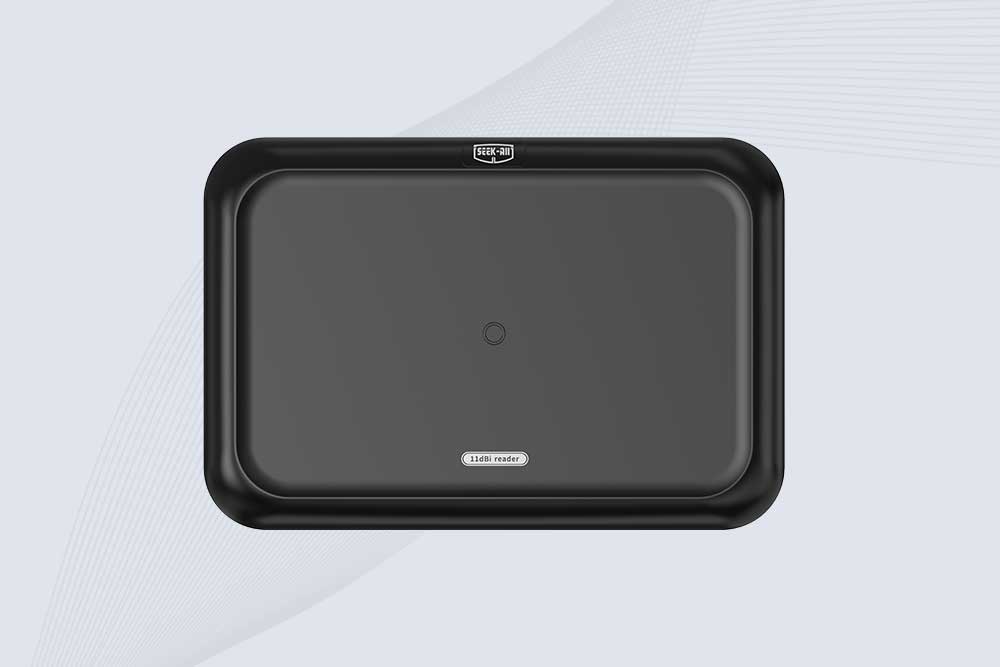
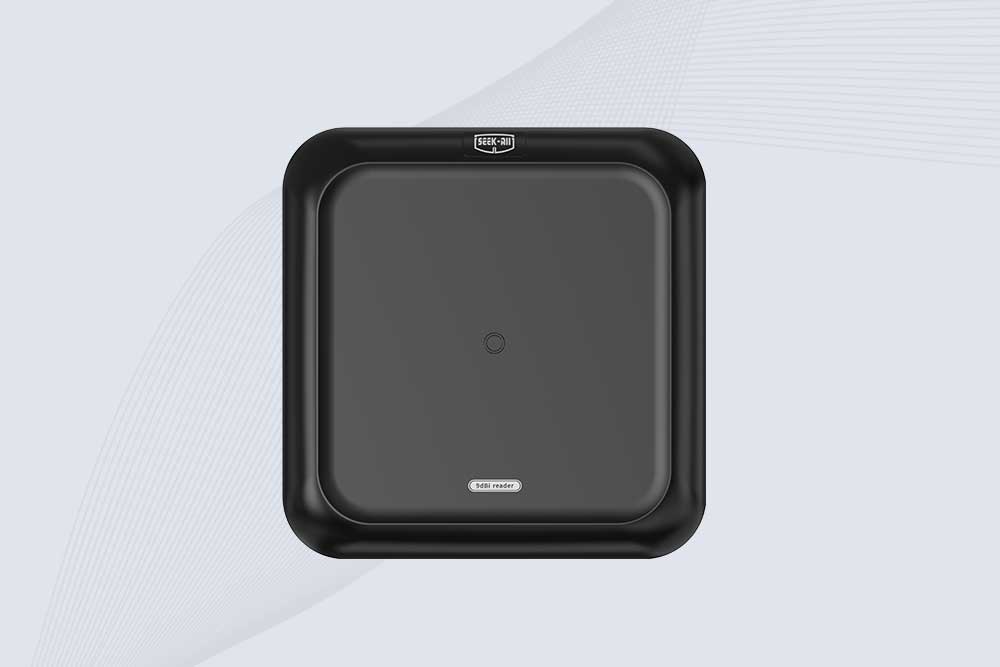
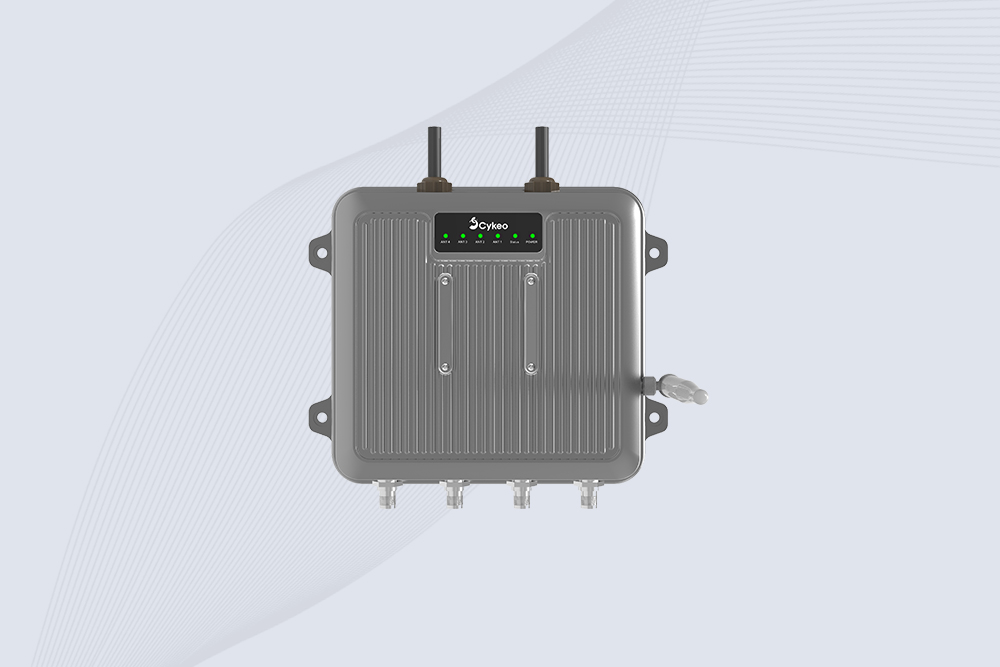
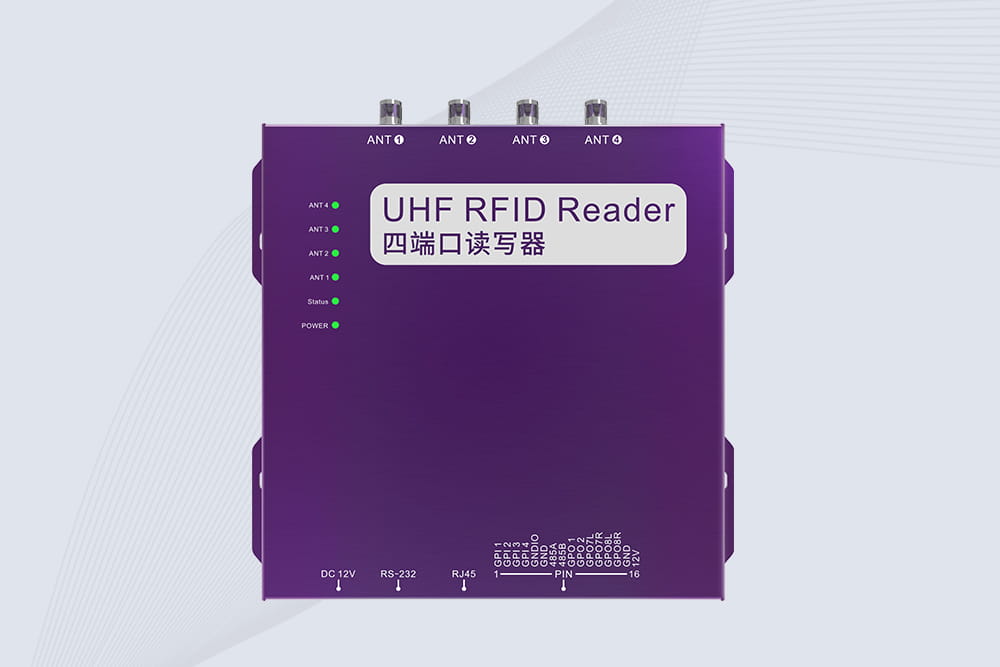
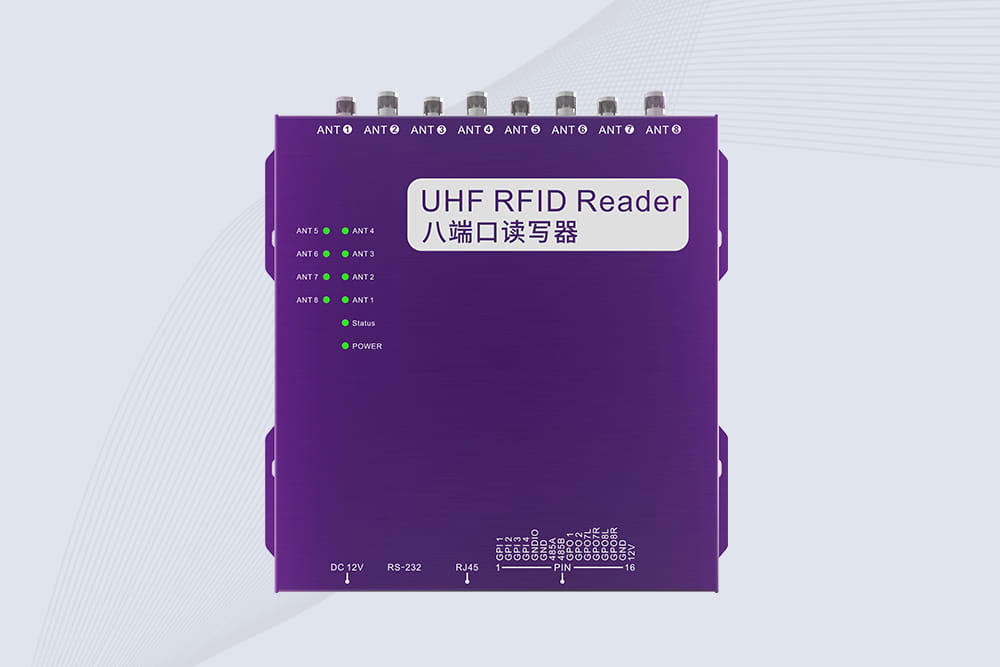
Example: A Cykeo RFID reader installed in a retail warehouse reduced inventory counting time from 8 hours to 20 minutes.
3. Accuracy and Reliability
Barcodes fail if labels are damaged or poorly printed. RFID tags are durable and readable through dust, moisture, or packaging. This ensures near-100% inventory accuracy for RFID.
4. Scalability and Flexibility
RFID supports real-time tracking, making it ideal for complex supply chains. Barcodes lack this adaptability, requiring constant manual updates.
Long-Term ROI: RFID vs Barcode
Factor
Barcode
RFID
Labor Costs
High (manual)
Low (automated)
Scanning Speed
Slow
Instant (100s/sec)
Data Accuracy
85-90%
99%+
Lifespan
Short (damage-prone)
Long (10+ years)
Key Takeaway: RFID’s higher upfront cost pays off in 12-18 months for medium-to-large businesses through labor savings and error reduction.
Why Businesses Are Switching to RFID
Real-Time Visibility: Track inventory across locations without manual checks.
Theft Prevention: RFID alerts managers to unauthorized item movements.
Integration with IoT: Pair RFID with IoT sensors for predictive analytics.
Cykeo’s RFID solutions, for instance, helped a logistics client cut stockouts by 60% and improve order fulfillment speed.
Need Help Choosing?
Whether you’re leaning toward RFID or barcodes, Cykeo offers tailored solutions to optimize your inventory management. Contact our experts at contact@cykeo.com for a free consultation.
RFID automatically identifies, counts, and tracks tagged objects without direct line-of-sight scanning across inventory, logistics, retail, manufacturing, an...
To encode RFID tags, prepare the correct identifier, write it to the appropriate memory area, then read it back to verify the result. A controlled near-field...
how far can an rfid chip transmit? Learn what determines RFID range, why UHF reaches several meters, and how tag, reader, antenna, and environment affect real results.
rfid asset tracking systems provide real-time asset visibility, automated inventory control, and operational efficiency. Discover proven deployment strategies from Cykeo.
 Cykeo RFID IoT Solution Products R&D Manufacturer