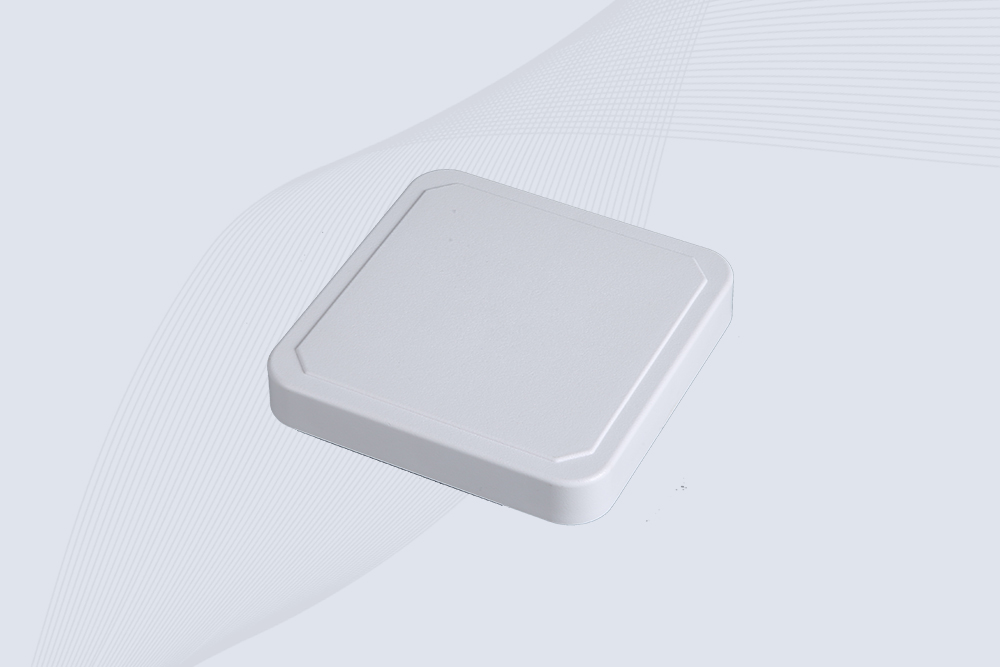
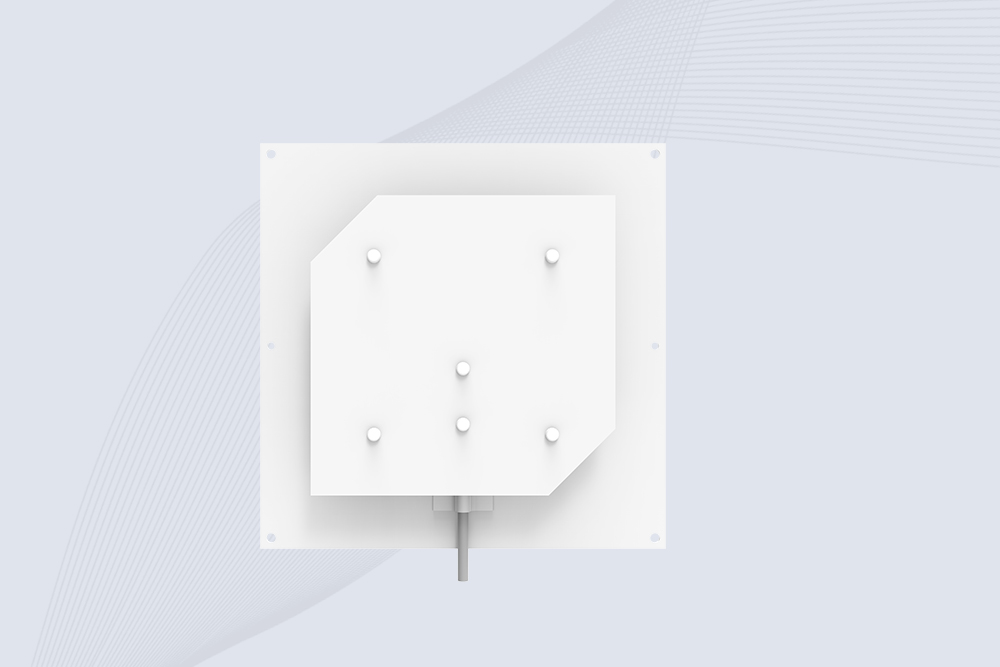
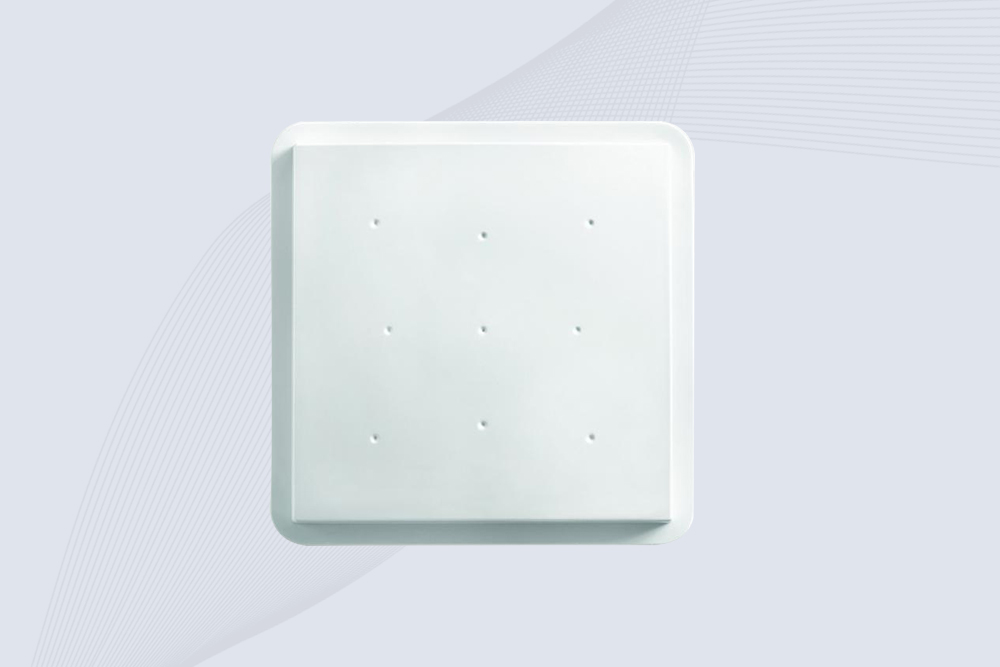
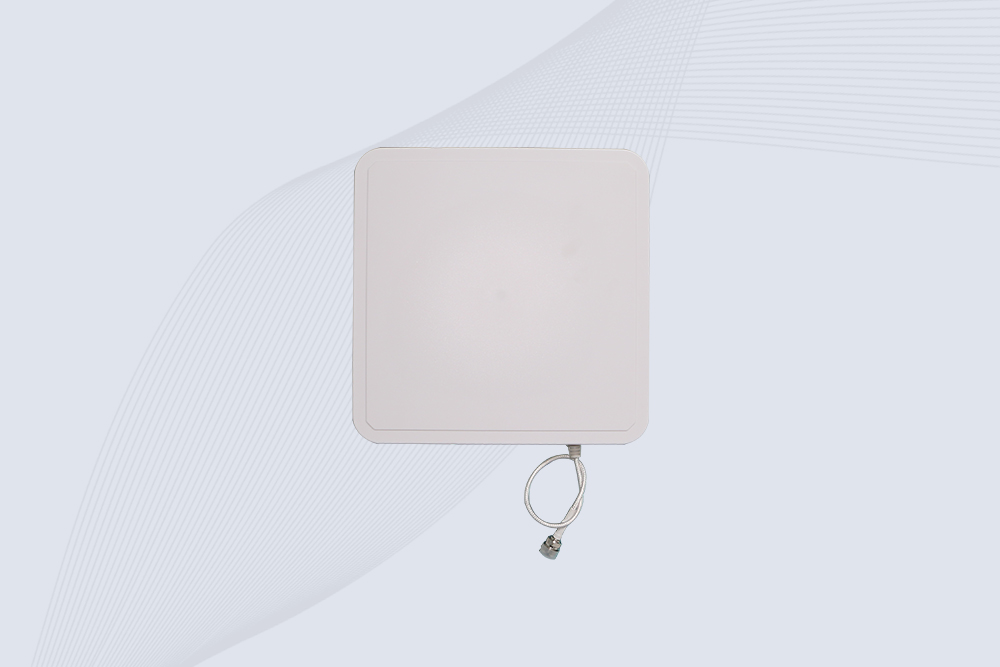
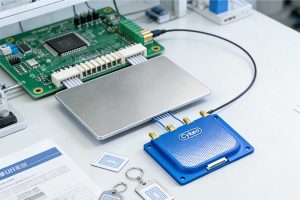
RFID is used to automatically identify, locate, count, and trace tagged objects without requiring direct line-of-sight scanning. In real deployments, RFID readers capture multiple tagged items as they pass receiving points, move through warehouses, enter stores, or return to an asset-management area.
That distinction matters. RFID is not simply a faster barcode. It changes where identification happens and how often inventory events can be captured.
In projects I have reviewed and deployed around warehouse receiving, retail inventory, and industrial asset control, the most useful RFID installations are rarely the ones with the most readers. They are the ones positioned at the moments where an incorrect inventory record creates a real operational cost.
GS1 describes EPC/RFID as a technology capable of supporting product identification throughout the supply chain, from manufacturing and distribution through retail. Its current RFID standards work also emphasizes supply-chain visibility and inventory accuracy.
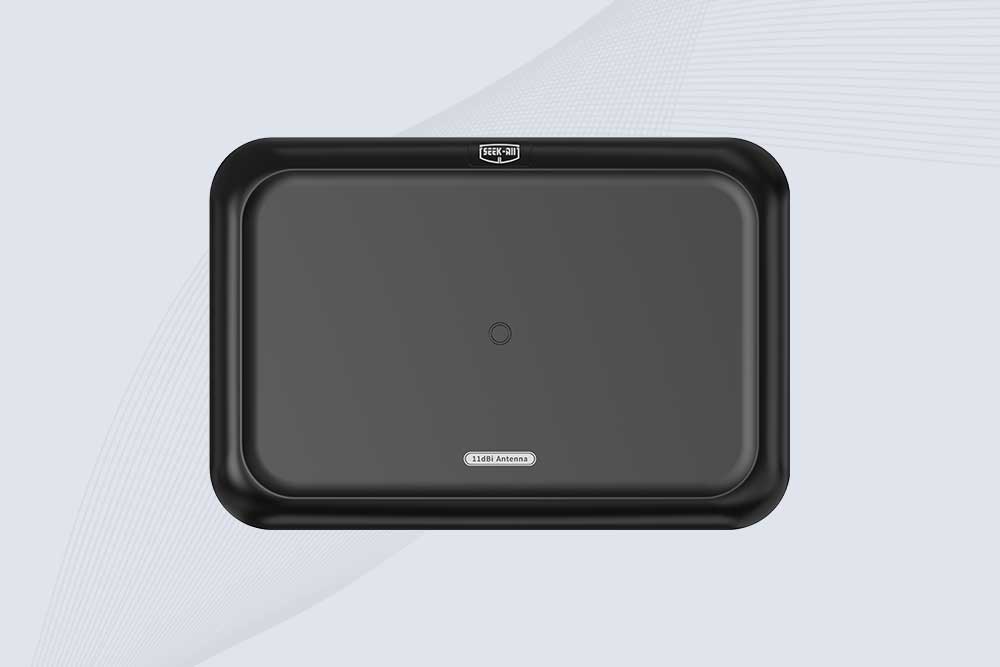
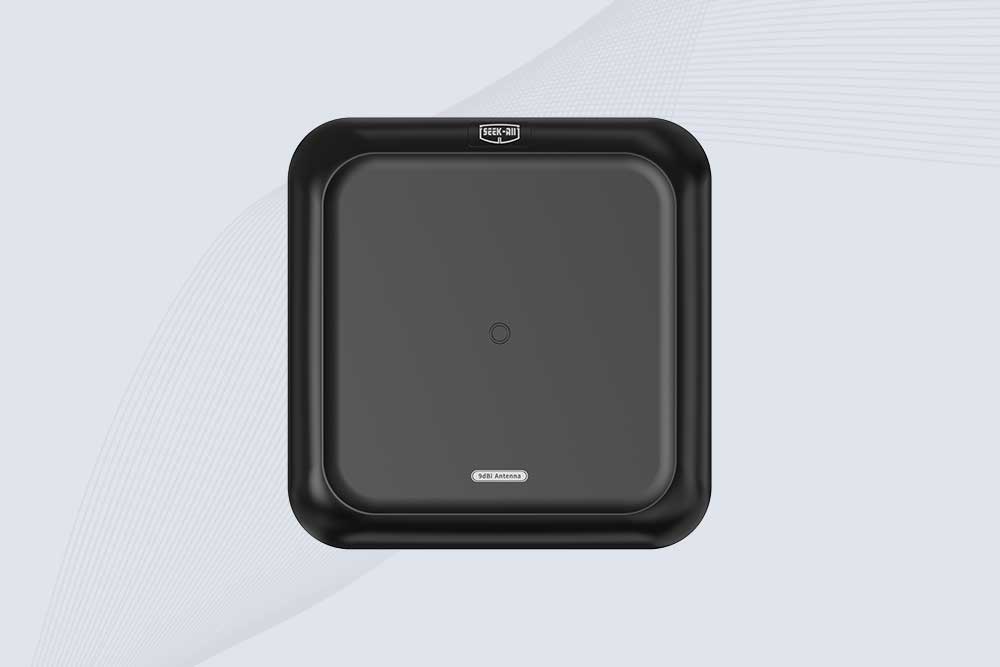
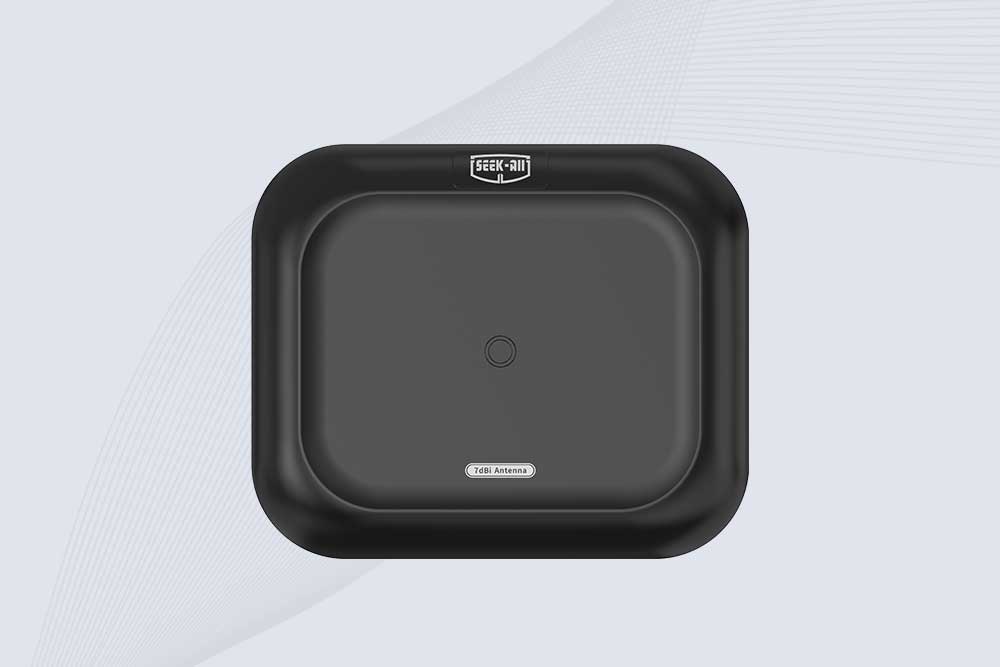
Defines the effective read zone and coverage pattern
Software platform
Converts tag reads into inventory, movement, location, or workflow events
The reader does not need to “see” the tag in the way a barcode scanner sees a printed symbol. That allows a warehouse operator to move a tagged carton through a portal while the system captures several tagged items in the same event.
At a receiving dock, for example, RFID can associate incoming cartons or pallets with a shipment record. At a retail location, item-level tags can support inventory counting and replenishment. In manufacturing, tags can follow work-in-process between stations. For reusable assets, RFID can provide a record of movement between defined checkpoints.
GS1’s EPCIS framework also supports recording where products are, where they came from, where they were shipped, and other time-stamped business events.
RFID Inventory Management
Inventory management remains one of the strongest RFID applications because the technology addresses a persistent problem: the system says an item is present, but the item is somewhere else.
A field study hosted by Auburn University examined RFID-enabled inventory processes across 62 stores and five product categories. The research found that RFID reduced inventory record inaccuracy, with the reported effect particularly relevant to categories where inventory inaccuracies had identifiable operational causes.
GS1 has also reported retail deployments achieving 93–99% inventory accuracy, compared with materially lower accuracy before RFID implementation.
The practical lesson is less glamorous than the percentage: an accurate inventory record lets replenishment software work from reality instead of assumptions.
RFID Supply Chain Tracking
RFID is also used to create movement events across the supply chain.
A typical sequence might look like:
Manufacturer → tagged production unit
Distribution center → receiving scan
Warehouse → storage or picking event
Shipping dock → outbound verification
Retail store → receiving and inventory update
Sales floor → replenishment or availability check
This is particularly valuable when the organization needs item-, case-, or pallet-level visibility rather than simply knowing that a shipment exists.
GS1 identifies applications including retail receiving, shop-floor inventory monitoring, replenishment, point-of-sale processes, and electronic article surveillance.
RFID can capture tagged goods as they pass through receiving and shipping checkpoints, reducing manual identification work.
How Is RFID Used in Retail?
Retail is one of the clearest examples because inventory accuracy directly affects product availability.
RFID can support:
Item-level inventory counting
Shelf replenishment
Receiving verification
Omnichannel fulfillment
Buy-online-pickup-in-store operations
Ship-from-store workflows
Loss-prevention processes
Faster cycle counting
GS1 reports that EPC/RFID can raise inventory accuracy toward 95% and reduce cycle-counting time substantially in apparel applications.
That makes RFID especially useful where thousands of individual products share similar packaging. A worker can walk an aisle with an RFID reader rather than stopping at every SKU and presenting a barcode to a scanner.
RFID Asset Tracking
RFID is not limited to merchandise.
The same identification principle can be applied to:
Returnable transport items
Industrial tools
Maintenance equipment
Medical supplies
Containers and bins
Work-in-process materials
Library items
Uniforms and linens
For these applications, the important question is often not “How many items do we have?” but “Which item moved, when did it move, and through which checkpoint?”
That is where RFID becomes an operational data source rather than another identification device.
RFID can identify tools, equipment, containers, and work-in-process assets as they move through controlled operational areas.
Where RFID Creates the Most Practical Value
The strongest deployments usually connect an RFID read to a specific business action.
RFID event
Operational action
Goods received
Update inventory automatically
Pallet leaves dock
Confirm shipment
Item enters store
Update location
Tool leaves cabinet
Record user or movement
Asset crosses checkpoint
Create location event
Low shelf quantity detected
Trigger replenishment
Returned item detected
Update return status
This is also why antenna placement, reader power, tag selection, metal interference, reader filtering, and software event logic deserve as much attention as the RFID reader itself.
A technically powerful reader installed in the wrong physical location can produce more engineering problems than business value.
Cykeo Perspective on RFID Deployment
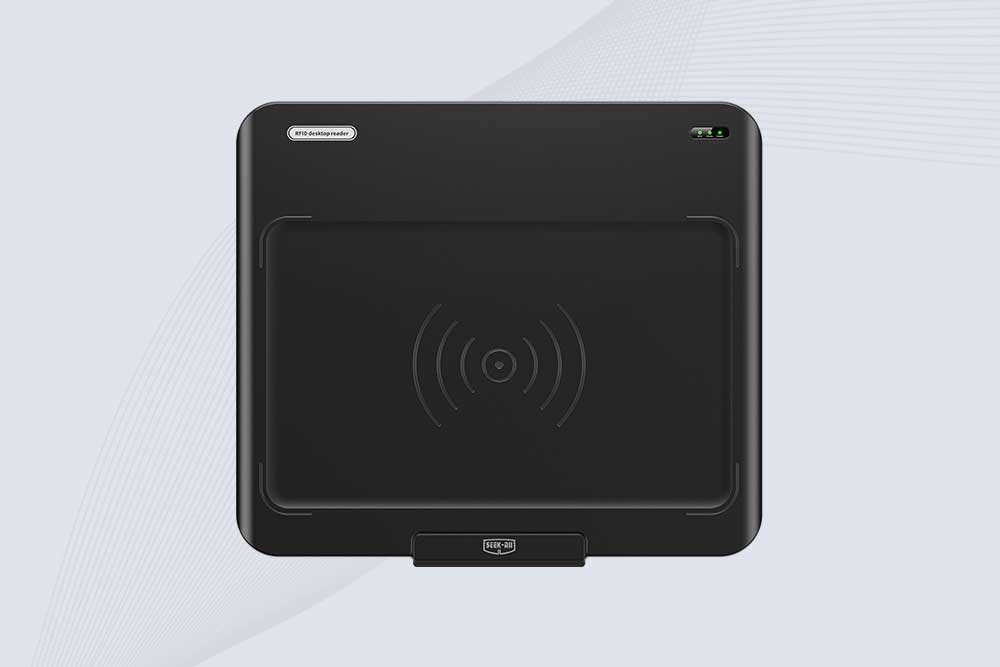
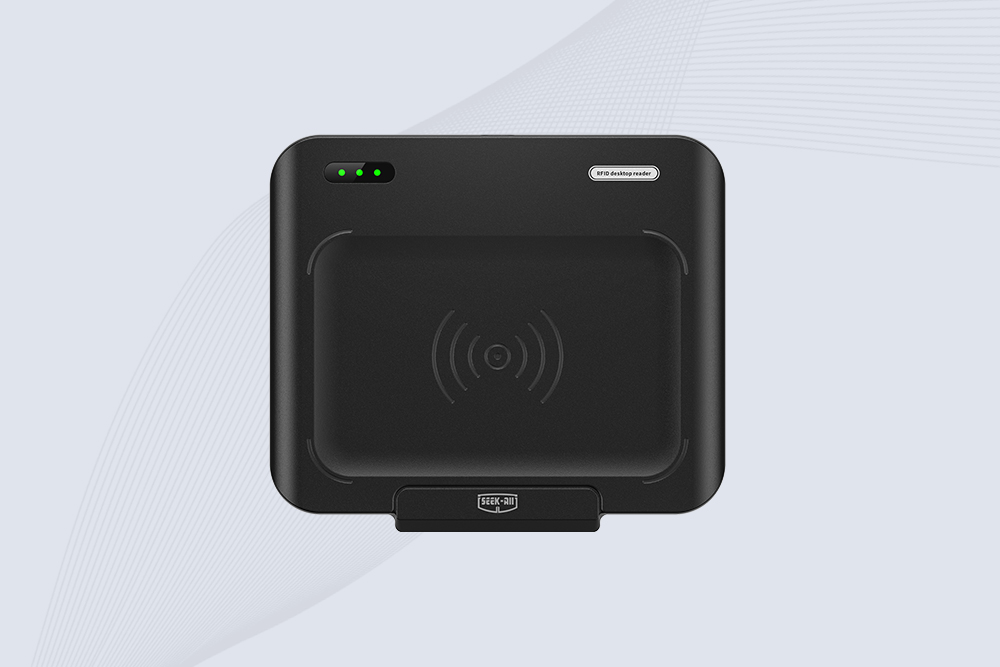
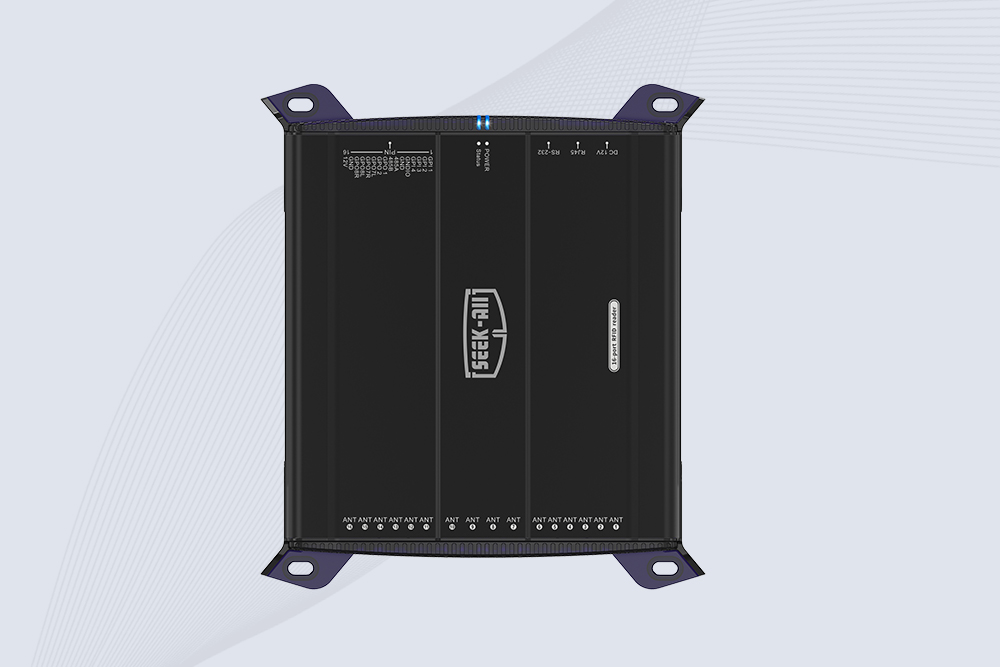
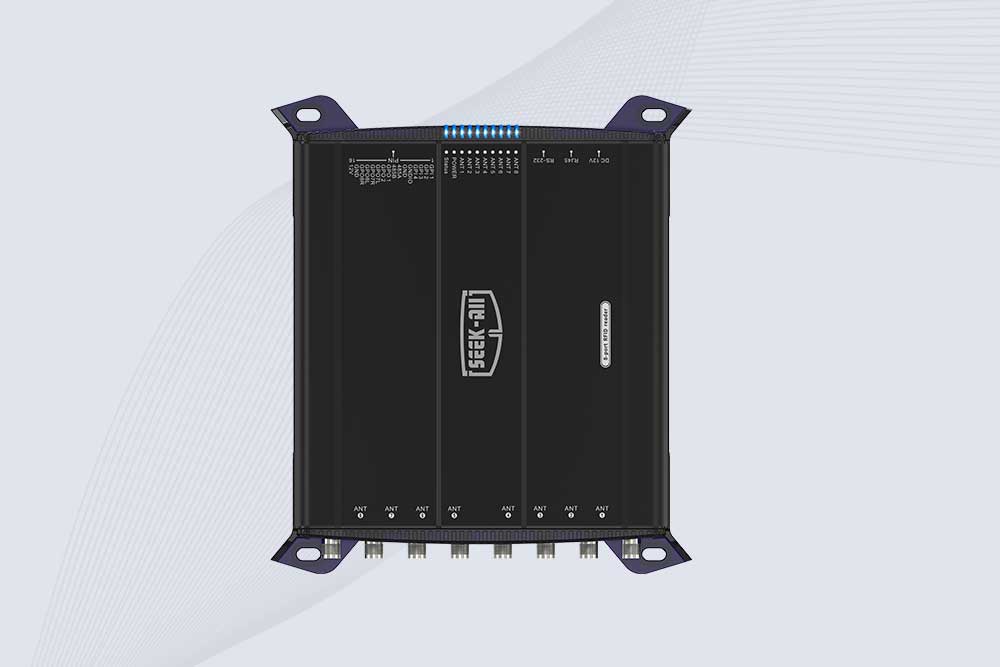
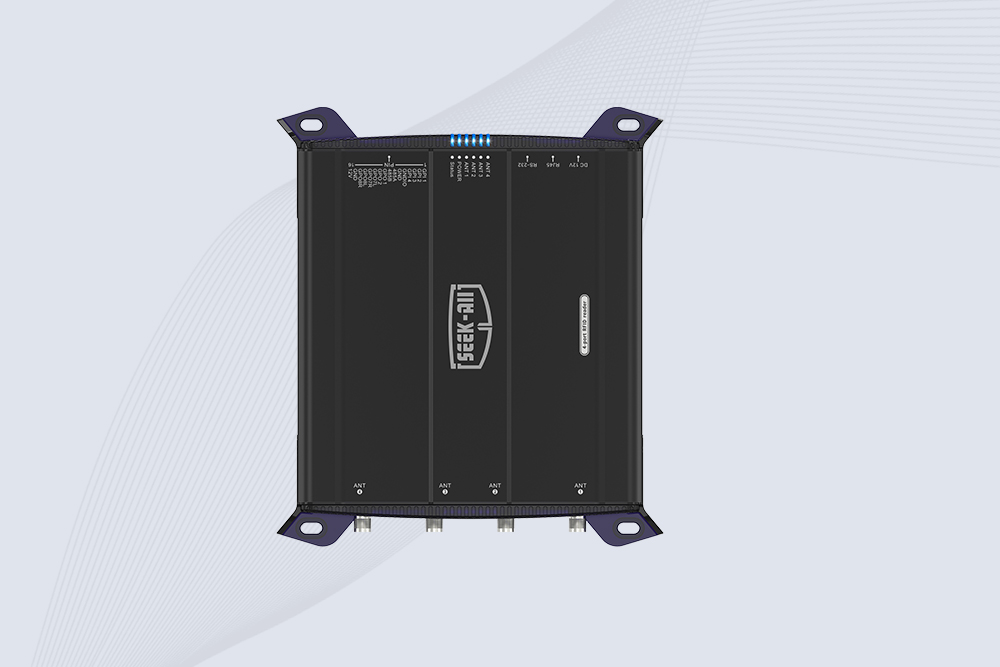
At Cykeo, RFID equipment is designed around these operational conditions rather than treating the reader as an isolated hardware component. UHF RFID deployments can be configured around fixed reading zones, desktop identification, industrial asset tracking, warehouse checkpoints, and other controlled environments.
For an implementation team, I would validate three things before expanding the system: what constitutes a valid read, where that read must occur, and what software action should follow it.
That discipline prevents a common mistake—collecting thousands of tag reads without producing a reliable business event.
FAQ: How Is RFID Used?
How is RFID used in warehouses?
RFID is used to identify pallets, cartons, containers, and individual items during receiving, storage, picking, shipping, and inventory counting.
How is RFID used in retail?
Retailers use RFID for item-level inventory, cycle counting, replenishment, receiving, omnichannel fulfillment, and improving product availability.
How is RFID used for asset tracking?
RFID tags identify assets while readers at defined checkpoints capture movement events, helping organizations monitor equipment location and utilization.
How is RFID used compared with barcodes?
RFID can identify multiple tagged objects without requiring direct line-of-sight, while conventional barcode scanning generally requires the scanner to read each visible code.
How accurate is RFID inventory tracking?
Results depend heavily on tag selection, reader placement, environment, and system design. GS1 has documented retail deployments reporting inventory accuracy in the 93–99% range.
Can RFID be used in manufacturing?
Yes. RFID can track tools, work-in-process materials, containers, components, and finished goods between manufacturing and logistics operations.
Does RFID replace barcodes completely?
Not necessarily. Many successful systems use RFID alongside established barcode and GS1 identification processes, selecting the technology according to the workflow and environment.
Explore the SSD-A07 UHF RFID antenna with 7 dBi gain, circular polarization, adjustable 840–960 MHz frequency, and 60°/75° beamwidth for stable RFID read/write performance.
SSD-A06 UHF RFID antenna with circular polarization, adjustable 840–960 MHz frequency, ≥4.5 dBi gain, and a compact directional design for RFID systems.
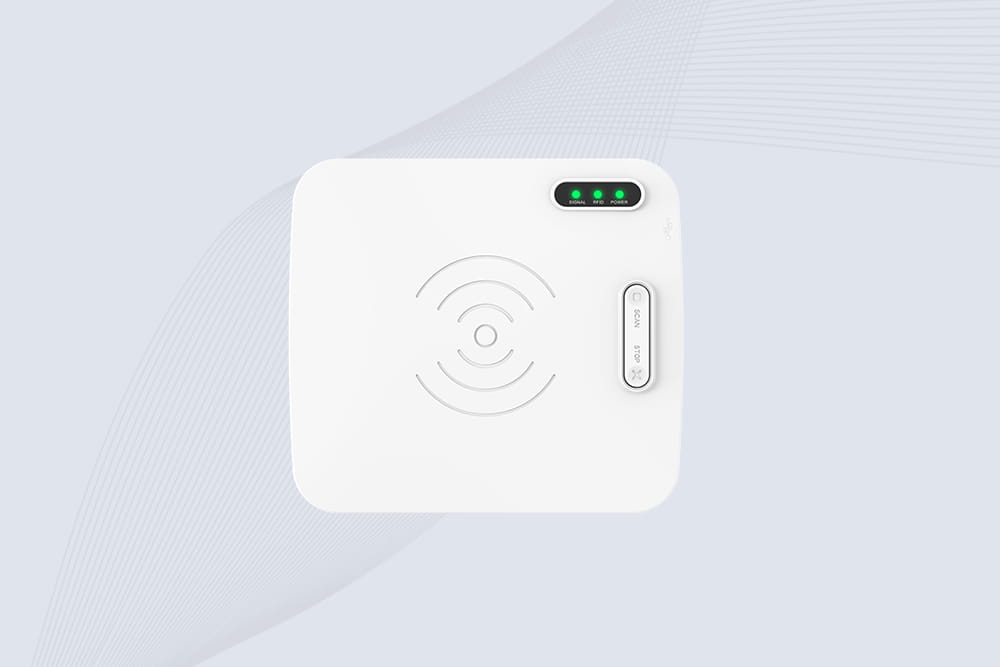
SSD-D3AL is a USB-HID UHF RFID reader with 0–30 cm reading, 0–15 cm writing, over 600 tags/s recognition, USB plug-and-play operation and OEM Logo customization.
SSD-D1AL is a compact USB UHF RFID reader with Impinj E710/X3M1 chipset, USB-HID, 600+ tags/s recognition, 4/8/16 antenna support and plug-and-play USB power.
SSD-R16L Multi-Channel RFID Infrastructure for Automated Inventory Management ✔️ 16-Port High-Density RFID Reading Equipped with 16 SMA antenna ports, SSD-R16L supports multi-antenna deployment for warehouses, retail stores, logistics, production lines, and large-area RFID identification. ✔️ High-Speed & Long-Range Performance With up to 33…
SSD-R8L 8-port UHF RFID reader with 33dBm output, up to 20m reading range and 600+ tags/s recognition. Ideal for warehouse, logistics, retail and asset tracking.
CYKEO CYKEO-D1LA USB RFID Reader is a compact desktop solution with near-field control for precise tag reading and encoding. Powered by USB, supporting ISO 18000-6C, and built for stable batch writing, this usb rfid tag reader fits retail, libraries, offices, and controlled RFID encoding tasks.
CYKEO CYKEO-D1L RFID scanner USB is a compact desktop UHF RFID scanner designed for short-range tag writing and verification. This usb rfid scanner supports batch encoding, stable 0–26 dBm output, and works across Windows, Linux, and Android systems.
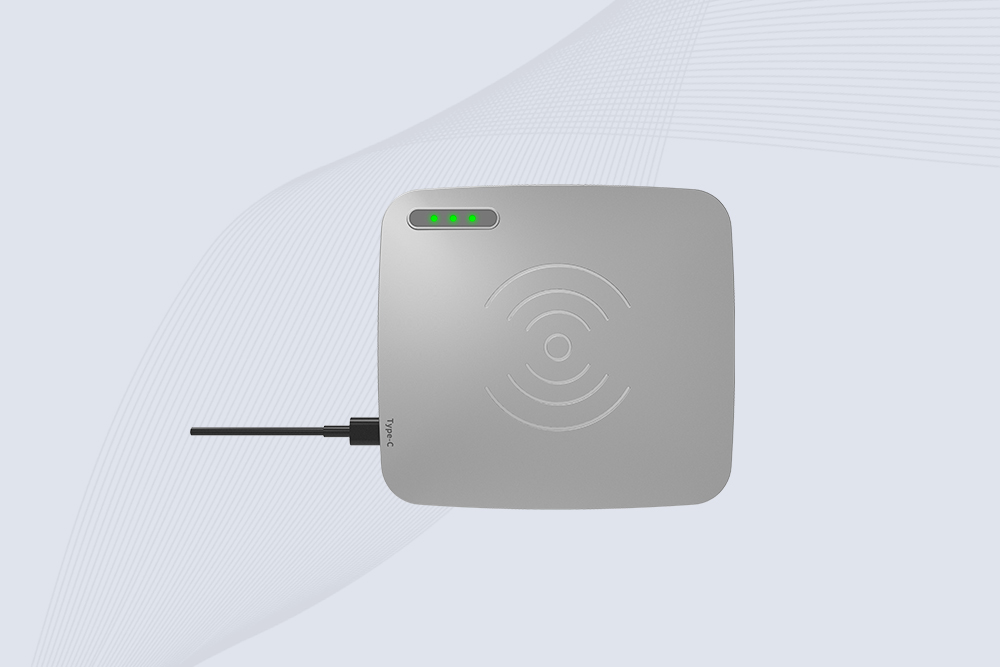
CYKEO CYKEO-D1C USB RFID Card Reader is a near-field UHF desktop writer designed for secure, short-range tag encoding. With USB-C connectivity and stable 26 dBm output, this rfid reader usb c is ideal for badge issuance, label encoding, and controlled desktop RFID workflows.
CYKEO CYKEO-D2L RFID Reader USB is a compact desktop encoder built on the Impinj R500 chip. With near-field control and stable USB power, this usb rfid card reader delivers precise tag writing for offices, retail counters, and small-scale logistics encoding tasks.
CYKEO CYKEO-D3L USB RFID Tag Reader delivers stable UHF tag reading and writing for daily desktop and light industrial tasks. Designed for controlled short-range operation, this USB RFID Tag Reader works reliably with rfid tag and reader systems in libraries, tool tracking, and inventory registration.
The CYKEO CYKEO-D4L UHF RFID Tag Reader is a stable Desktop RFID Reader designed for accurate tag registration, borrowing, and return workflows. Built with the Impinj R2000 chip, this UHF RFID Tag Reader delivers controlled short-range reads for libraries, asset tracking, and inventory management environments.
The CYKEO CYKEO-D5L Desktop RFID Card Reader is a stable UHF RFID Card Reader designed for controlled short-range reading and writing. Built for libraries, tool rooms, and asset desks, this UHF RFID Card Reader supports dense tag handling, secure data processing, and easy USB integration.
The CYKEO CYKEO-D6L RFID Reader Writer is a heavy-duty Desktop RFID Reader designed for short-range, high-accuracy tag programming. Built for libraries, labs, and asset desks, this RFID Reader Writer supports batch processing, stable 33dBm output, and seamless integration with existing management systems.
Cykeo CYKEO-D8A embedded RFID badge reader offers 30+ tags/sec scanning, 20cm anti-crosstalk precision, and DC 12V power for unmanned stores, warehouses, and smart inventory systems.
Cykeo’s CYKEO-D8C UHF RFID gate reader achieves 200-tag/batch scanning with adjustable power control, ideal for retail inventory and smart warehouse management.
CYKEO Embedded RFID Modules are designed for compact industrial and IoT devices that require stable UHF performance. These UHF RFID Modules support global protocols, flexible power control, and reliable multi-tag reading for smart cabinets, production lines, and asset tracking systems.
CYKEO Embedded RFID Module is built for compact IoT and industrial devices that need stable UHF performance. This UHF module supports global protocols, low power operation, and reliable multi-tag reading for smart lockers, production lines, and always-on RFID systems.
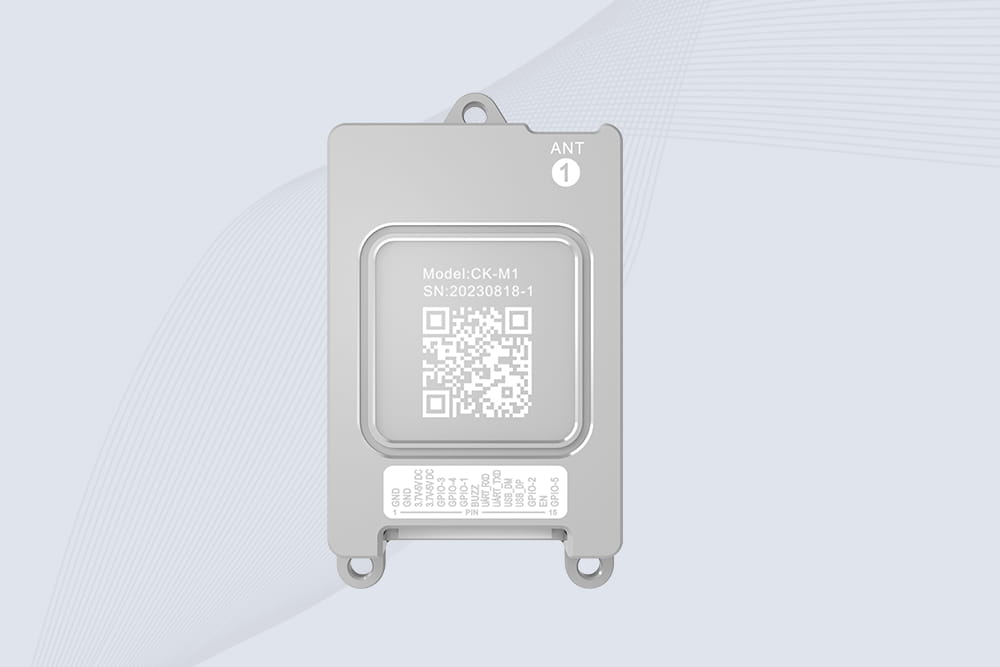
CYKEO CYKEO-M1 drone rfid module is a compact UHF RFID reader module designed for drones and UAV platforms. It supports long-range aerial scanning, fast multi-tag reading, and stable performance in wind, vibration, and outdoor environments.
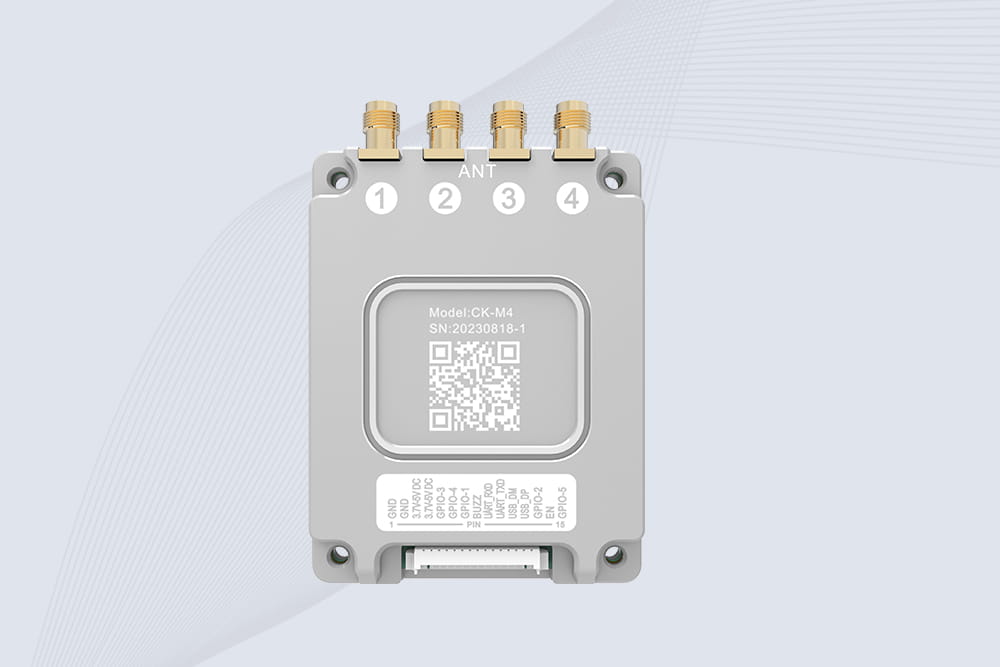
CYKEO CYKEO-M4 RC522 RFID Module is an industrial-grade UHF RFID reader with 4 ports, supporting ISO, EPC, and GB protocols. High-speed, accurate reading for IoT, automation, and warehouse applications.
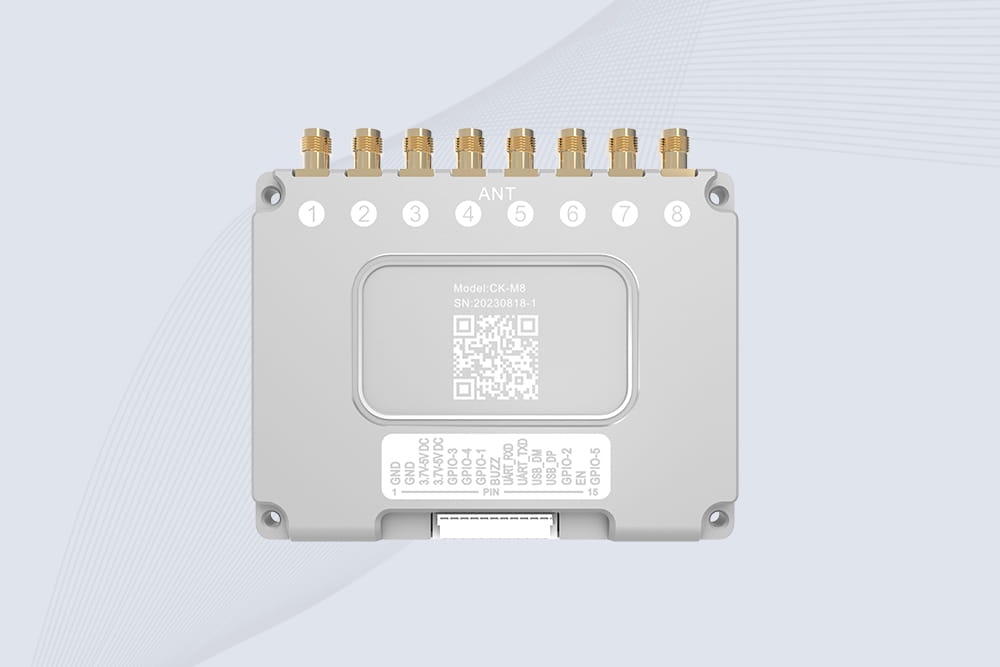
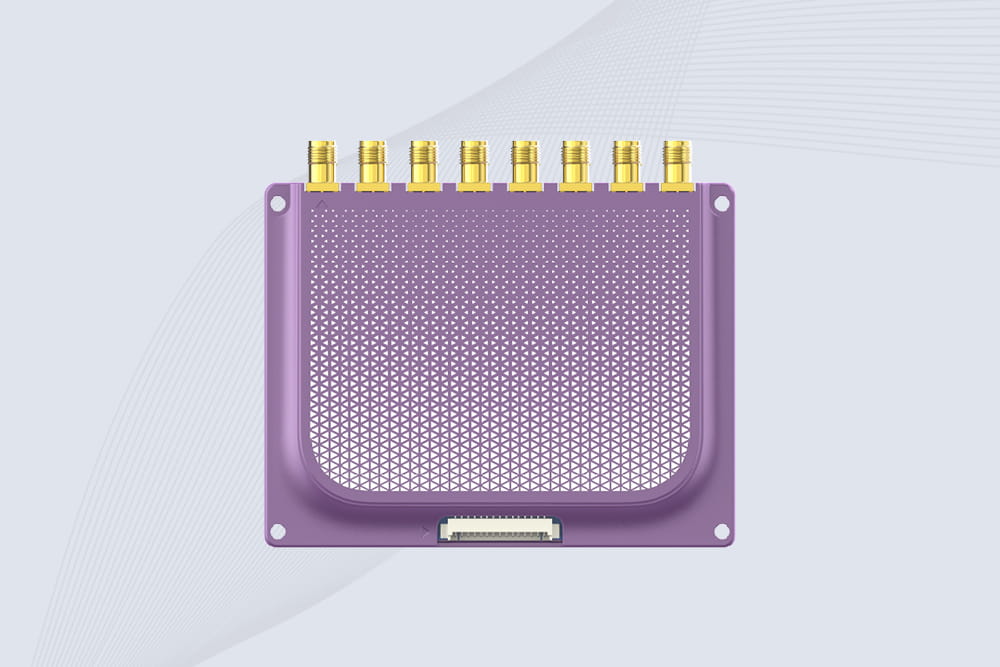
CYKEO CYKEO-M8 Module RFID is an 8-port UHF R2000 RFID Module designed for high-density, multi-tag environments. Stable 33dBm output, ISO & GB protocol support, ideal for warehouses, factories, and automated systems.
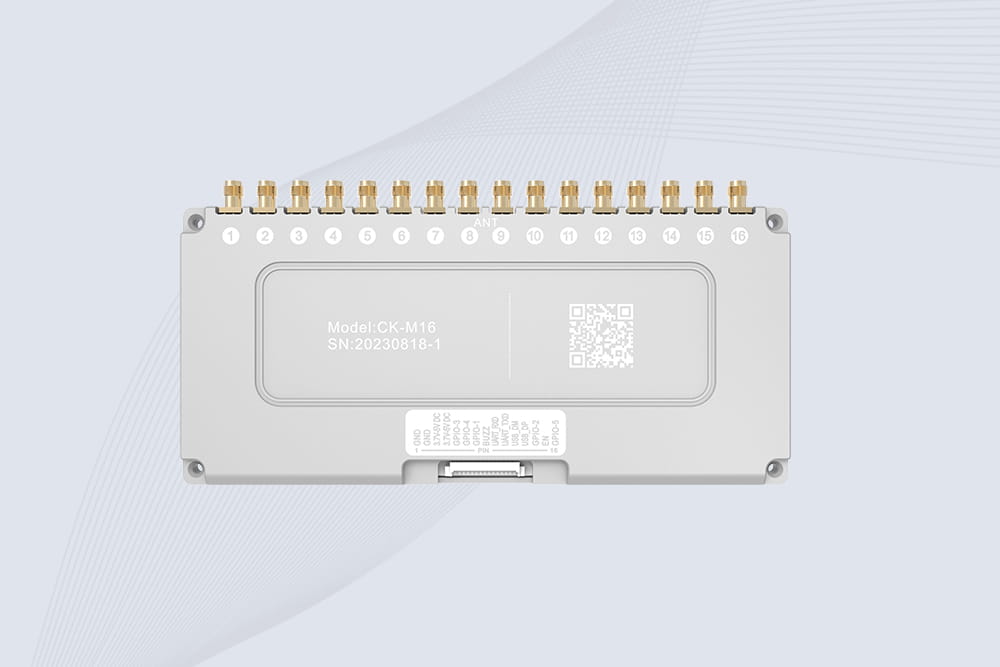
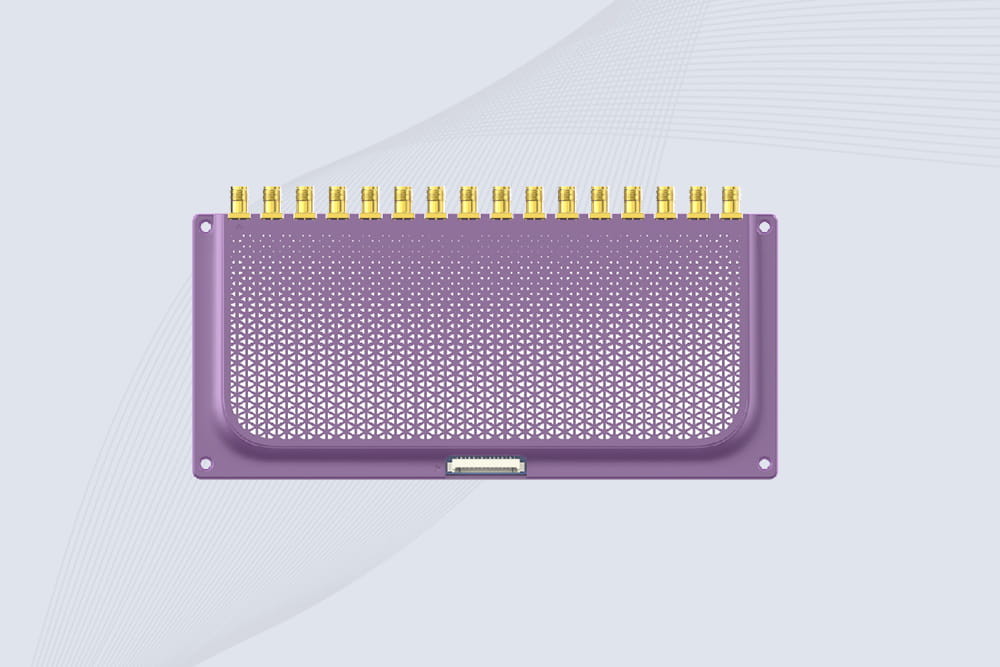
CYKEO CYKEO-M16 RFID Module is a 16-port UHF RFID reader module based on the R2000 chipset. Designed for dense tag environments, it supports ISO and GB standards and delivers stable multi-antenna control for industrial automation.
The CYKEO CYKEO-M16L RFID Reader Module is a 16-channel UHF RFID core designed for dense tag environments. With adjustable 33dBm output, multi-protocol support, and stable multi-antenna control, this RFID Tag Reader Module fits industrial automation, warehouse systems, and large-scale IoT deployments.
CYKEO CYKEO-M8L module RFID is a compact industrial UHF module built for dense tag and multi-antenna environments. With 8 RF ports, adjustable 33 dBm output, and ISO & GB protocol support, it is widely used in factories, warehouses, and automated tracking systems.
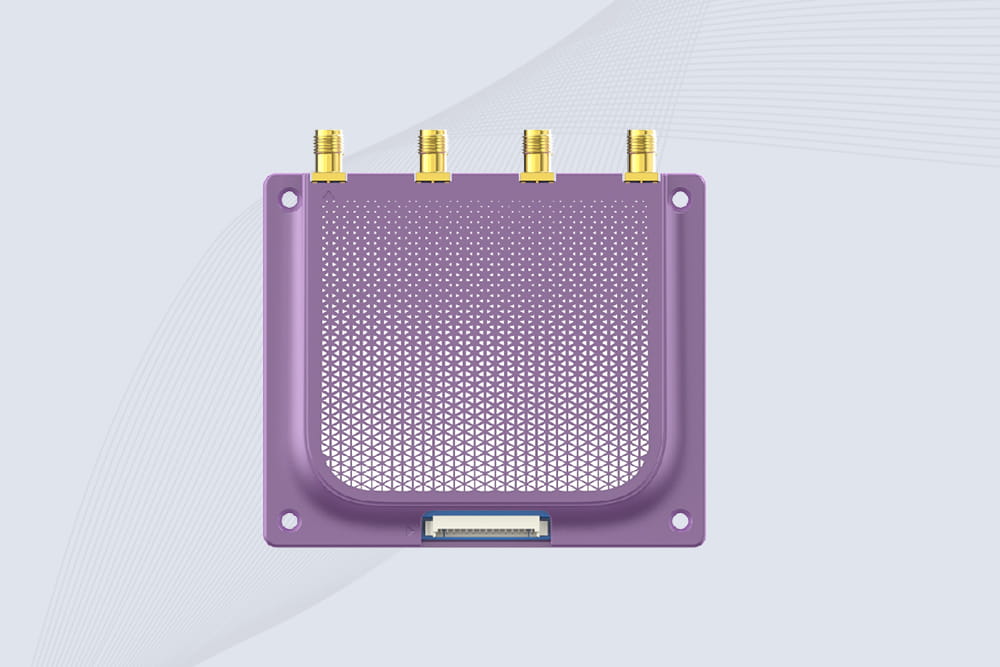
CYKEOCYKEO-M4L UHF RFID Module is a compact 4-channel RFID tag reader module designed for dense tag environments. Supporting ISO and GB protocols, it delivers stable reads up to 10 meters for industrial and IoT systems.
Cykeo CYKEO-A11 UHF RFID reader antenna delivers 11dBi gain, 840-960MHz frequency range, and IP65 ruggedness for retail, logistics, and industrial RFID systems. Features low VSWR and easy installation.
CYKEO Antenna RFID Reader delivers stable long-range UHF performance with a 10.5dBi directional design, built for warehouses, conveyor portals, and industrial RFID systems. This rfid reader antenna provides 20m+ read distance and rugged IP67 protection.
Cykeo CYKEO-A5B industrial Linear RFID Antenna delivers 5dBi gain, ≤1.5:1 VSWR, and IP65 rugged design for warehouse, production line, and logistics UHF systems.
Cykeo’s CYKEO-B12 Long Range RFID Antenna delivers 15m+ read range with 12dBi gain, IP65 rugged design, and global 840-960MHz UHF support. Ideal for warehouse/logistics asset tracking.
Cykeo CYKEO-B10 Long Distance RFID Antenna offers 10dBi gain, 840-960MHz frequency range, IP65 rating, and 20m+ coverage for logistics/warehousing/ETC systems. Low VSWR ensures stable signal transmission.
Cykeo CYKEO-A6 UHF RFID panel antenna features 6dBi gain, 840-960MHz broadband, IP65 metal-ready housing for logistics/smart retail. 18mm ultra-thin design with tool-free mounting.
Cykeo CK-A3 industrial antenna RFID UHF offers 5m+ tag detection, ≤1.3:1 VSWR, IP65 rugged design, and global UHF spectrum compatibility (840-960MHz) for warehouses, factories, and retail.
Cykeo CYKEO-B5 directional RFID antenna provides 5dBi gain with 60° narrow beamwidth for precise inventory tracking. IP65-rated, global UHF frequency support, and low VSWR.
Create your own high-performance DIY RFID antenna! 5dBi gain, 840-960MHz tunable, step-by-step guides. Compatible with Arduino, Raspberry Pi, and commercial UHF readers.
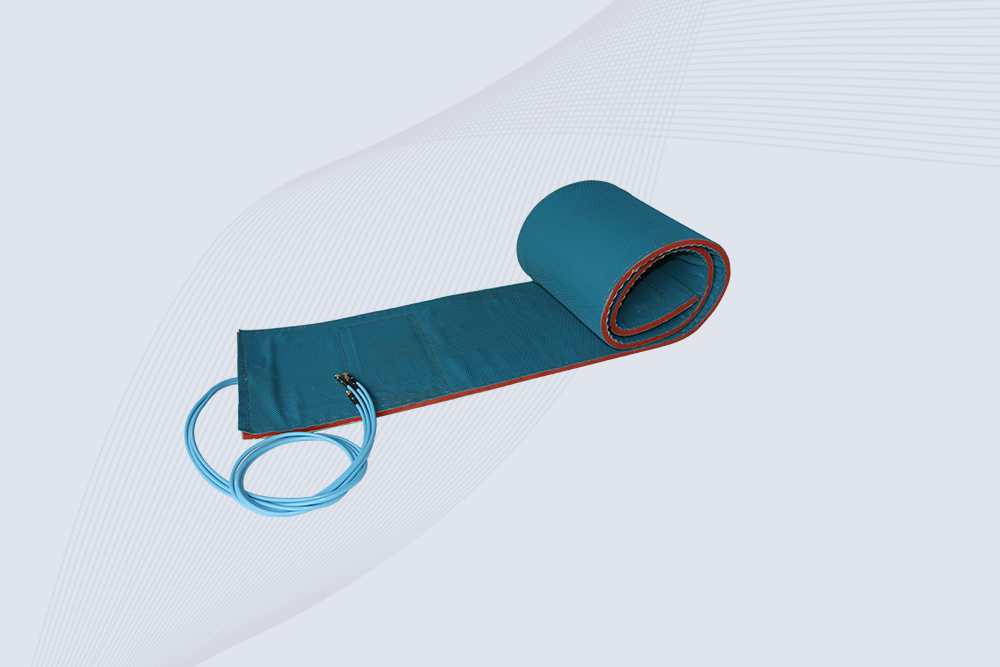
Cykeo CYKEO-A7 Flexible RFID Antenna features 840-960MHz wideband tuning, 7dBi gain, and IP68 rating for medical/retail/industrial curved surface deployments. 98% read accuracy with peel-and-stick installation.
Cykeo CYKEO-B5A industrial Passive RFID Antenna delivers 5dBi gain, 70° beamwidth, and -40°C~55°C operation for warehouses/smart cabinets. Compatible with Zebra/Impinj readers.
Cykeo’s CYKEO-A9B High Gain RFID Antenna delivers 15m+ read range with 9dBi amplification. Features IP54 rugged design, 840-960MHz bandwidth, and 80° beamwidth for warehouse/manufacturing RFID systems.
Cykeo’s enterprise-grade 8dbi Impinj RFID Antenna 10m+ read range with 840-960MHz tuning. Features IP65 housing, 1.4 VSWR, 35° beamwidth for retail/warehouse RFID systems.
Cykeo CYKEO-A9 industrial UHF RFID antenna delivers 9dBi gain, 840-960MHz frequency range, and IP65 protection for warehouse/logistics/retail RFID systems. Features N-type connector and ≤1.3:1 VSWR.
CYKEO UHF RFID Antenna built for long-distance and industrial applications. This antenna rfid uhf delivers strong gain, outdoor durability, and reliable tag performance in warehouses, yards, and vehicle ID systems.
CYKEO Antenna RFID delivers reliable long-range UHF performance in warehouses, retail shelves, and cold-chain environments. This compact uhf rfid antenna provides stable reads with circular polarization and ultra-wide 840–960 MHz support, ideal for industrial tracking, smart shelves, and asset monitoring.
Cykeo’s CYKEO-C8 UHF RFID antennas delivers 8dBi gain, 840-960MHz full-band coverage, and IP65 ruggedness for manufacturing/warehouse RFID systems. Industrial RFID Antennas Features
Cykeo’s 8dBi UHF RFID antenna and reader kit delivers 10m+ range, 840-960MHz broadband, and IP65 ruggedness for factories, warehouses, and logistics. ISO 18000-6C & EPC Gen2 certified.
Wondering "how far away can you read an RFID chip"? Discover exact read distances for LF, HF, UHF, and active RFID chips. Factors affecting range and real-world performance with CYKEO.
Unsure what is an RFID reader module? This guide explains its role as the core hardware that powers access control, inventory tracking, and automated identification systems.
Get past the theory. See exactly what is RFID antenna used for in daily operations—from speeding up shipping to stopping theft. Learn why it’s your system's workhorse.
 Cykeo RFID IoT Solution Products R&D Manufacturer