 Cykeo RFID IoT Solution Products R&D Manufacturer
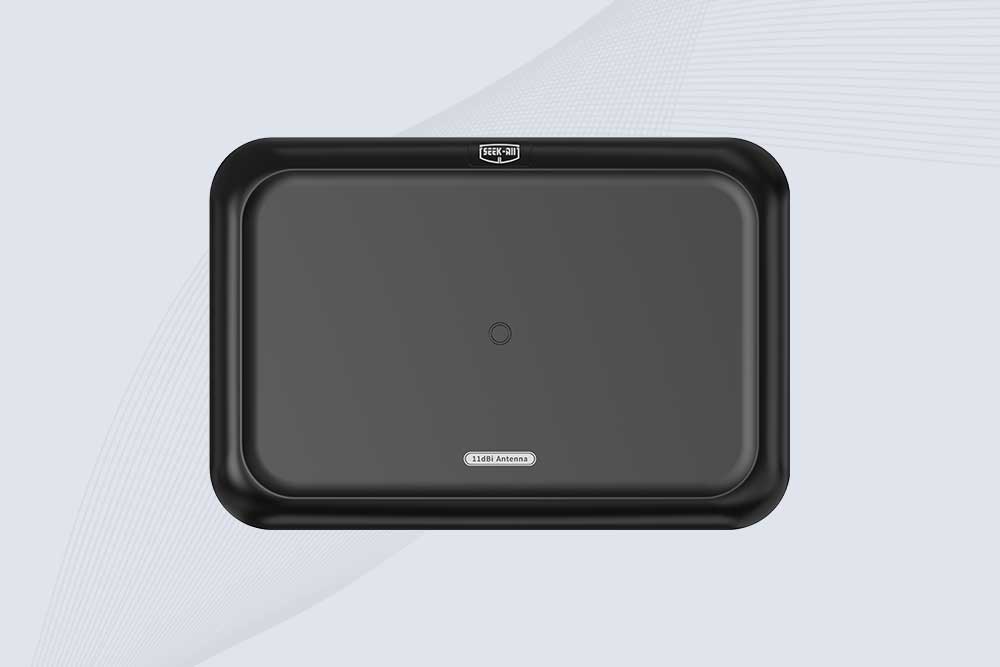
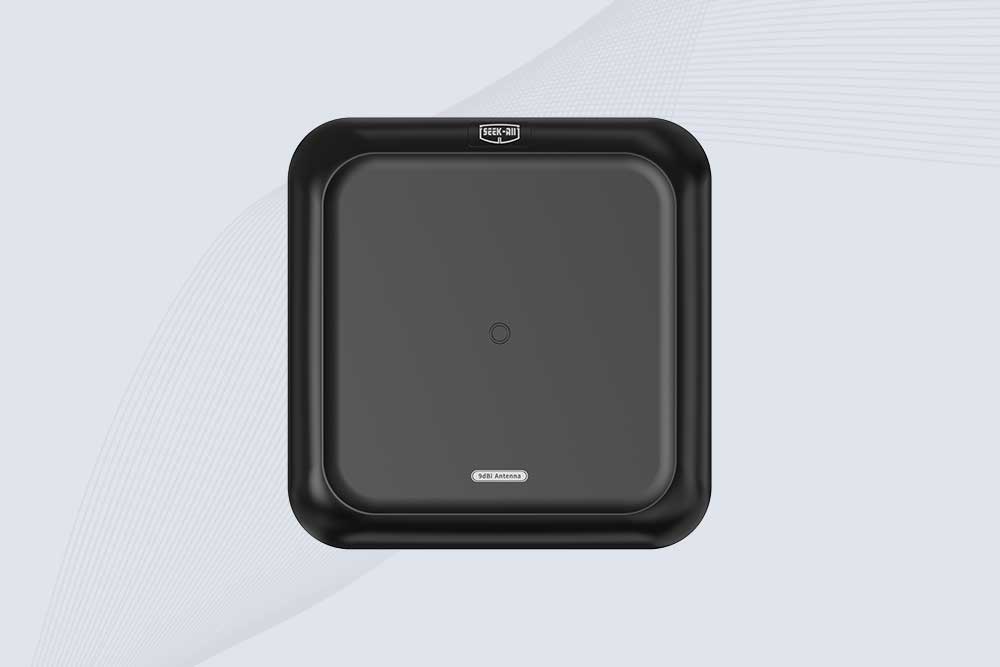
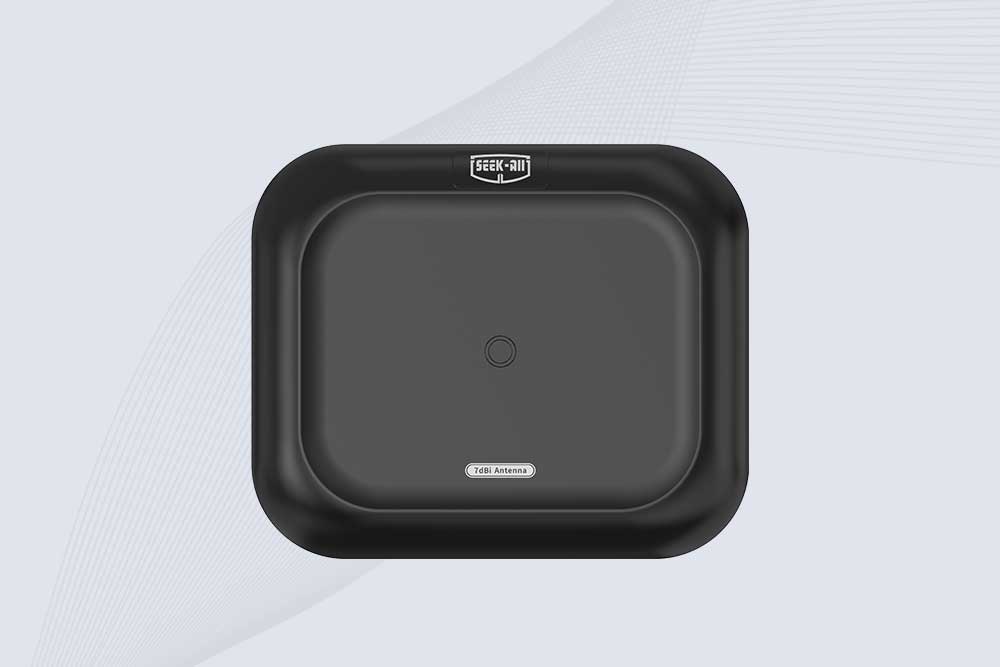

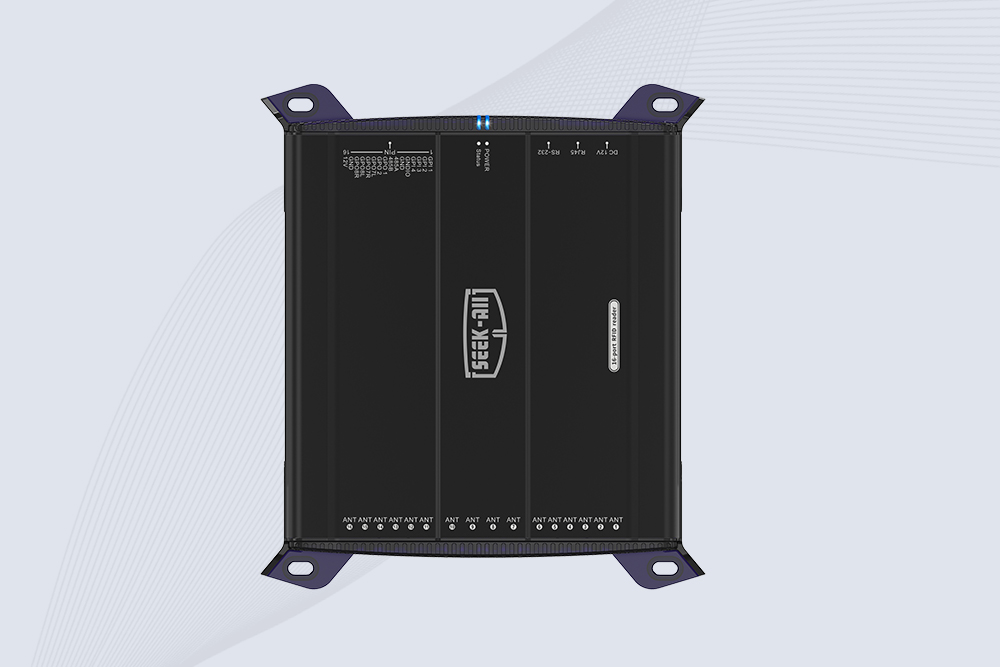
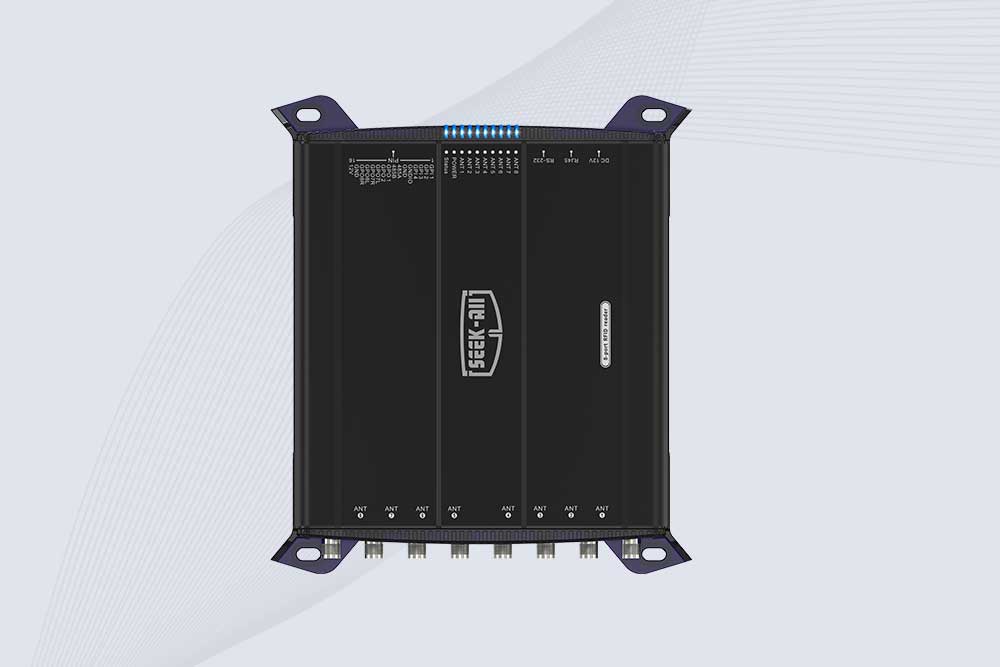
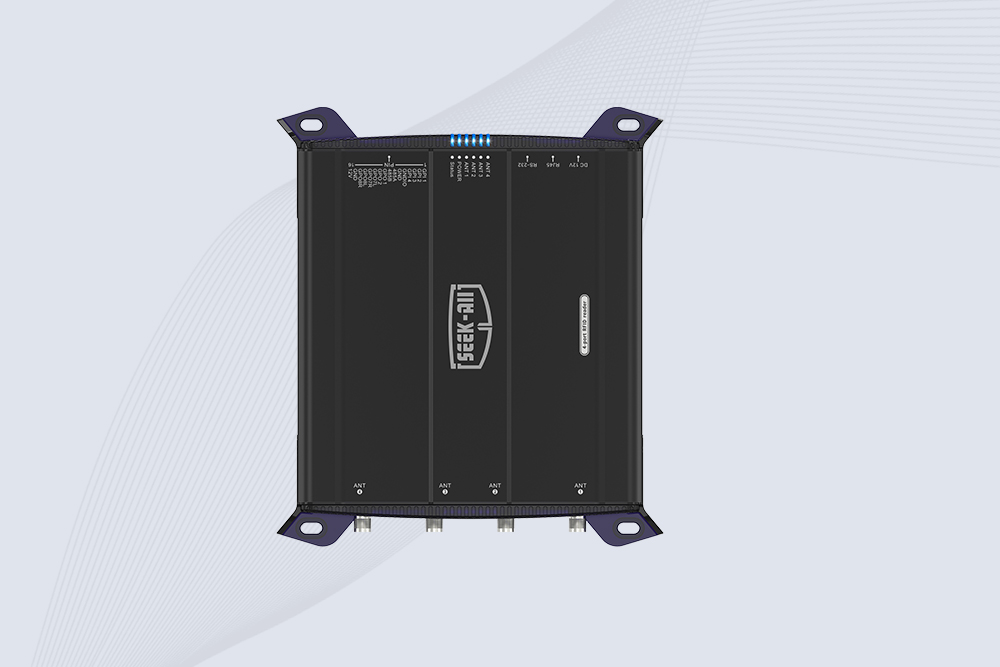


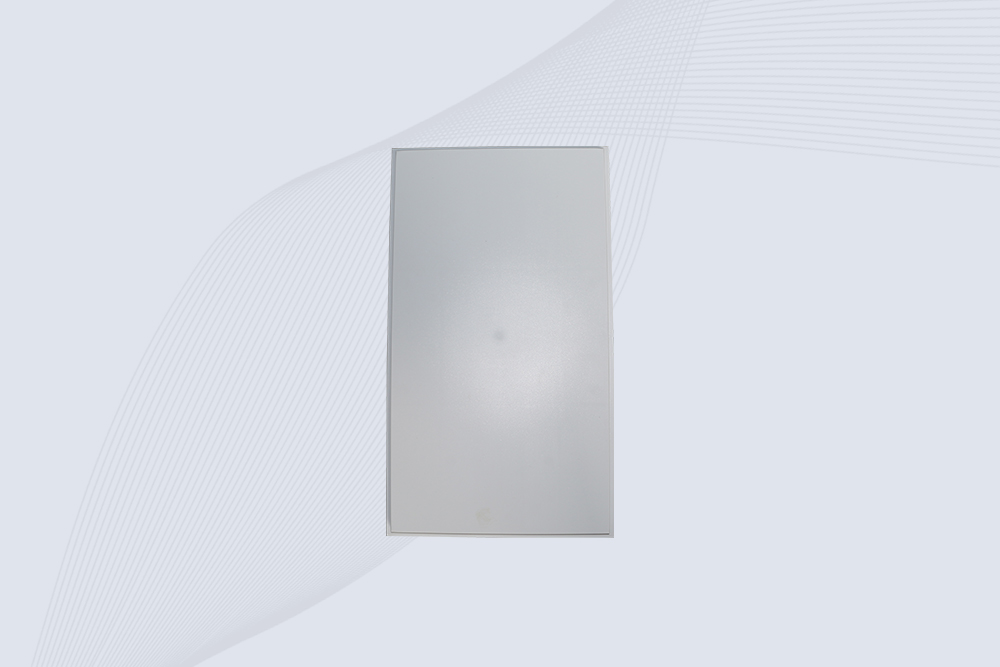
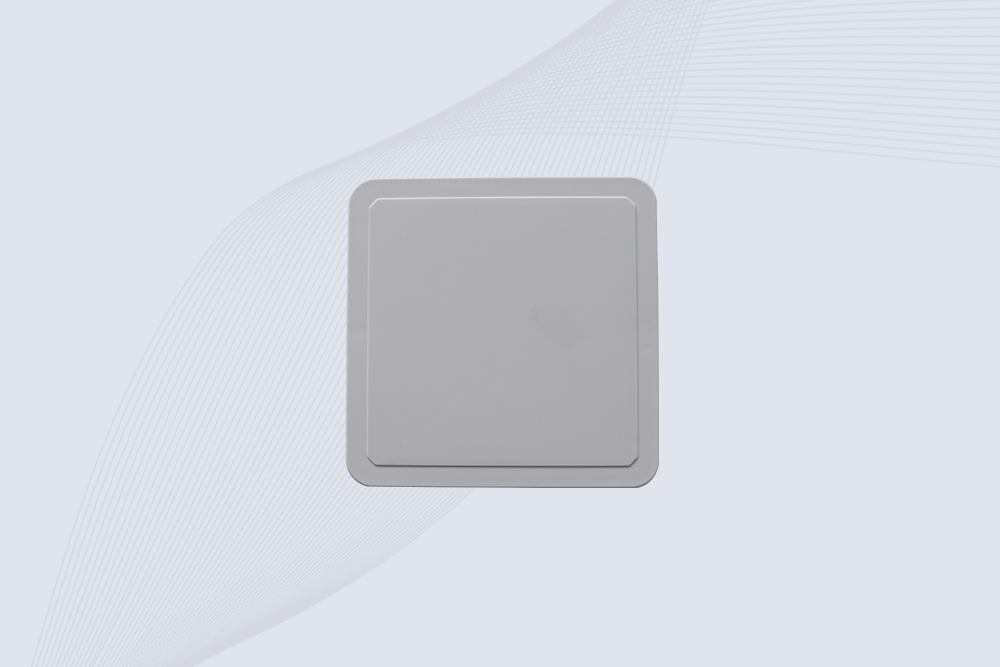

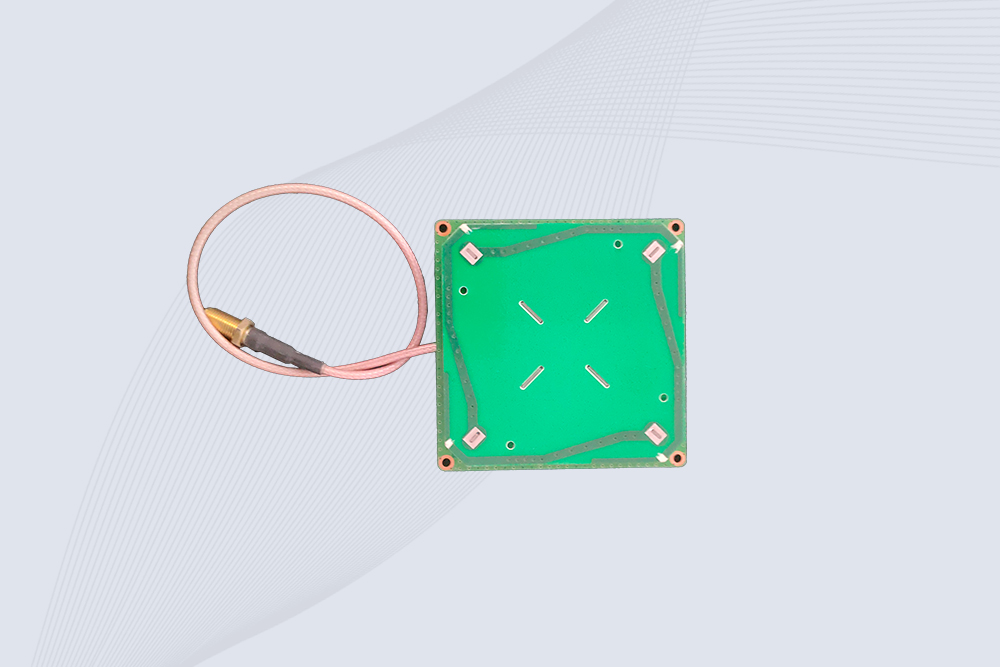
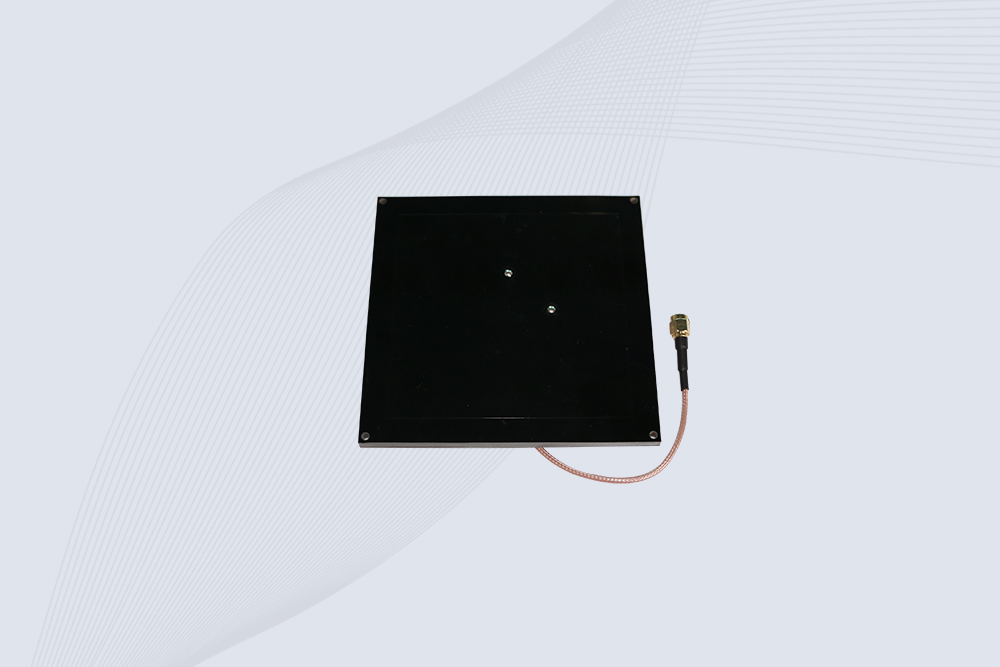

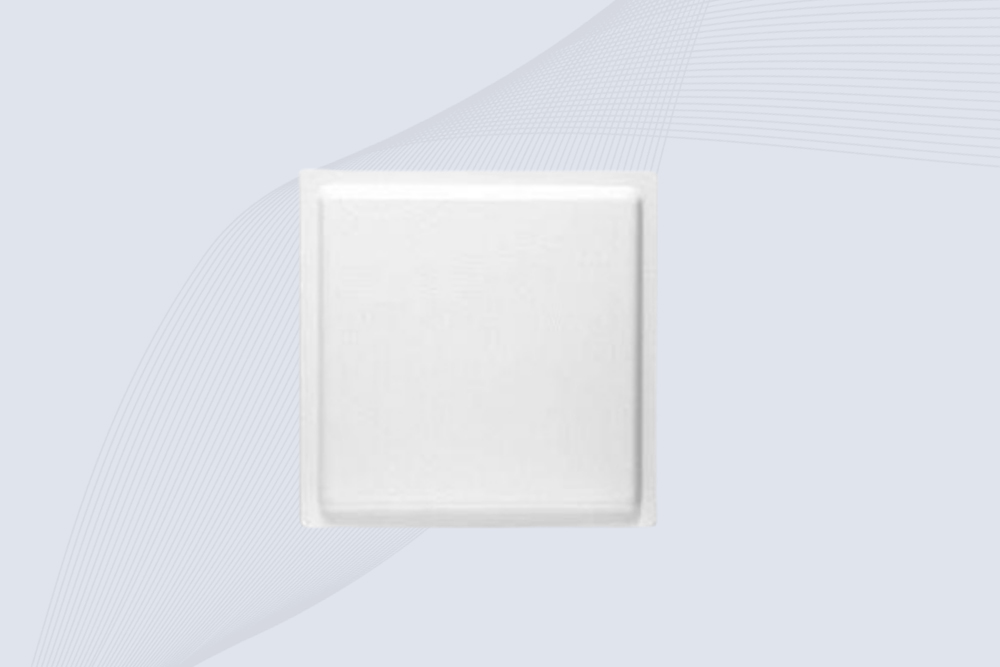
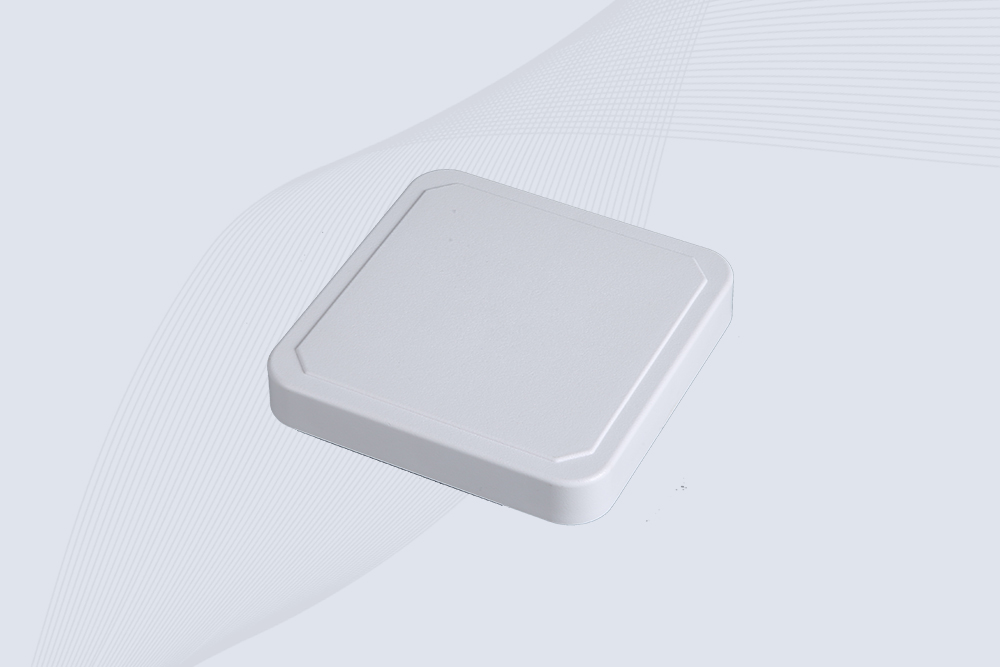
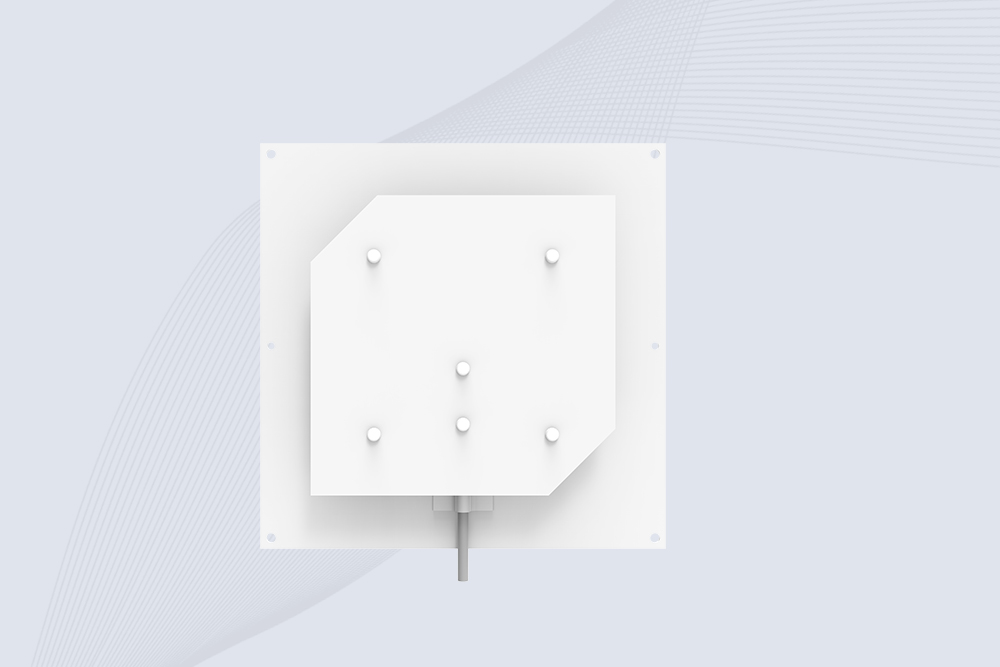
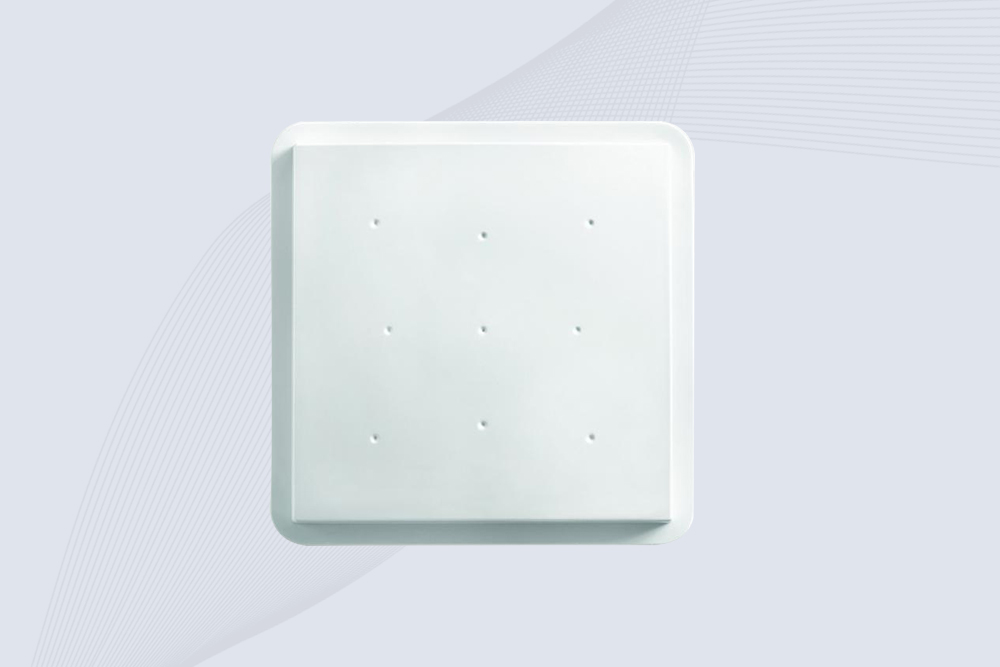

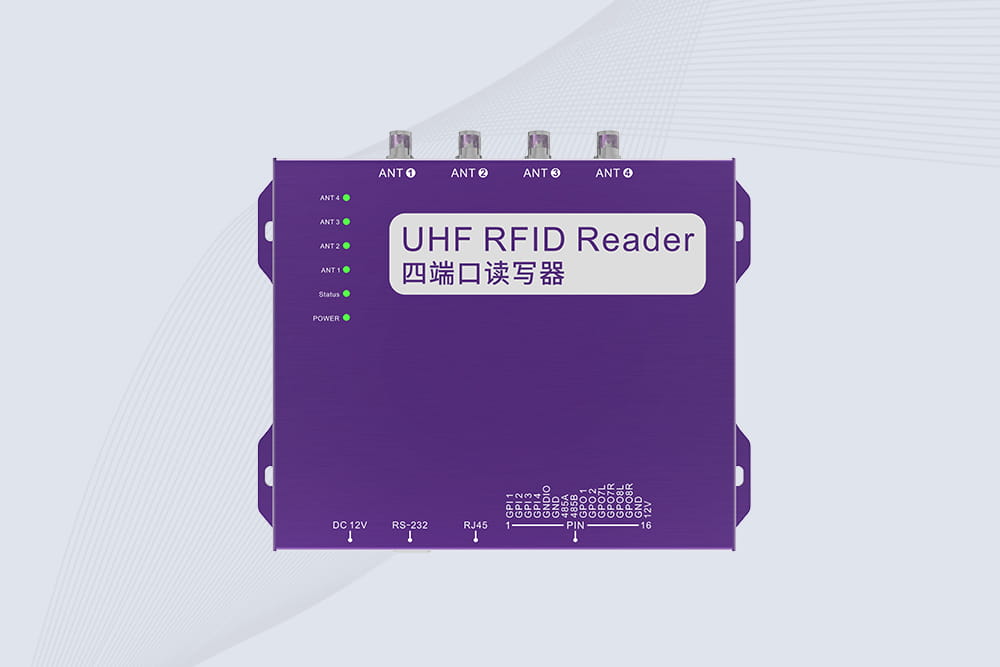
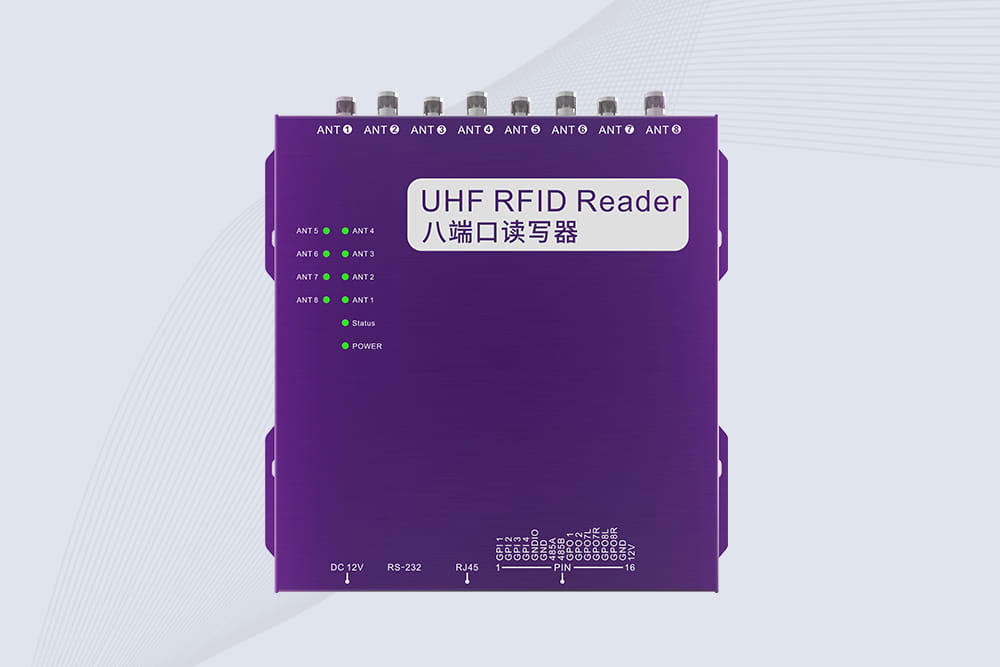
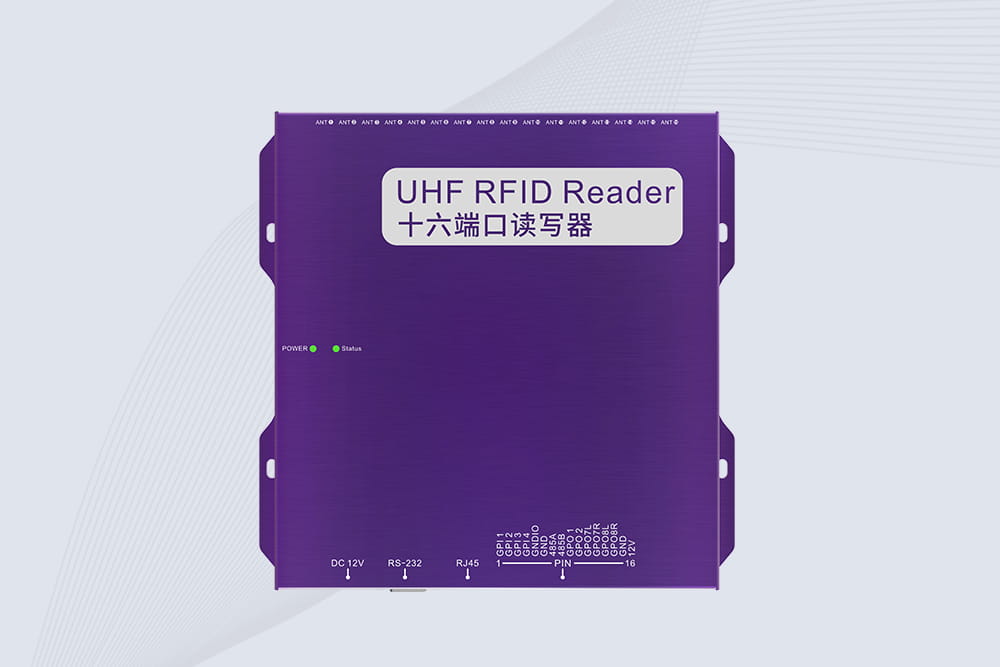
125kHz RFID Reader & Cykeo Four Ports UHF RFID Reader Leading the New Wave of Smart IoT Connectivity
1266125kHz RFID reader, with its unique performance characteristics, plays an irreplaceable role in many use cases.
MoreAll RFID Product
Question: My boss asked me to explain why we need to budget for “those extra panels” in our RFID project. He sees the tags and software, but the RFID antenna feels like an add-on cost. In day-to-day ops, what is RFID antenna used for that justifies the spend?
Answer: I hear you. That “extra panel” talk is why so many RFID pilots fail. Let me put it this way: if your RFID system was a delivery truck, the tags are the packages, the software is the routing schedule, and the RFID tags reader is the engine. The antenna? That’s the driver. Without it, the truck goes nowhere.
So, what is RFID antenna used for on a Tuesday morning in your warehouse? It’s doing the gritty, physical work.
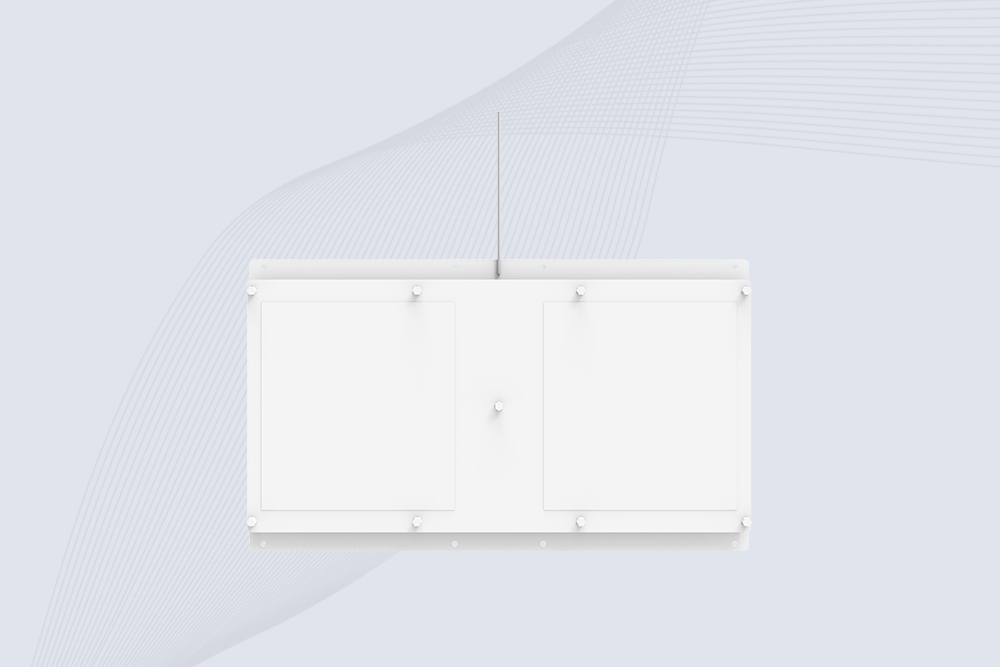
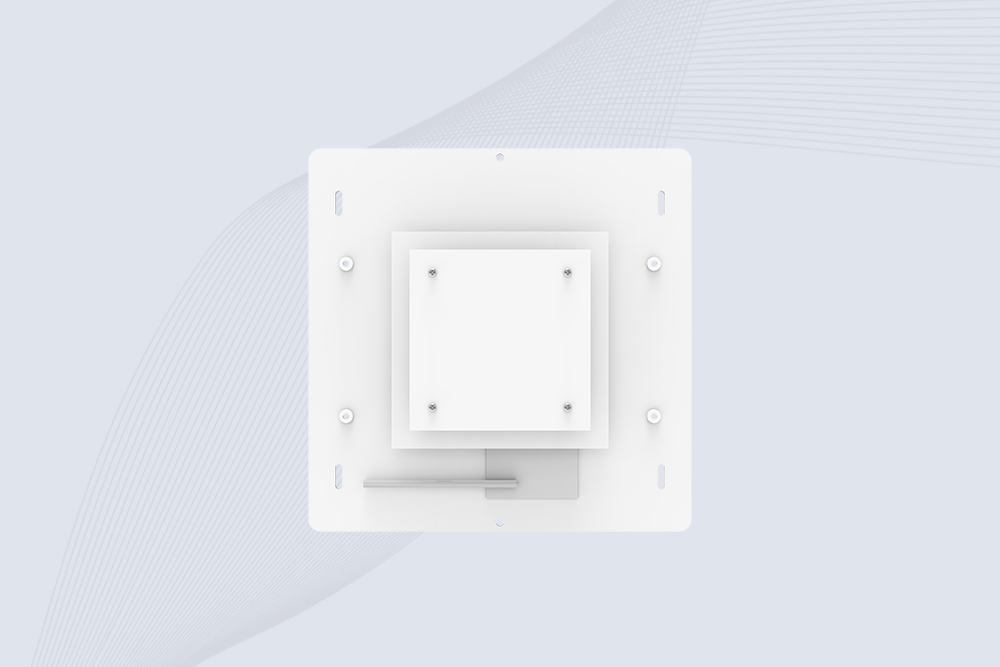
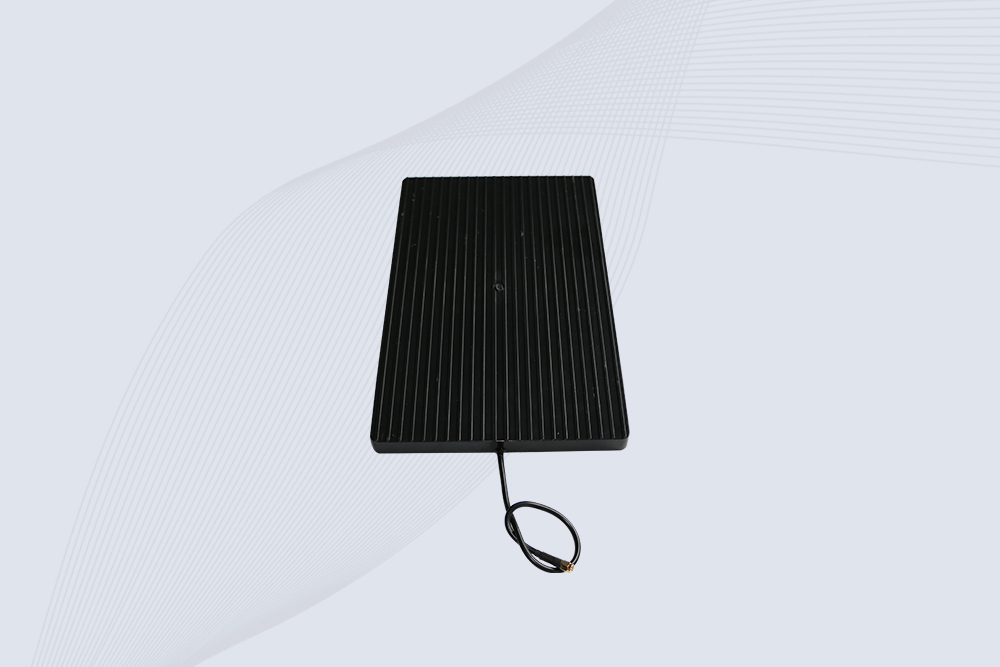
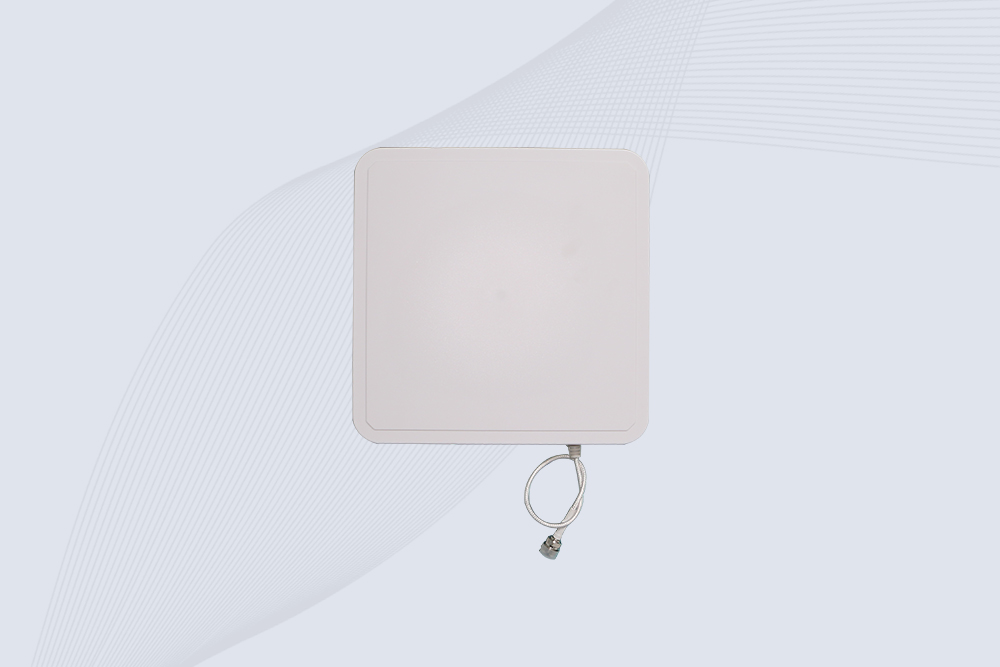
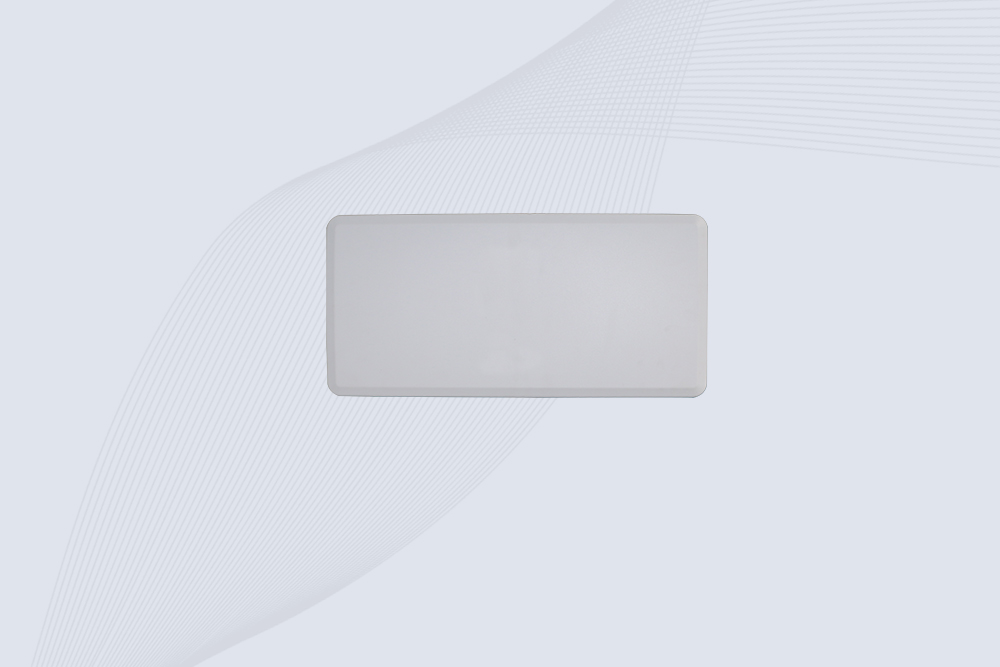
First, it sets up the exact spot where automation happens. You know that dock door where pallets need to be checked? The HF RFID antenna mounted there creates an invisible “scan tunnel.” Anything passing through gets logged—no manual scanning, no missed items. That’s its core job: defining the where.
Second, and this is wild, it acts as a wireless battery charger. Those passive tags on your boxes have no power source. The antenna’s signal delivers the tiny jolt of energy needed to wake them up, just for a second, so they can shout back their ID. No antenna, no power. It’s like holding a dead walkie-talkie.
But here’s the practical stuff—what it’s really used for:
The biggest mistake I see? Companies buy a generic antenna and bolt it to a metal wall. It’s like putting your driver in a closet and asking him to navigate. The signal bounces, dies, and reads fail.
The truth is, what an RFID antenna is used for is to execute your plan on the ground. It’s the critical link between your digital system and the messy, real world of metal racks, forklifts, and human error. At CYKEO, we don’t just ship you hardware. We start by asking how your facility actually moves, then help you pick and place the antenna that acts as the perfect “driver” for your specific route. Because when the driver knows the road, everything arrives on time.
125kHz RFID reader, with its unique performance characteristics, plays an irreplaceable role in many use cases.
More
Explore the future of RFID with breakthroughs like battery-free sensors, blockchain integration, and AI-driven analytics. See how these trends redefine industries.
More
A practical buying guide for industrial RFID readers used in automation and logistics projects. Covers cost, reliability, long-range options, and procurement risks for large-scale deployments.
More
Wondering what a good RFID reader can detect in real-world use? We break down detection range, speed, material penetration & how CYKEO ensures reliability.
More