 Cykeo RFID IoT Solution Products R&D Manufacturer
DIY RFID Reader: Is Building Your Own RFID System Really Practical?
100Planning a diy rfid reader project? Learn real build tips, hardware choices, range limits, and when DIY works or fails. Practical insights from CYKEO RFID engineers.
MoreAll RFID Product
When hospitals look at RFID systems, the first question is usually not about technology.
It’s more practical than that:
“Will this actually save time for our staff?”
Because in most hospitals, inventory isn’t just about stock — it’s tied directly to how much time nurses, technicians, and admin staff spend every day on non-clinical work.
And that’s where RFID starts to make sense.
If you break down inventory-related tasks in a typical hospital, a lot of time goes into things that don’t add much value:
Individually, these are small tasks. Together, they take up a noticeable part of daily operations.
Especially in departments like OR or ICU, where staff are already under pressure.

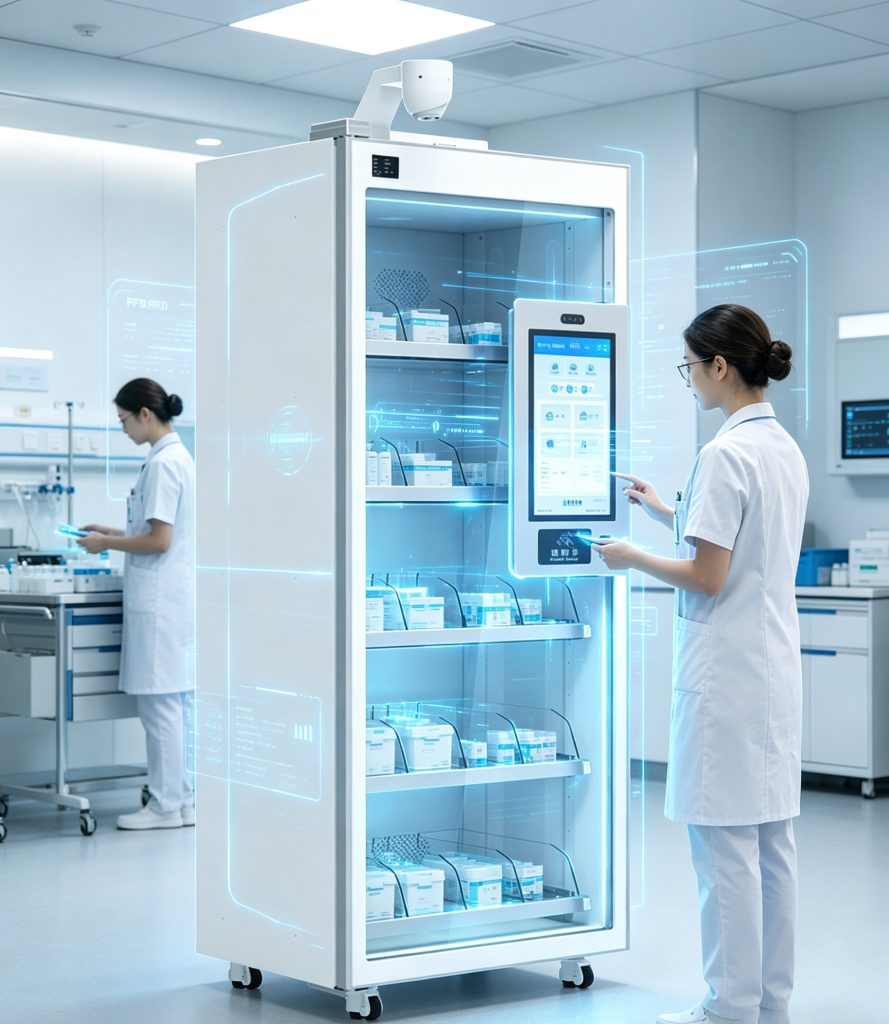
With an RFID medical cabinet, the workflow shifts in a very simple way:
Instead of asking staff to record actions, the system captures them automatically.
Typical setup:
There’s no extra step added to the workflow — in fact, one step disappears.
It’s not one big change. It’s several small ones adding up.
Staff don’t need to stop and scan or write things down.
Instead of counting items manually, the system already knows what’s inside.
When data is captured automatically, there are fewer mismatches to resolve later.
Instead of searching physically, staff can check records directly.
Everyone sees the same real-time data.
Put together, these reductions can easily reach 50–70% depending on the department.
Not every department benefits equally. The biggest improvements usually happen in:
These are environments where:
Before RFID:
A nurse takes several items during a procedure, plans to scan them later, but gets pulled into another task.
At the end of the day, some items are missed.
Inventory shows incorrect numbers.
Later, someone has to investigate.
After RFID:
Items are automatically recorded when removed from the cabinet.
No follow-up action needed.
Inventory stays accurate without extra effort.
Nothing dramatic — just fewer gaps.
From a management perspective, the value is not just time saved.
It shows up in a few areas:
In other words, less “invisible work” happening in the background.
RFID is not just a device — it’s part of a workflow change.
To get real results, hospitals usually need to:
Most successful projects start small (one department), then expand.
For small facilities, maybe not immediately.
But for hospitals dealing with:
The return is usually not hard to justify — especially when you factor in labor savings and reduced loss.
RFID doesn’t make hospital work disappear.
It removes the parts that shouldn’t require human attention in the first place.
And in busy clinical environments, that difference adds up quickly.
If you’re working on hospital upgrades or healthcare projects, RFID medical cabinets are often introduced as part of:
We support:
Reach out if you want to evaluate workload reduction or get a project quote.
Related products
CYKEO-GY1B Medical RFID Cabinet
CYKEO-GY1A Smart Medical Cabinet RFID
CYKEO-GY2A UHF RFID Hospital Asset Cabinet
CYKEO-GY2B Medical RFID Storage Cabinet
CYKEO-GY1 Smart RFID Medical Cabinet
FTNG-L-CK-03 FENTANYL SMARTDRUG CABINET
FTNG-L-CK-02 RFID Fentanyl Secure Pharmacy Cabinet
FTNG-L-CK-01 Medical RFID Medicine Cabinet
CYKEO-MFX RFID Operating Room Cabinet
CYKEO-MFY Operating Room RFID Cabinet
CYKEO-MH RFID Scrub Return Cabinet
CYKEO-GY3 Low-Value Consumables Cabinet
Guide Recommendations
RFID Technology Reshapes Hospital Management: Driving Intelligent Transformation in Healthcare
RFID in Medical Equipment and Asset Management: A Smart Solution for Efficiency and Cost Reduction
RFID in Healthcare: Tracking Equipment, Improving Care
RFID in Healthcare: Is It Really Solving Hospital Problems or Just Adding Tech?
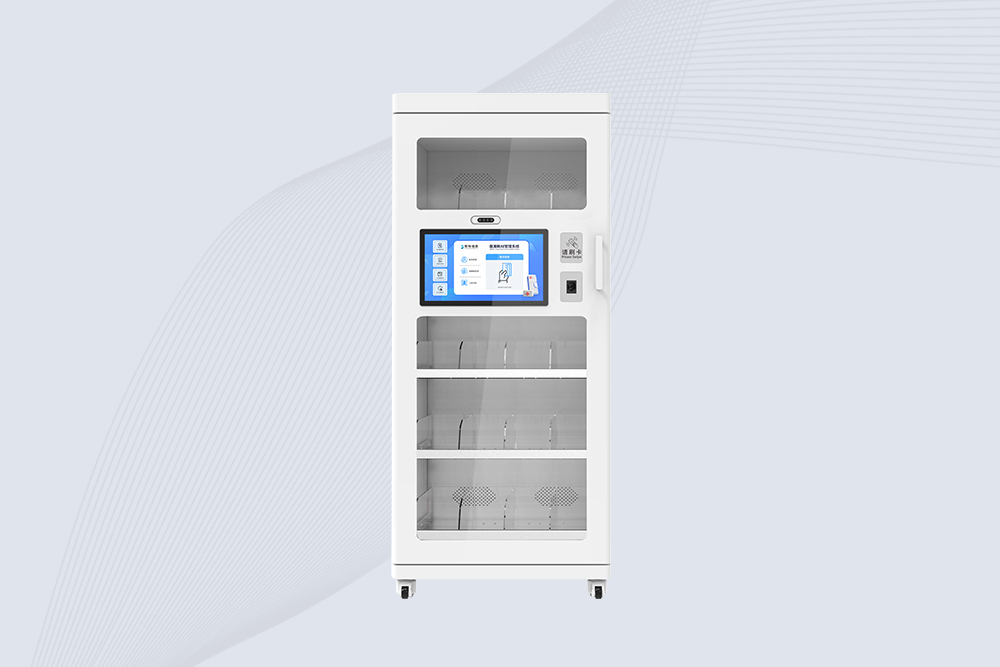
Cykeo’s medical RFID cabinet features 21.5″ touchscreen, dual-door security & HIPAA compliance for OR/pharmacy. Tracks implants, gauze & consumables. Request demo.
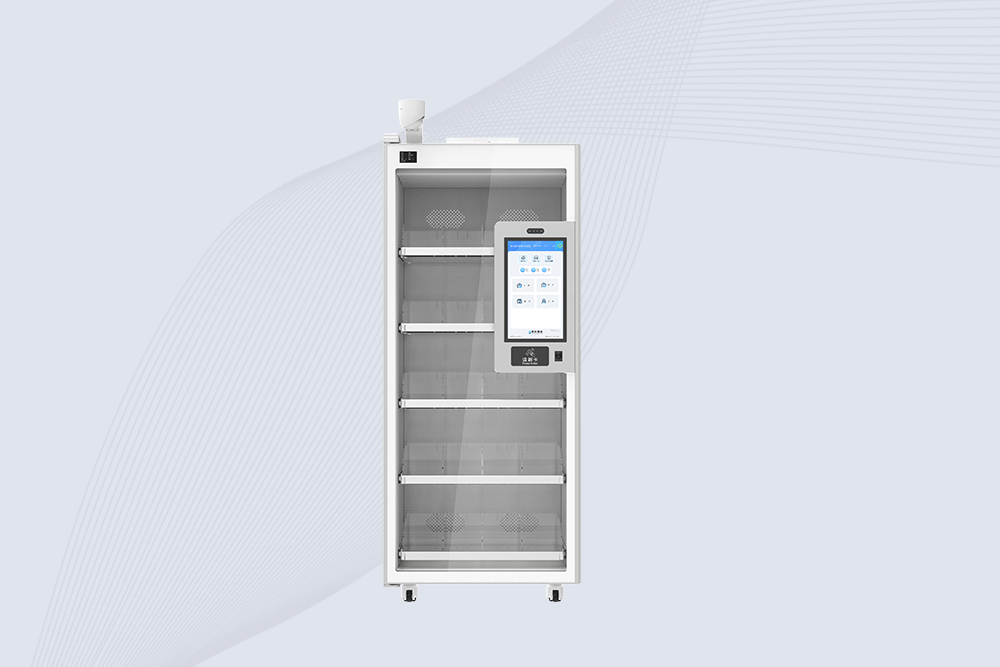
Cykeo’s smart medical cabinet RFID features 21.5″ touchscreen & 99.9% accuracy for OR instrument tracking. Modular shelves for 500+ items. HIPAA compliant. Request demo.
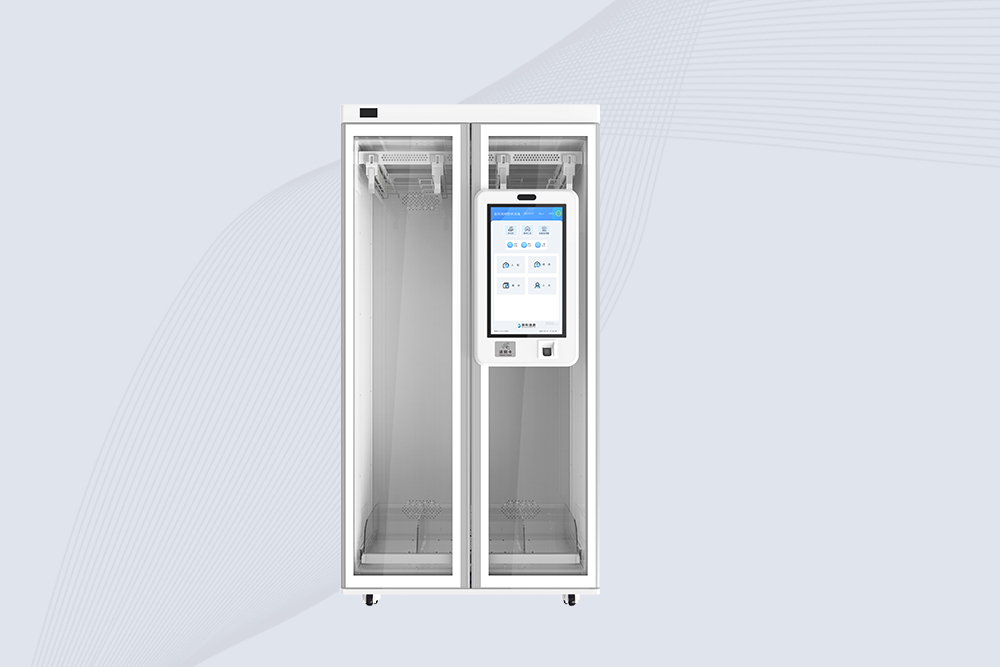
Cykeo’s UHF RFID hospital asset cabinet features dual-door security, antibacterial coating & 99.9% accuracy for OR implants. ISO 13485 compliant. Tracks 2000+ items.
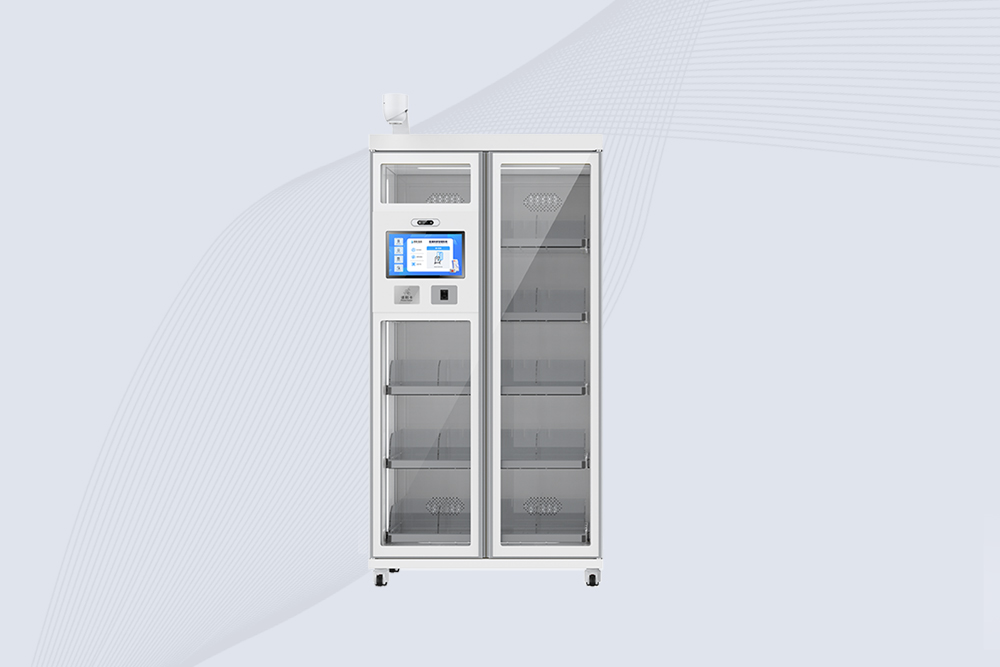
Cykeo’s medical RFID storage cabinet features 14″ touchscreen, 600 tags/sec scanning & 1.2mm steel security. Tracks 500+ surgical consumables. Reduces staff workload by 70%.
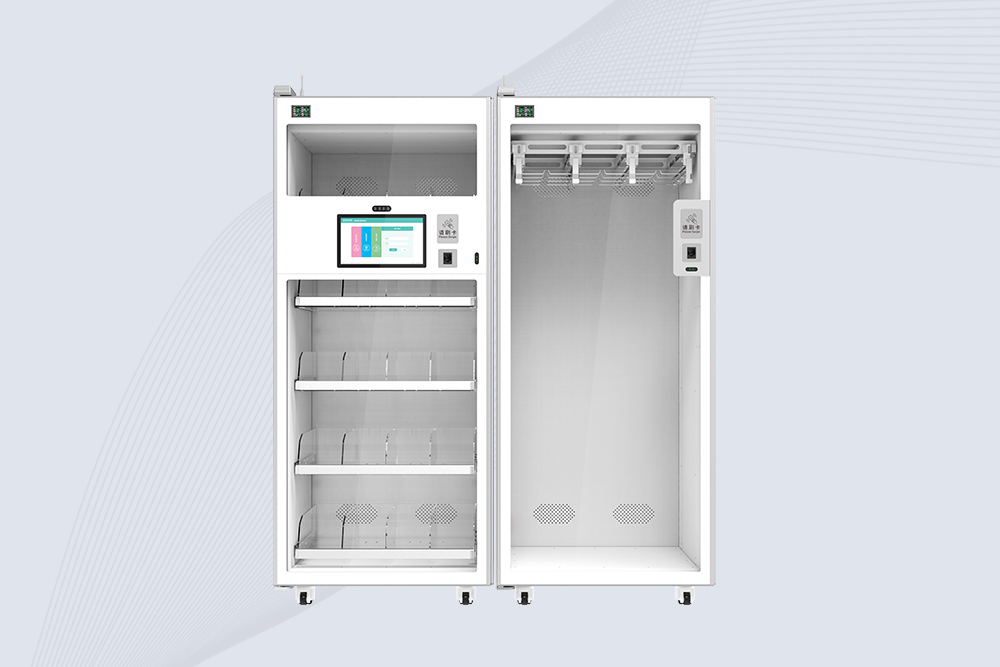
Cykeo’s smart RFID medical cabinet features dual-camera verification, 14″ touchscreen & 99% inventory accuracy. Reduces surgical errors & staff workload. FDA 21 CFR Part 11 compliant.
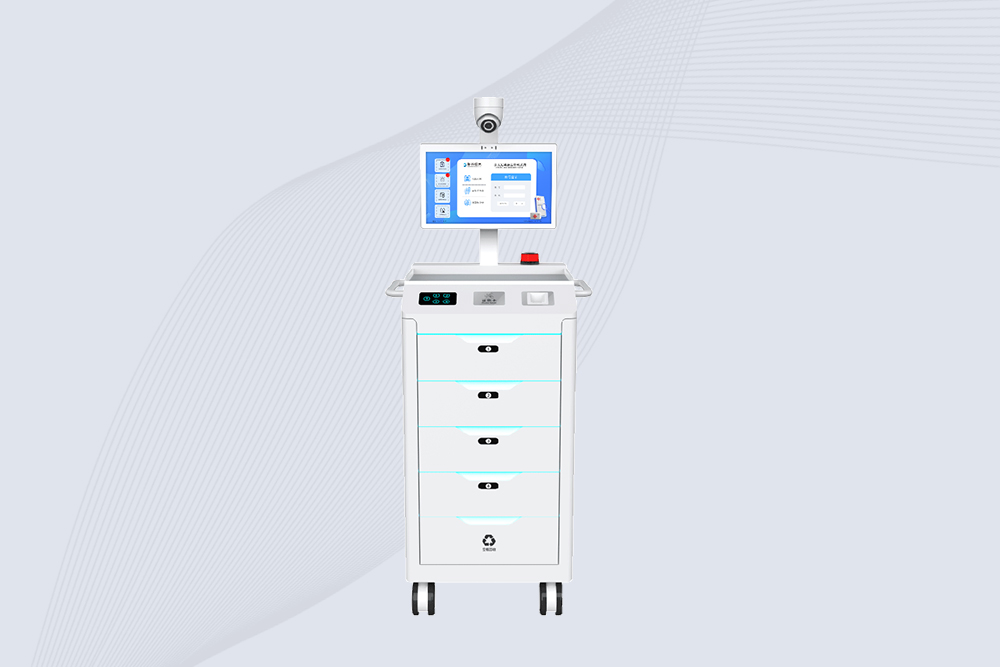
Cykeo’s RFID pharmacy security cabinet features 22″ touchscreen, residual liquid recovery & dual authentication for fentanyl storage. FDA compliant. Manages 1000+ narcotics.
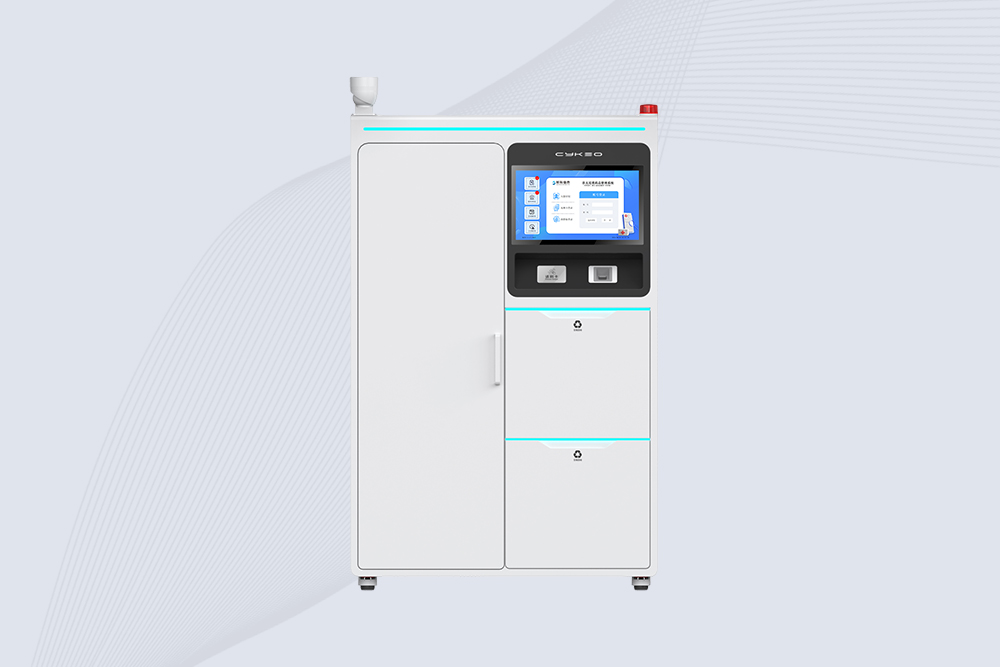
Cykeo’s RFID Anesthesia Medication Cabinet features blockchain auditing, MIL-STD-810G security & real-time reconciliation for Schedule II drugs. DEA/GMP compliant. Configurable 3-10 storage units.
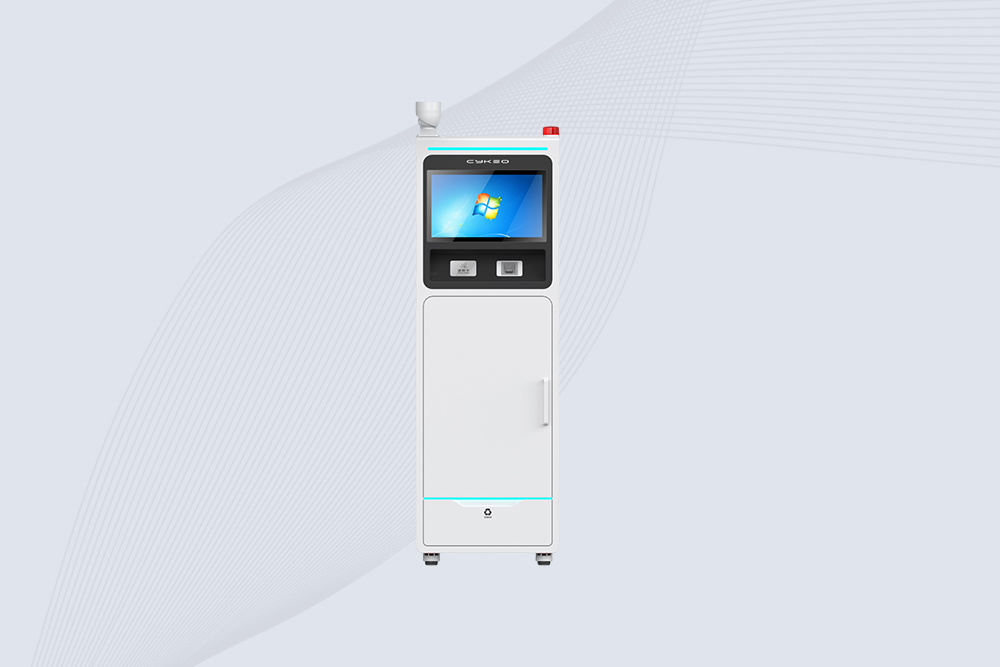
Cykeo medical RFID medicine cabinet features ≤5cm drug tracking, real-time HIS sync, military security, and USP-compliant climate control for Schedule II drugs.
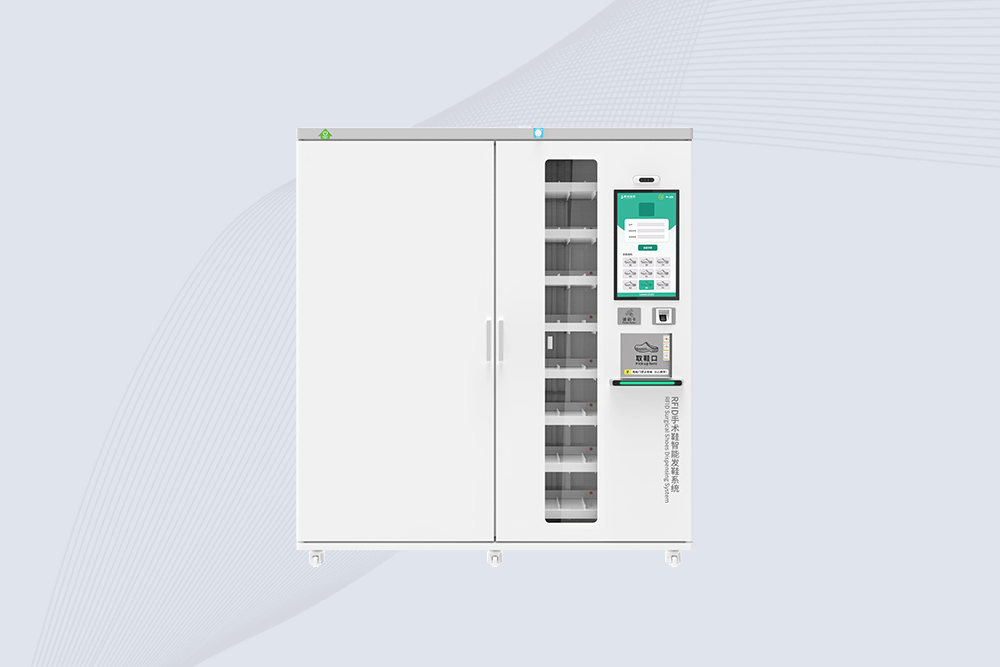
Cykeo RFID operating room cabinet features ≤55s shoe delivery, UHF RFID inventory control, ISO 13485 certification, and biometric access for OR workflow optimization.
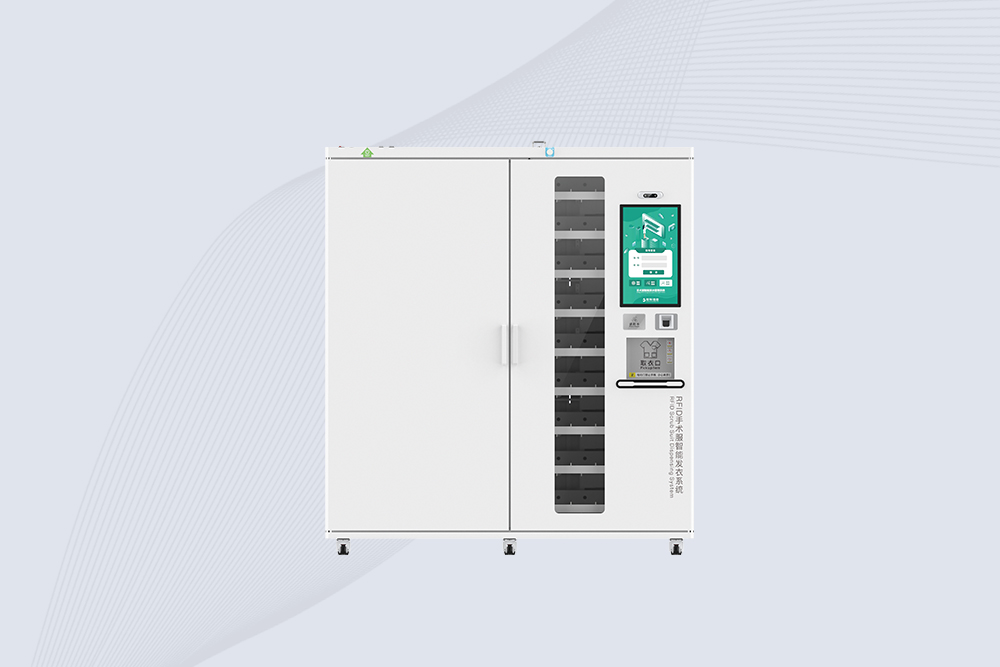
Cykeo operating room RFID cabinet features 108-gown capacity, UHF RFID tracking, real-time SPD integration, and biometric access for sterile OR management.
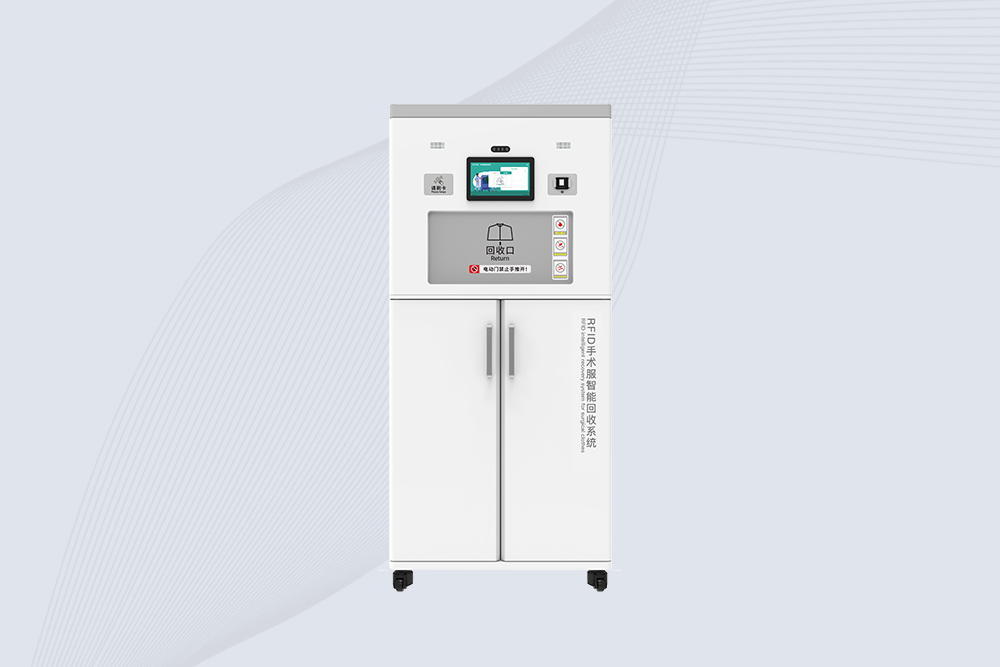
Cykeo’s RFID scrub return cabinet offers 50-gown batch scanning, HL7 integration, UV decontamination, and JCAHO compliance for hospitals/surgical centers.
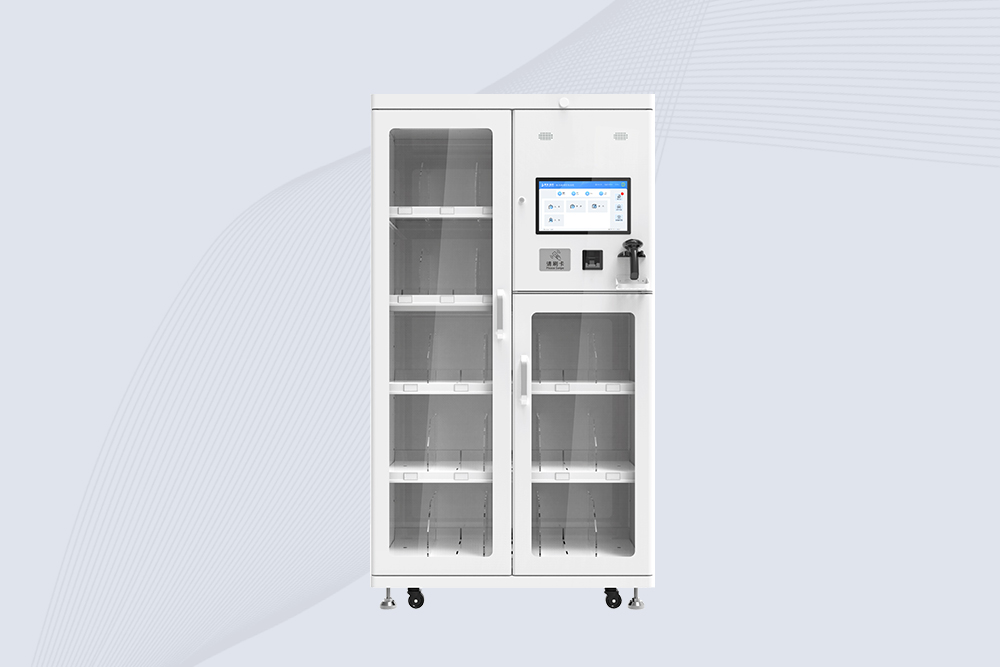
Cykeo’s low-value consumables cabinet offers 5-tier storage, HIPAA encryption, FDA compliance, and SAP integration for hospitals/clinics. Reduces stockouts by 70%.
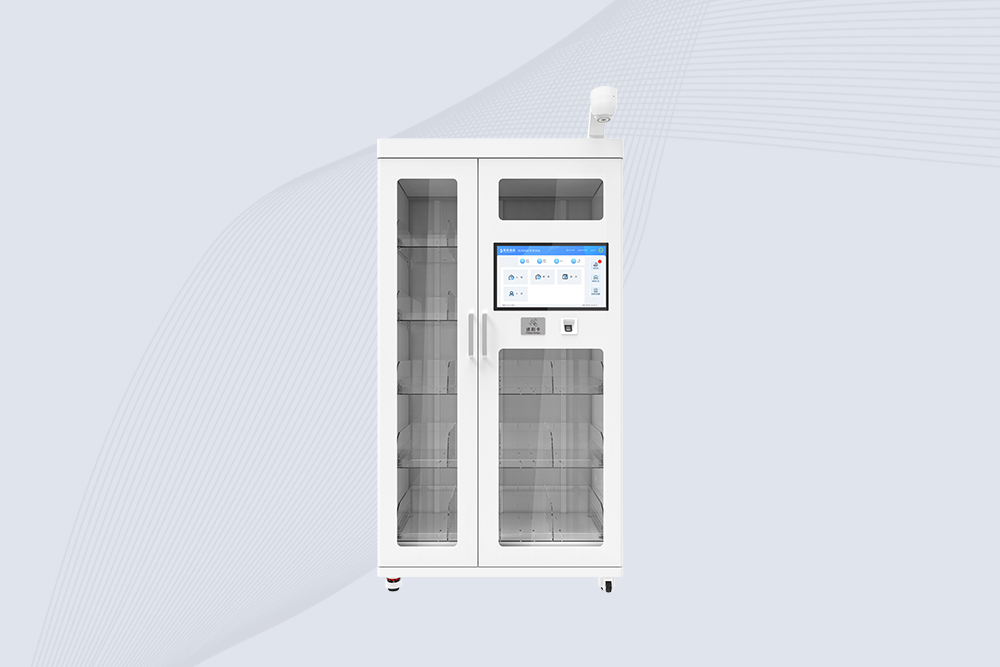
Cykeo’s RFID high-value consumables cabinet offers 500-implant capacity, FDA compliance, real-time Epic sync, and theft prevention for ORs/surgery centers.
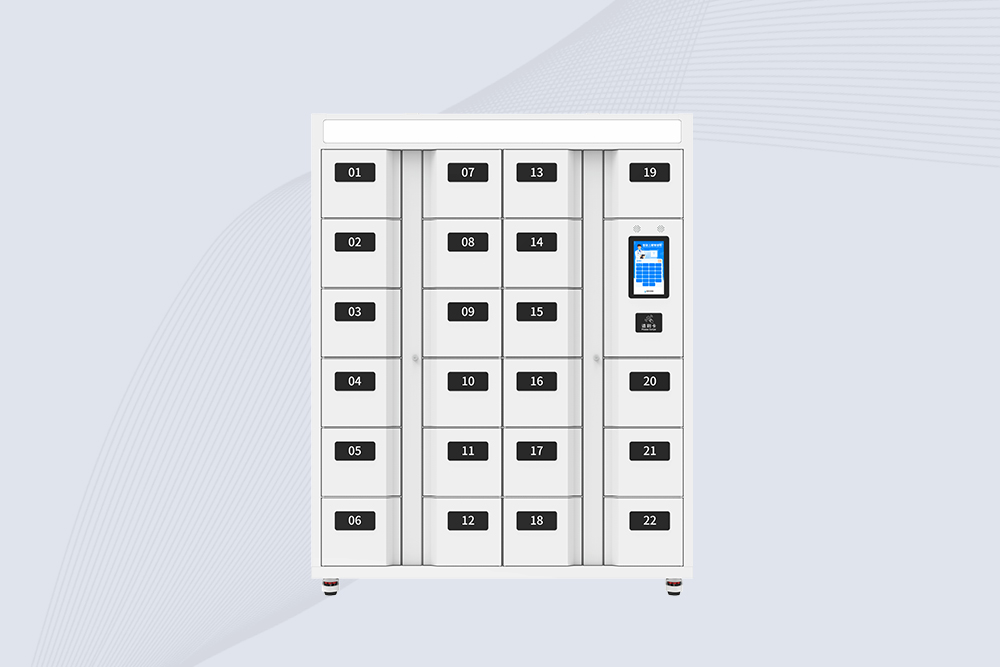
Cykeo CYKEO-G2224 rfid linen management cabinet features modular lockers, 10.1″ Android screen, and 200+/sec scanning for hospitals/hotels. SAP/Oracle integration.

Planning a diy rfid reader project? Learn real build tips, hardware choices, range limits, and when DIY works or fails. Practical insights from CYKEO RFID engineers.
More
Discover how RFID wallets safeguard contactless cards from electronic pickpocketing. Learn about shielding technology, testing methods, and Cykeo’s secure wallet designs.
More
Learn how RFID laundry management helps apparel manufacturers track garments, improve inventory visibility, and manage workwear, samples, and textile circulation more efficiently.
More
This article explores five core applications of RFID in warehouse management, helping wholesale buyers understand how to achieve precise inventory tracking, workflow automation, and real-time data monitoring to boost warehouse efficiency and custo...
More