As global supply chains grow increasingly complex, efficiency and accuracy in warehouse operations have become critical concerns for logistics providers and wholesale buyers alike. RFID (Radio Frequency Identification) technology—widely recognized as a driving force behind smart warehousing—is transforming traditional warehouse operations. This article outlines five key ways RFID optimizes warehouse management, empowering buyers to adopt advanced practices and enhance operational performance.
Real-Time Inventory Counting to Reduce Manual Errors
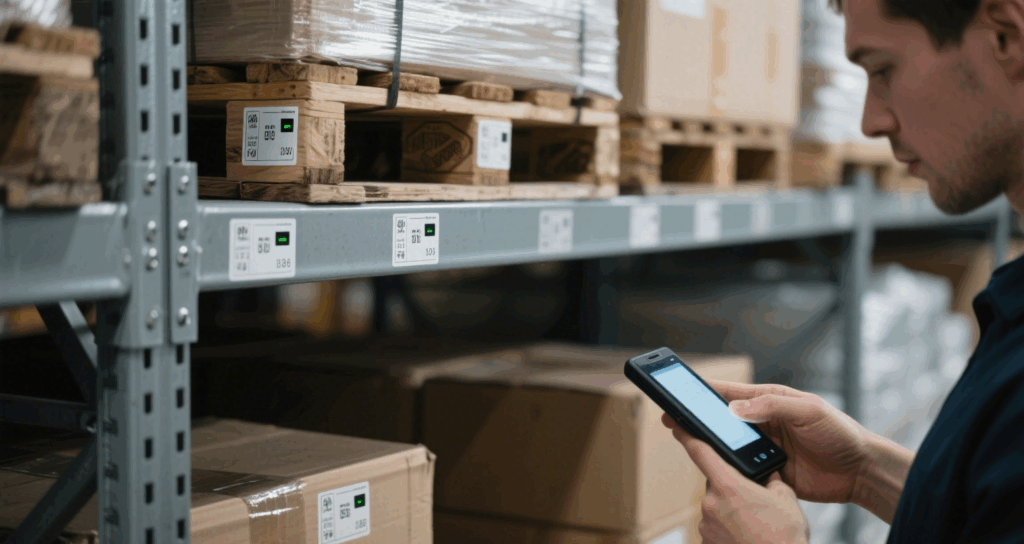
Traditional inventory checks often require significant manpower and are time-consuming, prone to missed or incorrect counts. RFID technology enables hands-free, automated scanning by attaching electronic tags to each item or pallet. With fixed or handheld RFID readers, inventory data can be captured in real time, allowing for full or partial warehouse counts in minutes—drastically reducing errors and labor costs.
Enhanced Inventory Visualization for Smart Slotting and Picking
By leveraging RFID data, Warehouse Management Systems (WMS) can track the real-time location of each item, enabling the creation of dynamic inventory maps. Managers can optimize storage layouts based on inventory flow, improving picking routes, minimizing walking distances for workers, and maximizing space utilization within the warehouse.
Reduced Risk of Theft or Loss with Improved Security Monitoring
Combining RFID gate systems with surveillance equipment enables real-time monitoring of goods entering and leaving the warehouse. If unauthorized movement is detected, the system can trigger instant alerts, effectively reducing the risk of theft and loss. This ensures inventory security and strengthens client trust in your operations.
Data-Driven Decision Making to Optimize the Supply Chain
RFID systems generate vast amounts of accurate data on stock turnover, restocking cycles, and operational efficiency. With intelligent reports and predictive models, management can make more informed purchasing and inventory decisions, resulting in a more agile and responsive supply chain with higher service quality.
Conclusion
RFID technology is fast becoming a cornerstone of warehouse digital transformation. It not only improves operational efficiency but also brings intelligent, data-driven management capabilities. For wholesale buyers, partnering with suppliers equipped with advanced RFID systems means higher order accuracy, faster delivery, and a better overall collaboration experience. Embracing RFID is key to driving smarter, more efficient warehouse operations in the modern era.
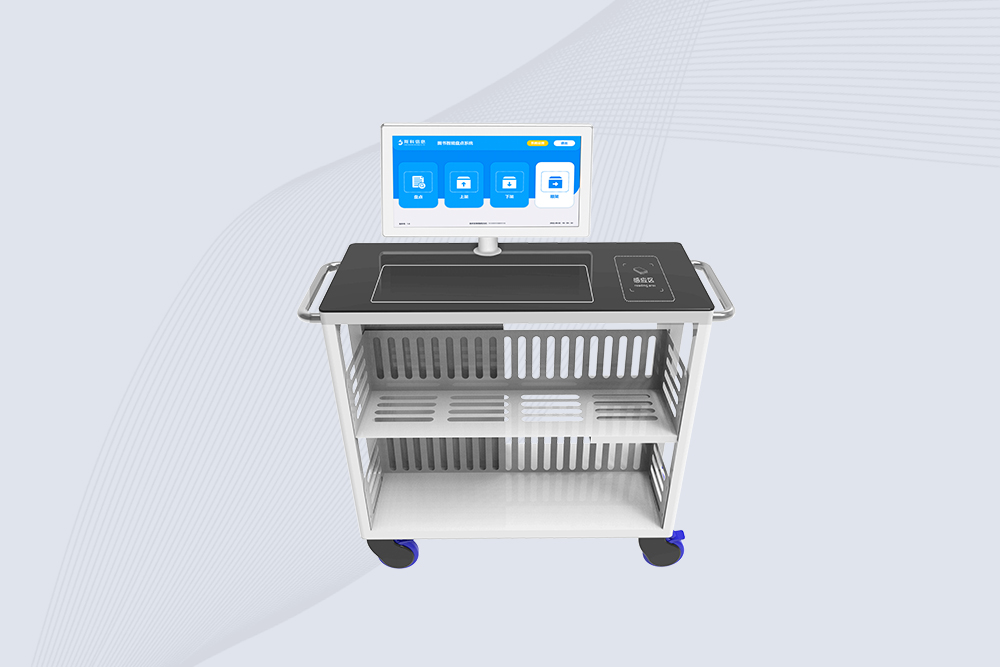
Cykeo CYKEO-C2 UHF RFID inventory cart features 10 UHF readers, 500 tags/sec scanning, Windows/Android OS, and hybrid power for warehouses/libraries. Supports ISO 18000-6C protocols and customization.
Cykeo’s industrial RFID Inventory Tracking station features dual scanning modes, 200+ items/sec bulk reading, and SAP integration for precise warehouse management. MIL-STD-810G certified with Windows/Android OS.
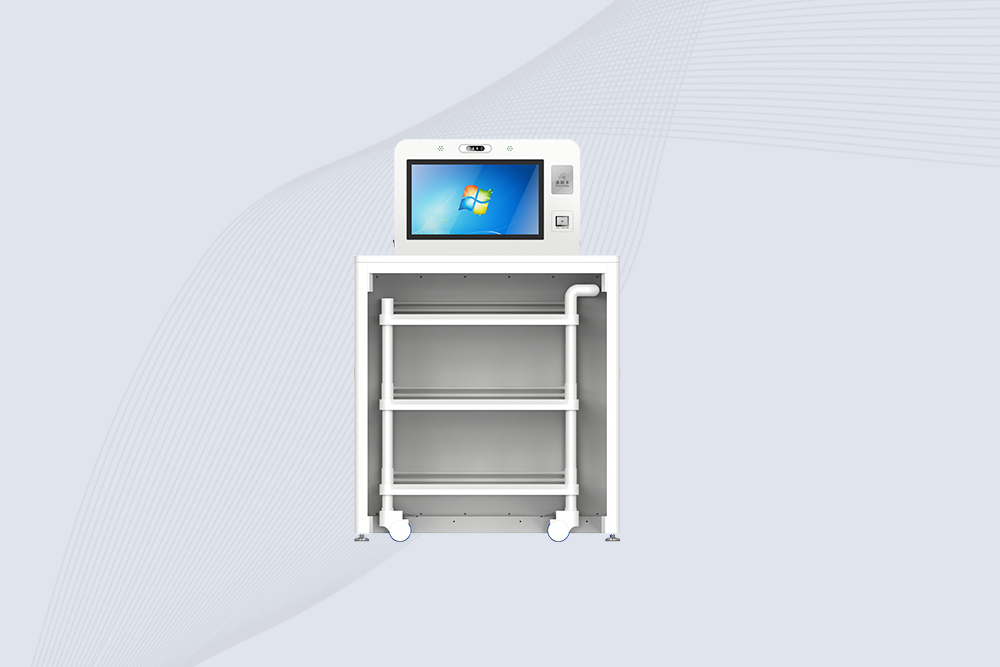
Cykeo CYKEO-D7 RFID system for inventory offers 40+ tags/sec scanning, 150L secure storage, and Impinj R2000 chipset for warehouses, toolrooms, and retail. Global frequency compliance (840-960MHz).
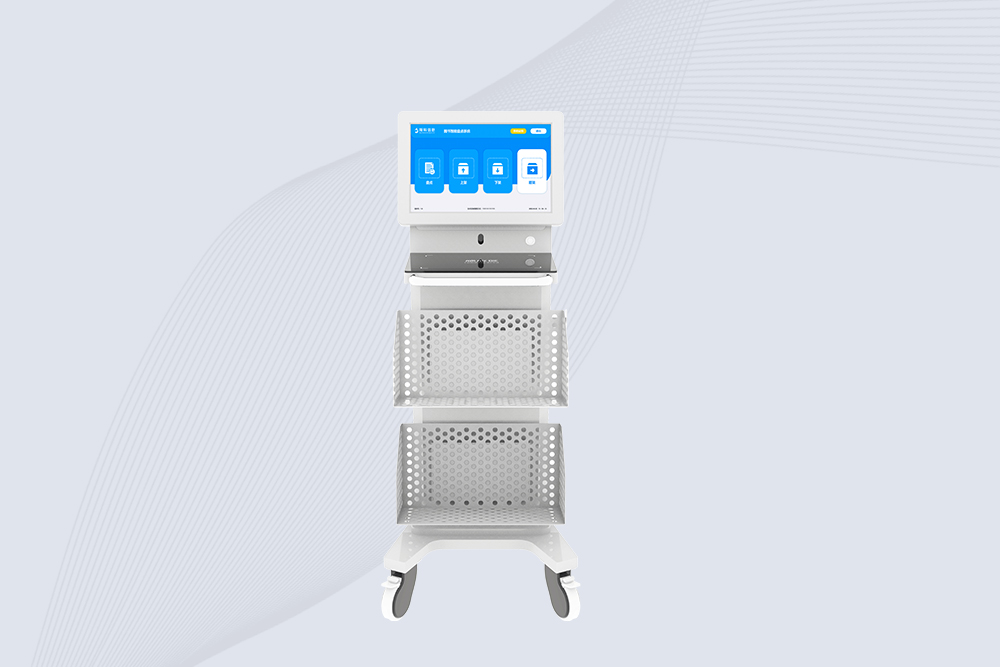
Cykeo CYKEO-C1 mobile RFID scanner cart features PLC-controlled antenna lifting, 10-tag/sec reading, and 21.5″ touchscreen for libraries, hospitals, and warehouses. Supports Windows/Android and multi-protocol RFID.
Explore rfid system for asset tracking solutions that improve asset visibility, automate monitoring, reduce losses, and optimize enterprise management with reliable RFID technology.
Learn how to check RFID card numbers using phones, RFID readers, and software tools. Understand UID, card ID, tag identification, and what to verify before buying RFID cards in bulk.
Discover how RFID being used on pets improves identification, feeding control, anti-swapping security, and veterinary registration beyond simple tracking.
 Cykeo RFID IoT Solution Products R&D Manufacturer