 Cykeo RFID IoT Solution Products R&D Manufacturer
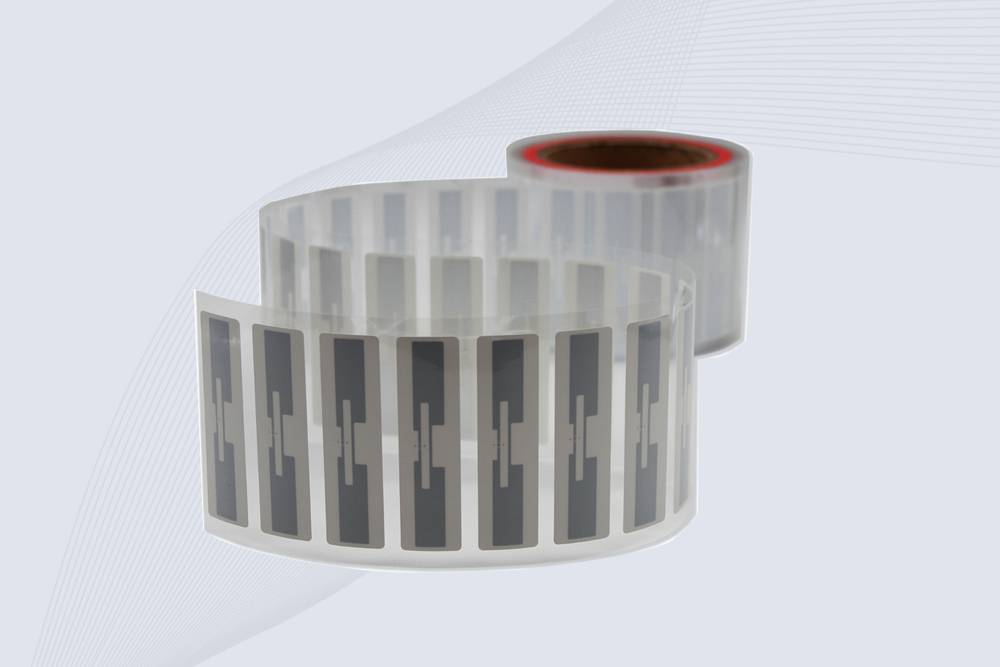
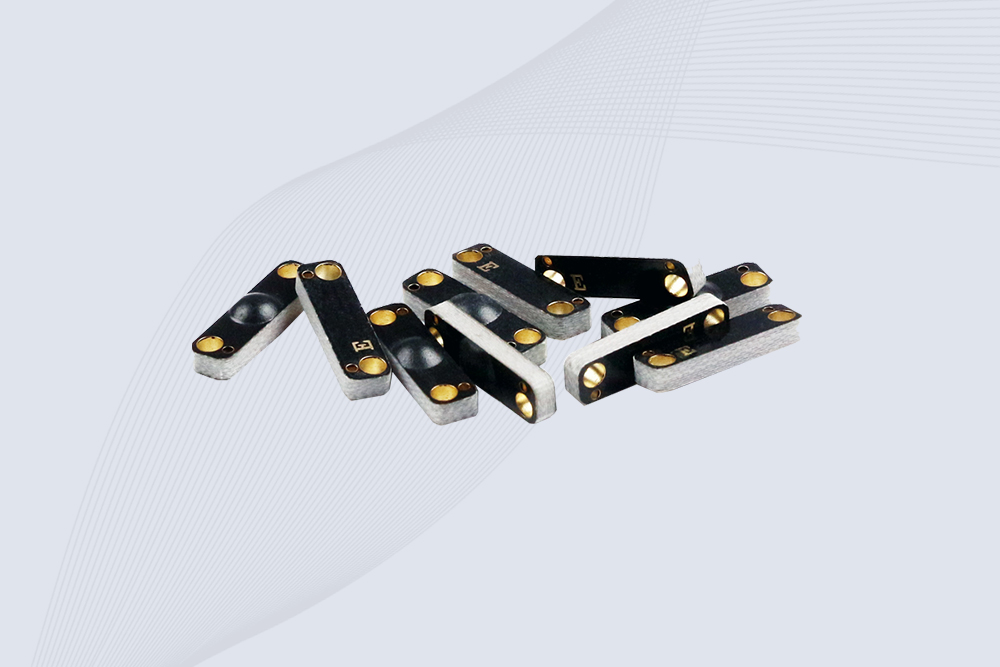
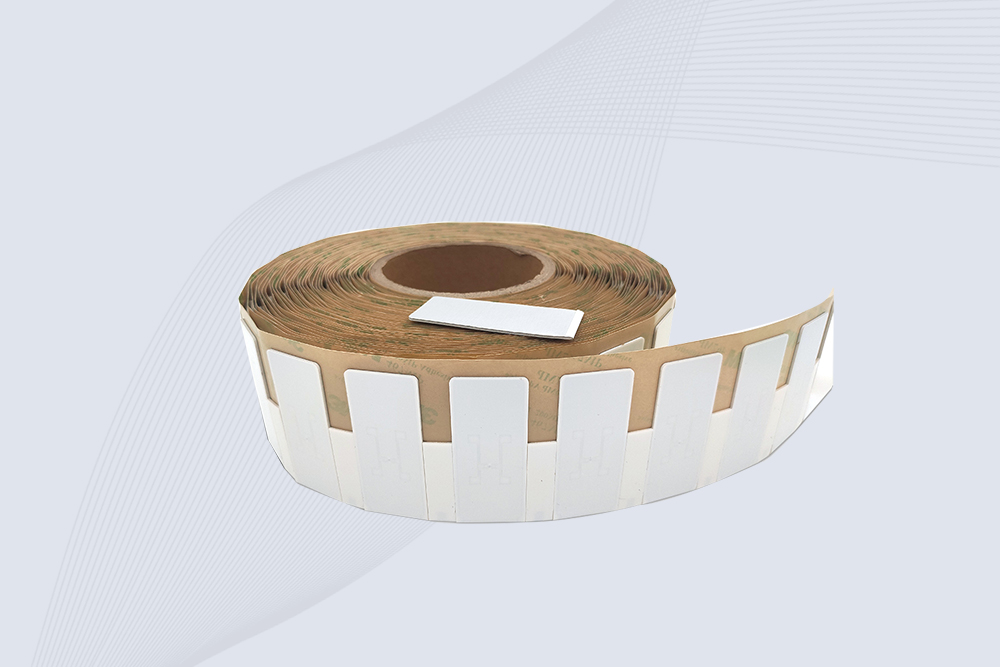


How to achieve tool tracking tool for IT equipment
115Discover how a tool tracking tool for IT equipment improves asset visibility, prevents device loss, and automates inventory management using Cykeo UHF RFID technology.
MoreAll RFID Product
Which is More Expensive: RFID or Barcode? Let’s Settle This
If you’re choosing between RFID and barcode tech for inventory tracking, cost is likely your top concern. The short answer? RFID is 10-50x more expensive upfront than barcodes. But the real story involves hidden savings, scalability, and use-case tradeoffs. Let’s cut through the noise.
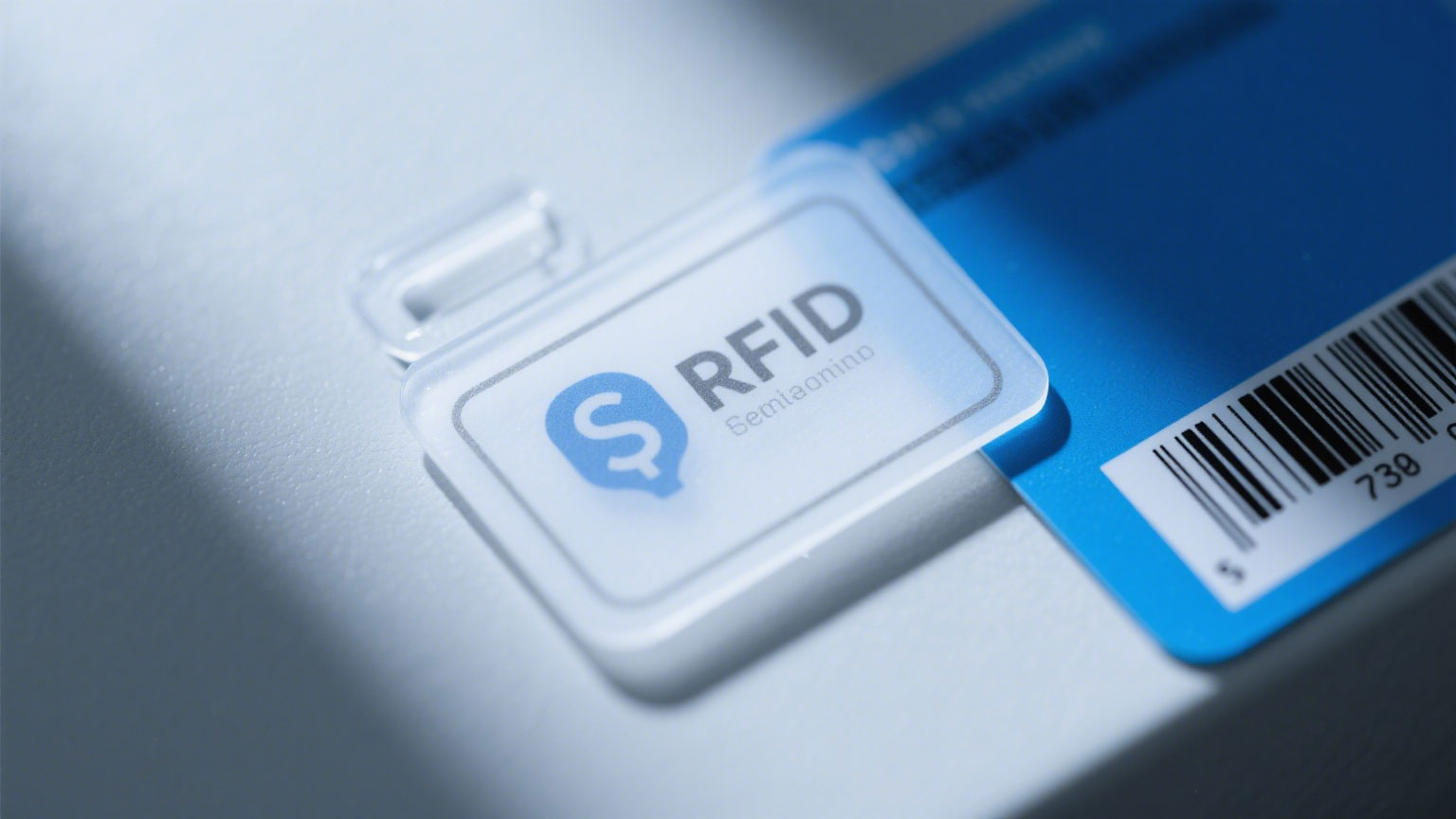
Why the gap? RFID tags embed microchips/antennas; barcodes are printed patterns.
RFID shines if you need:
✅ High-speed automation (e.g., shipping docks)
✅ Real-time inventory accuracy
✅ Durable tags (survives weather/rough handling)
Barcodes suffice for:
✅ Small businesses with manual processes
✅ Static environments (retail shelves, documents)
✅ Budgets under $1,000
Cykeo’s clients typically use RFID for warehouse logistics and barcodes for POS checkout lanes.
Final Tip: Calculate your item volume and error tolerance. For 500+ daily scans, RFID’s efficiency often justifies its cost.
Discover how a tool tracking tool for IT equipment improves asset visibility, prevents device loss, and automates inventory management using Cykeo UHF RFID technology.
More
high temperature uhf rfid tags deliver reliable industrial asset tracking in harsh manufacturing environments with durable Cykeo UHF RFID solutions.
More
Learn how to check rfid tag is working or not with real testing methods, tools, and field tips. Improve RFID reliability using Cykeo readers.
More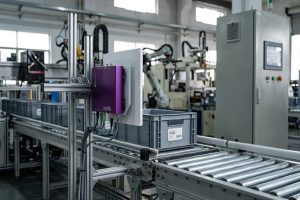
Learn how RFID readers are used in industrial automation for production lines, conveyors, work-in-process tracking and equipment identification. See what to ...
More