 Cykeo RFID IoT Solution Products R&D Manufacturer

Is RFID Module Field Install ZT510?
326Need to know: is RFID module field install ZT510 possible? Yes. Learn the prerequisites, step-by-step process, and essential tools for a successful on-site upgrade of your Zebra printer.
MoreAll RFID Product
When someone receives a batch of RFID cards, one of the first things they usually want to know is:
“How can I check the RFID card number?”
For a single card, the answer may seem simple. Put the card near a reader, scan it, and the number appears.
But when you are dealing with hundreds, thousands, or even millions of RFID cards for access control, warehouse tracking, membership systems, or smart devices, things become less straightforward.
Many customers think the RFID card number is just a printed number on the surface. In reality, RFID cards may contain different types of identification data, and the number you see depends on the chip type, reader, and software system.
During RFID project discussions, this is one of the areas where misunderstandings happen quite often.
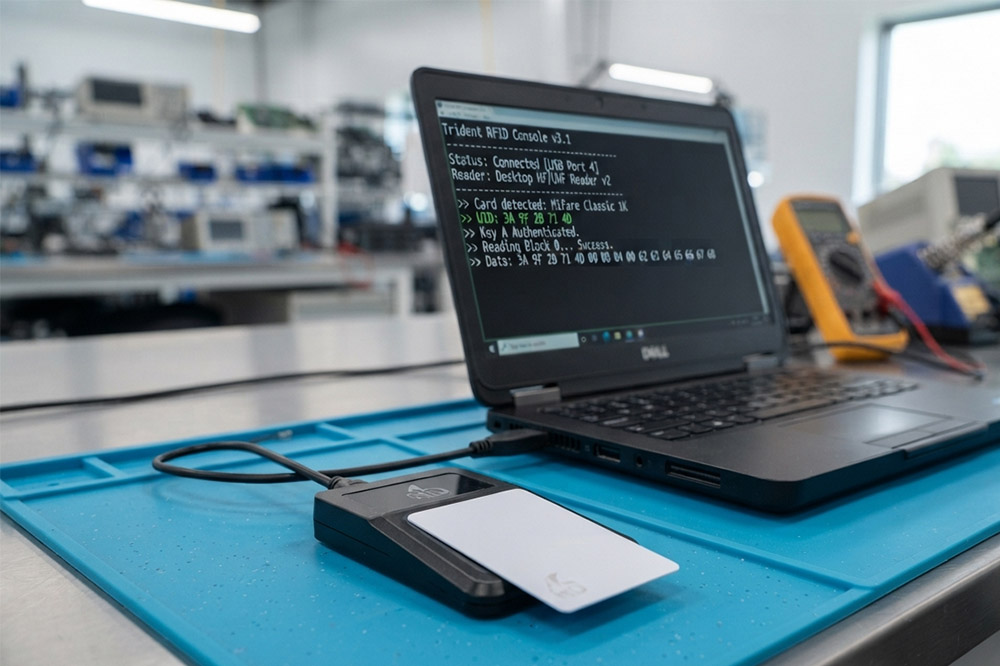
The term “RFID card number” can refer to several different things.
Usually, it means:
For example, an access control system may use the UID stored inside the RFID chip as the user ID.
A company’s internal software, however, may assign another number:
Employee 00125
Customer A5689
Asset Tool-2038
These are not the same thing.
The RFID chip only provides the original identifier. The application system decides how to use it.
The most common method is using an RFID card reader.
The process is usually:
Depending on the reader type, you may see:
For example:
A 13.56MHz RFID card may display:
UID: 04 A8 XX XX XX XX
A UHF RFID card may show:
EPC: 3008 XX XX XX XX
The displayed format depends on the RFID technology.
Many users first try their smartphone because it is convenient.
For NFC-based RFID cards, Android phones can often read basic card information.
You can:
This works well for many:
However, there is a limitation.
A smartphone does not support every RFID frequency.
For example:
This is a common issue we see when customers test RFID cards with phones.
The card is working, but the phone simply cannot communicate with that frequency.
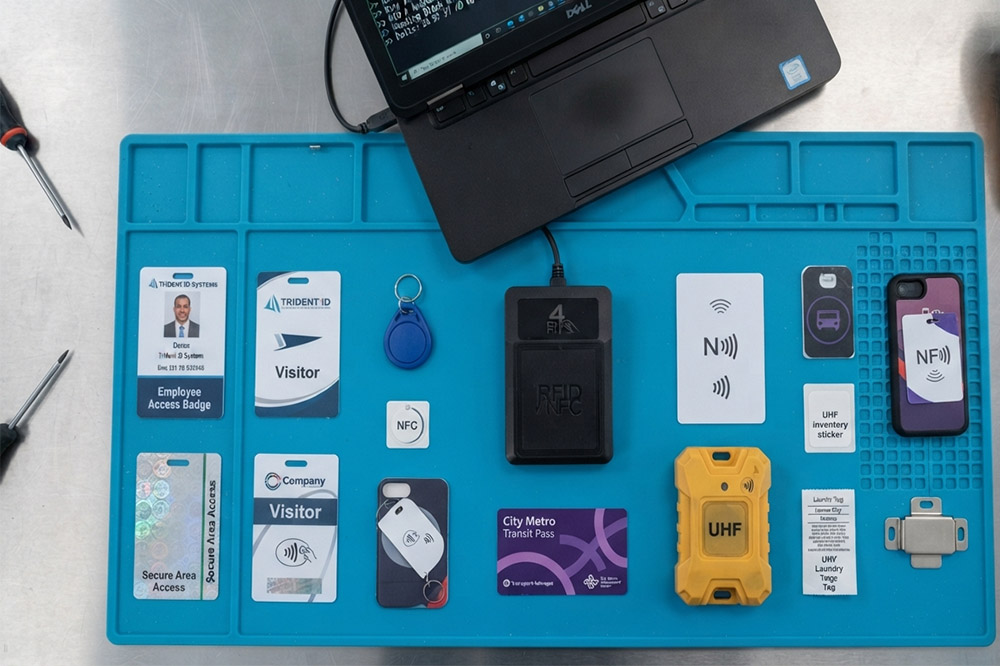
Many buyers also confuse reading a card number with identifying an RFID tag.
These are related but different.
Checking the card number answers:
“Which ID does this card have?”
RFID tag identification answers:
“What kind of RFID tag is this?”
For example:
If you are selecting RFID products for a project, knowing only the number is usually not enough.
We explained more about this topic in our previous guide:
How to Identify an RFID Tag: A Practical Guide for Everyday Use
It helps users understand how to recognize different RFID tags before testing or purchasing.
A customer once ordered RFID cards for a factory access system.
During initial testing, everything looked fine.
The reader detected the cards, and the UID numbers appeared correctly.
However, after deployment, some cards could not open the doors.
The reason was not the RFID number.
The customer’s existing access control system only supported a specific card format.
This situation happens frequently.
Before placing a large RFID card order, companies should confirm:
A cheap card that cannot work with the existing system creates much higher costs later.
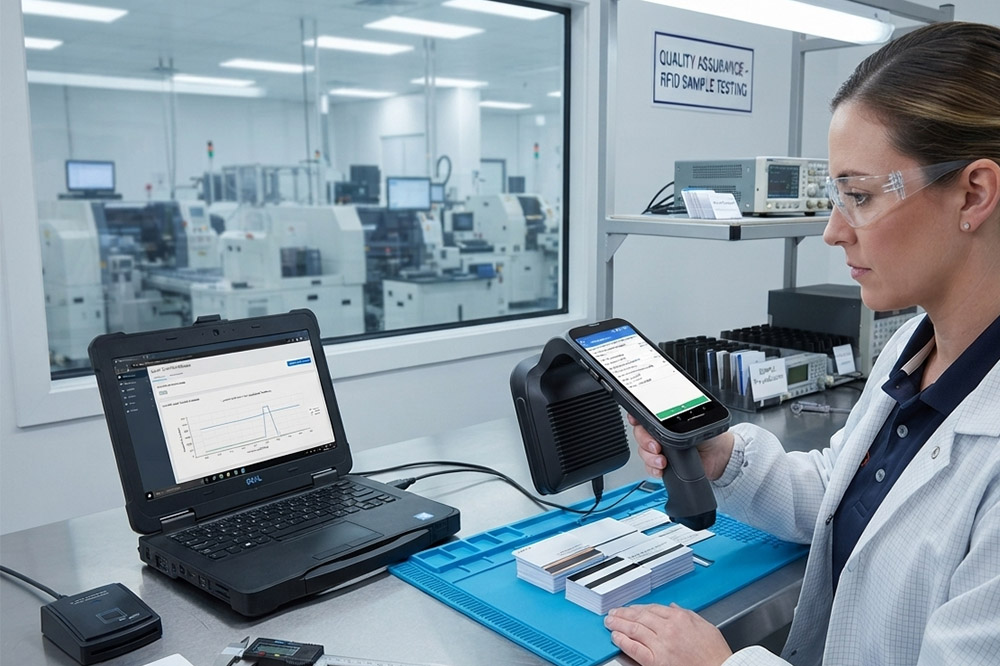
If you are purchasing RFID cards in bulk, checking samples is only the first step.
Before mass production, ask your supplier:
Examples:
Different chips provide different functions.
Most RFID chips have a factory-programmed UID.
Some applications require special encoding or custom memory writing.
This should be confirmed before production.
A reliable RFID supplier should normally provide samples for:
Especially for projects involving:
sample verification saves time.
Not every RFID reader is designed for the same purpose.
A desktop USB reader may be enough for office testing.
But industrial projects may require:
For example:
A warehouse tracking system may need long reading distance.
An access control system may focus more on stability and security.
The “best” reader depends on the application, not just the card number.
Many users start testing by looking for the RFID card number, but they sometimes skip a more important step: understanding what type of RFID tag or card they actually have.
Different RFID technologies use different frequencies, chips, and communication methods. A card number from one RFID system may not work in another environment.
Before reading RFID card numbers, we recommend learning how to identify RFID tags correctly.
Read our related guide:
How to Identify an RFID Tag: A Practical Guide for Everyday Use
This article explains RFID tag types, frequency differences, and practical identification methods.
Before checking an RFID card number, you need to understand what information the reader is actually collecting.
Many users see a long string of numbers on their software and assume it is the RFID card number. Sometimes it is the UID, sometimes it is a facility code/card number combination, and sometimes it is application data.
If you are new to RFID testing, we recommend reading our previous article:
How to Read an RFID Card Number: It’s Usually Simpler Than You Think
It explains the basic reading process, including how different RFID frequencies and readers affect the final number displayed.
After understanding how RFID card numbers are read, you can better evaluate whether the card matches your project requirements.
Checking an RFID card number looks simple when you only test one card.
But for real business applications, the number itself is only one part of the system.
The RFID chip, frequency, reader compatibility, and software platform all affect whether the card can actually work.
For companies purchasing RFID cards in bulk, spending time on sample testing and compatibility checks before production usually prevents much bigger problems later.
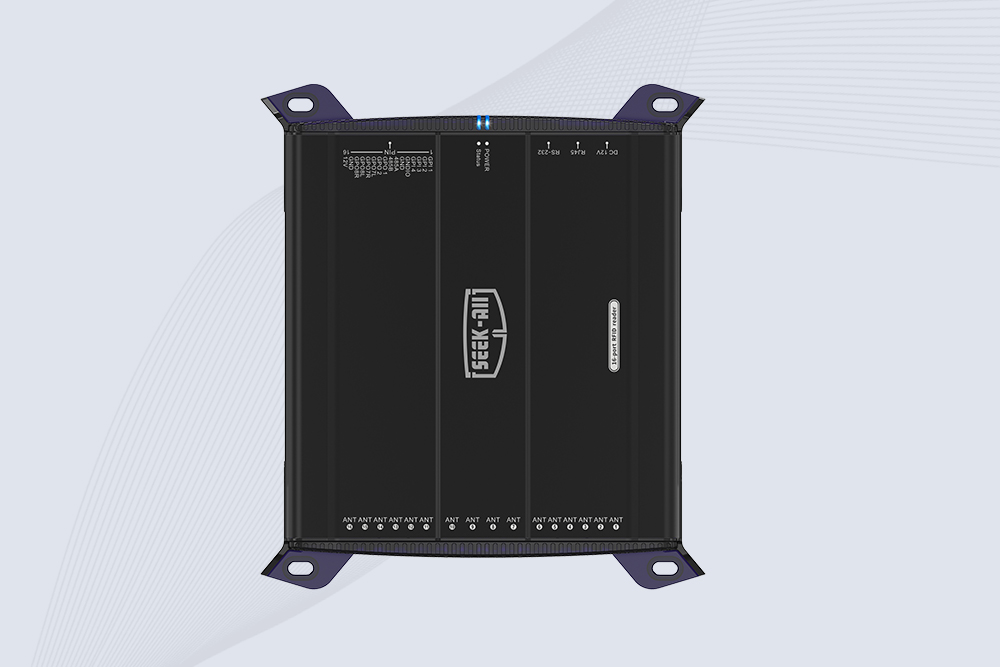
SSD-R16L Multi-Channel RFID Infrastructure for Automated Inventory Management ✔️ 16-Port High-Density RFID Reading Equipped with 16 SMA antenna ports, SSD-R16L supports multi-antenna deployment for warehouses, retail stores, logistics, production lines, and large-area RFID identification. ✔️ High-Speed & Long-Range Performance With up to 33…
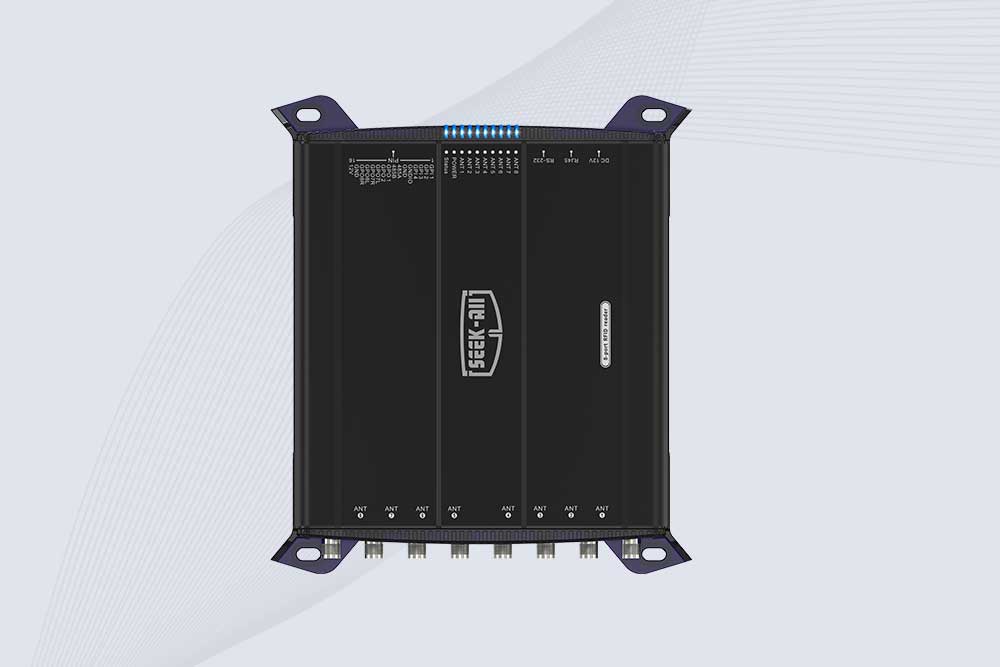
SSD-R8L 8-port UHF RFID reader with 33dBm output, up to 20m reading range and 600+ tags/s recognition. Ideal for warehouse, logistics, retail and asset tracking.
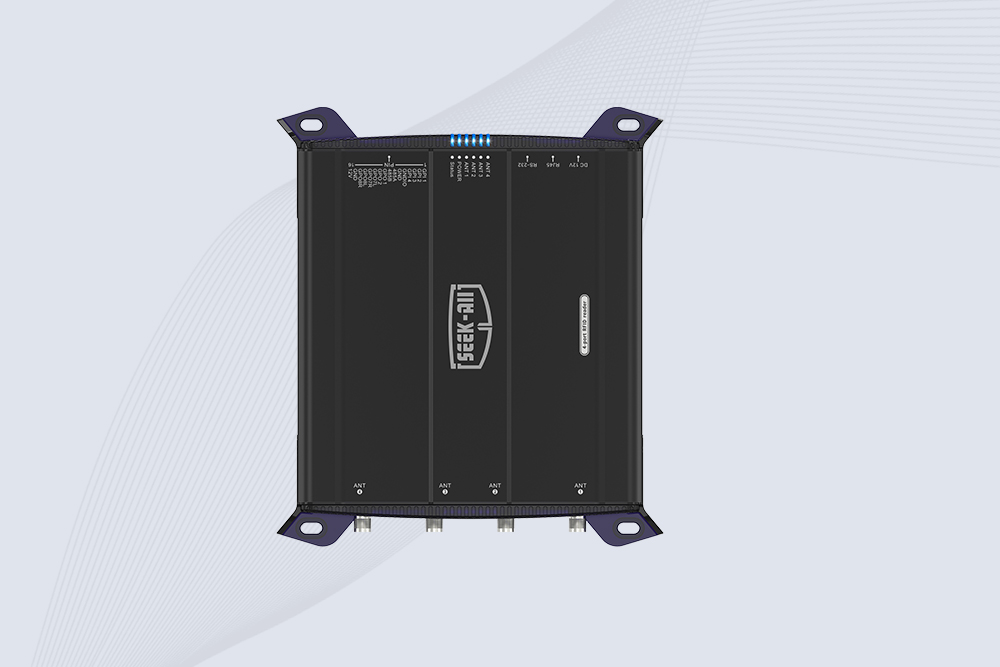
SSD-R4L is a 4-port UHF RFID fixed reader with 33dBm output power, up to 20m reading range, EPC C1G2 support and 600+ tags/s reading speed.
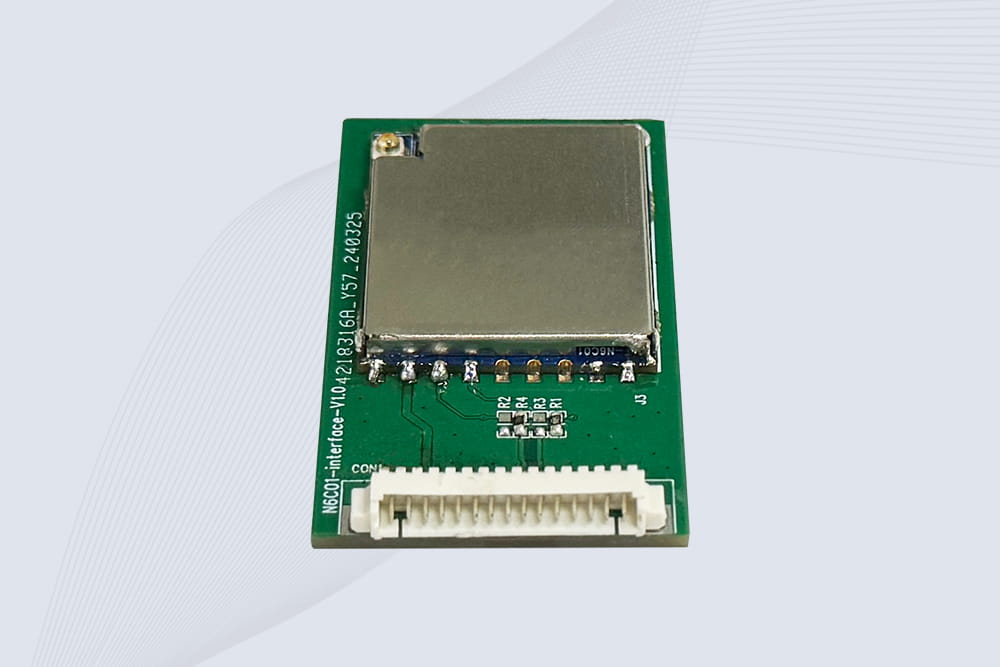
CYKEO Embedded RFID Modules are designed for compact industrial and IoT devices that require stable UHF performance. These UHF RFID Modules support global protocols, flexible power control, and reliable multi-tag reading for smart cabinets, production lines, and asset tracking systems.
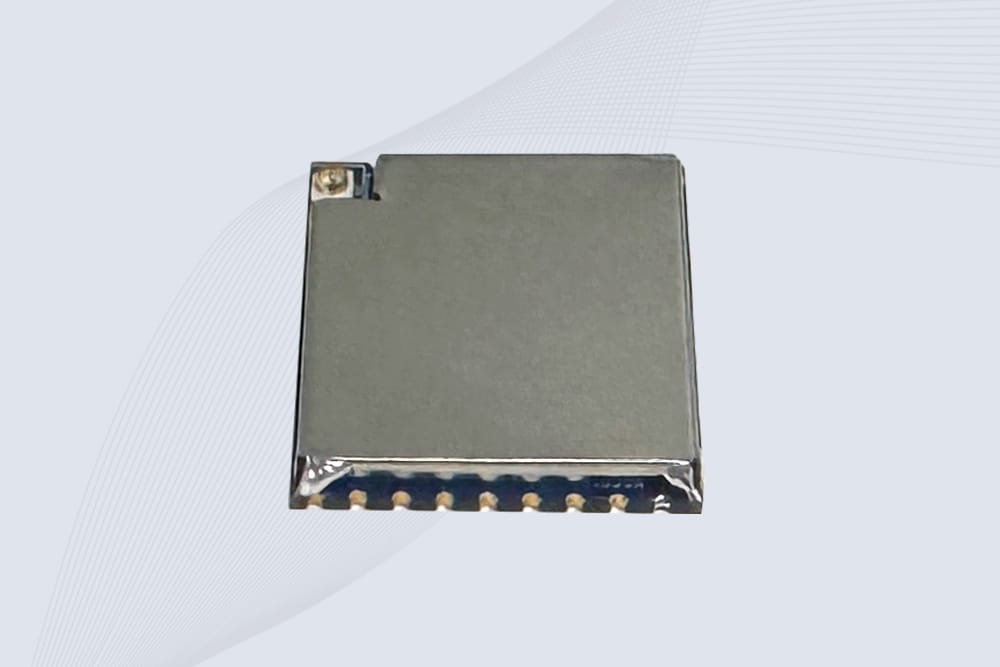
CYKEO Embedded RFID Module is built for compact IoT and industrial devices that need stable UHF performance. This UHF module supports global protocols, low power operation, and reliable multi-tag reading for smart lockers, production lines, and always-on RFID systems.
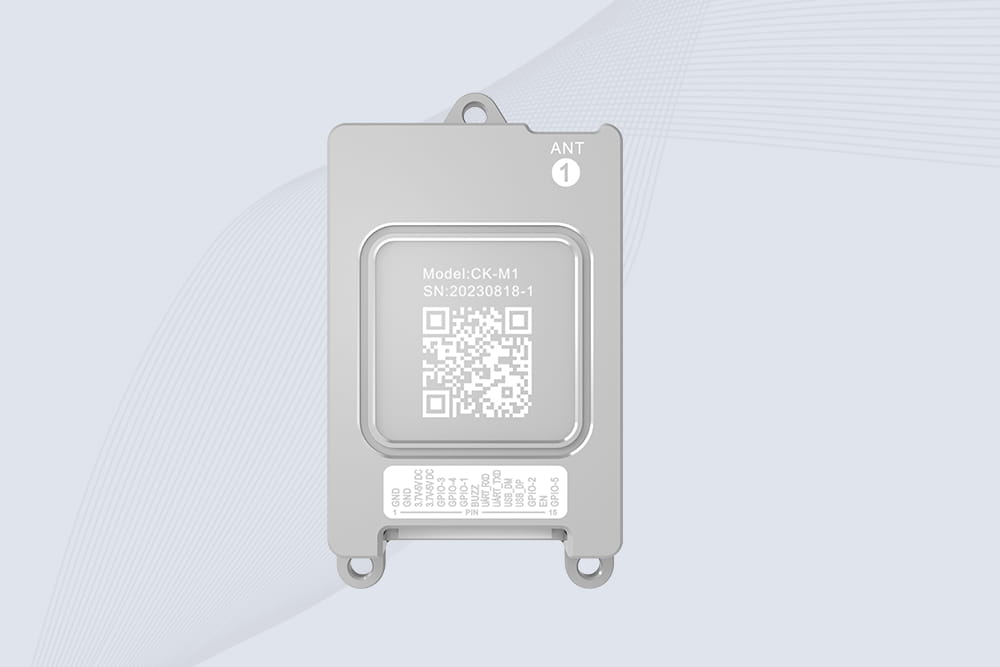
CYKEO CYKEO-M1 drone rfid module is a compact UHF RFID reader module designed for drones and UAV platforms. It supports long-range aerial scanning, fast multi-tag reading, and stable performance in wind, vibration, and outdoor environments.
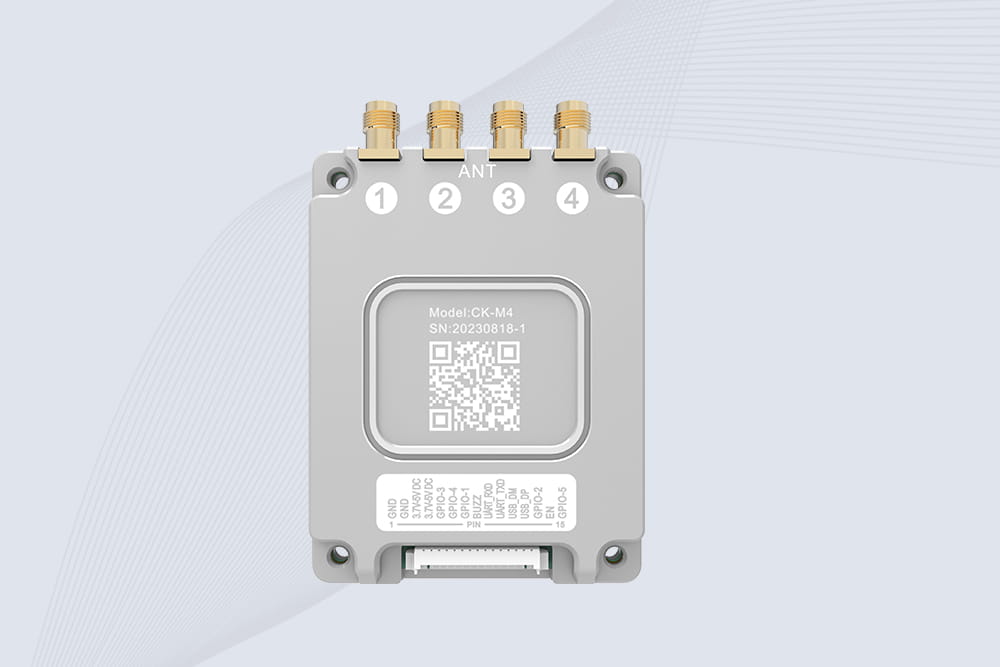
CYKEO CYKEO-M4 RC522 RFID Module is an industrial-grade UHF RFID reader with 4 ports, supporting ISO, EPC, and GB protocols. High-speed, accurate reading for IoT, automation, and warehouse applications.
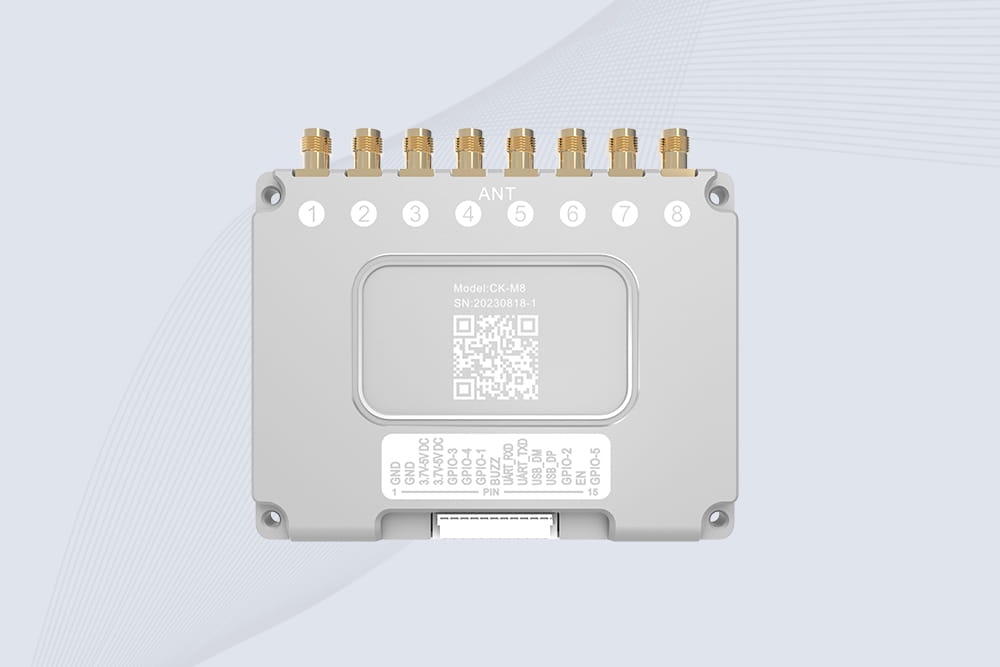
CYKEO CYKEO-M8 Module RFID is an 8-port UHF R2000 RFID Module designed for high-density, multi-tag environments. Stable 33dBm output, ISO & GB protocol support, ideal for warehouses, factories, and automated systems.
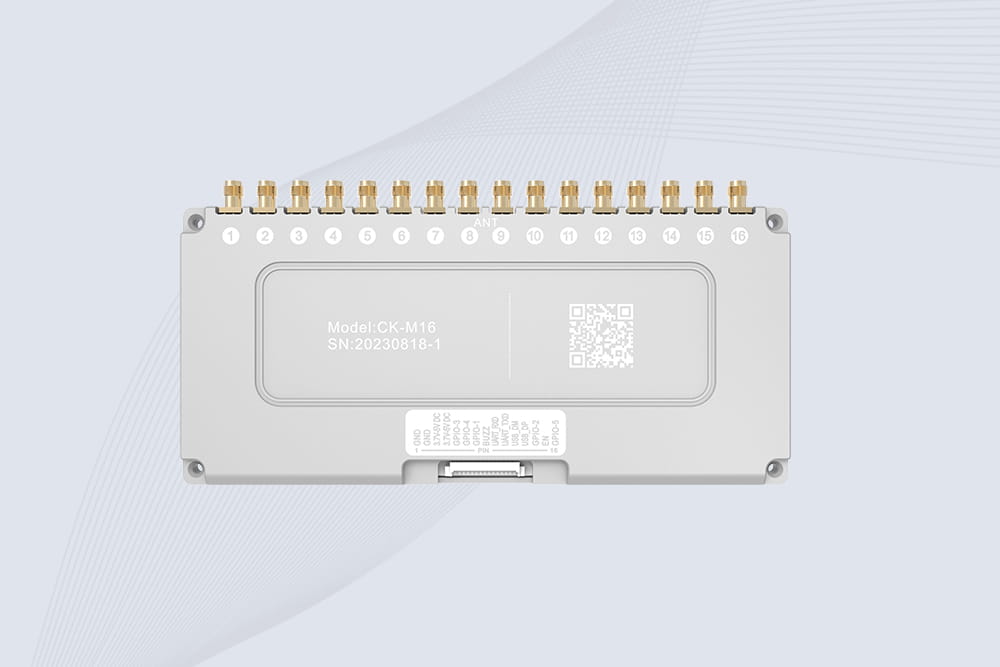
CYKEO CYKEO-M16 RFID Module is a 16-port UHF RFID reader module based on the R2000 chipset. Designed for dense tag environments, it supports ISO and GB standards and delivers stable multi-antenna control for industrial automation.
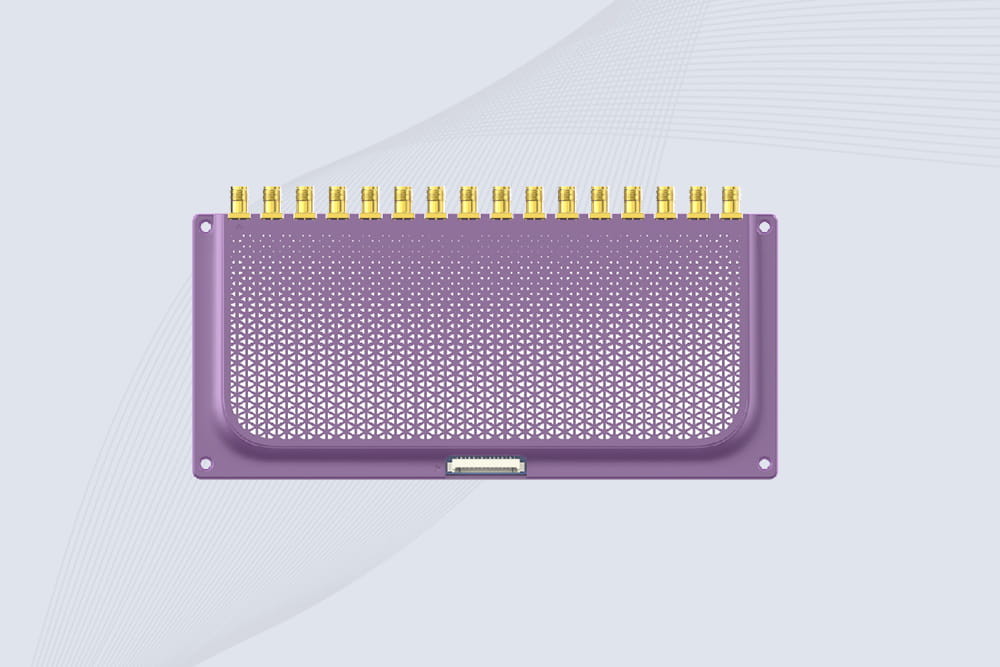
The CYKEO CYKEO-M16L RFID Reader Module is a 16-channel UHF RFID core designed for dense tag environments. With adjustable 33dBm output, multi-protocol support, and stable multi-antenna control, this RFID Tag Reader Module fits industrial automation, warehouse systems, and large-scale IoT deployments.
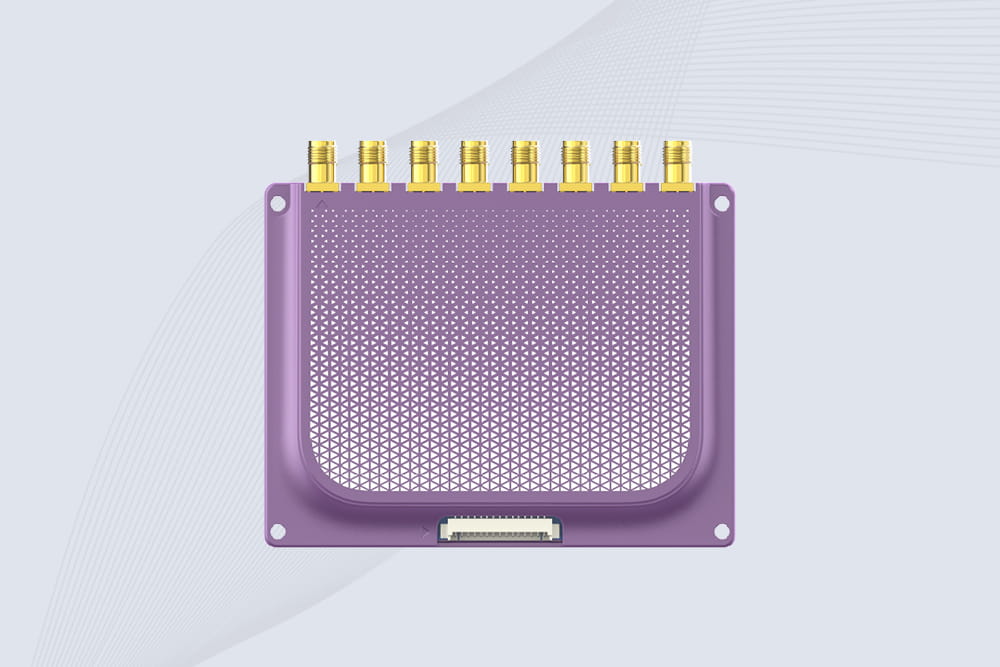
CYKEO CYKEO-M8L module RFID is a compact industrial UHF module built for dense tag and multi-antenna environments. With 8 RF ports, adjustable 33 dBm output, and ISO & GB protocol support, it is widely used in factories, warehouses, and automated tracking systems.
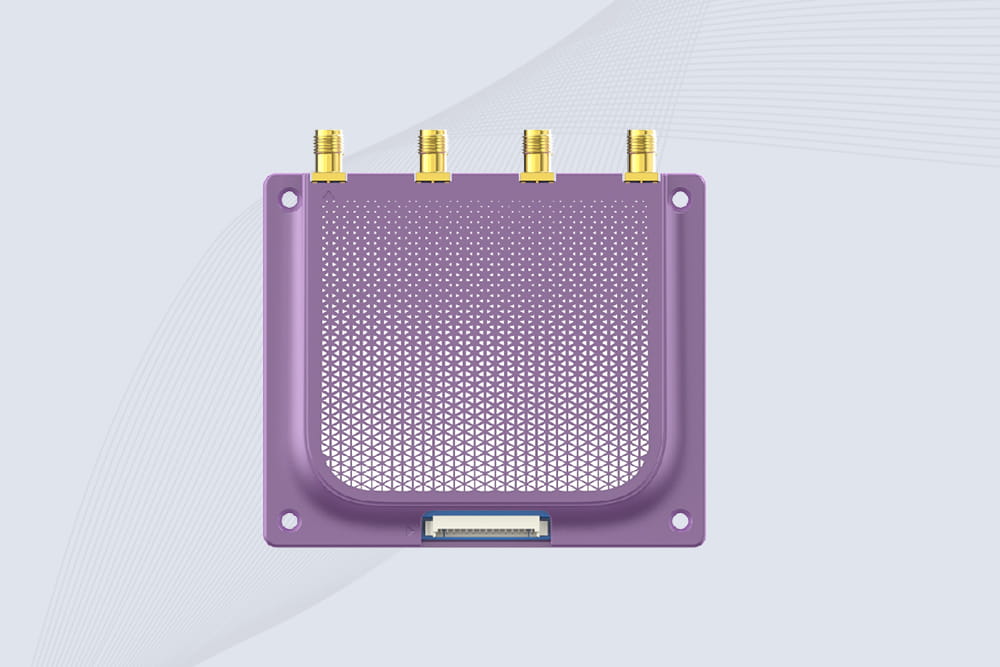
CYKEOCYKEO-M4L UHF RFID Module is a compact 4-channel RFID tag reader module designed for dense tag environments. Supporting ISO and GB protocols, it delivers stable reads up to 10 meters for industrial and IoT systems.
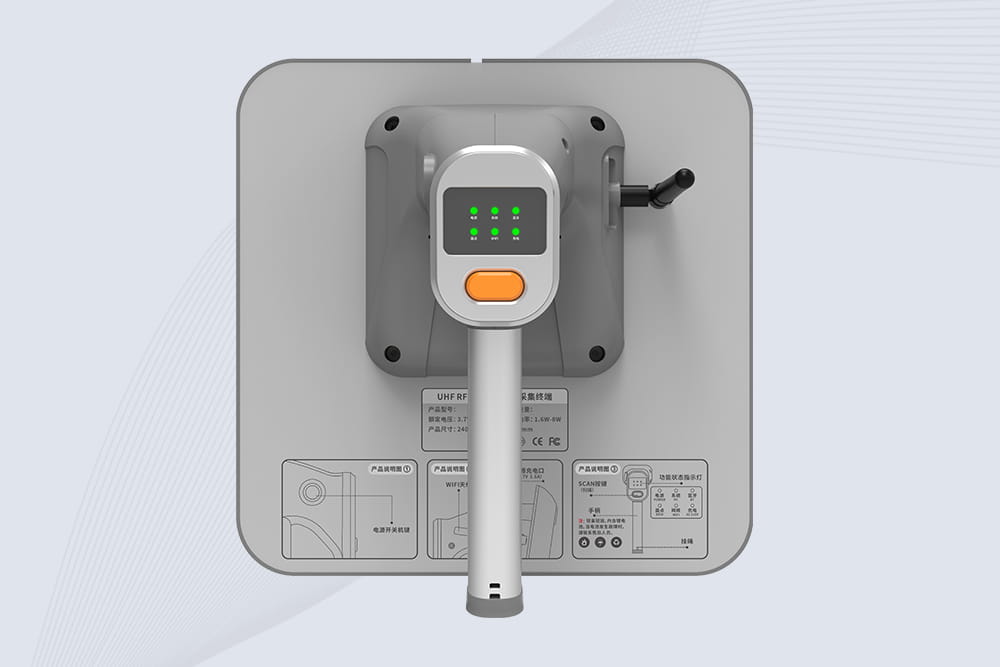
Cykeo CYKEO-B9 UHF Bluetooth handheld RFID scanner features 12m UHF range, 200+ tags/sec scanning, IP67 rugged design for retail/warehouse/pharma. Supports Android SDK & real-time Bluetooth 5.0 transmission.
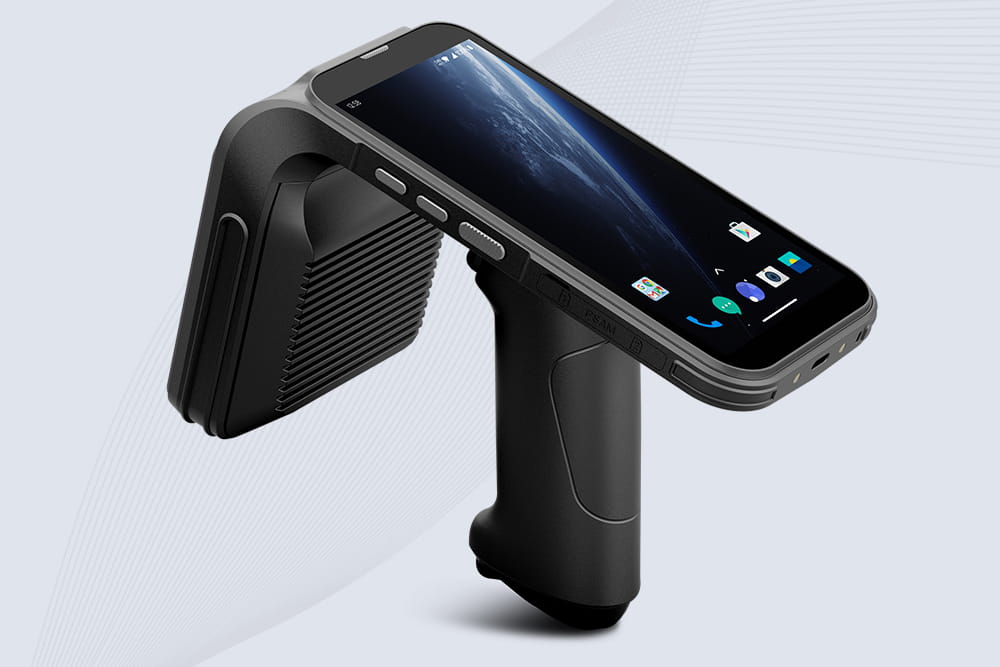
Cykeo CYKEO-B4 UHF Handheld RFID Reader scanner delivers 1300 tags/sec reading, 30m UHF range, and 12-hour battery life. IP65 rugged design with barcode/NFC/ID scanning for retail/manufacturing/logistics.
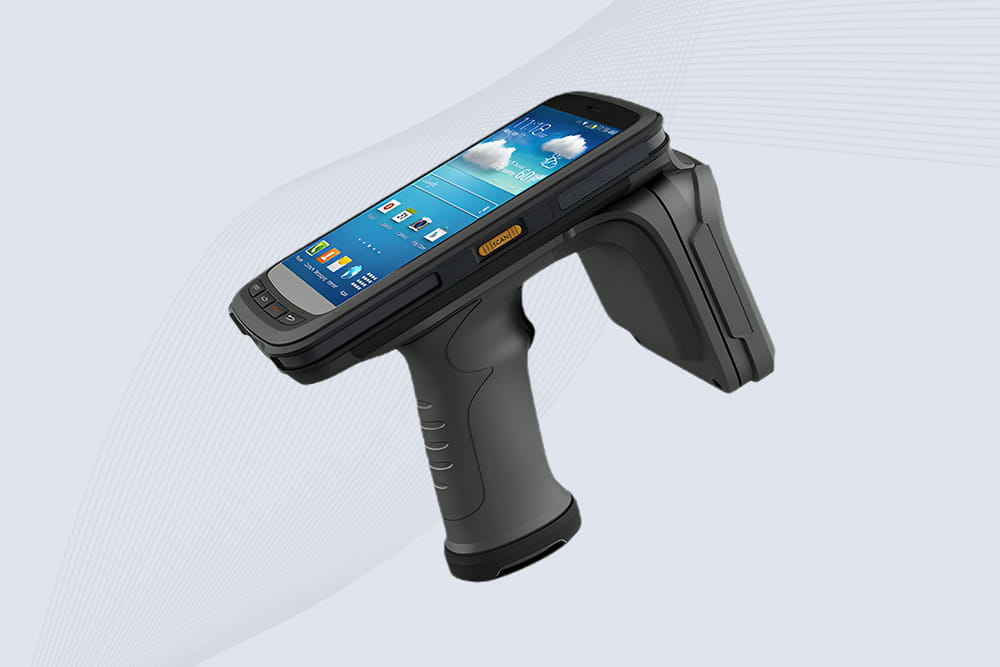
Cykeo CYKEO-B2 industrial UHF RFID handheld Scanner offers 10m range, 500 tags/sec scanning, Android 11 OS, and IP65 rugged design for retail/warehouse/manufacturing.
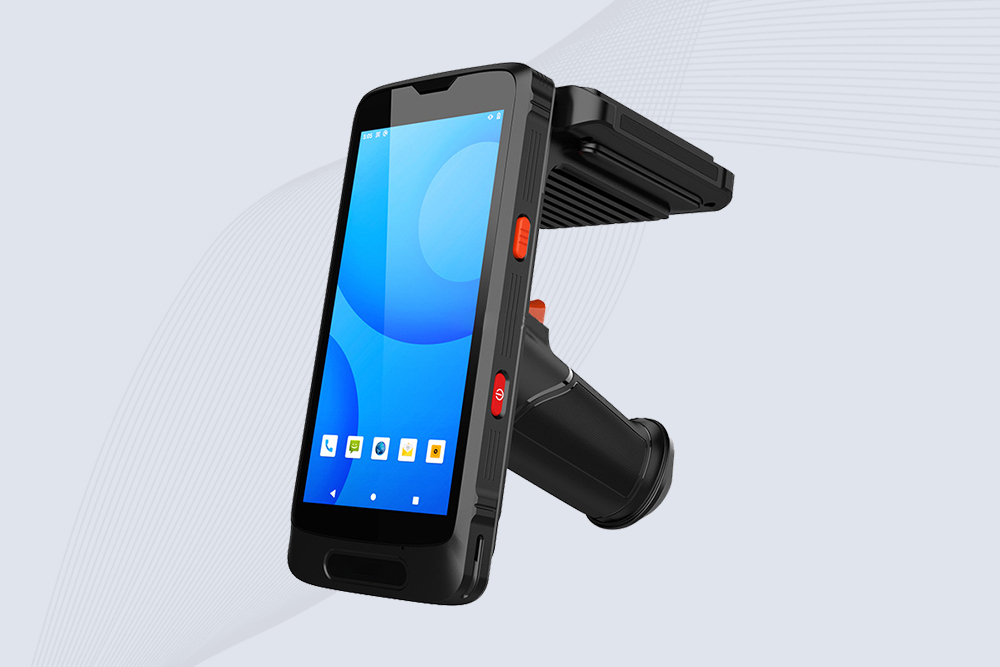
Cykeo CYKEO-B3 industrial RFID Reader Handheld, terminal offers 2m read range, multi-protocol scanning (NFC/barcode/ID), Android 10 OS, and IP65 ruggedness for logistics/retail/manufacturing.
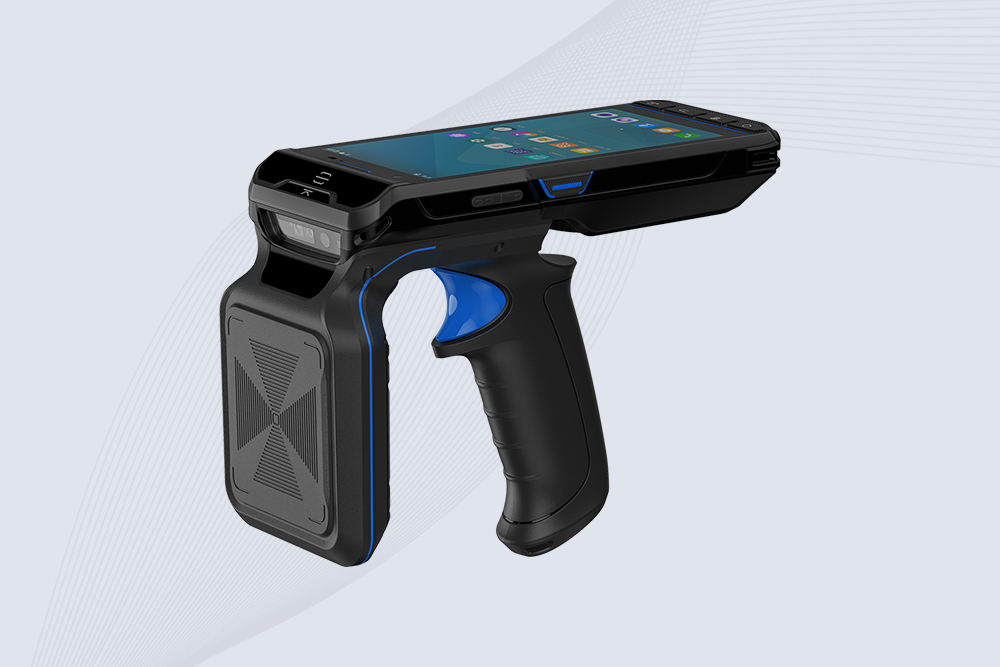
Cykeo CYKEO-B3L industrial handheld UHF RFID Reader terminal features 20m read range, 500 tags/sec scanning, Android 13 OS, 12-hour battery for logistics/retail/manufacturing. Supports barcode/NFC/ID reading.
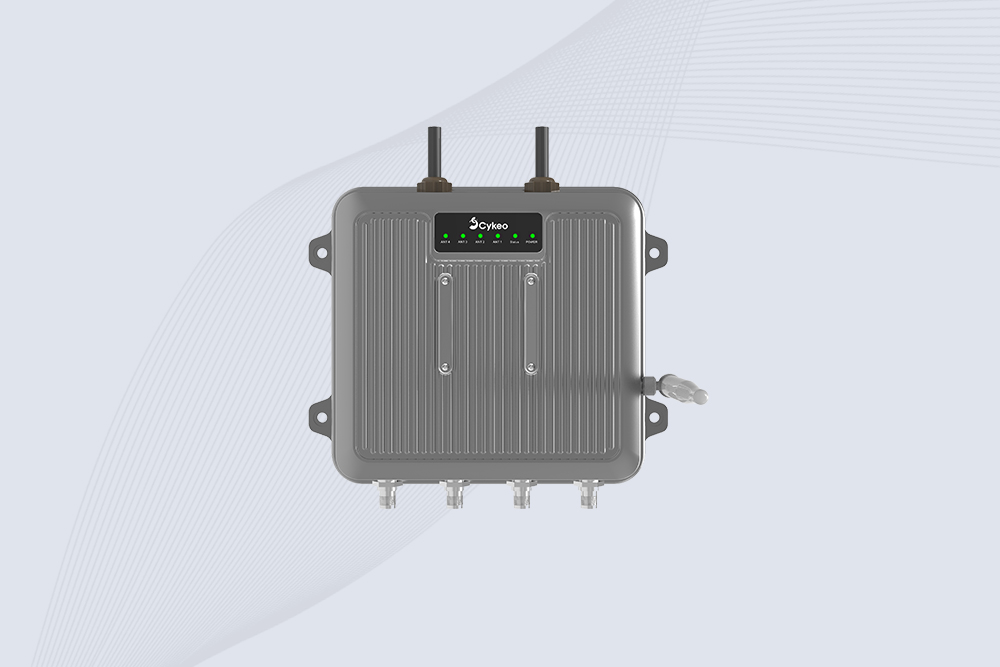
Cykeo CYKEO-C1 industrial Forklift RFID Reader features 20m read range, 600 tags/sec scanning, Impinj R2000 chipset, and IP67 rugged design. Ideal for warehouse logistics and manufacturing. Supports ISO 18000-6C/6B protocols.
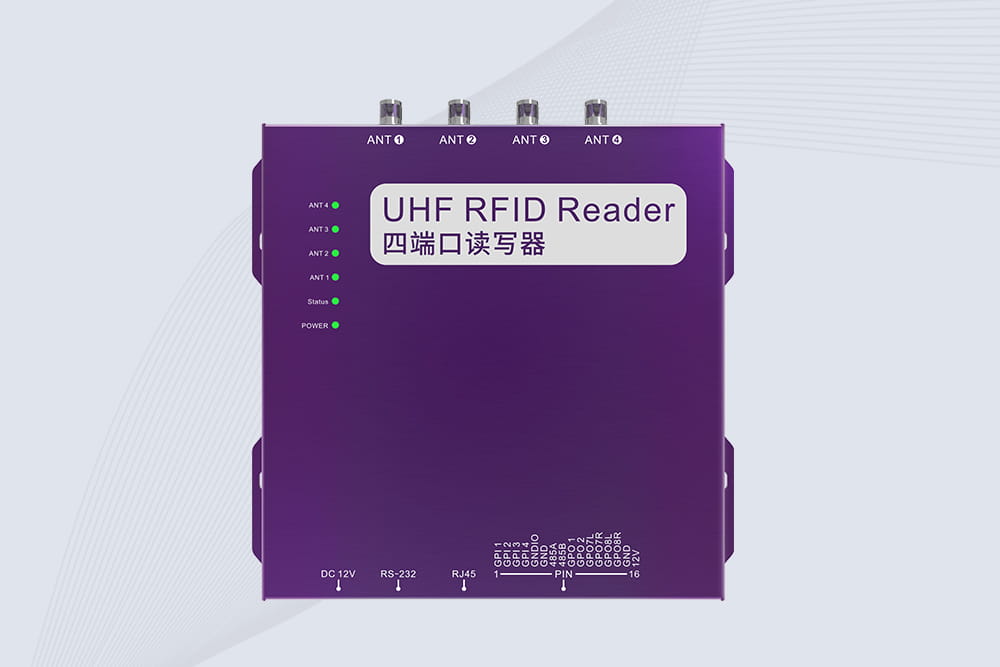
Cykeo CYKEO-R4 industrial UHF RFID Fixed Reader features 4 TNC ports, 400+ tags/sec speed, IP67 housing, and global frequency compliance for vehicle inspection, smart warehouse, and asset management systems.
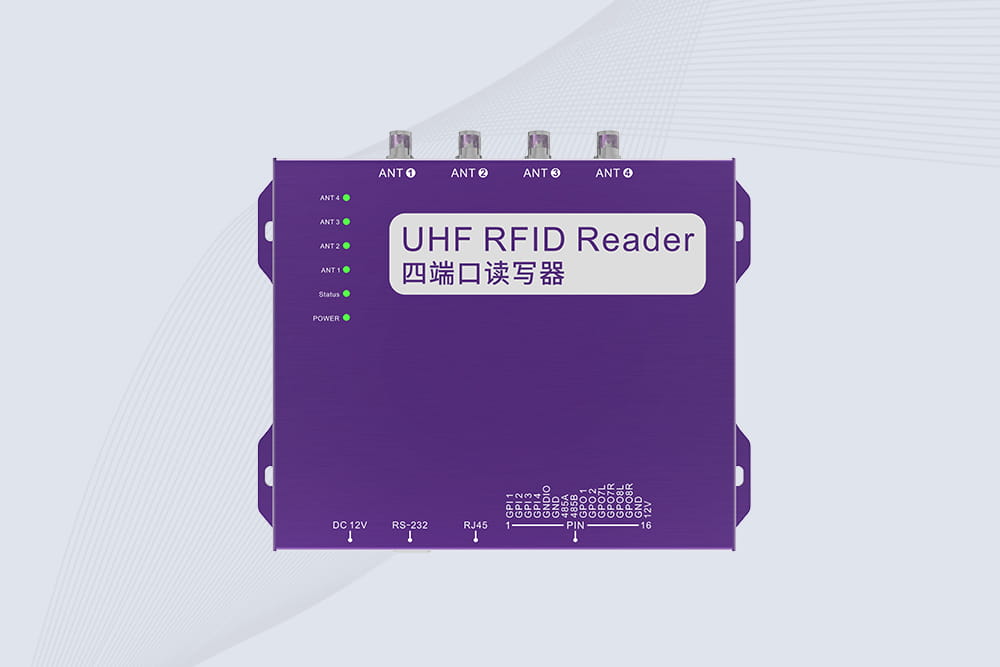
Cykeo’s CYKEO-R4L 4-port Fixed UHF RFID Reader delivers 400 tags/sec scanning, ISO 18000-6C compliance, and IP65 protection. Ideal for warehouse automation, manufacturing WIP tracking, and logistics management.
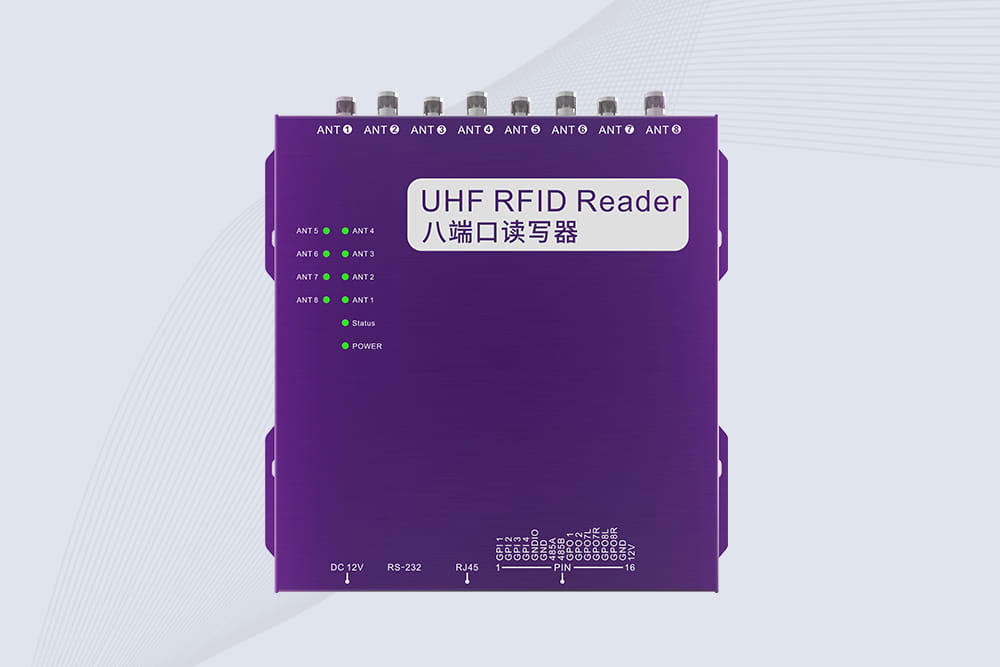
CYKEO CYKEO-R8L Fixed RFID Reader with 8-port UHF design, Impinj-based RF core and up to 20m read range. An industrial Fixed RFID Reader for vehicle inspection, warehouse portals, smart manufacturing lines and secure access checkpoints.
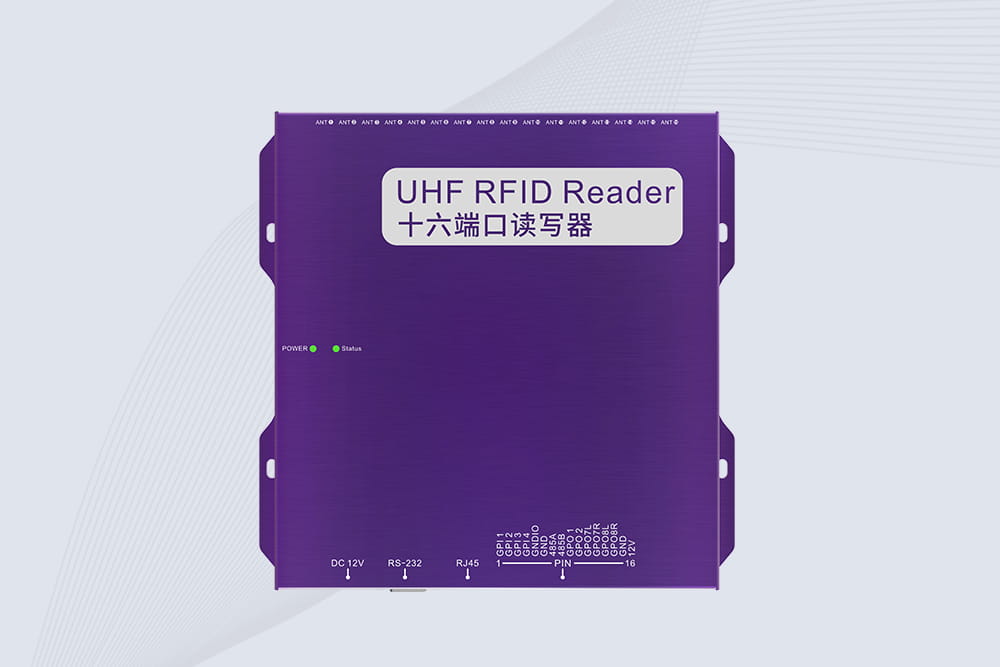
RFID Fixed Reader from CYKEO – the CYKEO-R16L 16-port UHF fixed reader for warehouses, smart cabinets, and production lines. Long-range, multi-tag reading, stable performance for 24/7 industrial use.
RFID Industry Writer | IoT & Asset Tracking Analyst
James writes about RFID technology, asset tracking, and the practical challenges of digital transformation across warehousing, retail, manufacturing, and logistics.
His work focuses on how RFID is applied in real-world operations—improving inventory visibility, automating workflows, and helping businesses manage assets with greater accuracy and efficiency.
He regularly covers topics including UHF RFID, smart cabinets, RFID portals, tool tracking, warehouse automation, and industrial IoT trends..
Need to know: is RFID module field install ZT510 possible? Yes. Learn the prerequisites, step-by-step process, and essential tools for a successful on-site upgrade of your Zebra printer.
More
Discover how long range RFID scanners help ports automate container tracking, vehicle identification, equipment management, and gate operations. Learn how RFID improves efficiency, reduces delays, and supports modern smart port projects.
More
Embeddable RFID tags are RFID transponders designed to be permanently integrated inside tools, equipment, products, or industrial assets, enabling automated identification, tracking, and lifecycle management without exposing the tag to external da...
More
what a UHF RFID reader is, how it works, and where it’s used in real life. From warehouses and retail to parking and healthcare, learn why these readers make tracking and inventory simple and efficient.
More