 Cykeo RFID IoT Solution Products R&D Manufacturer

Importance of radio frequency tracking and how radio frequency tracking works
74radio frequency tracking improves asset visibility, warehouse accuracy, and inventory speed with UHF RFID technology. Explore Cykeo industrial RFID solutions.
MoreAll RFID Product
Many RFID projects do not fail because of the RFID hardware itself.
The reader may be powerful enough.
The tags may be suitable.
The antenna specification may even look perfect on paper.
But after installation, the system performance is not as expected.
Some tags are missed.
Some unwanted tags are detected.
The reading distance changes from one area to another.
This situation is more common than many people think.
In real RFID deployments, antenna installation is often the part that decides whether the system works smoothly.
A good RFID antenna installed in the wrong position may perform worse than a standard antenna installed correctly.
This is why RFID antenna placement should be considered during the early design stage, especially for warehouse automation, industrial tracking, and asset management projects.
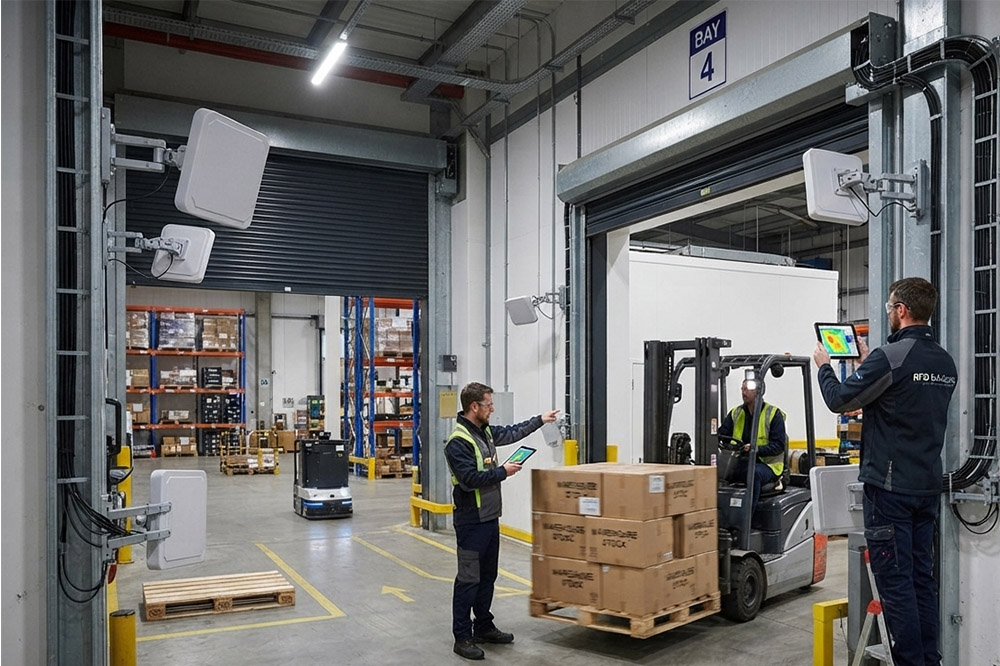
An RFID antenna creates an electromagnetic field around its installation area.
The shape and strength of this field are affected by:
A small change in position can change the reading area.
For example:
A warehouse entrance may use RFID antennas to identify pallets passing through a gate.
If the antennas are mounted too high, some tags may enter a weak signal area.
If they are positioned incorrectly, the system may read products that are still outside the gate.
The antenna itself is not the problem.
The installation design is.
One mistake we often see is selecting the antenna first and thinking about installation later.
The better approach is the opposite.
First understand:
A warehouse and a smart tool cabinet may both use RFID technology, but the antenna setup will be completely different.
A warehouse needs wider coverage.
A tool cabinet needs controlled reading.
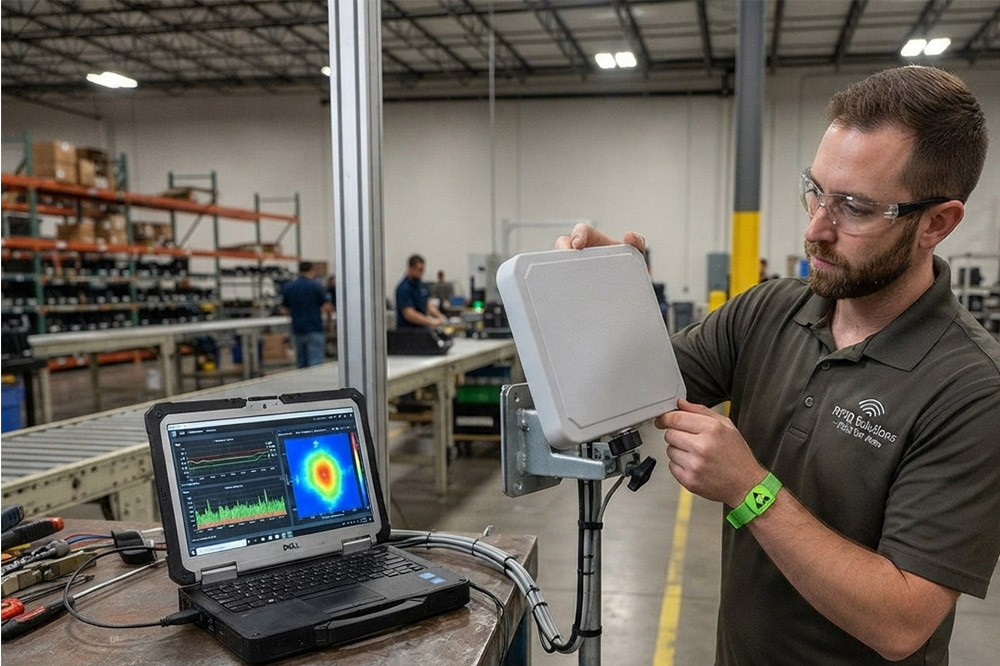
Warehouse RFID systems usually focus on speed and coverage.
Typical installation locations include:
For RFID gate applications, antennas are usually installed on both sides of the passage.
The goal is to create a controlled reading zone.
If the antennas are too far apart:
If they are too close:
The exact distance depends on:
Testing the actual environment is usually necessary.
The antenna angle is one of the easiest factors to ignore.
Antenna orientation affects how RF energy spreads.
For example:
A circular polarized antenna is more tolerant of changing tag directions.
A linear polarized antenna requires better alignment between antenna and tag.
Imagine a production line where every product passes in the same direction.
A fixed antenna angle may work perfectly.
But in a warehouse where workers place items randomly, the same setup may cause missed reads.
Metal environments require extra attention.
Factories, workshops, and warehouses often contain:
Metal can reflect RF signals and change the reading pattern.
An antenna installed too close to a metal surface may behave differently from laboratory testing.
Possible solutions include:
For example:
A factory tracking metal components may need several installation tests before final deployment.
The first position is not always the best position.
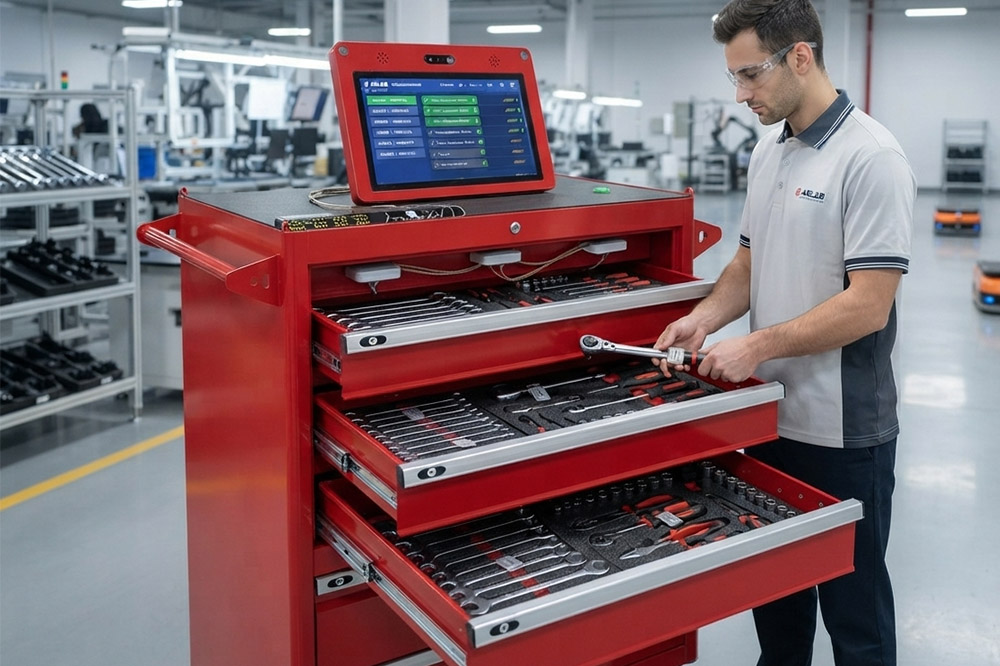
Smart cabinets are a good example of controlled RFID environments.
The goal is not long distance.
The goal is accuracy.
A tool management cabinet needs to answer:
“Which tool is inside?”
Not:
“Which tools are nearby?”
Because of this, antenna placement inside the cabinet is critical.
Common considerations:
A well-designed antenna layout can reduce false reads and improve inventory accuracy.
Multiple antennas placed too close may create overlapping RF fields.
This can cause:
The cable between reader and antenna affects signal performance.
Long cables may create signal loss.
Large projects should consider:
An empty warehouse or factory floor does not represent real operation.
After products, workers, and equipment are added, RF conditions may change.
Testing should include real working conditions whenever possible.
Before installation, define:
Where should tags be detected?
Where should tags not be detected?
This helps determine antenna direction and position.
Different tags behave differently.
A test using the actual RFID tag model provides more useful information.
Sometimes customers replace antennas too quickly.
A small adjustment in:
may solve the problem without changing equipment.
For distributors and RFID solution providers, a supplier should provide more than antenna products.
Useful support includes:
A good supplier understands that RFID performance depends on the entire system.
The antenna, reader, tag, and environment all work together.
Before starting a project, check:
✓ Application environment
✓ Required reading area
✓ Tag direction
✓ Metal interference
✓ Antenna height
✓ Antenna angle
✓ Cable length
✓ Real-world testing
These small details often determine whether an RFID system performs reliably after deployment.
The best position depends on the application. Warehouse gates, production lines, and cabinets require different installation methods.
Yes, but the antenna type, tag selection, and installation position need to be carefully considered.
Yes. Antenna direction can affect signal coverage and reading reliability.
For large projects, testing samples in the actual environment is highly recommended.
A successful RFID system is not only about choosing the right hardware.
Correct antenna installation can improve reading accuracy, reduce troubleshooting time, and make future expansion easier.
For RFID distributors, system integrators, and OEM equipment manufacturers, we provide RFID antenna solutions, technical support, customization services, and bulk supply.
Contact us to discuss your RFID project requirements.
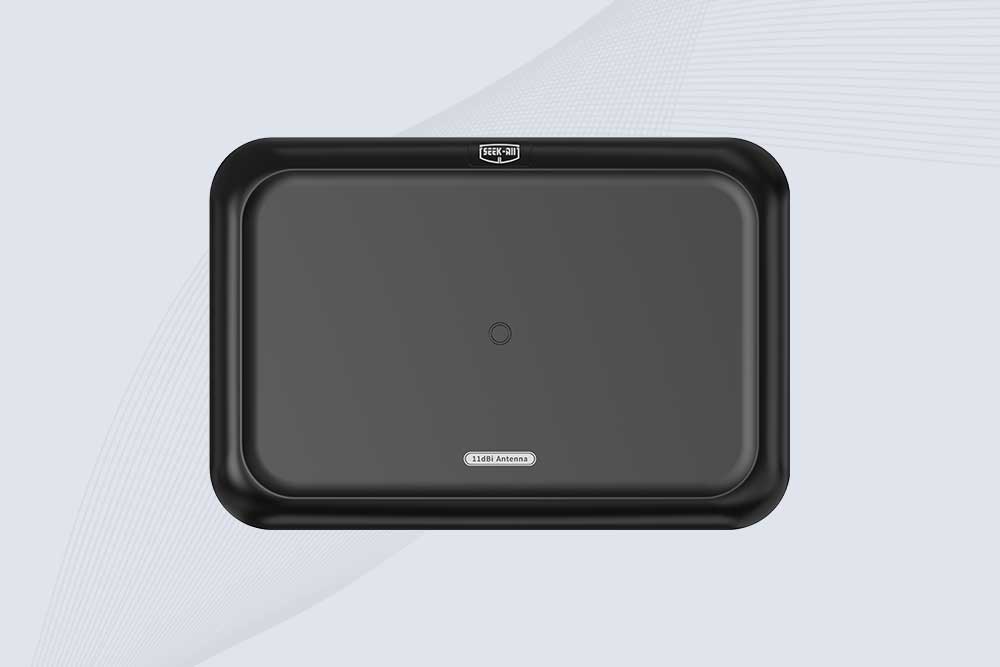
SSD-A11 UHF RFID antenna features 840–960 MHz adjustable frequency, ≥10.5 dBi gain, circular polarization and 50Ω impedance for fixed RFID systems.
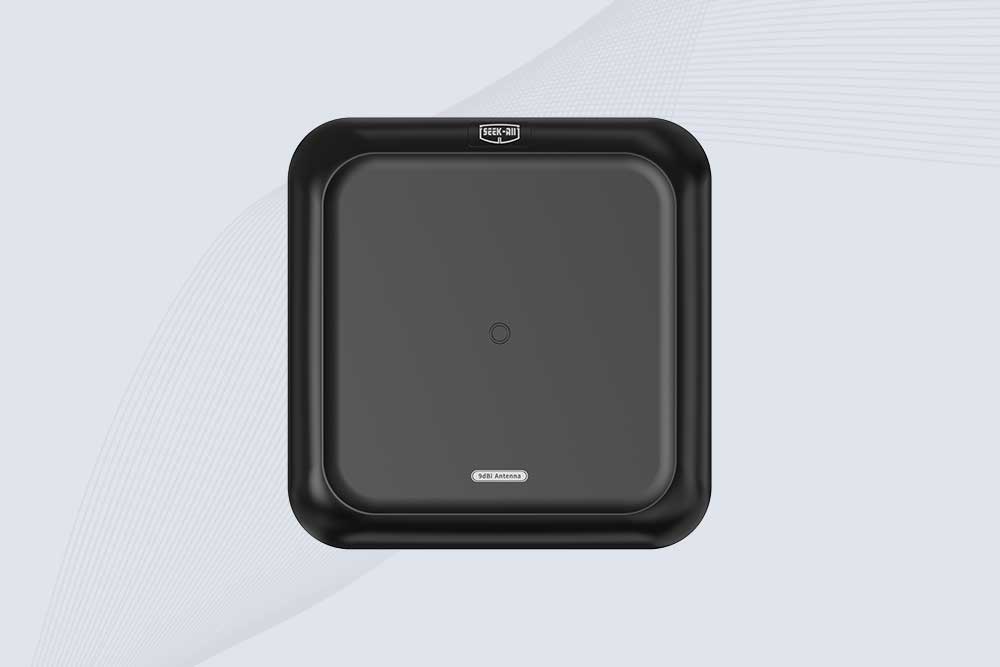
SSD-A09 is a 9 dBi UHF RFID antenna with 840–960 MHz adjustable frequency, circular polarization, 50Ω impedance and directional 60° × 60° coverage.
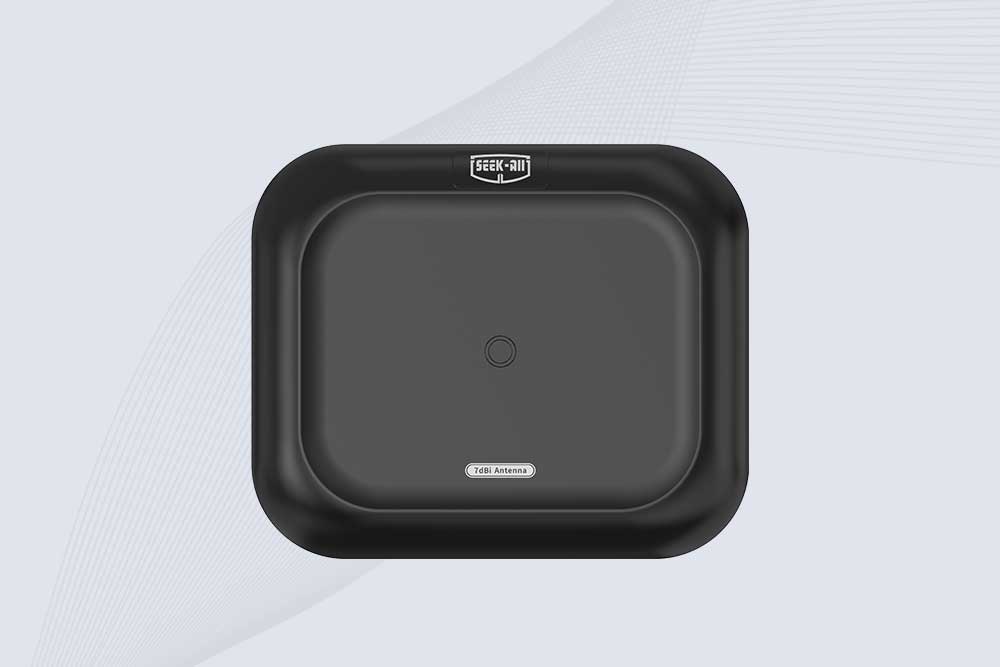
Explore the SSD-A07 UHF RFID antenna with 7 dBi gain, circular polarization, adjustable 840–960 MHz frequency, and 60°/75° beamwidth for stable RFID read/write performance.

SSD-A06 UHF RFID antenna with circular polarization, adjustable 840–960 MHz frequency, ≥4.5 dBi gain, and a compact directional design for RFID systems.
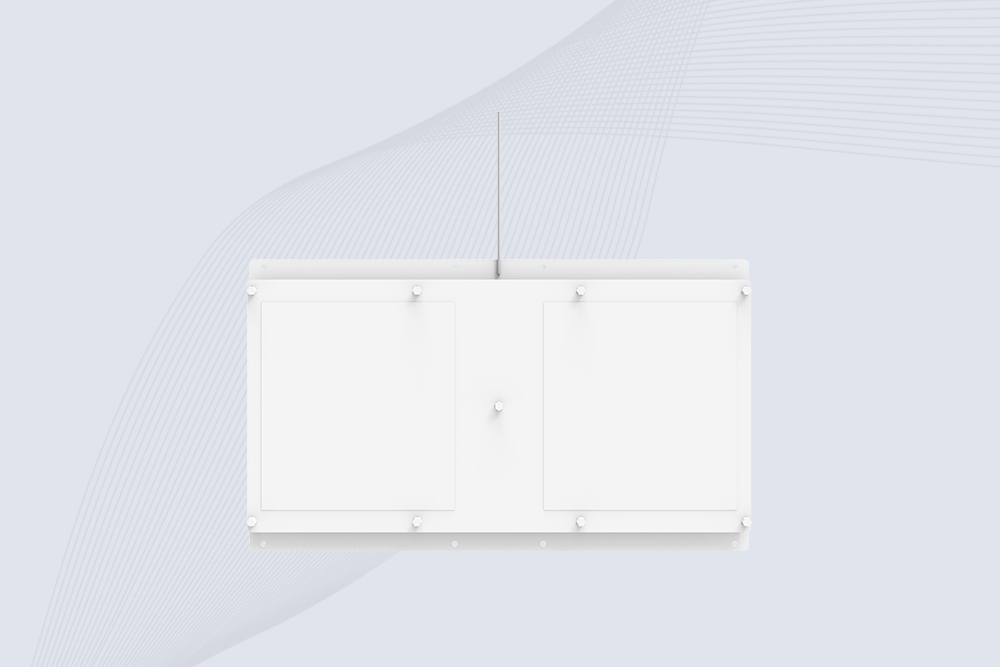
Cykeo CYKEO-A11 UHF RFID reader antenna delivers 11dBi gain, 840-960MHz frequency range, and IP65 ruggedness for retail, logistics, and industrial RFID systems. Features low VSWR and easy installation.

CYKEO Antenna RFID Reader delivers stable long-range UHF performance with a 10.5dBi directional design, built for warehouses, conveyor portals, and industrial RFID systems. This rfid reader antenna provides 20m+ read distance and rugged IP67 protection.

Cykeo CYKEO-PHF3 industrial HF RFID Antenna offers 24-point dynamic tracking, ISO 14443A/15693 protocols, metal-environment stability for archives/libraries/manufacturing.

Cykeo CYKEO-A5B industrial Linear RFID Antenna delivers 5dBi gain, ≤1.5:1 VSWR, and IP65 rugged design for warehouse, production line, and logistics UHF systems.

Cykeo’s CYKEO-B12 Long Range RFID Antenna delivers 15m+ read range with 12dBi gain, IP65 rugged design, and global 840-960MHz UHF support. Ideal for warehouse/logistics asset tracking.
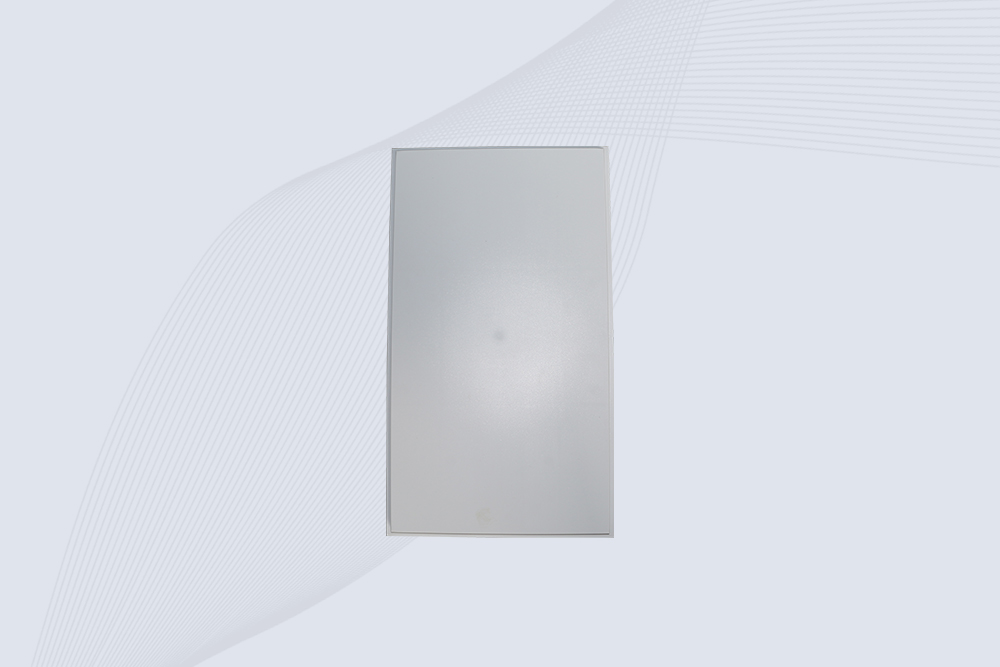
Cykeo CYKEO-B10 Long Distance RFID Antenna offers 10dBi gain, 840-960MHz frequency range, IP65 rating, and 20m+ coverage for logistics/warehousing/ETC systems. Low VSWR ensures stable signal transmission.
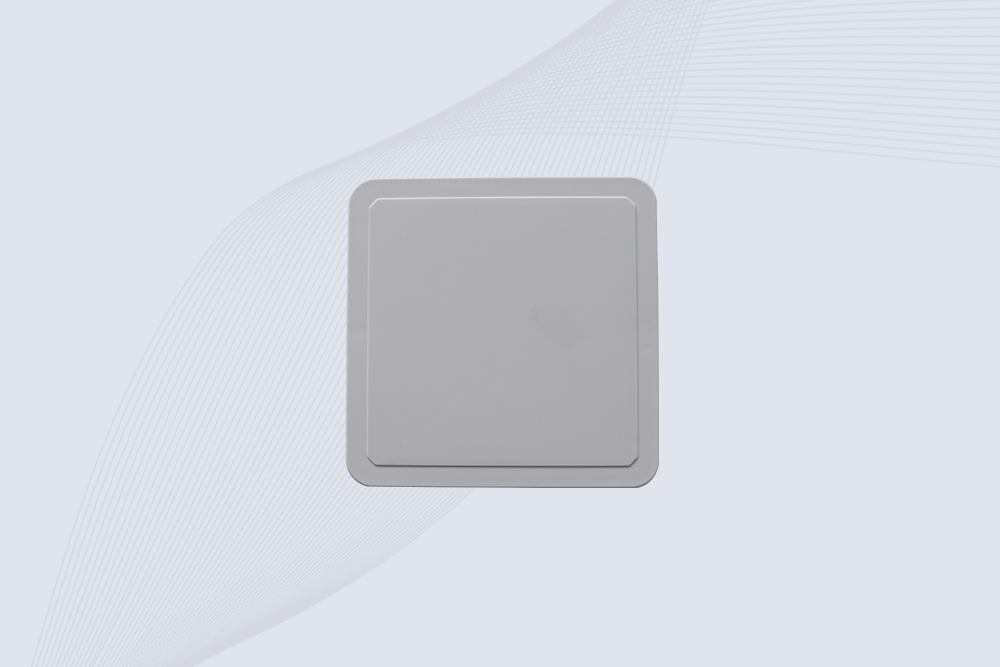
Cykeo CYKEO-A6 UHF RFID panel antenna features 6dBi gain, 840-960MHz broadband, IP65 metal-ready housing for logistics/smart retail. 18mm ultra-thin design with tool-free mounting.

Cykeo CK-A3 industrial antenna RFID UHF offers 5m+ tag detection, ≤1.3:1 VSWR, IP65 rugged design, and global UHF spectrum compatibility (840-960MHz) for warehouses, factories, and retail.
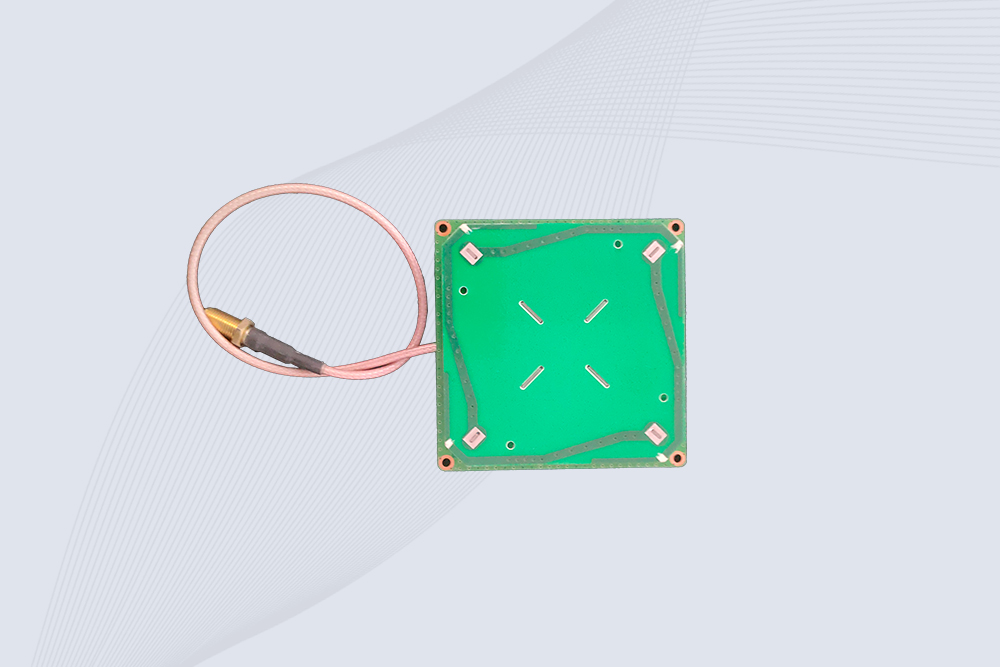
Cykeo CYKEO-B5 directional RFID antenna provides 5dBi gain with 60° narrow beamwidth for precise inventory tracking. IP65-rated, global UHF frequency support, and low VSWR.
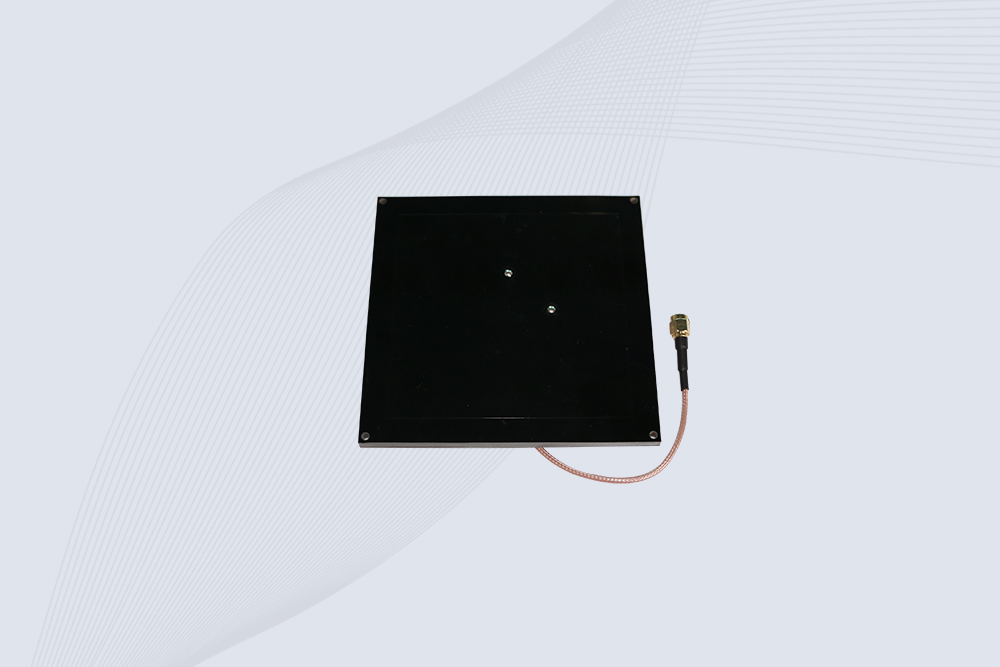
Create your own high-performance DIY RFID antenna! 5dBi gain, 840-960MHz tunable, step-by-step guides. Compatible with Arduino, Raspberry Pi, and commercial UHF readers.
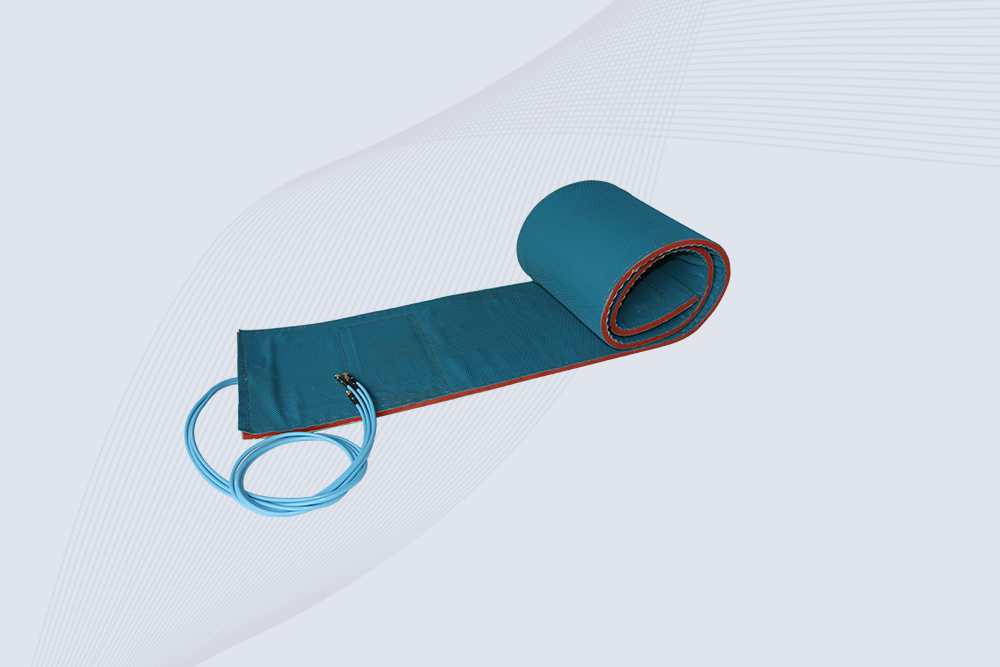
Cykeo CYKEO-A7 Flexible RFID Antenna features 840-960MHz wideband tuning, 7dBi gain, and IP68 rating for medical/retail/industrial curved surface deployments. 98% read accuracy with peel-and-stick installation.

Cykeo CYKEO-B5A industrial Passive RFID Antenna delivers 5dBi gain, 70° beamwidth, and -40°C~55°C operation for warehouses/smart cabinets. Compatible with Zebra/Impinj readers.
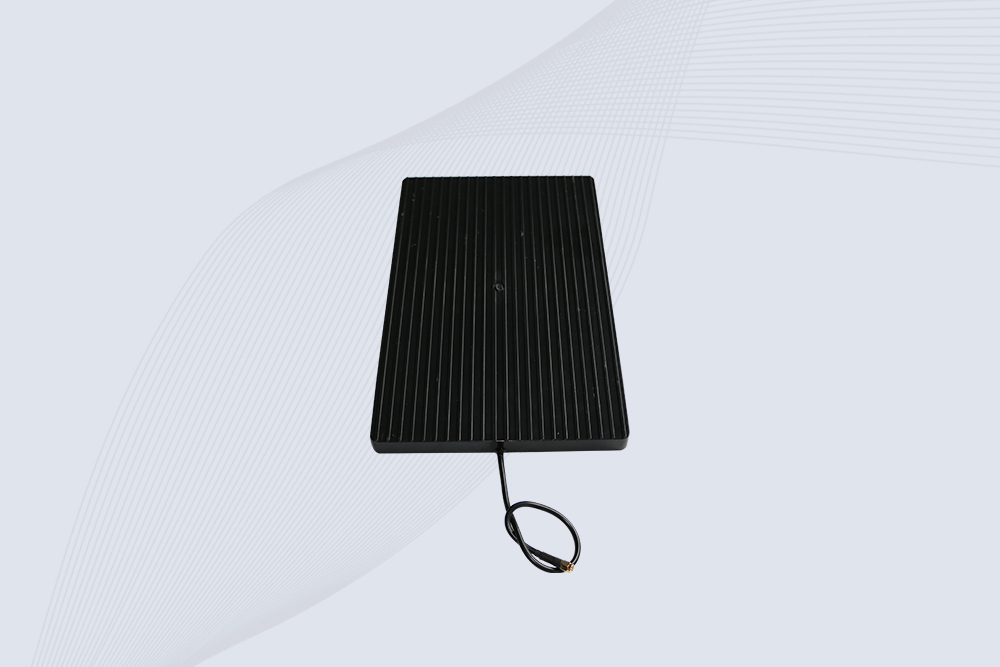
Cykeo’s CYKEO-A9B High Gain RFID Antenna delivers 15m+ read range with 9dBi amplification. Features IP54 rugged design, 840-960MHz bandwidth, and 80° beamwidth for warehouse/manufacturing RFID systems.

Cykeo’s enterprise-grade 8dbi Impinj RFID Antenna 10m+ read range with 840-960MHz tuning. Features IP65 housing, 1.4 VSWR, 35° beamwidth for retail/warehouse RFID systems.
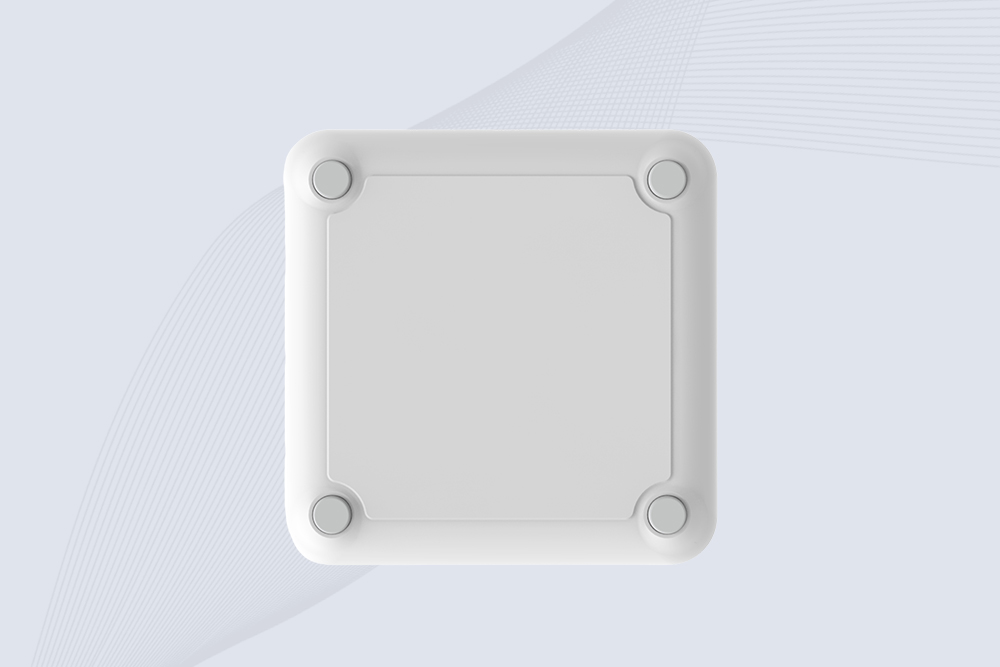
Cykeo CYKEO-A9 industrial UHF RFID antenna delivers 9dBi gain, 840-960MHz frequency range, and IP65 protection for warehouse/logistics/retail RFID systems. Features N-type connector and ≤1.3:1 VSWR.
CYKEO UHF RFID Antenna built for long-distance and industrial applications. This antenna rfid uhf delivers strong gain, outdoor durability, and reliable tag performance in warehouses, yards, and vehicle ID systems.
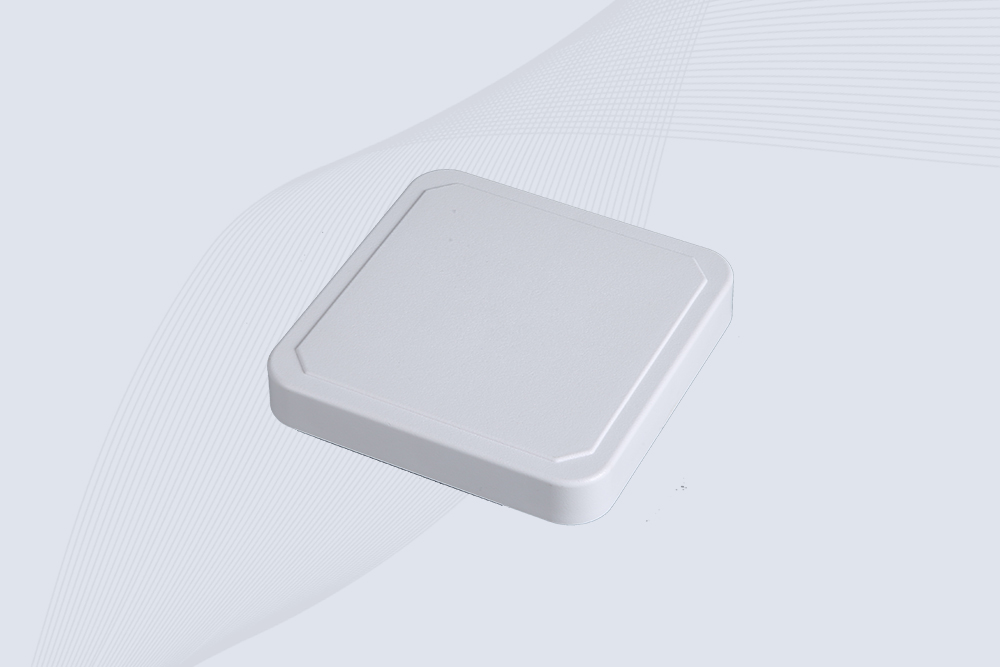
CYKEO Antenna RFID delivers reliable long-range UHF performance in warehouses, retail shelves, and cold-chain environments. This compact uhf rfid antenna provides stable reads with circular polarization and ultra-wide 840–960 MHz support, ideal for industrial tracking, smart shelves, and asset monitoring.
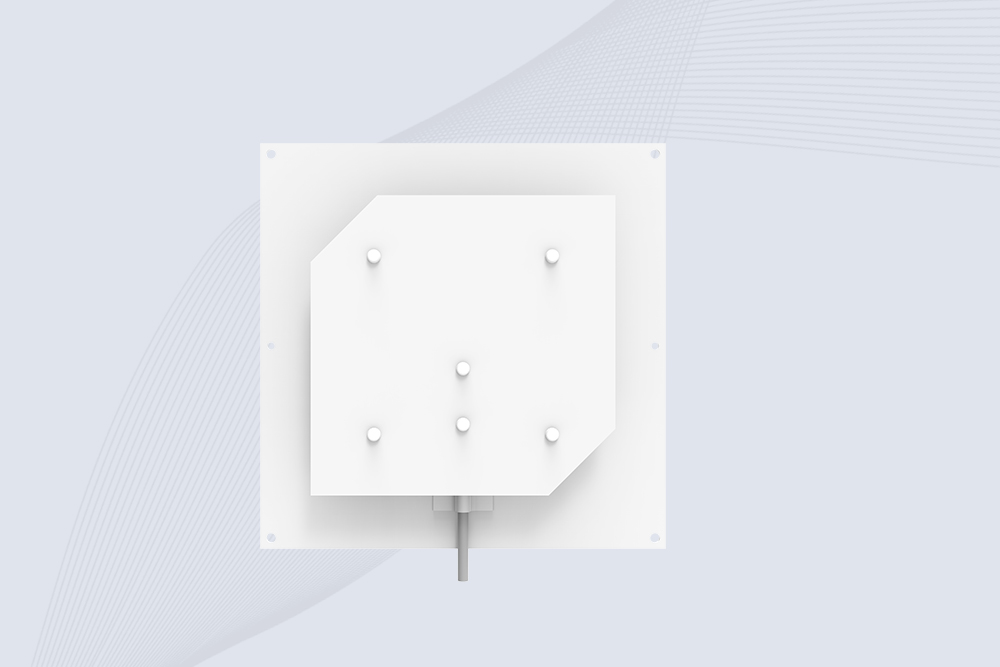
Cykeo’s CYKEO-C8 UHF RFID antennas delivers 8dBi gain, 840-960MHz full-band coverage, and IP65 ruggedness for manufacturing/warehouse RFID systems. Industrial RFID Antennas Features
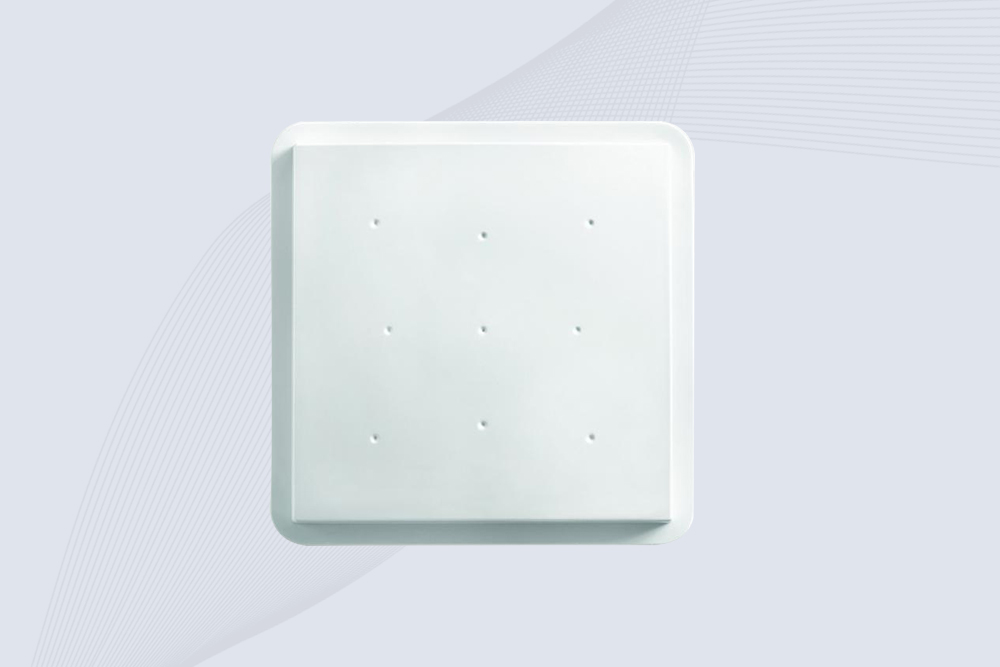
Cykeo’s 8dBi UHF RFID antenna and reader kit delivers 10m+ range, 840-960MHz broadband, and IP65 ruggedness for factories, warehouses, and logistics. ISO 18000-6C & EPC Gen2 certified.
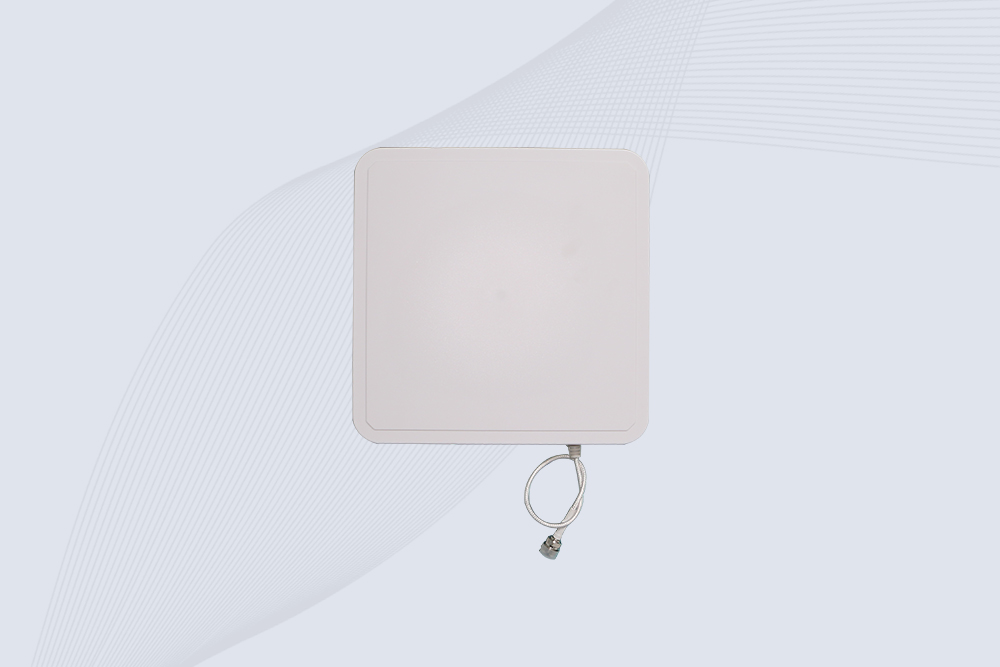
Cykeo CYKEO-A9A industrial UHF RFID reader and antenna kit delivers 10m range, 500 tags/sec, IP65 ruggedness for manufacturing/logistics. Supports EPC Gen2, ISO18000-6C.
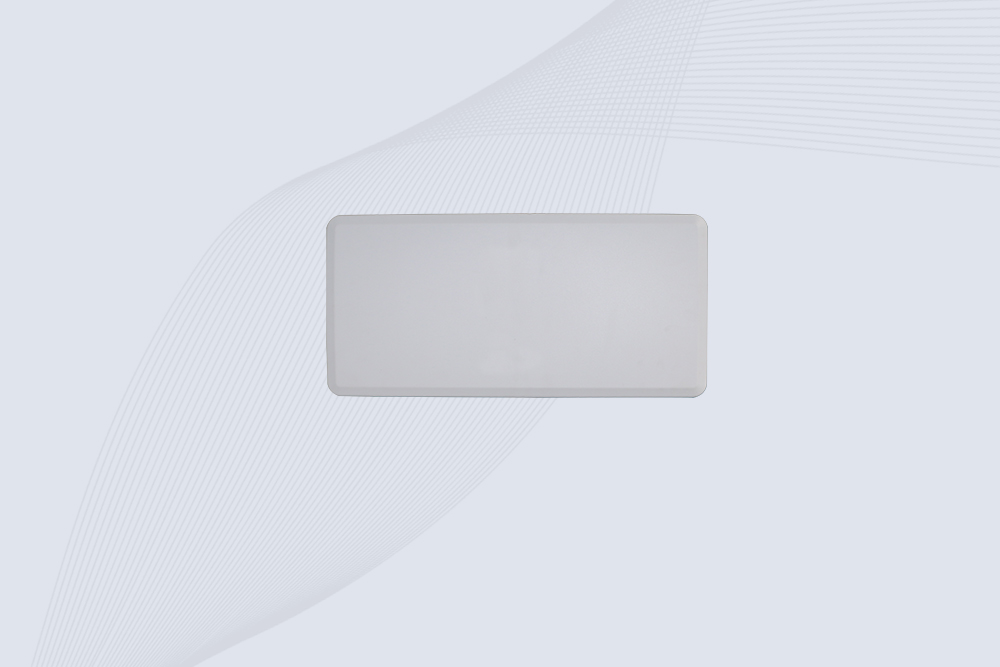
Cykeo’s CYKEO-A12C UHF Large RFID Antenna delivers 12dBi gain, 840-960MHz global frequency, IP65 ruggedness for logistics/warehousing/automotive. 40° beamwidth ensures stable 15m+ tag reads.

CYKEO Near Field RFID Antenna provides precise 5–30 cm reading for shelves, cabinets, and workstations. This compact rfid shelf antenna delivers stable short-range performance around metal and clutter, ideal for pharmacies, libraries, and electronics sorting.
RFID Industry Writer | IoT & Asset Tracking Analyst
James writes about RFID technology, asset tracking, and the practical challenges of digital transformation across warehousing, retail, manufacturing, and logistics.
His work focuses on how RFID is applied in real-world operations—improving inventory visibility, automating workflows, and helping businesses manage assets with greater accuracy and efficiency.
He regularly covers topics including UHF RFID, smart cabinets, RFID portals, tool tracking, warehouse automation, and industrial IoT trends..

radio frequency tracking improves asset visibility, warehouse accuracy, and inventory speed with UHF RFID technology. Explore Cykeo industrial RFID solutions.
More
Explore how rfid security systems improve inventory protection, warehouse visibility, and automated UHF tracking with real-time alerts by Cykeo.
More
Cykeo UHF RFID Solution Helps Warehouse Management Boost Efficiency
More
What does NFC tag detected mean on your phone? Learn how NFC tags work, why your device detects them, and how RFID tags are used for access control, inventory, and industrial tracking.
More