 Cykeo RFID IoT Solution Products R&D Manufacturer
What Is UHF RFID: Understanding Ultra High Frequency RFID Technology
139What is UHF RFID? Learn how ultra-high frequency RFID technology works, its advantages, applications, and how Cykeo RFID solutions improve industrial tracking.
MoreAll RFID Product
When people first hear RFID access management, most think of the badge hanging on their chest at the office—swipe it, and the door opens. Sounds easy, right? But anyone who’s actually implemented this in a workplace knows it’s far from straightforward.
RFID access management isn’t just about a door; it’s an entire organizational security logic. The system has to answer: Who gets in? Who stays out? What can they do once inside? And this isn’t just a technical issue—it also intertwines with human habits, company culture, budget constraints, and even psychological expectations.
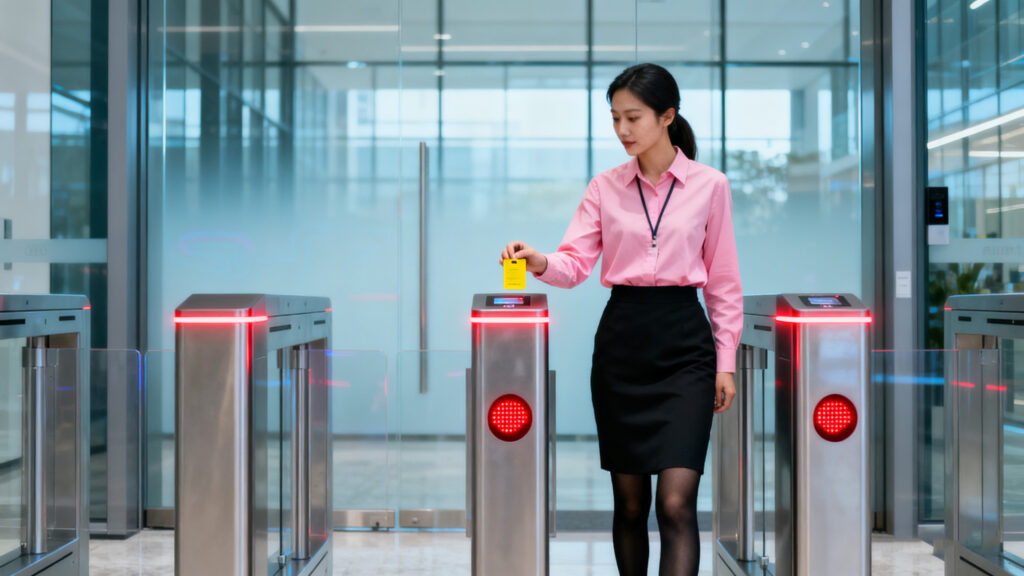
In simple terms, a system has three parts:
It sounds clear-cut, but in practice, it’s often messy. For instance, in a warehouse with metal racks, the signals can reflect and interfere; in hospitals, with gurneys and medical carts passing through, the read distance must be carefully tuned—too far or too close, and the system misbehaves.
In office buildings, RFID access management is most common. Companies often use it to replace keys and track attendance.
But here’s the contradiction:
The result? Both sides are somewhat dissatisfied. One client initially deployed “card + password” dual authentication, but employees complained about long entry lines. Eventually, they downgraded to “card-only.” This is a classic tug-of-war between human convenience and security.
Warehouses and factories are notoriously difficult. Metal shelves, pallets, forklifts—all interfere with RFID signals.
Common problems include:
Many warehouses solve this by adding multiple readers and cross-checking logs. In other words, perfection isn’t expected—human oversight supplements the system.
Hospitals use RFID access management differently. They need to protect labs, drug storage, and patient privacy simultaneously.

For example:
So in hospitals, the design has to balance privacy, security, and operational efficiency carefully.
Schools often deploy RFID systems for campus safety. Some institutions also use them as an educational tool.
Examples:
Sounds efficient, but privacy concerns arise. Some students feel overly monitored, demonstrating the tension between technological convenience and personal comfort.
A commonly overlooked aspect: RFID access management systems not only control doors but also generate data. Every swipe leaves a trace, forming a complete behavior map.
In some countries, legal requirements include:
Failing to comply can transform a technical problem into a legal liability.
In short, RFID access management is a “70% technology, 30% human” endeavor.
I often tell clients: installing the system isn’t a one-time fix; it’s a long-term project requiring maintenance, adjustment, and attention to human factors.
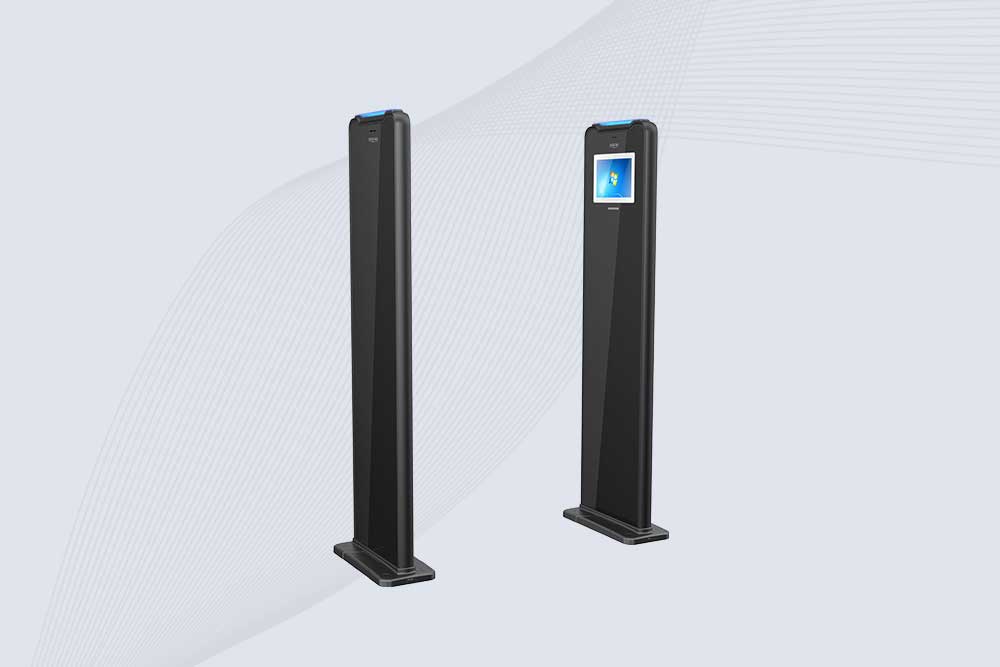
SSD-T4A-P Smart access control with real-time crowd tracking ✔️ AI Tag Filtering for Reduced Misreads SSD-T4A-P supports AI-based tag filtering and up to 6 EPC filtering sets, helping reduce unwanted reads and improve identification accuracy in busy entrances, exits, and retail environments. ✔️ Fast In & Out Detection with Visual & Audio…
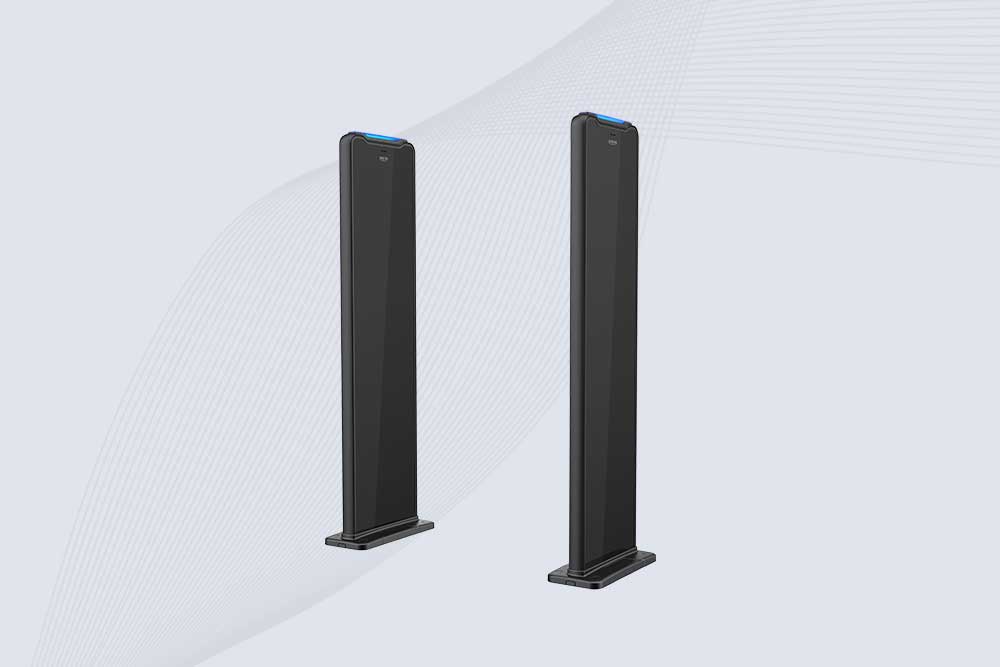
SSD-T4A UHF RFID Gate Reader with 11 dBi antenna, up to 10 m reading distance, AI tag filtering, in/out detection, 300,000 data storage, and TCP/HTTP/MQTT support.
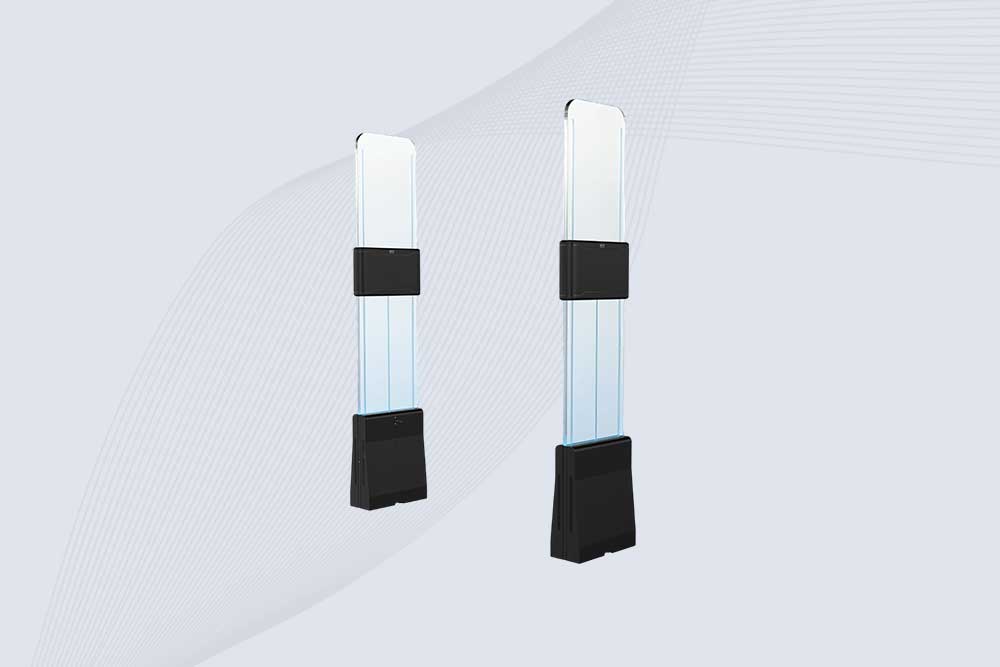
SSD-T2D UHF RFID Gate Reader with 11dBi circular antenna, Impinj E710/X3M1 chipset, up to 10m reading distance, AI tag filtering, in/out detection, and audio-visual alarms.
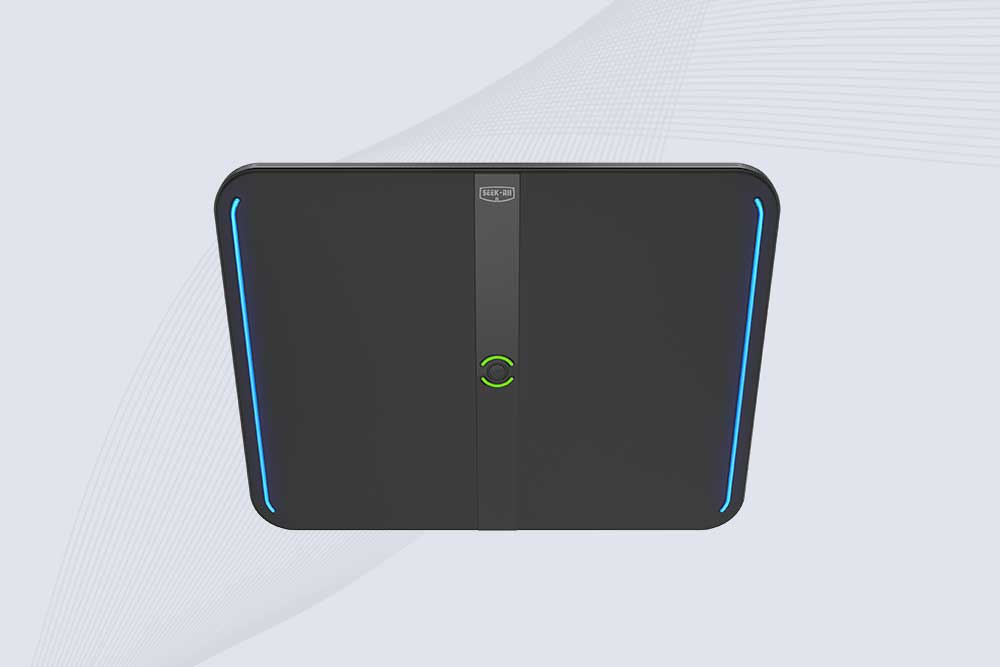
SSD-T1 ✔️ AI-Powered Tag Filtering SSD-T1 supports AI-based tag filtering with up to 6 EPC filtering sets, helping reduce unwanted tag reads and improve identification accuracy in busy retail and access-control environments. ✔️ Reliable In & Out Detection With a 7dBi antenna and a reading range of up to 2.5 meters, SSD-T1 can detect tagged i…
What is UHF RFID? Learn how ultra-high frequency RFID technology works, its advantages, applications, and how Cykeo RFID solutions improve industrial tracking.
More
what is a rfid system? Learn how RFID technology connects tags, readers, and software to improve tracking accuracy, automation, and business efficiency with Cykeo.
More
what is rfid tracking system? Learn how RFID readers, tags, software, and data events work together to identify assets, improve inventory visibility, and support real-time operations.
More
What is RFID and how does it work? Explore RFID technology, working principles, applications, and smart tracking solutions for modern industries.
More