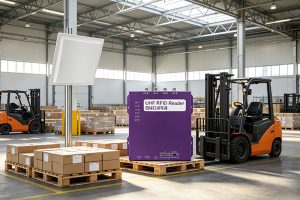
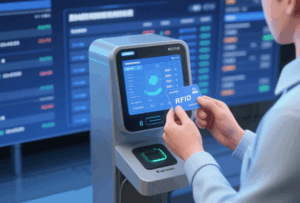
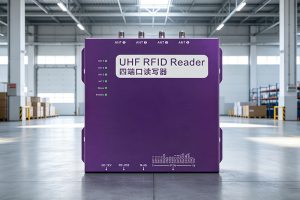
what is a rfid system is a technology platform that uses RFID tags, readers, antennas, and software to identify, track, and manage objects wirelessly. It enables automatic data collection without direct contact or manual scanning.
Understanding the Foundation of an RFID System
When companies ask me what is a rfid system, I usually explain it from a deployment perspective rather than only a technical definition.
An RFID system is not a single device. It is a complete identification ecosystem built around communication between physical objects and digital platforms.
During RFID implementation projects for warehouses, retail stores, medical supply rooms, and industrial equipment management, I have found that many companies initially focus on the reader specification. However, the reader is only one part of the system.
A practical RFID system normally includes:
RFID tags attached to physical assets
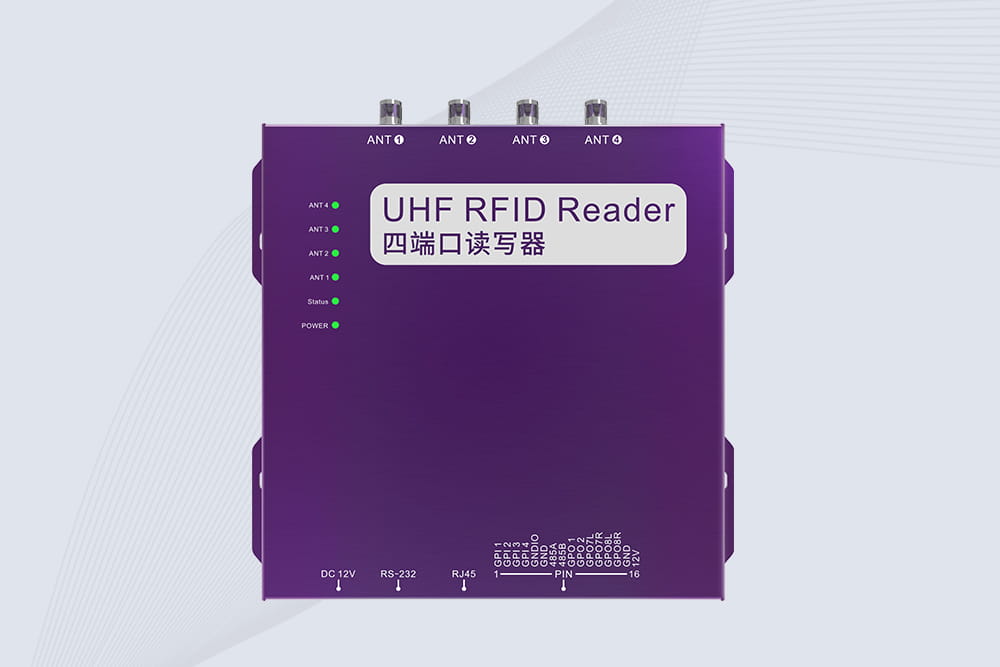
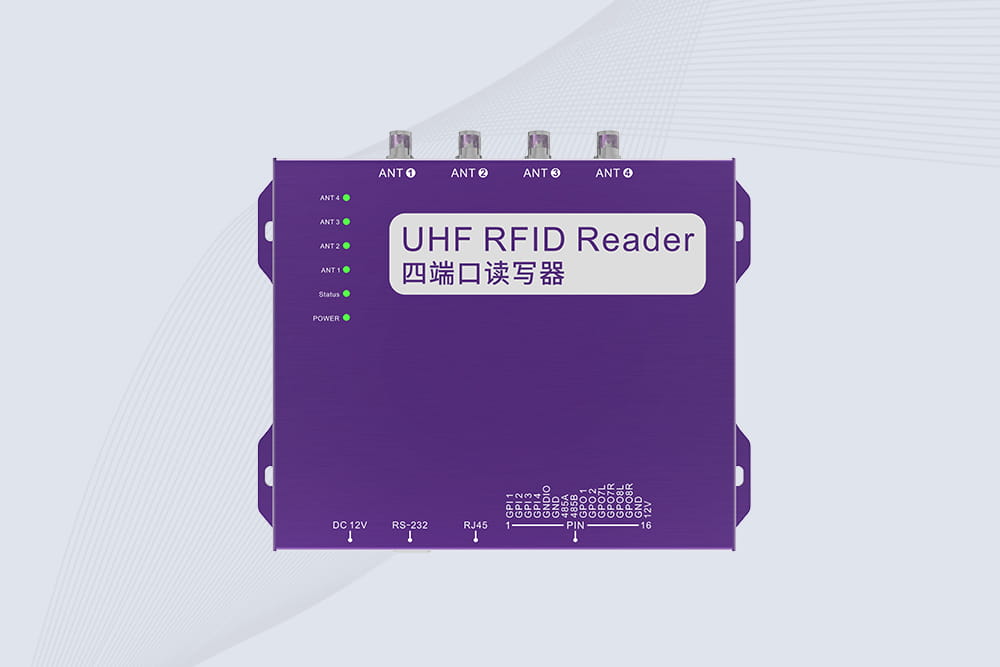
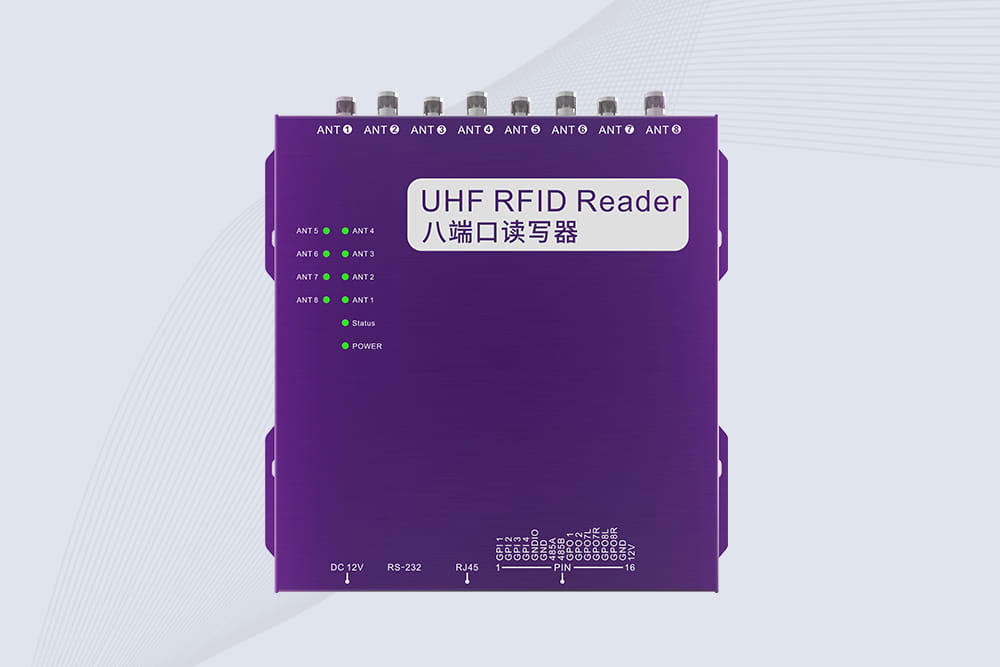
RFID readers that capture tag information
Antennas controlling communication range
Software platforms processing collected data
Databases connecting business operations
The real value appears when these components work together.
A warehouse does not simply need to “read tags.” It needs to know:
Which item entered the warehouse
Where the item is located
When it moved
Who handled it
Whether inventory information is accurate
That is where an RFID system becomes a business tool rather than only an identification technology.
How an RFID System Works
RFID Communication Process
An RFID system uses radio frequency communication between a reader and a tag.
The basic process includes:
1. RFID Reader Sends Signal
The RFID reader generates a radio frequency field through its antenna.
2. RFID Tag Responds
The RFID tag receives energy from the signal and sends stored identification information back to the reader.
3. Data Processing
The reader transfers collected information to software systems for analysis and decision-making.
4. Business Action
The system updates:
Inventory records
Asset databases
Security systems
Logistics platforms
Retail transactions
Unlike barcode systems, RFID does not require every item to be individually visible during scanning.
This difference creates major advantages in environments where hundreds or thousands of items must be managed.
RFID systems connect physical inventory with real-time digital tracking platforms.
Core Components of an RFID System
RFID Tags
RFID tags are attached to objects and contain electronically stored information.
Common RFID tag types include:
Tag Type
Typical Applications
Passive RFID Tags
Retail products, inventory, logistics
Active RFID Tags
Real-time asset tracking
On-Metal RFID Tags
Industrial equipment and tools
UHF RFID Tags
Long-range identification
The correct tag selection depends on:
Material surface
Reading distance
Environmental conditions
Required durability
A clothing RFID tag and an automotive manufacturing tool tag may use completely different designs.
RFID Readers
The RFID reader is responsible for communicating with tags.
Common reader categories include:
Fixed RFID Readers
Used for:
Warehouse entrances
Production lines
Smart cabinets
Retail gates
Handheld RFID Readers
Used for:
Inventory counting
Asset searching
Field inspection
Desktop RFID Readers
Used for:
Tag encoding
Product registration
Small-scale management
Cykeo RFID systems provide different reader configurations depending on application requirements, including industrial readers, desktop RFID writers, and integrated retail solutions.
RFID Software Platform
The software layer transforms raw tag data into useful business information.
Typical functions include:
Inventory management
Asset tracking
Data reporting
User management
System integration
Without software processing, RFID data remains only a collection of electronic signals.
The complete system creates operational visibility.
RFID System Architecture Explained
A professional RFID deployment usually follows a layered architecture.
Layer 1: Identification Layer
Includes:
RFID tags
EPC codes
Product information
This layer gives physical objects a digital identity.
Layer 2: Communication Layer
Includes:
RFID readers
Antennas
Communication protocols
Common RFID protocols include:
EPC Class 1 Gen 2
ISO 18000-6C
ISO 18000-6B
Layer 3: Data Processing Layer
Responsible for:
Filtering duplicate reads
Managing tag information
Connecting hardware with software
Layer 4: Business Application Layer
Connects RFID information with:
ERP systems
Warehouse management systems
Retail platforms
Manufacturing systems
RFID System vs Barcode System
Feature
RFID System
Barcode System
Reading Method
Radio frequency communication
Optical scanning
Line of Sight
Not required
Required
Multiple Reading
Multiple tags simultaneously
Usually one item
Data Capacity
Higher
Limited
Automation Level
High
Medium
Tracking Capability
Real-time
Basic identification
Barcode technology remains widely used, but RFID provides deeper visibility for companies managing large quantities of physical assets.
Real-World RFID System Deployment Experience
In actual projects, the biggest challenge is rarely the RFID hardware itself.
The difficult part is understanding the environment.
Before deploying an RFID system, engineers normally evaluate:
Product movement path
Installation location
Tag orientation
Reading distance
Software requirements
For example, a warehouse entrance requires different antenna positioning compared with a retail checkout platform.
A common mistake is selecting hardware first and designing the workflow afterward.
Successful RFID projects usually start from operational requirements.
RFID System Applications Across Industries
Retail
RFID systems are used for:
Smart checkout
Inventory accuracy improvement
Loss prevention
Product tracking
Logistics and Warehousing
Applications include:
Automated receiving
Shipment verification
Inventory counting
Healthcare
RFID supports:
Medical equipment tracking
Drug management
Consumable monitoring
Manufacturing
Applications include:
Tool management
Production tracking
Work-in-process identification
RFID Industry Data and Market Validation
According to research from RAIN Alliance, billions of RFID ICs are deployed annually across industries, demonstrating the increasing adoption of RFID-based identification systems.
Industry research from Auburn University RFID Lab has also highlighted RFID’s ability to improve inventory visibility and accuracy in retail environments.
These results show that RFID has moved beyond experimental technology and has become an operational solution for modern enterprises.
Author Experience: Practical RFID System Insight
After years working with RFID hardware integration and industrial identification applications, I have learned that the strongest RFID systems are not always the ones with the highest specifications.
They are the systems that correctly match:
Hardware capability
Environmental conditions
Software requirements
Business workflow
A warehouse with thousands of products, a hospital pharmacy, and a retail checkout counter may all use RFID, but the system design behind each application is completely different.
The answer to what is a rfid system is therefore not only about tags and readers.
It is about creating a reliable connection between physical assets and digital information.
RFID systems connect tagged assets, readers, and enterprise software to create real-time inventory visibility.
Cykeo RFID System Technical Advantages
After years of RFID system deployment in retail, warehouse, healthcare, and industrial environments, we found that the biggest difference between a laboratory RFID demonstration and a production-grade RFID system is not simply reading distance.
It is stability under real operating conditions.
A supermarket checkout platform, for example, must handle products placed randomly by customers, different tag orientations, dense item stacking, and continuous operation throughout the day. A warehouse portal must tolerate forklift movement, metal interference, and hundreds of tags passing through the reading zone.
Cykeo RFID systems are designed around these practical requirements, combining high-performance RFID readers, optimized antennas, intelligent algorithms, and application-level integration.
Cykeo RFID System Architecture: From Tag to Business Data
A complete RFID system is not only an RFID reader. It is a layered architecture that converts physical objects into digital information.
RFID Tag
    ↓
RFID Reader / Integrated Portal
    ↓
RFID Middleware
    ↓
Database / ERP / WMS / POS
    ↓
Business Application
1. RFID Tag Layer
The RFID tag stores product identity information through an electronic chip and antenna structure.
Common tag types include:
RFID Tag Type
Application
UHF RFID Label Tag
Retail products, inventory
Anti-metal RFID Tag
Tools, industrial assets
Medical RFID Tag
Healthcare supplies
RFID Card / Wristband
Access control, identification
The tag communicates through radio frequency signals without requiring direct visual scanning.
2. RFID Reader Layer
The RFID reader is responsible for:
Generating RF energy
Communicating with tags
Receiving tag responses
Filtering duplicate reads
Sending data to software systems
Cykeo RFID readers support industrial-grade applications where continuous operation and stable performance are required.
Typical features include:
High sensitivity RF receiving design
Multi-tag anti-collision algorithms
Adjustable output power
Ethernet / USB / RS232 communication
SDK support for software integration
3. Data Processing Layer
Raw RFID data usually contains repeated reads and unnecessary information.
A professional RFID system needs middleware to process:
Duplicate tag filtering
Read event confirmation
Inventory comparison
Abnormal item detection
Real-time database synchronization
This step determines whether RFID becomes a useful business tool or simply a collection of tag numbers.
RFID System Performance Comparison
Different RFID solutions serve different environments.
In real projects, selecting the correct reader architecture is often more important than selecting the highest specification hardware.
A powerful reader installed in the wrong environment can still produce unreliable results.
RFID vs Barcode vs NFC: Technical Comparison
Feature
RFID
Barcode
NFC
Line of sight required
No
Yes
No
Multiple item reading
Yes
No
Usually No
Reading distance
cm to meters
Short
Few centimeters
Data storage
More flexible
Limited
Moderate
Automation capability
High
Medium
Medium
Best use
Inventory, tracking, automation
Basic identification
Mobile interaction
Barcode remains useful for low-cost applications. However, when businesses require automatic inventory visibility, RFID provides a different operational model.
According to Gartner research, RFID-based inventory management can improve inventory accuracy by up to 25% and improve stock-counting efficiency by 10%–15% in retail environments.
Industry Case Studies: How RFID Systems Create Operational Value
1. Smart Retail Checkout and Inventory Management
Retail stores are one of the most mature RFID application fields.
A typical RFID smart checkout platform integrates:
RFID reading module
Touch display
Payment interface
Product database
Security status update
Customers can place multiple products together, and the system automatically identifies items.
Cykeo RFID retail solutions are suitable for:
Supermarkets
Unmanned stores
Chain stores
Clothing retail
Pharmacy inventory
Retail RFID adoption continues expanding because businesses need accurate inventory visibility across physical and digital channels. Zebra Technologies reported that 58% of warehouse decision-makers planned RFID deployment by 2028 to improve visibility and operational efficiency.
2. Hospital Pharmacy and Medical Supply Management
Hospitals face a unique challenge:
A missing item is not only an inventory problem; it can affect workflow safety.
RFID systems can track:
Medical consumables
Surgical tools
Medication inventory
Laboratory supplies
Typical deployment:
RFID Medical Tag
        ↓
Smart Shelf / RFID Cabinet
        ↓
Inventory Software
        ↓
Hospital Management System
The system provides automatic inventory updates without requiring staff to manually scan every item.
3. Industrial Tool Management
Factories often lose time searching for tools.
RFID enables:
Tool identification
Borrowing records
Return verification
Missing tool alarms
For aviation maintenance, railway maintenance, and power inspection industries, RFID improves traceability of critical assets.
RFID System Deployment Strategy
A successful RFID project usually starts with process analysis rather than hardware purchasing.
Step 1: Define the Business Objective
Common objectives:
Improve inventory accuracy
Reduce manual counting
Automate checkout
Track assets
Improve anti-theft management
Step 2: Select the Correct RFID Frequency
Frequency
Typical Use
LF RFID
Animal identification, special applications
HF RFID
Cards, access control, NFC
UHF RFID
Warehouse, retail, logistics
For inventory applications, UHF RFID is widely adopted because of its longer reading distance and multi-tag capability.
Step 3: Test the Physical Environment
Before installation, evaluate:
Metal surfaces
Liquid products
Tag placement
Reader position
Signal interference
A project installed without environmental testing usually requires later adjustment.
Step 4: Integrate Software
Cykeo provides development support including:
SDK
API interface
C# development resources
Java development resources
This allows RFID hardware to connect with:
ERP systems
WMS systems
POS systems
Hospital management platforms
RFID System Implementation Checklist
Item
Requirement
Tag selection
Match material and environment
Reader selection
Match reading distance
Antenna design
Control coverage area
Software integration
Connect business systems
Testing
Validate real operation
FAQ: RFID System Questions
What is an RFID system?
An RFID system is a technology combination of RFID tags, readers, antennas, and software platforms that identifies and tracks objects automatically using radio frequency communication.
Can RFID read multiple tags at the same time?
Yes. UHF RFID systems are designed for bulk reading and can identify many tagged objects simultaneously without manual scanning.
Is RFID better than barcode?
RFID is not always a replacement for barcode. Barcode is suitable for simple identification, while RFID is better for automated inventory, tracking, and large-scale operations.
How far can RFID systems read tags?
Reading distance depends on frequency, tag design, antenna configuration, and reader power. UHF RFID systems can typically operate from centimeters to several meters.
Does RFID require internet connection?
The RFID reader can collect data locally. Internet or network connection is mainly required for synchronization with enterprise software platforms.
Can RFID work in hospitals?
Yes. RFID is widely used for medical supplies, equipment tracking, pharmacy inventory, and asset management.
Building Smarter Identification with Cykeo RFID Systems
A modern RFID system is not simply a replacement for manual scanning.
It changes how companies understand physical assets.
From retail checkout platforms to industrial tracking systems, the combination of reliable RFID hardware, intelligent software integration, and application-specific design determines long-term success.
Cykeo focuses on developing RFID solutions that connect real-world objects with digital management systems, helping enterprises achieve faster identification, better visibility, and more efficient operations.
A well-designed RFID system turns every tagged object into valuable operational data.
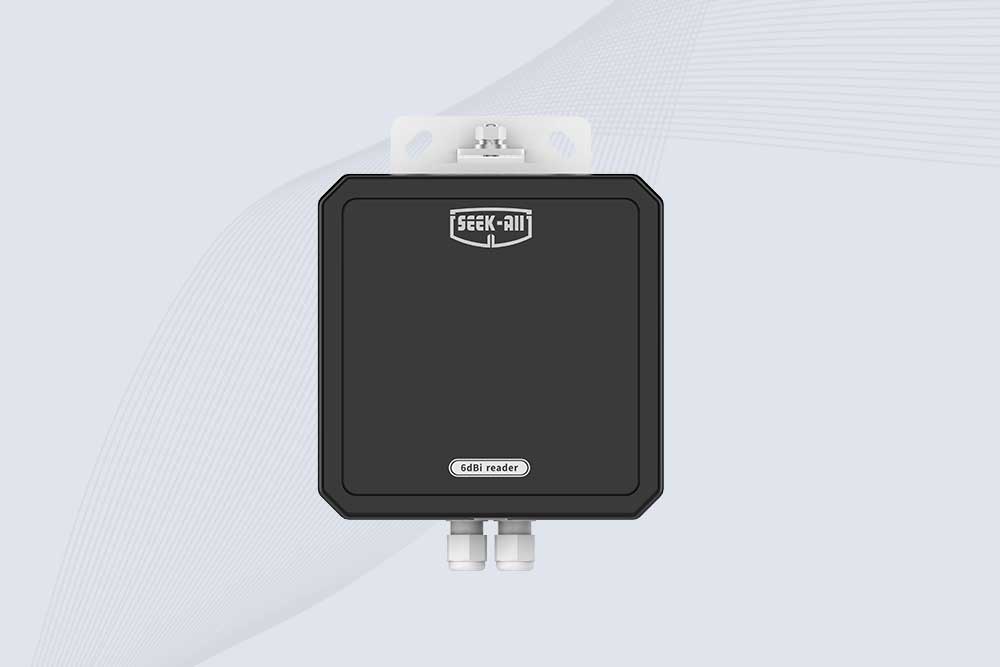
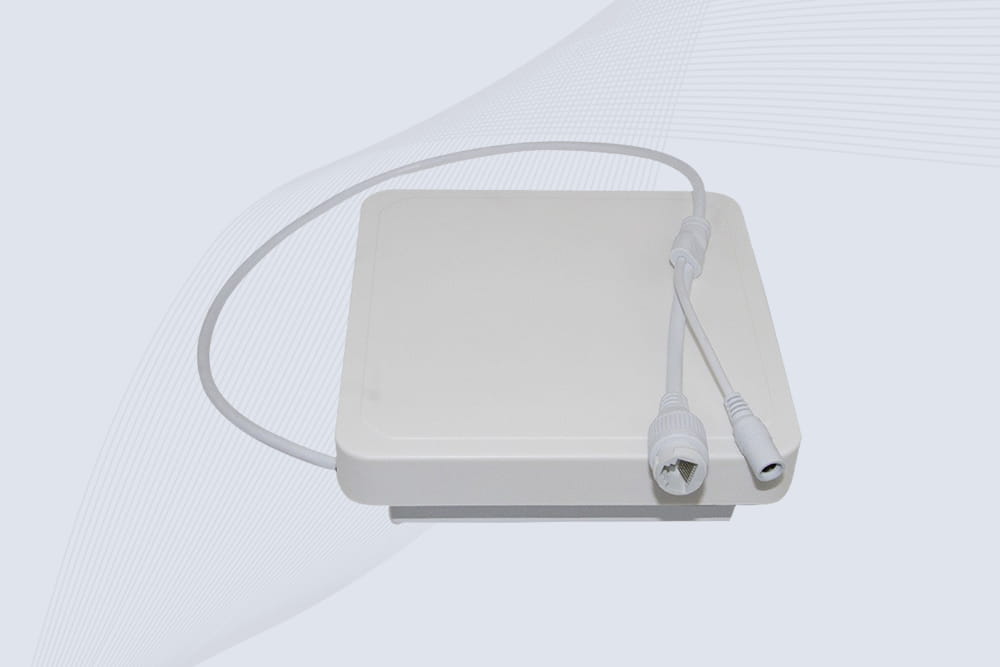
SSD-RA06L is an industrial UHF RFID reader with a built-in 6 dBi antenna, 3 m read range, 600+ tags/s, Ethernet, RS232, and optional Wi-Fi, 4G, and PoE.
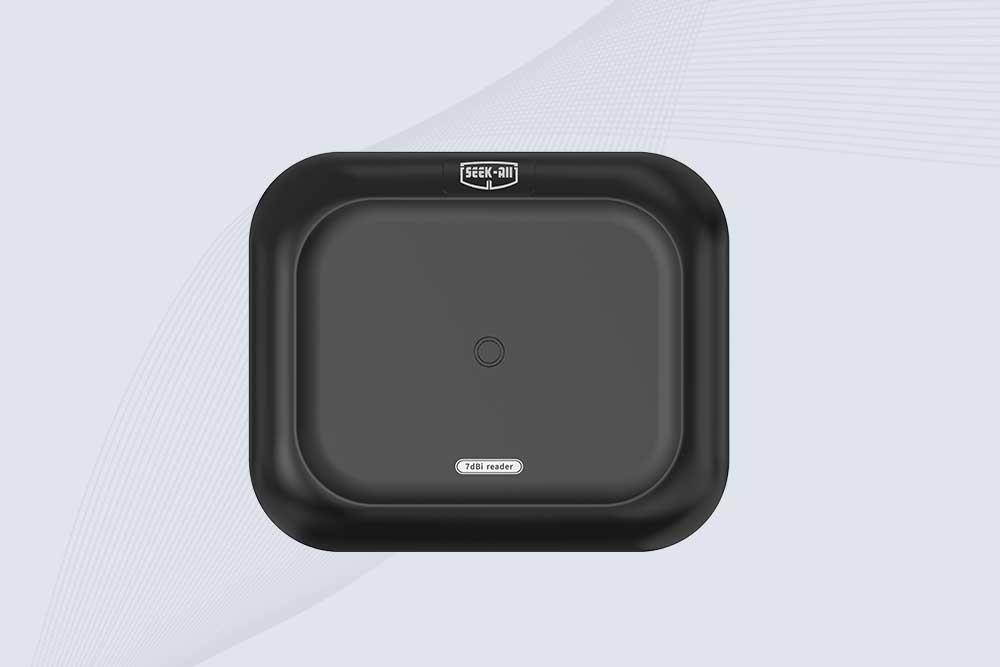
SSD-RA07L industrial UHF RFID reader with integrated 7 dBi antenna, up to 6 m reading distance, over 600 tags/s, Ethernet, RS232, and optional Wi-Fi, 4G, and PoE.
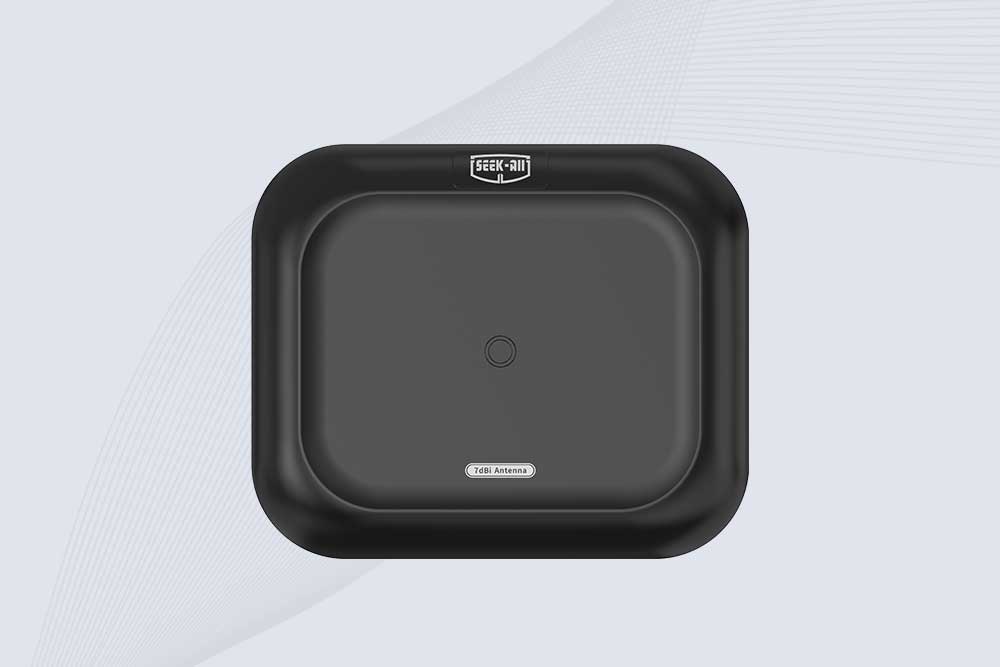
Explore the SSD-A07 UHF RFID antenna with 7 dBi gain, circular polarization, adjustable 840–960 MHz frequency, and 60°/75° beamwidth for stable RFID read/write performance.
SSD-A06 UHF RFID antenna with circular polarization, adjustable 840–960 MHz frequency, ≥4.5 dBi gain, and a compact directional design for RFID systems.
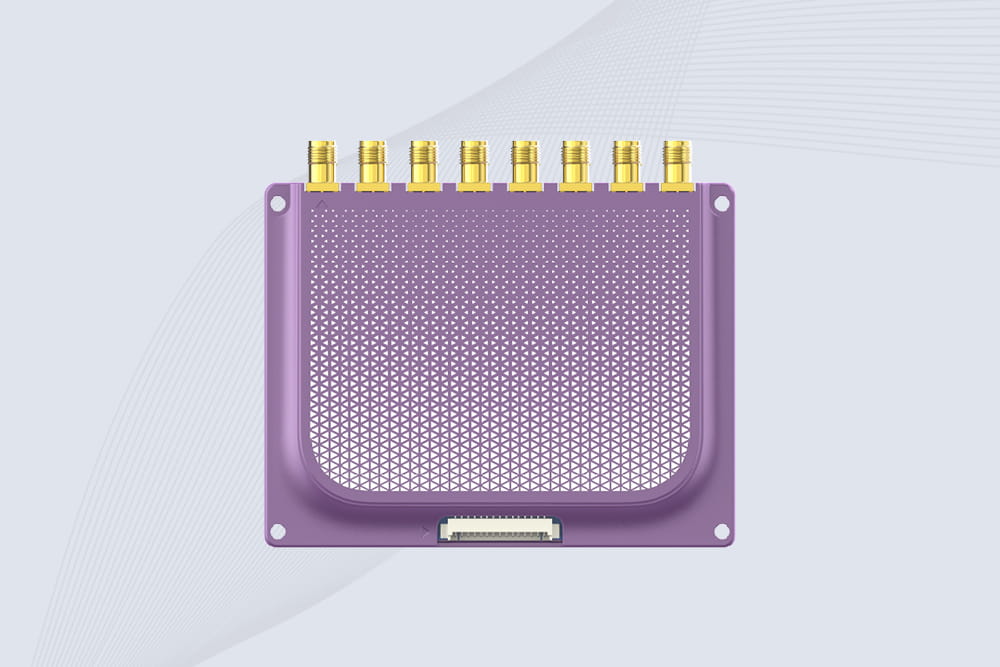
SSD-R16L Multi-Channel RFID Infrastructure for Automated Inventory Management ✔️ 16-Port High-Density RFID Reading Equipped with 16 SMA antenna ports, SSD-R16L supports multi-antenna deployment for warehouses, retail stores, logistics, production lines, and large-area RFID identification. ✔️ High-Speed & Long-Range Performance With up to 33…
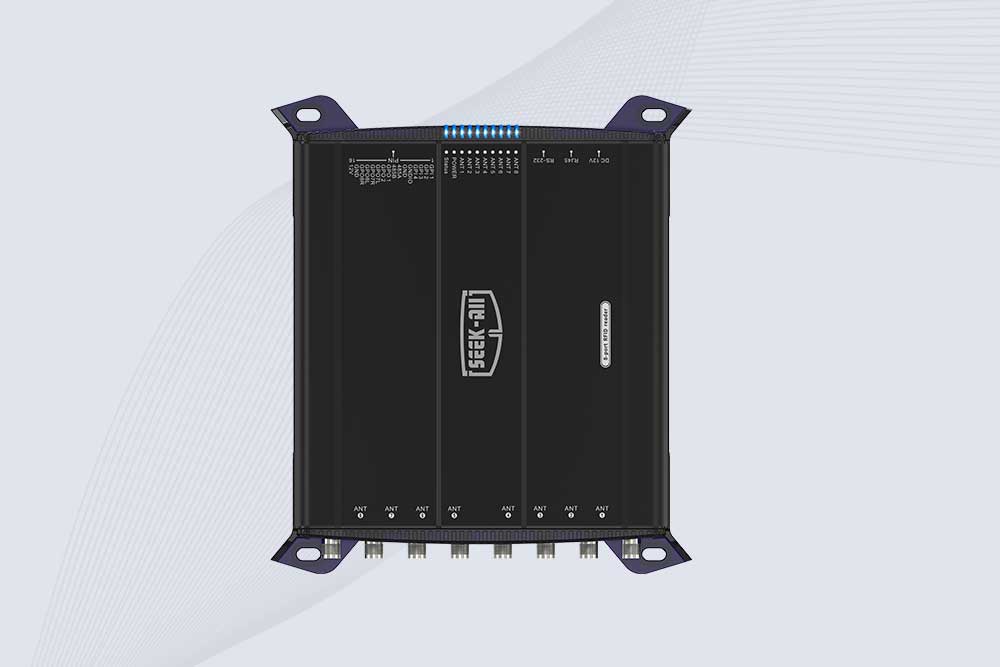
SSD-R8L 8-port UHF RFID reader with 33dBm output, up to 20m reading range and 600+ tags/s recognition. Ideal for warehouse, logistics, retail and asset tracking.
CYKEO Embedded RFID Modules are designed for compact industrial and IoT devices that require stable UHF performance. These UHF RFID Modules support global protocols, flexible power control, and reliable multi-tag reading for smart cabinets, production lines, and asset tracking systems.
CYKEO Embedded RFID Module is built for compact IoT and industrial devices that need stable UHF performance. This UHF module supports global protocols, low power operation, and reliable multi-tag reading for smart lockers, production lines, and always-on RFID systems.
CYKEO CYKEO-M1 drone rfid module is a compact UHF RFID reader module designed for drones and UAV platforms. It supports long-range aerial scanning, fast multi-tag reading, and stable performance in wind, vibration, and outdoor environments.
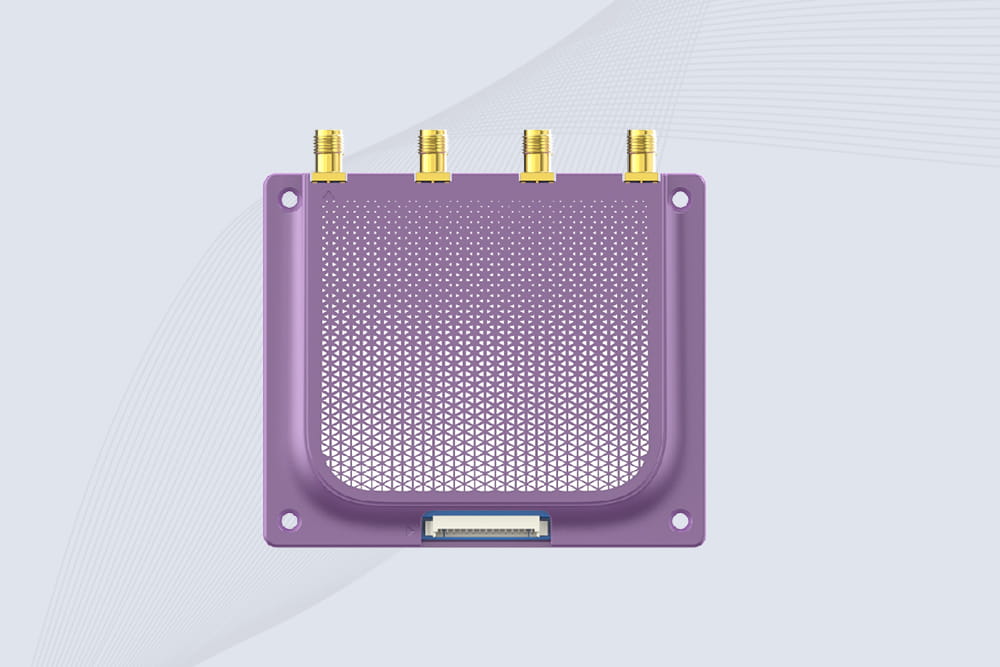
CYKEO CYKEO-M4 RC522 RFID Module is an industrial-grade UHF RFID reader with 4 ports, supporting ISO, EPC, and GB protocols. High-speed, accurate reading for IoT, automation, and warehouse applications.
CYKEO CYKEO-M8 Module RFID is an 8-port UHF R2000 RFID Module designed for high-density, multi-tag environments. Stable 33dBm output, ISO & GB protocol support, ideal for warehouses, factories, and automated systems.
CYKEO CYKEO-M16 RFID Module is a 16-port UHF RFID reader module based on the R2000 chipset. Designed for dense tag environments, it supports ISO and GB standards and delivers stable multi-antenna control for industrial automation.
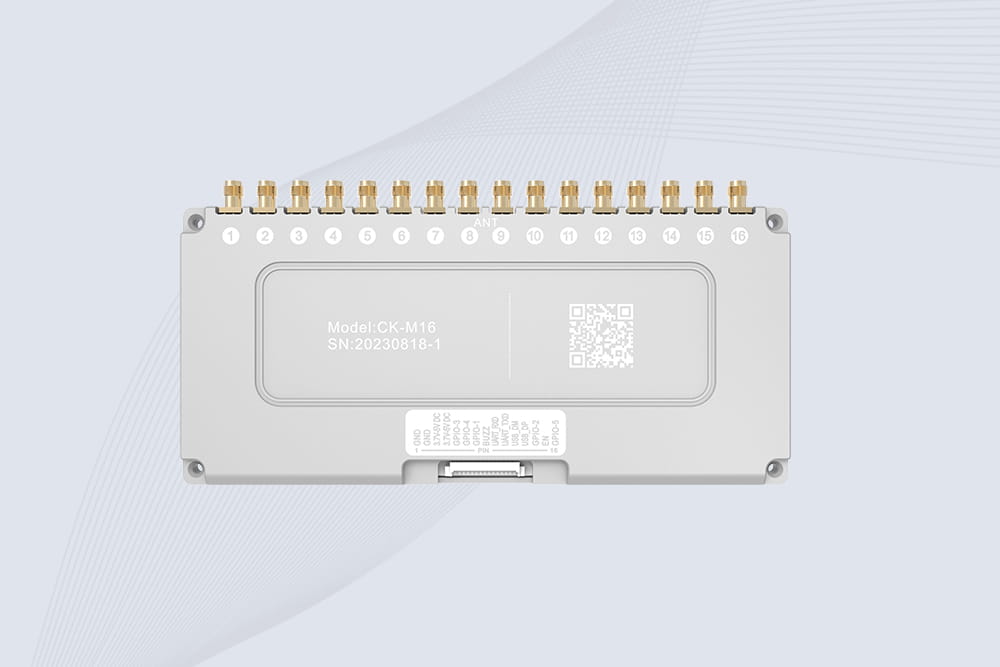
The CYKEO CYKEO-M16L RFID Reader Module is a 16-channel UHF RFID core designed for dense tag environments. With adjustable 33dBm output, multi-protocol support, and stable multi-antenna control, this RFID Tag Reader Module fits industrial automation, warehouse systems, and large-scale IoT deployments.
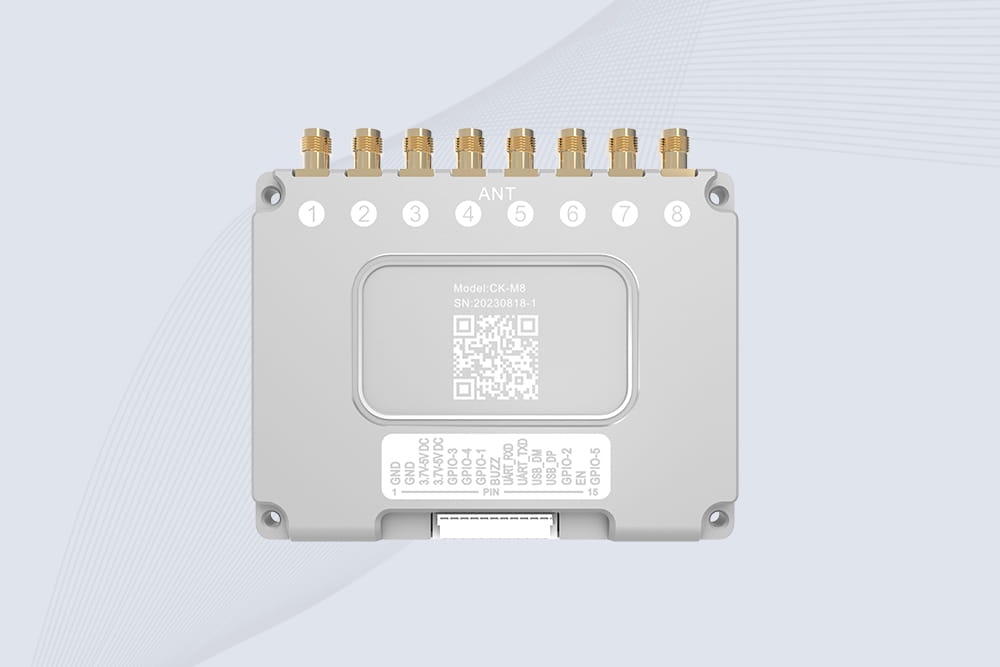
CYKEO CYKEO-M8L module RFID is a compact industrial UHF module built for dense tag and multi-antenna environments. With 8 RF ports, adjustable 33 dBm output, and ISO & GB protocol support, it is widely used in factories, warehouses, and automated tracking systems.
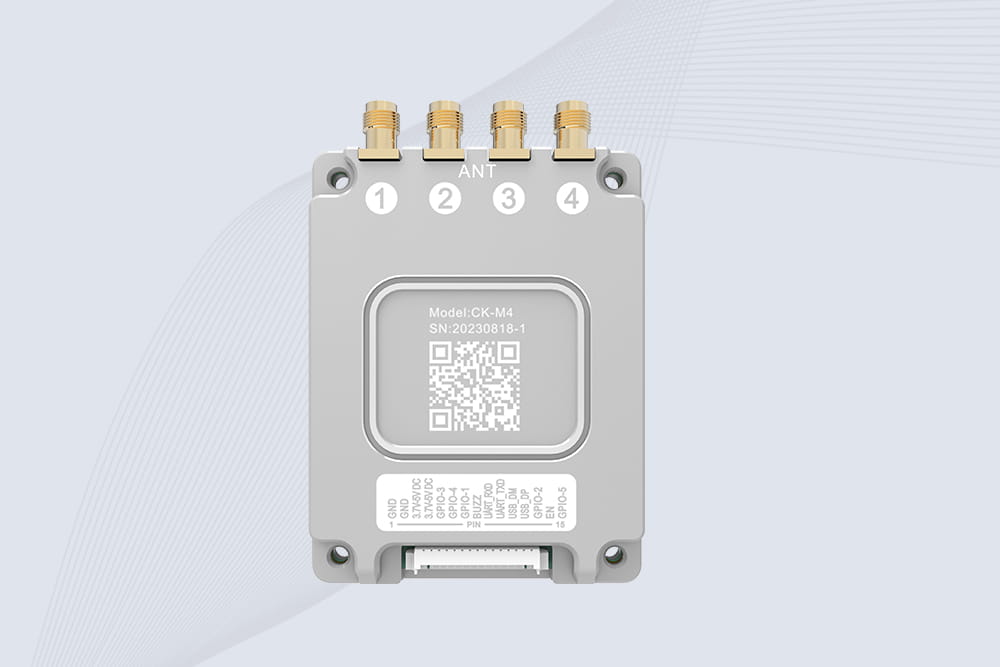
CYKEOCYKEO-M4L UHF RFID Module is a compact 4-channel RFID tag reader module designed for dense tag environments. Supporting ISO and GB protocols, it delivers stable reads up to 10 meters for industrial and IoT systems.
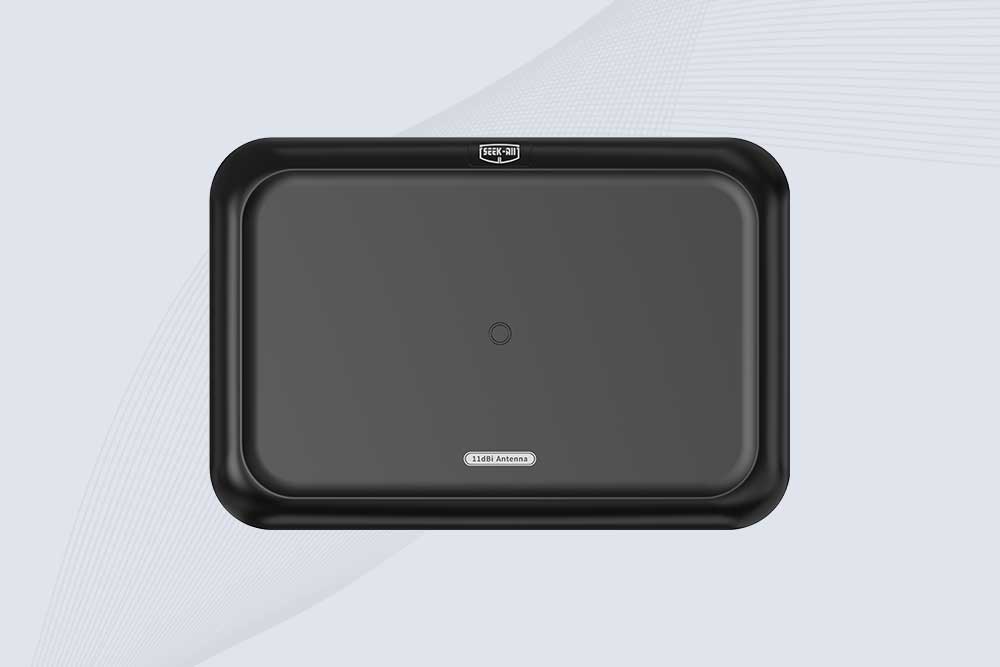
Cykeo CYKEO-A11 UHF RFID reader antenna delivers 11dBi gain, 840-960MHz frequency range, and IP65 ruggedness for retail, logistics, and industrial RFID systems. Features low VSWR and easy installation.
CYKEO Antenna RFID Reader delivers stable long-range UHF performance with a 10.5dBi directional design, built for warehouses, conveyor portals, and industrial RFID systems. This rfid reader antenna provides 20m+ read distance and rugged IP67 protection.
Cykeo CYKEO-A5B industrial Linear RFID Antenna delivers 5dBi gain, ≤1.5:1 VSWR, and IP65 rugged design for warehouse, production line, and logistics UHF systems.
Cykeo’s CYKEO-B12 Long Range RFID Antenna delivers 15m+ read range with 12dBi gain, IP65 rugged design, and global 840-960MHz UHF support. Ideal for warehouse/logistics asset tracking.
Cykeo CYKEO-B10 Long Distance RFID Antenna offers 10dBi gain, 840-960MHz frequency range, IP65 rating, and 20m+ coverage for logistics/warehousing/ETC systems. Low VSWR ensures stable signal transmission.
Cykeo CYKEO-A6 UHF RFID panel antenna features 6dBi gain, 840-960MHz broadband, IP65 metal-ready housing for logistics/smart retail. 18mm ultra-thin design with tool-free mounting.
Cykeo CK-A3 industrial antenna RFID UHF offers 5m+ tag detection, ≤1.3:1 VSWR, IP65 rugged design, and global UHF spectrum compatibility (840-960MHz) for warehouses, factories, and retail.
Cykeo CYKEO-B5 directional RFID antenna provides 5dBi gain with 60° narrow beamwidth for precise inventory tracking. IP65-rated, global UHF frequency support, and low VSWR.
Create your own high-performance DIY RFID antenna! 5dBi gain, 840-960MHz tunable, step-by-step guides. Compatible with Arduino, Raspberry Pi, and commercial UHF readers.
Cykeo CYKEO-A7 Flexible RFID Antenna features 840-960MHz wideband tuning, 7dBi gain, and IP68 rating for medical/retail/industrial curved surface deployments. 98% read accuracy with peel-and-stick installation.
Cykeo CYKEO-B5A industrial Passive RFID Antenna delivers 5dBi gain, 70° beamwidth, and -40°C~55°C operation for warehouses/smart cabinets. Compatible with Zebra/Impinj readers.
Cykeo’s CYKEO-A9B High Gain RFID Antenna delivers 15m+ read range with 9dBi amplification. Features IP54 rugged design, 840-960MHz bandwidth, and 80° beamwidth for warehouse/manufacturing RFID systems.
Cykeo’s enterprise-grade 8dbi Impinj RFID Antenna 10m+ read range with 840-960MHz tuning. Features IP65 housing, 1.4 VSWR, 35° beamwidth for retail/warehouse RFID systems.
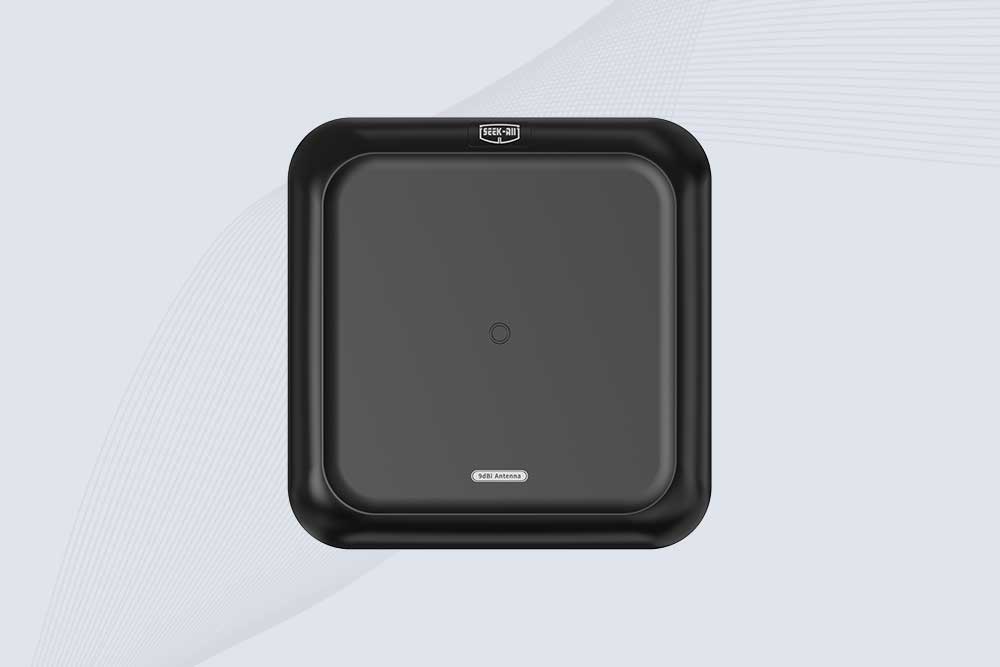
Cykeo CYKEO-A9 industrial UHF RFID antenna delivers 9dBi gain, 840-960MHz frequency range, and IP65 protection for warehouse/logistics/retail RFID systems. Features N-type connector and ≤1.3:1 VSWR.
CYKEO UHF RFID Antenna built for long-distance and industrial applications. This antenna rfid uhf delivers strong gain, outdoor durability, and reliable tag performance in warehouses, yards, and vehicle ID systems.
CYKEO Antenna RFID delivers reliable long-range UHF performance in warehouses, retail shelves, and cold-chain environments. This compact uhf rfid antenna provides stable reads with circular polarization and ultra-wide 840–960 MHz support, ideal for industrial tracking, smart shelves, and asset monitoring.
Cykeo’s CYKEO-C8 UHF RFID antennas delivers 8dBi gain, 840-960MHz full-band coverage, and IP65 ruggedness for manufacturing/warehouse RFID systems. Industrial RFID Antennas Features
Cykeo’s 8dBi UHF RFID antenna and reader kit delivers 10m+ range, 840-960MHz broadband, and IP65 ruggedness for factories, warehouses, and logistics. ISO 18000-6C & EPC Gen2 certified.
Cykeo’s CYKEO-A12C UHF Large RFID Antenna delivers 12dBi gain, 840-960MHz global frequency, IP65 ruggedness for logistics/warehousing/automotive. 40° beamwidth ensures stable 15m+ tag reads.
CYKEO Near Field RFID Antenna provides precise 5–30 cm reading for shelves, cabinets, and workstations. This compact rfid shelf antenna delivers stable short-range performance around metal and clutter, ideal for pharmacies, libraries, and electronics sorting.
Cykeo’s industrial long range RFID reader delivers 20-meter scanning, 500+ tags/sec speed, and IP67 waterproof design for automated warehouses, logistics, and harsh environment applications.
Cykeo’s CYKEO-RA6L industrial RFID long range reader features 20m read distance, 500 tags/sec speed, and IP67 protection. Ideal for warehouse automation, manufacturing WIP tracking, and smart logistics. Supports ISO 18000-6C/6B protocols.
CYKEO Long Range RFID Tag Reader built for outdoor and industrial operations. This Outdoor RFID Reader delivers 20m read distance, fast tag processing, and IP67 durability for wide-area tracking.
Cykeo CYKEO-RA12L industrial Long Range RFID Reader delivers 20m read range, 200+ tags/sec scanning, and IP67 protection for manufacturing/logistics applications. Supports ISO 18000-6C/GB protocols.
Cykeo CYKEO-C1 industrial Forklift RFID Reader features 20m read range, 600 tags/sec scanning, Impinj R2000 chipset, and IP67 rugged design. Ideal for warehouse logistics and manufacturing. Supports ISO 18000-6C/6B protocols.
Cykeo CYKEO-R4 industrial UHF RFID Fixed Reader features 4 TNC ports, 400+ tags/sec speed, IP67 housing, and global frequency compliance for vehicle inspection, smart warehouse, and asset management systems.
CYKEO CYKEO-R8L Fixed RFID Reader with 8-port UHF design, Impinj-based RF core and up to 20m read range. An industrial Fixed RFID Reader for vehicle inspection, warehouse portals, smart manufacturing lines and secure access checkpoints.
Discover how RFID scanners improve inventory efficiency, enable real-time asset tracking, and support logistics, retail, and healthcare industries. Learn how to choose the right device for your needs.
Learn how to build rfid tracking system with proven steps, real deployment insights, and Cykeo hardware. Improve accuracy, automation, and efficiency today.
RFID reader enables high-speed UHF RFID identification and data capture. Improve asset tracking accuracy, automate workflows, and scale operations with Cykeo RFID solutions.
 Cykeo RFID IoT Solution Products R&D Manufacturer