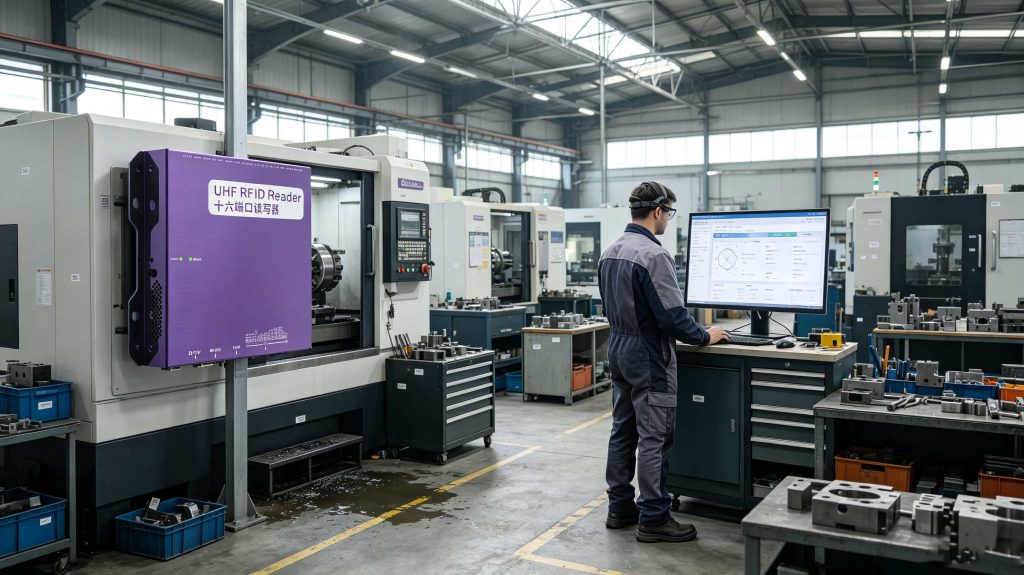
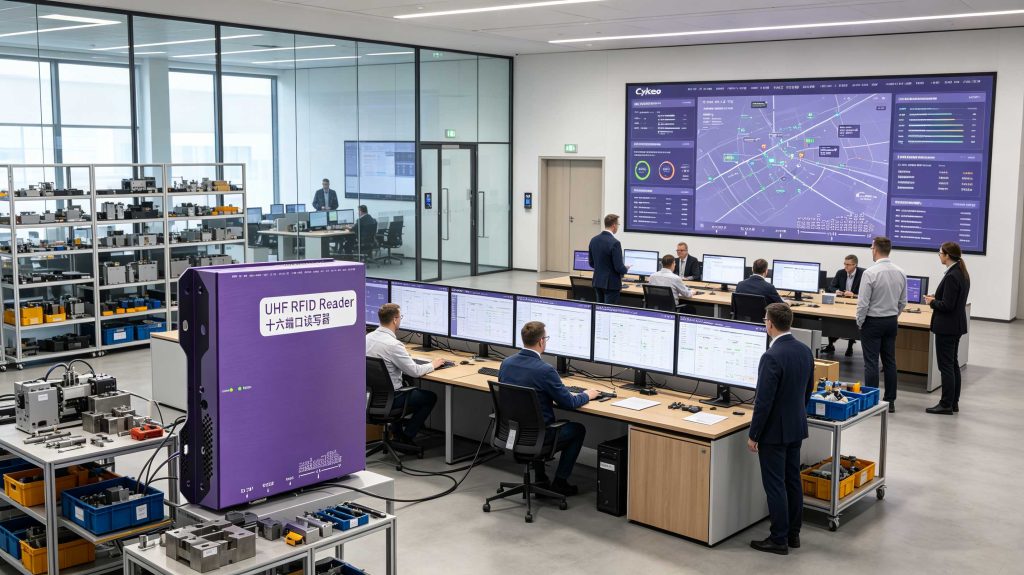
RFID asset tracking works by attaching electronic RFID tags to physical assets and using RFID readers to automatically capture identification data. The collected information is transferred to asset management software, allowing organizations to monitor asset movement, status, and usage history efficiently.
Real-World Experience: Building RFID Asset Tracking Systems Beyond Simple Tagging
When people ask how does rfid asset tracking work, the common explanation is that RFID tags are attached to assets and scanned by readers.
That description is correct, but incomplete.
In real deployments, RFID asset tracking is a communication system between physical objects, wireless identification hardware, and business software.
During Cykeo RFID solution testing for industrial environments, I have seen the difference between a system that simply reads tags and a system that actually helps companies manage assets.
The difficult part usually appears after installation.
A factory may have thousands of tools, spare parts, containers, or machines moving every day. A maintenance team does not only need to know “what is this asset?”
They need answers to practical questions:
Where was it last seen?
Who used it?
Has it returned?
Does it require maintenance?
Is it available for the next operation?
In one industrial tool management project, RFID tags were attached to equipment frequently moved between storage areas and production zones. The first field test showed unstable reads because several tools were stored together on metal shelves.
The issue was not the RFID reader.
The issue was the interaction between the RFID tag antenna, metal environment, and reading angle.
After adjusting tag selection, reader installation positions, and software filtering rules, the system achieved much more reliable asset identification.
This is where RFID engineering experience becomes important.
A successful RFID asset tracking system is not created by simply buying readers and tags. It requires understanding the physical environment where assets move.
According to National Institute of Standards and Technology (NIST), effective asset management depends on accurate identification, lifecycle information, and reliable data management.
How RFID Asset Tracking Works Step by Step
1. RFID tags create digital identities for physical assets
The first step in RFID asset tracking is attaching an RFID tag to each asset.
The tag becomes the digital identity of the physical object.
Examples of tagged assets include:
Manufacturing tools
Medical equipment
IT devices
Industrial containers
Vehicles and components
Maintenance equipment
Unlike traditional labels, RFID tags allow automatic identification without requiring manual visual scanning.
2. RFID readers collect asset information automatically
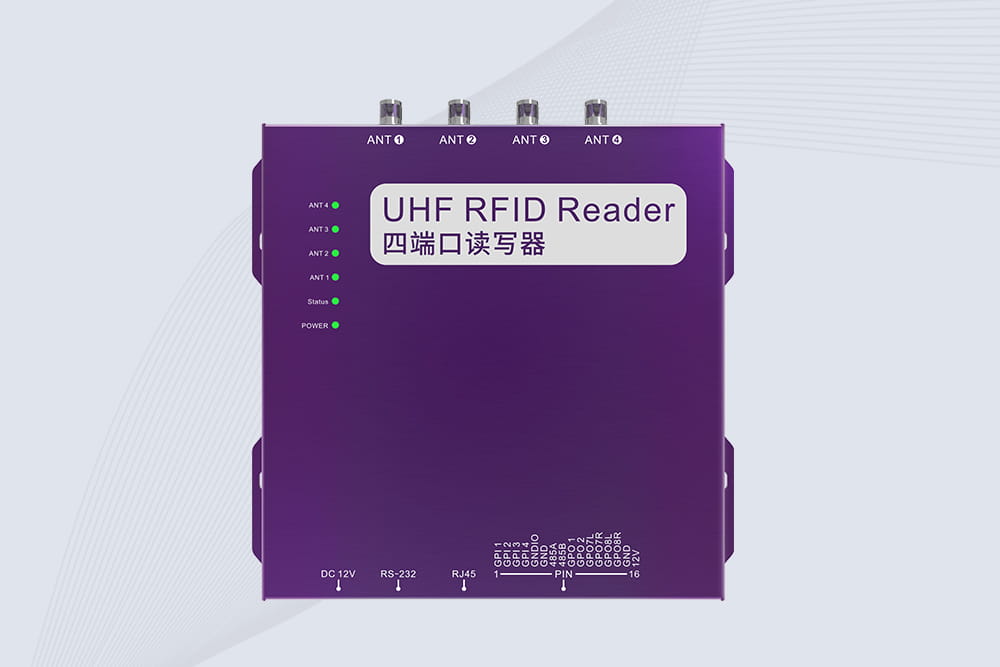
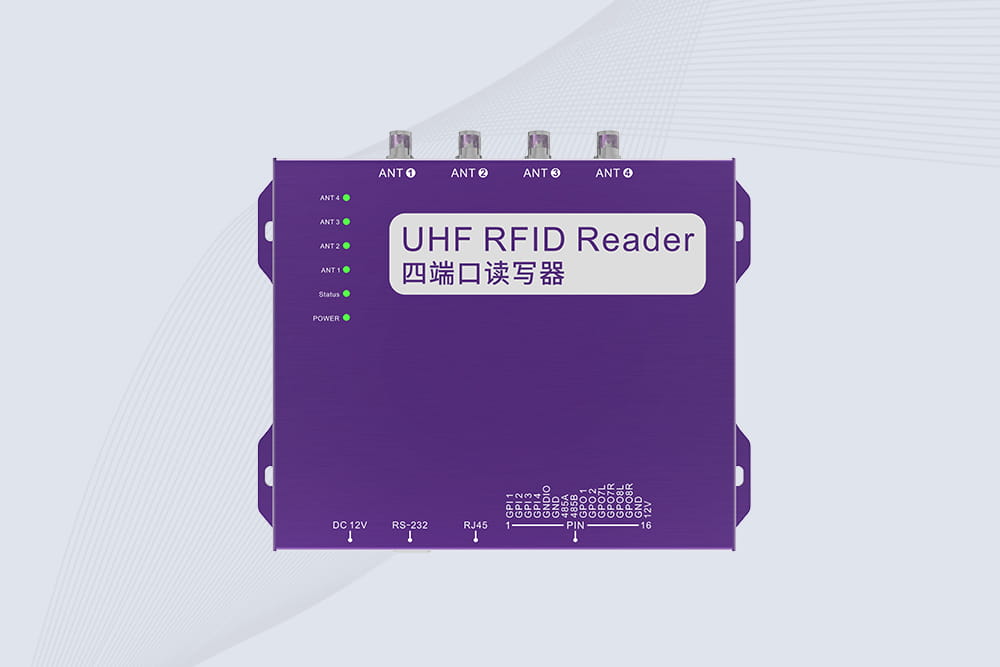
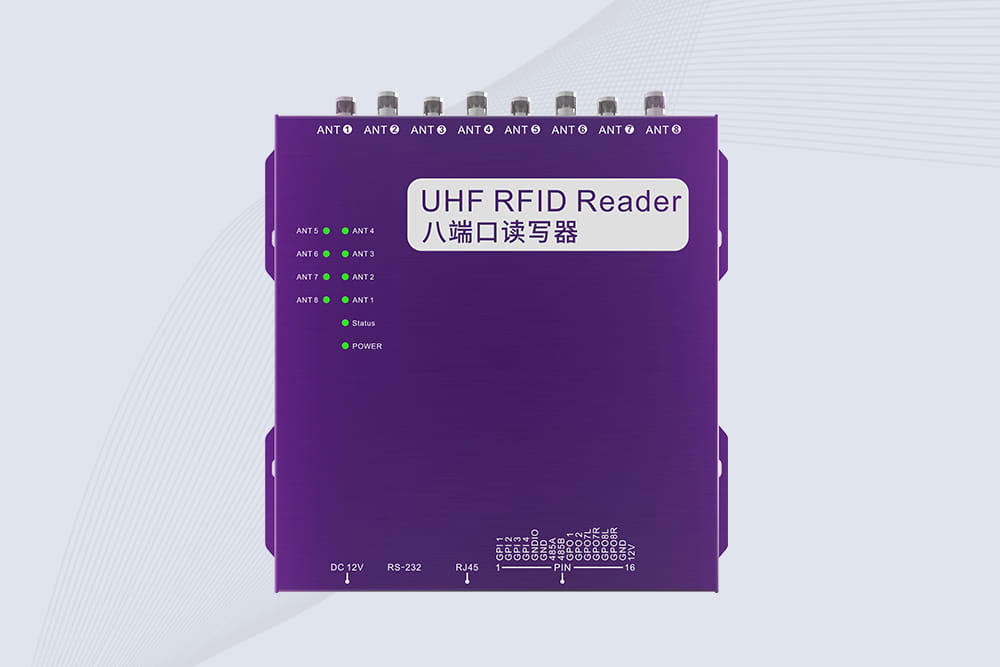
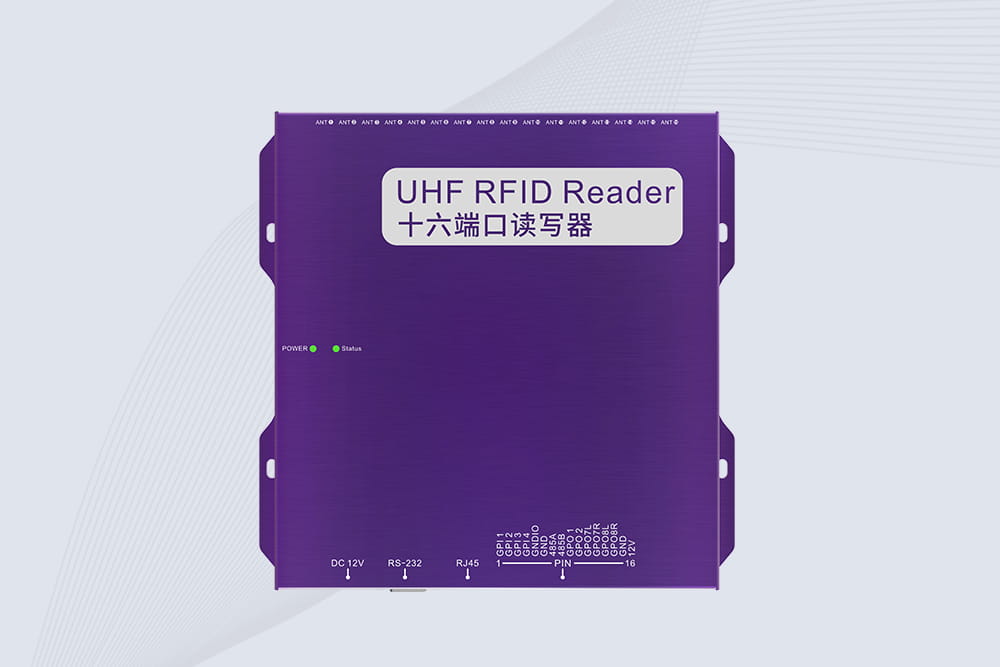
After tags are installed, RFID readers communicate with them through radio frequency signals.
The process works like this:
RFID reader sends a radio signal
RFID tag receives energy and activates communication
RFID chip sends stored identification data
Reader captures the response
Software records the asset event
This exchange happens within milliseconds.
In warehouse and industrial environments, fixed RFID readers can monitor specific areas such as:
Storage entrances
Production lines
Tool rooms
Loading zones
RFID Asset Tracking System Architecture
How hardware and software work together
A complete RFID asset tracking solution normally includes four layers:
Layer
Function
RFID Tags
Identify physical assets
RFID Readers
Capture wireless data
Middleware
Processes and filters information
Management Software
Provides tracking and reporting
The RFID reader alone does not create asset visibility.
The value comes from connecting collected data with business workflows.
For example:
A maintenance department can receive information when a tagged tool leaves a storage cabinet.
A warehouse manager can review asset movement history.
An enterprise can analyze equipment utilization rates.
RFID Asset Tracking vs Barcode Tracking
Why companies choose RFID for asset management
Barcode systems have been widely used for decades, but RFID solves several limitations.
Feature
Barcode System
RFID Asset Tracking
Line-of-sight required
Usually yes
No
Multiple item reading
Limited
Supported
Manual scanning
Required
Reduced
Data collection speed
Slower
Faster
Automation capability
Limited
High
For organizations managing thousands of assets, reducing manual checking time can create significant operational improvements.
RFID does not eliminate the need for management processes.
It makes those processes more measurable.
RFID tags and readers provide automated visibility of industrial assets and equipment movement.
Common RFID Asset Tracking Applications
Industries using RFID for asset visibility
RFID asset tracking is used in environments where asset availability and accountability directly affect operations.
Industry
RFID Application
Manufacturing
Production tools and equipment tracking
Healthcare
Medical device management
Aviation
Maintenance tool control
Logistics
Container and pallet tracking
Energy
Inspection equipment monitoring
Government
Fixed asset management
Aviation and industrial maintenance are especially suitable for RFID because missing equipment can interrupt workflows and increase operational costs.
Technical Factors Affecting RFID Asset Tracking Performance
Why RFID deployment requires engineering experience
RFID performance depends on several practical factors.
Tag Selection
Different assets require different RFID tags.
Examples:
Plastic surfaces → Standard RFID labels
Metal equipment → On-metal RFID tags
Outdoor assets → Rugged industrial RFID tags
Reader Configuration
Reader performance depends on:
Antenna layout
Output power
Reading zones
Installation height
Environmental Conditions
Factors such as:
Metal structures
Liquid materials
Dense storage
Signal interference
can influence reading stability.
RFID Asset Tracking Benefits for Enterprises
Turning physical assets into connected digital information
Research from Auburn University RFID Lab has studied RFID adoption in supply chain and inventory environments, focusing on improving visibility, identification accuracy, and operational efficiency.
Organizations commonly use RFID asset tracking to achieve:
Faster inventory audits
Reduced asset loss
Better equipment utilization
Improved maintenance planning
More accurate operational records
RFID connects physical assets with digital management systems for better operational visibility.
Cykeo RFID Asset Tracking Solutions
Designed for real industrial environments
Understanding how does rfid asset tracking work means understanding the relationship between RFID tags, readers, software, and operational processes.
Cykeo RFID solutions support:
Industrial asset tracking
Tool management
Warehouse visibility
Manufacturing identification
Equipment monitoring
The strongest RFID systems are built around real workflows.
They do not only answer where an asset is.
They help companies understand how assets move, how they are used, and how operations can become more efficient.
FAQ: How Does RFID Asset Tracking Work?
FAQ 1: Does RFID asset tracking show the exact location of an asset?
RFID asset tracking can provide location visibility, but the accuracy depends on the system design.
A standard RFID tag does not contain GPS functionality and does not continuously transmit its location.
Instead, RFID systems determine asset presence through reader detection points.
For example:
An RFID reader at a warehouse entrance records asset movement.
A reader inside a tool room confirms equipment return.
Multiple readers can create location zones.
For higher accuracy requirements, organizations may combine RFID with:
Real-time location systems (RTLS)
Multiple antenna configurations
Software-based positioning algorithms
The tracking capability comes from the complete RFID infrastructure, not only from the RFID tag.
FAQ 2: What types of assets can RFID track?
RFID asset tracking can be applied to almost any physical asset that requires identification and management.
Common examples include:
Asset Type
RFID Application
Industrial tools
Maintenance and checkout management
Medical equipment
Equipment availability tracking
IT hardware
Device lifecycle management
Returnable containers
Logistics circulation tracking
Spare parts
Warehouse inventory control
Vehicles and components
Operational asset monitoring
The most suitable assets are usually those with high value, frequent movement, or strict management requirements.
FAQ 3: How accurate is RFID asset tracking?
RFID accuracy depends on several technical factors:
RFID frequency selection
Tag quality
Reader installation
Environmental conditions
Software configuration
In controlled environments, RFID can provide highly reliable identification.
However, real-world conditions matter.
For example:
A warehouse storing plastic containers may achieve excellent RFID performance with standard tags.
A factory storing metal tools may require specialized on-metal RFID tags and optimized reader placement.
Professional RFID deployment focuses on matching technology with the application environment.
FAQ 4: Can RFID track assets automatically without employees scanning items?
Yes.
One of the main advantages of RFID asset tracking is automatic data collection.
Unlike barcode systems that require employees to manually scan each item, RFID readers can automatically identify tagged assets when they enter a reading area.
Examples:
Tools passing through a maintenance checkpoint
Pallets entering a warehouse zone
Equipment returning to storage
Components moving between production areas
This reduces manual recording work and creates more consistent asset records.
FAQ 5: What equipment is needed for an RFID asset tracking system?
A complete RFID asset tracking system normally includes:
Equipment
Purpose
RFID Tags
Provide asset identification
RFID Readers
Capture tag information
Antennas
Extend and control reading coverage
Software Platform
Manage asset data
Database
Store historical records
For industrial applications, companies often require:
Fixed RFID readers
Industrial antennas
Rugged RFID tags
Integration software
Cykeo provides RFID hardware designed for industrial environments where stability and long-term operation are important.
FAQ 6: Is RFID asset tracking better than barcode tracking?
RFID is not always a replacement for every barcode application.
The better choice depends on operational requirements.
RFID is often preferred when companies need:
Faster inventory counting
Multiple item identification
Automated tracking
Reduced manual processes
Better asset visibility
Barcode systems may still be suitable for simple identification tasks.
The difference is that RFID creates a more automated connection between physical assets and digital systems.
FAQ 7: Why do companies use Cykeo RFID asset tracking solutions?
Cykeo focuses on practical RFID implementation rather than only supplying RFID components.
Real asset tracking projects require:
Correct RFID tag selection
Reliable reader performance
Appropriate installation design
Software integration capability
Cykeo RFID solutions support applications including:
Industrial tool tracking
Equipment management
Warehouse asset control
Manufacturing identification
Smart inventory systems
The goal is to help organizations transform scattered physical assets into organized digital information.
Understanding How Does RFID Asset Tracking Work in Modern Business
Understanding how does rfid asset tracking work starts with a simple idea:
Every physical asset receives a digital identity.
The RFID tag represents the asset.
The RFID reader captures information.
The software system turns that information into operational knowledge.
But successful RFID asset tracking is not created by attaching tags everywhere.
It requires careful planning:
What assets need tracking?
Where do assets move?
What reading environment exists?
What information does the business need?
A manufacturing company may use RFID to control tools.
A logistics company may use RFID to monitor containers.
A hospital may use RFID to improve equipment availability.
The technology is the same, but the implementation must match the workflow.
Cykeo develops RFID solutions for organizations that need reliable identification, automated tracking, and better asset visibility.
From UHF RFID readers and RFID modules to complete industrial tracking systems, Cykeo helps companies connect physical assets with digital management platforms.
RFID asset tracking works because it transforms invisible movements into measurable information.
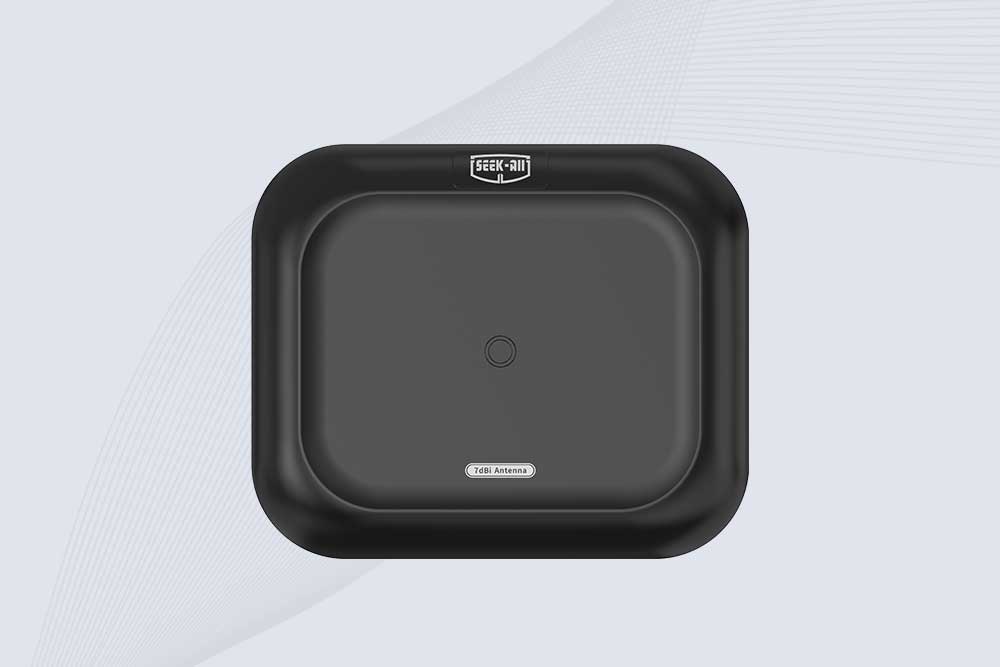
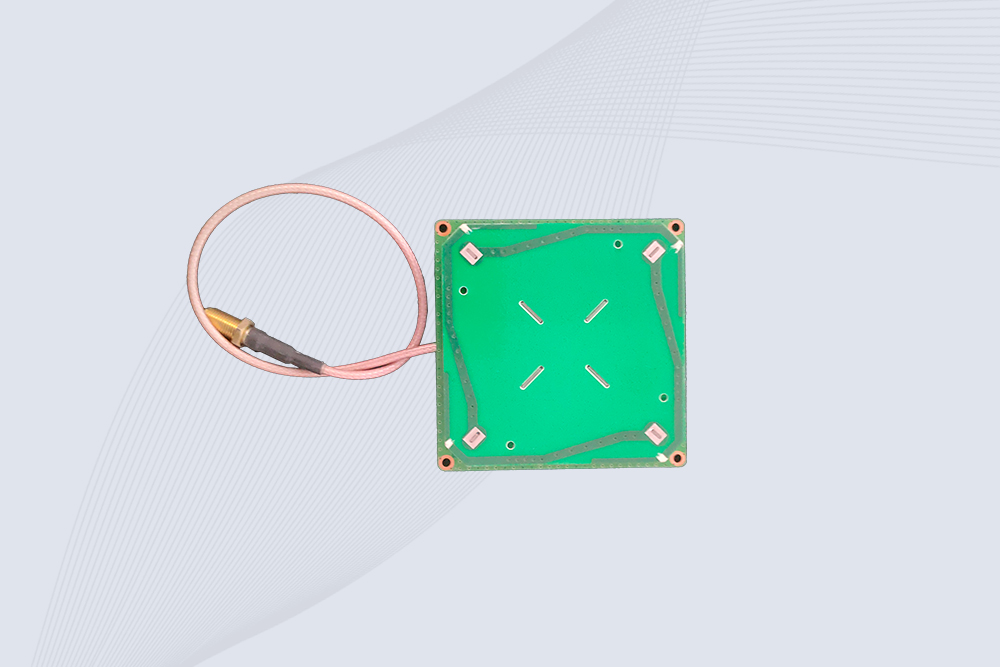
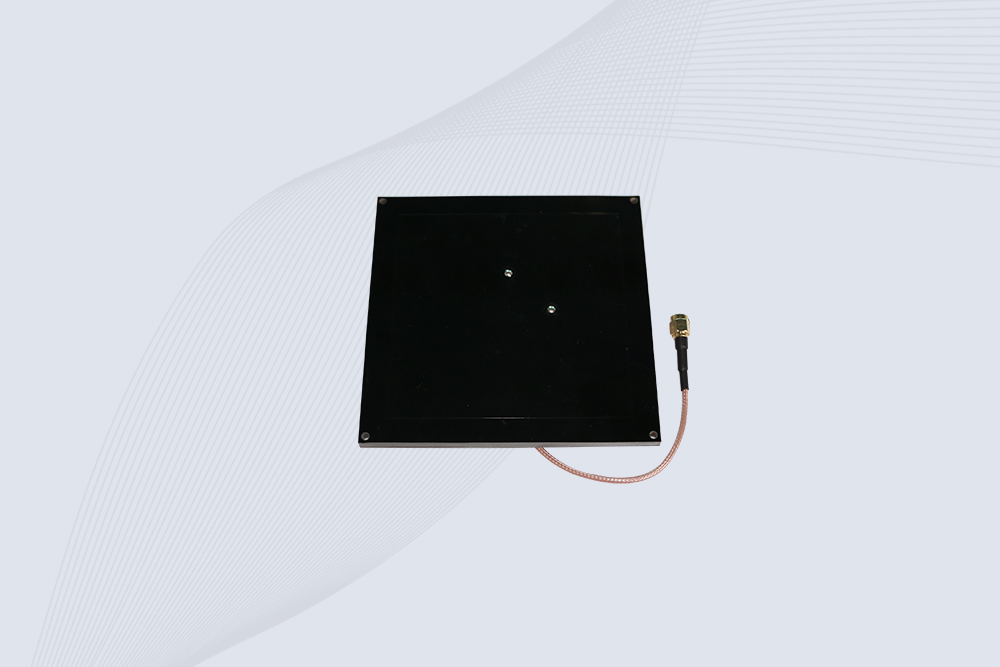
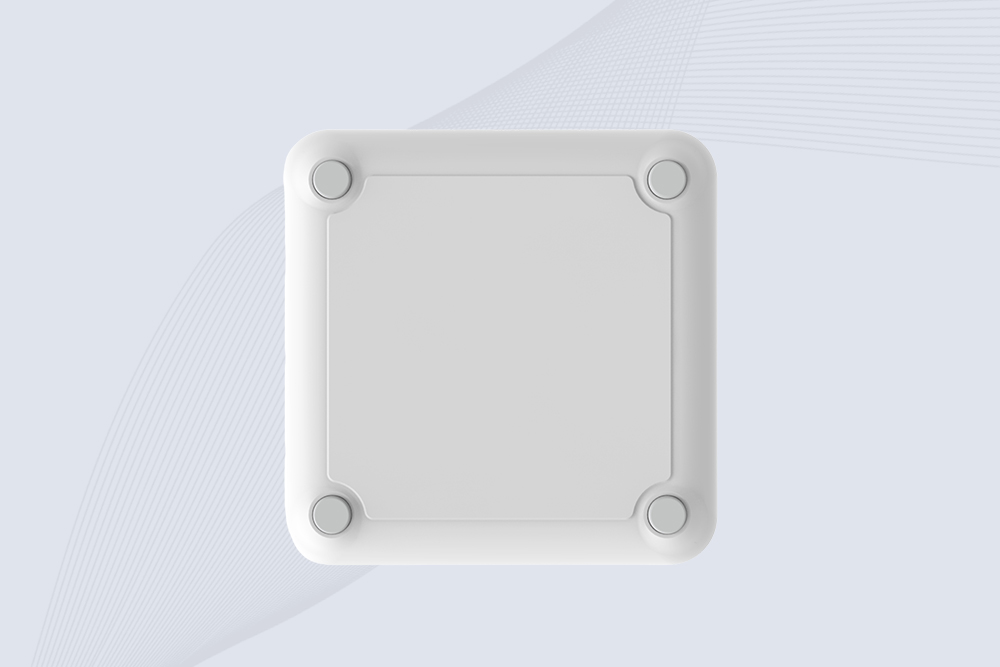
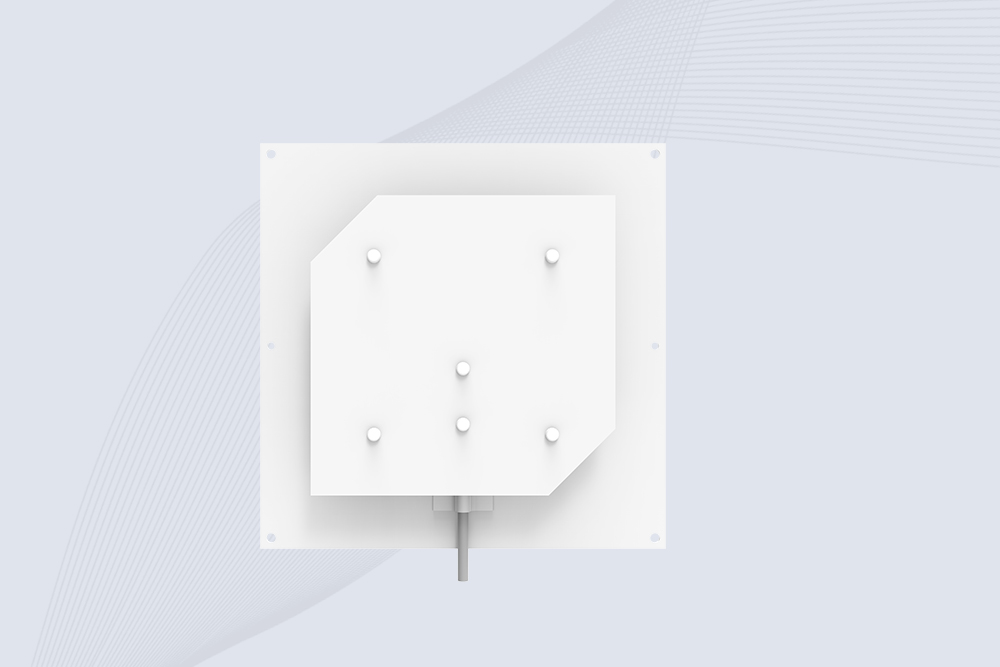
Explore the SSD-A07 UHF RFID antenna with 7 dBi gain, circular polarization, adjustable 840–960 MHz frequency, and 60°/75° beamwidth for stable RFID read/write performance.
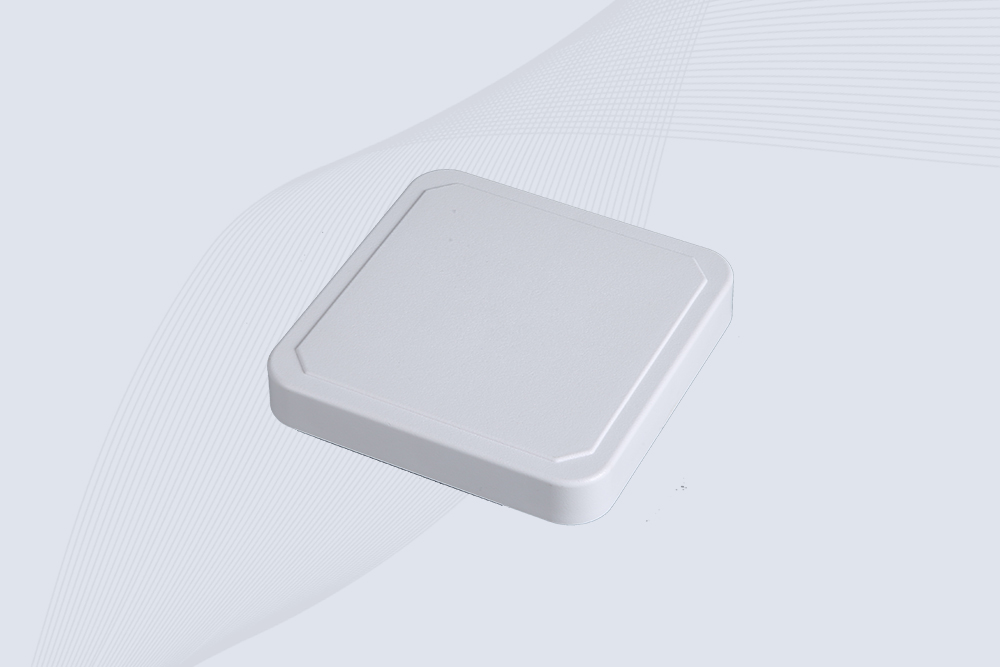
SSD-A06 UHF RFID antenna with circular polarization, adjustable 840–960 MHz frequency, ≥4.5 dBi gain, and a compact directional design for RFID systems.
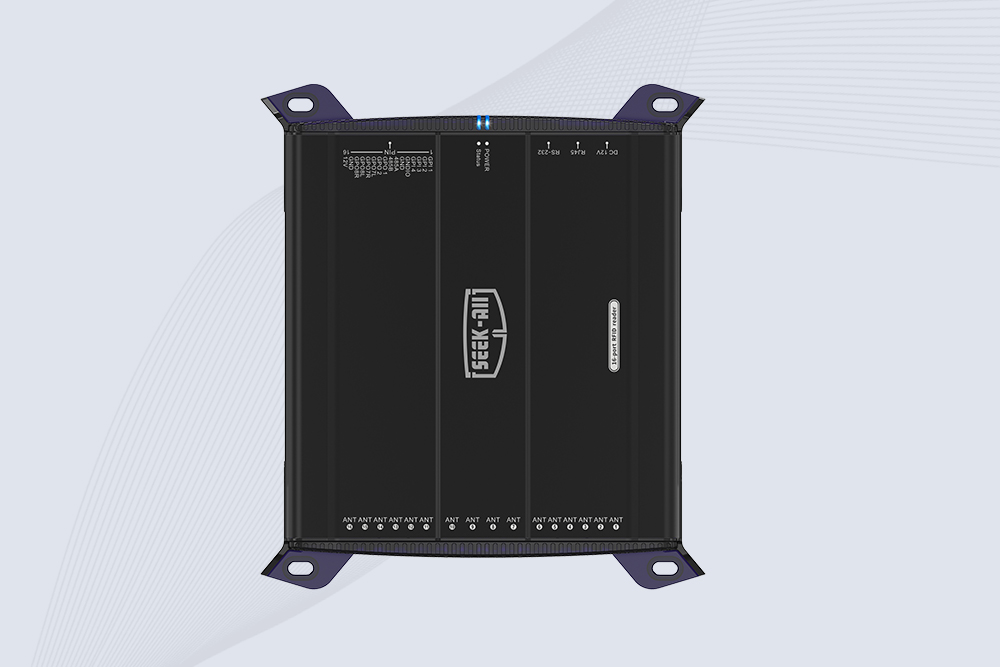
SSD-R16L Multi-Channel RFID Infrastructure for Automated Inventory Management ✔️ 16-Port High-Density RFID Reading Equipped with 16 SMA antenna ports, SSD-R16L supports multi-antenna deployment for warehouses, retail stores, logistics, production lines, and large-area RFID identification. ✔️ High-Speed & Long-Range Performance With up to 33…
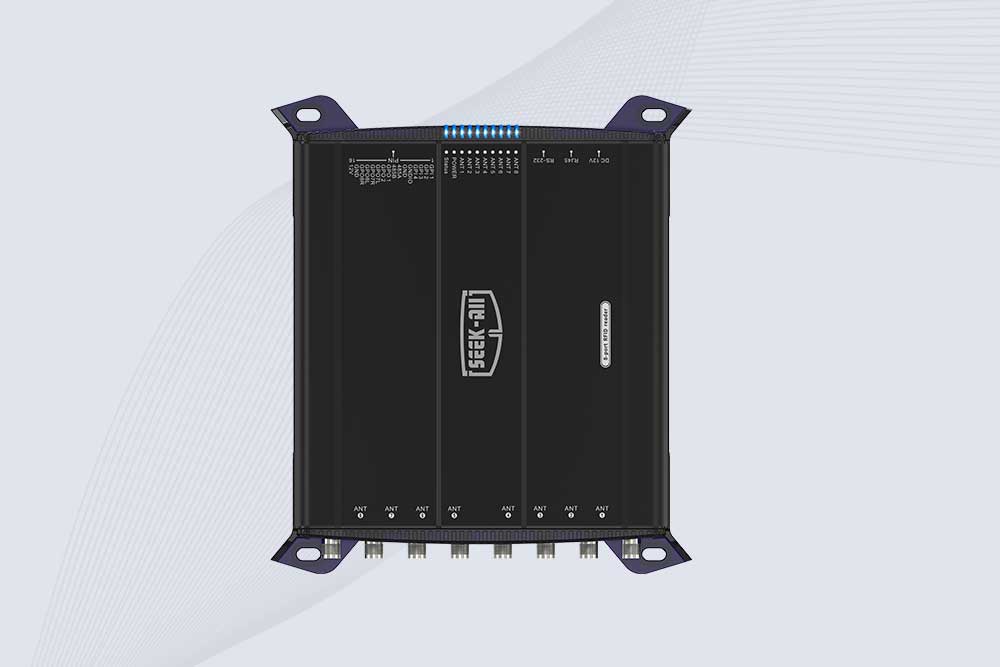
SSD-R8L 8-port UHF RFID reader with 33dBm output, up to 20m reading range and 600+ tags/s recognition. Ideal for warehouse, logistics, retail and asset tracking.
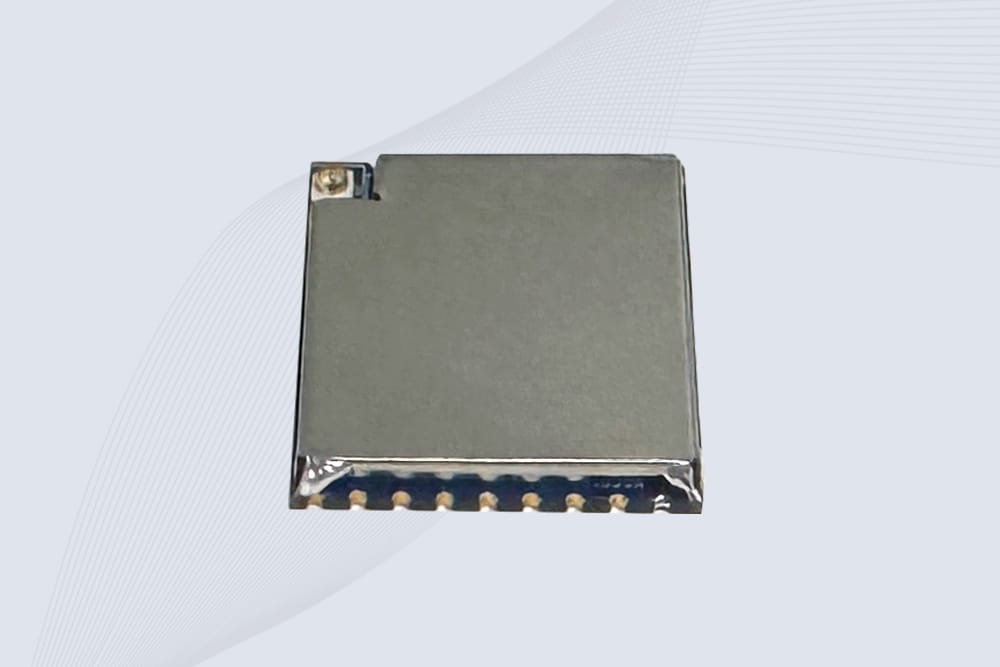
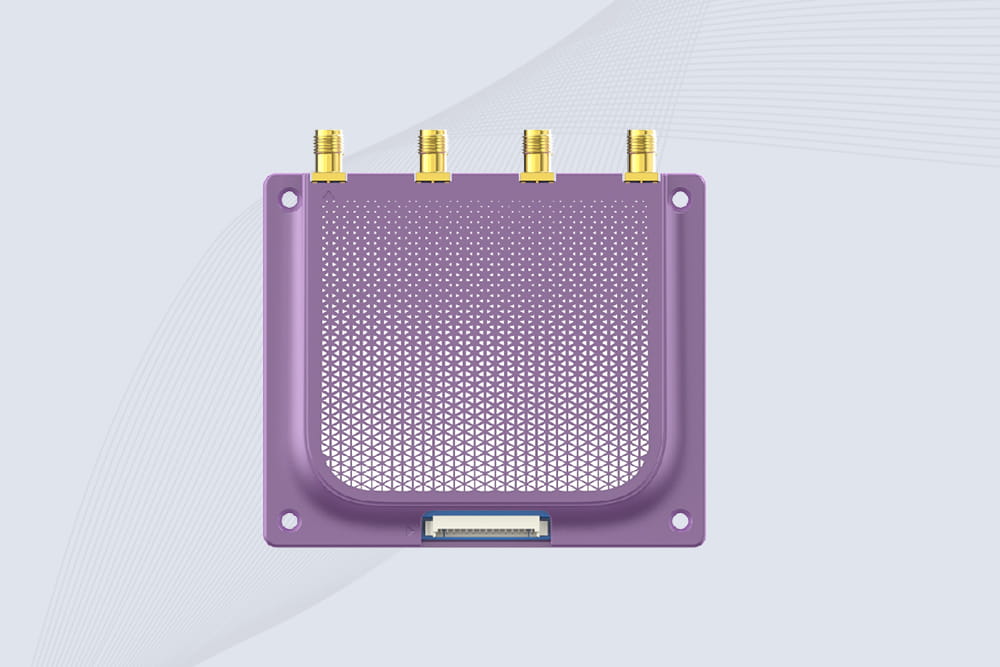
CYKEO Embedded RFID Modules are designed for compact industrial and IoT devices that require stable UHF performance. These UHF RFID Modules support global protocols, flexible power control, and reliable multi-tag reading for smart cabinets, production lines, and asset tracking systems.
CYKEO Embedded RFID Module is built for compact IoT and industrial devices that need stable UHF performance. This UHF module supports global protocols, low power operation, and reliable multi-tag reading for smart lockers, production lines, and always-on RFID systems.
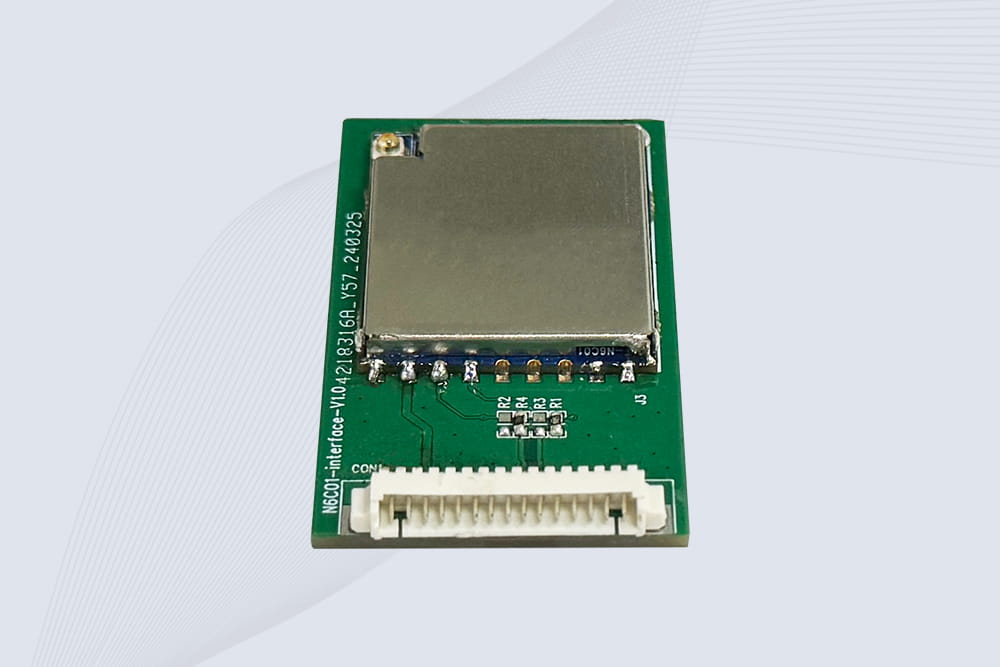
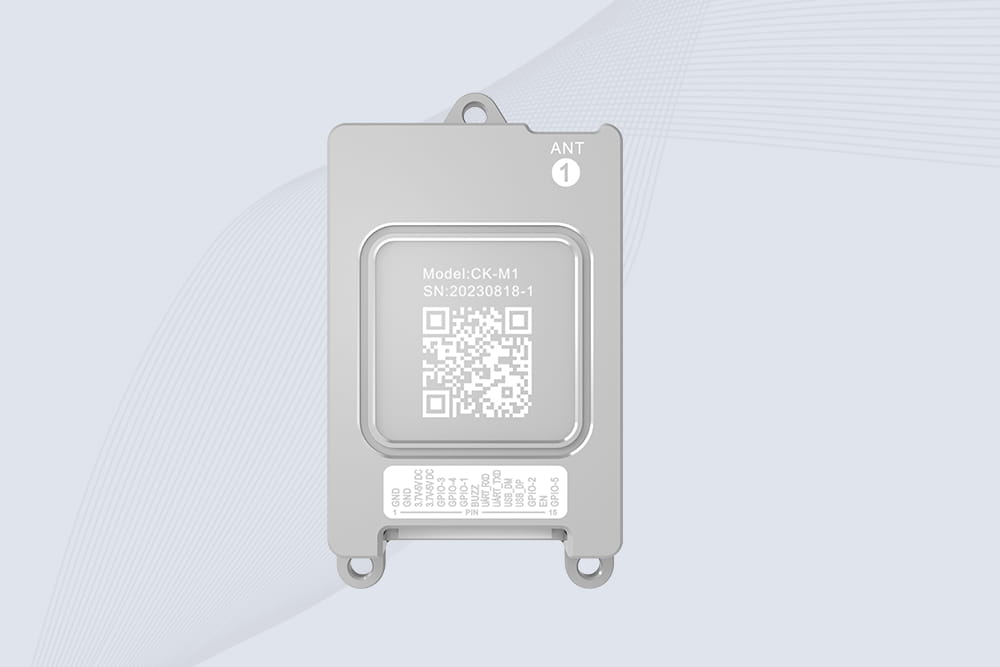
CYKEO CYKEO-M1 drone rfid module is a compact UHF RFID reader module designed for drones and UAV platforms. It supports long-range aerial scanning, fast multi-tag reading, and stable performance in wind, vibration, and outdoor environments.
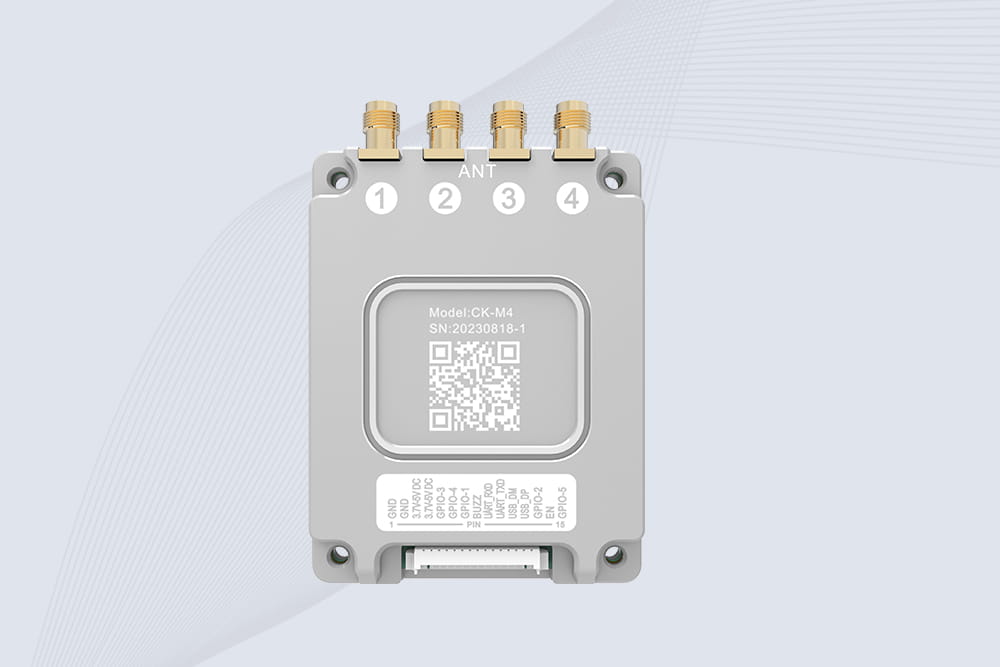
CYKEO CYKEO-M4 RC522 RFID Module is an industrial-grade UHF RFID reader with 4 ports, supporting ISO, EPC, and GB protocols. High-speed, accurate reading for IoT, automation, and warehouse applications.
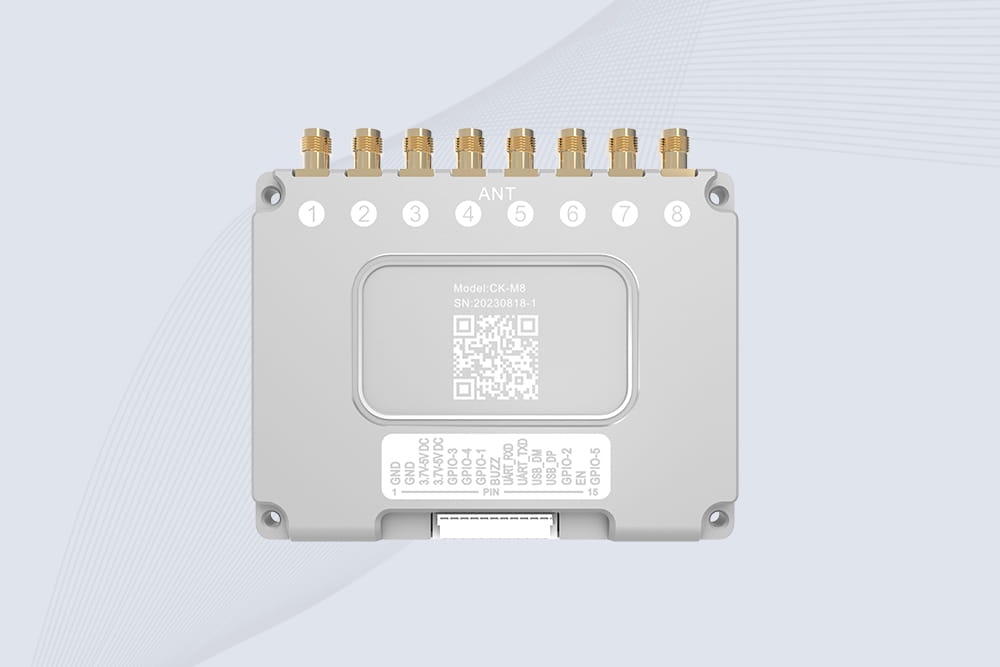
CYKEO CYKEO-M8 Module RFID is an 8-port UHF R2000 RFID Module designed for high-density, multi-tag environments. Stable 33dBm output, ISO & GB protocol support, ideal for warehouses, factories, and automated systems.
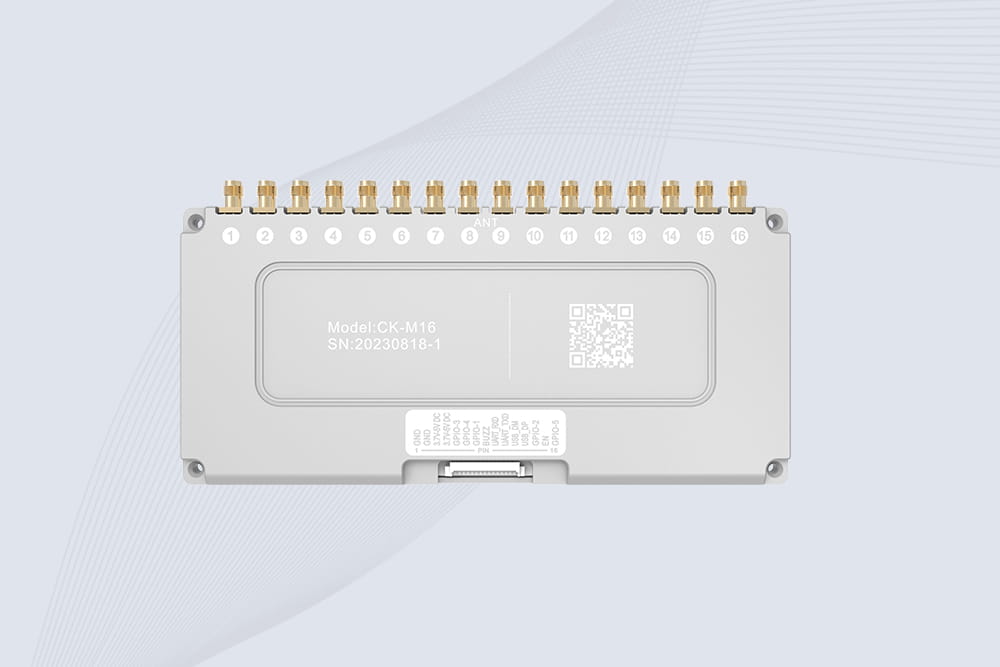
CYKEO CYKEO-M16 RFID Module is a 16-port UHF RFID reader module based on the R2000 chipset. Designed for dense tag environments, it supports ISO and GB standards and delivers stable multi-antenna control for industrial automation.
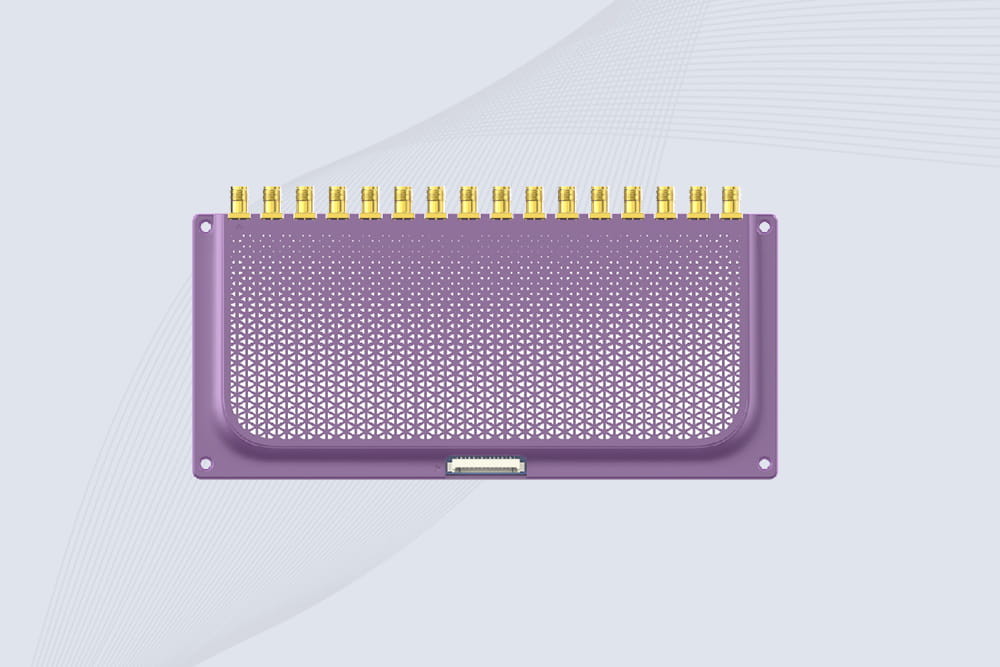
The CYKEO CYKEO-M16L RFID Reader Module is a 16-channel UHF RFID core designed for dense tag environments. With adjustable 33dBm output, multi-protocol support, and stable multi-antenna control, this RFID Tag Reader Module fits industrial automation, warehouse systems, and large-scale IoT deployments.
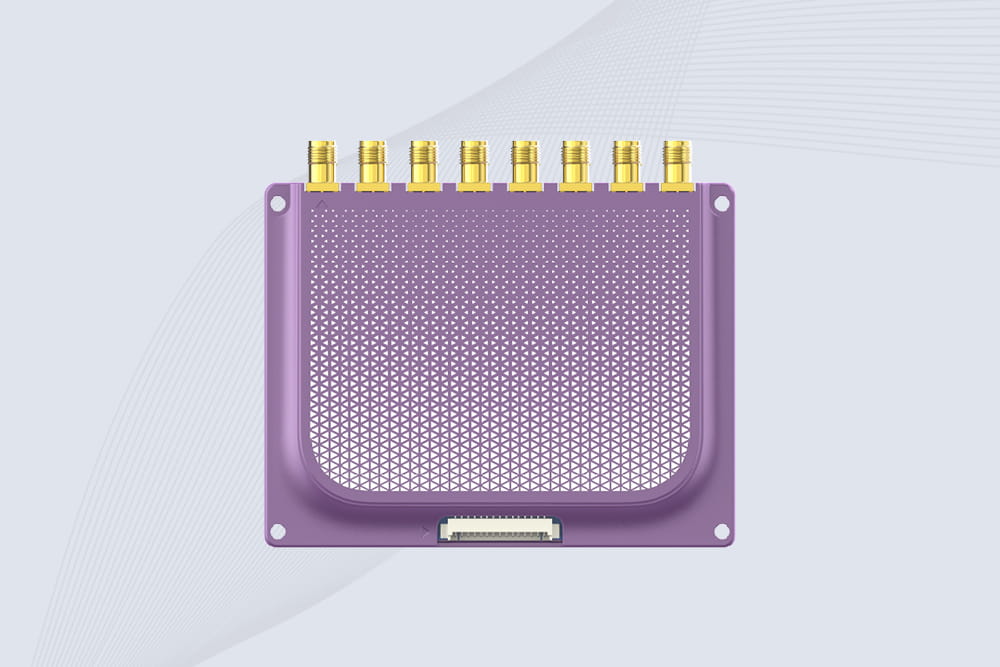
CYKEO CYKEO-M8L module RFID is a compact industrial UHF module built for dense tag and multi-antenna environments. With 8 RF ports, adjustable 33 dBm output, and ISO & GB protocol support, it is widely used in factories, warehouses, and automated tracking systems.
CYKEOCYKEO-M4L UHF RFID Module is a compact 4-channel RFID tag reader module designed for dense tag environments. Supporting ISO and GB protocols, it delivers stable reads up to 10 meters for industrial and IoT systems.
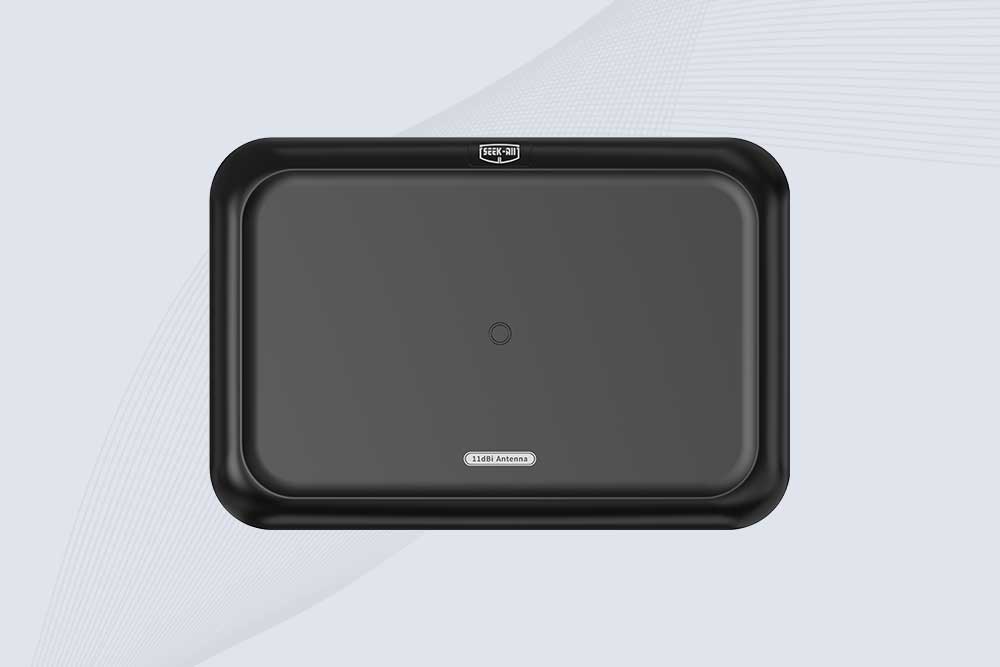
Cykeo CYKEO-A11 UHF RFID reader antenna delivers 11dBi gain, 840-960MHz frequency range, and IP65 ruggedness for retail, logistics, and industrial RFID systems. Features low VSWR and easy installation.
CYKEO Antenna RFID Reader delivers stable long-range UHF performance with a 10.5dBi directional design, built for warehouses, conveyor portals, and industrial RFID systems. This rfid reader antenna provides 20m+ read distance and rugged IP67 protection.
Cykeo CYKEO-A5B industrial Linear RFID Antenna delivers 5dBi gain, ≤1.5:1 VSWR, and IP65 rugged design for warehouse, production line, and logistics UHF systems.
Cykeo’s CYKEO-B12 Long Range RFID Antenna delivers 15m+ read range with 12dBi gain, IP65 rugged design, and global 840-960MHz UHF support. Ideal for warehouse/logistics asset tracking.
Cykeo CYKEO-B10 Long Distance RFID Antenna offers 10dBi gain, 840-960MHz frequency range, IP65 rating, and 20m+ coverage for logistics/warehousing/ETC systems. Low VSWR ensures stable signal transmission.
Cykeo CYKEO-A6 UHF RFID panel antenna features 6dBi gain, 840-960MHz broadband, IP65 metal-ready housing for logistics/smart retail. 18mm ultra-thin design with tool-free mounting.
Cykeo CK-A3 industrial antenna RFID UHF offers 5m+ tag detection, ≤1.3:1 VSWR, IP65 rugged design, and global UHF spectrum compatibility (840-960MHz) for warehouses, factories, and retail.
Cykeo CYKEO-B5 directional RFID antenna provides 5dBi gain with 60° narrow beamwidth for precise inventory tracking. IP65-rated, global UHF frequency support, and low VSWR.
Create your own high-performance DIY RFID antenna! 5dBi gain, 840-960MHz tunable, step-by-step guides. Compatible with Arduino, Raspberry Pi, and commercial UHF readers.
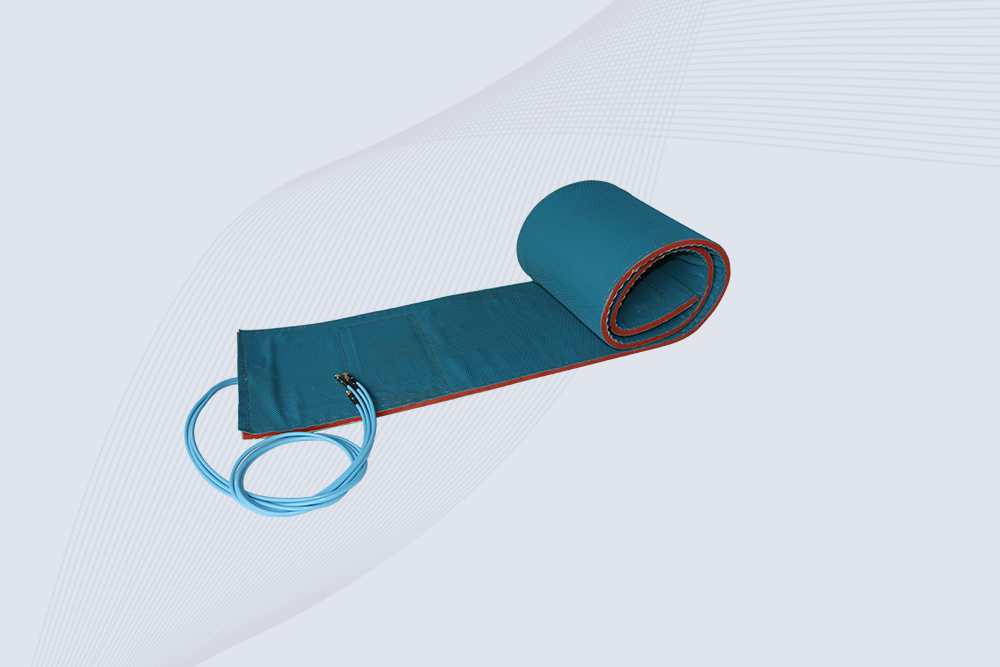
Cykeo CYKEO-A7 Flexible RFID Antenna features 840-960MHz wideband tuning, 7dBi gain, and IP68 rating for medical/retail/industrial curved surface deployments. 98% read accuracy with peel-and-stick installation.
Cykeo CYKEO-B5A industrial Passive RFID Antenna delivers 5dBi gain, 70° beamwidth, and -40°C~55°C operation for warehouses/smart cabinets. Compatible with Zebra/Impinj readers.
Cykeo’s CYKEO-A9B High Gain RFID Antenna delivers 15m+ read range with 9dBi amplification. Features IP54 rugged design, 840-960MHz bandwidth, and 80° beamwidth for warehouse/manufacturing RFID systems.
Cykeo’s enterprise-grade 8dbi Impinj RFID Antenna 10m+ read range with 840-960MHz tuning. Features IP65 housing, 1.4 VSWR, 35° beamwidth for retail/warehouse RFID systems.
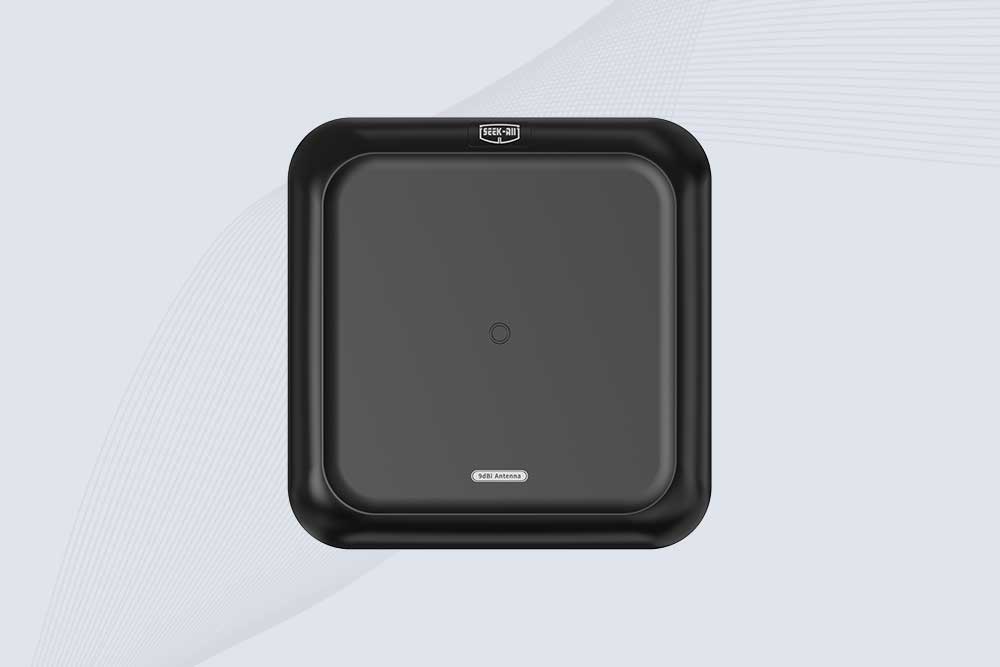
Cykeo CYKEO-A9 industrial UHF RFID antenna delivers 9dBi gain, 840-960MHz frequency range, and IP65 protection for warehouse/logistics/retail RFID systems. Features N-type connector and ≤1.3:1 VSWR.
CYKEO UHF RFID Antenna built for long-distance and industrial applications. This antenna rfid uhf delivers strong gain, outdoor durability, and reliable tag performance in warehouses, yards, and vehicle ID systems.
CYKEO Antenna RFID delivers reliable long-range UHF performance in warehouses, retail shelves, and cold-chain environments. This compact uhf rfid antenna provides stable reads with circular polarization and ultra-wide 840–960 MHz support, ideal for industrial tracking, smart shelves, and asset monitoring.
Cykeo’s CYKEO-C8 UHF RFID antennas delivers 8dBi gain, 840-960MHz full-band coverage, and IP65 ruggedness for manufacturing/warehouse RFID systems. Industrial RFID Antennas Features
Cykeo’s 8dBi UHF RFID antenna and reader kit delivers 10m+ range, 840-960MHz broadband, and IP65 ruggedness for factories, warehouses, and logistics. ISO 18000-6C & EPC Gen2 certified.
Cykeo’s CYKEO-A12C UHF Large RFID Antenna delivers 12dBi gain, 840-960MHz global frequency, IP65 ruggedness for logistics/warehousing/automotive. 40° beamwidth ensures stable 15m+ tag reads.
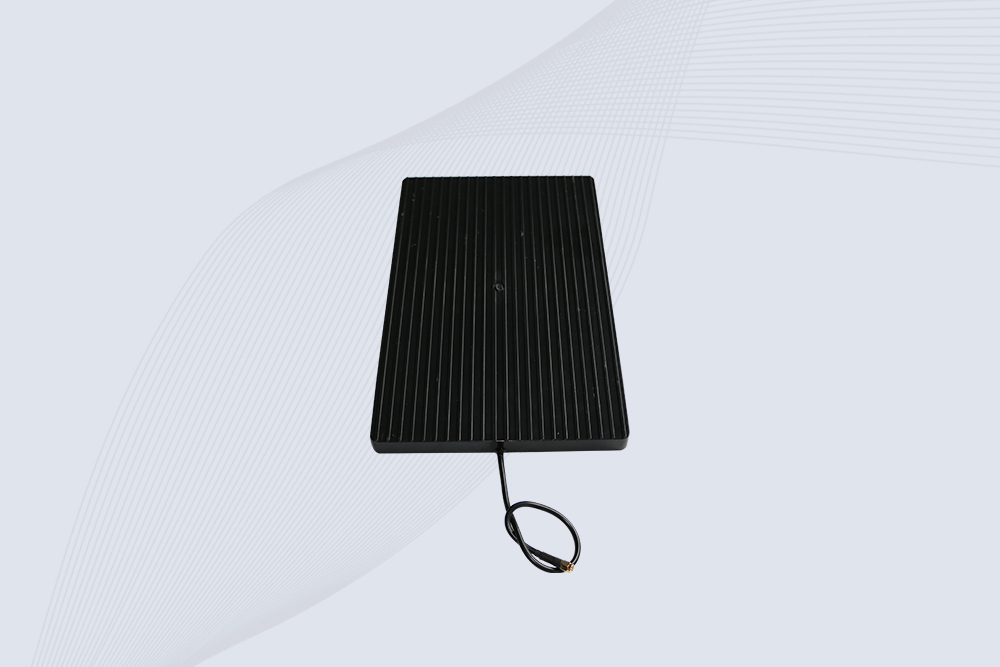
CYKEO Near Field RFID Antenna provides precise 5–30 cm reading for shelves, cabinets, and workstations. This compact rfid shelf antenna delivers stable short-range performance around metal and clutter, ideal for pharmacies, libraries, and electronics sorting.
Cykeo CYKEO-C1 industrial Forklift RFID Reader features 20m read range, 600 tags/sec scanning, Impinj R2000 chipset, and IP67 rugged design. Ideal for warehouse logistics and manufacturing. Supports ISO 18000-6C/6B protocols.
Cykeo CYKEO-R4 industrial UHF RFID Fixed Reader features 4 TNC ports, 400+ tags/sec speed, IP67 housing, and global frequency compliance for vehicle inspection, smart warehouse, and asset management systems.
CYKEO CYKEO-R8L Fixed RFID Reader with 8-port UHF design, Impinj-based RF core and up to 20m read range. An industrial Fixed RFID Reader for vehicle inspection, warehouse portals, smart manufacturing lines and secure access checkpoints.
RFID Fixed Reader from CYKEO – the CYKEO-R16L 16-port UHF fixed reader for warehouses, smart cabinets, and production lines. Long-range, multi-tag reading, stable performance for 24/7 industrial use.
Confused about RFID UHF vs HF? Understand their core differences in range, cost, applications, and data speed to pick the best RFID technology for your needs.Keywords: rfid uhf vs hf, uhf rfid, hf rfid, rfid technology comparison, rfid frequency...
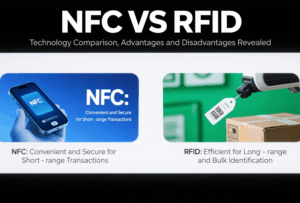
What’s the difference between NFC and RFID? Can NFC replace RFID in real-world applications? This article explores the relationship between the two technologies, compares their technical principles and use cases, and helps businesses make informed...
A USB RFID card reader reads compatible RFID cards and transfers their identification data to a computer through USB. The most important purchasing factors a...
Discover how RFID systems work from a physics perspective. Learn how energy flows between reader and tag, how backscatter works, and why RFID tags don’t need batteries.
 Cykeo RFID IoT Solution Products R&D Manufacturer