RFID tags on clothes store identifying information that compatible RFID readers can detect wirelessly, without scanning each label visually. Retailers use them to identify garments, count stock, track inventory movements, and support checkout or loss-prevention workflows. The exact function depends on the tag type, reader system, software, and how the retailer configures its operations.
A clothing RFID tag is not necessarily a GPS tracker, a camera, or a device that continuously reports a garment’s location. In many retail applications, it is a passive electronic tag that responds when an appropriate reader sends out a radio signal. The reader captures the tag’s identifier, and connected software uses that information to retrieve the associated product record.
That distinction explains why a small label inside a shirt can support inventory operations across an entire store. The tag does not need its own battery or an internet connection to communicate with a compatible passive RFID reader. The reader and software provide the infrastructure that turns individual tag responses into useful stock information.
What Is an RFID Tag on Clothing?
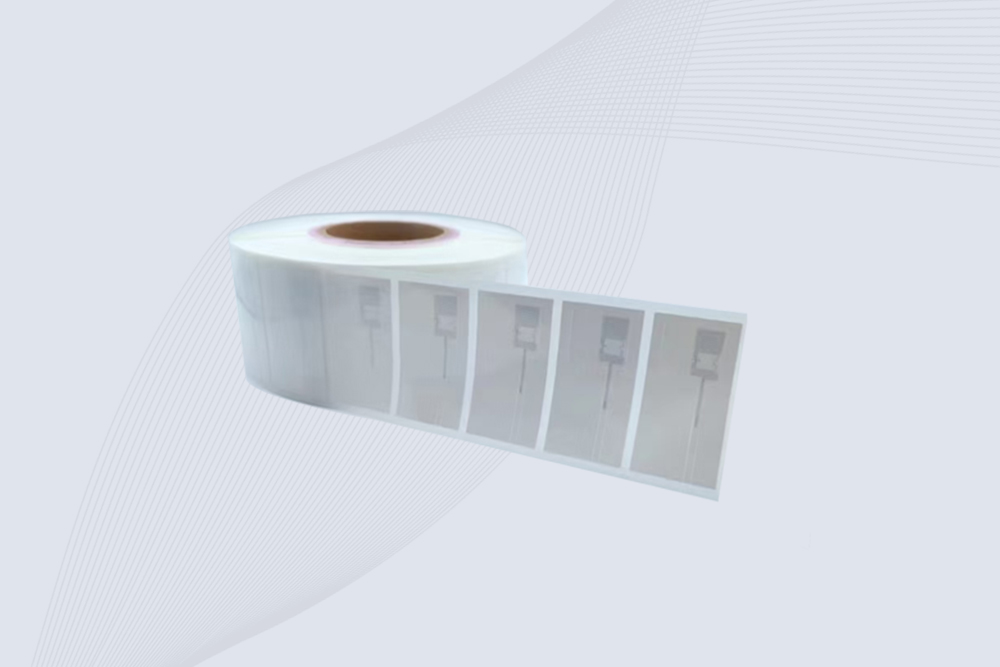
A clothing RFID tag is a small electronic identification device attached to a garment or its packaging. Depending on the retail system, it may be incorporated into a paper price tag, sewn into a fabric label, or attached as a separate label.
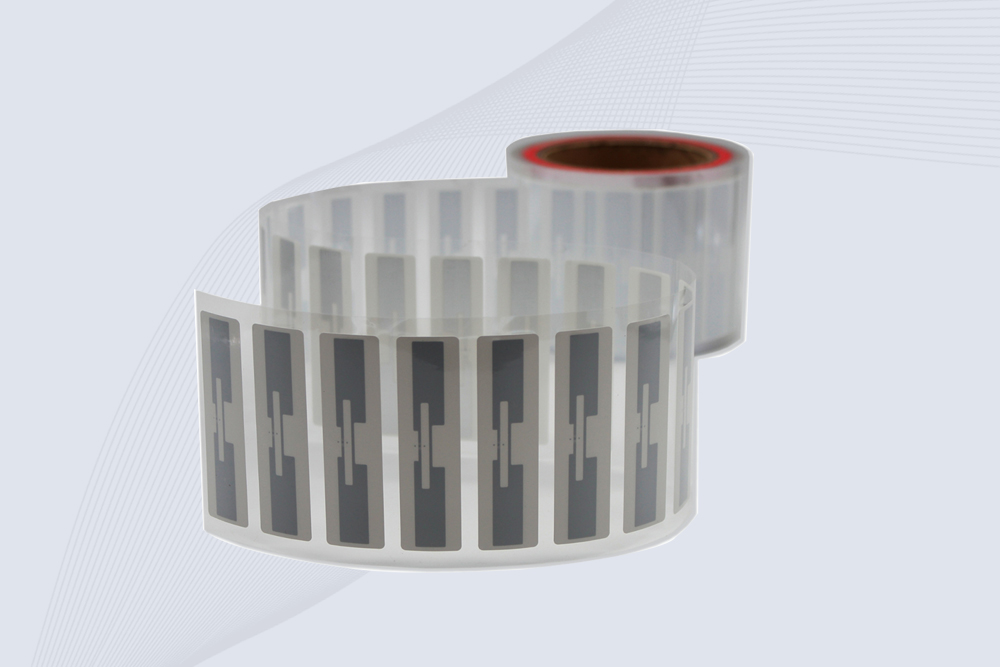
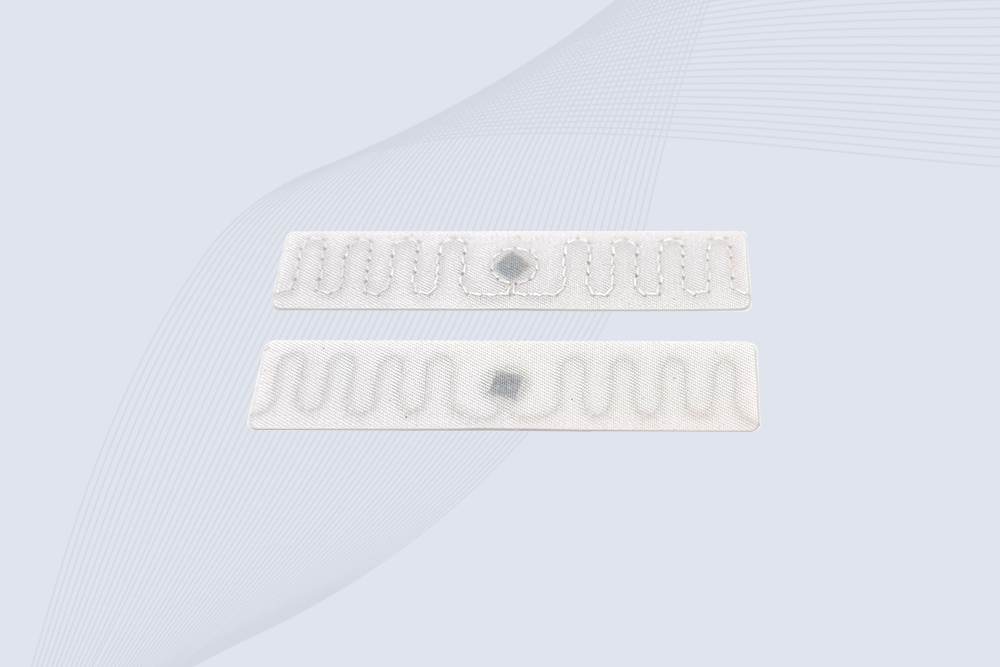
A typical passive UHF clothing tag contains two main components:
An antenna: Receives radio-frequency energy from the reader and enables the tag to communicate.
An integrated circuit (IC): Stores identification data and handles communication with the reader.
The tag is commonly associated with a unique identifier, such as an Electronic Product Code (EPC). The retailer’s inventory software can link that identifier to information such as the garment’s product style, color, size, and stock record. The exact information stored directly on a tag varies by implementation; product descriptions and transaction histories may reside in the retailer’s database rather than on the tag itself.
This is one reason retailers can use RFID to count large groups of garments. A compatible reader can identify multiple tags within its effective read zone, subject to tag placement, radio conditions, reader settings, and the performance of the complete system.
RFID clothing labels are not all the same
The term RFID clothing tag can describe several different physical designs and technologies.
Tag type
Typical design
Common purpose
Passive UHF RFID label
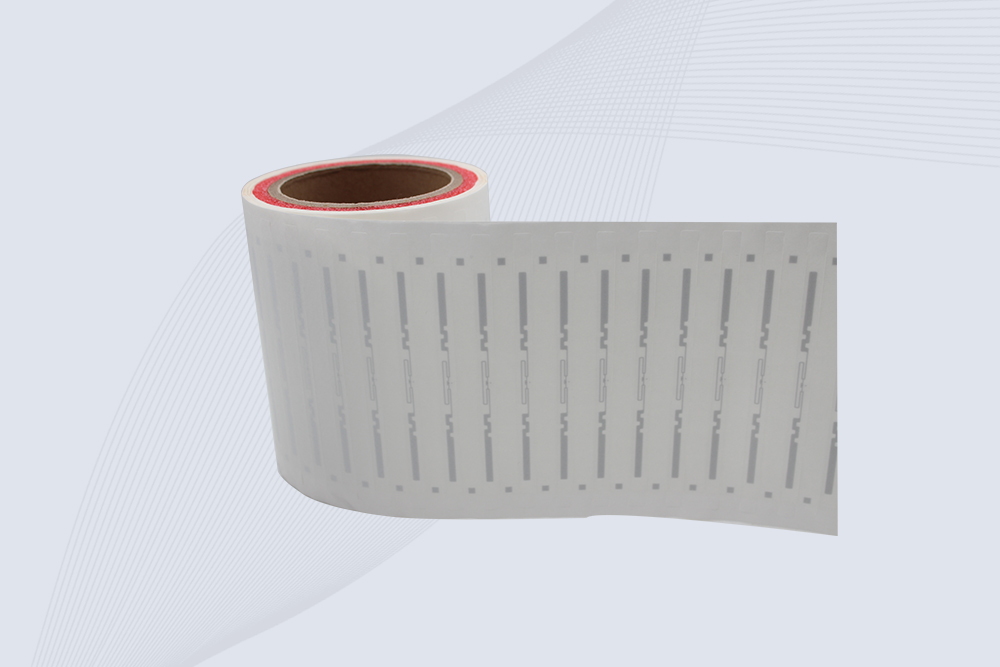
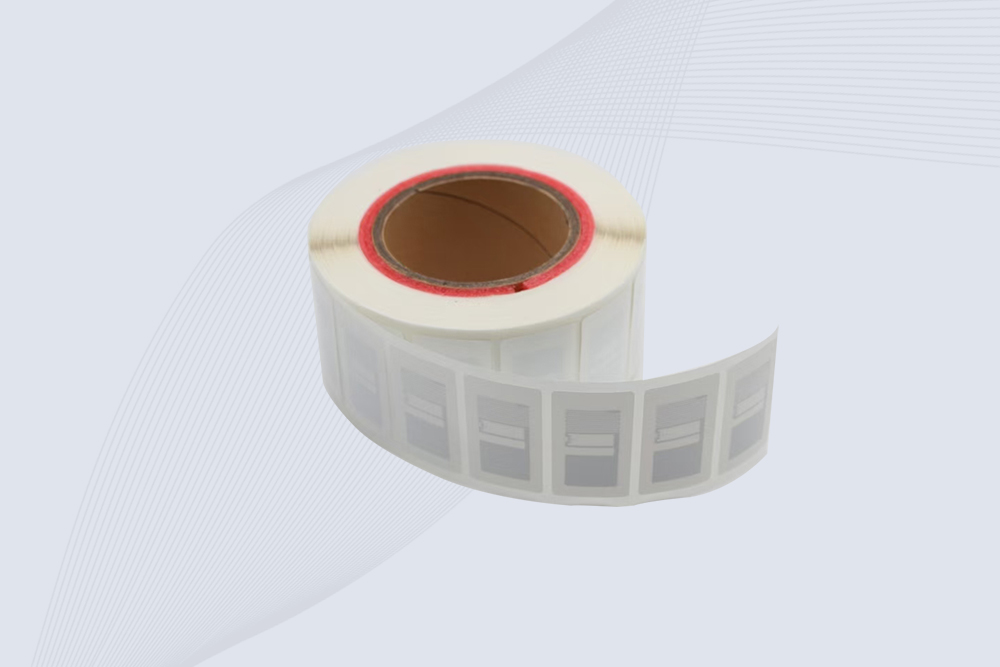
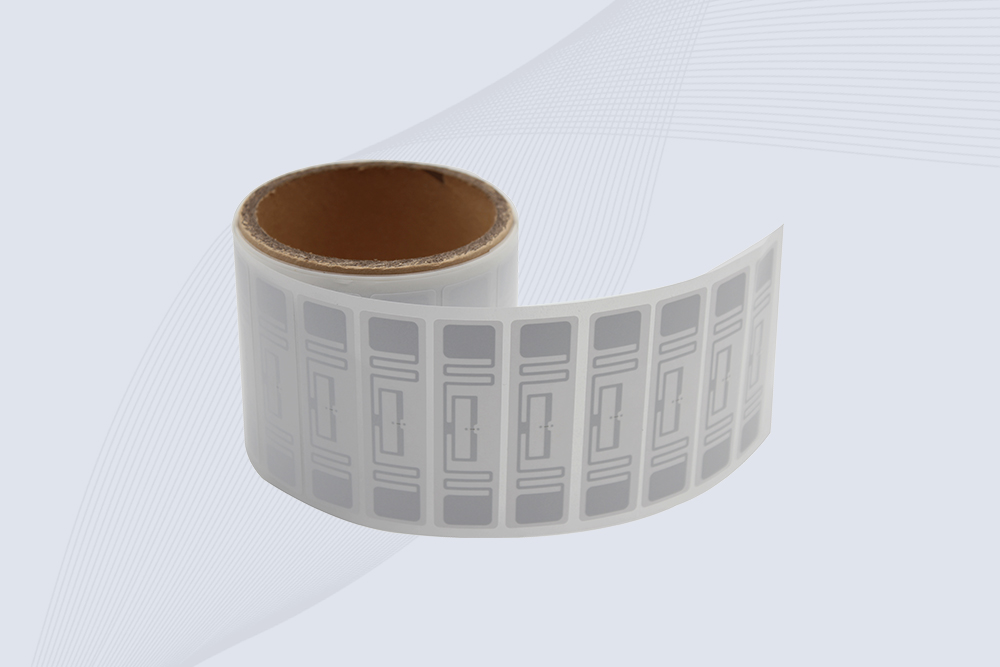
Thin inlay with an antenna and chip, often attached to a paper label
Garment-level inventory, stocktaking, and logistics
Sewn-in RFID label
RFID component integrated into a textile label
Identification throughout selected garment workflows
HF or NFC tag
Tag designed for high-frequency communication at short range
Applications requiring close-range interaction, depending on system design
RFID-enabled security tag
Retail security device incorporating RFID functionality, sometimes combined with other security features
Inventory identification and, where supported, loss-prevention workflows
These categories can overlap. A paper hangtag may carry both a barcode and an RFID inlay, allowing staff to use either technology when the system supports both. A reusable hard security tag may also contain RFID functionality, but not every hard tag is an RFID tag.
For a retailer choosing tags, the important questions are not just how small the label is or how far away it can be read. Compatibility, attachment method, durability, cost, and the intended process all matter.
How Do RFID Tags Work on Clothes Step by Step?
The underlying process is straightforward, although the software and store workflow can be more involved than the physical scan.
1. The garment receives an RFID tag
During manufacturing, packing, or store preparation, a compatible tag is associated with a garment. Its identifier is linked to the relevant product record so the system can distinguish one tagged item from another.
2. An RFID reader sends a radio signal
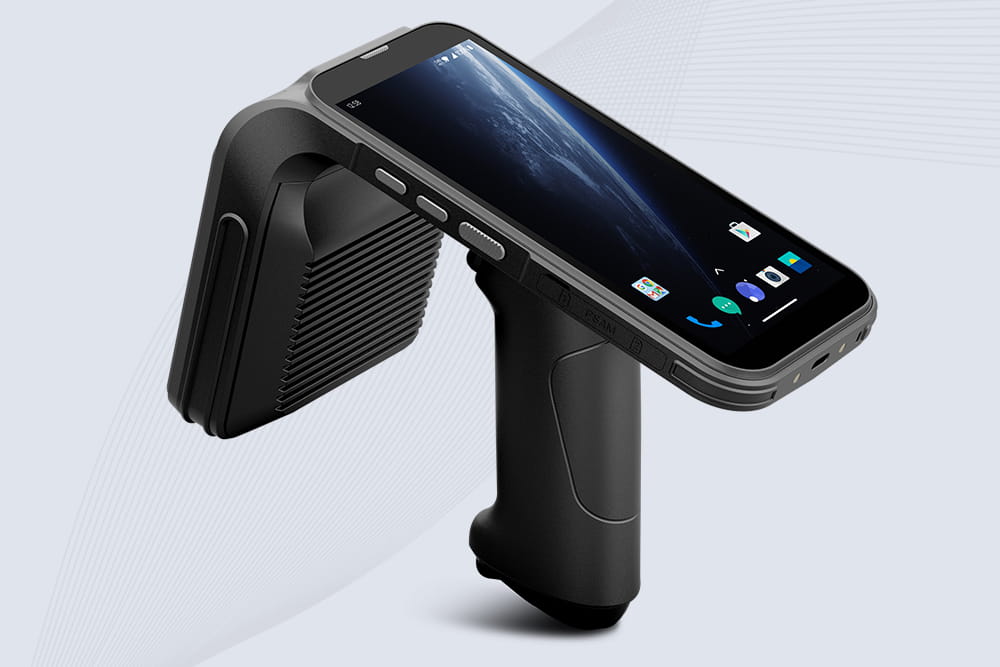
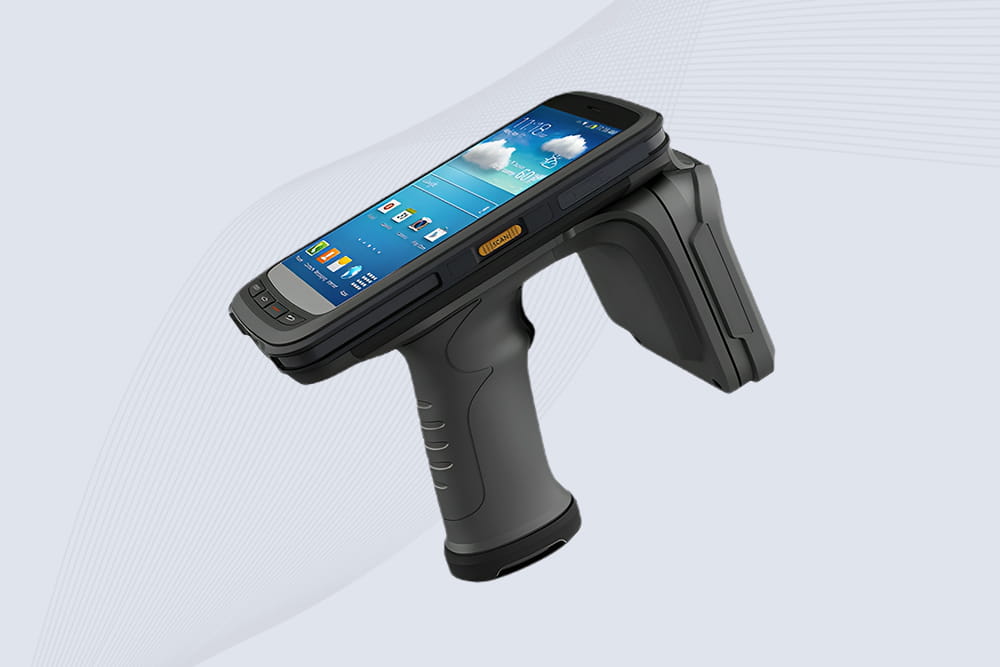
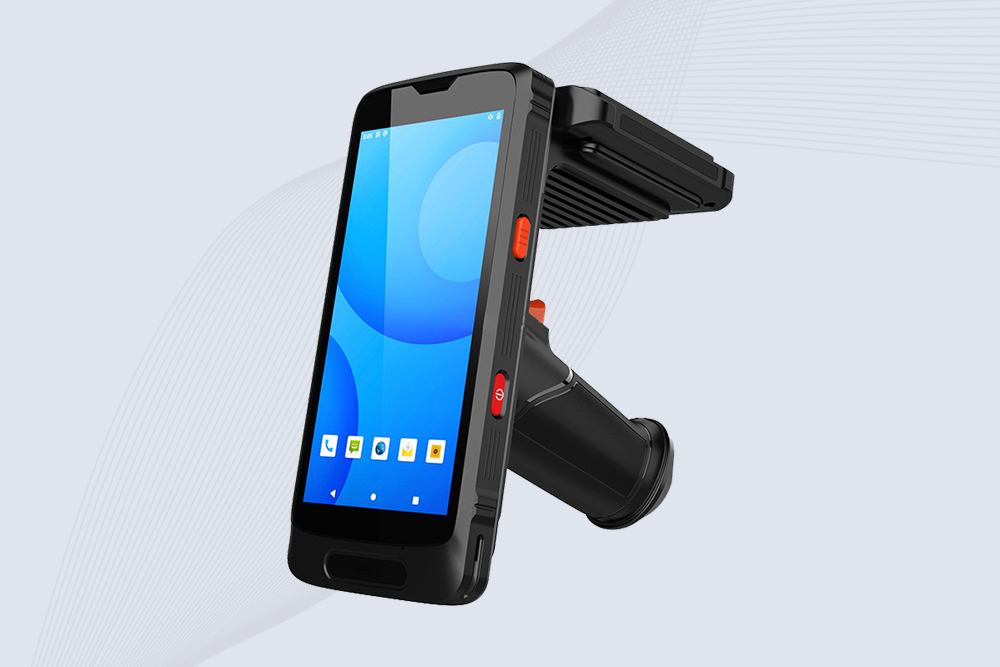
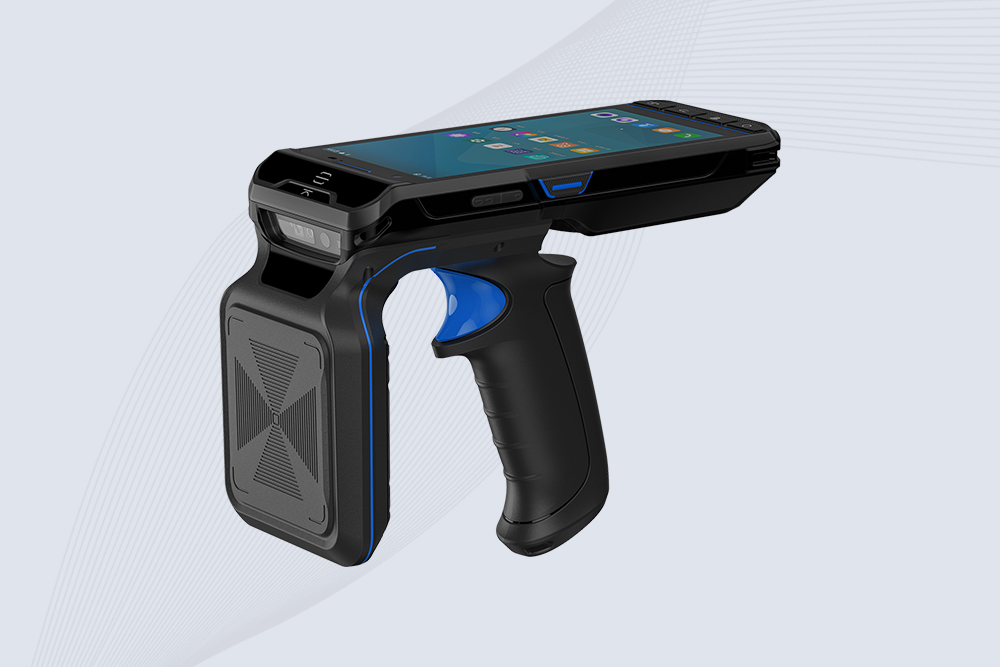
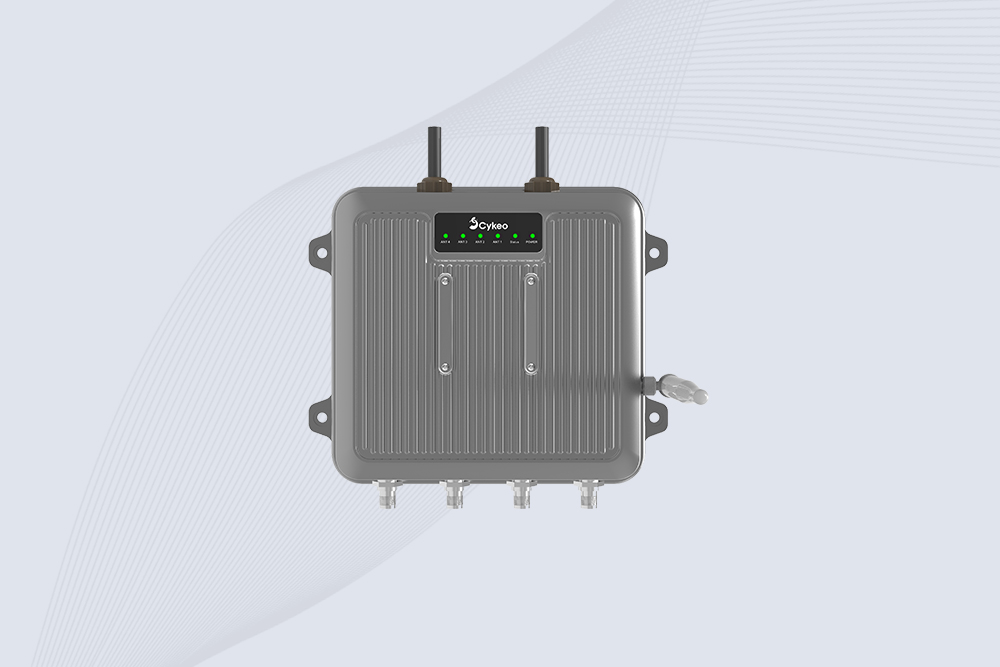
A handheld scanner, fixed reader, or other compatible device emits a signal through its antenna. A passive tag within suitable range harvests energy from that signal and responds using the RFID communication protocol.
3. The system identifies the item
The reader passes the captured identifier to the connected application. The inventory system matches it to a product record and applies the relevant workflow, such as counting stock, checking an item into a location, or verifying a transaction.
The tag is linked to the garment’s product record
Imagine a retailer receives a carton containing the same shirt in three sizes. A barcode can identify the product type, but RFID can also distinguish individual tagged units when each tag carries its own identifier and the system maintains the corresponding records.
That distinction matters during stocktaking. If the retailer needs to determine whether a particular unit has been counted, individual tag identifiers provide more granular item-level visibility than simply counting product types.
The tag does not automatically know the shirt’s current location. Location information generally comes from the reader, the process being performed, and the software’s interpretation of the read event.
The reader energizes the passive tag
Many apparel inventory systems use passive UHF RFID. These tags do not need a built-in battery for ordinary tag communication. Instead, the reader transmits radio-frequency energy, and the tag uses the energy available to respond.
Compatible UHF readers and tags commonly use the EPC Gen2 air-interface protocol, also known as ISO/IEC 18000-63. GS1 maintains the relevant RFID standards and technical documentation.
A reader may detect multiple tags in a single scanning session. However, that does not mean every tag on every rack will always be captured. Performance depends on the reader’s configuration, tag orientation, garment arrangement, and radio-frequency environment.
Inventory software turns tag reads into useful information
A tag read becomes operationally valuable when the system connects it to a business process. Depending on the implementation, software can use the read to support:
Receiving and verification of incoming garments.
Stock counts by item, size, color, or product style.
Transfers between a stockroom and the sales floor.
Replenishment decisions based on recorded inventory.
Checkout or return workflows.
Investigation of discrepancies between recorded and physically observed stock.
A reader by itself does not guarantee accurate stock records. The application must decide which reads belong to a valid event, associate the item with the correct product record, and handle duplicate or unexpected reads appropriately.
This is particularly important when garments are close together. Detecting a shirt in a fitting-room return area is not the same as confirming that the item has been returned to the sales floor and is available for sale.
How RFID Tags Improve Clothing Inventory Management
For clothing retailers, one of the most valuable uses of RFID is identifying individual garments without requiring staff to scan each barcode separately. A handheld reader can capture multiple compatible tags in one scanning session, making it possible to count stock across racks, shelves, and stockroom areas more efficiently.
This matters because apparel inventory is unusually granular. One style may be sold in six sizes and several colors, with individual units distributed between the shop floor, fitting rooms, backroom, and warehouse. A system that records only the product style may not provide enough detail to manage individual units reliably.
What the research says about RFID inventory accuracy
A peer-reviewed study by Bill C. Hardgrave, John A. Aloysius, and Sandeep Goyal, published in Production and Operations Management in 2013, investigated RFID-enabled inventory visibility in retail stores.
In its first experiment, researchers tracked one product category across 13 stores over 23 weeks. The study reported an approximately 26% reduction in inventory record inaccuracy associated with RFID-enabled visibility. A second experiment covered 62 stores and five product categories, with results ranging from no statistically significant improvement to an 81% improvement, depending on the category.
The important qualification is that these results do not mean every clothing retailer should expect a 26% improvement. The study examined specific retail settings and inventory processes. Outcomes depend on how tags are applied, how consistently stock movements are recorded, and whether the business uses the information to correct inventory discrepancies.
For apparel operations, the practical benefit is straightforward: if staff can count individual garments more frequently and identify mismatches between physical stock and system records, they have better information for replenishment and availability decisions.
From the distribution center to the shop floor
GS1 has documented apparel applications in which EPC-enabled RFID tags are attached to individual garments and linked to product identifiers. One case study describes serialized identification used to connect tagged garments with barcode information and support order fulfillment.
This is particularly useful when garments pass through several stages:
Distribution center: Verify tagged items as orders are prepared and dispatched.
Store receiving: Compare delivered goods with expected inventory.
Stockroom: Count items without manually scanning every label.
Sales floor: Check which sizes and colors are physically available.
Returns and replenishment: Identify items and update the relevant records through the retailer’s workflow.
RFID does not automatically guarantee that every movement is captured. The system still needs suitable read points, operational procedures, and software rules. But it can give retailers a more detailed view of item-level inventory than a process based solely on periodic manual barcode scans.
RFID clothing tags give compatible retail systems a way to identify individual garments and support item-level inventory tracking.
How RFID Clothing Tags Support Checkout and Loss Prevention
RFID tags can support retail checkout and loss-prevention processes, but the exact behavior depends on the tag, reader, security hardware, and point-of-sale integration.
At checkout, a compatible RFID system may identify several tagged garments in one transaction without requiring the cashier to scan each barcode individually. The POS software then matches the captured identifiers with product records, applies the appropriate transaction rules, and updates inventory when the sale is completed.
Some RFID-enabled retail security systems also use tag information to help distinguish merchandise associated with a completed sale from merchandise that has not passed through the intended process. However, an RFID inventory tag is not automatically an alarm device. An alarm requires compatible security equipment and a configured detection or authorization workflow.
A useful distinction for retailers:
Inventory identification: Determines which tagged garments are detected.
Checkout integration: Connects tag identifiers with the sales transaction.
Electronic article surveillance (EAS): Uses a configured security system to detect defined conditions, such as merchandise passing an exit without the expected authorization.
These functions can be integrated, but they are not interchangeable. When selecting a system, verify that the tags and readers support the intended workflow rather than assuming that every clothing RFID label can independently trigger a security alarm.
Can RFID Tags on Clothes Track You?
Ordinary passive apparel RFID tags are generally designed to identify products, not continuously track people. A typical passive UHF tag has no GPS receiver, no independent cellular connection, and no battery for continuous location reporting. It responds when a compatible reader interrogates it within suitable radio range.
GS1’s consumer-product RFID guidance explains that EPC/RFID tags generally contain product-related information rather than personally identifiable information. GS1 also emphasizes consumer notice, education, choice, and responsible handling of information associated with tagged products.
There is an important qualification: a product identifier may be associated with a customer record in a retailer’s information systems. If that happens, the retailer must handle the associated data responsibly and comply with applicable privacy laws. The tag’s identifier alone is not the same thing as a person’s identity, but the way a retailer links and uses data matters.
Consumers who want to know whether a garment contains an RFID tag can check the label, hangtag, packaging, or product information, or ask the retailer. Some tags are integrated into fabric labels, so they may not look like a separate electronic device.
Can a clothing RFID tag be removed or disabled?
The answer depends on how the tag is attached and the retailer’s process.
Disposable hangtag: The tag may be removed after purchase.
Tag integrated into a separate label: Removal may be possible, but the label’s other information should be preserved.
Sewn-in RFID label: Removing it may require cutting or removing the textile label.
Reusable security tag: It may need to be removed or deactivated by store staff using the appropriate equipment.
GS1’s guidelines discuss consumer notice and choice, including situations in which an EPC/RFID tag is integrated into a fabric label. The guidance also cautions against removing care or content information that consumers may need to retain. See the GS1 Guidelines on the Use of EPC/RFID.
Not every tag is designed to be disabled electronically at checkout, and not every retailer uses the same approach. The safest option is to check the retailer’s instructions before cutting into a garment’s permanent label.
How Retailers Should Implement RFID Tags on Clothing
A successful apparel RFID deployment starts with the inventory problem, not the hardware catalogue. A retailer trying to reduce stock-counting time has different requirements from a brand tracking garments through distribution or a store integrating RFID with exit security.
1. Choose the right tag format
The physical tag must fit the garment and the supply-chain process.
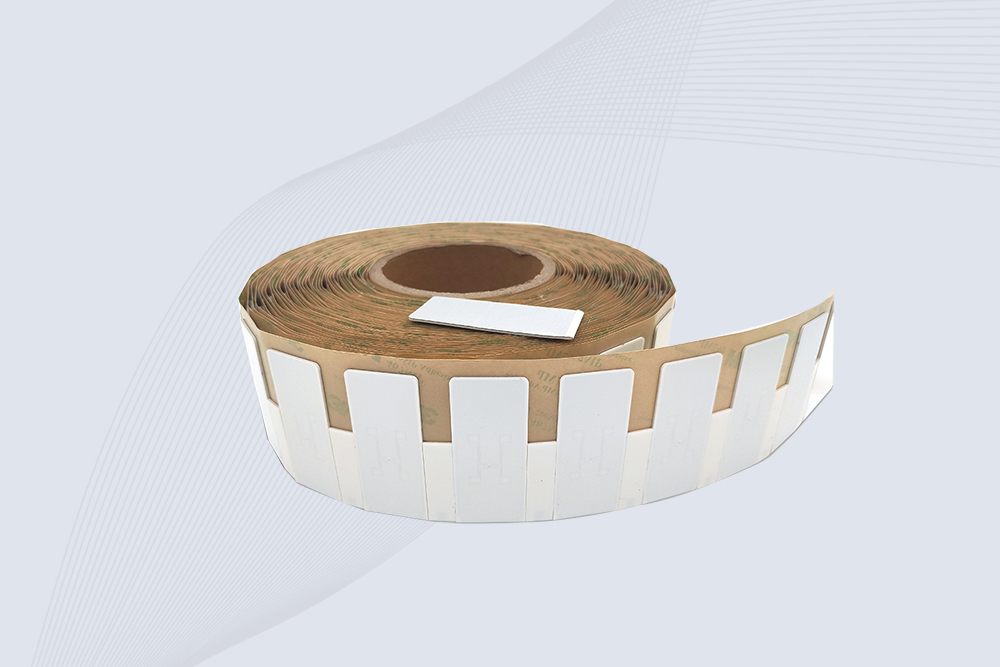
For apparel, common options include paper hangtags, adhesive labels, and sewn-in textile labels. The choice affects attachment, durability, readability, presentation, and the work required during production or store preparation.
GS1 US apparel guidance addresses EPC tag identification, serialization, and placement for apparel, footwear, and general merchandise. It also stresses coordination between suppliers and retailers when determining suitable tag types and placement.
Before approving a tag, confirm:
Whether it is compatible with the reader system and required RFID protocol.
Where it will be attached to the garment or packaging.
Whether the tag remains readable in normal handling and storage conditions.
Whether the retailer needs an individual identifier for each unit.
Whether the tag is disposable, reusable, or integrated into a permanent label.
2. Test tags on actual garments
A tag that reads reliably when placed flat on a workbench may behave differently when attached to a folded jacket, a densely packed rack, or a garment containing metallic decoration.
A practical pilot should include several garment types, different sizes, and the actual packaging used in receiving and storage. Test the items individually and in groups. If the reader detects neighboring racks or misses tags hidden among garments, adjust the antenna placement, power, tag position, or read procedure before expanding the deployment.
The goal is not simply to maximize the number of detected tags. It is to achieve reliable identification in the intended area.
3. Connect RFID reads to inventory software
The software must map each tag identifier to the correct item record and define what a read means in the business process.
For example, a handheld inventory scan may update a count for a designated stockroom area. A fixed reader at a receiving station may contribute to a goods-receipt workflow. A checkout system may associate detected garments with a sales transaction.
These events should not be treated as identical. A tag detected near a fitting room does not prove that the garment has been returned to saleable stock. A tag detected at a dispatch doorway does not automatically prove that an order has left the building.
For supply-chain event sharing, GS1’s EPCIS standard provides a framework for sharing visibility events across systems. Whether EPCIS is appropriate depends on the retailer’s integration requirements; not every store-level RFID project needs a full EPCIS implementation.
4. Measure operational results after deployment
During a pilot, track the indicators that reflect the original business problem:
Metric
What to examine
Inventory count time
Time required to count a defined area before and after RFID deployment
Missed-tag rate
How often known tagged items are not captured under test conditions
Unwanted reads
Whether tags outside the intended area appear in results
Inventory discrepancies
Differences between physical stock and system records
Time required to resolve unreadable tags, duplicate events, or mismatched records
Use the same test conditions where possible and document changes to staff procedures. Otherwise, improvements may reflect a different counting method rather than the technology alone.
Integrated RFID systems can identify tagged garments and connect product records with inventory or checkout workflows.
Frequently Asked Questions
1. How do RFID tags work on clothes?
RFID tags on clothes contain an electronic identifier that a compatible reader can detect wirelessly. In common passive UHF systems, the reader sends a radio signal that powers the tag’s response. Retail software then links the captured identifier to a product record for inventory counting, receiving, checkout, or other configured workflows.
2. Do all clothes have RFID tags?
No. RFID use varies by brand, retailer, product category, and supply-chain requirements. Some garments carry RFID-enabled paper hangtags or sewn-in labels, while others rely on barcodes or other identification methods. A garment’s appearance alone does not reliably establish whether it contains an RFID tag.
3. Can RFID tags on clothes be scanned without a barcode?
Yes. A compatible RFID reader can identify a garment through its RFID tag without requiring a barcode scan. However, the reader must support the tag’s frequency and protocol, and the inventory software must associate the tag identifier with the correct product record.
4. Do clothing RFID tags contain personal information?
Typically, passive apparel RFID tags carry product identifiers rather than a person’s name or personal details. However, a retailer may link a product identifier to transaction or customer records in its own systems. Privacy therefore depends not only on the tag but also on how associated data is collected, linked, retained, and protected.
5. Do RFID tags on clothes prevent theft?
Not by themselves. RFID can support loss-prevention workflows when integrated with compatible security equipment and configured store procedures. Inventory RFID, checkout identification, and electronic article surveillance are distinct functions, even when a retail solution combines them.
6. Can RFID tags on clothes be washed?
It depends on the tag design and where it is attached. A paper hangtag is generally not intended to remain on a garment during washing. A purpose-designed textile RFID label may be engineered for laundering, but wash resistance must be confirmed from its specifications and tested under the relevant care conditions.
7. Is RFID better than barcodes for clothing inventory?
RFID can read multiple compatible tags without requiring each label to be visually aligned with a scanner, which can benefit large-scale apparel stocktaking. Barcodes are often inexpensive and easy to use for individual transactions. The better option depends on inventory volume, workflow, system cost, required item-level visibility, and operational constraints; many retailers use both.
Author and Editorial Notes
For Cykeo publication, the author should be identified by their real name and verified experience in RFID engineering, apparel inventory, retail technology, or system integration. If a qualified author has not been confirmed, use a neutral editorial byline rather than inventing professional credentials or claiming personal testing that was not conducted.
The technical explanations in this article draw on GS1 RFID standards and consumer guidance, GS1 US apparel implementation material, and peer-reviewed retail inventory research. Product-specific claims should be checked against the manufacturer’s documentation before publication.
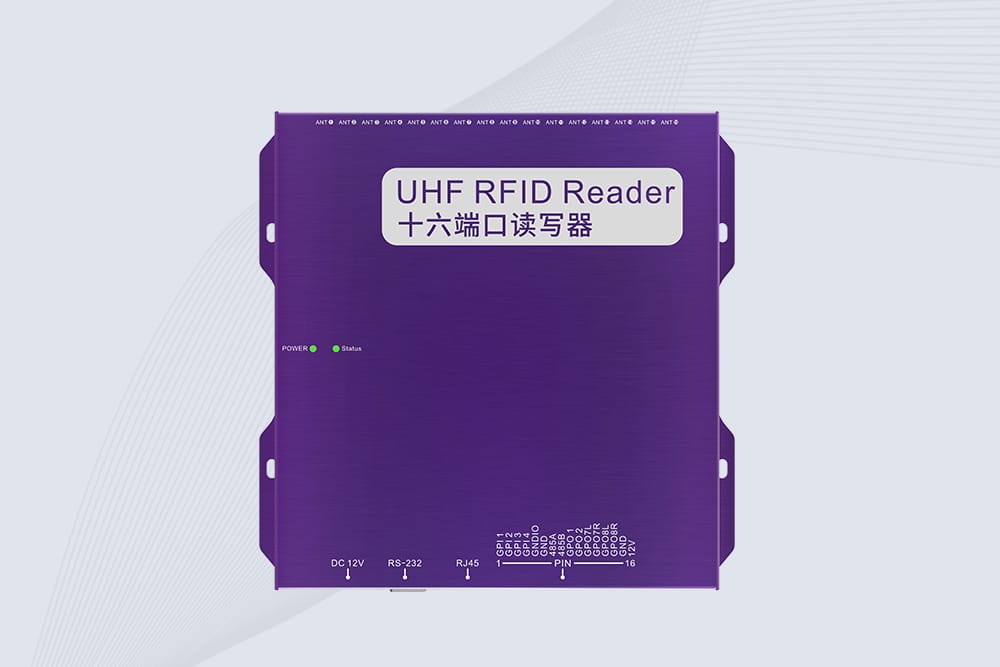
SSD-R16L Multi-Channel RFID Infrastructure for Automated Inventory Management ✔️ 16-Port High-Density RFID Reading Equipped with 16 SMA antenna ports, SSD-R16L supports multi-antenna deployment for warehouses, retail stores, logistics, production lines, and large-area RFID identification. ✔️ High-Speed & Long-Range Performance With up to 33…
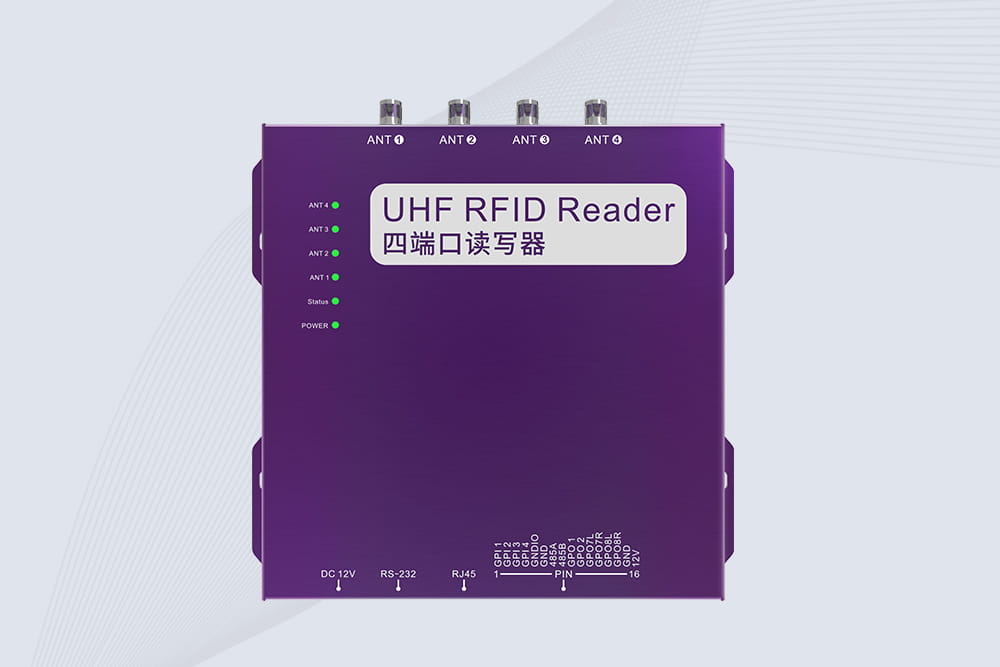
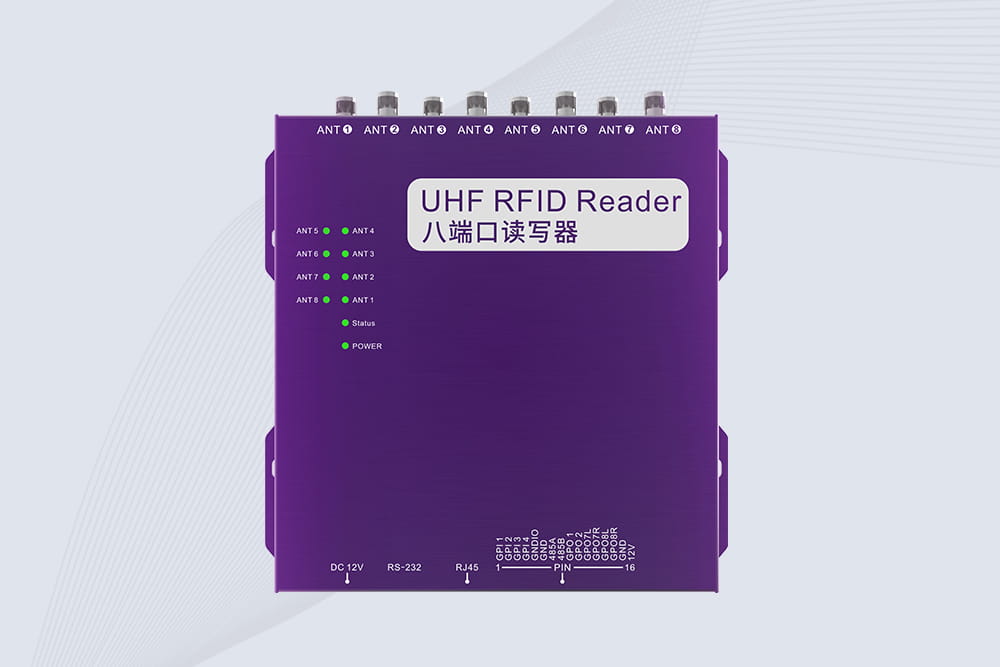
SSD-R8L 8-port UHF RFID reader with 33dBm output, up to 20m reading range and 600+ tags/s recognition. Ideal for warehouse, logistics, retail and asset tracking.
CYKEO Passive RFID Tags are made for wet and high-humidity environments where standard labels do not last. This rfid passive tag is often used around liquids, chemicals and temperature changes, providing stable reading distance and long data life for industrial tracking.
CYKEO CYKEO-PCB1504 Metal RFID Tags is a compact anti-metal UHF RFID solution built for direct mounting on metal surfaces. With stable 8-meter read range, Ucode-8 chip, and long data retention, this rfid metal tag fits tools, containers, automotive parts, and industrial asset tracking.
CYKEO CYKEO-PCB7020 On-Metal RFID Tags are designed for reliable tracking on steel and metal surfaces. Built with an FR4 epoxy body and industrial-grade chips, these On-Metal RFID Tags deliver stable performance, long data life, and chemical resistance, making them a dependable RFID anti-metal tag for harsh environments.
The CYKEO CYKEO-60-25 Anti-Metal RFID Tag is built for metal surfaces where standard tags fail. Designed for long-range performance, harsh environments, and stable data retention, this Anti-Metal RFID Tag is ideal for industrial assets, containers, and equipment tracking using on metal RFID tags.
The CYKEO RFID Laundry Tag is designed for long-term textile identification in harsh laundry environments. Built to withstand high heat, chemicals, and repeated washing, this RFID Laundry Tag delivers stable performance for hotels, hospitals, and industrial laundry operations using laundry rfid tags at scale.
The CYKEO CYKEO-125-7 RFID Book Tag is designed for reliable book and document tracking in libraries and archives. This RFID Book Tag delivers long read range, dense placement support, and stable performance on shelves, making it a practical rfid tag on books for library automation, file management, and archival systems.
CYKEO RFID tags in hospitals are designed for sterile environments where accuracy matters. These autoclavable RFID tags support long-term tracking of surgical tools, implants, and medications, helping hospitals improve visibility, compliance, and patient safety.
CYKEO RFID Cable Tie Tag is built for reliable identification on metal surfaces. This UHF RFID Cable Tie Tag is widely used in rfid tags for inventory systems, industrial asset management and Hospital RFID Tags, offering stable read performance, long service life and global EPC Gen2 compatibility.
CYKEO RFID Asset Tag is designed for stable identification of metal assets in industrial environments. This UHF RFID Asset Tag is commonly used for rfid tag asset tracking on equipment, tools and containers, providing reliable reads, long service life and ISO/IEC 18000-6C support.
CYKEO UHF RFID Card is designed for fast identification and long-term use in industrial and commercial systems. Supporting ISO 18000-6C, this UHF RFID Card works at 860–960 MHz and is suitable for custom RFID cards used in asset tracking, access control and inventory management.
CYKEO HF RFID Cards are designed for secure and stable access control systems. These 13.56 MHz RFID key cards support ISO 14443-A, reliable rewriting and long service life, making HF RFID Cards suitable for offices, campuses, events and membership management.
CYKEO UHF RFID Tag is designed for reliable tracking of metal jewelry and high-value items. This Jewelry RFID Tag supports long-range reading up to 8 meters, anti-counterfeit protection and stable performance on metal, making it suitable for retail, inventory control and asset management.
CYKEO Embedded RFID Modules are designed for compact industrial and IoT devices that require stable UHF performance. These UHF RFID Modules support global protocols, flexible power control, and reliable multi-tag reading for smart cabinets, production lines, and asset tracking systems.
CYKEO Embedded RFID Module is built for compact IoT and industrial devices that need stable UHF performance. This UHF module supports global protocols, low power operation, and reliable multi-tag reading for smart lockers, production lines, and always-on RFID systems.
CYKEO CYKEO-M1 drone rfid module is a compact UHF RFID reader module designed for drones and UAV platforms. It supports long-range aerial scanning, fast multi-tag reading, and stable performance in wind, vibration, and outdoor environments.
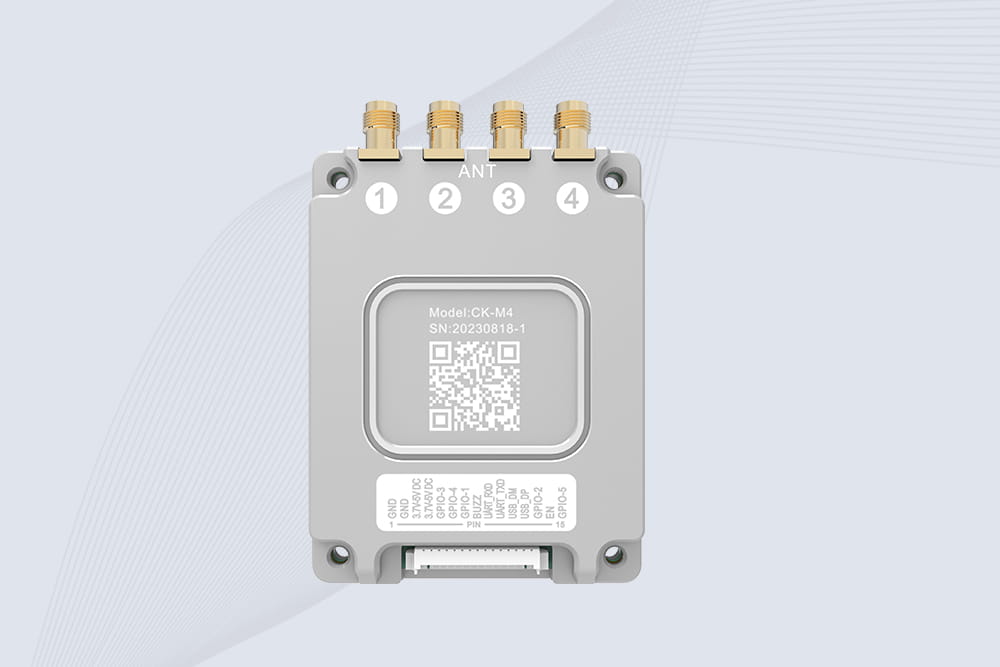
CYKEO CYKEO-M4 RC522 RFID Module is an industrial-grade UHF RFID reader with 4 ports, supporting ISO, EPC, and GB protocols. High-speed, accurate reading for IoT, automation, and warehouse applications.
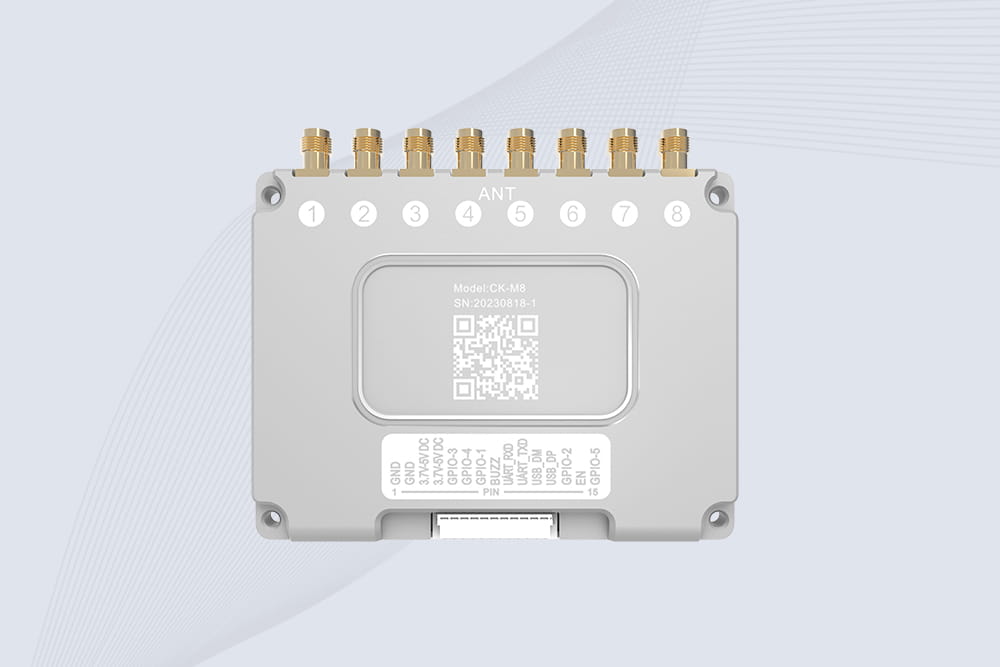
CYKEO CYKEO-M8 Module RFID is an 8-port UHF R2000 RFID Module designed for high-density, multi-tag environments. Stable 33dBm output, ISO & GB protocol support, ideal for warehouses, factories, and automated systems.
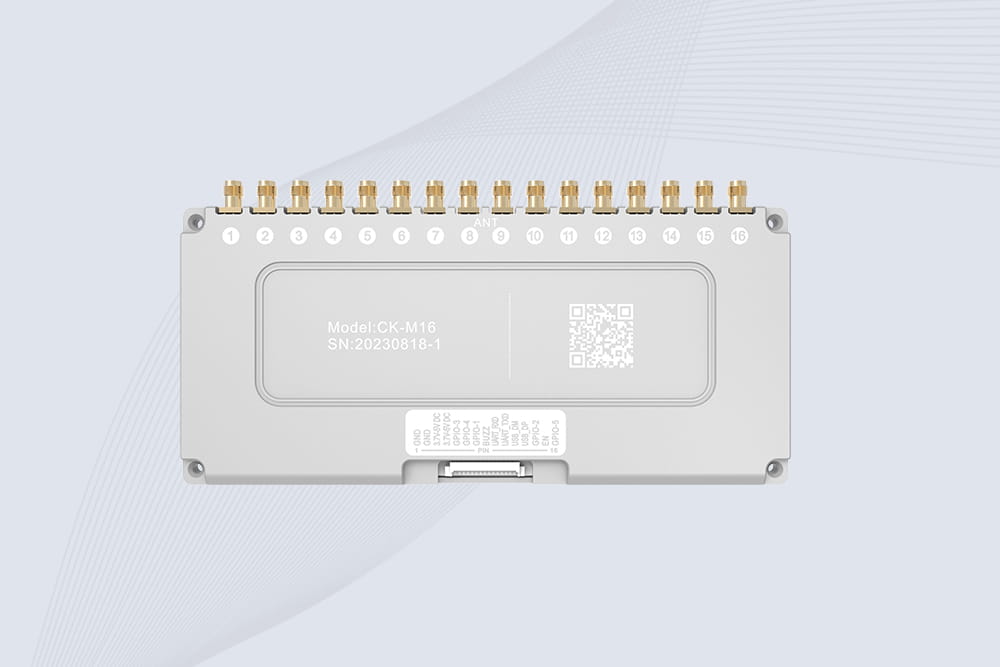
CYKEO CYKEO-M16 RFID Module is a 16-port UHF RFID reader module based on the R2000 chipset. Designed for dense tag environments, it supports ISO and GB standards and delivers stable multi-antenna control for industrial automation.
The CYKEO CYKEO-M16L RFID Reader Module is a 16-channel UHF RFID core designed for dense tag environments. With adjustable 33dBm output, multi-protocol support, and stable multi-antenna control, this RFID Tag Reader Module fits industrial automation, warehouse systems, and large-scale IoT deployments.
CYKEO CYKEO-M8L module RFID is a compact industrial UHF module built for dense tag and multi-antenna environments. With 8 RF ports, adjustable 33 dBm output, and ISO & GB protocol support, it is widely used in factories, warehouses, and automated tracking systems.
CYKEOCYKEO-M4L UHF RFID Module is a compact 4-channel RFID tag reader module designed for dense tag environments. Supporting ISO and GB protocols, it delivers stable reads up to 10 meters for industrial and IoT systems.
Cykeo CYKEO-C1 industrial Forklift RFID Reader features 20m read range, 600 tags/sec scanning, Impinj R2000 chipset, and IP67 rugged design. Ideal for warehouse logistics and manufacturing. Supports ISO 18000-6C/6B protocols.
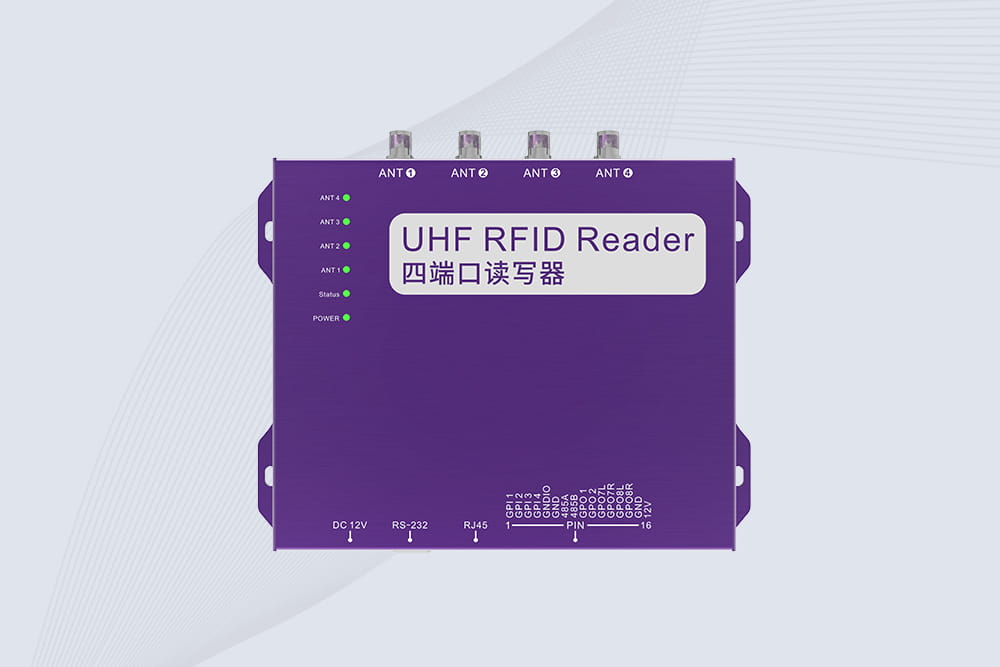
Cykeo CYKEO-R4 industrial UHF RFID Fixed Reader features 4 TNC ports, 400+ tags/sec speed, IP67 housing, and global frequency compliance for vehicle inspection, smart warehouse, and asset management systems.
CYKEO CYKEO-R8L Fixed RFID Reader with 8-port UHF design, Impinj-based RF core and up to 20m read range. An industrial Fixed RFID Reader for vehicle inspection, warehouse portals, smart manufacturing lines and secure access checkpoints.
RFID Fixed Reader from CYKEO – the CYKEO-R16L 16-port UHF fixed reader for warehouses, smart cabinets, and production lines. Long-range, multi-tag reading, stable performance for 24/7 industrial use.
Discover how RFID technology transforms healthcare facility management. Learn how UHF RFID systems, mobile readers, and smart tagging improve asset tracking, patient safety, and workflow efficiency.
RFID can outperform barcodes in high-volume inventory and asset-tracking applications by identifying multiple tagged items without direct line of sight. Barc...
Struggling to set up a USB RFID reader on Windows 10 or 11? Follow this step-by-step guide to install drivers, troubleshoot errors, and start scanning tags fast.
CYKEO is a leading RFID solutions provider offering proprietary multi-function circuit boards, 99.99% scanning accuracy, 100+ design patents, and expert engineering support. Experience seamless integration, quality manufacturing, and tailored solu...
 Cykeo RFID IoT Solution Products R&D Manufacturer