 Cykeo RFID IoT Solution Products R&D Manufacturer

How Does an RFID Antenna Work? Think of It as a Two-Way Radio Whisperer
253Curious how does an RFID antenna work? We break down the two-step process of sending power and receiving data that makes wireless tracking possible.
MoreAll RFID Product
A RFID scanner can need to be only a few centimeters from a tag or several meters away, depending on its frequency, antenna, tag design, and surroundings. HF and LF systems usually operate at short range, while passive UHF systems can often identify tagged items across a warehouse aisle or checkpoint.
There is no single distance that works for every RFID scanner. A desktop reader used to register an ID card has a very different job from a handheld UHF reader counting cartons on a pallet. The right distance is the one that consistently reads the intended tag without picking up unrelated tags nearby.
For inventory teams, that distinction matters. A scanner that reads a tag from farther away is not automatically better. If it captures items on the next shelf, inside a neighboring carton, or beyond a checkout boundary, its extra range can create inaccurate inventory events rather than improve performance.
The practical reading distance ranges from a few centimeters to several meters for many common RFID applications. Some specialized systems can work farther away under suitable conditions, but maximum range depends on the complete reader–antenna–tag setup, not simply the scanner’s advertised power.
The table below gives useful planning ranges rather than guaranteed specifications. Actual performance varies with tag construction, antenna orientation, reader configuration, and the environment.
| RFID technology | Typical practical range | Common applications |
|---|---|---|
| LF RFID, typically 125–134 kHz | Contact to a few centimeters in many systems; some applications reach farther | Access credentials, animal identification, industrial identification |
| HF RFID, 13.56 MHz | A few centimeters to tens of centimeters, depending on the system | NFC interactions, smart cards, library and document workflows |
| Passive UHF RFID, roughly 860–960 MHz globally | From tens of centimeters to several meters in many applications | Warehouse inventory, logistics, retail stocktaking |
| Active RFID | Often tens of meters or more, depending on system design | Asset tracking and selected long-range identification systems |
These are broad engineering guidelines, not universal limits. Frequency bands and permitted transmit power also vary by region. For technical planning, consult the relevant regional regulations and the equipment manufacturer’s documented range.
GS1’s UHF Gen2 air-interface standard defines how compatible UHF RFID readers and tags communicate. It does not mean every compliant reader will achieve the same distance in a warehouse, store, or factory. The physical installation still determines much of the result. See the GS1 RFID standards and GS1 EPC UHF Gen2 standard.
Passive UHF tags do not normally contain a battery. They harvest energy from the reader’s radio-frequency field and send information back by modulating the reflected signal. The reader must supply enough energy to activate the tag and receive a usable response.
Several elements work together:
This is why a UHF handheld scanner may read a label from several meters away in an open test area but struggle at a shorter distance when the label is pressed against a metal tool case or hidden among liquid-filled containers.
The most useful starting point is the task itself. Is the operator reading one tag deliberately, counting a group of products, or recording goods as they cross a defined boundary? Those jobs call for different read distances and antenna arrangements.
A desktop RFID reader is designed for controlled, close-range interactions such as registering an item, encoding a compatible tag, or checking an ID. The tag is usually placed on or near a designated reading area so the operator can identify the correct item.
For example, Cykeo’s desktop RFID product specifications describe a near-field workflow with a stated read distance of up to approximately 30 cm and a write distance of up to approximately 10 cm. These figures apply to that product configuration; they should not be treated as universal specifications for all desktop readers. Confirm the model, tag type, and operating conditions before using them in a deployment.
Close placement is valuable when two tagged items sit next to each other. If a staff member is encoding a library book, a tool record, or an individual asset, the goal is not to read everything on the desk. It is to communicate with the intended tag and avoid changing or recording the wrong one.
Practical advice: Start with the tag positioned within the manufacturer’s recommended operating area. Move it gradually rather than assuming that the reader will always detect it at the edge of its stated range.
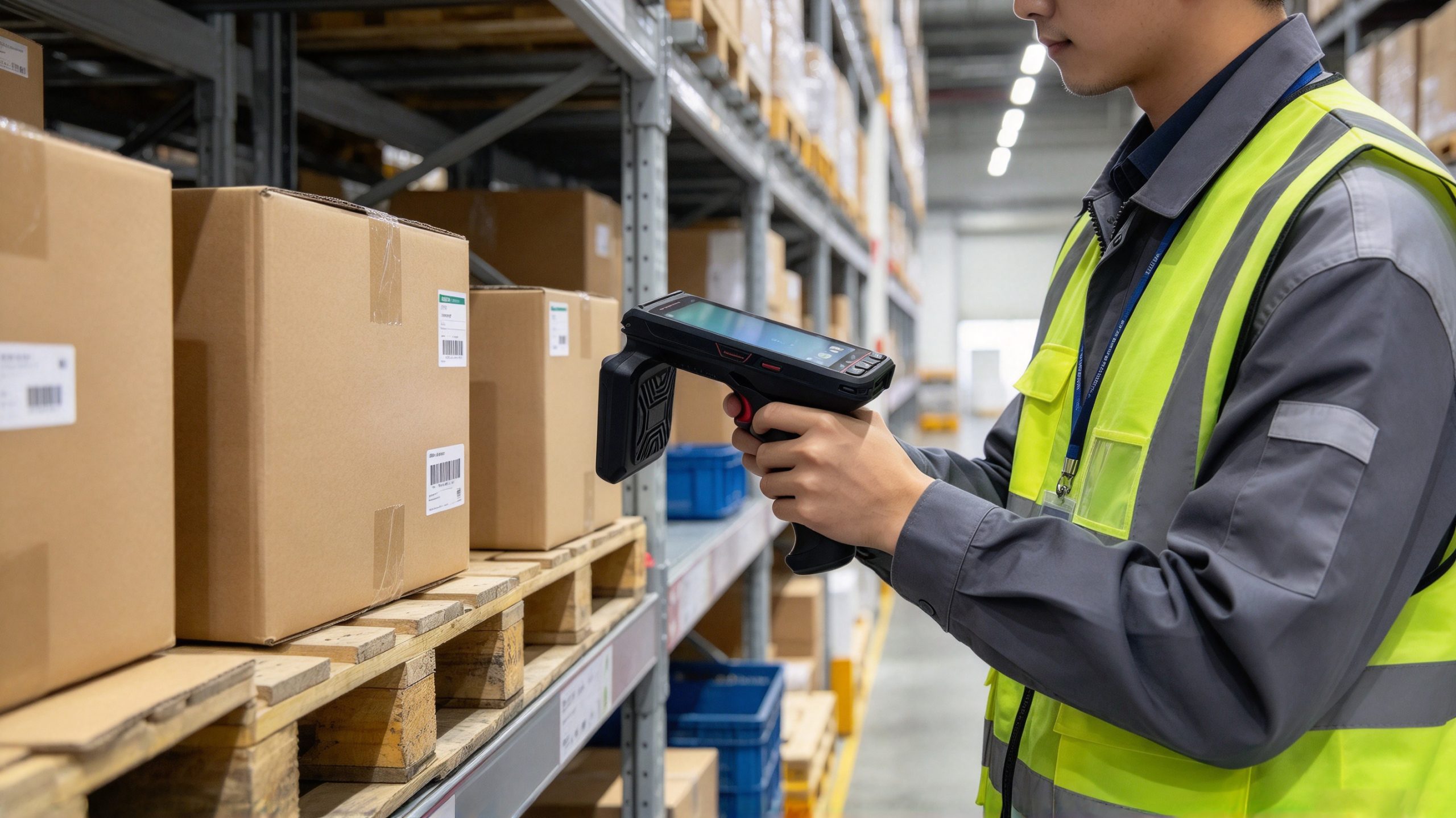
Handheld UHF readers are often used for stocktaking, locating tagged products, and checking goods in storage areas. Depending on the reader, antenna, tag, and environment, an operator may read a nearby item or scan a larger group without touching each label.
That flexibility can save time, but it introduces a trade-off. If the operator is trying to count every tagged carton on a particular pallet, a broad read zone may be useful. If the operator is verifying one serialised item on a crowded shelf, the same broad zone may pick up tags from neighboring products.
A good workflow is to begin at a moderate distance and adjust the reader’s position and power until the intended tags are detected consistently. Where the application requires item-level confirmation, narrow the read zone through antenna choice, power adjustment, scanning technique, or a dedicated checkpoint.
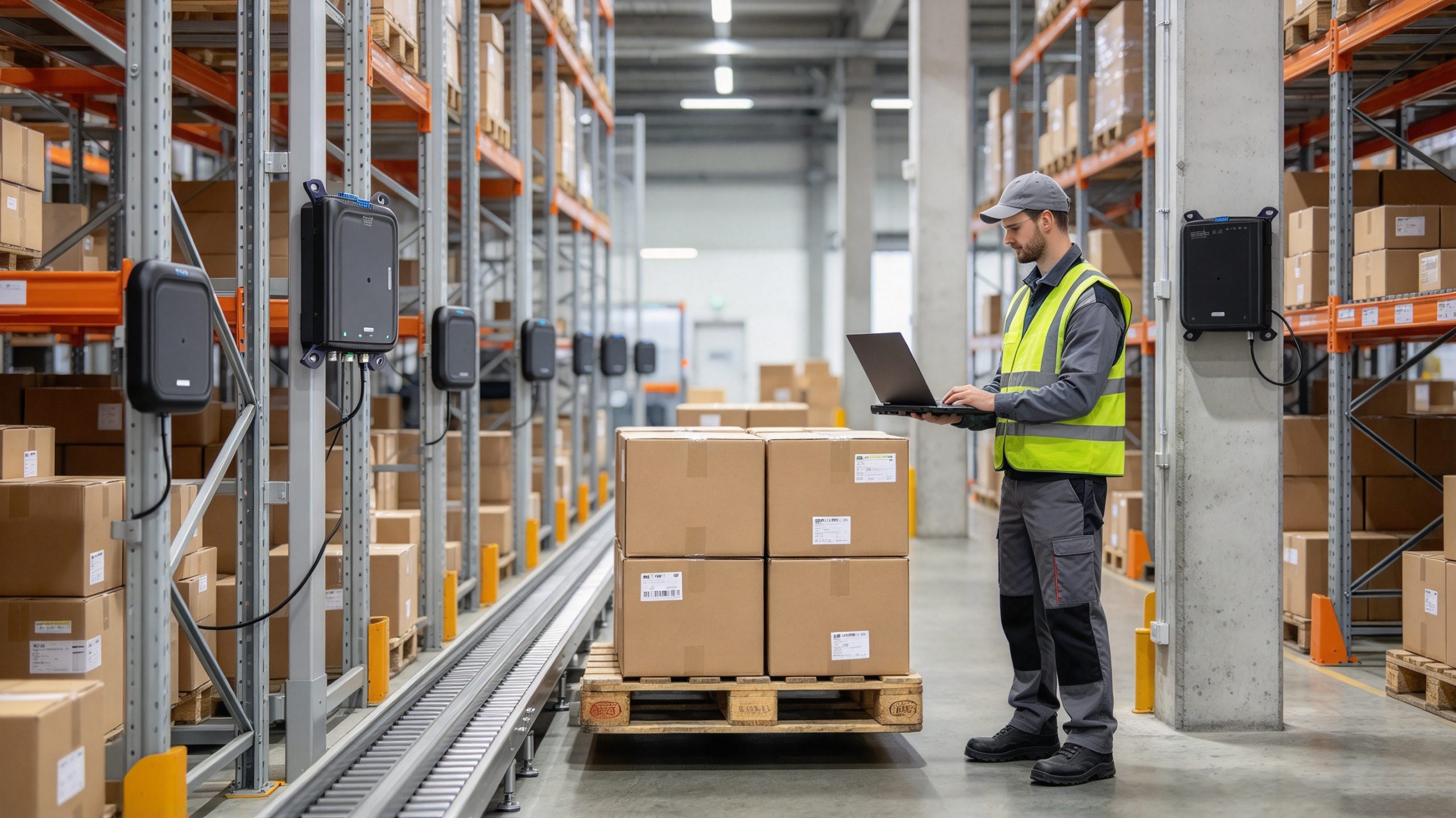
Fixed readers are installed at locations such as receiving doors, conveyor lines, storage checkpoints, or dispatch lanes. Their purpose is usually to detect tags as items enter a defined area or move through a process.
A fixed reader may be capable of reading several meters away, but that does not mean the entire space should be covered indiscriminately. Antenna direction, mounting height, tag orientation, and the physical width of the passage all affect the result.
Consider a warehouse doorway. If the antenna detects a pallet passing through the doorway, the system may record a movement event. If it also detects a pallet waiting in the adjacent staging area, the software could record a movement that never happened. The problem is not simply a weak or strong signal: it is a mismatch between the radio-frequency coverage and the business event being recorded.
For this reason, fixed-reader installations should be tested with real tagged goods moving at realistic speeds, not just with a single tag held in front of an antenna.
A scanner’s advertised range is only one part of the decision. In actual inventory work, the distance that matters is the distance at which the system reads the right tags repeatedly, under the conditions in which staff will use it.
RFID labels designed for cardboard packaging may perform poorly when attached directly to metal. Liquids can also affect UHF performance because they absorb or alter radio-frequency energy. Specialized on-metal tags and application-specific tag designs can help, but their suitability should be verified through testing.
Before choosing a scanner distance, check:
A tag mounted on the outside of a cardboard carton is not equivalent to one attached to a metal equipment case. Testing with a loose sample on a workbench may therefore produce misleading results.
RFID antennas do not illuminate every direction equally. Some are circularly polarized, while others are linearly polarized. The best choice depends on whether tags have a predictable orientation or may be presented at different angles.
For instance, if cartons move along a conveyor with labels consistently facing upward, a carefully positioned linear antenna may perform well. If packages rotate unpredictably, circular polarization or multiple antenna positions may provide more consistent coverage, depending on the application.
A failed read does not always mean the tag is too far away. Try changing the angle or orientation before increasing transmit power.
Increasing reader power can extend the read zone, but excessive power may cause unwanted reads from adjacent shelves, lanes, or workstations. It can also complicate troubleshooting by making the intended coverage area less distinct.
RFID operating rules differ by region, including permitted frequencies and power limits. Configure equipment for the country where it will operate, and follow the manufacturer’s guidance and applicable radio regulations. Do not treat a maximum power setting as the default setting for every installation.
A moving carton gives the reader less time to capture its tag than a stationary carton. Dense groups of tags also require the reader to manage multiple responses. Compatible anti-collision protocols help readers identify multiple tags, but real performance still depends on the reader, tag population, radio environment, and movement pattern.
In a warehouse, test with the actual number of items, real packaging, and normal operating speed. A successful test with three tags on an empty table cannot establish performance for a pallet containing dozens of tightly packed cartons.
Instead of selecting a distance based on a headline specification, use a short acceptance test with the intended tags and equipment.
Record both missed reads and unintended reads. These two failure types often require different adjustments: missed reads may call for better tag placement or antenna alignment, while unintended reads may require reduced power, narrower coverage, physical shielding, or changes to the workflow.
A reliable RFID setup is not defined by the greatest distance at which a reader can detect a tag. It is defined by whether the reader captures the intended tags consistently and excludes tags that do not belong to the current task. This distinction is especially important in retail stocktaking, warehouse receiving, and automated inventory checkpoints.
When an RFID scanner misses an item, moving closer is a sensible first test. However, if the reader already detects neighboring products, moving closer may not solve the underlying problem. The right adjustment depends on what the system is getting wrong.
Work through these checks before replacing the reader:
If the tag reads consistently at close range but fails farther away, investigate the antenna setup, mounting environment, and reader configuration. If it fails even when placed close to the reader, check compatibility, tag condition, and software settings first.
Unwanted reads are common when the read zone is wider than the actual work area. For example, a handheld scanner used to count one shelf might also capture tags from the shelf behind it.
Potential remedies include:
Software filtering needs careful design. Filtering a tag by its identifier can help remove irrelevant records, but it cannot automatically determine whether a physical movement actually occurred. If a system records goods as received or dispatched, it should use suitable event logic rather than treating every tag response as proof of movement.
The best RFID scanner depends on how items are presented, how many tags must be read, and how precisely the reading area needs to be controlled.
| Application | Suitable scanner type | Distance planning priority |
|---|---|---|
| Individual tag registration at a desk | Desktop RFID reader | Short, controlled reading area |
| Stocktaking across shelves | Handheld UHF RFID reader | Practical reach without reading adjacent inventory |
| Receiving or dispatch at a doorway | Fixed UHF RFID reader with suitable antenna | Reliable detection inside a defined passage |
| Conveyor or production-line identification | Fixed reader and application-specific antenna arrangement | Repeatable reads at the actual line speed |
| Access cards or close-range identification | Compatible LF or HF reader | Deliberate, predictable presentation distance |
A desktop reader is suitable when a worker deliberately presents one item at a time. For encoding, registration, or verification, a controlled reading area can be more useful than a long read range.
Cykeo’s desktop RFID reader specifications include a near-field configuration with a stated read distance of up to approximately 30 cm and a write distance of up to approximately 10 cm. These are product-specific figures, not a guarantee for every tag or operating environment. Confirm the selected model’s documentation and test it with the intended tags.
A handheld UHF reader is worth considering when staff need to count items across shelves, inspect tagged equipment, or locate inventory without handling every item individually.
When evaluating a model, check more than maximum range:
For a warehouse team, a slightly shorter but more controllable read zone may be preferable to a reader that detects tags throughout a large area.
Fixed readers are useful when inventory needs to be captured automatically at a known point. The antenna layout should be designed around the actual movement path, not just the physical dimensions of the reader.
For a doorway installation, test at least three conditions: goods passing through the intended route, goods waiting near the doorway, and tagged goods moving through an adjacent area. This helps establish whether the reader is capturing the right business event rather than merely detecting radio signals.
The software must also interpret those reads correctly. A tag seen near a dispatch door is not necessarily a dispatched item; a tag seen at receiving is not necessarily an accepted delivery.
A RFID scanner may need to be within a few centimeters for some LF or HF applications, while passive UHF readers can often scan tags from several meters away under suitable conditions. The actual distance depends on the reader, antenna, tag design, orientation, and surrounding materials. Always test the intended configuration.
Yes. RFID is a contactless identification technology. A compatible reader can communicate with a tag without physical contact, provided the tag is within the effective reading zone and the radio-frequency conditions are suitable. The tag does not need to be visible to the reader, although materials and placement can still affect performance.
Yes. Passive UHF RFID systems can often read tags several meters away, depending on reader power, antenna characteristics, tag sensitivity, and the environment. A longer distance is not guaranteed for every tag or installation. Metal, liquids, tag orientation, and radio-frequency interference can reduce practical performance.
Common causes include incompatible tags, poor tag placement, unfavorable antenna orientation, metal or liquid interference, insufficient signal strength, and unsuitable reader settings. Test the same tag at a shorter distance, rotate it, and compare it with another compatible tag. These checks help distinguish a tag issue from an antenna or configuration problem.
No. Higher transmit power can help the reader reach more distant tags, but it may also increase unwanted reads from neighboring areas. In inventory applications, the goal is to create a reliable, controlled reading zone. Start with appropriate manufacturer settings, then tune power and antenna placement through testing with actual products.
There is no universal best distance. A handheld scanner may be used from close range to several meters away, while a fixed reader may be configured to cover a defined doorway or conveyor zone. Choose the distance that reliably reads the intended stock while minimizing missed items and unintended detections.

Discover SSD-D4AL, a USB-HID UHF RFID reader with 4/8/16 antenna options, Impinj E710/X3M1 chipset, plug-and-play USB power, and OEM customization.
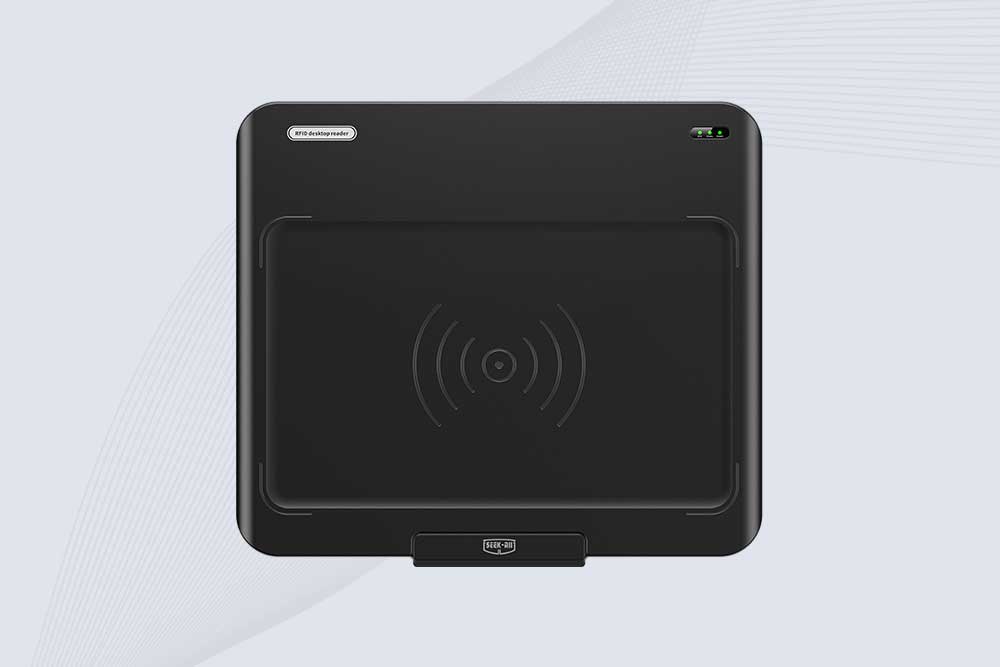
SSD-D3AL is a USB-HID UHF RFID reader with 0–30 cm reading, 0–15 cm writing, over 600 tags/s recognition, USB plug-and-play operation and OEM Logo customization.
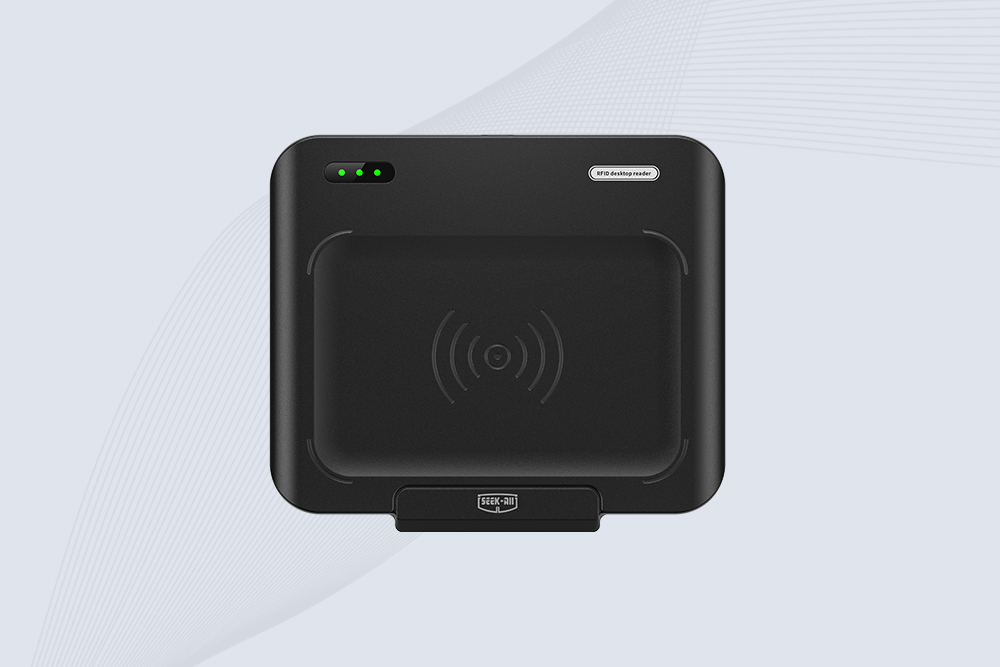
SSD-D1AL is a compact USB UHF RFID reader with Impinj E710/X3M1 chipset, USB-HID, 600+ tags/s recognition, 4/8/16 antenna support and plug-and-play USB power.
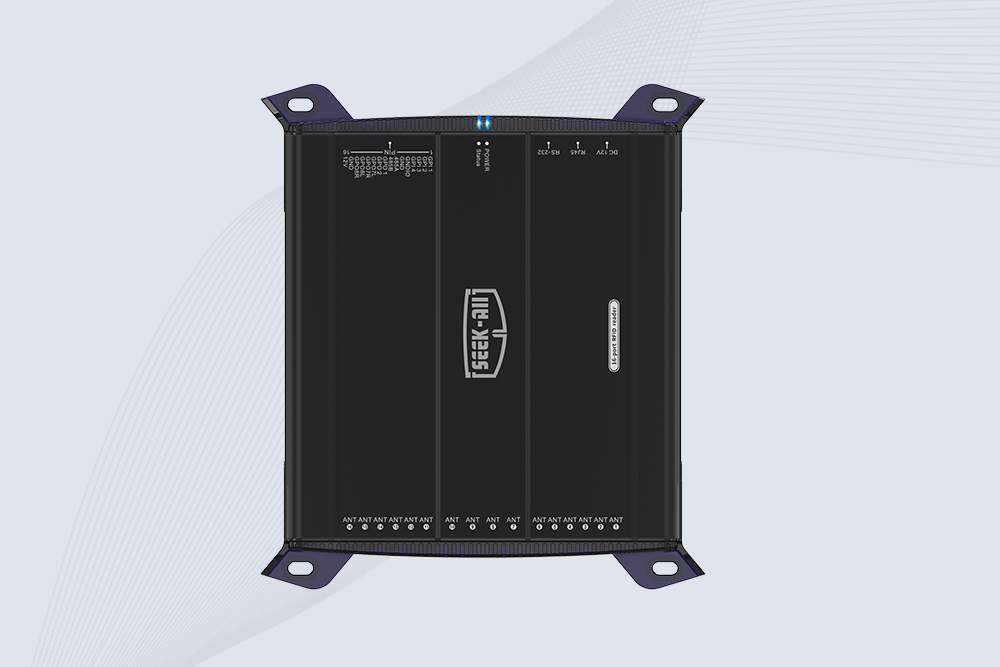
SSD-R16L Multi-Channel RFID Infrastructure for Automated Inventory Management ✔️ 16-Port High-Density RFID Reading Equipped with 16 SMA antenna ports, SSD-R16L supports multi-antenna deployment for warehouses, retail stores, logistics, production lines, and large-area RFID identification. ✔️ High-Speed & Long-Range Performance With up to 33…
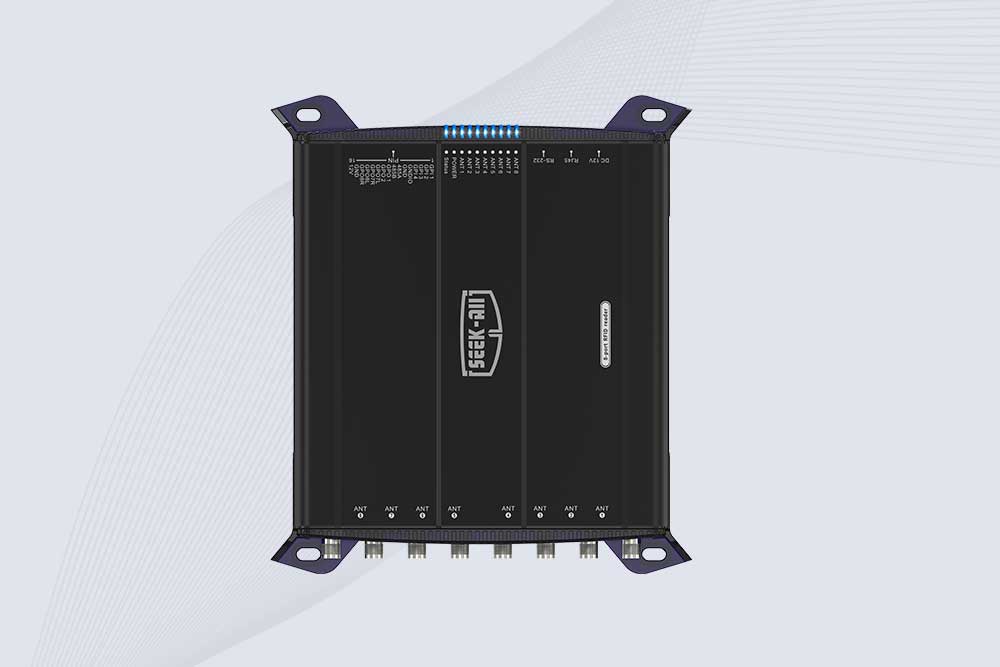
SSD-R8L 8-port UHF RFID reader with 33dBm output, up to 20m reading range and 600+ tags/s recognition. Ideal for warehouse, logistics, retail and asset tracking.
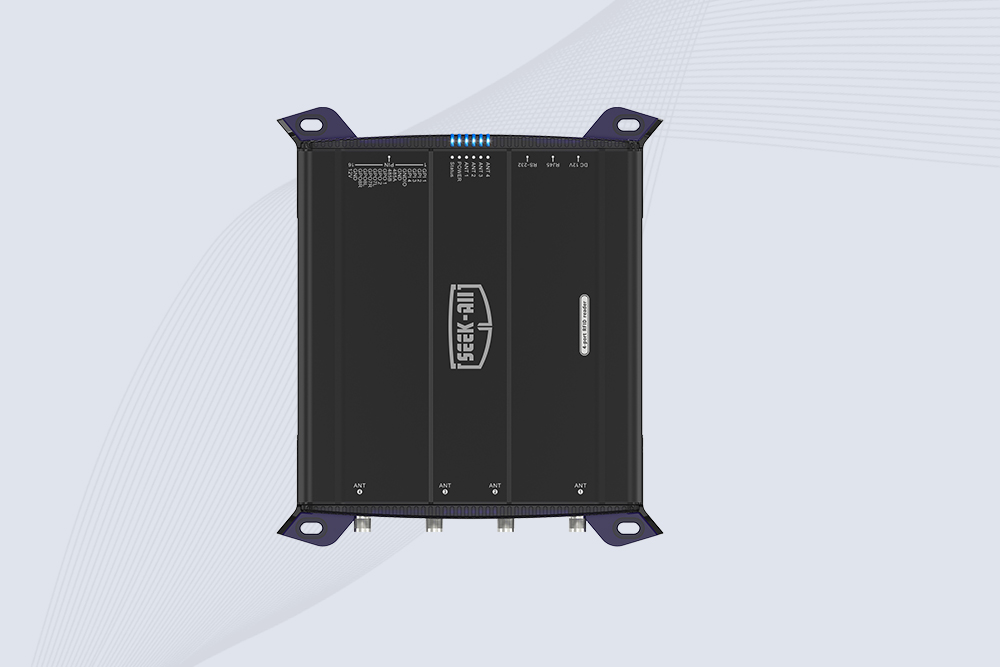
SSD-R4L is a 4-port UHF RFID fixed reader with 33dBm output power, up to 20m reading range, EPC C1G2 support and 600+ tags/s reading speed.

CYKEO CYKEO-D1LA USB RFID Reader is a compact desktop solution with near-field control for precise tag reading and encoding. Powered by USB, supporting ISO 18000-6C, and built for stable batch writing, this usb rfid tag reader fits retail, libraries, offices, and controlled RFID encoding tasks.
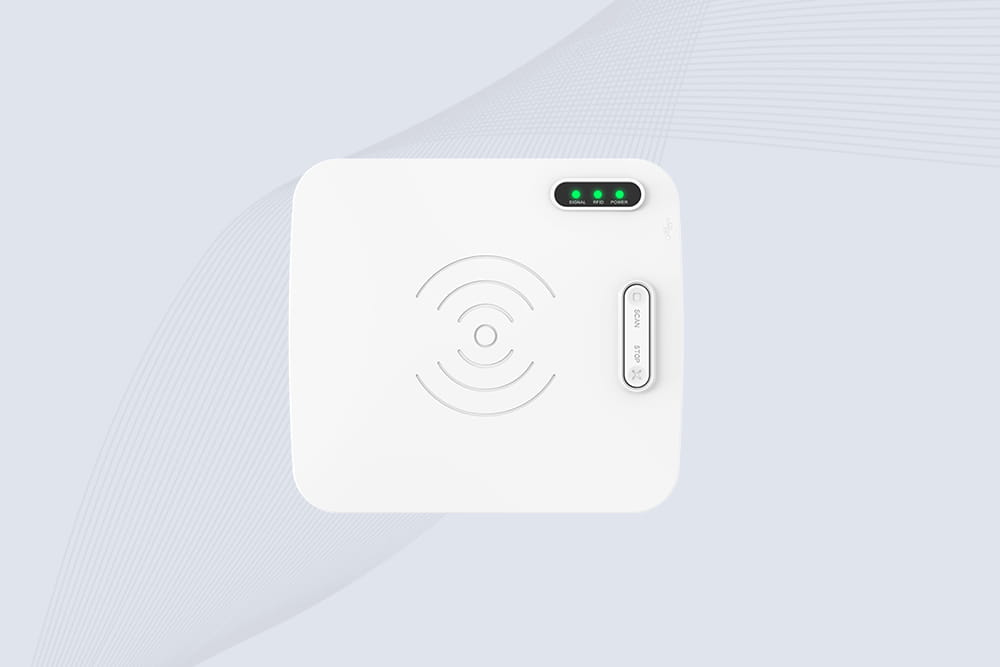
CYKEO CYKEO-D1L RFID scanner USB is a compact desktop UHF RFID scanner designed for short-range tag writing and verification. This usb rfid scanner supports batch encoding, stable 0–26 dBm output, and works across Windows, Linux, and Android systems.
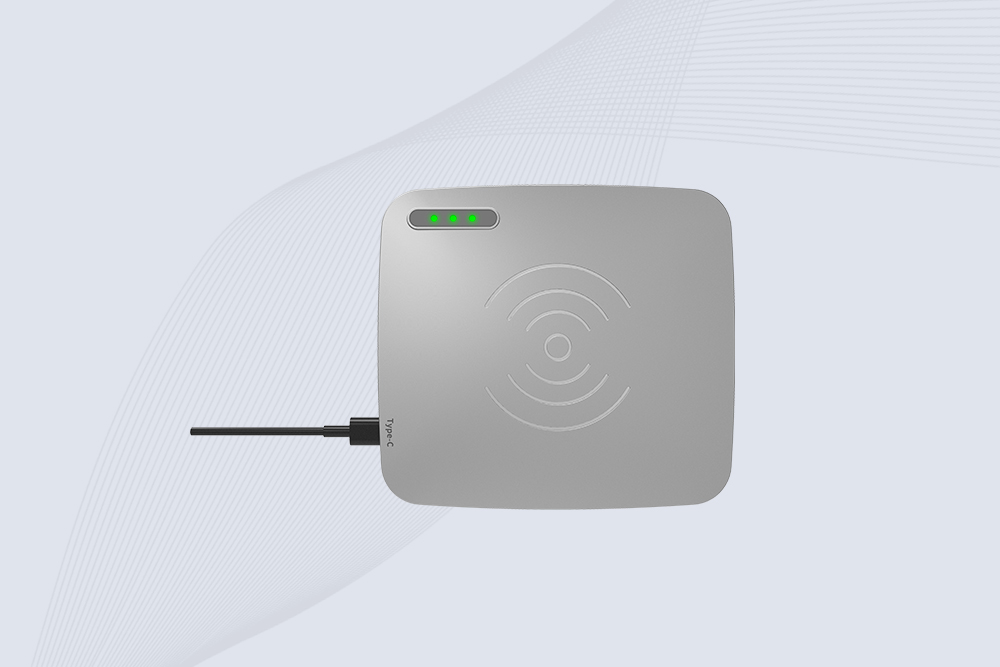
CYKEO CYKEO-D1C USB RFID Card Reader is a near-field UHF desktop writer designed for secure, short-range tag encoding. With USB-C connectivity and stable 26 dBm output, this rfid reader usb c is ideal for badge issuance, label encoding, and controlled desktop RFID workflows.
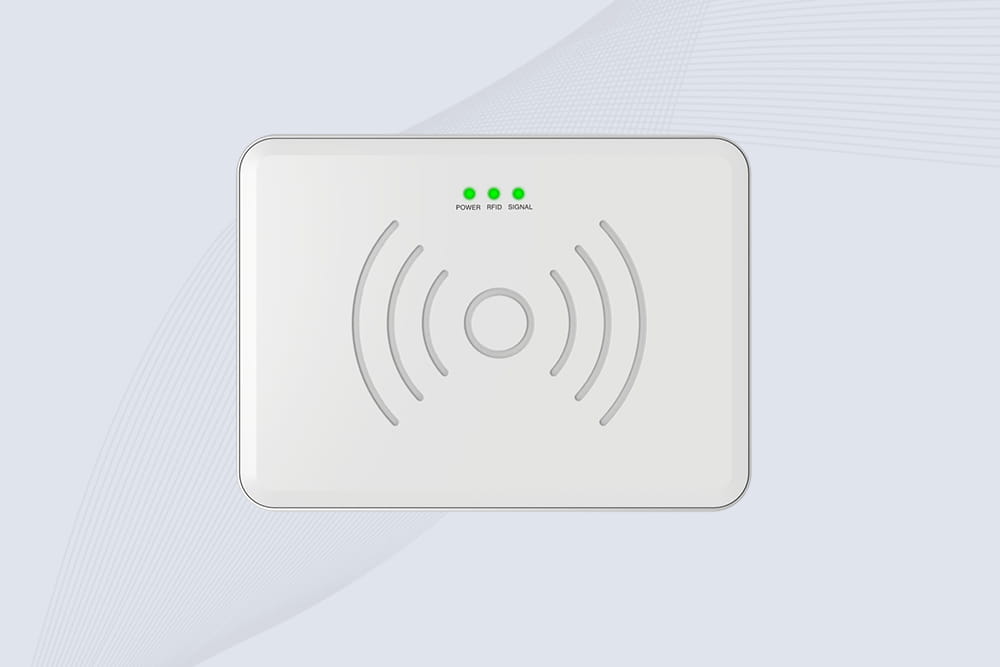
CYKEO CYKEO-D2L RFID Reader USB is a compact desktop encoder built on the Impinj R500 chip. With near-field control and stable USB power, this usb rfid card reader delivers precise tag writing for offices, retail counters, and small-scale logistics encoding tasks.
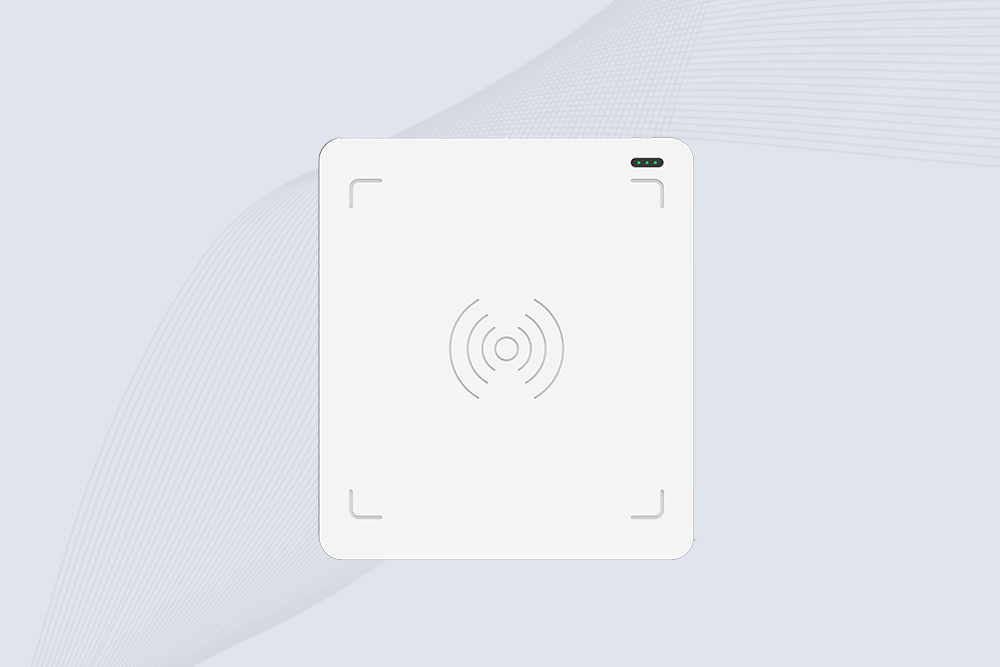
CYKEO CYKEO-D3L USB RFID Tag Reader delivers stable UHF tag reading and writing for daily desktop and light industrial tasks. Designed for controlled short-range operation, this USB RFID Tag Reader works reliably with rfid tag and reader systems in libraries, tool tracking, and inventory registration.
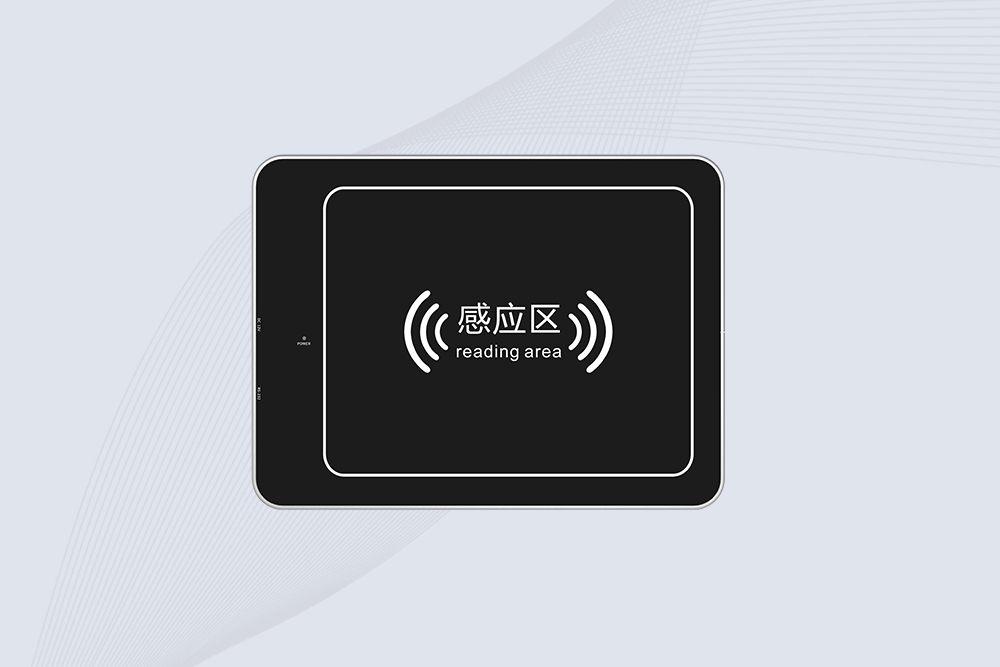
The CYKEO CYKEO-D4L UHF RFID Tag Reader is a stable Desktop RFID Reader designed for accurate tag registration, borrowing, and return workflows. Built with the Impinj R2000 chip, this UHF RFID Tag Reader delivers controlled short-range reads for libraries, asset tracking, and inventory management environments.
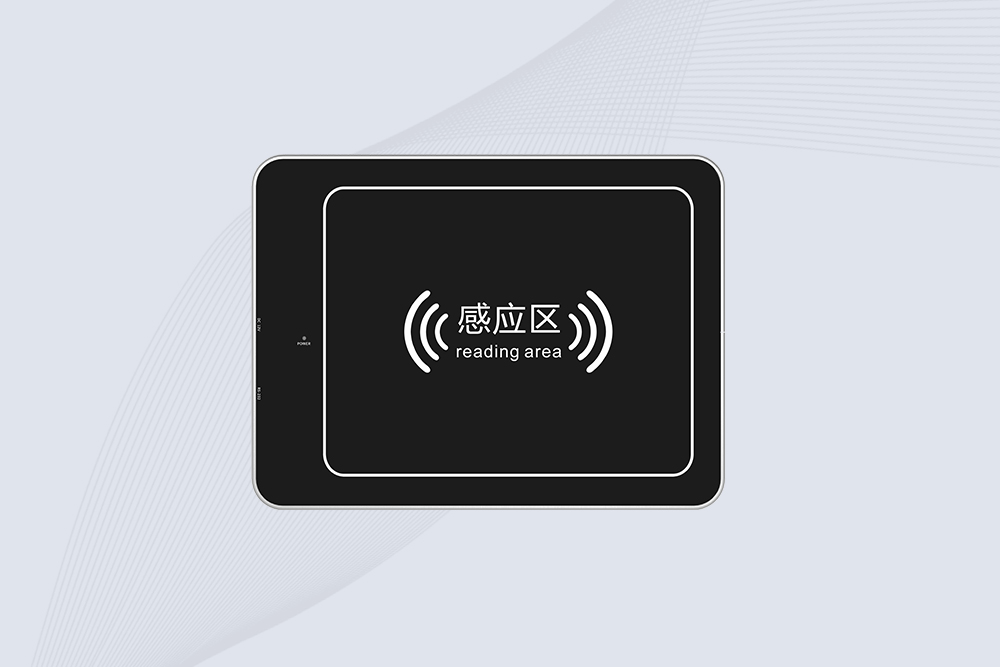
The CYKEO CYKEO-D5L Desktop RFID Card Reader is a stable UHF RFID Card Reader designed for controlled short-range reading and writing. Built for libraries, tool rooms, and asset desks, this UHF RFID Card Reader supports dense tag handling, secure data processing, and easy USB integration.
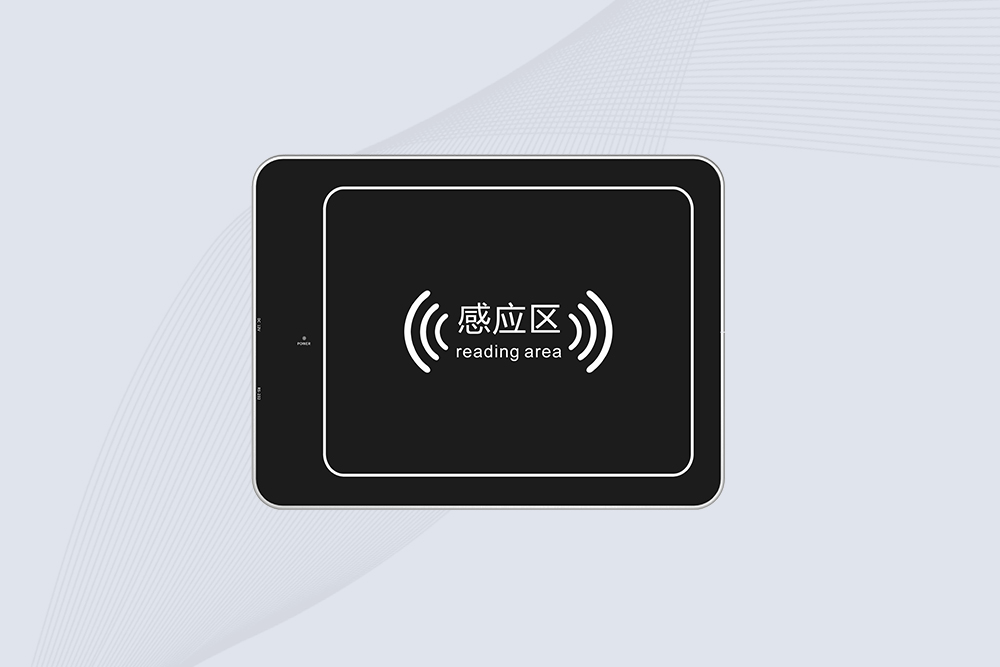
The CYKEO CYKEO-D6L RFID Reader Writer is a heavy-duty Desktop RFID Reader designed for short-range, high-accuracy tag programming. Built for libraries, labs, and asset desks, this RFID Reader Writer supports batch processing, stable 33dBm output, and seamless integration with existing management systems.
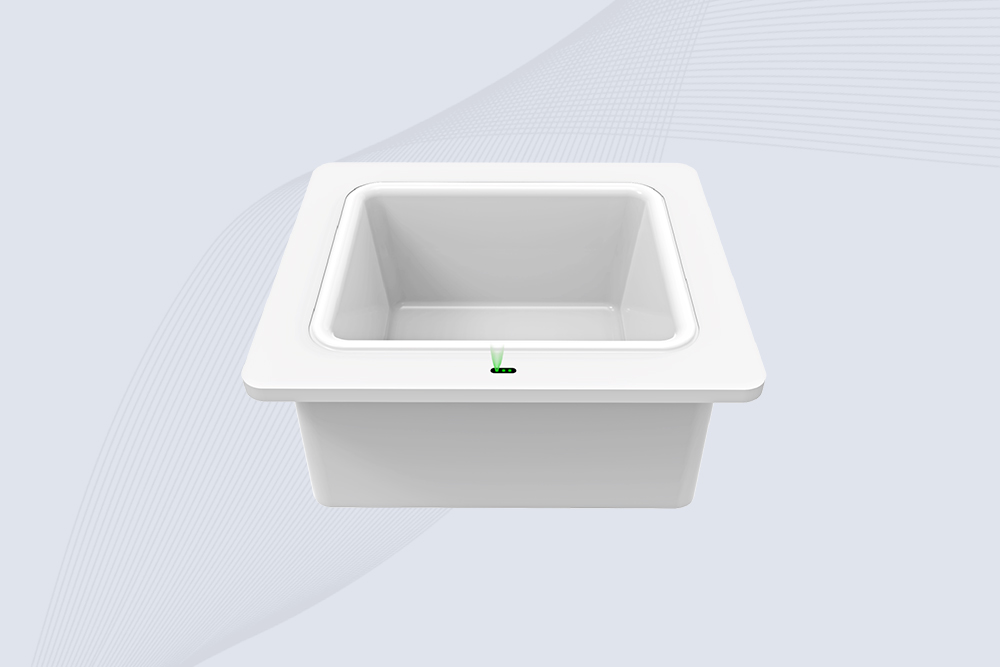
Cykeo CYKEO-D8B UHF RFID tunnel and RFID Desktop Reader features 30+ items batch reading,
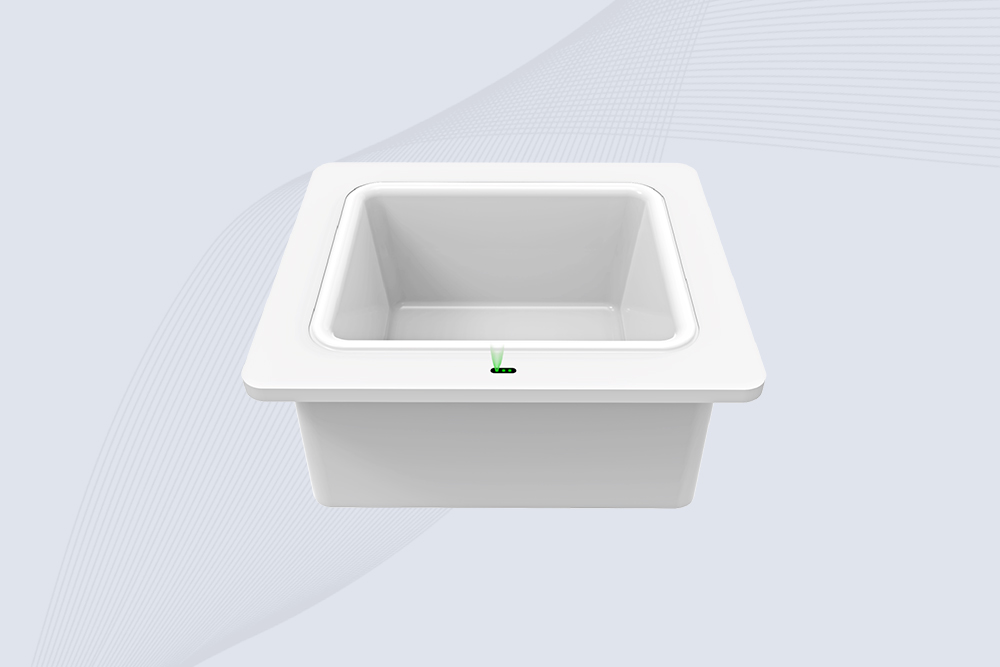
Cykeo CYKEO-D8A embedded RFID badge reader offers 30+ tags/sec scanning, 20cm anti-crosstalk precision, and DC 12V power for unmanned stores, warehouses, and smart inventory systems.
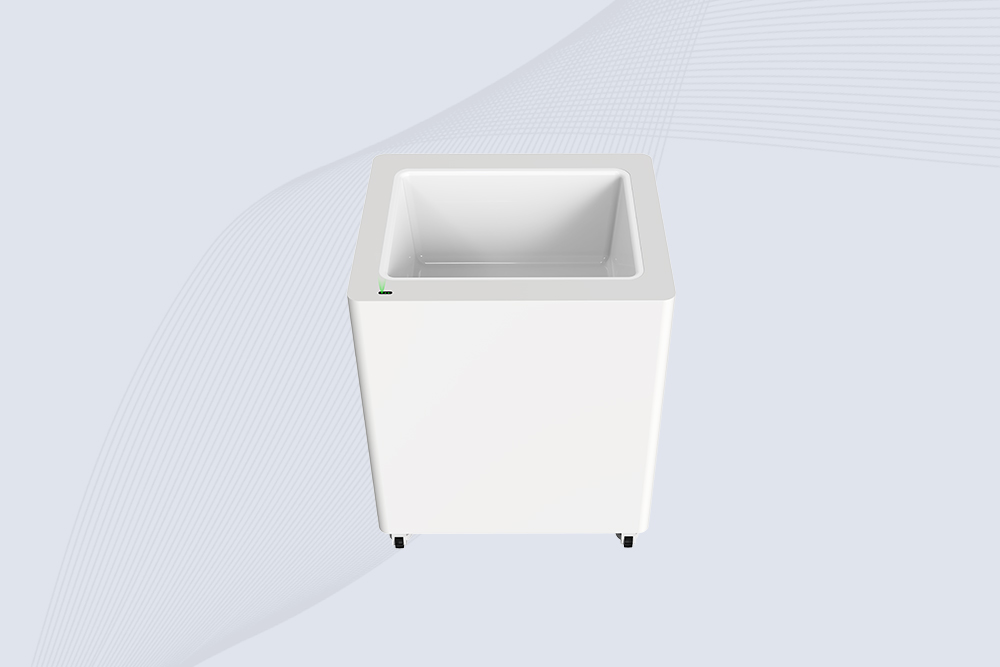
Cykeo’s CYKEO-D8C UHF RFID gate reader achieves 200-tag/batch scanning with adjustable power control, ideal for retail inventory and smart warehouse management.
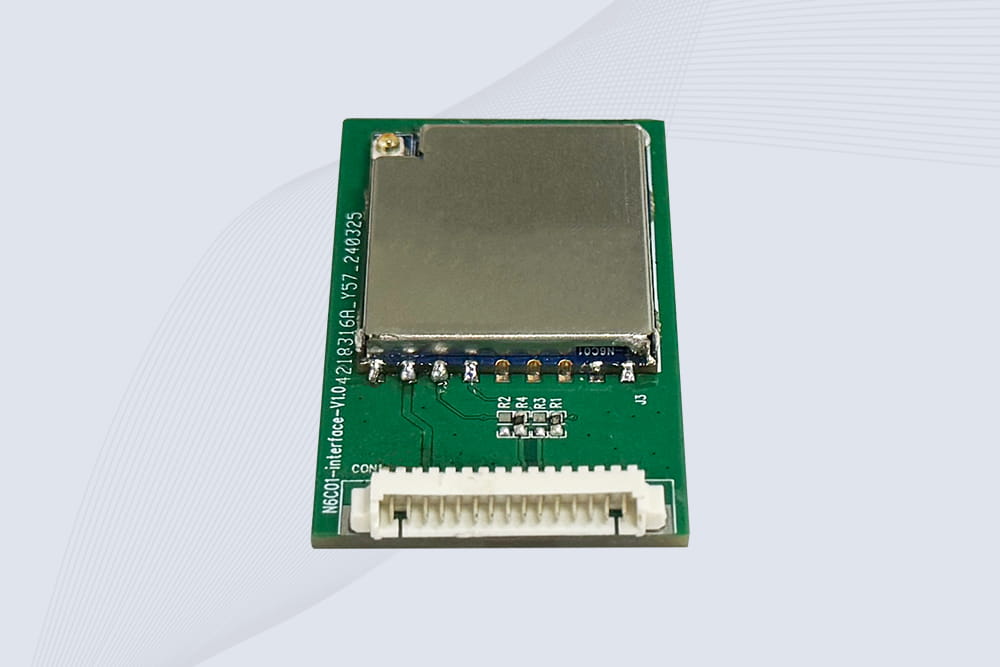
CYKEO Embedded RFID Modules are designed for compact industrial and IoT devices that require stable UHF performance. These UHF RFID Modules support global protocols, flexible power control, and reliable multi-tag reading for smart cabinets, production lines, and asset tracking systems.
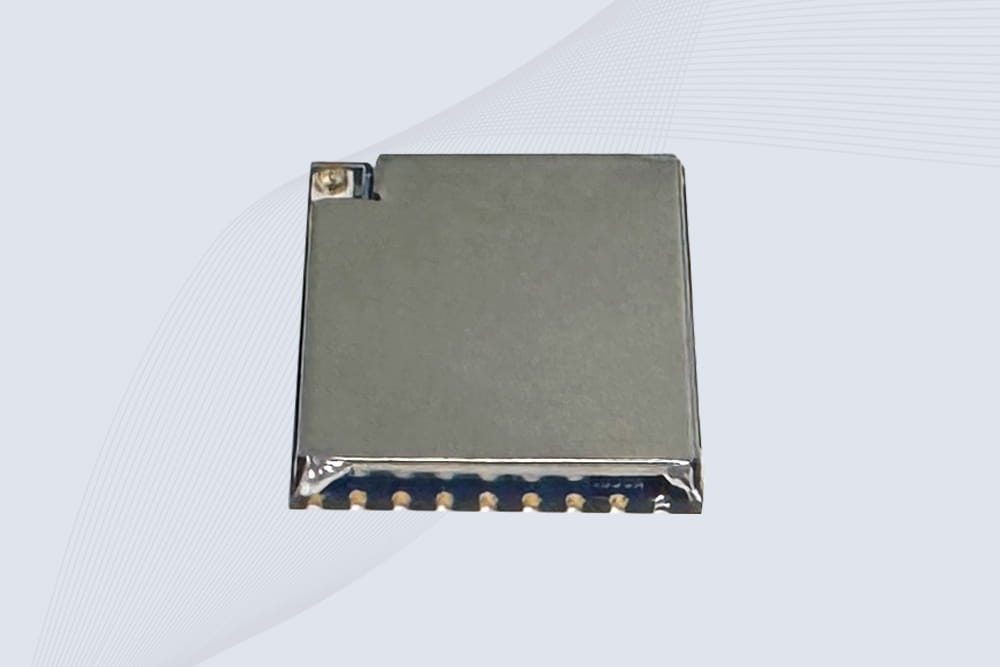
CYKEO Embedded RFID Module is built for compact IoT and industrial devices that need stable UHF performance. This UHF module supports global protocols, low power operation, and reliable multi-tag reading for smart lockers, production lines, and always-on RFID systems.
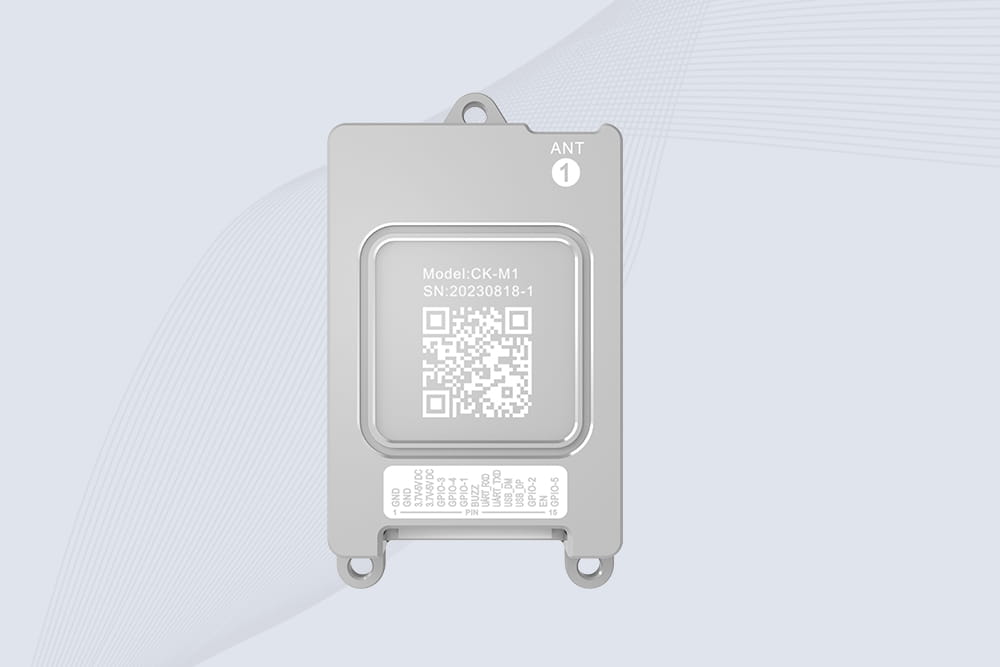
CYKEO CYKEO-M1 drone rfid module is a compact UHF RFID reader module designed for drones and UAV platforms. It supports long-range aerial scanning, fast multi-tag reading, and stable performance in wind, vibration, and outdoor environments.
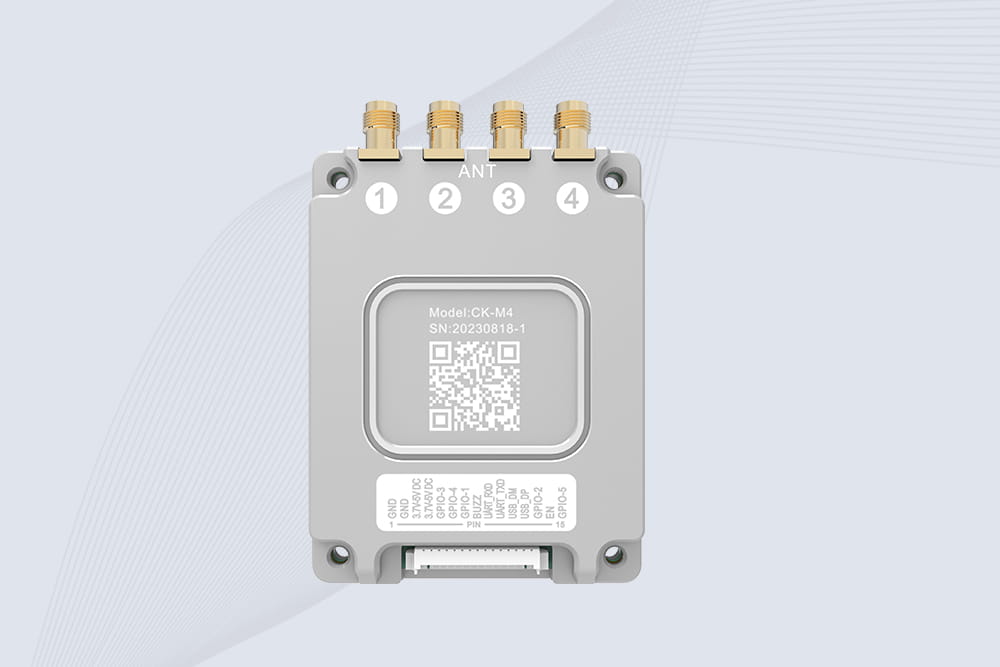
CYKEO CYKEO-M4 RC522 RFID Module is an industrial-grade UHF RFID reader with 4 ports, supporting ISO, EPC, and GB protocols. High-speed, accurate reading for IoT, automation, and warehouse applications.
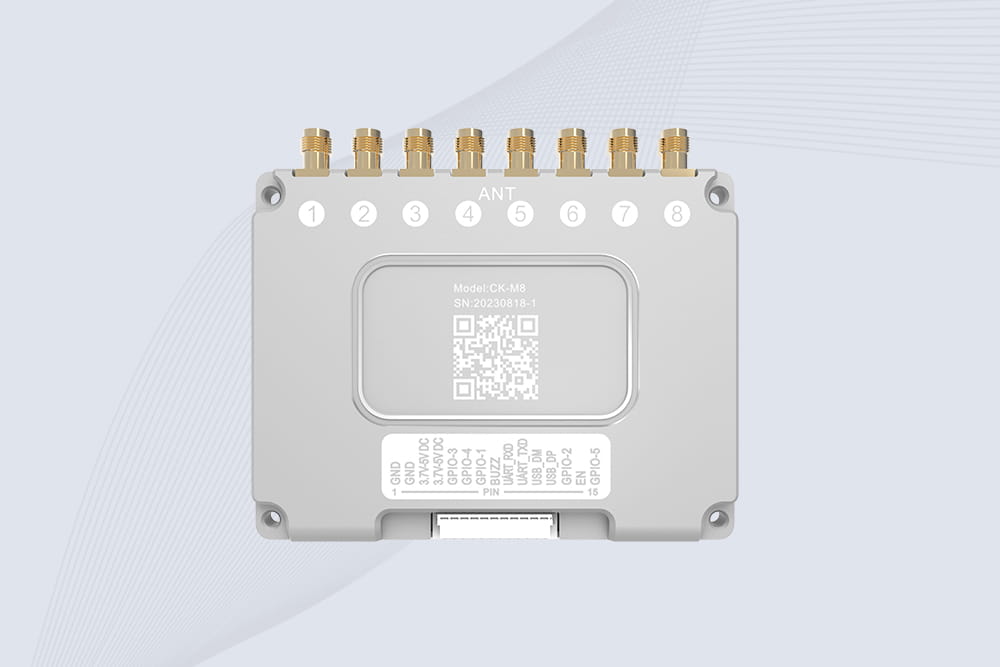
CYKEO CYKEO-M8 Module RFID is an 8-port UHF R2000 RFID Module designed for high-density, multi-tag environments. Stable 33dBm output, ISO & GB protocol support, ideal for warehouses, factories, and automated systems.
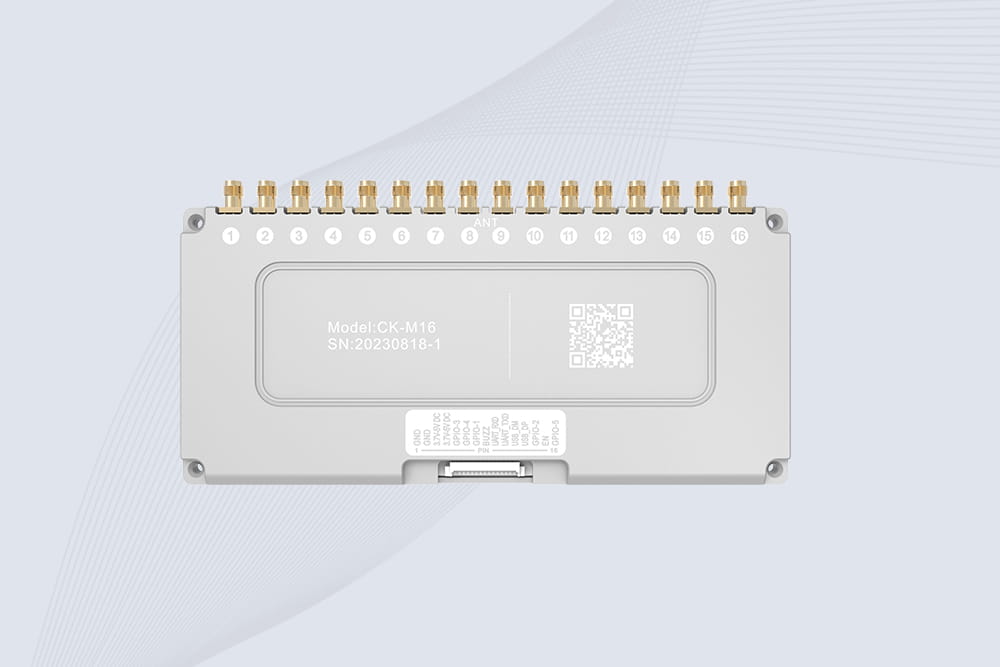
CYKEO CYKEO-M16 RFID Module is a 16-port UHF RFID reader module based on the R2000 chipset. Designed for dense tag environments, it supports ISO and GB standards and delivers stable multi-antenna control for industrial automation.
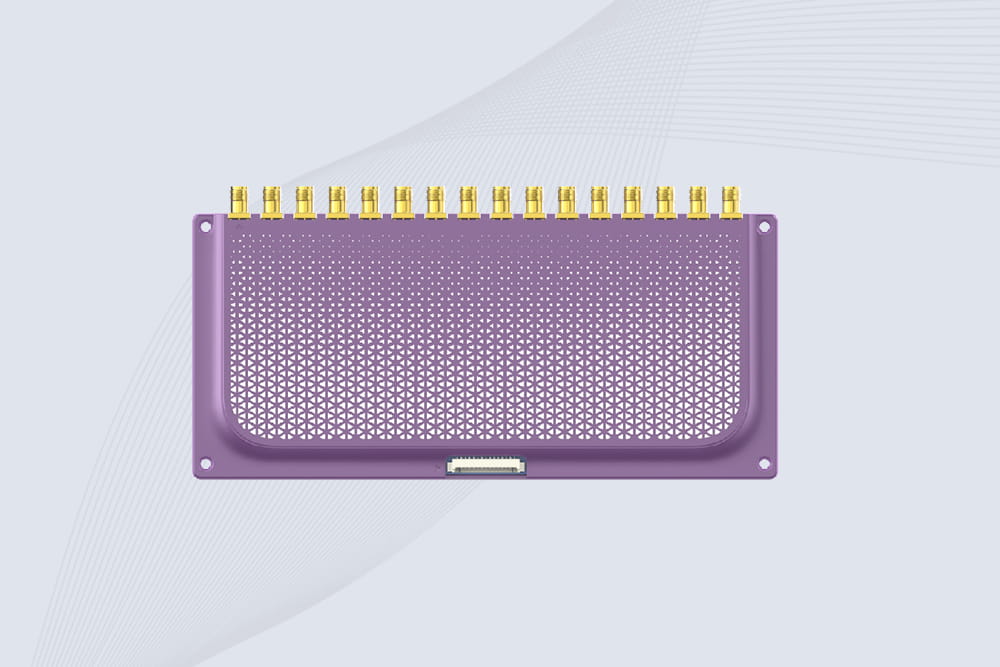
The CYKEO CYKEO-M16L RFID Reader Module is a 16-channel UHF RFID core designed for dense tag environments. With adjustable 33dBm output, multi-protocol support, and stable multi-antenna control, this RFID Tag Reader Module fits industrial automation, warehouse systems, and large-scale IoT deployments.
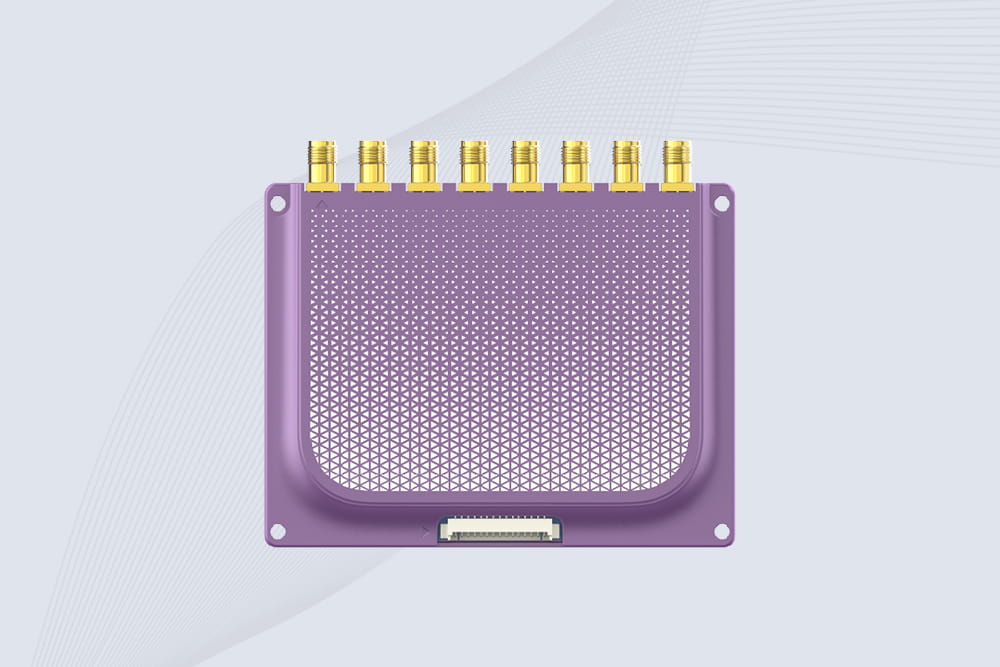
CYKEO CYKEO-M8L module RFID is a compact industrial UHF module built for dense tag and multi-antenna environments. With 8 RF ports, adjustable 33 dBm output, and ISO & GB protocol support, it is widely used in factories, warehouses, and automated tracking systems.
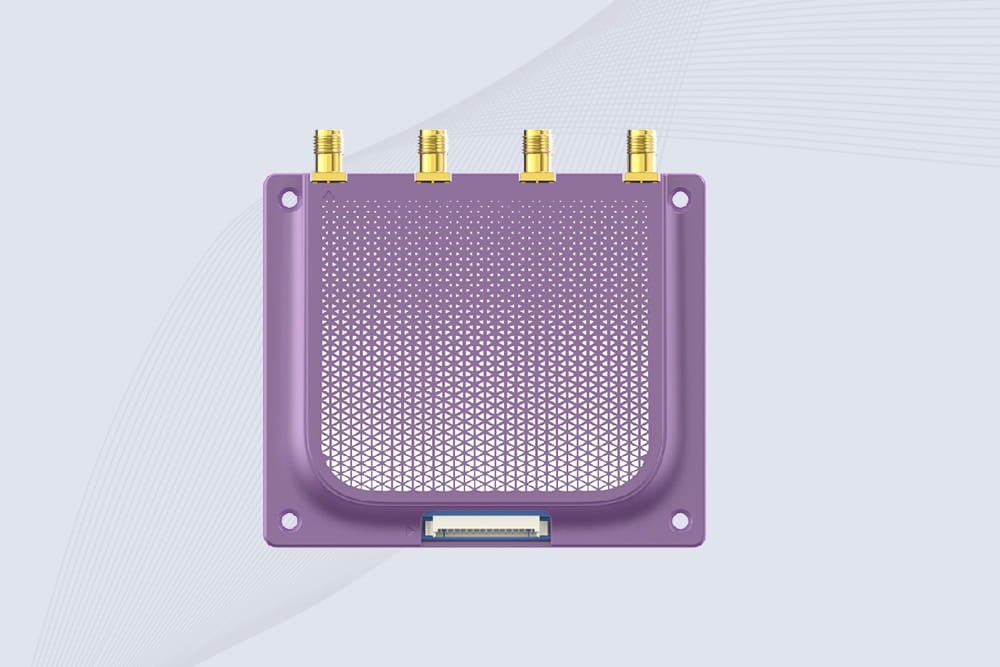
CYKEOCYKEO-M4L UHF RFID Module is a compact 4-channel RFID tag reader module designed for dense tag environments. Supporting ISO and GB protocols, it delivers stable reads up to 10 meters for industrial and IoT systems.
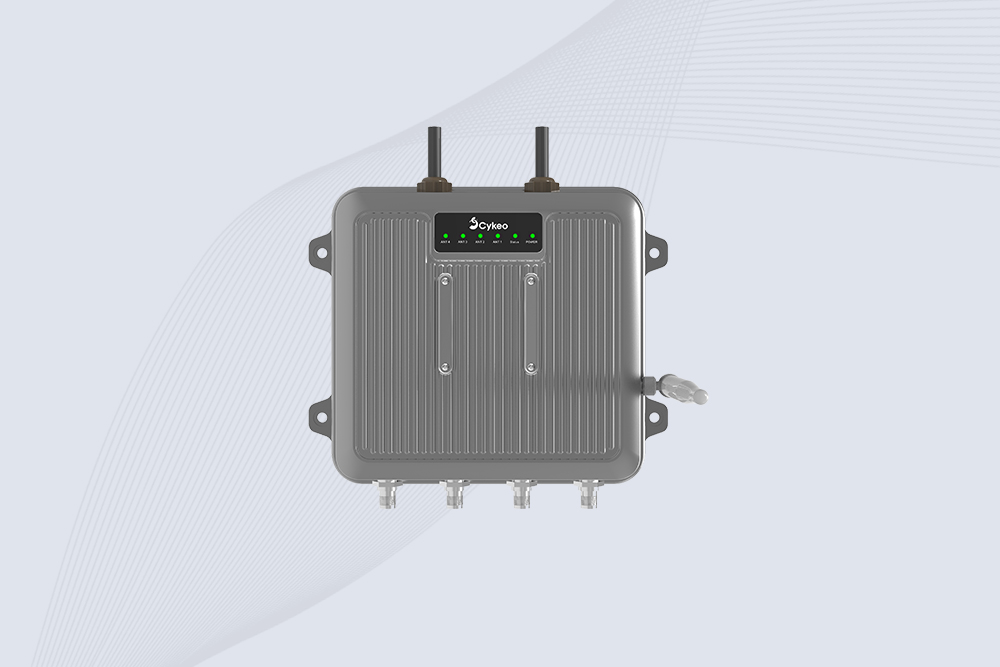
Cykeo CYKEO-C1 industrial Forklift RFID Reader features 20m read range, 600 tags/sec scanning, Impinj R2000 chipset, and IP67 rugged design. Ideal for warehouse logistics and manufacturing. Supports ISO 18000-6C/6B protocols.
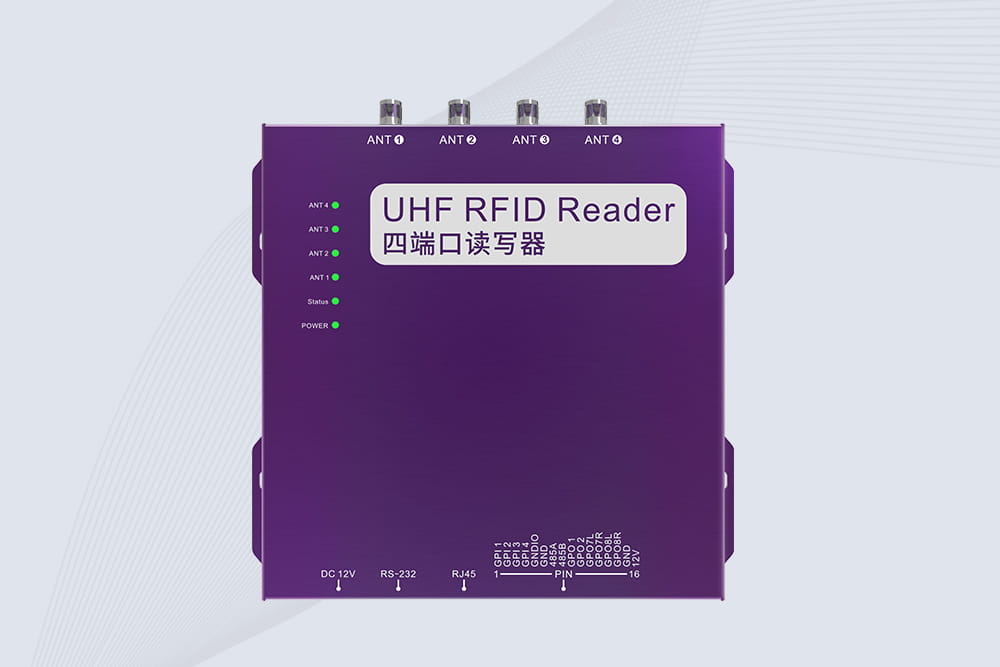
Cykeo CYKEO-R4 industrial UHF RFID Fixed Reader features 4 TNC ports, 400+ tags/sec speed, IP67 housing, and global frequency compliance for vehicle inspection, smart warehouse, and asset management systems.
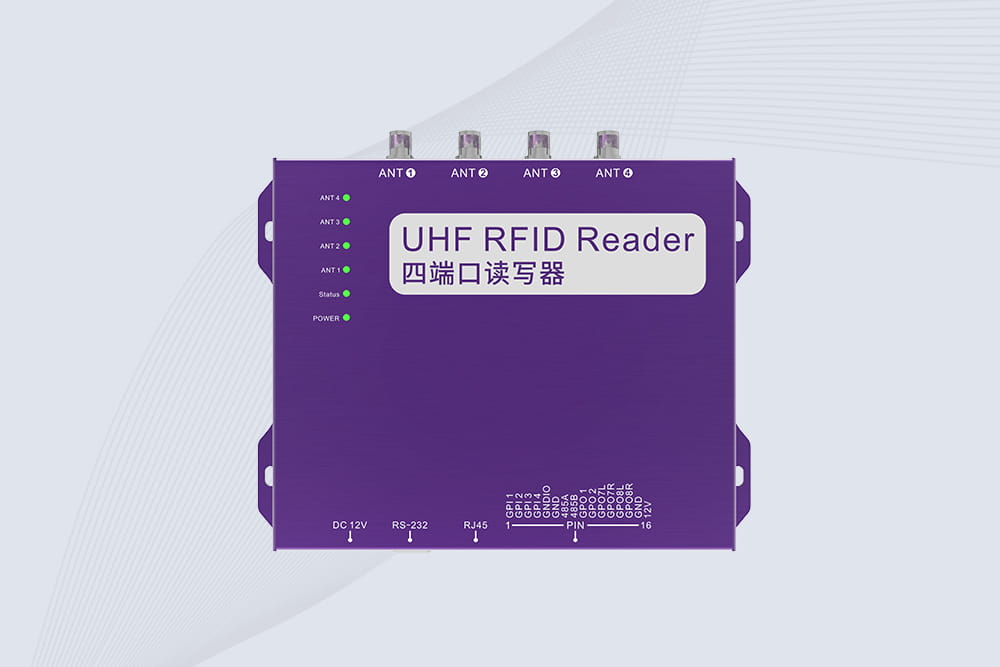
Cykeo’s CYKEO-R4L 4-port Fixed UHF RFID Reader delivers 400 tags/sec scanning, ISO 18000-6C compliance, and IP65 protection. Ideal for warehouse automation, manufacturing WIP tracking, and logistics management.
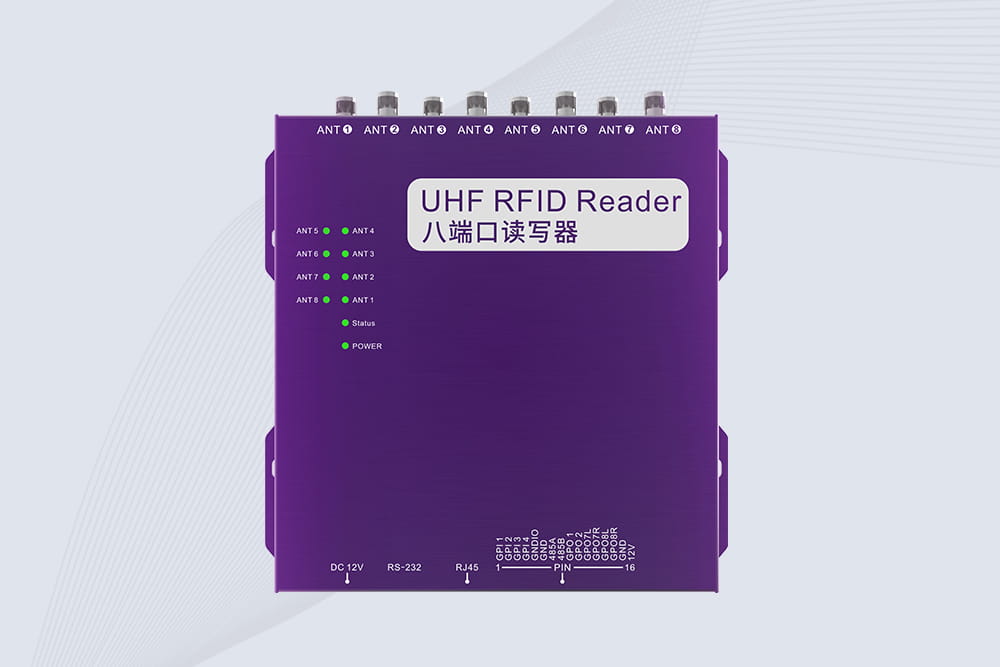
CYKEO CYKEO-R8L Fixed RFID Reader with 8-port UHF design, Impinj-based RF core and up to 20m read range. An industrial Fixed RFID Reader for vehicle inspection, warehouse portals, smart manufacturing lines and secure access checkpoints.
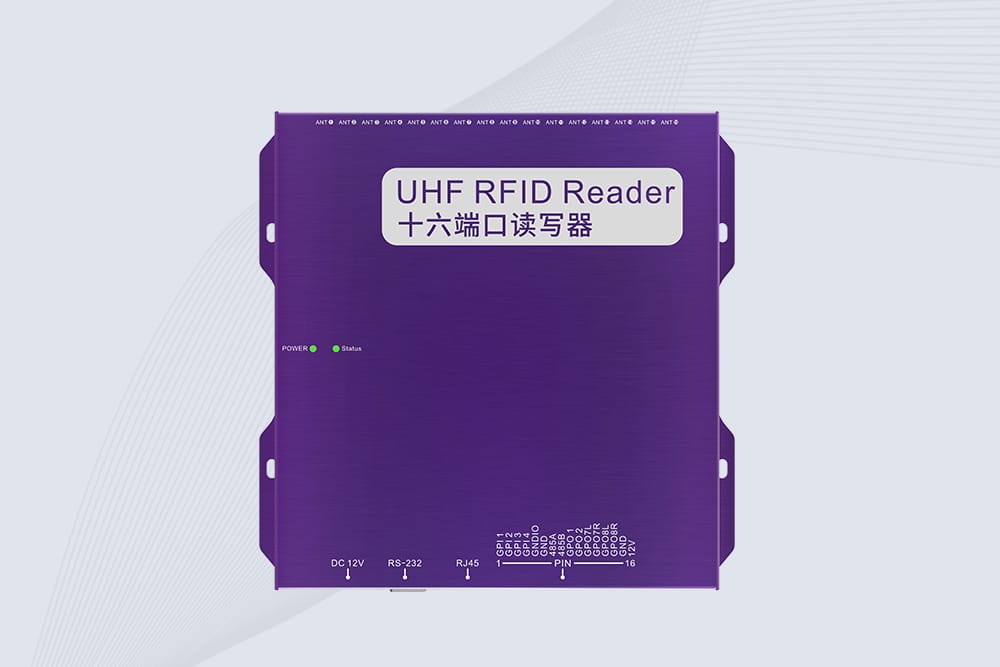
RFID Fixed Reader from CYKEO – the CYKEO-R16L 16-port UHF fixed reader for warehouses, smart cabinets, and production lines. Long-range, multi-tag reading, stable performance for 24/7 industrial use.
Curious how does an RFID antenna work? We break down the two-step process of sending power and receiving data that makes wireless tracking possible.
More
Discover how fixed rfid reader systems enable automated tracking, real-time visibility, and high-efficiency asset management in warehouses and logistics.
More
rfid in medical industry solutions improve hospital inventory visibility, automate medical consumable tracking, and enhance UHF RFID healthcare management efficiency.
More
Learn how to design a reliable RFID gate system using fixed readers, directional antennas, and middleware. Explore RFID portal architecture, multi-antenna layouts, warehouse automation strategies, and methods to reduce interference between RFID ga...
More