If one part performs differently than expected, the whole workflow can feel unreliable.
That’s why experienced integrators usually design the architecture before selecting hardware.
The Reader Collects Data. The Antenna Decides Where It Comes From
Readers and antennas often get discussed together, but they do very different jobs.
The reader manages communication with tags.
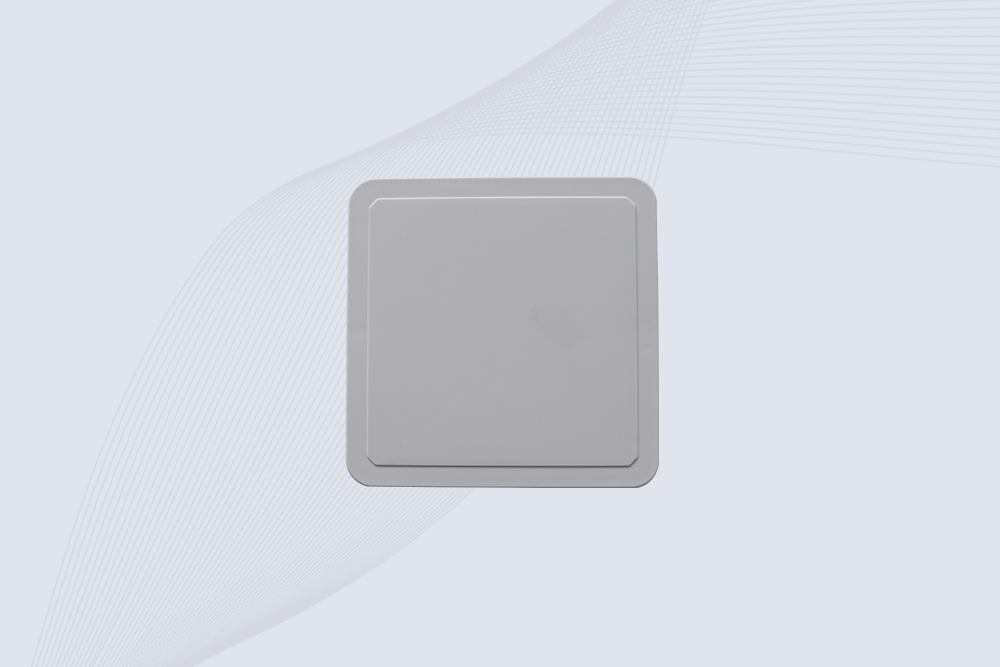
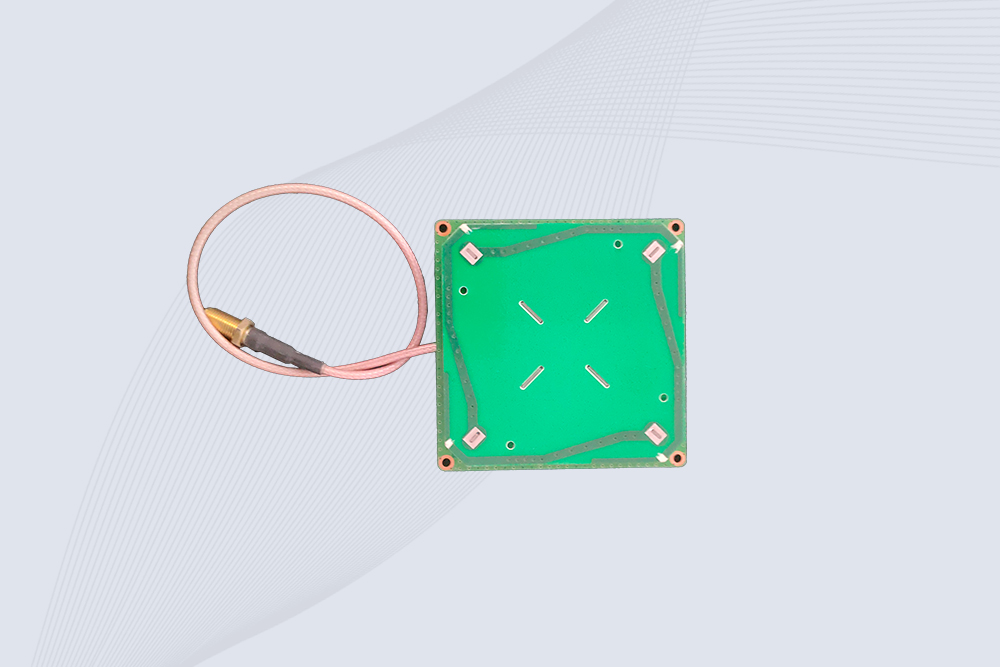
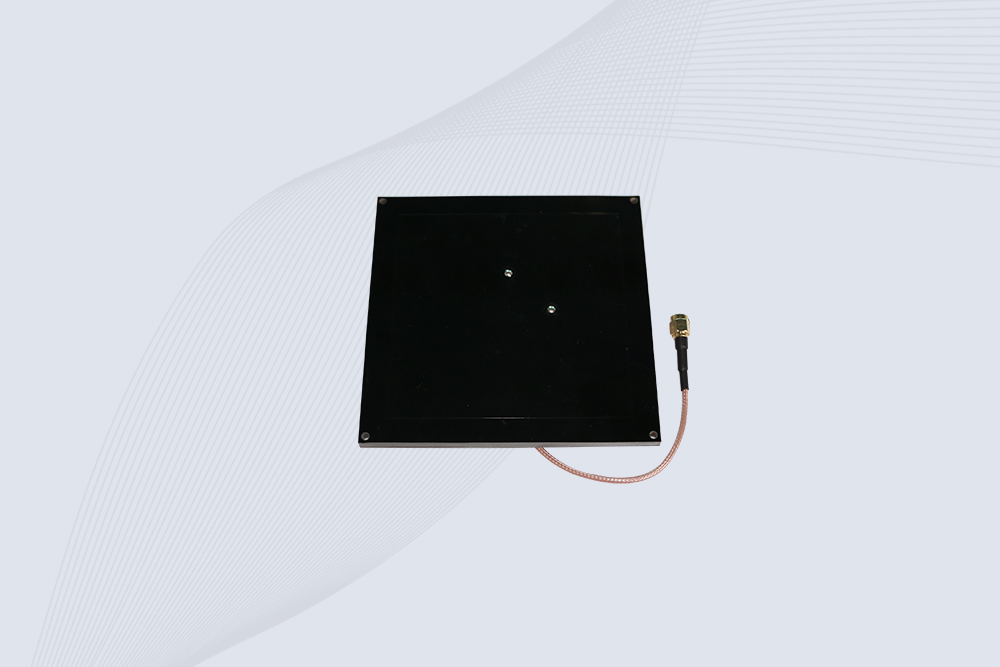
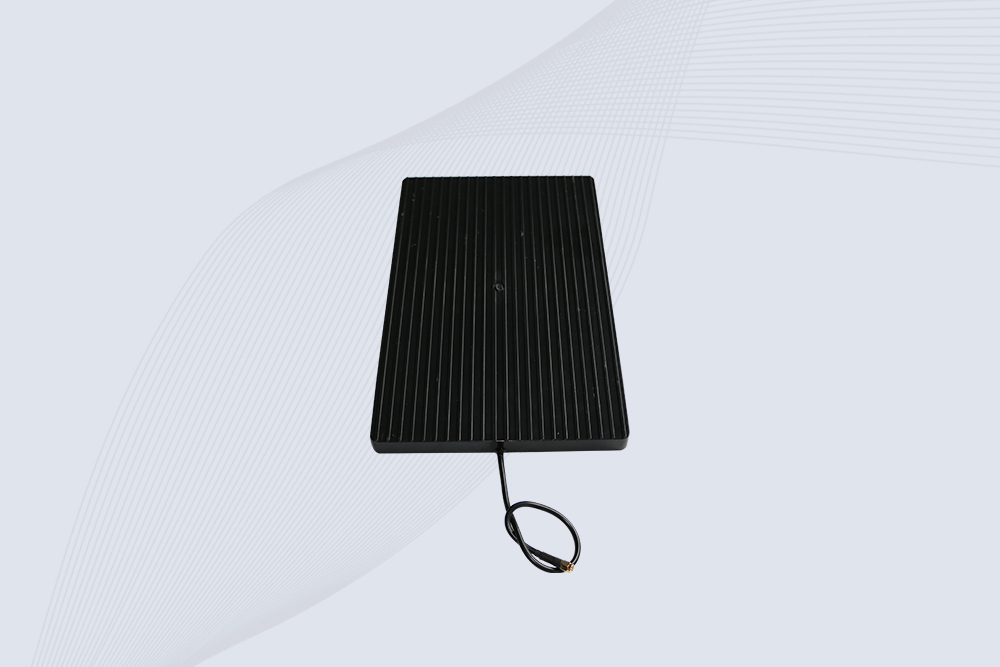
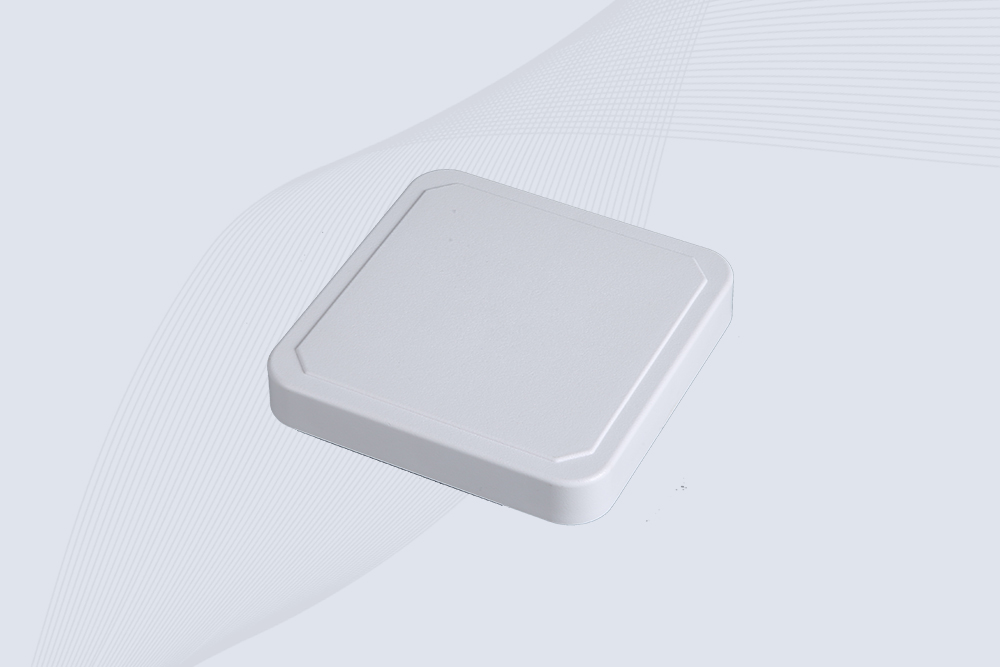
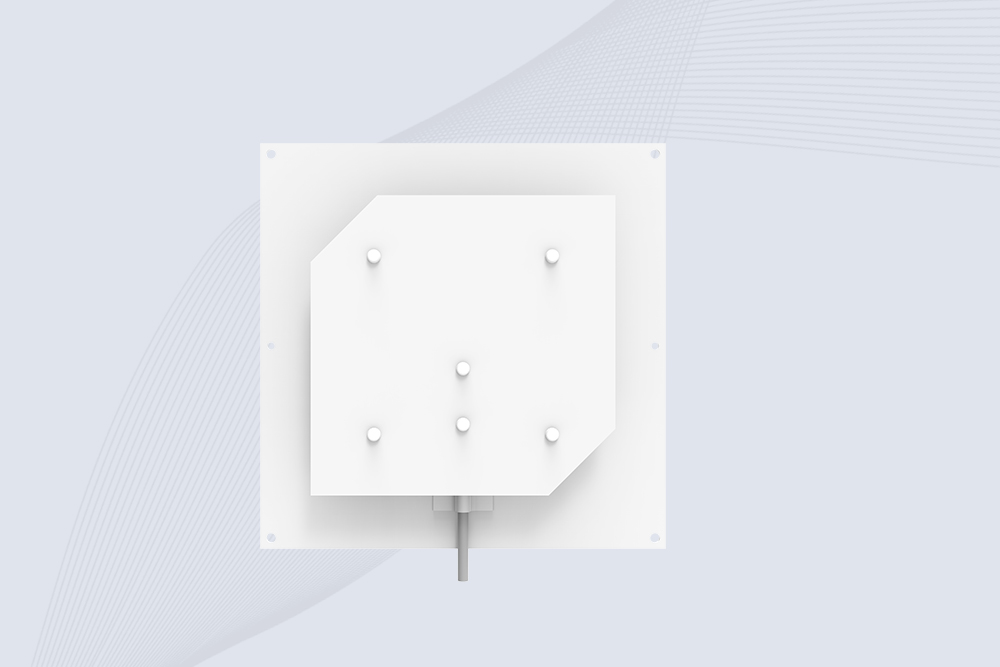
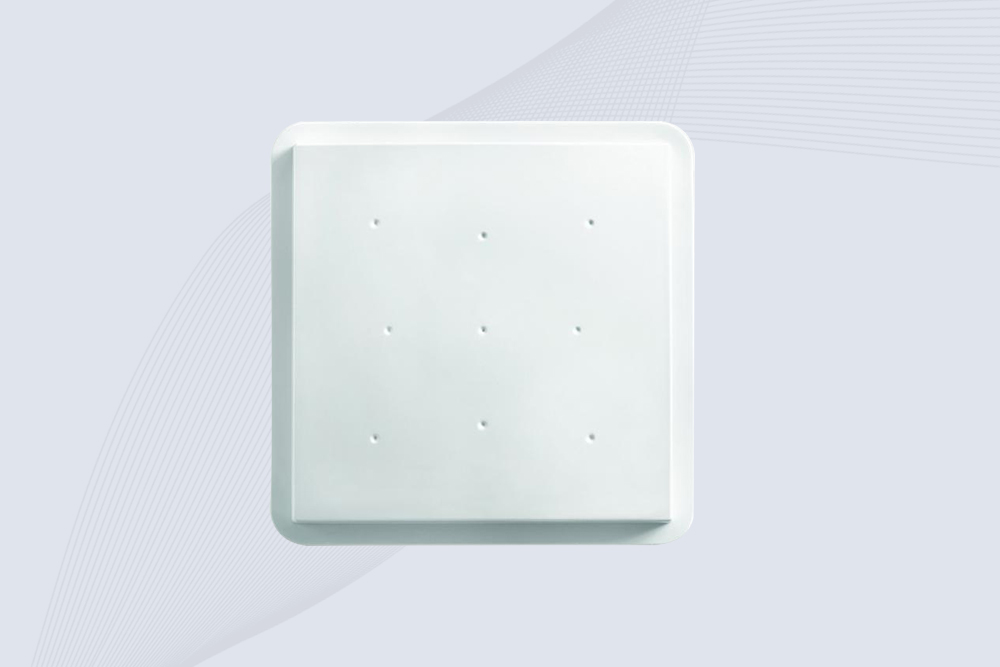
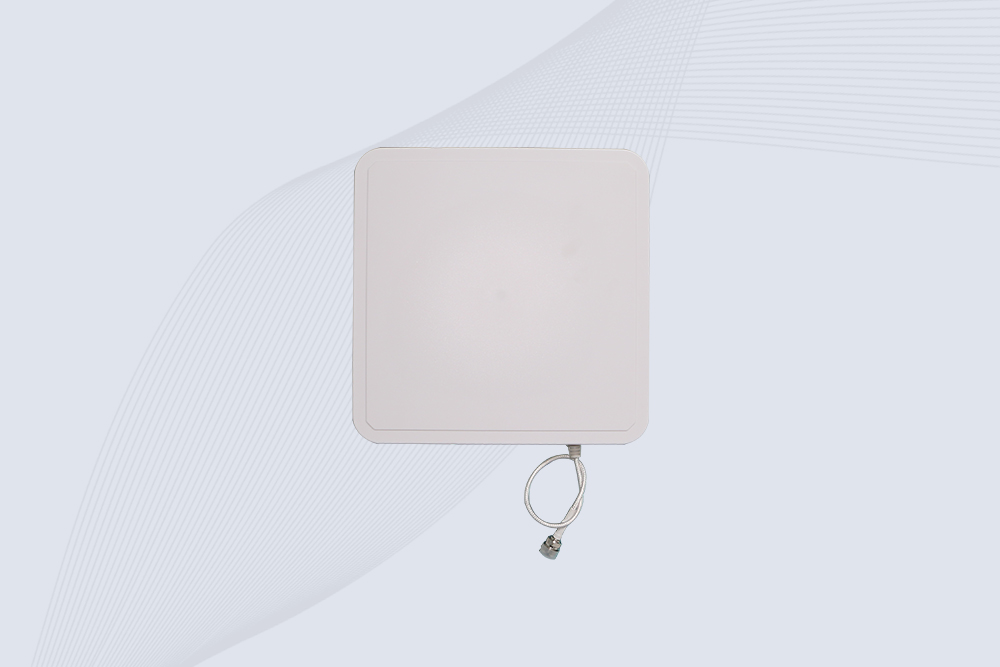
The antenna shapes the reading area.
That distinction matters more than many buyers expect.
We’ve seen projects where replacing the reader changed very little.
Adjusting antenna height and beam direction solved the problem almost immediately.
Sometimes the hardware wasn’t the limitation.
The read zone was.
Middleware Is the Quiet Part of the Project
When people visit an RFID installation, they notice the gate.
They notice the antennas.
Occasionally they notice the touchscreen.
Almost nobody notices the middleware.
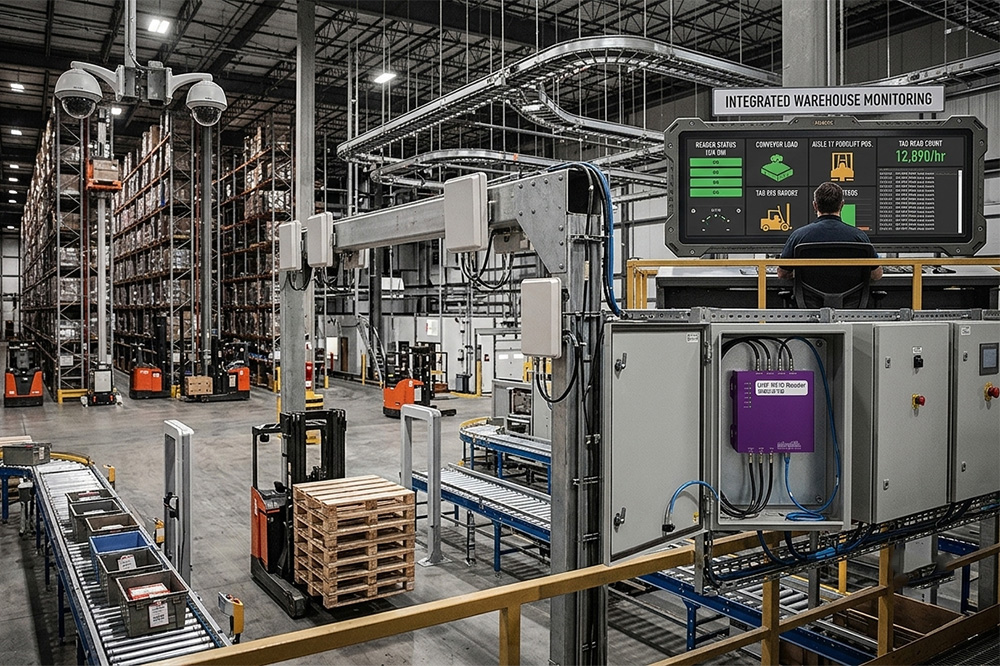
Ironically, it’s often doing the hardest work.
Filtering duplicate reads.
Removing noise.
Matching EPC numbers with business records.
Applying entry and exit rules.
Sending clean data to ERP or WMS software.
Without middleware, a busy warehouse can generate thousands of repeated reads that quickly become difficult to interpret.
Reliable systems don’t simply collect data.
They organize it before anyone sees it.
Warehouse Layout Changes RF Behavior More Than Most Drawings Suggest
Warehouse drawings usually show straight aisles and neat pallet positions.
Reality is different.
Forklifts stop where they need to.
Pallets temporarily block gateways.
Metal racks create reflections.
People carry tagged products through unexpected routes.
The RF field adapts to all of it.
That’s why antenna placement often changes after the first site test.
The original design isn’t necessarily wrong.
It just hasn’t met the real warehouse yet.
Multi-Antenna Systems Need Cooperation, Not Competition
As projects grow, a single reader may control four, eight or even more antennas.
Several gates may operate within the same facility.
That’s where planning becomes more important than hardware selection.
Antennas positioned too closely may overlap.
Readers transmitting at the same moment can increase unwanted reads if timing and layout are not considered.
The goal isn’t to make every antenna read farther.
It’s to make every antenna understand its own area.
Well-defined reading zones almost always outperform oversized coverage.
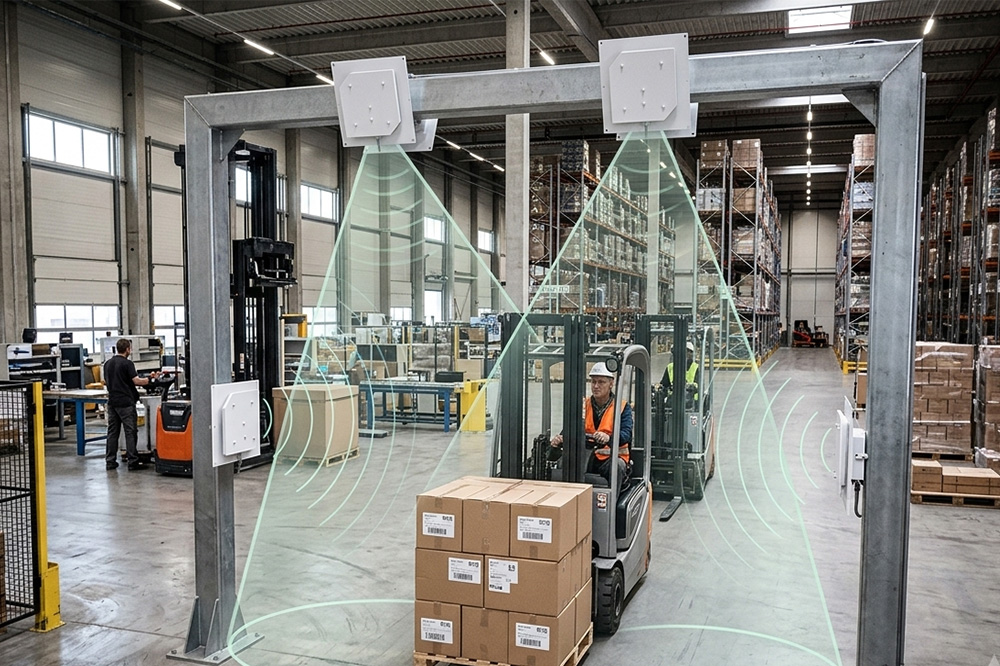
When Two RFID Gates Stand Too Close
This situation appears surprisingly often.
A warehouse expands.
A second portal is installed beside the first.
Everything works independently.
Then both systems begin operating at full speed.
Suddenly, one gate occasionally detects tags moving through the other lane.
It isn’t necessarily a hardware fault.
It’s usually a layout issue.
A few practical adjustments often make a noticeable difference:
Reposition directional antennas to narrow the read zone.
Reduce reader output power where full range isn’t required.
Increase physical separation when the layout allows.
Adjust antenna angles instead of adding more antennas.
Use middleware filtering to remove duplicate events.
In many cases, careful tuning solves the problem without replacing equipment.
Every Automation Project Has Its Own Logic
A pallet warehouse behaves differently from a parcel sorting center.
A garment distribution hub doesn’t move products like an automotive factory.
Even two warehouses storing similar goods can require different RFID layouts because of aisle width, rack height or traffic direction.
That’s one reason experienced solution providers spend time discussing workflow before recommending hardware.
The system should follow the operation, not the other way around.
Questions That Usually Lead to Better Projects
After a few successful deployments, customers tend to stop asking only about readers.
Instead, the conversation becomes more practical.
How many gates will operate at the same time?
Can one reader manage multiple antennas efficiently?
How should antennas be positioned for inbound and outbound traffic?
Will nearby gates interfere with each other?
Can the middleware connect directly to our ERP or WMS?
What happens if we expand from two gates to ten next year?
Those questions usually shape the architecture more than the choice of a particular device.
Looking at the System Before Looking at the Catalog
One thing becomes clear after enough RFID projects.
Reliable performance rarely comes from a single product.
It comes from the way readers, antennas, software and site planning fit together.
Manufacturers that support complete RFID deployments, including companies such as Cykeo, increasingly work with system integrators to design full gate systems, warehouse automation projects and multi-portal layouts instead of supplying isolated hardware.
For growing warehouses and industrial facilities, that approach often reduces commissioning time and makes future expansion much easier.
A well-designed RFID system isn’t the one with the most equipment.
It’s the one where every component understands its role.
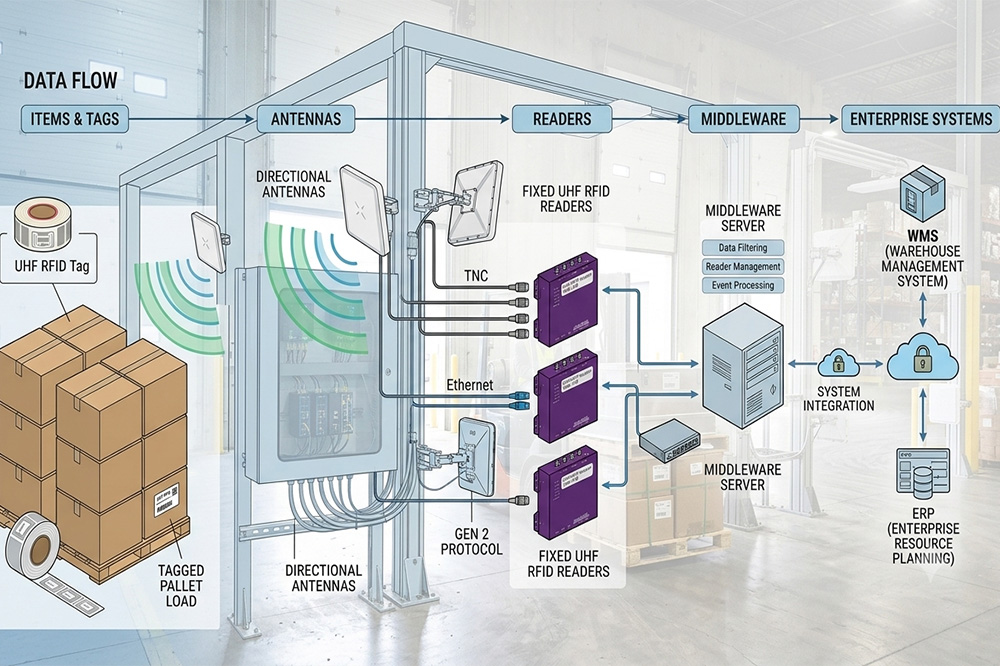
RFID Fixed Reader System Architecture
Layer
Main Components
Purpose
Data Capture
RFID Tags
Identify products, pallets or assets
RF Layer
Directional RFID Antennas
Define and control the read zone
Reader Layer
Fixed RFID Readers
Communicate with tags and manage antennas
Data Processing
RFID Middleware
Filter duplicate reads, apply business rules
Enterprise Layer
ERP / WMS / MES
Inventory, logistics and production management
Multi-Antenna Layout Considerations
Design Item
Recommendation
Antenna Spacing
Avoid overlapping read zones where possible
Reader Power
Tune output based on the actual gate width
Beam Direction
Aim toward the controlled passage rather than the open warehouse
Cable Length
Keep RF cables as short as practical
Metal Structures
Test on site and adjust angles if reflections appear
Portal Expansion
Reserve network and mounting capacity for future gates
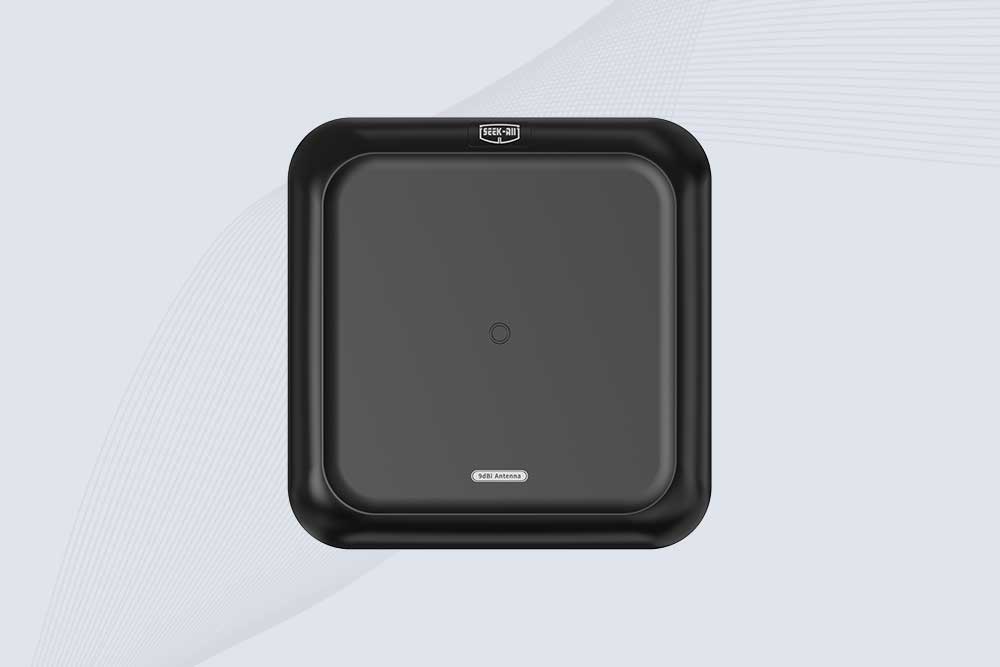
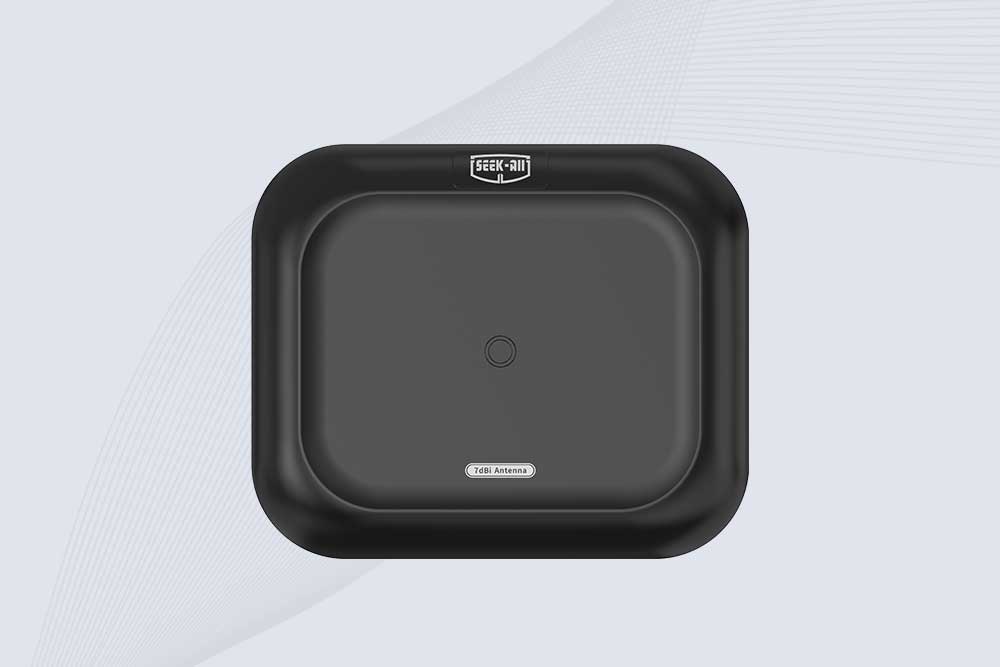
Explore the SSD-A07 UHF RFID antenna with 7 dBi gain, circular polarization, adjustable 840–960 MHz frequency, and 60°/75° beamwidth for stable RFID read/write performance.
SSD-A06 UHF RFID antenna with circular polarization, adjustable 840–960 MHz frequency, ≥4.5 dBi gain, and a compact directional design for RFID systems.
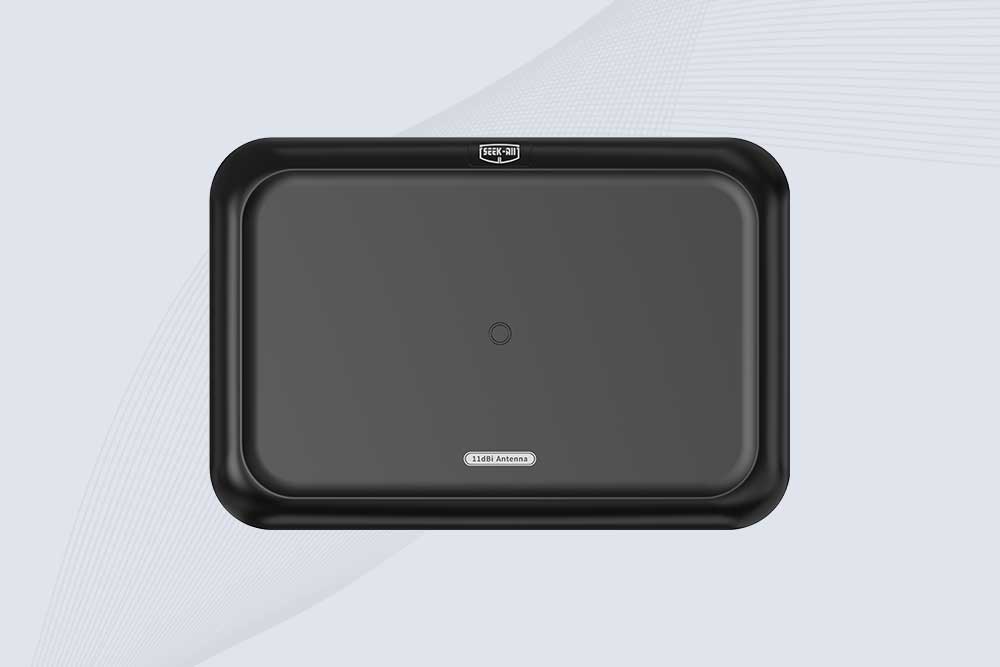
Cykeo CYKEO-A11 UHF RFID reader antenna delivers 11dBi gain, 840-960MHz frequency range, and IP65 ruggedness for retail, logistics, and industrial RFID systems. Features low VSWR and easy installation.
CYKEO Antenna RFID Reader delivers stable long-range UHF performance with a 10.5dBi directional design, built for warehouses, conveyor portals, and industrial RFID systems. This rfid reader antenna provides 20m+ read distance and rugged IP67 protection.
Cykeo CYKEO-A5B industrial Linear RFID Antenna delivers 5dBi gain, ≤1.5:1 VSWR, and IP65 rugged design for warehouse, production line, and logistics UHF systems.
Cykeo’s CYKEO-B12 Long Range RFID Antenna delivers 15m+ read range with 12dBi gain, IP65 rugged design, and global 840-960MHz UHF support. Ideal for warehouse/logistics asset tracking.
Cykeo CYKEO-B10 Long Distance RFID Antenna offers 10dBi gain, 840-960MHz frequency range, IP65 rating, and 20m+ coverage for logistics/warehousing/ETC systems. Low VSWR ensures stable signal transmission.
Cykeo CYKEO-A6 UHF RFID panel antenna features 6dBi gain, 840-960MHz broadband, IP65 metal-ready housing for logistics/smart retail. 18mm ultra-thin design with tool-free mounting.
Cykeo CK-A3 industrial antenna RFID UHF offers 5m+ tag detection, ≤1.3:1 VSWR, IP65 rugged design, and global UHF spectrum compatibility (840-960MHz) for warehouses, factories, and retail.
Cykeo CYKEO-B5 directional RFID antenna provides 5dBi gain with 60° narrow beamwidth for precise inventory tracking. IP65-rated, global UHF frequency support, and low VSWR.
Create your own high-performance DIY RFID antenna! 5dBi gain, 840-960MHz tunable, step-by-step guides. Compatible with Arduino, Raspberry Pi, and commercial UHF readers.
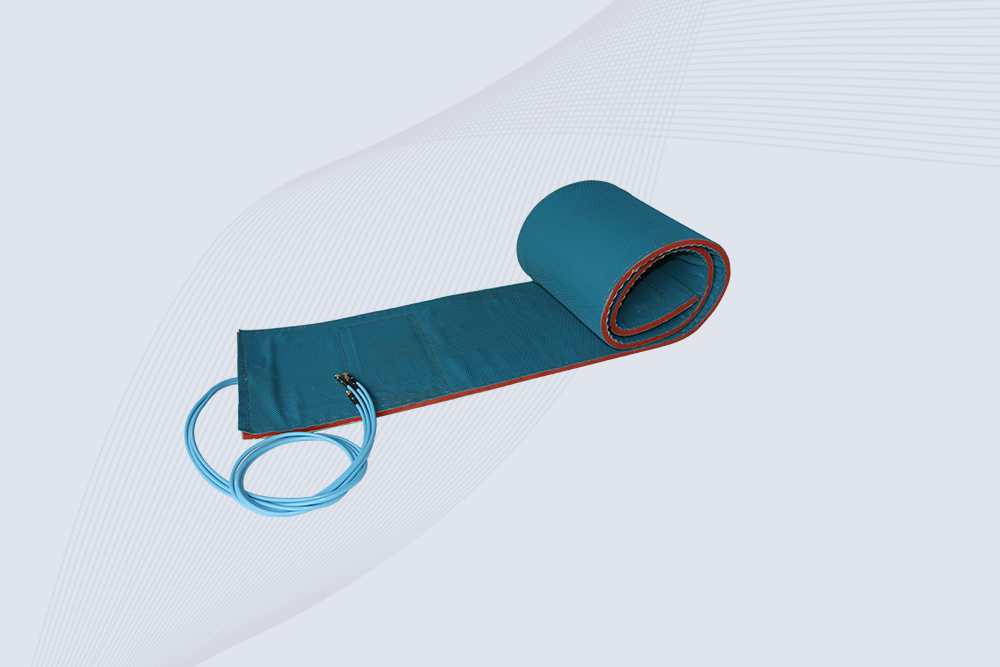
Cykeo CYKEO-A7 Flexible RFID Antenna features 840-960MHz wideband tuning, 7dBi gain, and IP68 rating for medical/retail/industrial curved surface deployments. 98% read accuracy with peel-and-stick installation.
Cykeo CYKEO-B5A industrial Passive RFID Antenna delivers 5dBi gain, 70° beamwidth, and -40°C~55°C operation for warehouses/smart cabinets. Compatible with Zebra/Impinj readers.
Cykeo’s CYKEO-A9B High Gain RFID Antenna delivers 15m+ read range with 9dBi amplification. Features IP54 rugged design, 840-960MHz bandwidth, and 80° beamwidth for warehouse/manufacturing RFID systems.
Cykeo’s enterprise-grade 8dbi Impinj RFID Antenna 10m+ read range with 840-960MHz tuning. Features IP65 housing, 1.4 VSWR, 35° beamwidth for retail/warehouse RFID systems.
Cykeo CYKEO-A9 industrial UHF RFID antenna delivers 9dBi gain, 840-960MHz frequency range, and IP65 protection for warehouse/logistics/retail RFID systems. Features N-type connector and ≤1.3:1 VSWR.
CYKEO UHF RFID Antenna built for long-distance and industrial applications. This antenna rfid uhf delivers strong gain, outdoor durability, and reliable tag performance in warehouses, yards, and vehicle ID systems.
CYKEO Antenna RFID delivers reliable long-range UHF performance in warehouses, retail shelves, and cold-chain environments. This compact uhf rfid antenna provides stable reads with circular polarization and ultra-wide 840–960 MHz support, ideal for industrial tracking, smart shelves, and asset monitoring.
Cykeo’s CYKEO-C8 UHF RFID antennas delivers 8dBi gain, 840-960MHz full-band coverage, and IP65 ruggedness for manufacturing/warehouse RFID systems. Industrial RFID Antennas Features
Cykeo’s 8dBi UHF RFID antenna and reader kit delivers 10m+ range, 840-960MHz broadband, and IP65 ruggedness for factories, warehouses, and logistics. ISO 18000-6C & EPC Gen2 certified.
Cykeo’s CYKEO-A12C UHF Large RFID Antenna delivers 12dBi gain, 840-960MHz global frequency, IP65 ruggedness for logistics/warehousing/automotive. 40° beamwidth ensures stable 15m+ tag reads.
CYKEO Near Field RFID Antenna provides precise 5–30 cm reading for shelves, cabinets, and workstations. This compact rfid shelf antenna delivers stable short-range performance around metal and clutter, ideal for pharmacies, libraries, and electronics sorting.
RFID Industry Writer | IoT & Asset Tracking Analyst
James writes about RFID technology, asset tracking, and the practical challenges of digital transformation across warehousing, retail, manufacturing, and logistics.
His work focuses on how RFID is applied in real-world operations—improving inventory visibility, automating workflows, and helping businesses manage assets with greater accuracy and efficiency.
He regularly covers topics including UHF RFID, smart cabinets, RFID portals, tool tracking, warehouse automation, and industrial IoT trends..
Learning how to use handheld RFID reader writer? Step-by-step for inventory counting and tag programming. Power on, connect to Android, read EPCs, write user memory. Real field advice from CYKEO engineers.
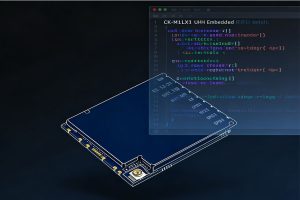
Cykeo CK-M1LX1 UHF embedded RFID module is built for real-world integration. Clean APIs, Java & C# SDK support, adjustable RF power, and global protocol compatibility — ideal for software developers and RFID hardware buyers.
An RFID scanner identifies tagged objects through wireless communication and transfers tag data into business systems. Reliable use depends on matching the s...
I’m sharing my hard-earned experience installing and tuning RFID access systems—everything from card read delays and signal interference to power tweaks. From datasheets to the real world, here’s how to avoid the mistakes I made.
 Cykeo RFID IoT Solution Products R&D Manufacturer