 Cykeo RFID IoT Solution Products R&D Manufacturer

What Is Anti Metal RFID Tag: RFID Technology Designed for Metal Surfaces
126What is anti metal rfid tag? Learn how anti-metal RFID tags overcome metal interference for industrial assets, equipment tracking, and smart inventory.
MoreAll RFID Product
A customer once told us something that made everyone in the room smile.
“Our gate works perfectly.”
Then he added another sentence.
“It also reads the tags stored in the next room.”
That’s obviously not perfect.
But it’s a situation many RFID projects run into.
The reader isn’t broken.
The tags aren’t defective.
The system is simply seeing more than it was supposed to.
At first, people often assume they need a different reader.
Sometimes they order another antenna.
Quite often, neither is the real solution.
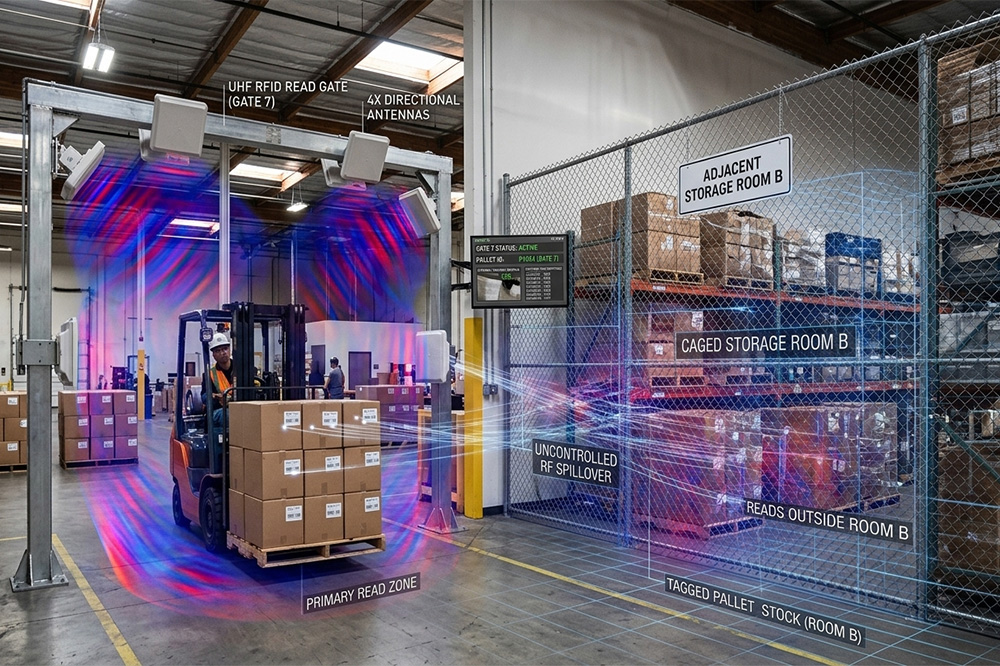
When people first compare RFID equipment, longer reading distance sounds like an advantage.
Until it isn’t.
Imagine a warehouse gate.
A pallet passes through the entrance exactly as expected.
Meanwhile, another pallet is waiting behind a nearby wall.
If both appear in the software, operators suddenly have a problem.
The system collected more data.
It also collected the wrong data.
For access control, warehouse portals and asset tracking, a controlled read zone usually matters much more than the maximum reading distance.
There’s rarely just one reason.
Most projects involve several factors working together.
One common cause is antenna placement.
An antenna aimed directly into an open storage area naturally reaches farther than intended.
Power settings are another factor.
Many systems leave the factory configured near the upper end of their output range.
That may be useful during testing.
It isn’t always ideal after installation.
The environment also plays a bigger role than many people expect.
Concrete walls reduce RF energy.
Glass may allow much more of it to pass.
Metal racks reflect signals in unexpected directions.
Sometimes the tag you didn’t expect to read is actually receiving a reflected signal rather than a direct one.
That can be surprisingly difficult to notice during the first site survey.
One warehouse manager explained it in a way I still remember.
“I don’t want to know everything.”
“I only want to know what goes through this door.”
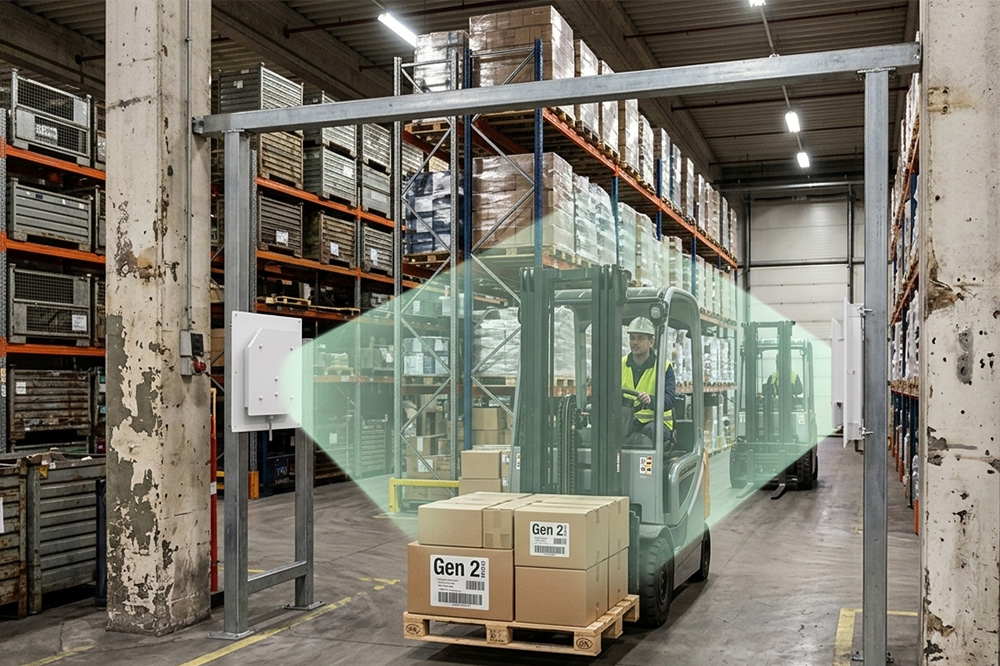
That’s exactly how many RFID gate projects should be designed.
Accuracy often improves when the read zone becomes smaller.
Directional antennas help focus RF energy toward a controlled path instead of flooding the surrounding area.
Combined with proper installation height and beam direction, they usually create much cleaner data than simply increasing transmit power.
Occasionally an RFID system performs perfectly in the morning.
Then read rates fall during the afternoon.
Nothing appears to have changed.
Or so it seems.
Forklifts park near the gate.
Pallets stack differently.
Metal carts remain beside the doorway.
Temporary inventory fills previously empty space.
The RF environment quietly changes throughout the day.
That’s why field testing under normal operating conditions often reveals more than laboratory measurements.
This question appears in quotation requests almost every week.
“What is your best antenna for an RFID gate?”
The honest answer is usually another question.
“What kind of gate?”
A narrow personnel entrance.
A forklift lane.
A double-width warehouse portal.
A conveyor tunnel.
Each creates different requirements.
For many gate-control projects, a directional antenna with a well-defined beam performs better than a high-gain antenna covering unnecessary areas.
The objective isn’t to read farther.
It’s to read only where movement matters.
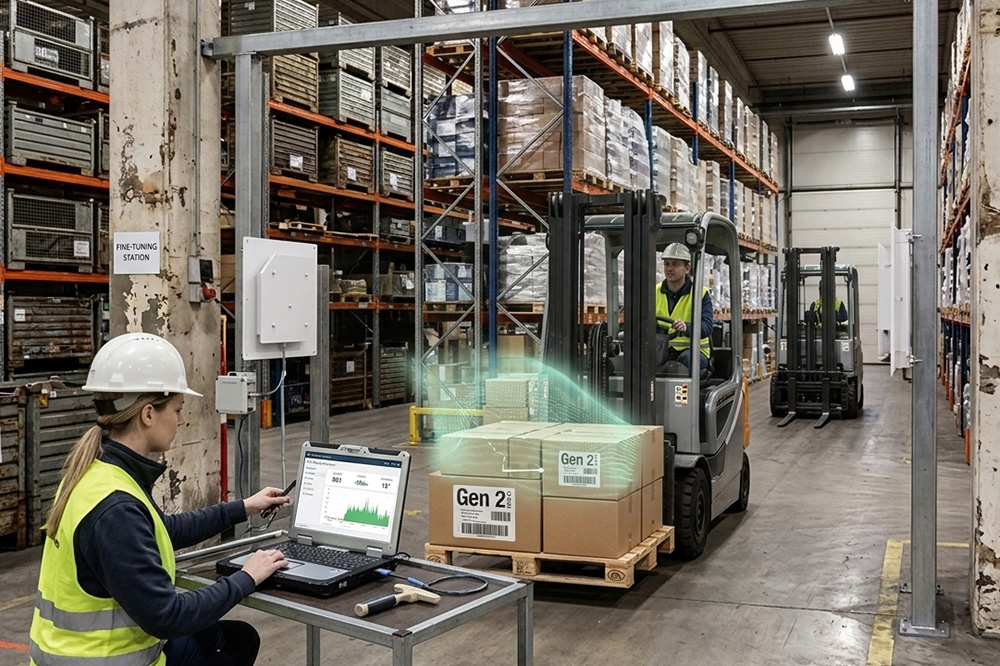
Not every project requires replacing hardware.
We’ve seen noticeable improvements after adjustments that looked almost too simple.
For example:
Individually, these changes may seem minor.
Together, they often reshape the read zone far more effectively than installing additional equipment.
As warehouses expand, this situation becomes more common.
A second RFID portal is installed beside the first.
Initially, each lane is tested on its own.
Everything looks fine.
Later, both lanes operate at the same time.
Unexpected reads begin appearing.
The problem isn’t necessarily interference in the traditional sense.
Sometimes both portals simply cover more area than intended.
Reducing overlap usually delivers better results than increasing power.
Well-defined zones tend to outperform large overlapping ones.
When customers contact us about unstable RFID performance, the first discussion rarely starts with product models.
Instead, we ask questions like:
Those answers often explain the issue before anyone replaces hardware.
After enough installations, one pattern becomes difficult to ignore.
Most RFID problems don’t originate from defective readers or antennas.
They come from the relationship between the equipment and the environment.
Readers, antennas, mounting positions, beam direction, middleware and warehouse layout all influence the final result.
Manufacturers providing complete RFID infrastructure, including companies such as Cykeo, often support customers with deployment planning, antenna selection and on-site tuning because solving read-zone problems usually involves the entire system rather than a single component.
Once the read zone matches the workflow, the technology tends to disappear into the background.
And that’s probably how an RFID system should feel.
| Problem | Possible Cause | Practical Direction |
|---|---|---|
| Reads tags in the next room | Wide beam, high power, reflections | Narrow the read zone, adjust antenna angle |
| Reading distance is too long | Gain or power set too high | Reduce output power and optimize placement |
| Unstable tag detection | Changing environment, metal objects, cable loss | Test under real operating conditions |
| Cross-reading between gates | Overlapping coverage | Increase separation and optimize beam direction |
| Duplicate reads | Large read zone, lack of filtering | Use middleware filtering and refine antenna layout |
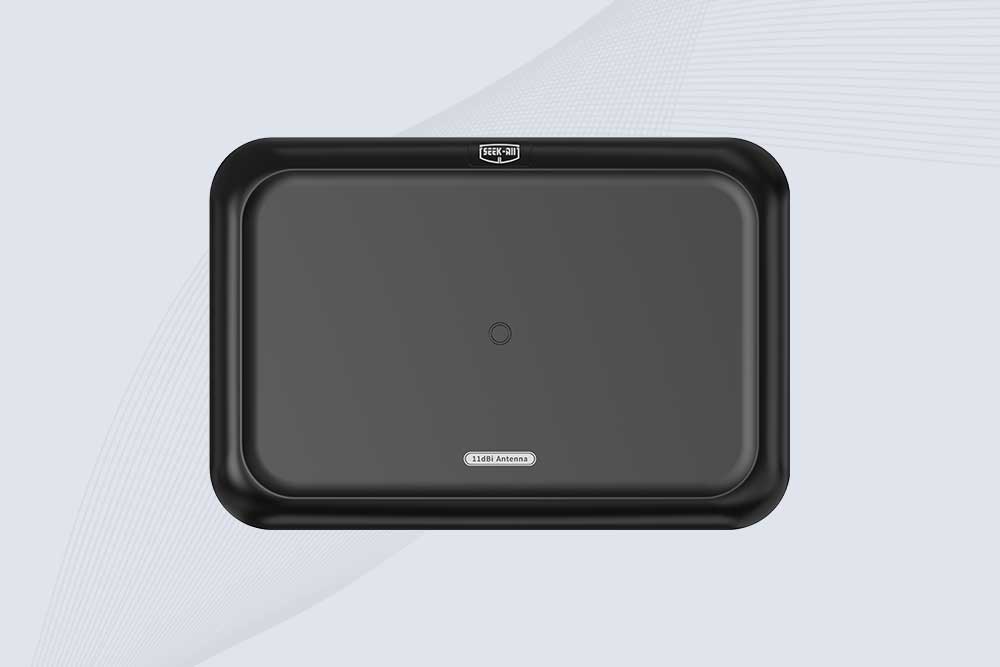
SSD-A11 UHF RFID antenna features 840–960 MHz adjustable frequency, ≥10.5 dBi gain, circular polarization and 50Ω impedance for fixed RFID systems.
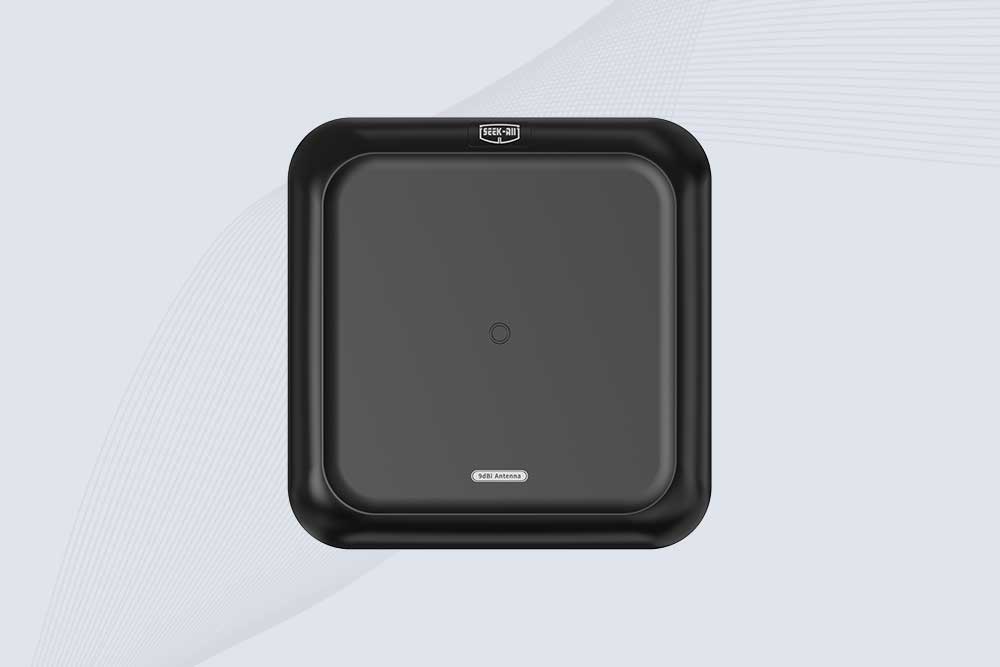
SSD-A09 is a 9 dBi UHF RFID antenna with 840–960 MHz adjustable frequency, circular polarization, 50Ω impedance and directional 60° × 60° coverage.
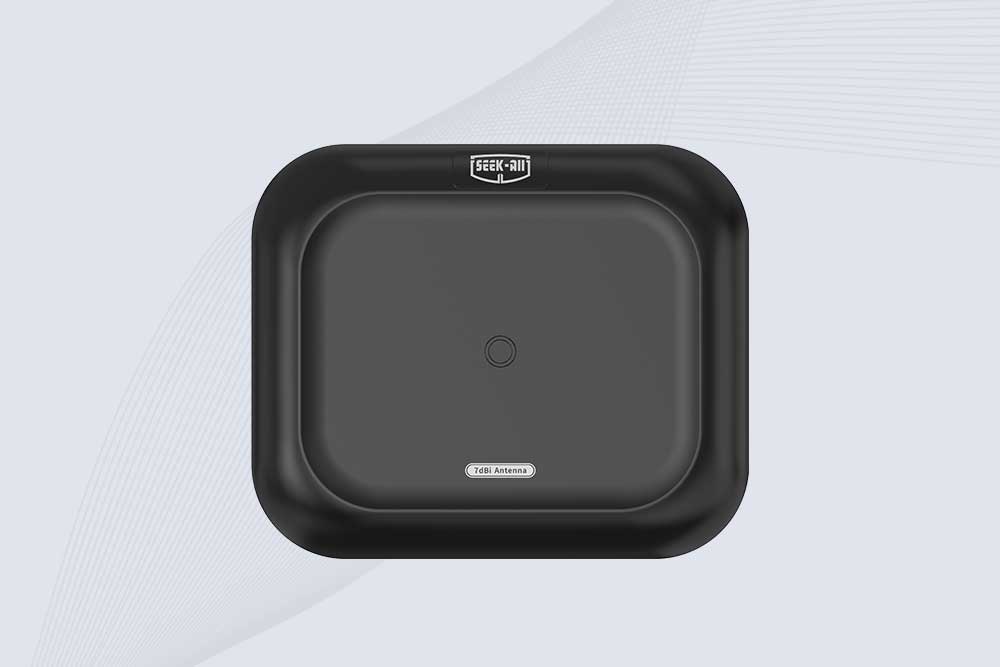
Explore the SSD-A07 UHF RFID antenna with 7 dBi gain, circular polarization, adjustable 840–960 MHz frequency, and 60°/75° beamwidth for stable RFID read/write performance.

SSD-A06 UHF RFID antenna with circular polarization, adjustable 840–960 MHz frequency, ≥4.5 dBi gain, and a compact directional design for RFID systems.
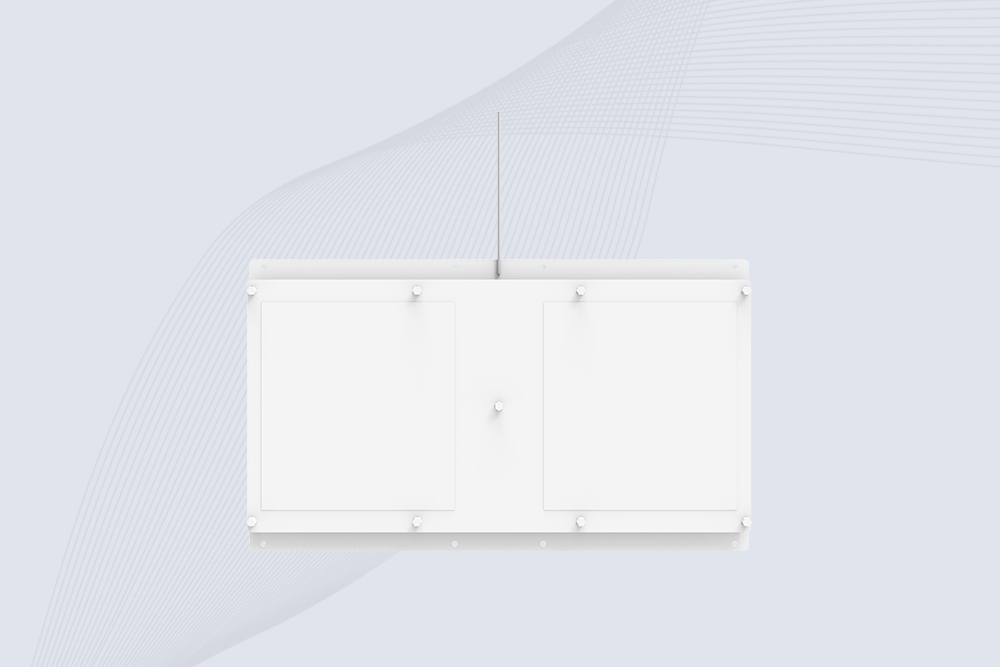
Cykeo CYKEO-A11 UHF RFID reader antenna delivers 11dBi gain, 840-960MHz frequency range, and IP65 ruggedness for retail, logistics, and industrial RFID systems. Features low VSWR and easy installation.

CYKEO Antenna RFID Reader delivers stable long-range UHF performance with a 10.5dBi directional design, built for warehouses, conveyor portals, and industrial RFID systems. This rfid reader antenna provides 20m+ read distance and rugged IP67 protection.

Cykeo CYKEO-PHF3 industrial HF RFID Antenna offers 24-point dynamic tracking, ISO 14443A/15693 protocols, metal-environment stability for archives/libraries/manufacturing.

Cykeo CYKEO-A5B industrial Linear RFID Antenna delivers 5dBi gain, ≤1.5:1 VSWR, and IP65 rugged design for warehouse, production line, and logistics UHF systems.

Cykeo’s CYKEO-B12 Long Range RFID Antenna delivers 15m+ read range with 12dBi gain, IP65 rugged design, and global 840-960MHz UHF support. Ideal for warehouse/logistics asset tracking.
Cykeo CYKEO-B10 Long Distance RFID Antenna offers 10dBi gain, 840-960MHz frequency range, IP65 rating, and 20m+ coverage for logistics/warehousing/ETC systems. Low VSWR ensures stable signal transmission.
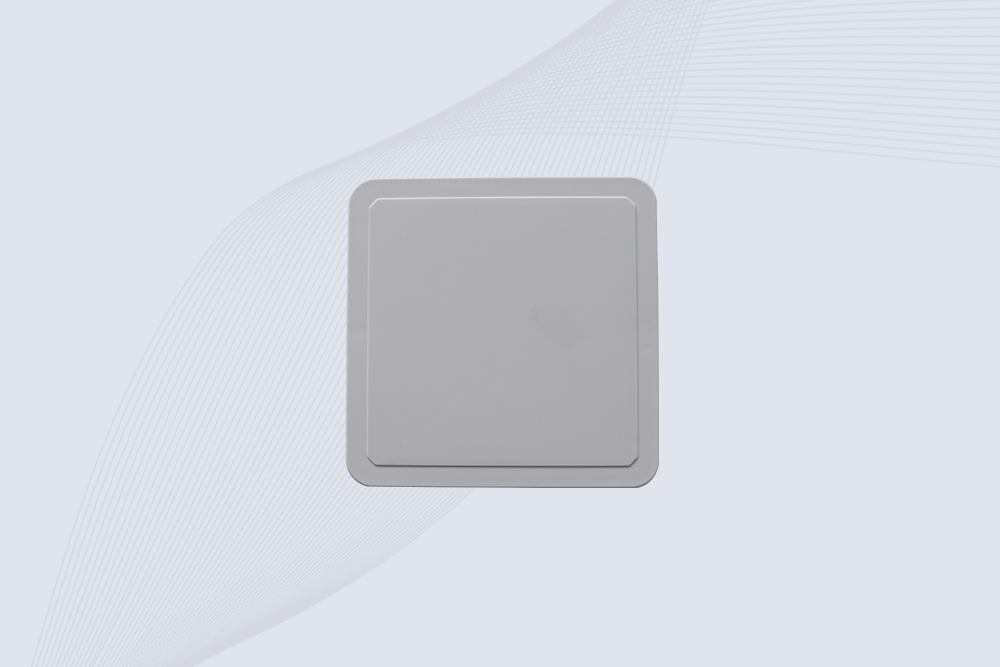
Cykeo CYKEO-A6 UHF RFID panel antenna features 6dBi gain, 840-960MHz broadband, IP65 metal-ready housing for logistics/smart retail. 18mm ultra-thin design with tool-free mounting.

Cykeo CK-A3 industrial antenna RFID UHF offers 5m+ tag detection, ≤1.3:1 VSWR, IP65 rugged design, and global UHF spectrum compatibility (840-960MHz) for warehouses, factories, and retail.
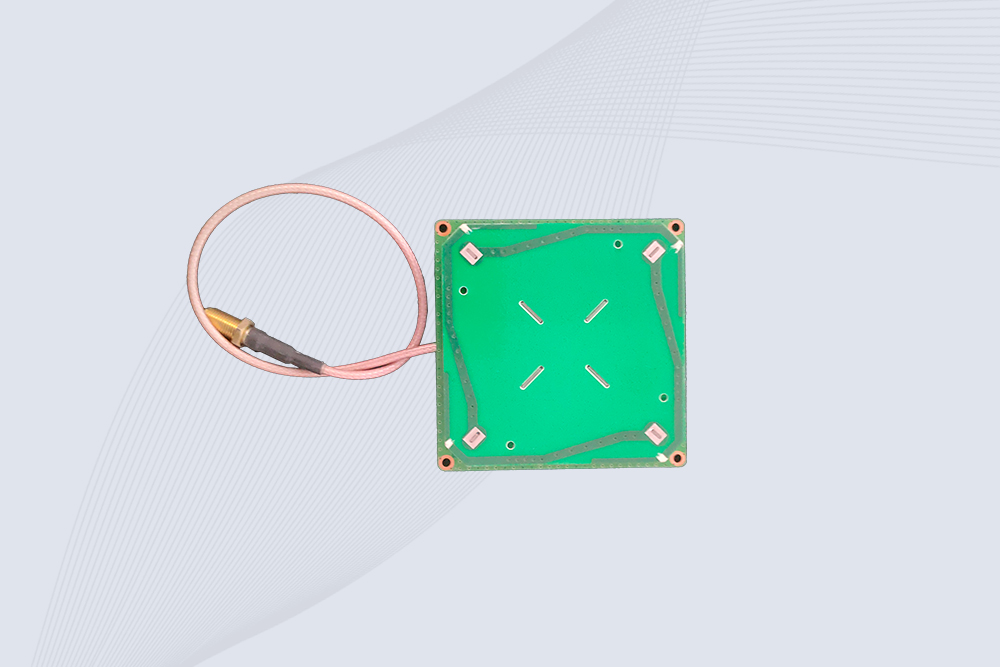
Cykeo CYKEO-B5 directional RFID antenna provides 5dBi gain with 60° narrow beamwidth for precise inventory tracking. IP65-rated, global UHF frequency support, and low VSWR.
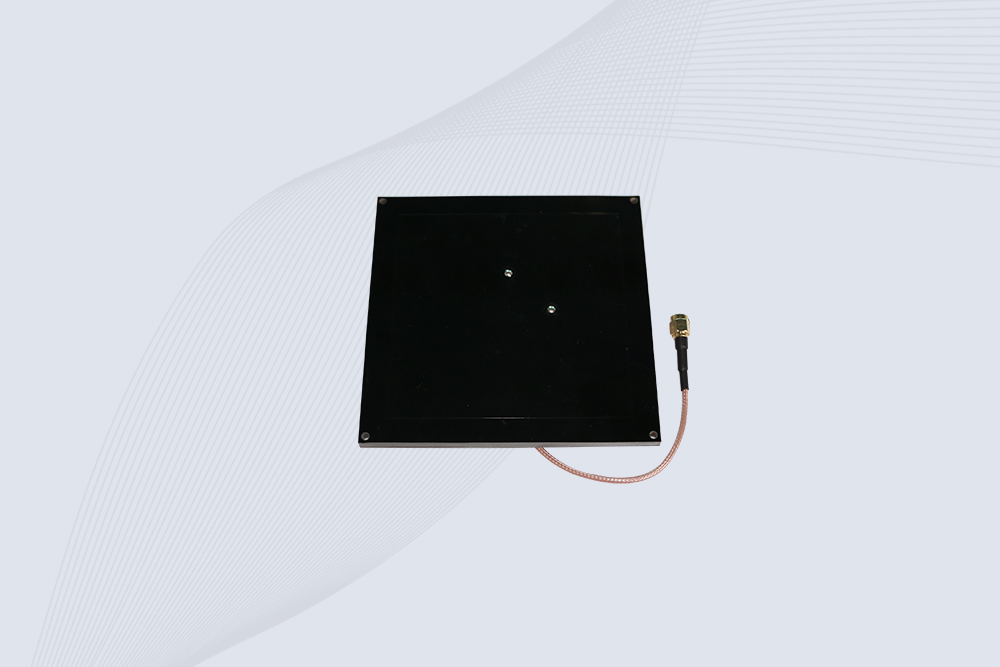
Create your own high-performance DIY RFID antenna! 5dBi gain, 840-960MHz tunable, step-by-step guides. Compatible with Arduino, Raspberry Pi, and commercial UHF readers.
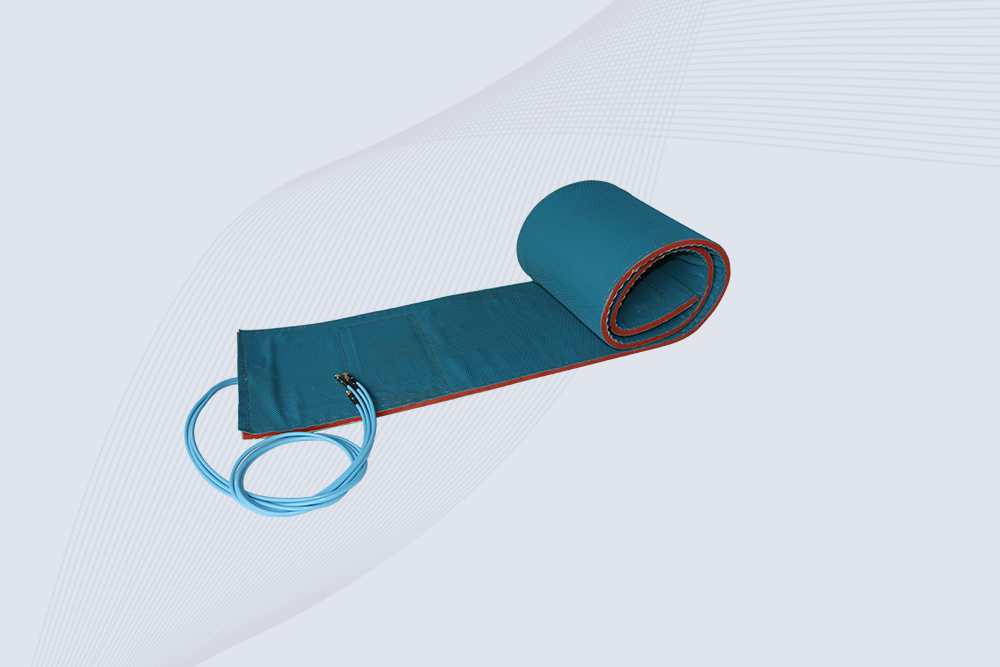
Cykeo CYKEO-A7 Flexible RFID Antenna features 840-960MHz wideband tuning, 7dBi gain, and IP68 rating for medical/retail/industrial curved surface deployments. 98% read accuracy with peel-and-stick installation.

Cykeo CYKEO-B5A industrial Passive RFID Antenna delivers 5dBi gain, 70° beamwidth, and -40°C~55°C operation for warehouses/smart cabinets. Compatible with Zebra/Impinj readers.
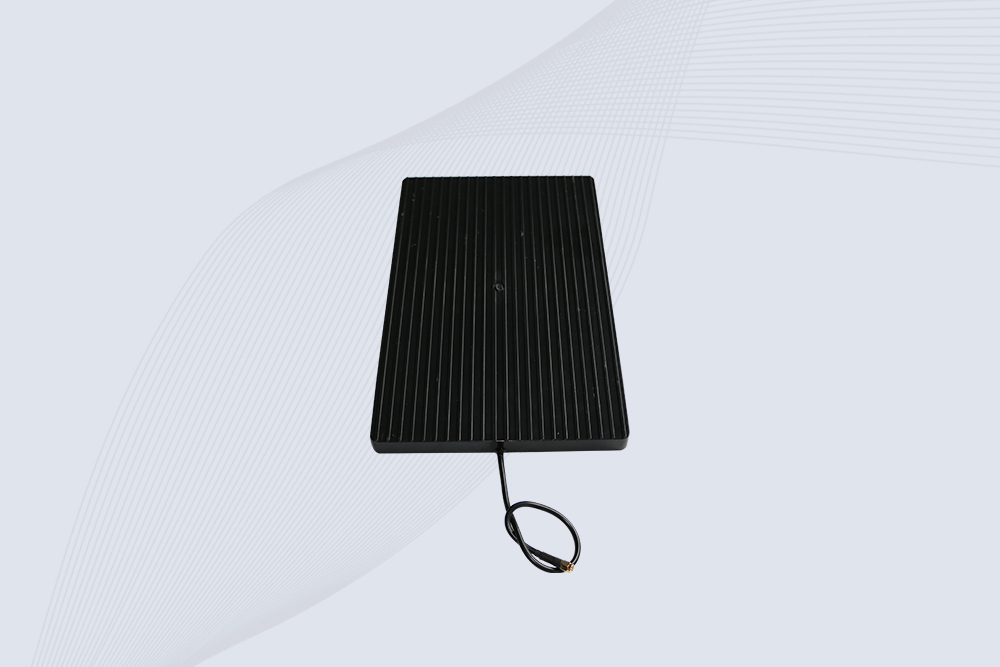
Cykeo’s CYKEO-A9B High Gain RFID Antenna delivers 15m+ read range with 9dBi amplification. Features IP54 rugged design, 840-960MHz bandwidth, and 80° beamwidth for warehouse/manufacturing RFID systems.

Cykeo’s enterprise-grade 8dbi Impinj RFID Antenna 10m+ read range with 840-960MHz tuning. Features IP65 housing, 1.4 VSWR, 35° beamwidth for retail/warehouse RFID systems.
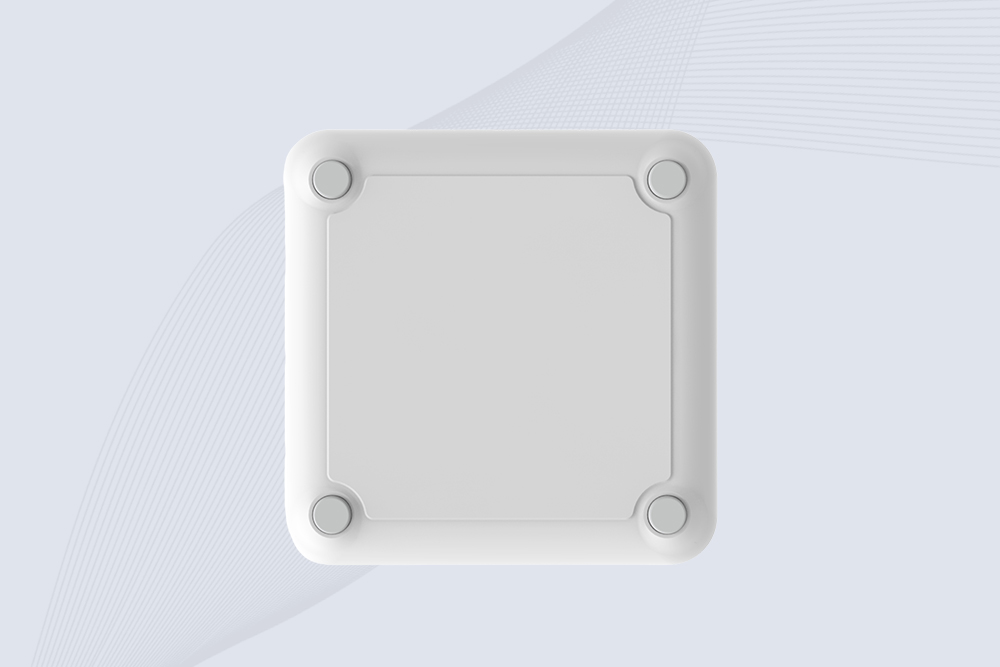
Cykeo CYKEO-A9 industrial UHF RFID antenna delivers 9dBi gain, 840-960MHz frequency range, and IP65 protection for warehouse/logistics/retail RFID systems. Features N-type connector and ≤1.3:1 VSWR.
CYKEO UHF RFID Antenna built for long-distance and industrial applications. This antenna rfid uhf delivers strong gain, outdoor durability, and reliable tag performance in warehouses, yards, and vehicle ID systems.
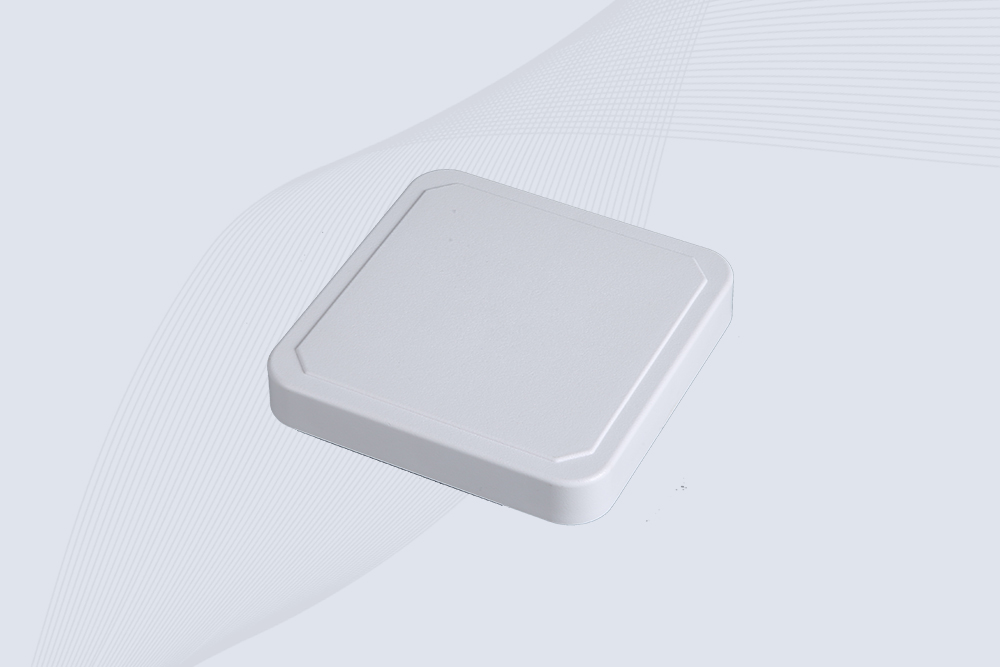
CYKEO Antenna RFID delivers reliable long-range UHF performance in warehouses, retail shelves, and cold-chain environments. This compact uhf rfid antenna provides stable reads with circular polarization and ultra-wide 840–960 MHz support, ideal for industrial tracking, smart shelves, and asset monitoring.
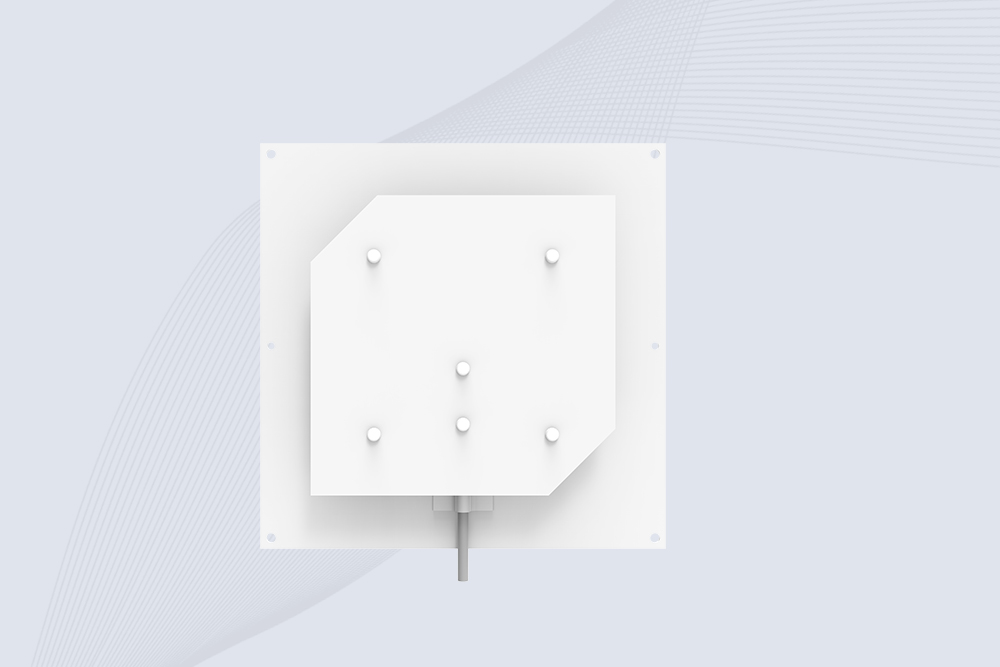
Cykeo’s CYKEO-C8 UHF RFID antennas delivers 8dBi gain, 840-960MHz full-band coverage, and IP65 ruggedness for manufacturing/warehouse RFID systems. Industrial RFID Antennas Features
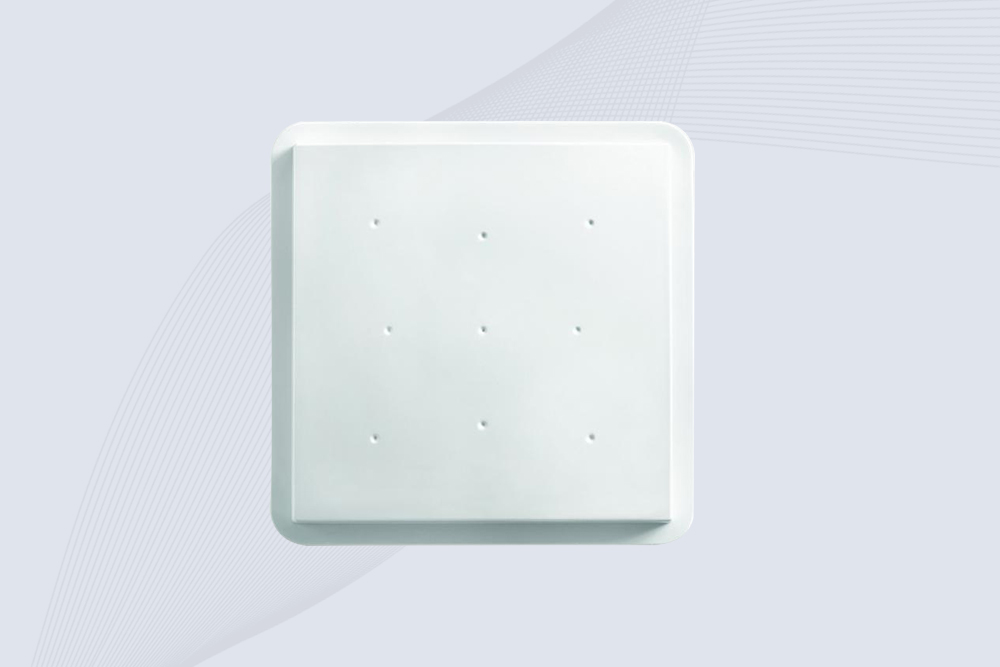
Cykeo’s 8dBi UHF RFID antenna and reader kit delivers 10m+ range, 840-960MHz broadband, and IP65 ruggedness for factories, warehouses, and logistics. ISO 18000-6C & EPC Gen2 certified.
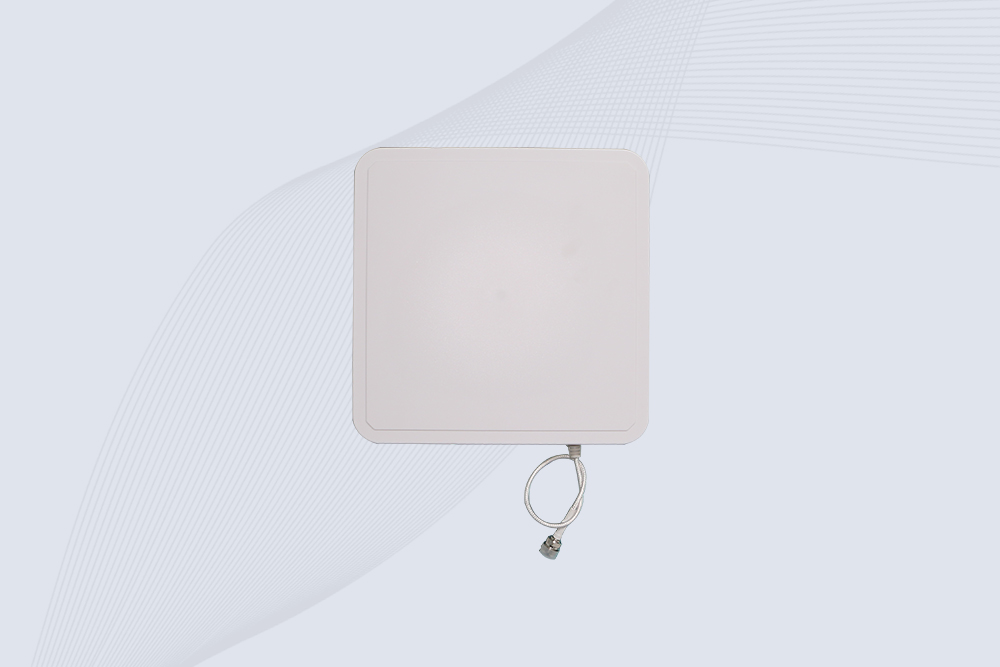
Cykeo CYKEO-A9A industrial UHF RFID reader and antenna kit delivers 10m range, 500 tags/sec, IP65 ruggedness for manufacturing/logistics. Supports EPC Gen2, ISO18000-6C.
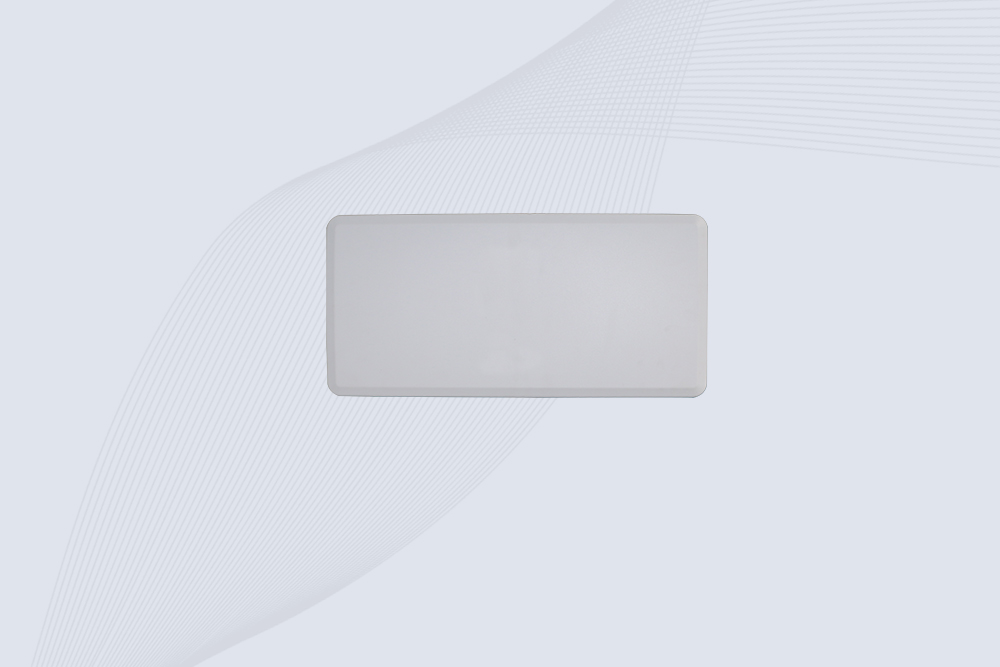
Cykeo’s CYKEO-A12C UHF Large RFID Antenna delivers 12dBi gain, 840-960MHz global frequency, IP65 ruggedness for logistics/warehousing/automotive. 40° beamwidth ensures stable 15m+ tag reads.

CYKEO Near Field RFID Antenna provides precise 5–30 cm reading for shelves, cabinets, and workstations. This compact rfid shelf antenna delivers stable short-range performance around metal and clutter, ideal for pharmacies, libraries, and electronics sorting.
RFID Industry Writer | IoT & Asset Tracking Analyst
James writes about RFID technology, asset tracking, and the practical challenges of digital transformation across warehousing, retail, manufacturing, and logistics.
His work focuses on how RFID is applied in real-world operations—improving inventory visibility, automating workflows, and helping businesses manage assets with greater accuracy and efficiency.
He regularly covers topics including UHF RFID, smart cabinets, RFID portals, tool tracking, warehouse automation, and industrial IoT trends..

What is anti metal rfid tag? Learn how anti-metal RFID tags overcome metal interference for industrial assets, equipment tracking, and smart inventory.
More
Looking for the best RFID reader for parking? Learn what to consider, from lane width and antenna type to vehicle speed and long-range UHF RFID performance.
More
Discover how rfid shipment tracking improves shipment visibility, warehouse accuracy, and delivery efficiency with real-time RFID identification and industrial-grade Cykeo RFID solutions.
More
Explore what is rfid used for and discover how RFID technology improves asset tracking, inventory control, healthcare, libraries, and industrial automation with Cykeo solutions.
More