People often ask one question before starting an RFID project.
“How far can your scanner read?”
It’s a fair question, but after visiting quite a few warehouses over the years, I rarely think reading distance is the first thing worth discussing.
A scanner that reads 15 meters sounds impressive during a product demo. In a real warehouse, though, nobody celebrates extra meters if the reader captures the wrong pallet, misses cartons moving on the next conveyor, or creates duplicate records every few seconds.
Most warehouse managers are simply trying to solve very ordinary problems.
They want inbound shipments recorded automatically.
They don’t want operators carrying handheld scanners all day.
And they definitely don’t want inventory counts taking an entire weekend.
Forklifts are constantly crossing each other’s paths.
Metal shelves reflect radio signals.
Plastic-wrapped pallets arrive from different suppliers.
Employees are loading trucks while another team is receiving new inventory only a few meters away.
RF signals behave differently in these environments than they do inside a showroom.
I’ve even seen projects where customers blamed the RFID equipment, only to discover the real issue was that every pallet had tags facing random directions.
The scanner wasn’t the problem.
The installation was.
That happens more often than people expect.
Where Long Range RFID Scanners Create the Most Value
Instead of trying to cover every corner of a warehouse, experienced system integrators usually install readers only where products naturally pass.
Typical locations include:
Dock doors
Shipping exits
Receiving entrances
Conveyor lines
Forklift lanes
Production transfer points
High-value storage areas
This approach keeps the reading zone controlled while allowing inventory to update automatically.
Imagine a truck arriving with thirty tagged pallets.
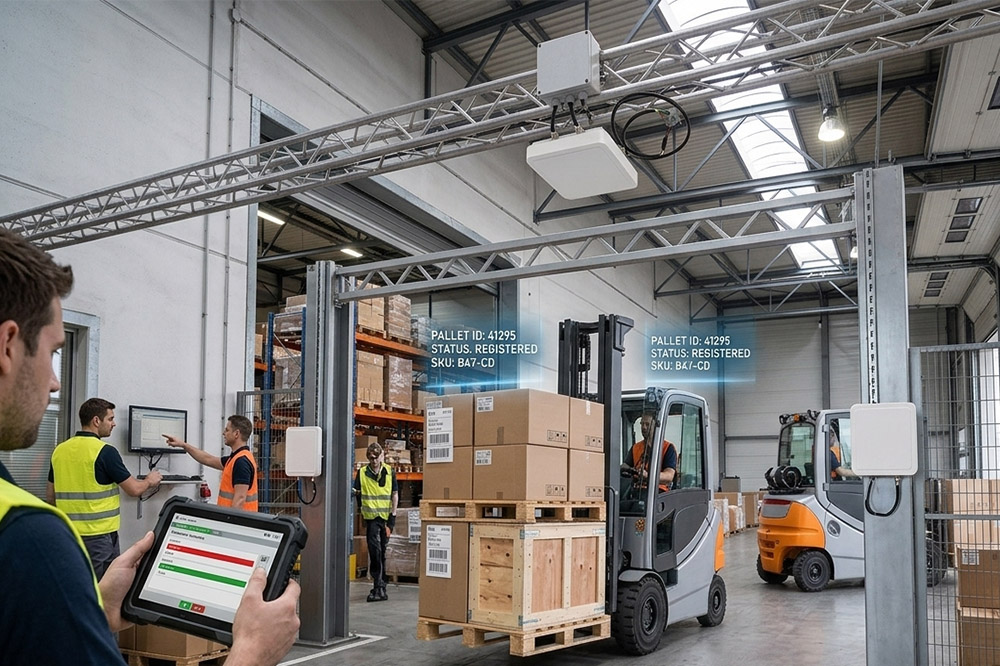
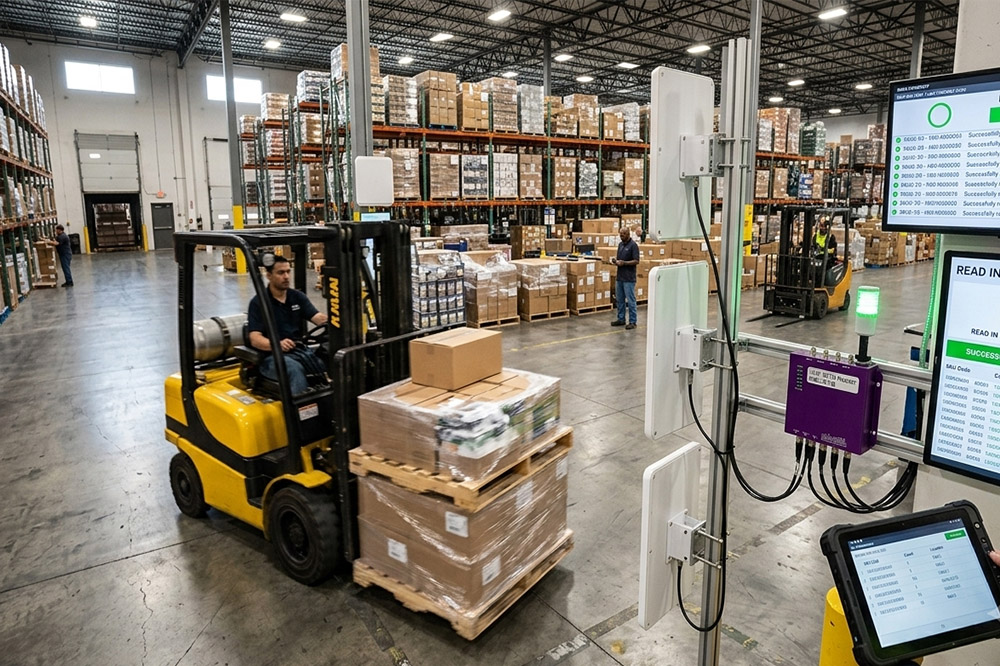
Rather than stopping to scan every pallet one by one, the forklift simply drives through the RFID gate.
Within a few seconds, the warehouse management system already knows which pallets entered, what products they contain, and where they should be stored.
Nobody presses a trigger.
Nobody writes anything on paper.
The process just keeps moving.
Reading Speed Usually Matters More Than Maximum Distance
Many buyers compare products using reading distance alone.
Personally, I think that’s a little misleading.
A warehouse processing hundreds of pallets every hour benefits much more from stable multi-tag performance than from another two or three meters of range.
A good long range RFID scanner should comfortably identify dozens—or even hundreds—of tags during continuous movement.
That becomes especially important during busy shipping periods.
If trucks are lining up outside the dock doors, nobody wants operators waiting for manual barcode scans.
The faster inventory updates itself, the less congestion develops around loading areas.
Metal Isn’t Always the Enemy
People often hear that metal blocks RFID signals.
That’s only partly true.
Metal certainly changes how radio waves behave, but warehouses have successfully tracked steel containers, metal racks, industrial tools, automotive parts, and heavy machinery for years.
The difference usually comes down to choosing suitable RFID tags and placing them correctly.
For example, on-metal RFID tags perform far better than standard paper labels when attached directly to metal assets.
Likewise, adjusting antenna angles by only a few degrees sometimes eliminates unexpected blind spots.
Small details often solve problems that expensive hardware upgrades cannot.
Warehouse Layout Changes Everything
No two warehouses are built the same.
Some facilities have twelve-meter shelving.
Others rely mostly on floor storage.
Cold storage warehouses introduce another layer of complexity because moisture and condensation can affect radio performance.
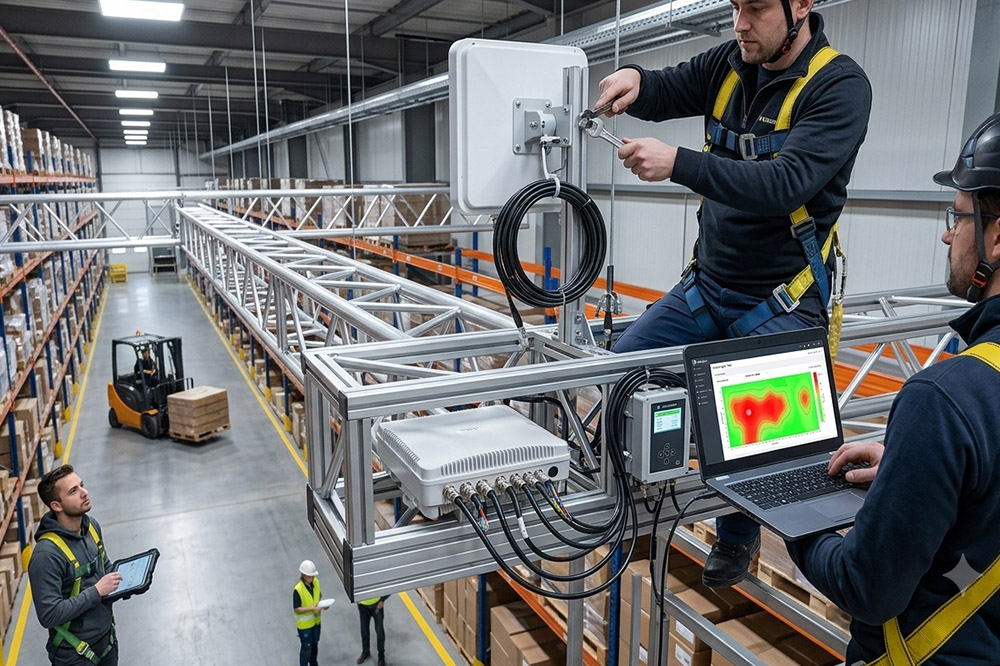
I’ve noticed that projects succeed more often when engineers visit the site before recommending hardware.
A warehouse drawing rarely tells the whole story.
Walking through forklift routes, observing traffic flow, and watching how operators actually work usually reveals installation opportunities that aren’t obvious on paper.
Integration Is Usually More Important Than Hardware
Buying RFID readers is relatively straightforward.
Connecting them to existing software is where real projects become interesting.
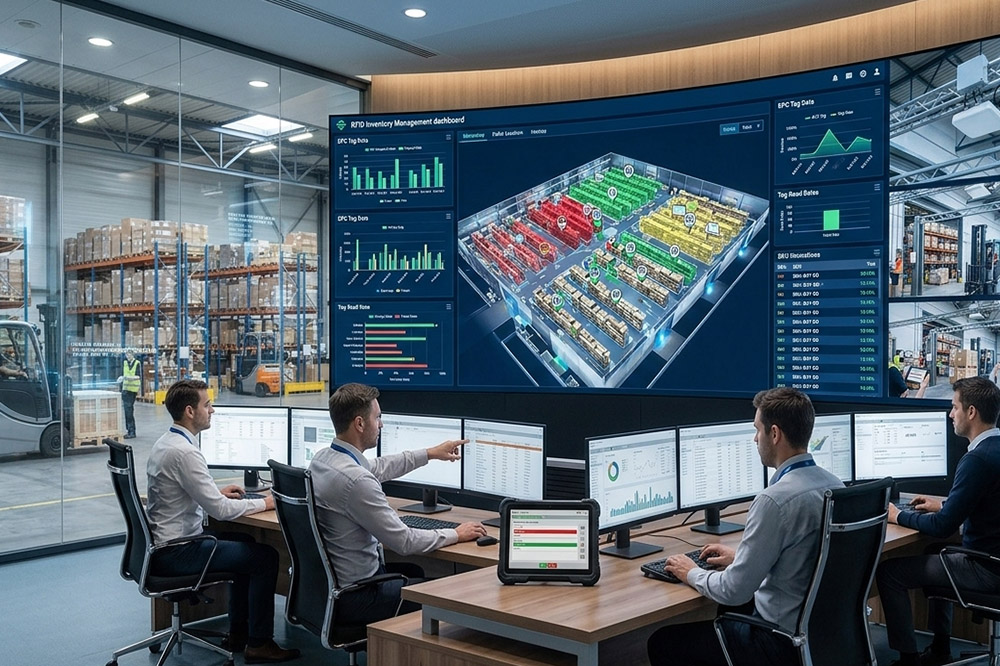
Most warehouses already operate a Warehouse Management System (WMS), ERP platform, MES, or logistics software.
The RFID scanner becomes valuable only after those systems begin exchanging information automatically.
For example:
A pallet enters Receiving.
The RFID scanner captures its EPC number.
The WMS immediately assigns a storage location.
The forklift driver receives that destination on a mobile terminal.
Inventory updates without anyone typing product codes.
That single workflow may eliminate hundreds of manual entries every day.
One Customer Reduced Inventory Counting from Days to Hours
One project still stands out in my memory.
The warehouse stored electrical equipment across several thousand square meters.
Inventory counting required multiple employees every month.
Sometimes it stretched into two full working days.
After installing fixed RFID readers at receiving and shipping points, combined with handheld readers for cycle counting, the process became much simpler.
Monthly inventory still required verification, of course.
No RFID system completely replaces human judgment.
But employees were no longer searching aisle after aisle trying to locate missing products.
The software already knew where most assets should be.
That changed the nature of inventory work entirely.
Common Mistakes During RFID Deployment
Interestingly, hardware failures aren’t the issue I hear about most.
These problems appear far more frequently:
Choosing reading distance before defining business goals
Installing antennas too high above pallet level
Ignoring nearby metal structures
Using unsuitable RFID tags
Creating reading zones that overlap
Forgetting software integration until the final stage
Skipping on-site testing before full deployment
Each issue seems minor during planning.
Together, they can reduce overall system performance much more than buyers expect.
Features Worth Looking For
When evaluating a long range RFID scanner for warehouse applications, buyers generally pay attention to several practical specifications.
Long and stable UHF reading distance
High multi-tag reading speed
Anti-collision capability
Support for multiple antennas
Ethernet, Wi-Fi or PoE connectivity
REST API or SDK for software integration
Industrial IP-rated enclosure
Remote device management
Continuous 24/7 operation
Flexible installation options
Interestingly, software compatibility often becomes the deciding factor once several products offer similar hardware specifications.
RFID Doesn’t Replace Warehouse Staff
This is probably worth mentioning because it’s a common misconception.
RFID isn’t designed to eliminate warehouse employees.
Instead, it removes repetitive scanning work that doesn’t really create value.
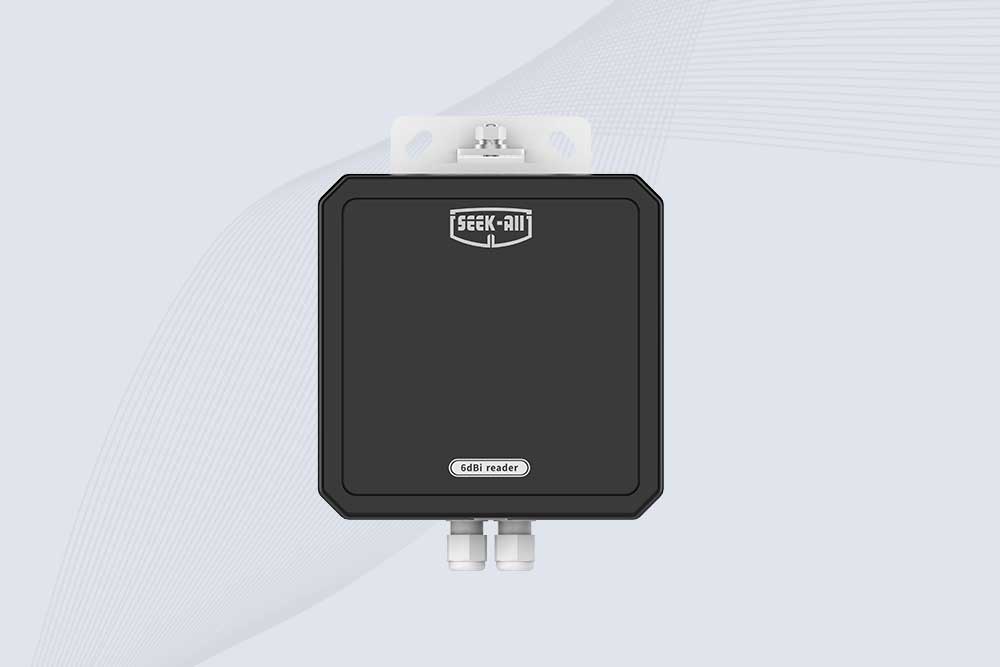
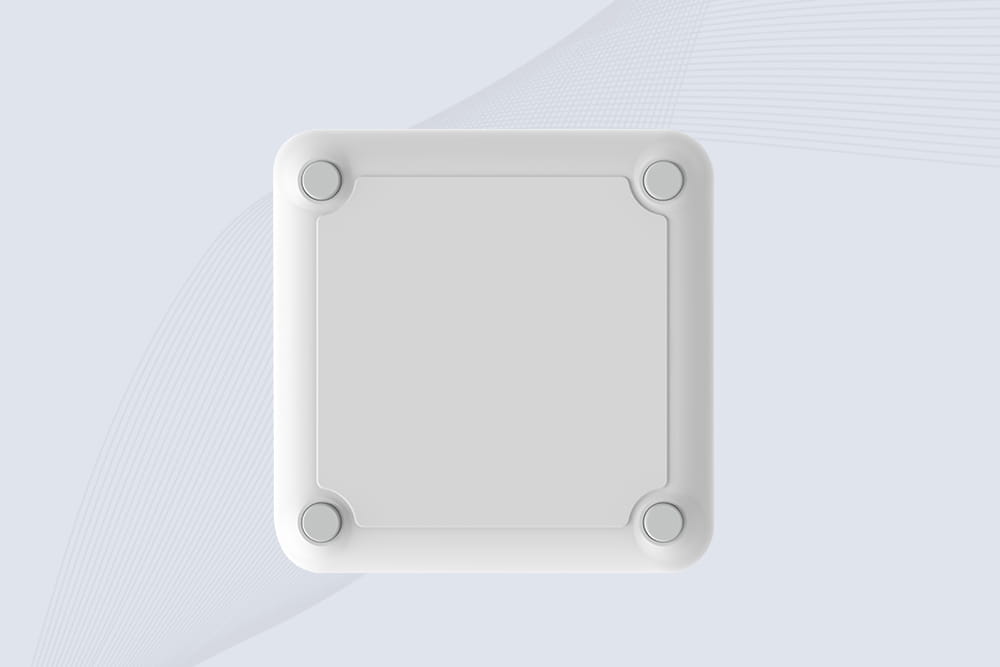
SSD-RA06L is an industrial UHF RFID reader with a built-in 6 dBi antenna, 3 m read range, 600+ tags/s, Ethernet, RS232, and optional Wi-Fi, 4G, and PoE.
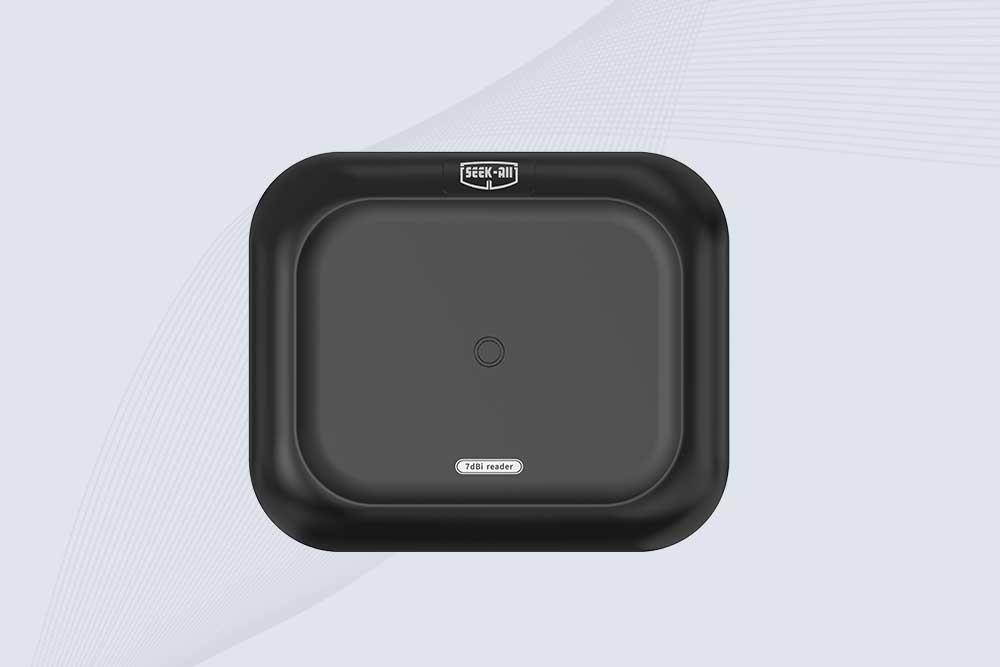
SSD-RA07L industrial UHF RFID reader with integrated 7 dBi antenna, up to 6 m reading distance, over 600 tags/s, Ethernet, RS232, and optional Wi-Fi, 4G, and PoE.
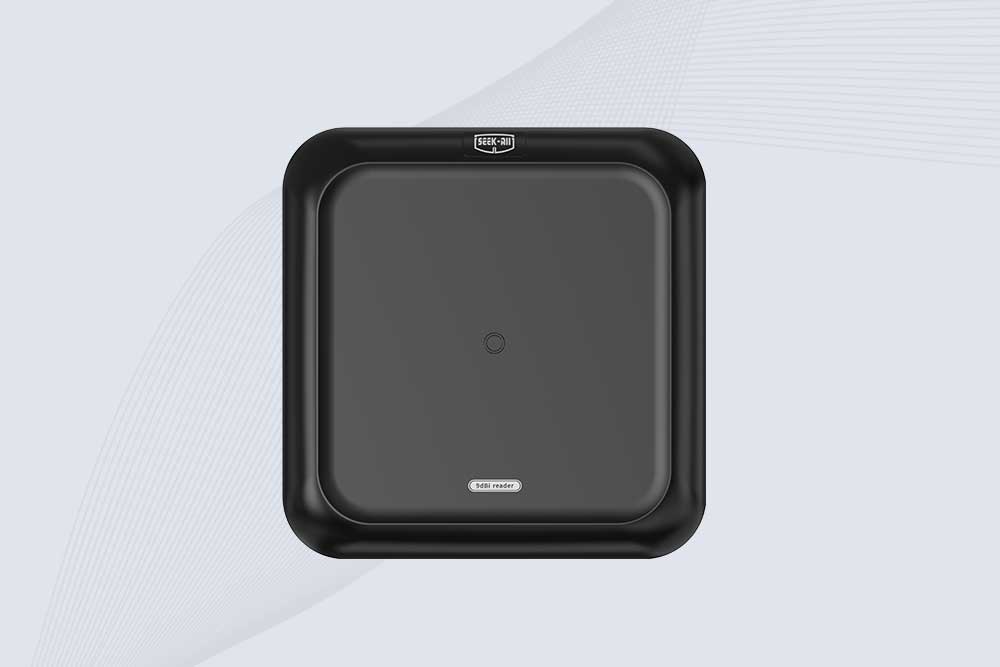
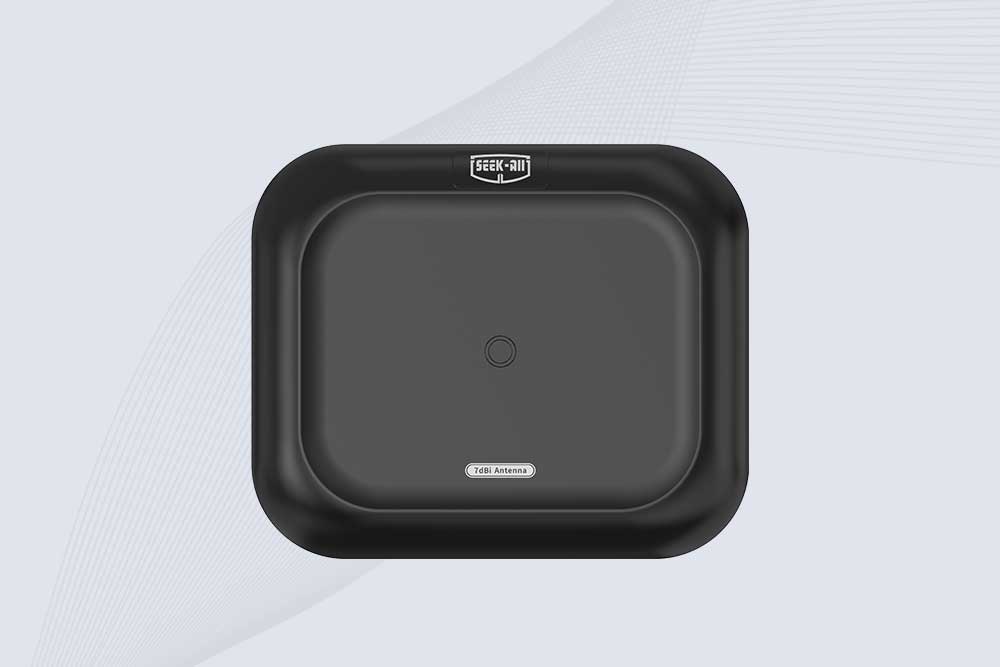
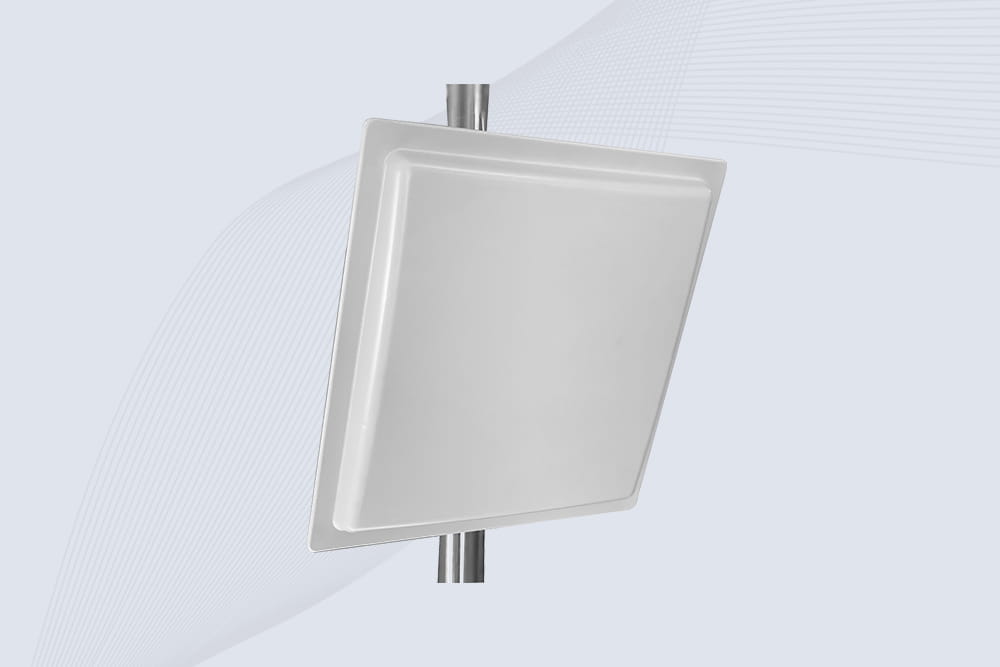
Explore the SSD-A07 UHF RFID antenna with 7 dBi gain, circular polarization, adjustable 840–960 MHz frequency, and 60°/75° beamwidth for stable RFID read/write performance.
SSD-A06 UHF RFID antenna with circular polarization, adjustable 840–960 MHz frequency, ≥4.5 dBi gain, and a compact directional design for RFID systems.
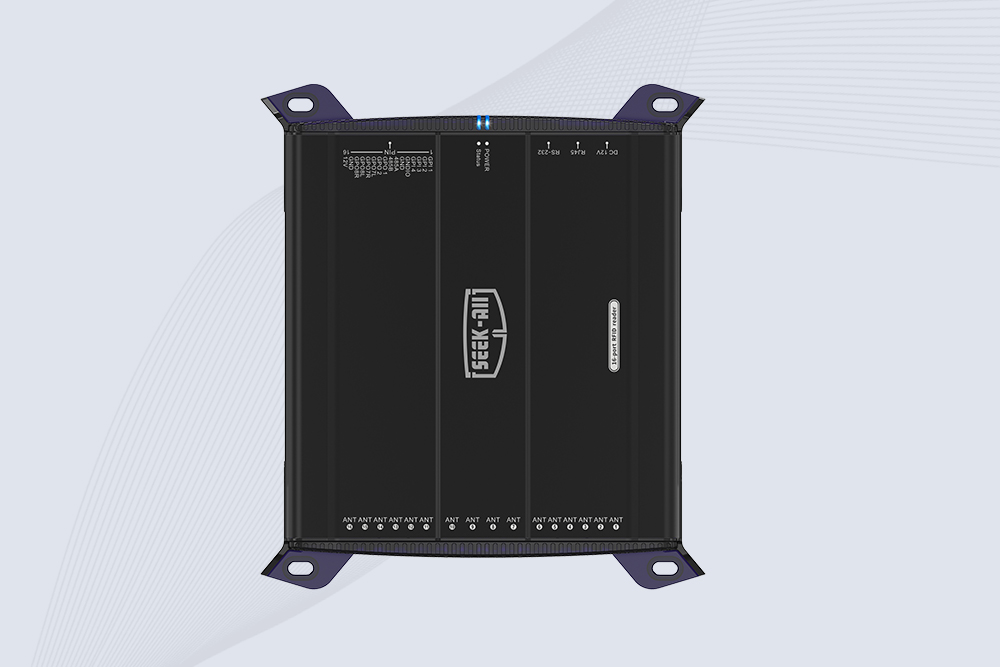
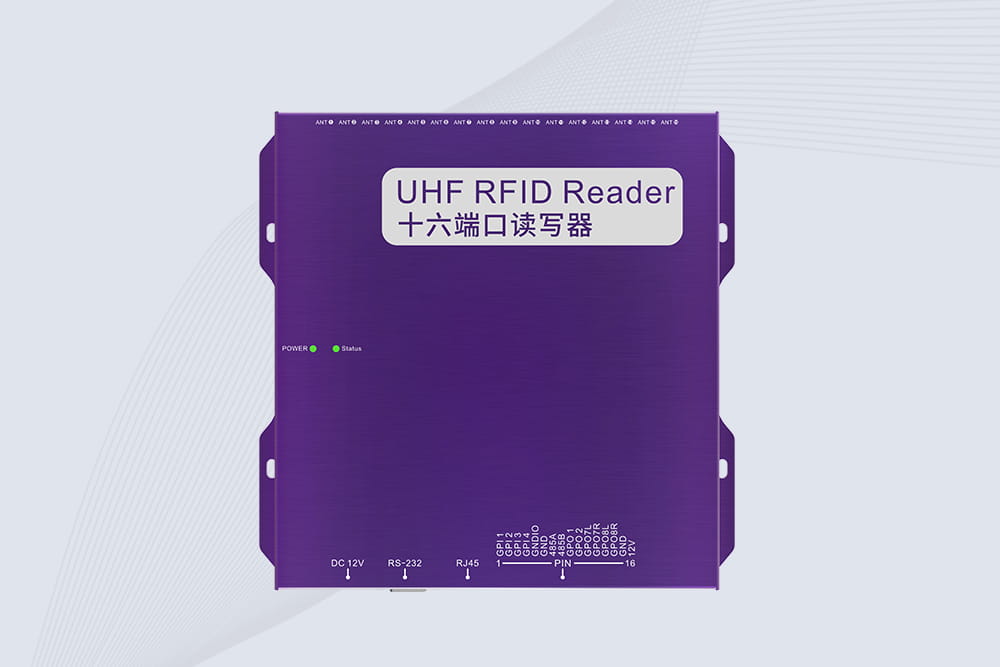
SSD-R16L Multi-Channel RFID Infrastructure for Automated Inventory Management ✔️ 16-Port High-Density RFID Reading Equipped with 16 SMA antenna ports, SSD-R16L supports multi-antenna deployment for warehouses, retail stores, logistics, production lines, and large-area RFID identification. ✔️ High-Speed & Long-Range Performance With up to 33…
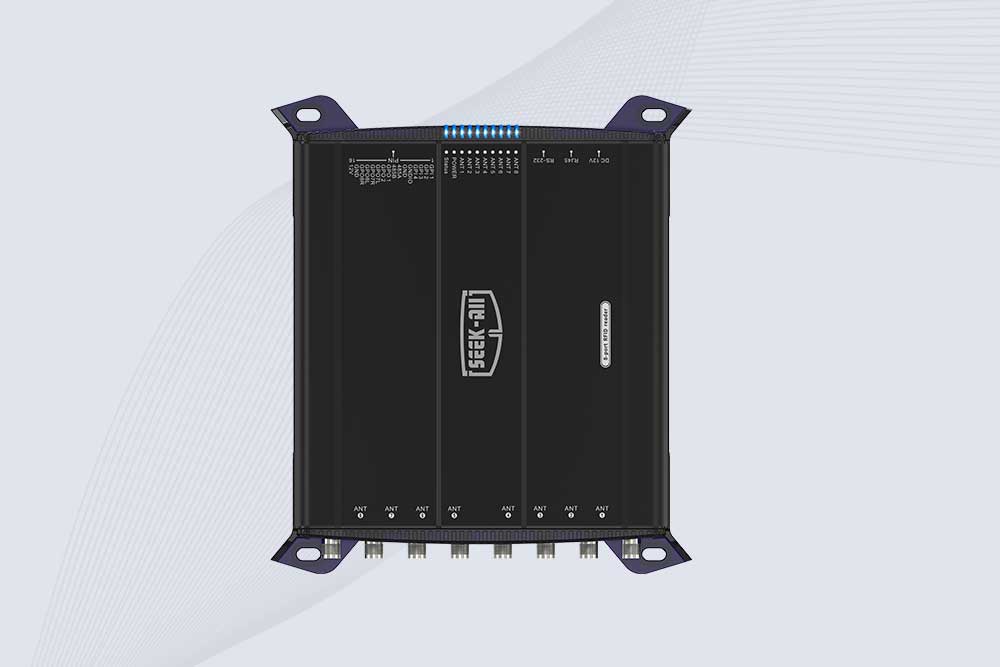
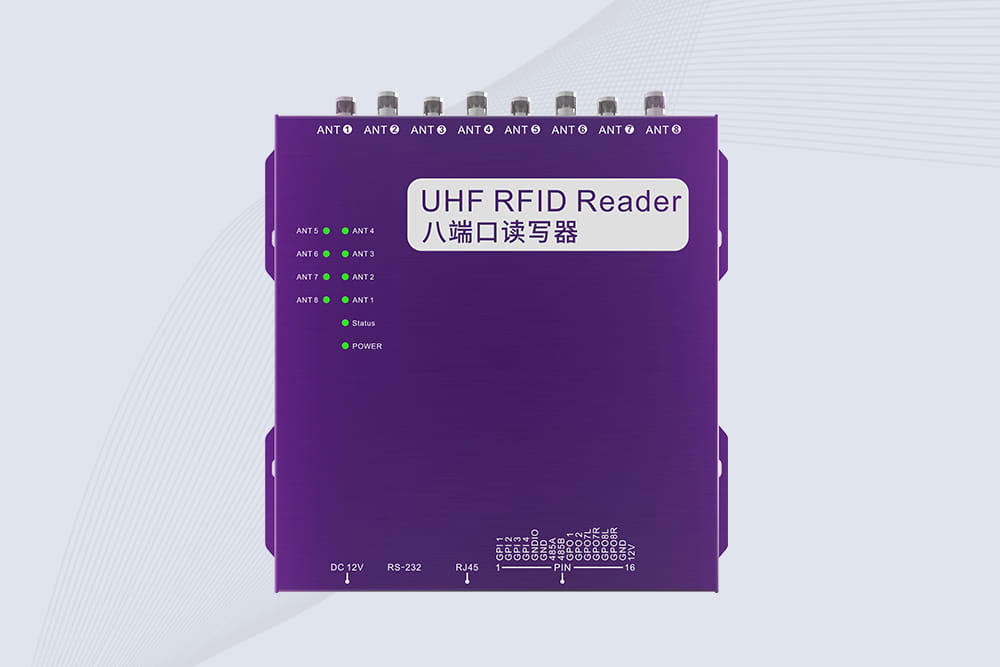
SSD-R8L 8-port UHF RFID reader with 33dBm output, up to 20m reading range and 600+ tags/s recognition. Ideal for warehouse, logistics, retail and asset tracking.
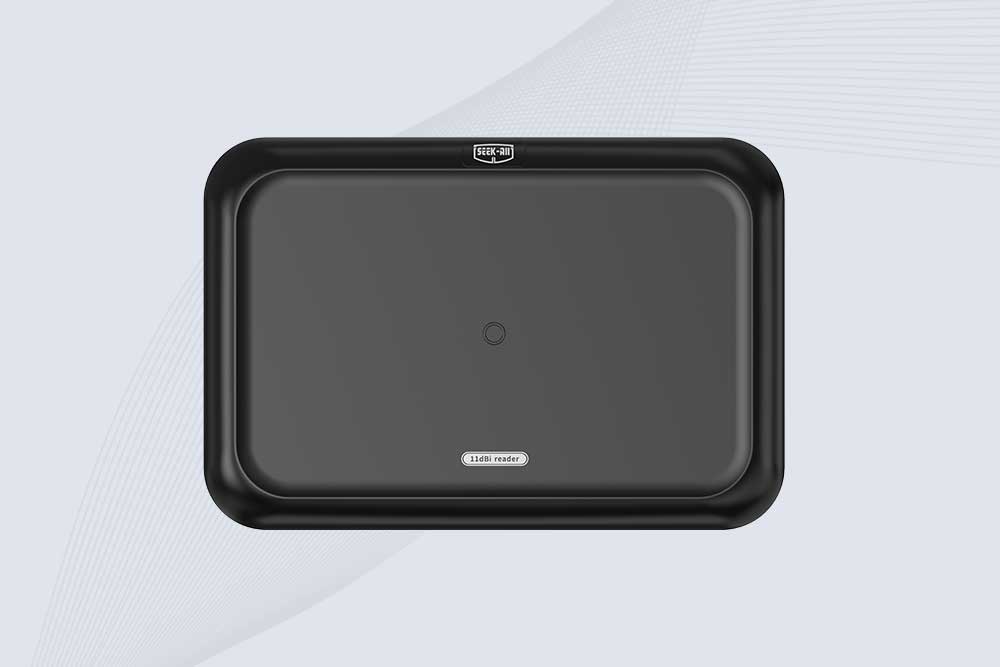
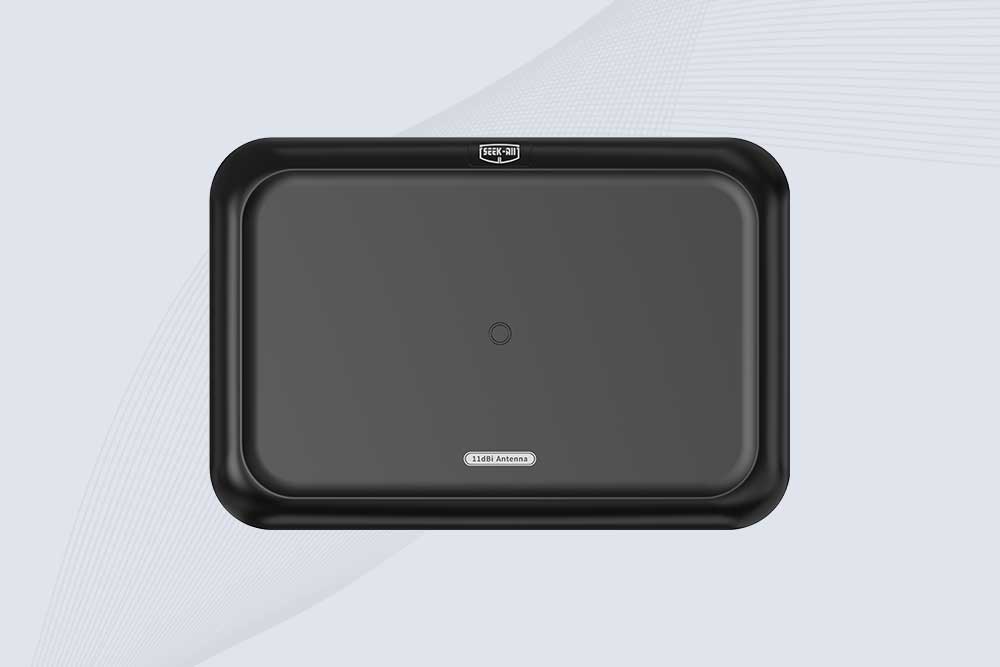
Cykeo CYKEO-A11 UHF RFID reader antenna delivers 11dBi gain, 840-960MHz frequency range, and IP65 ruggedness for retail, logistics, and industrial RFID systems. Features low VSWR and easy installation.
CYKEO Antenna RFID Reader delivers stable long-range UHF performance with a 10.5dBi directional design, built for warehouses, conveyor portals, and industrial RFID systems. This rfid reader antenna provides 20m+ read distance and rugged IP67 protection.
Cykeo CYKEO-A5B industrial Linear RFID Antenna delivers 5dBi gain, ≤1.5:1 VSWR, and IP65 rugged design for warehouse, production line, and logistics UHF systems.
Cykeo’s CYKEO-B12 Long Range RFID Antenna delivers 15m+ read range with 12dBi gain, IP65 rugged design, and global 840-960MHz UHF support. Ideal for warehouse/logistics asset tracking.
Cykeo CYKEO-B10 Long Distance RFID Antenna offers 10dBi gain, 840-960MHz frequency range, IP65 rating, and 20m+ coverage for logistics/warehousing/ETC systems. Low VSWR ensures stable signal transmission.
Cykeo CYKEO-A6 UHF RFID panel antenna features 6dBi gain, 840-960MHz broadband, IP65 metal-ready housing for logistics/smart retail. 18mm ultra-thin design with tool-free mounting.
Cykeo CK-A3 industrial antenna RFID UHF offers 5m+ tag detection, ≤1.3:1 VSWR, IP65 rugged design, and global UHF spectrum compatibility (840-960MHz) for warehouses, factories, and retail.
Cykeo CYKEO-B5 directional RFID antenna provides 5dBi gain with 60° narrow beamwidth for precise inventory tracking. IP65-rated, global UHF frequency support, and low VSWR.
Create your own high-performance DIY RFID antenna! 5dBi gain, 840-960MHz tunable, step-by-step guides. Compatible with Arduino, Raspberry Pi, and commercial UHF readers.
Cykeo CYKEO-A7 Flexible RFID Antenna features 840-960MHz wideband tuning, 7dBi gain, and IP68 rating for medical/retail/industrial curved surface deployments. 98% read accuracy with peel-and-stick installation.
Cykeo CYKEO-B5A industrial Passive RFID Antenna delivers 5dBi gain, 70° beamwidth, and -40°C~55°C operation for warehouses/smart cabinets. Compatible with Zebra/Impinj readers.
Cykeo’s CYKEO-A9B High Gain RFID Antenna delivers 15m+ read range with 9dBi amplification. Features IP54 rugged design, 840-960MHz bandwidth, and 80° beamwidth for warehouse/manufacturing RFID systems.
Cykeo’s enterprise-grade 8dbi Impinj RFID Antenna 10m+ read range with 840-960MHz tuning. Features IP65 housing, 1.4 VSWR, 35° beamwidth for retail/warehouse RFID systems.
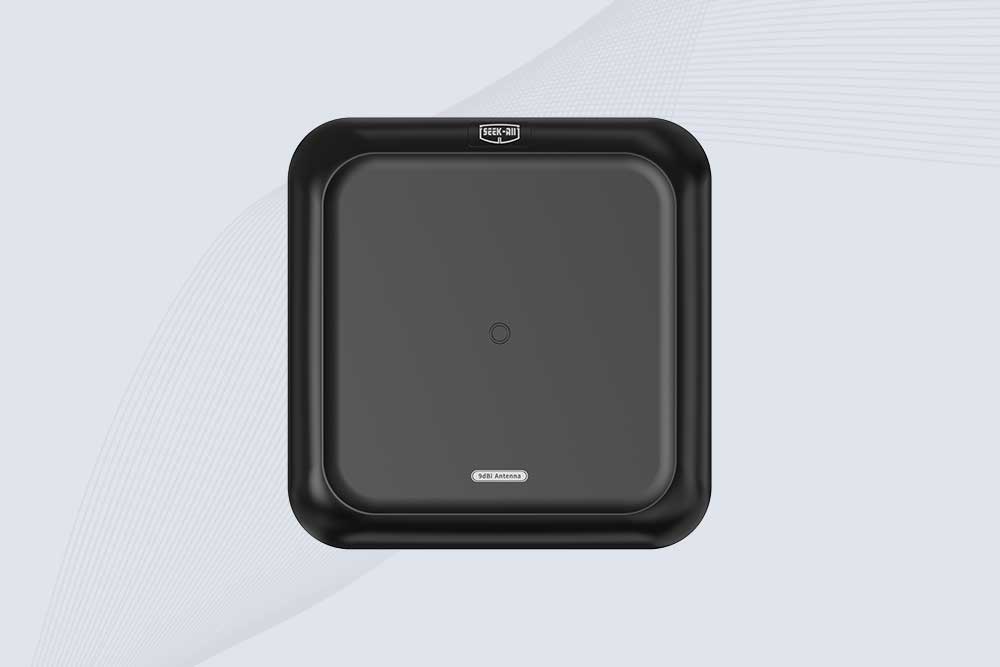
Cykeo CYKEO-A9 industrial UHF RFID antenna delivers 9dBi gain, 840-960MHz frequency range, and IP65 protection for warehouse/logistics/retail RFID systems. Features N-type connector and ≤1.3:1 VSWR.
CYKEO UHF RFID Antenna built for long-distance and industrial applications. This antenna rfid uhf delivers strong gain, outdoor durability, and reliable tag performance in warehouses, yards, and vehicle ID systems.
CYKEO Antenna RFID delivers reliable long-range UHF performance in warehouses, retail shelves, and cold-chain environments. This compact uhf rfid antenna provides stable reads with circular polarization and ultra-wide 840–960 MHz support, ideal for industrial tracking, smart shelves, and asset monitoring.
Cykeo’s CYKEO-C8 UHF RFID antennas delivers 8dBi gain, 840-960MHz full-band coverage, and IP65 ruggedness for manufacturing/warehouse RFID systems. Industrial RFID Antennas Features
Cykeo’s 8dBi UHF RFID antenna and reader kit delivers 10m+ range, 840-960MHz broadband, and IP65 ruggedness for factories, warehouses, and logistics. ISO 18000-6C & EPC Gen2 certified.
Cykeo’s CYKEO-A12C UHF Large RFID Antenna delivers 12dBi gain, 840-960MHz global frequency, IP65 ruggedness for logistics/warehousing/automotive. 40° beamwidth ensures stable 15m+ tag reads.
CYKEO Near Field RFID Antenna provides precise 5–30 cm reading for shelves, cabinets, and workstations. This compact rfid shelf antenna delivers stable short-range performance around metal and clutter, ideal for pharmacies, libraries, and electronics sorting.
Cykeo’s industrial long range RFID reader delivers 20-meter scanning, 500+ tags/sec speed, and IP67 waterproof design for automated warehouses, logistics, and harsh environment applications.
Cykeo’s CYKEO-RA6L industrial RFID long range reader features 20m read distance, 500 tags/sec speed, and IP67 protection. Ideal for warehouse automation, manufacturing WIP tracking, and smart logistics. Supports ISO 18000-6C/6B protocols.
CYKEO Long Range RFID Tag Reader built for outdoor and industrial operations. This Outdoor RFID Reader delivers 20m read distance, fast tag processing, and IP67 durability for wide-area tracking.
Cykeo CYKEO-RA12L industrial Long Range RFID Reader delivers 20m read range, 200+ tags/sec scanning, and IP67 protection for manufacturing/logistics applications. Supports ISO 18000-6C/GB protocols.
Cykeo CYKEO-C1 industrial Forklift RFID Reader features 20m read range, 600 tags/sec scanning, Impinj R2000 chipset, and IP67 rugged design. Ideal for warehouse logistics and manufacturing. Supports ISO 18000-6C/6B protocols.
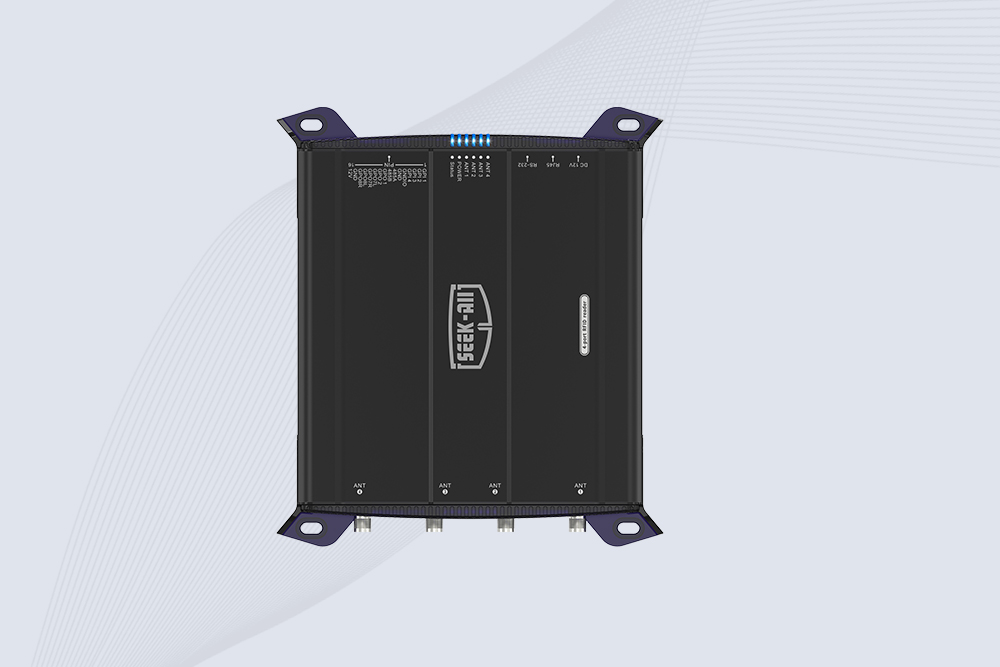
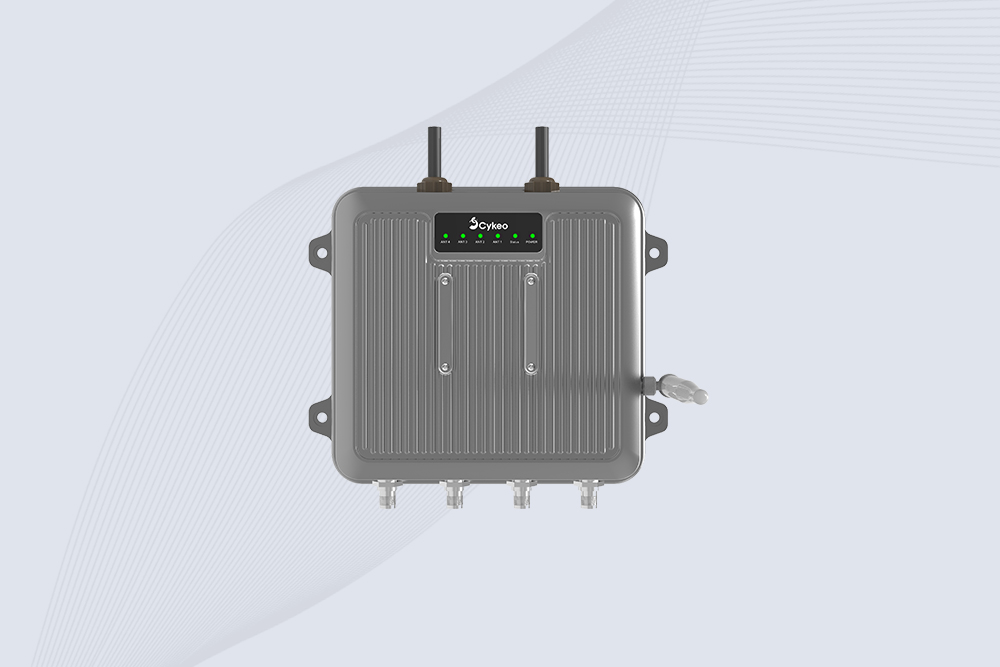
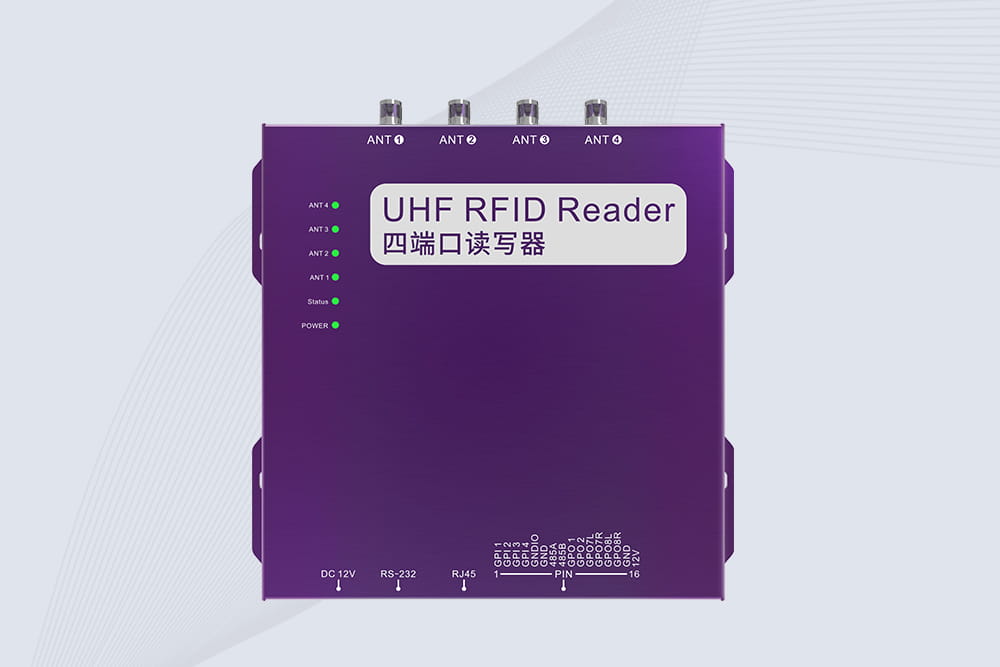
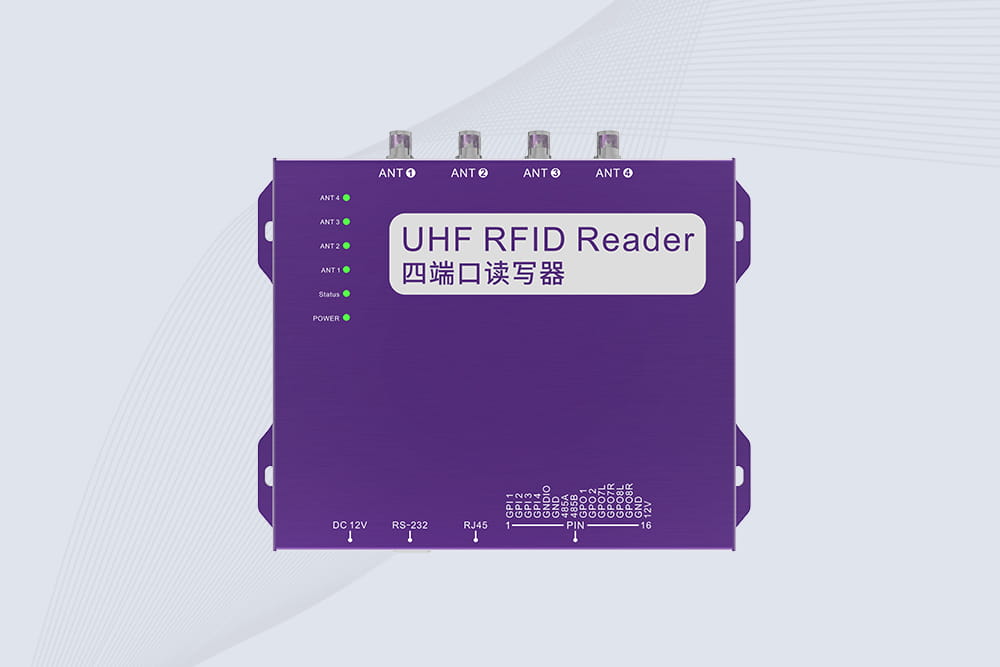
Cykeo CYKEO-R4 industrial UHF RFID Fixed Reader features 4 TNC ports, 400+ tags/sec speed, IP67 housing, and global frequency compliance for vehicle inspection, smart warehouse, and asset management systems.
CYKEO CYKEO-R8L Fixed RFID Reader with 8-port UHF design, Impinj-based RF core and up to 20m read range. An industrial Fixed RFID Reader for vehicle inspection, warehouse portals, smart manufacturing lines and secure access checkpoints.
RFID Fixed Reader from CYKEO – the CYKEO-R16L 16-port UHF fixed reader for warehouses, smart cabinets, and production lines. Long-range, multi-tag reading, stable performance for 24/7 industrial use.
RFID Industry Writer | IoT & Asset Tracking Analyst
James writes about RFID technology, asset tracking, and the practical challenges of digital transformation across warehousing, retail, manufacturing, and logistics.
His work focuses on how RFID is applied in real-world operations—improving inventory visibility, automating workflows, and helping businesses manage assets with greater accuracy and efficiency.
He regularly covers topics including UHF RFID, smart cabinets, RFID portals, tool tracking, warehouse automation, and industrial IoT trends..
Discover what does an rfid chip do and how RFID technology enables automatic identification, real-time tracking, and smarter asset management with Cykeo solutions.
Learn how RFID access control improves event security, prevents ticket fraud, speeds up attendee entry, and enhances VIP area management. Discover practical RFID solutions for festivals, conferences, stadiums, exhibitions, and large-scale events.
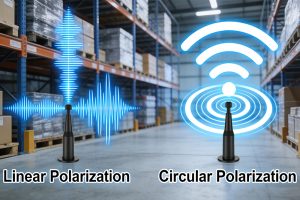
Choosing between circular and linear polarization RFID antennas can significantly impact system performance. This guide explains the differences, advantages, and real-world use cases to help RFID solution providers select the right antenna.
Discover how passive UHF RFID tags work, what types exist, and how to select the right tag for your application. A practical guide for warehouse tracking, retail, and industrial automation.
 Cykeo RFID IoT Solution Products R&D Manufacturer