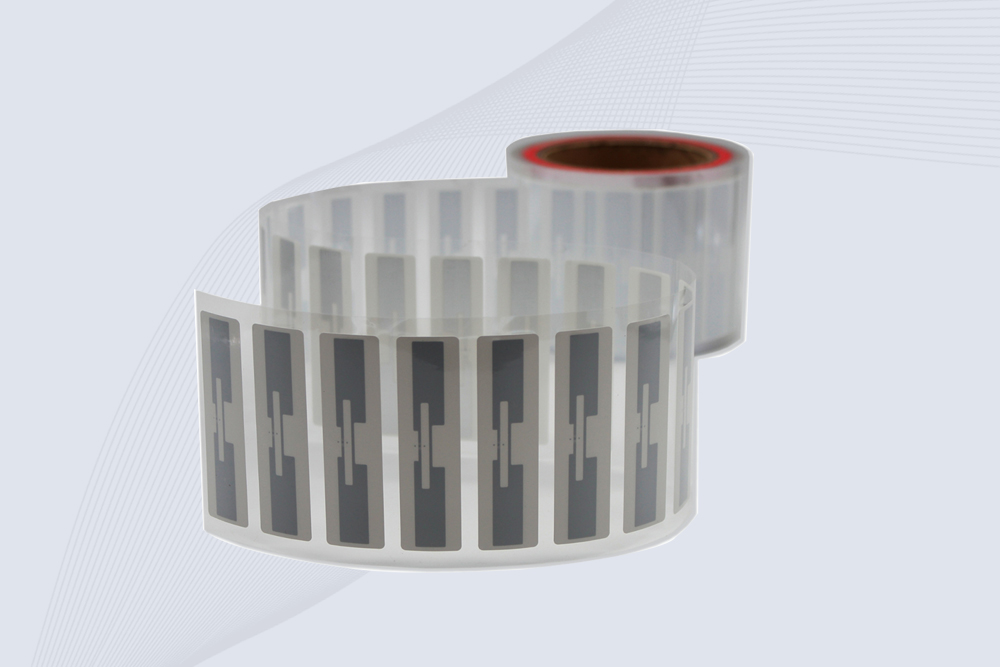
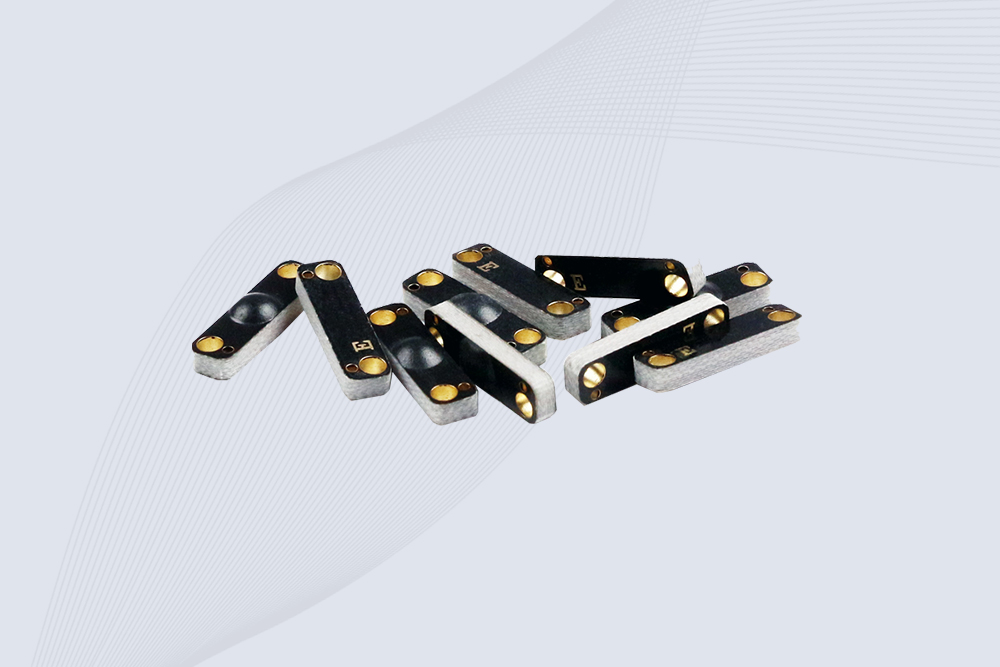
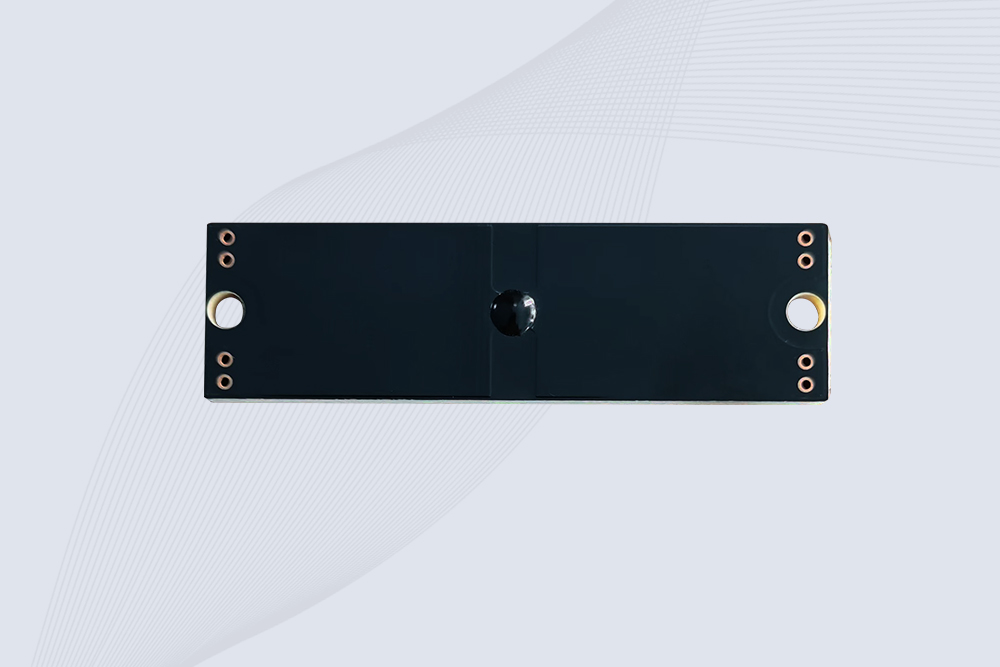
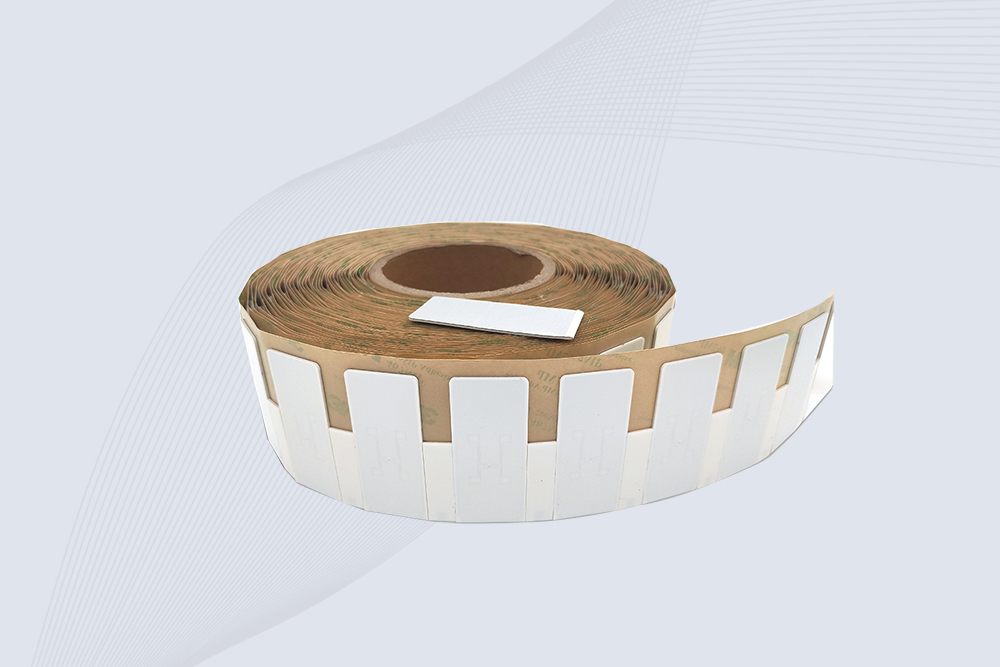
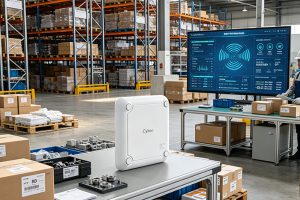
RFID is better than barcode technology for many inventory and asset-tracking applications because it can identify multiple tagged items without requiring a direct line of sight. It helps businesses capture inventory data faster, automate tracking, and improve stock visibility, particularly in warehouses, distribution centers, retail stores, and manufacturing environments.
However, RFID is not automatically the better choice for every business. Barcodes remain economical, widely supported, and effective when individual items can be scanned easily. The real advantage of RFID appears when manual scanning becomes a bottleneck, inventory changes frequently, or a business needs reliable item-level visibility across multiple operational stages.
For companies evaluating identification technologies, the important question is not simply which technology is newer. It is which system captures the right data, with the least operational friction, at the point where that information matters.
What Makes RFID Better Than Barcode Technology?
Radio frequency identification (RFID) uses radio waves to communicate between an RFID reader and an electronic tag attached to an item. A barcode uses an optical pattern that a scanner or camera must see clearly enough to decode.
That difference changes how workers count inventory, receive shipments, verify orders, and locate products.
According to GS1, passive UHF RFID tags can be read without direct line-of-sight contact, and uniquely encoded RAIN RFID tags can be captured at high rates and at distances exceeding 10 metres under suitable conditions. These capabilities can support improved supply chain visibility and inventory accuracy.
In practical terms, a warehouse employee may need to point a barcode scanner at each product label individually. With a properly configured RFID system, a reader can capture the identifiers of multiple tagged items within its effective reading zone without requiring each tag to face the operator.
This distinction is particularly valuable when hundreds of products move through the same receiving area every hour.
RFID vs Barcode: Key Differences
Comparison factor
RFID
Barcode
Data capture
Radio-frequency communication
Optical scanning
Direct line of sight
Not normally required
Required for conventional scanning
Multiple-item reading
Multiple tags can be read in one inventory operation
Items are generally scanned individually
Reading distance
Depends on frequency, tag, antenna, power, and environment
Depends on scanner, code size, and visibility
Data modification
Supported by suitable rewritable RFID tags
Printed barcode data generally remains unchanged
Physical label condition
Can work when the tag is concealed from direct view, within reading range
Smudges, damage, or obstruction can prevent scanning
Initial system cost
Usually higher because tags, readers, antennas, and integration are involved
Usually lower
Common applications
Automated inventory, portals, asset tracking, and bulk counting
Retail checkout, shipping labels, and low-cost product identification
The comparison assumes a conventional barcode system and a suitable RFID implementation. Different tag types, barcode formats, readers, and operating environments produce different results.
1. RFID Reads Multiple Items Without Scanning Each One Individually
The most important advantage of RFID over barcodes is the ability to identify multiple tagged items during a single reading operation.
Consider a distribution center receiving a pallet of cartons. With conventional barcode-based receiving, an employee may need to locate and scan each carton label, check the result on a handheld terminal, and repeat the process for the next carton. Labels facing the wrong direction, cartons stacked tightly together, or damaged packaging can slow the job.
An RFID portal or handheld reader can capture multiple compatible tags within its reading zone. The system then compares the captured identifiers against the expected shipment records.
The operator still needs to verify exceptions, but routine identification no longer depends on scanning every label individually.
Why Bulk Reading Matters in Warehouse Operations
Faster receiving: Identify multiple tagged cartons as they pass through a controlled reading area.
More efficient cycle counts: Capture many item identifiers without handling each product separately.
Reduced repetitive scanning: Limit the need to aim a scanner at every individual label.
Improved process visibility: Record item movements at receiving, storage, picking, or dispatch checkpoints.
More consistent data collection: Automate routine reads instead of relying entirely on manual scanning discipline.
The operational benefit depends on how well the RFID reading zone is designed. A reader that captures tags from neighbouring pallets can create exceptions just as a poorly positioned barcode scanner can miss a label.
The goal is not to collect the largest possible number of tag reads. It is to collect the correct item identities at the correct checkpoint.
Where the Difference Becomes Noticeable
RFID is particularly useful when the volume of individual scans becomes difficult to manage manually. Apparel distribution, library circulation, manufacturing work-in-progress, and returnable asset tracking are common examples.
In a clothing warehouse, for instance, a worker may need to count dozens of garments in a container. If every garment carries an RFID tag, a suitable reader can identify multiple pieces without requiring every tag to be exposed and scanned separately.
The same principle applies to tools stored in designated areas or products moving through a production line. Instead of asking employees to remember every scanning step, the business can design identification into the workflow.
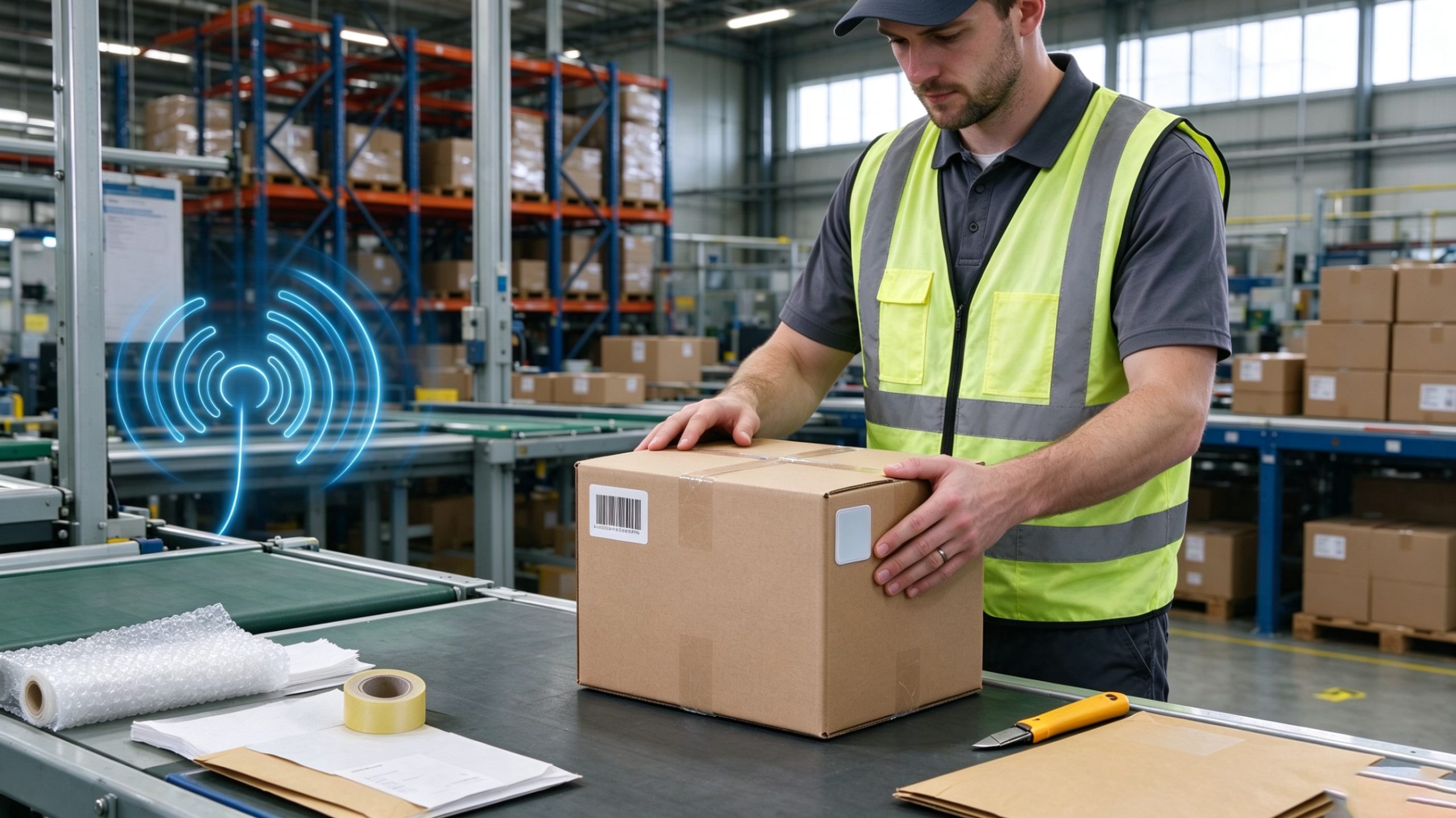
RFID enables warehouse teams to identify multiple tagged items without scanning each label individually.
2. RFID Improves Inventory Accuracy and Stock Visibility
Inventory accuracy is not simply an accounting metric. It affects replenishment, order fulfillment, purchasing decisions, and the ability to tell whether a product is actually available.
A warehouse management system may show that ten units remain in stock, while a physical count reveals only seven. The discrepancy could result from a missed scan, an incorrect transaction, an unrecorded movement, or another process failure. Barcode technology can support accurate records, but the system depends on each required scan being completed and recorded correctly.
RFID offers another way to collect inventory information by identifying tagged products during counting and movement.
What Does the Research Say About RFID Inventory Accuracy?
A field study published in Production and Operations Management by researchers Bill C. Hardgrave, John A. Aloysius, and Sandeep Goyal provides useful evidence.
In the first experiment, researchers examined inventory record inaccuracy at 13 stores over 23 weeks. The study reported an approximately 26% reduction in inventory record inaccuracy associated with RFID-enabled visibility. A second experiment expanded the research to 62 stores across five product categories, with results varying by category
This is a meaningful result, but the context matters. The reported 26% reduction came from a particular retail field experiment. It does not mean every RFID deployment will increase accuracy by 26%, nor does it establish that RFID alone eliminates inventory errors.
The more useful takeaway is that automated identification can improve the information used to maintain inventory records, particularly where products are frequently moved or conventional counting leaves gaps.
How RFID Supports More Reliable Inventory Records
RFID can strengthen inventory control in several ways:
Routine cycle counting: Capture item identifiers more efficiently during scheduled counts.
Receiving verification: Compare detected tags against expected shipment records.
Movement tracking: Record tagged items at configured checkpoints.
Exception investigation: Identify discrepancies between recorded stock and observed inventory.
Replenishment support: Give inventory systems better information for deciding when stock needs attention.
There is an important limitation: a tag read is not the same as a confirmed business transaction. Detecting a product near a doorway does not necessarily prove that it was shipped, received, sold, or placed in a specific bin. The application needs rules, location context, and reliable software integration to interpret the event correctly.
For this reason, RFID performs best when its readers, tags, business processes, and inventory software are designed as one system rather than installed as disconnected hardware.
3. RFID Does Not Require Every Tag to Be Visible
Barcode scanning is fundamentally optical. If the label faces away from the scanner, sits behind another product, or becomes difficult to read because of damage, the operator may need to reposition the item.
RFID uses radio-frequency communication instead. A compatible reader can detect a tag without seeing its printed surface, provided the tag is within range and the surrounding materials and radio conditions permit a successful read.
This is useful when products are stacked, packed into cartons, or stored in containers that make individual labels inconvenient to access.
When Non-Line-of-Sight Identification Helps
Sealed cartons: Read compatible tags without opening every carton simply to expose an individual label.
Storage racks: Identify tagged items when labels are not facing the aisle or operator.
Garments and textiles: Read appropriately tagged clothing on hangers or in batches, subject to tag placement and reader configuration.
Production workflows: Identify tagged components as they pass through designated reading points.
Non-line-of-sight does not mean that radio waves pass through every material without difficulty. Metal can reflect or detune radio-frequency signals, while liquids can absorb energy and affect UHF RFID performance. Tag orientation, antenna polarization, reader power, interference, and the distance between tags also influence results.
A metal component may need a purpose-designed on-metal tag. A liquid-filled container may require careful tag placement and testing. These are engineering considerations, not reasons to dismiss RFID, but they should be addressed before a system is deployed at scale.
Choosing the Right Reading Zone
A practical RFID installation should begin with the actual movement of goods.
If cartons pass through a doorway, antennas can be positioned to cover the intended path. If workers count inventory on shelves, a handheld reader may offer greater flexibility. If products are placed on a workbench, a controlled desktop reading area may be more suitable.
The best configuration is the one that reliably detects the intended items while minimizing reads from nearby products. Simply increasing reader power may make the problem worse by expanding the reading zone beyond its intended boundaries.
4. RFID Automates Data Capture at Key Checkpoints
Barcode systems often rely on an employee or automated optical scanner to initiate each scan. RFID can support more automated identification when readers and antennas are installed at receiving doors, conveyor lines, workstations, or dispatch areas.
For businesses processing high volumes of goods, this changes where identification happens. Instead of making scanning a separate task, the business can integrate identification into the movement of products.
For example, a manufacturer can configure a fixed RFID reader to detect tagged components as they pass a production checkpoint. The application can then associate the detected identifiers with a work order or production event. The precise outcome depends on the software logic and the accuracy of the reader installation.
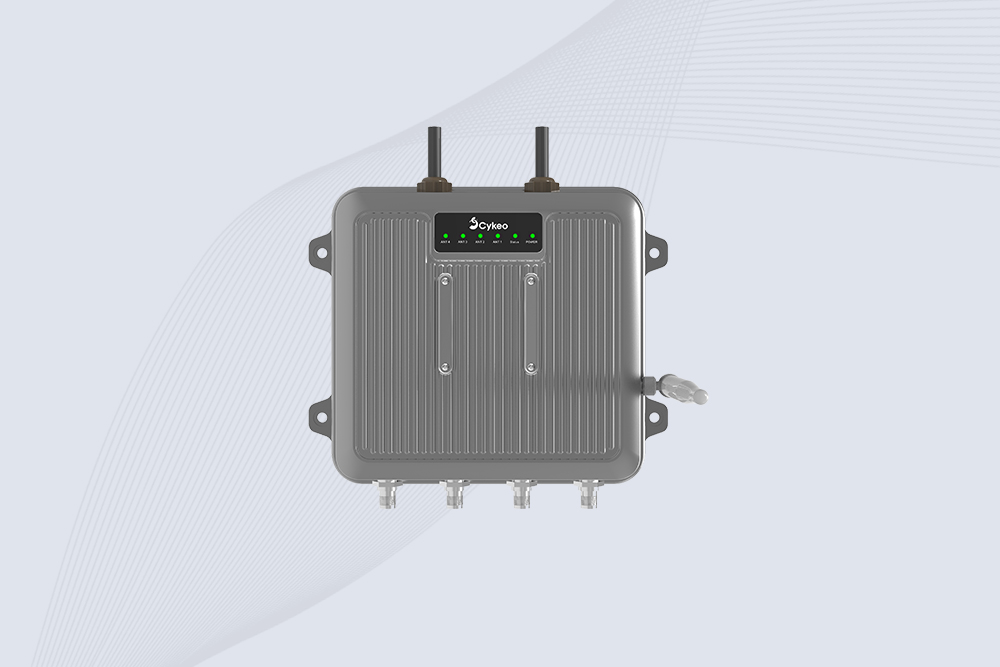
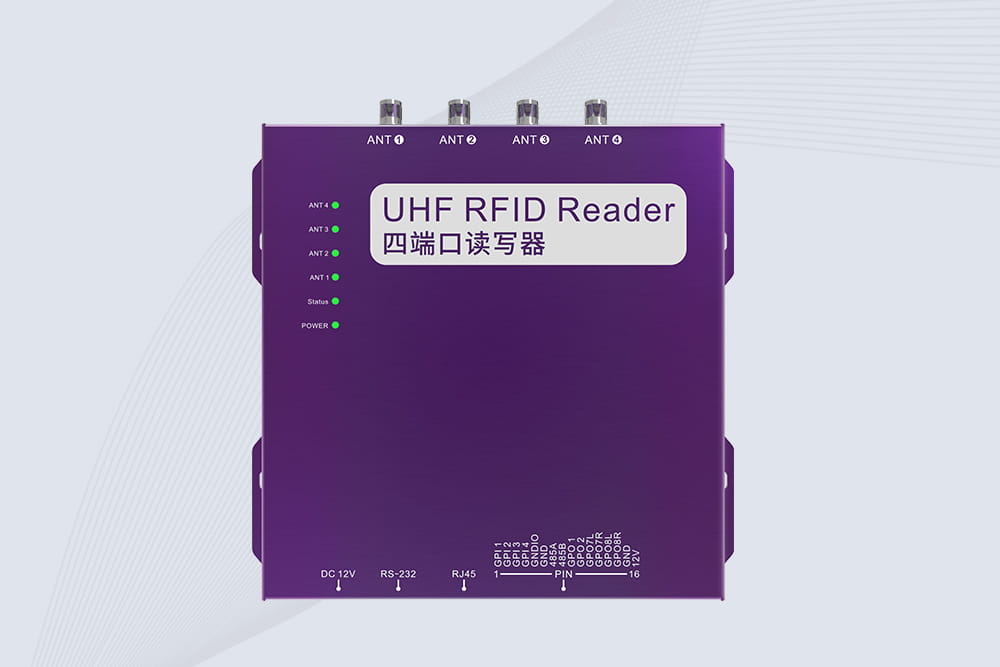
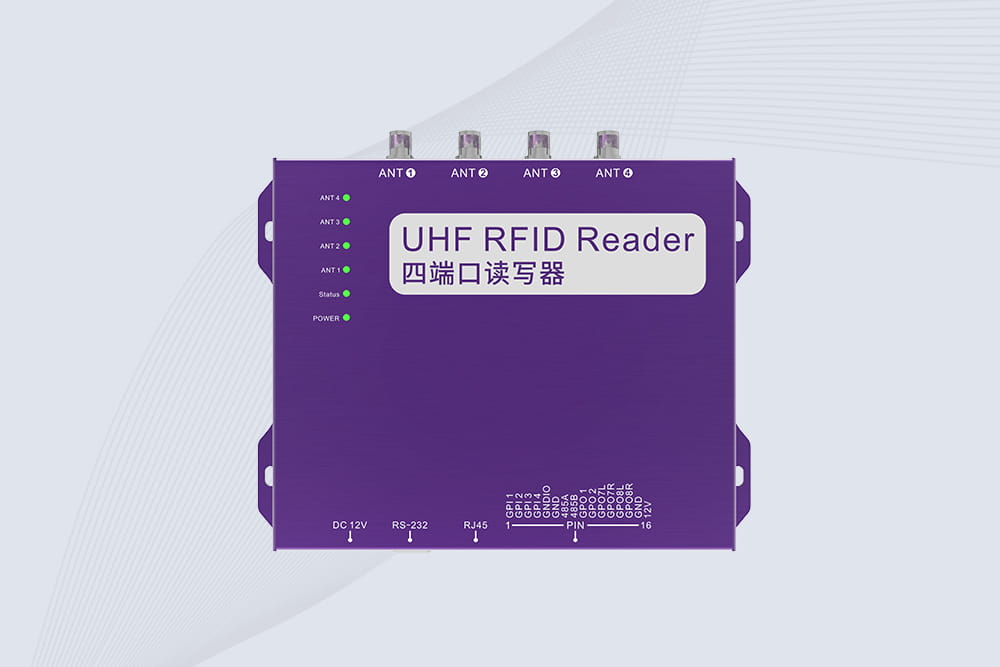
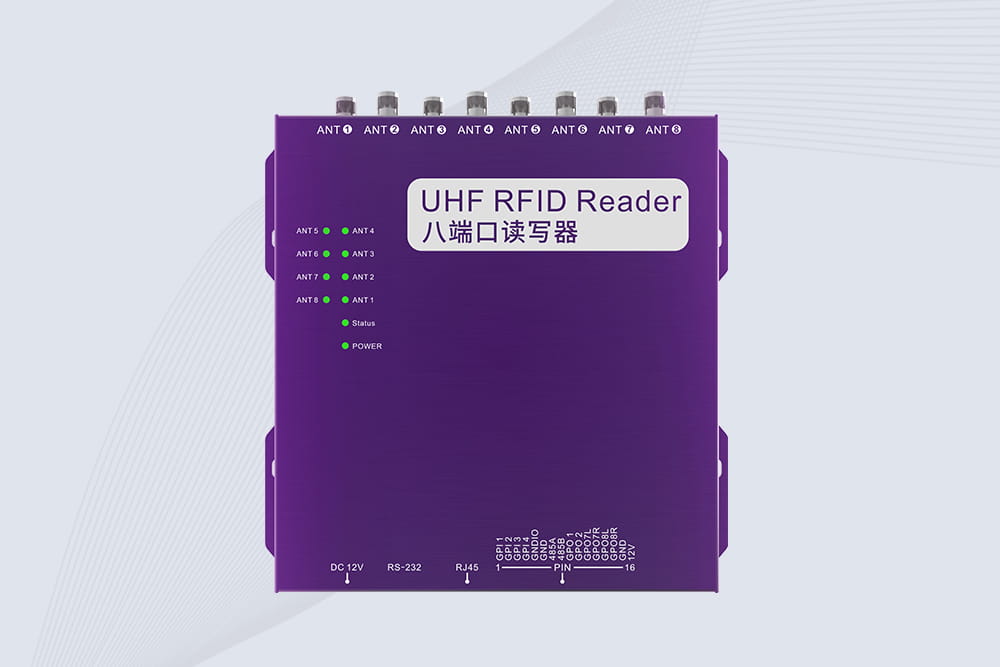
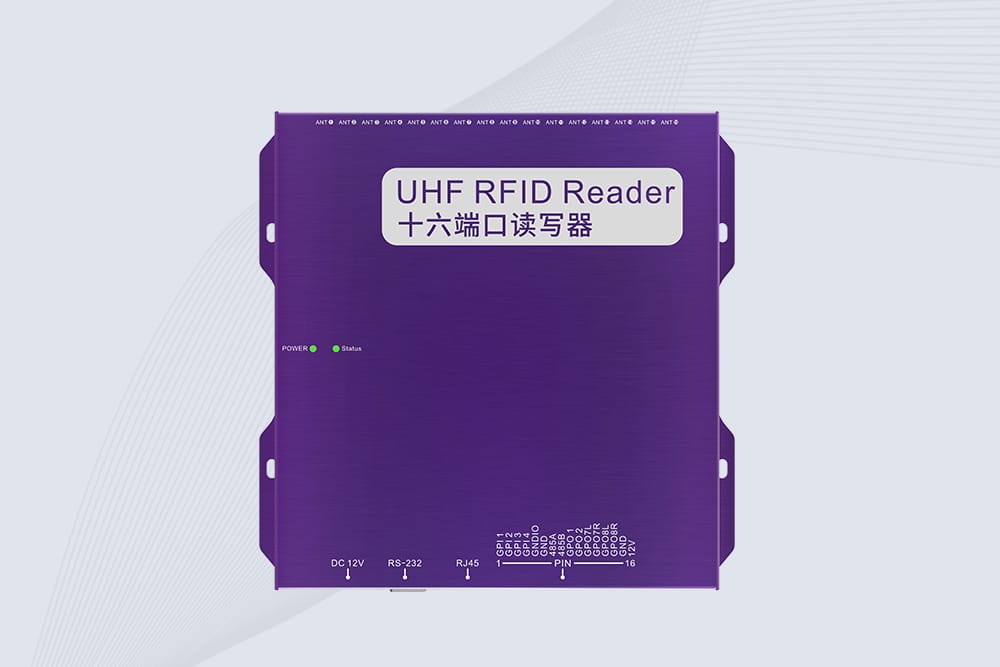
A fixed reader such as a CYKEO industrial UHF RFID reader may be appropriate for applications requiring continuous identification at a defined location. A handheld reader may be preferable when employees need to investigate exceptions or locate individual assets.
Automation still requires testing. Tags moving too quickly, overlapping reading zones, poorly positioned antennas, and radio interference can all affect results. A successful installation establishes what should be read, where it should be read, and how the application should handle duplicate or unexpected reads.
5. RFID Tags Can Store and Support Updating Data
Another difference between RFID and barcodes is that certain RFID tags support writable memory. A conventional printed barcode represents information through a visual pattern; changing that printed information usually requires generating a new label. With a compatible rewritable RFID tag, authorized equipment can update supported memory fields electronically.
This does not mean every RFID tag stores unlimited product information. Tag memory, security features, encoding formats, and write permissions vary. Many passive UHF applications store a unique identifier, while product descriptions, prices, and transaction histories remain in the business database.
That distinction is important when planning a system. Storing a unique identifier on the tag and maintaining detailed records in software often provides a more manageable approach than attempting to put every business attribute onto the tag itself.
Where Rewritable RFID Tags Are Useful
Reusable containers: Update supported identifiers or status fields when containers return to service.
Asset administration: Register compatible tagged equipment and associate it with a database record.
Manufacturing: Encode an identifier or supported process data during production.
Library operations: Register tagged books and other circulating items within a compatible management system.
A barcode can also link to a database, so it would be misleading to say that barcode systems cannot support changing records. The difference is that updating a database linked to a barcode does not change the printed barcode itself.
For companies that repeatedly reuse assets or need electronic tag encoding, RFID provides additional flexibility.
6. RFID Can Improve Traceability Across the Supply Chain
Inventory counts tell a business what it has. Traceability helps explain where items were identified and how they moved through a process.
GS1 describes RFID as a way to capture product, carton, and asset identifiers at multiple supply chain touchpoints. Standardized identifiers can help different organizations exchange consistent product information across manufacturing, distribution, and retail operations.
For example, a business may capture tagged cartons at goods receipt, identify selected items during storage or picking, and record them again at dispatch. When these events are linked to timestamps, locations, and the relevant order or shipment, the company can build a more useful movement history.
RFID does not automatically provide continuous location tracking. A passive UHF tag is generally detected when it enters a suitable reader’s coverage area. If no reader is installed in a particular location, the system cannot infer every movement merely because an item has a tag.
RFID vs Barcode for Asset Tracking
RFID can be particularly valuable when assets move frequently, are shared across departments, or are difficult to inspect individually.
Examples include:
Reusable transport containers moving between facilities.
Tools issued to technicians and returned to storage.
Library books passing through circulation and inventory checkpoints.
Components moving between production stations.
Retail products being received, counted, and prepared for shipment.
For high-value assets that need continuous or long-distance location information, active RFID or other tracking technologies may be more appropriate than ordinary passive UHF tags. The correct choice depends on how frequently location must be updated, how precisely it must be known, and the site’s infrastructure.
7. RFID vs Barcode: Is RFID Worth the Higher Cost?
RFID is not inherently cheaper than barcodes. A barcode implementation may need only printed labels, scanners, and existing inventory software. RFID may require electronic tags, fixed or handheld readers, antennas, installation, integration, and testing.
The business case therefore depends on more than the unit price of a label.
A useful way to evaluate the difference is to compare the total cost of completing a process, not just the cost of identification hardware.
Cost factor
Barcode approach
RFID approach
Identification labels
Printed labels are typically inexpensive
Electronic tags generally cost more
Scanning labour
May require individual scans
Bulk reading can reduce repetitive scanning
Hardware
Optical scanners or cameras
RFID readers, antennas, and compatible tags
Infrastructure
Often straightforward for basic applications
May require radio-frequency site testing and installation
Data capture
Depends on successful optical scans
Depends on tag reads and reading-zone configuration
Integration
May use an existing barcode workflow
May require integration with RFID middleware or business applications
Ongoing value
Effective for simple, low-volume workflows
Potentially attractive for high-volume, repeated identification
Calculate the Return on Investment Before Deployment
Consider a warehouse that counts thousands of individual items regularly. If RFID reduces the time spent on routine counting, the company may save labour hours and obtain more frequent inventory information.
But labour savings should be measured rather than assumed. The business should record its current counting time, exception rate, inventory discrepancy costs, and the cost of implementing and maintaining the RFID system.
Initial hardware, software, installation, and integration costs should also be included when calculating payback or multi-year return on investment.
The decision is easier when the existing barcode process has a measurable problem. If scanning is already fast, inventory is accurate, and item movement is limited, switching to RFID may offer little additional value.
For a high-volume operation with frequent counts and costly inventory discrepancies, the result may be very different.
RFID and Barcode Can Work Together
Businesses do not always need to choose one technology exclusively.
A product can carry a printed barcode for retail checkout and an RFID tag for automated receiving, stocktaking, or shipment verification. Both can identify the same product or connect to the same database record when the identification scheme and systems are configured correctly.
GS1 explicitly recognizes that barcode and RFID approaches can complement one another across supply chain processes.
Combining RFID and barcodes allows businesses to retain familiar optical scanning while introducing automated identification where it adds value.
8. How to Choose Between RFID and Barcode for Your Business
The right identification technology depends on the process you need to improve. A barcode system may be the better investment for a small operation with straightforward scanning requirements. RFID becomes more compelling when the volume of items, frequency of counts, or need for automated identification makes manual scanning expensive.
Use the following checklist before selecting a system.
RFID or Barcode: Selection Checklist
We count large quantities of items frequently
RFID may be advantageous
Workers regularly handle items with hidden or inaccessible labels
RFID may be advantageous
We need automated identification at doors or conveyors
We need both automated inventory and visible product labels
Consider a combined approach
Questions to Ask Before Buying RFID Equipment
Before committing to readers and tags, establish the following:
What items need to be identified: individual products, cartons, reusable assets, or people?
How many items pass through the process per hour?
Does the system need handheld reading, fixed reading, or both?
Are the items made of metal, contain liquids, or move in dense stacks?
Does the application need to write data to tags, or only read identifiers?
Which inventory, warehouse, retail, or asset-management software must receive the data?
These questions help narrow down tag type, reader configuration, antenna placement, and integration requirements. A small pilot using actual products and packaging is generally more informative than choosing a reader solely by its advertised maximum read distance.
9. How Cykeo RFID Readers Support Automated Identification
For businesses moving from manual barcode scanning to RFID, selecting compatible hardware is only one part of the implementation. The reader must work with the tags, operating environment, and application software.
Cykeo’s RFID product range includes options for different identification workflows:
Industrial fixed RFID readers: Suitable for configured reading points in warehouses, manufacturing facilities, and logistics operations.
UHF RFID OEM modules: Designed for integration into equipment requiring embedded RFID identification.
Desktop RFID readers: Useful for controlled tag registration, reading, and supported write operations.
Handheld RFID solutions: Appropriate for mobile inventory checks and asset identification where workers need to move between locations.
A fixed reader is worth considering when goods follow a repeatable route through a designated checkpoint. A desktop reader is better suited to a controlled workbench process. For mobile stocktaking, handheld equipment may be more practical.
The installation still needs to be validated against the intended tags and products. Read performance can change with packaging, antenna orientation, nearby metal, liquids, and tag density. Software must also distinguish meaningful inventory events from incidental or repeated reads.
For a Cykeo implementation, the most useful starting point is a clearly defined workflow: what needs to be identified, where identification occurs, and what the system should do with each successful read.
Frequently Asked Questions
1. Why is RFID better than barcode?
RFID is better than barcode for applications requiring rapid bulk identification, automated inventory counting, and reading without direct line of sight. It can reduce repetitive scanning and improve inventory visibility. Barcodes remain an effective, lower-cost option for many simple identification and checkout workflows.
2. Is RFID faster than barcode scanning?
RFID can identify multiple compatible tags during a single reading operation, while conventional barcode workflows generally require each code to be scanned individually. The time saved depends on item volume, reader configuration, software processing, and exception handling. For occasional single-item transactions, the difference may be small.
3. Is RFID more accurate than a barcode?
RFID can improve inventory accuracy by capturing item identifiers more consistently during configured counting and movement processes. However, neither technology guarantees accuracy on its own. Tag readability, label condition, system integration, operator procedures, and transaction rules all affect the quality of the final inventory records.
4. Can RFID read through boxes?
Yes. Suitable RFID systems can read compatible tags inside many cardboard cartons without requiring direct visual access. Performance depends on the tag, reader, antenna configuration, contents, and surrounding materials. Metal packaging and liquid-heavy contents can make UHF RFID reading more difficult, so real-world testing is important.
5. Is RFID more expensive than barcode technology?
RFID generally requires a higher initial investment because electronic tags, readers, antennas, and integration may be needed. Barcodes typically cost less to implement. RFID can justify the additional expense when it reduces manual counting effort, improves inventory visibility, or automates high-volume processes sufficiently to deliver measurable operational savings.
6. Can RFID and barcodes be used together?
Yes. A business can use RFID for automated inventory capture and retain printed barcodes for checkout, shipping labels, or manual identification. When both systems use compatible identifiers and share the appropriate database records, they can support different stages of the same workflow.
7. Should a business replace its barcode system with RFID?
Not necessarily. Replacement makes sense when the limitations of manual scanning create measurable operational costs or prevent the business from collecting the information it needs. If existing barcode processes are inexpensive, reliable, and sufficient, retaining them may be the better decision. A pilot project can help establish whether RFID provides a worthwhile return.
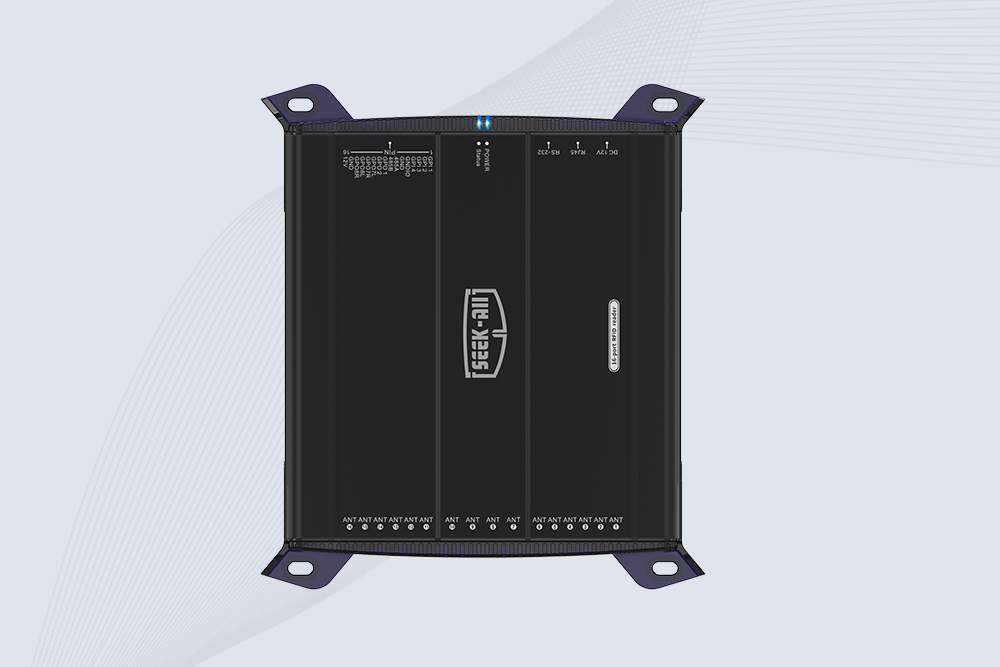
SSD-R16L Multi-Channel RFID Infrastructure for Automated Inventory Management ✔️ 16-Port High-Density RFID Reading Equipped with 16 SMA antenna ports, SSD-R16L supports multi-antenna deployment for warehouses, retail stores, logistics, production lines, and large-area RFID identification. ✔️ High-Speed & Long-Range Performance With up to 33…
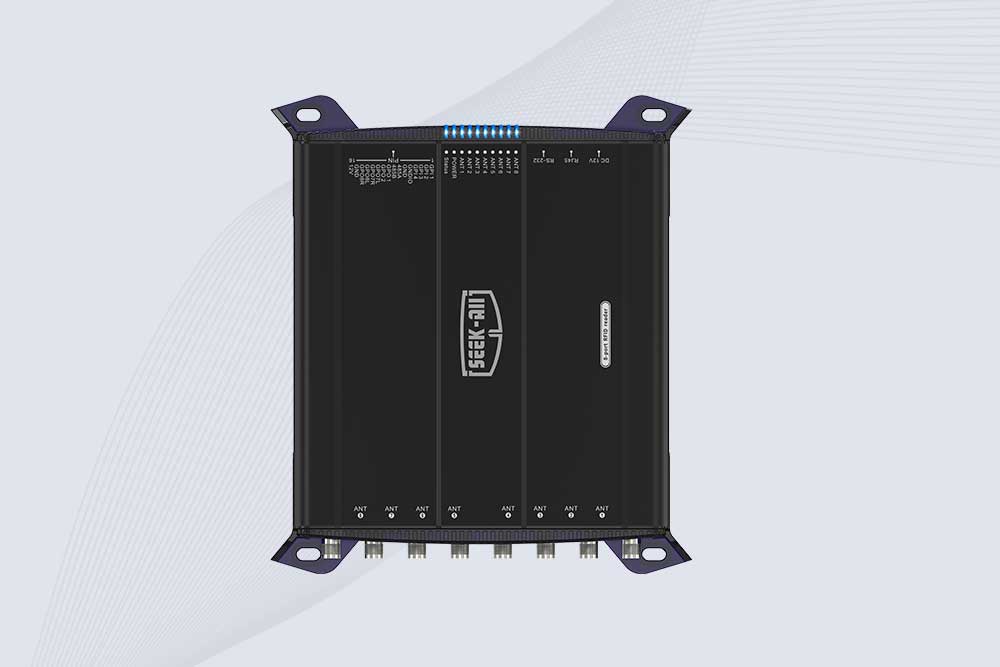
SSD-R8L 8-port UHF RFID reader with 33dBm output, up to 20m reading range and 600+ tags/s recognition. Ideal for warehouse, logistics, retail and asset tracking.
CYKEO Passive RFID Tags are made for wet and high-humidity environments where standard labels do not last. This rfid passive tag is often used around liquids, chemicals and temperature changes, providing stable reading distance and long data life for industrial tracking.
CYKEO CYKEO-PCB1504 Metal RFID Tags is a compact anti-metal UHF RFID solution built for direct mounting on metal surfaces. With stable 8-meter read range, Ucode-8 chip, and long data retention, this rfid metal tag fits tools, containers, automotive parts, and industrial asset tracking.
CYKEO CYKEO-PCB7020 On-Metal RFID Tags are designed for reliable tracking on steel and metal surfaces. Built with an FR4 epoxy body and industrial-grade chips, these On-Metal RFID Tags deliver stable performance, long data life, and chemical resistance, making them a dependable RFID anti-metal tag for harsh environments.
The CYKEO CYKEO-60-25 Anti-Metal RFID Tag is built for metal surfaces where standard tags fail. Designed for long-range performance, harsh environments, and stable data retention, this Anti-Metal RFID Tag is ideal for industrial assets, containers, and equipment tracking using on metal RFID tags.
The CYKEO RFID Laundry Tag is designed for long-term textile identification in harsh laundry environments. Built to withstand high heat, chemicals, and repeated washing, this RFID Laundry Tag delivers stable performance for hotels, hospitals, and industrial laundry operations using laundry rfid tags at scale.
The CYKEO CYKEO-125-7 RFID Book Tag is designed for reliable book and document tracking in libraries and archives. This RFID Book Tag delivers long read range, dense placement support, and stable performance on shelves, making it a practical rfid tag on books for library automation, file management, and archival systems.
CYKEO RFID tags in hospitals are designed for sterile environments where accuracy matters. These autoclavable RFID tags support long-term tracking of surgical tools, implants, and medications, helping hospitals improve visibility, compliance, and patient safety.
CYKEO RFID Cable Tie Tag is built for reliable identification on metal surfaces. This UHF RFID Cable Tie Tag is widely used in rfid tags for inventory systems, industrial asset management and Hospital RFID Tags, offering stable read performance, long service life and global EPC Gen2 compatibility.
CYKEO RFID Asset Tag is designed for stable identification of metal assets in industrial environments. This UHF RFID Asset Tag is commonly used for rfid tag asset tracking on equipment, tools and containers, providing reliable reads, long service life and ISO/IEC 18000-6C support.
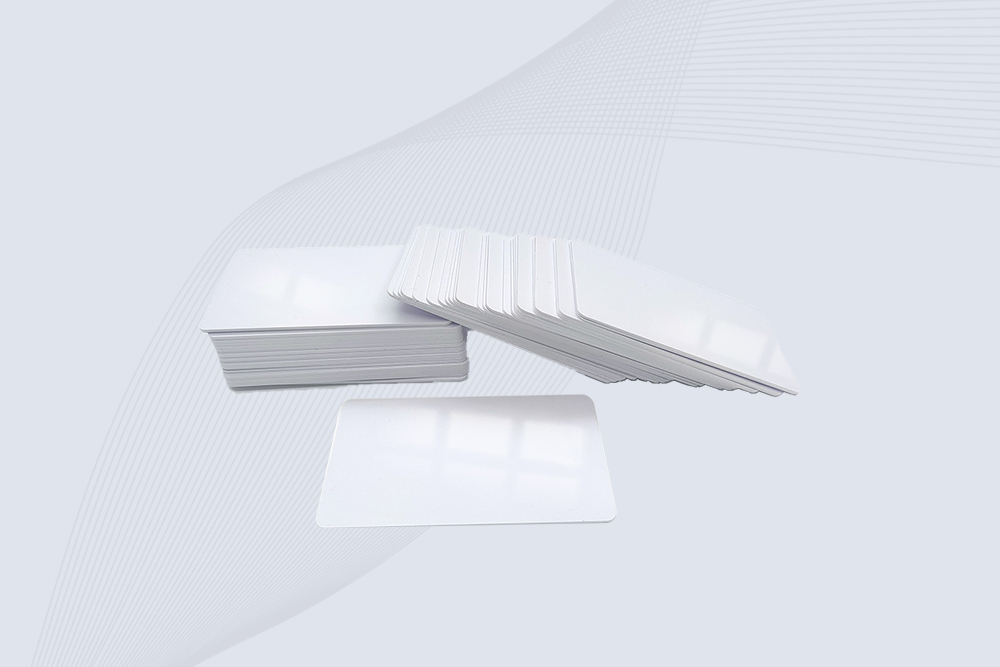
CYKEO UHF RFID Card is designed for fast identification and long-term use in industrial and commercial systems. Supporting ISO 18000-6C, this UHF RFID Card works at 860–960 MHz and is suitable for custom RFID cards used in asset tracking, access control and inventory management.
CYKEO HF RFID Cards are designed for secure and stable access control systems. These 13.56 MHz RFID key cards support ISO 14443-A, reliable rewriting and long service life, making HF RFID Cards suitable for offices, campuses, events and membership management.
CYKEO UHF RFID Tag is designed for reliable tracking of metal jewelry and high-value items. This Jewelry RFID Tag supports long-range reading up to 8 meters, anti-counterfeit protection and stable performance on metal, making it suitable for retail, inventory control and asset management.
Cykeo CYKEO-C1 industrial Forklift RFID Reader features 20m read range, 600 tags/sec scanning, Impinj R2000 chipset, and IP67 rugged design. Ideal for warehouse logistics and manufacturing. Supports ISO 18000-6C/6B protocols.
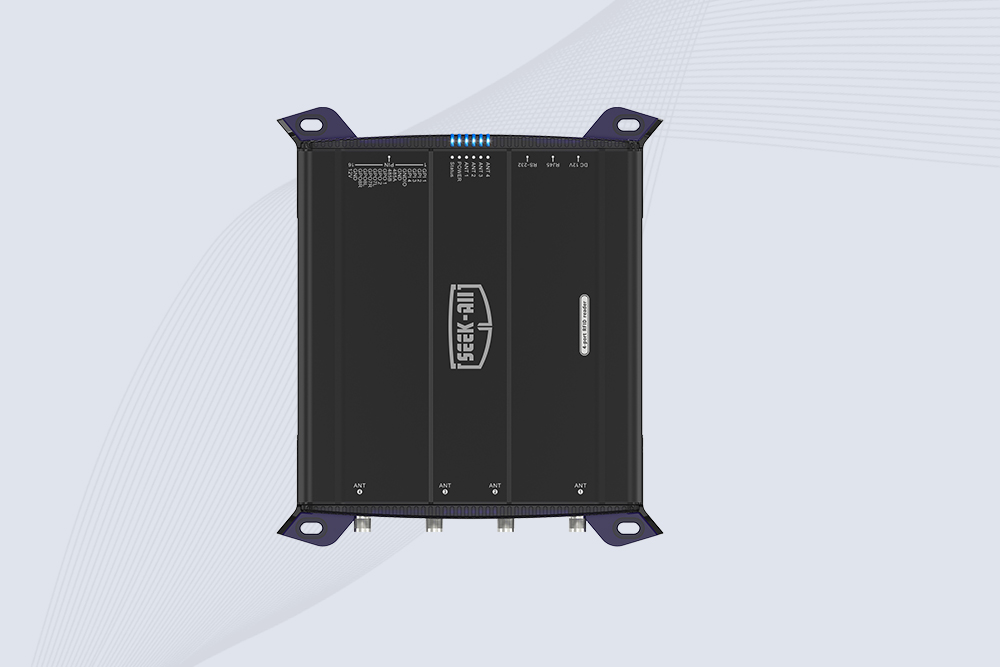
Cykeo CYKEO-R4 industrial UHF RFID Fixed Reader features 4 TNC ports, 400+ tags/sec speed, IP67 housing, and global frequency compliance for vehicle inspection, smart warehouse, and asset management systems.
CYKEO CYKEO-R8L Fixed RFID Reader with 8-port UHF design, Impinj-based RF core and up to 20m read range. An industrial Fixed RFID Reader for vehicle inspection, warehouse portals, smart manufacturing lines and secure access checkpoints.
RFID Fixed Reader from CYKEO – the CYKEO-R16L 16-port UHF fixed reader for warehouses, smart cabinets, and production lines. Long-range, multi-tag reading, stable performance for 24/7 industrial use.
Discover how RFID security gates protect assets, streamline access, and improve efficiency in libraries, retail stores, gated communities, and industrial parks. Learn about technology trends and real-world applications.
Compare long-range RFID readers and barcode scanners for warehouse efficiency. Discover which technology reduces errors, speeds up workflows, and scales with Cykeo’s solutions.
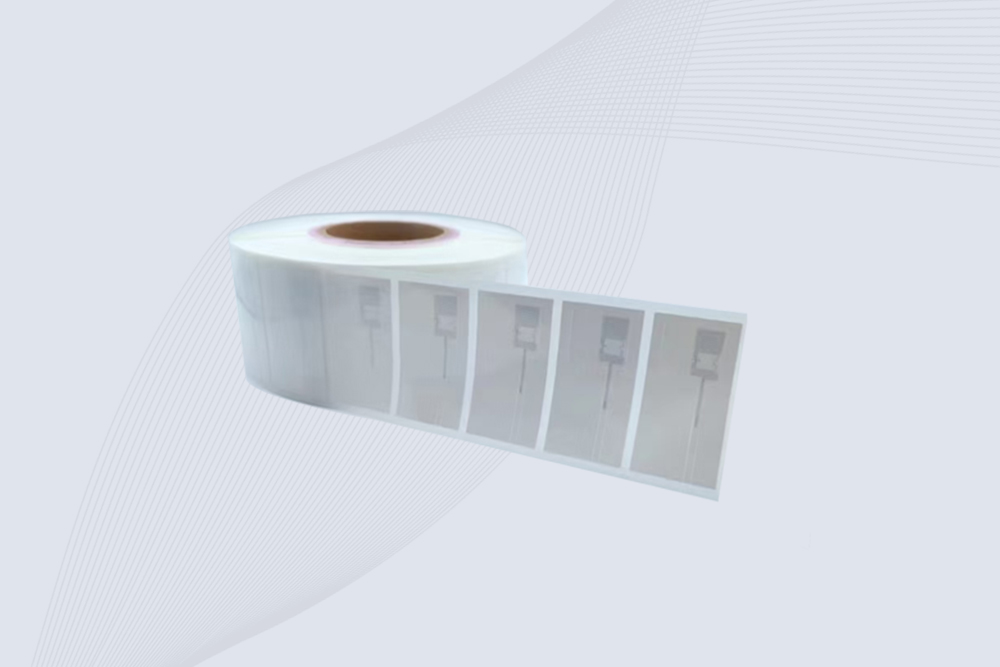
RFID sticker programming requires an RFID reader writer, encoding software, controlled writing environment, and verification process to create reliable digit...
Discover what is rfid chip technology, how RFID chips store and transmit data, and why businesses use RFID solutions for accurate tracking, automation, and asset management with Cykeo.
 Cykeo RFID IoT Solution Products R&D Manufacturer