 Cykeo RFID IoT Solution Products R&D Manufacturer


RFID for Tools: How RFID Tool Cabinets Reduce Tool Loss by 90%
132Struggling with tool loss in your factory? Discover how RFID tool cabinets help reduce tool loss by up to 90% with real-time tracking and access control.
MoreAll RFID Product
Buying USB RFID readers wholesale is not simply a matter of finding the lowest unit price. For distributors, system integrators, and equipment manufacturers, the right reader must work with the intended RFID tags, connect reliably to the target device, and fit the software and installation requirements of the project.
A reader that performs well in a demonstration may still cause problems when deployed across hundreds of workstations. Differences in tag type, reading distance, operating environment, interface settings, and software integration can all affect the final result.
Before requesting a bulk quotation, buyers should establish the technical requirements and compare suppliers on more than price alone. This guide covers the main points to check when sourcing USB RFID readers for commercial projects.
Before comparing suppliers, review the available USB RFID reader models and identify the options that fit your application.
Start with the actual job the reader needs to perform. A USB RFID reader used at a retail checkout has different requirements from one used for employee identification, tool tracking, or warehouse inventory.
For example, a desktop reader used to register employee cards may prioritize quick identification and simple keyboard input. A reader integrated into an inventory management system may require an SDK, documented commands, and control over how tag data is returned.
Write down the following details before contacting a supplier:
These details help suppliers recommend suitable products instead of quoting a model that may need to be replaced after testing.
If the project involves several applications, separate them into product requirements rather than assuming one reader will suit every installation.
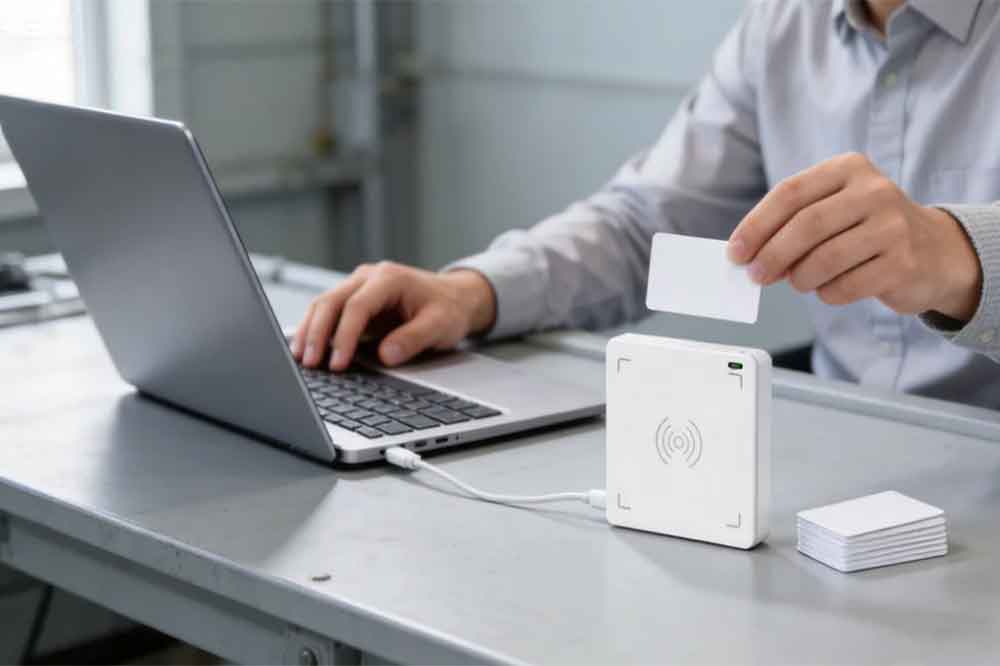
Frequency compatibility is one of the first technical checks to make when buying RFID readers wholesale.
Common RFID technologies include low frequency (LF), high frequency (HF), and ultra-high frequency (UHF). They use different frequencies and are designed for different operating conditions.
HF readers commonly operate at 13.56 MHz and are used with compatible contactless cards, NFC-related applications, and many desktop identification systems. LF readers commonly operate at 125 kHz or 134.2 kHz, depending on the application. UHF readers generally operate in regional frequency bands around 860–960 MHz and are often selected for applications requiring longer reading distances or bulk tag identification.
These technologies are not interchangeable. A reader designed for 13.56 MHz cards will not automatically read a 125 kHz card or a UHF label.
Even within the same frequency band, buyers should confirm the supported protocols, chip types, and communication standards. For example, not every HF reader supports every ISO 14443 or ISO 15693 tag, and NFC compatibility depends on the reader’s actual capabilities.
Ask the supplier to confirm the exact tags and cards supported. If your project uses several card types, provide sample tags or a complete list of chip models before finalizing the specification.
Reading distance is an important specification, but the maximum distance stated in a datasheet does not guarantee the same performance in every installation.
Actual results depend on the antenna design, tag size, tag orientation, surrounding materials, electromagnetic interference, and the reader’s power and operating frequency.
For a desktop registration station, a short and predictable reading range may be preferable. It helps prevent nearby cards from being detected accidentally. For inventory work, buyers may need a larger reading area or the ability to identify multiple tags, provided the reader supports that function.
During sample testing, check:
Use the same tag models, placement, and environmental conditions when comparing competing products. This makes the results more useful than relying on advertised maximum reading distances.
For projects that require multiple-tag identification, confirm anti-collision support and test it with the expected tag quantity.
USB RFID readers may appear similar externally while behaving differently when connected to a computer or embedded system.
Some models work as USB HID devices and send card or tag data as keyboard input. Others use a virtual COM port, serial communication, a vendor-specific protocol, or an SDK for direct software control.
The best option depends on how the reader will be used.
USB HID: Suitable for many basic registration and data-entry tasks. The reader can enter tag data into a focused text field without requiring a dedicated application, although output formatting and keyboard-layout behavior should be tested.
Virtual COM or serial interface: Useful when software needs to receive structured data or communicate with the reader through commands. The host system must support the relevant driver and communication settings.
SDK or API integration: Appropriate when developers need to control reader functions, receive events, configure parameters, or integrate reading operations into an existing application. Available functions vary by model and SDK.
Do not assume that every USB reader supports all three options. Confirm the supported interface, operating systems, driver requirements, and available documentation before ordering.
For a closer comparison of these approaches, read our guide to RFID HID vs SDK interfaces. When publishing, link this anchor directly to the dedicated HID vs SDK article in the USB RFID reader series.
Software compatibility is a common source of avoidable delays. A reader may connect successfully to a computer but still fail to deliver data in the format an application expects.
Ask the supplier whether the reader supports your target operating system and whether it requires a driver, configuration utility, SDK, or additional software.
For development projects, request the relevant SDK package, API documentation, supported programming languages, sample code, and a description of the returned data format. If the product will be used in a browser-based system, confirm how the browser application will communicate with the reader rather than assuming direct USB access is available.
Test the complete workflow, not just the connection. Scan a tag, capture its data, pass it into the application, and verify that the correct record appears. Repeat the process after restarting the software and reconnecting the reader.
If the reader will connect to an Android device, confirm the required USB host support, connector or adapter, power requirements, and device compatibility.
The goal is to identify integration problems while testing a sample, rather than after a large shipment has arrived.
A wholesale supplier should be able to explain what is being supplied, how product quality is maintained, and what support is available when an issue occurs.
Useful questions include:
For projects involving custom enclosures, logos, cable lengths, firmware settings, or communication protocols, confirm the available options and any minimum order requirements.
It is also worth checking whether the supplier can maintain the same configuration across future batches. A minor change to firmware, output formatting, or hardware revision can create extra work for a system integrator even if the product’s external appearance remains unchanged.
A reliable supplier should be able to explain technical limitations clearly. Be cautious when important compatibility questions receive only general assurances without supporting documentation.
Unit price matters, particularly when the order involves hundreds or thousands of readers. However, the lowest quotation may not represent the lowest overall project cost.
Compare quotations on the same technical basis. Confirm that the quoted models have equivalent frequency support, interface options, accessories, cables, documentation, and customization requirements.
Your total procurement cost may include:
Ask for pricing at several realistic quantity levels, such as 100, 500, and 1,000 units, if those quantities fit the project. Also confirm the minimum order quantity (MOQ), production lead time, sample availability, payment terms, and quotation validity.
For a standard model, the sample and production process may be relatively straightforward. A customized model may require engineering approval, firmware changes, or tooling before mass production.
When comparing offers, use a specification table so that a lower price does not conceal a difference in functionality.
Before placing a large order, obtain representative samples and test them against written acceptance criteria.
The test plan should reflect the actual application. A distributor may focus on compatibility across several customer environments, while an integrator may need to validate data output, SDK functions, and communication stability.
Record the reader model, hardware revision, firmware version, tag types, interface settings, and test results. If the product passes, ask the supplier to confirm that bulk production will follow the approved configuration.
For larger orders, agree on how the supplier will handle defects, inconsistent output, missing accessories, and products that fail the agreed acceptance tests. If incoming inspection is part of your process, define the sampling method and acceptance criteria in advance.
Also check packaging and labeling requirements. Distributors may need retail-ready packaging, private labels, serial numbers, or product identifiers that match their own inventory system.
A sample approval process provides a clear reference for both parties and reduces the risk of misunderstandings during mass production.
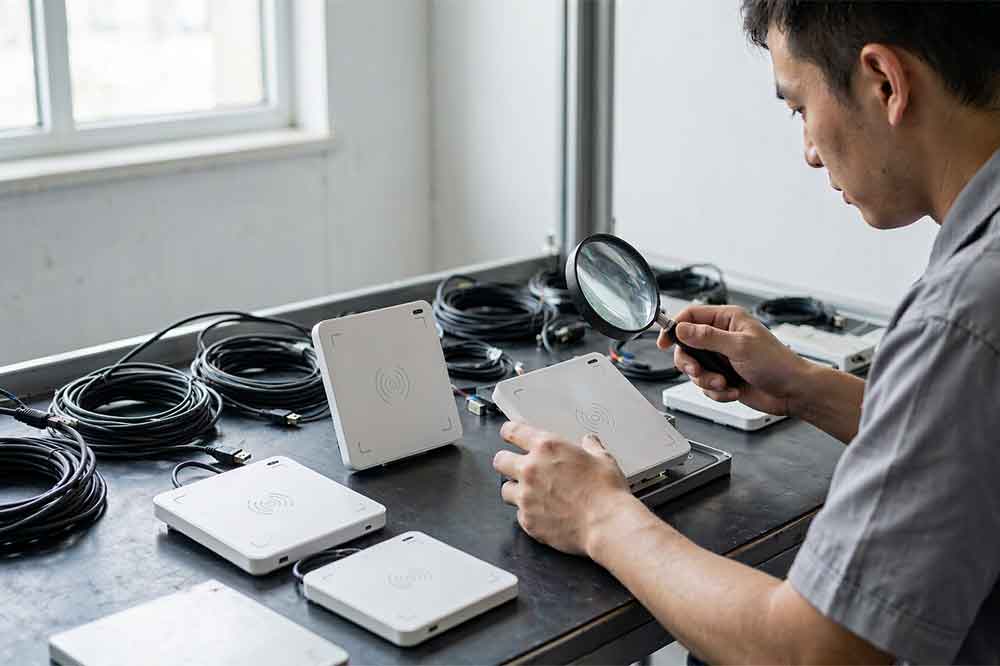
Delivery planning becomes particularly important when USB RFID readers are components in a larger equipment project.
Ask the supplier for an estimated production schedule, shipment arrangement, packaging details, and any documentation required for your destination market. Confirm whether the quoted lead time includes customization, testing, and packaging.
For recurring orders, discuss forecast quantities and whether production can be scheduled in batches. This can help balance inventory costs against project deadlines.
After-sales arrangements should also be clear. Confirm the technical support contact, response process, warranty period, and availability of replacement units or spare accessories.
If your application depends on a particular SDK or firmware version, ask how future updates will be handled and whether the original configuration can be maintained for existing installations.
These details may not change the initial unit price, but they can have a substantial effect on the cost of supporting a deployed system.
Before issuing a purchase order, make sure the following points have been resolved:
A short technical review before ordering can prevent delays that are much more expensive than the initial price difference between suppliers.
Choosing a USB RFID reader wholesale supplier requires a balance between technical fit, purchasing cost, production consistency, and long-term support. The right reader is the one that performs reliably with the intended tags, works with the target software, and can be supplied consistently as the project grows.
For distributors and system integrators, the most practical approach is to define the application, compare equivalent specifications, test samples, and confirm the production requirements in writing before committing to a bulk order.
If you are sourcing USB RFID readers for a new project or recurring supply, prepare your tag specifications, interface requirements, target quantity, and customization needs before requesting a quotation. This gives the supplier a clear basis for recommending a suitable model and preparing an accurate offer.
For desktop deployments, check the connection process and operating system requirements before approving rfid reader:USB RFID reader PC connection
For mobile projects, verify USB host support and device compatibility before selecting a model:USB RFID reader for Android
For software-controlled applications, review the SDK and API requirements before committing to a bulk order:RFID reader SDK and API integration
If the reader must work with an existing business application, evaluate the integration process before deployment:RFID software integration
Compare HID and SDK-based interfaces to determine which approach suits your software architecture:RFID HID vs SDK
When evaluating suppliers, check their manufacturing capabilities, technical documentation, and support arrangements:USB RFID reader manufacturer
For a broader look at integration, testing, and supply requirements, read our guide to a [USB RFID reader supplier for RFID system integrators].
For bulk orders requiring private labeling or technical modifications, see our guide to customized USB RFID readers for bulk projects.
Confirm RFID frequency, supported tags, reading performance, USB interface, operating system compatibility, software requirements, MOQ, lead time, and warranty terms. Test a sample before approving a bulk order.
MOQ varies by supplier, model, and customization requirements. Standard products may have lower minimums than customized readers. Request quantity-based pricing and confirm the minimum order in writing.
Depending on the model, customization may include logos, labels, cables, enclosures, firmware settings, and communication interfaces. Confirm technical feasibility, setup costs, MOQ, and lead time with the supplier.
Yes. Samples allow you to test tag compatibility, reading consistency, connection stability, and software integration. Approve the tested specifications before mass production.
Compare equivalent technical specifications, sample performance, manufacturing consistency, documentation, customization options, delivery schedules, warranty terms, and technical support—not unit price alone.

Discover SSD-D4AL, a USB-HID UHF RFID reader with 4/8/16 antenna options, Impinj E710/X3M1 chipset, plug-and-play USB power, and OEM customization.
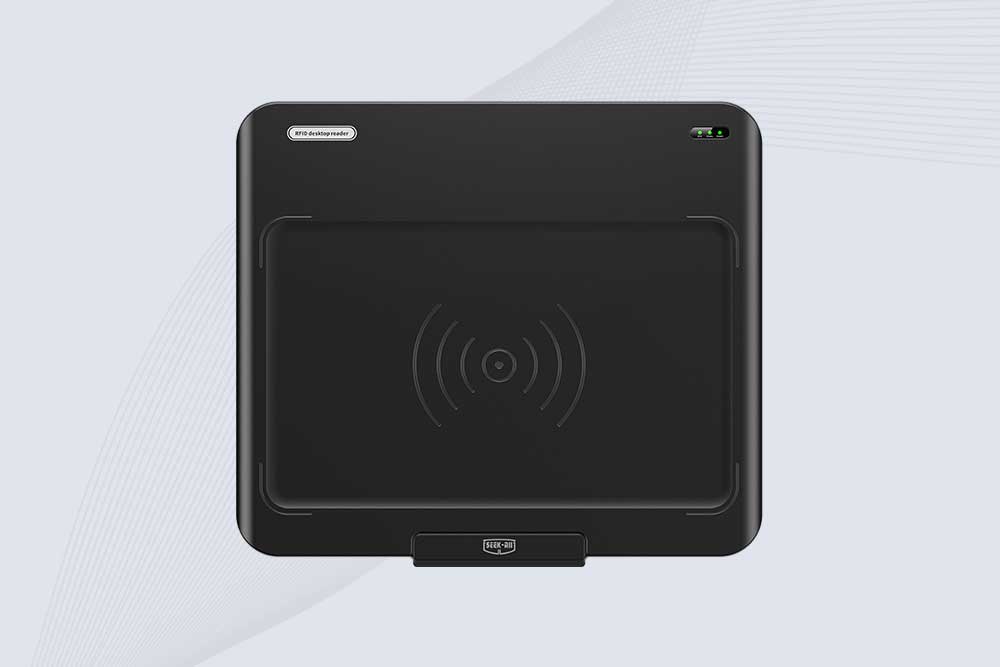
SSD-D3AL is a USB-HID UHF RFID reader with 0–30 cm reading, 0–15 cm writing, over 600 tags/s recognition, USB plug-and-play operation and OEM Logo customization.
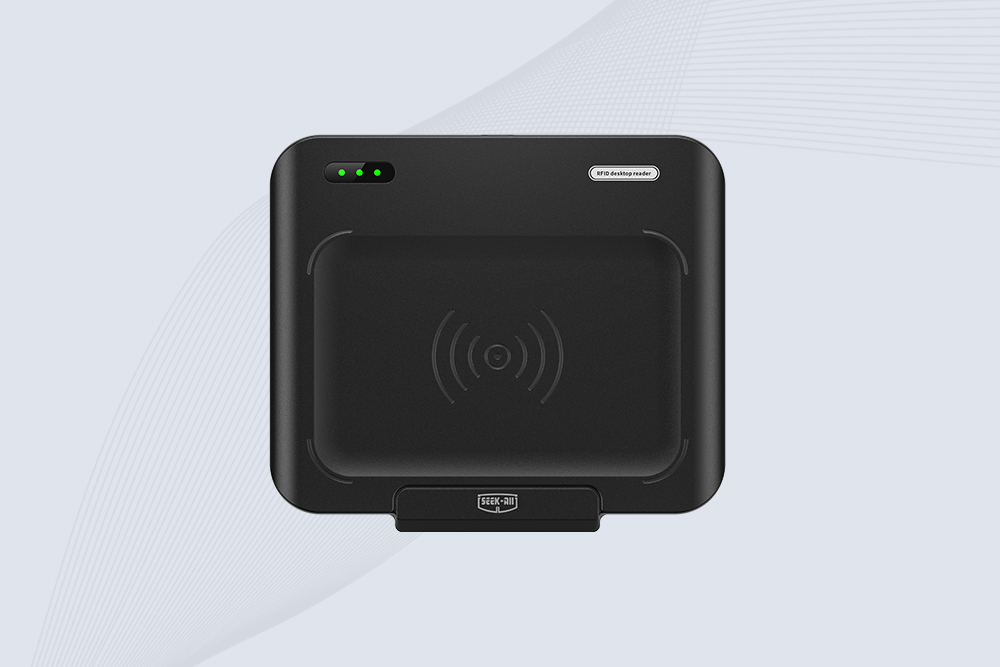
SSD-D1AL is a compact USB UHF RFID reader with Impinj E710/X3M1 chipset, USB-HID, 600+ tags/s recognition, 4/8/16 antenna support and plug-and-play USB power.

CYKEO CYKEO-D1LA USB RFID Reader is a compact desktop solution with near-field control for precise tag reading and encoding. Powered by USB, supporting ISO 18000-6C, and built for stable batch writing, this usb rfid tag reader fits retail, libraries, offices, and controlled RFID encoding tasks.
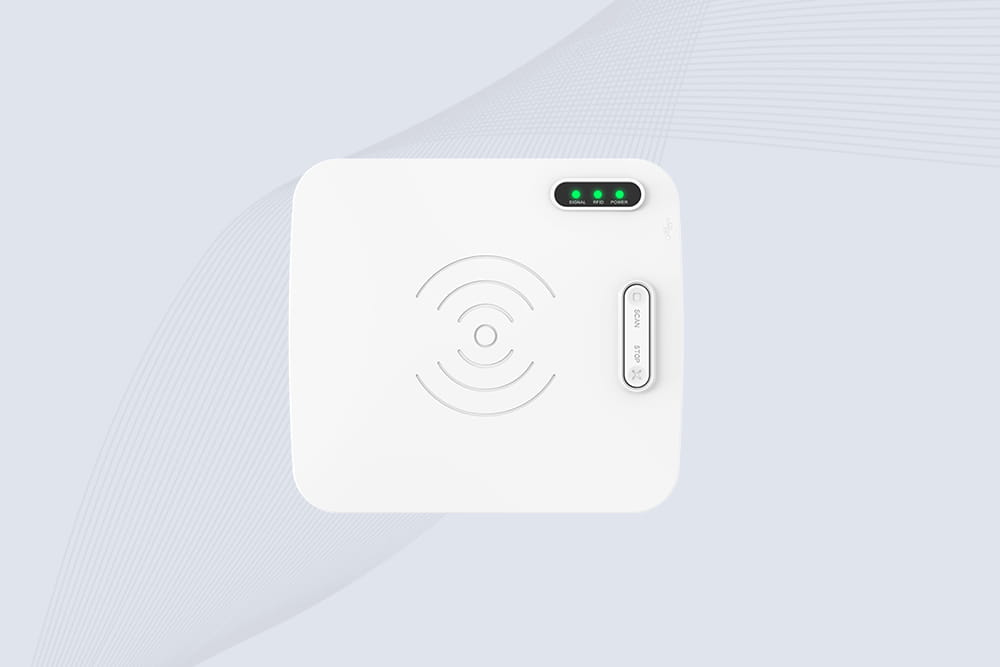
CYKEO CYKEO-D1L RFID scanner USB is a compact desktop UHF RFID scanner designed for short-range tag writing and verification. This usb rfid scanner supports batch encoding, stable 0–26 dBm output, and works across Windows, Linux, and Android systems.
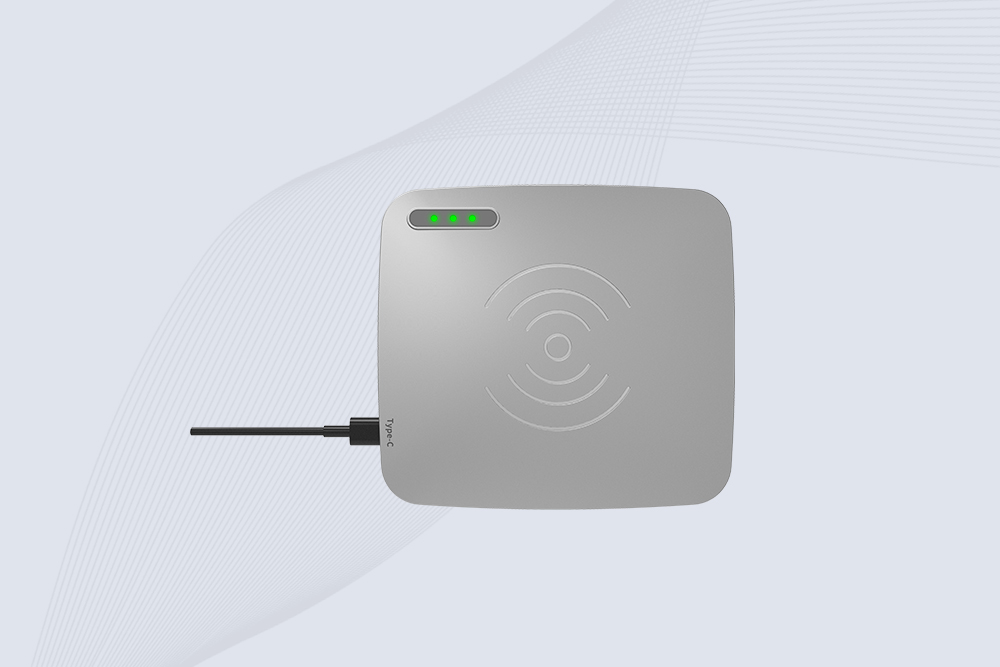
CYKEO CYKEO-D1C USB RFID Card Reader is a near-field UHF desktop writer designed for secure, short-range tag encoding. With USB-C connectivity and stable 26 dBm output, this rfid reader usb c is ideal for badge issuance, label encoding, and controlled desktop RFID workflows.
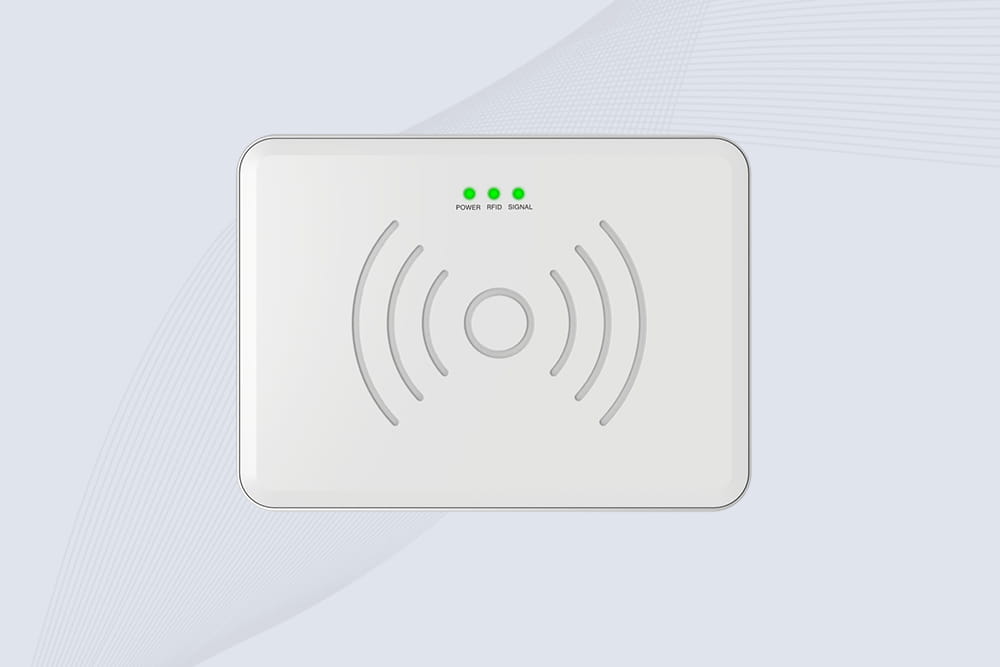
CYKEO CYKEO-D2L RFID Reader USB is a compact desktop encoder built on the Impinj R500 chip. With near-field control and stable USB power, this usb rfid card reader delivers precise tag writing for offices, retail counters, and small-scale logistics encoding tasks.
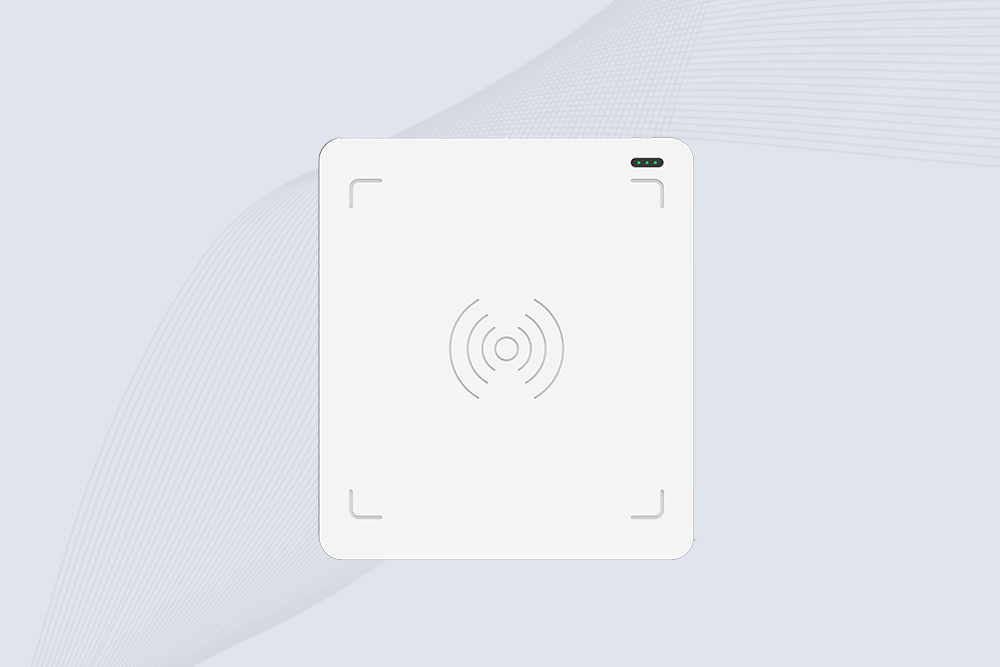
CYKEO CYKEO-D3L USB RFID Tag Reader delivers stable UHF tag reading and writing for daily desktop and light industrial tasks. Designed for controlled short-range operation, this USB RFID Tag Reader works reliably with rfid tag and reader systems in libraries, tool tracking, and inventory registration.
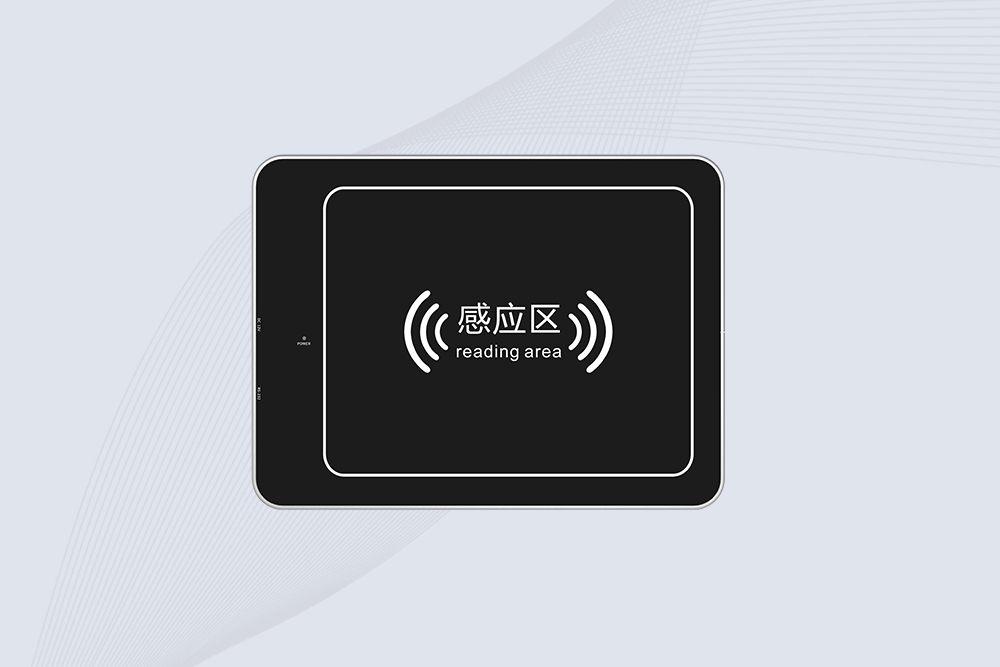
The CYKEO CYKEO-D4L UHF RFID Tag Reader is a stable Desktop RFID Reader designed for accurate tag registration, borrowing, and return workflows. Built with the Impinj R2000 chip, this UHF RFID Tag Reader delivers controlled short-range reads for libraries, asset tracking, and inventory management environments.
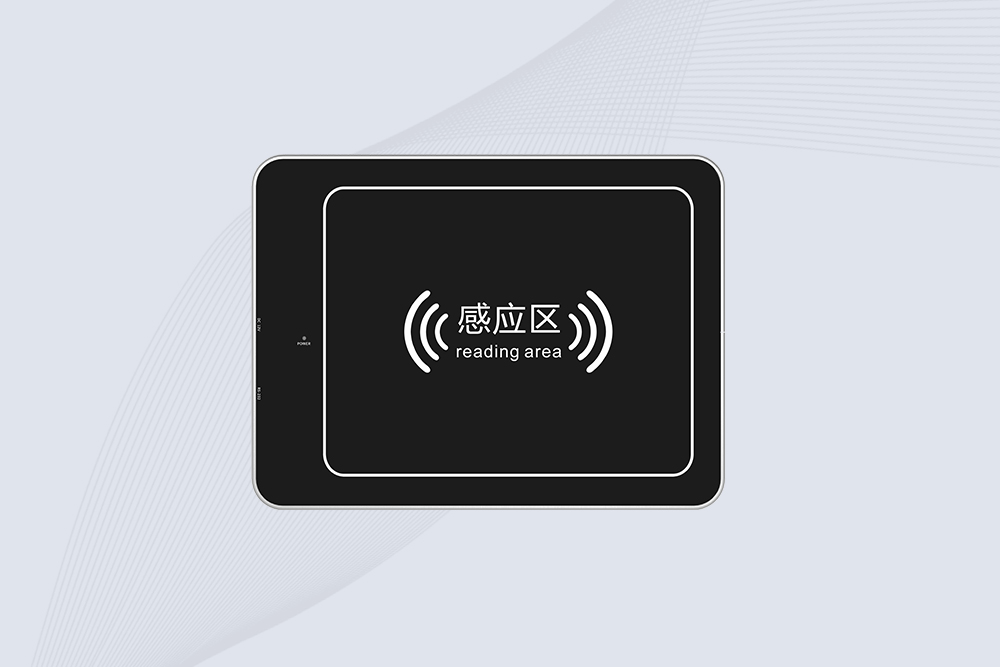
The CYKEO CYKEO-D5L Desktop RFID Card Reader is a stable UHF RFID Card Reader designed for controlled short-range reading and writing. Built for libraries, tool rooms, and asset desks, this UHF RFID Card Reader supports dense tag handling, secure data processing, and easy USB integration.
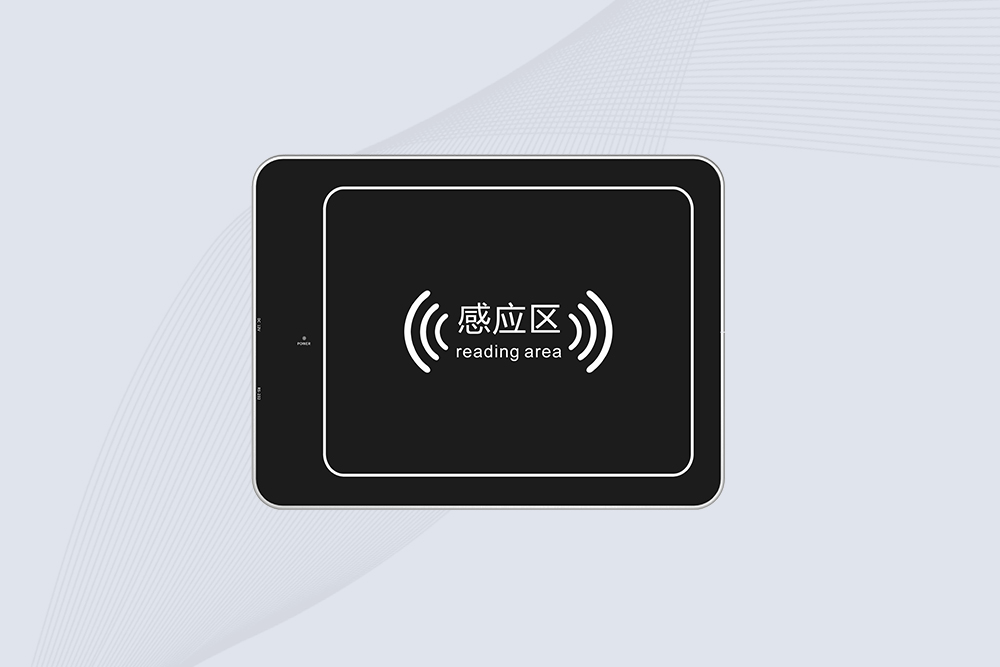
The CYKEO CYKEO-D6L RFID Reader Writer is a heavy-duty Desktop RFID Reader designed for short-range, high-accuracy tag programming. Built for libraries, labs, and asset desks, this RFID Reader Writer supports batch processing, stable 33dBm output, and seamless integration with existing management systems.
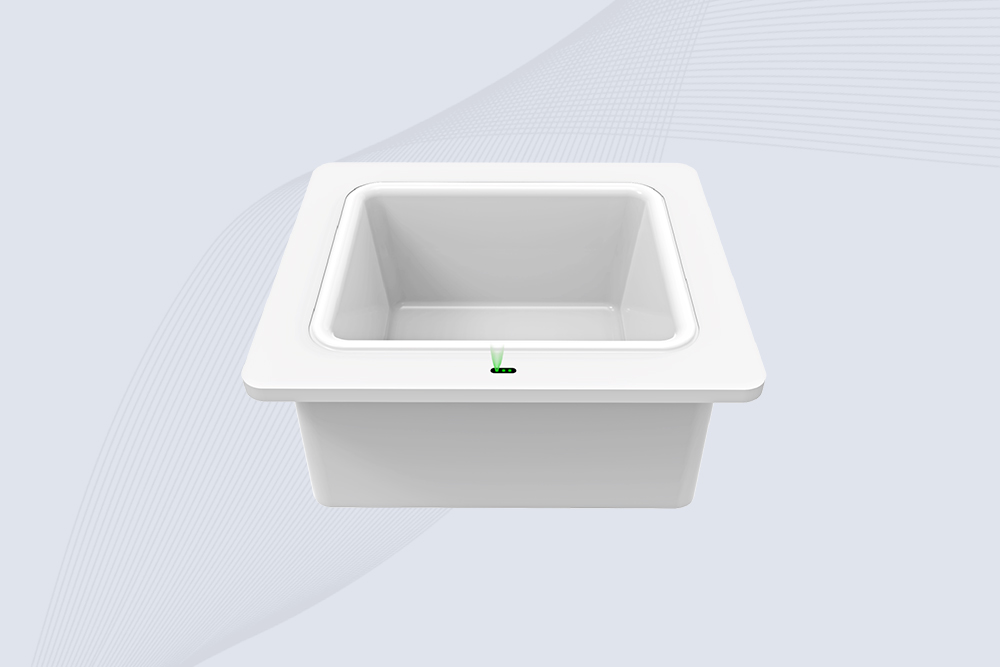
Cykeo CYKEO-D8B UHF RFID tunnel and RFID Desktop Reader features 30+ items batch reading,
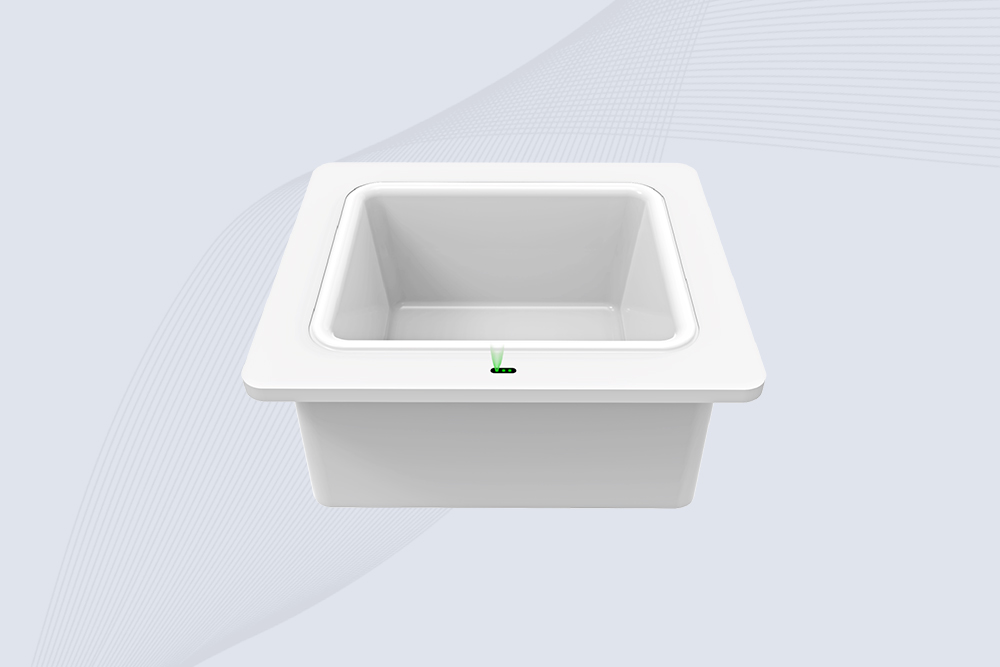
Cykeo CYKEO-D8A embedded RFID badge reader offers 30+ tags/sec scanning, 20cm anti-crosstalk precision, and DC 12V power for unmanned stores, warehouses, and smart inventory systems.
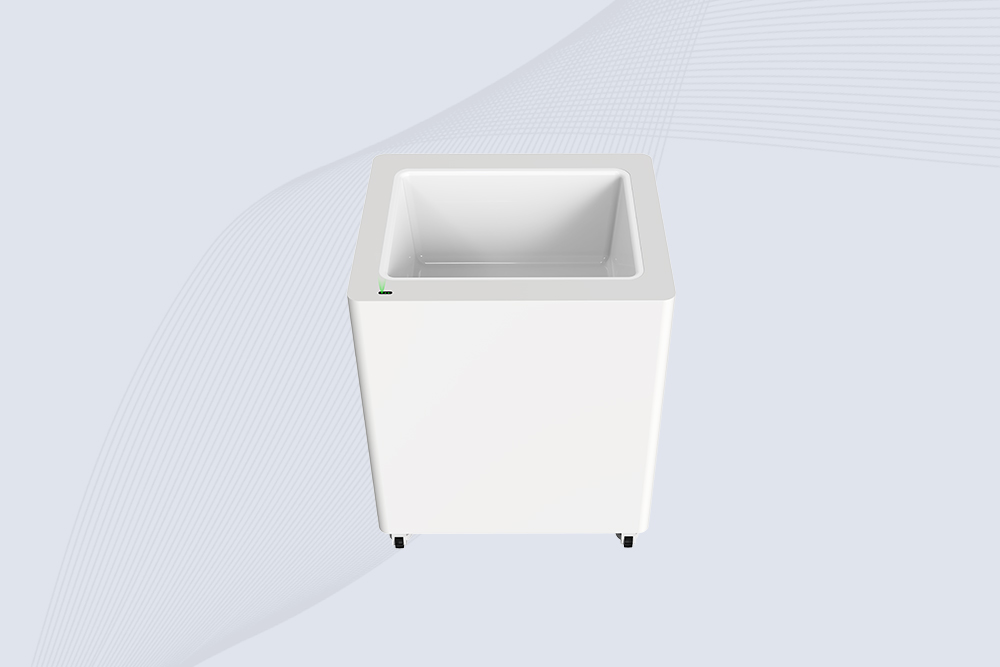
Cykeo’s CYKEO-D8C UHF RFID gate reader achieves 200-tag/batch scanning with adjustable power control, ideal for retail inventory and smart warehouse management.
RFID Industry Writer | IoT & Asset Tracking Analyst
James writes about RFID technology, asset tracking, and the practical challenges of digital transformation across warehousing, retail, manufacturing, and logistics.
His work focuses on how RFID is applied in real-world operations—improving inventory visibility, automating workflows, and helping businesses manage assets with greater accuracy and efficiency.
He regularly covers topics including UHF RFID, smart cabinets, RFID portals, tool tracking, warehouse automation, and industrial IoT trends..
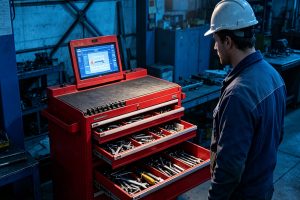
Struggling with tool loss in your factory? Discover how RFID tool cabinets help reduce tool loss by up to 90% with real-time tracking and access control.
More
How to deactivate RFID tags safely and correctly. Learn real methods, what actually works, what fails, and how professionals handle RFID deactivation.
More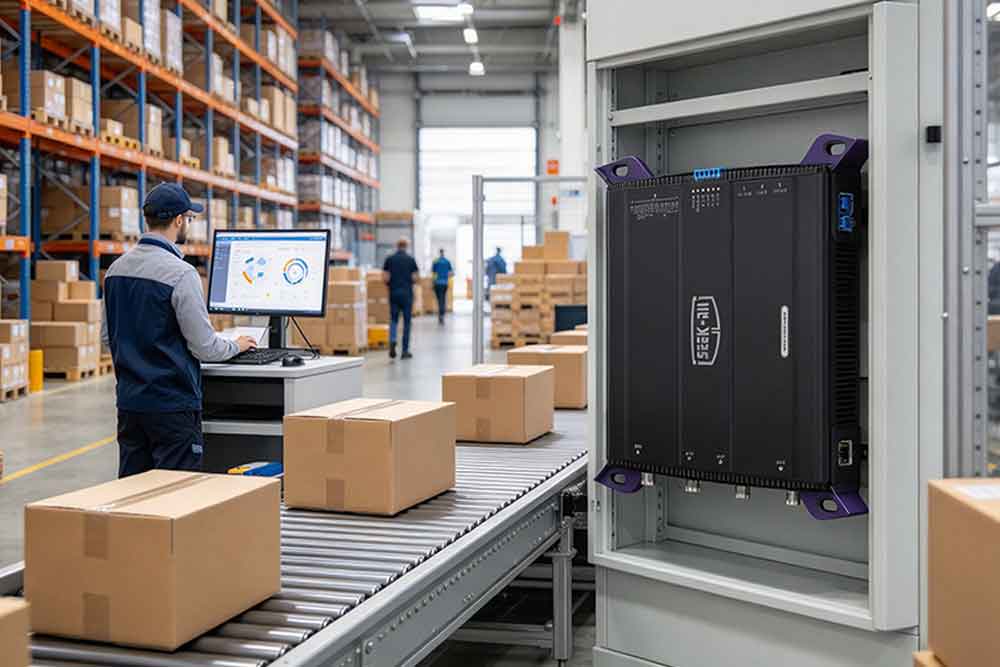
RFID in supply chain management uses radio waves to identify tagged goods and record their movement through receiving, storage, production, and distribution....
More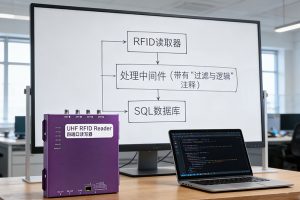
Learn how to connect RFID reader to SQL database. Our guide covers data flow architecture, deduplication strategies, and reliable integration using CYKEO tools.
More