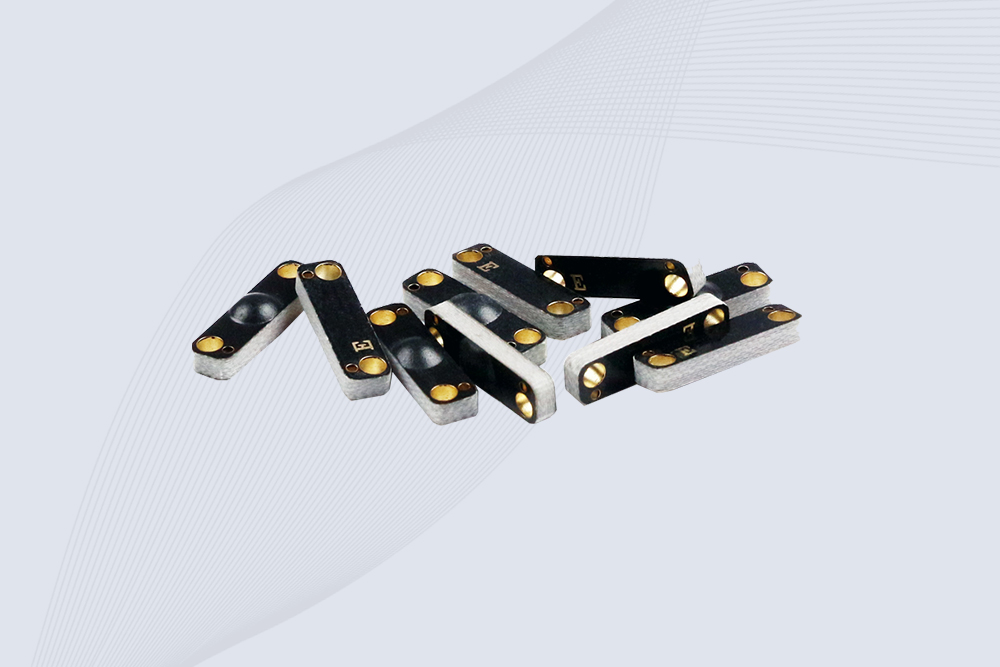
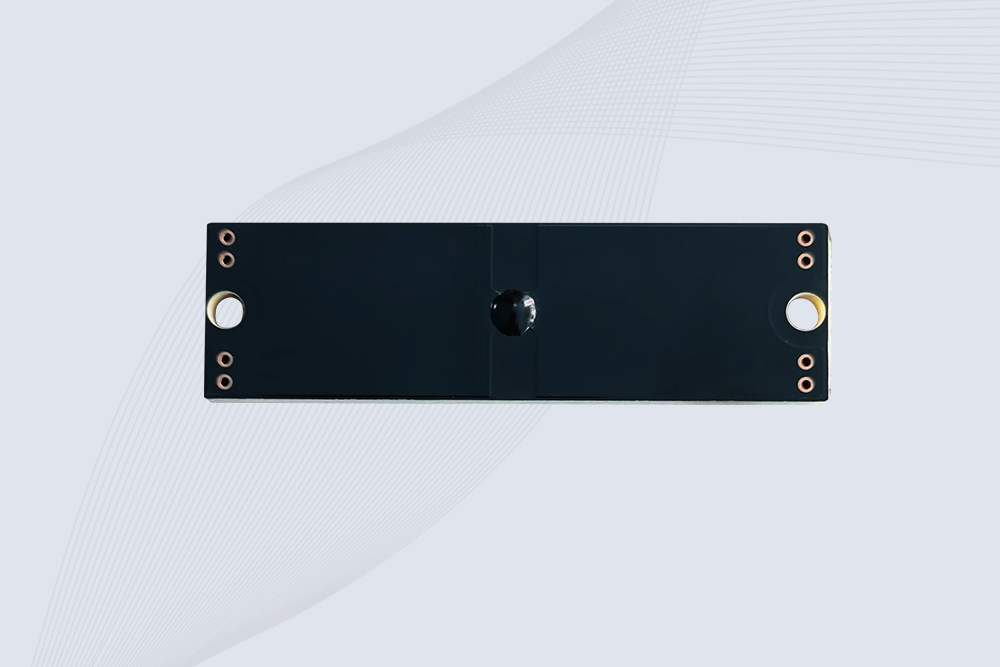
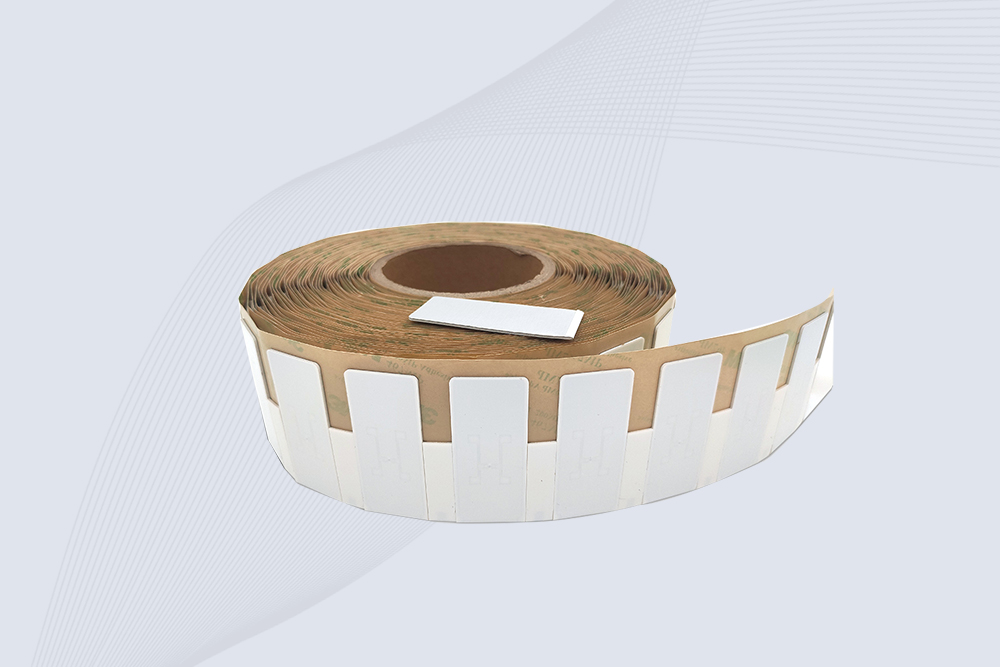
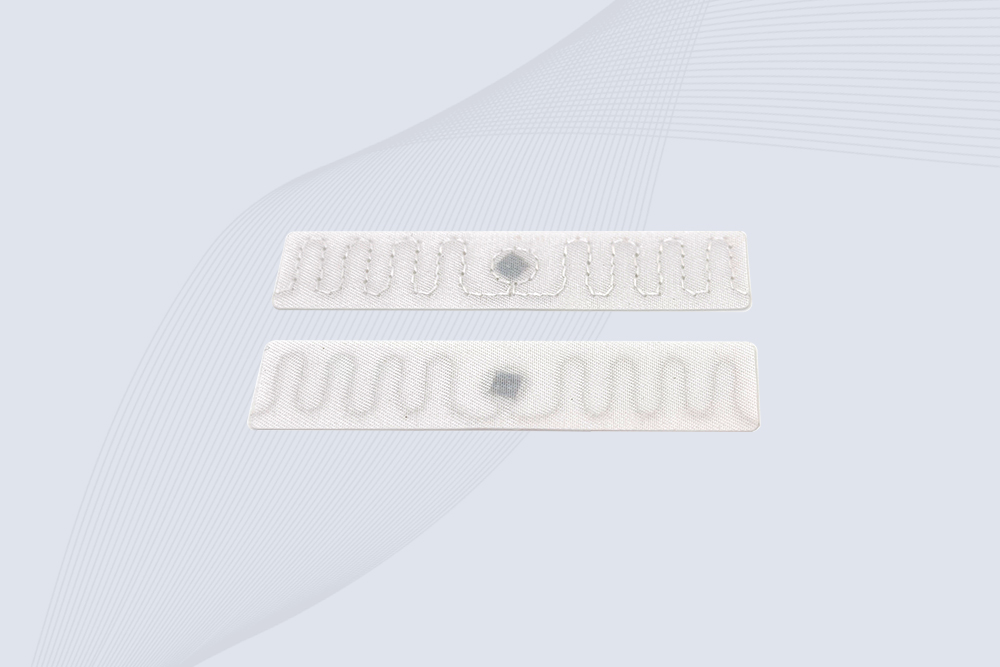
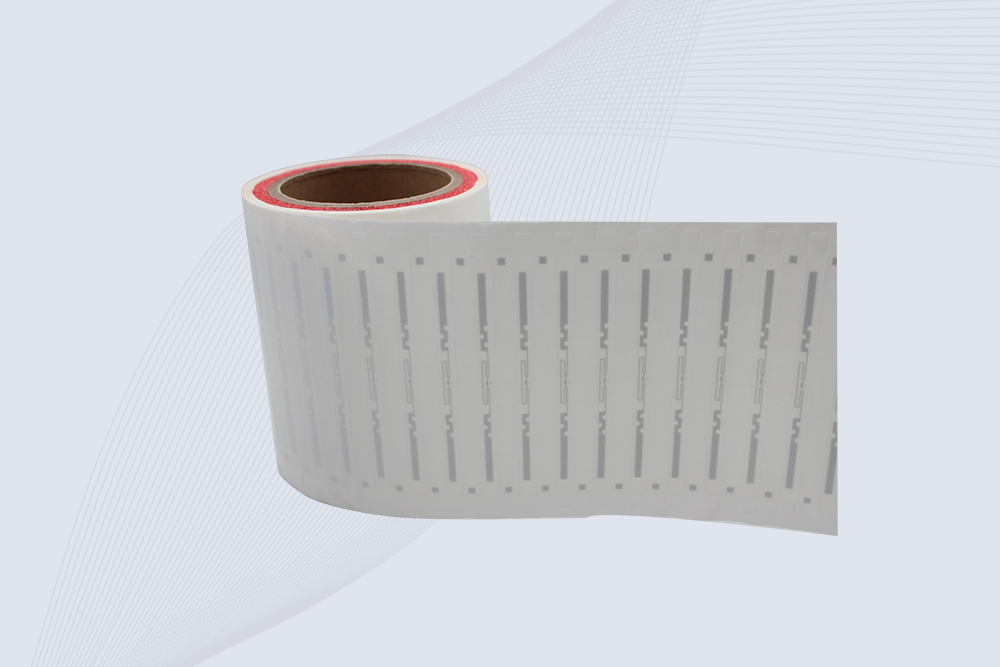
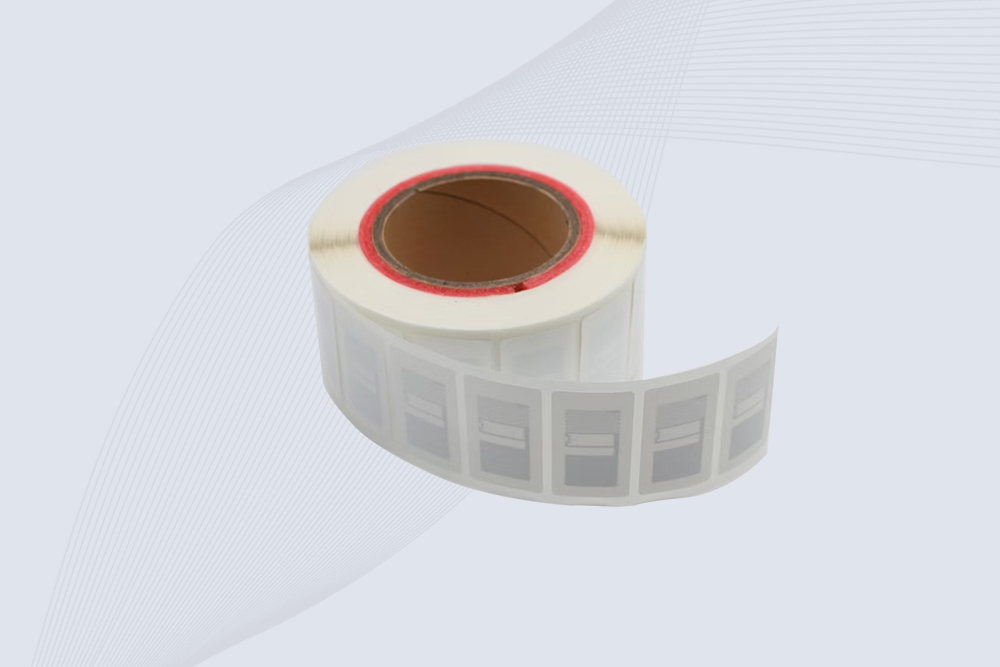
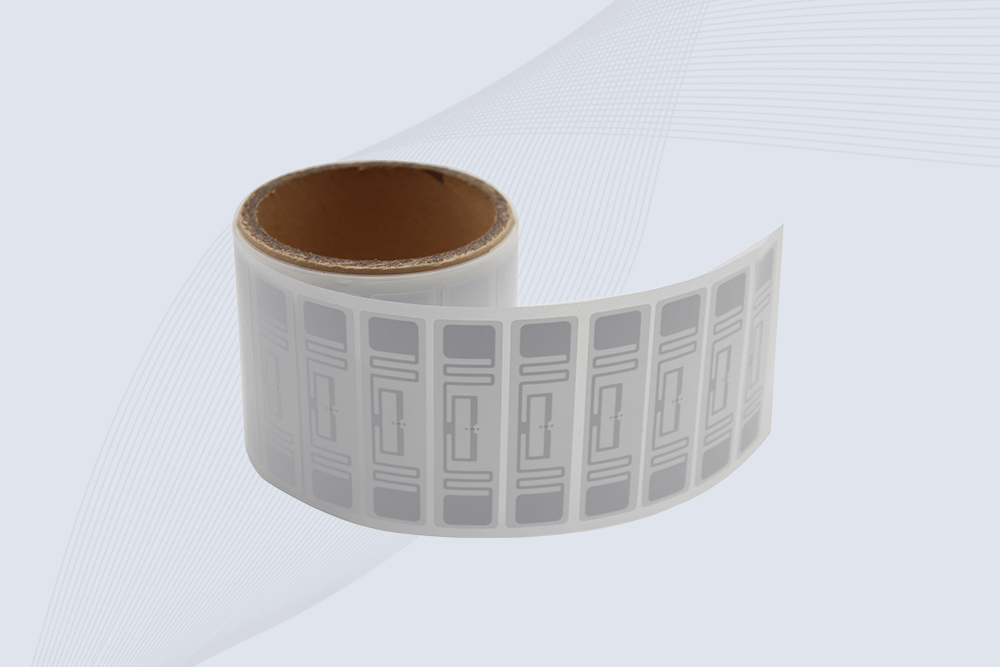
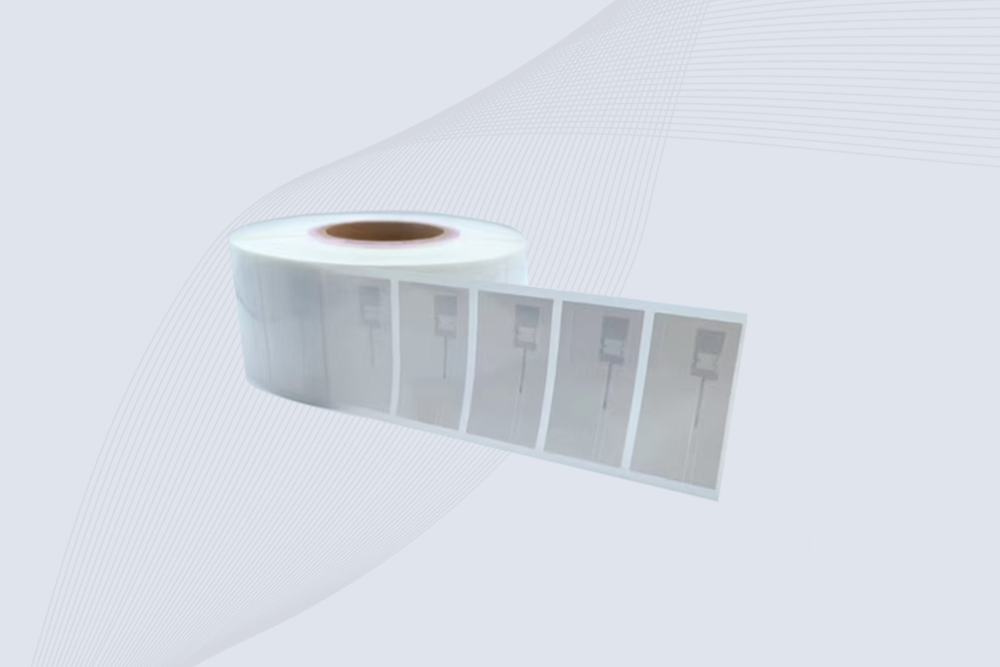
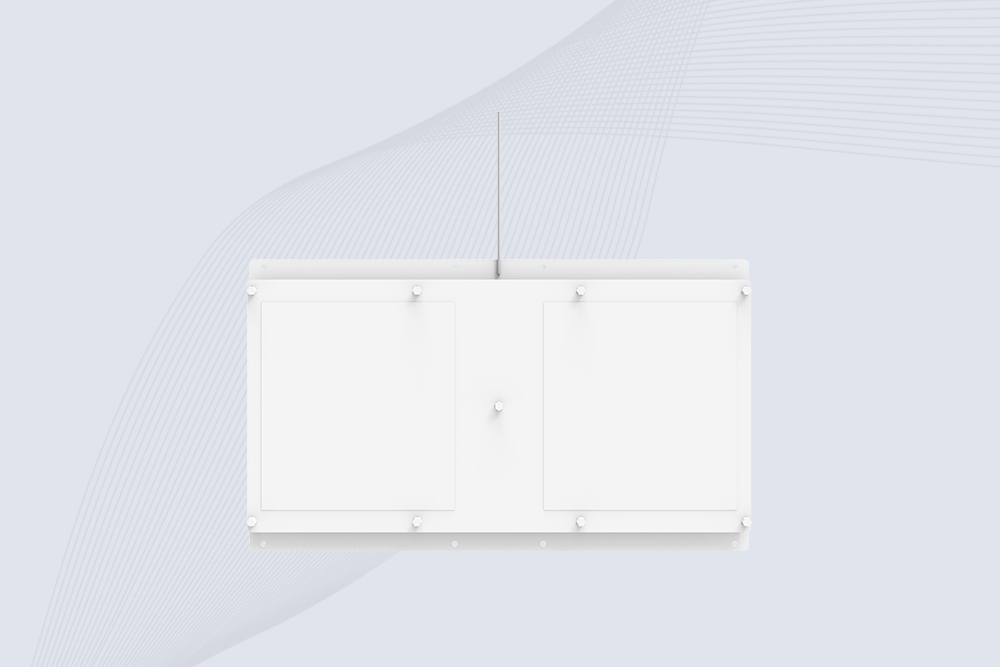
What is RFID in supply chain? RFID in supply chain is a technology that uses radio waves to identify and track tagged goods as they move through receiving, storage, production, and distribution. By capturing tag data without scanning each label individually, RFID helps businesses improve inventory visibility, verify shipments, and reduce manual identification work.
How Does RFID Work in Supply Chain Management?
RFID stands for radio-frequency identification. A typical system includes RFID tags, RFID readers, RFID antennas, and software that connects identification data to inventory or shipment records.
When tagged goods enter a reader’s coverage area, the reader communicates with compatible tags and captures their identifying information. The software then associates those reads with business events, such as receiving a delivery, moving stock between warehouse zones, or preparing an outbound shipment.
In a UHF RFID installation, several tagged cartons may be identified during one passage through a properly designed read zone. The system does not need to capture every item from every angle in a single instant; reliable performance depends on antenna placement, tag orientation, product materials, reader settings, and how cartons move through the area.
A practical supply chain workflow often looks like this:
Receiving: Compare incoming tagged products or cartons with expected delivery records.
Storage: Record inventory movements and support stock-location checks.
Production: Identify tagged components as they enter or leave designated work areas.
Order fulfillment: Verify picked goods before cartons are closed.
Dispatch: Check shipment contents against the order or manifest.
Returns: Identify returned items and reconnect them with the appropriate inventory record.
The important distinction is that an RFID read is not automatically a completed business transaction. The software must interpret the tag data correctly and link it to the right order, location, or movement event.
Why Is RFID Important in Supply Chain Operations?
Supply chain teams often face a gap between what the system says is available and what is physically present. Manual scans, delayed data entry, misplaced cartons, and missed movement records can all contribute to that gap.
RFID helps narrow it by capturing identification data at defined checkpoints, rather than relying entirely on workers to scan every item one by one.
Research from Auburn University’s RFID Lab, conducted with retail partners, examined inventory record inaccuracy across 13 stores over 23 weeks. The study reported an approximately 26% reduction in inventory record inaccuracy in the RFID-related experiment. This is a specific research result, not a guarantee that every supply chain installation will achieve the same improvement.
Source: Auburn University RFID Lab research on RFID and inventory accuracy. See the Auburn University RFID Lab for research and industry resources.
The operational lesson is straightforward: RFID performs best when reads are tied to meaningful control points. Installing readers without deciding which movement each read represents can create large volumes of data without giving managers a clearer picture of inventory.
RFID Supply Chain Applications in Real Operations
Inventory tracking across warehouses
RFID can help teams identify tagged stock during inventory checks and selected movement events. In busy facilities, bulk reads can reduce the need to handle products individually, although metal, liquid, dense packaging, and poorly positioned tags may affect performance.
Shipment verification and traceability
At dispatch, RFID readers can capture tag identities and compare them with expected shipment records. If a carton contains an unexpected item or a required tag is missing from the read results, the system can flag the discrepancy for investigation.
Production and material flow
Manufacturers can use RFID to identify tagged components, containers, or work-in-process items as they pass through designated stations. The benefit depends on linking each read to the correct production event, not simply collecting tag numbers.
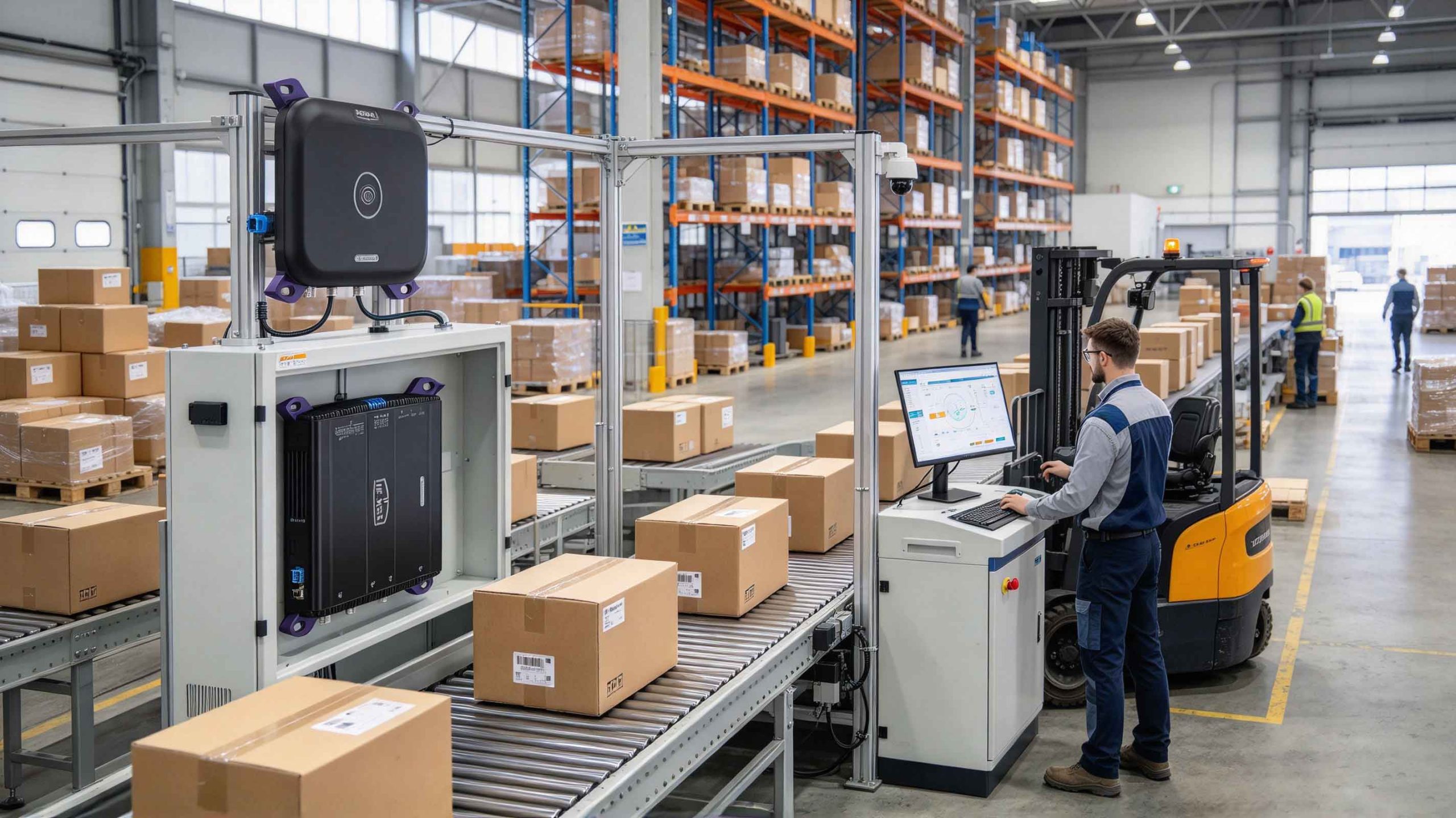
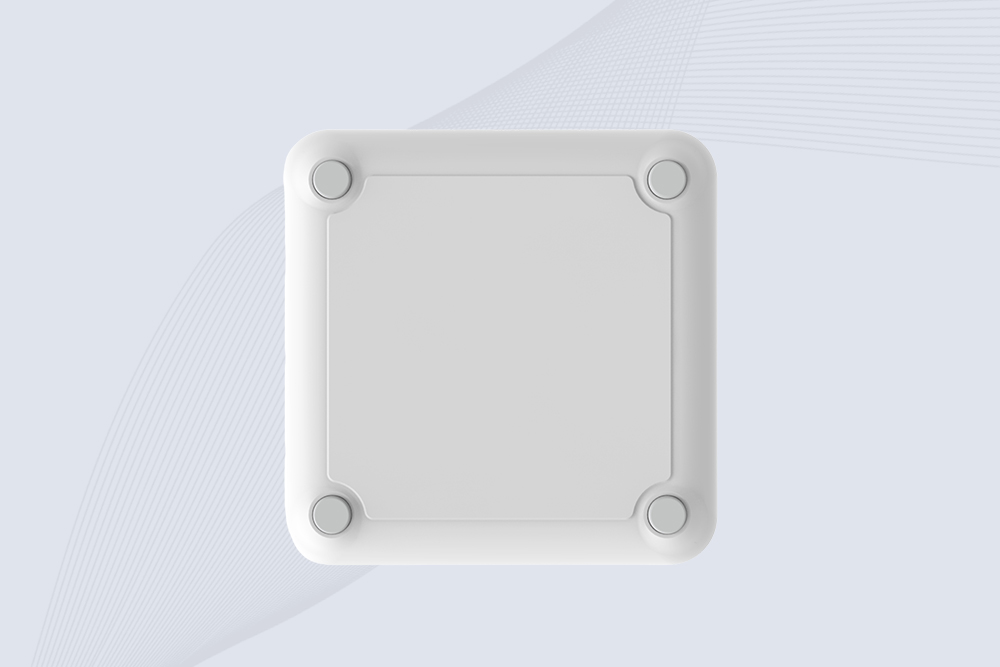
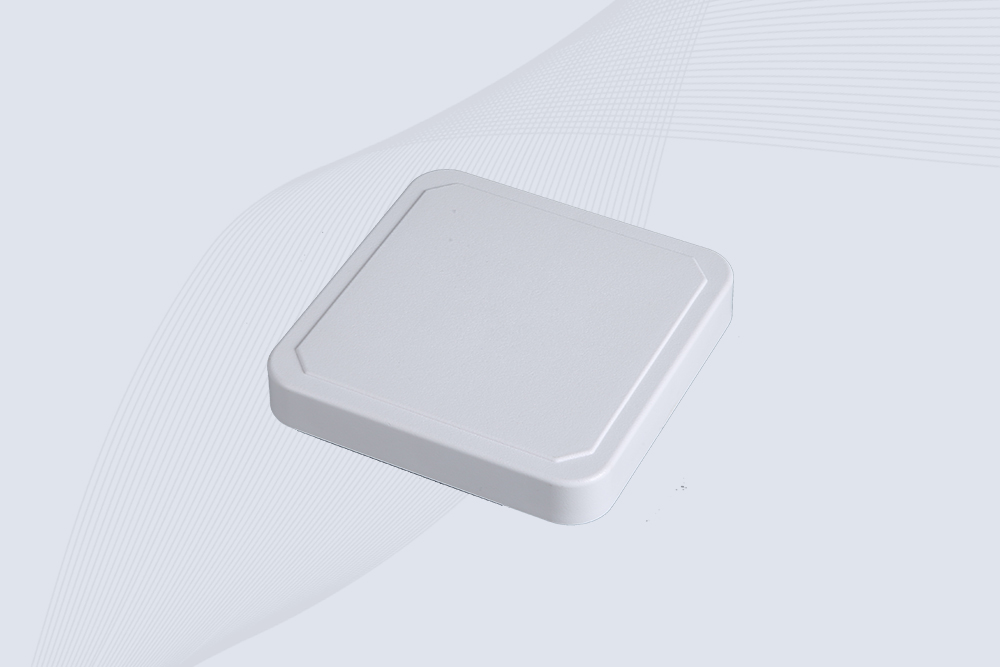
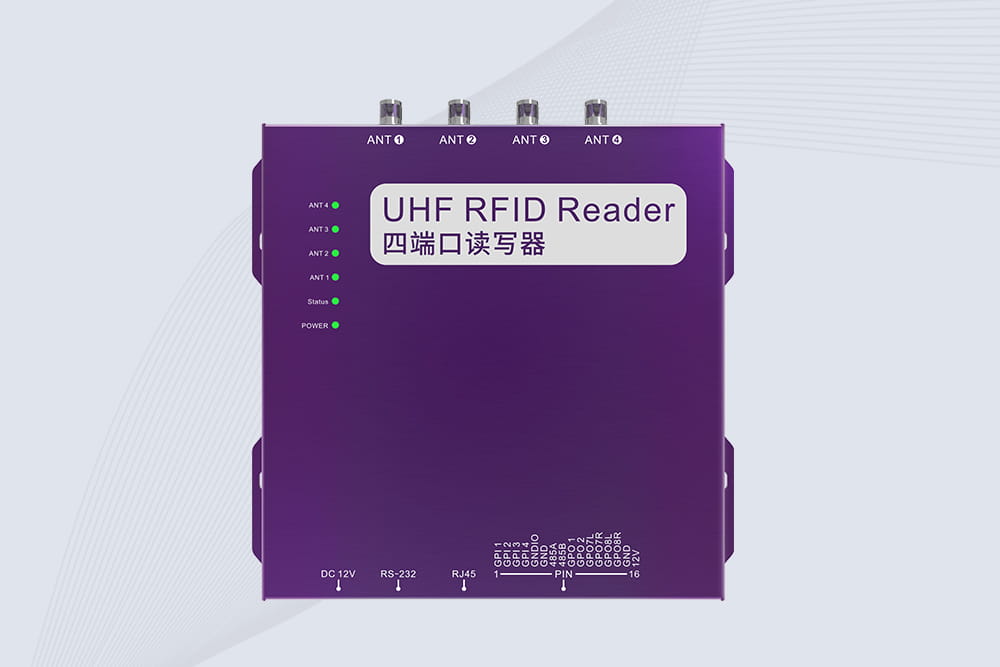
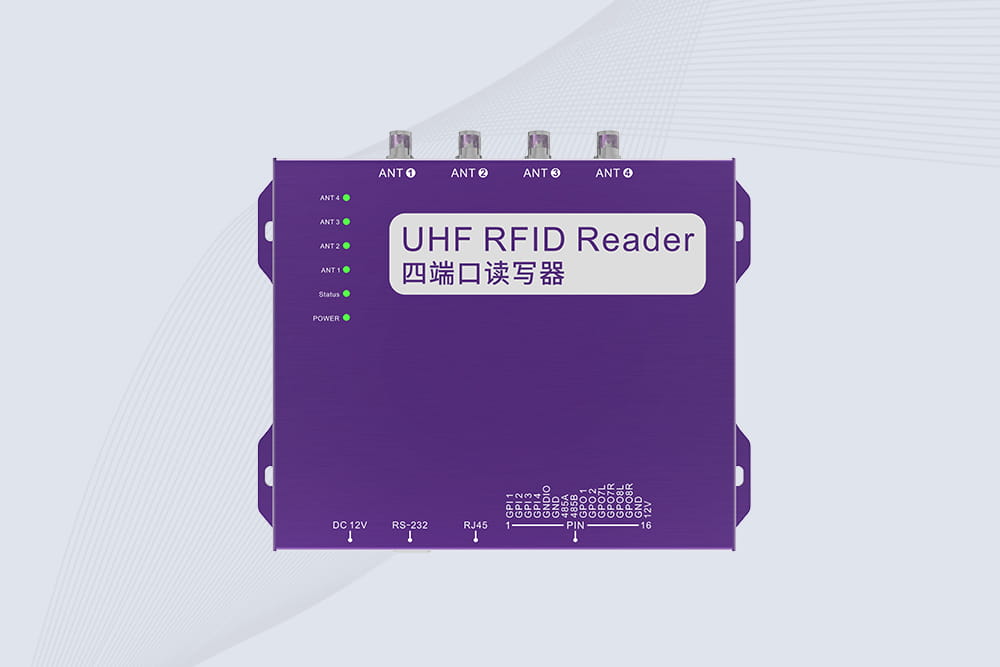
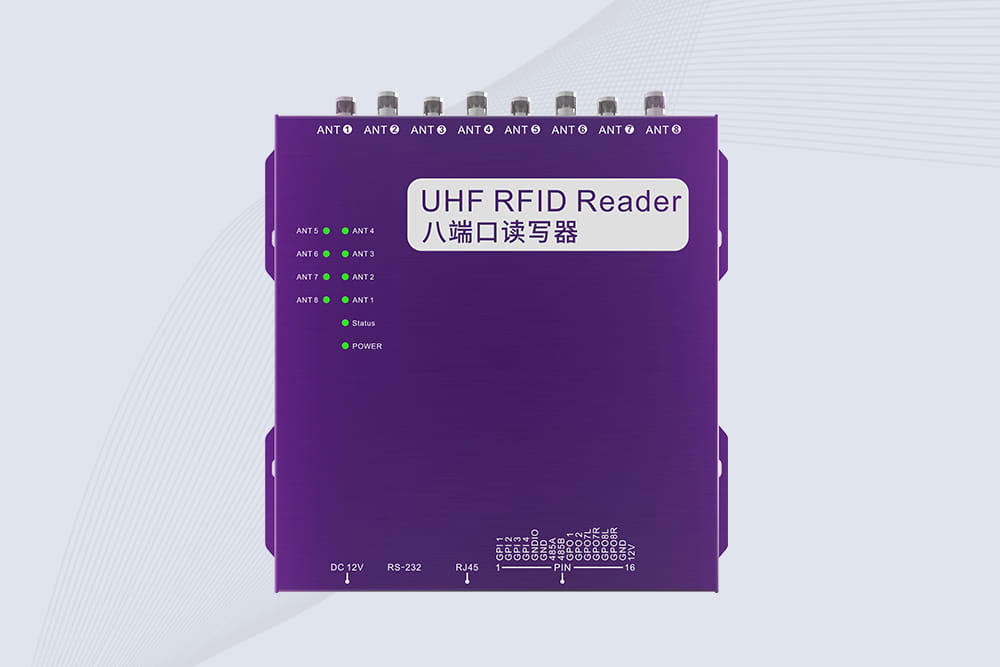
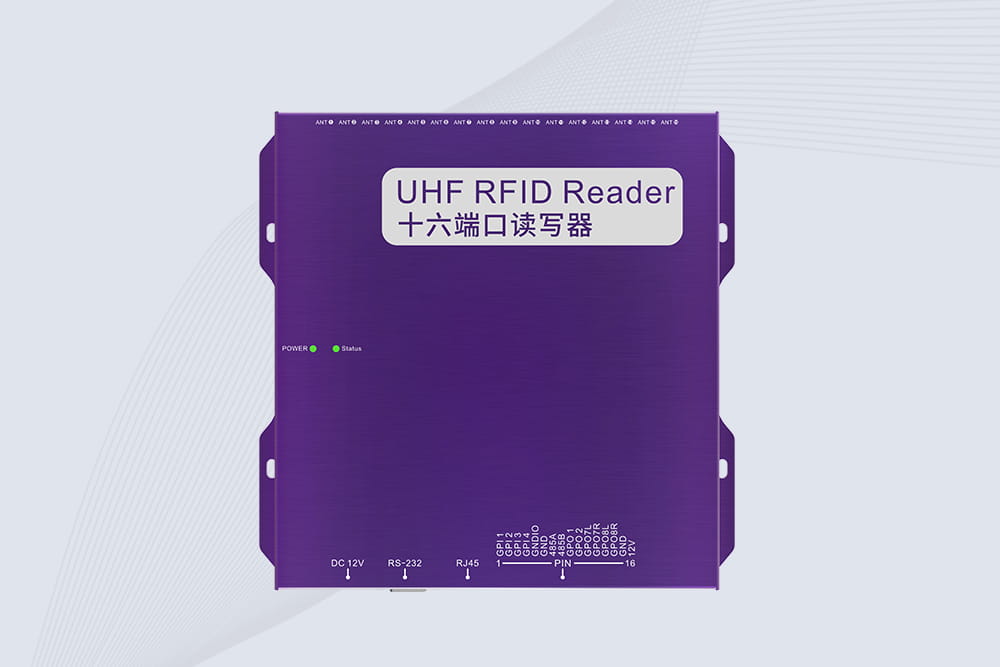
RFID helps supply chain teams capture item identities at key warehouse checkpoints without scanning every label individually.
What Should Businesses Consider When Implementing RFID?
An RFID supply chain project should start with a specific operational problem: inaccurate receiving, slow stocktaking, shipment discrepancies, or limited visibility into goods movement. The right system depends on where identification must happen and what the software needs to do with each read.
Before deployment, evaluate these factors:
Tag selection: Match tag frequency, protocol, size, and mounting method to the products being tracked.
Read-zone design: Test antenna placement and reader settings using actual cartons, packaging, and conveyor speeds.
Product materials: Metal surfaces and liquid contents can affect radio-frequency performance. Choose suitable tags and validate their placement.
Data integration: Connect tag identifiers to product records, purchase orders, warehouse locations, and shipment transactions.
Exception handling: Decide what happens when tags are missing, unexpected items appear, or a carton fails verification.
Pilot testing: Run representative products through the proposed workflow before expanding across the facility.
One field detail is easy to overlook: a reader may successfully capture a tag, yet the system can still assign the read to the wrong operational event if the software does not distinguish receiving from dispatch. Reliable supply chain RFID therefore requires both sound radio-frequency engineering and well-defined business rules.
RFID vs. Barcode in Supply Chain Management
Feature
RFID
Barcode
Identification method
Radio waves
Optical scanning
Line of sight
Usually not required
Normally required
Multiple-item identification
Multiple compatible tags can be read within a suitable read zone
RFID does not make barcodes obsolete. Barcodes remain practical for low-cost identification and workflows where individual scanning is acceptable. RFID is particularly useful when many tagged items must be identified quickly or when reading needs to occur automatically as goods pass through a checkpoint. Some supply chains use both.
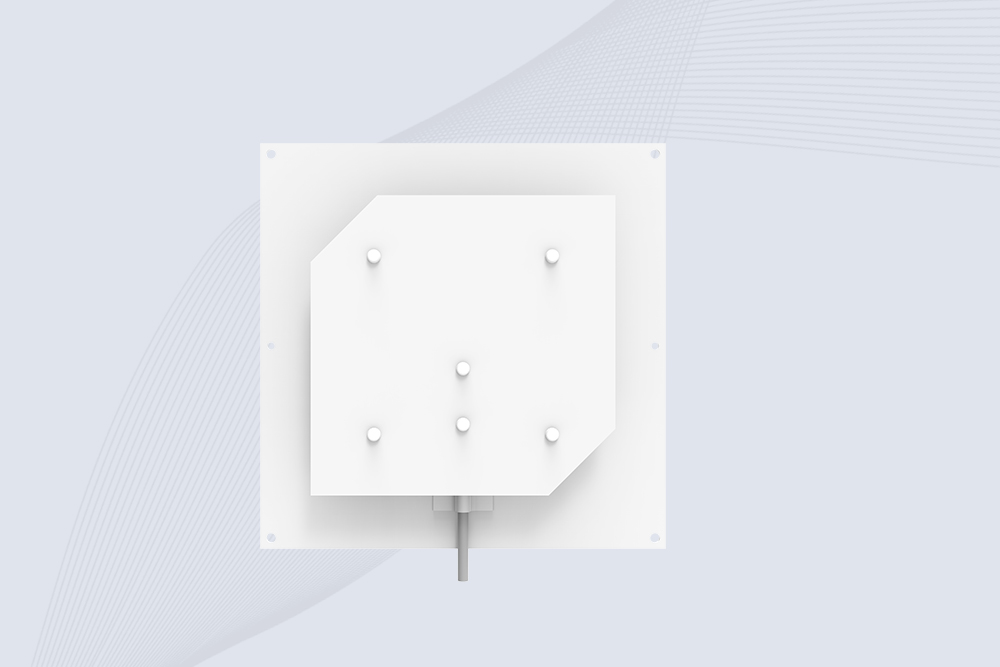
Automated RFID checkpoints help compare identified cartons and items with expected shipment records.
Frequently Asked Questions
What is RFID in supply chain management used for?
RFID in supply chain management is used to identify tagged goods, monitor inventory movements, verify shipments, and support traceability. It can automate identification at receiving, storage, production, and dispatch checkpoints.
How does RFID improve supply chain visibility?
RFID captures tag data at selected points in the movement of goods. When those reads are linked to accurate inventory and shipment records, businesses can obtain more timely information about where items were identified and whether expected goods passed a checkpoint.
Can RFID track products in real time?
RFID can provide near-real-time updates when readers capture tags and the software processes those reads promptly. However, it does not automatically provide continuous location tracking everywhere. Visibility depends on reader coverage, tag performance, system integration, and checkpoint design.
Is RFID better than barcodes for supply chains?
RFID is often advantageous for bulk identification and automated reading, while barcodes are generally economical and effective for individual scans. The best choice depends on throughput, product type, required accuracy, infrastructure, and operating costs.
Does RFID require an internet connection?
Not every RFID reader requires a direct internet connection to identify tags. However, sharing data across sites, synchronizing cloud platforms, and updating centralized supply chain records require an appropriate network or data-transfer arrangement.
What affects RFID inventory accuracy?
Tag placement, product materials, antenna coverage, read-zone settings, overlapping read areas, and software data processing can all affect inventory accuracy. Testing with actual goods and investigating missed or duplicate reads are important parts of deployment.
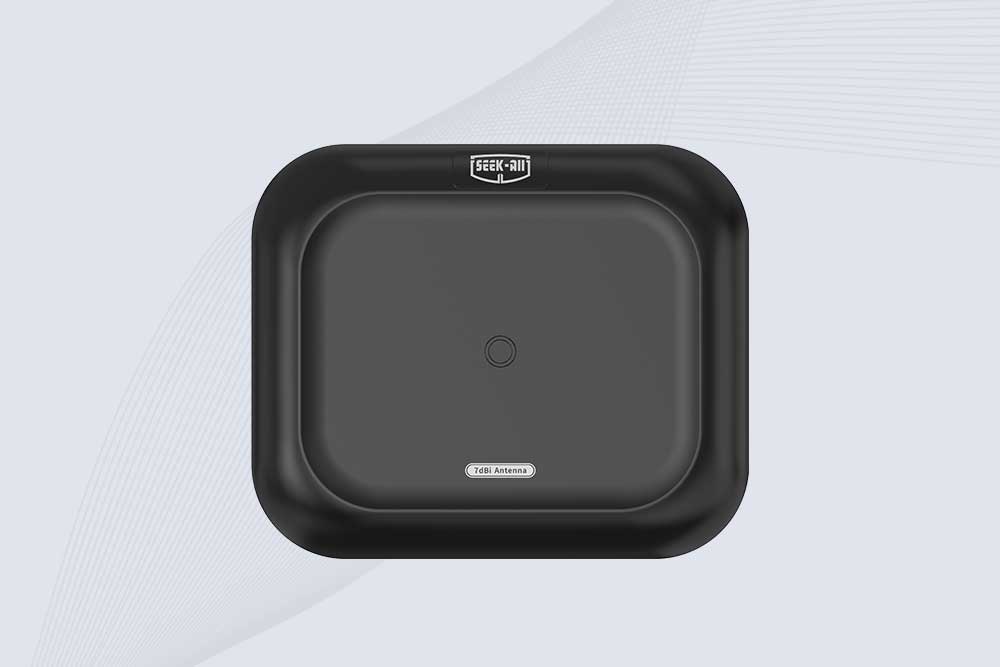
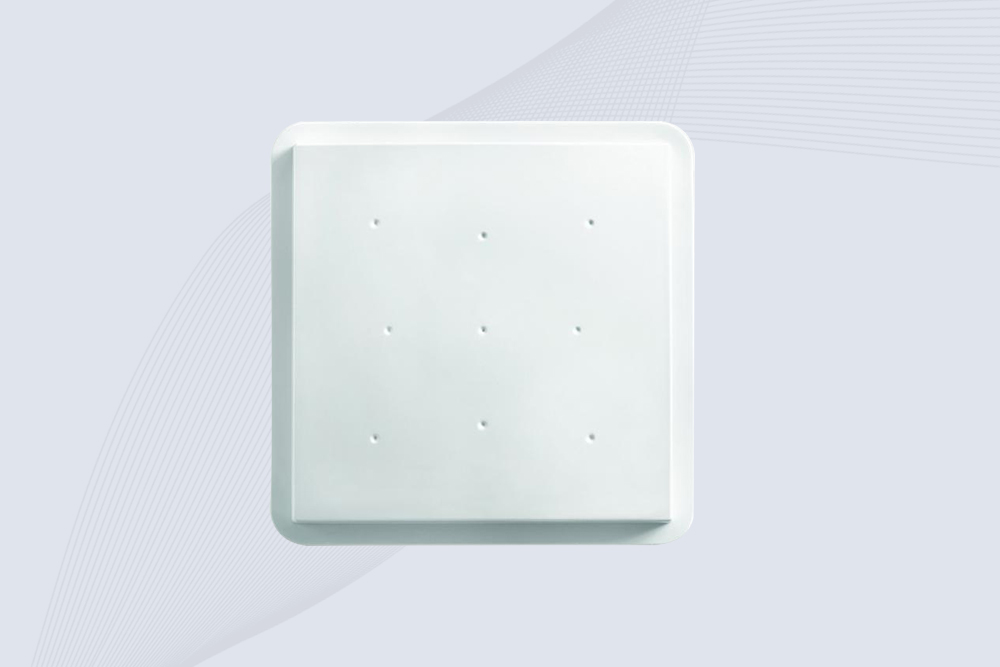
Explore the SSD-A07 UHF RFID antenna with 7 dBi gain, circular polarization, adjustable 840–960 MHz frequency, and 60°/75° beamwidth for stable RFID read/write performance.
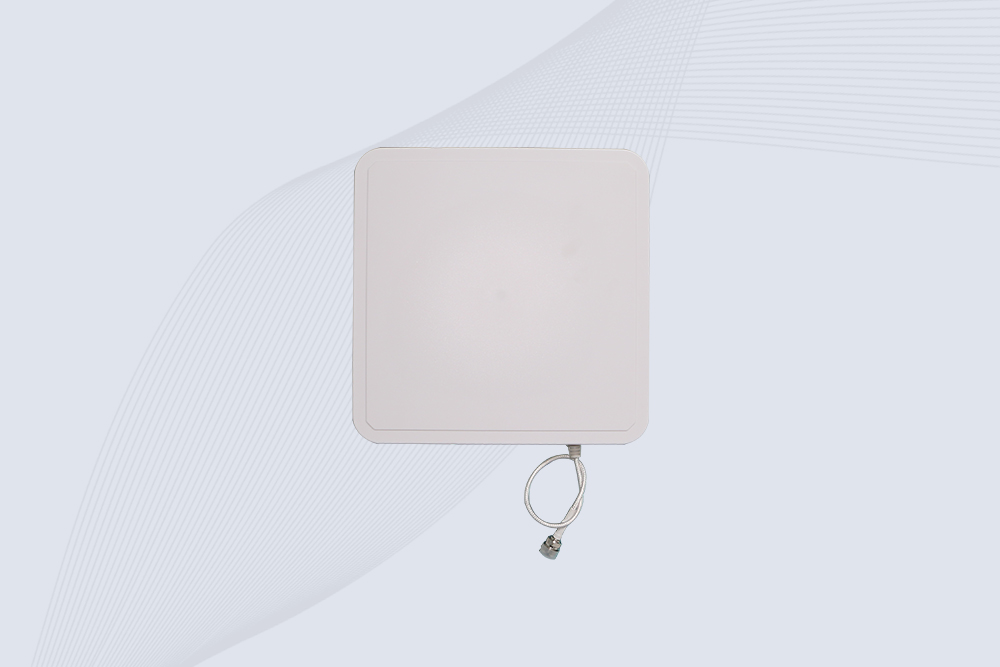
SSD-A06 UHF RFID antenna with circular polarization, adjustable 840–960 MHz frequency, ≥4.5 dBi gain, and a compact directional design for RFID systems.
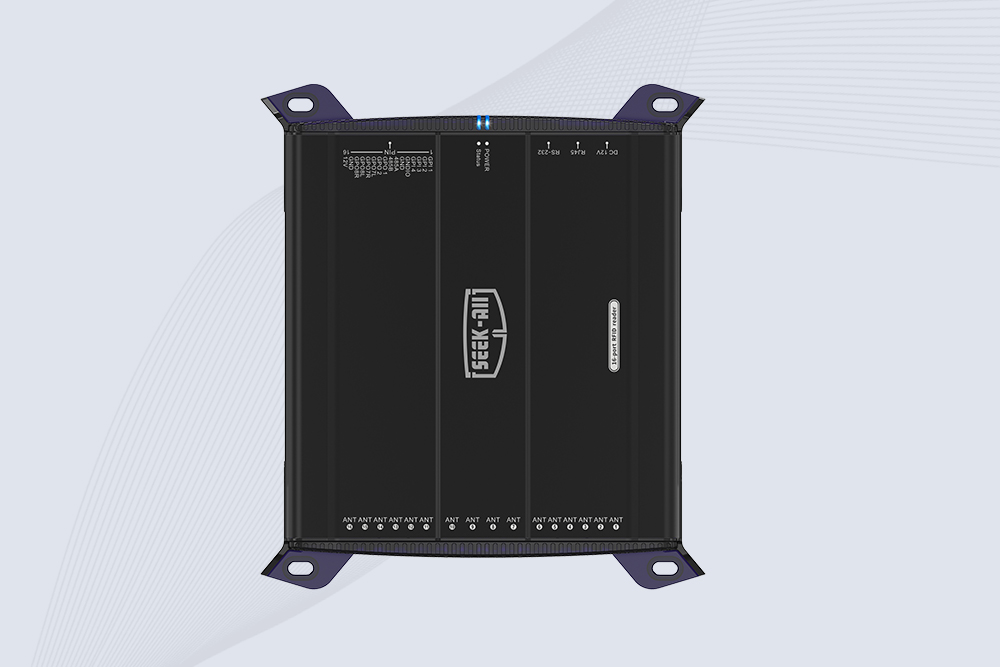
SSD-R16L Multi-Channel RFID Infrastructure for Automated Inventory Management ✔️ 16-Port High-Density RFID Reading Equipped with 16 SMA antenna ports, SSD-R16L supports multi-antenna deployment for warehouses, retail stores, logistics, production lines, and large-area RFID identification. ✔️ High-Speed & Long-Range Performance With up to 33…
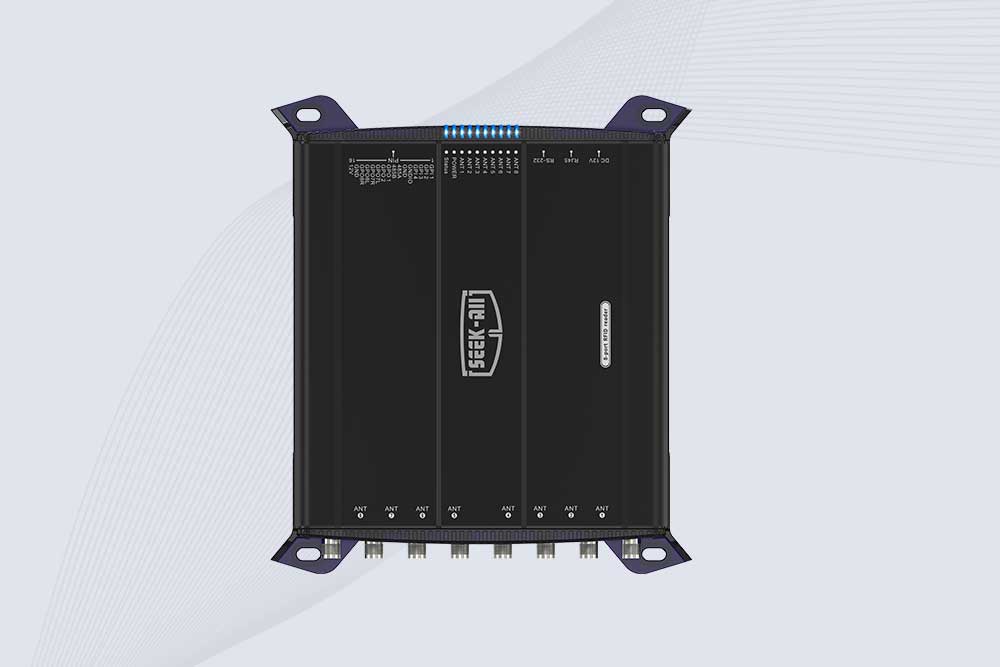
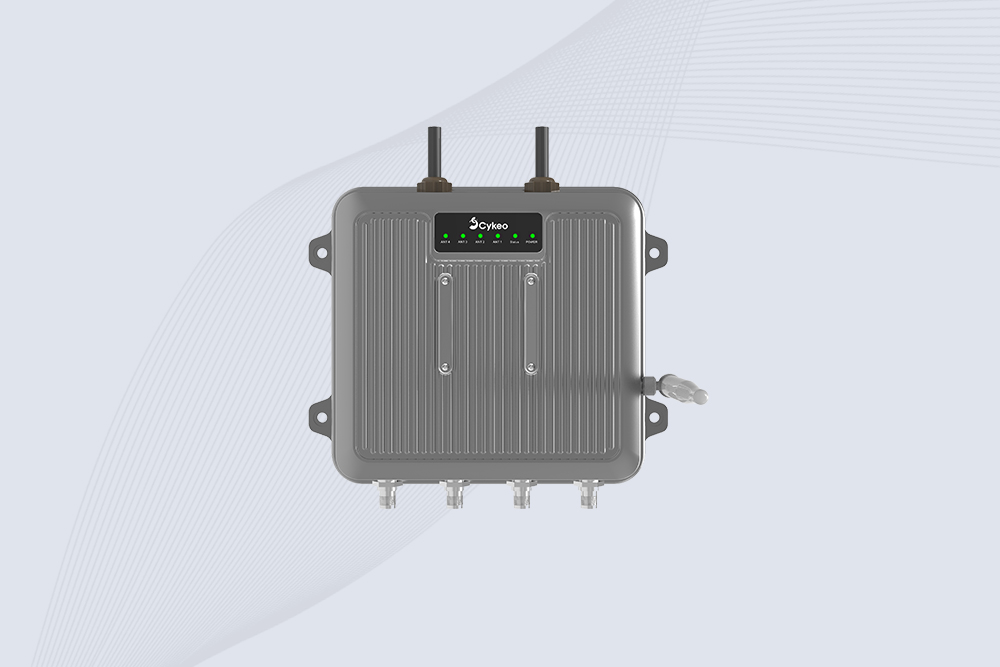
SSD-R8L 8-port UHF RFID reader with 33dBm output, up to 20m reading range and 600+ tags/s recognition. Ideal for warehouse, logistics, retail and asset tracking.
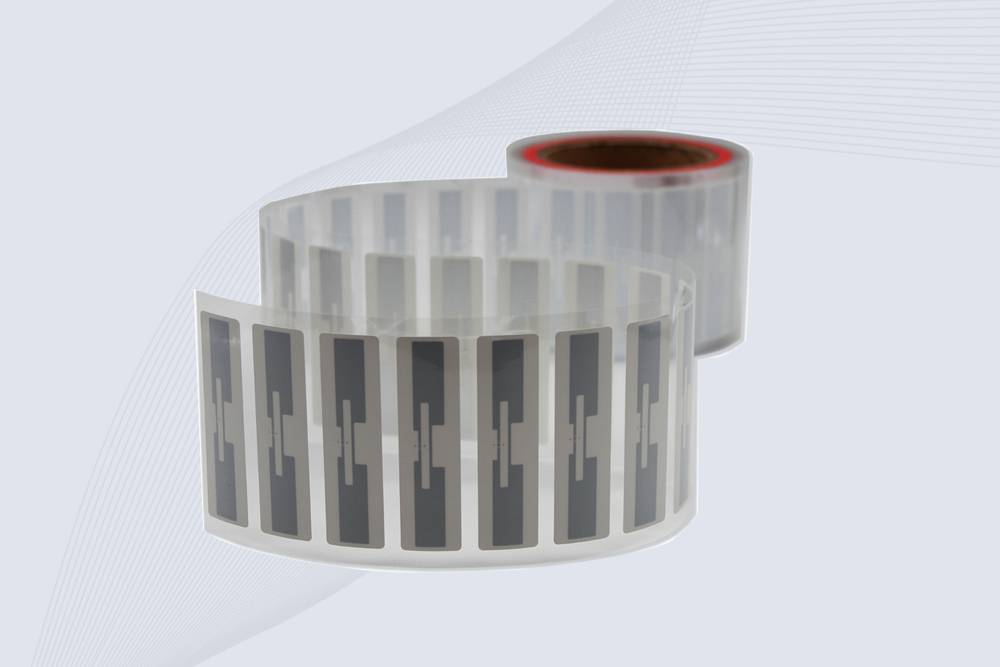
CYKEO Passive RFID Tags are made for wet and high-humidity environments where standard labels do not last. This rfid passive tag is often used around liquids, chemicals and temperature changes, providing stable reading distance and long data life for industrial tracking.
CYKEO CYKEO-PCB1504 Metal RFID Tags is a compact anti-metal UHF RFID solution built for direct mounting on metal surfaces. With stable 8-meter read range, Ucode-8 chip, and long data retention, this rfid metal tag fits tools, containers, automotive parts, and industrial asset tracking.
CYKEO CYKEO-PCB7020 On-Metal RFID Tags are designed for reliable tracking on steel and metal surfaces. Built with an FR4 epoxy body and industrial-grade chips, these On-Metal RFID Tags deliver stable performance, long data life, and chemical resistance, making them a dependable RFID anti-metal tag for harsh environments.
The CYKEO CYKEO-60-25 Anti-Metal RFID Tag is built for metal surfaces where standard tags fail. Designed for long-range performance, harsh environments, and stable data retention, this Anti-Metal RFID Tag is ideal for industrial assets, containers, and equipment tracking using on metal RFID tags.
The CYKEO RFID Laundry Tag is designed for long-term textile identification in harsh laundry environments. Built to withstand high heat, chemicals, and repeated washing, this RFID Laundry Tag delivers stable performance for hotels, hospitals, and industrial laundry operations using laundry rfid tags at scale.
The CYKEO CYKEO-125-7 RFID Book Tag is designed for reliable book and document tracking in libraries and archives. This RFID Book Tag delivers long read range, dense placement support, and stable performance on shelves, making it a practical rfid tag on books for library automation, file management, and archival systems.
CYKEO RFID tags in hospitals are designed for sterile environments where accuracy matters. These autoclavable RFID tags support long-term tracking of surgical tools, implants, and medications, helping hospitals improve visibility, compliance, and patient safety.
CYKEO RFID Cable Tie Tag is built for reliable identification on metal surfaces. This UHF RFID Cable Tie Tag is widely used in rfid tags for inventory systems, industrial asset management and Hospital RFID Tags, offering stable read performance, long service life and global EPC Gen2 compatibility.
CYKEO RFID Asset Tag is designed for stable identification of metal assets in industrial environments. This UHF RFID Asset Tag is commonly used for rfid tag asset tracking on equipment, tools and containers, providing reliable reads, long service life and ISO/IEC 18000-6C support.
CYKEO UHF RFID Card is designed for fast identification and long-term use in industrial and commercial systems. Supporting ISO 18000-6C, this UHF RFID Card works at 860–960 MHz and is suitable for custom RFID cards used in asset tracking, access control and inventory management.
CYKEO HF RFID Cards are designed for secure and stable access control systems. These 13.56 MHz RFID key cards support ISO 14443-A, reliable rewriting and long service life, making HF RFID Cards suitable for offices, campuses, events and membership management.
CYKEO UHF RFID Tag is designed for reliable tracking of metal jewelry and high-value items. This Jewelry RFID Tag supports long-range reading up to 8 meters, anti-counterfeit protection and stable performance on metal, making it suitable for retail, inventory control and asset management.
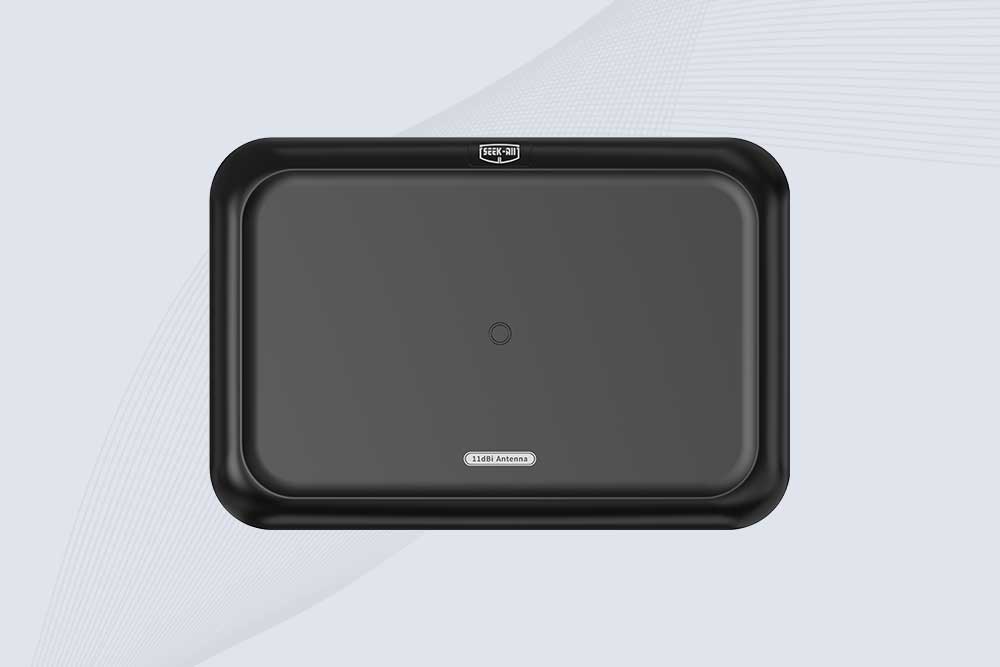
Cykeo CYKEO-A11 UHF RFID reader antenna delivers 11dBi gain, 840-960MHz frequency range, and IP65 ruggedness for retail, logistics, and industrial RFID systems. Features low VSWR and easy installation.
CYKEO Antenna RFID Reader delivers stable long-range UHF performance with a 10.5dBi directional design, built for warehouses, conveyor portals, and industrial RFID systems. This rfid reader antenna provides 20m+ read distance and rugged IP67 protection.
Cykeo CYKEO-A5B industrial Linear RFID Antenna delivers 5dBi gain, ≤1.5:1 VSWR, and IP65 rugged design for warehouse, production line, and logistics UHF systems.
Cykeo’s CYKEO-B12 Long Range RFID Antenna delivers 15m+ read range with 12dBi gain, IP65 rugged design, and global 840-960MHz UHF support. Ideal for warehouse/logistics asset tracking.
Cykeo CYKEO-B10 Long Distance RFID Antenna offers 10dBi gain, 840-960MHz frequency range, IP65 rating, and 20m+ coverage for logistics/warehousing/ETC systems. Low VSWR ensures stable signal transmission.
Cykeo CYKEO-A6 UHF RFID panel antenna features 6dBi gain, 840-960MHz broadband, IP65 metal-ready housing for logistics/smart retail. 18mm ultra-thin design with tool-free mounting.
Cykeo CK-A3 industrial antenna RFID UHF offers 5m+ tag detection, ≤1.3:1 VSWR, IP65 rugged design, and global UHF spectrum compatibility (840-960MHz) for warehouses, factories, and retail.
Cykeo CYKEO-B5 directional RFID antenna provides 5dBi gain with 60° narrow beamwidth for precise inventory tracking. IP65-rated, global UHF frequency support, and low VSWR.
Create your own high-performance DIY RFID antenna! 5dBi gain, 840-960MHz tunable, step-by-step guides. Compatible with Arduino, Raspberry Pi, and commercial UHF readers.
Cykeo CYKEO-A7 Flexible RFID Antenna features 840-960MHz wideband tuning, 7dBi gain, and IP68 rating for medical/retail/industrial curved surface deployments. 98% read accuracy with peel-and-stick installation.
Cykeo CYKEO-B5A industrial Passive RFID Antenna delivers 5dBi gain, 70° beamwidth, and -40°C~55°C operation for warehouses/smart cabinets. Compatible with Zebra/Impinj readers.
Cykeo’s CYKEO-A9B High Gain RFID Antenna delivers 15m+ read range with 9dBi amplification. Features IP54 rugged design, 840-960MHz bandwidth, and 80° beamwidth for warehouse/manufacturing RFID systems.
Cykeo’s enterprise-grade 8dbi Impinj RFID Antenna 10m+ read range with 840-960MHz tuning. Features IP65 housing, 1.4 VSWR, 35° beamwidth for retail/warehouse RFID systems.
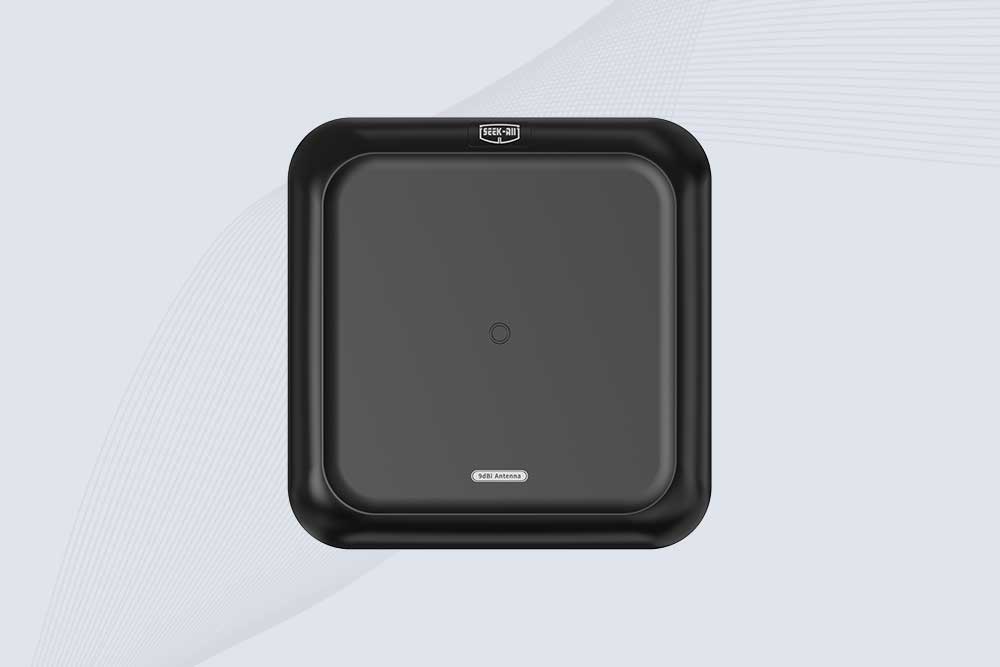
Cykeo CYKEO-A9 industrial UHF RFID antenna delivers 9dBi gain, 840-960MHz frequency range, and IP65 protection for warehouse/logistics/retail RFID systems. Features N-type connector and ≤1.3:1 VSWR.
CYKEO UHF RFID Antenna built for long-distance and industrial applications. This antenna rfid uhf delivers strong gain, outdoor durability, and reliable tag performance in warehouses, yards, and vehicle ID systems.
CYKEO Antenna RFID delivers reliable long-range UHF performance in warehouses, retail shelves, and cold-chain environments. This compact uhf rfid antenna provides stable reads with circular polarization and ultra-wide 840–960 MHz support, ideal for industrial tracking, smart shelves, and asset monitoring.
Cykeo’s CYKEO-C8 UHF RFID antennas delivers 8dBi gain, 840-960MHz full-band coverage, and IP65 ruggedness for manufacturing/warehouse RFID systems. Industrial RFID Antennas Features
Cykeo’s 8dBi UHF RFID antenna and reader kit delivers 10m+ range, 840-960MHz broadband, and IP65 ruggedness for factories, warehouses, and logistics. ISO 18000-6C & EPC Gen2 certified.
Cykeo’s CYKEO-A12C UHF Large RFID Antenna delivers 12dBi gain, 840-960MHz global frequency, IP65 ruggedness for logistics/warehousing/automotive. 40° beamwidth ensures stable 15m+ tag reads.
CYKEO Near Field RFID Antenna provides precise 5–30 cm reading for shelves, cabinets, and workstations. This compact rfid shelf antenna delivers stable short-range performance around metal and clutter, ideal for pharmacies, libraries, and electronics sorting.
Cykeo CYKEO-C1 industrial Forklift RFID Reader features 20m read range, 600 tags/sec scanning, Impinj R2000 chipset, and IP67 rugged design. Ideal for warehouse logistics and manufacturing. Supports ISO 18000-6C/6B protocols.
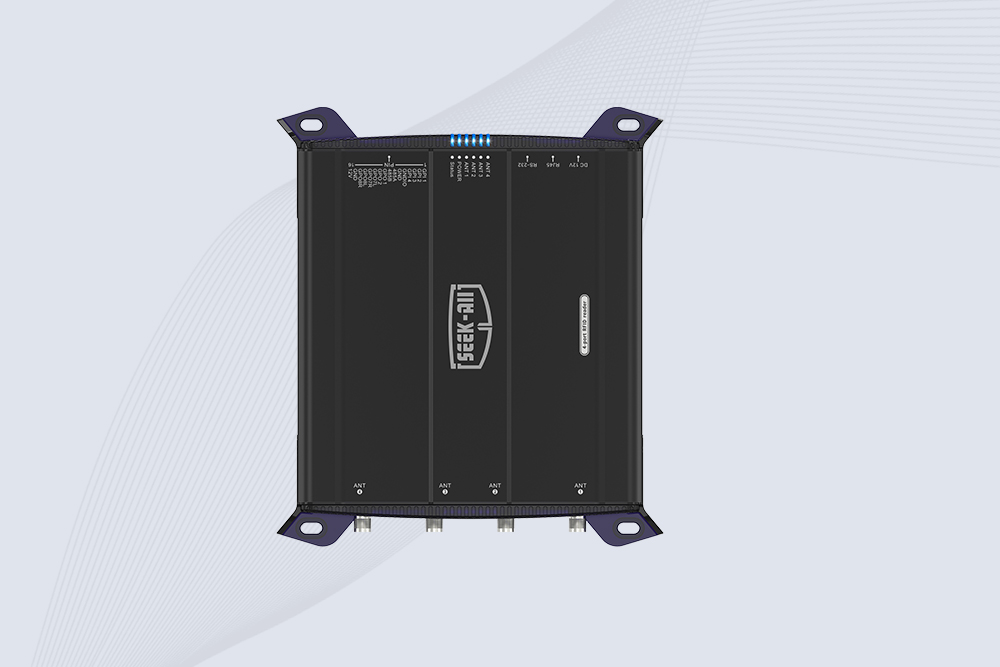
Cykeo CYKEO-R4 industrial UHF RFID Fixed Reader features 4 TNC ports, 400+ tags/sec speed, IP67 housing, and global frequency compliance for vehicle inspection, smart warehouse, and asset management systems.
CYKEO CYKEO-R8L Fixed RFID Reader with 8-port UHF design, Impinj-based RF core and up to 20m read range. An industrial Fixed RFID Reader for vehicle inspection, warehouse portals, smart manufacturing lines and secure access checkpoints.
RFID Fixed Reader from CYKEO – the CYKEO-R16L 16-port UHF fixed reader for warehouses, smart cabinets, and production lines. Long-range, multi-tag reading, stable performance for 24/7 industrial use.
Improve laboratory efficiency with rfid laboratory solutions from Cykeo. Track samples, equipment, and consumables with real-time RFID identification, automated inventory, and full traceability.
The Android RFID Emulator leverages Host-based Card Emulation (HCE) to turn Android phones into RFID/EPC tags. It enables low-cost testing, access control simulation, and rapid prototyping—making it an essential tool for RFID system integrators an...
Looking for a heat resistant RFID tag? Learn what temperature RFID tags really survive, where they fail, and how CYKEO selects them for heat-heavy sites.
 Cykeo RFID IoT Solution Products R&D Manufacturer