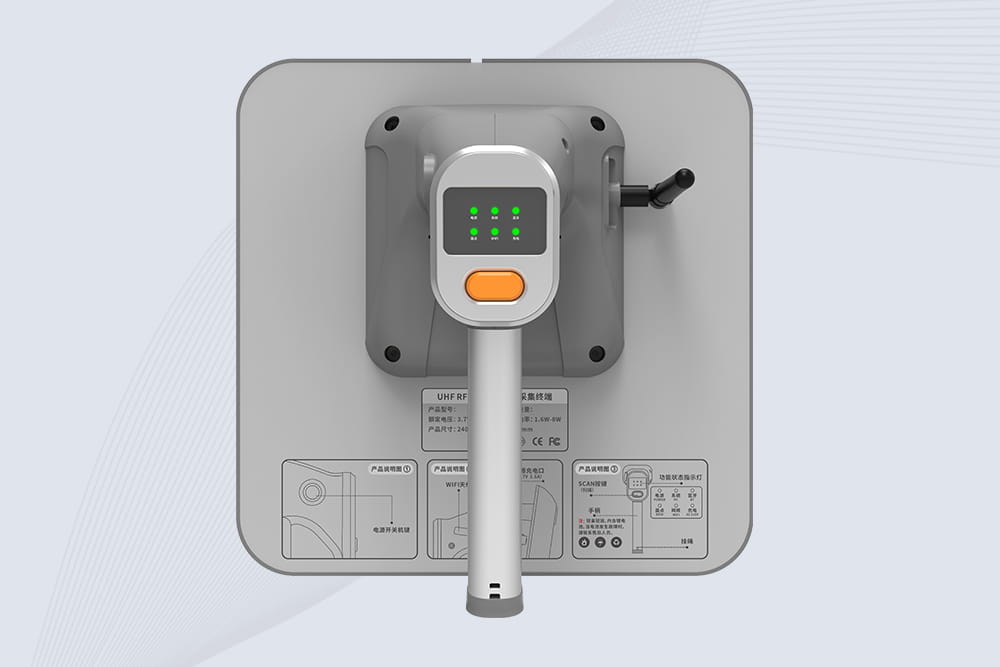
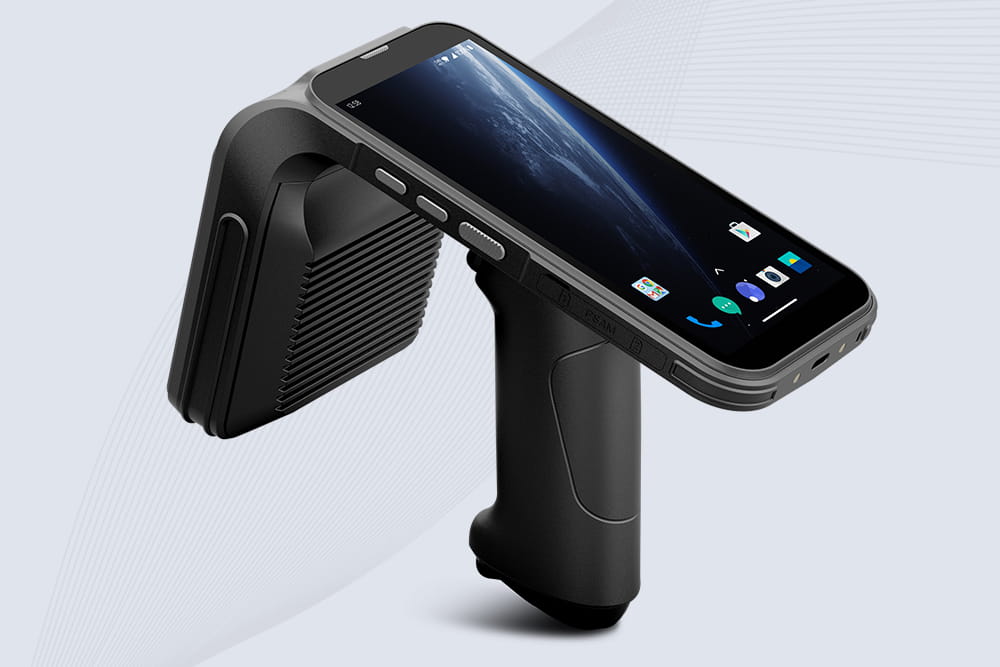
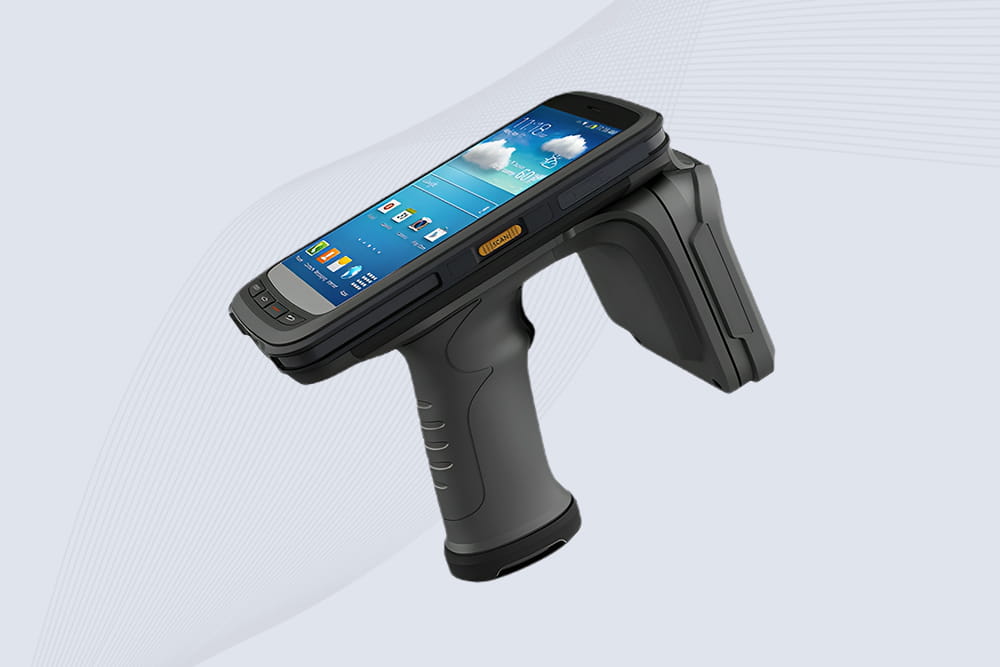
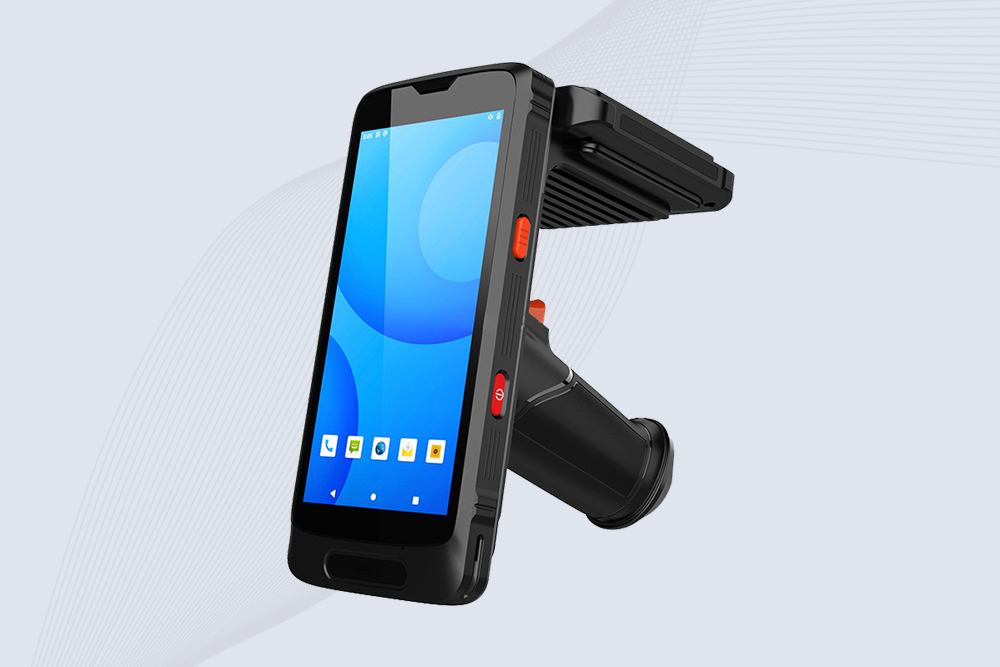
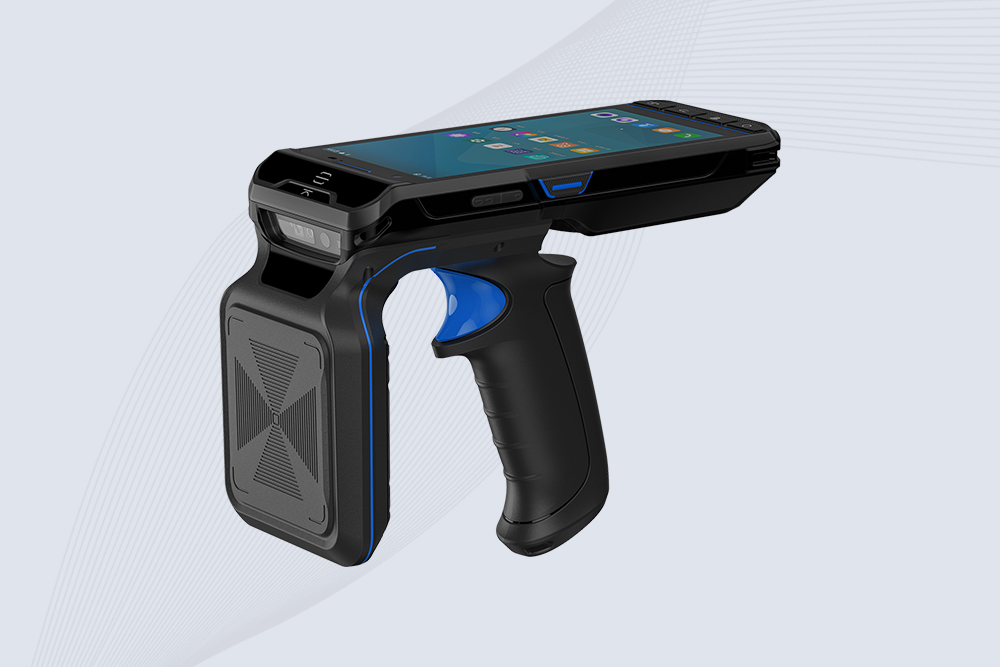
Handheld RFID scanners are designed for efficiency, but their effectiveness hinges on proper operator training. While basic functions are intuitive, mastering advanced features often requires targeted learning. Here’s a realistic look at the skills needed and how businesses can streamline onboarding.
1. Basic Operations: Quick to Learn
Most modern handheld RFID scanners have user-friendly interfaces, allowing new users to perform routine tasks with minimal guidance:
Powering On/Off: Single-button activation.
Trigger Scanning: Point-and-click tag detection.
Syncing Data: Automatic Bluetooth/Wi-Fi uploads to connected devices.
For example, Cykeo’s scanners include a “Quick Start” mode that simplifies initial scans to three steps: power on, aim, and trigger. Warehouse teams often achieve basic proficiency within 1–2 hours.
2. Advanced Features Need Structured Training
To leverage full capabilities, operators should understand:
Tag Programming: Encoding custom data (e.g., expiration dates, serial numbers).
Zone Scanning: Configuring read ranges for specific aisles or shelves.
Error Troubleshooting: Resolving signal interference or duplicate reads.
Cykeo offers free online courses (15–30 minutes each) covering these topics, reducing formal training time by 50%.
3. Industry-Specific Challenges
Healthcare: Compliance with HIPAA or GDPR when handling sensitive asset data.
Retail: Integrating RFID scans with POS systems for real-time stock updates.
Manufacturing: Calibrating scanners for metal-heavy environments.
Role-based training ensures operators meet regulatory and operational demands.
4. How Cykeo Reduces Learning Curves
Preloaded Workflows: Templates for common tasks like cycle counts or asset audits.
In-App Guides: Interactive tutorials accessible directly on the scanner’s screen.
QR Code Setup: Scan codes on equipment to auto-configure settings like frequency or power levels.
A logistics company using Cykeo’s tools onboarded 50 seasonal workers in under 4 hours, with zero workflow disruptions.
5. Training Time vs. ROI
Basic Proficiency: 2–4 hours (covers 80% of daily tasks).
Curious about how RFID works in warehouses? This FAQ explains how RFID improves inventory accuracy, reduces errors, and streamlines operations. Learn the differences between passive and active tags, costs, and real-world benefits.
How to seamlessly integrate the CK-A10A 10dBi RFID antenna with your existing RFID reader system, improve signal strength, and enhance tracking accuracy. A straightforward approach to boosting RFID system performance.
An RFID module is an embedded electronic device that uses radio waves to identify and communicate with compatible RFID tags. Cykeo’s UHF RFID module integrat...
Secure and HIPAA-compliant fentanyl storage with the FTNG‑L‑CK‑02 RFID Anesthesia Medication Cabinet. Features real-time drug tracking, blockchain audit logs, rugged MIL-STD-810G design, and developer support with RESTful/native APIs and SDK. Perf...
 Cykeo RFID IoT Solution Products R&D Manufacturer