 Cykeo RFID IoT Solution Products R&D Manufacturer
How RFID Readers Work: UHF RFID Communication Explained
132RFID readers use RF energy and backscatter communication to identify multiple tags and convert their responses into digital inventory
MoreAll RFID Product
What is RFID module? An RFID reader module is a compact electronic device that enables equipment to identify and communicate with RFID tags through radio waves. A UHF RFID read-write module integrates an RF front end and digital signal processing, allowing developers to add tag reading, data writing, and identification functions to their products.
For manufacturers building smart cabinets, inventory terminals, industrial readers, or automated checkout equipment, an RFID module provides the core communication capability without requiring them to develop the entire radio-frequency system independently.
Cykeo’s UHF RFID module integrates analog RF circuitry and baseband digital signal processing. With power management, an antenna, and API-based host control, developers can incorporate RFID functions into a larger device. The module supports ISO 18000-6C/EPC C1G2 and ISO 18000-6B, with GB/T 29768-2013 support available as an extension.
An RFID read-write module communicates with compatible electronic tags, retrieves identification data, and writes or modifies supported tag information when the tag, protocol, and access permissions allow it.
Its role extends beyond simply detecting a tag. In a finished application, the module can support several operations:
The module does not independently guarantee accurate inventory records or prevent theft. Those outcomes depend on the antenna arrangement, software logic, event validation, and the way the finished system handles the information it receives.
A UHF RFID module exchanges radio-frequency signals with compatible tags through an antenna. In a passive RFID system, the reader transmits energy and commands; the tag responds using backscatter communication. The module processes the response and makes the resulting data available to the host device.
The main components work together as follows:
The exact implementation varies by module. An integrated design can simplify the engineering work, but developers must still account for power stability, antenna matching, host communication, firmware configuration, and the finished enclosure.
For standards context, GS1’s EPC Gen2 air-interface specification defines communication between UHF RFID interrogators and passive tags. GS1 lists version 3.0.1, published on February 26, 2026, in its standards repository. This standard provides a useful reference when checking compatibility with EPC Gen2 tags.
The following specifications are based on the product information supplied for this article.
| Specification | Stated capability |
|---|---|
| Integrated design | Analog RF front end and baseband digital signal processing |
| Supported protocols | ISO 18000-6C/EPC C1G2 and ISO 18000-6B |
| Additional protocol | GB/T 29768-2013 support can be extended |
| Maximum RF output power | 33 dBm |
| Power adjustment | Configurable output with 1 dB steps, as specified |
| Tag identification speed | More than 600 tags per second, according to the supplied product specifications |
| Frequency operation | Fixed-frequency or frequency-hopping modes |
| Tag processing | Data filtering, anti-collision, and multi-tag identification |
| Application integration | API function library for host-side control |
An output power of 33 dBm corresponds to approximately 2 watts of RF power at the specified output reference point. The actual radiated power depends on the RF path, antenna gain, cable losses, and applicable regulatory limits.
This specification is relevant when designing systems that need configurable reading coverage. Maximum output is not necessarily the best operating setting: excessive power can cause unwanted reads outside the target area or increase interference with nearby equipment.
The stated 1 dB adjustment step gives developers finer control over the reader’s output. In practice, the correct setting should be established through testing with the actual tags, antenna, mounting position, and surrounding materials.
The supplied specification states that the module can identify more than 600 tags per second. This is a product performance claim, not a universal throughput guarantee.
Actual results depend on factors such as tag population, tag sensitivity, protocol settings, antenna performance, interference, and the amount of data requested from each tag. A fast inventory operation that retrieves tag identifiers is not necessarily equivalent to reading or writing extensive user-memory data for every tag.
For equipment manufacturers, a useful acceptance test is to compare the number of known tags in a controlled test area against the number successfully identified within a defined time window. Repeat the test with representative tag placement and operating conditions before fixing the final configuration.
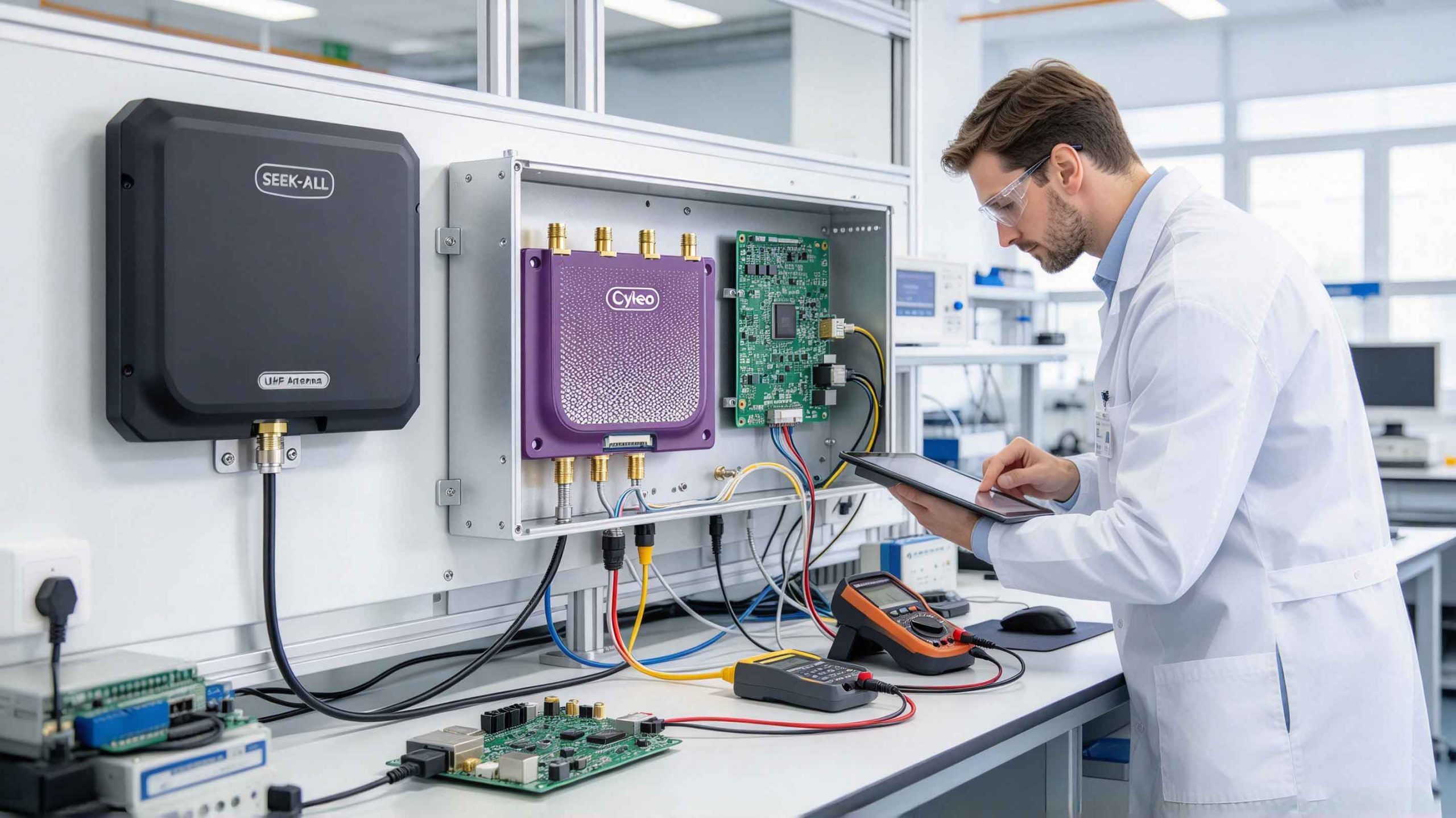
An RFID module becomes useful when it is correctly integrated with the antenna, host controller, power supply, and application software. For OEM manufacturers, the main engineering task is making these components work reliably together under the actual operating conditions.
The antenna determines how radio-frequency energy enters the reading area and how tag responses return to the module. Antenna gain, polarization, placement, and cable loss all affect reading performance.
For example, a smart cabinet designed to identify tools on several shelves has different requirements from a conveyor installation that reads tagged cartons moving through a checkpoint. The cabinet may need carefully positioned antennas to distinguish storage zones, while the conveyor may require a controlled reading area that limits unwanted reads from nearby stock.
When selecting an antenna, verify:
Cykeo’s supplied module specifications describe adjustable RF output up to 33 dBm, with 1 dB adjustment steps, and support for fixed-frequency or frequency-hopping operation.
Fixed-frequency operation can be useful in controlled test environments or applications with a defined channel plan. Frequency hopping can help systems operate across permitted channels and manage some interference conditions, subject to local regulations and device configuration.
Neither mode automatically guarantees better results. The appropriate configuration depends on the deployment region, supported reader settings, antenna characteristics, and surrounding RF environment.
Always confirm that the configured output power and antenna gain comply with local radio regulations. A module’s maximum conducted power is not the same as the effective radiated power of the completed product.
The API function library provides a software interface for controlling the module. Depending on the available SDK and firmware, host software may configure reader parameters, start inventory operations, retrieve tag identifiers, apply filtering, or initiate supported tag-writing commands.
Before developing the application, verify the actual API documentation for the module version being used. Confirm command formats, response structures, error codes, connection behavior, and firmware compatibility.
For a borrowing-and-returning cabinet, for example, reading a tool’s tag is only the beginning. The host application must associate that identifier with the correct tool record, determine whether the item is being borrowed or returned, record the transaction, and handle cases where the same tag is detected repeatedly.
This is where a well-designed integration matters more than a long list of reader features.
| Consideration | Fixed-frequency operation | Frequency-hopping operation |
|---|---|---|
| Channel behavior | Uses a configured channel | Changes among permitted channels according to the supported hopping mechanism |
| Configuration | Requires a suitable fixed-channel setting | Requires an appropriate hopping configuration |
| Interference | Performance may be affected by interference on the selected channel | Channel changes may help mitigate some interference conditions |
| Regulatory requirements | Must comply with local frequency and power limits | Must comply with local hopping and channel-use requirements |
| Suitable environment | Controlled installations where fixed operation is permitted and appropriate | Deployments where hopping is supported and appropriate |
Frequency selection should be part of the system design rather than an afterthought. Regional UHF RFID allocations differ, so an installation configured for one market may require different settings or equipment for another.
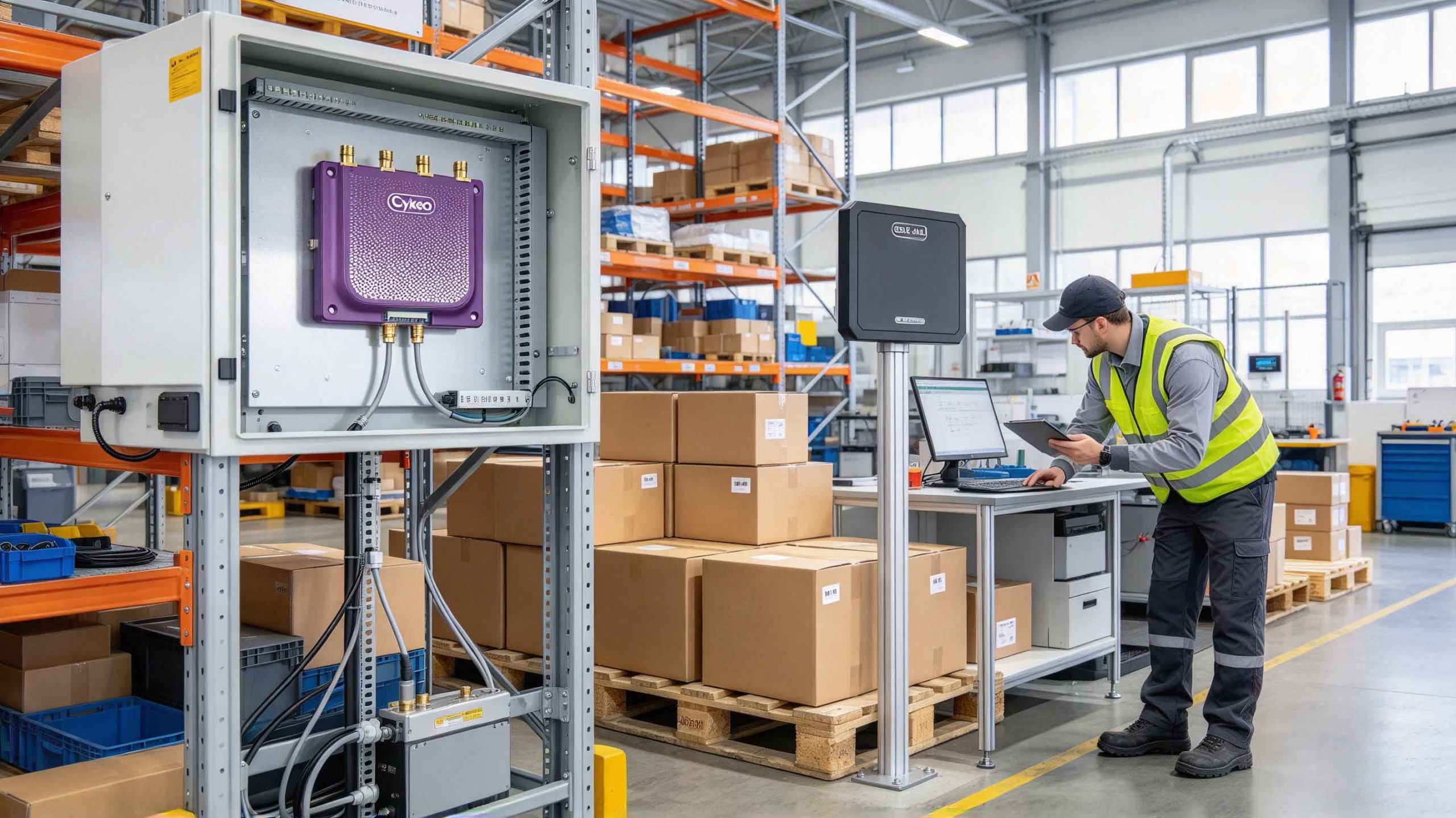
Even a capable RFID module can produce inconsistent results if the antenna, configuration, or application is not properly matched to the environment.
Check the power supply, antenna connection, frequency configuration, protocol compatibility, and tag condition. Start with a single known-compatible tag at a short distance before testing a larger population.
If the tag still cannot be detected, verify the host commands and confirm that the module is entering its inventory or reading state as expected.
A large tag population can increase the time needed to inventory all tags. Check antenna coverage, tag orientation, RF interference, protocol settings, and whether the host is requesting additional memory data rather than only tag identifiers.
Test with a known number of tags and record both the total identification time and the number of unique identifiers returned.
Reduce the configured output power where appropriate, reposition the antenna, and evaluate antenna directionality and physical shielding. Review software filtering as well, but do not rely on filtering alone if the RF field itself covers too large an area.
Confirm how the SDK reports repeated observations and whether the application performs deduplication. Repeated tag reports are not necessarily a hardware fault; a reader may detect the same tag multiple times during an inventory cycle.
The application should distinguish repeated observations from separate business events, such as an item being borrowed twice or a carton passing a checkpoint twice.
An RFID module adds tag-identification capability to a larger electronic product. Common applications include inventory terminals, smart cabinets, industrial automation, access systems, retail equipment, and asset-tracking devices.
An RFID module is generally an embedded component intended for integration into another device. A complete RFID reader usually provides a more finished hardware solution, potentially including an enclosure, controller, antenna, and software tools. The exact distinction depends on the product design.
According to the supplied specifications, the module supports ISO 18000-6C/EPC C1G2 and ISO 18000-6B. Support for GB/T 29768-2013 can be extended. Confirm the required protocol implementation with Cykeo before finalizing a design.
The supplied product specification states that identification speed exceeds 600 tags per second. Actual throughput depends on tag population, antenna design, RF conditions, protocol configuration, and the amount of data retrieved. Validate performance with representative tags and application settings.
Yes, if the module supports read-write operation and the selected tag has writable memory. Successful writing also depends on compatible protocols, memory permissions, access passwords where applicable, and the host software implementation.
The antenna transmits the reader’s RF signal and receives tag responses. Its design and position influence reading coverage, orientation sensitivity, and the likelihood of detecting tags outside the intended area.
A module may support a lower-level command interface or another documented control method, depending on its design. An API library simplifies integration by providing functions that allow the host application to control the module without implementing every communication detail independently.
The right module is not necessarily the one with the highest output power or fastest headline reading rate. It is the one that meets the identification requirement while fitting the electrical, mechanical, regulatory, and software constraints of the finished product.
For a Cykeo UHF RFID module project, begin by confirming protocol compatibility, antenna requirements, the required tag population, and the intended reading zone. Then validate the power settings, API behavior, and identification rate under realistic operating conditions.
Understanding what is rfid module means understanding both the embedded electronics and the system built around them. That distinction helps manufacturers move from a promising component specification to a reliable RFID product.
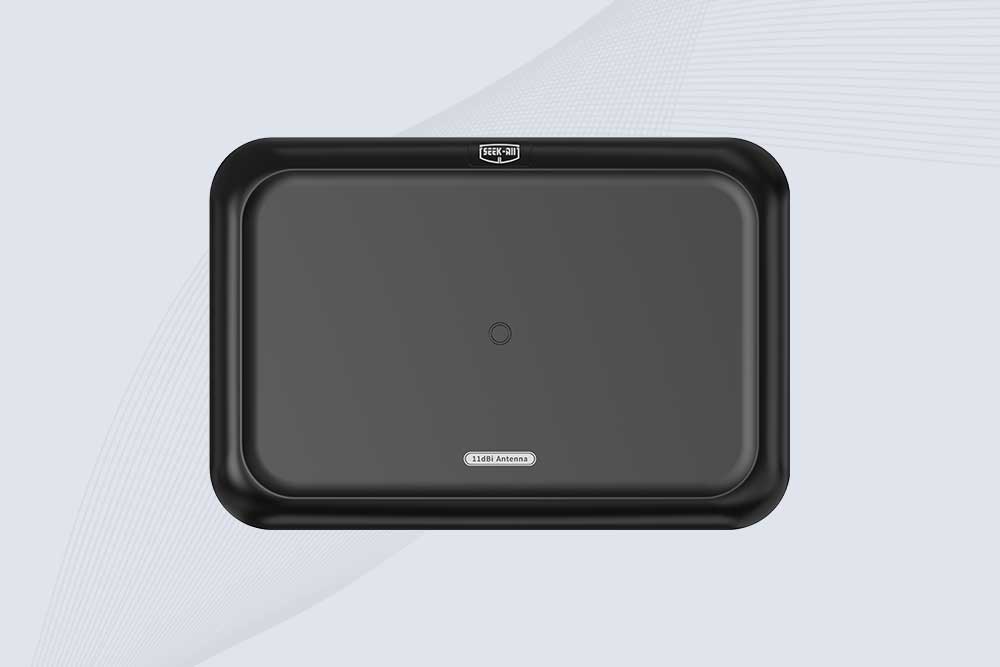
SSD-A11 UHF RFID antenna features 840–960 MHz adjustable frequency, ≥10.5 dBi gain, circular polarization and 50Ω impedance for fixed RFID systems.
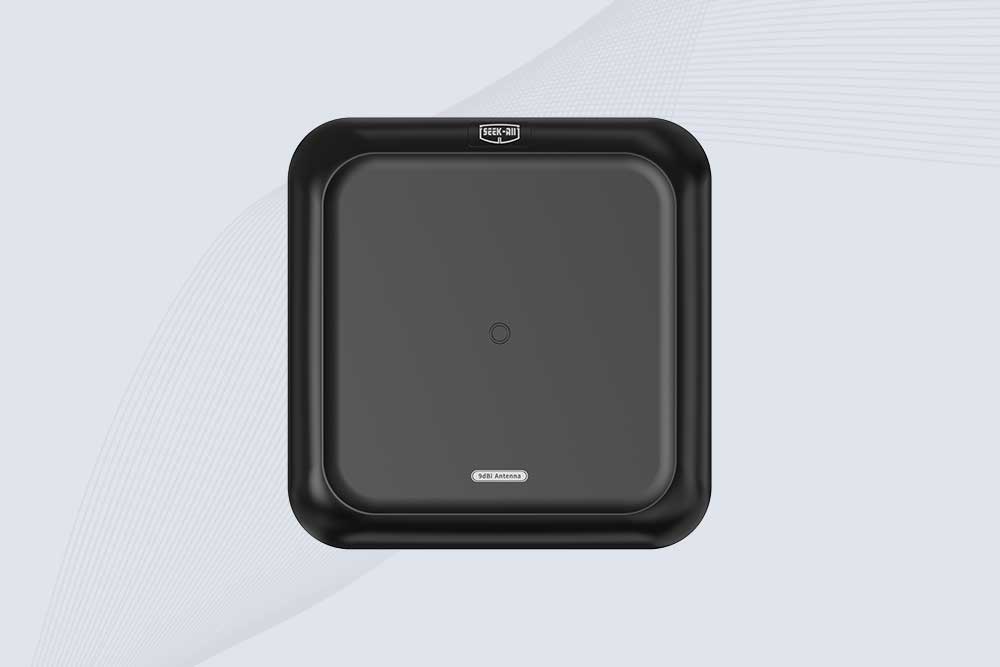
SSD-A09 is a 9 dBi UHF RFID antenna with 840–960 MHz adjustable frequency, circular polarization, 50Ω impedance and directional 60° × 60° coverage.
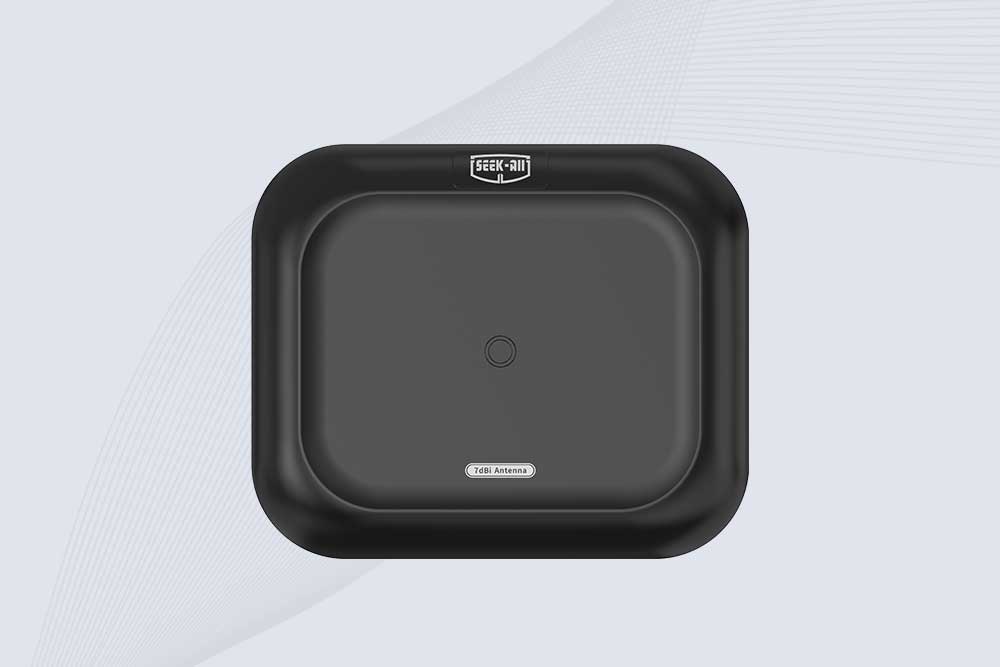
Explore the SSD-A07 UHF RFID antenna with 7 dBi gain, circular polarization, adjustable 840–960 MHz frequency, and 60°/75° beamwidth for stable RFID read/write performance.

SSD-A06 UHF RFID antenna with circular polarization, adjustable 840–960 MHz frequency, ≥4.5 dBi gain, and a compact directional design for RFID systems.
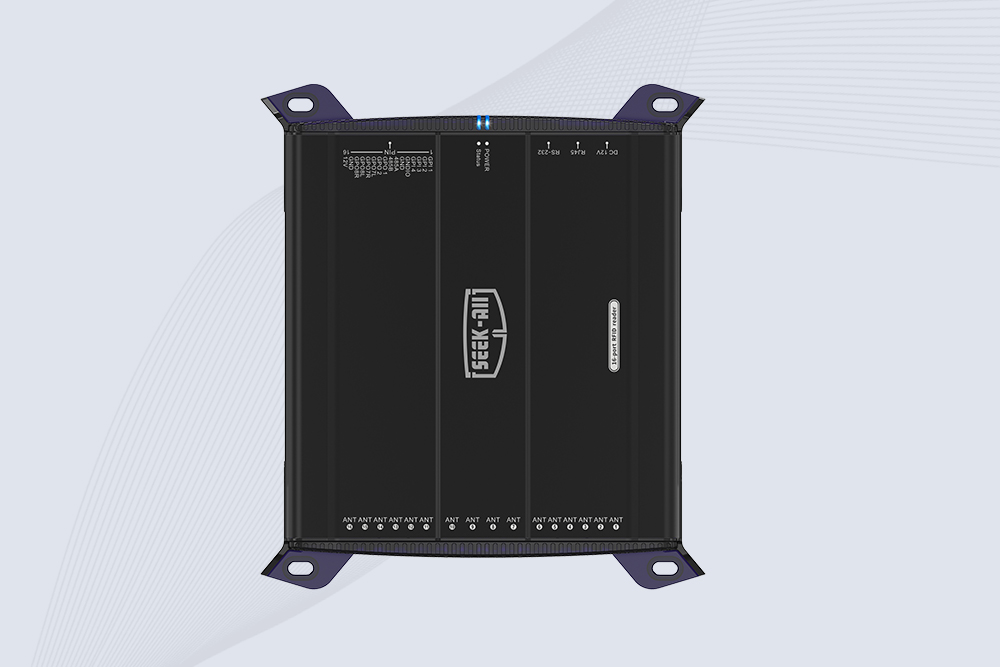
SSD-R16L Multi-Channel RFID Infrastructure for Automated Inventory Management ✔️ 16-Port High-Density RFID Reading Equipped with 16 SMA antenna ports, SSD-R16L supports multi-antenna deployment for warehouses, retail stores, logistics, production lines, and large-area RFID identification. ✔️ High-Speed & Long-Range Performance With up to 33…
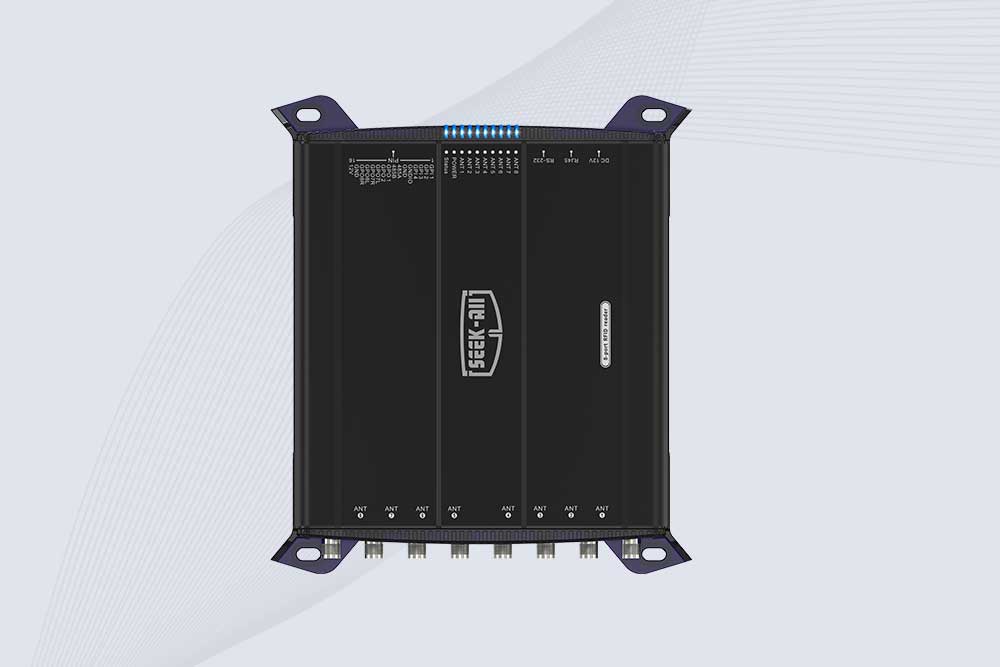
SSD-R8L 8-port UHF RFID reader with 33dBm output, up to 20m reading range and 600+ tags/s recognition. Ideal for warehouse, logistics, retail and asset tracking.
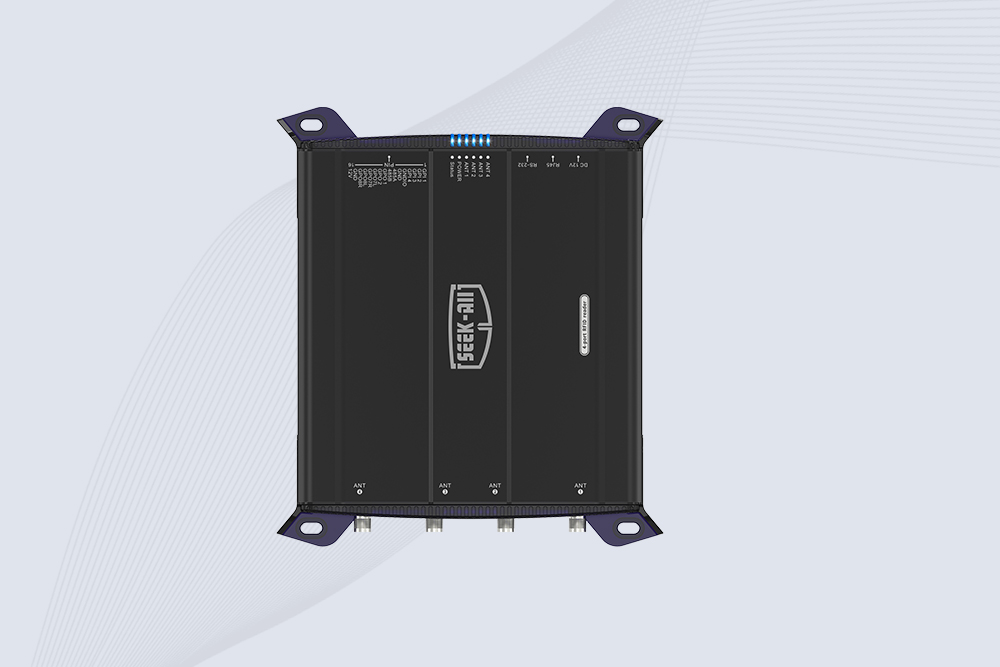
SSD-R4L is a 4-port UHF RFID fixed reader with 33dBm output power, up to 20m reading range, EPC C1G2 support and 600+ tags/s reading speed.
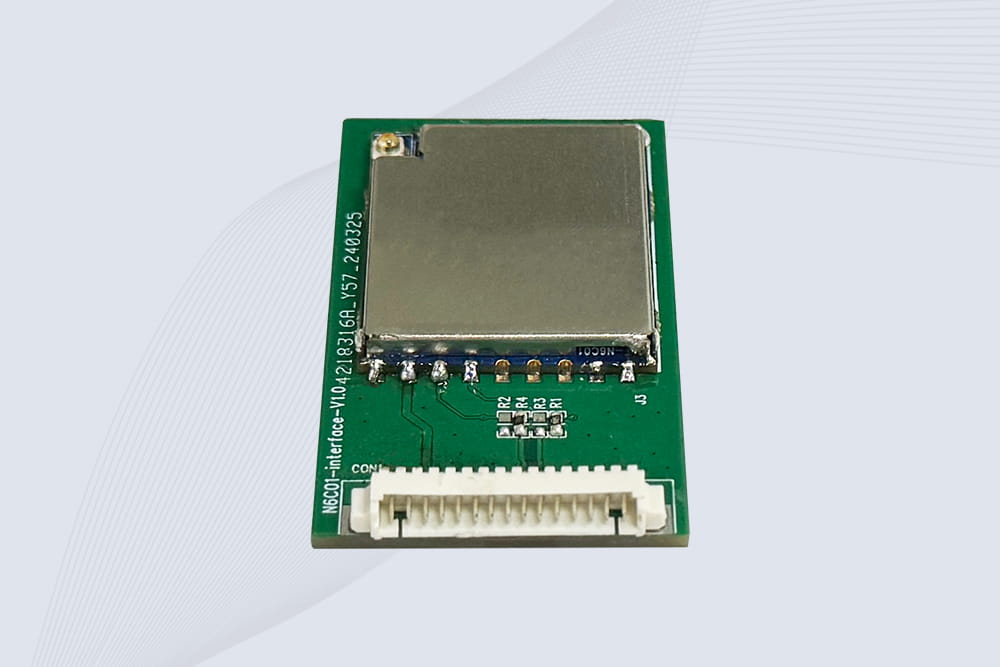
CYKEO Embedded RFID Modules are designed for compact industrial and IoT devices that require stable UHF performance. These UHF RFID Modules support global protocols, flexible power control, and reliable multi-tag reading for smart cabinets, production lines, and asset tracking systems.
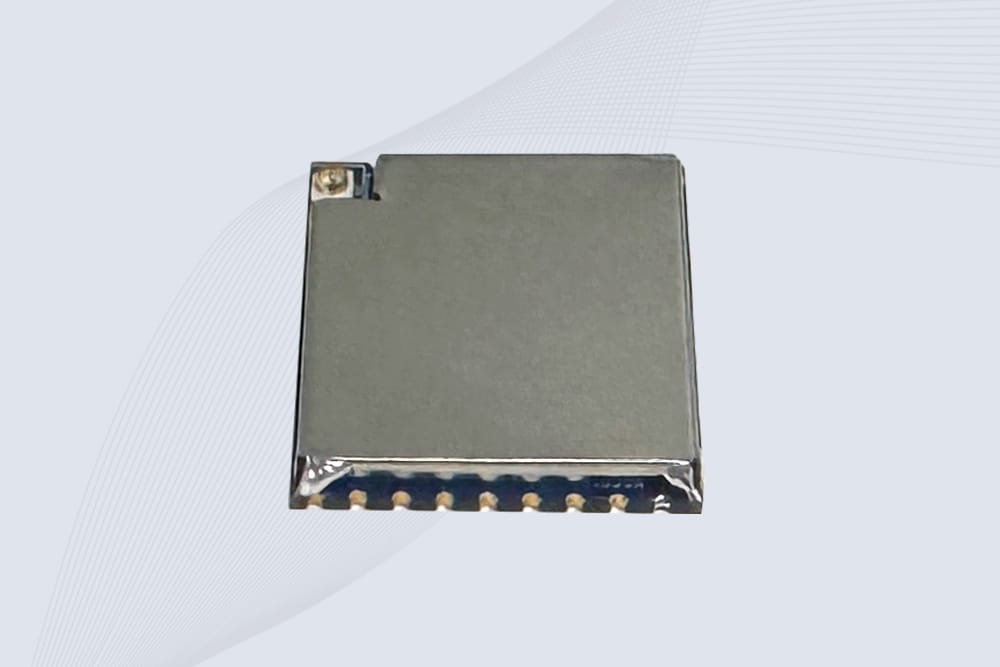
CYKEO Embedded RFID Module is built for compact IoT and industrial devices that need stable UHF performance. This UHF module supports global protocols, low power operation, and reliable multi-tag reading for smart lockers, production lines, and always-on RFID systems.
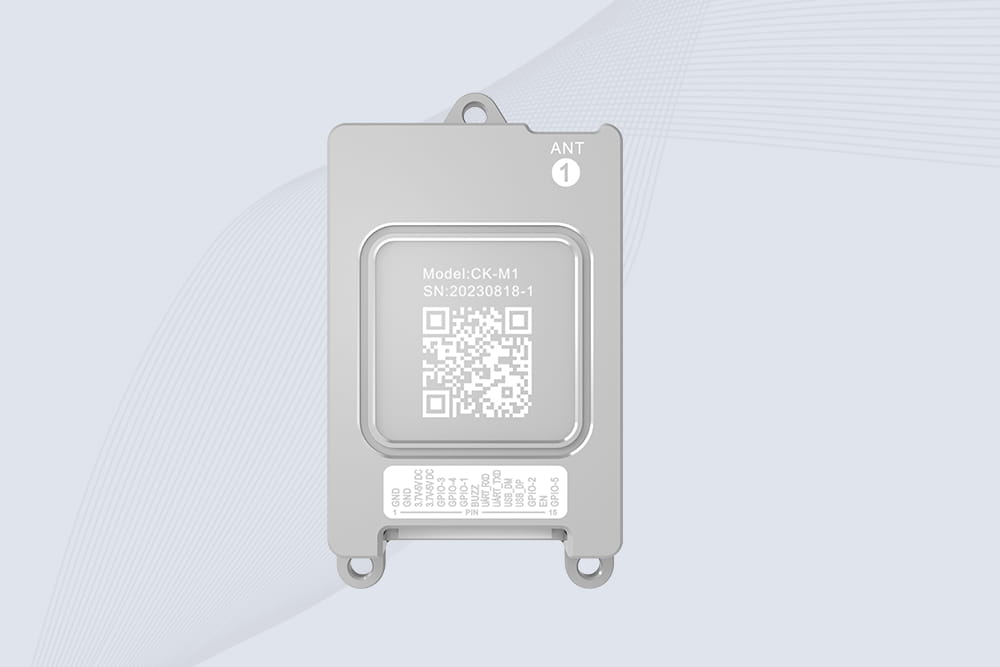
CYKEO CYKEO-M1 drone rfid module is a compact UHF RFID reader module designed for drones and UAV platforms. It supports long-range aerial scanning, fast multi-tag reading, and stable performance in wind, vibration, and outdoor environments.
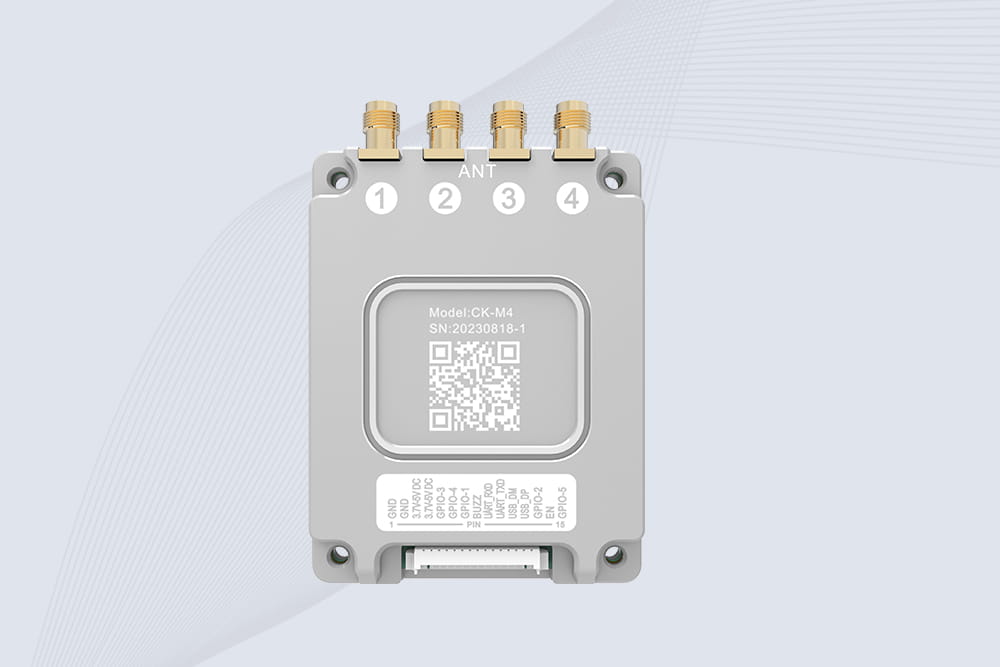
CYKEO CYKEO-M4 RC522 RFID Module is an industrial-grade UHF RFID reader with 4 ports, supporting ISO, EPC, and GB protocols. High-speed, accurate reading for IoT, automation, and warehouse applications.
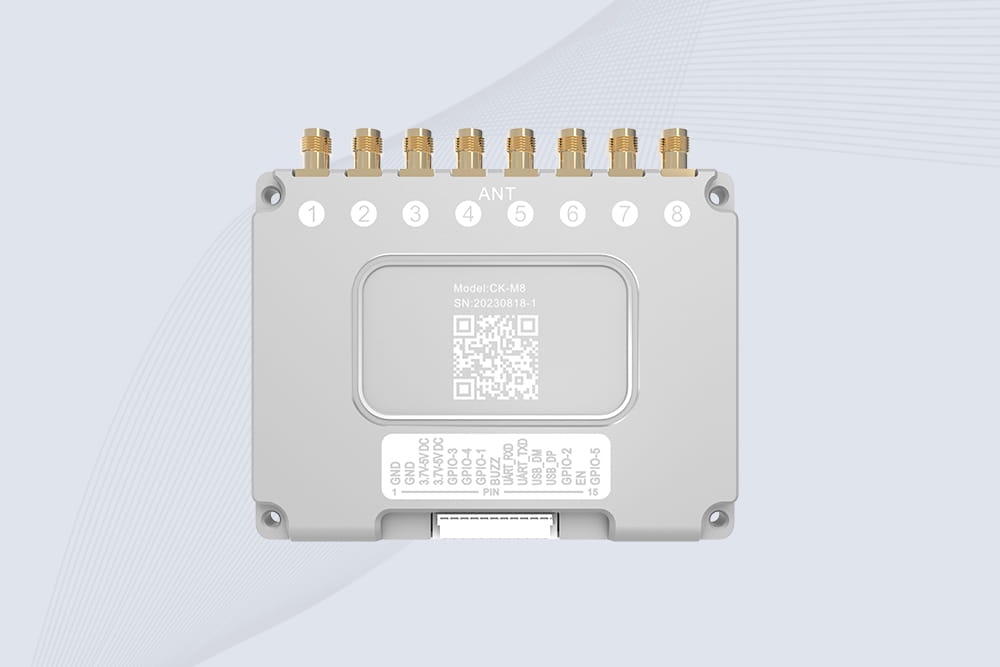
CYKEO CYKEO-M8 Module RFID is an 8-port UHF R2000 RFID Module designed for high-density, multi-tag environments. Stable 33dBm output, ISO & GB protocol support, ideal for warehouses, factories, and automated systems.
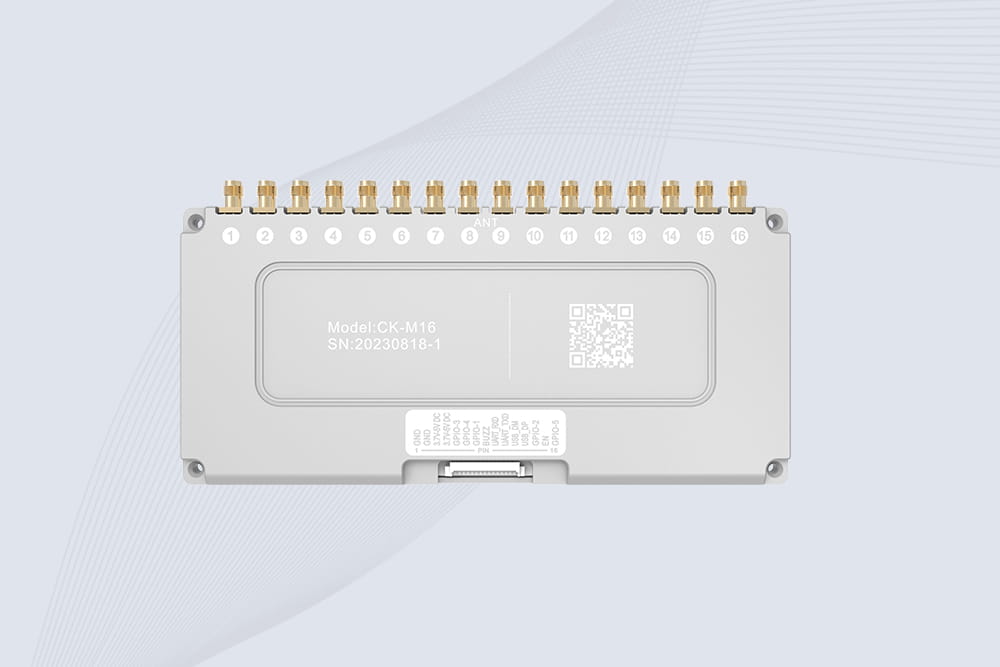
CYKEO CYKEO-M16 RFID Module is a 16-port UHF RFID reader module based on the R2000 chipset. Designed for dense tag environments, it supports ISO and GB standards and delivers stable multi-antenna control for industrial automation.
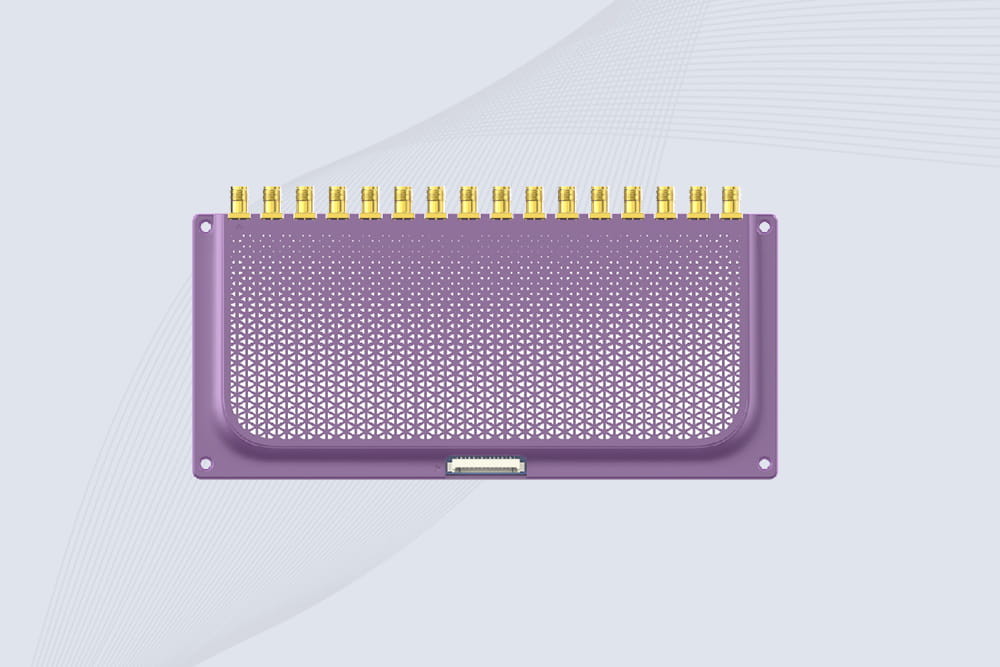
The CYKEO CYKEO-M16L RFID Reader Module is a 16-channel UHF RFID core designed for dense tag environments. With adjustable 33dBm output, multi-protocol support, and stable multi-antenna control, this RFID Tag Reader Module fits industrial automation, warehouse systems, and large-scale IoT deployments.
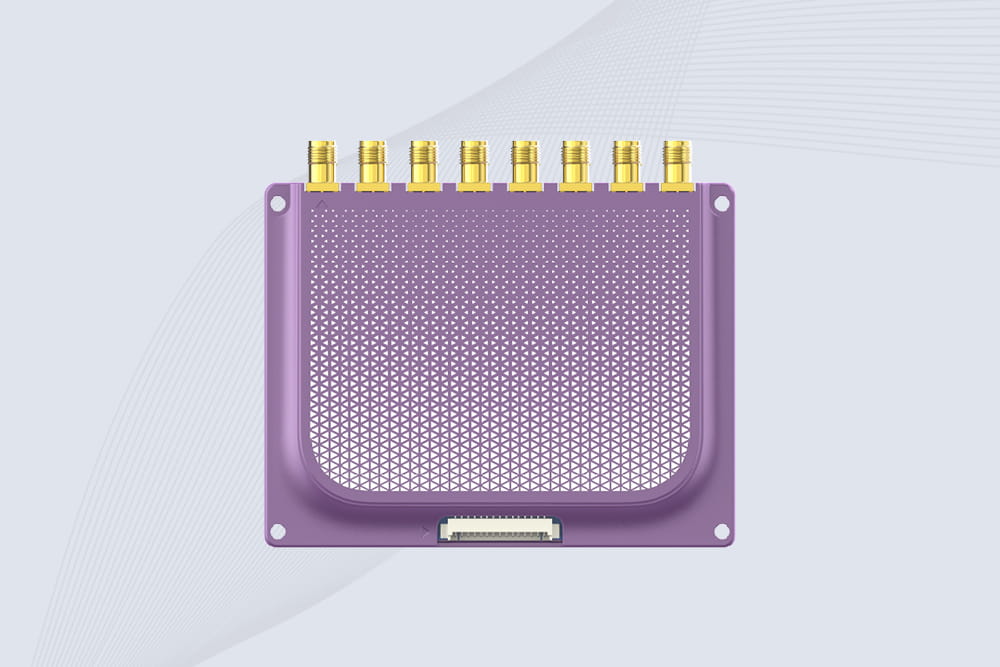
CYKEO CYKEO-M8L module RFID is a compact industrial UHF module built for dense tag and multi-antenna environments. With 8 RF ports, adjustable 33 dBm output, and ISO & GB protocol support, it is widely used in factories, warehouses, and automated tracking systems.
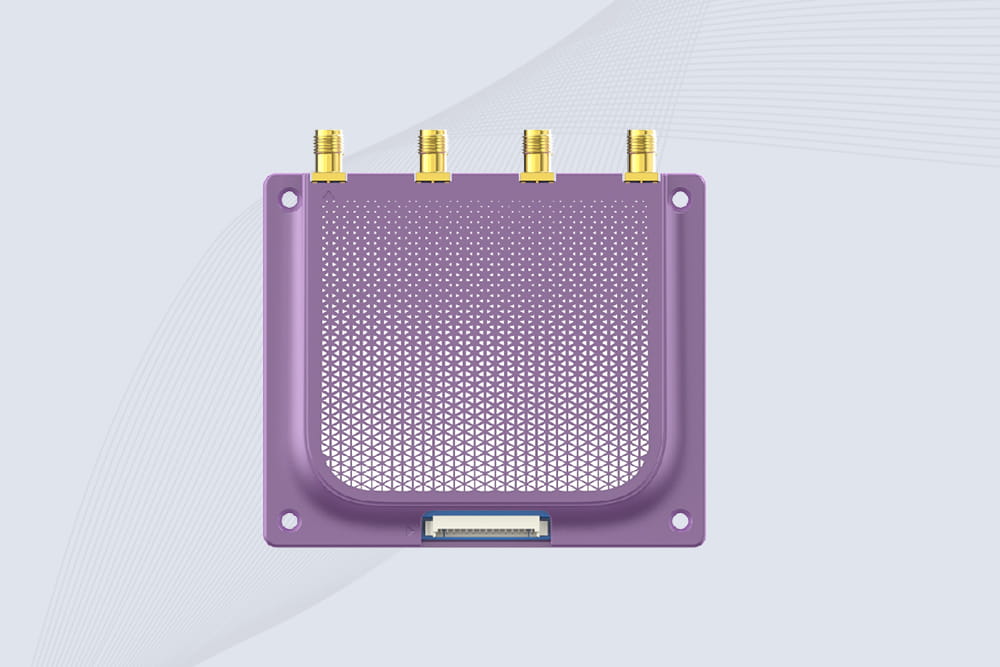
CYKEOCYKEO-M4L UHF RFID Module is a compact 4-channel RFID tag reader module designed for dense tag environments. Supporting ISO and GB protocols, it delivers stable reads up to 10 meters for industrial and IoT systems.
Cykeo CYKEO-A11 UHF RFID reader antenna delivers 11dBi gain, 840-960MHz frequency range, and IP65 ruggedness for retail, logistics, and industrial RFID systems. Features low VSWR and easy installation.

CYKEO Antenna RFID Reader delivers stable long-range UHF performance with a 10.5dBi directional design, built for warehouses, conveyor portals, and industrial RFID systems. This rfid reader antenna provides 20m+ read distance and rugged IP67 protection.

Cykeo CYKEO-PHF3 industrial HF RFID Antenna offers 24-point dynamic tracking, ISO 14443A/15693 protocols, metal-environment stability for archives/libraries/manufacturing.

Cykeo CYKEO-A5B industrial Linear RFID Antenna delivers 5dBi gain, ≤1.5:1 VSWR, and IP65 rugged design for warehouse, production line, and logistics UHF systems.

Cykeo’s CYKEO-B12 Long Range RFID Antenna delivers 15m+ read range with 12dBi gain, IP65 rugged design, and global 840-960MHz UHF support. Ideal for warehouse/logistics asset tracking.
Cykeo CYKEO-B10 Long Distance RFID Antenna offers 10dBi gain, 840-960MHz frequency range, IP65 rating, and 20m+ coverage for logistics/warehousing/ETC systems. Low VSWR ensures stable signal transmission.
Cykeo CYKEO-A6 UHF RFID panel antenna features 6dBi gain, 840-960MHz broadband, IP65 metal-ready housing for logistics/smart retail. 18mm ultra-thin design with tool-free mounting.

Cykeo CK-A3 industrial antenna RFID UHF offers 5m+ tag detection, ≤1.3:1 VSWR, IP65 rugged design, and global UHF spectrum compatibility (840-960MHz) for warehouses, factories, and retail.
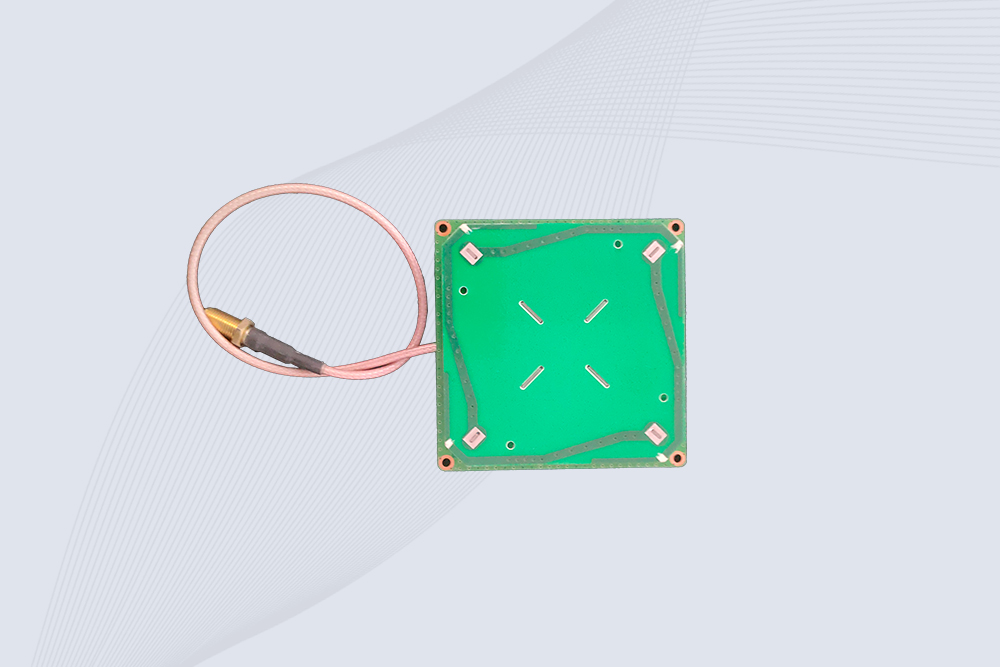
Cykeo CYKEO-B5 directional RFID antenna provides 5dBi gain with 60° narrow beamwidth for precise inventory tracking. IP65-rated, global UHF frequency support, and low VSWR.
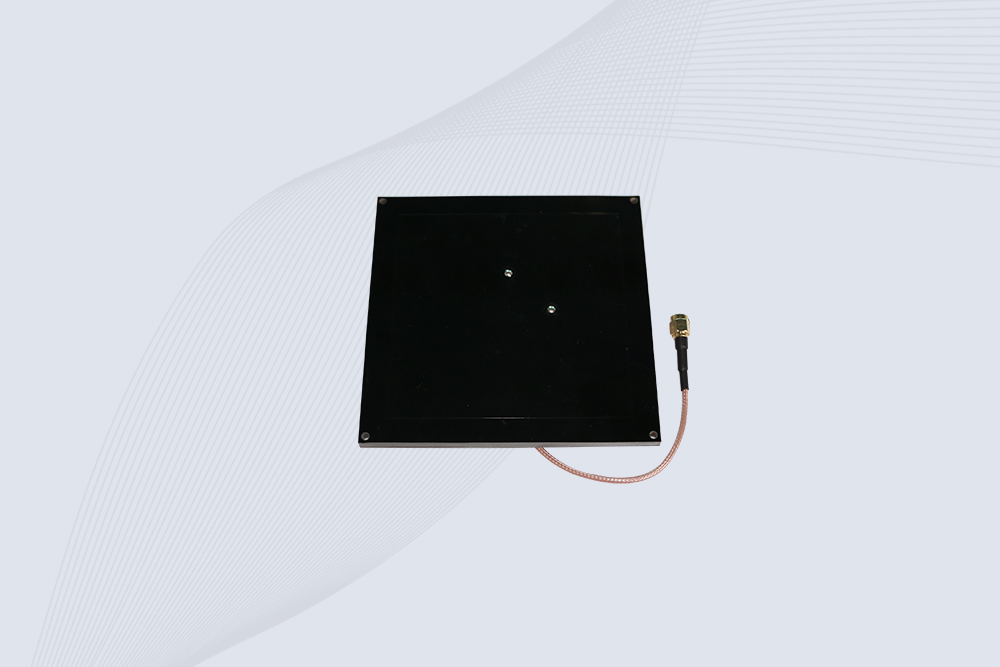
Create your own high-performance DIY RFID antenna! 5dBi gain, 840-960MHz tunable, step-by-step guides. Compatible with Arduino, Raspberry Pi, and commercial UHF readers.
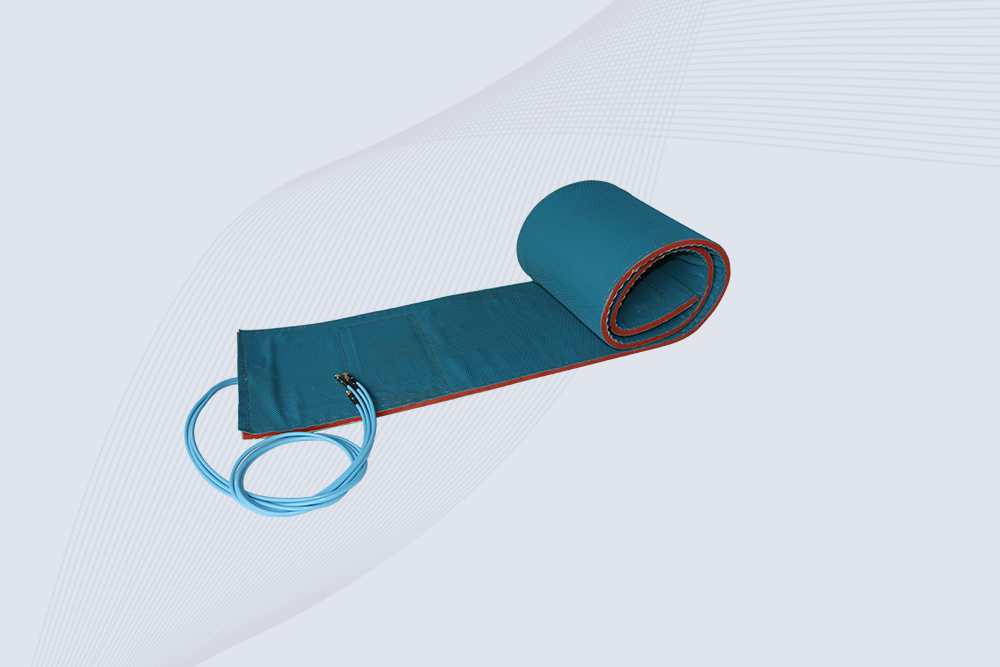
Cykeo CYKEO-A7 Flexible RFID Antenna features 840-960MHz wideband tuning, 7dBi gain, and IP68 rating for medical/retail/industrial curved surface deployments. 98% read accuracy with peel-and-stick installation.

Cykeo CYKEO-B5A industrial Passive RFID Antenna delivers 5dBi gain, 70° beamwidth, and -40°C~55°C operation for warehouses/smart cabinets. Compatible with Zebra/Impinj readers.
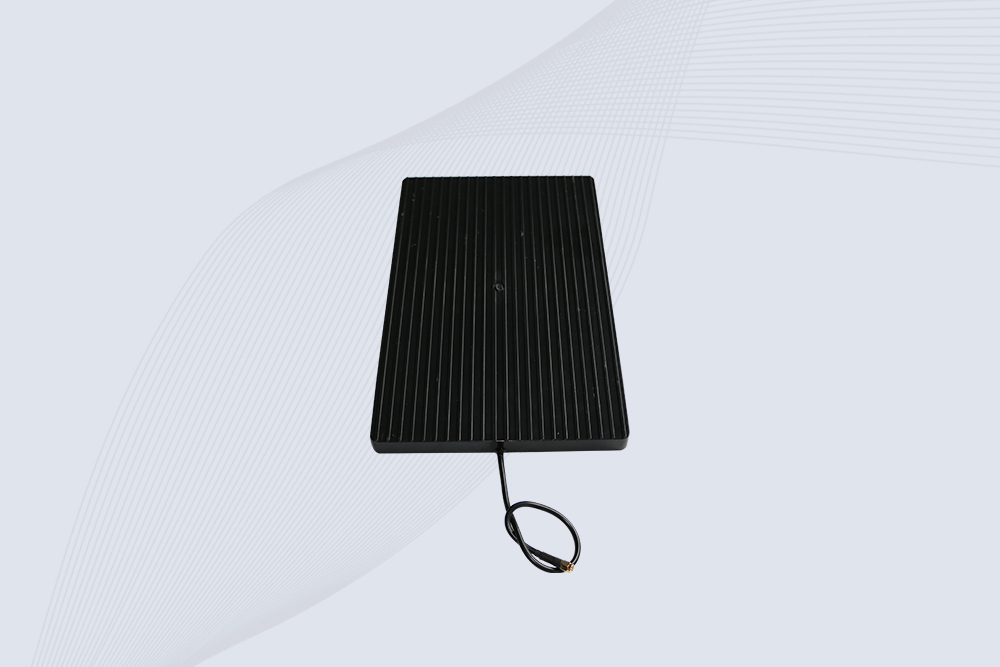
Cykeo’s CYKEO-A9B High Gain RFID Antenna delivers 15m+ read range with 9dBi amplification. Features IP54 rugged design, 840-960MHz bandwidth, and 80° beamwidth for warehouse/manufacturing RFID systems.

Cykeo’s enterprise-grade 8dbi Impinj RFID Antenna 10m+ read range with 840-960MHz tuning. Features IP65 housing, 1.4 VSWR, 35° beamwidth for retail/warehouse RFID systems.
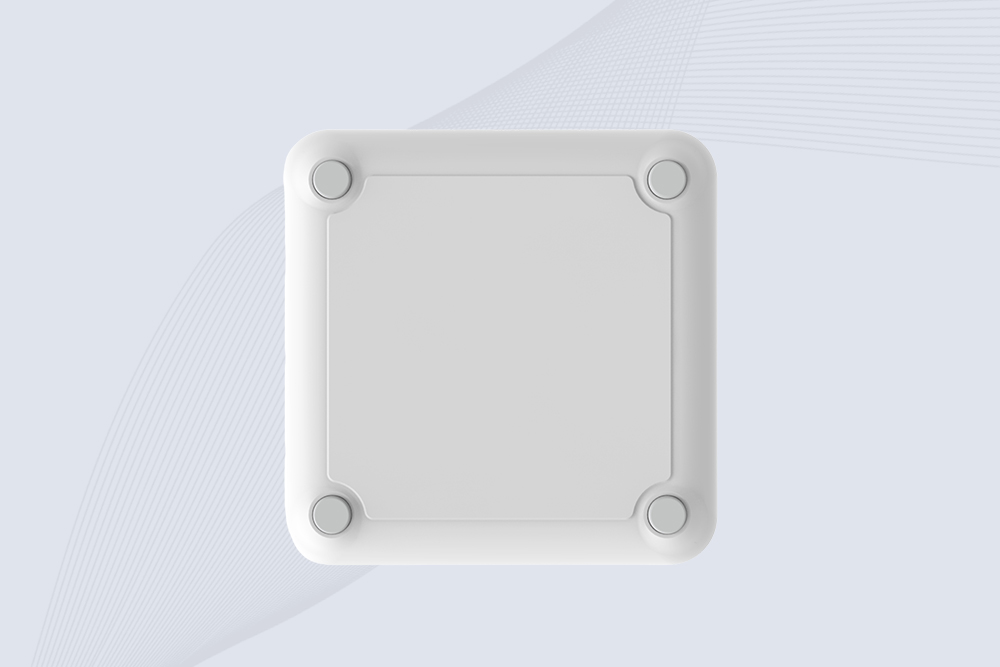
Cykeo CYKEO-A9 industrial UHF RFID antenna delivers 9dBi gain, 840-960MHz frequency range, and IP65 protection for warehouse/logistics/retail RFID systems. Features N-type connector and ≤1.3:1 VSWR.
CYKEO UHF RFID Antenna built for long-distance and industrial applications. This antenna rfid uhf delivers strong gain, outdoor durability, and reliable tag performance in warehouses, yards, and vehicle ID systems.
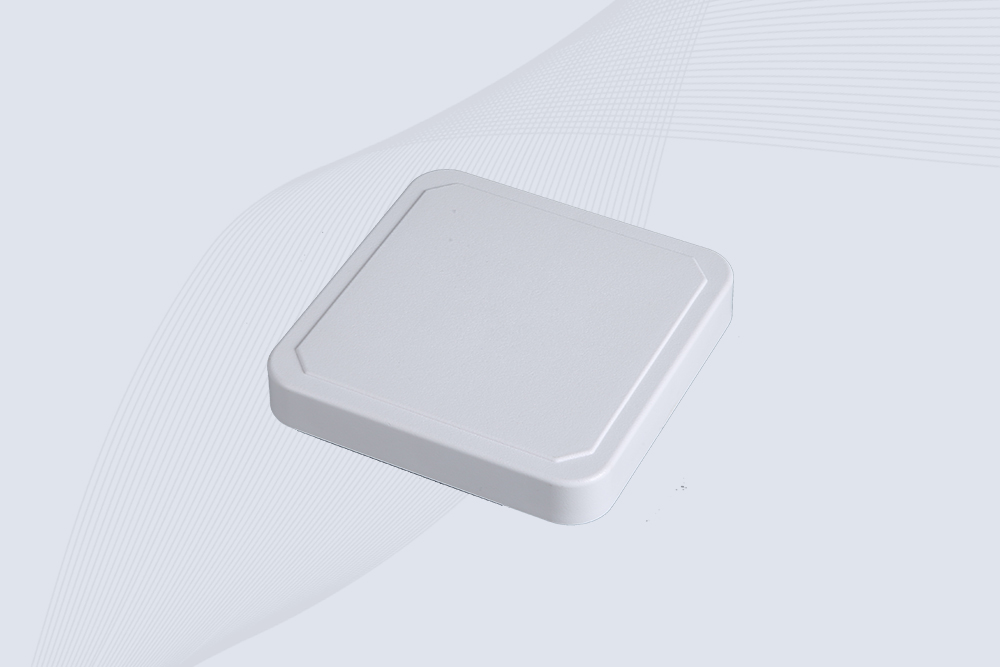
CYKEO Antenna RFID delivers reliable long-range UHF performance in warehouses, retail shelves, and cold-chain environments. This compact uhf rfid antenna provides stable reads with circular polarization and ultra-wide 840–960 MHz support, ideal for industrial tracking, smart shelves, and asset monitoring.
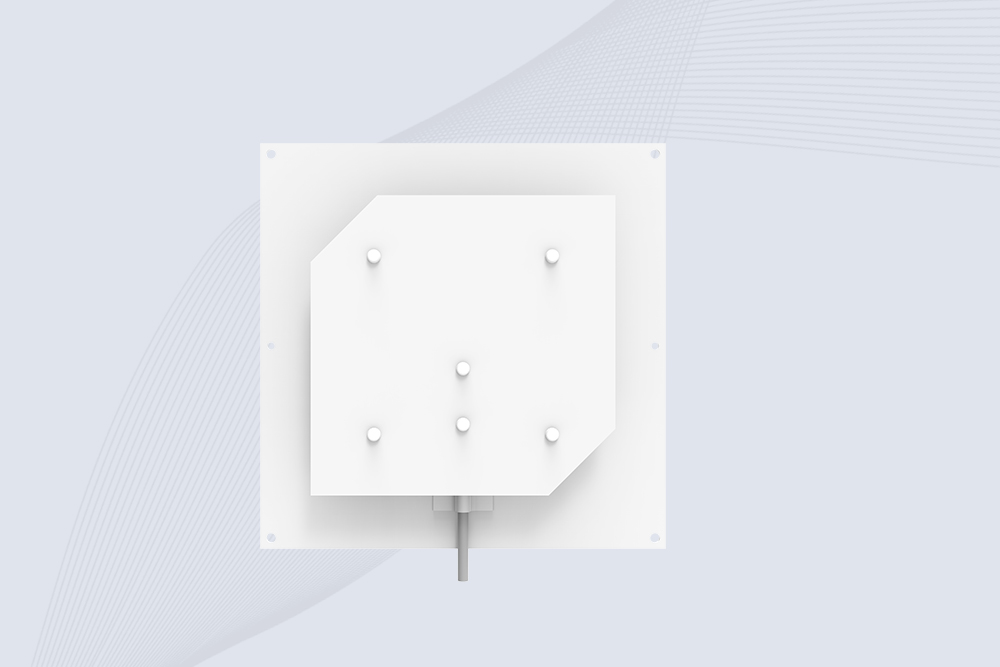
Cykeo’s CYKEO-C8 UHF RFID antennas delivers 8dBi gain, 840-960MHz full-band coverage, and IP65 ruggedness for manufacturing/warehouse RFID systems. Industrial RFID Antennas Features
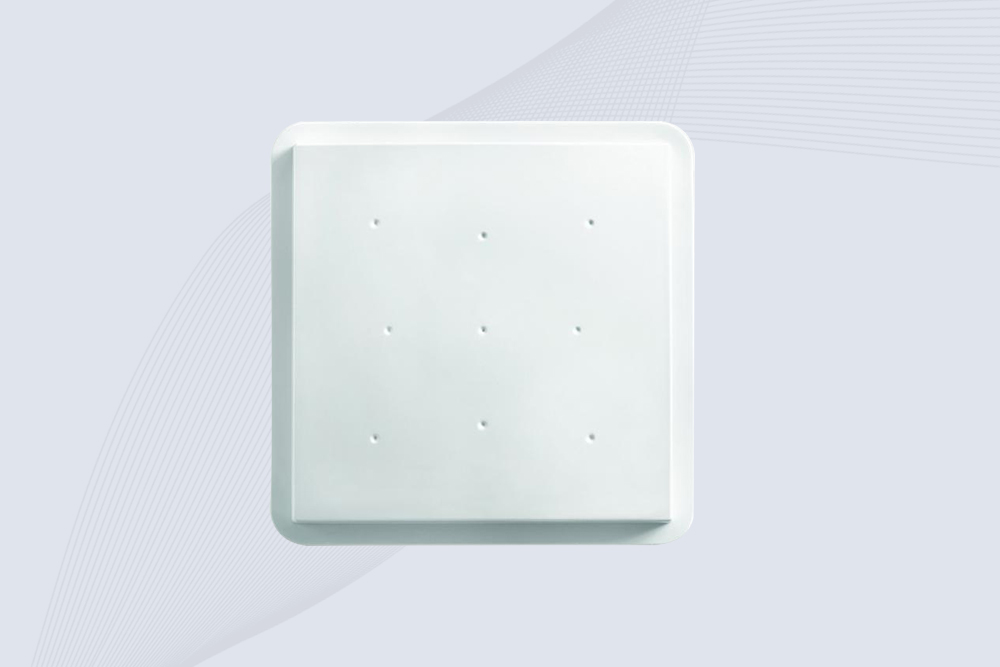
Cykeo’s 8dBi UHF RFID antenna and reader kit delivers 10m+ range, 840-960MHz broadband, and IP65 ruggedness for factories, warehouses, and logistics. ISO 18000-6C & EPC Gen2 certified.
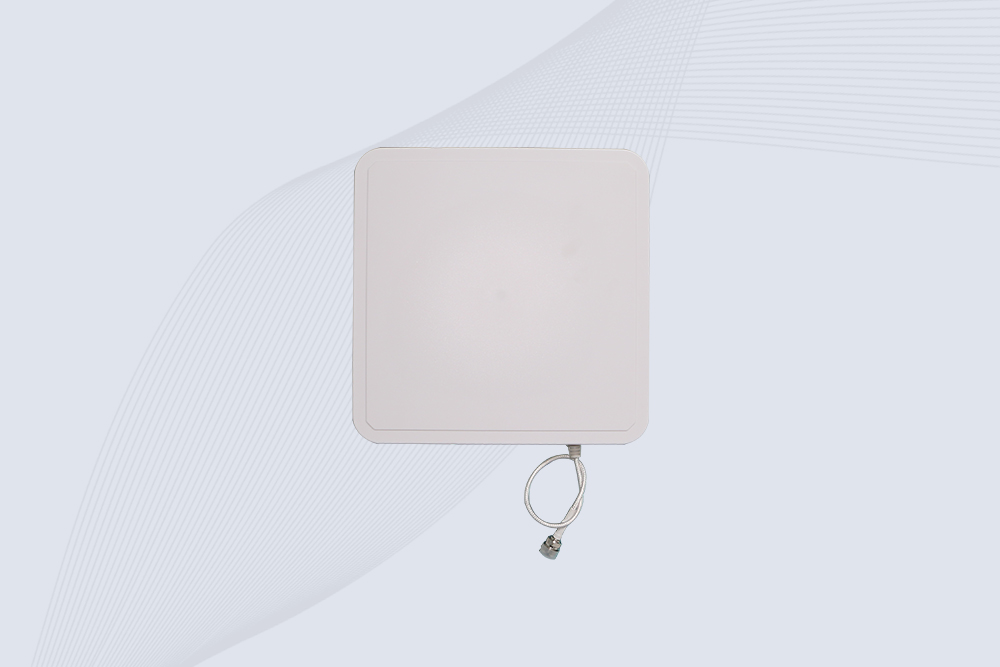
Cykeo CYKEO-A9A industrial UHF RFID reader and antenna kit delivers 10m range, 500 tags/sec, IP65 ruggedness for manufacturing/logistics. Supports EPC Gen2, ISO18000-6C.
Cykeo’s CYKEO-A12C UHF Large RFID Antenna delivers 12dBi gain, 840-960MHz global frequency, IP65 ruggedness for logistics/warehousing/automotive. 40° beamwidth ensures stable 15m+ tag reads.

CYKEO Near Field RFID Antenna provides precise 5–30 cm reading for shelves, cabinets, and workstations. This compact rfid shelf antenna delivers stable short-range performance around metal and clutter, ideal for pharmacies, libraries, and electronics sorting.
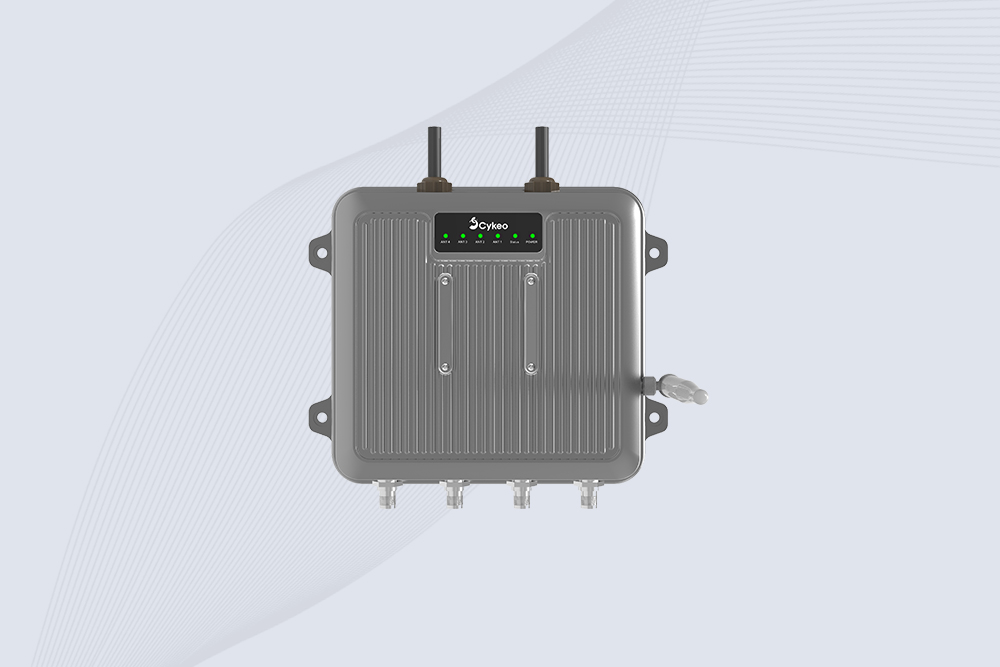
Cykeo CYKEO-C1 industrial Forklift RFID Reader features 20m read range, 600 tags/sec scanning, Impinj R2000 chipset, and IP67 rugged design. Ideal for warehouse logistics and manufacturing. Supports ISO 18000-6C/6B protocols.
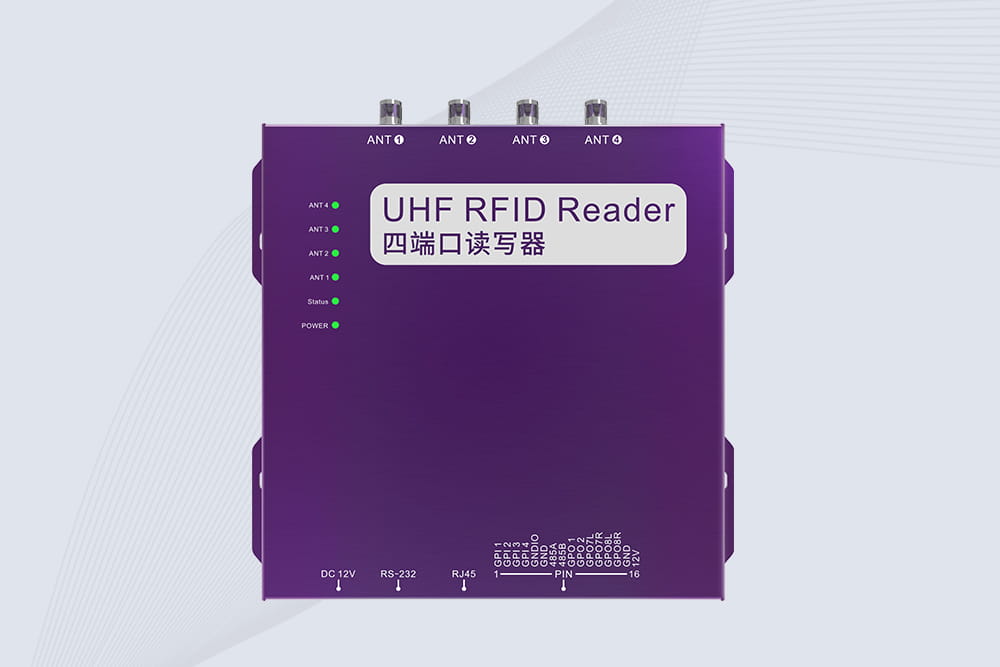
Cykeo CYKEO-R4 industrial UHF RFID Fixed Reader features 4 TNC ports, 400+ tags/sec speed, IP67 housing, and global frequency compliance for vehicle inspection, smart warehouse, and asset management systems.
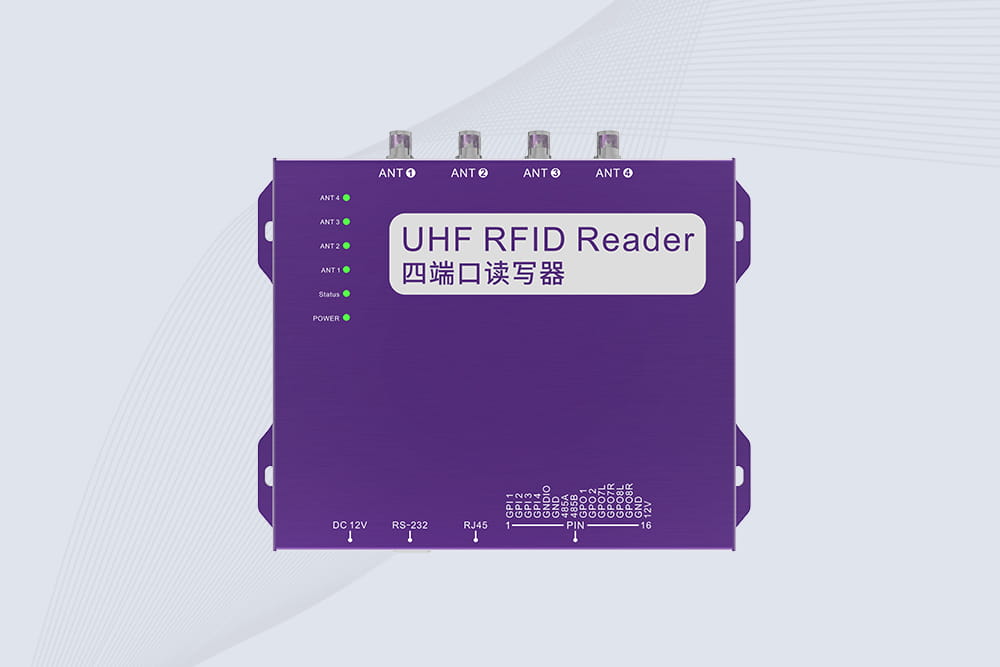
Cykeo’s CYKEO-R4L 4-port Fixed UHF RFID Reader delivers 400 tags/sec scanning, ISO 18000-6C compliance, and IP65 protection. Ideal for warehouse automation, manufacturing WIP tracking, and logistics management.
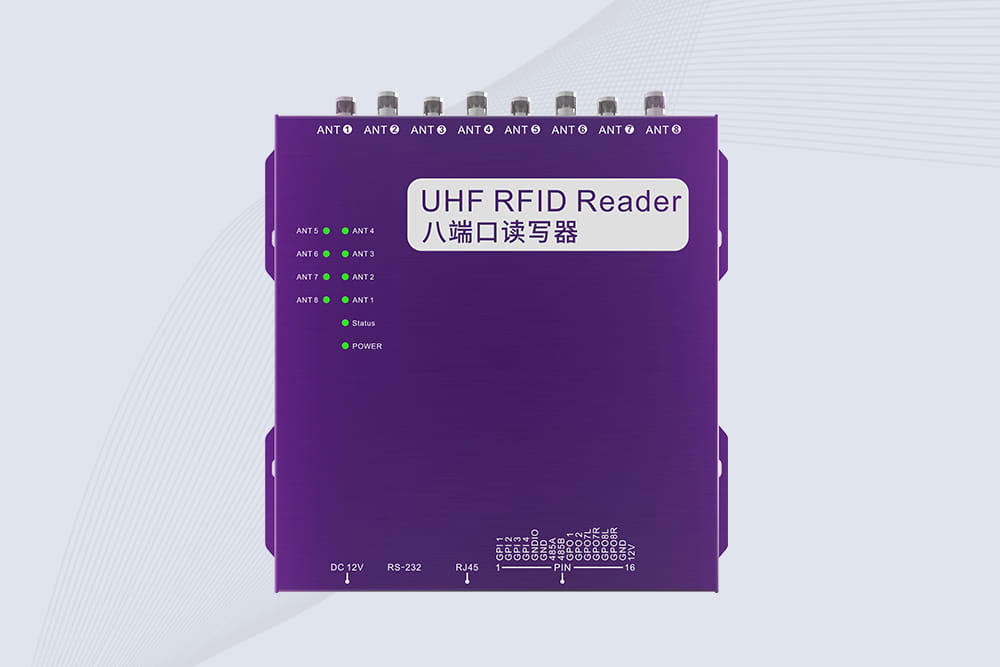
CYKEO CYKEO-R8L Fixed RFID Reader with 8-port UHF design, Impinj-based RF core and up to 20m read range. An industrial Fixed RFID Reader for vehicle inspection, warehouse portals, smart manufacturing lines and secure access checkpoints.
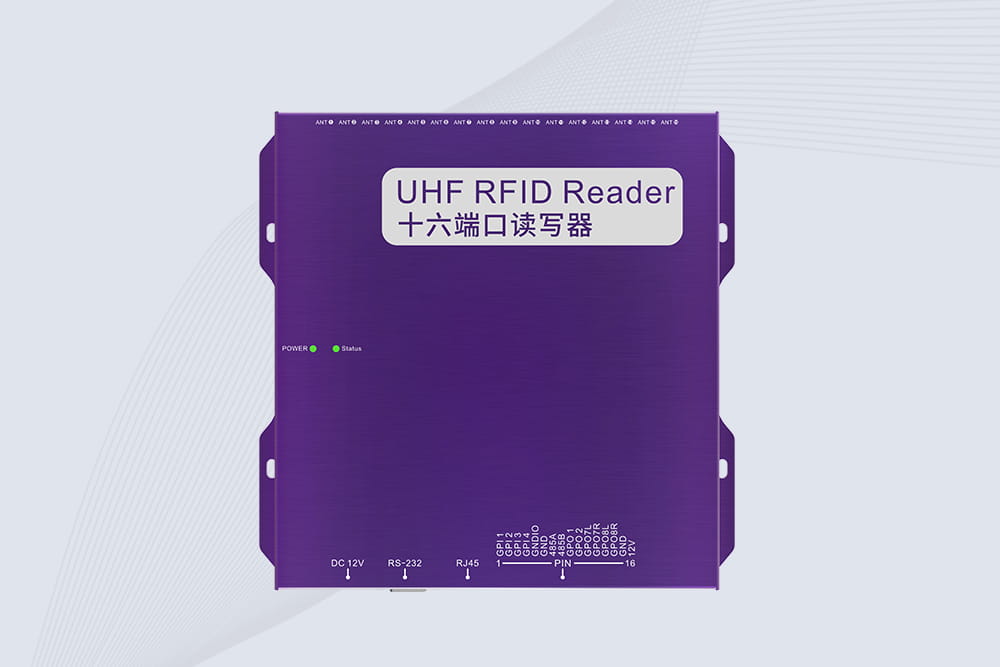
RFID Fixed Reader from CYKEO – the CYKEO-R16L 16-port UHF fixed reader for warehouses, smart cabinets, and production lines. Long-range, multi-tag reading, stable performance for 24/7 industrial use.

RFID readers use RF energy and backscatter communication to identify multiple tags and convert their responses into digital inventory
More
Learn how to check if an RFID tag is working correctly, test different RFID tag types, avoid common reading problems, and choose reliable RFID tags for your projects.
More
Wondering what does RFID card reader mean? We explain the definition, how it works, types from desktop to handheld, and everyday applications. Simple guidance from CYKEO engineers.
More
Learn how door RFID readers work, common types, buying tips, and future trends to help you find the best access control solution.
More