What is RFID meaning? RFID stands for Radio Frequency Identification, a technology that uses radio waves to identify and track tagged objects without requiring direct physical contact. An RFID system typically includes tags, readers, and software that processes identification data for inventory management, asset tracking, access control, and supply chain operations.
RFID is widely used in environments where staff need to identify many items quickly, including warehouses, manufacturing facilities, retail stores, libraries, and healthcare supply rooms. Unlike a barcode system that generally requires a visible label to be presented to a scanner, RFID can identify compatible tags without a direct line of sight.
The practical meaning of RFID goes beyond wireless identification. It provides a way to connect physical objects with digital records, helping businesses monitor where items are registered, when they pass a reading point, and whether inventory records match what is physically present.
What Does RFID Stand For?
RFID stands for Radio Frequency Identification. Each part of the term describes an important aspect of the technology:
Radio Frequency: The system communicates using electromagnetic waves within designated radio-frequency bands.
Identification: A reader obtains identifying information from a compatible RFID tag.
Data processing: Software uses the collected information to update records, trigger workflows, or support inventory decisions.
An RFID tag may carry a unique identifier and, depending on its type, additional writable memory. The reader sends or receives radio signals according to the tag’s operating frequency and communication protocol. The resulting data can then be transferred to a computer, warehouse management system, enterprise resource planning platform, or other application.
Not every RFID tag works with every reader. Frequency, air-interface protocol, antenna design, tag construction, and regional radio regulations all influence compatibility.
For businesses evaluating RFID equipment, this distinction matters. A reader that supports UHF tags cannot automatically read every low-frequency or high-frequency RFID credential. Selecting the right system starts with understanding the application, the tag standard, and the physical environment.
How Does RFID Technology Work?
RFID works by exchanging radio-frequency signals between a reader and a compatible tag. The reader generates or receives the appropriate signal, the tag responds according to its design, and the system interprets the returned identification data.
Most business RFID installations contain three main components.
An RFID tag is attached to, embedded in, or incorporated into an object. It normally contains an integrated circuit and an antenna. The tag stores identification information and communicates with a compatible reader.
Passive RFID tags do not contain an onboard battery for routine communication. They obtain the energy needed to respond from the reader’s radio-frequency field. Active RFID tags use an internal power source, while battery-assisted passive designs use a battery to support certain functions but communicate using reader interrogation.
The choice affects cost, read range, tag size, maintenance requirements, and the intended application.
2. RFID Readers and Antennas
An RFID reader communicates with tags and captures their responses. Depending on the installation, it may be built into a handheld device, integrated into a desktop encoder, or connected to one or more external antennas.
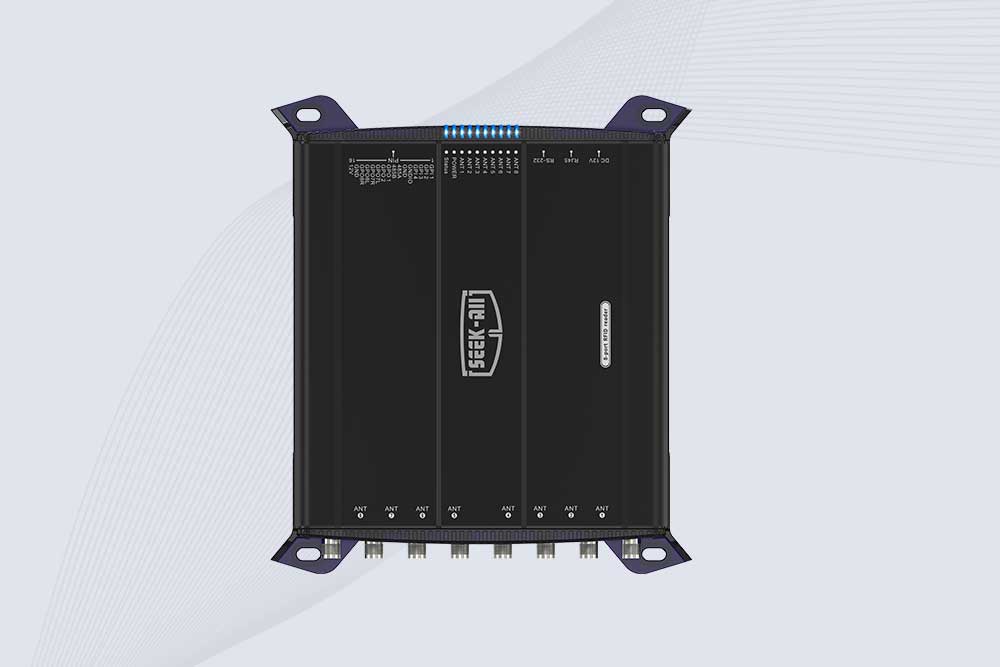
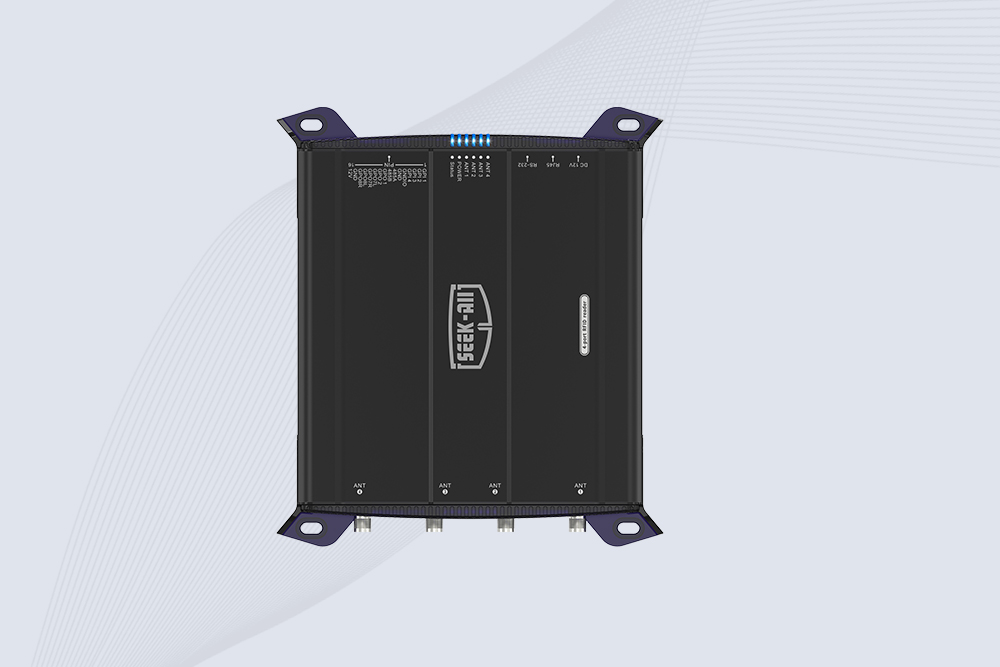
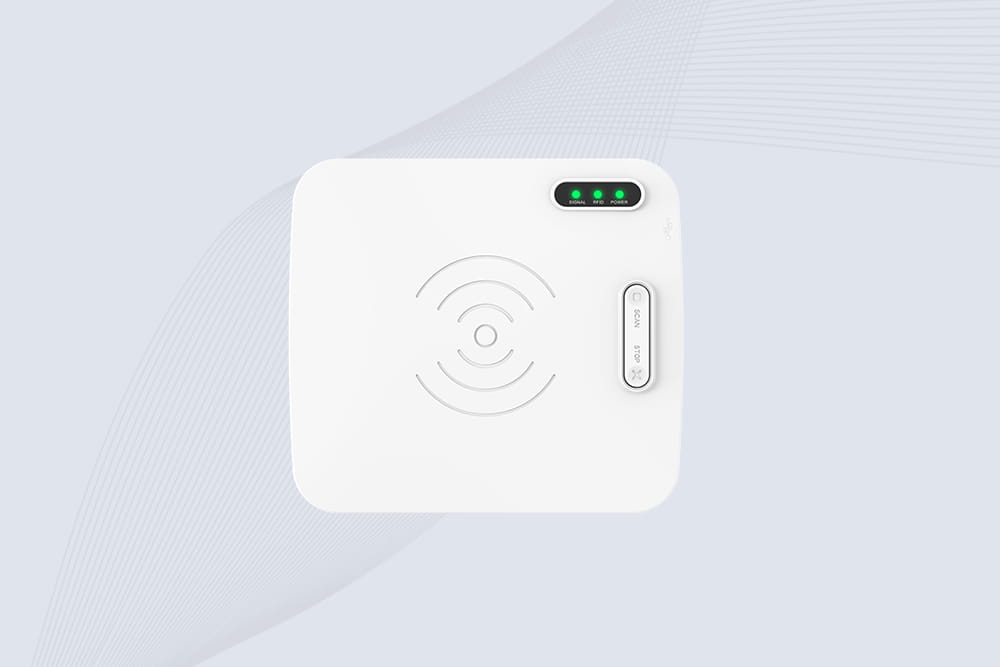
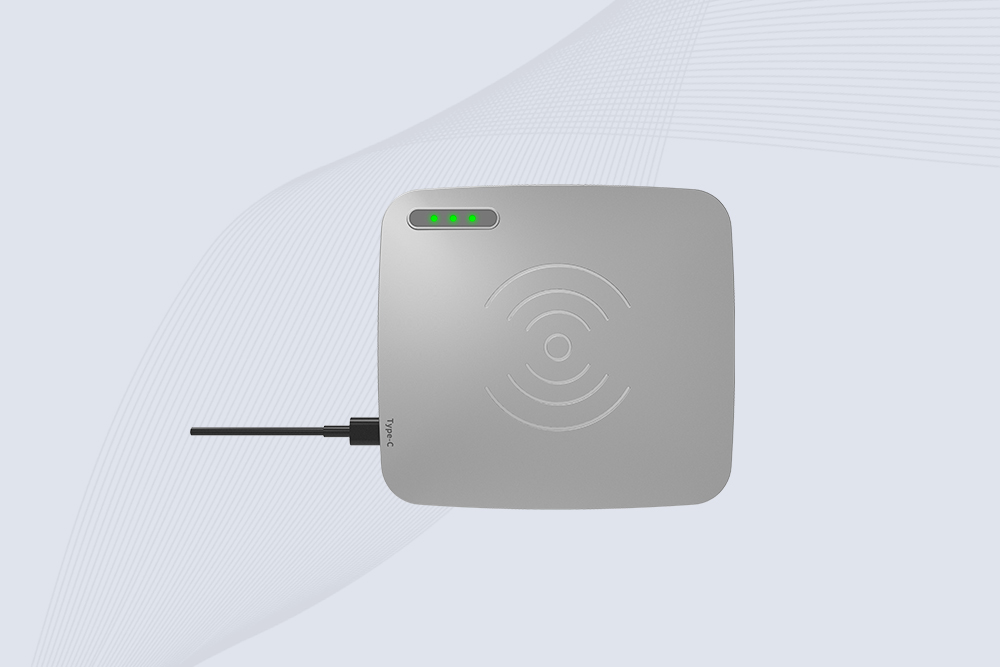
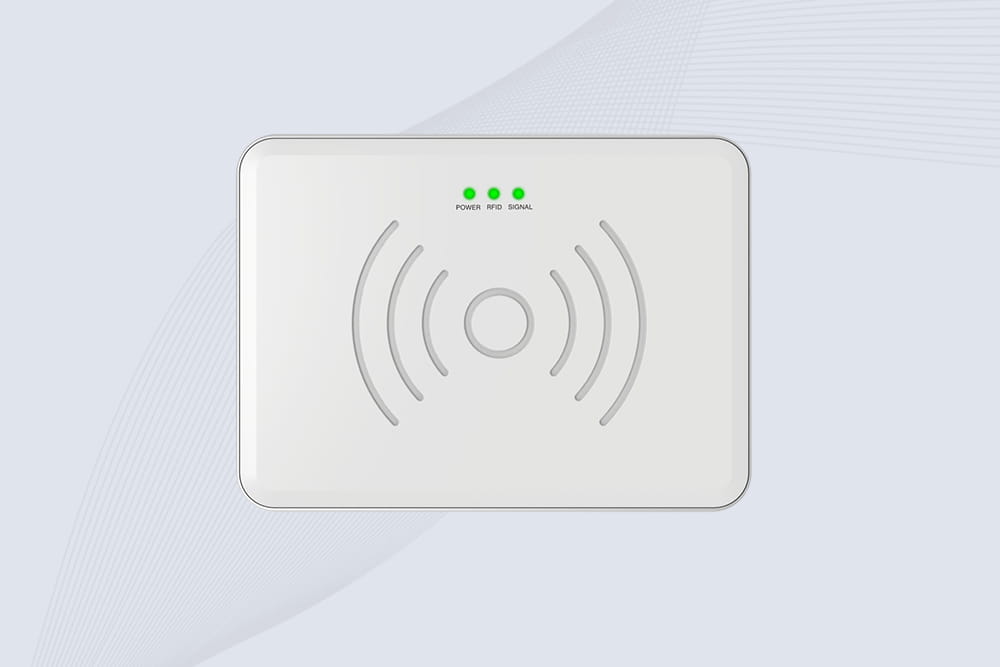
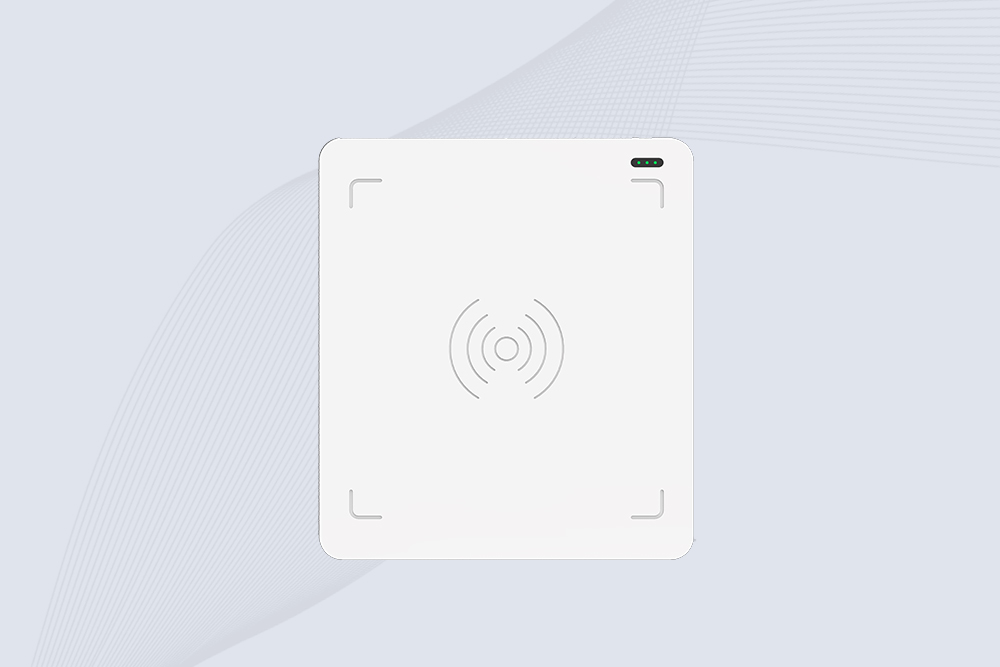
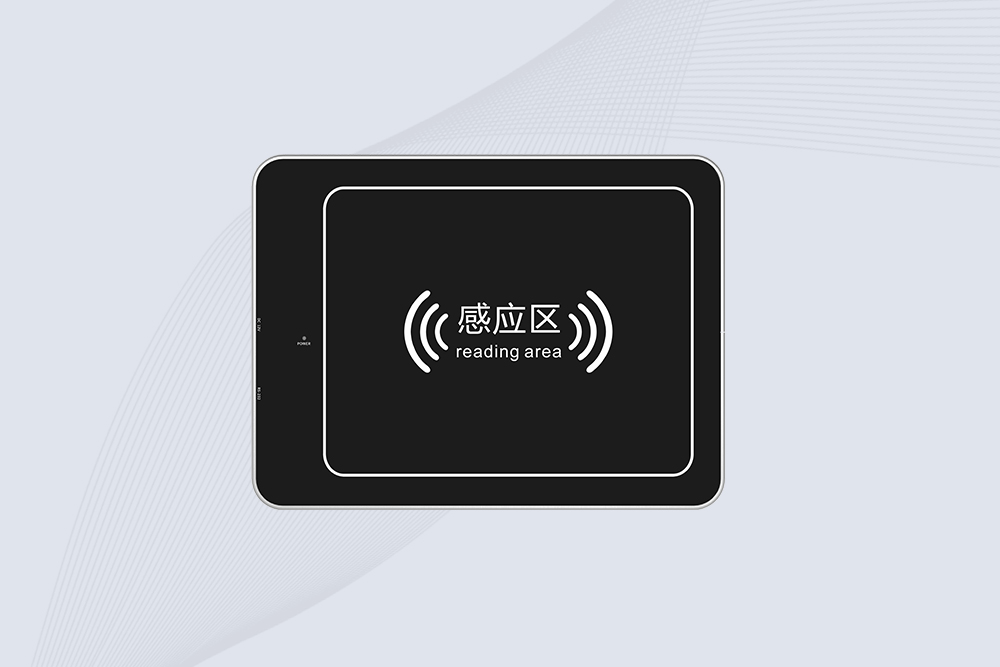
In a warehouse, for example, fixed rfid readers can be installed at receiving stations or conveyor checkpoints. Handheld rfid readers are useful for cycle counts, shelf inspections, and locating tagged assets. Desktop RFID readers are suited to controlled tasks such as registering tags or writing supported data to them.
Read performance depends on more than reader output power. Antenna placement, tag orientation, nearby metal, liquid contents, interference, and the required reading zone can all change the results.
3. RFID Software and Business Systems
The reader’s output becomes useful when software interprets it in context. Middleware or application software can filter repeated reads, associate tag identifiers with product records, and send events to inventory or asset-management systems.
Consider a receiving team processing cartons. A reader may detect several tags during a single pass, but the business application still needs to distinguish newly received stock from items already registered. It must also handle duplicate observations and match the identifiers to the correct purchase orders or inventory records.
That is where RFID becomes an operational tool rather than simply a wireless scanner.
What Are the Main Types of RFID?
RFID systems are commonly grouped by operating frequency: low frequency (LF), high frequency (HF), and ultra-high frequency (UHF). These categories differ in reading distance, communication behavior, and suitability for particular environments.
Approximately 860–960 MHz, depending on regional allocation
Warehouse inventory, logistics, retail tracking
These are general operating ranges, not universal compatibility guarantees. Actual frequency allocations and permitted reader power depend on local regulations and equipment specifications.
LF RFID: Identification at Short Range
Low-frequency RFID is useful in applications where relatively short-range identification and resistance to certain environmental interference are important. Animal identification is a familiar example.
HF RFID: Cards and Close-Range Identification
High-frequency RFID is widely associated with contactless credentials, smart cards, and near-field communication. The operating distance depends on the implementation, antenna design, and tag.
UHF RFID: Inventory and Supply Chain Visibility
UHF RFID is particularly relevant to businesses that need to identify multiple tagged objects during a single reading operation. It is commonly used for cartons, pallets, retail merchandise, reusable containers, and industrial assets.
However, a longer potential read range does not automatically mean better performance. In a crowded warehouse, a reader that detects tags outside the intended workstation can create more problems than it solves. Antenna positioning, reader power, shielding, and software filtering all contribute to a reliable installation.
What Is RFID Used For in Business?
RFID gives businesses a practical way to associate physical objects with digital records. The exact application depends on what is tagged, where reading takes place, and what action follows identification.
Common applications include:
Warehouse management: Identifying cartons, pallets, and inventory during receiving, storage, picking, and dispatch.
Retail inventory: Supporting stock counts and improving visibility into merchandise movement.
Asset tracking: Recording the identification of tools, equipment, containers, and other reusable assets.
Access control: Reading compatible RFID cards or credentials at doors and controlled entry points.
Manufacturing: Associating tagged components or work-in-progress with production stages.
Healthcare operations: Identifying tagged equipment, supplies, and other managed items where appropriate.
A Real-World Example: Improving Inventory Accuracy
The business value of RFID is not simply that a reader can detect a tag. The important question is whether more reliable identification improves the decisions made from inventory data.
Research published in Production and Operations Management by Bill C. Hardgrave, John A. Aloysius, and Sandeep Goyal examined RFID-enabled inventory visibility through retail field experiments. One study involved 13 stores over 23 weeks; a second expanded the research to 62 stores across five product categories.
The researchers reported an approximately 26% reduction in inventory record inaccuracy in the first study’s RFID-enabled setting, while results varied by product category in the expanded study. These findings are documented in the published research record.
The distinction matters to implementation teams. RFID does not correct every inventory problem by itself. Tag readability, item-level or case-level tagging decisions, data integration, exception handling, and inventory adjustment processes all affect the outcome.
For a warehouse operator, a useful test is straightforward: compare the physical count with the system record, investigate discrepancies, and determine whether RFID captures the movements that the existing workflow misses.
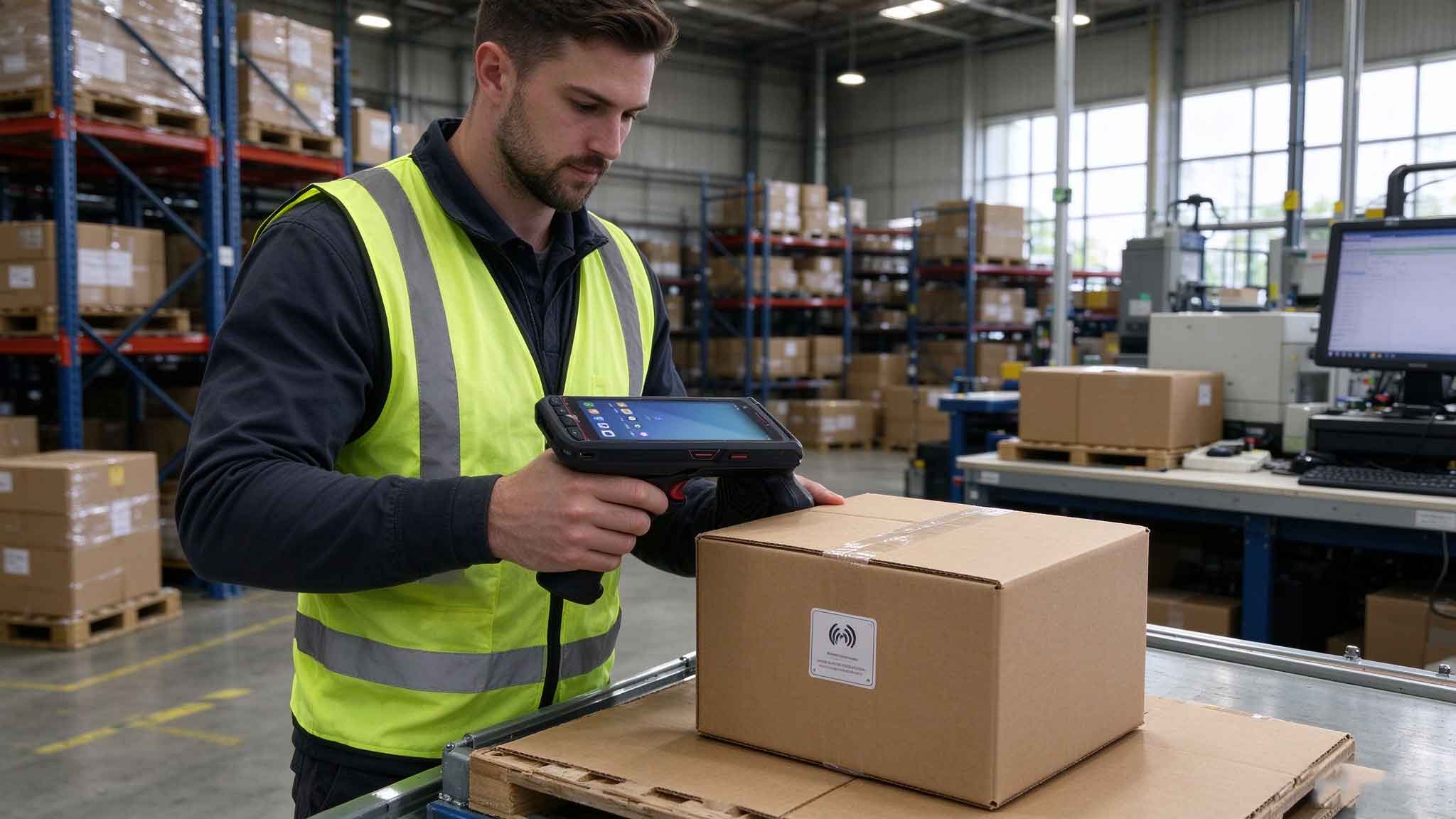
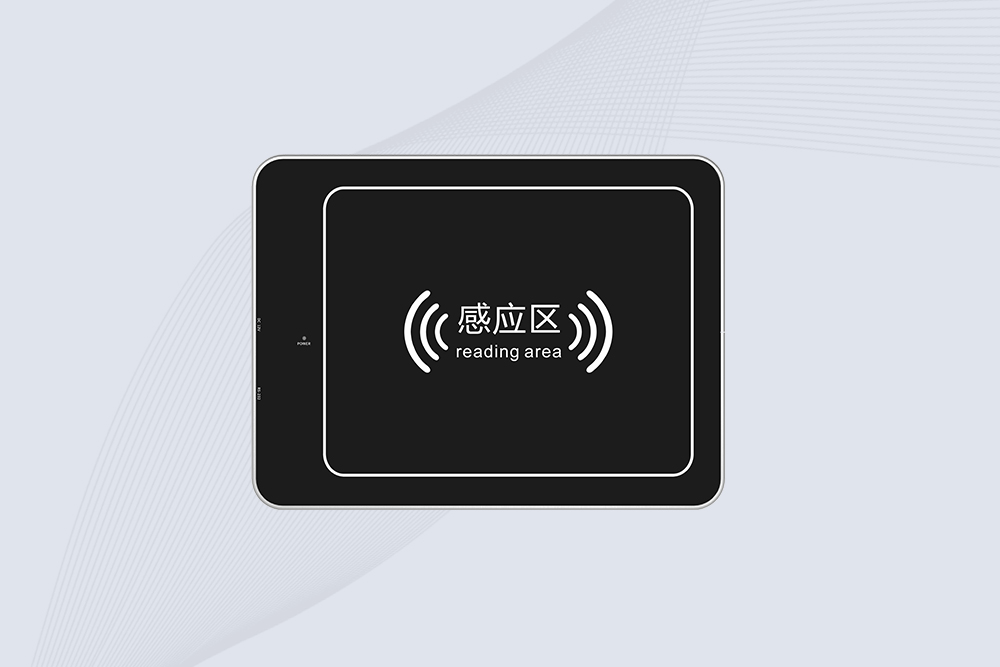
RFID readers capture identification data from tagged cartons, helping warehouse teams connect physical inventory with digital records.
Why the Meaning of RFID Depends on the Application
The definition of RFID remains the same across industries, but its implementation changes with the identification task. A contactless access card, a library label, and a UHF pallet tag all use radio-frequency identification, yet they may require different frequencies, reader designs, tag formats, and software.
When evaluating an RFID system, start with three questions: What needs to be identified? Where must identification occur? What should the business system do with the result?
Those questions help determine whether LF, HF, or UHF technology is appropriate and whether the installation needs handheld readers, fixed readers, desktop encoders, or integrated antennas.
RFID vs. Barcode: What Is the Difference?
RFID and barcodes both help businesses identify products, but they collect identification data differently. A barcode scanner generally needs a readable label to be visible to its scanner. RFID can read compatible tags without direct line of sight, depending on the tag, reader, and surrounding environment.
Feature
RFID
Barcode
Identification method
Radio-frequency communication
Optical scanning
Direct line of sight
Not always required
Usually required
Multiple-item identification
Supported by many RFID systems
Usually scanned individually
Data storage
Depends on tag type and memory
Usually encodes an identifier or other supported data
Environmental considerations
Metal, liquids, orientation, and interference may affect performance
Label damage, dirt, and poor visibility may affect scanning
RFID is not automatically the better option for every operation. Barcodes are often economical and effective for individual-item transactions. RFID becomes attractive when an organization needs to identify multiple objects quickly, reduce manual scanning, or capture movement at defined checkpoints.
Some businesses use both technologies. A carton can carry a barcode for conventional scanning and an RFID tag for automated inventory identification.
What Should You Consider Before Choosing RFID Equipment?
Choosing RFID equipment starts with the identification requirement, not the reader’s advertised maximum range.
Match the Frequency to the Task
LF, HF, and UHF equipment serves different purposes. A system designed for UHF warehouse inventory will not necessarily read an HF contactless card. Confirm the supported frequency and protocol before purchasing tags or readers.
Check the Physical Environment
Metal shelving, liquid-filled products, closely packed cartons, and moving objects can affect radio-frequency performance. Where these conditions exist, test representative tagged items in the actual installation area.
A tag that performs well on a cardboard box may behave differently when attached directly to a metal tool. Specialized on-metal tags or alternative mounting positions may be necessary.
Define the Reading Zone
A reader that detects every tag in a large area can be unsuitable for a workstation that should register only the items on a particular table. Antenna placement, output power, tag orientation, and software filtering help establish the intended reading zone.
Verify Data Integration
Confirm that the reader can deliver data in a format supported by the intended application. Depending on the equipment, interfaces may include USB, RS-232, Ethernet, or wireless connectivity.
The system should also address duplicate reads, failed reads, identifier mapping, and the handling of incomplete transactions. These operational details often determine whether an RFID deployment delivers useful inventory information.
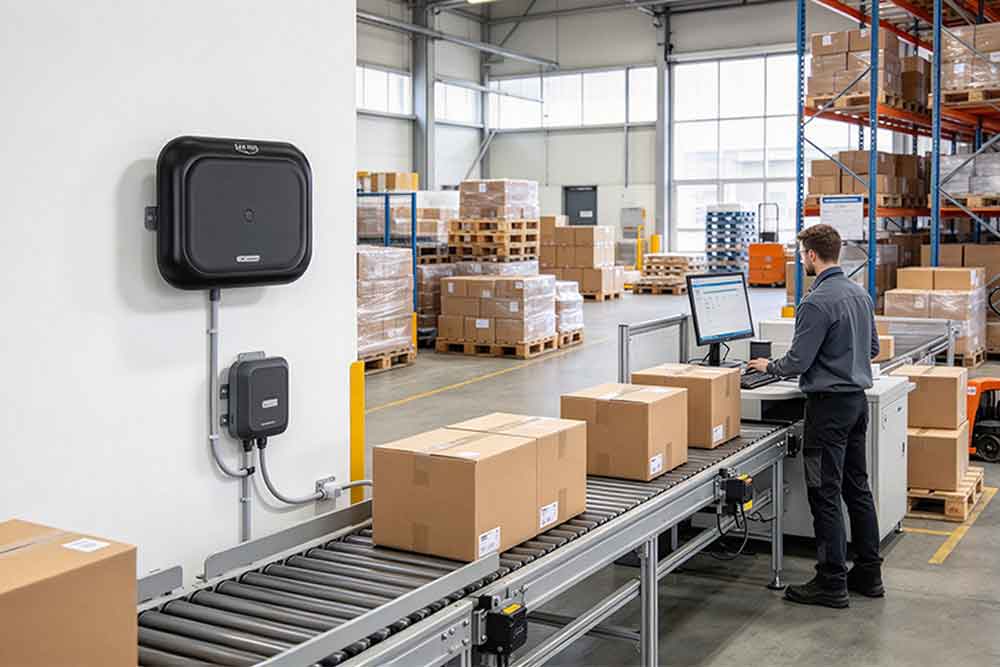
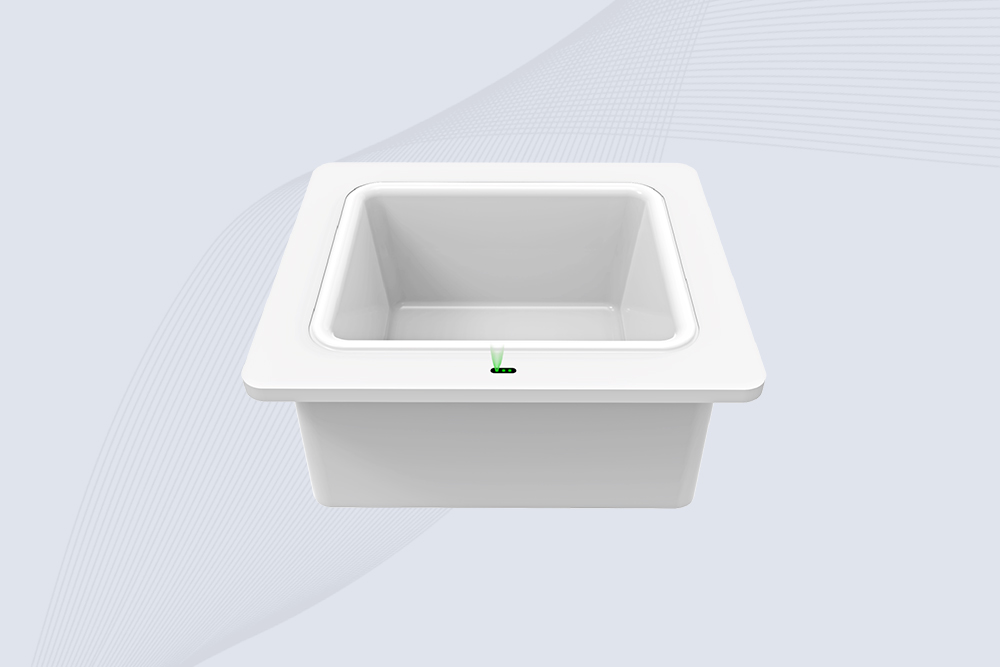
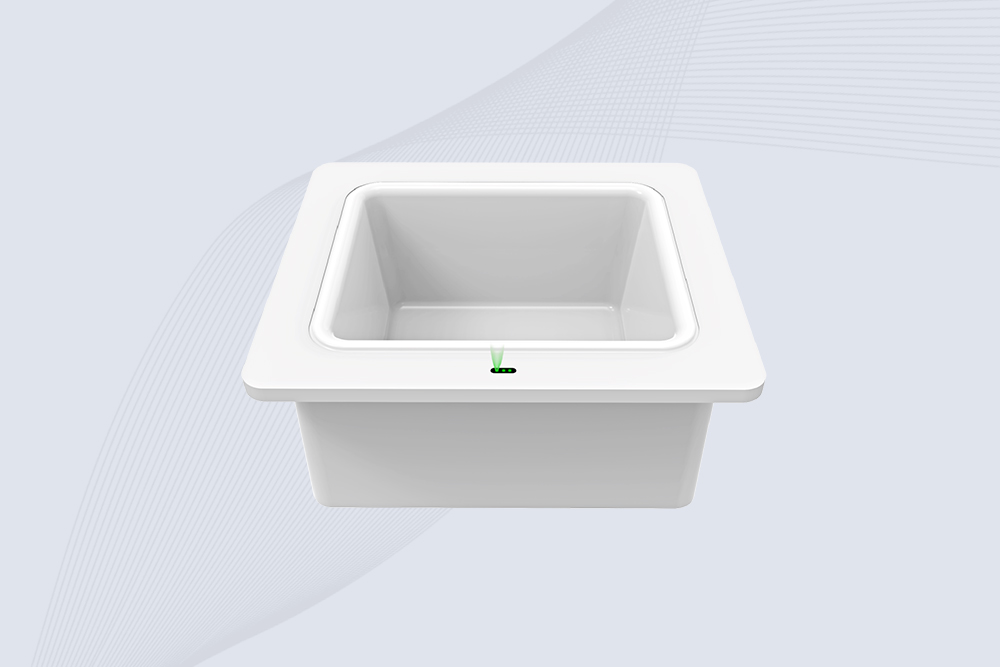
A properly configured RFID reading station helps capture tag identifiers as inventory moves through receiving and dispatch workflows.
Frequently Asked Questions About RFID Meaning
1. What is RFID meaning in simple terms?
RFID means Radio Frequency Identification. It is a technology that uses radio waves to identify compatible tagged objects. Businesses use RFID to track inventory, manage assets, control access, and automate identification tasks without requiring every tag to be visually scanned.
2. What does RFID stand for in technology?
RFID stands for Radio Frequency Identification. It describes wireless communication used to identify objects through compatible tags and readers. The technology is used in applications ranging from contactless credentials to warehouse inventory management.
3. How does an RFID tag work?
An RFID tag communicates with a compatible reader using radio-frequency signals. Passive tags draw operating energy from the reader’s field, while active tags use an internal power source. The reader processes the tag’s response and passes the resulting data to a connected application.
4. What is the difference between RFID and NFC?
NFC is a short-range wireless technology operating at 13.56 MHz and is associated with contactless payments, device interactions, and compatible credentials. RFID is a broader identification technology encompassing multiple frequency bands and applications, including long-range UHF inventory systems.
5. Can RFID work without an internet connection?
Yes. RFID tags and readers can communicate locally without an internet connection. However, cloud synchronization, remote monitoring, and centralized inventory updates may require network access. The exact offline capabilities depend on the reader, software, and system architecture.
6. What are the main advantages of RFID?
RFID can reduce manual scanning, support multiple-tag identification, and improve the visibility of tagged assets and inventory. Results depend on tag selection, reader configuration, environmental conditions, and integration with business processes.
7. Is RFID the same as GPS tracking?
No. RFID identifies tagged objects when they communicate with compatible readers, usually within a defined reading area. GPS-based systems determine geographic position using satellite navigation. RFID alone does not continuously provide an object’s global location.
Understanding What Is RFID Meaning for Your Business
Understanding what is rfid meaning helps businesses evaluate how wireless identification fits their operational needs. The technology can support inventory visibility, asset management, automated identification, and more consistent data collection when the tags, readers, software, and workflows are properly matched.
Before implementation, define the objects to be identified, the required reading distance, the operating environment, and the business system that will use the collected data. These practical requirements provide a stronger basis for choosing an RFID solution than specifications alone.
Cykeo provides RFID readers and related identification solutions for business applications. Selecting suitable equipment begins with understanding the task and validating performance under realistic operating conditions.
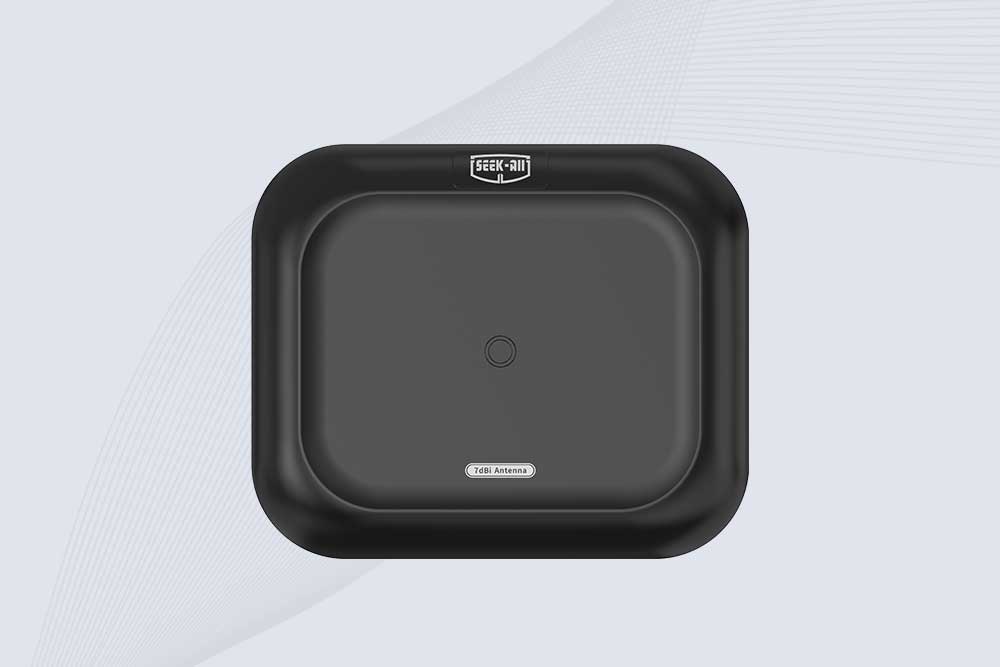
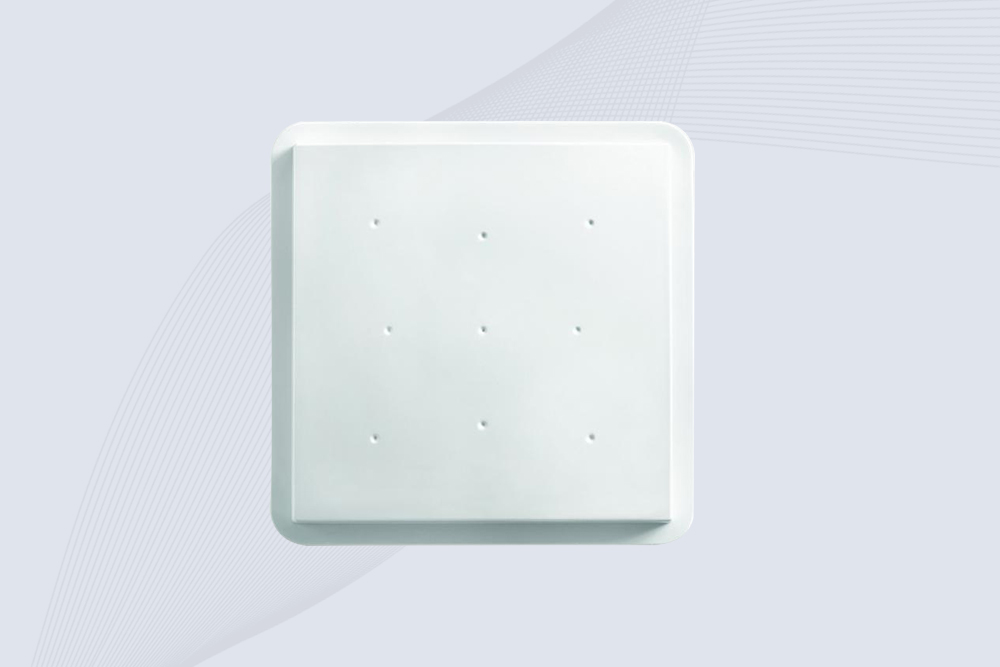
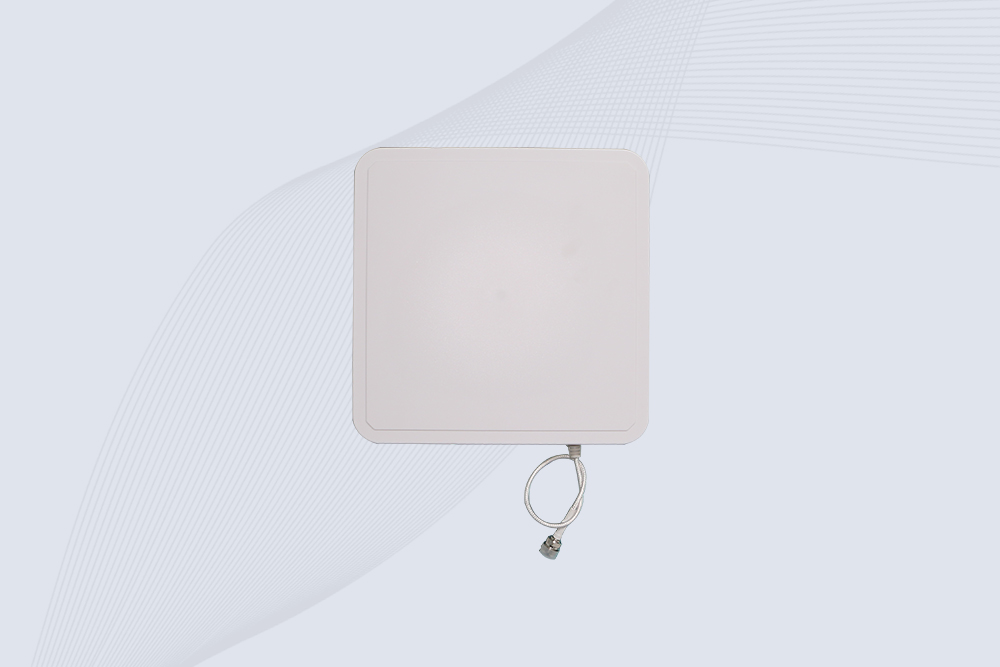
Explore the SSD-A07 UHF RFID antenna with 7 dBi gain, circular polarization, adjustable 840–960 MHz frequency, and 60°/75° beamwidth for stable RFID read/write performance.
SSD-A06 UHF RFID antenna with circular polarization, adjustable 840–960 MHz frequency, ≥4.5 dBi gain, and a compact directional design for RFID systems.
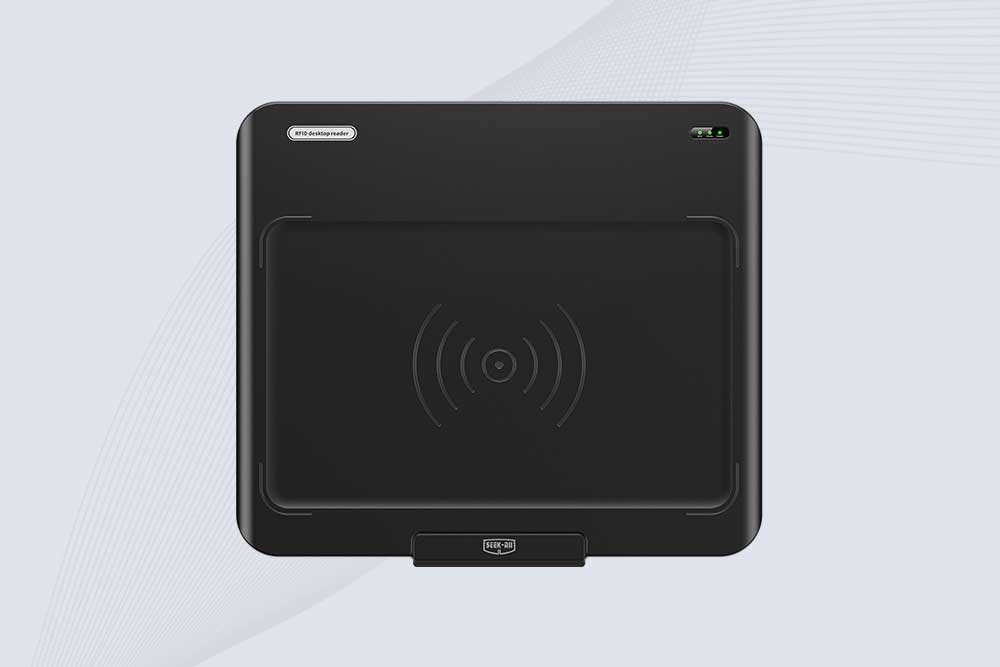
SSD-D3AL is a USB-HID UHF RFID reader with 0–30 cm reading, 0–15 cm writing, over 600 tags/s recognition, USB plug-and-play operation and OEM Logo customization.
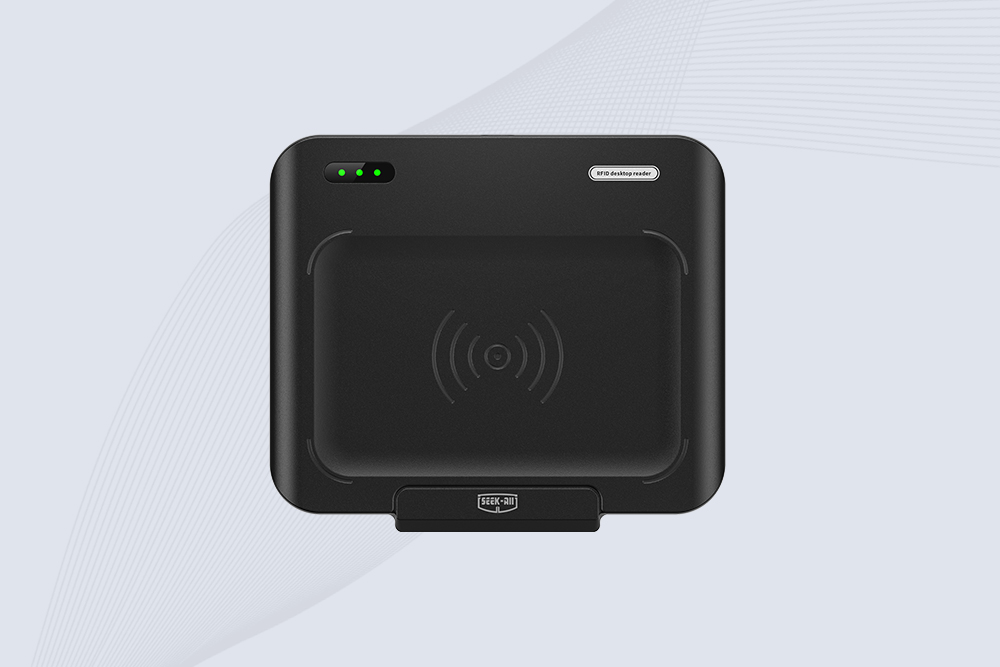
SSD-D1AL is a compact USB UHF RFID reader with Impinj E710/X3M1 chipset, USB-HID, 600+ tags/s recognition, 4/8/16 antenna support and plug-and-play USB power.
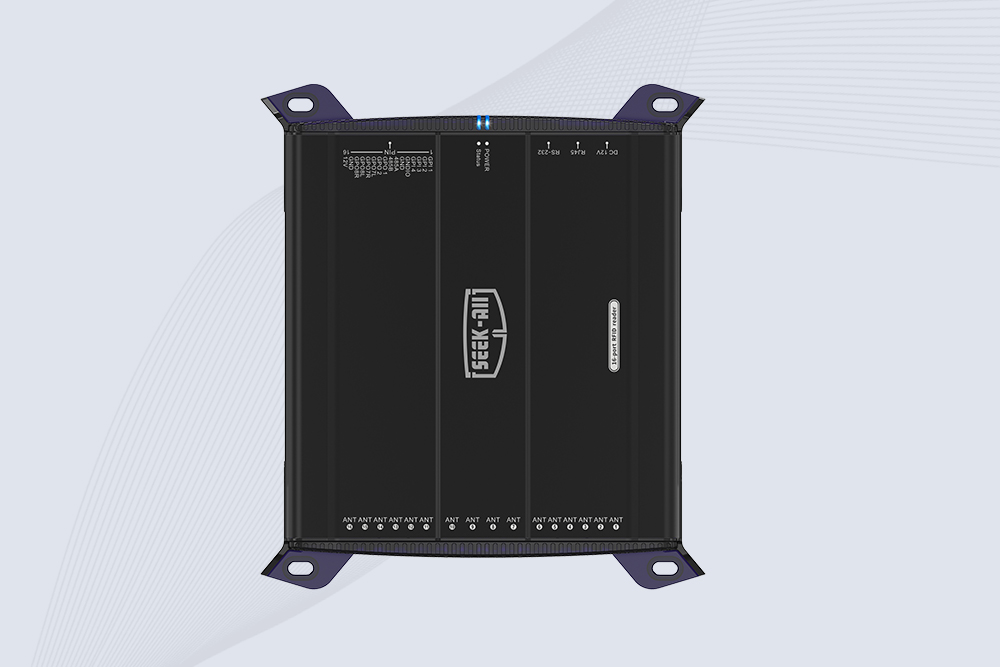
SSD-R16L Multi-Channel RFID Infrastructure for Automated Inventory Management ✔️ 16-Port High-Density RFID Reading Equipped with 16 SMA antenna ports, SSD-R16L supports multi-antenna deployment for warehouses, retail stores, logistics, production lines, and large-area RFID identification. ✔️ High-Speed & Long-Range Performance With up to 33…
SSD-R8L 8-port UHF RFID reader with 33dBm output, up to 20m reading range and 600+ tags/s recognition. Ideal for warehouse, logistics, retail and asset tracking.
CYKEO CYKEO-D1LA USB RFID Reader is a compact desktop solution with near-field control for precise tag reading and encoding. Powered by USB, supporting ISO 18000-6C, and built for stable batch writing, this usb rfid tag reader fits retail, libraries, offices, and controlled RFID encoding tasks.
CYKEO CYKEO-D1L RFID scanner USB is a compact desktop UHF RFID scanner designed for short-range tag writing and verification. This usb rfid scanner supports batch encoding, stable 0–26 dBm output, and works across Windows, Linux, and Android systems.
CYKEO CYKEO-D1C USB RFID Card Reader is a near-field UHF desktop writer designed for secure, short-range tag encoding. With USB-C connectivity and stable 26 dBm output, this rfid reader usb c is ideal for badge issuance, label encoding, and controlled desktop RFID workflows.
CYKEO CYKEO-D2L RFID Reader USB is a compact desktop encoder built on the Impinj R500 chip. With near-field control and stable USB power, this usb rfid card reader delivers precise tag writing for offices, retail counters, and small-scale logistics encoding tasks.
CYKEO CYKEO-D3L USB RFID Tag Reader delivers stable UHF tag reading and writing for daily desktop and light industrial tasks. Designed for controlled short-range operation, this USB RFID Tag Reader works reliably with rfid tag and reader systems in libraries, tool tracking, and inventory registration.
The CYKEO CYKEO-D4L UHF RFID Tag Reader is a stable Desktop RFID Reader designed for accurate tag registration, borrowing, and return workflows. Built with the Impinj R2000 chip, this UHF RFID Tag Reader delivers controlled short-range reads for libraries, asset tracking, and inventory management environments.
The CYKEO CYKEO-D5L Desktop RFID Card Reader is a stable UHF RFID Card Reader designed for controlled short-range reading and writing. Built for libraries, tool rooms, and asset desks, this UHF RFID Card Reader supports dense tag handling, secure data processing, and easy USB integration.
The CYKEO CYKEO-D6L RFID Reader Writer is a heavy-duty Desktop RFID Reader designed for short-range, high-accuracy tag programming. Built for libraries, labs, and asset desks, this RFID Reader Writer supports batch processing, stable 33dBm output, and seamless integration with existing management systems.
Cykeo CYKEO-D8A embedded RFID badge reader offers 30+ tags/sec scanning, 20cm anti-crosstalk precision, and DC 12V power for unmanned stores, warehouses, and smart inventory systems.
Cykeo’s CYKEO-D8C UHF RFID gate reader achieves 200-tag/batch scanning with adjustable power control, ideal for retail inventory and smart warehouse management.
CYKEO Embedded RFID Modules are designed for compact industrial and IoT devices that require stable UHF performance. These UHF RFID Modules support global protocols, flexible power control, and reliable multi-tag reading for smart cabinets, production lines, and asset tracking systems.
CYKEO Embedded RFID Module is built for compact IoT and industrial devices that need stable UHF performance. This UHF module supports global protocols, low power operation, and reliable multi-tag reading for smart lockers, production lines, and always-on RFID systems.
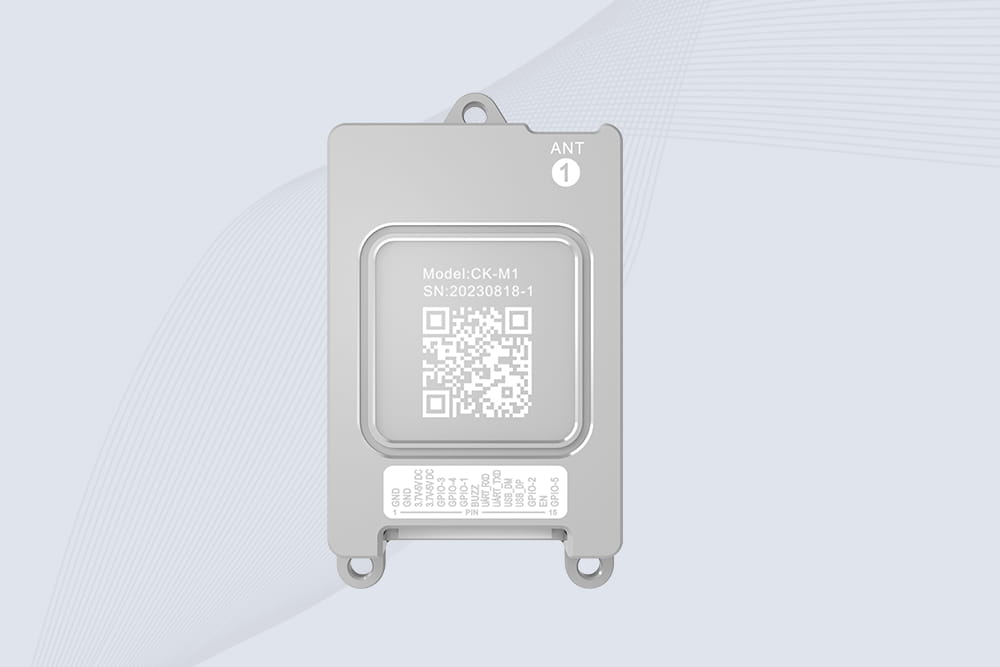
CYKEO CYKEO-M1 drone rfid module is a compact UHF RFID reader module designed for drones and UAV platforms. It supports long-range aerial scanning, fast multi-tag reading, and stable performance in wind, vibration, and outdoor environments.
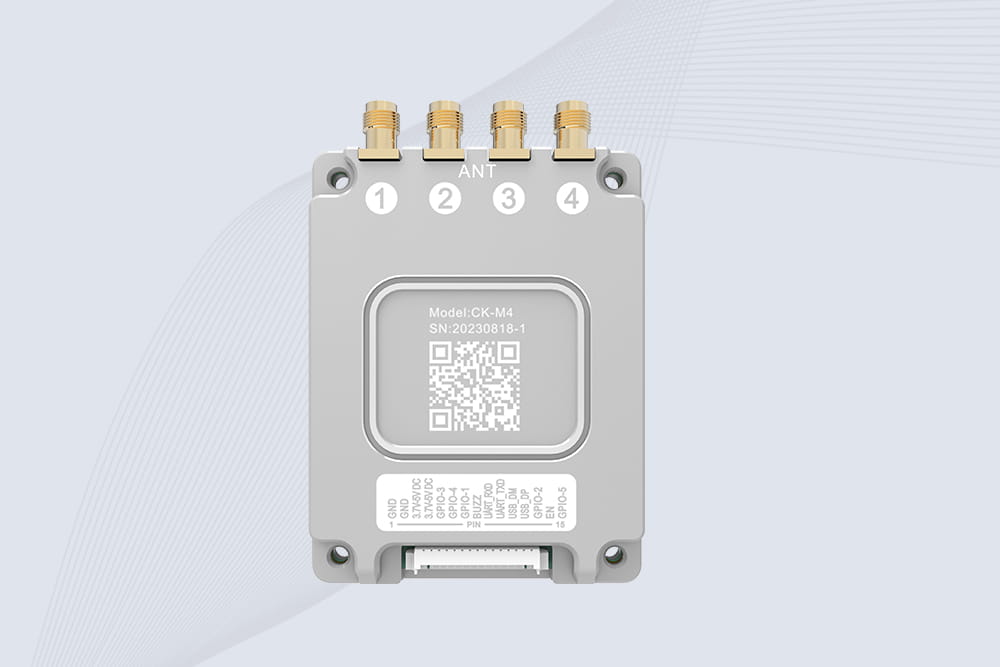
CYKEO CYKEO-M4 RC522 RFID Module is an industrial-grade UHF RFID reader with 4 ports, supporting ISO, EPC, and GB protocols. High-speed, accurate reading for IoT, automation, and warehouse applications.
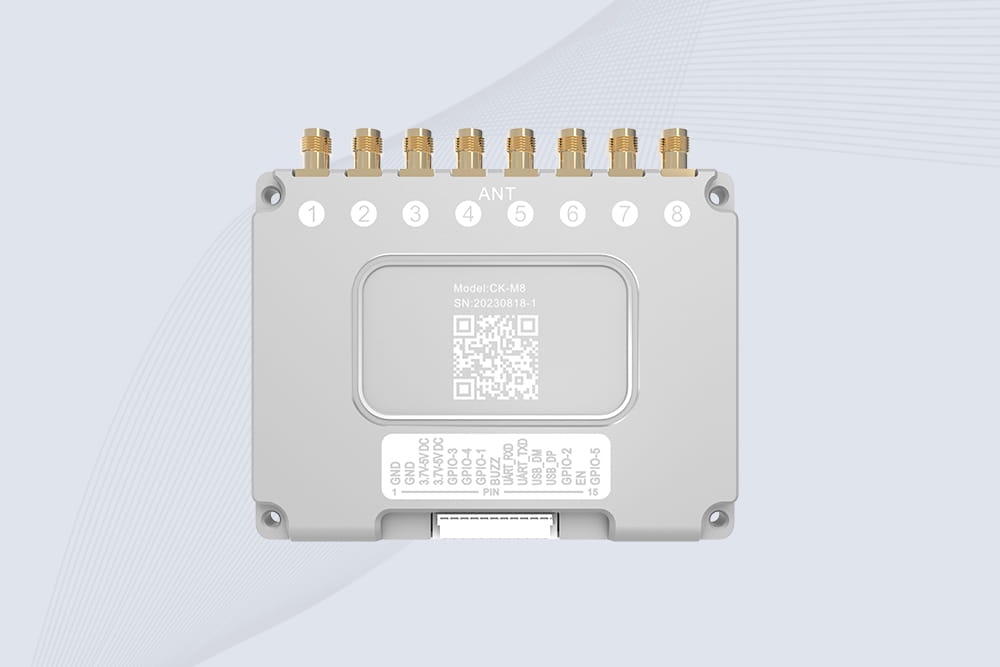
CYKEO CYKEO-M8 Module RFID is an 8-port UHF R2000 RFID Module designed for high-density, multi-tag environments. Stable 33dBm output, ISO & GB protocol support, ideal for warehouses, factories, and automated systems.
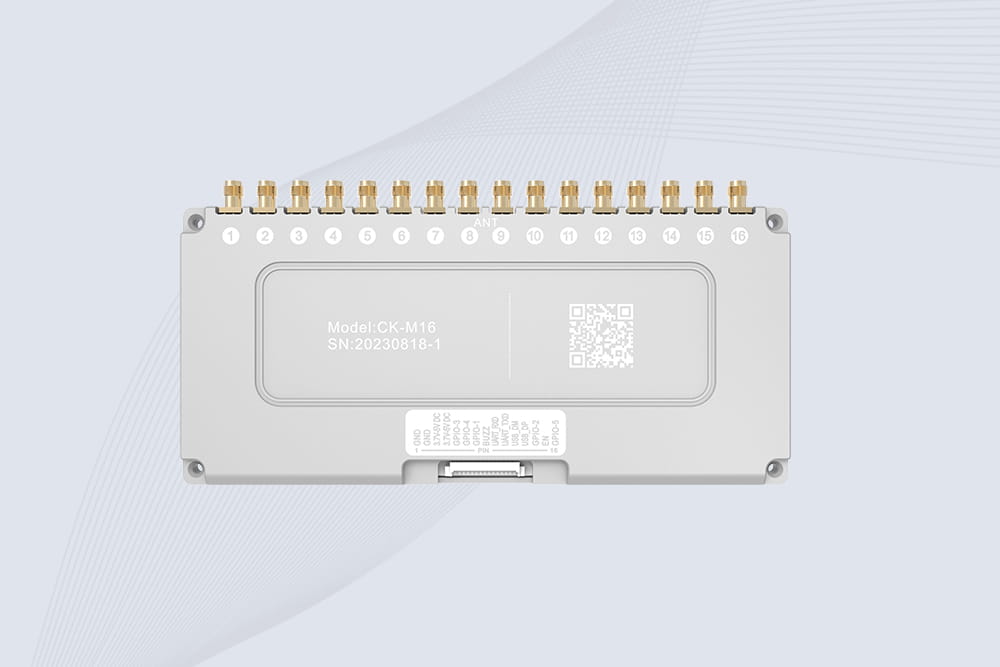
CYKEO CYKEO-M16 RFID Module is a 16-port UHF RFID reader module based on the R2000 chipset. Designed for dense tag environments, it supports ISO and GB standards and delivers stable multi-antenna control for industrial automation.
The CYKEO CYKEO-M16L RFID Reader Module is a 16-channel UHF RFID core designed for dense tag environments. With adjustable 33dBm output, multi-protocol support, and stable multi-antenna control, this RFID Tag Reader Module fits industrial automation, warehouse systems, and large-scale IoT deployments.
CYKEO CYKEO-M8L module RFID is a compact industrial UHF module built for dense tag and multi-antenna environments. With 8 RF ports, adjustable 33 dBm output, and ISO & GB protocol support, it is widely used in factories, warehouses, and automated tracking systems.
CYKEOCYKEO-M4L UHF RFID Module is a compact 4-channel RFID tag reader module designed for dense tag environments. Supporting ISO and GB protocols, it delivers stable reads up to 10 meters for industrial and IoT systems.
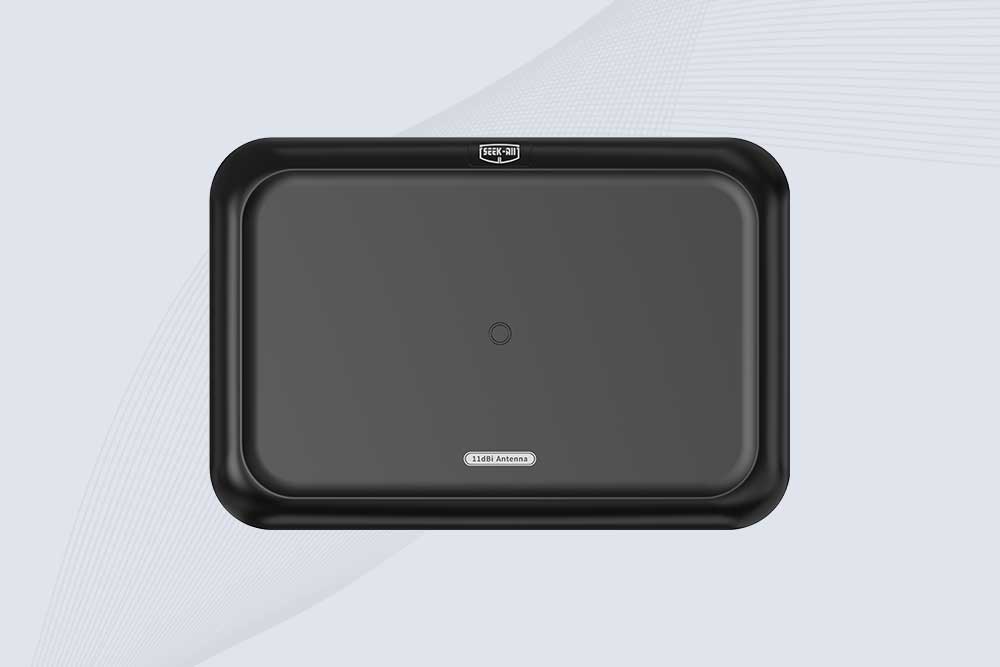
Cykeo CYKEO-A11 UHF RFID reader antenna delivers 11dBi gain, 840-960MHz frequency range, and IP65 ruggedness for retail, logistics, and industrial RFID systems. Features low VSWR and easy installation.
CYKEO Antenna RFID Reader delivers stable long-range UHF performance with a 10.5dBi directional design, built for warehouses, conveyor portals, and industrial RFID systems. This rfid reader antenna provides 20m+ read distance and rugged IP67 protection.
Cykeo CYKEO-A5B industrial Linear RFID Antenna delivers 5dBi gain, ≤1.5:1 VSWR, and IP65 rugged design for warehouse, production line, and logistics UHF systems.
Cykeo’s CYKEO-B12 Long Range RFID Antenna delivers 15m+ read range with 12dBi gain, IP65 rugged design, and global 840-960MHz UHF support. Ideal for warehouse/logistics asset tracking.
Cykeo CYKEO-B10 Long Distance RFID Antenna offers 10dBi gain, 840-960MHz frequency range, IP65 rating, and 20m+ coverage for logistics/warehousing/ETC systems. Low VSWR ensures stable signal transmission.
Cykeo CYKEO-A6 UHF RFID panel antenna features 6dBi gain, 840-960MHz broadband, IP65 metal-ready housing for logistics/smart retail. 18mm ultra-thin design with tool-free mounting.
Cykeo CK-A3 industrial antenna RFID UHF offers 5m+ tag detection, ≤1.3:1 VSWR, IP65 rugged design, and global UHF spectrum compatibility (840-960MHz) for warehouses, factories, and retail.
Cykeo CYKEO-B5 directional RFID antenna provides 5dBi gain with 60° narrow beamwidth for precise inventory tracking. IP65-rated, global UHF frequency support, and low VSWR.
Create your own high-performance DIY RFID antenna! 5dBi gain, 840-960MHz tunable, step-by-step guides. Compatible with Arduino, Raspberry Pi, and commercial UHF readers.
Cykeo CYKEO-A7 Flexible RFID Antenna features 840-960MHz wideband tuning, 7dBi gain, and IP68 rating for medical/retail/industrial curved surface deployments. 98% read accuracy with peel-and-stick installation.
Cykeo CYKEO-B5A industrial Passive RFID Antenna delivers 5dBi gain, 70° beamwidth, and -40°C~55°C operation for warehouses/smart cabinets. Compatible with Zebra/Impinj readers.
Cykeo’s CYKEO-A9B High Gain RFID Antenna delivers 15m+ read range with 9dBi amplification. Features IP54 rugged design, 840-960MHz bandwidth, and 80° beamwidth for warehouse/manufacturing RFID systems.
Cykeo’s enterprise-grade 8dbi Impinj RFID Antenna 10m+ read range with 840-960MHz tuning. Features IP65 housing, 1.4 VSWR, 35° beamwidth for retail/warehouse RFID systems.
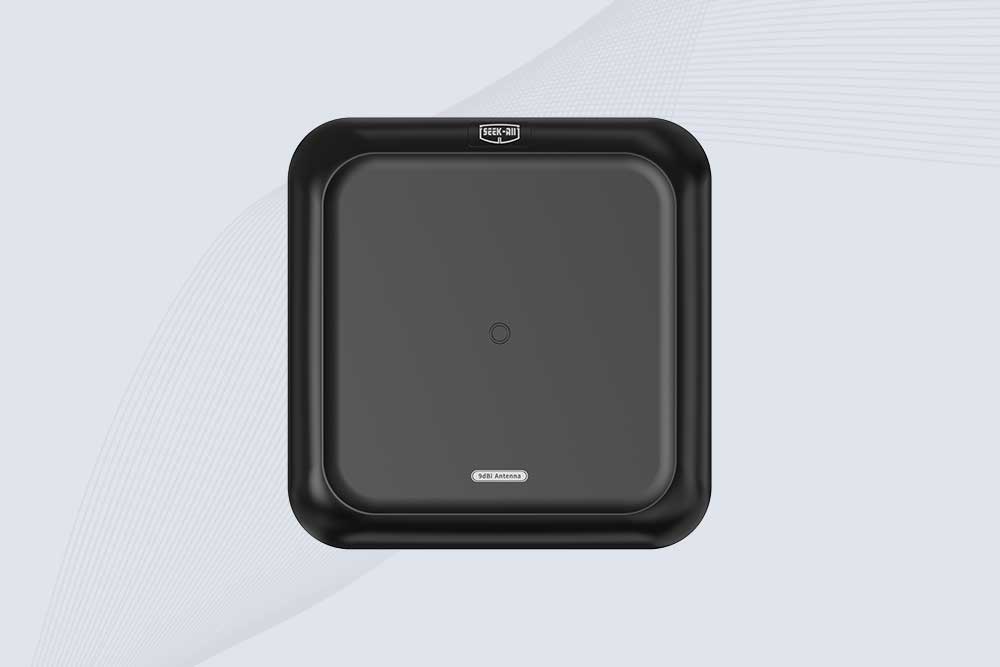
Cykeo CYKEO-A9 industrial UHF RFID antenna delivers 9dBi gain, 840-960MHz frequency range, and IP65 protection for warehouse/logistics/retail RFID systems. Features N-type connector and ≤1.3:1 VSWR.
CYKEO UHF RFID Antenna built for long-distance and industrial applications. This antenna rfid uhf delivers strong gain, outdoor durability, and reliable tag performance in warehouses, yards, and vehicle ID systems.
CYKEO Antenna RFID delivers reliable long-range UHF performance in warehouses, retail shelves, and cold-chain environments. This compact uhf rfid antenna provides stable reads with circular polarization and ultra-wide 840–960 MHz support, ideal for industrial tracking, smart shelves, and asset monitoring.
Cykeo’s CYKEO-C8 UHF RFID antennas delivers 8dBi gain, 840-960MHz full-band coverage, and IP65 ruggedness for manufacturing/warehouse RFID systems. Industrial RFID Antennas Features
Cykeo’s 8dBi UHF RFID antenna and reader kit delivers 10m+ range, 840-960MHz broadband, and IP65 ruggedness for factories, warehouses, and logistics. ISO 18000-6C & EPC Gen2 certified.
CK-TP3BC RFID inventory tunnel system enables automated, hands-free batch inventory tracking on conveyor lines. Designed for fashion, wine, and electronics warehouses, with RESTful and native APIs for ERP, WMS, and IoT integration.
Tools tracking with RFID technology helps businesses automate tool inventory, reduce losses, improve accountability, and complete audits in seconds using smart tracking systems.
NFC tags vs RFID: Understand range, cost & use cases. Learn when NFC’s phone compatibility beats RFID’s industrial power. No jargon, just clear answers.
RFID tool cabinets are quickly becoming standard in manufacturing. Learn why more factories are switching from manual tool tracking to RFID-based systems.
 Cykeo RFID IoT Solution Products R&D Manufacturer