 Cykeo RFID IoT Solution Products R&D Manufacturer

How Handheld RFID Scanners Simplify Livestock Tracking and Farm Management
931Discover how handheld RFID scanners improve livestock tracking, health monitoring, and farm efficiency. Learn key features for agricultural use.
MoreAll RFID Product
When RFID system does not work as expected, many people immediately think the RFID reader has a problem. But in real projects, the RFID tag itself is often the first thing that needs to be checked.
A customer once told us that hundreds of RFID tags purchased for warehouse tracking were “dead”. After testing, most tags were actually fine. The issue was caused by unsuitable tag selection and metal interference.
So before replacing equipment or changing the whole RFID system, it is better to know how to check whether an RFID tag is really working.
For RFID distributors, solution providers, and system integrators, this simple testing process can also help reduce installation problems and customer complaints.
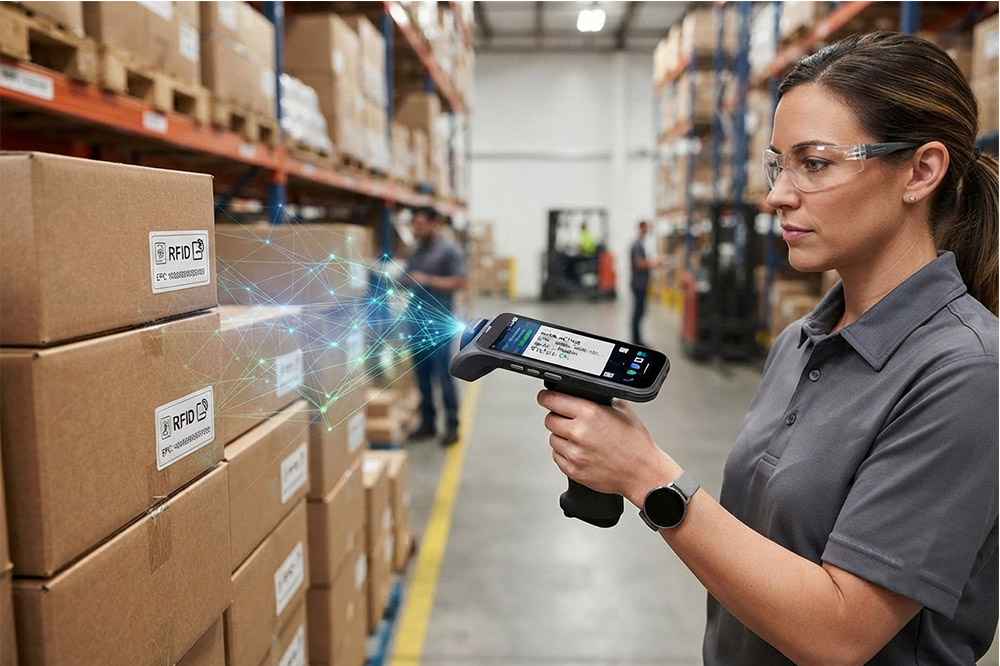
The easiest way to check an RFID tag is using a compatible RFID reader.
Place the RFID tag close to the reader antenna and try to scan it.
If the reader detects the tag and displays information such as:
the RFID tag is working.
For example, with UHF RFID tags, a handheld RFID reader can quickly confirm whether the tag is responding. If the tag can be read multiple times from different angles, the tag performance is usually normal.
However, one successful scan does not always mean everything is perfect.
For bulk RFID projects, suppliers normally recommend testing multiple tags because production batches, materials, and application environments can affect performance.
One common mistake is testing a tag with the wrong device.
Different RFID technologies cannot communicate with each other.
For example:
A UHF RFID tag cannot be tested with an NFC smartphone because they use different frequencies.
This sounds obvious, but it happens more often than expected when customers receive samples from different suppliers.
Before testing, confirm:
For UHF RFID projects, EPC Gen2 / ISO 18000-6C compatibility is usually the key point.
A tag working on a desk does not always mean it will work after installation.
This is especially important for industrial applications.
A few examples:
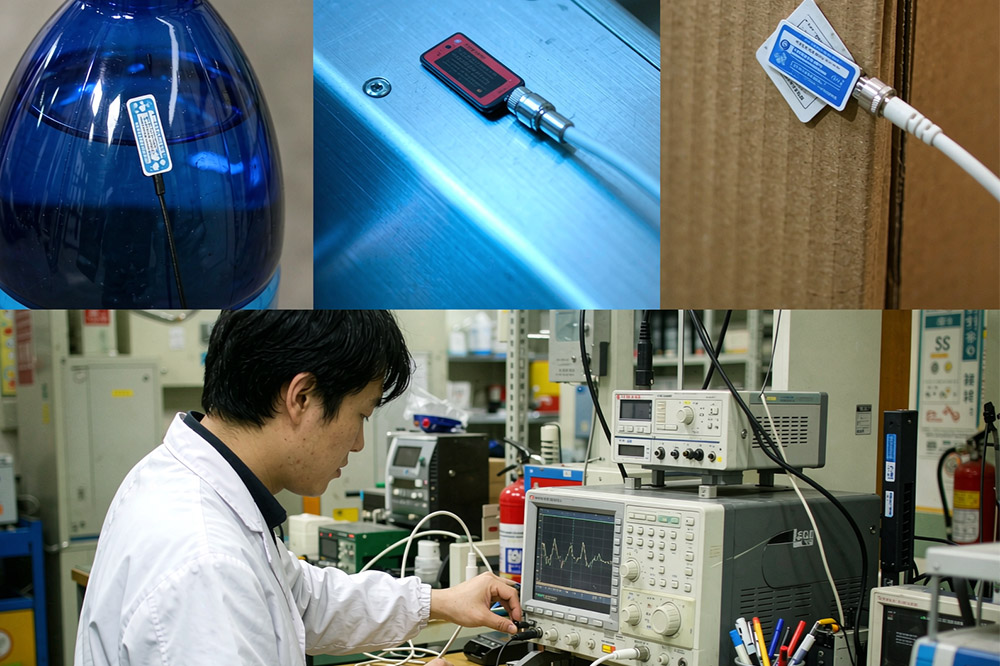
Normal RFID tags may lose reading distance when attached directly to metal surfaces.
The metal changes the antenna performance and can weaken the RFID signal.
For these applications, anti-metal RFID tags with special materials are usually required.
Sometimes customers test an RFID tag outside a package and get good results, but after placing products inside cartons, the reading distance becomes shorter.
The reason could be:
Testing should always happen in the final application environment.
An RFID tag that is not working usually shows several symptoms:
This is the most obvious problem.
Possible reasons:
The tag may still work, but the performance is lower.
Possible causes:
When only certain tags fail, check:
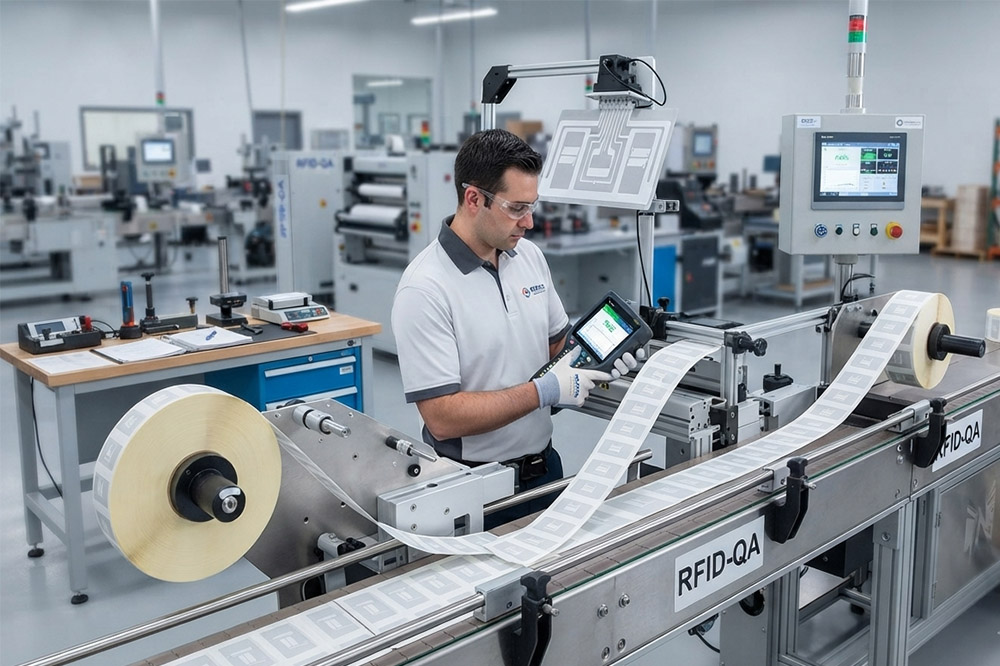
For large-volume RFID orders, random sampling inspection before shipment is a good practice.
For companies purchasing thousands or millions of RFID tags, checking every single tag is not practical.
A better approach is:
Before mass production, test samples with the actual RFID reader and software.
Do not only test in the office.
Try the tags on:
A reliable RFID tag should not only be readable once.
Check:
This is where professional RFID manufacturers usually provide more value than simple tag suppliers.
A lot of RFID problems happen because the wrong tag is selected at the beginning.
Before purchasing RFID tags in bulk, consider:
For example:
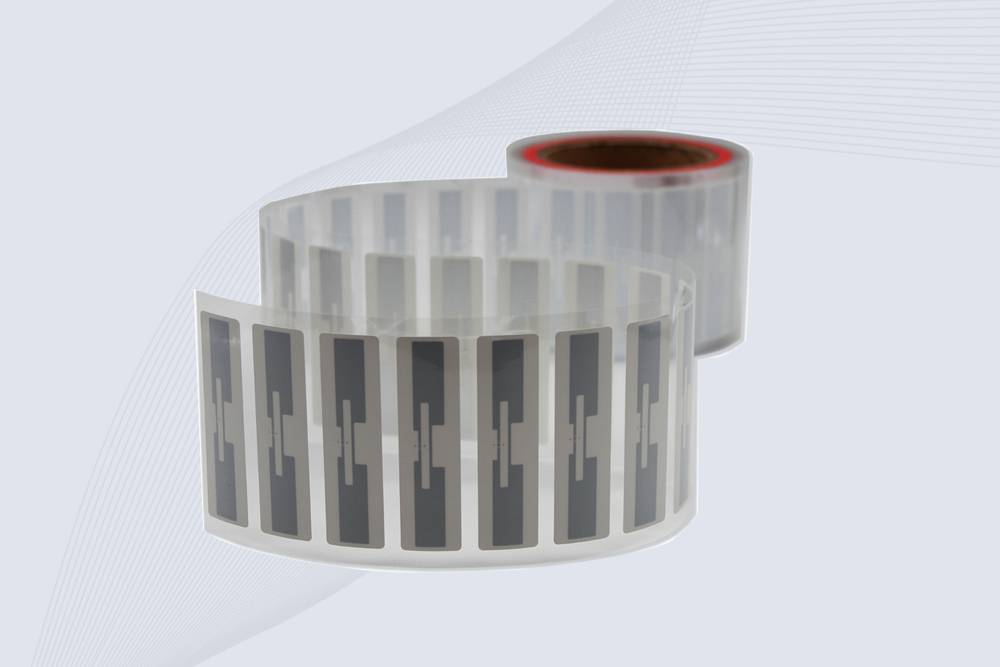
Warehouse inventory tracking may need long-range UHF RFID labels.
Metal asset tracking may require anti-metal RFID tags.
Medical equipment management may require durable tags with stronger materials.
There is no single RFID tag that works best for every situation.
If you are developing an RFID inventory system, access control solution, warehouse project, or industrial tracking application, choosing the right RFID tag is often more important than simply choosing the cheapest option.
A professional RFID supplier can help test different tag designs, chip options, and reading performance before mass production.
For more details about RFID testing methods, you can also check this related guide:
How to Check If My RFID Is Working?
This article explains basic RFID checking methods from a user perspective. Combining that information with application-level testing can help system integrators avoid common deployment problems.
Looking for reliable RFID tags for your inventory, warehouse, or industrial project?
We provide RFID tag solutions including UHF RFID tags, anti-metal RFID tags, custom RFID labels, and OEM RFID products for global system integrators and distributors.
Contact us for RFID samples and project testing support.
CYKEO Passive RFID Tags are made for wet and high-humidity environments where standard labels do not last. This rfid passive tag is often used around liquids, chemicals and temperature changes, providing stable reading distance and long data life for industrial tracking.
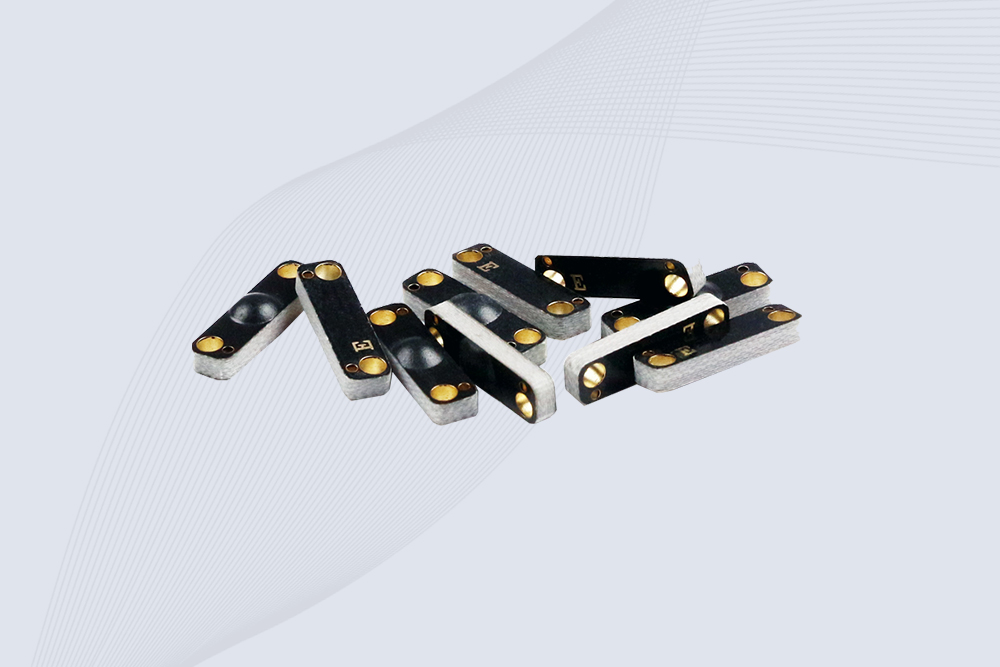
CYKEO CYKEO-PCB1504 Metal RFID Tags is a compact anti-metal UHF RFID solution built for direct mounting on metal surfaces. With stable 8-meter read range, Ucode-8 chip, and long data retention, this rfid metal tag fits tools, containers, automotive parts, and industrial asset tracking.
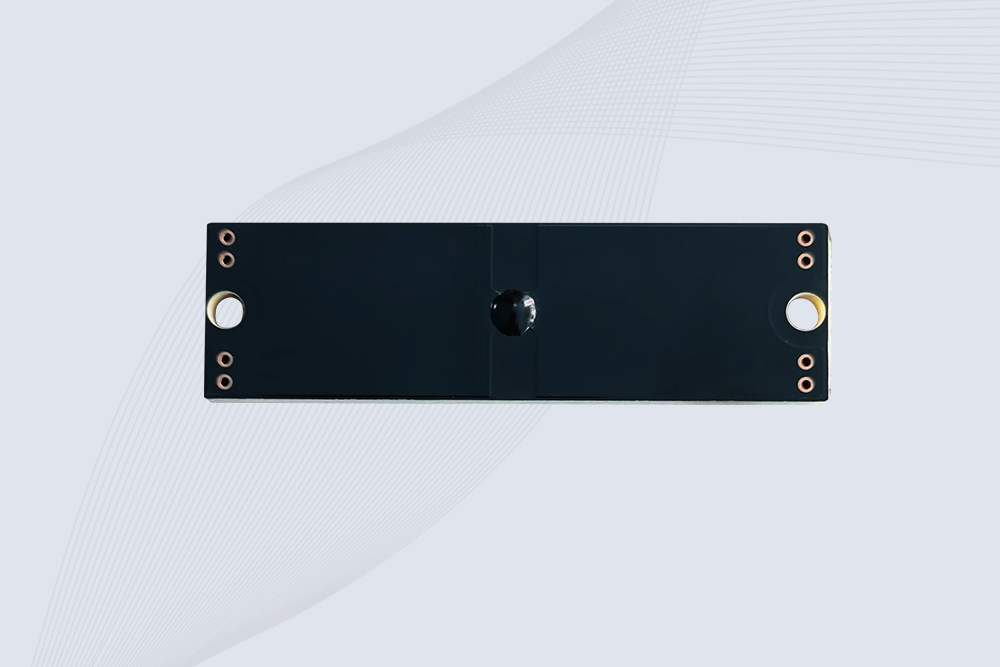
CYKEO CYKEO-PCB7020 On-Metal RFID Tags are designed for reliable tracking on steel and metal surfaces. Built with an FR4 epoxy body and industrial-grade chips, these On-Metal RFID Tags deliver stable performance, long data life, and chemical resistance, making them a dependable RFID anti-metal tag for harsh environments.
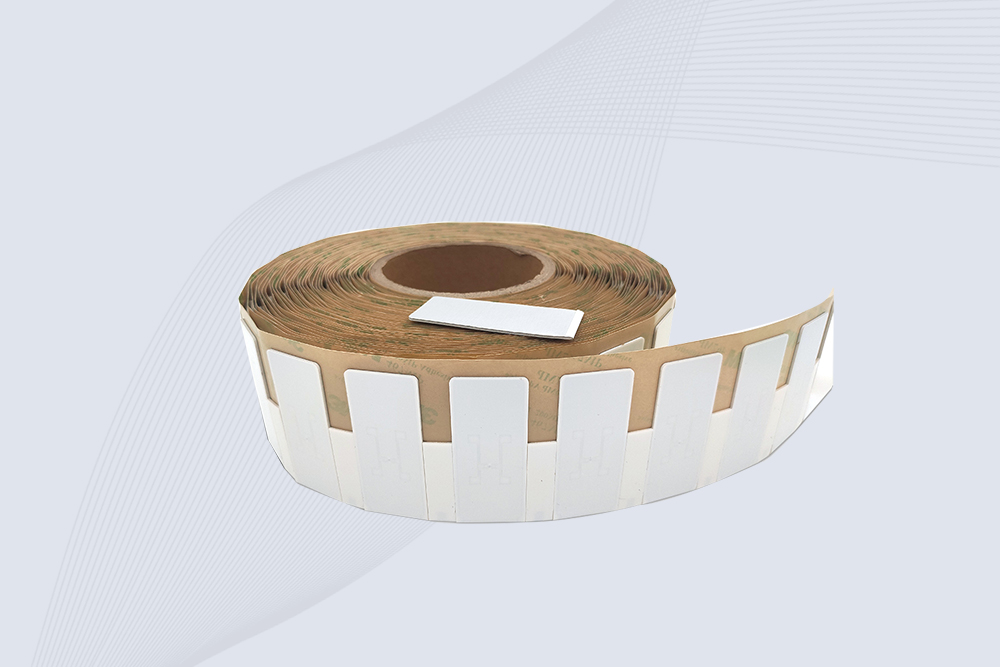
The CYKEO CYKEO-60-25 Anti-Metal RFID Tag is built for metal surfaces where standard tags fail. Designed for long-range performance, harsh environments, and stable data retention, this Anti-Metal RFID Tag is ideal for industrial assets, containers, and equipment tracking using on metal RFID tags.
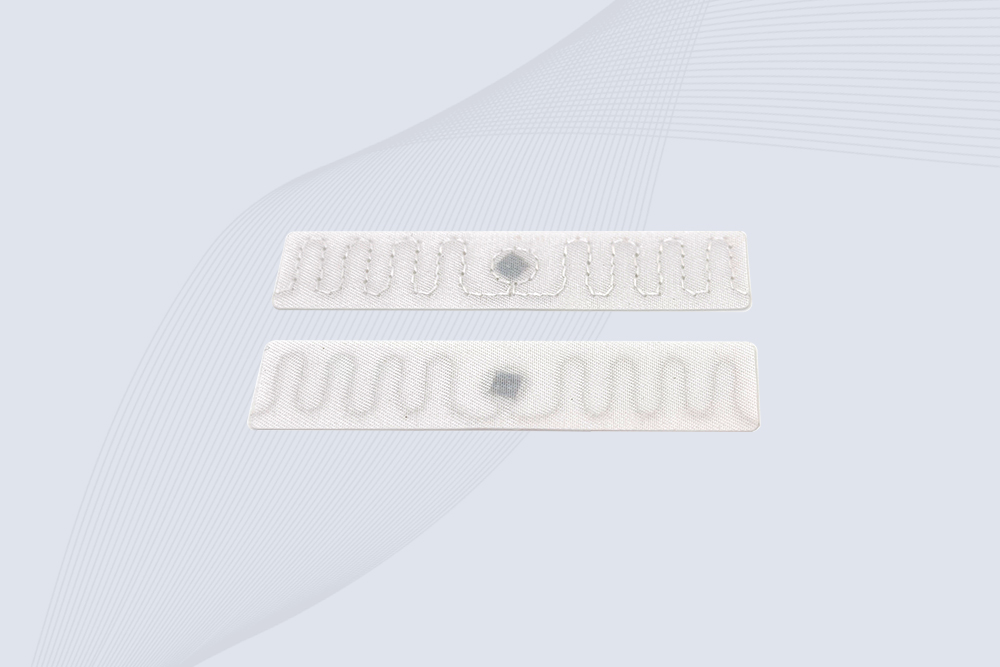
The CYKEO RFID Laundry Tag is designed for long-term textile identification in harsh laundry environments. Built to withstand high heat, chemicals, and repeated washing, this RFID Laundry Tag delivers stable performance for hotels, hospitals, and industrial laundry operations using laundry rfid tags at scale.
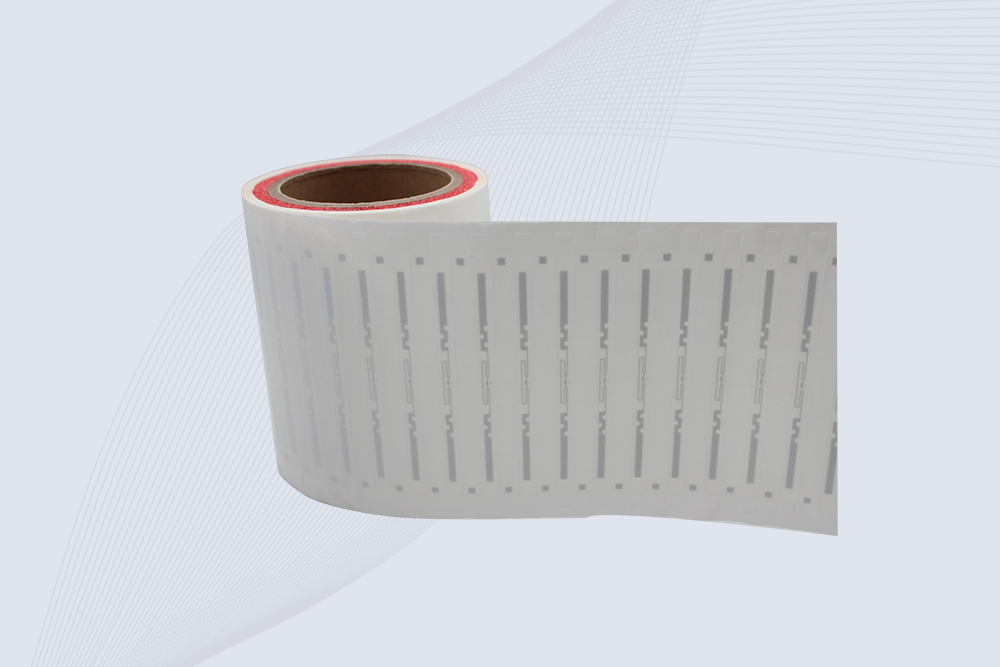
The CYKEO CYKEO-125-7 RFID Book Tag is designed for reliable book and document tracking in libraries and archives. This RFID Book Tag delivers long read range, dense placement support, and stable performance on shelves, making it a practical rfid tag on books for library automation, file management, and archival systems.
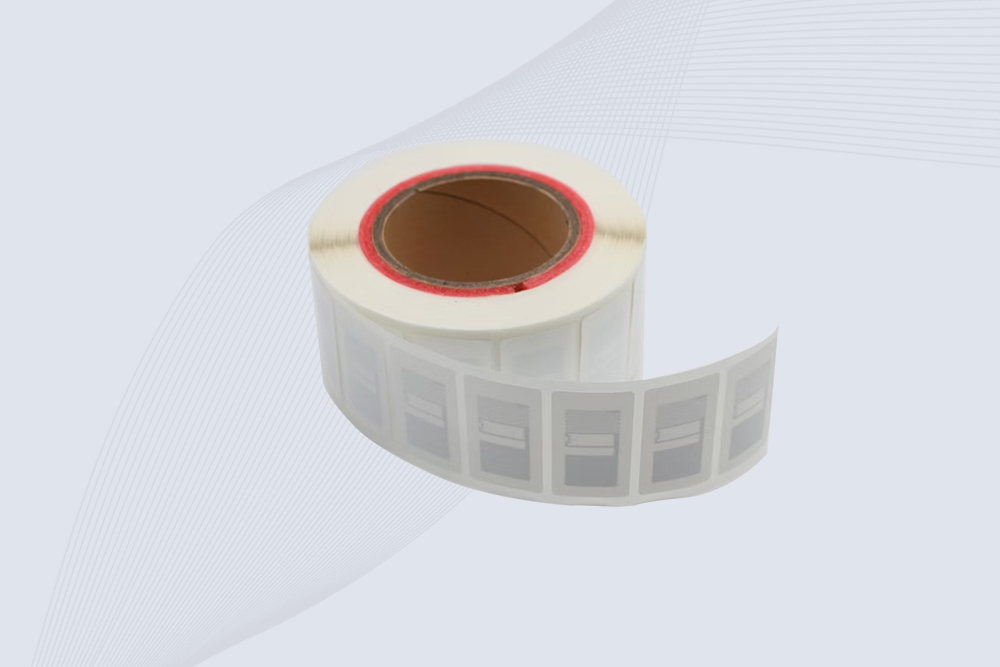
CYKEO RFID tags in hospitals are designed for sterile environments where accuracy matters. These autoclavable RFID tags support long-term tracking of surgical tools, implants, and medications, helping hospitals improve visibility, compliance, and patient safety.

CYKEO RFID Cable Tie Tag is built for reliable identification on metal surfaces. This UHF RFID Cable Tie Tag is widely used in rfid tags for inventory systems, industrial asset management and Hospital RFID Tags, offering stable read performance, long service life and global EPC Gen2 compatibility.
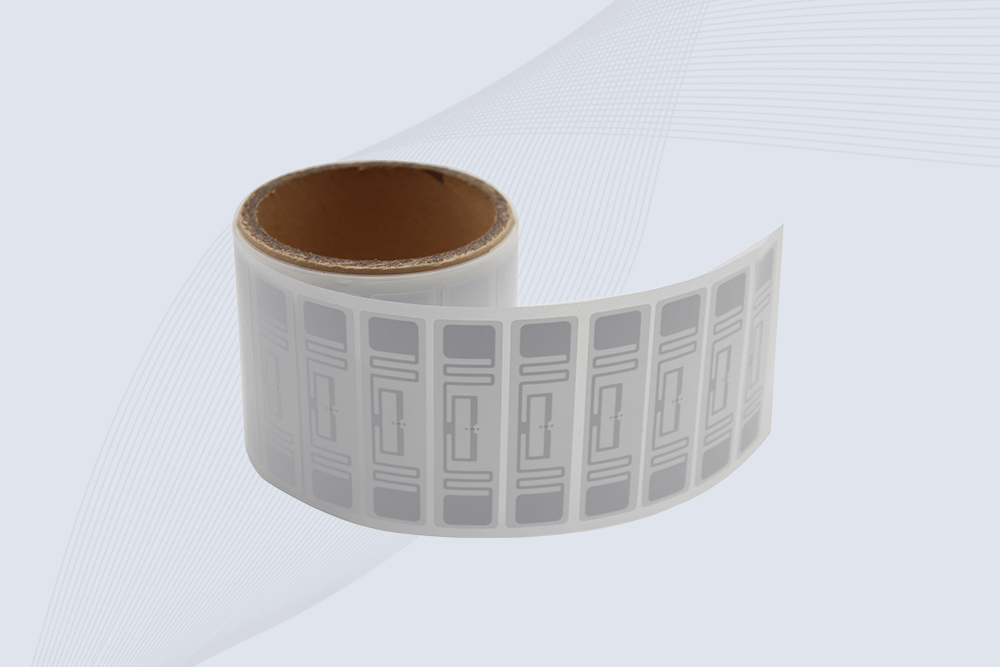
CYKEO RFID Asset Tag is designed for stable identification of metal assets in industrial environments. This UHF RFID Asset Tag is commonly used for rfid tag asset tracking on equipment, tools and containers, providing reliable reads, long service life and ISO/IEC 18000-6C support.

CYKEO UHF RFID Card is designed for fast identification and long-term use in industrial and commercial systems. Supporting ISO 18000-6C, this UHF RFID Card works at 860–960 MHz and is suitable for custom RFID cards used in asset tracking, access control and inventory management.
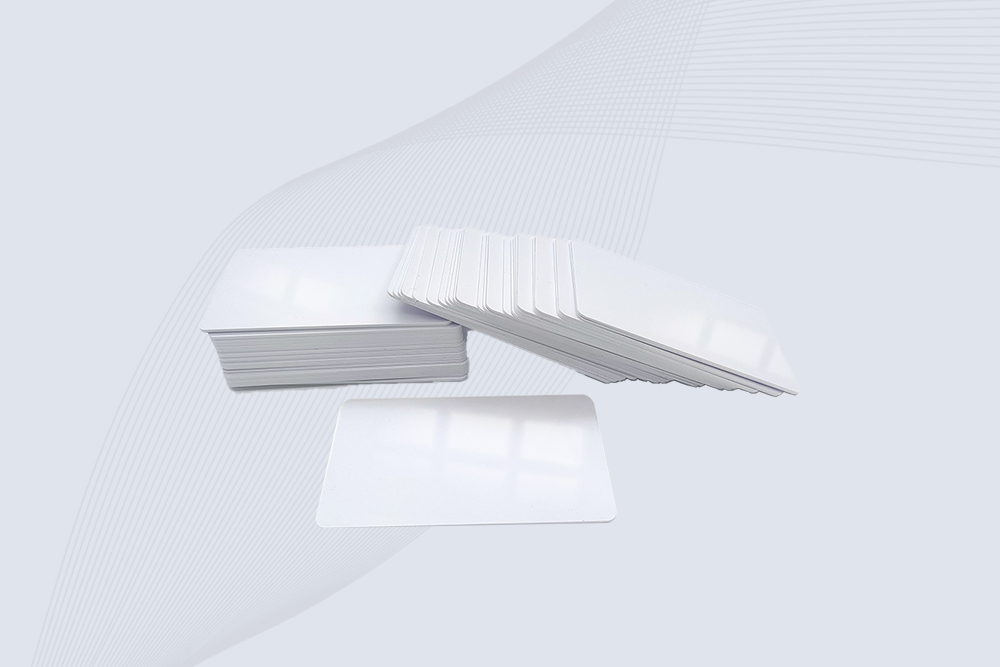
CYKEO HF RFID Cards are designed for secure and stable access control systems. These 13.56 MHz RFID key cards support ISO 14443-A, reliable rewriting and long service life, making HF RFID Cards suitable for offices, campuses, events and membership management.
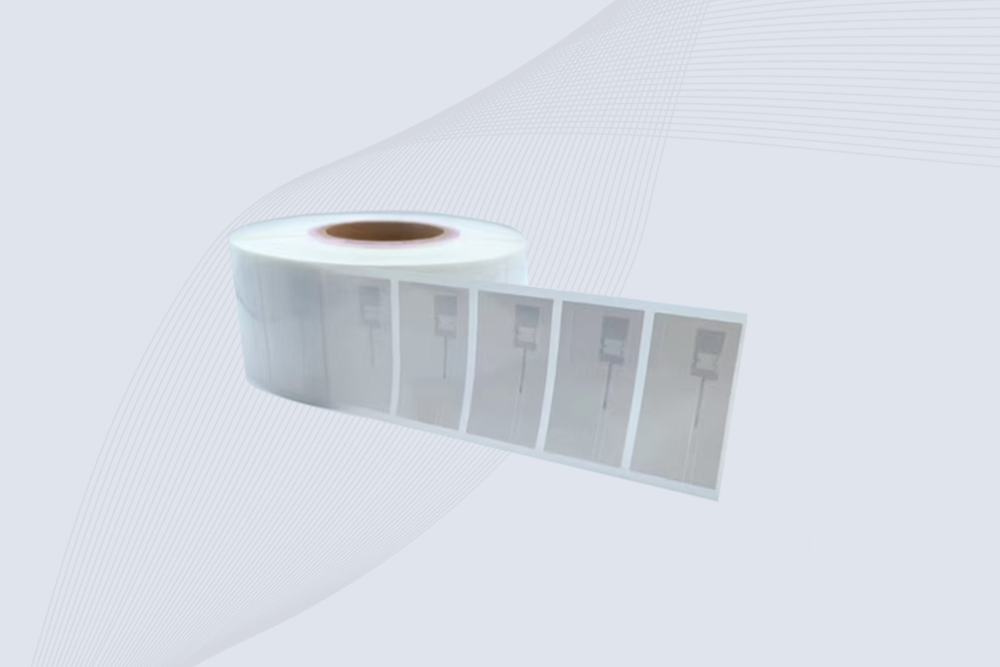
CYKEO UHF RFID Tag is designed for reliable tracking of metal jewelry and high-value items. This Jewelry RFID Tag supports long-range reading up to 8 meters, anti-counterfeit protection and stable performance on metal, making it suitable for retail, inventory control and asset management.
RFID Industry Writer | IoT & Asset Tracking Analyst
James writes about RFID technology, asset tracking, and the practical challenges of digital transformation across warehousing, retail, manufacturing, and logistics.
His work focuses on how RFID is applied in real-world operations—improving inventory visibility, automating workflows, and helping businesses manage assets with greater accuracy and efficiency.
He regularly covers topics including UHF RFID, smart cabinets, RFID portals, tool tracking, warehouse automation, and industrial IoT trends..

Discover how handheld RFID scanners improve livestock tracking, health monitoring, and farm efficiency. Learn key features for agricultural use.
More
The CYKEO CK-A9 UHF RFID Antenna delivers stable long-range performance with high gain, low VSWR, and rugged outdoor-ready construction. Ideal for warehouses, access control, logistics, and intelligent inventory systems.
More
Learn how to test RFID tags using your iPhone. Discover Bluetooth reader options, free apps, and troubleshooting tips for quick verification.
More
Discover how a long range RFID scanner helps mining companies track heavy equipment, tools, vehicles, and materials across large mining sites. Learn practical deployment tips and choose the right industrial RFID solution.
More