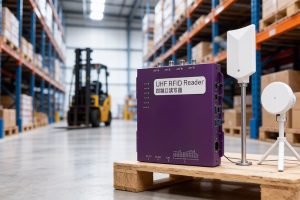
A RFID chip stores identification data and communicates wirelessly with RFID readers to enable automatic recognition, tracking, and information exchange. It allows businesses to identify assets, products, and documents without direct contact, improving operational visibility in manufacturing, logistics, libraries, healthcare, and enterprise management systems.
What Does a RFID Chip Do in Modern Identification Systems?
What does a rfid chip do is a question often asked when companies evaluate RFID technology for automation projects. The answer is simple: an RFID chip acts as the digital identity unit inside an RFID tag, storing information and responding to radio frequency signals from an RFID reader.
Unlike a traditional barcode, an RFID chip does not require optical scanning or direct alignment. When a compatible RFID reader sends a signal, the chip receives energy, processes the request, and transmits stored data back to the system.
During Cykeo RFID implementation projects, our engineering team has tested RFID chips in environments where real-world conditions create challenges — warehouse shelves filled with metal containers, libraries with thousands of tagged books, and industrial workshops where tools move continuously between stations.
The important lesson from these deployments is that the RFID chip itself is only one part of the system. Reliable identification depends on the cooperation between:
RFID chip design
Antenna performance
Reader communication capability
Software processing logic
Installation environment
A small chip can become the foundation of a complete digital tracking system when these components work together.
How RFID Chips Work Inside RFID Tags
An RFID chip usually contains three main functional areas:
Component
Function
Memory Area
Stores identification information and user data
Microcontroller
Processes commands from RFID readers
Communication Interface
Exchanges information through radio frequency signals
RFID chips are generally divided into two categories:
RFID Chip Type
Power Source
Common Uses
Passive RFID Chip
Powered by reader signal
Inventory, libraries, logistics, asset tracking
Active RFID Chip
Internal battery powered
Long-distance tracking, industrial monitoring
Most enterprise RFID applications use passive RFID chips because they are lightweight, cost-effective, and require minimal maintenance.
According to the International Organization for Standardization, RFID technologies are standardized through protocols such as ISO/IEC 18000, which defines air interface communication methods between RFID readers and tags.
RFID Chip Data Communication Process
Step 1: RFID Reader Sends Radio Frequency Signal
The RFID reader generates an electromagnetic field. When an RFID chip enters this area, it receives the signal through its antenna.
Step 2: Chip Activates and Processes Information
The chip uses received energy to activate its internal circuit and access stored information.
Typical stored data may include:
Unique identification number
Product information
Asset records
Location information
Maintenance history
Step 3: RFID Chip Returns Data
The chip communicates the information back to the reader, which transfers the data into management software.
This process happens within seconds and allows companies to identify multiple items automatically.
Cykeo Engineering Experience: Designing RFID Solutions Beyond the Chip
At Cykeo, our RFID engineering experience shows that successful RFID deployment requires more than selecting a high-performance chip.
A frequent mistake during early RFID projects is focusing only on theoretical reading distance. In actual applications, factors such as tag placement, material interference, signal reflection, and reader positioning determine final performance.
For example, in a library registration environment, RFID chips must support:
Fast book registration
Stable tag writing
Accurate inventory operations
Multiple tag recognition
In industrial tool management, RFID chips must handle:
Frequent movement
Different installation surfaces
Dense working environments
Long-term identification reliability
Cykeo RFID systems combine reader hardware, software interfaces, and optimized algorithms to improve practical identification performance.
Our development teams provide:
RFID hardware testing
Application scenario evaluation
SDK development support
C# and Java integration resources
Customized RFID deployment guidance
The engineering focus is not simply “reading a chip.” It is creating a reliable connection between physical assets and digital information.
RFID Chip Technical Advantages
1. Contactless Identification
RFID chips communicate wirelessly, reducing manual scanning operations and improving workflow efficiency.
2. Multiple Tag Recognition
Unlike barcode systems that usually require individual scanning, RFID technology can identify multiple tagged objects simultaneously.
3. Writable Information Storage
Many RFID chips support data writing, allowing organizations to update information during the product or asset lifecycle.
4. Long-Term Tracking Capability
RFID chips can remain attached to assets for years, supporting continuous identification and management.
RFID Chip Application Examples
Manufacturing
Factories use RFID chips for:
Production tracking
Tool management
Equipment identification
Work-in-progress monitoring
Library Management
Libraries use RFID chips inside labels to support:
Book registration
Self-service borrowing
Inventory checking
Shelf management
Healthcare
Healthcare organizations apply RFID technology for:
Medical equipment tracking
Supply monitoring
Asset visibility
Logistics
Logistics companies use RFID chips for:
Package identification
Warehouse inventory
Supply chain visibility
According to AIM Global, RFID technology is widely adopted in automatic identification applications because it improves data capture speed and reduces manual processes.
RFID chips transform physical objects into digitally identifiable assets through wireless communication.
RFID Chip Benefits Compared With Traditional Identification Methods
Feature
RFID Chip System
Barcode System
Contactless reading
Yes
No
Multiple item reading
Yes
Limited
Data writing
Available
Usually unavailable
Environmental adaptability
High
Medium
Automation capability
High
Lower
Frequently Asked Questions About What Does a RFID Chip Do
Can an RFID chip store personal information?
An RFID chip can store different types of information depending on application requirements. In many industrial systems, chips store identification numbers rather than sensitive personal information.
How far can an RFID chip be read?
Reading distance depends on RFID frequency, antenna design, reader power, and environment.
Typical ranges:
RFID Type
Approximate Range
LF RFID
Few centimeters
HF RFID
Several centimeters
UHF RFID
Several meters
Cykeo UHF RFID solutions are designed for applications requiring efficient identification across warehouses, industrial facilities, and asset management environments.
Industrial RFID chip applications improve visibility, accuracy, and automation across enterprise operations.
Does an RFID chip need a battery?
Most RFID chips used in enterprise applications are passive. They receive power from the RFID reader signal and do not require an internal battery.
Can RFID chips be rewritten?
Yes. Many RFID chips support writing and updating stored information when compatible RFID readers are used.
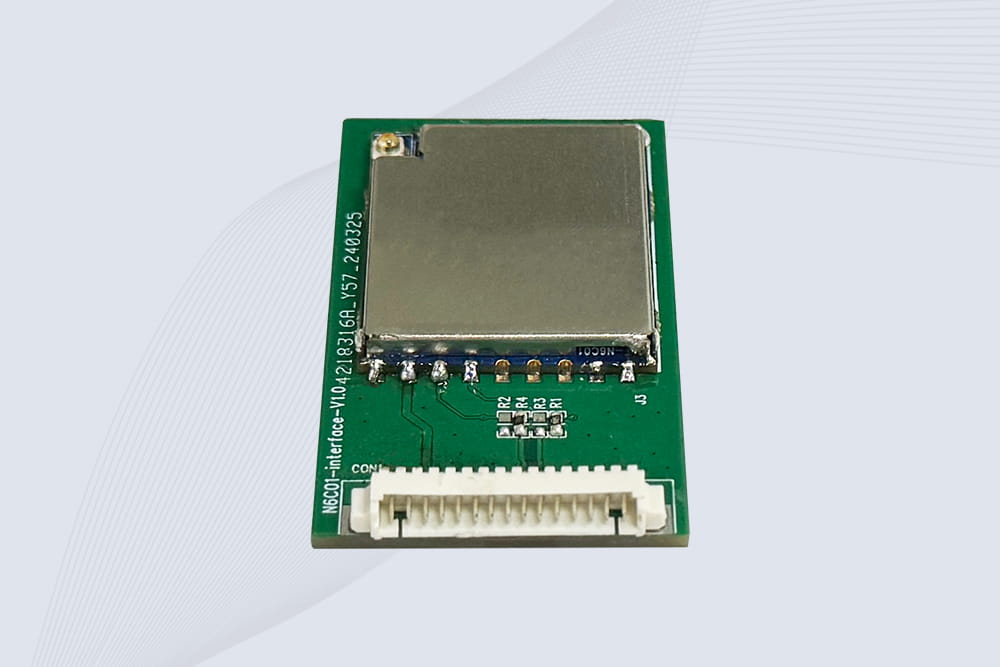
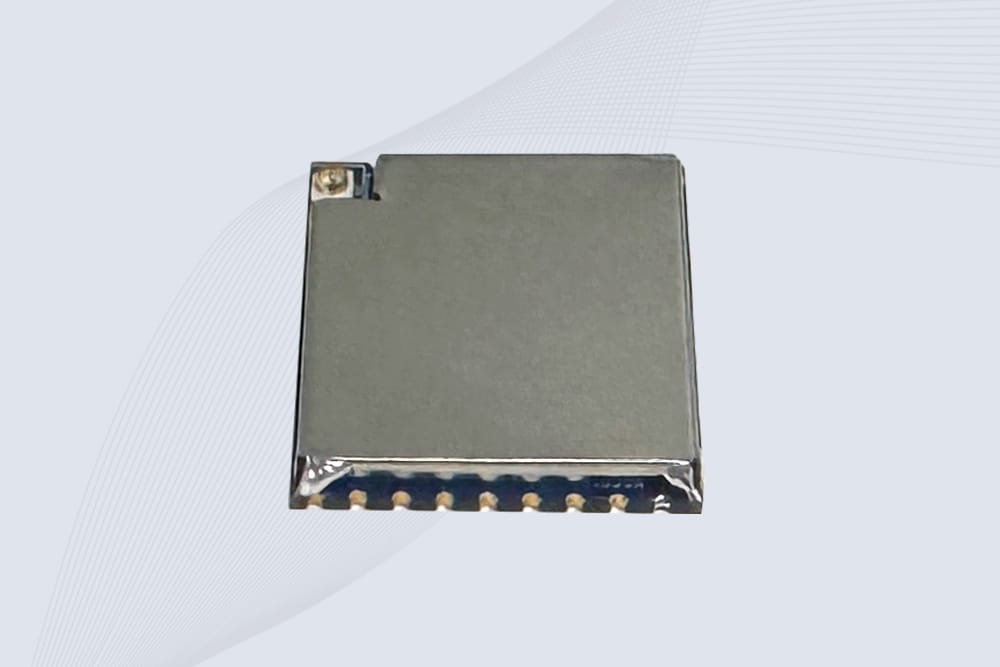
CYKEO Embedded RFID Modules are designed for compact industrial and IoT devices that require stable UHF performance. These UHF RFID Modules support global protocols, flexible power control, and reliable multi-tag reading for smart cabinets, production lines, and asset tracking systems.
CYKEO Embedded RFID Module is built for compact IoT and industrial devices that need stable UHF performance. This UHF module supports global protocols, low power operation, and reliable multi-tag reading for smart lockers, production lines, and always-on RFID systems.
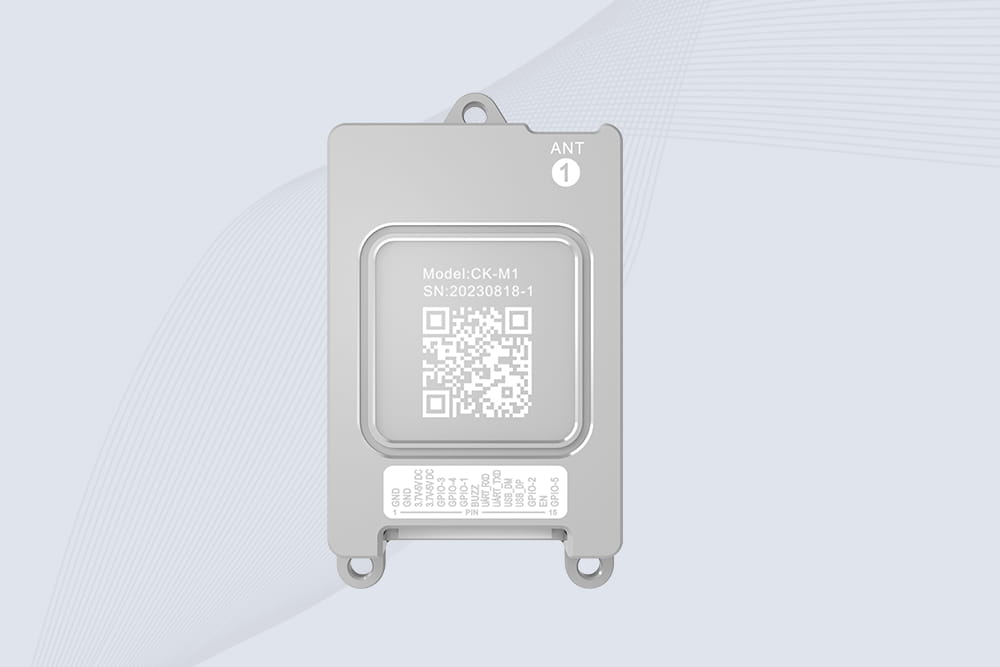
CYKEO CYKEO-M1 drone rfid module is a compact UHF RFID reader module designed for drones and UAV platforms. It supports long-range aerial scanning, fast multi-tag reading, and stable performance in wind, vibration, and outdoor environments.
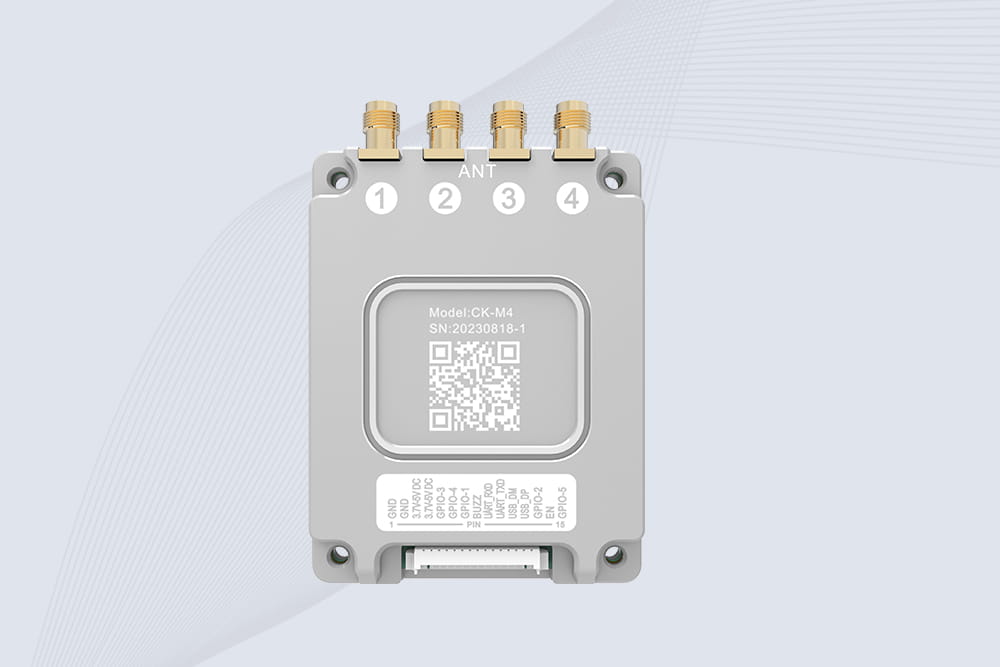
CYKEO CYKEO-M4 RC522 RFID Module is an industrial-grade UHF RFID reader with 4 ports, supporting ISO, EPC, and GB protocols. High-speed, accurate reading for IoT, automation, and warehouse applications.
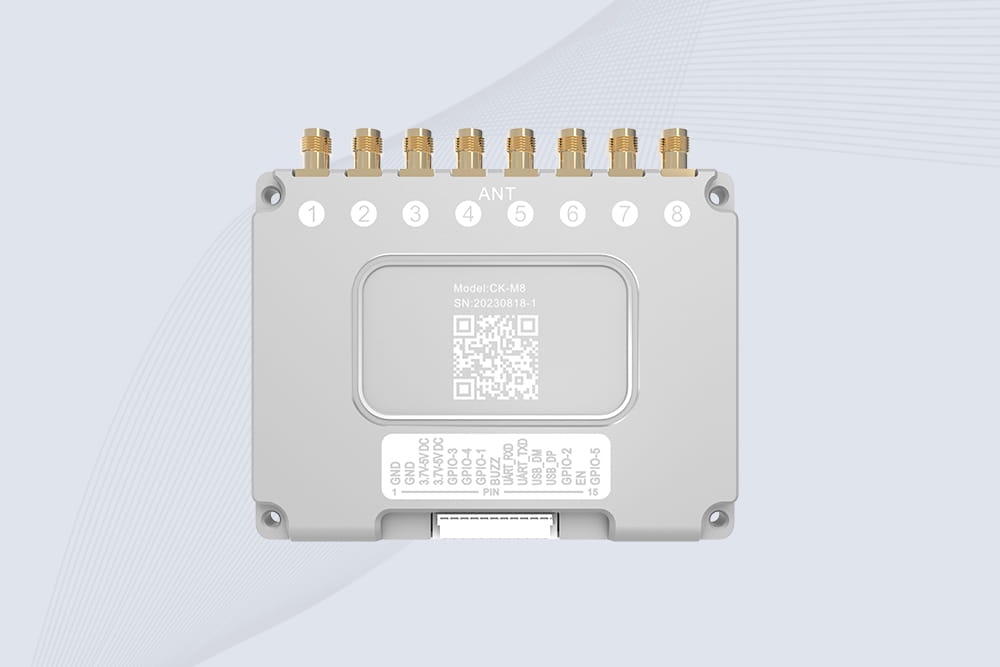
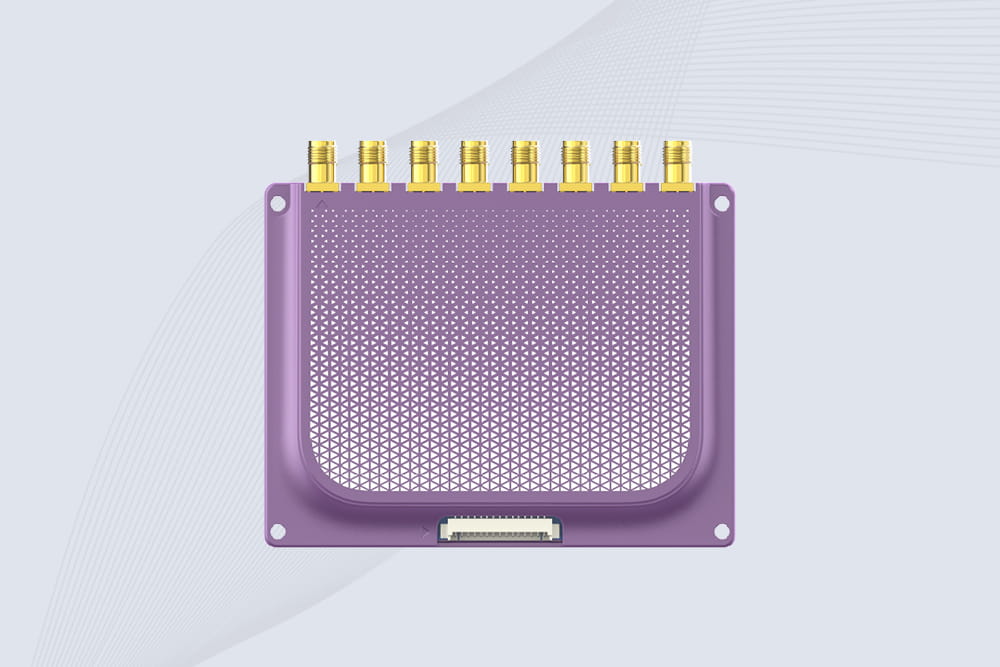
CYKEO CYKEO-M8 Module RFID is an 8-port UHF R2000 RFID Module designed for high-density, multi-tag environments. Stable 33dBm output, ISO & GB protocol support, ideal for warehouses, factories, and automated systems.
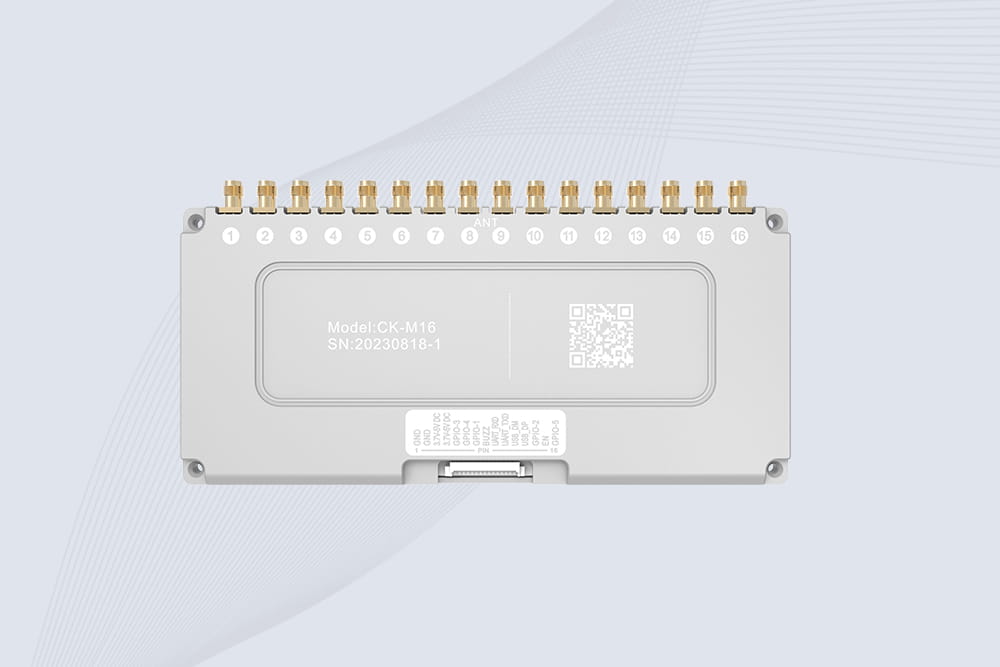
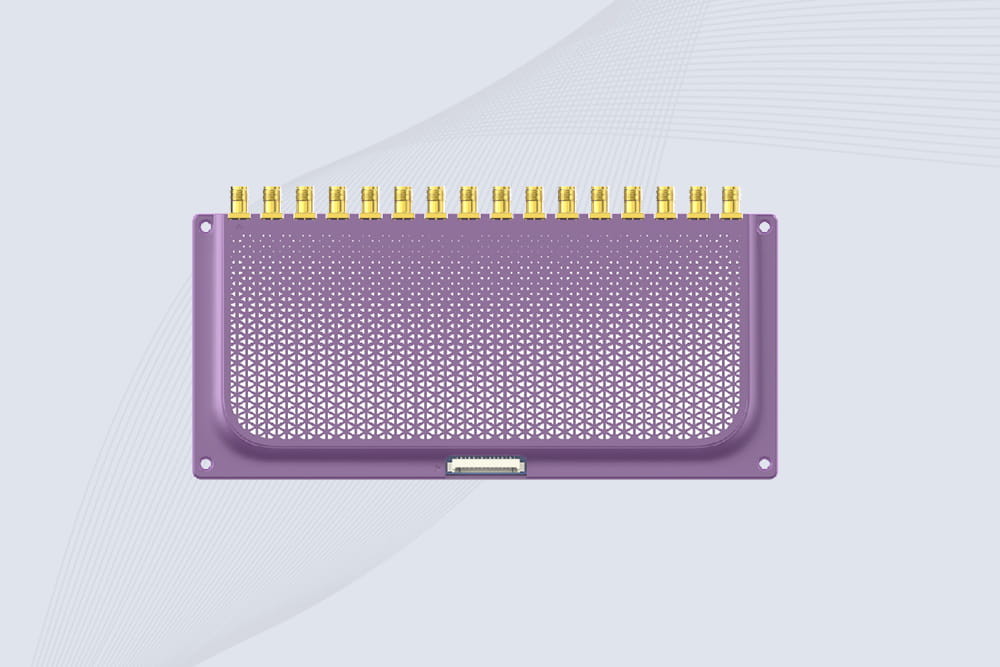
CYKEO CYKEO-M16 RFID Module is a 16-port UHF RFID reader module based on the R2000 chipset. Designed for dense tag environments, it supports ISO and GB standards and delivers stable multi-antenna control for industrial automation.
The CYKEO CYKEO-M16L RFID Reader Module is a 16-channel UHF RFID core designed for dense tag environments. With adjustable 33dBm output, multi-protocol support, and stable multi-antenna control, this RFID Tag Reader Module fits industrial automation, warehouse systems, and large-scale IoT deployments.
CYKEO CYKEO-M8L module RFID is a compact industrial UHF module built for dense tag and multi-antenna environments. With 8 RF ports, adjustable 33 dBm output, and ISO & GB protocol support, it is widely used in factories, warehouses, and automated tracking systems.
CYKEOCYKEO-M4L UHF RFID Module is a compact 4-channel RFID tag reader module designed for dense tag environments. Supporting ISO and GB protocols, it delivers stable reads up to 10 meters for industrial and IoT systems.
Cykeo CYKEO-A11 UHF RFID reader antenna delivers 11dBi gain, 840-960MHz frequency range, and IP65 ruggedness for retail, logistics, and industrial RFID systems. Features low VSWR and easy installation.
CYKEO Antenna RFID Reader delivers stable long-range UHF performance with a 10.5dBi directional design, built for warehouses, conveyor portals, and industrial RFID systems. This rfid reader antenna provides 20m+ read distance and rugged IP67 protection.
Cykeo CYKEO-A5B industrial Linear RFID Antenna delivers 5dBi gain, ≤1.5:1 VSWR, and IP65 rugged design for warehouse, production line, and logistics UHF systems.
Cykeo’s CYKEO-B12 Long Range RFID Antenna delivers 15m+ read range with 12dBi gain, IP65 rugged design, and global 840-960MHz UHF support. Ideal for warehouse/logistics asset tracking.
Cykeo CYKEO-B10 Long Distance RFID Antenna offers 10dBi gain, 840-960MHz frequency range, IP65 rating, and 20m+ coverage for logistics/warehousing/ETC systems. Low VSWR ensures stable signal transmission.
Cykeo CYKEO-A6 UHF RFID panel antenna features 6dBi gain, 840-960MHz broadband, IP65 metal-ready housing for logistics/smart retail. 18mm ultra-thin design with tool-free mounting.
Cykeo CK-A3 industrial antenna RFID UHF offers 5m+ tag detection, ≤1.3:1 VSWR, IP65 rugged design, and global UHF spectrum compatibility (840-960MHz) for warehouses, factories, and retail.
Cykeo CYKEO-B5 directional RFID antenna provides 5dBi gain with 60° narrow beamwidth for precise inventory tracking. IP65-rated, global UHF frequency support, and low VSWR.
Create your own high-performance DIY RFID antenna! 5dBi gain, 840-960MHz tunable, step-by-step guides. Compatible with Arduino, Raspberry Pi, and commercial UHF readers.
Cykeo CYKEO-A7 Flexible RFID Antenna features 840-960MHz wideband tuning, 7dBi gain, and IP68 rating for medical/retail/industrial curved surface deployments. 98% read accuracy with peel-and-stick installation.
Cykeo CYKEO-B5A industrial Passive RFID Antenna delivers 5dBi gain, 70° beamwidth, and -40°C~55°C operation for warehouses/smart cabinets. Compatible with Zebra/Impinj readers.
Cykeo’s CYKEO-A9B High Gain RFID Antenna delivers 15m+ read range with 9dBi amplification. Features IP54 rugged design, 840-960MHz bandwidth, and 80° beamwidth for warehouse/manufacturing RFID systems.
Cykeo’s enterprise-grade 8dbi Impinj RFID Antenna 10m+ read range with 840-960MHz tuning. Features IP65 housing, 1.4 VSWR, 35° beamwidth for retail/warehouse RFID systems.
Cykeo CYKEO-A9 industrial UHF RFID antenna delivers 9dBi gain, 840-960MHz frequency range, and IP65 protection for warehouse/logistics/retail RFID systems. Features N-type connector and ≤1.3:1 VSWR.
CYKEO UHF RFID Antenna built for long-distance and industrial applications. This antenna rfid uhf delivers strong gain, outdoor durability, and reliable tag performance in warehouses, yards, and vehicle ID systems.
CYKEO Antenna RFID delivers reliable long-range UHF performance in warehouses, retail shelves, and cold-chain environments. This compact uhf rfid antenna provides stable reads with circular polarization and ultra-wide 840–960 MHz support, ideal for industrial tracking, smart shelves, and asset monitoring.
Cykeo’s CYKEO-C8 UHF RFID antennas delivers 8dBi gain, 840-960MHz full-band coverage, and IP65 ruggedness for manufacturing/warehouse RFID systems. Industrial RFID Antennas Features
Cykeo’s 8dBi UHF RFID antenna and reader kit delivers 10m+ range, 840-960MHz broadband, and IP65 ruggedness for factories, warehouses, and logistics. ISO 18000-6C & EPC Gen2 certified.
Cykeo’s CYKEO-A12C UHF Large RFID Antenna delivers 12dBi gain, 840-960MHz global frequency, IP65 ruggedness for logistics/warehousing/automotive. 40° beamwidth ensures stable 15m+ tag reads.
CYKEO Near Field RFID Antenna provides precise 5–30 cm reading for shelves, cabinets, and workstations. This compact rfid shelf antenna delivers stable short-range performance around metal and clutter, ideal for pharmacies, libraries, and electronics sorting.
Cykeo CYKEO-C1 industrial Forklift RFID Reader features 20m read range, 600 tags/sec scanning, Impinj R2000 chipset, and IP67 rugged design. Ideal for warehouse logistics and manufacturing. Supports ISO 18000-6C/6B protocols.
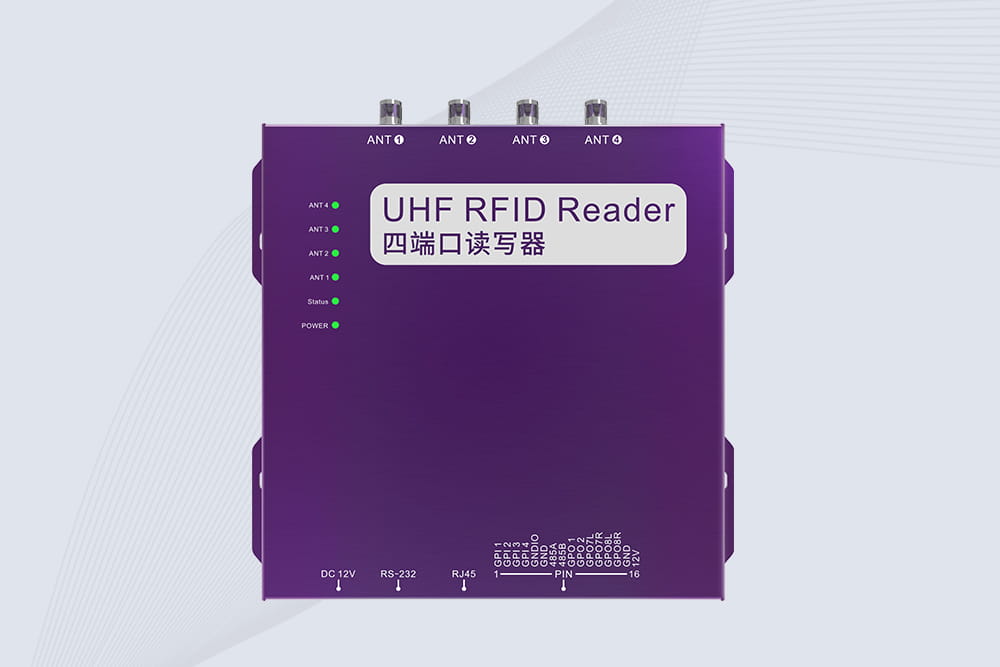
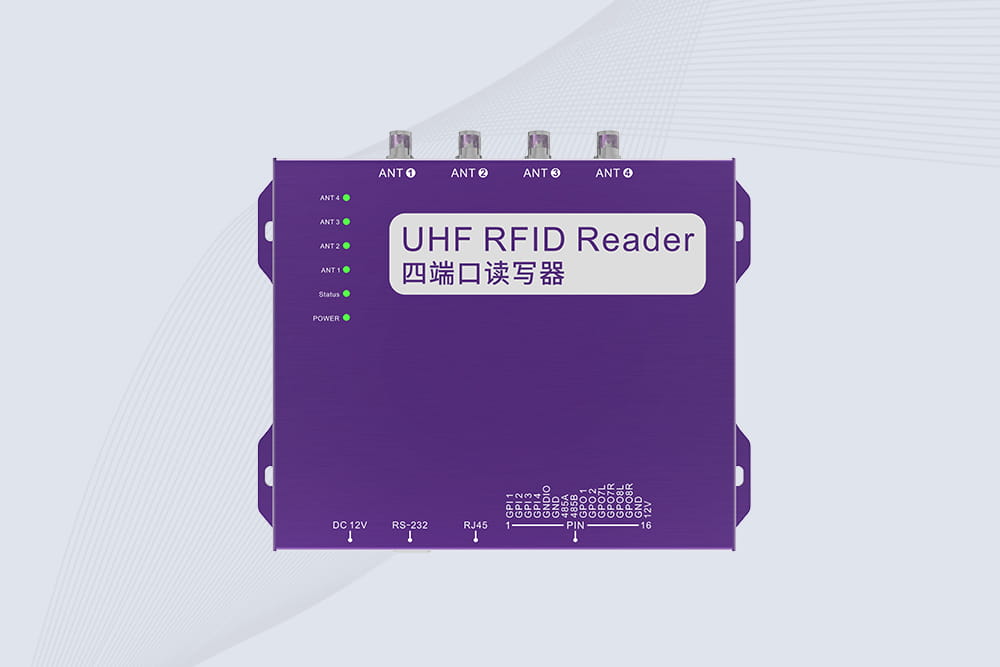
Cykeo CYKEO-R4 industrial UHF RFID Fixed Reader features 4 TNC ports, 400+ tags/sec speed, IP67 housing, and global frequency compliance for vehicle inspection, smart warehouse, and asset management systems.
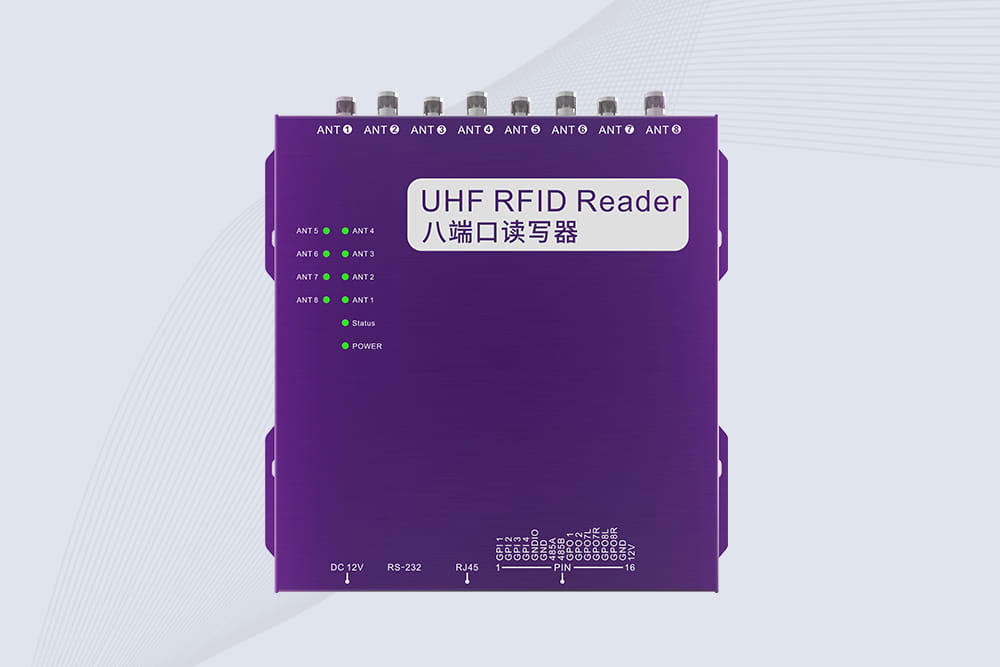
CYKEO CYKEO-R8L Fixed RFID Reader with 8-port UHF design, Impinj-based RF core and up to 20m read range. An industrial Fixed RFID Reader for vehicle inspection, warehouse portals, smart manufacturing lines and secure access checkpoints.
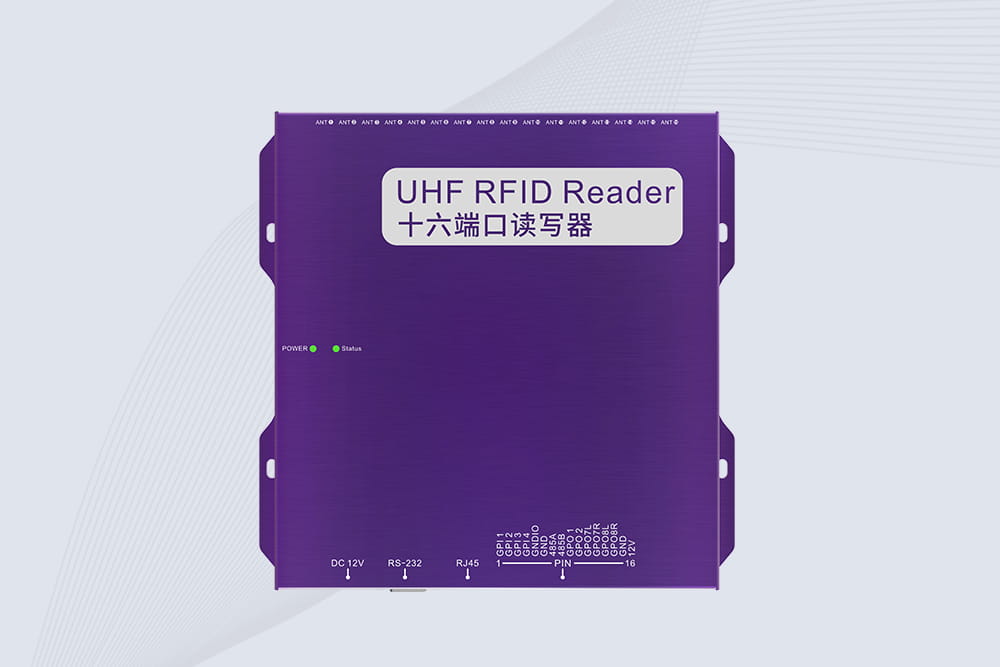
RFID Fixed Reader from CYKEO – the CYKEO-R16L 16-port UHF fixed reader for warehouses, smart cabinets, and production lines. Long-range, multi-tag reading, stable performance for 24/7 industrial use.
Explore how RFID solution providers and system integrators select and deploy RFID tags for garments. Learn about material compatibility, attachment methods, and system integration for reliable apparel management.
Learn how to optimize RFID antenna placement for retail checkout gates to reduce errors and speed up transactions. Discover Cykeo’s solutions for seamless inventory scanning.
Learn how to match RFID readers with the right antennas. Understand antenna gain, polarization, near field, far field, and multi-port configurations for industrial RFID projects.
 Cykeo RFID IoT Solution Products R&D Manufacturer