 Cykeo RFID IoT Solution Products R&D Manufacturer
How to Set Up Multi-Reader RFID Systems for Warehouse Coverage?
1236Learn how to deploy multi-reader RFID systems for seamless warehouse coverage. Optimize placement, avoid interference, and integrate Cykeo’s solutions for maximum efficiency.
MoreAll RFID Product
What are passive RFID tags? Passive RFID tags are battery-free RFID devices that receive operating energy from an RFID reader’s radio signal and return stored identification data through backscatter communication. UHF passive tags are widely used for inventory, logistics, retail, manufacturing, and asset identification.
The simplest answer to what are passive rfid tags is straightforward: they are RFID tags that operate without an internal battery.
A passive RFID tag normally contains:
| Component | Main Function |
|---|---|
| RFID IC | Stores and processes identification data |
| Antenna | Receives RF energy and communicates with the reader |
| Substrate | Supports the antenna and chip |
| Adhesive / Inlay | Allows the tag to be attached to an object |
| Protective Housing | Used when additional environmental protection is required |
The operating principle is different from active RFID.
The reader transmits an RF signal. The passive tag captures energy from that signal, powers its chip, and responds by changing the way its antenna reflects the incoming signal.
GS1 describes its EPC UHF RFID architecture in exactly these terms: readers provide operating energy through a continuous-wave RF signal, while passive tags use that energy to respond through backscatter.
There is no battery inside the conventional passive UHF label.
That small detail has major consequences for deployment cost and maintenance.
For industrial applications, UHF passive RFID tags are particularly important.
The current GS1 EPC Gen2 air-interface standard specifies UHF RFID communication in the 860–930 MHz range, and GS1 identifies EPC Gen2 as the backbone of passive UHF RFID deployments across multiple sectors. The current Gen2 version listed by GS1 is version 3.0.1, published on February 26, 2026.
A typical reading event happens very quickly:
The technical term backscatter matters here.
The tag is not behaving like a small radio transmitter with its own battery. Instead, it modifies the reflection of the reader’s RF signal to communicate information back.
This is why antenna design, tag orientation, reader power, and the surrounding material all matter in a real installation.
A passive RFID tag does not simply contain one universal number.
UHF Gen2 tags can have different memory areas for different purposes.
GS1 notes that Gen2 RFID tags can contain four memory banks, including areas associated with EPC, TID, and user memory.
A simplified view is:
| Memory Area | Typical Purpose |
|---|---|
| EPC | Product or object identification |
| TID | Information about the RFID chip itself |
| User Memory | Application-specific information when supported |
| Reserved | Access and kill-related functions |
For most inventory applications, the EPC is particularly important.
A warehouse system may associate an EPC with:
Product → SKU → Batch → Location → Inventory Record
That means the tag does not necessarily need to store the entire product database.
The tag can carry an identifier while the business system stores the richer information.
That distinction is often overlooked when companies first evaluate RFID.
The difference becomes clearer when the two technologies are placed side by side.
| Feature | Passive RFID | Active RFID |
|---|---|---|
| Battery | No | Yes |
| Tag power | Reader RF energy | Internal battery |
| Typical tag cost | Lower | Higher |
| Typical size | Small | Usually larger |
| Maintenance | Minimal battery maintenance | Battery management required |
| Common applications | Inventory, products, pallets | High-value asset tracking |
| UHF deployment | Very common | Application-dependent |
Passive RFID is particularly attractive when thousands or millions of items need to be identified.
Imagine putting a battery into every low-cost retail product.
That would create a completely different cost and maintenance model.
With passive RFID, the tag can remain thin, inexpensive, and essentially maintenance-free from a battery perspective.
Inventory is where passive RFID becomes particularly practical.
A warehouse may contain:
The tags can be attached during manufacturing, packing, receiving, or other defined process points.
A fixed UHF reader can then create an identification zone at:
The important engineering point is that maximum theoretical read distance is not always the target.
A controlled read zone is often more useful.
For example, if a shipping gate should identify only pallets passing through one doorway, excessive read range can create unwanted reads from nearby inventory.
In actual RFID deployments, this is one of the first details worth testing on site.
Asking what are passive rfid tags without discussing the physical environment gives an incomplete picture.
Passive tags are sensitive to how they are installed.
Metal can significantly affect the RF behavior of a conventional RFID inlay.
For metal equipment, specialized on-metal RFID tags may be required.
Liquid-rich products can absorb or alter RF energy, affecting communication.
A tag that performs well on a cardboard carton may behave differently on a bottle filled with liquid.
The relationship between the tag antenna and reader antenna matters.
Rotating a tagged item can change the coupling and polarization conditions.
Reader output power, antenna selection, filtering, and installation geometry all influence the actual read zone.
This is why RFID engineers should test the final product rather than relying only on laboratory specifications.
Passive RFID has a broad range of applications.
The common requirement is simple:
A physical object needs to be identified without manually scanning every item.

Passive RFID does not require the same visual scanning process as a conventional barcode.
A barcode reader generally needs to optically capture the printed code.
RFID communicates wirelessly.
| Characteristic | Barcode | Passive RFID |
|---|---|---|
| Optical line of sight | Generally required | Not inherently required |
| Individual scanning | Common | Multiple-tag reading possible |
| Printed code | Required | Not required |
| Wireless communication | No | Yes |
| Automation potential | Moderate | High |
This does not mean RFID makes barcodes obsolete.
Many businesses use both.
The decision depends on the workflow, product characteristics, required speed, and system cost.
Cykeo focuses primarily on UHF RFID solutions for industrial identification and automation.
A passive UHF RFID deployment can include:
For example, the CYKEO-M4L module supports EPC C1G2 / ISO18000-6C and is designed for applications requiring multi-tag recognition, adjustable RF output, filtering, and software integration.
Cykeo fixed-reader solutions such as the CYKEO-RA9L and CK-D9L are designed for industrial environments where UHF RFID tags need to be identified through defined reading zones.
The hardware is only one part of the system.
The tag, reader, antenna, mounting position, product material, and software workflow all need to work together.
That is where practical RFID engineering becomes more important than a specification sheet.
Once you understand what are passive rfid tags, tag selection becomes less about the RFID chip itself and more about the object being tagged.
A tag designed for a cardboard carton is not necessarily suitable for a steel tool cabinet.
Before ordering a large quantity, evaluate:
A useful field practice is to test the actual tag on the actual product.
Do not test only a loose sample on a workbench.
These are commonly used on:
They are typically thin and easy to apply.
For high-volume identification, this format is often practical because the tag can be integrated into an existing labeling process.
Metal presents a different RF environment.
For:
a specialized on-metal tag may provide more predictable performance than a standard paper RFID inlay.
Where tags are exposed to impact, moisture, abrasion, or temperature changes, a protected housing may be necessary.
Typical applications include:
The physical construction of the tag becomes just as important as its RFID specification.
A controlled test can prevent expensive changes after installation.
Attach the RFID tag exactly where it will be used.
Then test it:
For a dock door, for example, test the entire passage.
Do not place one tag in front of the antenna and conclude that the installation is ready.
Move multiple tagged objects through the zone.
Watch for:
This is particularly important in dense warehouse environments.
Passive RFID read range is not one fixed number.
It depends on the interaction between the:
tag + reader + antenna + RF environment + tagged object
Important factors include:
Higher RF power can increase the available energy at the tag, but maximum power is not automatically desirable.
The goal is a usable and controlled reading area.
Antenna gain, polarization, placement, and orientation influence the reading zone.
Different RFID tag antennas are optimized for different materials and operating environments.
Metal and liquids can significantly change RF behavior.
A tag may read reliably in one orientation and become less reliable after rotation.
This is why a published “maximum read distance” should be treated as a reference point, not a guaranteed field result.
Yes, compatible passive UHF RFID tags can be written when the tag memory and system support writing.
A typical workflow uses an RFID writer or reader-writer:
For production environments, verification matters.
A tag that was successfully written is not necessarily correctly associated with the physical product.
For this reason, professional RFID systems often combine tag encoding with database registration or product-binding processes.
Warehouse RFID becomes particularly useful when identification is integrated into an existing movement process.
Consider a receiving dock.
A pallet arrives.
Instead of stopping the pallet and manually scanning every carton, an appropriately designed UHF RFID gate can identify multiple tagged items as they pass through the defined reading area.
The software can then compare the detected EPCs with the expected shipment.
This creates opportunities for:
The key is not simply “reading more tags.”
It is converting RFID reads into useful operational events.
One of the major strengths of UHF RFID is its ability to identify multiple tags within a reader field.
In a warehouse, this might mean reading several tagged cartons on a pallet rather than processing every item individually.
However, multi-tag performance depends heavily on:
A test with ten tags does not necessarily represent a pallet containing hundreds of tags.
For dense deployments, testing should reproduce the real loading condition.
Different materials can require different tag constructions.
A tag that works at one meter may behave differently across a doorway or conveyor.
A powerful reader can detect tags outside the intended zone if the system is poorly designed.
Real products rarely remain perfectly aligned.
The cheapest tag is not necessarily the lowest-cost solution.
If a tag repeatedly fails to read, the labor and operational disruption can outweigh the initial savings.

Passive RFID tags are battery-free RFID devices that receive energy from an RFID reader and communicate identification data through RF backscatter. Passive UHF RFID tags are widely used for inventory, logistics, retail, and industrial identification.
No. Conventional passive RFID tags do not contain an internal battery. They obtain the energy required for communication from the RF signal generated by the RFID reader.
The actual range depends on the tag, reader, antenna, output power, installation, tag orientation, and surrounding materials. UHF passive RFID generally supports longer read distances than LF and HF RFID technologies.
Yes. Writable UHF RFID tags can have information such as EPC or supported user-memory data encoded using a compatible RFID reader-writer.
Yes. UHF RFID systems are designed for multi-tag identification. Actual performance depends on tag density, reader configuration, antenna design, orientation, and the physical environment.
They solve different identification problems. RFID can support wireless, non-line-of-sight identification and multi-tag reading, while barcodes remain useful for applications where optical scanning is simple and cost-effective.
UHF RFID is commonly used for long-range industrial identification. GS1’s EPC Gen2 standard covers UHF RFID operation across the 860–930 MHz range.
What are passive rfid tags?
They are battery-free RFID devices that use energy from an RFID reader to communicate identification information.
For high-volume UHF RFID applications, their simplicity is one of their biggest advantages.
There is no tag battery to replace. The tag can be extremely thin. It can be produced as a label, embedded into a product, or built into a rugged industrial housing.
But passive RFID performance is never determined by the tag alone.
A successful deployment considers the entire RF environment:
Tag → Object → Antenna → Reader → Reading Zone → Software
That is the part often missed in basic RFID explanations.
At Cykeo, passive UHF RFID applications can be built around fixed readers, RFID modules, antennas, tag writers, and software interfaces according to the actual operating environment.
The practical objective is simple: make the right physical object identifiable at the right point in the workflow.
That is the real value behind what are passive rfid tags.
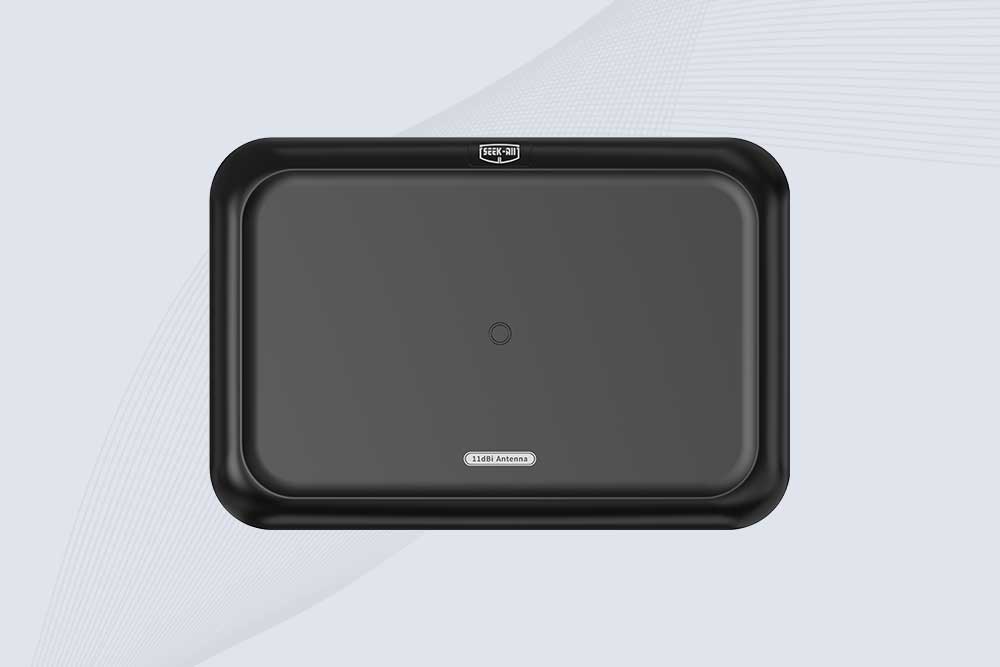
SSD-A11 UHF RFID antenna features 840–960 MHz adjustable frequency, ≥10.5 dBi gain, circular polarization and 50Ω impedance for fixed RFID systems.
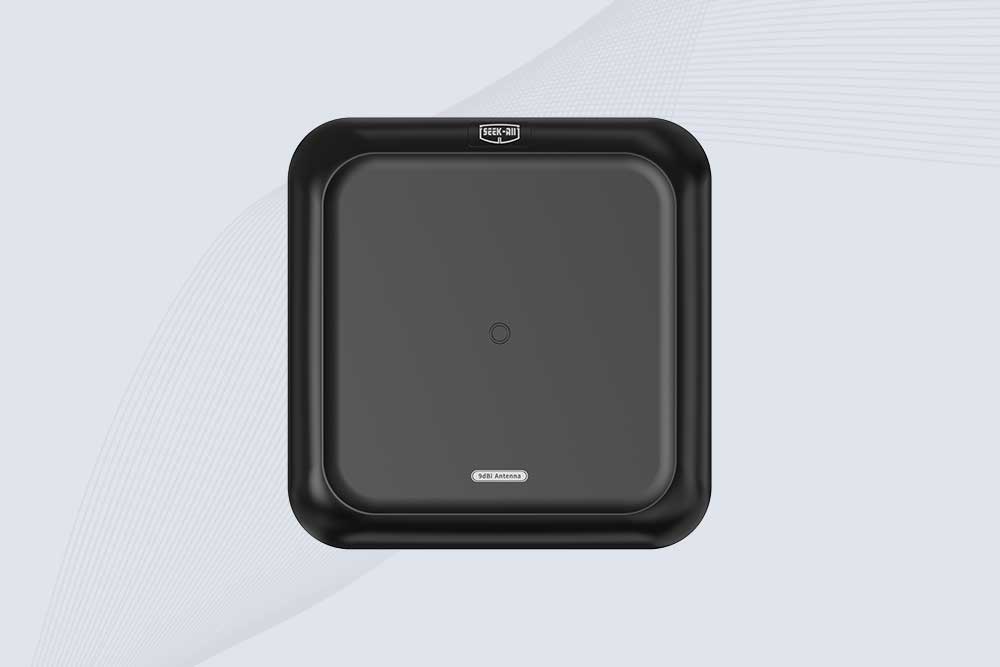
SSD-A09 is a 9 dBi UHF RFID antenna with 840–960 MHz adjustable frequency, circular polarization, 50Ω impedance and directional 60° × 60° coverage.
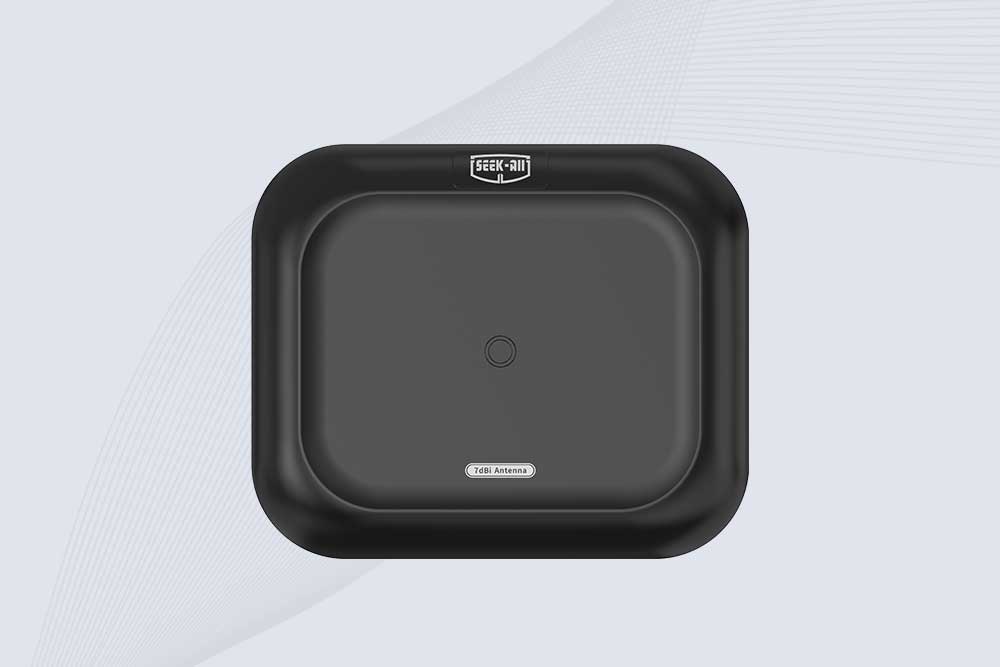
Explore the SSD-A07 UHF RFID antenna with 7 dBi gain, circular polarization, adjustable 840–960 MHz frequency, and 60°/75° beamwidth for stable RFID read/write performance.

SSD-A06 UHF RFID antenna with circular polarization, adjustable 840–960 MHz frequency, ≥4.5 dBi gain, and a compact directional design for RFID systems.

Discover SSD-D4AL, a USB-HID UHF RFID reader with 4/8/16 antenna options, Impinj E710/X3M1 chipset, plug-and-play USB power, and OEM customization.
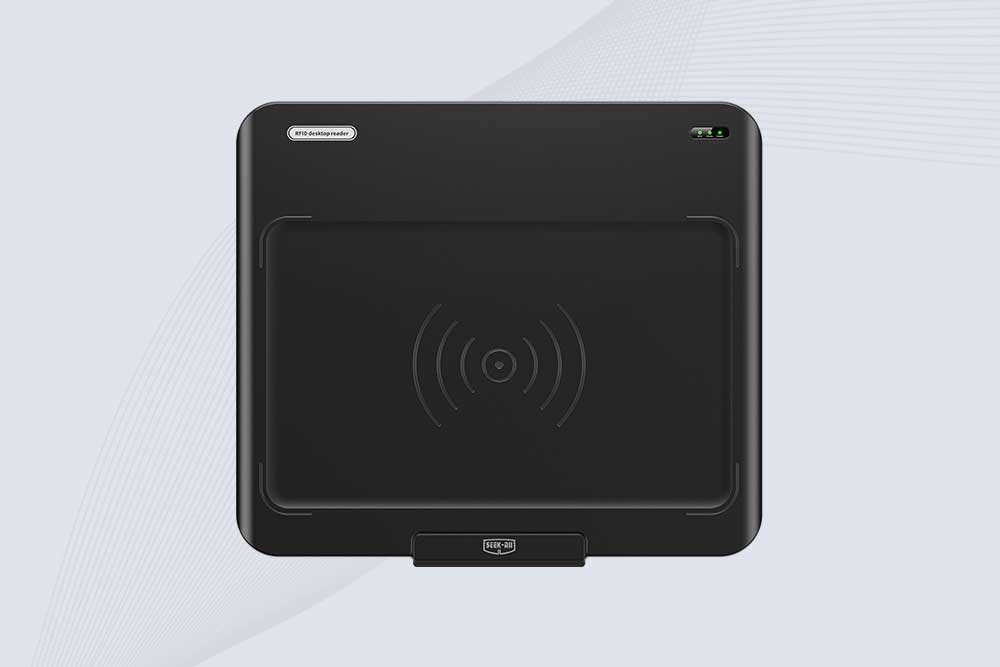
SSD-D3AL is a USB-HID UHF RFID reader with 0–30 cm reading, 0–15 cm writing, over 600 tags/s recognition, USB plug-and-play operation and OEM Logo customization.
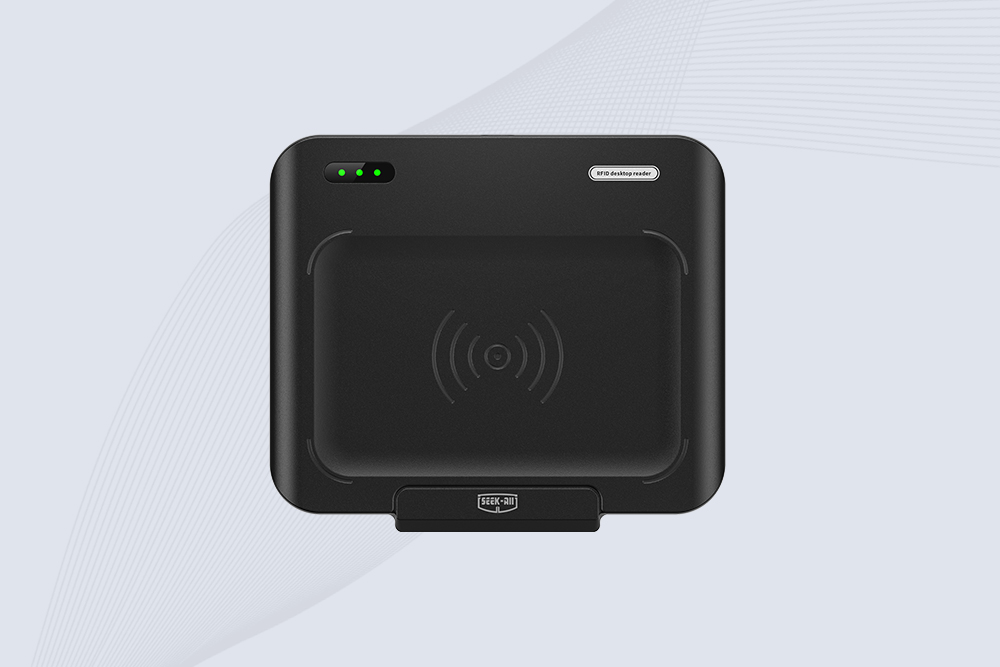
SSD-D1AL is a compact USB UHF RFID reader with Impinj E710/X3M1 chipset, USB-HID, 600+ tags/s recognition, 4/8/16 antenna support and plug-and-play USB power.
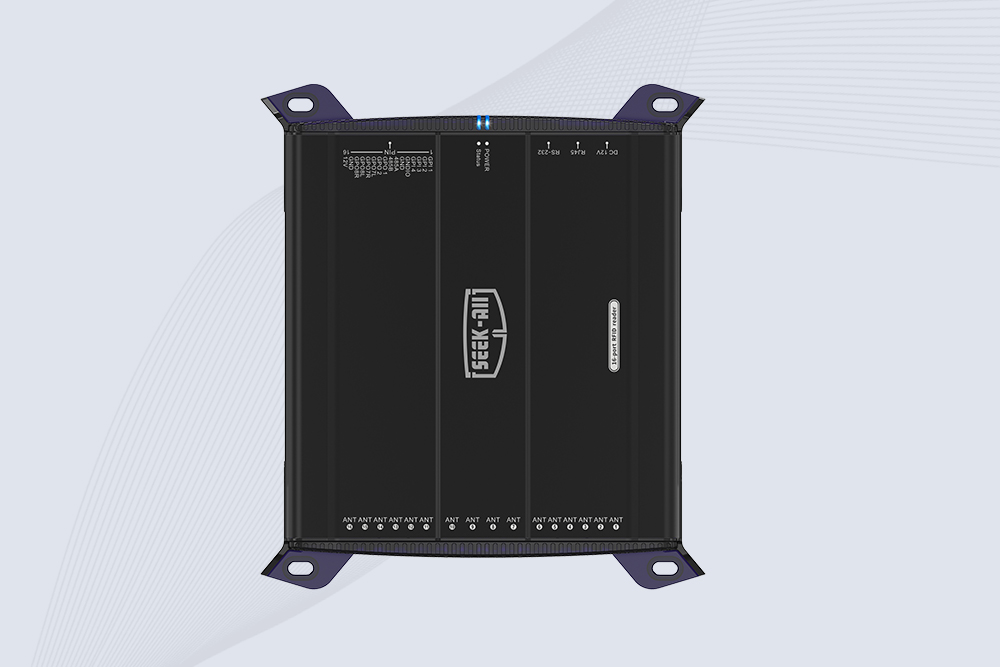
SSD-R16L Multi-Channel RFID Infrastructure for Automated Inventory Management ✔️ 16-Port High-Density RFID Reading Equipped with 16 SMA antenna ports, SSD-R16L supports multi-antenna deployment for warehouses, retail stores, logistics, production lines, and large-area RFID identification. ✔️ High-Speed & Long-Range Performance With up to 33…
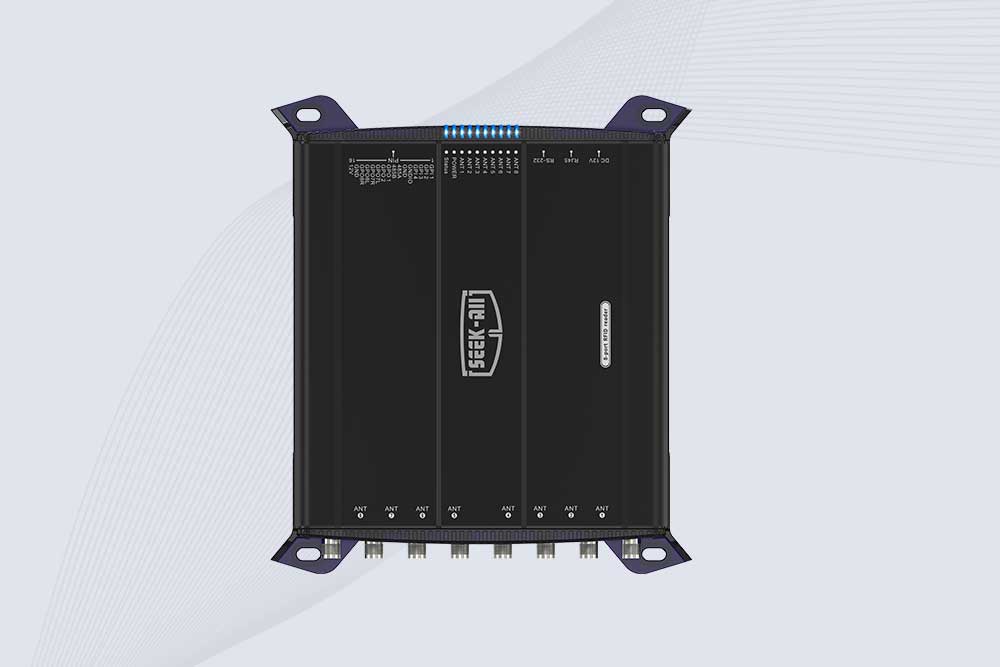
SSD-R8L 8-port UHF RFID reader with 33dBm output, up to 20m reading range and 600+ tags/s recognition. Ideal for warehouse, logistics, retail and asset tracking.
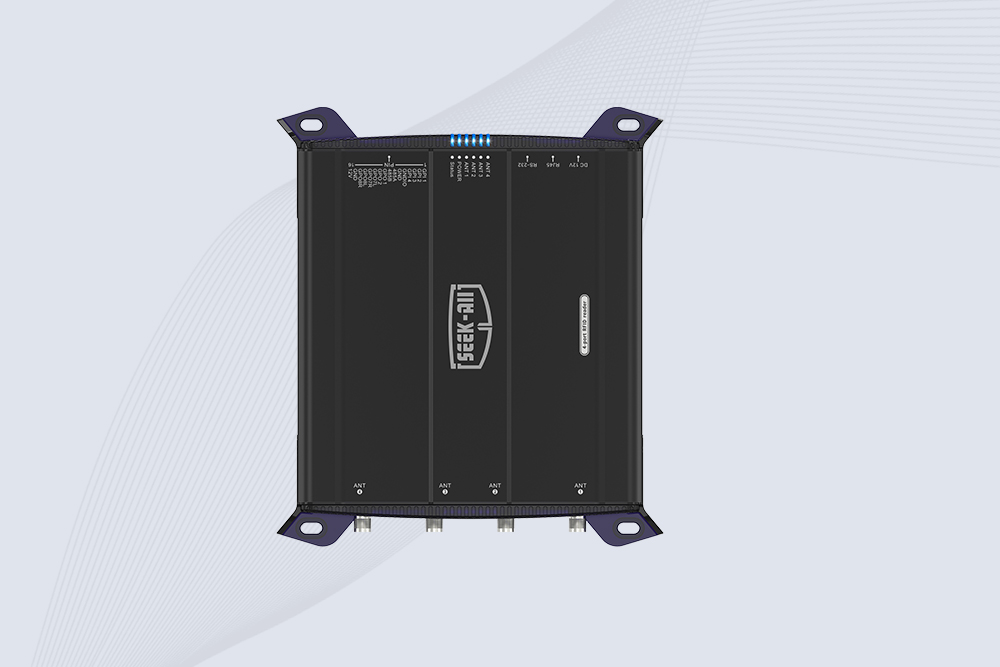
SSD-R4L is a 4-port UHF RFID fixed reader with 33dBm output power, up to 20m reading range, EPC C1G2 support and 600+ tags/s reading speed.

CYKEO CYKEO-D1LA USB RFID Reader is a compact desktop solution with near-field control for precise tag reading and encoding. Powered by USB, supporting ISO 18000-6C, and built for stable batch writing, this usb rfid tag reader fits retail, libraries, offices, and controlled RFID encoding tasks.
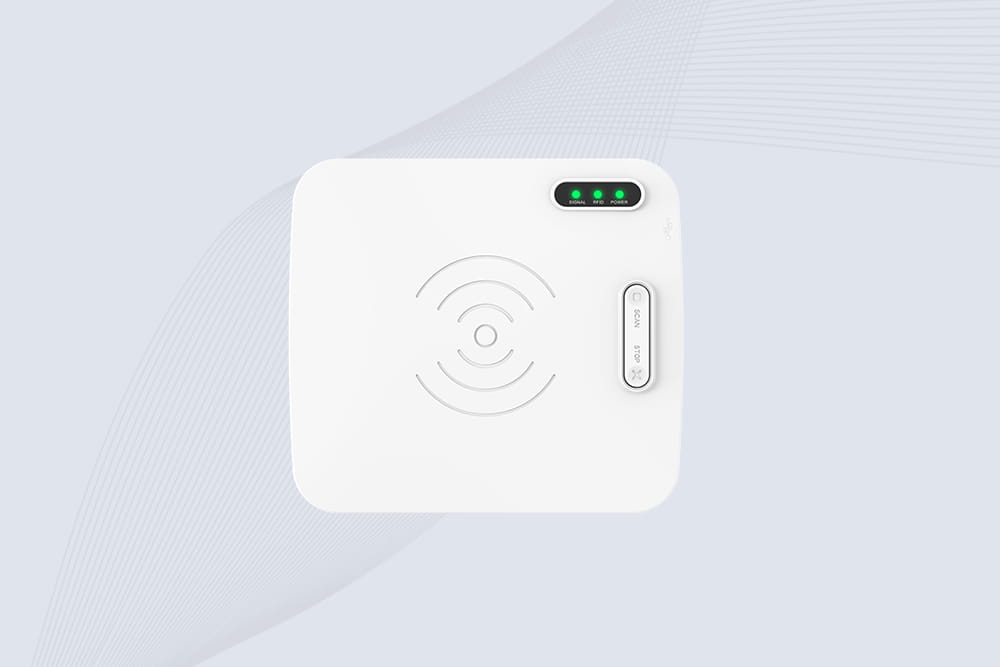
CYKEO CYKEO-D1L RFID scanner USB is a compact desktop UHF RFID scanner designed for short-range tag writing and verification. This usb rfid scanner supports batch encoding, stable 0–26 dBm output, and works across Windows, Linux, and Android systems.
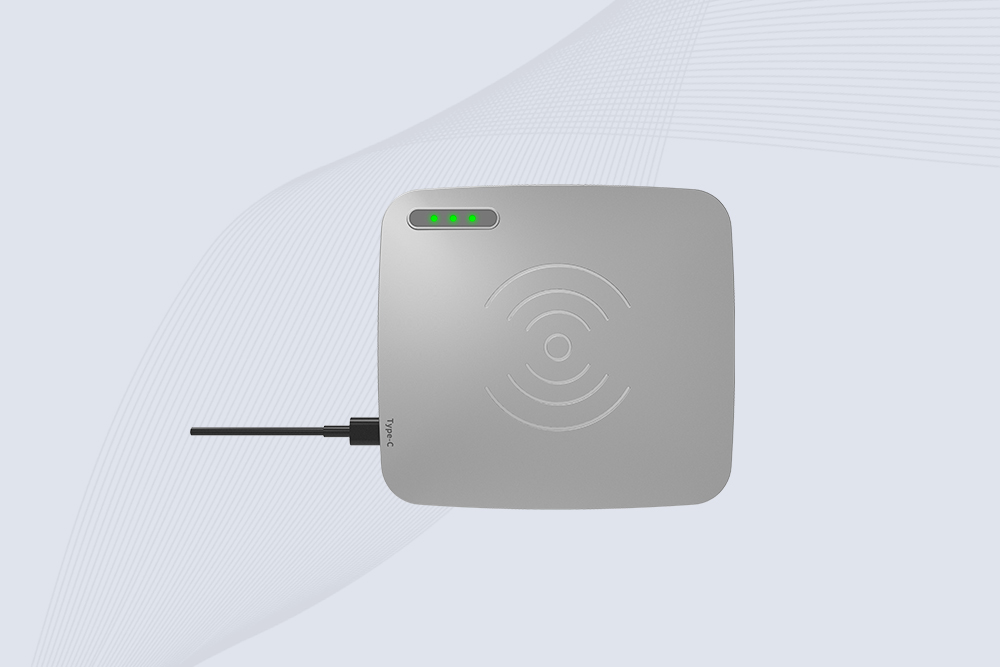
CYKEO CYKEO-D1C USB RFID Card Reader is a near-field UHF desktop writer designed for secure, short-range tag encoding. With USB-C connectivity and stable 26 dBm output, this rfid reader usb c is ideal for badge issuance, label encoding, and controlled desktop RFID workflows.
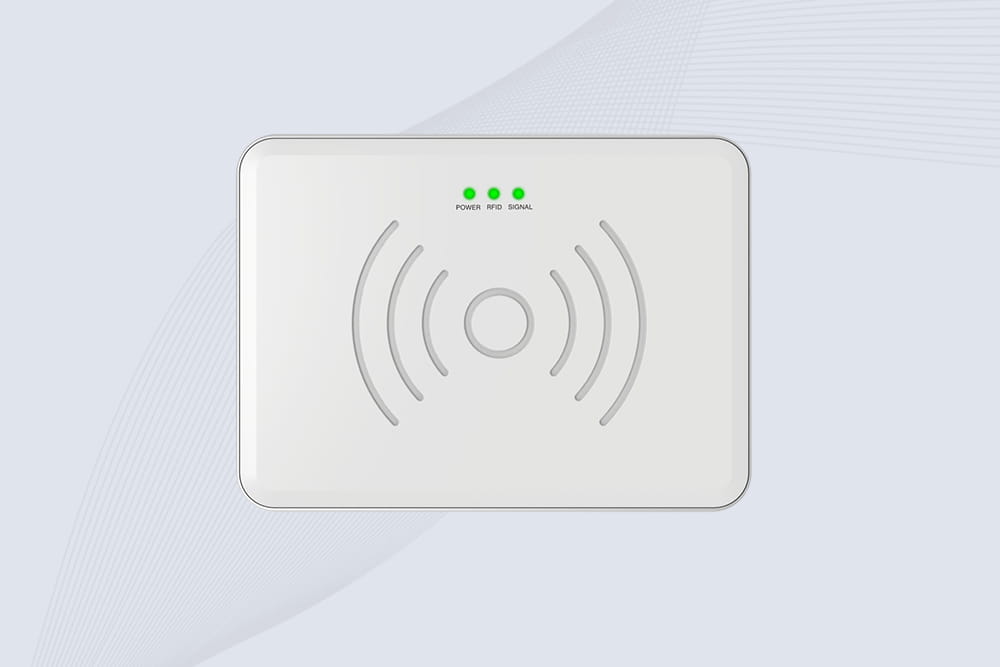
CYKEO CYKEO-D2L RFID Reader USB is a compact desktop encoder built on the Impinj R500 chip. With near-field control and stable USB power, this usb rfid card reader delivers precise tag writing for offices, retail counters, and small-scale logistics encoding tasks.
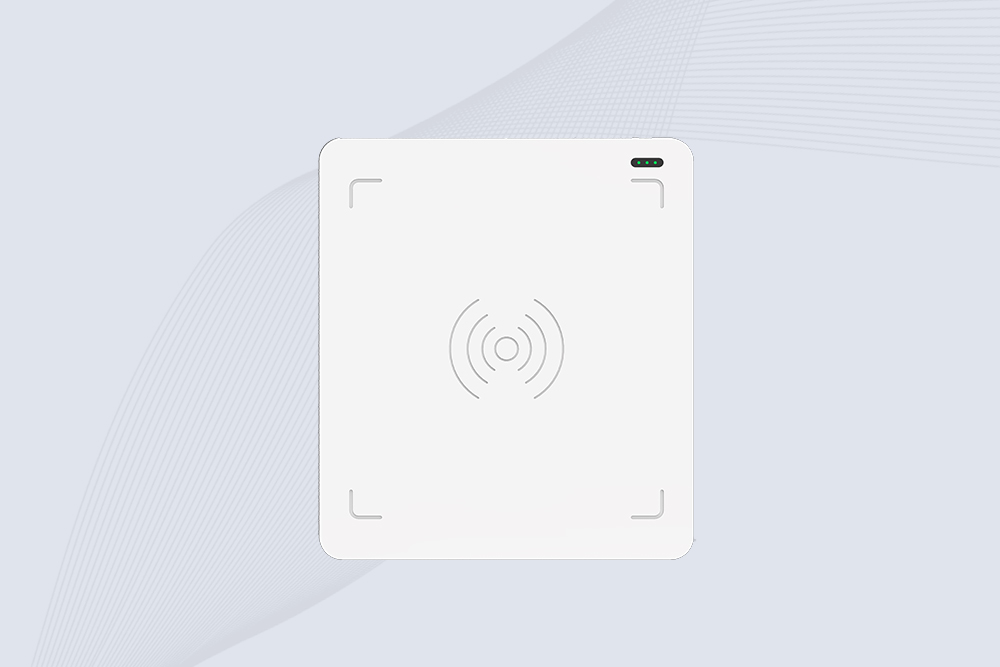
CYKEO CYKEO-D3L USB RFID Tag Reader delivers stable UHF tag reading and writing for daily desktop and light industrial tasks. Designed for controlled short-range operation, this USB RFID Tag Reader works reliably with rfid tag and reader systems in libraries, tool tracking, and inventory registration.
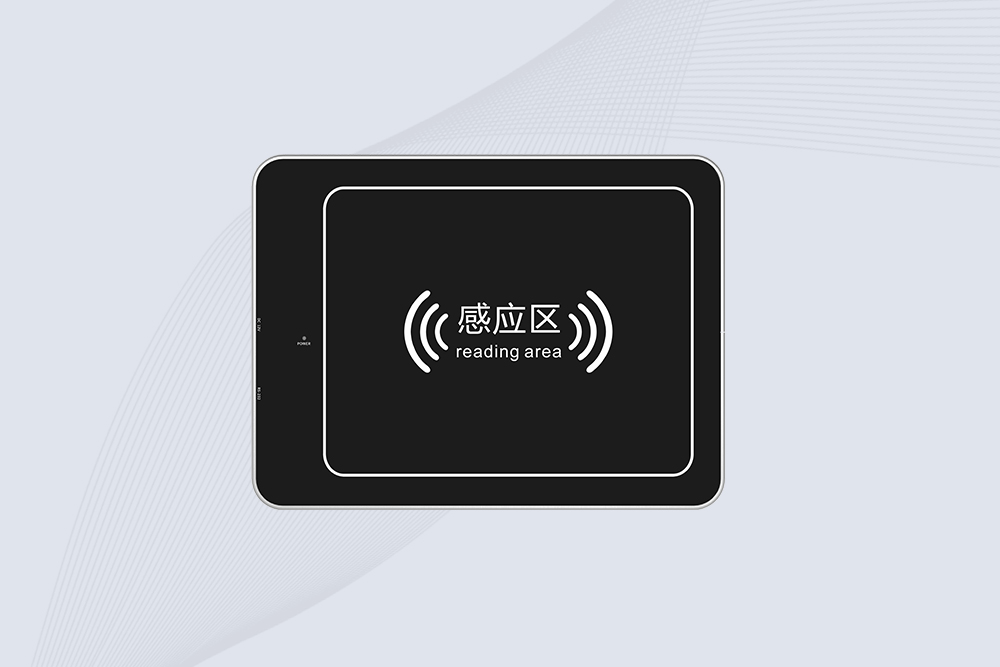
The CYKEO CYKEO-D4L UHF RFID Tag Reader is a stable Desktop RFID Reader designed for accurate tag registration, borrowing, and return workflows. Built with the Impinj R2000 chip, this UHF RFID Tag Reader delivers controlled short-range reads for libraries, asset tracking, and inventory management environments.
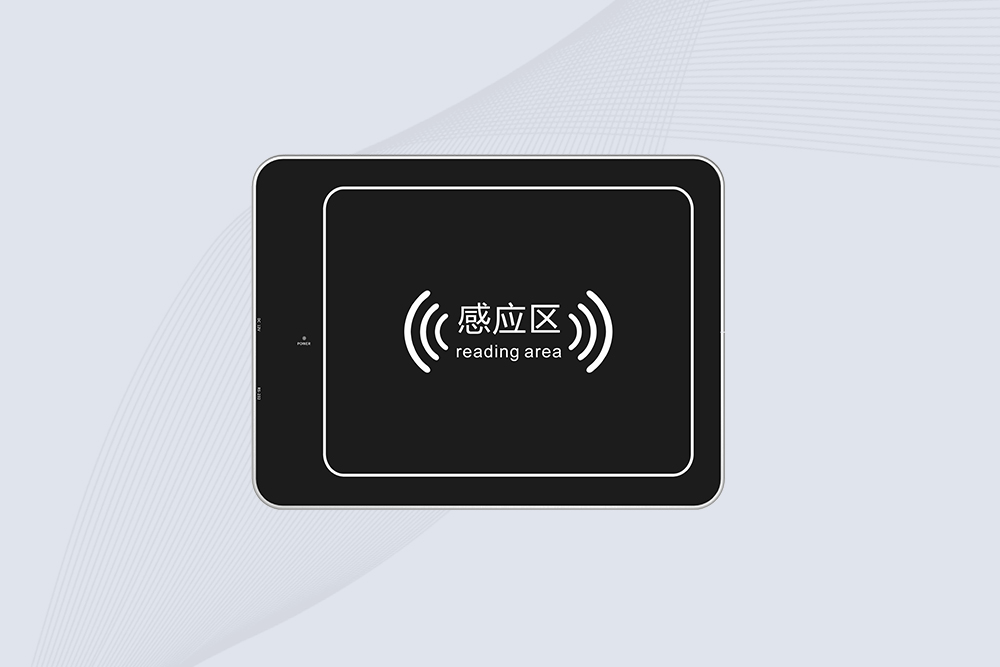
The CYKEO CYKEO-D5L Desktop RFID Card Reader is a stable UHF RFID Card Reader designed for controlled short-range reading and writing. Built for libraries, tool rooms, and asset desks, this UHF RFID Card Reader supports dense tag handling, secure data processing, and easy USB integration.
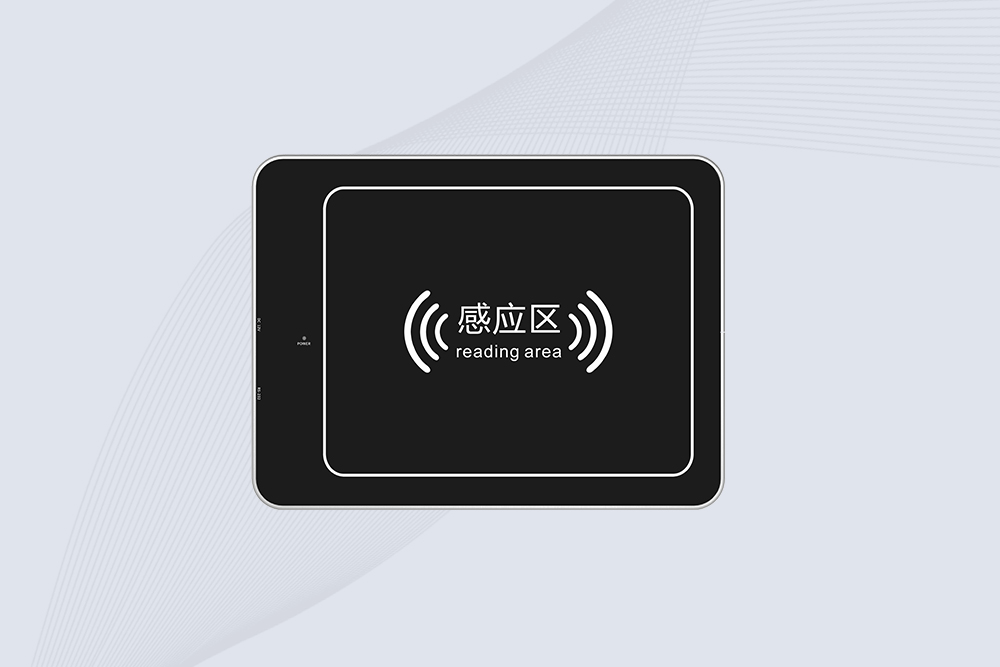
The CYKEO CYKEO-D6L RFID Reader Writer is a heavy-duty Desktop RFID Reader designed for short-range, high-accuracy tag programming. Built for libraries, labs, and asset desks, this RFID Reader Writer supports batch processing, stable 33dBm output, and seamless integration with existing management systems.
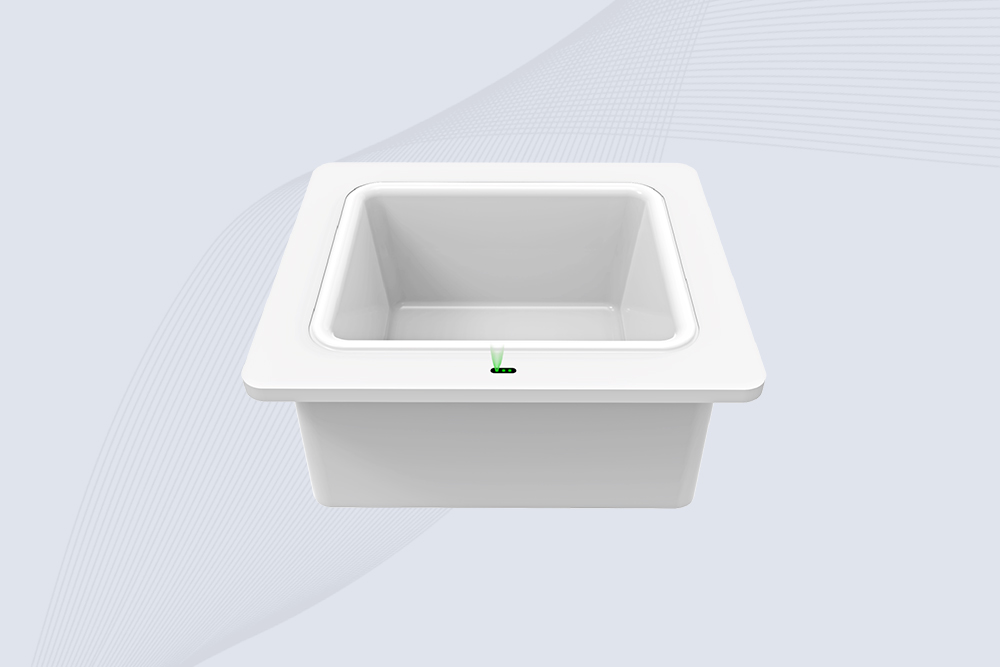
Cykeo CYKEO-D8B UHF RFID tunnel and RFID Desktop Reader features 30+ items batch reading,
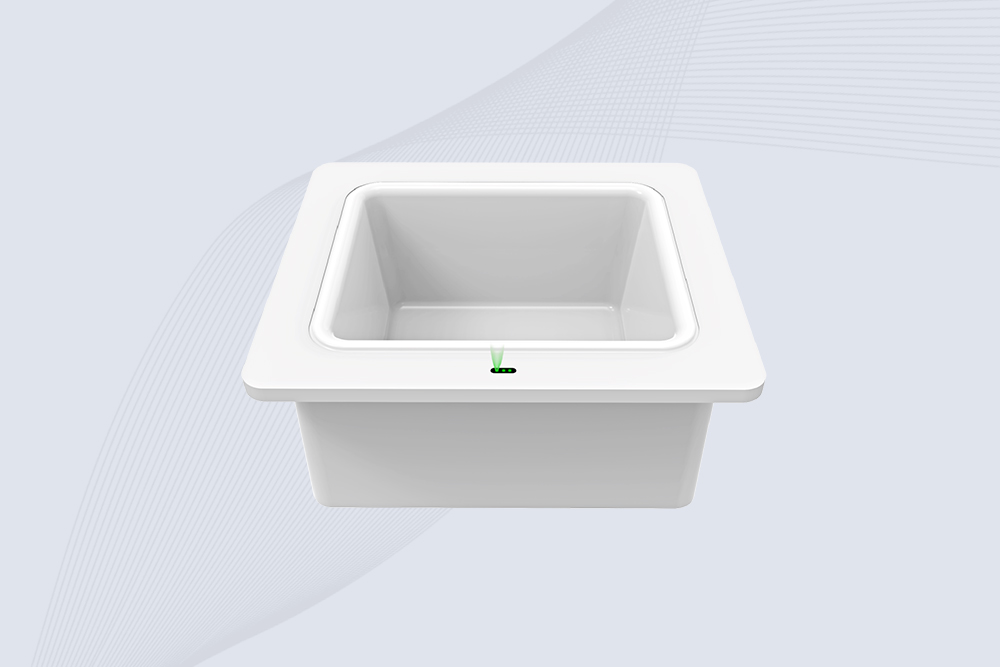
Cykeo CYKEO-D8A embedded RFID badge reader offers 30+ tags/sec scanning, 20cm anti-crosstalk precision, and DC 12V power for unmanned stores, warehouses, and smart inventory systems.

Cykeo’s CYKEO-D8C UHF RFID gate reader achieves 200-tag/batch scanning with adjustable power control, ideal for retail inventory and smart warehouse management.
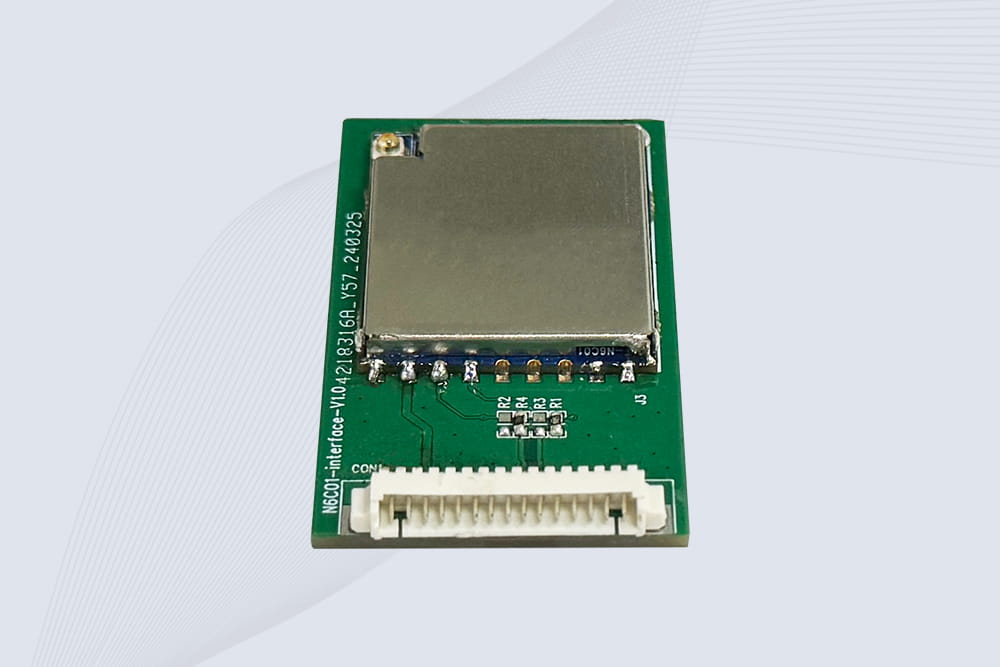
CYKEO Embedded RFID Modules are designed for compact industrial and IoT devices that require stable UHF performance. These UHF RFID Modules support global protocols, flexible power control, and reliable multi-tag reading for smart cabinets, production lines, and asset tracking systems.
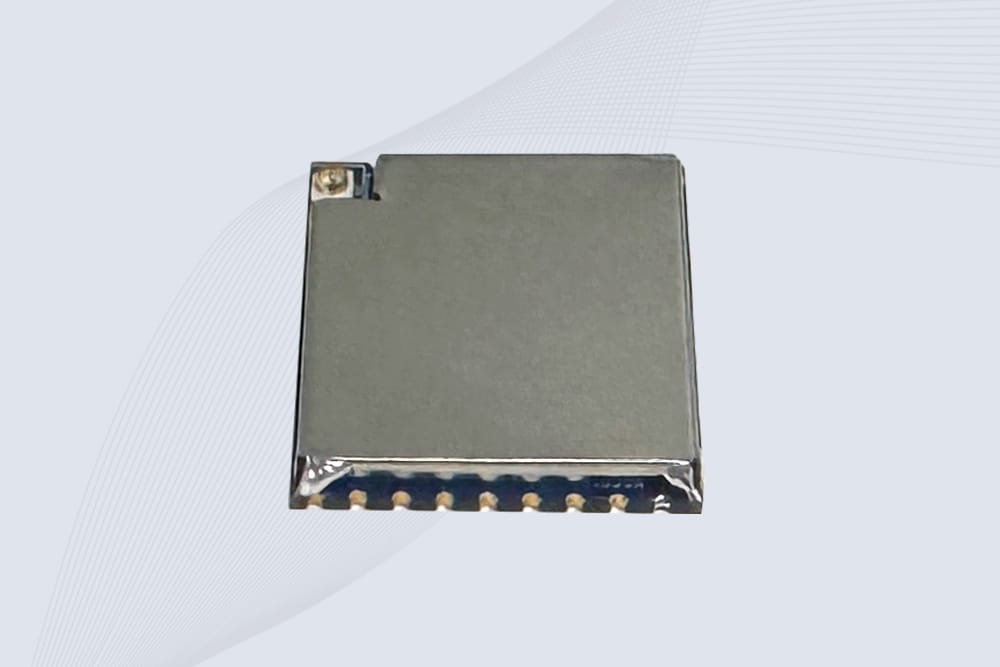
CYKEO Embedded RFID Module is built for compact IoT and industrial devices that need stable UHF performance. This UHF module supports global protocols, low power operation, and reliable multi-tag reading for smart lockers, production lines, and always-on RFID systems.
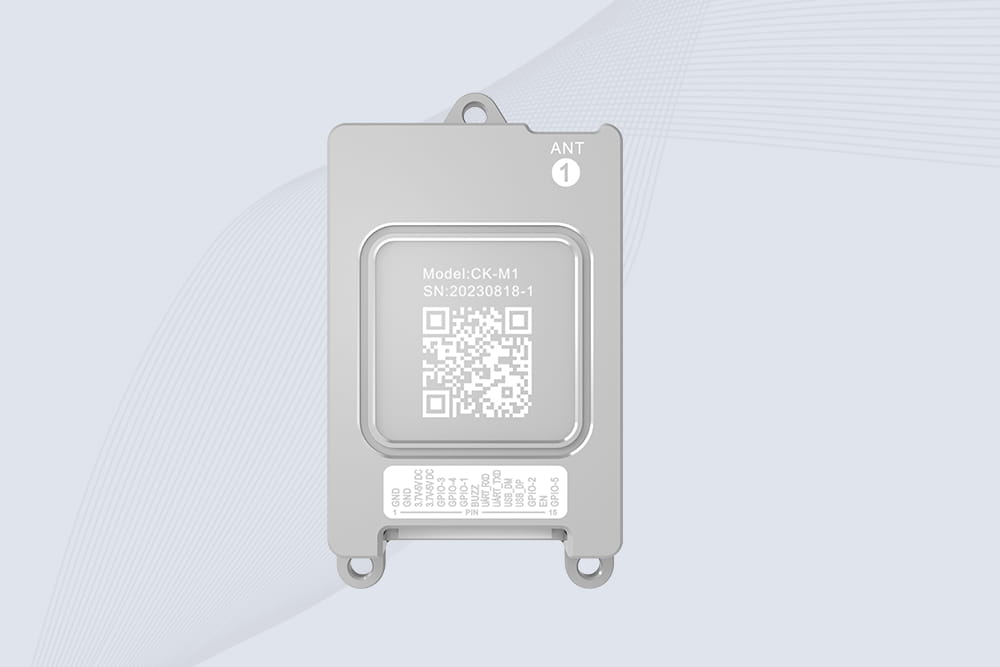
CYKEO CYKEO-M1 drone rfid module is a compact UHF RFID reader module designed for drones and UAV platforms. It supports long-range aerial scanning, fast multi-tag reading, and stable performance in wind, vibration, and outdoor environments.
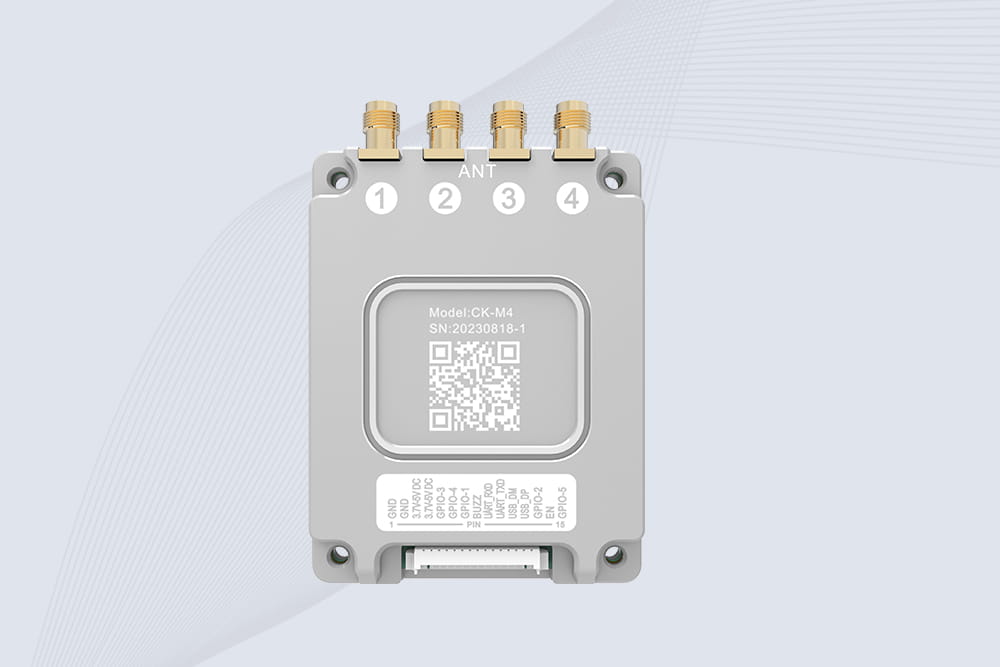
CYKEO CYKEO-M4 RC522 RFID Module is an industrial-grade UHF RFID reader with 4 ports, supporting ISO, EPC, and GB protocols. High-speed, accurate reading for IoT, automation, and warehouse applications.
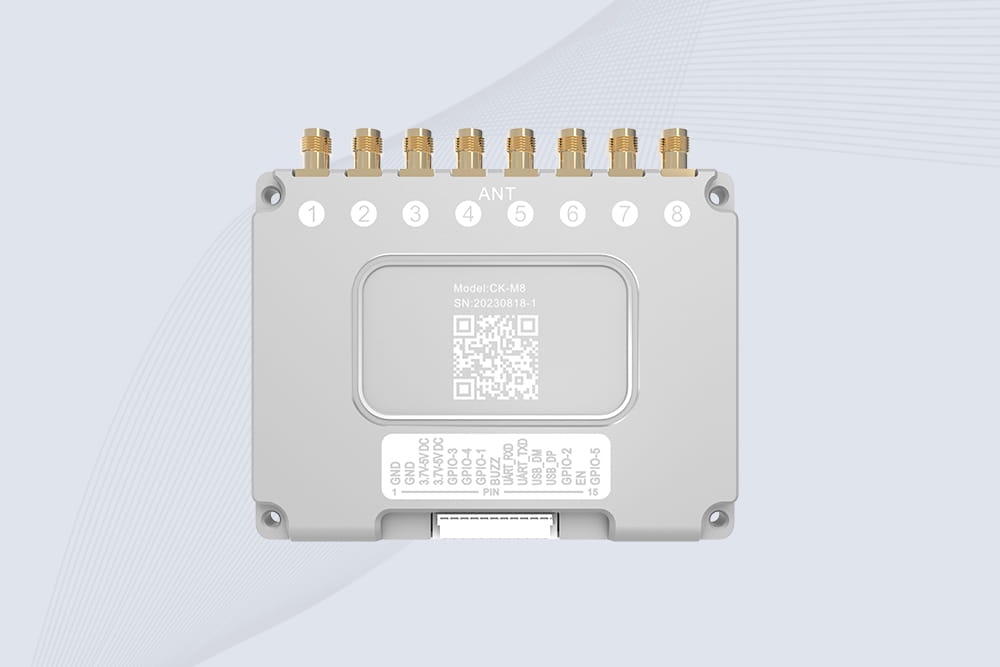
CYKEO CYKEO-M8 Module RFID is an 8-port UHF R2000 RFID Module designed for high-density, multi-tag environments. Stable 33dBm output, ISO & GB protocol support, ideal for warehouses, factories, and automated systems.
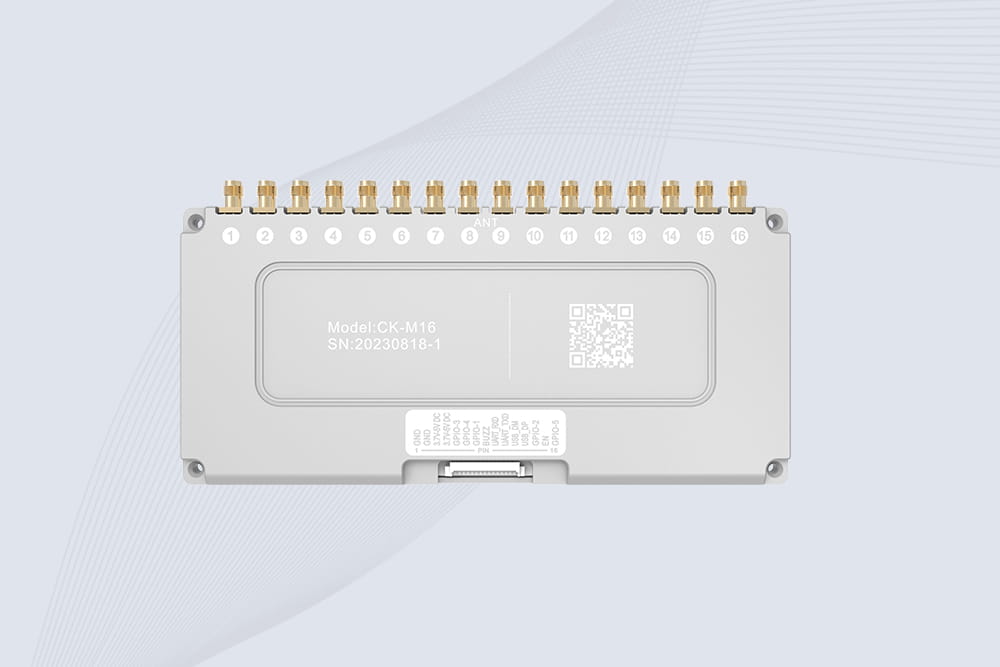
CYKEO CYKEO-M16 RFID Module is a 16-port UHF RFID reader module based on the R2000 chipset. Designed for dense tag environments, it supports ISO and GB standards and delivers stable multi-antenna control for industrial automation.
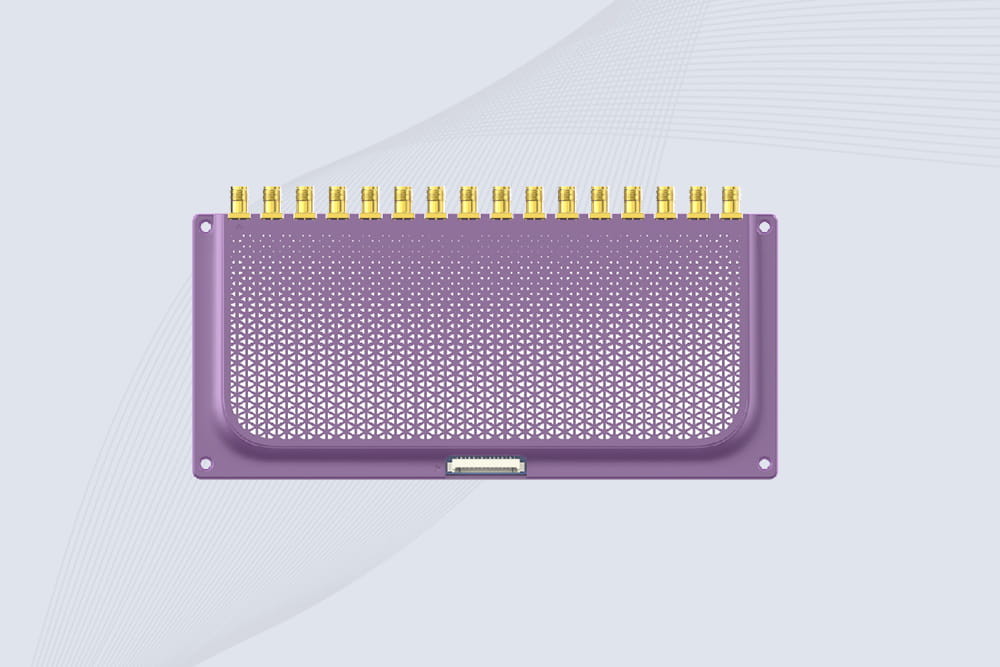
The CYKEO CYKEO-M16L RFID Reader Module is a 16-channel UHF RFID core designed for dense tag environments. With adjustable 33dBm output, multi-protocol support, and stable multi-antenna control, this RFID Tag Reader Module fits industrial automation, warehouse systems, and large-scale IoT deployments.
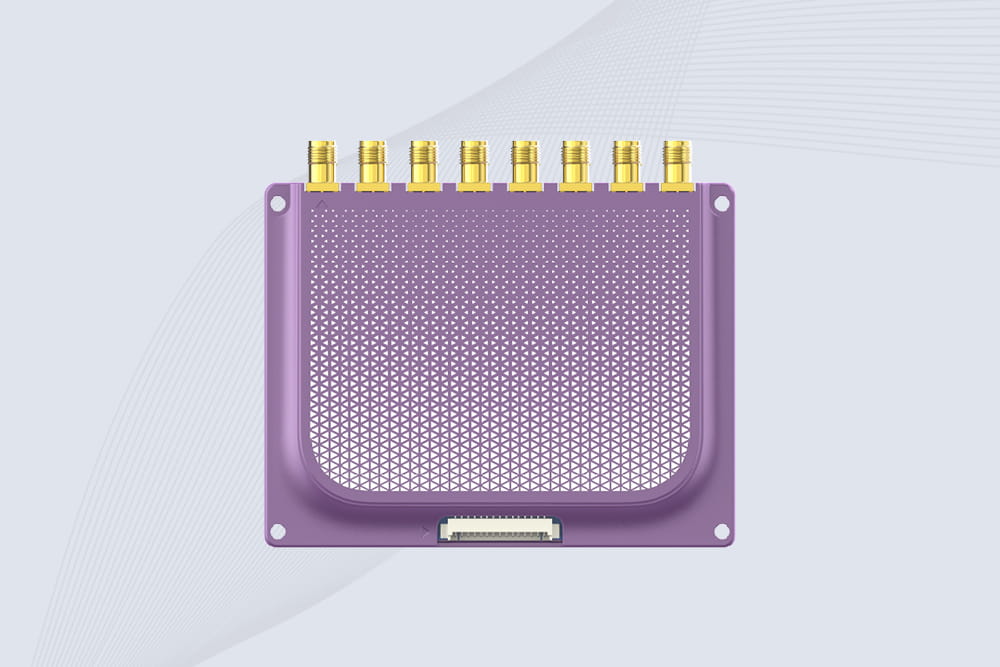
CYKEO CYKEO-M8L module RFID is a compact industrial UHF module built for dense tag and multi-antenna environments. With 8 RF ports, adjustable 33 dBm output, and ISO & GB protocol support, it is widely used in factories, warehouses, and automated tracking systems.
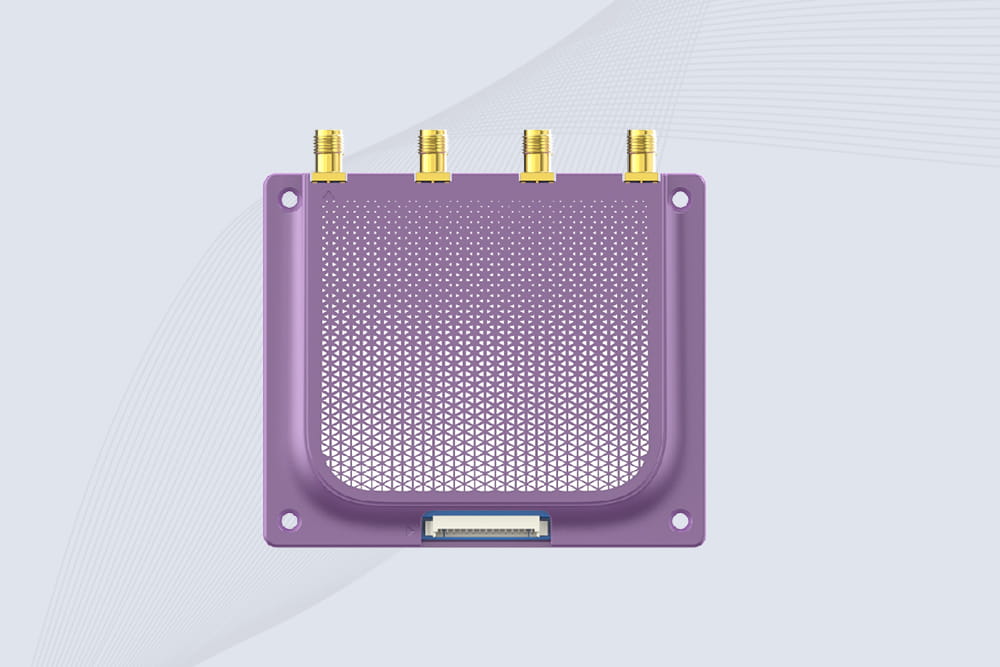
CYKEOCYKEO-M4L UHF RFID Module is a compact 4-channel RFID tag reader module designed for dense tag environments. Supporting ISO and GB protocols, it delivers stable reads up to 10 meters for industrial and IoT systems.
Cykeo CYKEO-A11 UHF RFID reader antenna delivers 11dBi gain, 840-960MHz frequency range, and IP65 ruggedness for retail, logistics, and industrial RFID systems. Features low VSWR and easy installation.

CYKEO Antenna RFID Reader delivers stable long-range UHF performance with a 10.5dBi directional design, built for warehouses, conveyor portals, and industrial RFID systems. This rfid reader antenna provides 20m+ read distance and rugged IP67 protection.

Cykeo CYKEO-PHF3 industrial HF RFID Antenna offers 24-point dynamic tracking, ISO 14443A/15693 protocols, metal-environment stability for archives/libraries/manufacturing.

Cykeo CYKEO-A5B industrial Linear RFID Antenna delivers 5dBi gain, ≤1.5:1 VSWR, and IP65 rugged design for warehouse, production line, and logistics UHF systems.

Cykeo’s CYKEO-B12 Long Range RFID Antenna delivers 15m+ read range with 12dBi gain, IP65 rugged design, and global 840-960MHz UHF support. Ideal for warehouse/logistics asset tracking.
Cykeo CYKEO-B10 Long Distance RFID Antenna offers 10dBi gain, 840-960MHz frequency range, IP65 rating, and 20m+ coverage for logistics/warehousing/ETC systems. Low VSWR ensures stable signal transmission.
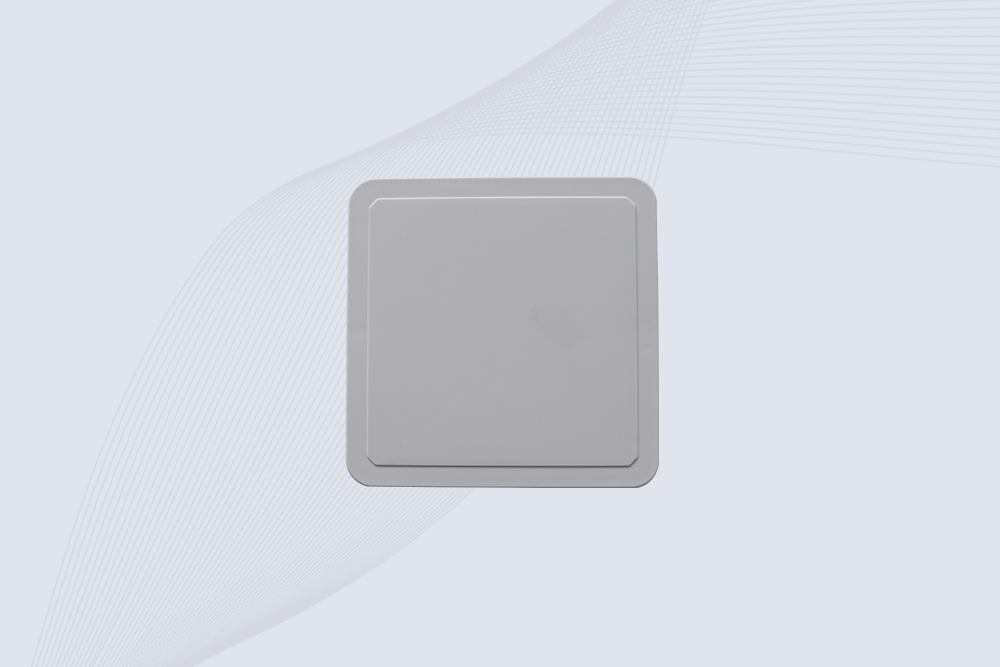
Cykeo CYKEO-A6 UHF RFID panel antenna features 6dBi gain, 840-960MHz broadband, IP65 metal-ready housing for logistics/smart retail. 18mm ultra-thin design with tool-free mounting.

Cykeo CK-A3 industrial antenna RFID UHF offers 5m+ tag detection, ≤1.3:1 VSWR, IP65 rugged design, and global UHF spectrum compatibility (840-960MHz) for warehouses, factories, and retail.
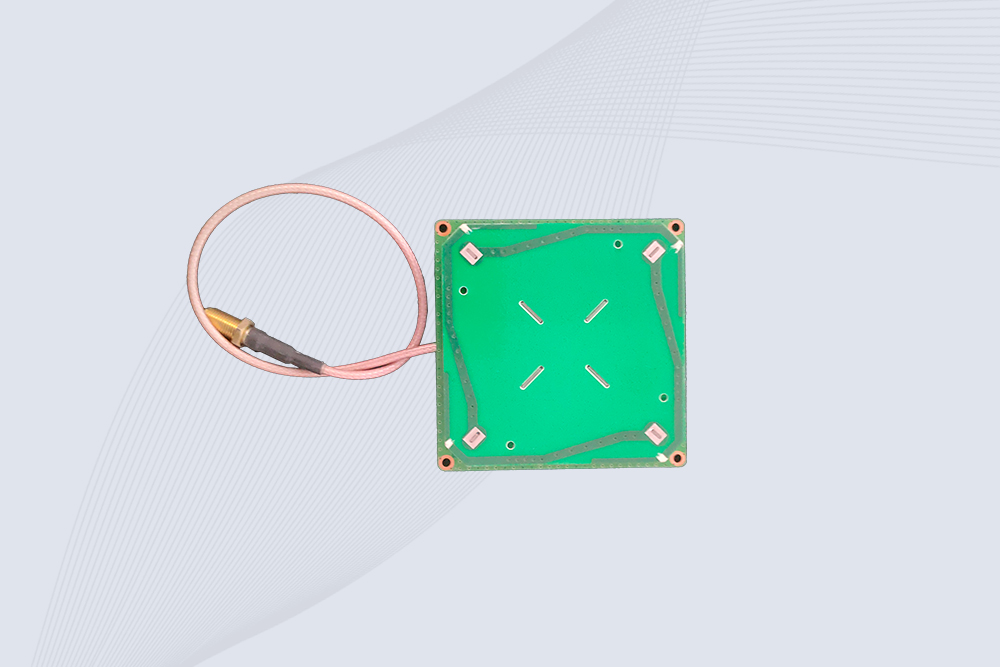
Cykeo CYKEO-B5 directional RFID antenna provides 5dBi gain with 60° narrow beamwidth for precise inventory tracking. IP65-rated, global UHF frequency support, and low VSWR.
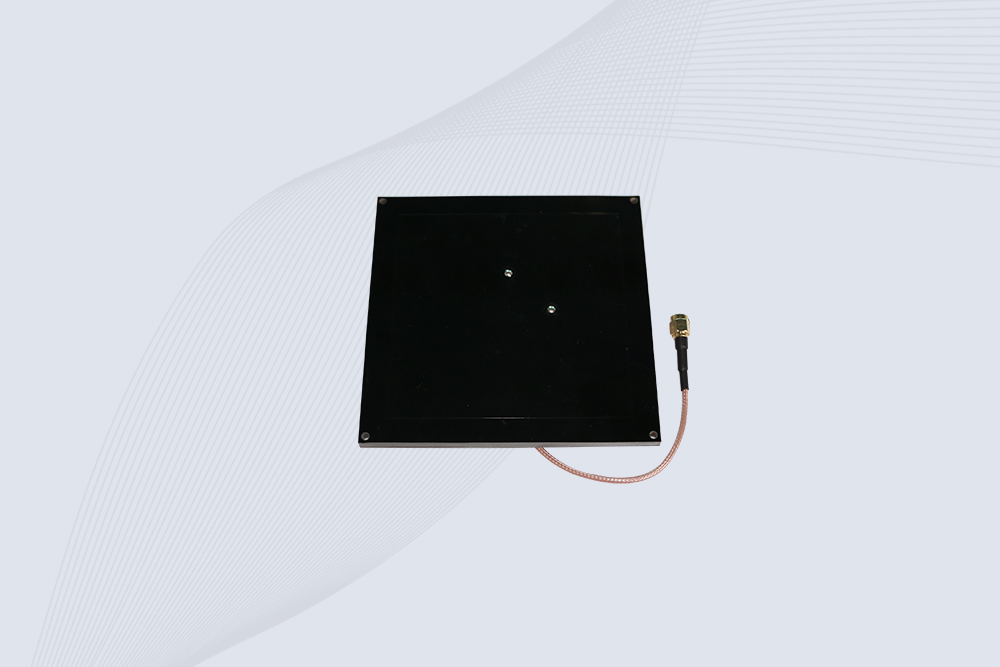
Create your own high-performance DIY RFID antenna! 5dBi gain, 840-960MHz tunable, step-by-step guides. Compatible with Arduino, Raspberry Pi, and commercial UHF readers.
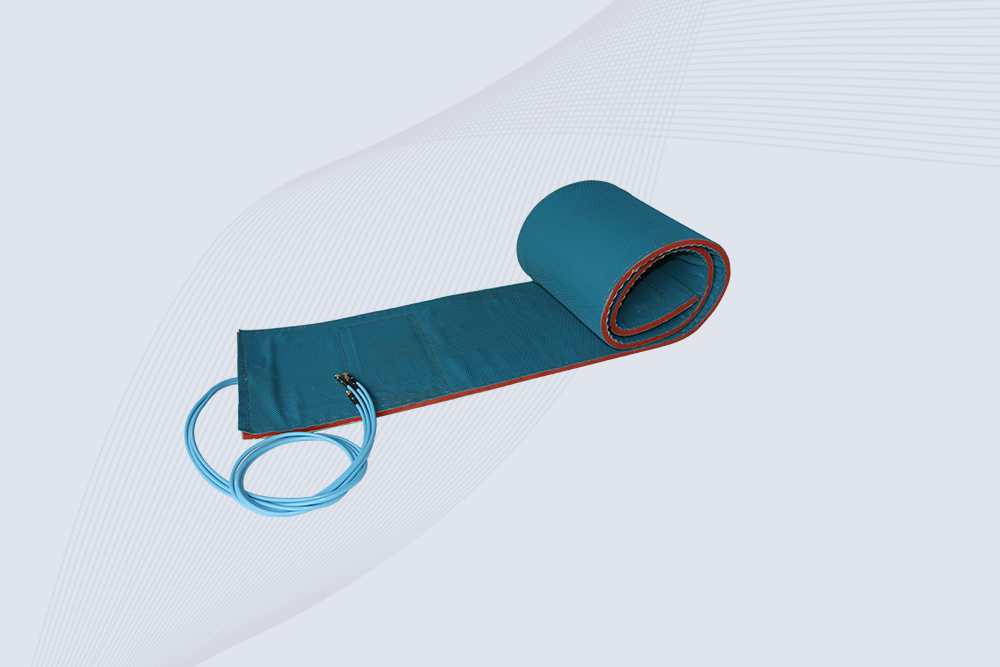
Cykeo CYKEO-A7 Flexible RFID Antenna features 840-960MHz wideband tuning, 7dBi gain, and IP68 rating for medical/retail/industrial curved surface deployments. 98% read accuracy with peel-and-stick installation.

Cykeo CYKEO-B5A industrial Passive RFID Antenna delivers 5dBi gain, 70° beamwidth, and -40°C~55°C operation for warehouses/smart cabinets. Compatible with Zebra/Impinj readers.
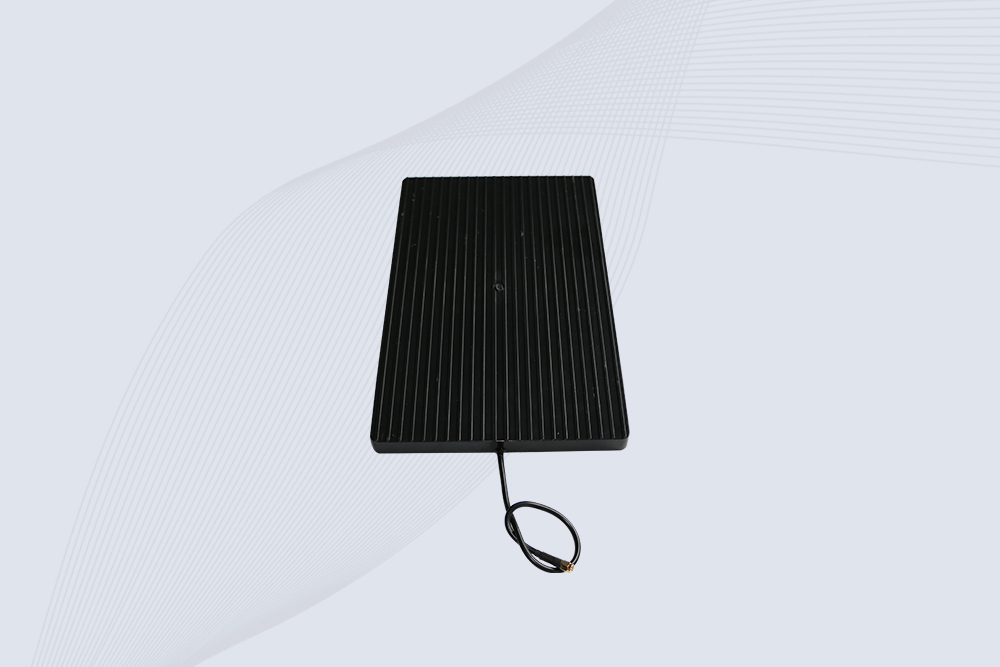
Cykeo’s CYKEO-A9B High Gain RFID Antenna delivers 15m+ read range with 9dBi amplification. Features IP54 rugged design, 840-960MHz bandwidth, and 80° beamwidth for warehouse/manufacturing RFID systems.

Cykeo’s enterprise-grade 8dbi Impinj RFID Antenna 10m+ read range with 840-960MHz tuning. Features IP65 housing, 1.4 VSWR, 35° beamwidth for retail/warehouse RFID systems.
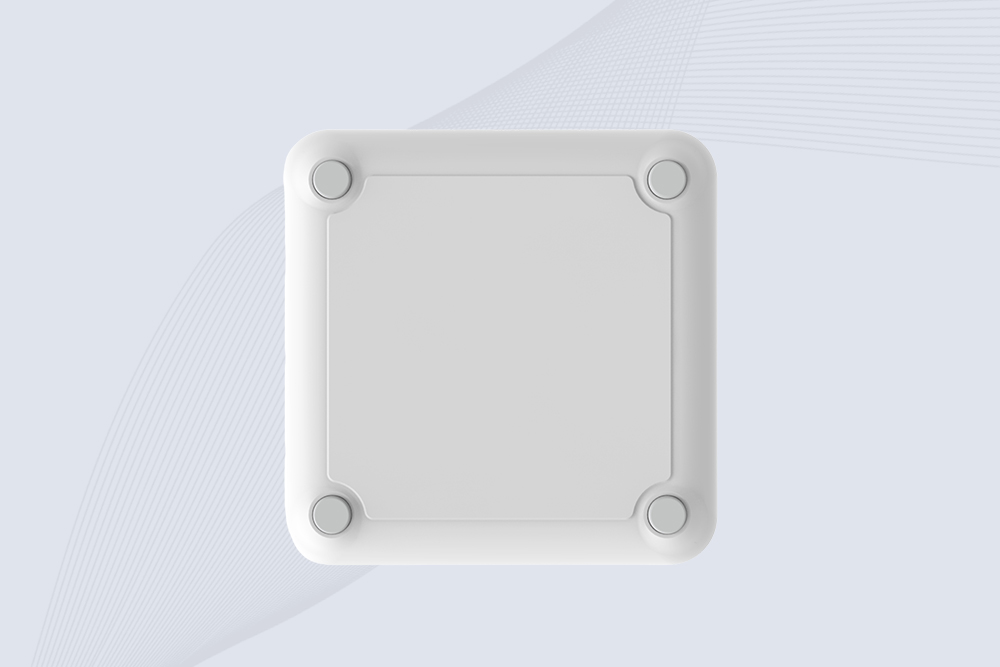
Cykeo CYKEO-A9 industrial UHF RFID antenna delivers 9dBi gain, 840-960MHz frequency range, and IP65 protection for warehouse/logistics/retail RFID systems. Features N-type connector and ≤1.3:1 VSWR.
CYKEO UHF RFID Antenna built for long-distance and industrial applications. This antenna rfid uhf delivers strong gain, outdoor durability, and reliable tag performance in warehouses, yards, and vehicle ID systems.
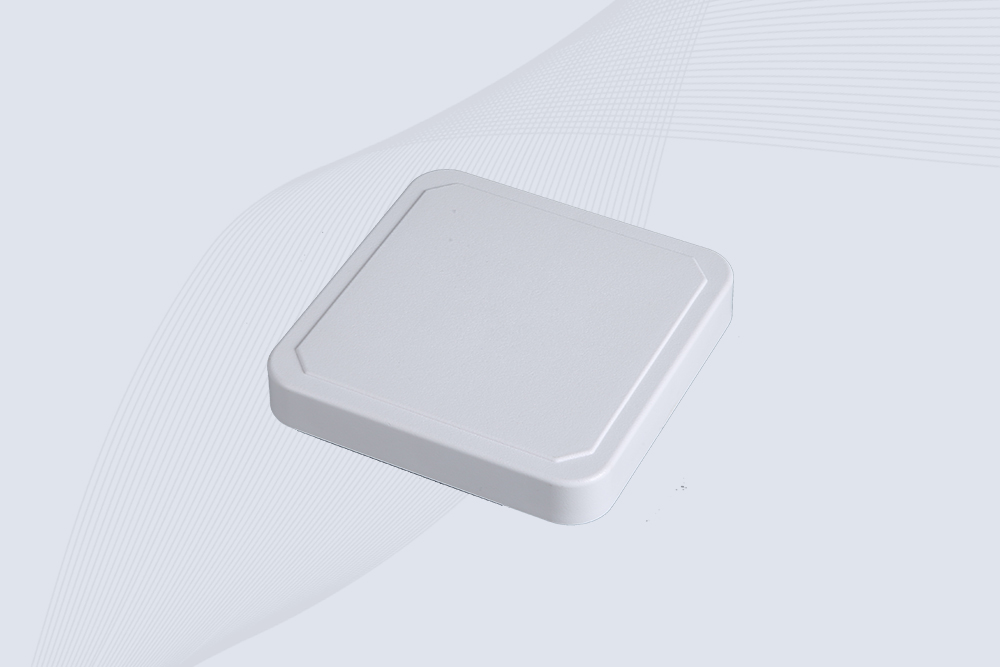
CYKEO Antenna RFID delivers reliable long-range UHF performance in warehouses, retail shelves, and cold-chain environments. This compact uhf rfid antenna provides stable reads with circular polarization and ultra-wide 840–960 MHz support, ideal for industrial tracking, smart shelves, and asset monitoring.
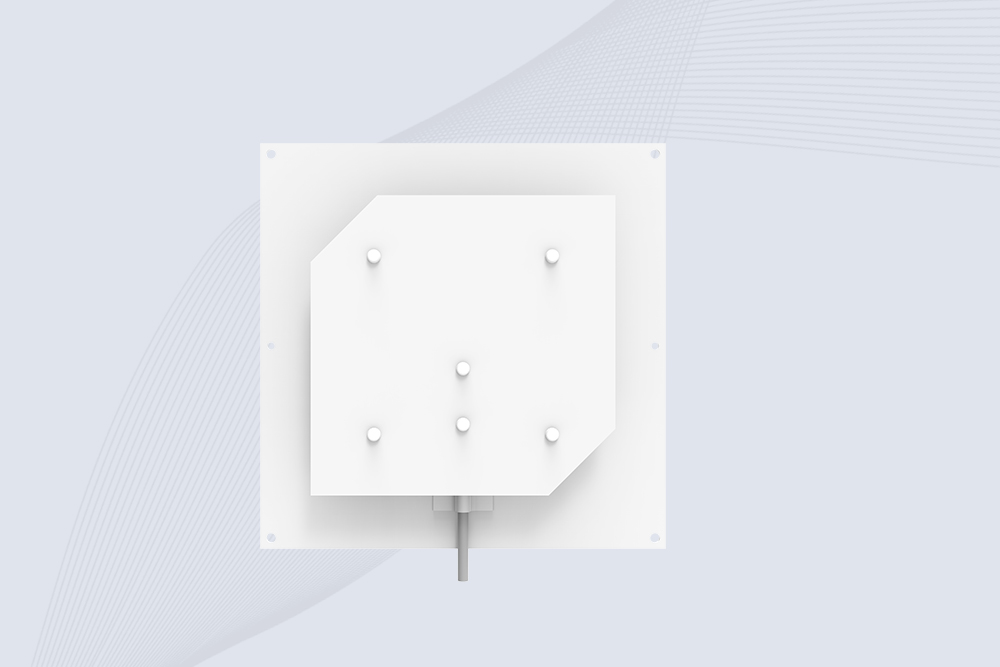
Cykeo’s CYKEO-C8 UHF RFID antennas delivers 8dBi gain, 840-960MHz full-band coverage, and IP65 ruggedness for manufacturing/warehouse RFID systems. Industrial RFID Antennas Features
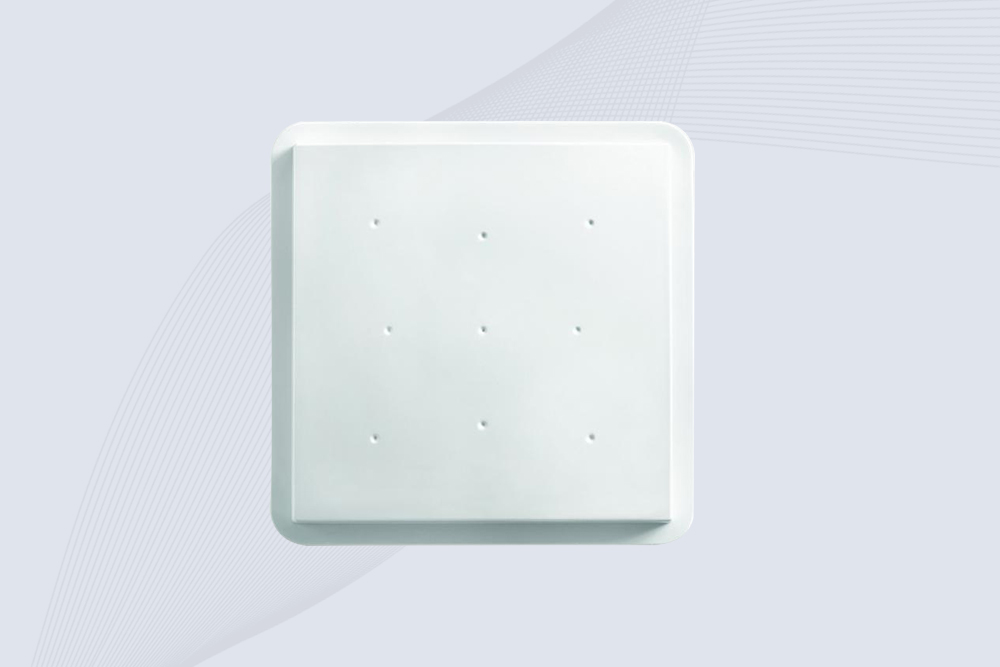
Cykeo’s 8dBi UHF RFID antenna and reader kit delivers 10m+ range, 840-960MHz broadband, and IP65 ruggedness for factories, warehouses, and logistics. ISO 18000-6C & EPC Gen2 certified.
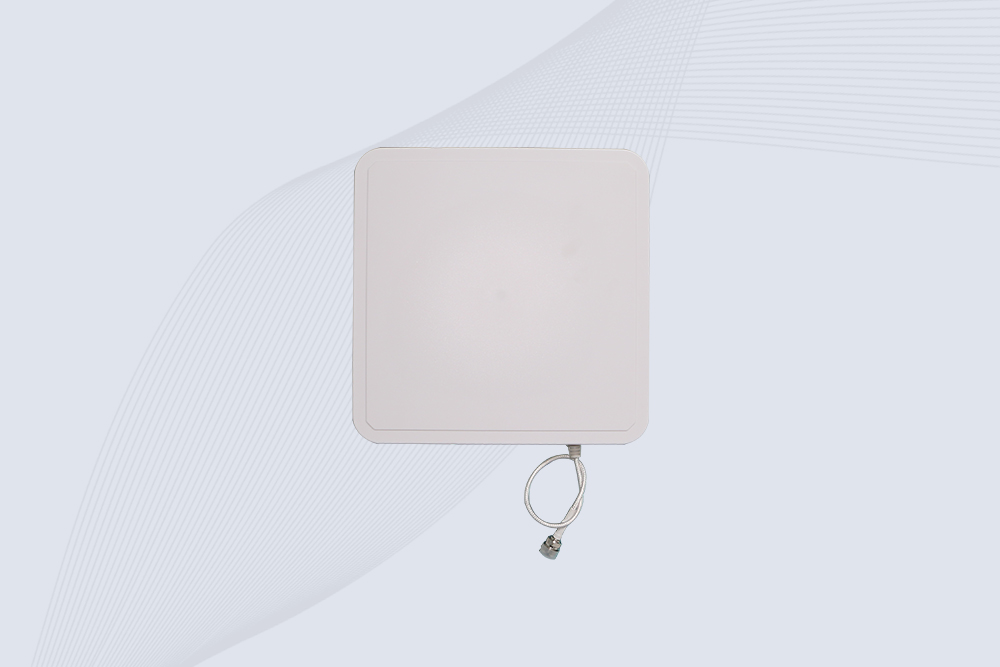
Cykeo CYKEO-A9A industrial UHF RFID reader and antenna kit delivers 10m range, 500 tags/sec, IP65 ruggedness for manufacturing/logistics. Supports EPC Gen2, ISO18000-6C.

Learn how to deploy multi-reader RFID systems for seamless warehouse coverage. Optimize placement, avoid interference, and integrate Cykeo’s solutions for maximum efficiency.
More
Learn how RFID antenna works in two basic steps: transmitting power to tags and receiving data back. Understand the core of wireless tracking technology.
More
Discover how weatherproof RFID antennas enhance outdoor asset tracking accuracy in harsh conditions. Learn about durability, performance, and cost-saving benefits for industries like construction and logistics.
More
Chipless RFID is emerging as next-generation identification technology. This article compares its structure, working principle, frequency, data capacity, and cost with traditional RFID, helping businesses evaluate its use cases.
More